
The best llm visibility tracker should tell you more than whether a chatbot mentions your company. It should help you understand which prompts surface your brand, which AI systems cite or rank you, and what to do next. We compared 100 tools in 2026 and found one clear front-runner for brand-focused monitoring: LLM Pulse. The wider shortlist also includes developer platforms, observability products, private LLM workspaces, and an e-commerce visibility suite. Those are not interchangeable, but they are useful alternatives when "visibility" means application performance, product discovery, or model access rather than brand presence alone.
Top picks
| Pick | Tool | Best for | Why it stands out |
|---|---|---|---|
| 1 | LLM Pulse | Marketing professionals | Prompt tracking and citations analysis across major AI search surfaces |
| 2 | LLMrefs | SEOs | AI keyword rank tracking and competitor analysis |
| 3 | AI Commerce Visibility | E-commerce managers | Product, brand, ranking, and sentiment visibility across AI assistants |
| 4 | LangWatch | AI engineers | Observability and evaluation for LLM applications rather than brand SEO |
LLM Pulse is the safest starting point when your goal is to measure brand presence in generative search. LLMrefs is the more SEO-shaped choice, while AI Commerce Visibility makes sense for product catalogs and delivery-led commerce questions. LangWatch belongs on this list for teams whose real visibility problem is knowing what their own LLM application is doing in production.
Quick comparison
| Rank | Tool | Best for | Score | Free access | Starting price |
|---|---|---|---|---|---|
| #1 | LLM Pulse | Marketing professionals | 92/100 | Free access details available | Starter: 49.00 € per month |
| #2 | LiteLLM | Platform engineers | 92/100 | Open-source gateway access | Open Source: $0 |
| #3 | AnythingLLM | Developers | 92/100 | Free desktop application | Check vendor pricing |
| #4 | LLM Gateway | Developers | 92/100 | Free self-hosting | Self-Host: Free |
| #5 | LLMrefs | SEOs | 92/100 | 1 keyword free | Free: $0/mo |
| #6 | LlamaIndex | Financial analysts | 92/100 | Free 10K credits | Free: $0 |
| #7 | Manifest | AI developers | 91/100 | Free self-hostable access | Check vendor pricing |
| #8 | AI Commerce Visibility | E-commerce managers | 91/100 | 14-day trial, 1,000 credits | 14-day trial: 1,000 credits |
| #9 | LangWatch | AI engineers | 91/100 | Free Developer plan, 1,000 traces/month | Flexible plans; from €59/month |
| #10 | Luminance | Lawyers | 91/100 | Free access details available | Check vendor pricing |
How we ranked these LLM visibility tools
We weighted direct relevance first: prompt tracking, AI search rankings, citations, brand visibility, and sentiment analysis received the strongest consideration. We then looked at practical audience fit, clarity of the product's main workflow, access or pricing signals, and the strength of the tool's stated differentiator. Market traction, represented here by monthly visits, helped break close ties but did not decide the ranking by itself. Because this category overlaps with LLM infrastructure, RAG, application observability, and legal or commerce automation, we labeled adjacent products clearly instead of pretending they offer the same report. The result is a buyer-focused shortlist: LLM Pulse and LLMrefs lead for brand discovery, while the remaining products serve distinct technical or operational needs.
The best LLM visibility trackers and adjacent tools
1. LLM Pulse

LLM Pulse
Best all-around AI search visibility tracking for marketing teams
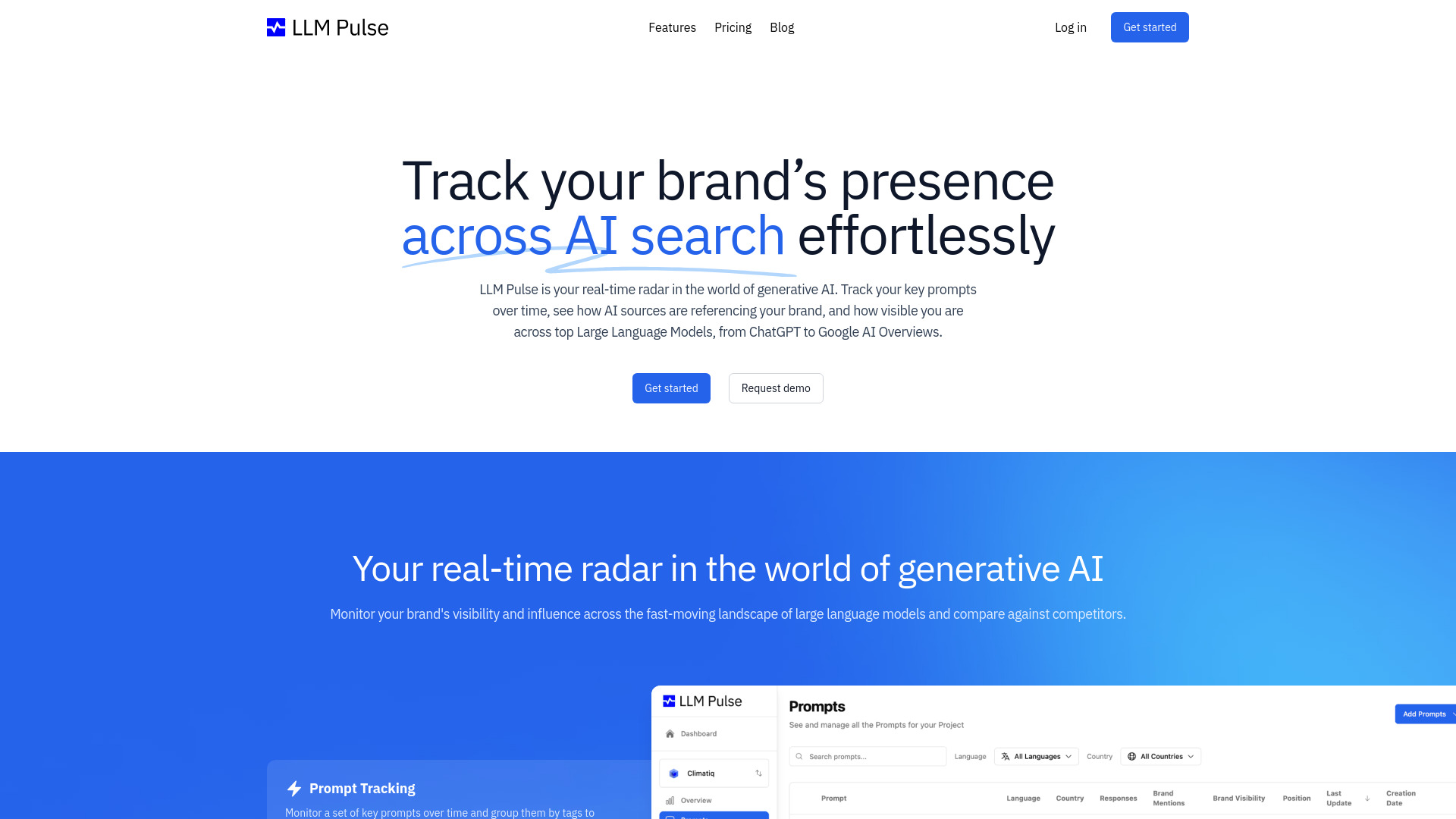
The name of the game here is prompt-level visibility. LLM Pulse tracks prompts and analyzes citations across ChatGPT, Perplexity Search, Google AI Mode, and Google AI Overviews, giving marketing teams a more useful view than a single generic "mentioned or not" score. That multi-surface coverage is the reason it takes the top spot among the best tools for tracking llm brand visibility.
The workflow is aimed at brands that need to see where they appear in generative search and where competitors may be taking the answer. Its 84,886 monthly visits also suggest meaningful market interest, although traffic is only a supporting signal. The product's positioning is unusually close to the actual buyer intent behind this category: monitor brand visibility and influence in AI search.
My take: This is the first tool I would trial for a marketing team that needs a dedicated answer to "How do AI engines describe and cite us?" Prompt Tracking and Citations Analysis make the value easy to understand.
Where it falls short: Brand Sentiment is still marked as coming soon, so teams expecting a complete sentiment layer will need to wait or use another workflow alongside it. The pricing is also presented in euros, which may matter for teams budgeting in other currencies.
Key features
Prompt Tracking for monitoring brand-related questions.
Citations Analysis for examining where AI answers draw their sources.
Coverage across ChatGPT, Perplexity Search, Google AI Mode, and Google AI Overviews.
Brand visibility and influence monitoring for generative AI search.
Pros
Directly focused on AI search visibility rather than general LLM infrastructure.
Covers several major AI answer surfaces in one workflow.
Clear entry price of 49.00 € per month.
Cons
Brand Sentiment is currently coming soon.
The product is more relevant to marketers than engineers managing model calls.
Choose LLM Pulse if: You want the most direct way to track branded prompts, citations, and AI search presence across several major LLM surfaces.
2. LiteLLM

LiteLLM
Best for platform engineers standardizing access to many LLMs
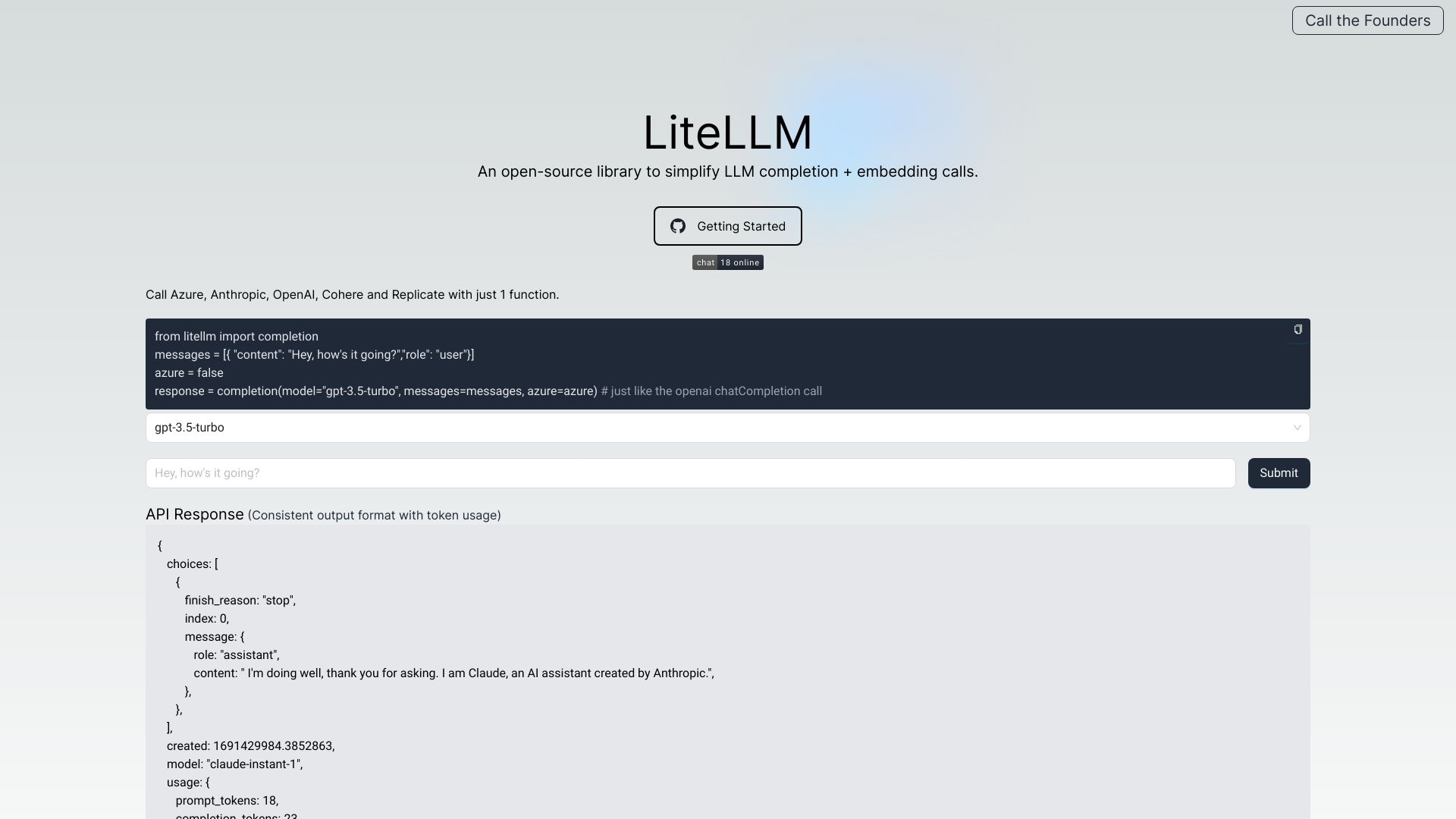
LiteLLM is an unexpected but valuable inclusion for teams whose visibility concern is operational rather than marketing-led. It provides an LLM Gateway for 100+ LLMs and uses an OpenAI-compatible API, helping platform engineers standardize how applications access different providers. Spend tracking and fallbacks make the system more useful when teams need to understand model usage across a growing stack.
This is not a brand-ranking dashboard. It will not replace a prompt tracker such as LLM Pulse or LLMrefs. Instead, it sits underneath the application and gives engineering teams a consistent route into multiple models. Its 595,276 monthly visits are the strongest usage signal in the shortlist, but the important distinction is product scope: LiteLLM tracks and manages model traffic, not how a public brand appears in AI search.
My take: I like LiteLLM as a technical foundation for teams that need model choice without rewriting every integration. It earns its place because many visibility programs eventually run into a model-access and cost-management problem.
Where it falls short: Initial setup and configuration are required. Buyers looking for a ready-made brand visibility report should not choose it simply because it contains "LLM" in the name.
Key features
LLM Gateway for 100+ LLMs.
OpenAI-compatible API.
Spend tracking and fallbacks for multi-model operations.
A standardized ChatGPT-format approach to LLM API calls.
Pros
Simplifies access to many LLM providers.
Open-source access starts at $0.
Useful for teams managing model routing and operational usage.
Cons
Requires initial setup and configuration.
Does not directly track brand mentions or AI search citations.
Choose LiteLLM if: You are a platform engineer who needs consistent, observable access to many LLMs rather than a marketing-facing visibility dashboard.
3. AnythingLLM

AnythingLLM
Best for developers who want a private local LLM workspace
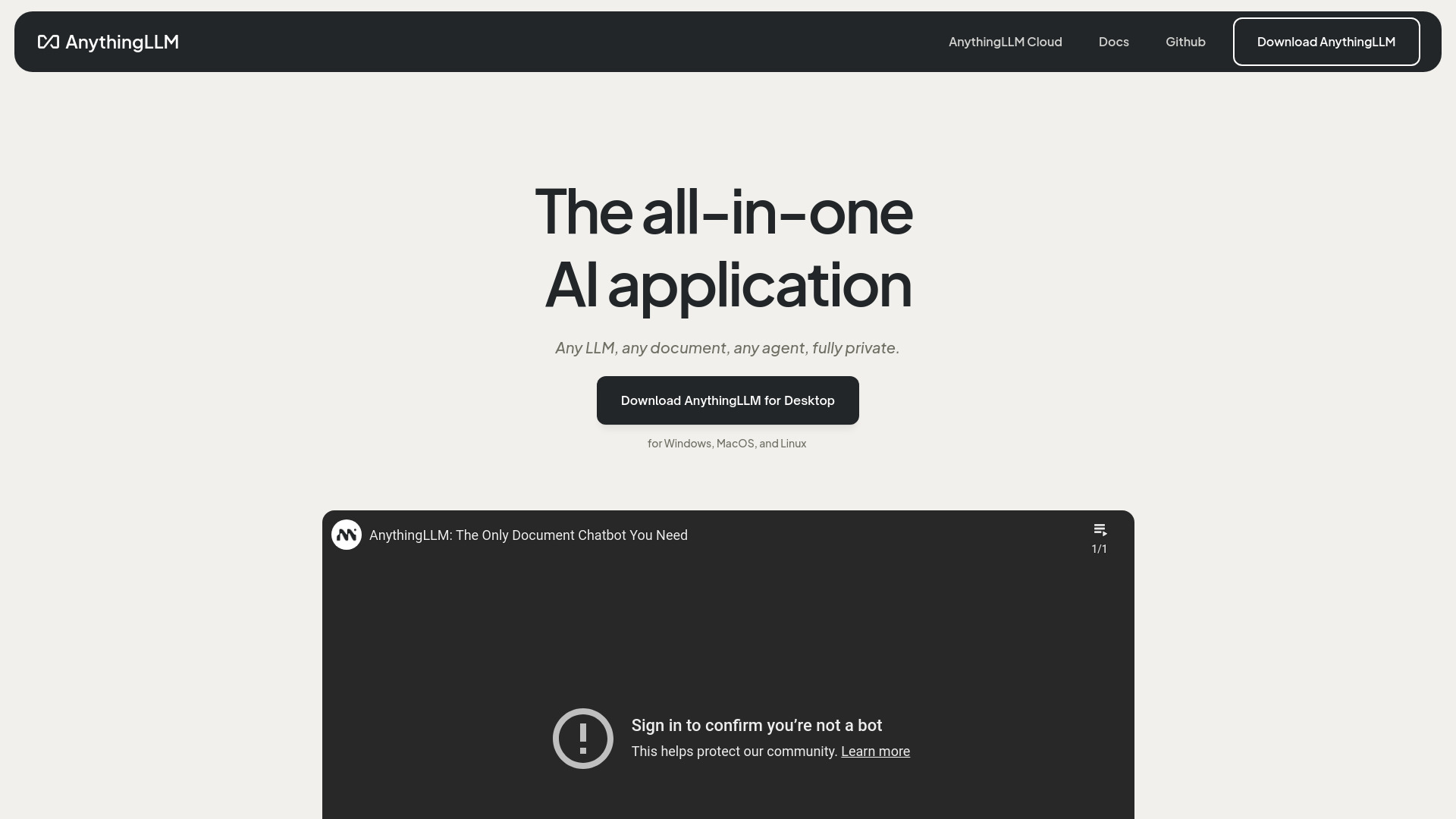
Privacy changes the meaning of visibility. AnythingLLM runs fully locally and privately, combining a built-in LLM with RAG and AI Agents in a desktop application. For developers working with sensitive documents or testing knowledge workflows, that local-first angle can be more important than a public AI search ranking report.
The product supports chatting with documents and does not require an account for its free desktop use. That makes the first experiment straightforward, although the desktop requirement introduces friction that browser-first buyers will notice. With 469,125 monthly visits, AnythingLLM has a substantial usage signal, but it remains an adjacent choice in this guide: it helps you inspect and use private knowledge with an LLM, not measure how a public brand is represented by ChatGPT.
My take: This is one of the better alternatives for a developer who defines visibility as access to their own documents and local AI environment. The privacy story is concrete, not decorative.
Where it falls short: You must download and install a desktop application. Teams seeking ongoing public brand monitoring will need a dedicated visibility tracker instead.
Key features
Built-in LLM.
Retrieval-Augmented Generation (RAG).
AI Agents.
Document chat in a local desktop environment.
Pros
Runs fully locally and privately.
Free desktop application with no account needed.
Combines documents, RAG, and agents in one workspace.
Cons
Requires downloading and installing a desktop application.
Pricing beyond the free desktop experience is not clearly presented here.
Not a direct AI search ranking or citation-monitoring product.
Choose AnythingLLM if: You are a developer who needs a private, local environment for documents, RAG, and agents rather than public brand visibility reports.
4. LLM Gateway

LLM Gateway
Best for developers building an open-source LLM routing layer
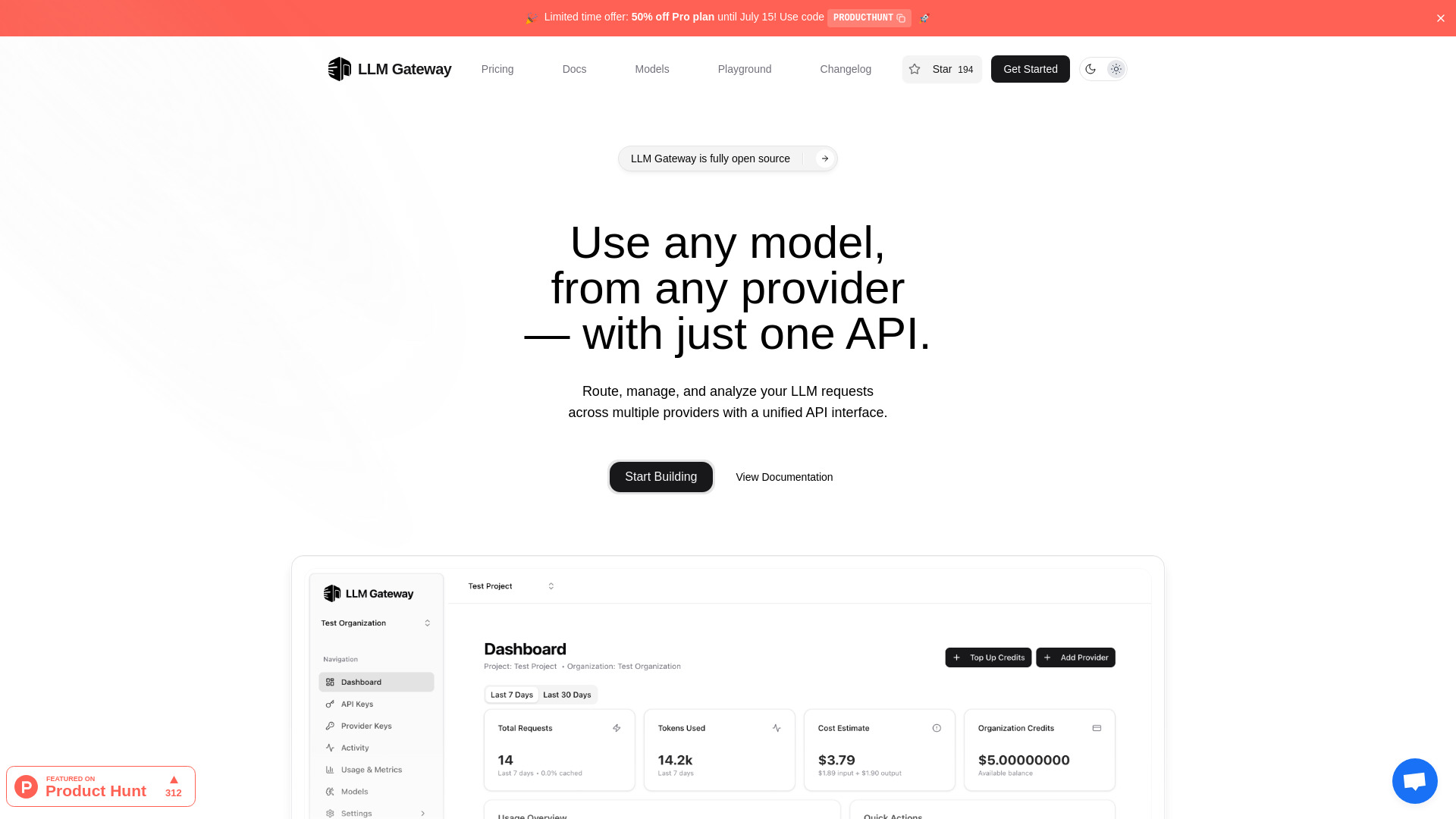
LLM Gateway takes a similarly technical route, but its emphasis is a unified interface for routing, managing, and analyzing LLM requests. The OpenAI API-compatible interface reduces the disruption of switching providers, while multi-provider support gives developers room to shape a broader model strategy. Usage Analytics adds an operational visibility layer that marketing trackers do not provide.
It is fully open source under an MIT license and can be self-hosted for free. The cloud option deserves a closer look: the free cloud plan includes a 5% LLMGateway fee on credit usage. That is not a reason to avoid it, but it should be part of the cost calculation before a team moves from a local experiment to a hosted workflow.
My take: For developers who want control over routing and deployment, LLM Gateway is a credible alternative to hosted-only platforms. Its open-source and self-hosted posture gives it a clear identity.
Where it falls short: The product is an infrastructure layer, not one of the best tools for tracking llm visibility in public AI search. The cloud fee also means "free" does not necessarily mean zero usage cost.
Key features
Unified API interface compatible with the OpenAI API.
Multi-provider support.
Usage Analytics.
Open-source MIT-licensed codebase.
Pros
Fully open source under an MIT license.
Free self-hosting option.
Helps route, manage, and analyze LLM requests.
Cons
Free cloud usage includes a 5% LLMGateway fee on credit usage.
Requires developer setup and operational ownership.
Does not measure public brand citations or rankings.
Choose LLM Gateway if: You want to self-host an open-source routing and analytics layer for multi-provider LLM applications.
5. LLMrefs

LLMrefs
Best for SEOs tracking AI keyword rankings
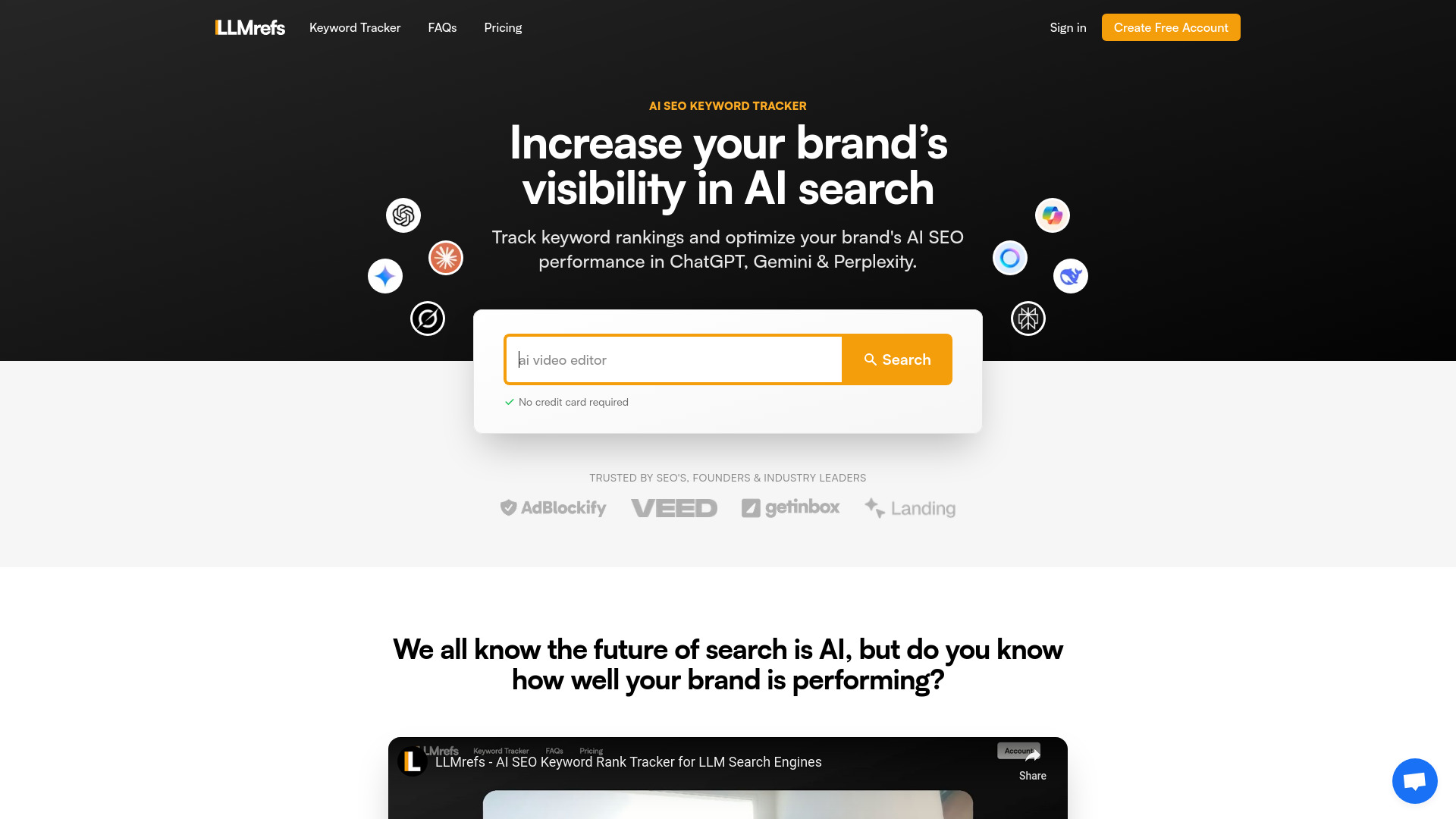
LLMrefs speaks the language of search teams: keywords, rankings, competitors, and performance. It tracks major AI models and offers AI keyword rank tracking, making it a natural choice for SEOs who want to extend familiar search-monitoring habits into AI search engines. The free tier includes one keyword and does not require a credit card, which is enough to test whether the reporting matches your workflow.
Compared with a broad LLM application platform, LLMrefs is much closer to the buyer intent behind the best llm visibility tracking software. It is about discovering how your target terms perform in AI search and using competitor analysis to understand the gap. The limitation is equally clear: the free plan has limited features, so serious tracking will likely require a paid plan.
My take: If your team already thinks in keyword sets and competitor comparisons, I would test LLMrefs immediately after LLM Pulse. It has the cleanest SEO orientation in this group.
Where it falls short: The free plan is deliberately limited, and the product should not be confused with a general-purpose LLM gateway or application observability platform.
Key features
AI keyword rank tracking.
Competitor analysis.
Tracking across major AI models.
Tools for optimizing AI SEO performance.
Pros
Strong fit for SEO teams and keyword-led research.
Tracks major AI models.
One free keyword allows a low-friction trial.
No credit card is required for the free access described.
Cons
Free plan has limited features.
Keyword ranking is narrower than a full brand, citation, and sentiment program.
Choose LLMrefs if: You are an SEO professional who wants to track keyword rankings and competitors across AI search environments.
6. LlamaIndex

LlamaIndex
Best for analysts building knowledge assistants from enterprise data
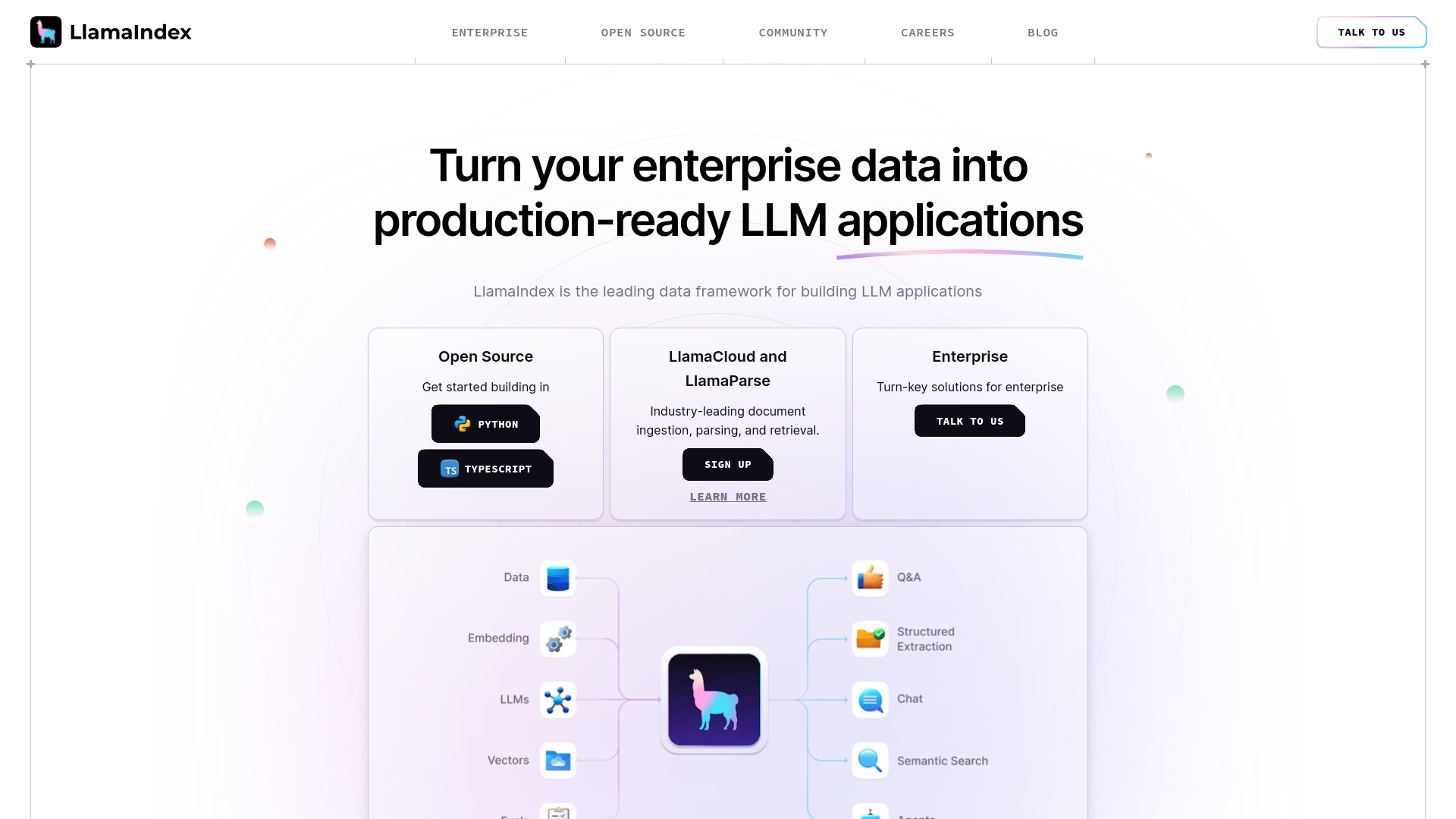
LlamaIndex belongs in the adjacent-tools portion of this comparison. It is a framework for building knowledge assistants with LLMs connected to enterprise data, with LlamaParse for document parsing and LlamaExtract for data extraction. That makes it relevant when the visibility challenge is whether an internal assistant can find, interpret, and use the right information.
The free tier includes 10K credits, and the next stated price point is $50 per month for 50K credits. The flexibility is attractive for teams that want to prototype and deploy production-ready RAG applications, but there is a real engineering trade-off: data pipelines can be complex to set up and configure. This is not a plug-in brand monitoring dashboard, and buyers should understand that distinction before choosing it.
My take: LlamaIndex is compelling when your team owns the data layer and needs control over parsing, extraction, and retrieval. It is less compelling if you simply need a weekly report on public AI mentions.
Where it falls short: Data pipeline setup can be complex. The product's value depends on having enterprise data and a team able to connect it properly.
Key features
Document parsing with LlamaParse.
Data extraction with LlamaExtract.
Knowledge assistant development.
RAG application prototyping and deployment.
Pros
Flexible for prototyping and production-ready RAG applications.
Free 10K-credit entry point.
Built for connecting LLMs with enterprise data.
Cons
Data pipelines can be complex to set up and configure.
Requires a technical workflow rather than a ready-made visibility report.
Not designed primarily for public brand tracking.
Choose LlamaIndex if: You need to build a data-connected assistant and want control over document parsing, extraction, and retrieval.
7. Manifest

Manifest
Best for AI developers optimizing OpenClaw model routing
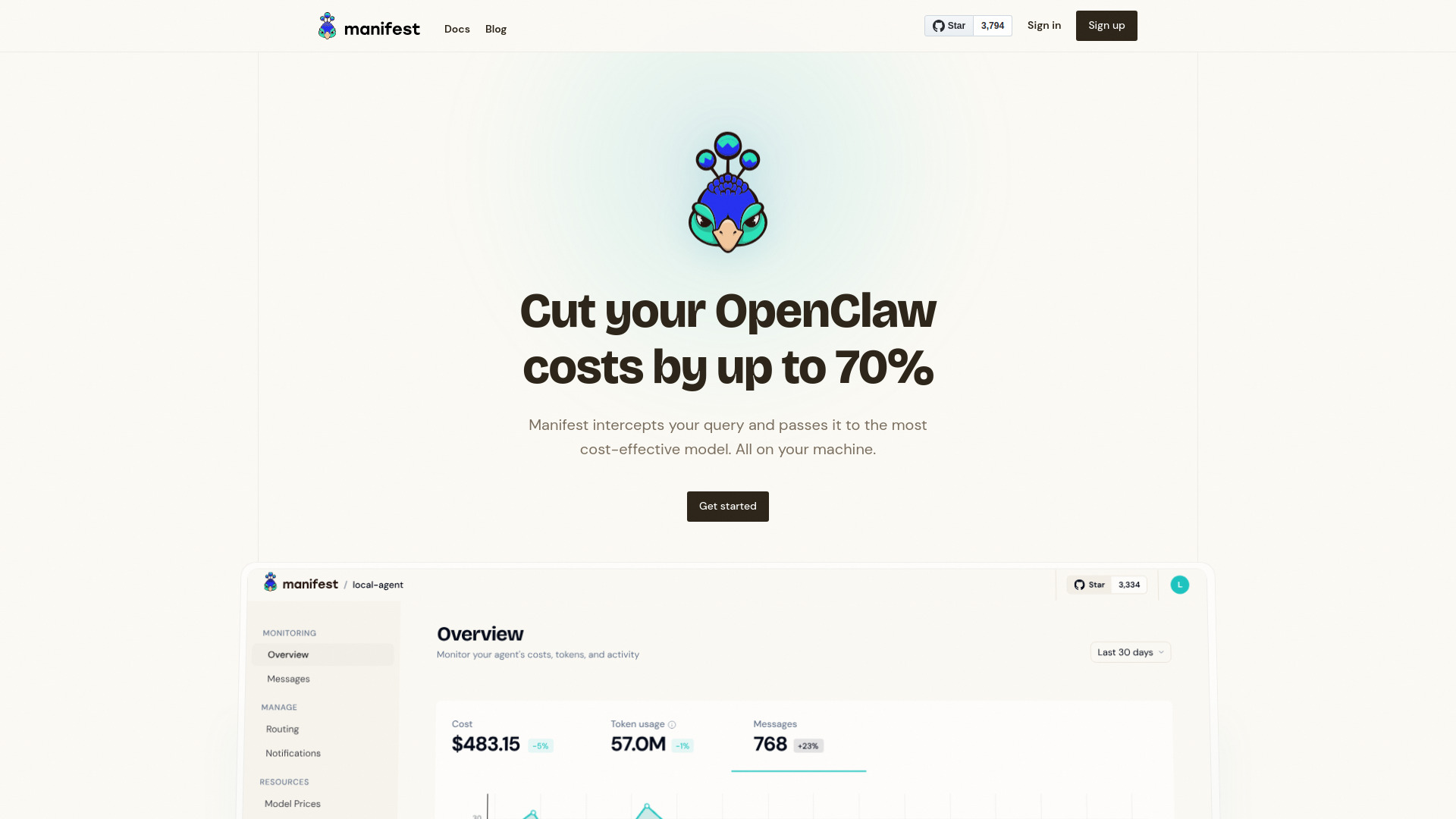
Manifest focuses on the economics of model choice. Its intelligent LLM routing evaluates query complexity locally with less than 2ms latency, then routes requests accordingly. Cost tracking and usage limits give developers a way to connect routing decisions with spend, while the open-source and self-hostable approach keeps deployment control in the team's hands.
The stated cost-saving potential is up to 70%, but that figure should be treated as a product claim to validate against your own traffic and routing mix. The key limitation is scope: Manifest is designed specifically for the OpenClaw ecosystem. That makes it a sharp tool for the right audience and a poor general recommendation for teams that need a cross-platform visibility tracker.
My take: This is a focused engineering choice, not a marketing dashboard. I would consider it when model costs are the immediate problem and OpenClaw is already part of the stack.
Where it falls short: Its OpenClaw-specific design limits portability. Pricing details are not clearly presented, so teams will need to validate the commercial path directly.
Key features
Intelligent LLM routing based on query complexity.
Local query analysis with less than 2ms latency.
Cost tracking and usage limits.
Open-source and self-hostable deployment.
Pros
Promises cost savings of up to 70%.
Keeps query analysis local.
Gives developers routing and usage controls.
Cons
Designed specifically for the OpenClaw ecosystem.
Not a public brand visibility tracker.
Pricing requires verification with the vendor.
Choose Manifest if: You are an AI developer in the OpenClaw ecosystem who needs cost-aware, self-hostable model routing.
8. AI Commerce Visibility

AI Commerce Visibility
Best for e-commerce teams tracking product visibility in AI recommendations
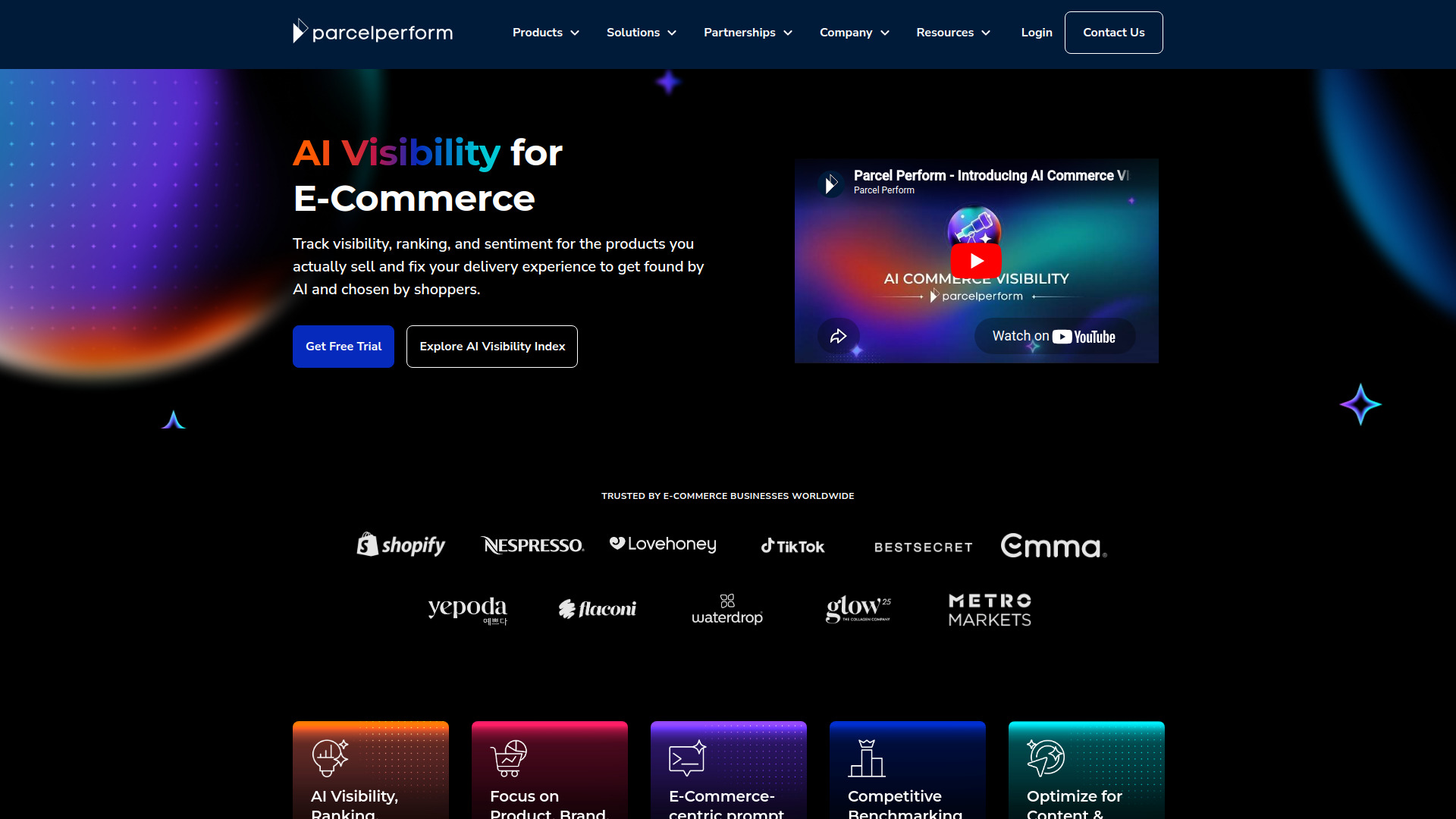
AI Commerce Visibility is one of the most relevant specialized alternatives in the list. It tracks AI visibility across ChatGPT, Perplexity, and Gemini, then focuses the analysis on e-commerce realities: product categories, brand ranking, sentiment, sales channels, and delivery experience. That broader operational view is useful when an AI recommendation is influenced by more than a brand description.
The 14-day trial includes 1,000 credits, giving commerce teams a defined way to test the workflow. The catch is that the product needs operational data connectivity for its full benefit. If your organization cannot connect the underlying product and delivery information, the promise of a commerce-specific view will be harder to realize.
My take: Retailers should put this ahead of a generic tracker when product discovery and delivery trust matter. It is more specialized than LLM Pulse, but that specialization is precisely its advantage for commerce teams.
Where it falls short: Full value depends on operational data connectivity. It also targets e-commerce use cases, so general B2B brands may find its reporting more specific than necessary.
Key features
AI Visibility Tracking across ChatGPT, Perplexity, and Gemini.
Brand visibility, ranking, and sentiment analysis for e-commerce.
AI ranking by product category.
Visibility into products, sales channels, and delivery experience.
Pros
Specialized focus on e-commerce and operational data.
Includes a 14-day trial with 1,000 credits.
Combines ranking, brand, and sentiment analysis.
Cons
Requires operational data connectivity for full benefit.
More specialized than a general brand visibility tracker.
Trial credits are finite and should be allocated to meaningful product categories.
Choose AI Commerce Visibility if: You run an e-commerce business and need to see how products, delivery trust, and brand signals appear in AI recommendations.
9. LangWatch

LangWatch
Best for AI engineers monitoring application behavior
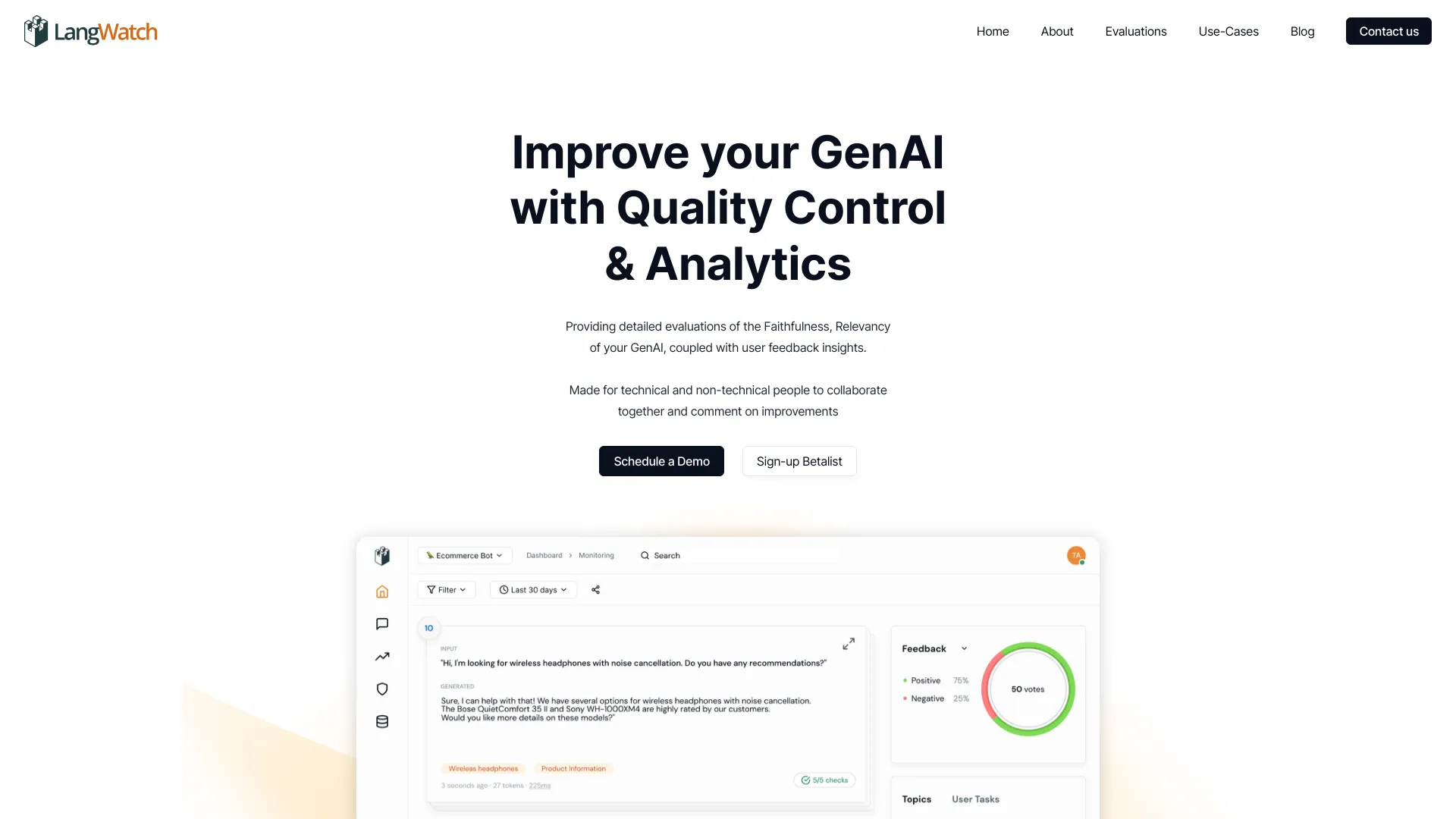
LangWatch addresses a different kind of LLM visibility: seeing what happens inside your own application. Its LLM Observability and LLM Evaluation features help AI engineers monitor, evaluate, and optimize LLM applications. The free Developer plan includes 1,000 traces per month and does not require a credit card, making it practical for an initial instrumentation test.
That makes LangWatch particularly useful when a team is asking why an assistant produced a poor answer, how application behavior changes, or whether an evaluation workflow is working. It does not answer the public-search question of whether your brand appears in ChatGPT or Google AI Overviews. Pricing may vary based on usage and plan, with a stated starting point from €59 per month.
My take: For product teams, this is often a more urgent visibility problem than brand ranking. A public mention is not much help if your own LLM application is unreliable, and LangWatch is aimed at that internal quality loop.
Where it falls short: Pricing depends on usage and plan, and the product requires application data to become useful. It is an observability platform, not a brand-monitoring suite.
Key features
LLM Observability.
LLM Evaluation.
Monitoring, evaluation, and optimization for LLM applications.
Free Developer plan with 1,000 traces per month.
Pros
Provides visibility into LLM application performance.
Free Developer plan does not require a credit card.
Clear fit for AI engineering teams.
Cons
Pricing may vary based on usage and plan.
Requires operational data connectivity for meaningful monitoring.
Does not track public brand rankings or citations.
Choose LangWatch if: You are building an LLM application and need traces, evaluation, and performance visibility more than public AI search rankings.
10. Luminance

Luminance
Best for legal teams automating contract workflows
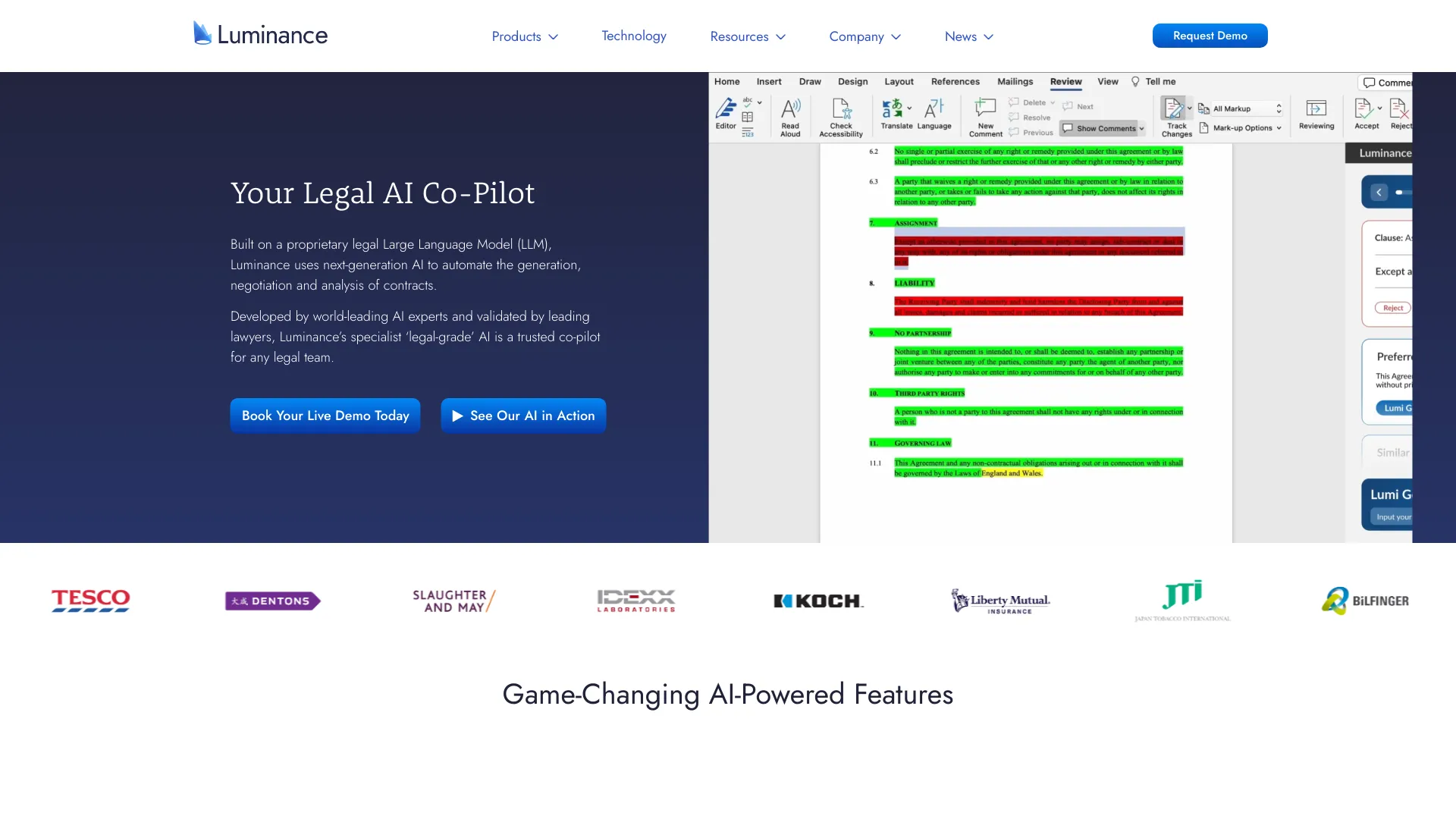
Luminance is the furthest category neighbor in this ranking, but it illustrates why a broad LLM directory needs buyer context. Its AI-Driven Negotiation and Legal-Grade Chatbot features support contract generation, negotiation, and analysis for lawyers. If your question is whether an internal legal AI workflow can make documents visible, searchable, and actionable, Luminance is more relevant than a brand visibility dashboard.
The product automates several contract processes rather than tracking how a company appears in public AI answers. That difference matters. Legal teams may appreciate the workflow focus, while marketers should move directly to LLM Pulse, LLMrefs, or AI Commerce Visibility. Luminance may also require initial setup and training, so the implementation effort should be included in the buying decision.
My take: This is a specialized legal automation choice, not one of the best tools for tracking llm brand visibility. It earns a place as an adjacent option for buyers whose LLM-related problem is contract work rather than discovery.
Where it falls short: Initial setup and training may be required, and pricing is not clearly presented. It should not be selected for public AI search monitoring.
Key features
AI-Driven Negotiation.
Legal-Grade Chatbot.
Contract generation, negotiation, and analysis.
AI workflows designed for legal professionals.
Pros
Automates contract generation, negotiation, and analysis.
Strong audience fit for lawyers and legal teams.
Addresses a concrete, document-heavy workflow.
Cons
May require initial setup and training.
Pricing requires verification with the vendor.
Not a public LLM visibility or AI search tracking platform.
Choose Luminance if: You are a legal professional looking for AI support across contract generation, negotiation, and analysis.
More tools to compare

MyLens.AI
AI-generated visual timelines

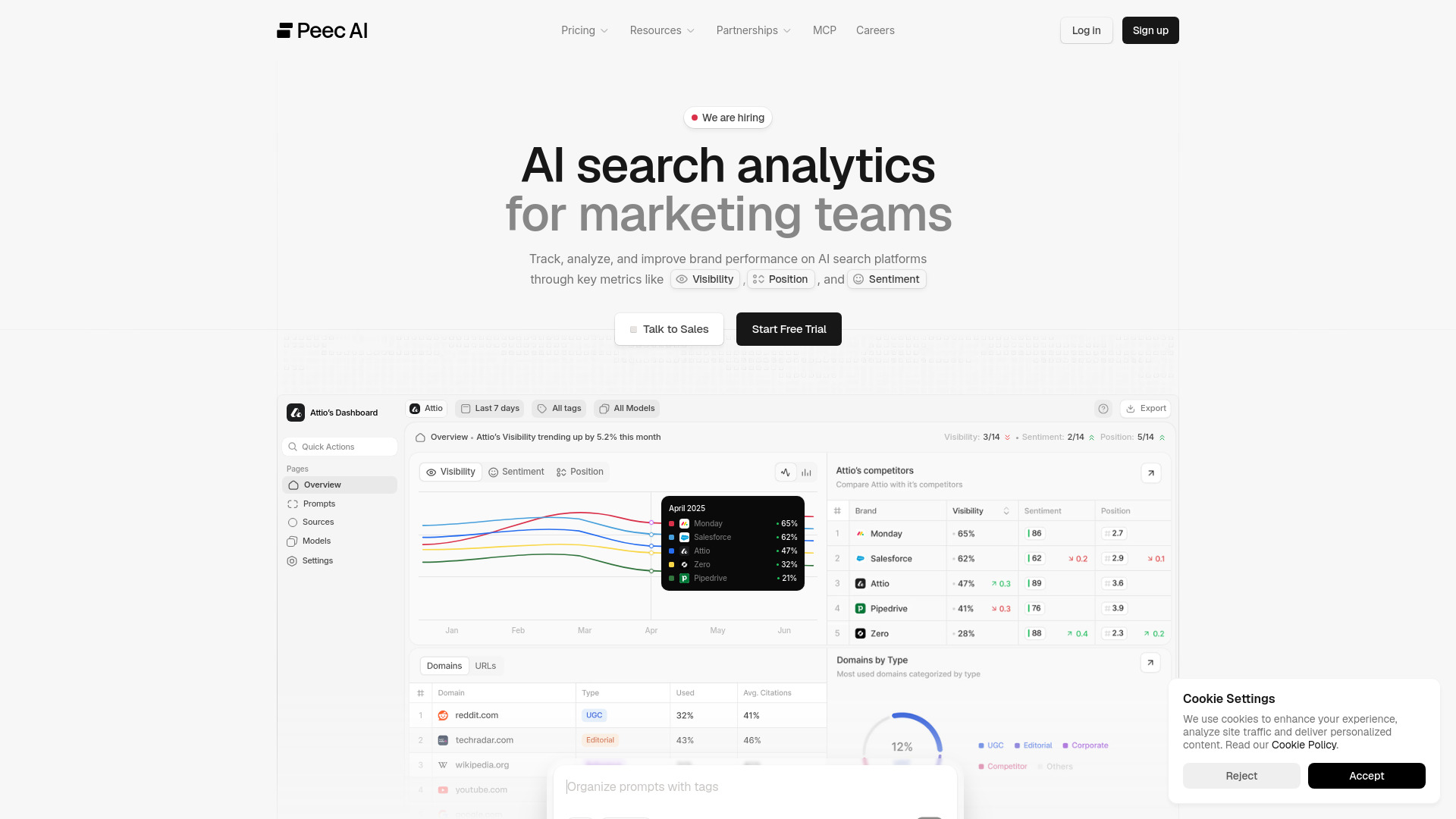
Peec AI
Marketing teams tracking AI search visibility

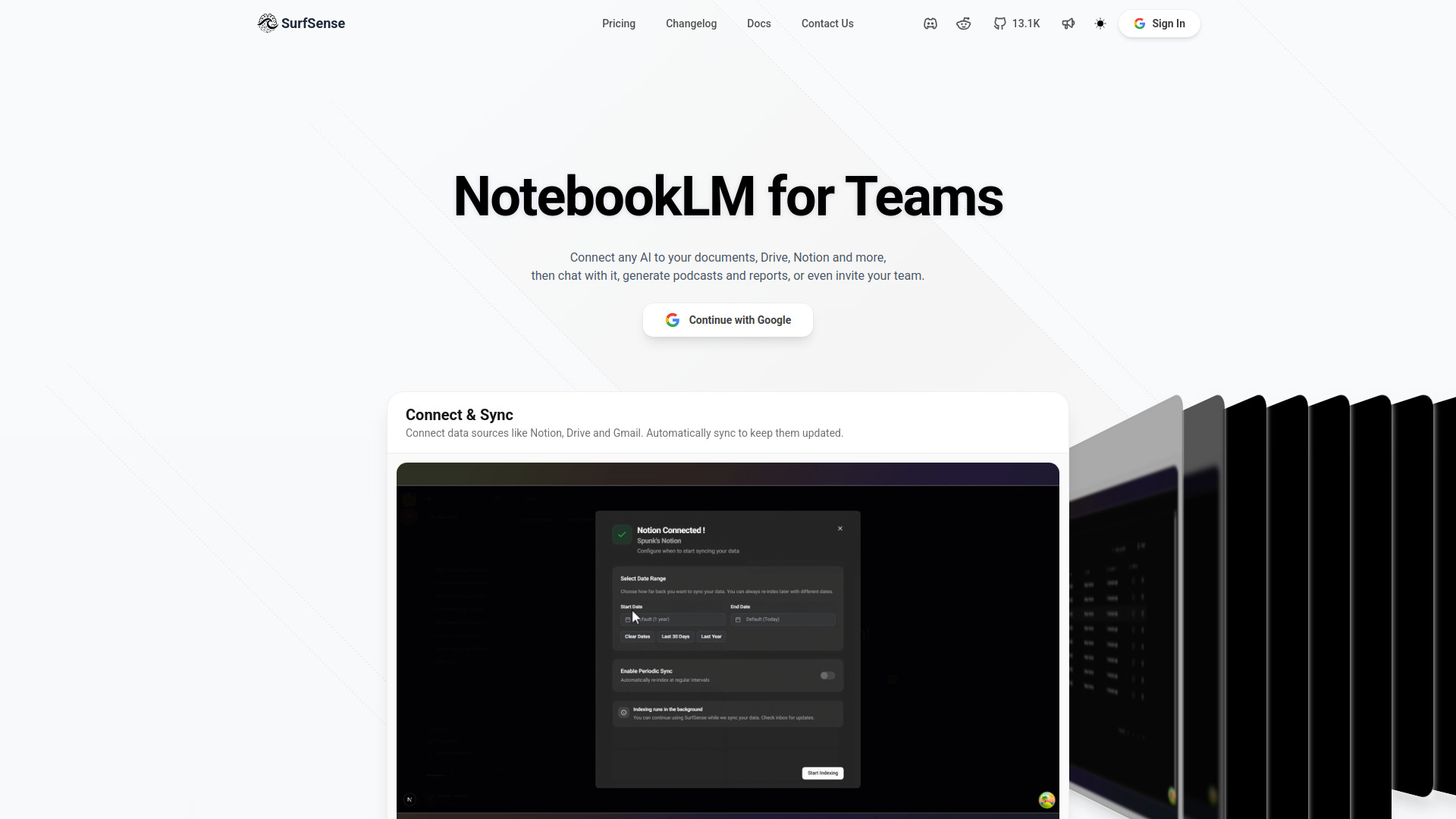
SurfSense
Teams wanting cited AI chat across synced knowledge

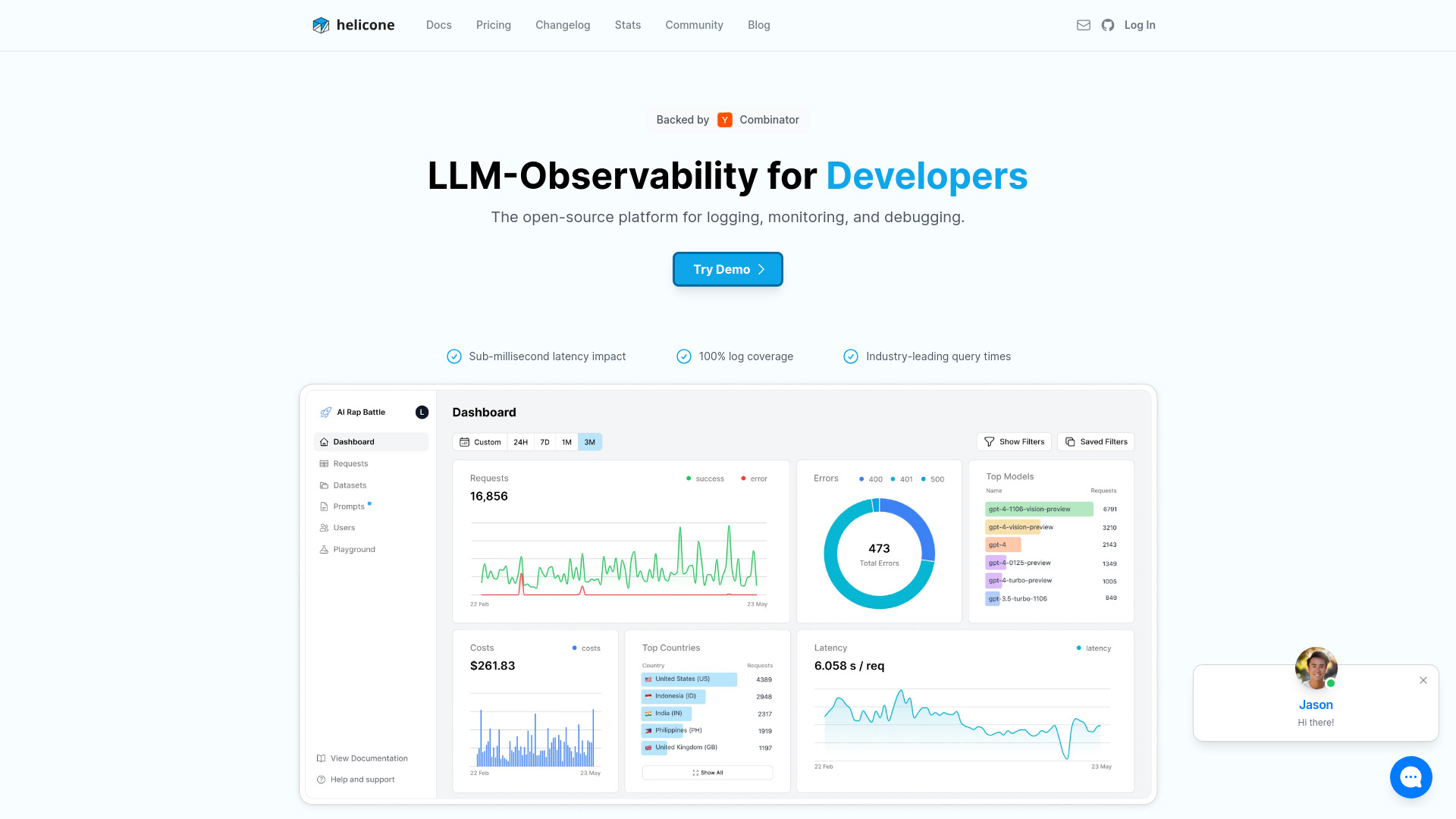
Helicone
Teams monitoring and debugging LLM apps in production

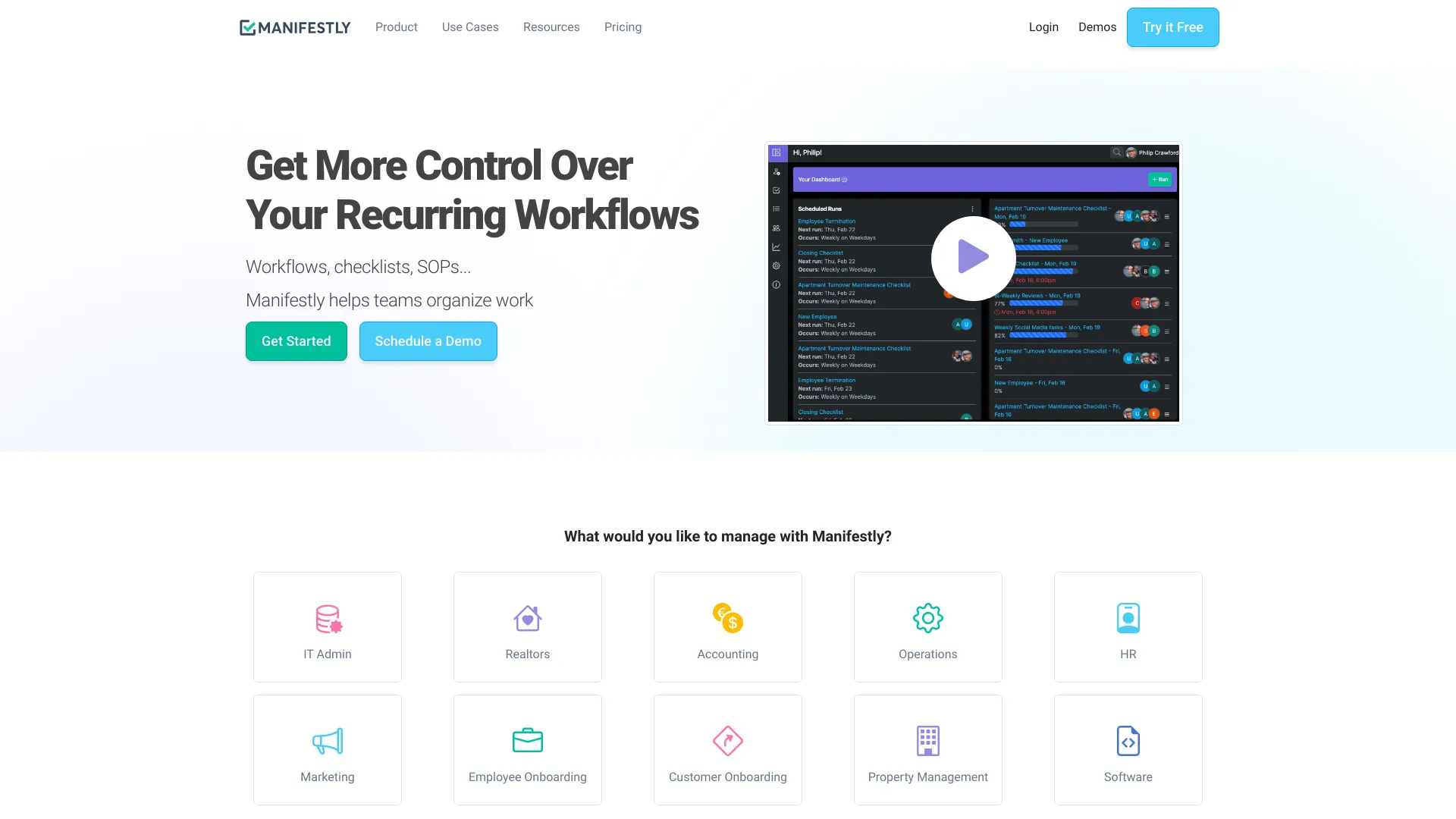
Manifestly Checklists
Teams automating recurring SOPs and checklists

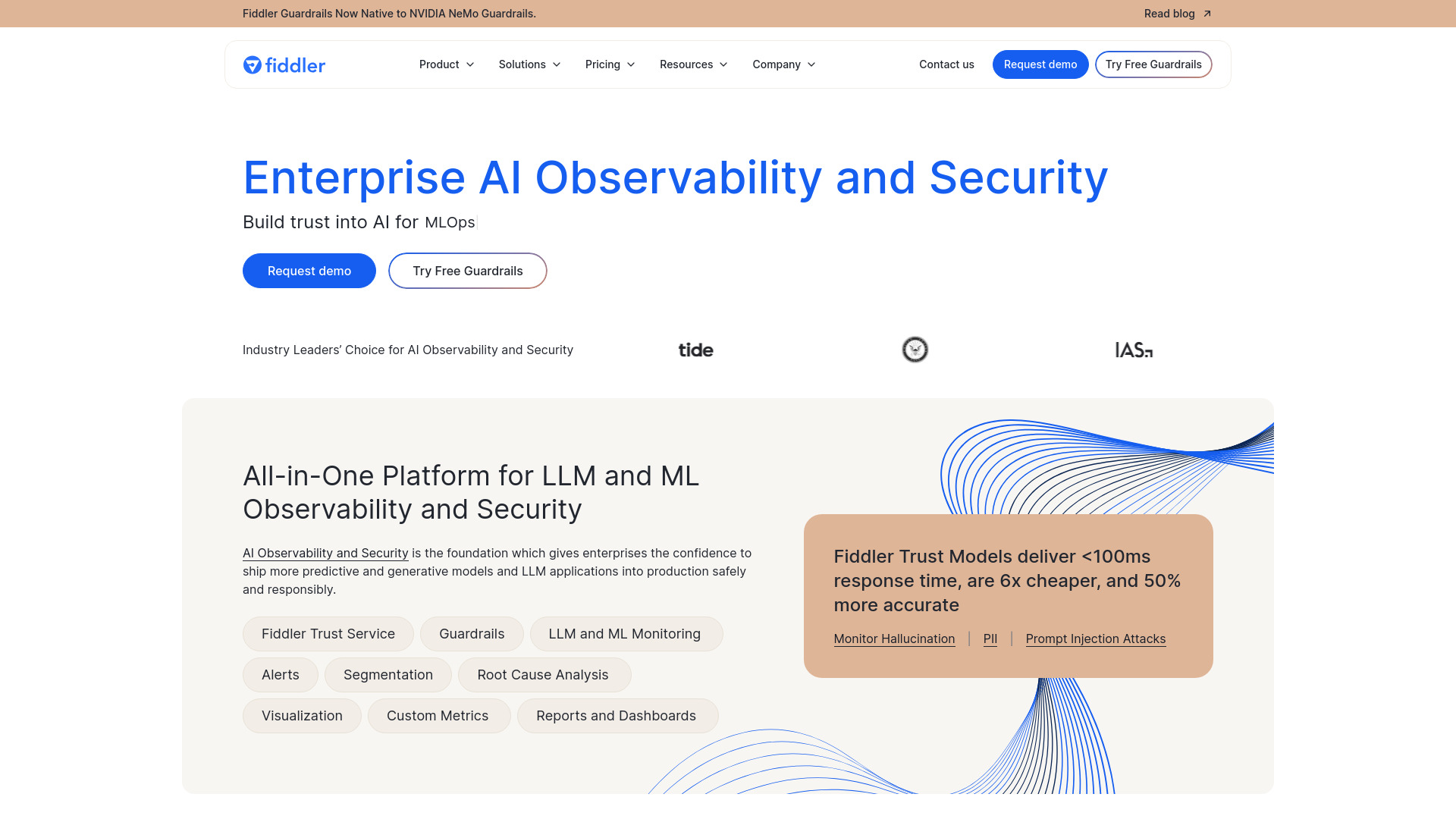
Fiddler AI
Enterprise LLM observability and security

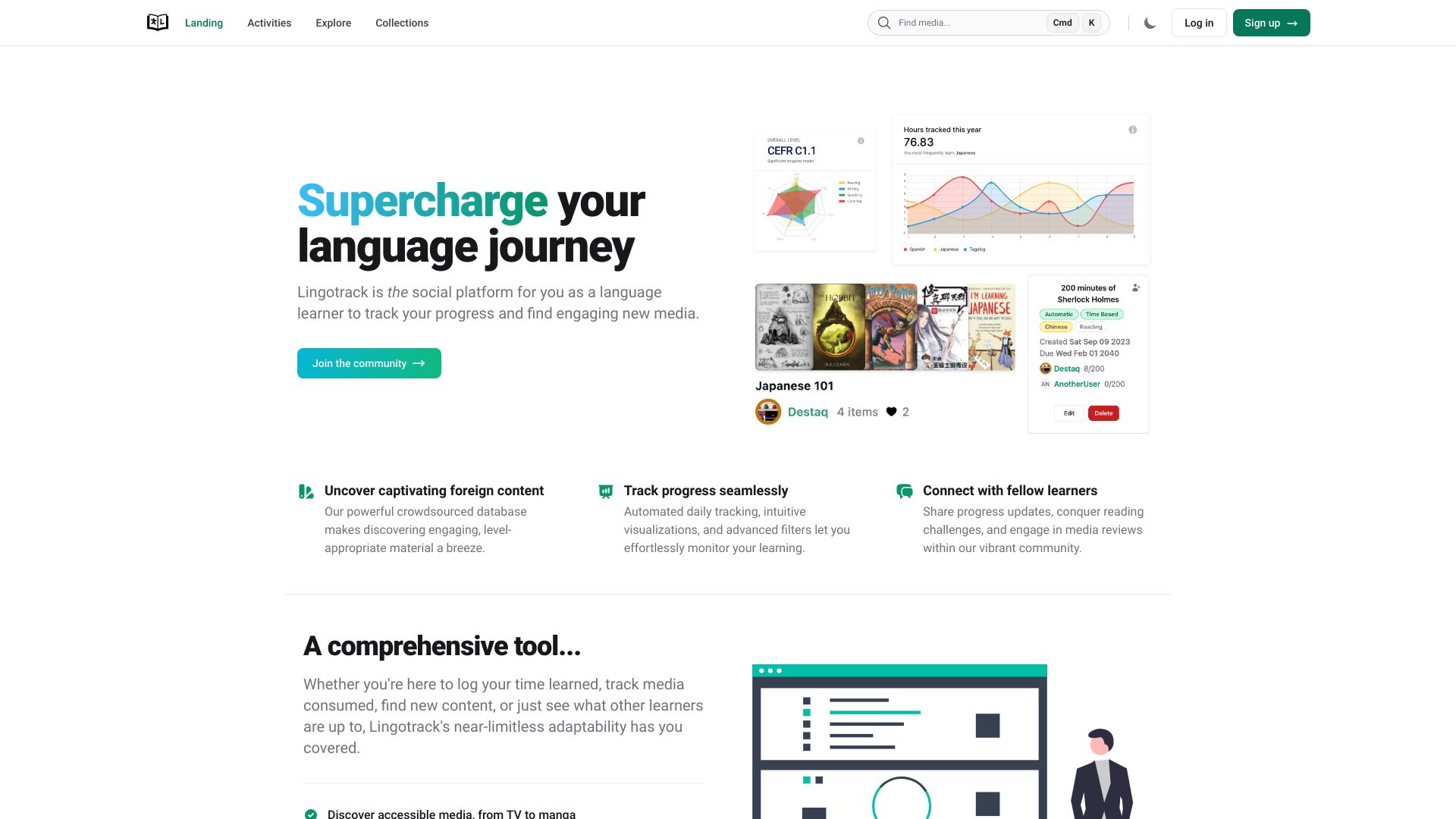
Lingotrack
Language learners tracking progress and finding level-appropriate media

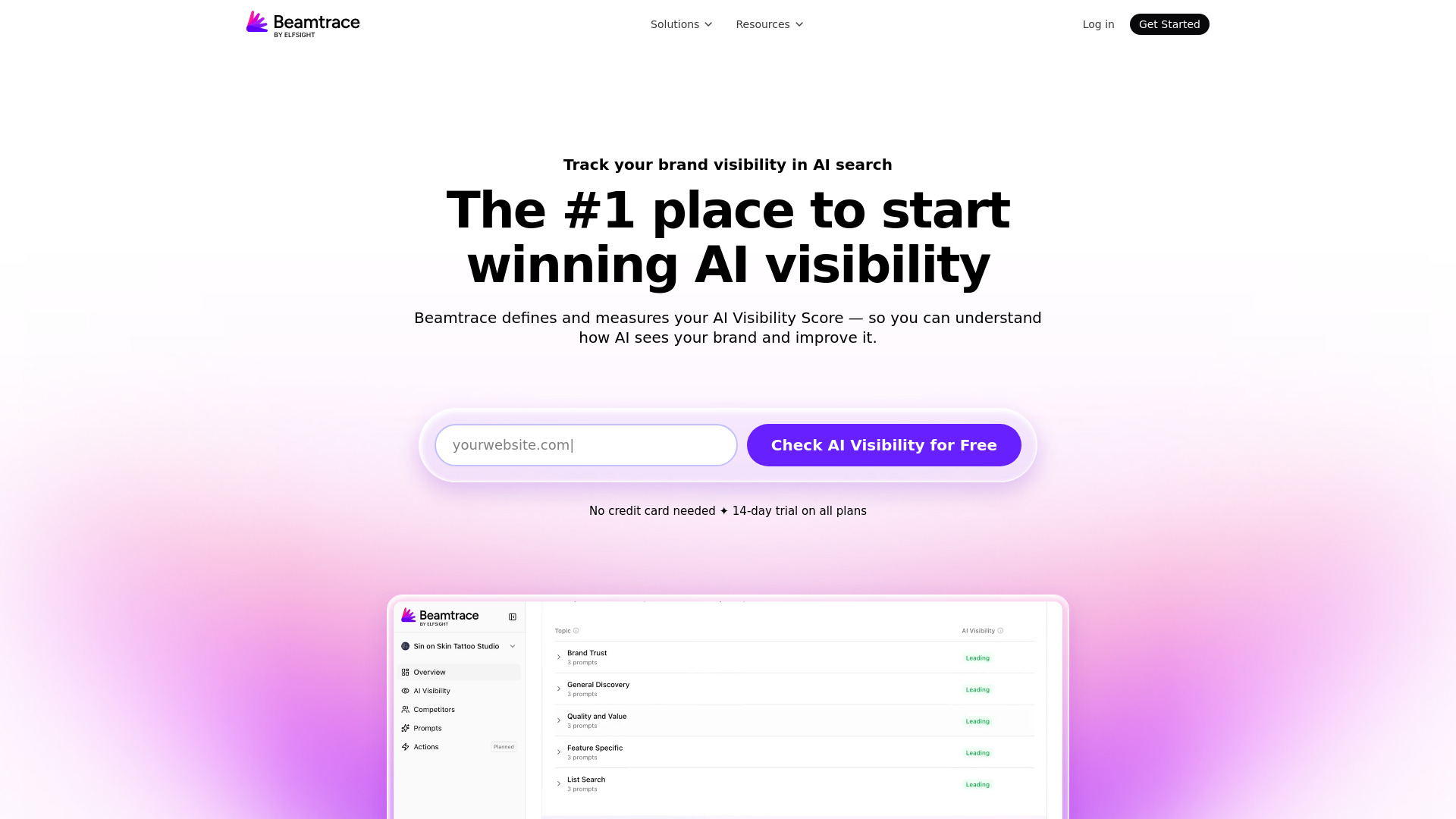
Beamtrace
Agencies and marketing teams tracking brand mentions in AI answers

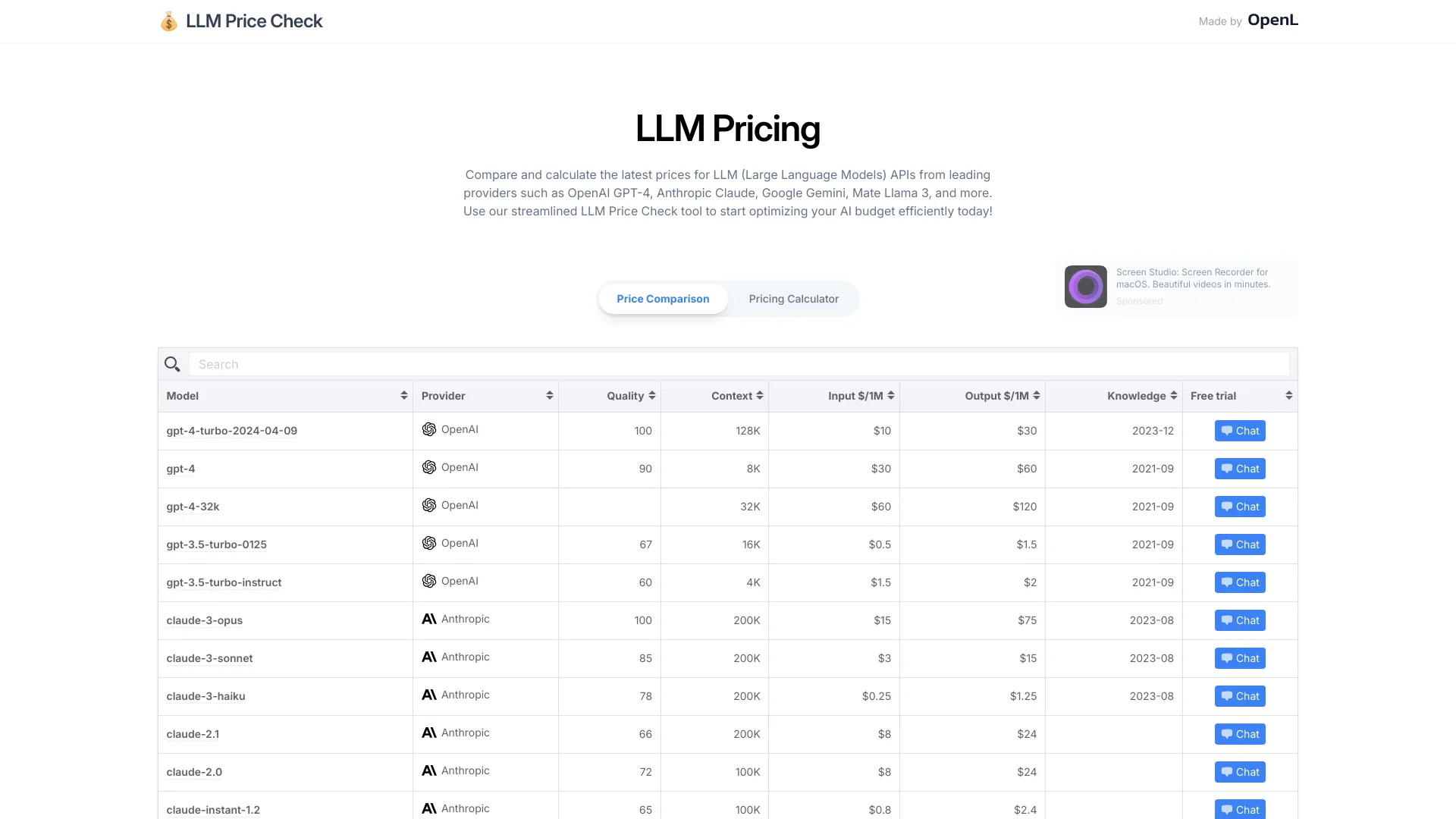
LLM Price Check
LLM API price comparison

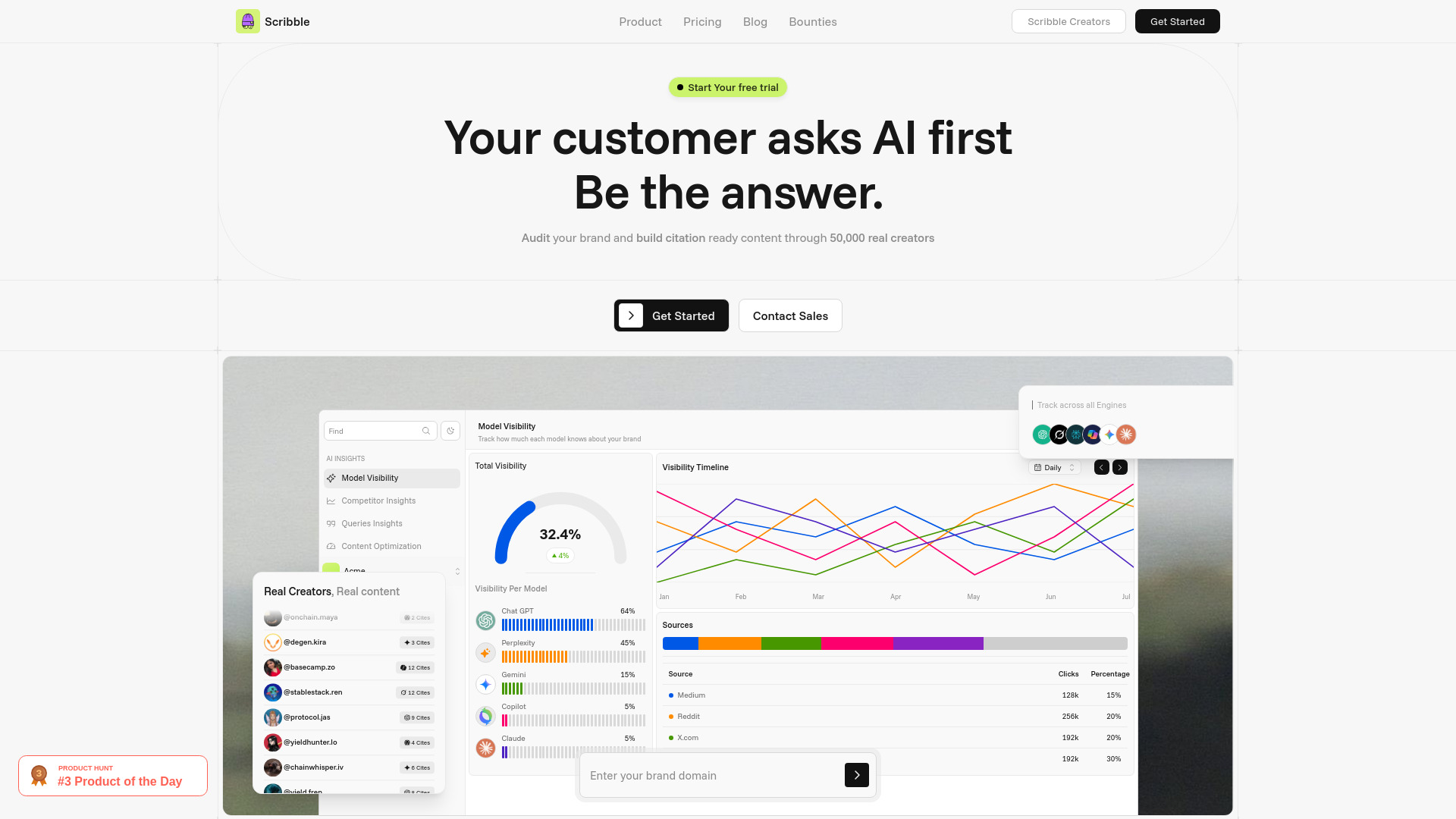
Scribble
AI visibility tracking and citation growth

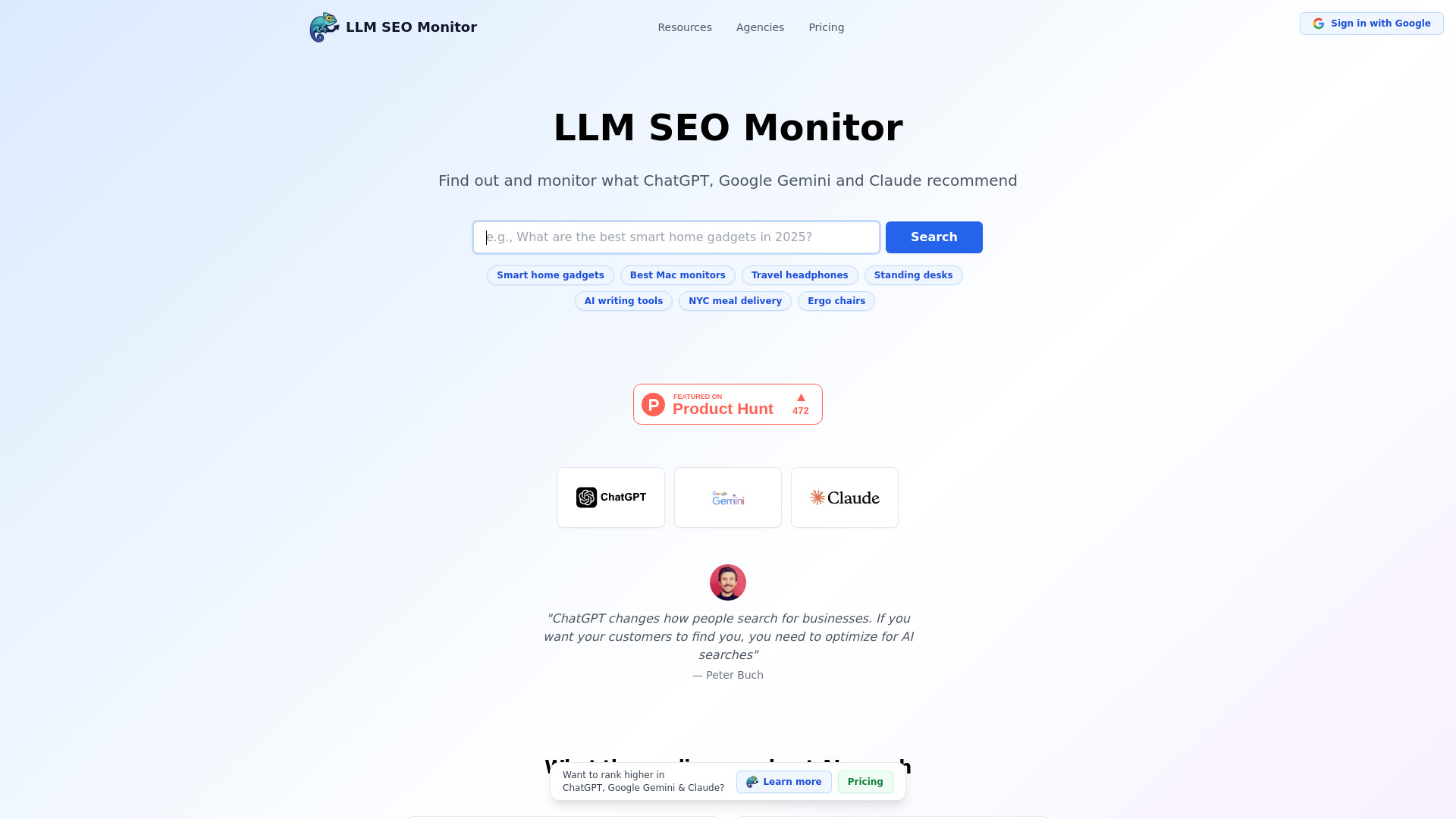
LLM SEO Monitor
AI search visibility monitoring

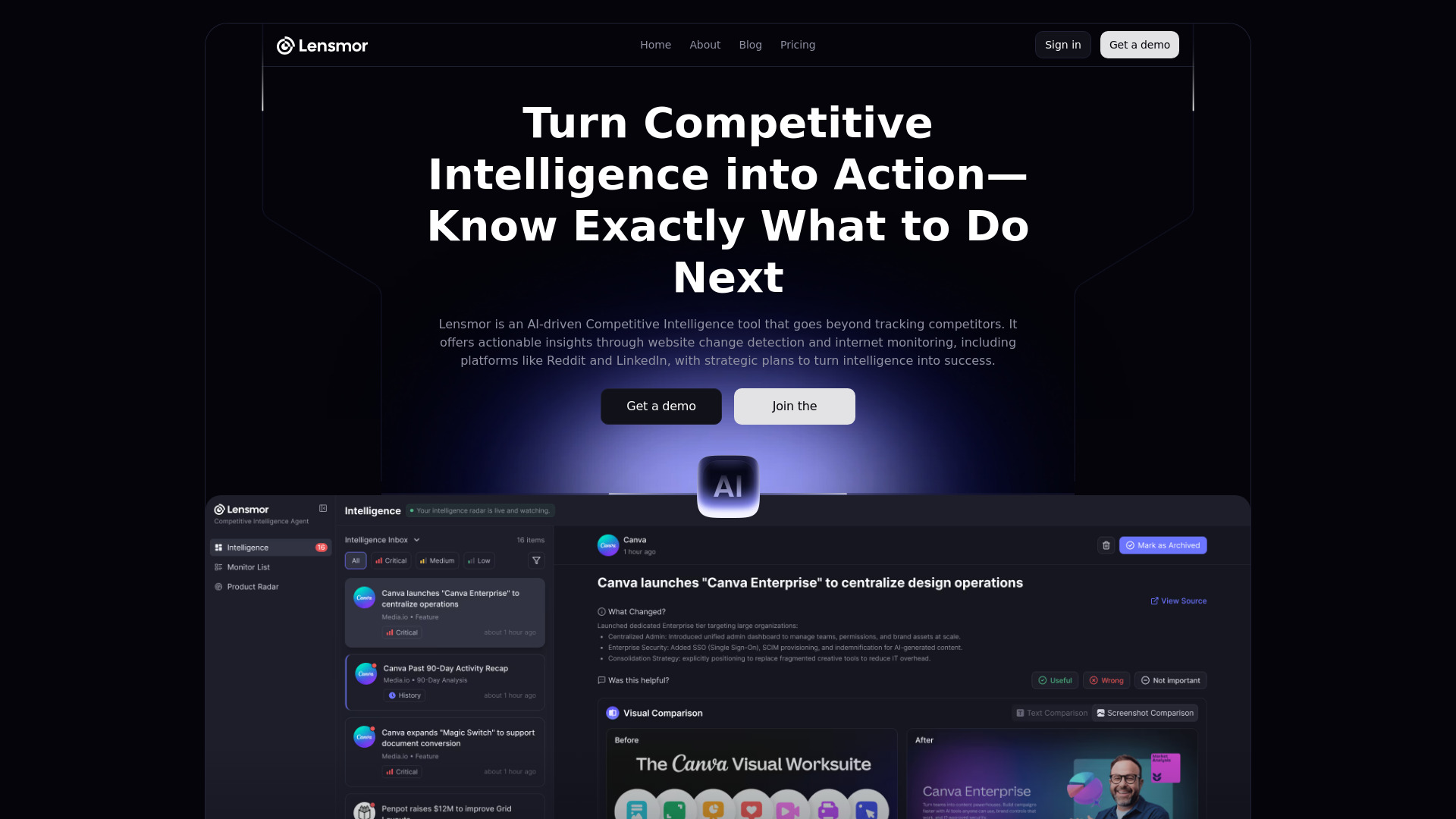
Lensmor
AI competitor monitoring for product and growth teams

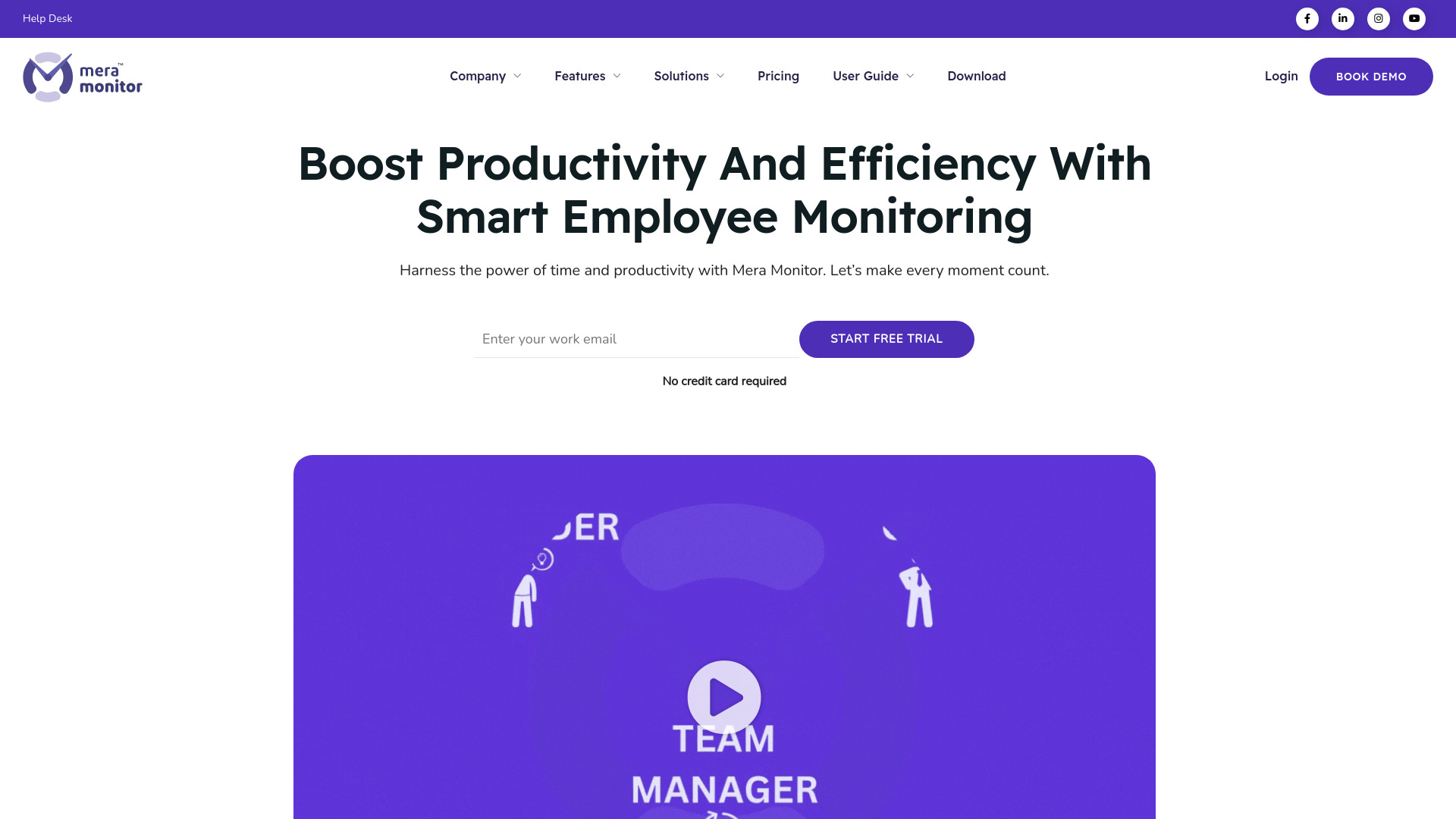
Mera Monitor
Remote team productivity monitoring

PollenTracker
Daily pollen and allergy forecasts


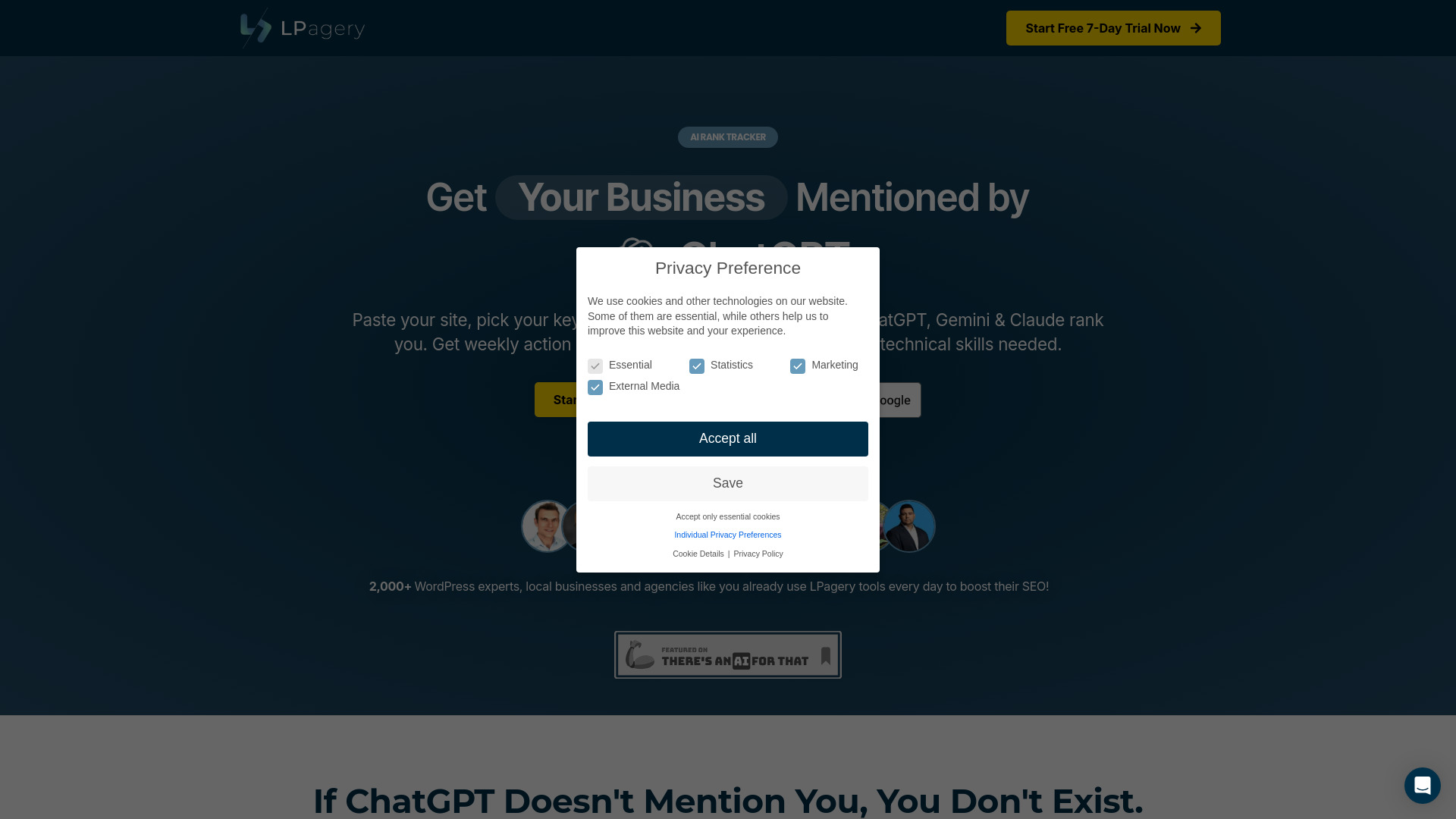
LPagery AI Rank Tracker
AI visibility tracking for local businesses

Loamly
AI traffic and visibility analytics

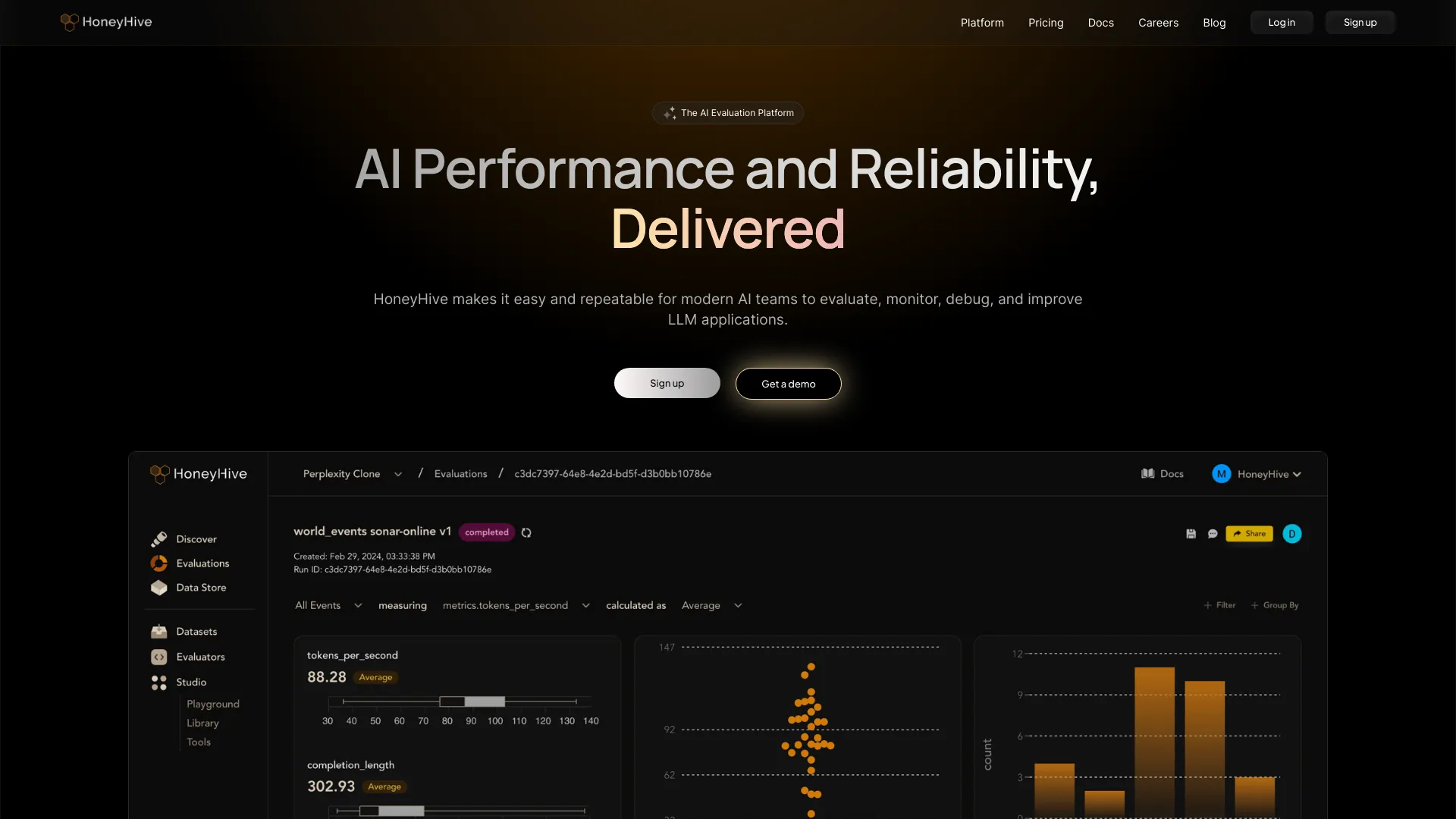
HoneyHive
LLM evaluation and production observability

Email Tracker
Gmail email open and link tracking

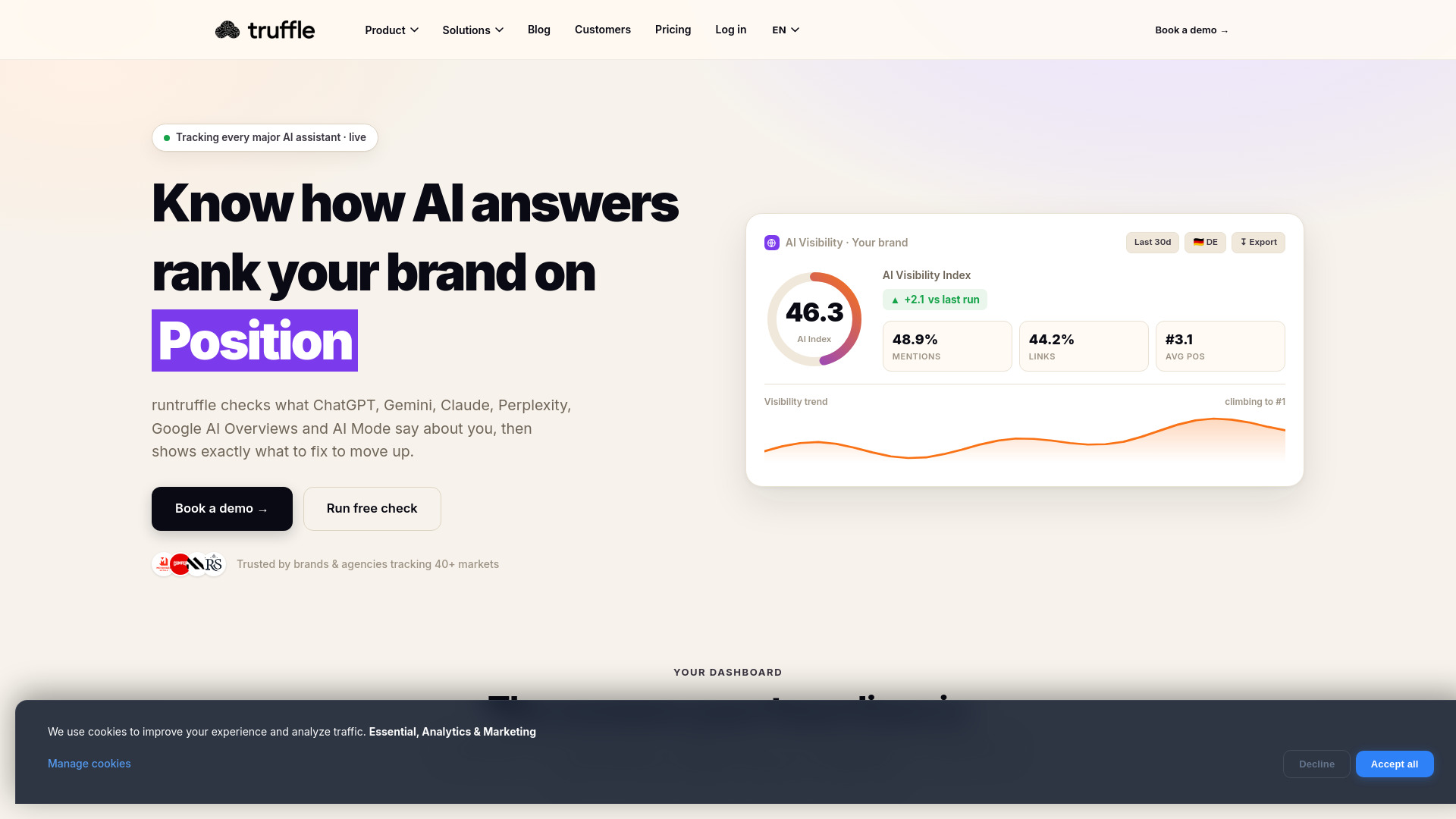
Truffle
AI visibility tracking across major answer engines

BrandRadar
Enterprise AI visibility and GEO teams

WhyLabs
LLM security and AI observability teams

OpenLIT
OpenTelemetry-native LLM observability

Superlog
Autonomous observability for engineering teams

EchoMark
Enterprise data-leak prevention

AwanLLM
Power users and developers

Lamini
Enterprise LLM development teams

llmchat.co
Privacy-focused AI research

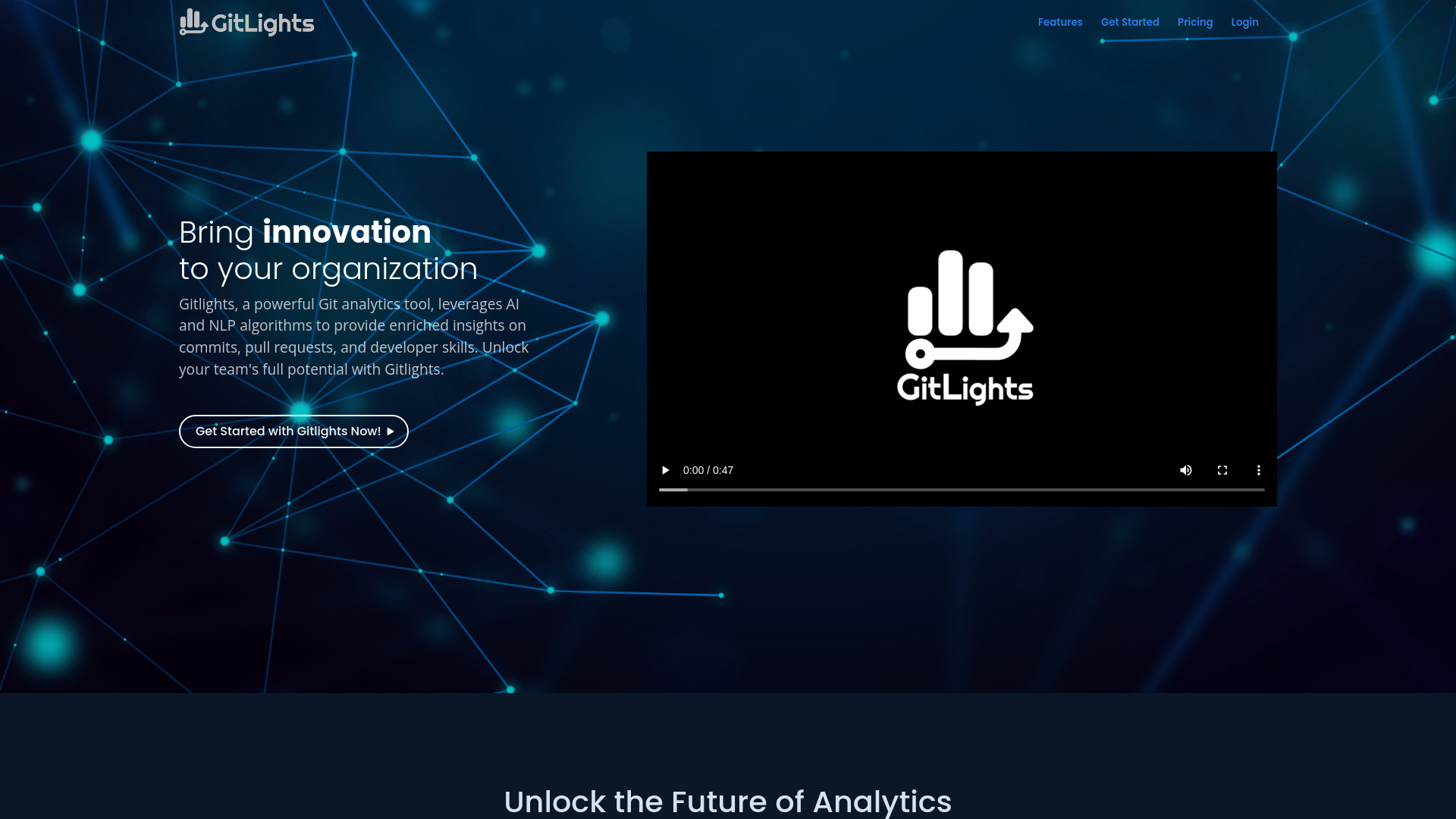
Gitlights
GitHub development analytics

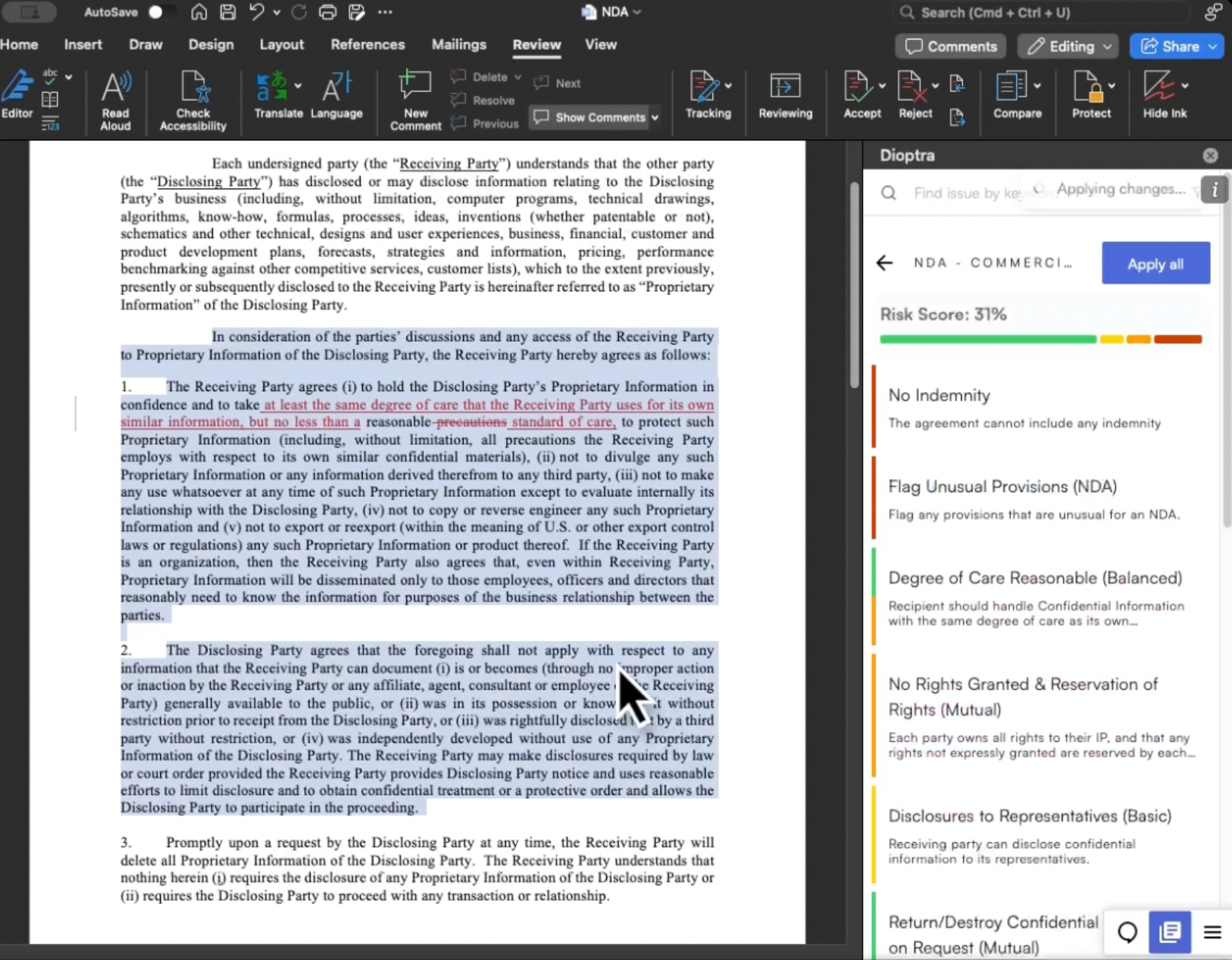
Dioptra AI Redlining
LLM evaluation and hallucination testing

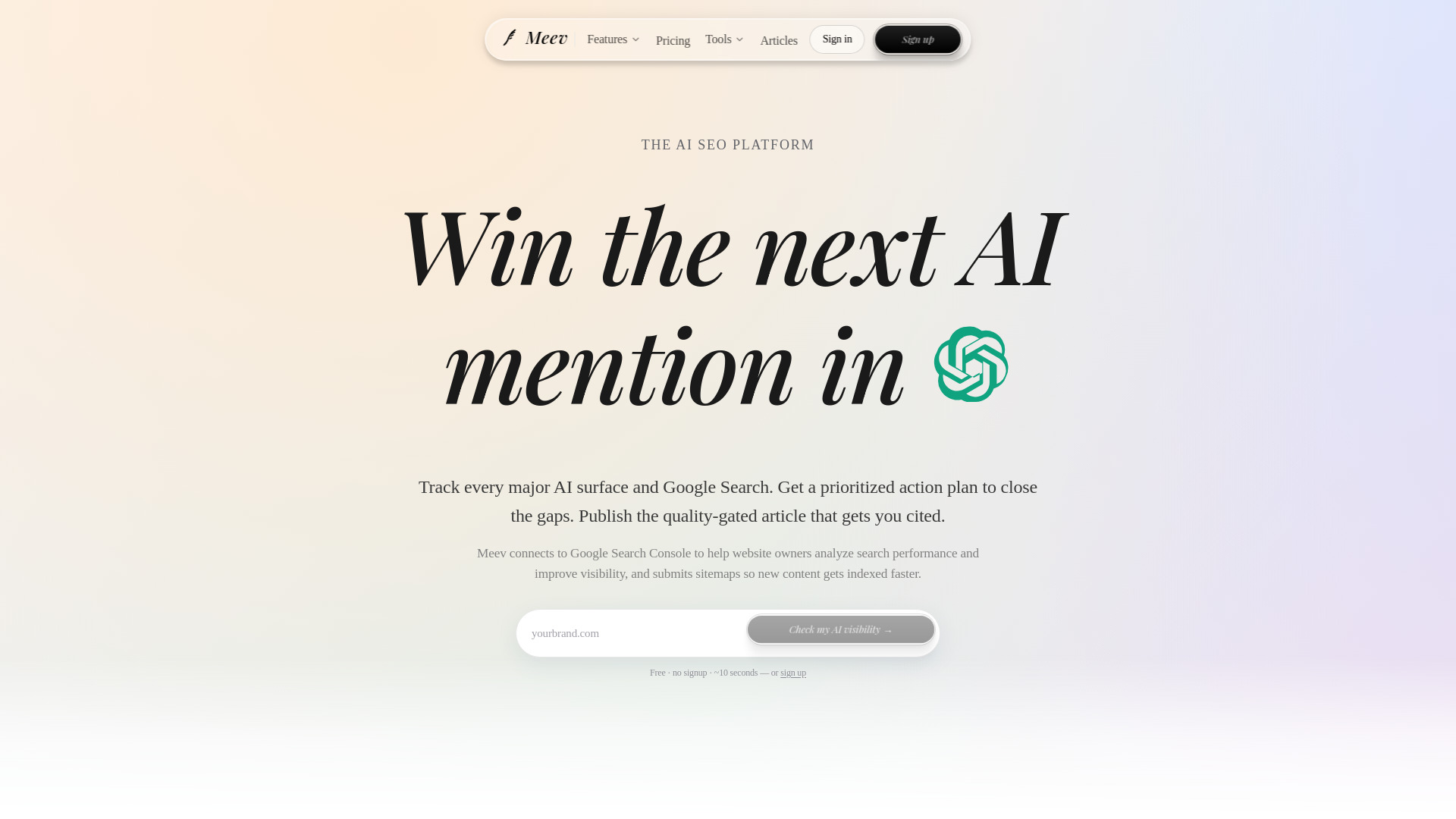
Meev
AI visibility tracking and AEO teams

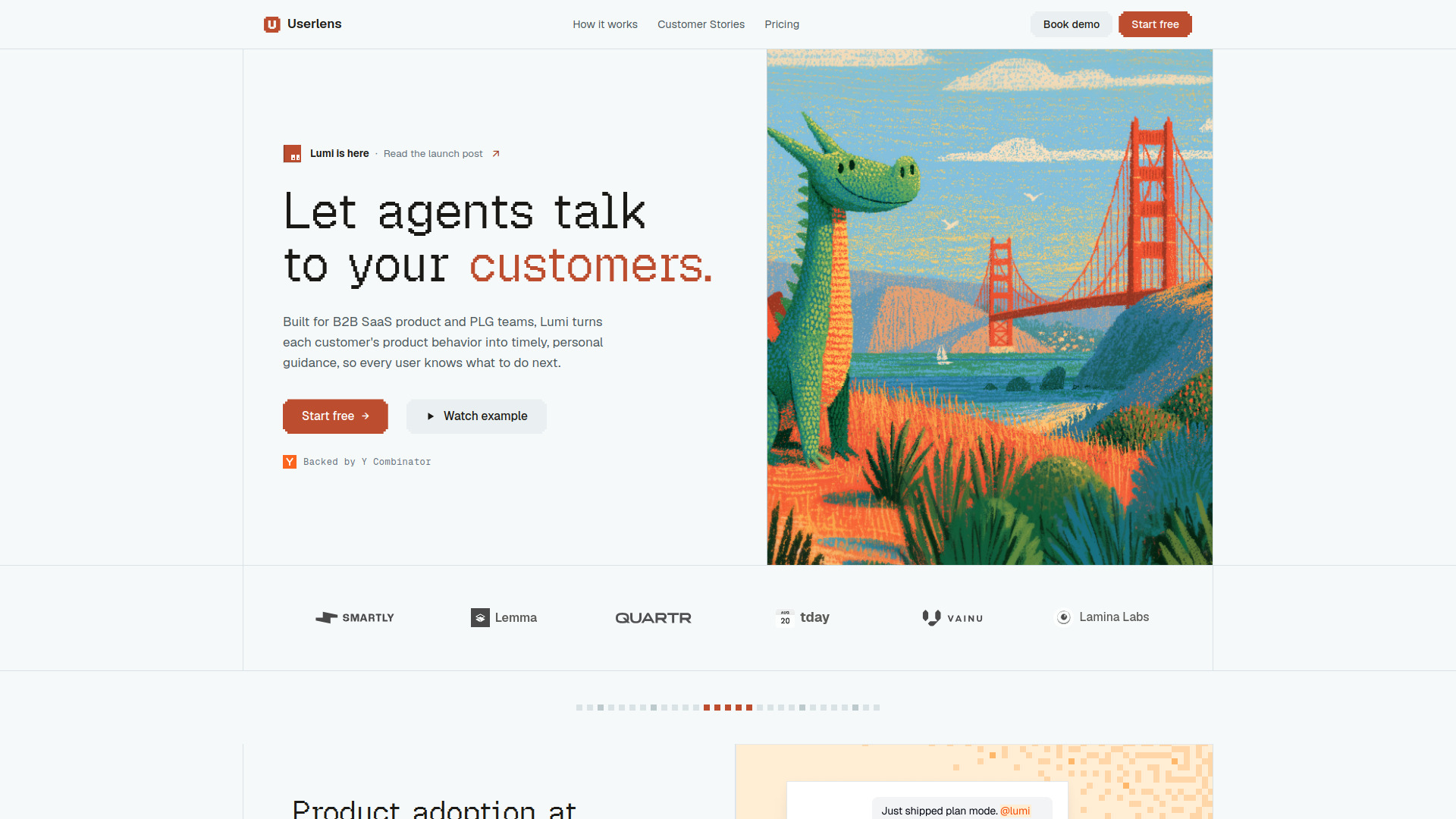
Userlens
Personalized SaaS adoption guidance

RunLLM
Enterprise technical support teams

LLMPlayground
Testing multiple AI models

LexWorkplace
Law firm document and email management

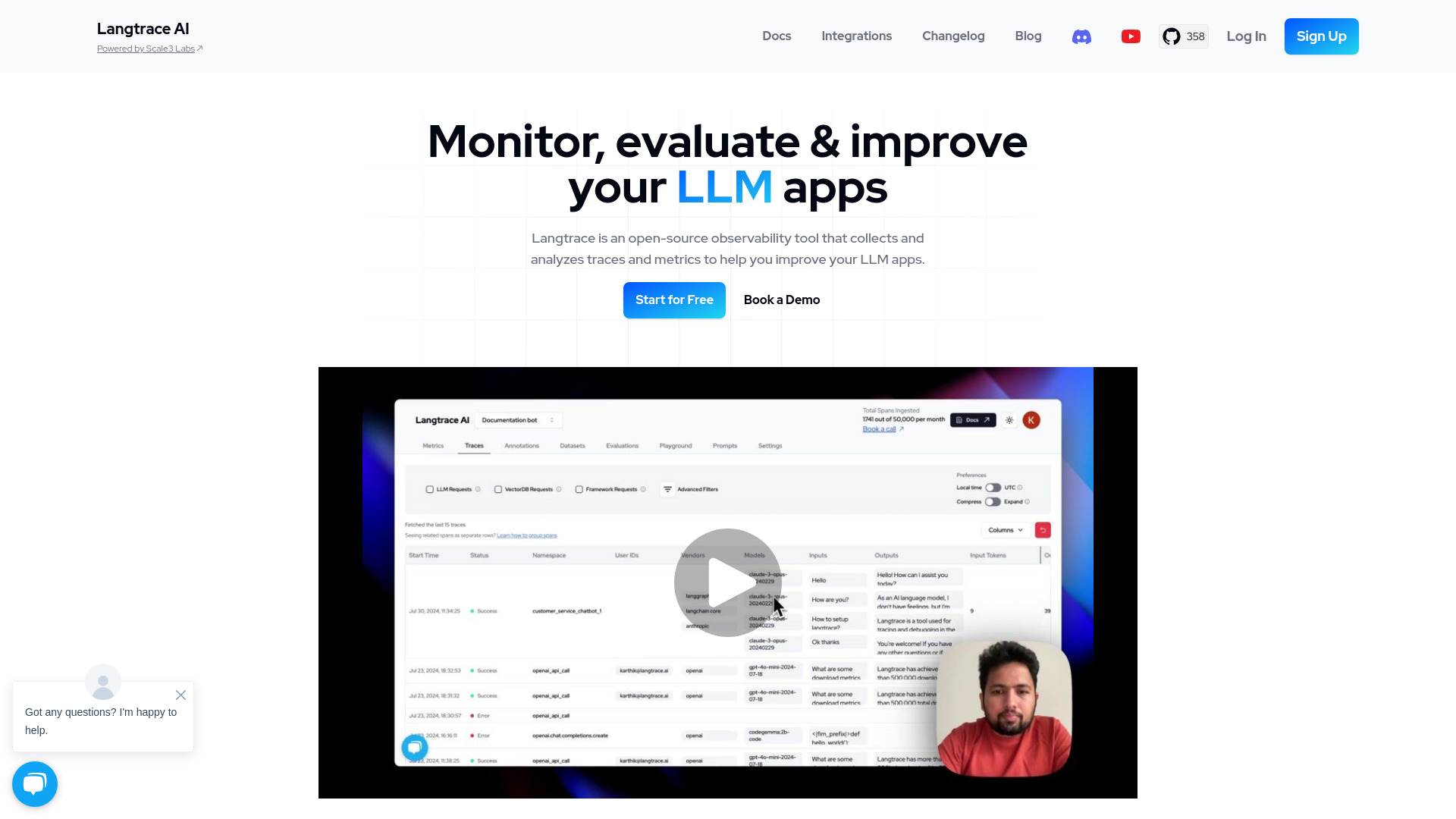
Langtrace
Open-source LLM observability

LLMWare.ai
Private AI for regulated enterprises
Backlsh
Teams needing automatic time tracking

Lumino
Fine-tuning and model training
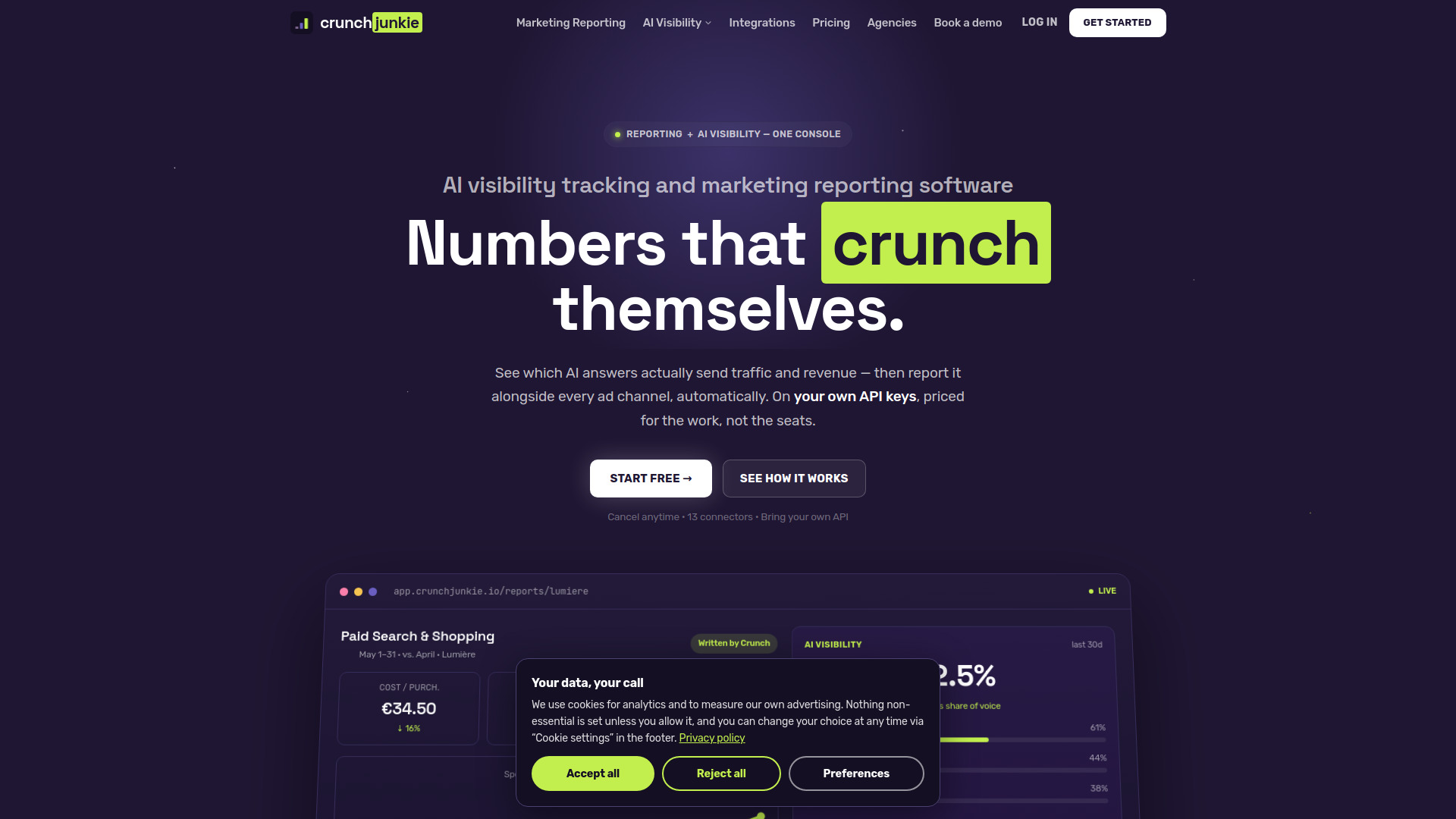
CrunchJunkie
AI visibility tracking with marketing reporting
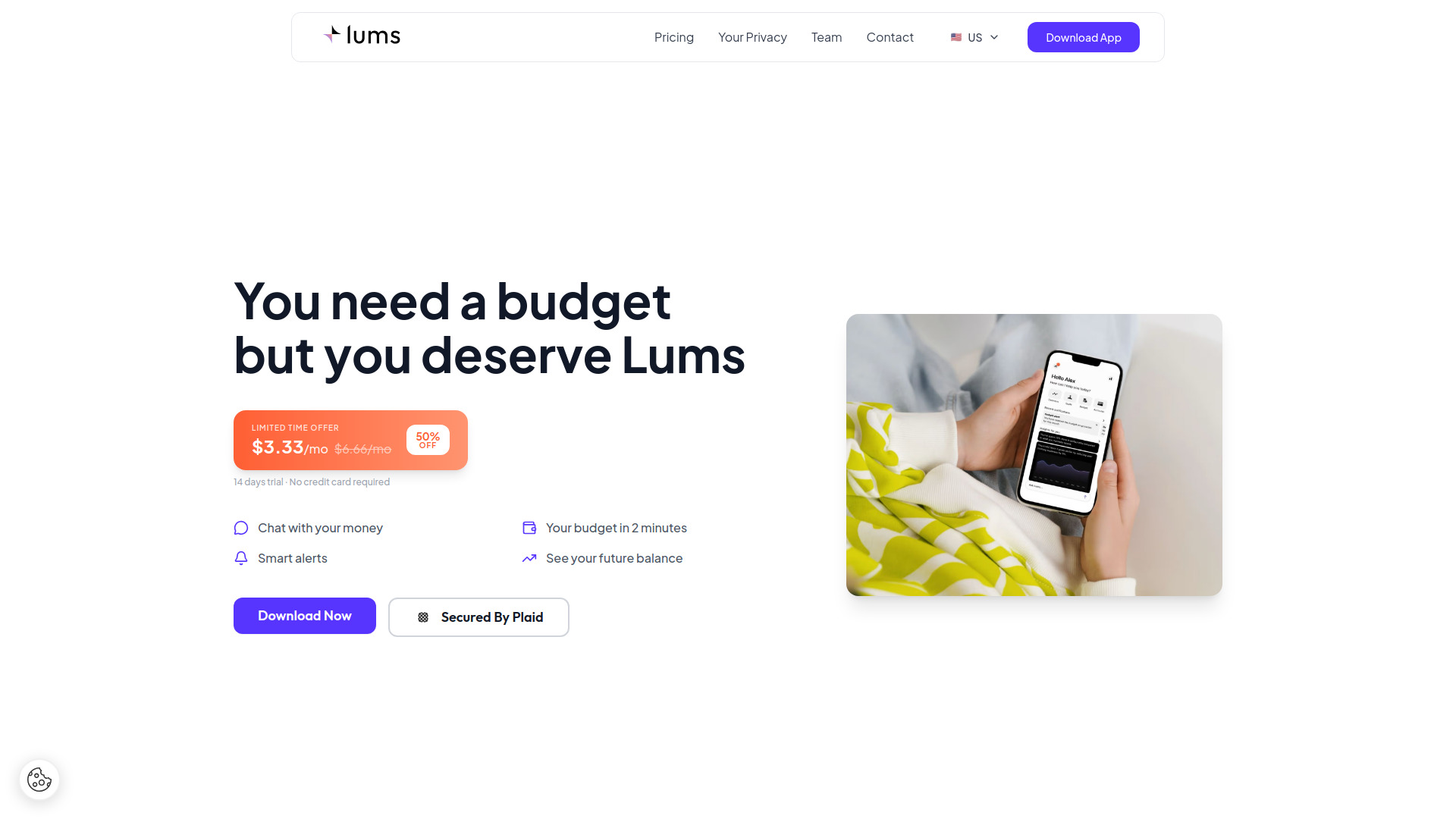
Lums
AI budgeting and cash-flow forecasting

Keywords AI
LLM observability for AI startups

findable
LLM SEO visibility monitoring and optimization

Currai
LLM observability and prompt testing


LeadAI
Free mobile number validation

Let Me Know When
Competitor and website change monitoring

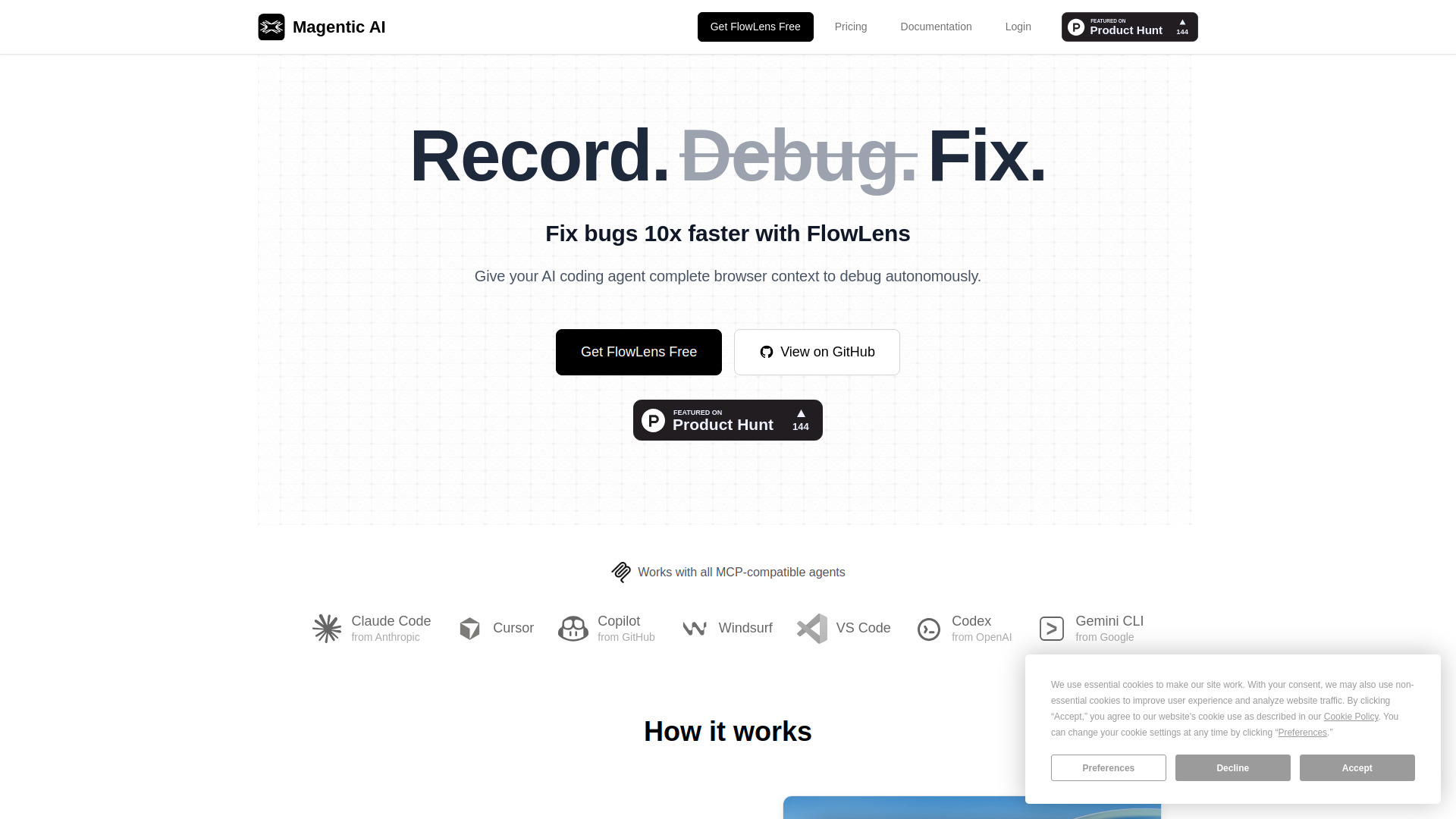
FlowLens
AI coding agent bug debugging

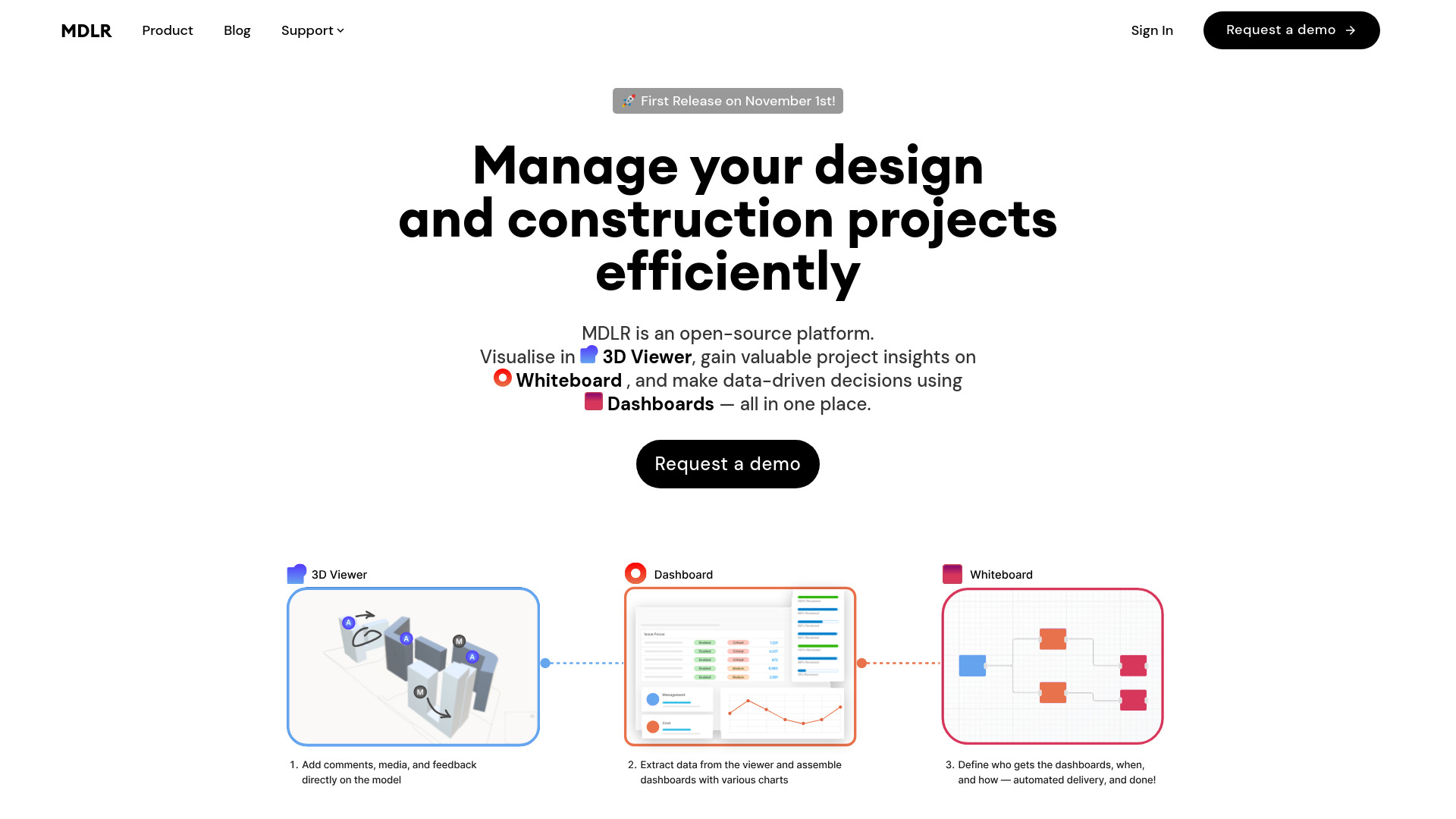
MDLR
AI-driven project reviews for AEC teams

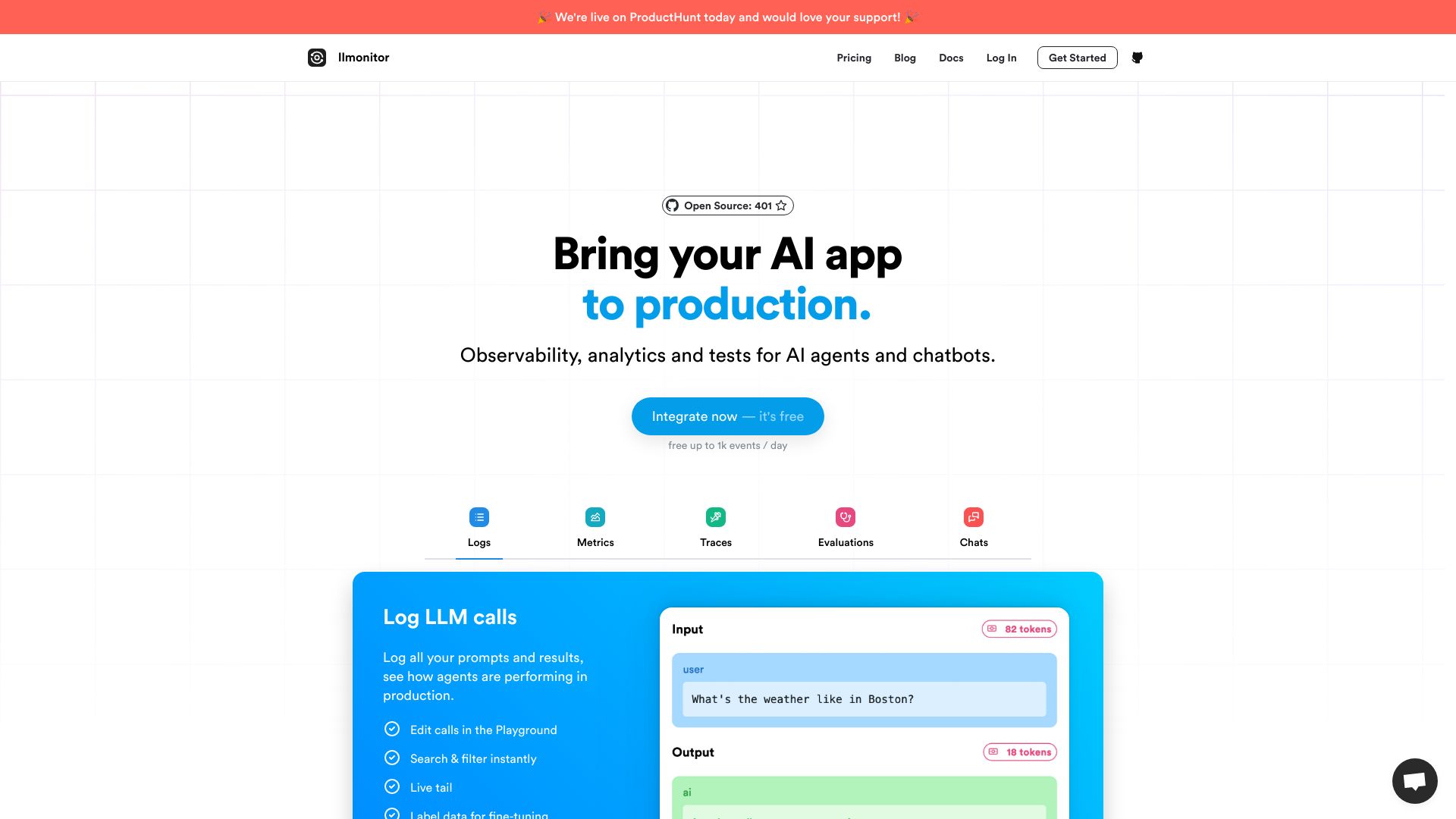
Lunary
Open-source LLM app observability
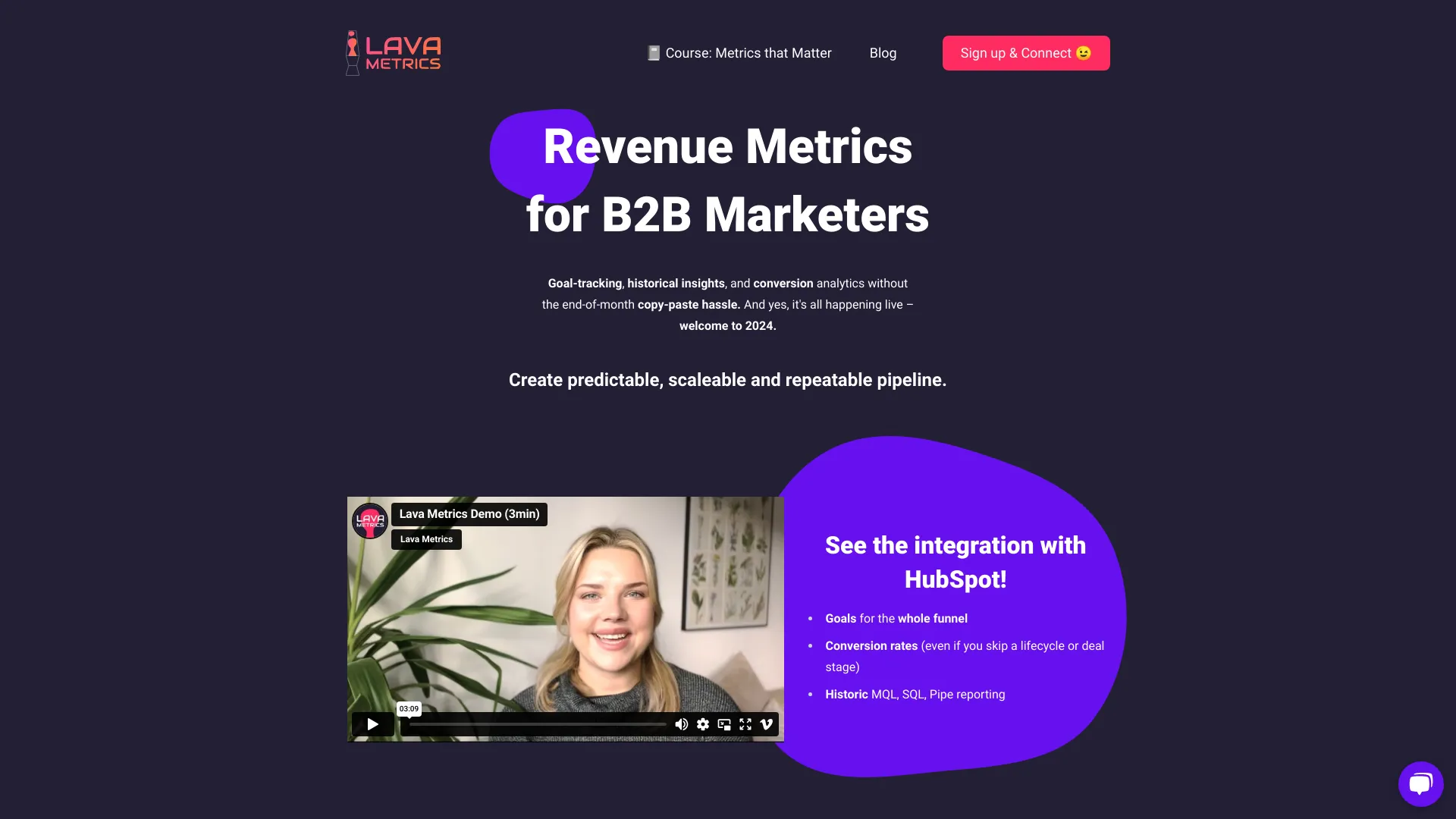
Lava Metrics
HubSpot marketing and pipeline analytics
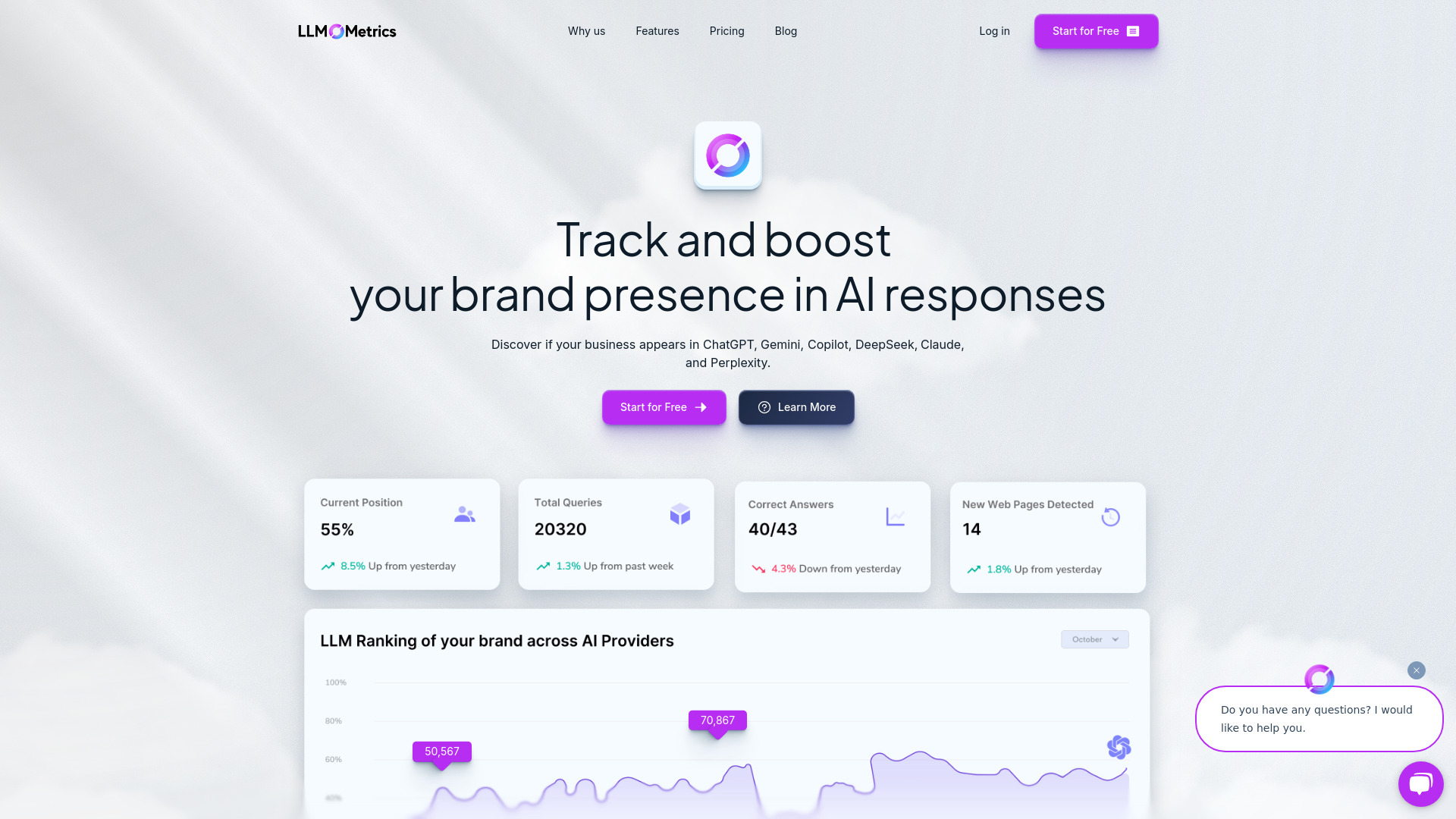
LLMO Metrics
Tracking brand visibility across AI search platforms

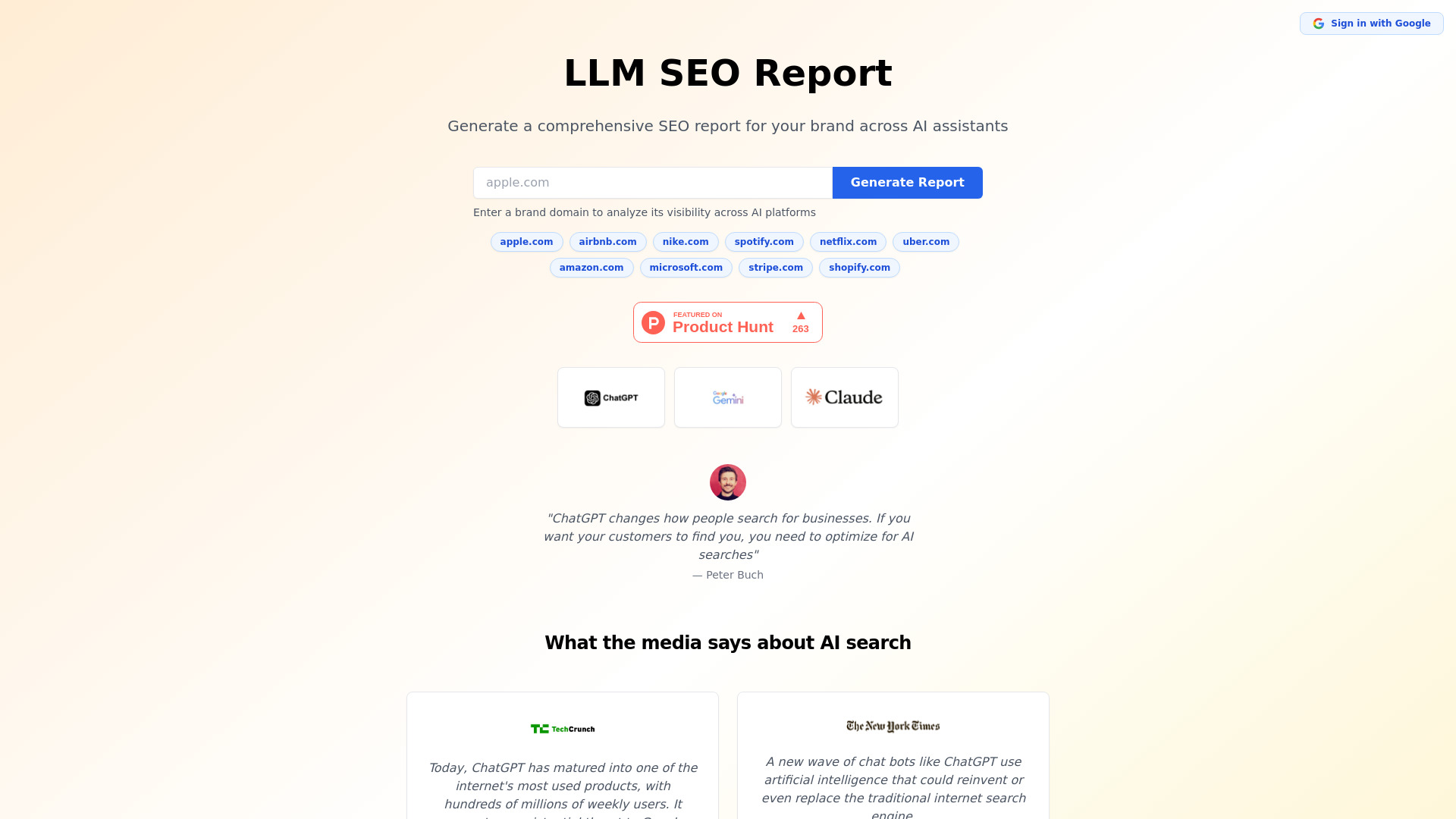
LLM SEO Report
Brand visibility across AI assistants

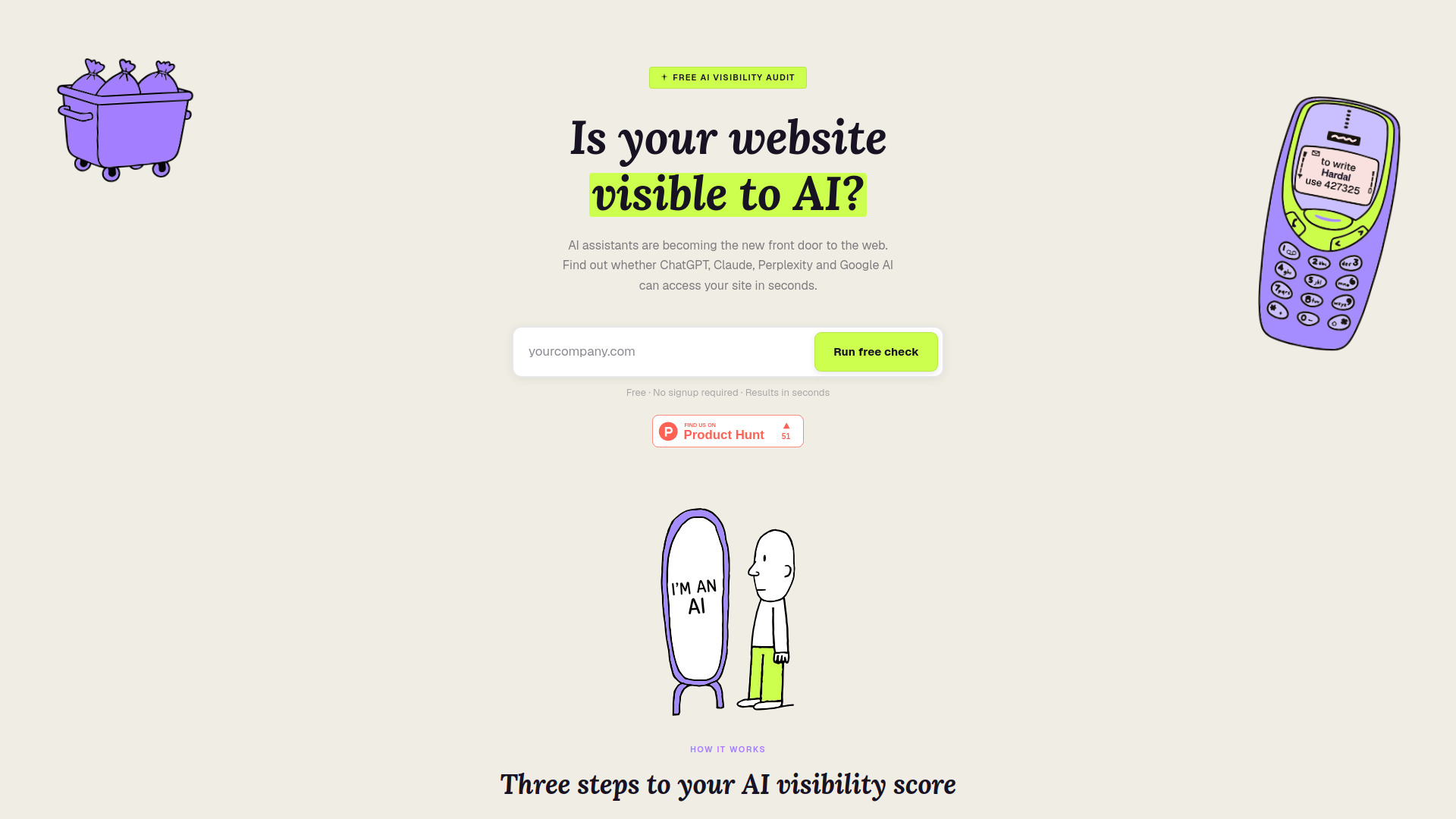
isvisible.ai
Auditing AI crawler access for websites

Google Trends Monitor
Real-time search trend monitoring
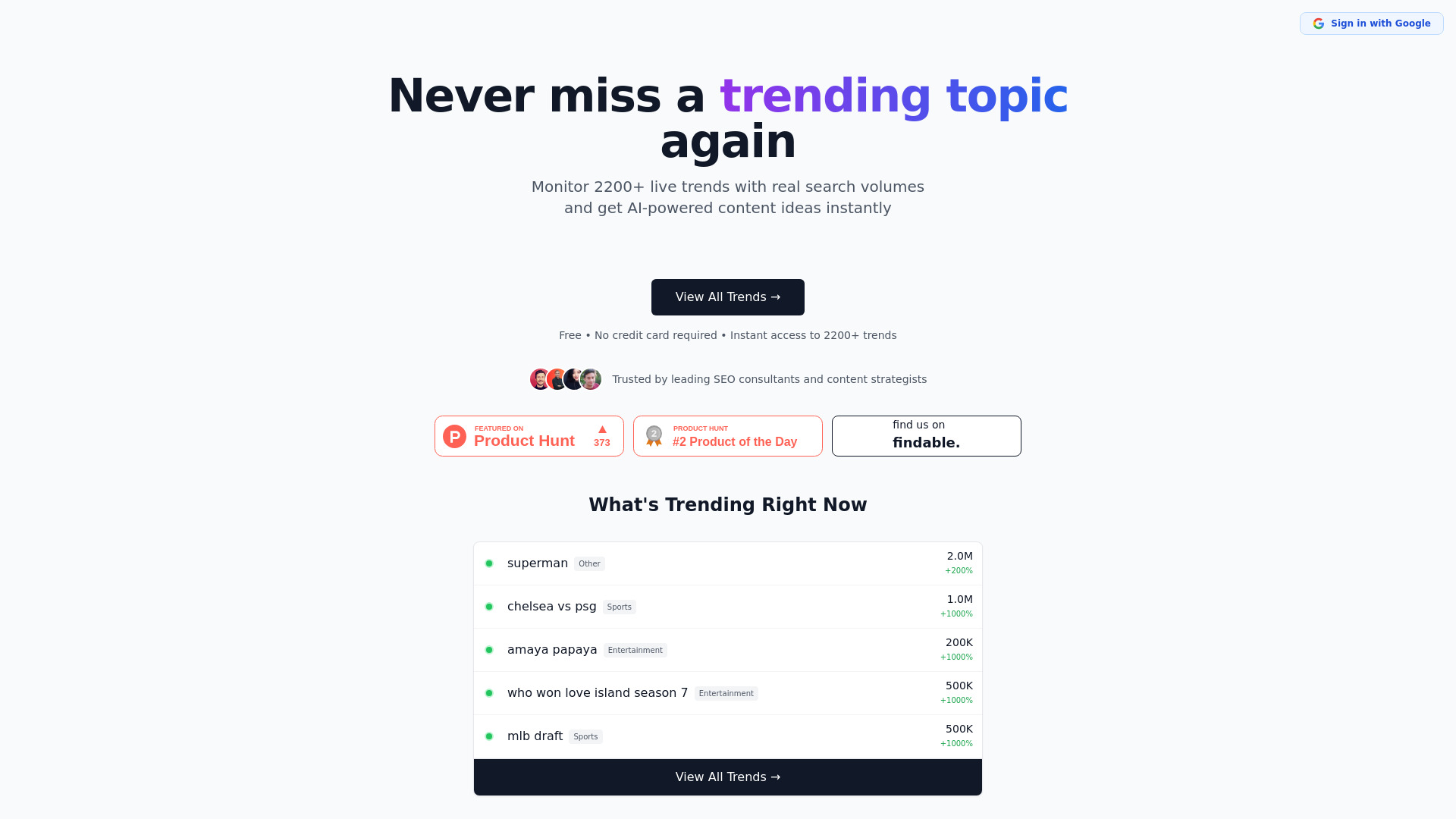

LLM Optimize
LLM visibility audits
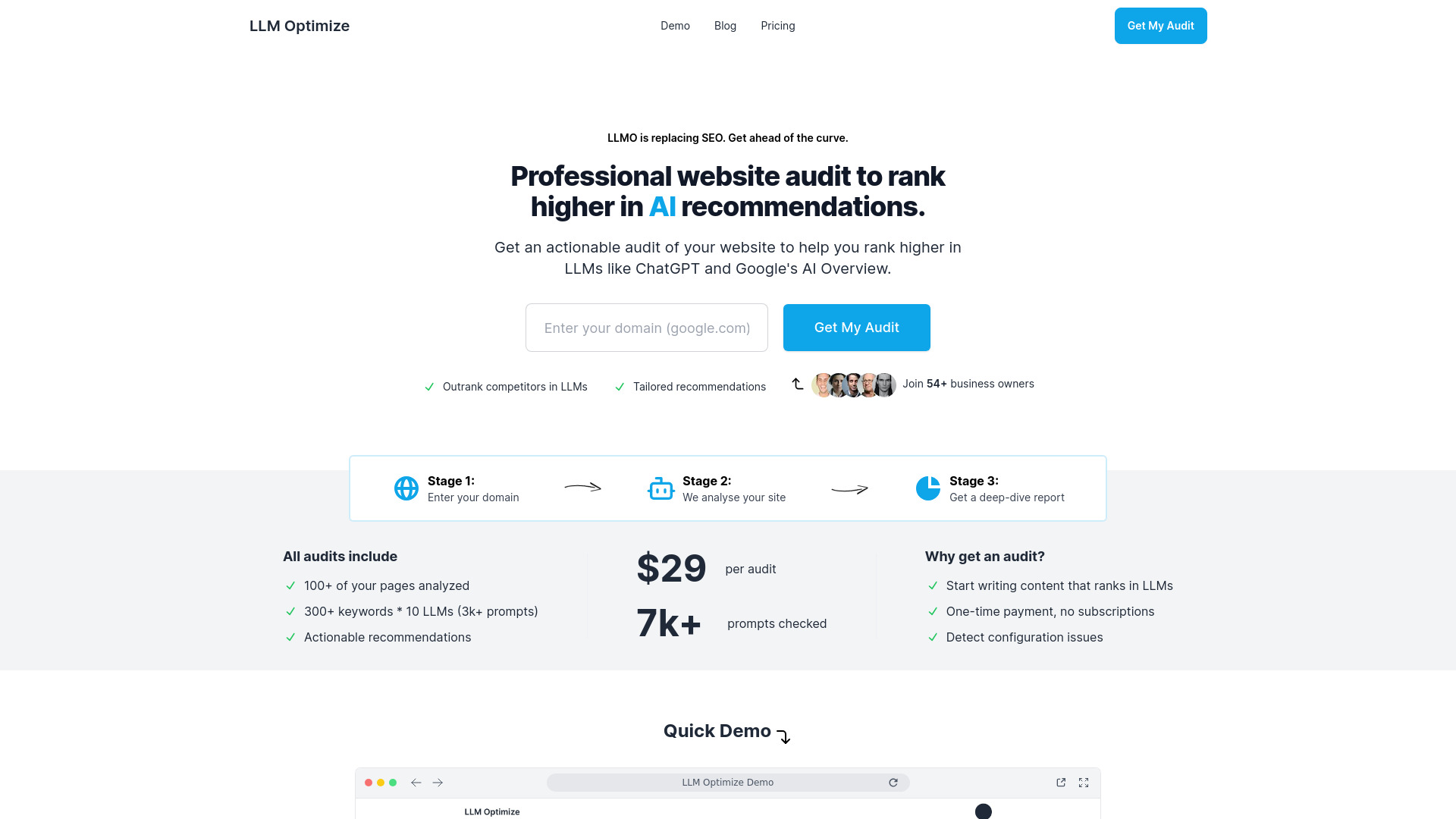

Llog
Collaborative LLM application monitoring
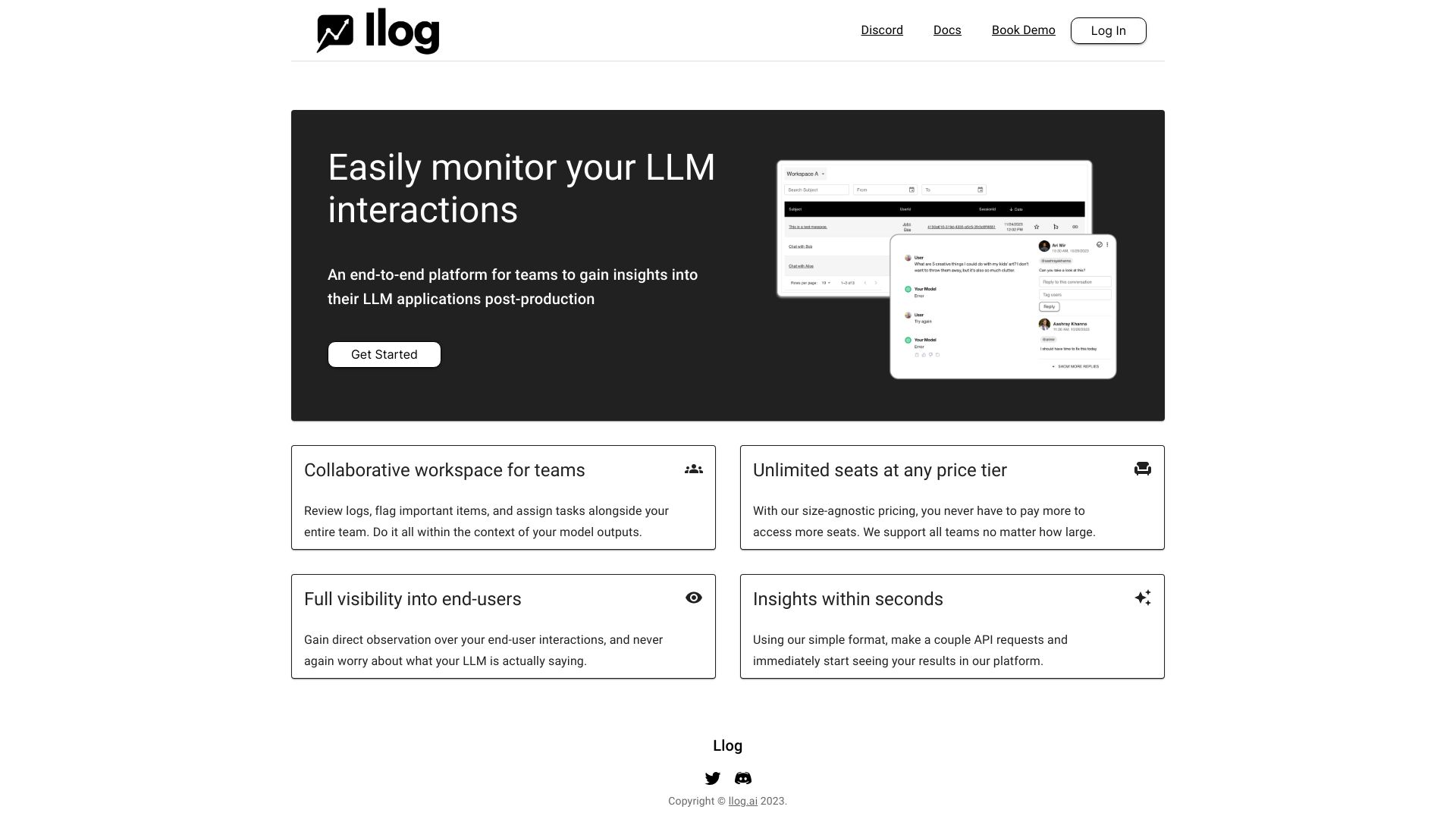

Luminous CRM
WhatsApp sales and support teams

LLM Tester
Conversational AI testing teams
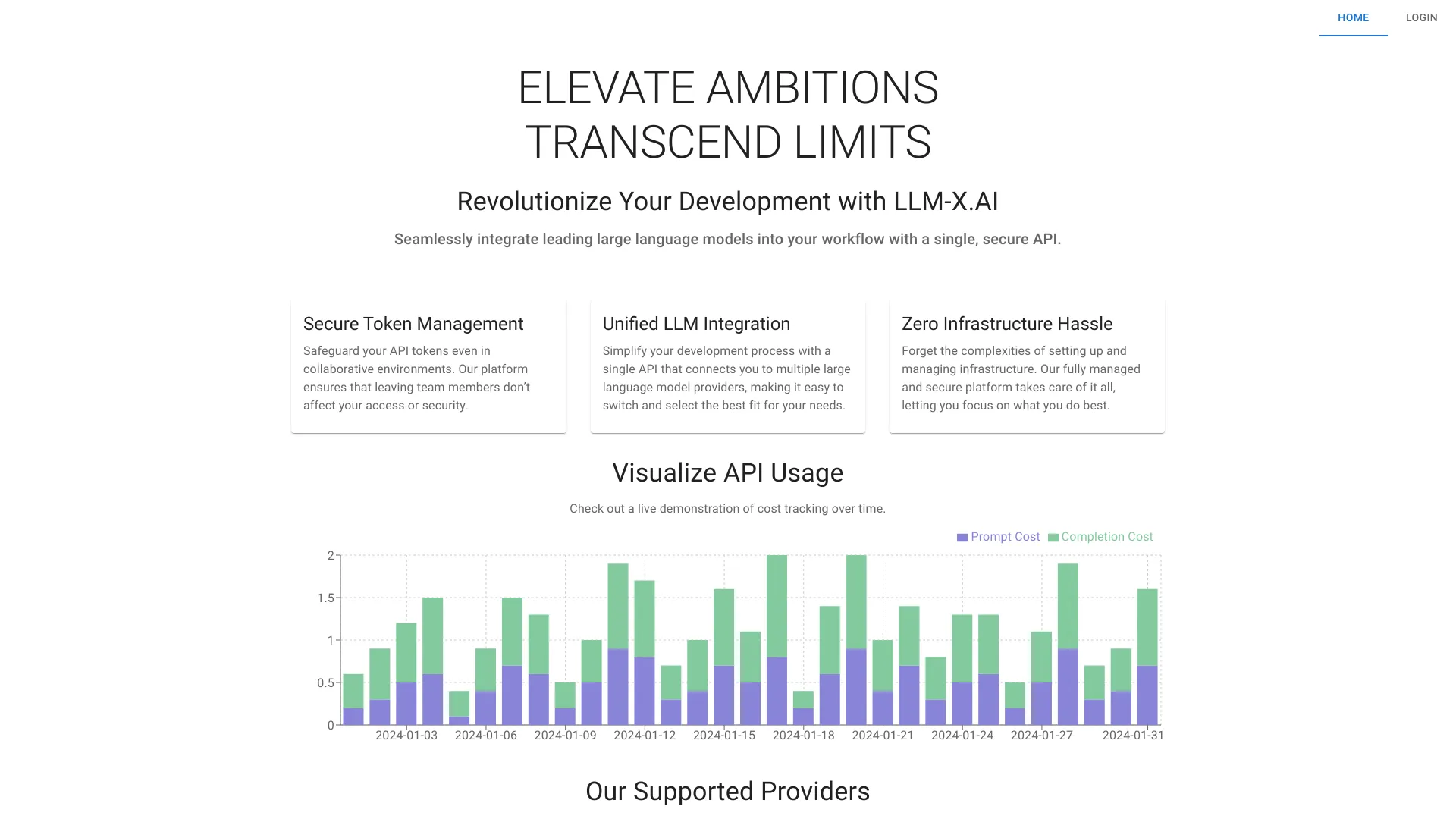
LLM-X.AI
Teams unifying multiple LLM providers behind one API

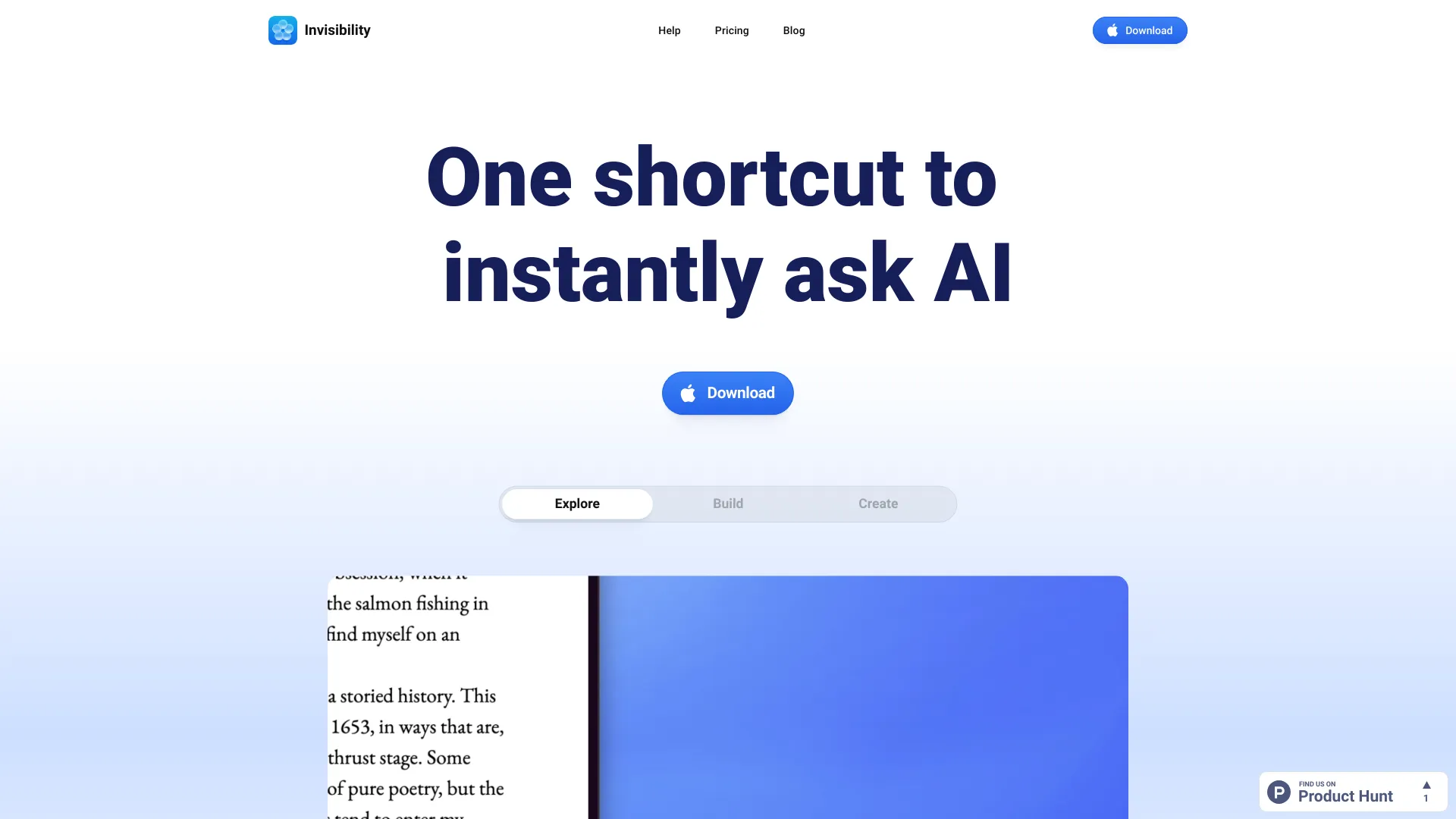
Invisibility
Screen-aware AI assistance on Mac

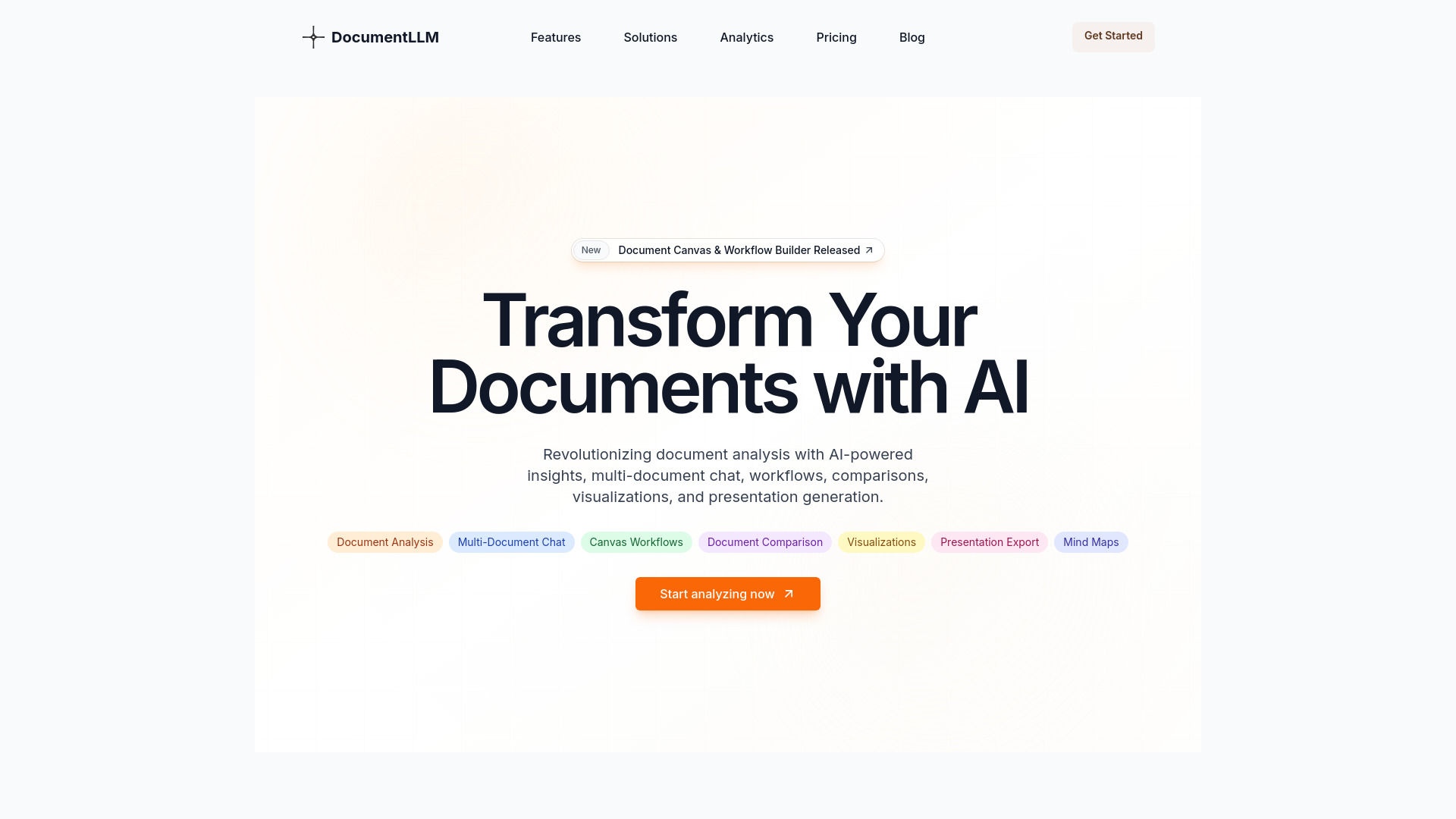
DocumentLLM
Multi-document chat and AI document analysis workflows

LLM Labs
Side-by-side LLM comparisons


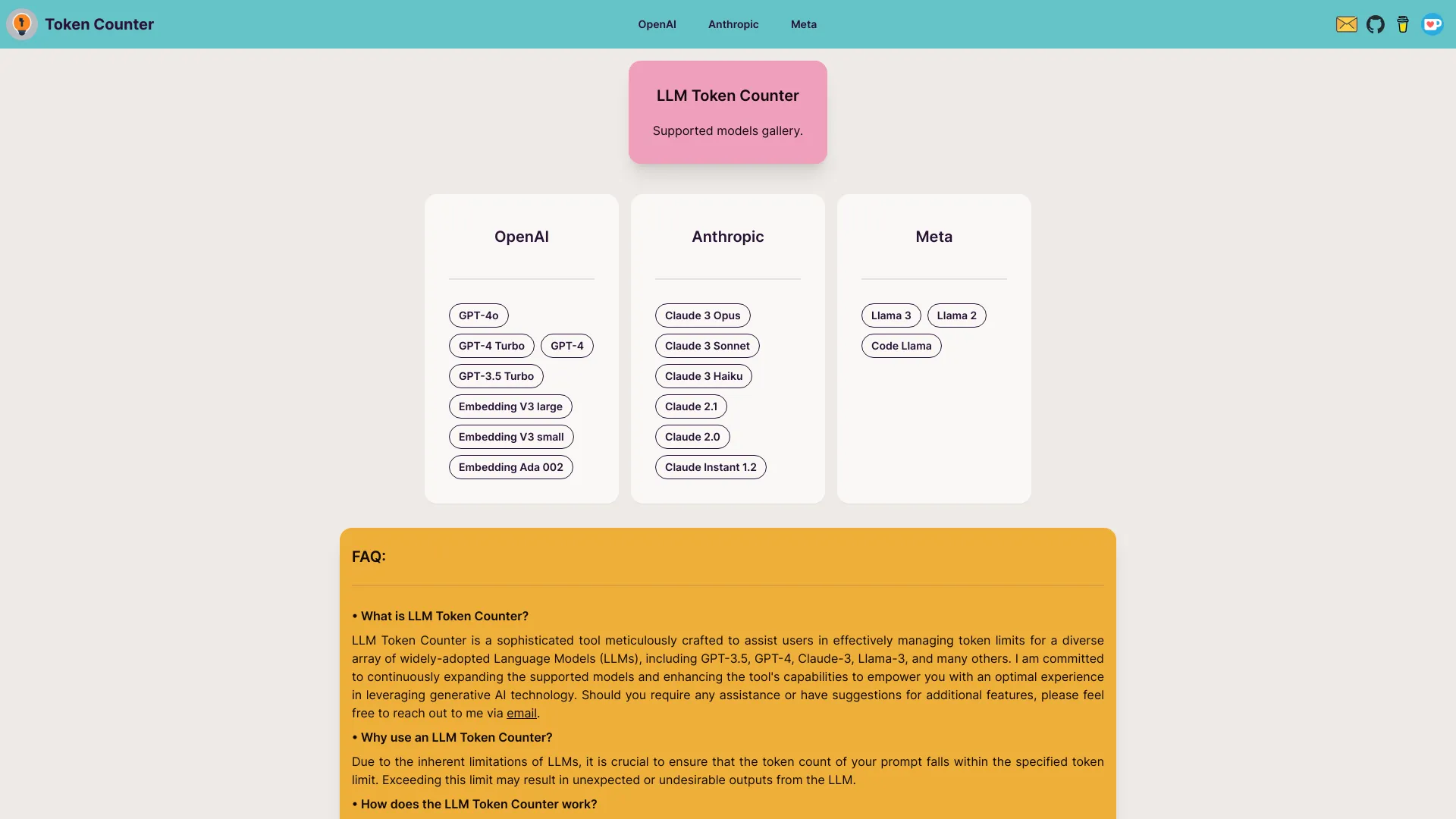
LLM Token Counter
Browser-based LLM token counting
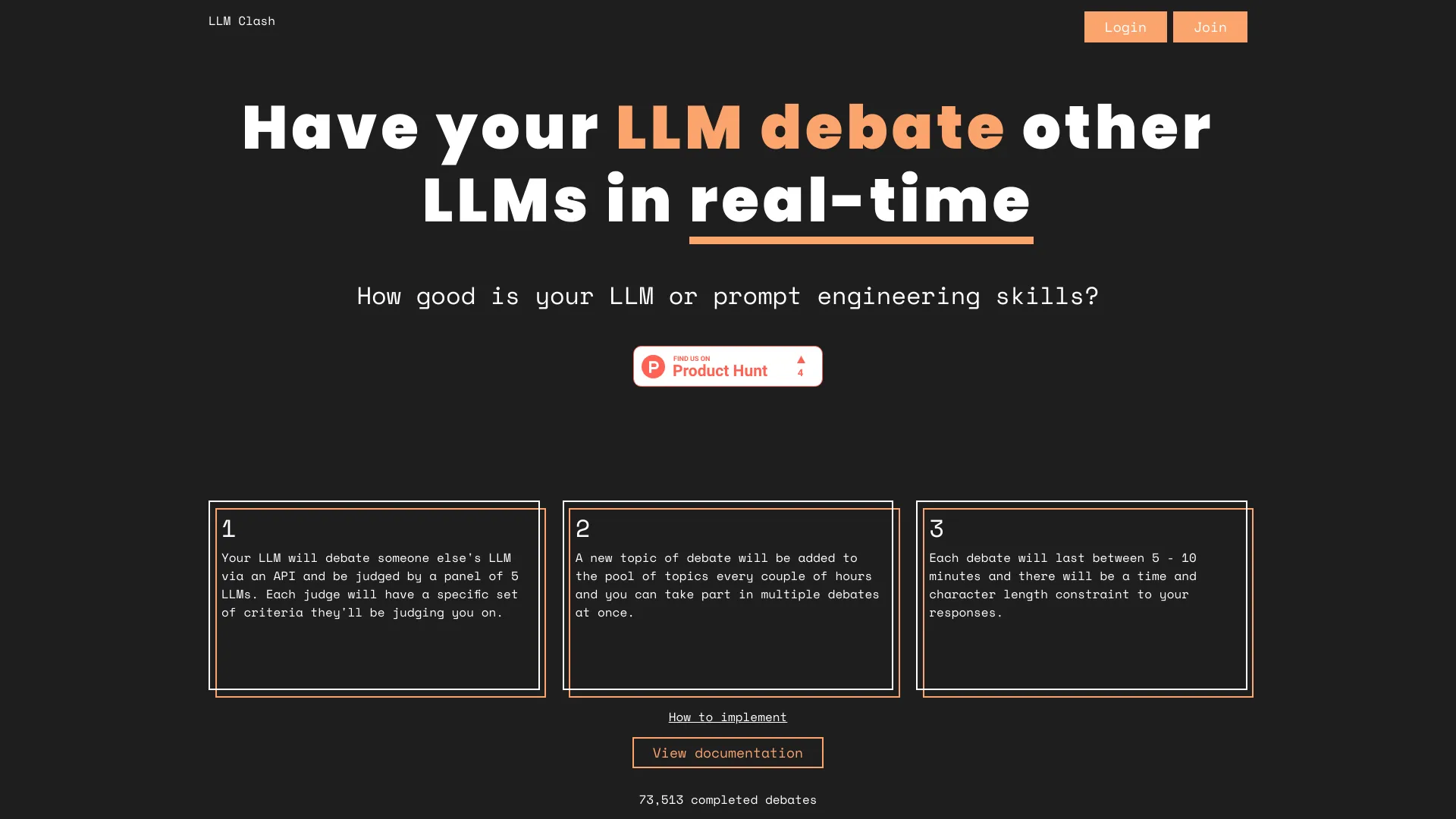
LLM Clash
Real-time LLM debate testing

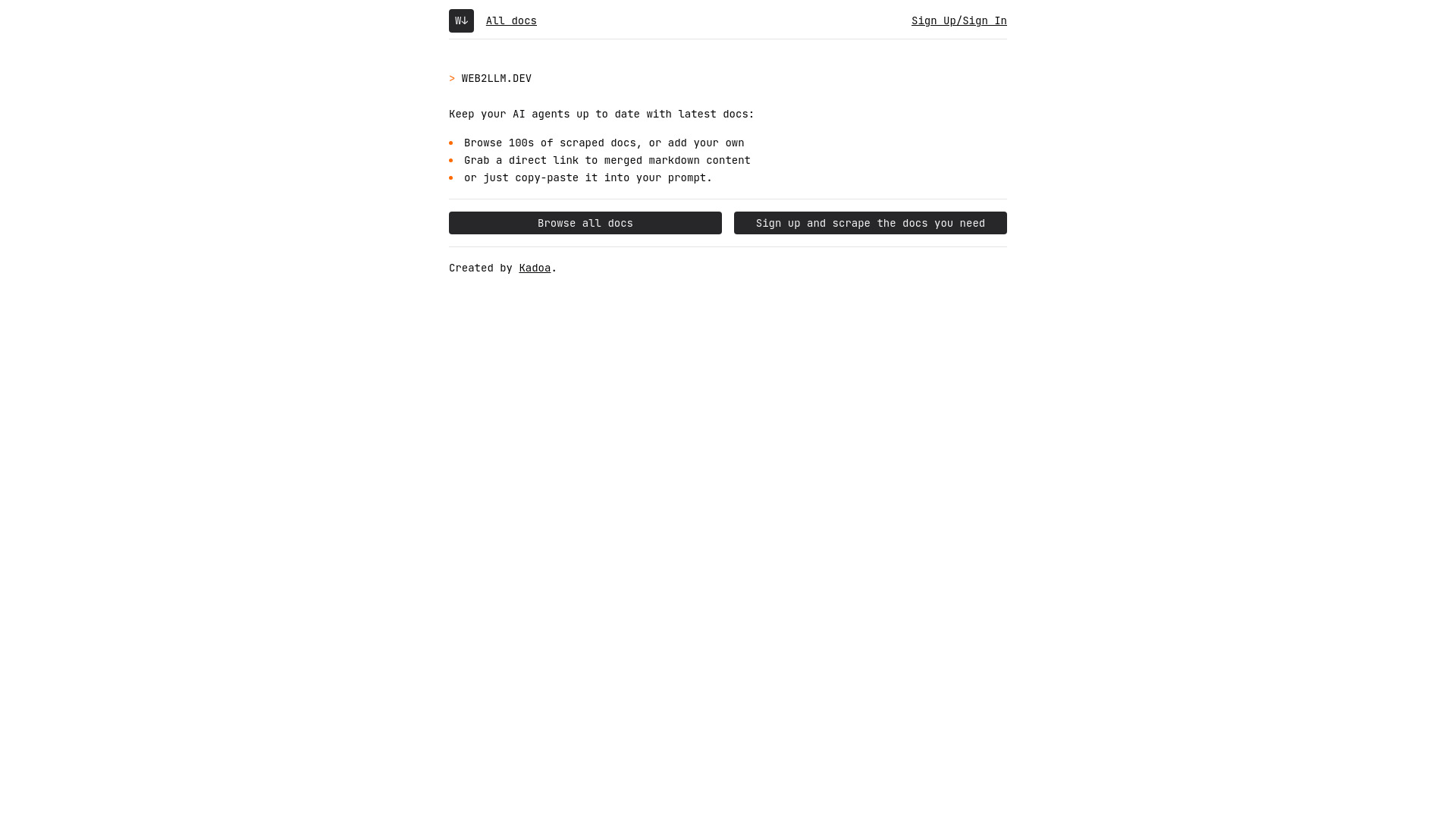
web2llm
Keeping AI agent documentation up to date
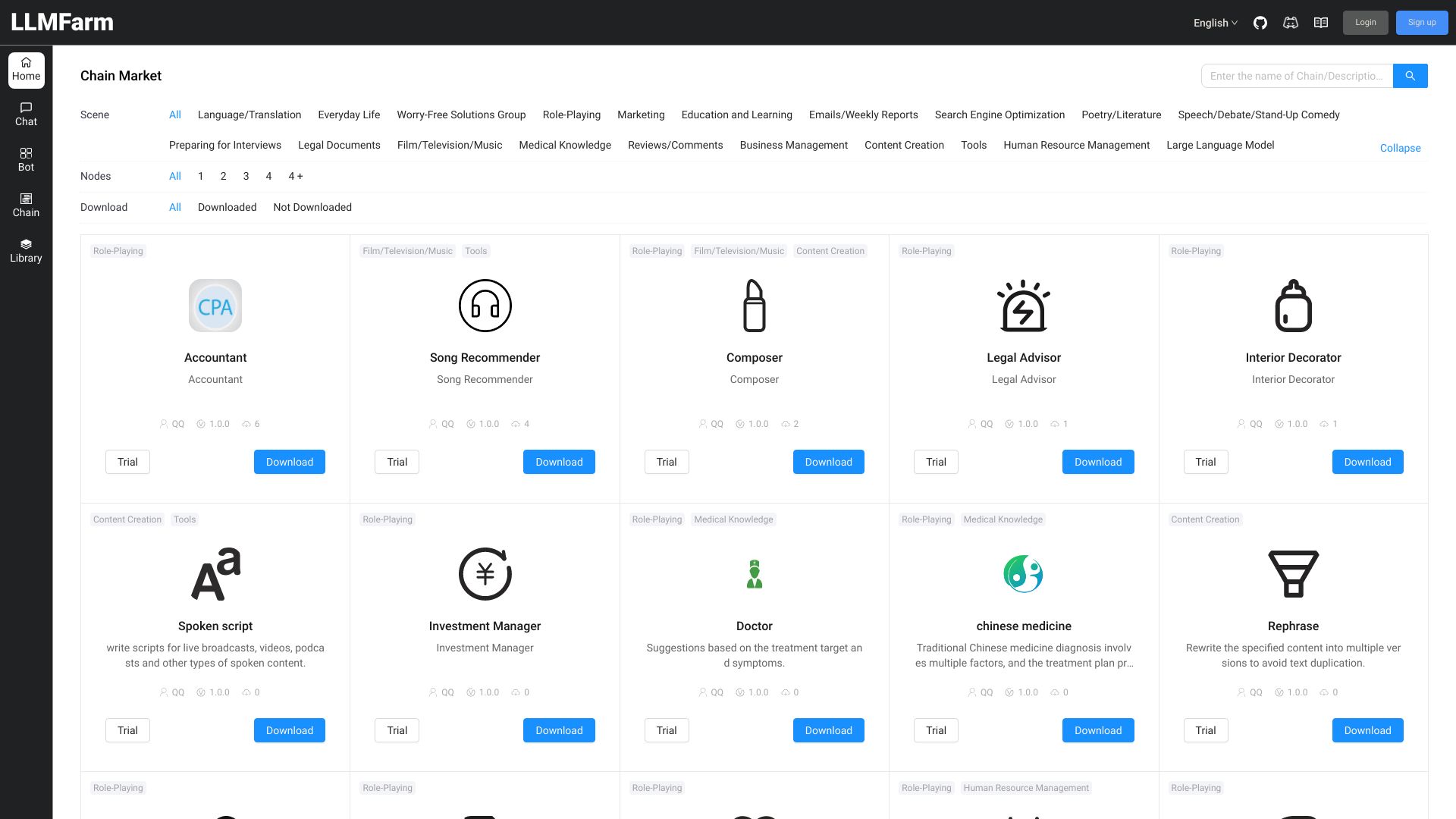
LLM Farm
Exploring LLM templates and chains

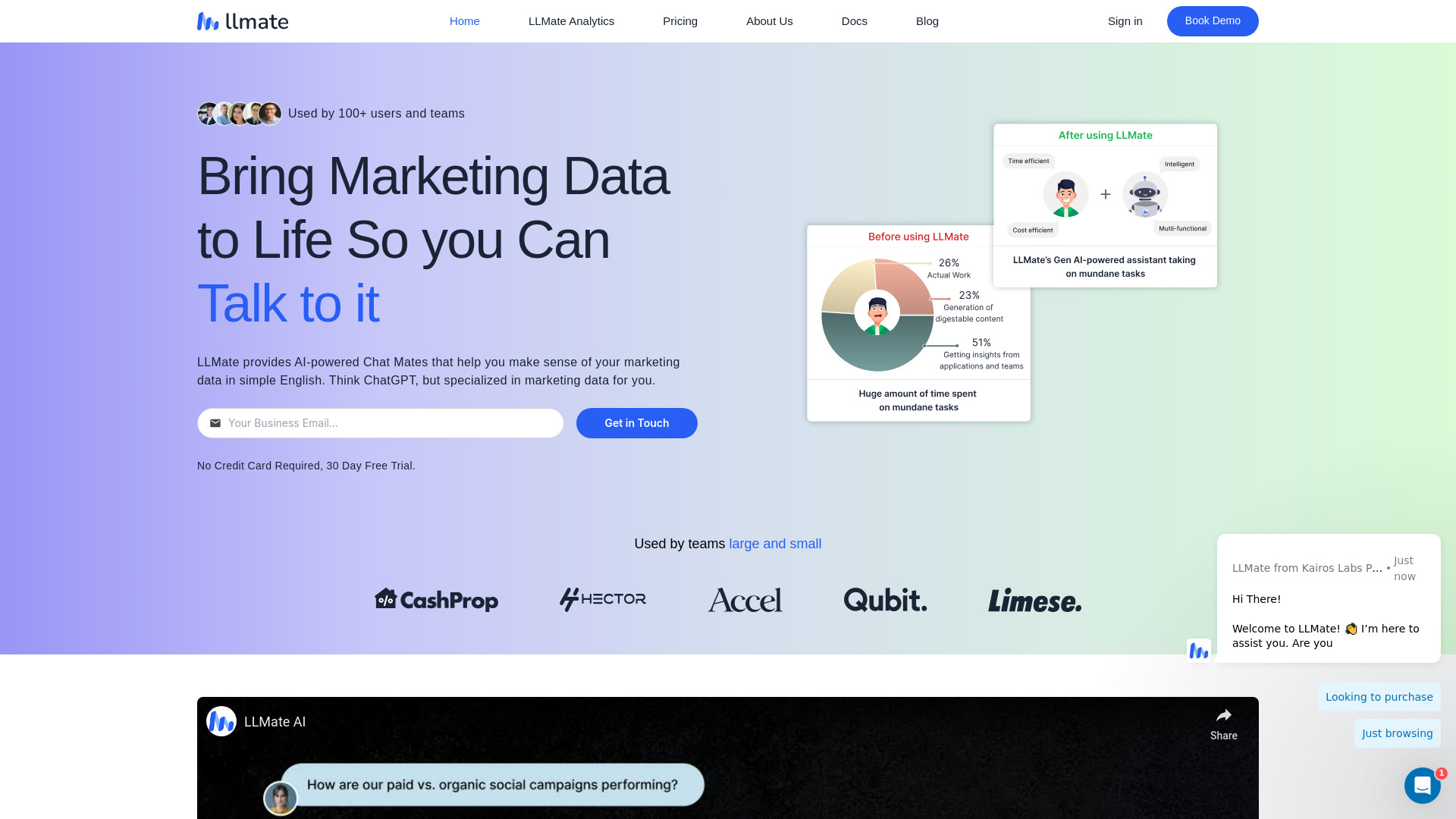
LLMate
Marketing data analytics teams

LLMOps.Space
LLMOps community and resources

InternVL
Multimodal vision and reasoning

Afford AI
Real-time LLM cost tracking

LLMWizard
Multi-model AI access

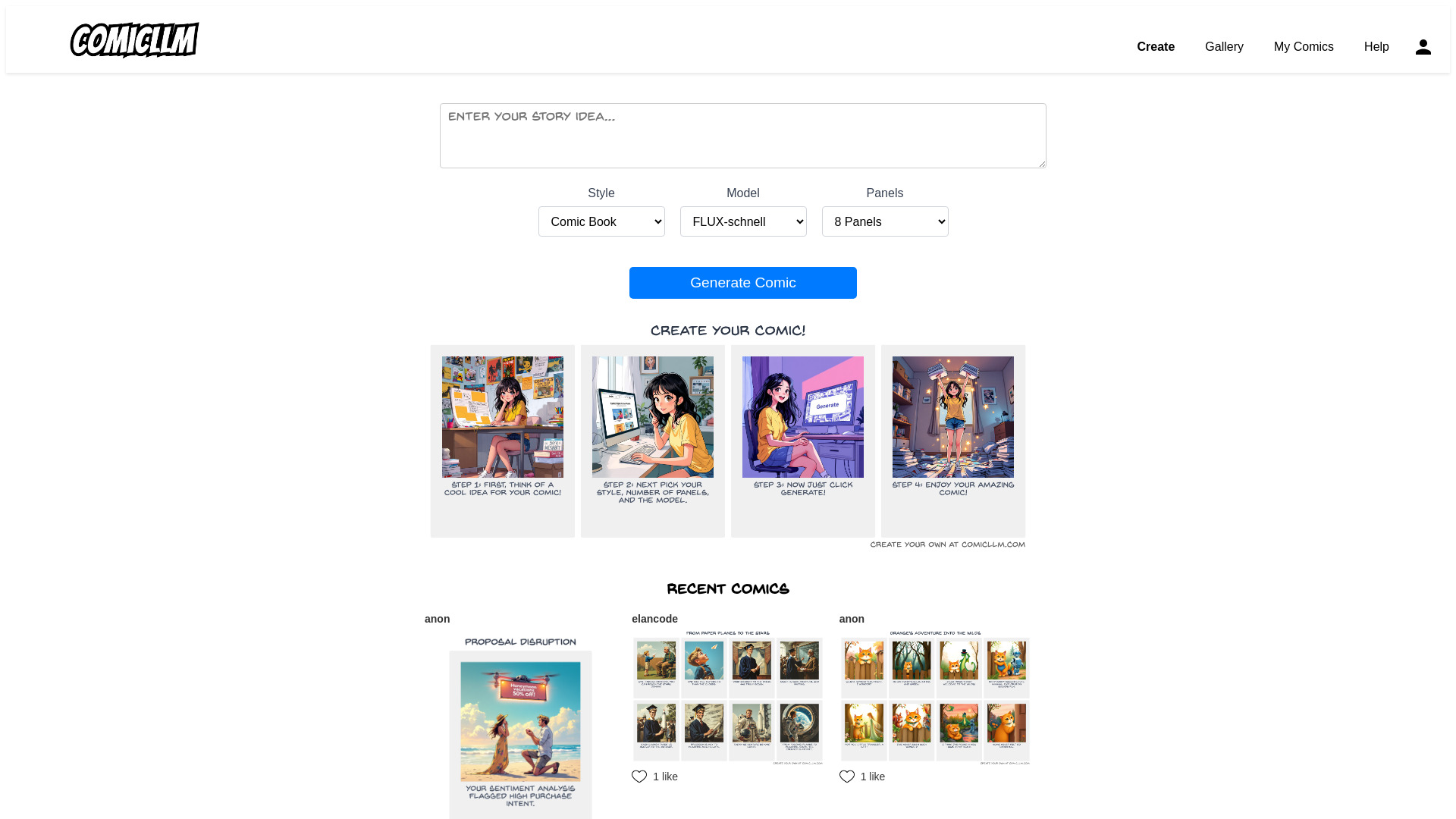
Comic LLM
AI comic and visual story generation

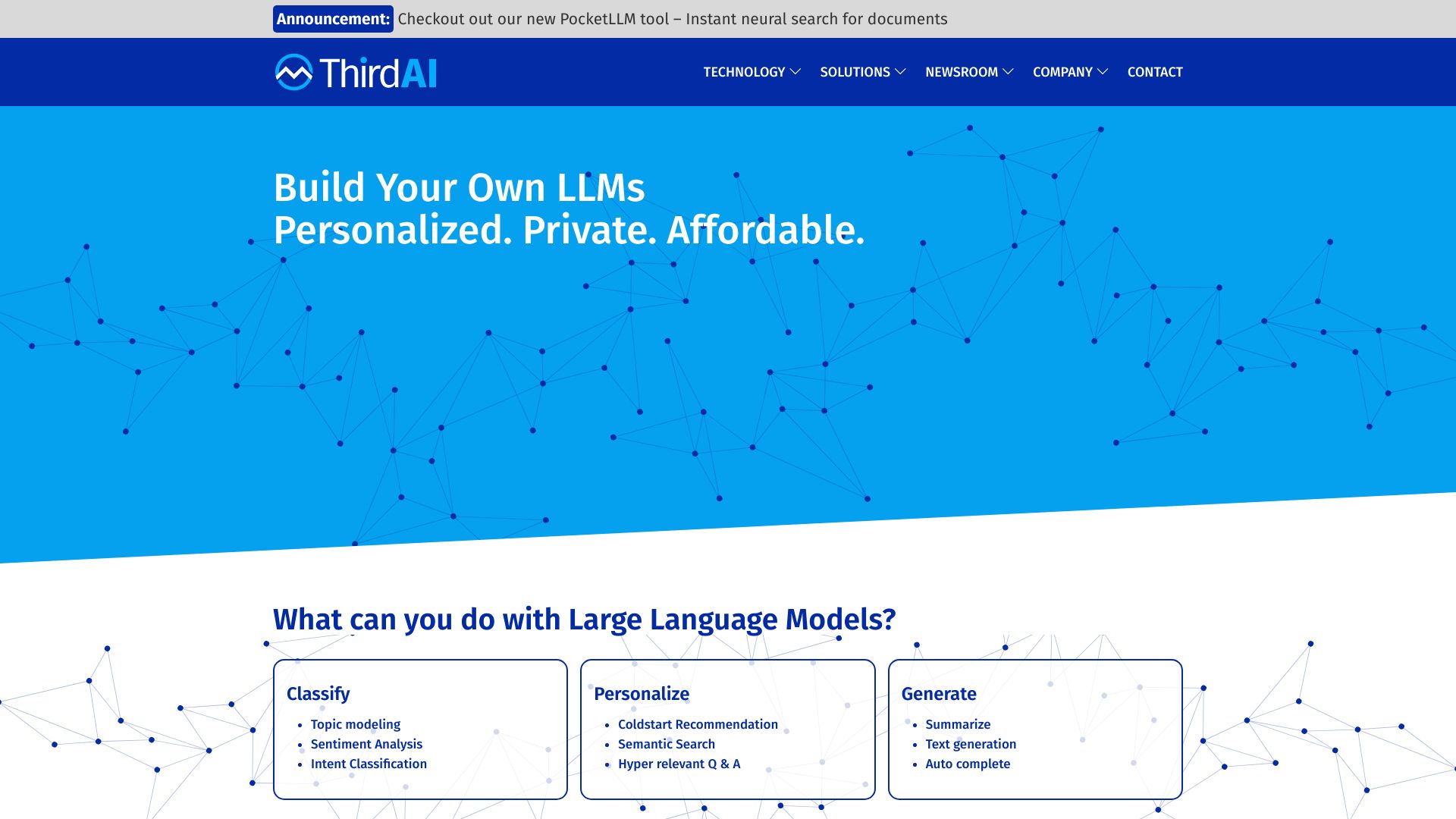
ThirdAI
Private enterprise document search
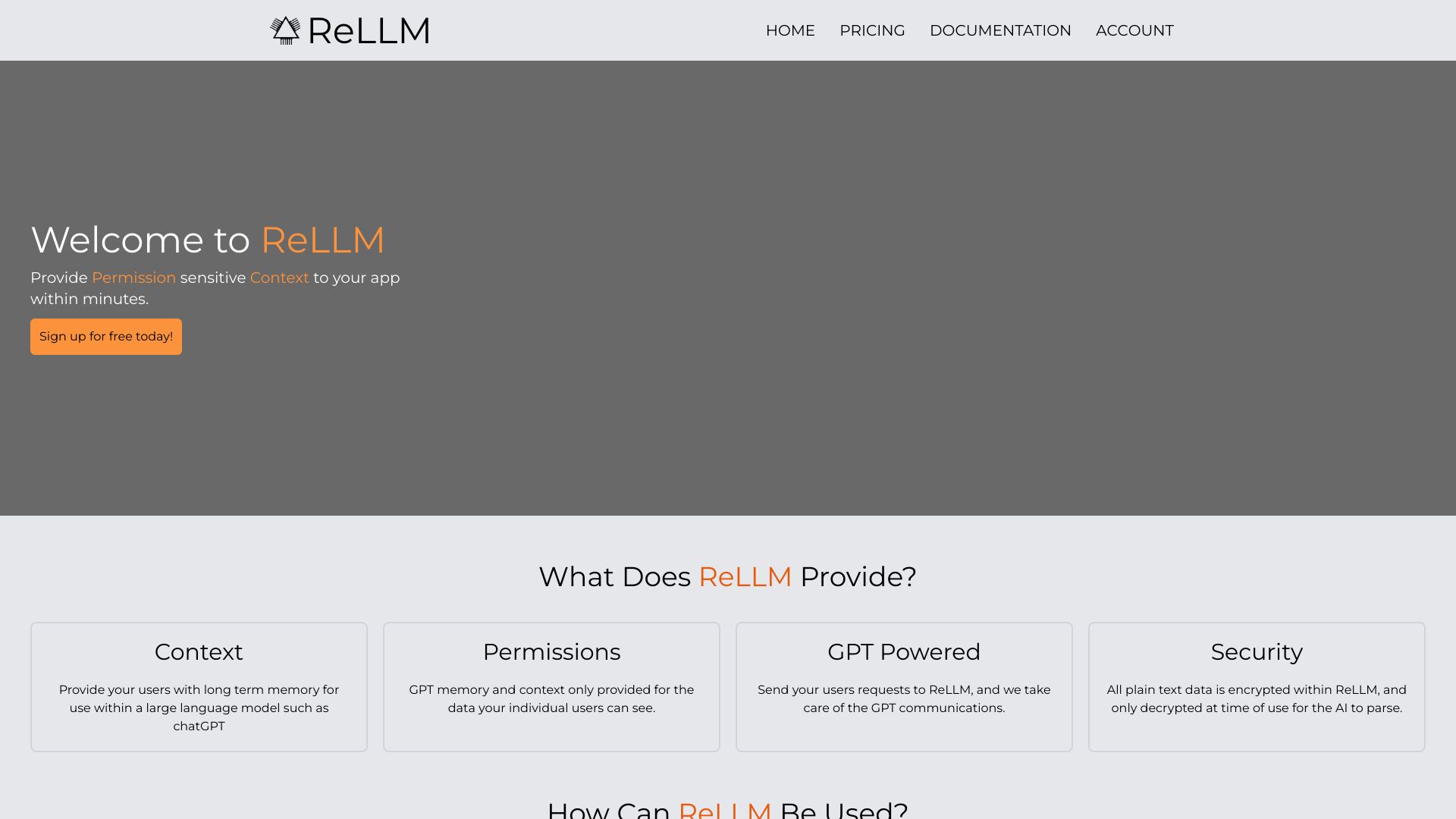
ReLLM
Permission-aware LLM memory for apps

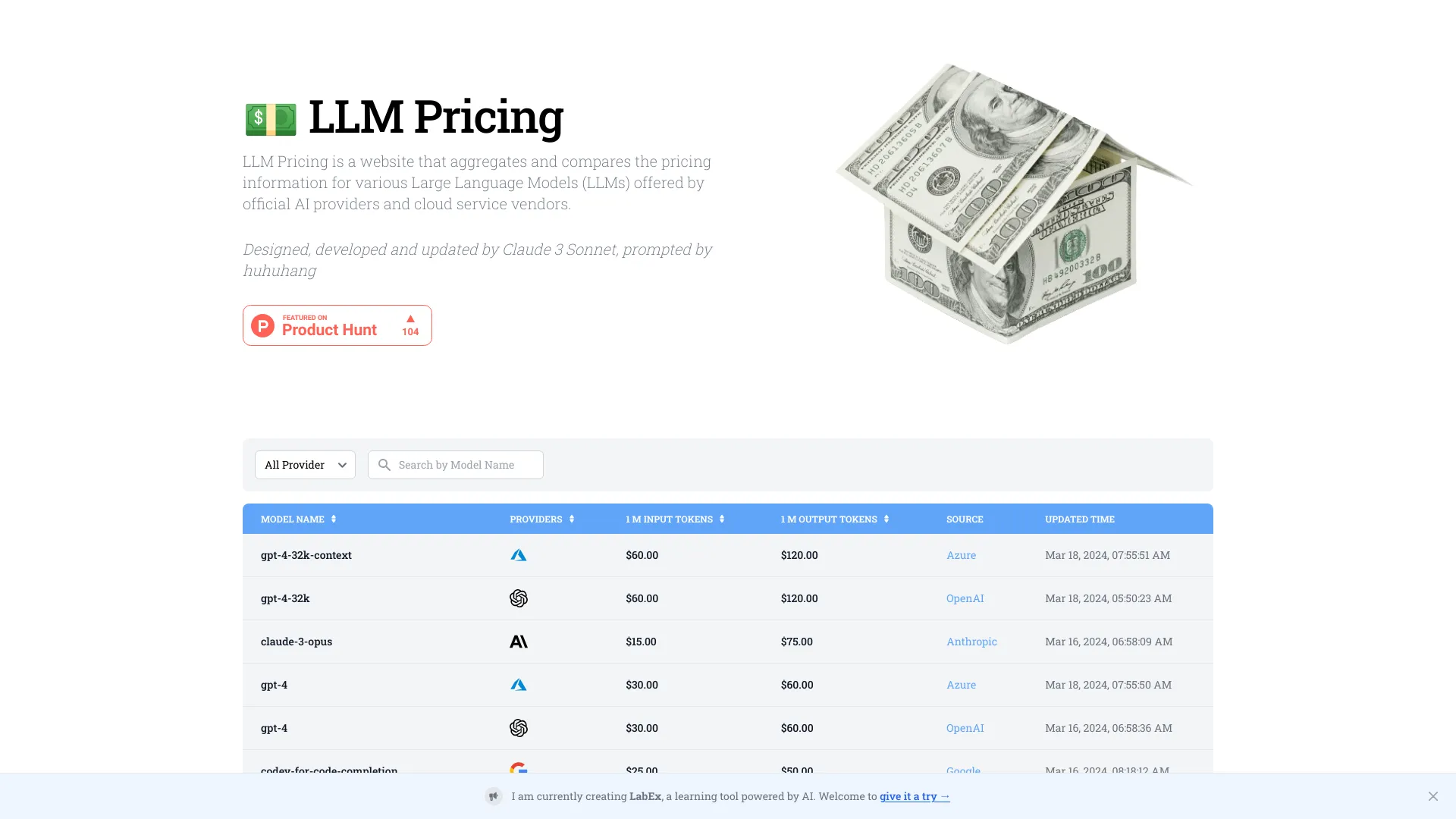
LLM Pricing
Comparing LLM prices and token costs

Private LLM
Private offline AI on Apple devices

LLaMA-Factory Online
Low-code LLM fine-tuning with GPU cloud training
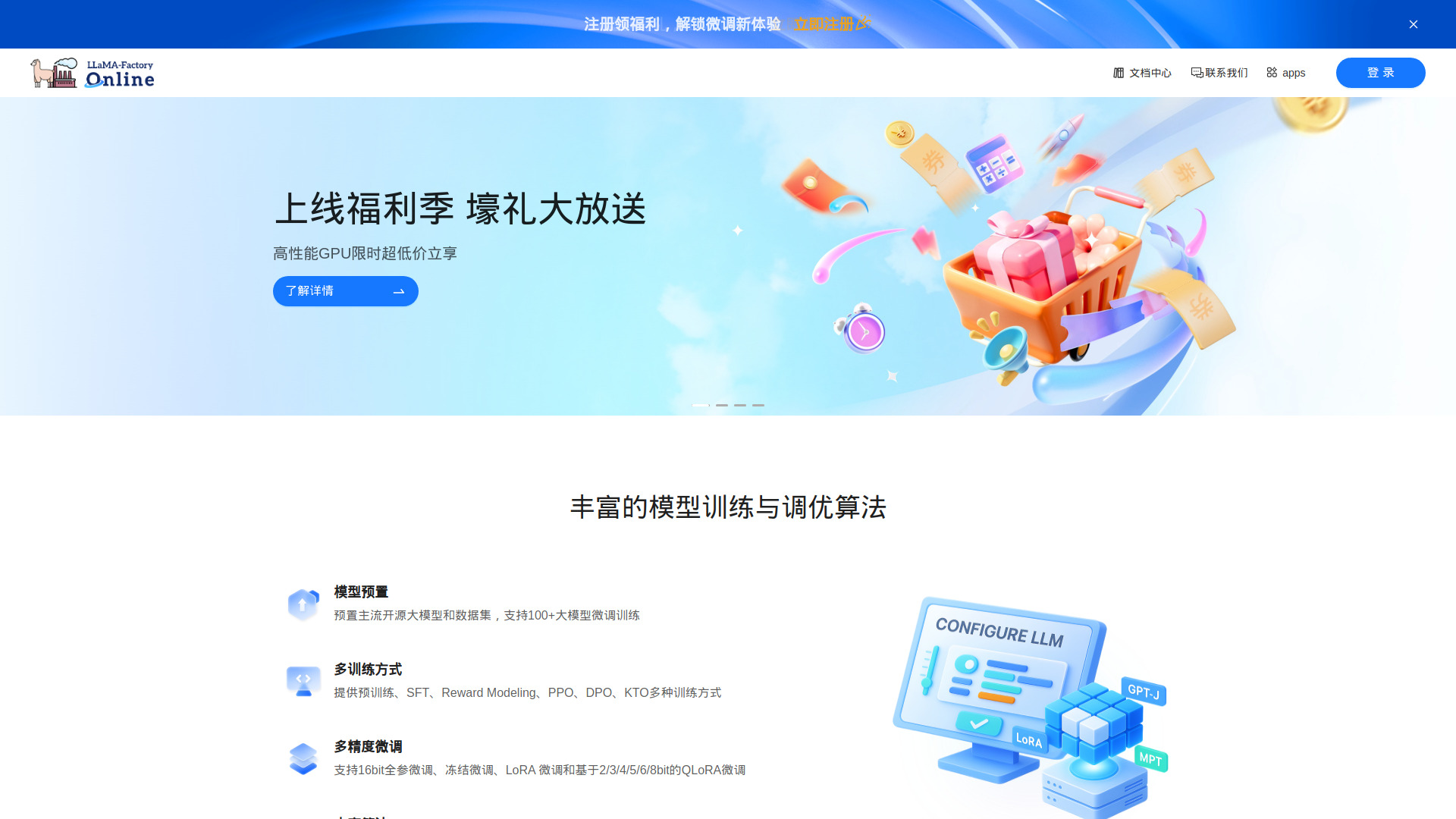

JsonLLM
Structured data extraction

LLM Arena
Side-by-side LLM comparisons
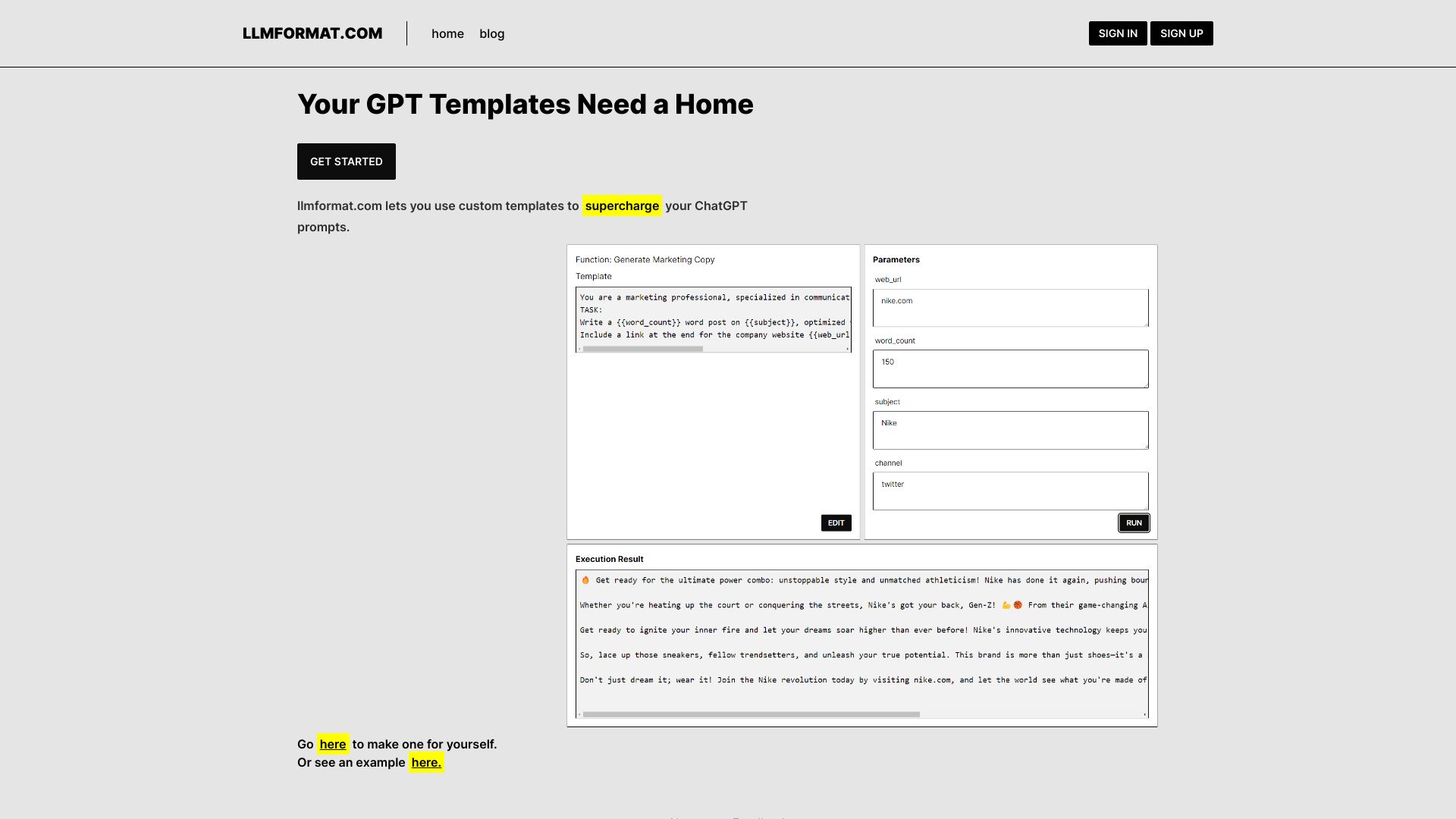
LLMFORMAT.COM
Custom ChatGPT prompt templates
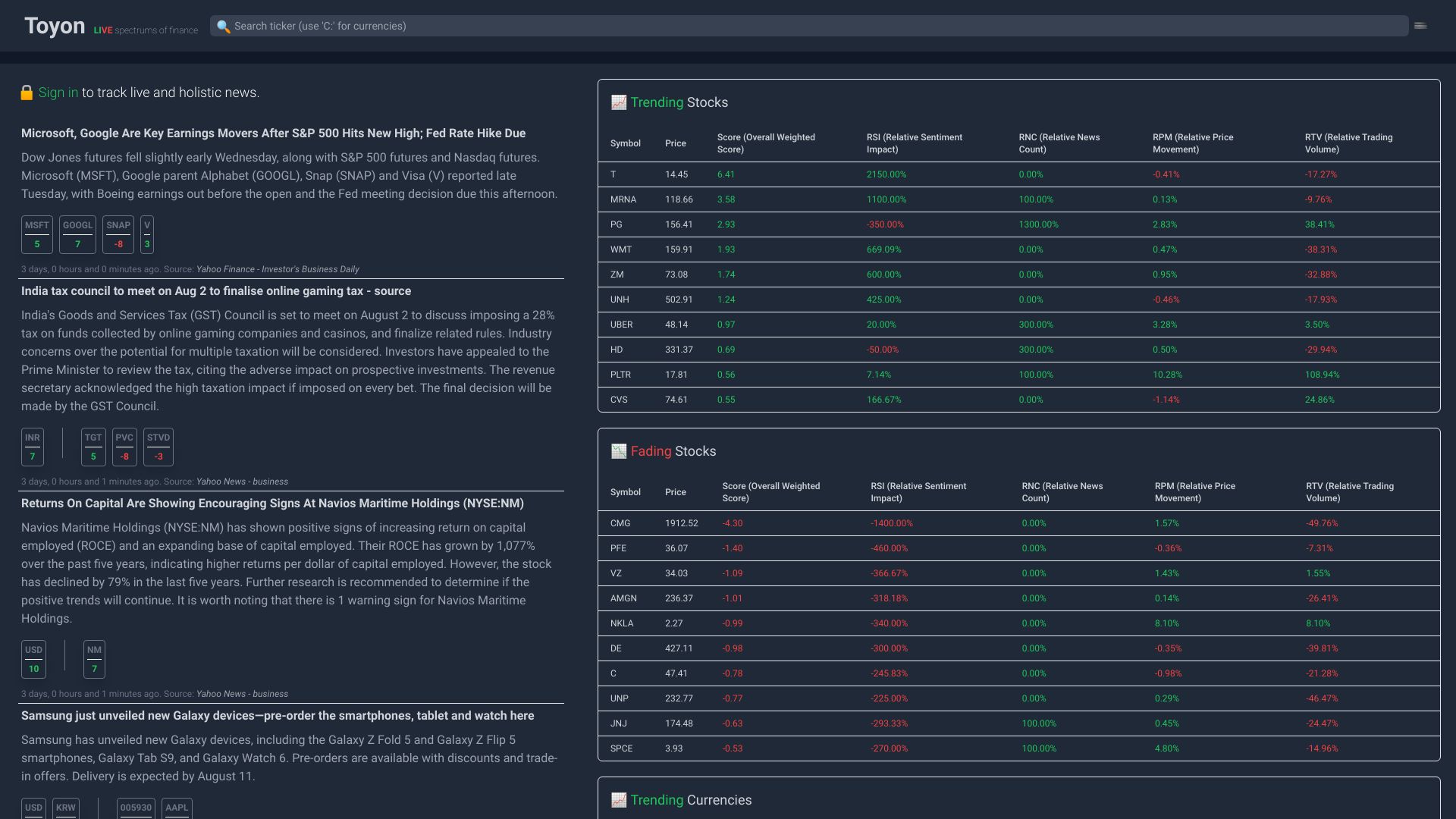
Toyon.Live
Live market and off-market event tracking
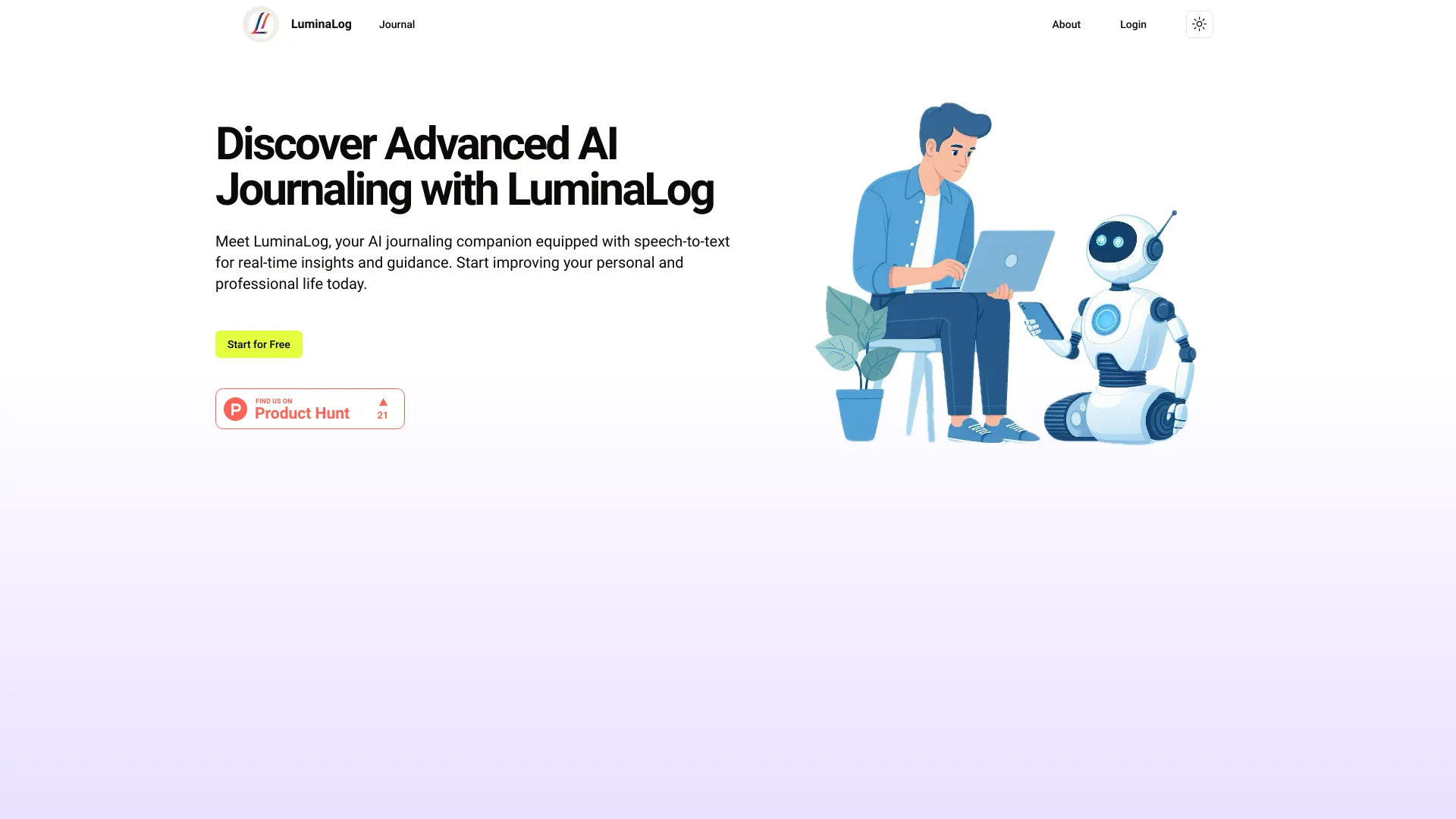
LuminaLog
AI-assisted voice journaling
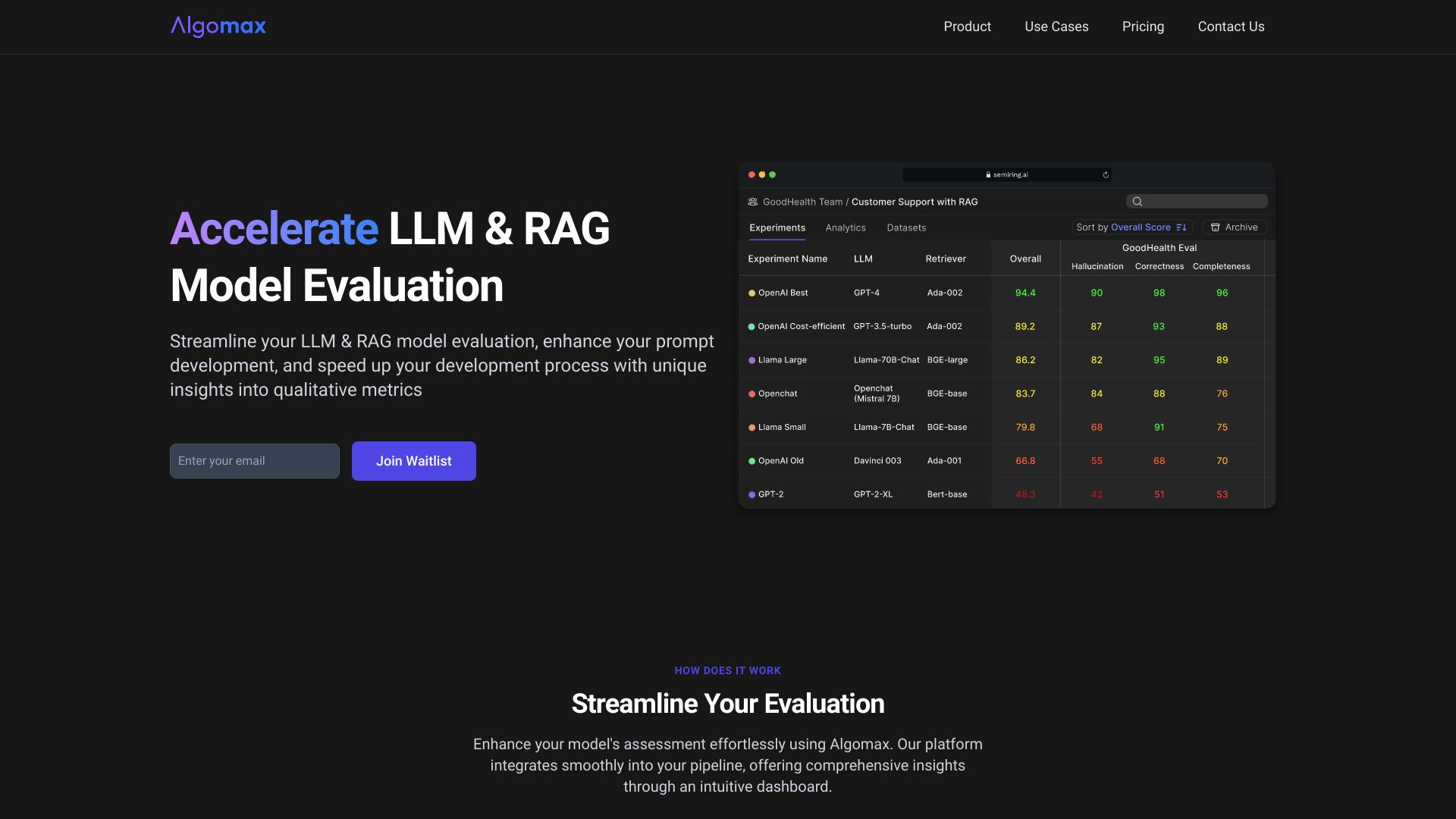
Algomax
LLM and RAG model evaluation
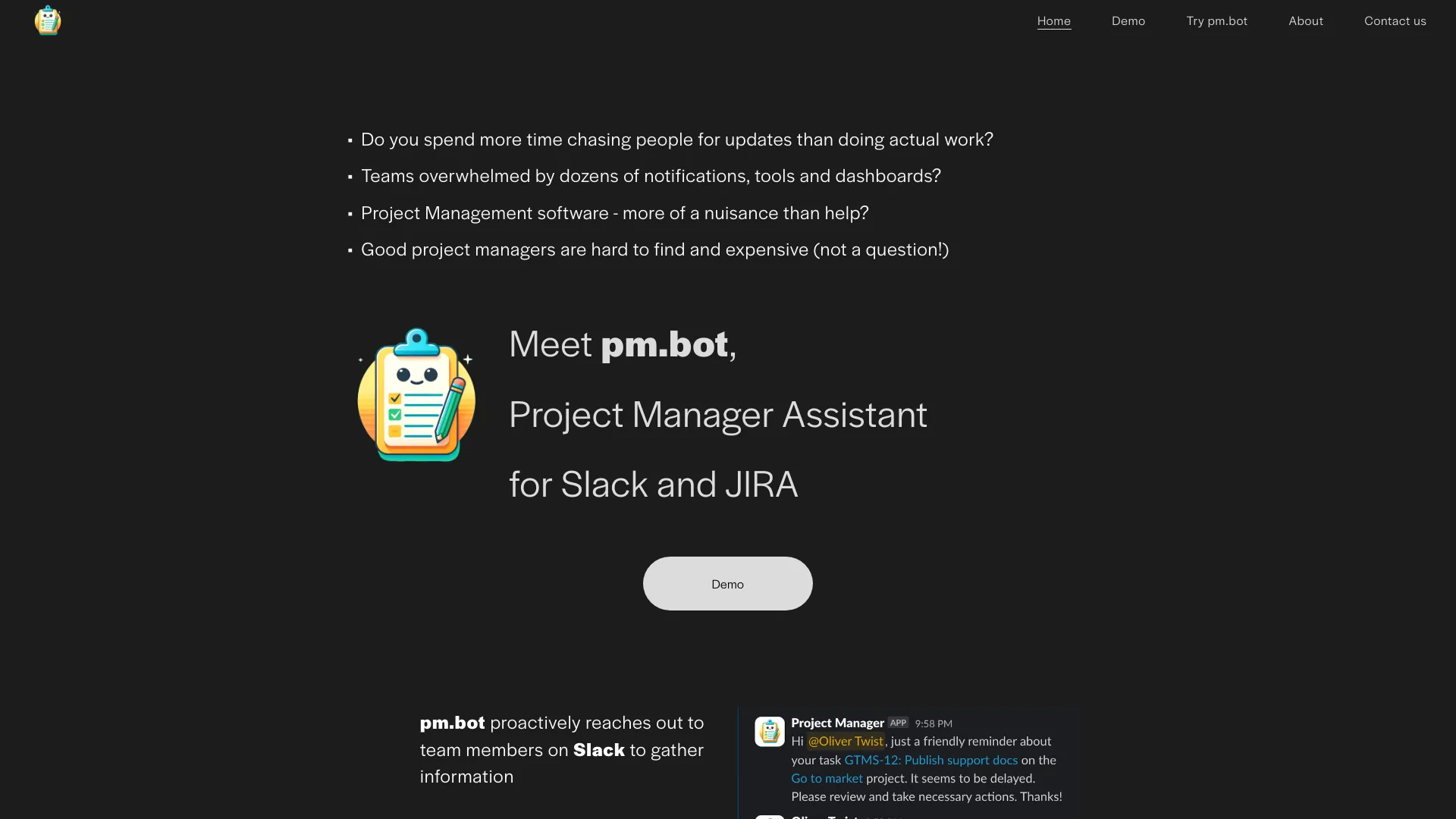
pm.bot
Jira teams needing proactive issue follow-up

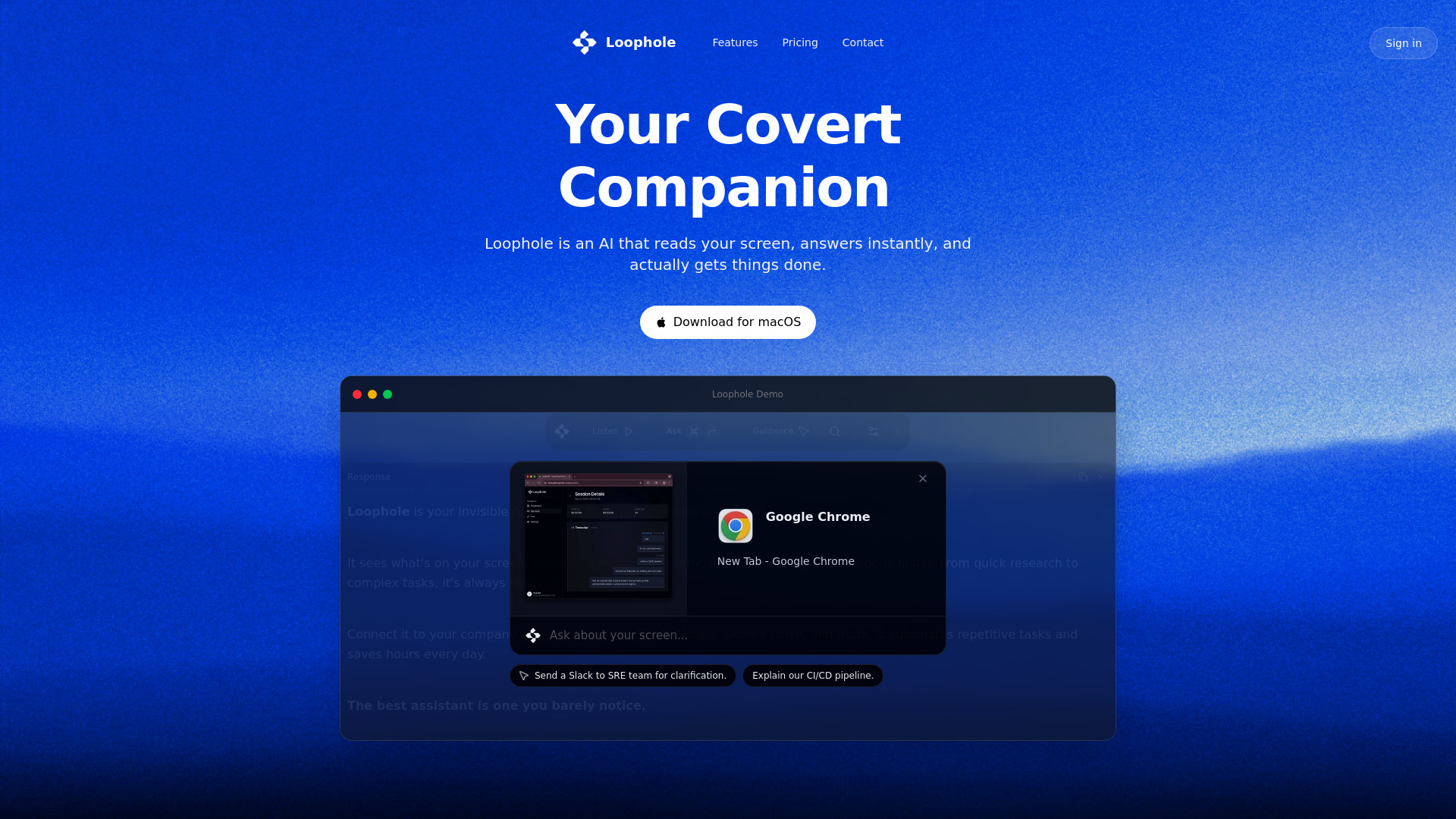
Loophole
Invisible AI work assistant
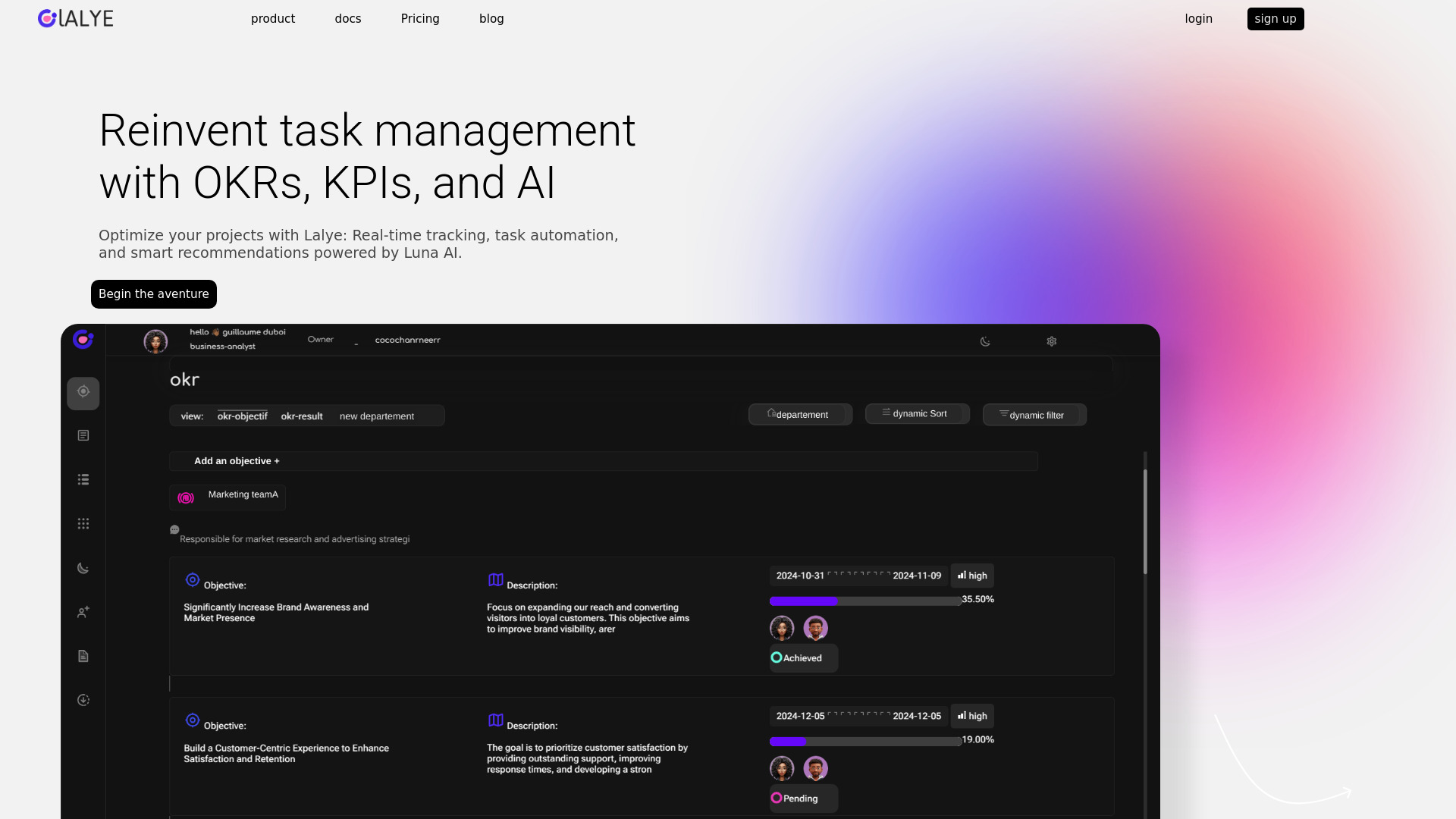
Lalye
Teams managing OKRs, KPIs, and collaborative work

AI Search Console
AI visibility tracking for SEO and GEO teams

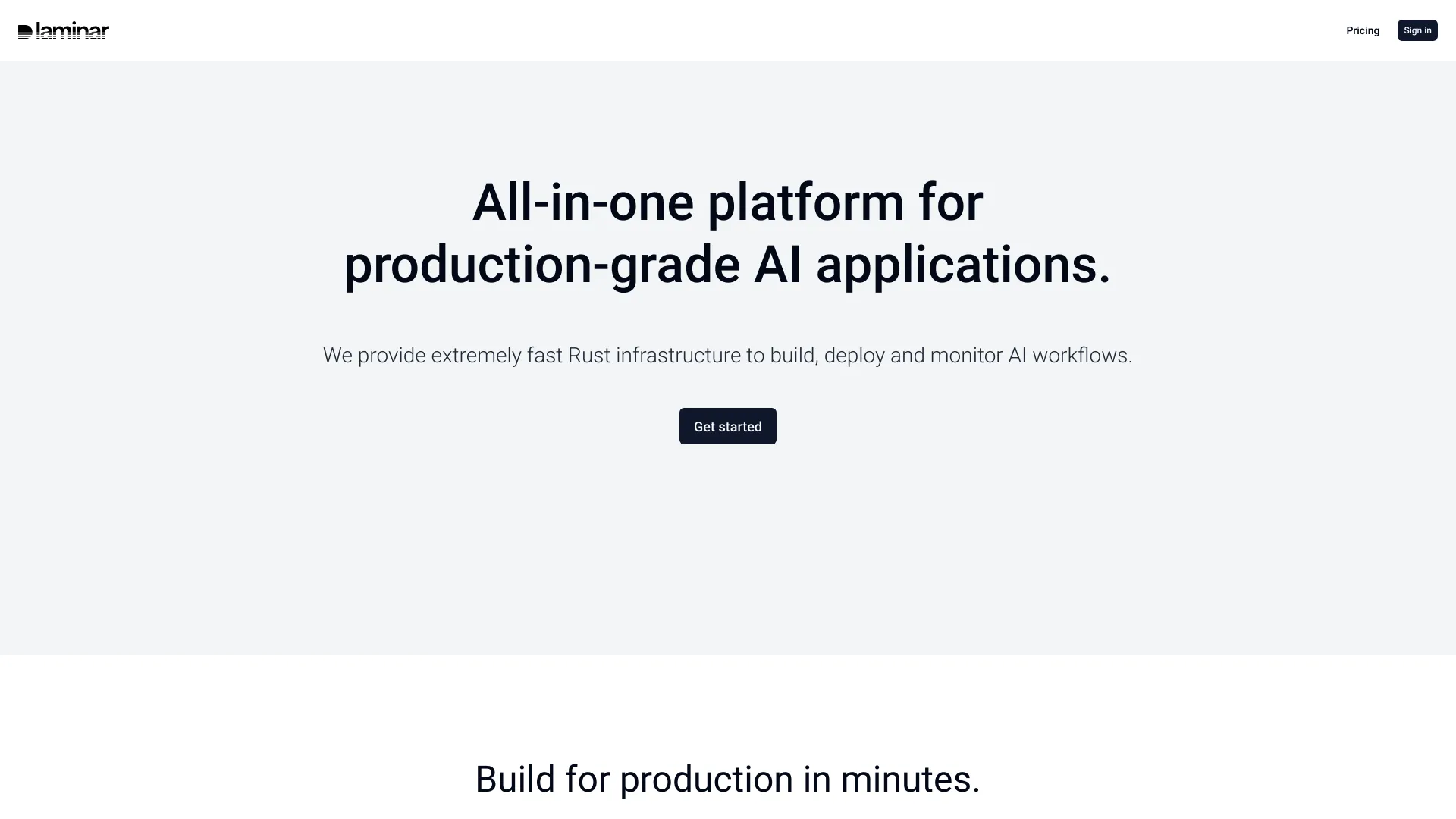
Laminar
LLM app tracing and evaluation
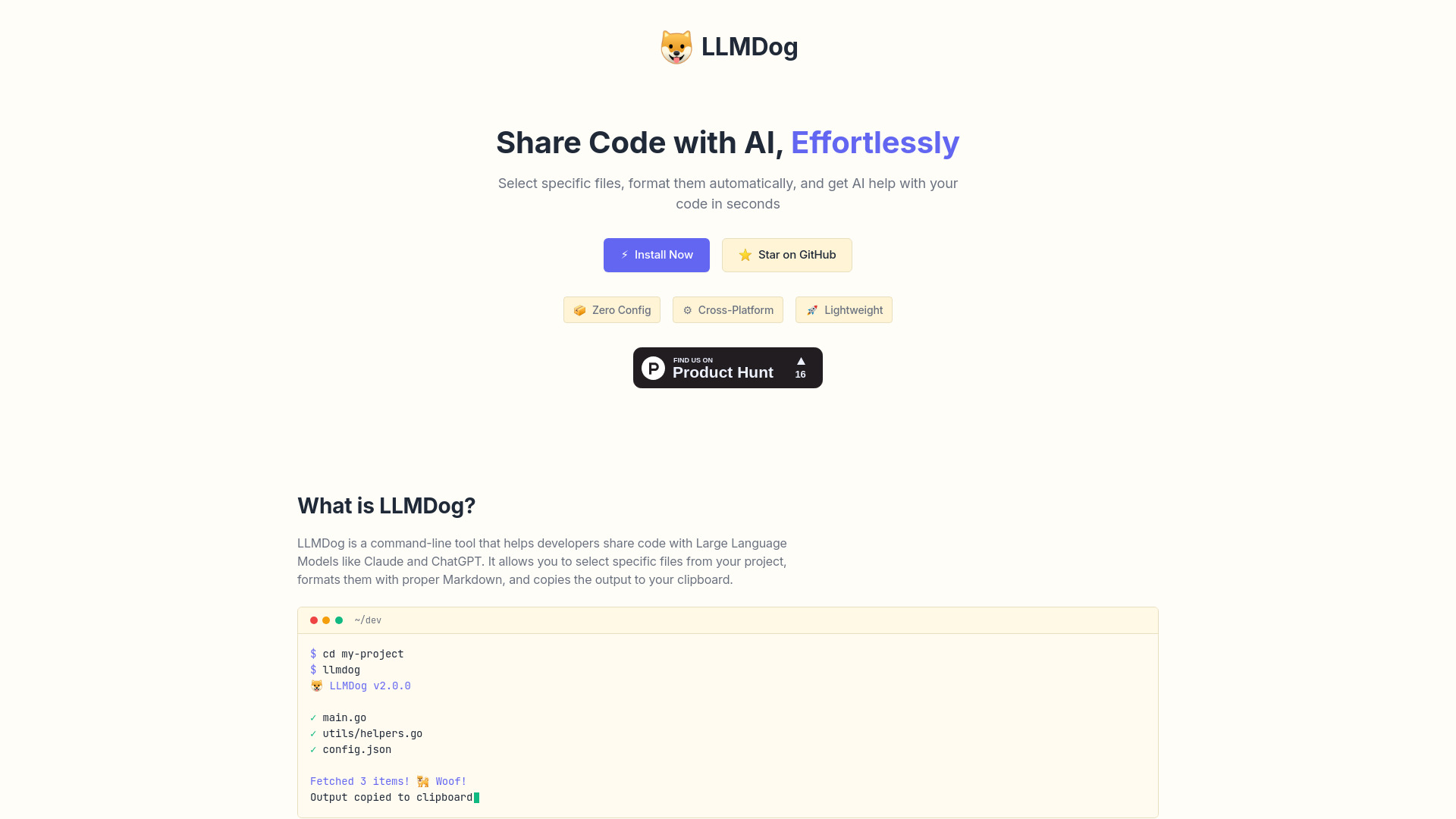
LLMDog
Sharing project code with AI assistants
LimeLight
Creator-focused social platform

LLMule
Private local AI experimentation
Which LLM visibility tracker should you choose?
Start with the question you actually need answered. If it is "Where does my brand appear in AI search, and which sources get cited?", choose LLM Pulse. If your team already operates like an SEO department and wants AI keyword rankings plus competitor analysis, test LLMrefs. For retail and product teams, AI Commerce Visibility is the more targeted option because it connects AI recommendations with product category, channel, and delivery signals.
The technical alternatives serve different jobs. LiteLLM and LLM Gateway help teams route and manage model traffic. Manifest is more specialized around OpenClaw routing and cost control. AnythingLLM and LlamaIndex are useful for private or data-connected knowledge workflows. LangWatch focuses on application observability, while Luminance is a legal contract platform. Treat these as adjacent choices, not interchangeable rows in a feature checklist.
| Your priority | Best starting point | Why |
|---|---|---|
| Brand prompts and citations | LLM Pulse | Direct AI search visibility tracking across several major surfaces |
| AI keyword rankings | LLMrefs | SEO-oriented rank tracking and competitor analysis |
| Product recommendations | AI Commerce Visibility | E-commerce ranking, sentiment, and delivery context |
| Model gateway and fallbacks | LiteLLM | Access to 100+ LLMs through a consistent API |
| Self-hosted routing | LLM Gateway | Open-source, MIT-licensed, unified API approach |
| Local private documents | AnythingLLM | Local desktop app with RAG and agents |
| Enterprise-data assistants | LlamaIndex | Parsing, extraction, and RAG application building |
| LLM app quality | LangWatch | Observability and evaluation for applications |
My practical recommendation
For most marketing teams, I would begin with LLM Pulse. It is the closest match to the phrase best llm visibility tracker because it starts with prompts and citations across ChatGPT, Perplexity Search, Google AI Mode, and Google AI Overviews. Its 49.00 € monthly starting price gives a buyer a concrete entry point, although the missing Brand Sentiment feature means you should confirm that the current reporting meets your needs.
I would put LLMrefs beside it for an SEO-led evaluation. Run the same priority topics through both products, compare how each frames rankings and citations, and decide whether your team thinks in brand narratives or keyword sets. E-commerce teams should add AI Commerce Visibility to that test, especially if product and delivery information influence the recommendation.
Do not buy LiteLLM, LLM Gateway, AnythingLLM, LlamaIndex, Manifest, LangWatch, or Luminance expecting a public brand-ranking report. Choose them when the underlying need is model access, private knowledge, routing economics, application quality, or legal automation. That distinction will save more time than another round of feature comparison.
Common mistakes when choosing an LLM visibility tracker
Confusing public visibility with application observability. A brand citation report and an internal LLM trace answer different questions.
Tracking only one prompt. AI answers vary by wording, model, and search surface; a narrow prompt set can create a misleading picture.
Ignoring citations. A brand mention without understanding the cited source gives you little direction for improving visibility.
Choosing infrastructure for a marketing problem. A gateway can manage model calls, but it will not automatically show how your brand ranks in AI search.
Overlooking operational data. E-commerce visibility tools become more useful when product, channel, and delivery information can be connected.
Treating free access as a full evaluation. One keyword, limited features, credits, traces, and trial periods are useful for testing but may not represent the paid workflow.
Skipping vendor pricing checks. Plans, usage fees, and included limits can change, so confirm the current commercial terms before committing.
What changed in 2026
LLM visibility now stretches across several surfaces rather than one chatbot. The leading brand-focused options in this guide cover combinations of ChatGPT, Perplexity, Gemini, Google AI Mode, and Google AI Overviews, while e-commerce tools add product ranking and delivery context. That makes citation analysis, sentiment, and category-level tracking more important than a simple mention count.
The category is also converging with engineering operations. Teams are managing many models through gateways, routing requests by complexity, tracking spend, evaluating traces, and connecting assistants to private data. As a result, the best llm visibility trackers are not all the same kind of product. Buyers should define whether they need public brand discovery, product visibility, internal knowledge access, or application performance before comparing prices.
FAQ
LLM Pulse is the strongest overall match for tracking brand prompts and citations across ChatGPT, Perplexity Search, Google AI Mode, and Google AI Overviews. LLMrefs is the better fit for SEO teams focused on AI keyword rankings.