
The best llm seo trackers should help you answer a practical question: does your brand appear in AI-generated answers, and what can you do about it? We compared 19 tools, from focused AI visibility platforms to broader SEO and research products. The shortlist includes a few useful specialists, plus several adjacent tools that can support parts of an SEO workflow but should not be mistaken for dedicated LLM tracking software.
Top picks
| Pick | Tool | Best for | Why it stands out |
|---|---|---|---|
| Best overall match | Sorank | SEO teams combining content and AI-search work | Connects SEO and GEO article generation with AI mention tracking across major answer engines. |
| Best for monitoring breadth | Answerbit | Teams tracking AI answers across platforms | Daily monitoring, visibility scoring, and average-rank tracking across several AI platforms. |
| Best low-cost tracker | Llumo | SEO professionals comfortable with API keys | Offers broad AI visibility and citation tracking without a monthly Llumo license fee. |
| Best adjacent toolbox | ToolKK | Content creators needing a mixed bag of utilities | Searchable collection of more than 1,298 online tools, including SEO-related workflows. |
Quick comparison
| Tool | Best for | LLM/SEO relevance | Free access | Starting price | Score |
|---|---|---|---|---|---|
| ToolKK | Content creators | Broad toolbox with SEO workflows; not a dedicated LLM tracker | Free plan available | Free: $0 per month | 91/100 |
| RankHero | Etsy sellers | Etsy keyword and listing SEO, not LLM visibility monitoring | 3 daily uses per tool | Free: $0 | 90/100 |
| Sorank | SEO professionals | SEO/GEO content and AI mention tracking | 3-day free trial | $99 per site per month | 90/100 |
| Answerbit | SEO professionals | Daily AI-answer visibility and rank monitoring | Check vendor | Check vendor pricing | 90/100 |
| Build or Skip | Independent developers | Market and website intelligence, not AI answer tracking | Free preview | Free preview: $0 | 90/100 |
| Llumo | SEO professionals | AI visibility, citations, share of voice | Free plan; bring your own API keys | Free: $0 | 90/100 |
| traxy | B2B sales teams | LinkedIn lead discovery, not SEO tracking | 7-day free trial | Pro: $149 per month | 90/100 |
| Tracetify | Startup founders | Competitor research, not AI visibility monitoring | Free trace | Free: $0 | 90/100 |
| StaffingLeads | Recruiters | Hiring lead research; little direct SEO fit | No free plan or trial shown | Scout: $98/mo | 89/100 |
| LLMBoard.ai | AI researchers | Model benchmarks and comparisons, not brand tracking | Check vendor | Check vendor pricing | 89/100 |
How we ranked these LLM SEO trackers
We prioritized direct evidence of AI-search monitoring: supported answer engines, prompt-level visibility, citation analysis, and tracking frequency. We also considered whether a product helps turn observations into SEO or GEO work, and whether its audience and workflow make sense for a buyer trying to improve search visibility. Pricing transparency, free access, and stated limitations shaped the practical fit assessment. This is a broad 19-tool comparison, not a claim that every shortlisted product is a dedicated LLM SEO tracker. Several candidates are adjacent utilities with specific research or content uses; we call that out rather than dressing them up as visibility platforms. Scores and traffic signals help with comparison, but they are not a substitute for checking a tool against your own prompts and markets.
The best LLM SEO tracking tools
The shortlist is uneven by design: a proper tracker answers where and how a brand appears in AI responses, while adjacent products may help with content production, keyword research, or competitor context without measuring AI visibility. Sorank, Answerbit, and Llumo are the clearest fits for that core job. The other picks can serve narrower workflows, but treat their inclusion as a useful comparison-not proof that they provide LLM answer tracking.
1. ToolKK

ToolKK
Content creators needing a broad online toolbox
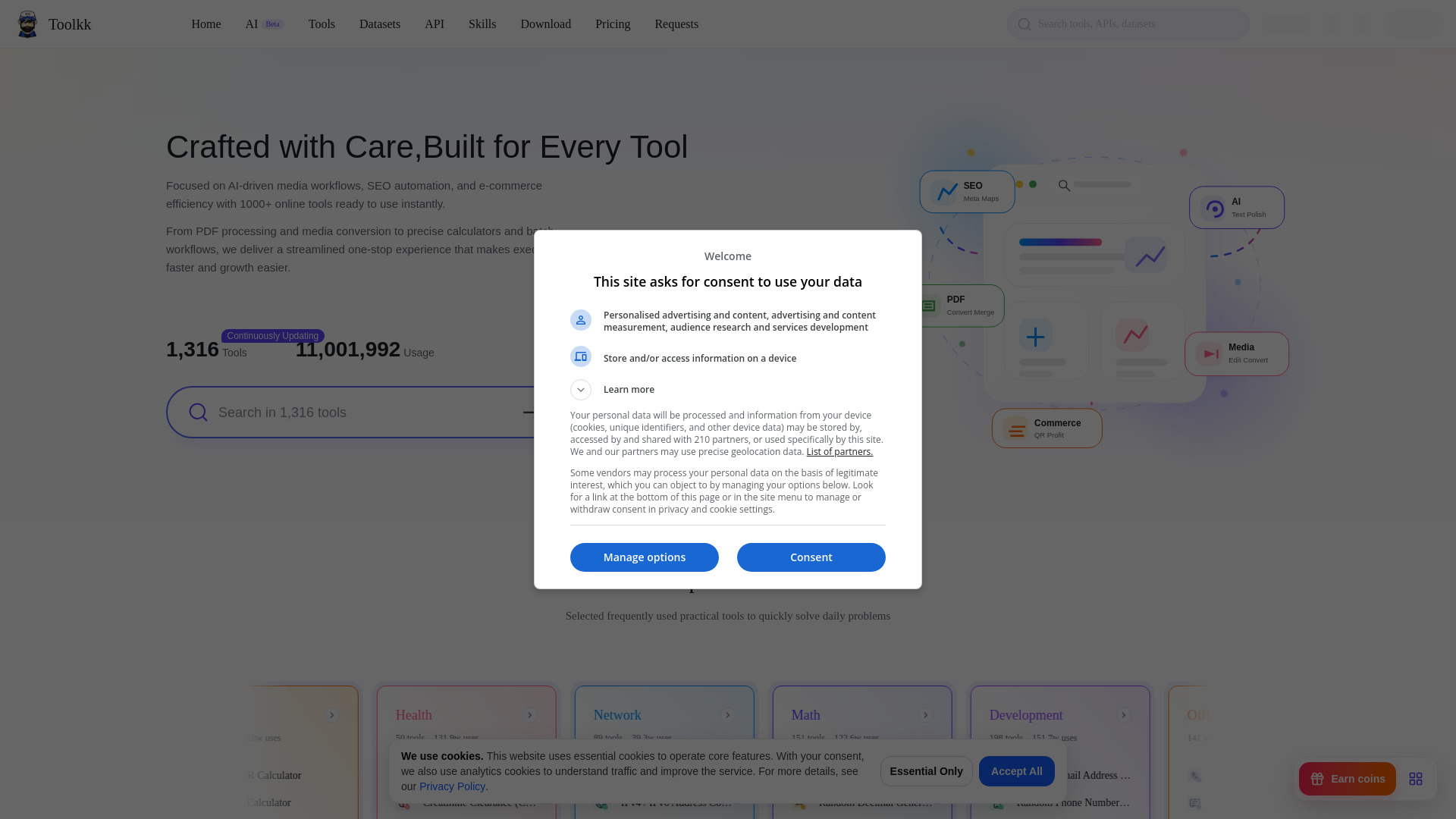
A sprawling toolbox is useful when your work jumps between formats. ToolKK brings more than 1,298 online tools into one searchable platform, including PDF editing, media conversion, audio and video utilities, image tools, and SEO-related workflows. That breadth makes it a handy utility shelf for creators who would otherwise keep a dozen one-off web apps bookmarked.
The important distinction: ToolKK is not described as an LLM visibility tracker. It can support surrounding tasks, but the listed features do not establish prompt monitoring, AI citation measurement, or brand-share reporting. If your primary goal is to measure appearances in ChatGPT or other answer engines, look to Sorank, Answerbit, or Llumo instead.
My take: ToolKK earns its place as the most broadly useful adjacent option, not as a specialist tracker. Searchable breadth is convenient; it is not a substitute for visibility metrics.
Where it falls short: Some tools have limited free quotas or are excluded from free allowances. The platform's broad catalog also means you should confirm that a particular utility does the job you need before building a workflow around it.
Key features
Search and browse a catalog of more than 1,298 tools across numerous categories.
Access PDF editing, media conversion, audio and video tools, and image utilities.
Use tools spanning productivity, SEO, AI, and e-commerce workflows.
Pros
Wide range of everyday utilities in one searchable platform.
Free entry point is available.
Can complement content production and general SEO tasks.
Cons
Not presented as a dedicated LLM visibility tracker.
Some tools have limited free quotas or are excluded from free allowances.
Choose ToolKK if: You want a free-to-start toolbox for content and everyday tasks, and you already have a separate way to measure AI-search visibility.
2. RankHero

RankHero
Etsy sellers researching listings and niches
RankHero is a niche SEO toolkit for Etsy shops, where product titles, listing details, and keyword choices need to work together. It analyzes Etsy shop and listing performance and offers trending keyword and niche research. Those features can help a seller make better marketplace decisions; they do not amount to tracking whether a brand is cited in LLM answers.
That narrower audience is also the reason to consider it. General web SEO tools do not always answer marketplace questions, and an Etsy seller may care more about listing performance than broad AI search. RankHero provides three free daily uses per tool, giving sellers a modest way to explore before relying on it for recurring research.
My take: For Etsy-specific discovery, this is a more useful pick than a general-purpose tracker. For LLM SEO measurement, it is an adjacent option at best.
Where it falls short: Most tools have daily usage limits. The described features focus on Etsy and do not include AI answer monitoring, citations, or visibility scores.
Key features
Analyze Etsy shop and listing performance.
Research trending keywords and product niches.
Use marketplace-oriented tools for listing optimization and shop growth.
Pros
Focuses on Etsy workflows rather than generic web publishing.
Three daily uses per tool provide a way to test the toolkit.
Combines keyword discovery with shop and listing analysis.
Cons
Daily usage limits apply to most tools.
No listed LLM visibility or AI citation tracking.
Choose RankHero if: You sell on Etsy and need marketplace keyword and listing research, not a tracker for AI-generated answers.
3. Sorank

Sorank
SEO professionals combining Google and AI search work
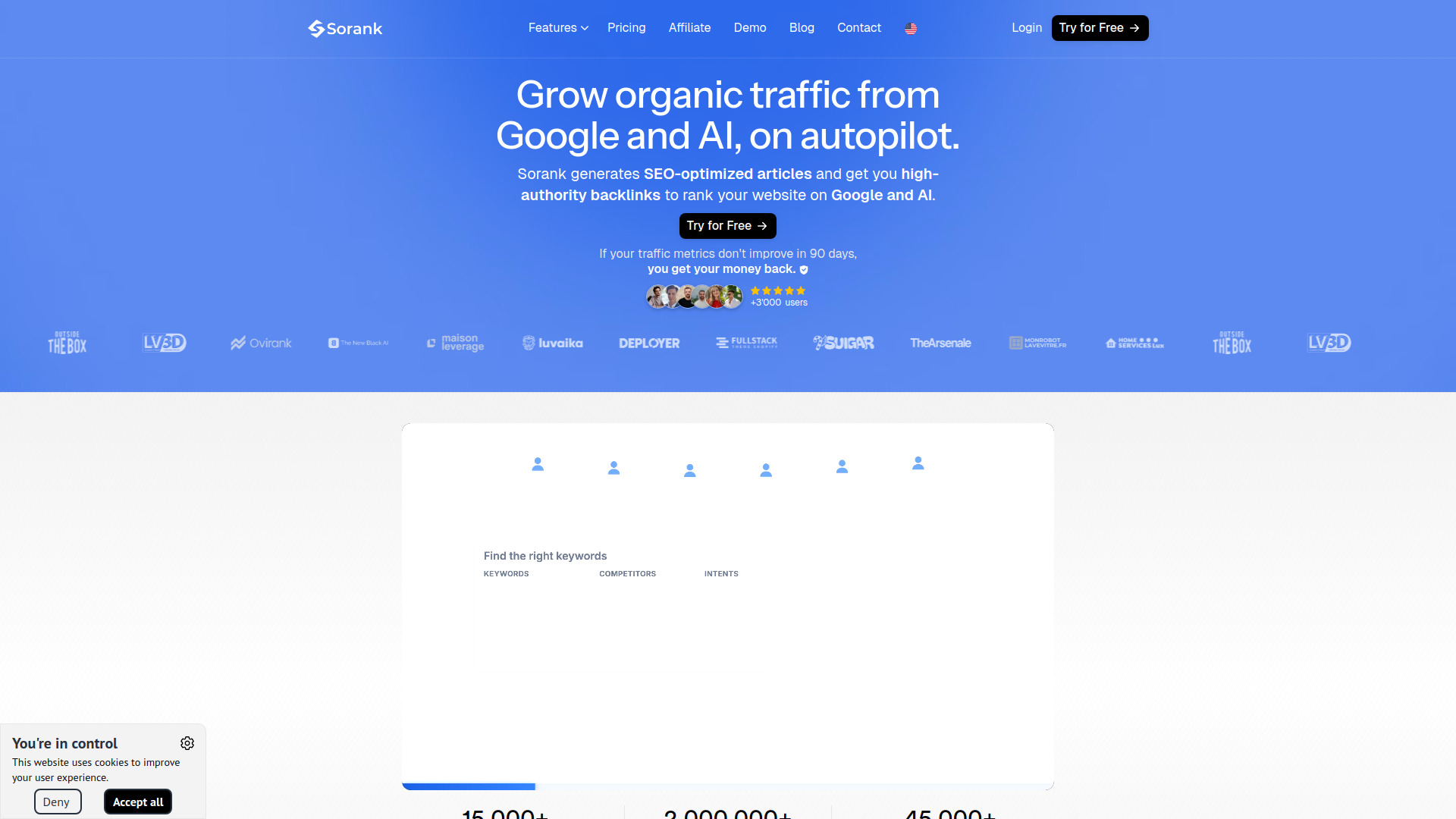
Sorank is one of the shortlist's strongest fits for teams treating AI search as an extension of SEO rather than a separate experiment. Its feature set combines AI-first SEO and GEO article generation with AI mention tracking across ChatGPT, Perplexity, Claude, Gemini, and Grok. That pairing makes it easier to connect the monitoring question-are we showing up?-with a content workflow intended to improve visibility.
It also advertises automated high-authority backlinks, so the platform stretches beyond reporting into execution. That broader scope may suit an SEO team looking for one place to handle several growth activities, but it makes careful evaluation important: decide which parts you actually need before paying per site. The three-day trial is brief, so prepare a shortlist of target prompts and competing brands before starting it.
My take: Sorank is the most balanced pick here for an SEO professional who wants both GEO content support and visibility tracking across recognizable AI assistants. I would judge it on the quality and usefulness of its tracking outputs, not simply on how many workflows it bundles.
Where it falls short: The free trial lasts only three days, which leaves little time for a leisurely evaluation. At $99 per site per month, teams should confirm the number of sites and monitoring needs they can support at that cost.
Key features
Generate SEO- and GEO-oriented articles with an AI-first workflow.
Track AI mentions across ChatGPT, Perplexity, Claude, Gemini, and Grok.
Include automated high-authority backlink workflows.
Pros
Combines AI-search monitoring with content production.
Covers several major answer engines in the listed tracking feature.
Starts with a three-day trial before a paid commitment.
Cons
Trial period is short.
Essential monthly pricing is $99 per site, so costs can add up across multiple sites.
Choose Sorank if: You are an SEO professional who wants AI mention tracking and GEO content work in a platform that also supports conventional SEO activities.
4. Answerbit

Answerbit
SEO teams monitoring AI answers across platforms
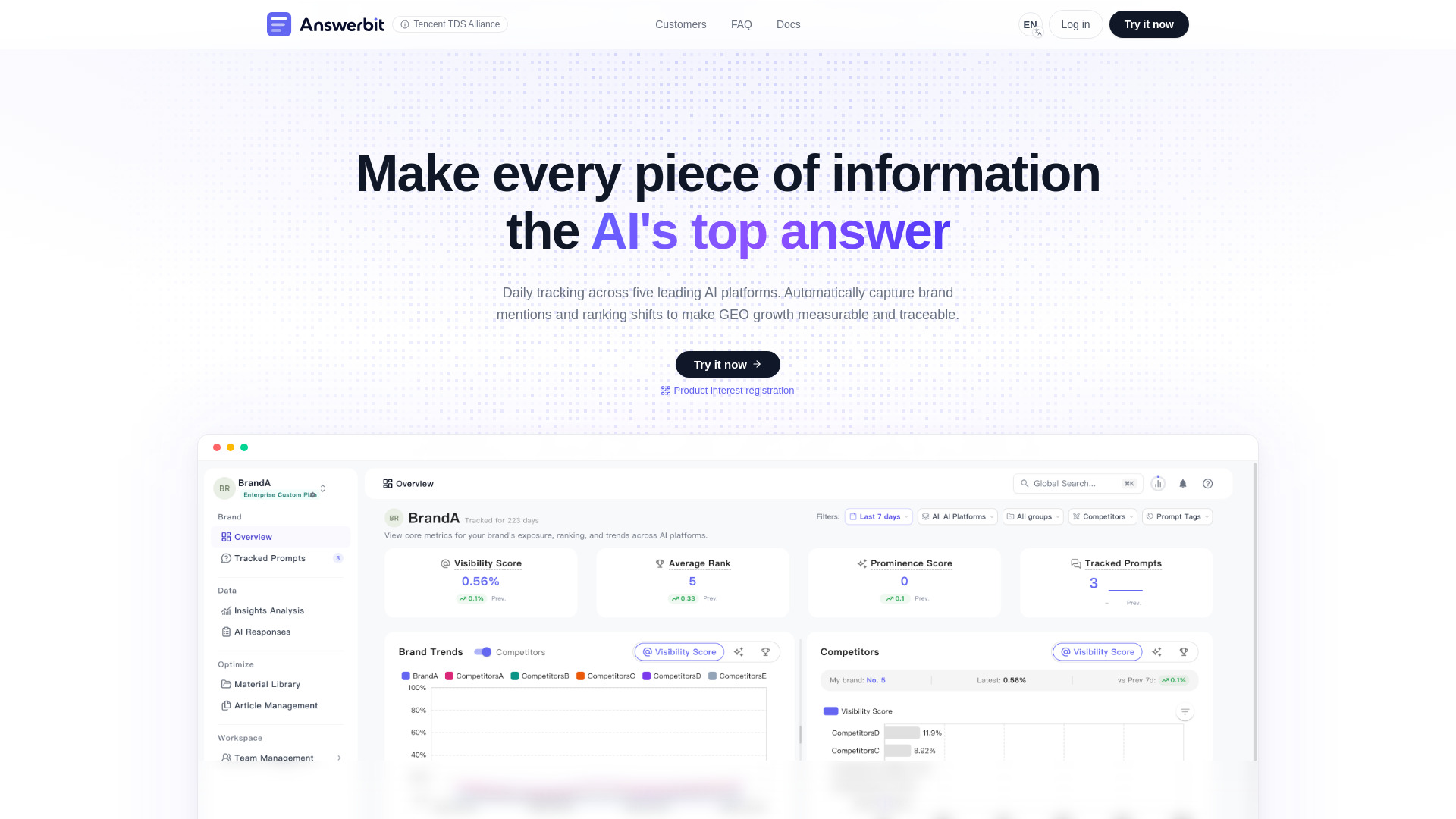
Answerbit puts monitoring breadth at the center of its pitch. It checks answers daily across DeepSeek, Doubao, Yuanbao, Kimi, Qwen, and other leading AI platforms, then organizes results with a Visibility Score and average-rank tracking. For organizations whose customers use a range of AI products, that multi-platform view may be more useful than checking a single chatbot by hand.
The workflow is clearly oriented toward AI search visibility and GEO: the listed capabilities also include citation analytics and GEO content optimization. That gives teams a way to connect what answer engines say with potential content improvements. Its platform coverage appears especially relevant to organizations interested in the named services, but buyers should verify that the engines and markets they care about are covered in their intended plan.
My take: Answerbit's daily cadence and visibility metrics make it one of the more direct options for teams building a repeatable monitoring routine. I would put its reporting clarity and the relevance of its platform coverage ahead of raw platform count when evaluating it.
Where it falls short: Pricing is not clearly disclosed, so you'll need to contact the vendor or check its live site to understand the cost. The available feature description also does not specify a free tier.
Key features
Monitor daily AI answers across DeepSeek, Doubao, Yuanbao, Kimi, Qwen, and other platforms.
Track a Visibility Score and average rank.
Review citations and use GEO content optimization features.
Pros
Monitors multiple major AI platforms in parallel.
Daily monitoring can support a consistent reporting cadence.
Combines visibility metrics with citation analysis and optimization.
Cons
Pricing is not clearly listed; verify current terms with the vendor.
Free access is not clearly specified.
Choose Answerbit if: You need recurring AI-answer visibility reporting across a broad set of platforms and are prepared to confirm pricing directly.
5. Build or Skip
Build or Skip
Independent developers researching product opportunities
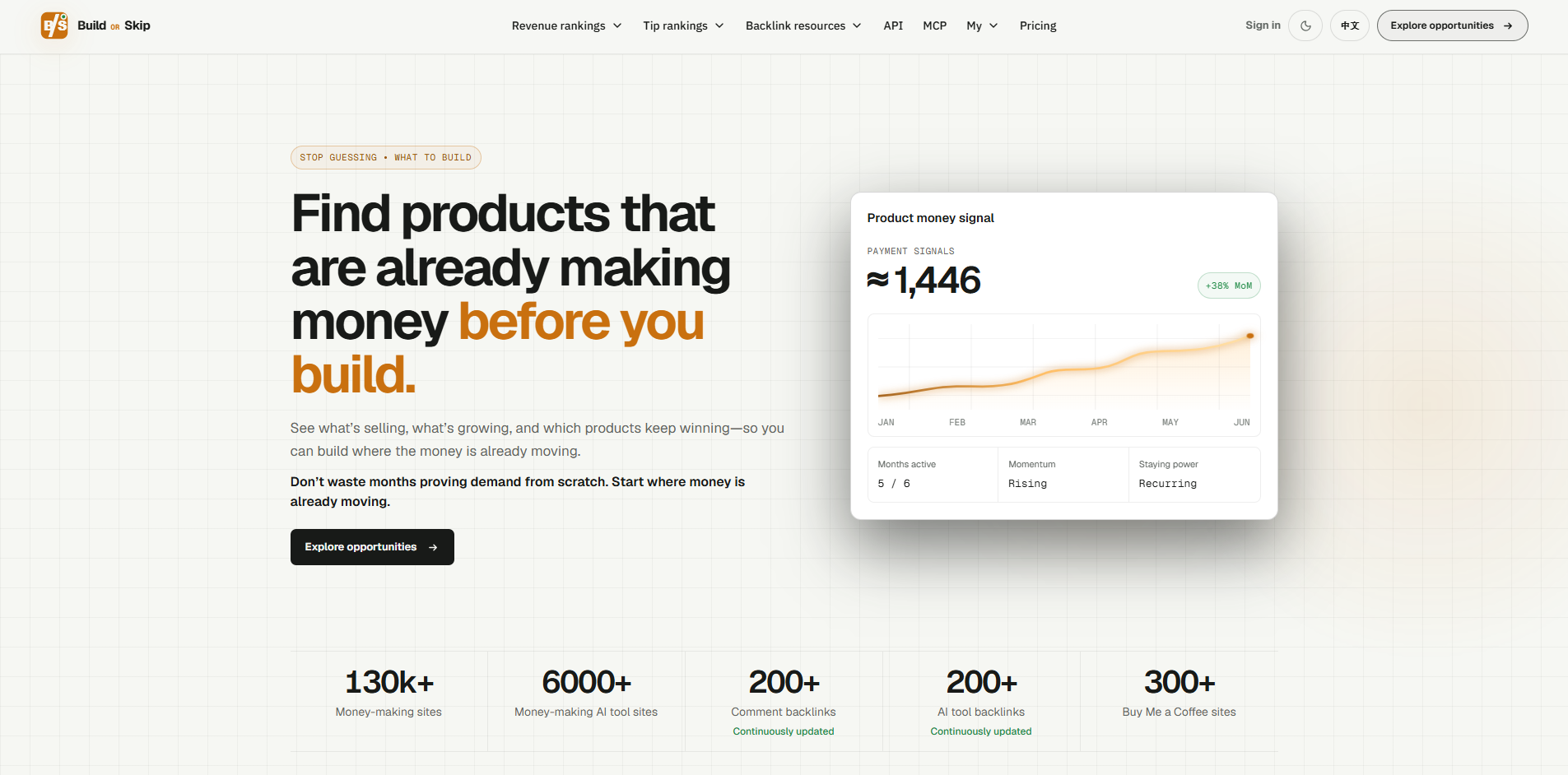
Build or Skip is a product and market research tool, not an LLM SEO tracker. It looks for commercial signals across websites, including estimated revenue rankings derived from observed payment traffic and six-month trends. It also covers newly registered domains, growth and persistence analysis, and backlink and site intelligence. For an independent developer deciding which product idea to pursue, this can supply useful context around demand and competitors.
Its potential connection to an SEO workflow is indirect: market and website research can inform what to build or promote, but the described features do not measure brand mentions in AI answers. The platform also advertises backlink resources, MCP, and API access in its broader product description, so technical or distribution-minded builders may find more to explore than a simple revenue list suggests.
My take: This is a specialized research companion for founders, not a substitute for an AI visibility dashboard. Use it to investigate commercial opportunity and keep a separate tracker for answer-engine performance.
Where it falls short: Payment signals are estimates, not verified revenue, orders, or customer counts. Treat the rankings as directional research and validate promising opportunities independently.
Key features
Rank revenue opportunities using observed payment traffic and six-month trends.
Surface commercial signals around newly registered domains.
Analyze growth, persistence, backlinks, and site intelligence.
Pros
Combines several market and website signals in one platform.
Offers a free preview.
Can help independent developers investigate product opportunities.
Cons
Payment signals are estimates, not verified business results.
Does not list AI answer visibility or citation tracking.
Choose Build or Skip if: You are researching what to build or promote and want market signals to complement, rather than replace, an LLM SEO tracker.
6. Llumo

Llumo
SEO professionals who can supply API keys
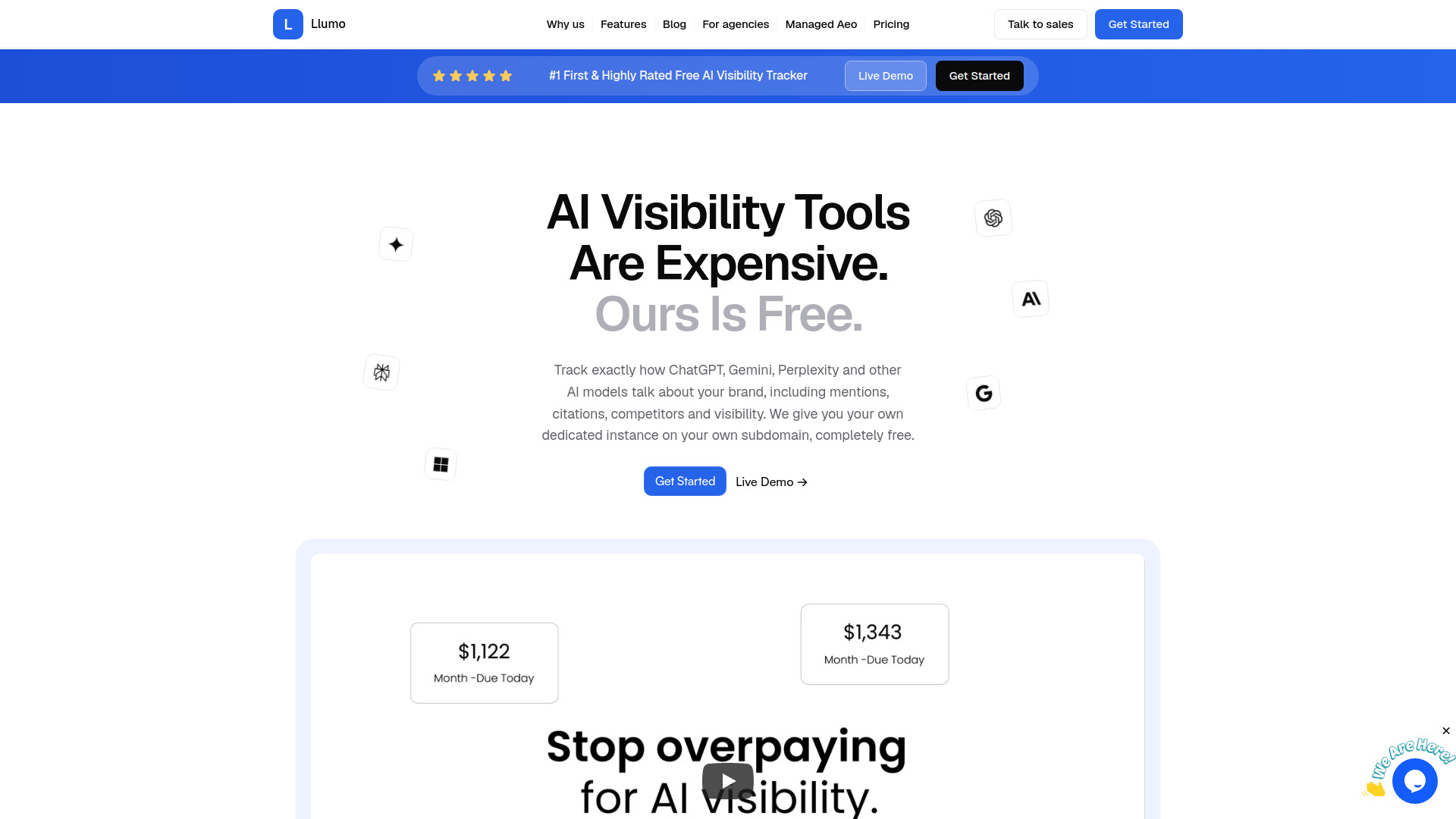
Llumo stands out on cost structure: its core platform is available without a monthly Llumo license fee, with tracking across ChatGPT, Gemini, Perplexity, Copilot, Google AI Overviews, and other models. The feature set includes per-prompt visibility scores, share-of-voice tracking, citation analysis, and competitor monitoring-precisely the kinds of measurements that make an LLM SEO tracker useful beyond occasional manual checks.
The trade-off is operational rather than feature-related. Users must provide their own API keys for the free platform, so "free" does not mean there is no setup or no underlying usage consideration. That arrangement may appeal to technically comfortable teams that want control over their model access, but a marketer looking for a fully managed, turnkey subscription should compare the setup burden with a paid alternative.
My take: Llumo is the most attractive low-cost starting point for an SEO team willing to configure its own access. It has a clear tracking use case, but the bring-your-own-key requirement is a real buying criterion, not a footnote.
Where it falls short: You need to supply API keys to use the free platform. Check how your chosen providers bill API usage and whether the setup fits your team's security and administration practices.
Key features
Track visibility across ChatGPT, Gemini, Perplexity, Copilot, Google AI Overviews, and other models.
Measure per-prompt visibility scores and share of voice.
Analyze citations and monitor competitors.
Support unlimited prompts on the free platform, subject to the API-key requirement.
Pros
No monthly Llumo license fee for the core platform.
Includes several useful visibility and citation metrics.
Covers a broad set of named AI search surfaces.
Cons
Users must provide their own API keys.
The listed usage signal is small, so compare the workflow carefully rather than relying on popularity as validation.
Choose Llumo if: You want broad AI visibility tracking without a monthly platform license and are comfortable bringing and managing your own API keys.
7. traxy

traxy
B2B sales teams finding buyer-intent leads
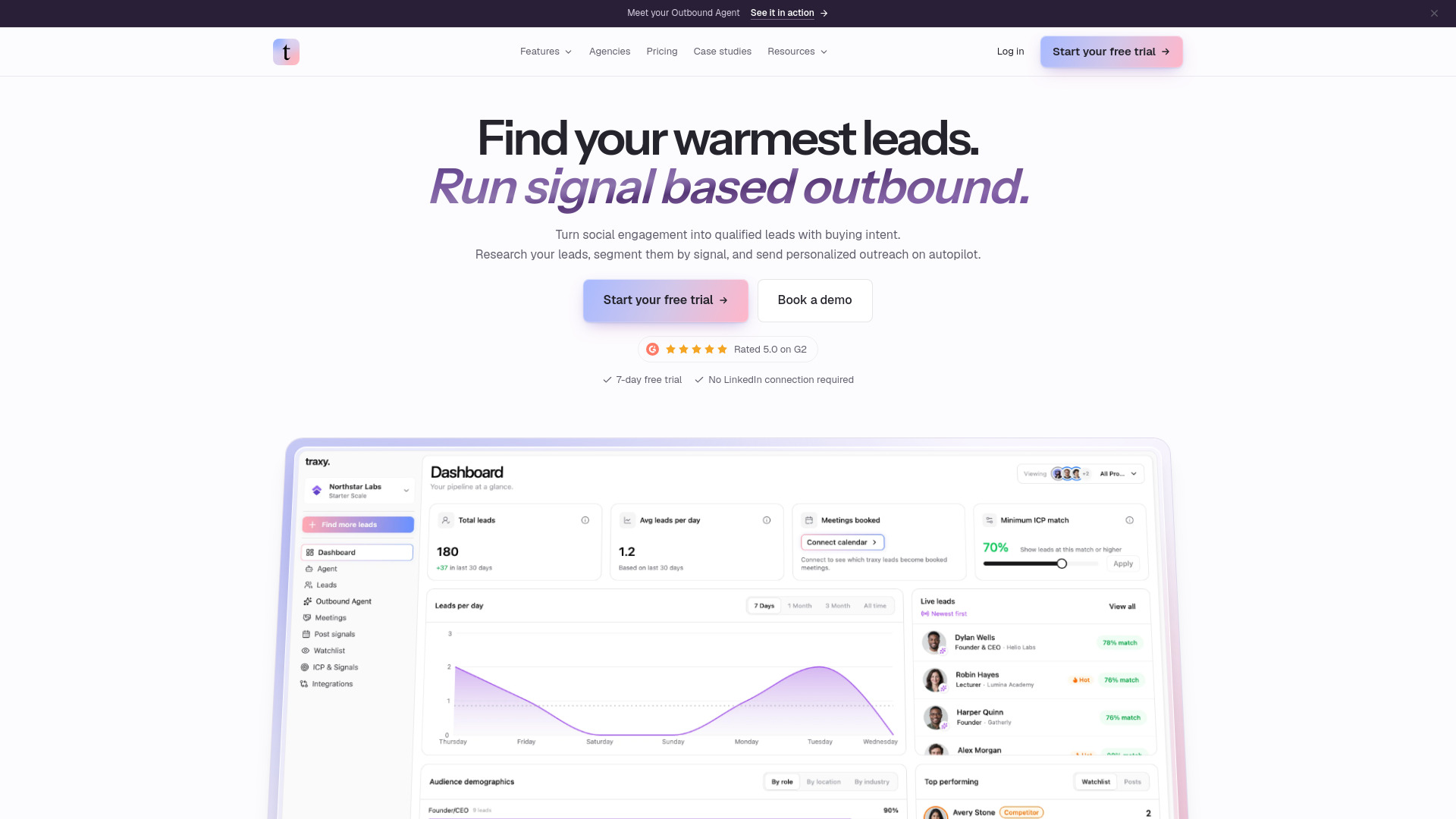
Traxy belongs in a different part of a growth team's toolkit. It finds and qualifies leads from LinkedIn engagement and buying signals, enriches contacts, and lets teams watch profiles for relevant activity. Those features can help a B2B team identify prospects and act on intent, but they do not track search rankings, AI-generated mentions, or citations.
For an SEO buyer, the overlap is strategic rather than functional: audience and buying-intent research may inform content planning, and the platform may fit teams where sales follow-up is tightly connected to marketing. But do not mistake lead discovery for search visibility measurement. Its seven-day trial is a useful chance to assess whether the signals suit your prospecting process before considering the $149 monthly Pro plan.
My take: Traxy is an adjacent sales tool, not one of the best llm seo tracking tools on core functionality. Its value depends on whether your goal includes converting social engagement into qualified outbound conversations.
Where it falls short: Sending outreach requires a configured sender. The listed feature set is sales-focused and does not include LLM visibility or SEO tracking.
Key features
Discover and qualify leads from LinkedIn engagement and buying signals.
Track watchlist profiles and surface relevant engagement.
Enrich contacts and support personalized outbound outreach.
Pros
Uses observable engagement and buying signals to find relevant prospects.
Connects lead discovery with contact enrichment and follow-up workflows.
Offers a seven-day free trial.
Cons
Outreach requires a configured sender.
Pro starts at $149 per month.
Not an AI search visibility or SEO rank tracker.
Choose traxy if: Your growth workflow needs LinkedIn buyer-intent discovery and outbound follow-up alongside a separate SEO monitoring platform.
8. Tracetify

Tracetify
Startup founders investigating competitors
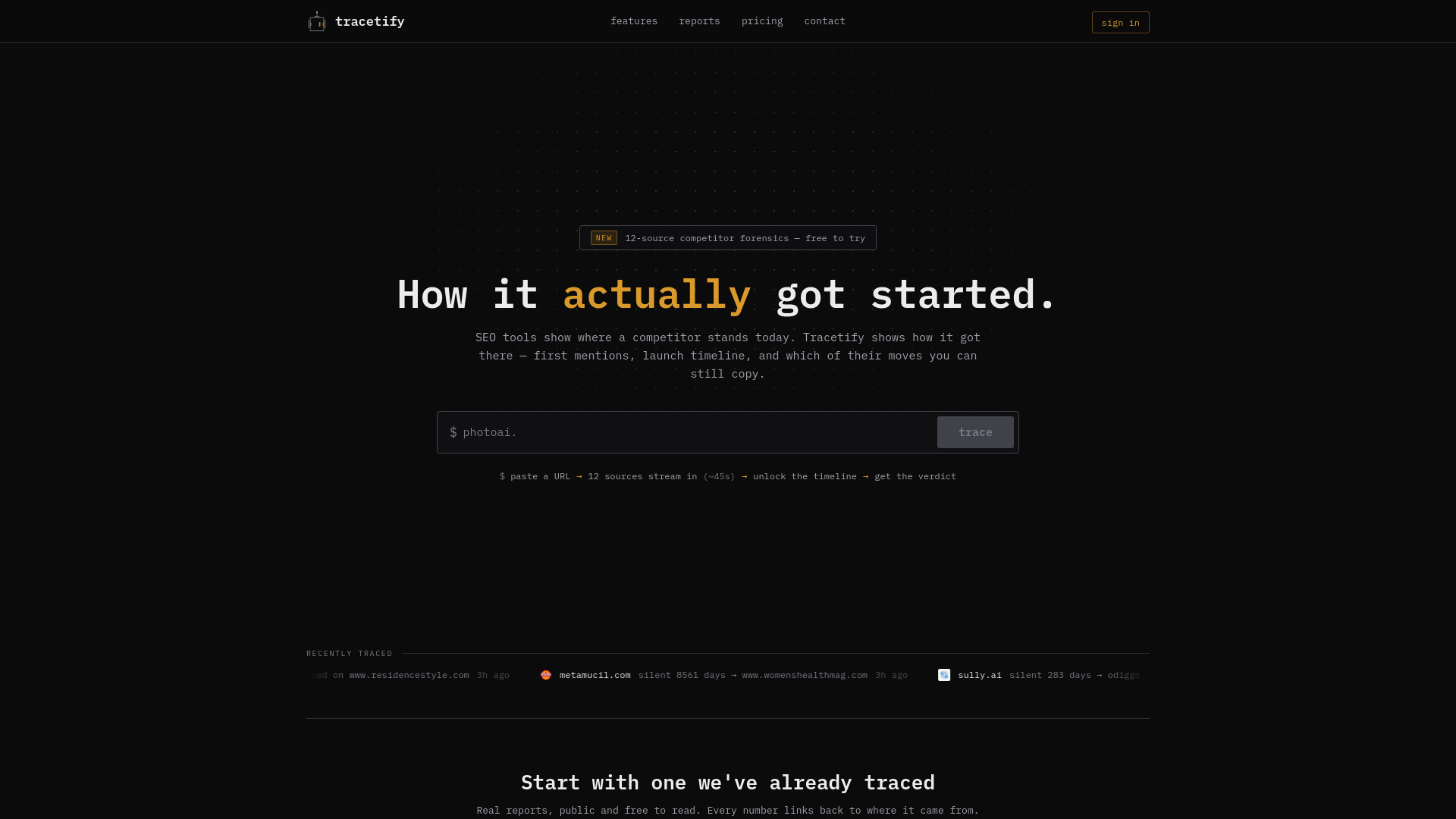
Tracetify takes a historical approach to competitor research. It traces first mentions and launch histories, then builds growth timelines with dated links to public sources. That makes it useful for a founder trying to understand how a competitor emerged and which public milestones or strategies might be worth investigating-not for measuring whether an AI assistant currently recommends your brand.
The evidence-linked format is the appealing detail: reports tie claims to dated public sources, giving a reader something to inspect rather than asking them to accept an unsupported summary. A free trace offers a low-friction first look, although a complete competitor analysis requires 30 credits. That cost in credits matters if you want to compare several companies rather than test one.
My take: Tracetify can add useful context to competitive research, especially when a timeline is more actionable than a list of competitor claims. Keep it in the research lane and use a dedicated tracker for AI visibility.
Where it falls short: A complete competitor analysis requires 30 credits, so the free trace may not cover a full research project. It does not list LLM answer monitoring or citation analytics.
Key features
Trace competitor first mentions and launch histories.
Build growth timelines supported by dated public-source links.
Investigate origins and repeatable strategies for startup competitors.
Pros
Links report claims to dated public sources.
Provides a free trace to try the research workflow.
Useful for historical competitor context.
Cons
Full competitor analysis requires 30 credits.
No listed AI answer visibility or SEO ranking measurements.
Choose Tracetify if: You are a founder researching how competitors launched and grew, and you want source-linked timelines rather than AI-search monitoring.
9. StaffingLeads
StaffingLeads
Recruiters monitoring companies that are hiring
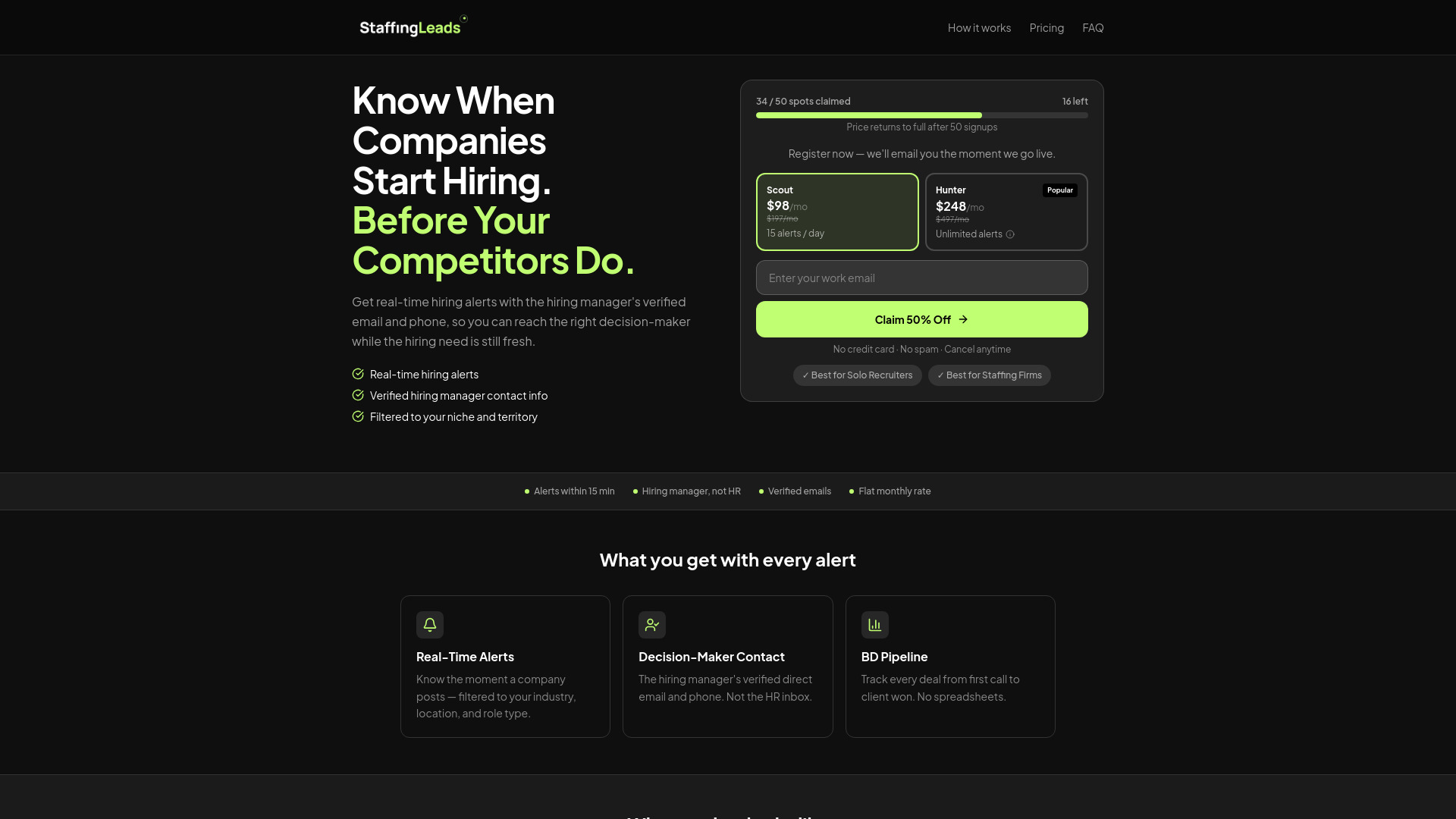
StaffingLeads automates a defined research task for recruiters: identifying companies that appear to be hiring and finding likely hiring managers. It gathers real-time hiring alerts from company career pages, ATS platforms, and job boards, then uses AI to identify the person most likely to own the hiring decision. Recruiters can filter by niche and territory instead of manually scanning scattered listings.
That is a meaningful workflow for staffing firms, but the connection to LLM SEO is minimal. The product's signals concern recruiting demand, not organic search performance or AI answer presence. It makes this comparison because it is a research-oriented AI tool in the broader candidate set, but a buyer seeking the best llm seo tracker should not shortlist it for visibility reporting.
My take: For recruiting, automating company and contact research could save time. For SEO, it is a category mismatch; spend your evaluation time on the dedicated trackers first.
Where it falls short: No free plan or trial is shown, and the Scout plan starts at $98 per month. It also has no listed LLM SEO monitoring capabilities.
Key features
Find real-time hiring alerts from career pages, ATS platforms, and job boards.
Use AI to identify likely hiring managers.
Filter hiring leads by niche and territory.
Access verified hiring-manager contact information as part of the recruiting workflow.
Pros
Automates hiring lead research for recruiters.
Combines alerts with likely decision-maker identification.
Supports niche and territory filtering.
Cons
No free plan or free trial is shown.
Scout starts at $98 per month.
Not designed for SEO or AI-search visibility tracking.
Choose StaffingLeads if: You recruit for a defined niche and need hiring alerts and likely manager contacts, not a tool to track brand mentions in AI answers.
10. LLMBoard.ai

LLMBoard.ai
AI researchers comparing language models
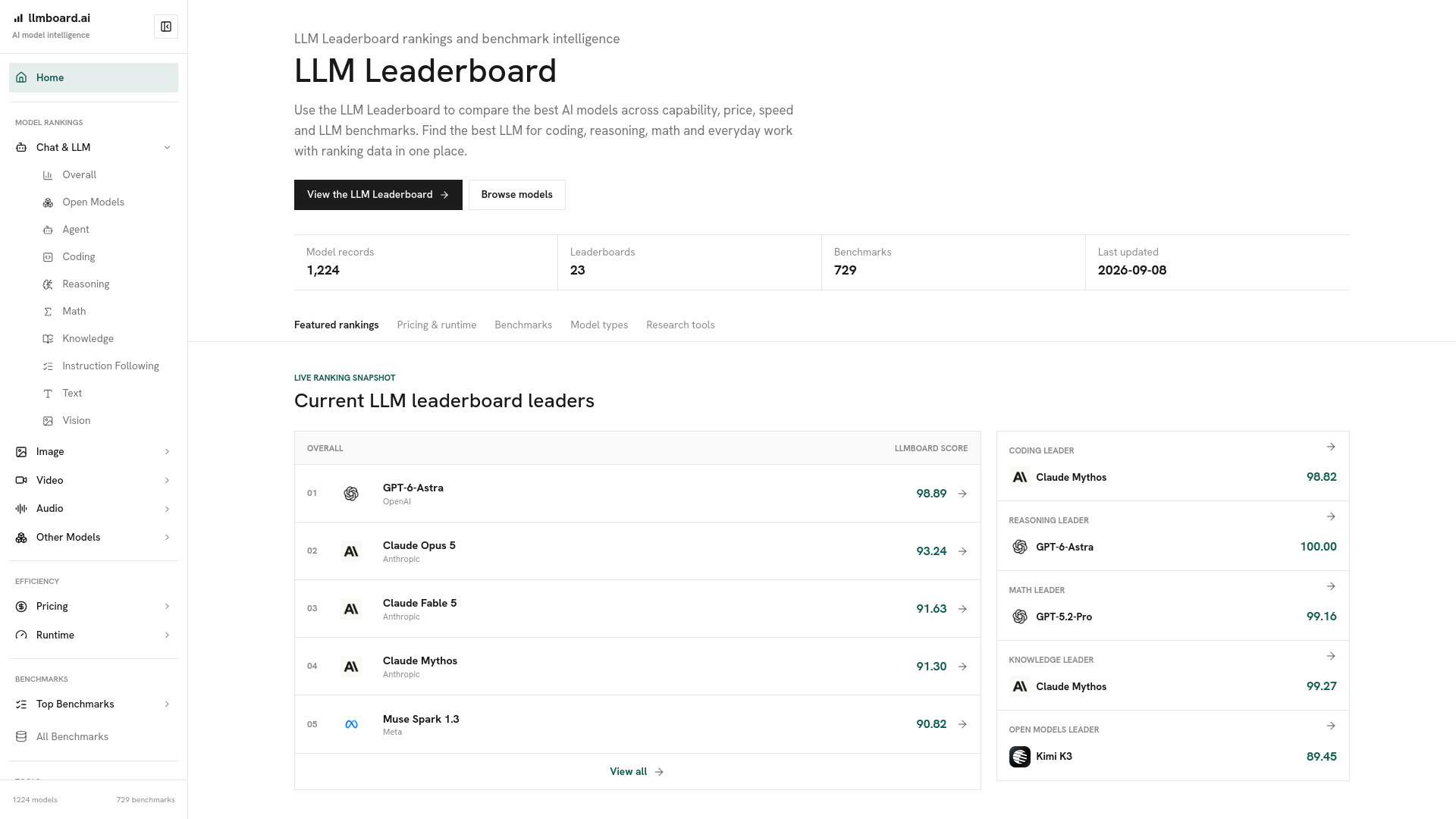
LLMBoard.ai is about the models themselves, not how those models represent your company. It ranks AI systems across coding, reasoning, mathematics, knowledge, instruction following, and other capabilities, while comparing official pricing, runtime speed, latency, and provider reliability. That combination is useful for a researcher or developer choosing which model to test or integrate.
For LLM SEO, there is a tempting but important distinction: a model benchmark can help you understand the AI landscape, but it will not tell you whether your site is cited, how often your brand appears, or where it ranks in generated answers. This is a useful adjacent reference for teams building AI products, not a brand-monitoring dashboard.
My take: LLMBoard.ai is a model-selection aid, not an SEO tracker. Keep it on your list only if comparing model capability, cost, and speed is part of your broader AI work.
Where it falls short: Leaderboard scores may not reflect performance in every individual use case. Pricing is not clearly listed, and the described capabilities do not include brand or prompt-level search visibility tracking.
Key features
Compare model rankings across coding, reasoning, mathematics, knowledge, and instruction following.
Review official model pricing and runtime speed.
Compare latency and provider reliability.
Pros
Brings capability, pricing, runtime, and benchmark information together.
Helps researchers and developers compare models across several dimensions.
Offers a broader view than a single benchmark category.
Cons
Leaderboard scores may not represent every use case.
Pricing is not clearly listed.
Does not track brand citations or AI search visibility.
Choose LLMBoard.ai if: You need to compare AI model capability and performance, and you already have a separate solution for SEO and AI-answer visibility.
More tools to compare

AlphaAI
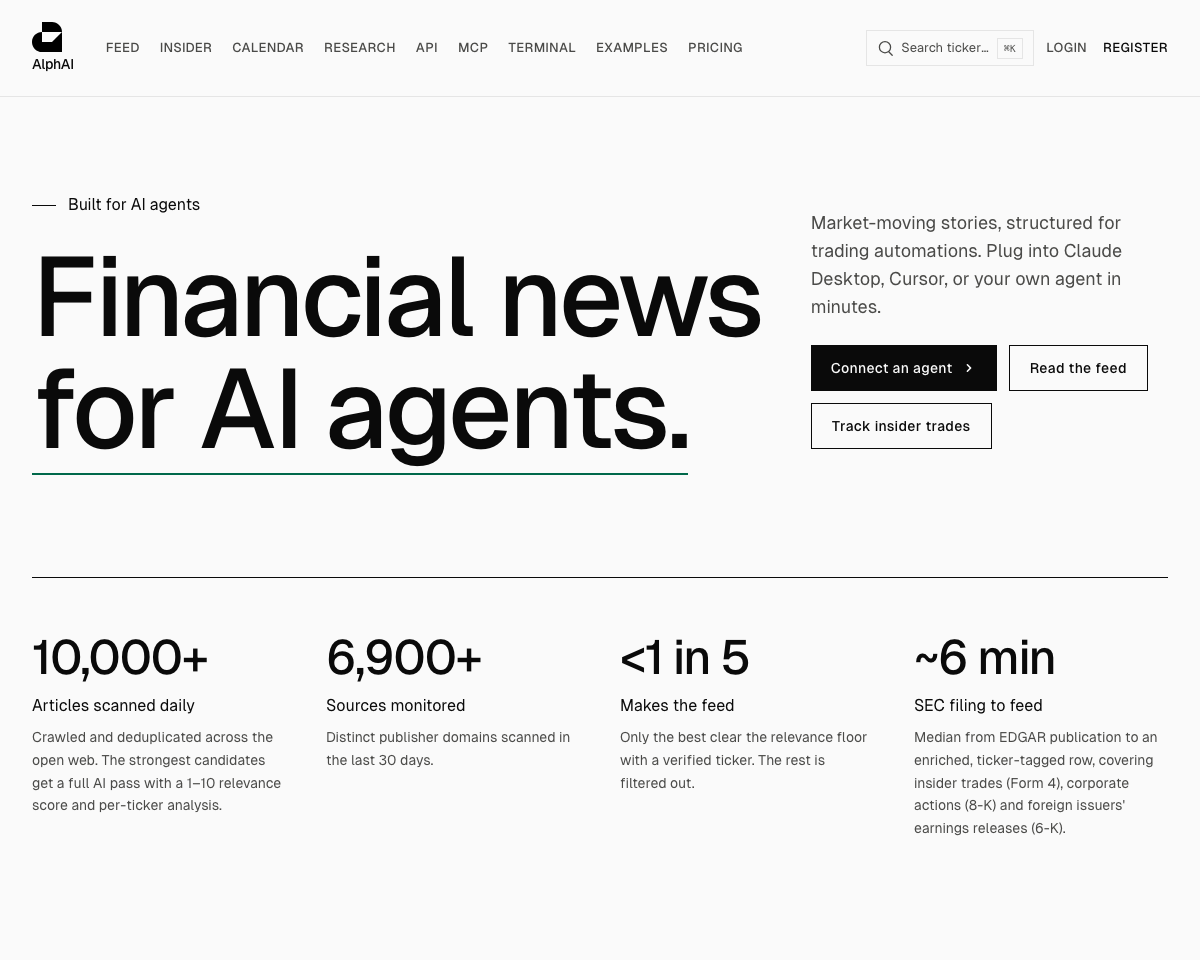
Ticker-linked financial news for trading bots

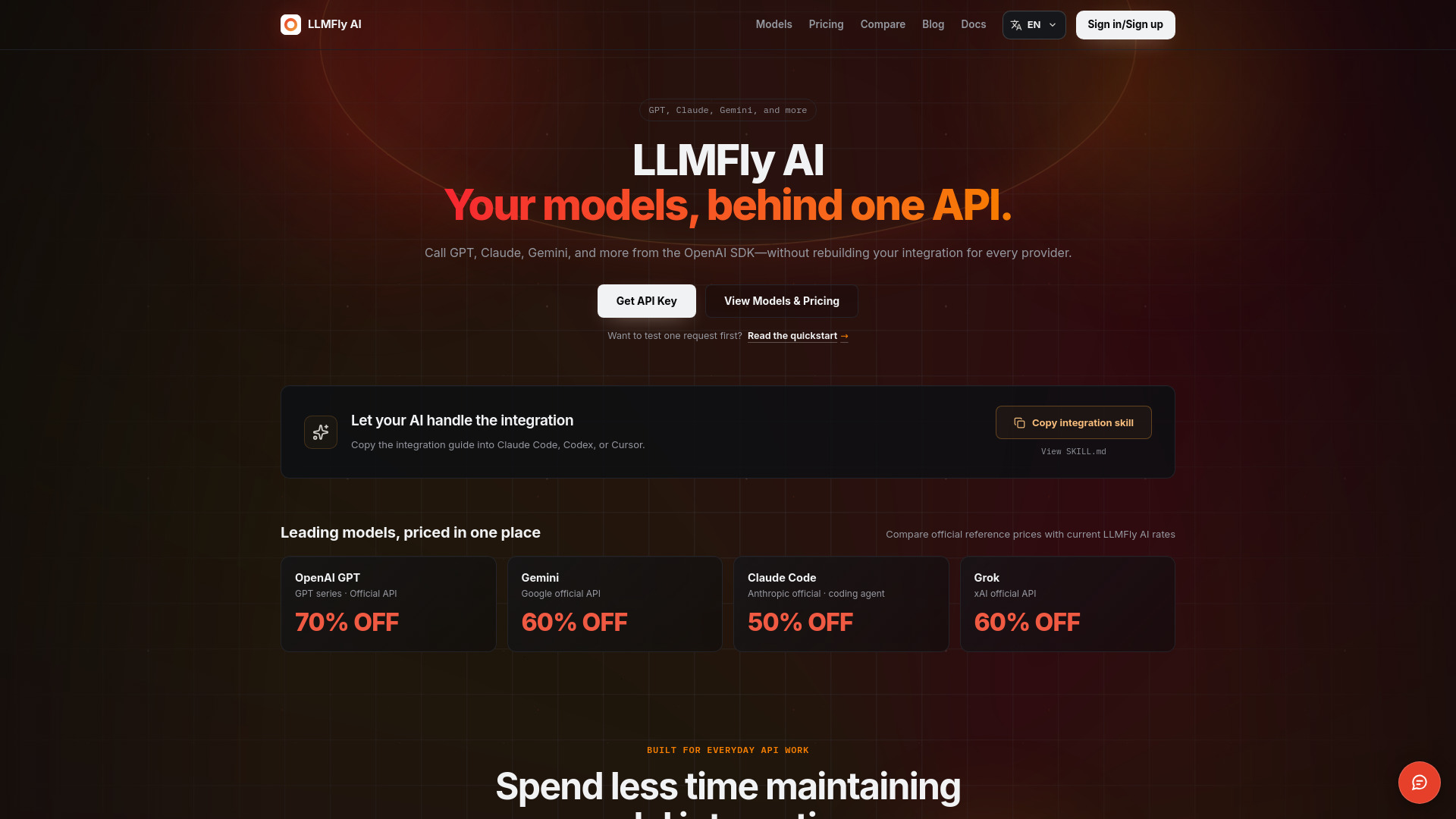
LLMFly AI
Developers routing calls across LLM providers

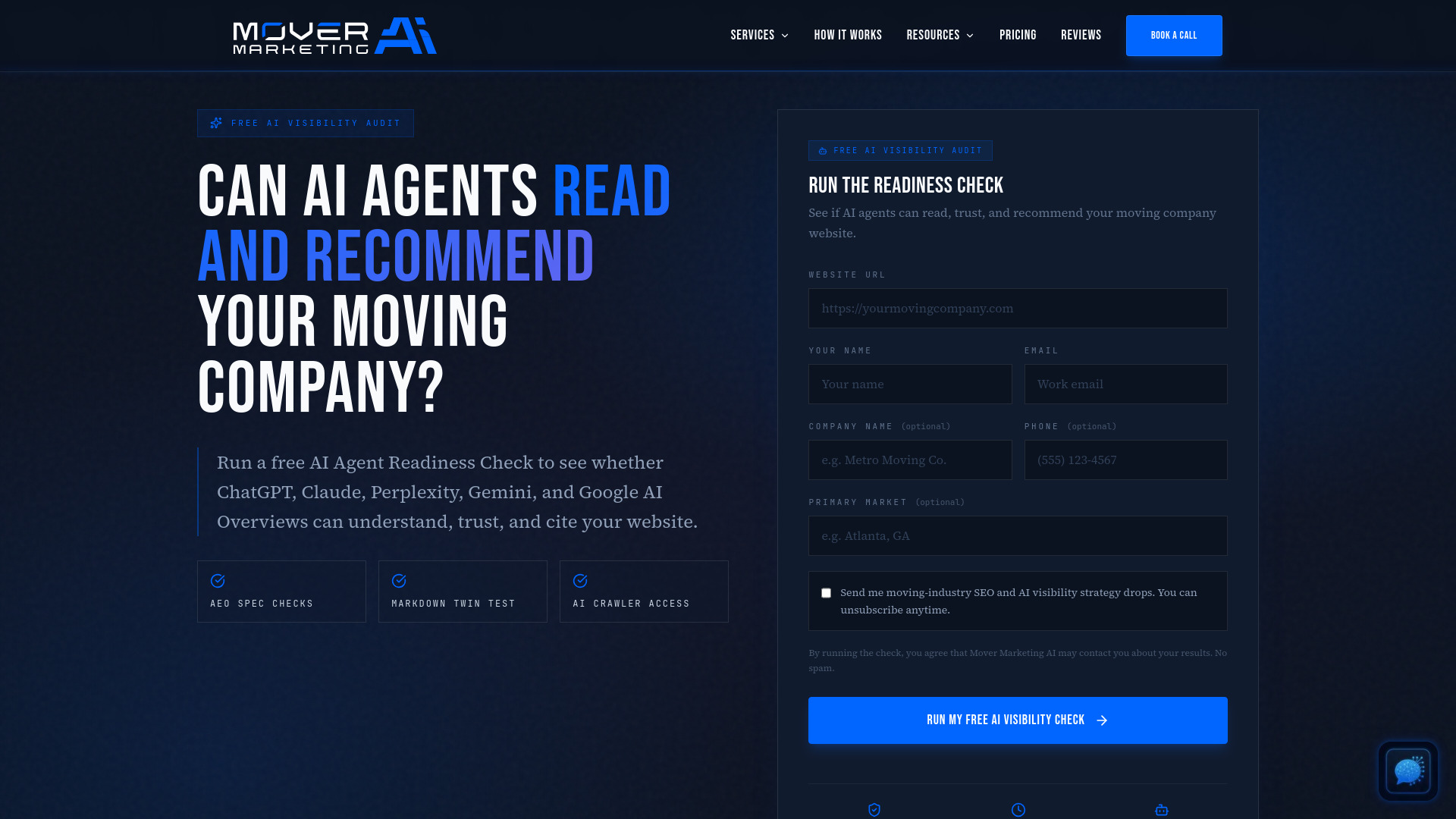
AI Agent Readiness Check for Moving Companies
Moving companies checking AI search readiness

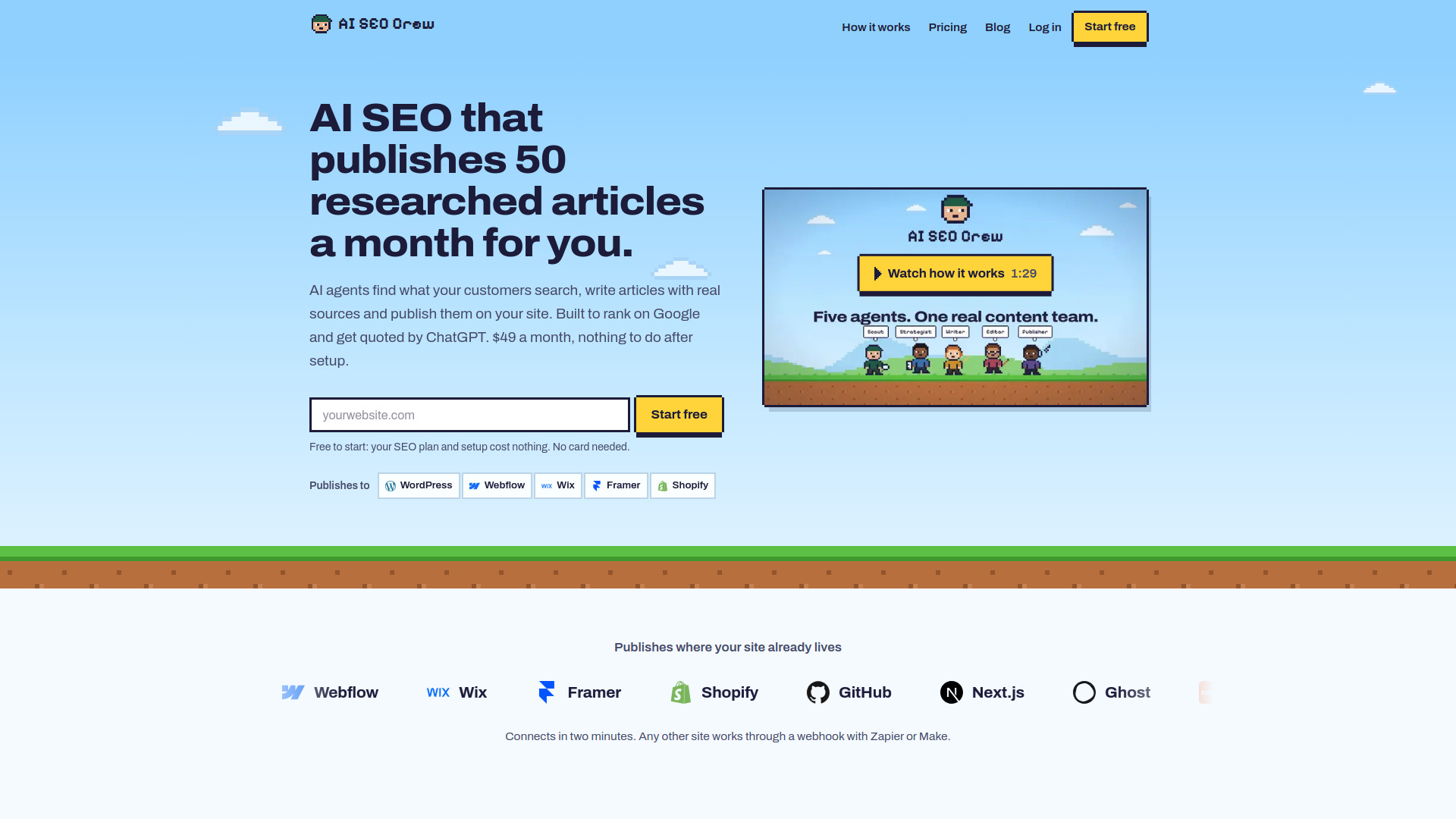
AI SEO Crew
Automated SEO content for Google and AI search

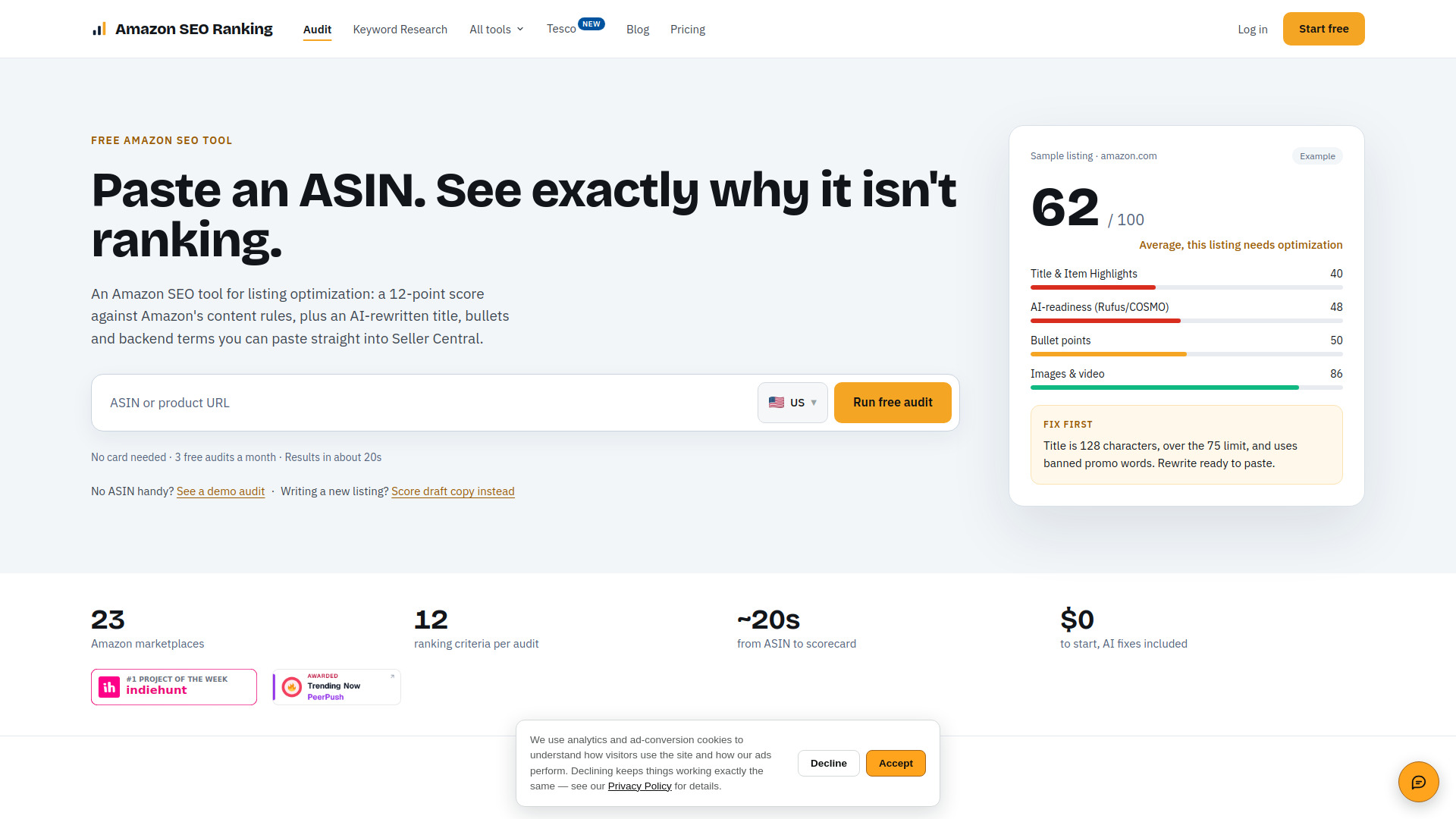
Amazon SEO Ranking
Amazon listing audits and AI rewrites

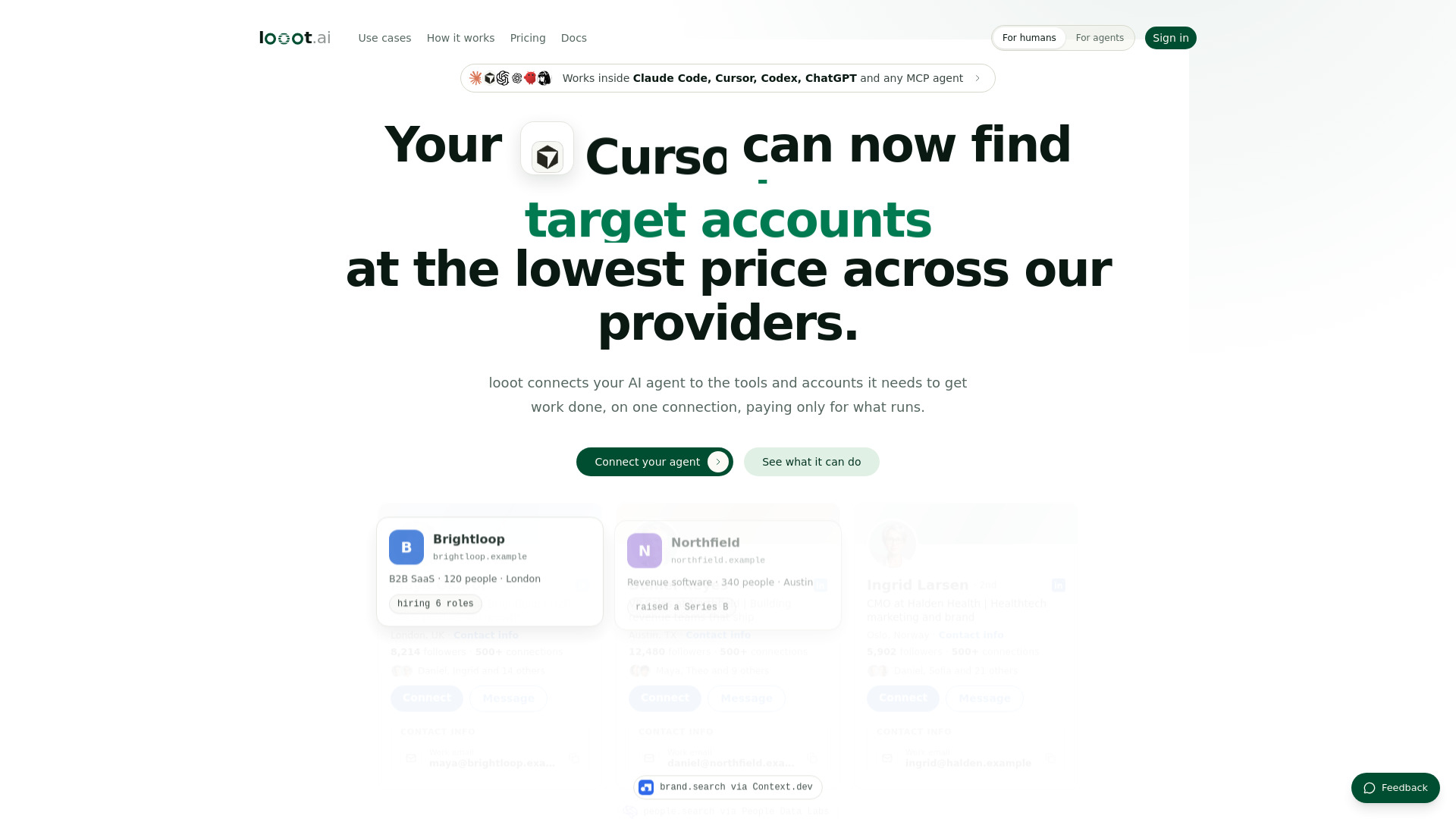
looot
SEO data APIs for AI agents

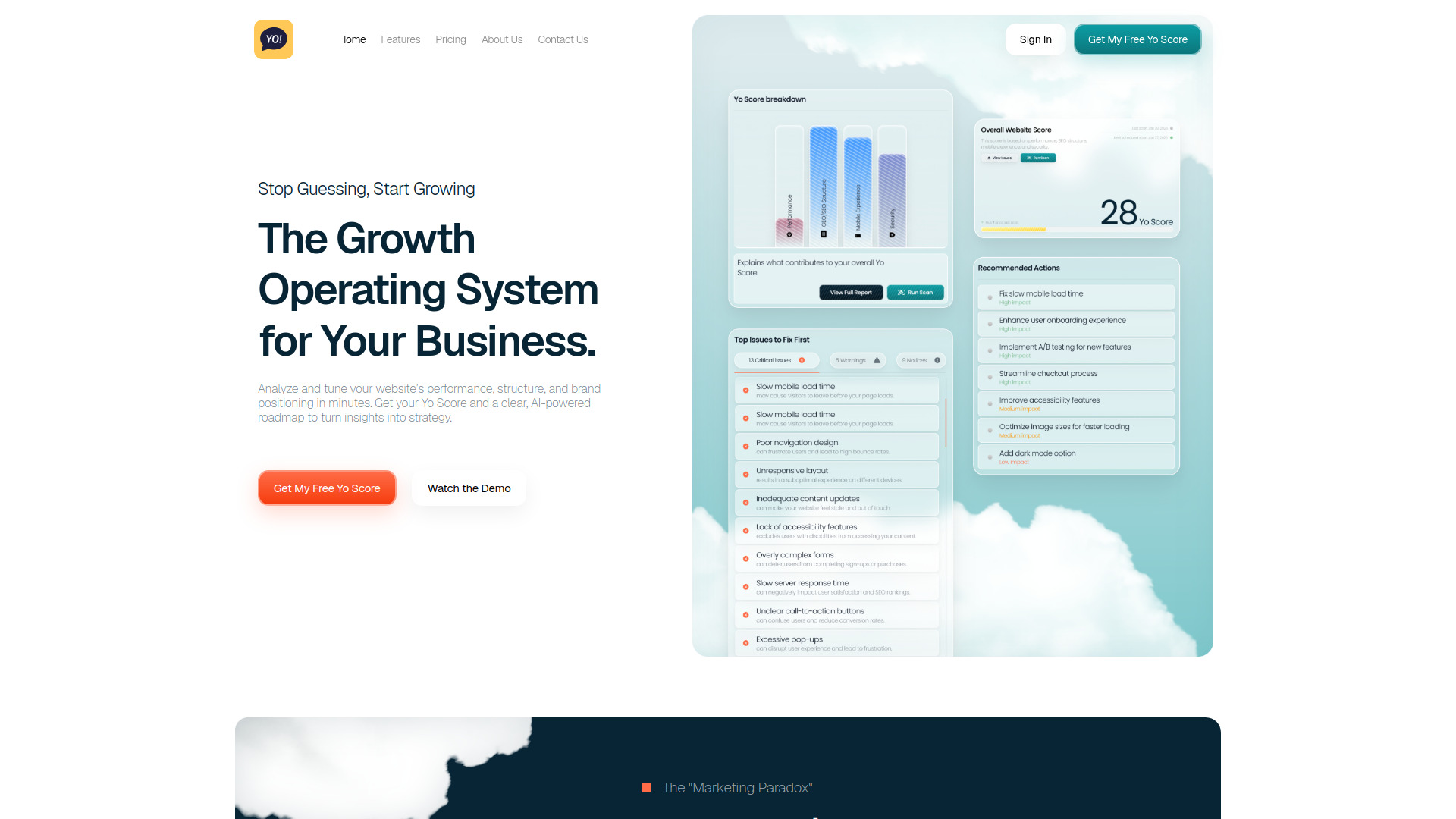
Yo MaaS (Marketing-as-a-Service)
AI-assisted website SEO and performance audits

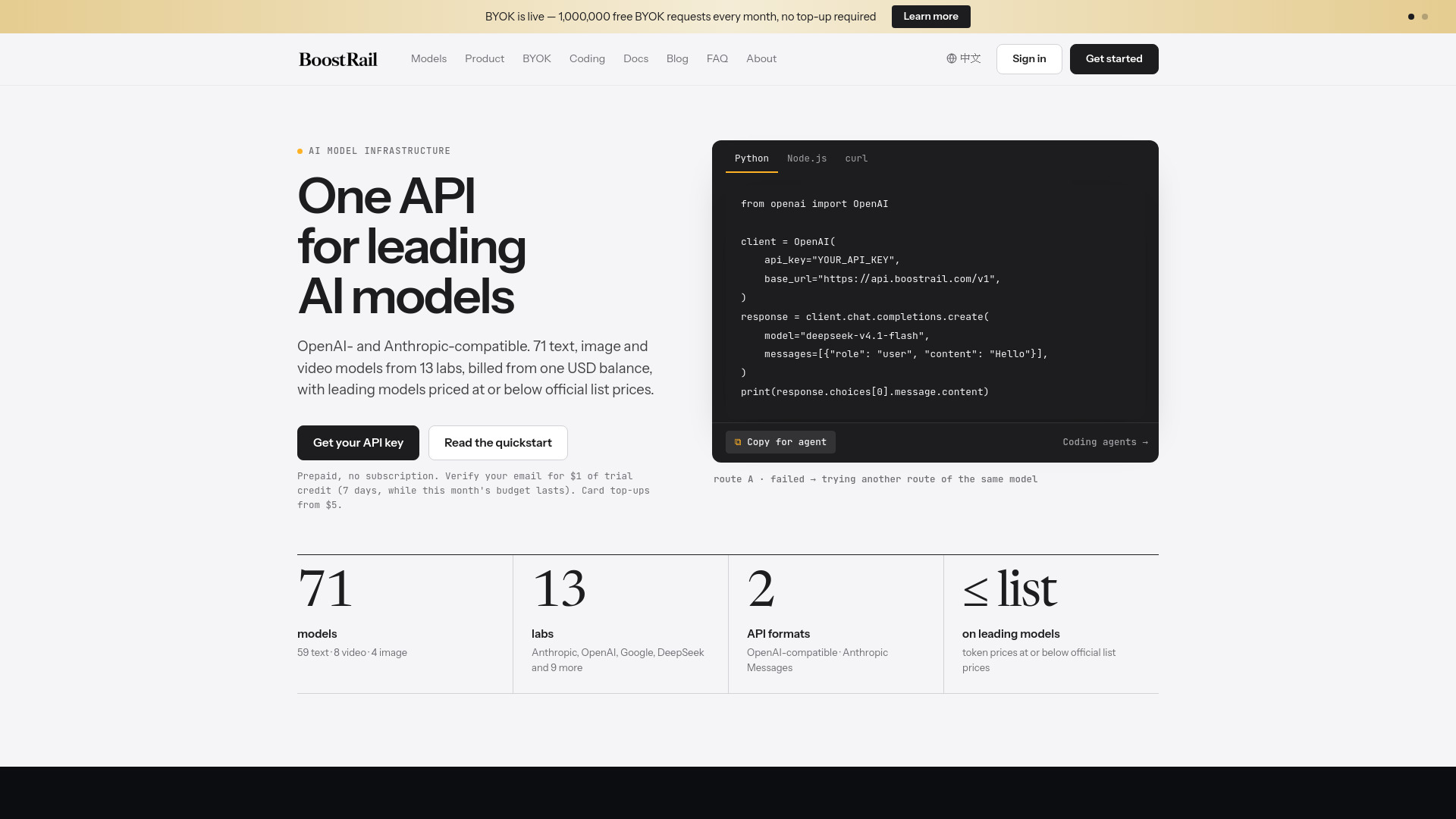
BoostRail
Developers routing requests across AI models

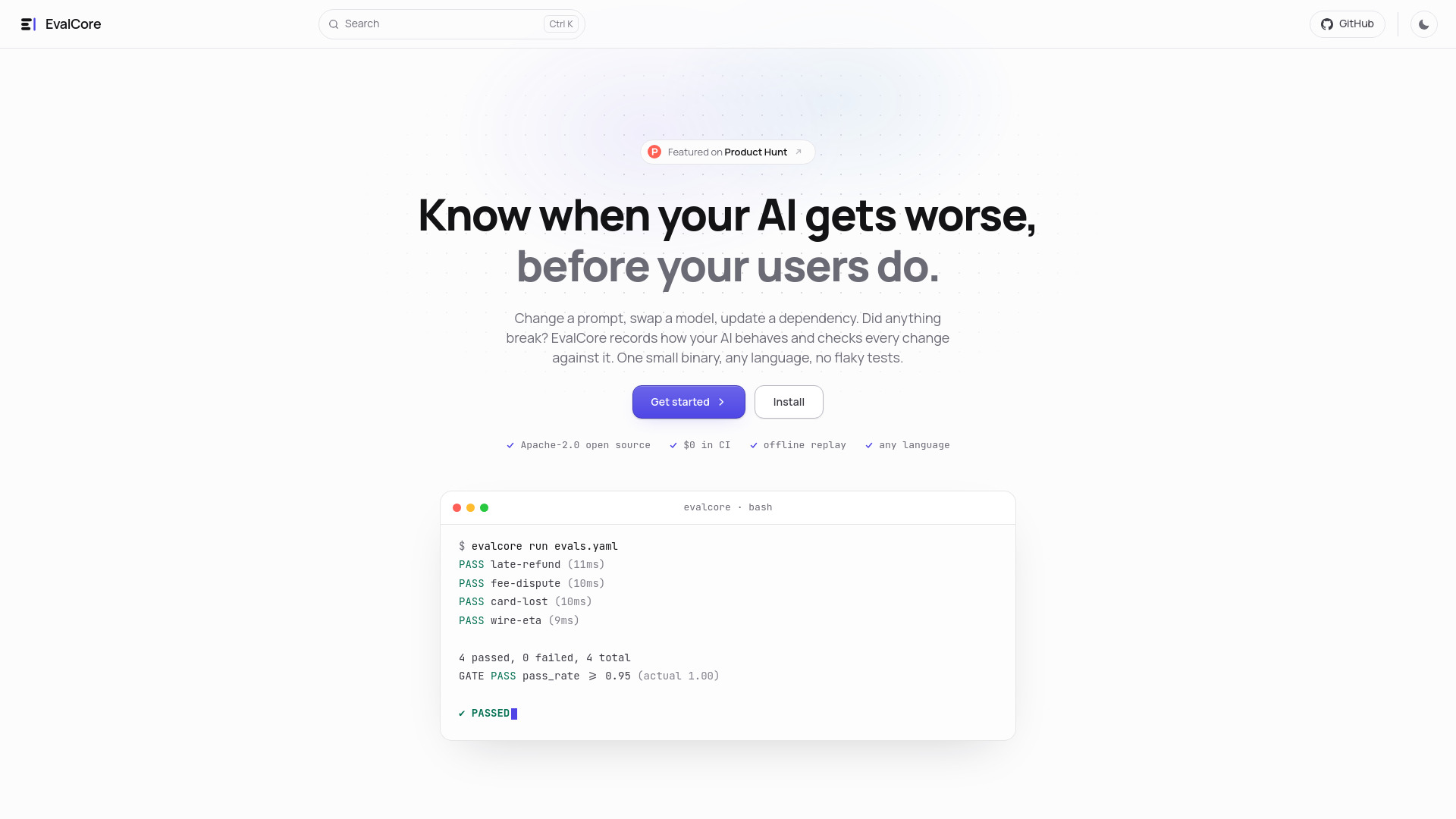
EvalCore
Offline LLM regression testing in CI
Which LLM SEO tracker should you choose?
Start with the job you need done. If you need to know whether your brand is mentioned in AI-generated answers, focus first on Sorank, Answerbit, and Llumo. They are the only featured options with clearly described AI visibility or mention tracking. Then compare the practical differences:
Choose Sorank when you want AI mention tracking alongside SEO/GEO article generation and are comfortable evaluating a short trial and per-site price.
Choose Answerbit when daily, multi-platform monitoring and visibility/rank metrics matter most. Confirm the live price and platform coverage before planning a rollout.
Choose Llumo when you want broad visibility and citation features without a monthly platform license and can provide API keys.
Choose ToolKK or RankHero for complementary utility work or Etsy-specific SEO, not as replacements for an AI-answer tracker.
Choose the remaining adjacent tools only when their distinct workflow-market research, sales prospecting, recruiting, competitor timelines, or model comparisons-matches a separate need.
A good evaluation begins with the prompts that matter to your business. Track branded and non-branded queries, relevant competitors, and the AI platforms your customers actually use. Check whether the tool reports citations as well as mentions, whether results can be revisited over time, and whether its coverage matches your language and market. A dashboard full of scores is not useful if it cannot answer the questions your team is trying to resolve.
My practical recommendation
For most SEO teams, I would trial Sorank first if content generation and tracking belong in the same workflow. Answerbit is worth a closer look if daily coverage across multiple AI platforms is the priority, while Llumo is appealing for teams that can manage their own API keys and want to avoid a monthly license fee. Those are different trade-offs, not interchangeable versions of the same product.
Before buying, write down a small prompt set, note which competing brands should appear, and define what a useful report would show. Use the trial or free access to test that exact workflow. If a platform cannot make the output understandable to the people who will act on it, more prompts and more charts will not fix the problem. For all other picks, treat them as adjacent workflow tools and avoid buying one in the expectation that it will report your LLM visibility.
Common mistakes when choosing LLM SEO tracking software
Confusing AI content generation with tracking. Creating GEO articles does not prove that a platform measures mentions, citations, or visibility over time.
Treating every AI tool as an SEO tracker. Marketplace SEO, lead research, competitor timelines, and model benchmarks solve different problems.
Buying on platform count alone. Check whether the tool covers the AI services, prompts, language, and market relevant to your audience.
Ignoring setup and usage costs. A free platform may require API keys, while trials can be brief and paid plans may charge per site.
Taking one score as a verdict. Verify important outputs against actual answers and repeat observations before changing your strategy.
What changed in 2026
AI-search monitoring is now easier to distinguish from conventional SEO research: the most relevant tools in this comparison describe prompt-level visibility, AI mentions, citations, or answer-engine coverage directly. The practical buying question is less "does this tool use AI?" and more "does it measure how AI answers represent my brand, and can my team act on that evidence?" In this 19-tool comparison, a small group answers that question directly; many others are useful only for neighboring tasks. Pricing, supported platforms, and plan limits can change, so confirm the current details with each vendor before purchasing.
FAQ
It monitors how brands, pages, or products appear in answers from AI systems. Useful capabilities can include prompt-level visibility, citations, average rank, and share-of-voice reporting across supported platforms.