
Finding the best free llm rank tracker tool is less straightforward than finding a conventional SEO rank tracker. Some products monitor brand mentions in ChatGPT or Perplexity, while others help you build, observe, or compare the LLM systems behind those results. I compared 100 tools in this category and ranked the 10 most useful starting points, with extra weight on genuine free access, visibility data, and how quickly a buyer can get to a meaningful answer.
Top picks
| Pick | Tool | Best for | Why it stands out |
|---|---|---|---|
| 1 | AnythingLLM | Developers who need private experiments | Local desktop use, built-in LLM, RAG, and no account required for free use |
| 2 | LLM Pulse | Marketing professionals | Real-time visibility tracking across several major AI search experiences |
| 3 | LLMrefs | SEOs | Direct AI keyword rank tracking with competitor analysis and a free keyword allowance |
| 4 | LPagery AI Rank Tracker | Local service businesses | Tracks mentions across ChatGPT, Claude, Gemini, and Perplexity |
The first three are the clearest matches for AI visibility work. The rest of the shortlist includes broader LLM infrastructure and research tools because they can be useful when "rank tracking" means evaluating model behavior, data retrieval, cost, or application performance rather than simply counting brand mentions.
Quick comparison
| Tool | Rank | Score | Best for | Free access | Starting price |
|---|---|---|---|---|---|
| AnythingLLM | #1 | 93/100 | Developers | Free desktop app; no account needed | Check vendor pricing |
| LLM Pulse | #2 | 93/100 | Marketing professionals | Visibility tracking; paid plans from €49/month | Starter: €49/month |
| LLMrefs | #3 | 93/100 | SEOs | 1 keyword free; no credit card required | Free: $0/month |
| LiteLLM | #4 | 92/100 | Platform engineers | Open source access | Open Source: $0 |
| LlamaIndex | #5 | 92/100 | Financial analysts | 10K free credits | Free: $0 |
| LLM Gateway | #6 | 92/100 | Developers | Free self-hosting | Self-host: Free |
| Researcher.Life | #7 | 92/100 | Researchers | 5 illustration requests/month | Check vendor pricing |
| LLM Price Check | #8 | 92/100 | AI developers | Free comparison access | Check vendor pricing |
| LangWatch | #9 | 91/100 | AI engineers | 1,000 traces/month | Flexible plans |
| LPagery AI Rank Tracker | #10 | 91/100 | Local service businesses | 7-day free trial | Starter: $59/month |
How we ranked these LLM rank tracker tools
I scored each candidate on five practical questions: does it expose a usable free path, does it provide evidence about AI visibility or model behavior, can the intended audience understand the output, and does it offer a meaningful next step rather than a vague dashboard? I also considered feature specificity, breadth of model coverage, setup friction, and the clarity of the stated price. Direct tracking products received the strongest category fit, while infrastructure tools remained eligible when they provided useful evaluation, routing, observability, or retrieval capabilities. Scores combine those factors with audience fit and usage signals; they are not a promise that every tool will suit every workflow.
The best LLM rank tracking tools
1. AnythingLLM

AnythingLLM
Best private LLM workspace for developers
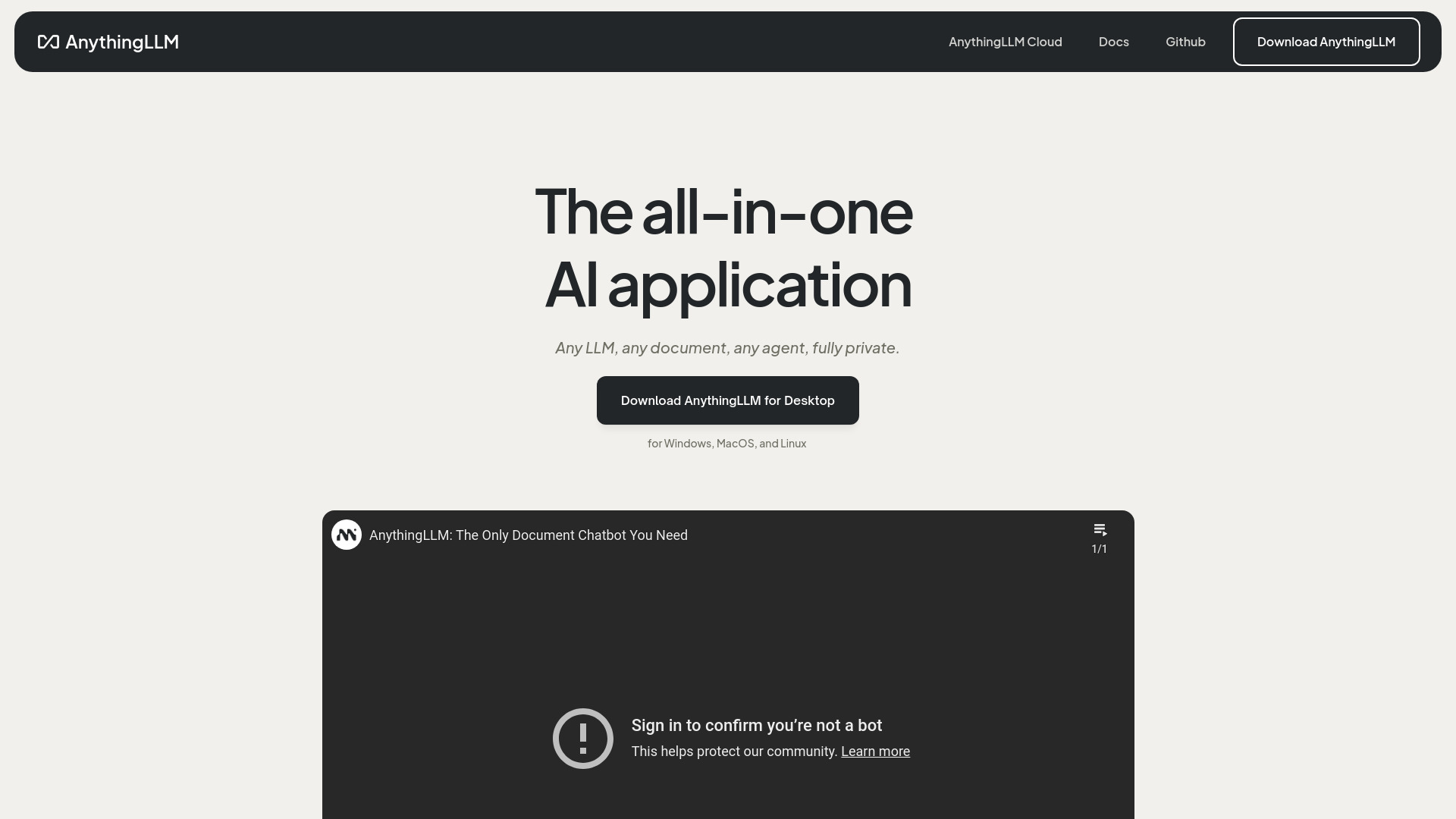
Privacy is the reason AnythingLLM earns the top spot despite not being a conventional rank tracker. It runs as a desktop application, includes a built-in LLM, and supports retrieval-augmented generation (RAG). That makes it a strong free environment for testing how a model answers questions about your own documents, content, or internal knowledge base.
It will not hand a marketing team a polished share-of-voice report across ChatGPT and Perplexity. Instead, it gives developers a controlled place to investigate responses without immediately sending their material to a hosted service. For teams trying to understand why an LLM surfaces, ignores, or misinterprets information, that control is valuable.
My take: I like AnythingLLM as the safest first experiment for people who need to inspect model answers privately. It is the most generous free starting point here, provided you are comfortable with a desktop install.
Where it falls short: The installation requirement adds friction, and the product is not a direct substitute for automated brand-mention monitoring or keyword-position reporting.
Key features
Built-in LLM for local experimentation.
RAG for working with documents and retrieved knowledge.
AI Agents for more action-oriented workflows.
Desktop application designed to run locally and privately.
Pros
Runs fully locally and privately.
Free desktop access includes document chat and AI Agents.
No account is needed for the free desktop experience.
Cons
Requires downloading and installing a desktop application.
Does not replace a dedicated AI search visibility dashboard.
Choose AnythingLLM if: You are a developer or privacy-conscious evaluator who wants to test LLM answers against your own content without starting with a paid cloud tracker.
2. LLM Pulse

LLM Pulse
Best AI visibility monitor for marketing professionals
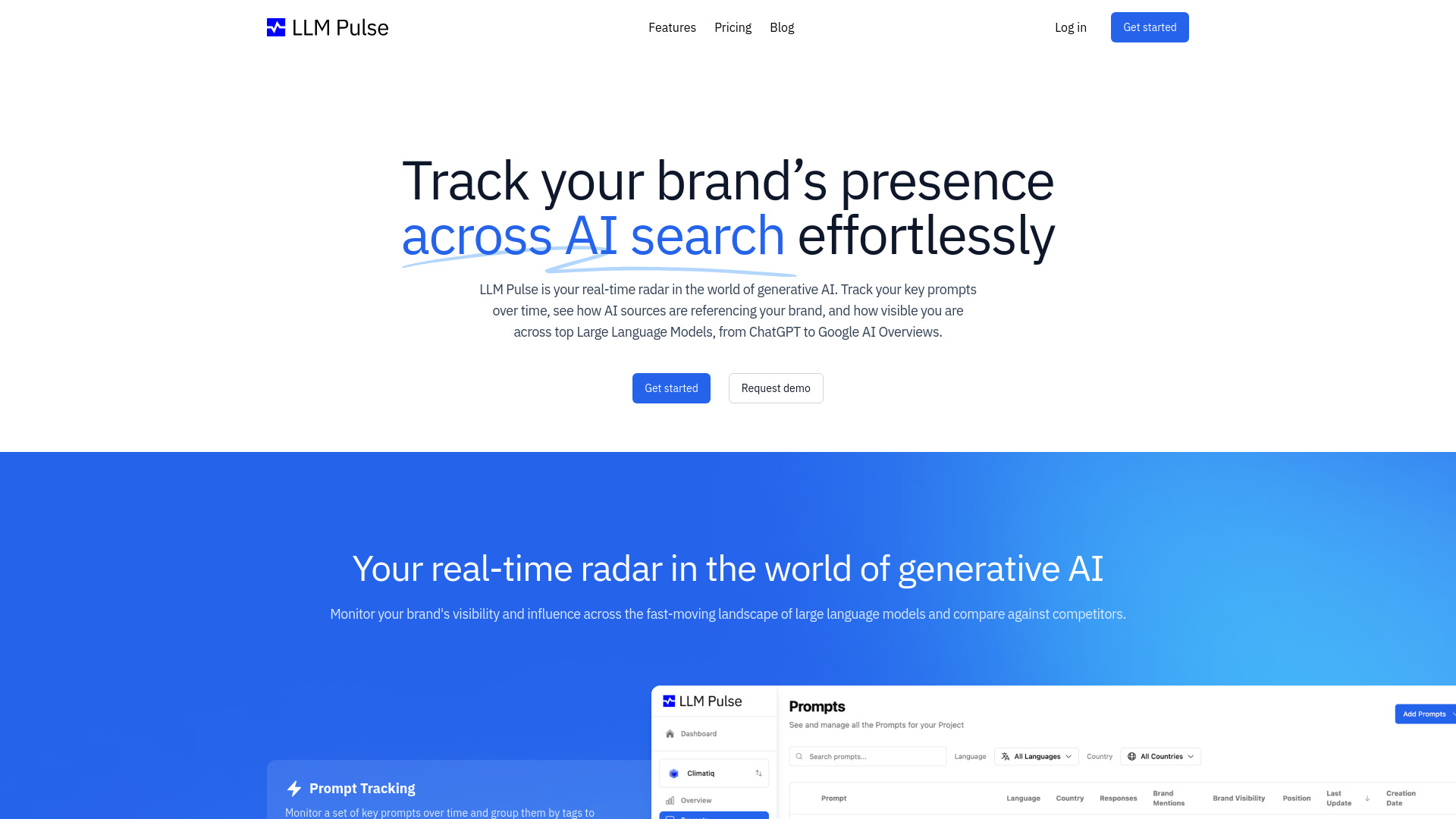
LLM Pulse is the cleanest fit for a marketing team that wants to see how a brand appears in generative search. Its prompt tracking and citations analysis focus on the evidence behind AI answers, while coverage includes ChatGPT, Perplexity Search, Google AI Mode, and Google AI Overviews.
That breadth matters because a brand can look visible in one AI experience and absent in another. LLM Pulse is better positioned than a general-purpose LLM gateway for repeated prompt checks, competitive observation, and conversations about whether AI answers cite or mention a company. The starting price is clear, though the product is not a permanently free tracker in the same sense as an open-source desktop tool.
My take: This is one of the best llm rank tracking tools for a marketing department that needs a recurring monitoring workflow rather than a one-off prompt test.
Where it falls short: Brand Sentiment is still listed as "coming soon," so the product's visibility data should not be treated as a complete reputation analysis.
Key features
Prompt Tracking for recurring AI search checks.
Citations Analysis for examining supporting sources.
Real-time tracking across ChatGPT, Perplexity Search, Google AI Mode, and Google AI Overviews.
Monitoring of brand visibility and influence in AI search.
Pros
Tracks several major LLM and AI search surfaces.
Real-time monitoring is useful for active SEO and content teams.
Its focus stays close to brand visibility rather than general model infrastructure.
Cons
Brand Sentiment feature is currently "coming soon."
The paid entry point is €49 per month rather than a broad free plan.
Choose LLM Pulse if: You are a marketing professional who needs to monitor prompts, mentions, and citations across multiple AI search products.
3. LLMrefs

LLMrefs
Best AI keyword tracker for SEOs
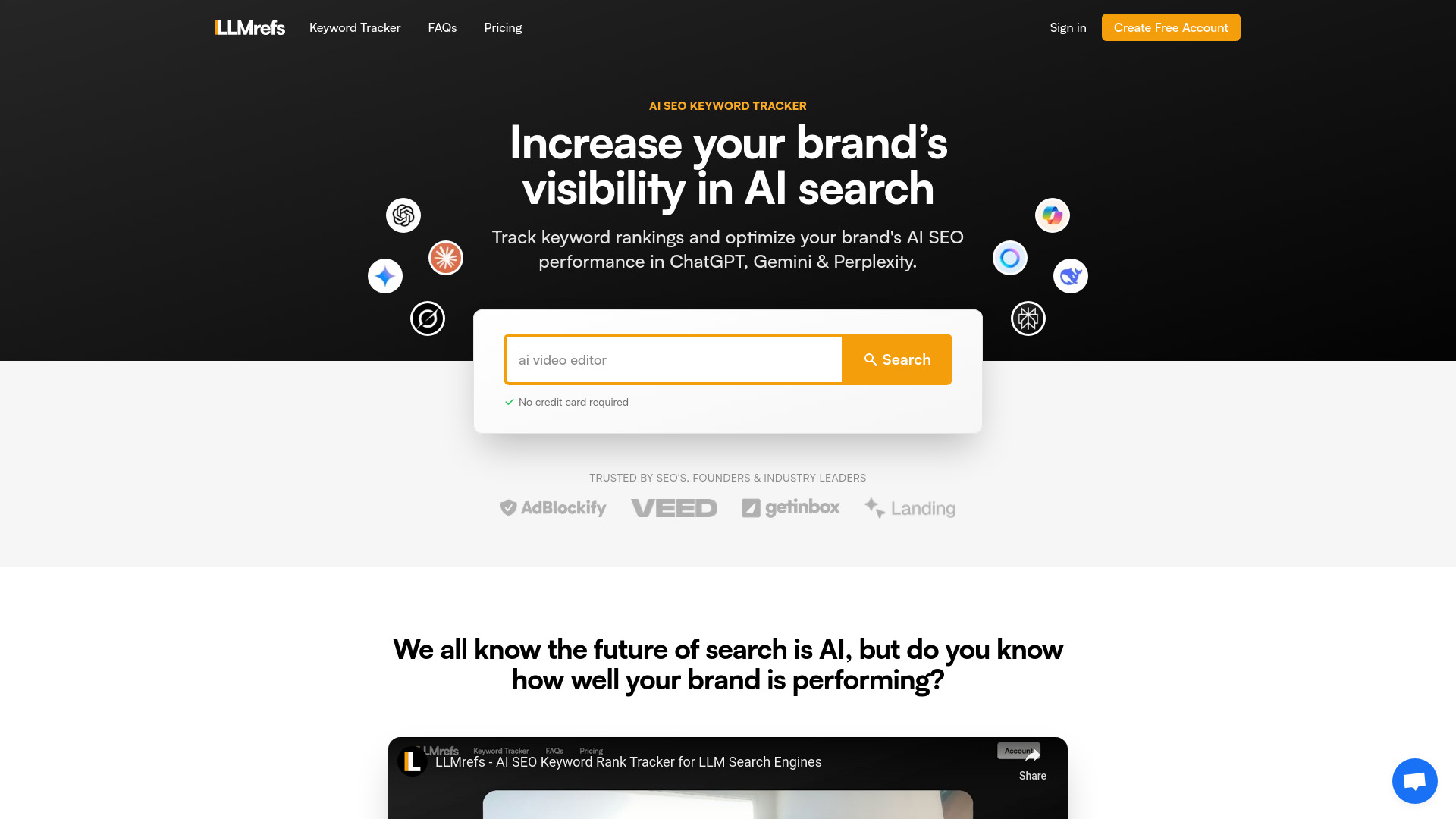
LLMrefs feels closest to what most people mean by a rank tracker. It focuses on AI keyword rank tracking and competitor analysis, giving SEOs a more familiar bridge from traditional search reporting to AI search performance. The free allowance is small-one keyword-but it is enough to test whether the workflow produces useful information for a brand or topic.
The product tracks major AI models, which makes it more useful than a tool that only checks a single chatbot. A serious SEO program will likely need more capacity than the free plan offers, but starting with one priority query is sensible: you can inspect the results, assess the reporting style, and decide whether expanded monitoring is justified.
My take: LLMrefs is my pick when the buyer specifically says "keyword rankings" and wants the least conceptual leap from SEO software.
Where it falls short: The free plan has limited features, so it is better viewed as a focused trial than a full free operating system for AI SEO.
Key features
AI keyword rank tracking.
Competitor analysis.
Tracking for major AI models.
Tools to optimize AI SEO performance.
Pros
Directly addresses AI search ranking questions.
One free keyword makes initial testing low risk.
No credit card is required for the free starting point.
Cons
The free plan has limited features.
Broader monitoring requires moving beyond the free allowance.
Choose LLMrefs if: You are an SEO who wants a conventional keyword-tracking lens for AI search and needs to test one important query before committing.
4. LiteLLM

LiteLLM
Best LLM routing layer for platform engineers
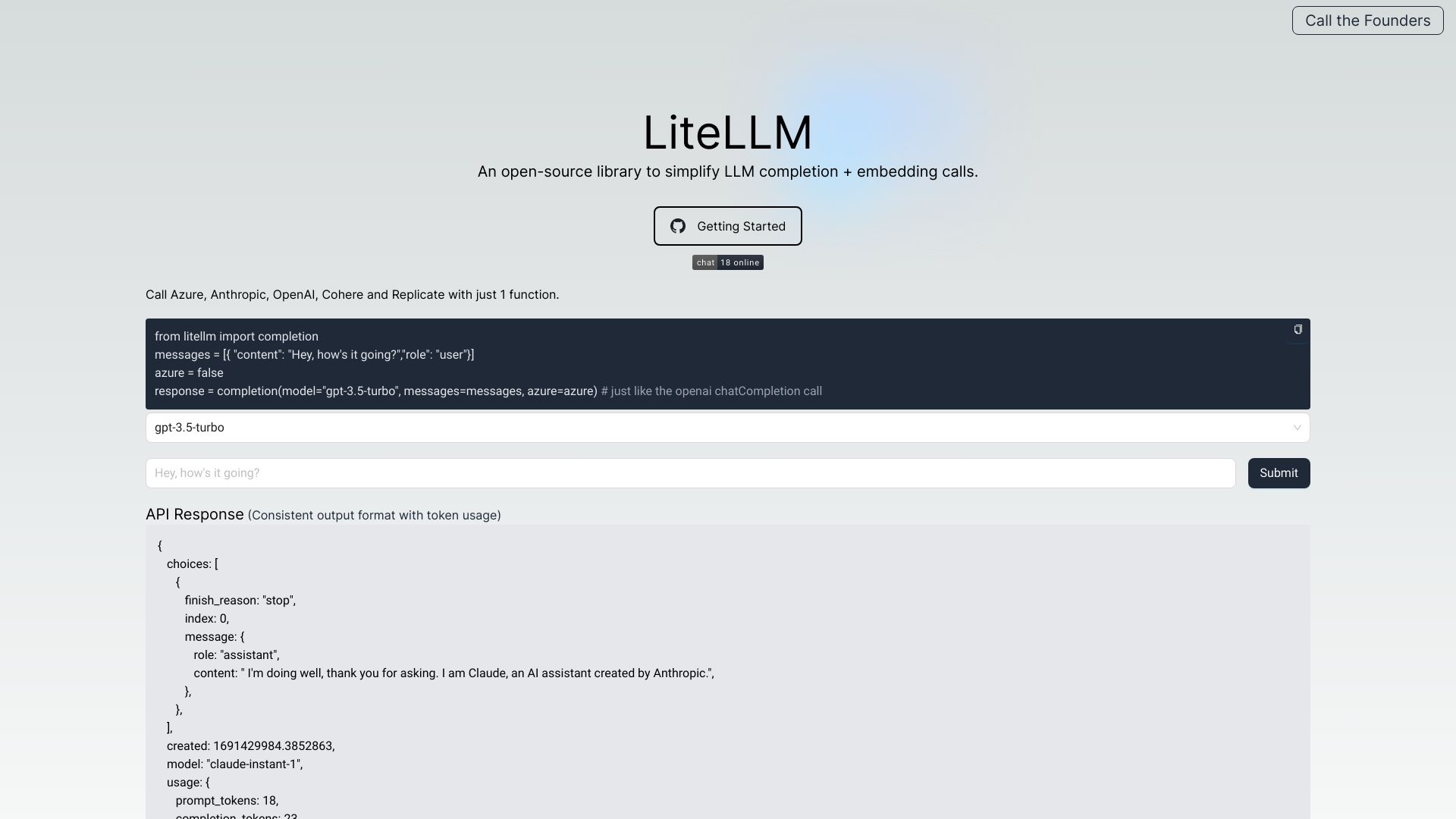
LiteLLM takes the comparison in a more technical direction. Its gateway supports access to more than 100 LLMs through an OpenAI-compatible API, with spend tracking and fallbacks. That does not measure where a brand ranks in an AI answer, but it can help engineering teams build a repeatable test harness across multiple models.
For example, a team evaluating generated answers across providers can standardize calls, route requests, and track usage instead of maintaining a separate integration for every model. That is useful groundwork for internal LLM evaluation or response monitoring. It is not a ready-made marketing dashboard, so buyers should not mistake model access for search visibility reporting.
My take: LiteLLM is a strong adjacent choice for engineers who want to build their own rank or answer-monitoring process around a broad model gateway.
Where it falls short: Initial setup and configuration take technical effort, and the product does not provide a turnkey brand-ranking report.
Key features
LLM Gateway for more than 100 LLMs.
OpenAI-compatible API.
Spend tracking for model usage.
Fallback handling across model providers.
Pros
Simplifies access to multiple LLMs.
Open-source access keeps experimentation flexible.
Broad model coverage can support comparative testing.
Cons
Requires initial setup and configuration.
Engineering work is needed to turn the gateway into a rank-tracking workflow.
Choose LiteLLM if: You are a platform engineer who wants a free, broad model-access layer for building custom LLM monitoring or evaluation systems.
5. LlamaIndex

LlamaIndex
Best retrieval framework for data-heavy analysis
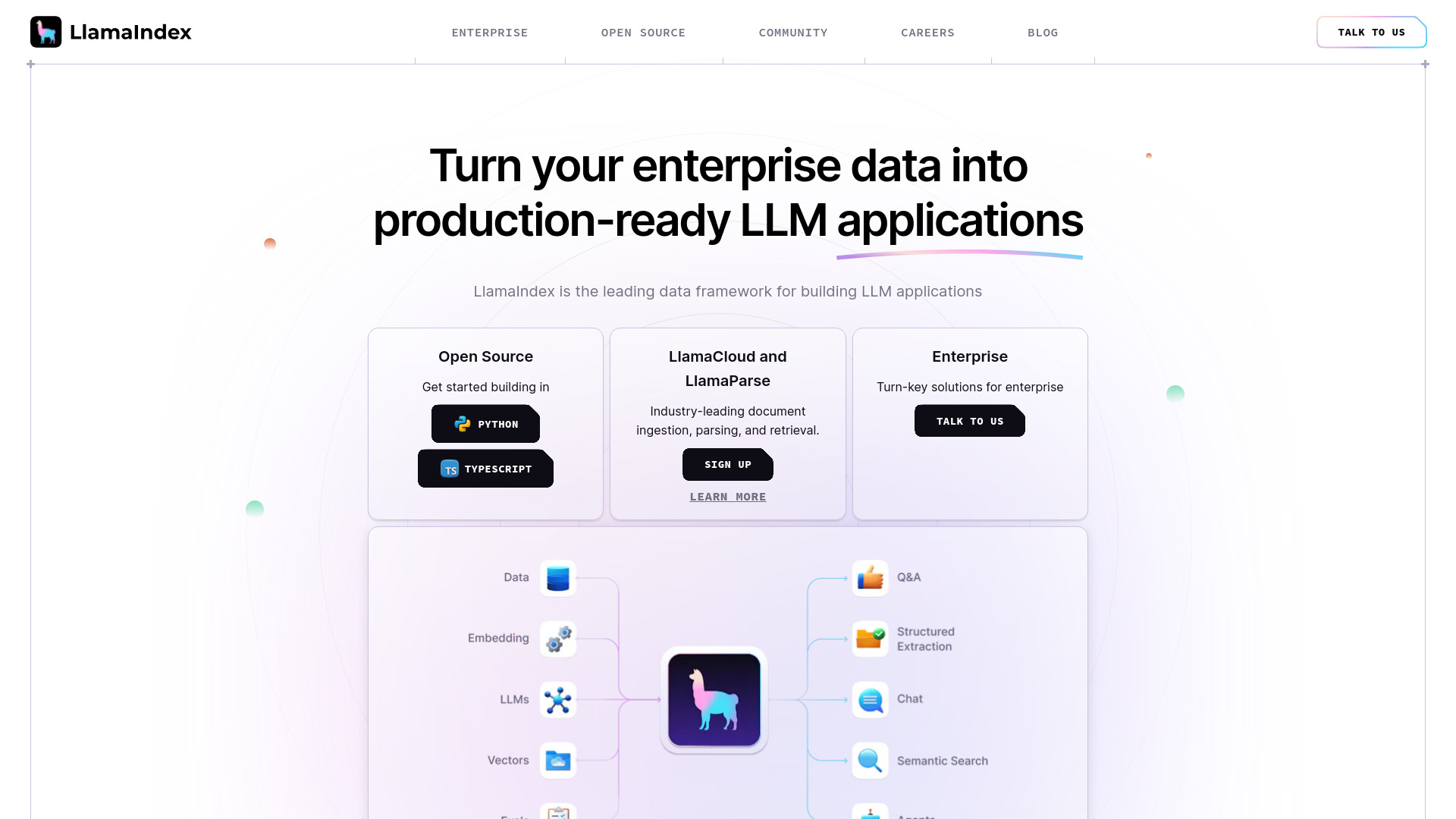
LlamaIndex belongs on this list when the question is not only "where did the model rank?" but also "what information did the model retrieve before answering?" Its toolkit includes LlamaParse for document parsing and LlamaExtract for data extraction, alongside a framework for building knowledge assistants connected to enterprise data.
That makes it a useful foundation for testing grounded answers, source retrieval, and document-driven AI experiences. A content or research team can use those capabilities to understand how structured information feeds an assistant, while engineers can prototype a more controlled evaluation setup. The trade-off is that this is a framework, not a finished rank-tracking interface.
My take: LlamaIndex is compelling for teams that need to connect AI answers to large or messy information sources. It is overkill for someone who simply wants a daily brand-mention chart.
Where it falls short: Data pipelines can be complex to set up and configure, especially for buyers without development support.
Key features
Document parsing with LlamaParse.
Data extraction with LlamaExtract.
Knowledge assistants connected to enterprise data.
Flexible prototyping for RAG applications.
Pros
Supports fast prototyping of production-ready RAG applications.
Strong fit for document-heavy and enterprise-data workflows.
10K free credits provide a practical starting point.
Cons
Can be complex to set up and configure data pipelines.
Does not offer a plug-and-play AI visibility ranking dashboard.
Choose LlamaIndex if: You are building a data-connected assistant and need to evaluate how retrieval and source material influence model answers.
6. LLM Gateway

LLM Gateway
Best open-source API router for developers
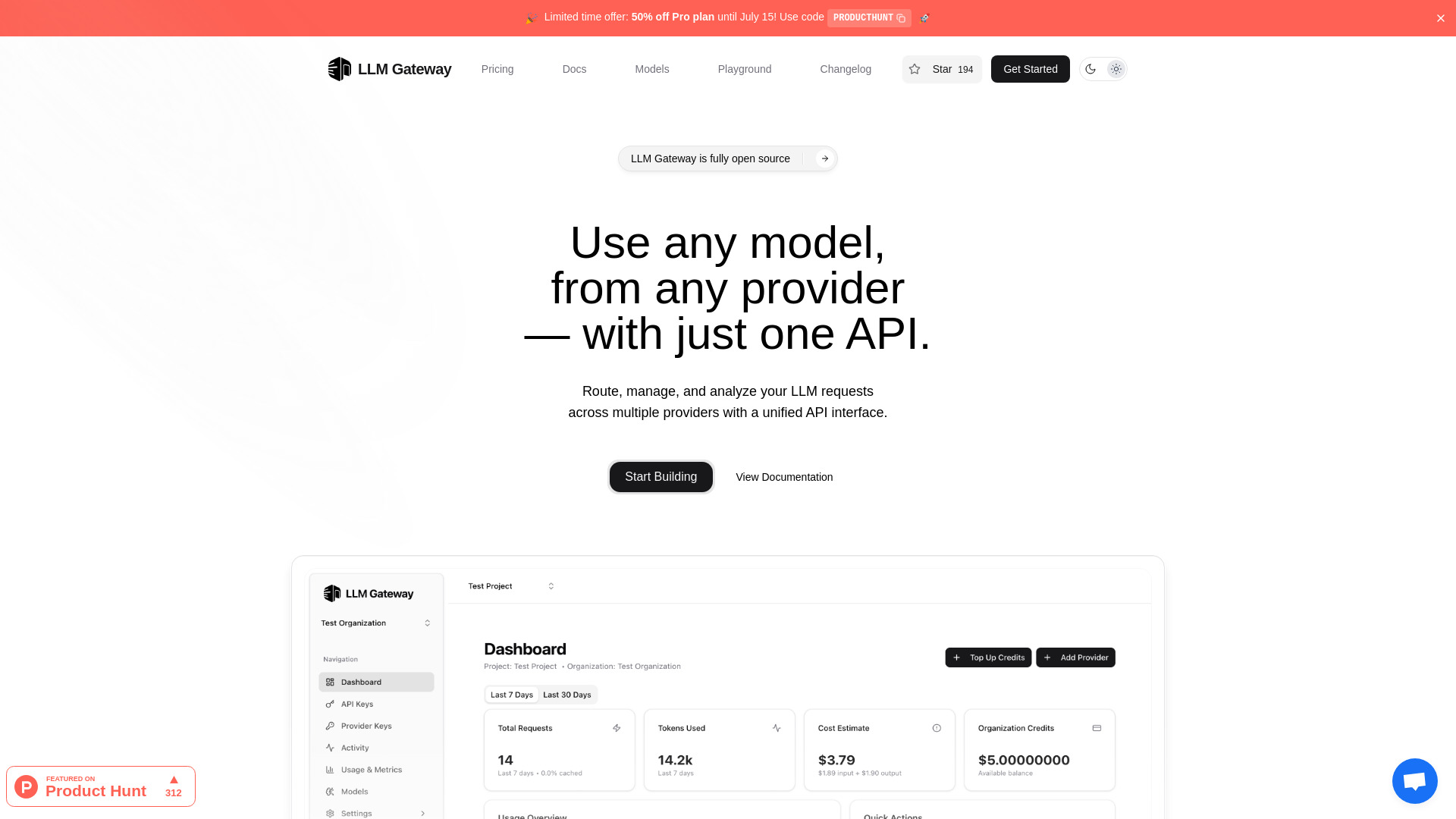
LLM Gateway offers a practical middle ground for developers who want a unified interface without giving up control. It provides an OpenAI-compatible API, multi-provider support, and usage analytics. Self-hosting is free, which makes it interesting for teams that want to create their own model comparison or response-observation workflow.
As with LiteLLM, this is an adjacent tool rather than a finished AI search tracker. Its value comes from routing and analyzing requests. If your team is comparing how different providers respond to the same prompts, the gateway can reduce integration work and provide a consistent place to inspect usage.
My take: The MIT-licensed open-source positioning is a real advantage for teams that want to keep the infrastructure in their own hands.
Where it falls short: The free cloud plan includes a 5% LLMGateway fee on credit usage, so "free" is clearest when you self-host rather than consume the hosted service.
Key features
Unified OpenAI-compatible API interface.
Multi-provider support.
Usage analytics.
Free self-hosting under an MIT license.
Pros
Fully open source under an MIT license.
Simplifies routing between multiple providers.
Self-hosting offers a low-cost path for technical teams.
Cons
The free cloud plan includes a 5% LLMGateway fee on credit usage.
Requires technical work before it becomes a useful tracking system.
Choose LLM Gateway if: You are a developer who wants to self-host model routing and build custom prompt or answer monitoring around a unified API.
7. Researcher.Life

Researcher.Life
Best research workspace for academic teams

Researcher.Life is an unexpected alternative for this category, but it makes sense when LLM visibility work is tied to research, publication, or evidence-heavy content. Its feature set includes an AI-powered academic writing assistant and AI tools for graphics, illustrations, and artwork, alongside expert publication services.
It does not present itself as a dedicated tool for tracking brand positions in AI search. Instead, it helps researchers create and support the material that may later be summarized by LLMs. That distinction matters: it is a workflow companion for source-rich content, not a replacement for LLMrefs or LLM Pulse.
My take: I would choose this for a research team that needs a broad academic toolkit, not for an SEO manager shopping for prompt-level rank reports.
Where it falls short: Full access requires a subscription, and the free allowance is narrow for teams producing content at scale.
Key features
AI-powered academic writing assistant.
AI tools for graphics, illustrations, and artwork.
Research-focused AI tools.
Expert publication services.
Pros
Comprehensive suite of tools for researchers.
Useful for creating evidence-led academic material.
Five illustration requests per month provide a small free test path.
Cons
Subscription required for full access.
It is not a direct AI brand-mention or keyword rank tracker.
Choose Researcher.Life if: You are a researcher or academic content team that needs help producing and packaging source-driven work around AI-assisted research.
8. LLM Price Check

LLM Price Check
Best cost comparison tool for AI developers
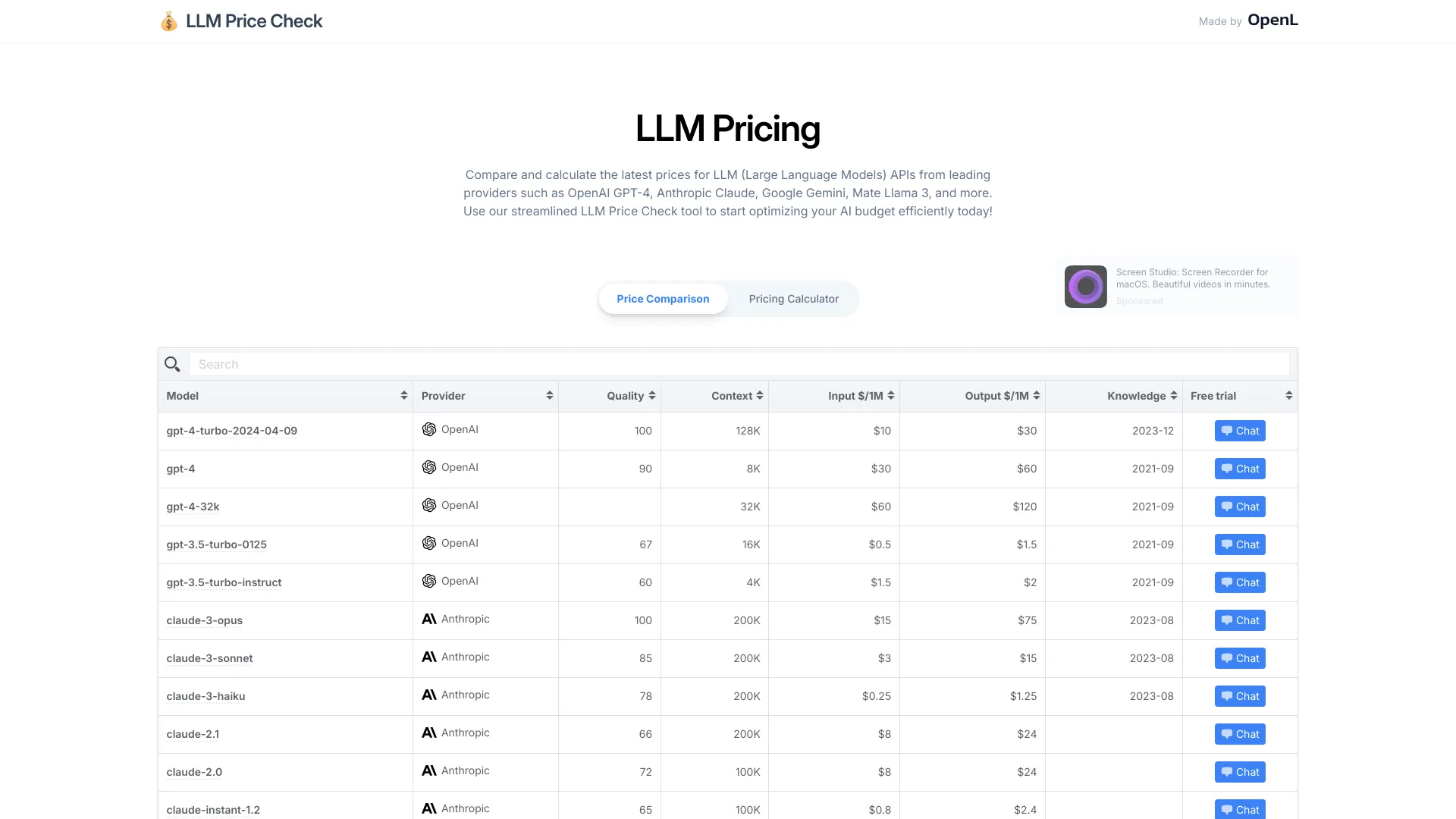
LLM Price Check addresses a different kind of ranking: which model offers the best value for a specific workload? It compares LLM API prices from multiple providers and includes a pricing calculator. That is especially useful when a team is running repeated prompt checks, evaluation jobs, or visibility experiments and needs to understand the cost of scaling them.
This tool will not tell you whether your company appears in an AI answer. It can, however, make the operational side of tracking more manageable by helping developers compare providers before committing to a large volume of requests. That makes it a sensible companion to a custom tracker built with a gateway or evaluation framework.
My take: It is a focused utility rather than a full platform, but focused utilities can be exactly what a developer needs before launching a high-volume test.
Where it falls short: Results depend on the accuracy and freshness of the pricing information provided, so confirm rates with the model vendor before making a budget decision.
Key features
LLM API price comparison.
Pricing calculator.
Comparison of prices from multiple providers.
Tools for optimizing an AI budget.
Pros
Provides instant price comparison from multiple providers.
Helps estimate the cost of repeated LLM requests.
Useful alongside custom monitoring and evaluation workflows.
Cons
Relies on the accuracy of provided pricing data.
Does not track AI search rankings or brand mentions directly.
Choose LLM Price Check if: You are an AI developer who needs to compare model economics before scaling a prompt-monitoring or evaluation workflow.
9. LangWatch

LangWatch
Best observability layer for AI engineers
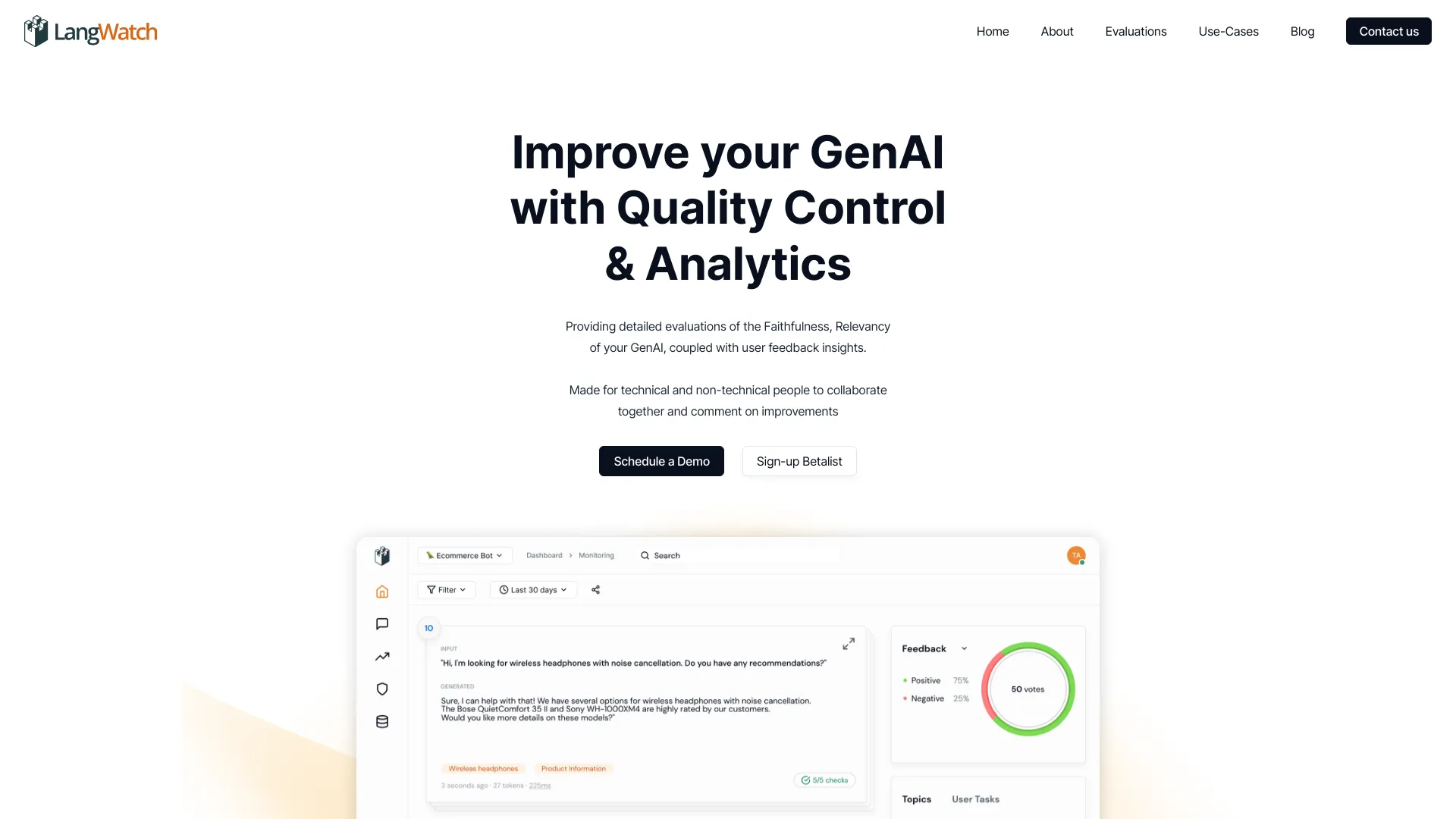
LangWatch is for teams that have moved from experimenting with prompts to running an actual LLM application. Its LLM observability and LLM evaluation features provide visibility into application performance, which can include examining traces and judging whether outputs meet a defined standard.
That makes it relevant to rank tracking when "rank" is shorthand for repeatable model evaluation inside a product. It can help an AI engineering team see what happened in a request and optimize behavior over time. For a marketing team looking for brand mentions in public chatbots, though, the workflow is indirect.
My take: LangWatch is one of the better foundations for measuring application quality, especially when a team needs more than a manually copied answer from a chatbot.
Where it falls short: Pricing can vary with usage and plan, so the free developer allowance should be checked against expected trace volume before rollout.
Key features
LLM observability.
LLM evaluation.
Monitoring, evaluation, and optimization workflows.
Free Developer plan with 1,000 traces per month.
Pros
Provides full visibility into LLM application performance.
Combines monitoring and evaluation rather than relying on one metric.
The free trace allowance supports an initial engineering pilot.
Cons
Pricing may vary based on usage and plan.
It is built for application observability, not public AI search rank reports.
Choose LangWatch if: You are an AI engineer who needs to evaluate and optimize a live LLM application rather than monitor a brand across public chatbots.
10. LPagery AI Rank Tracker

LPagery AI Rank Tracker
Best AI visibility tracker for local service businesses
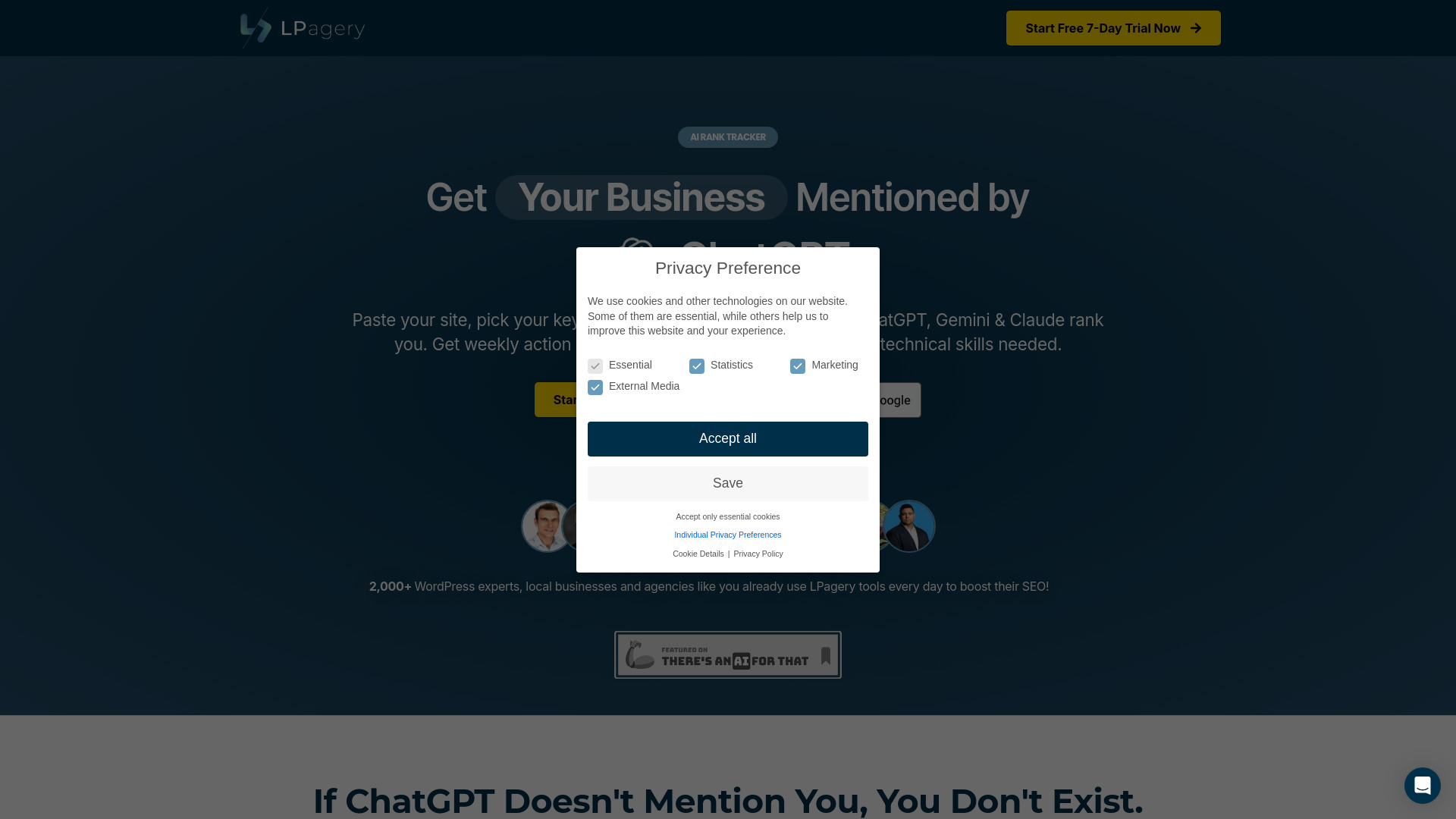
LPagery AI Rank Tracker is the most straightforward choice for a local business that wants to know whether AI chatbots mention it. It tracks mentions across ChatGPT, Claude, Gemini, and Perplexity, and adds website content analysis for AI visibility. That pairing makes the tool more actionable than a simple mention counter: it can connect observed visibility with changes to the site.
The audience fit is particularly strong for local service businesses, where a recommendation from an AI assistant may influence a short list of providers. The seven-day trial gives buyers a chance to test their own prompts and locations, but the product does not offer an explicit ongoing free tier beyond that initial period.
My take: This is the best specialist option for local operators who want a practical answer to "will an AI chatbot recommend my business?"
Where it falls short: The free access is limited to a seven-day trial, and the $59 monthly starting price may be more than a very small business wants to spend before proving value.
Key features
AI chatbot mention tracking across ChatGPT, Claude, Gemini, and Perplexity.
Website content analysis for AI visibility.
Actionable ranking steps.
Monitoring of business mentions by major AI chatbots.
Pros
Tracks visibility across multiple major AI chatbots.
Strong fit for local service businesses.
Connects mention monitoring with website content analysis.
Cons
No explicit free tier beyond the initial trial period.
Starter pricing begins at $59 per month.
Choose LPagery AI Rank Tracker if: You run a local service business and want to monitor whether major AI assistants mention your company and suggest practical content improvements.
More tools to compare

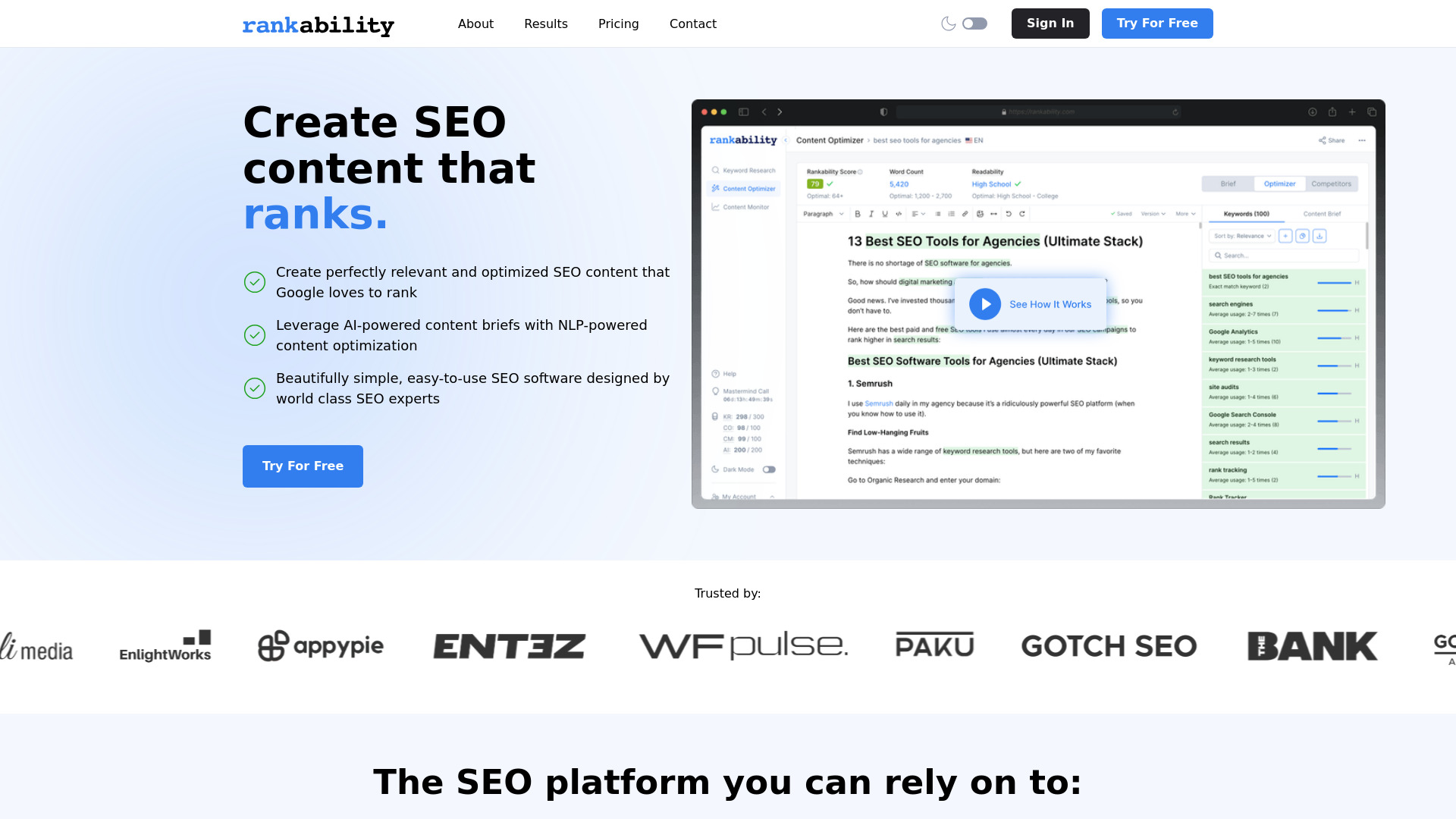
Rankability
SEO agencies scaling content campaigns

AdeptLR
Adaptive LSAT drilling

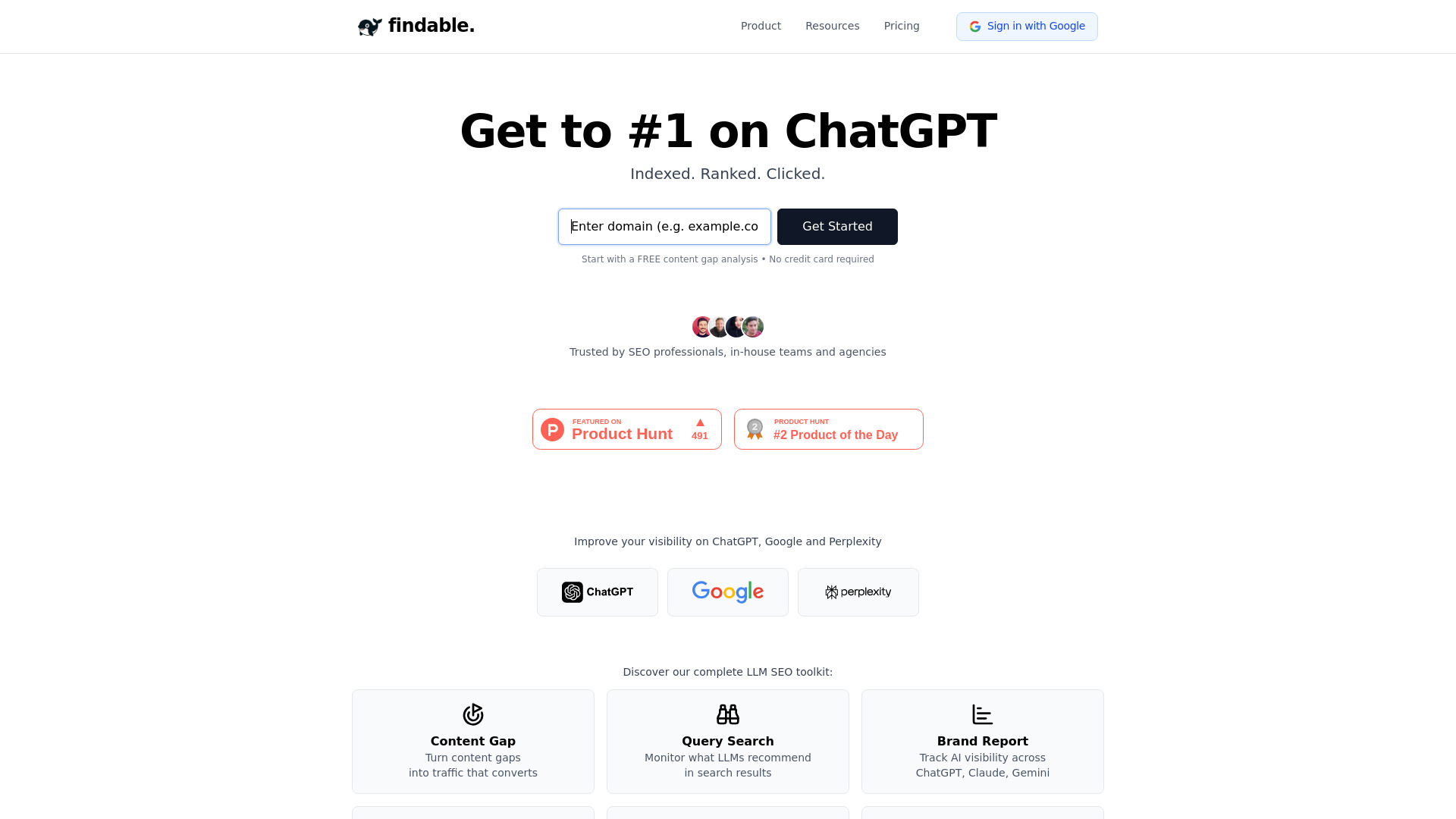
findable
LLM SEO visibility monitoring and optimization

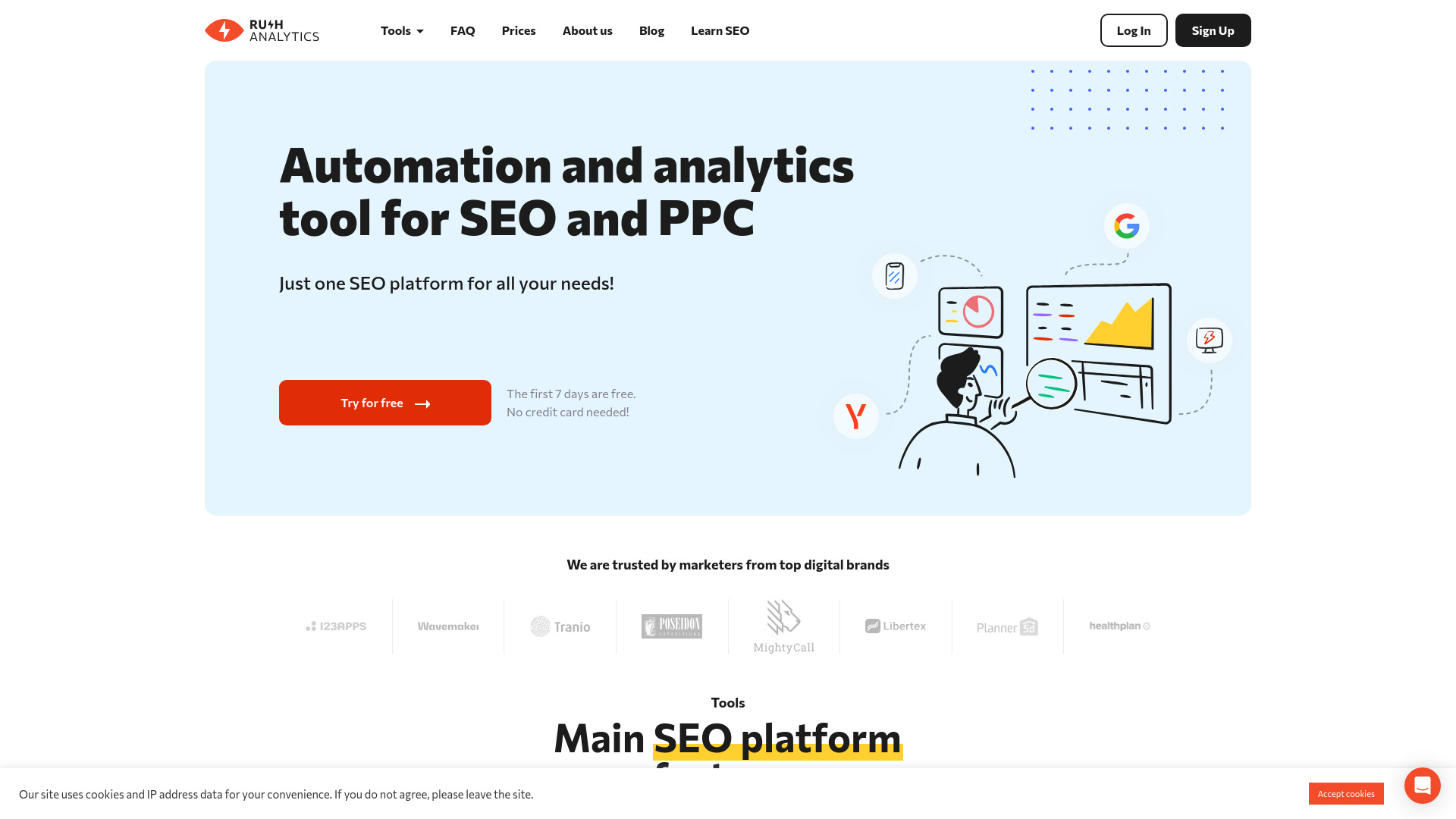
Rush Analytics
SEO rank tracking and competitor monitoring

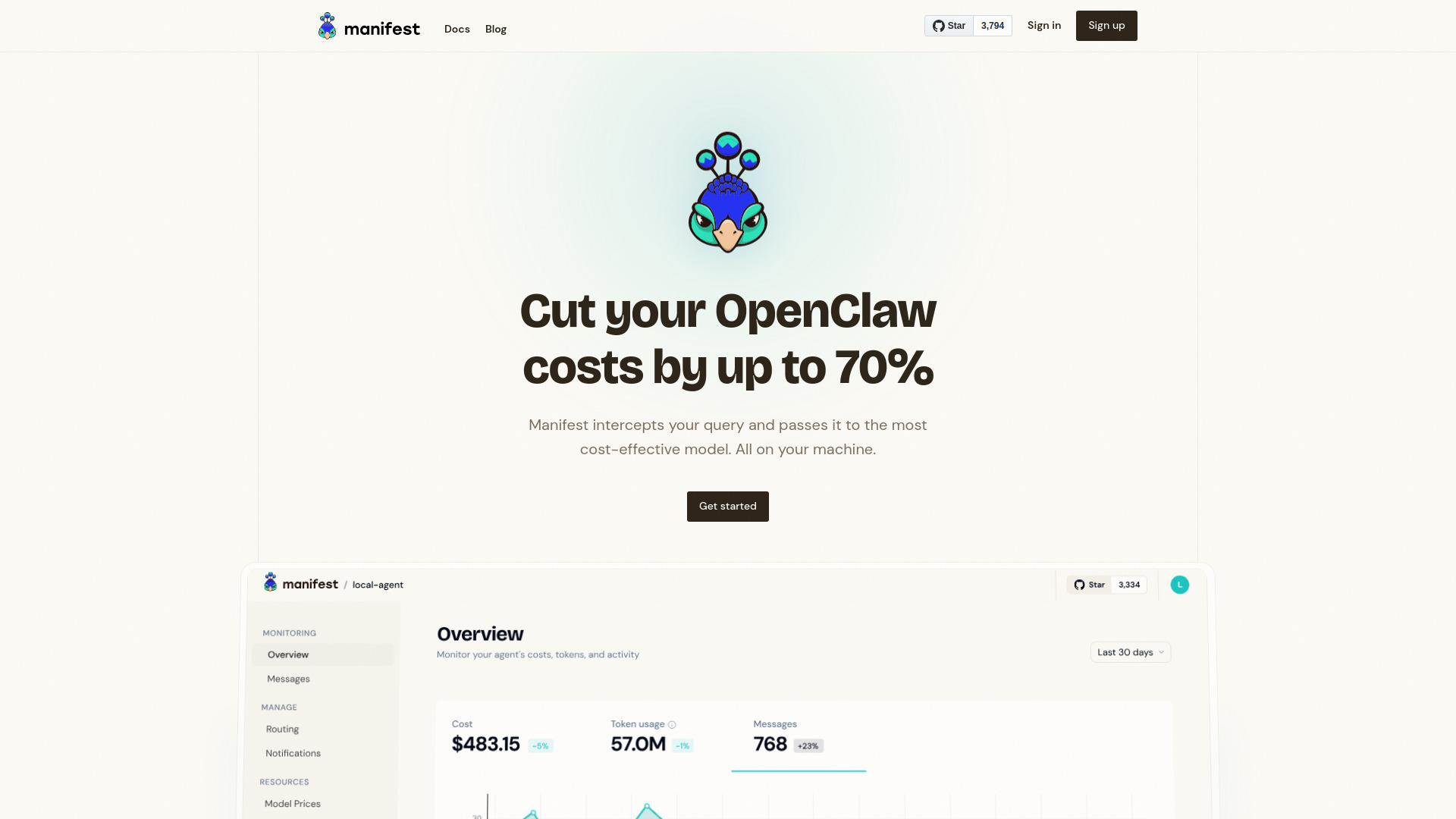
Manifest
OpenClaw model routing and cost control

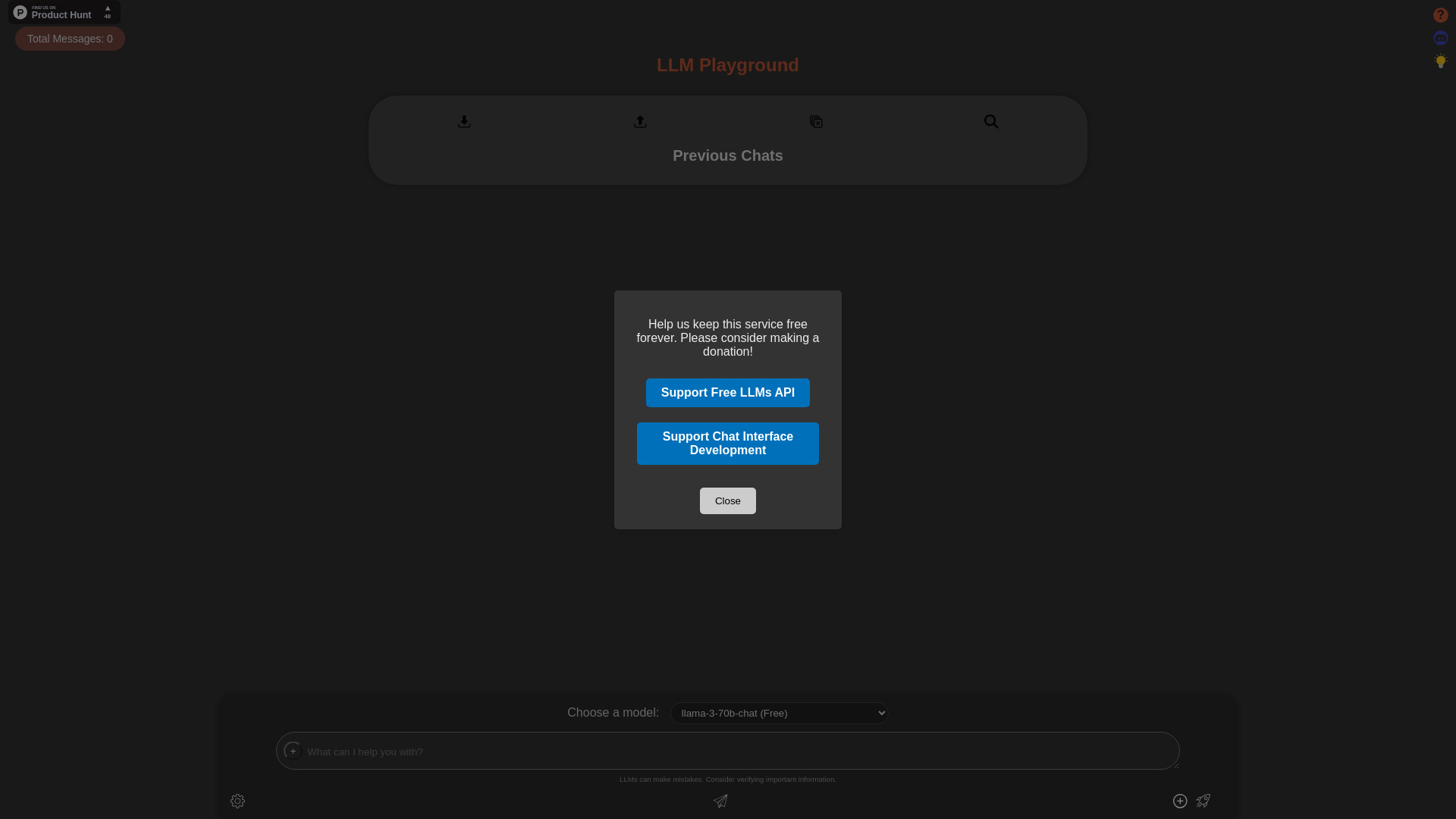
LLMPlayground
Testing multiple language models

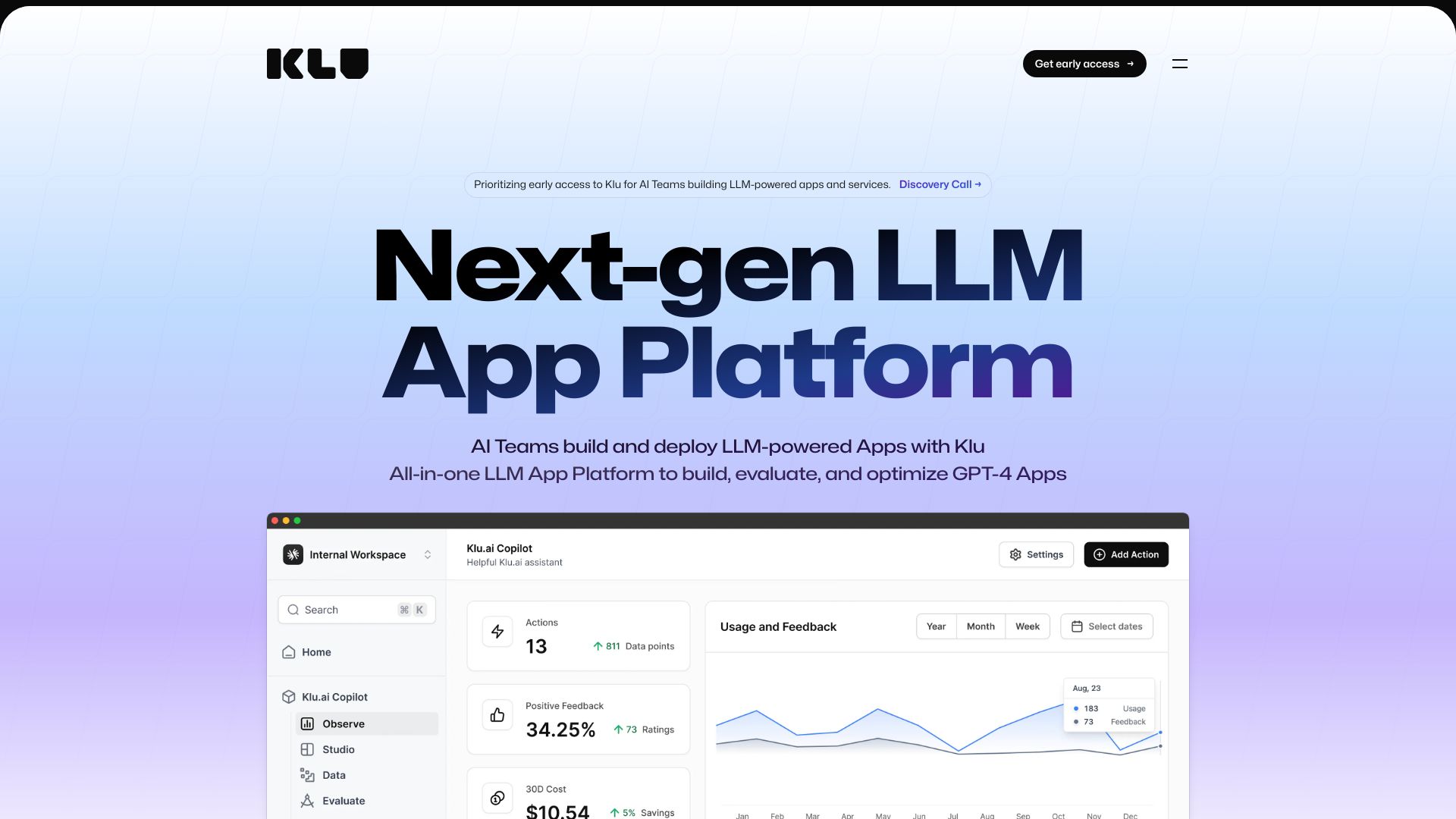
Klu
LLM app prompt engineering and evaluation

Luminance
Enterprise legal contract processing

AwanLLM
Unlimited-token LLM inference

Domain Rank App
Domain authority and competitor analysis

Lingotrack
Tracking language-learning progress

RankSpot
Automated SEO and AI-search content


Lovarank
Automated SEO and AI search optimization

GitLaw
AI-assisted contract drafting and review

LinkDR
Hands-off AI link building

LLMWare.ai
Private AI for regulated enterprises

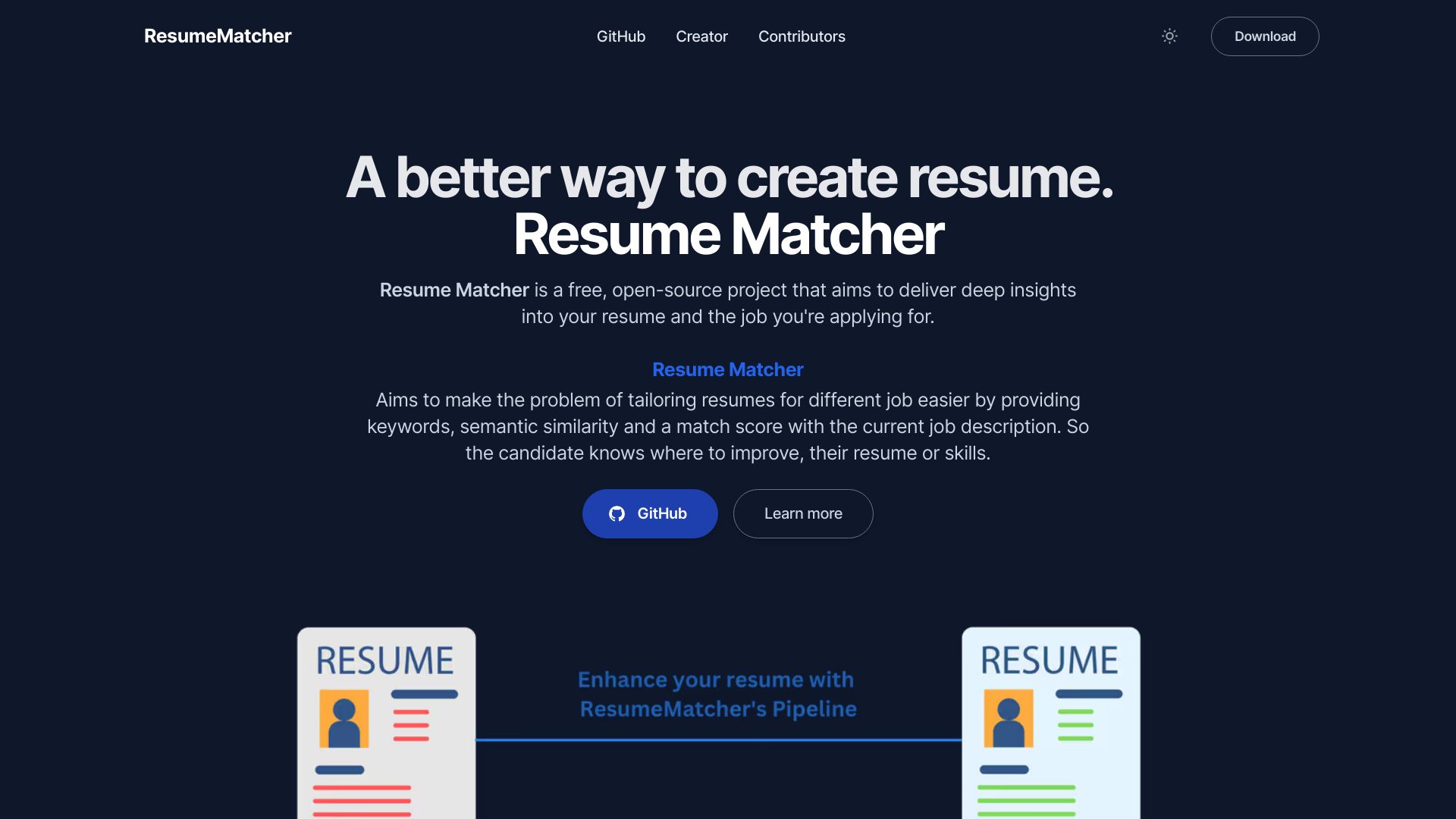
Resume Matcher
Open-source resume-to-job matching

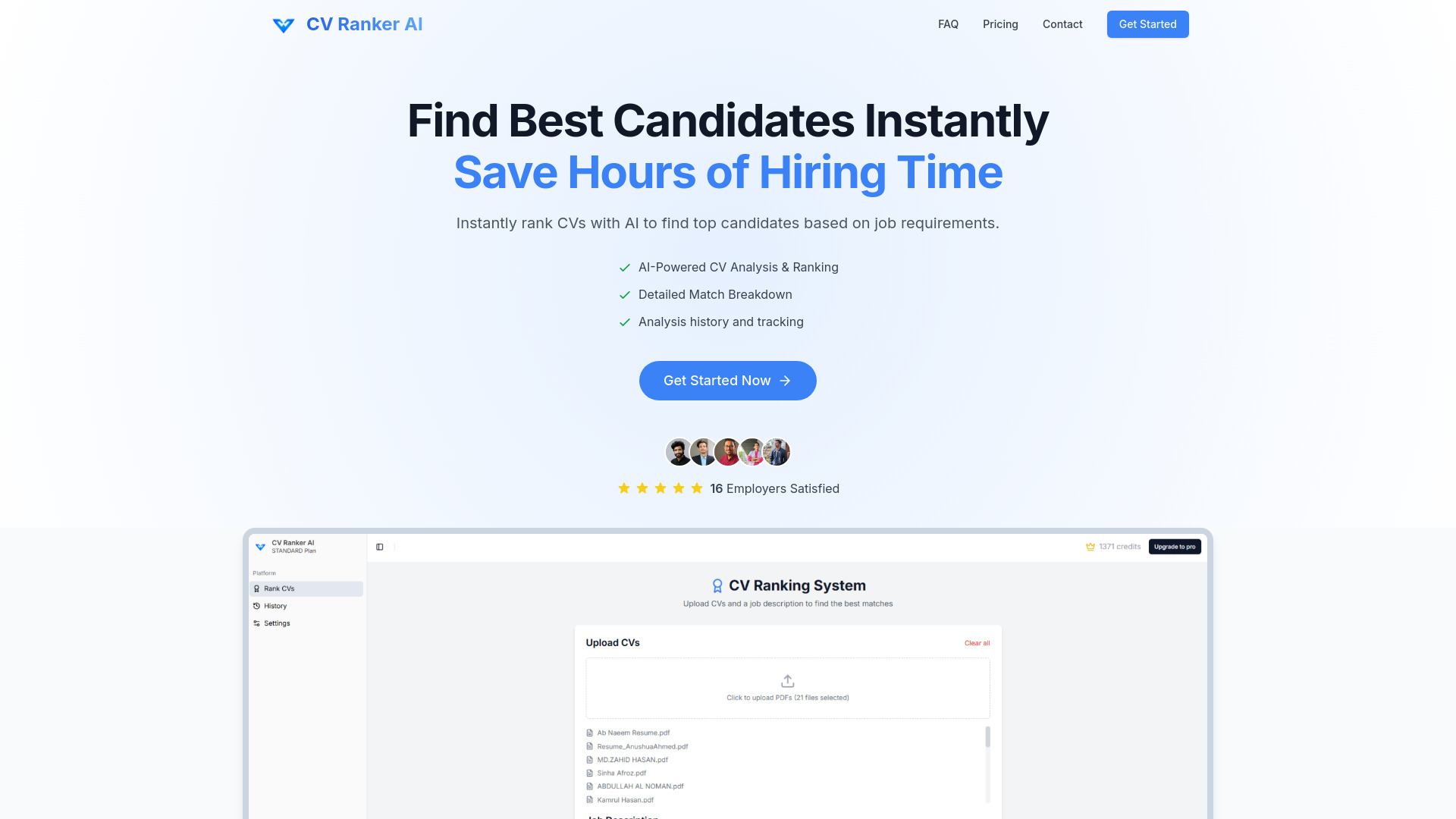
CV Ranker AI
AI-powered CV ranking for hiring teams

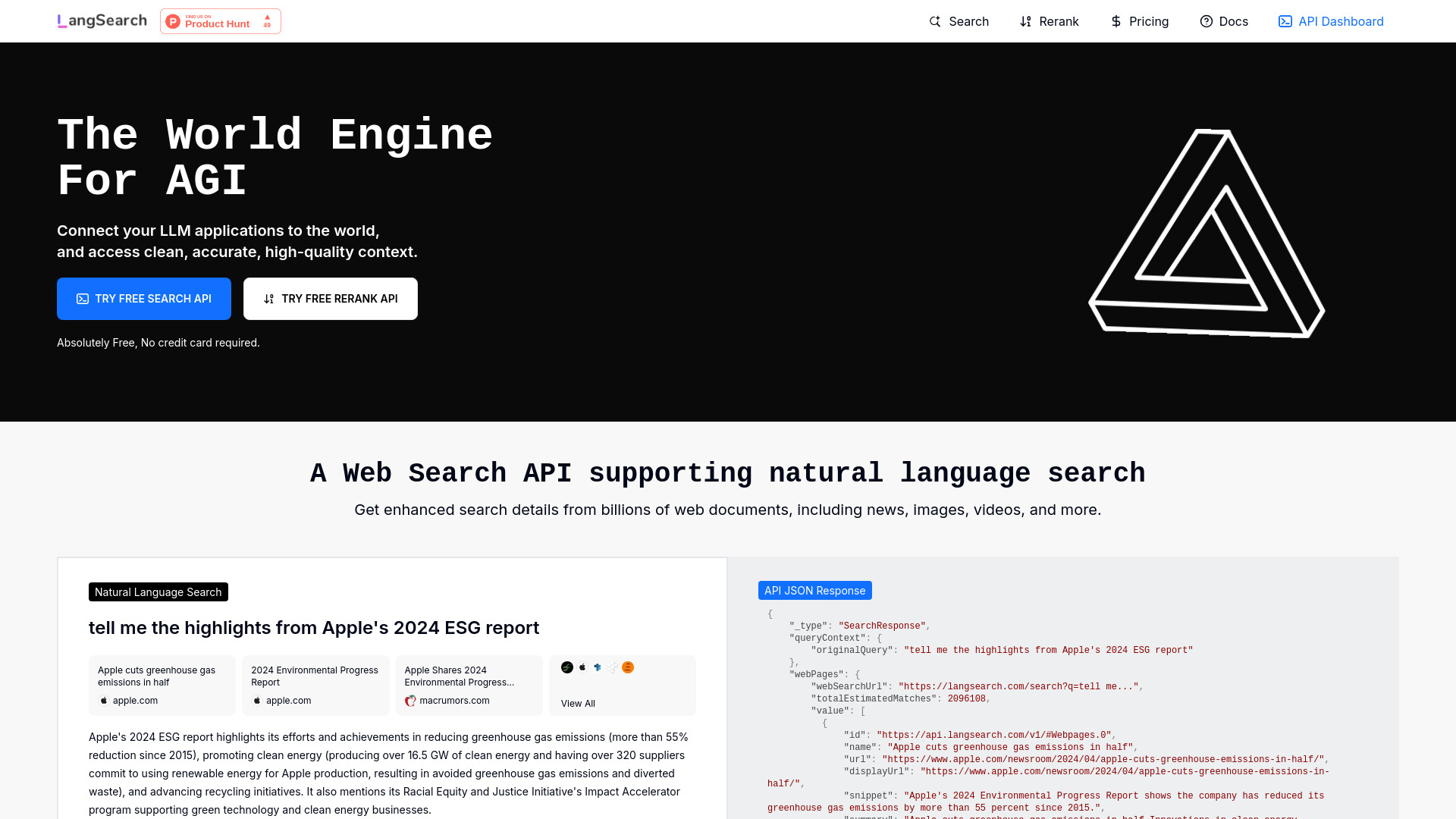
LangSearch
LLM web search and reranking APIs

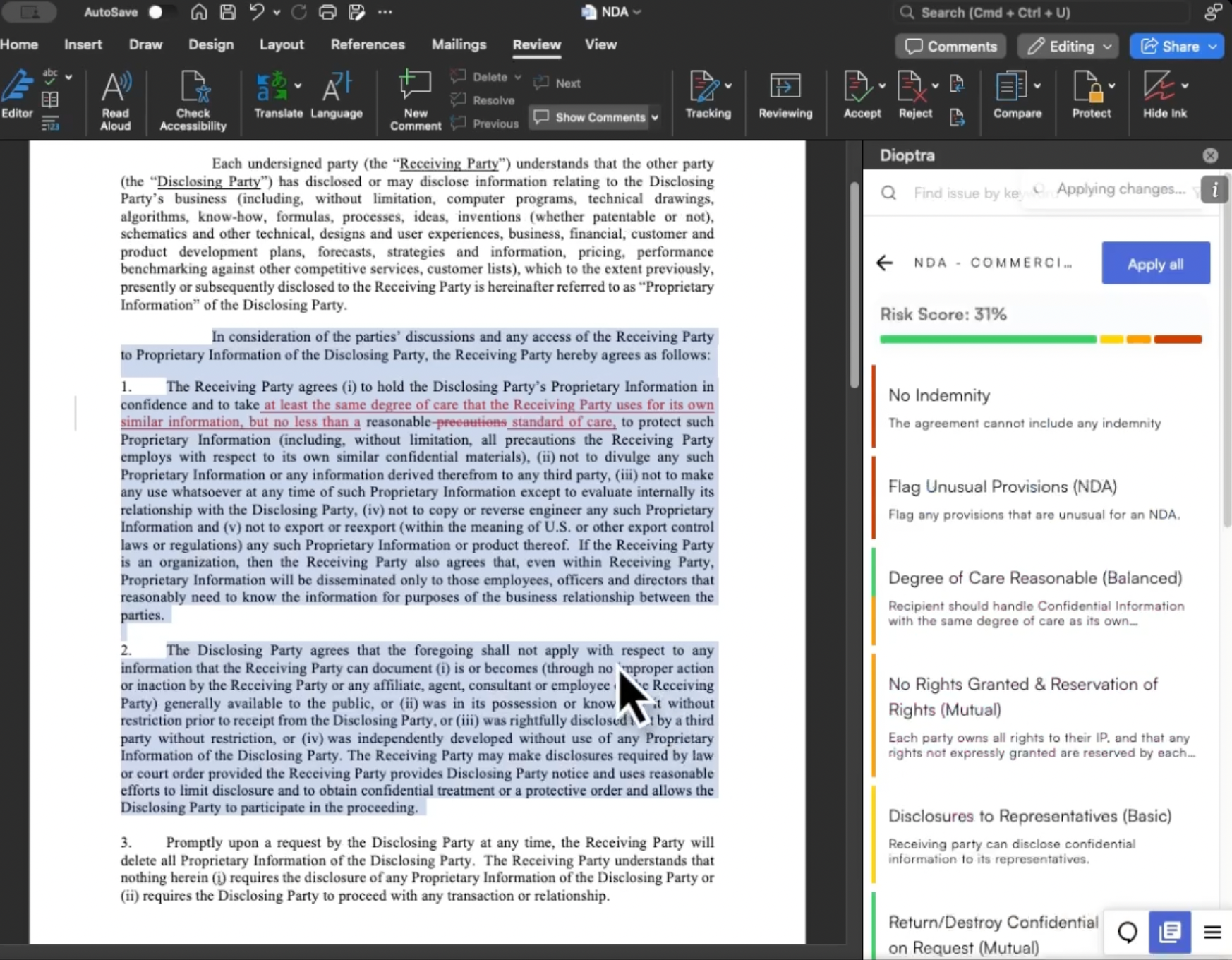
Dioptra AI Redlining
LLM prompt and model evaluation

Lamini
Enterprise LLM development

SEO Ladders
Automated SEO content with keyword rank tracking


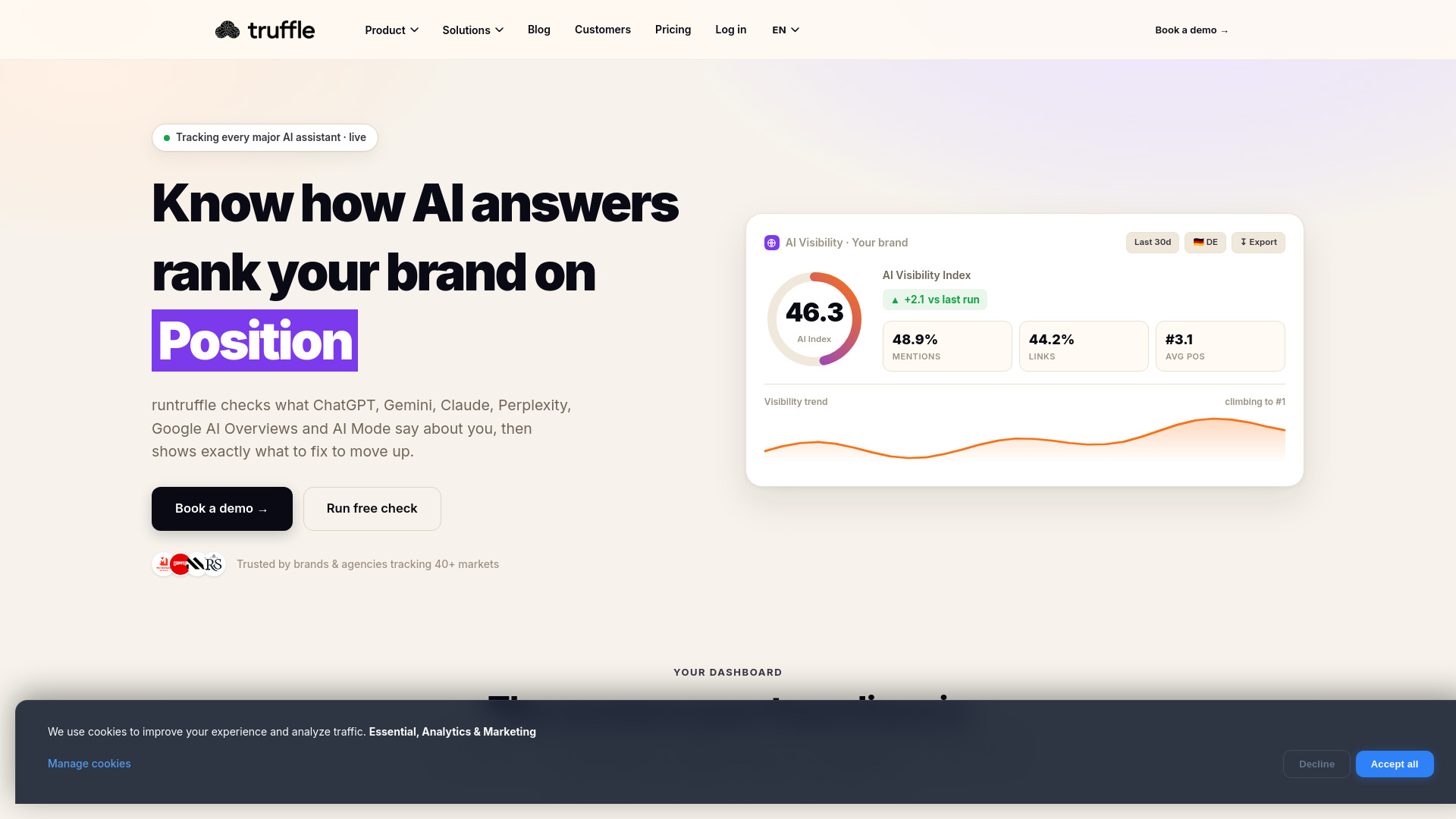
Truffle
Tracking brand visibility across AI assistants

Talent Llama
AI-powered applicant screening

Lawdeck.ai
Brazilian legal professionals

Resumes Ranker
Recruiters screening resumes in bulk

LLaMA-Factory Online
Low-code LLM fine-tuning

Magic Prompts
One-line GPT-4 prompt enhancement

LLM Optimize
Website audits for LLM visibility

LLM SEO Report
Brand visibility in AI assistants

LLM SEO Monitor
AI search recommendation monitoring

LLM Tester
Automated conversational AI testing

LLM Token Counter
Browser-based LLM token counting

Google Trends Monitor
Live search trend monitoring
LLM Clash
Comparing LLMs in real-time debates

llmchat.co
Privacy-focused AI research

DocumentLLM
Multi-document AI analysis

LLMO Metrics
AI visibility and competitor tracking

LLM Labs
Side-by-side LLM comparisons

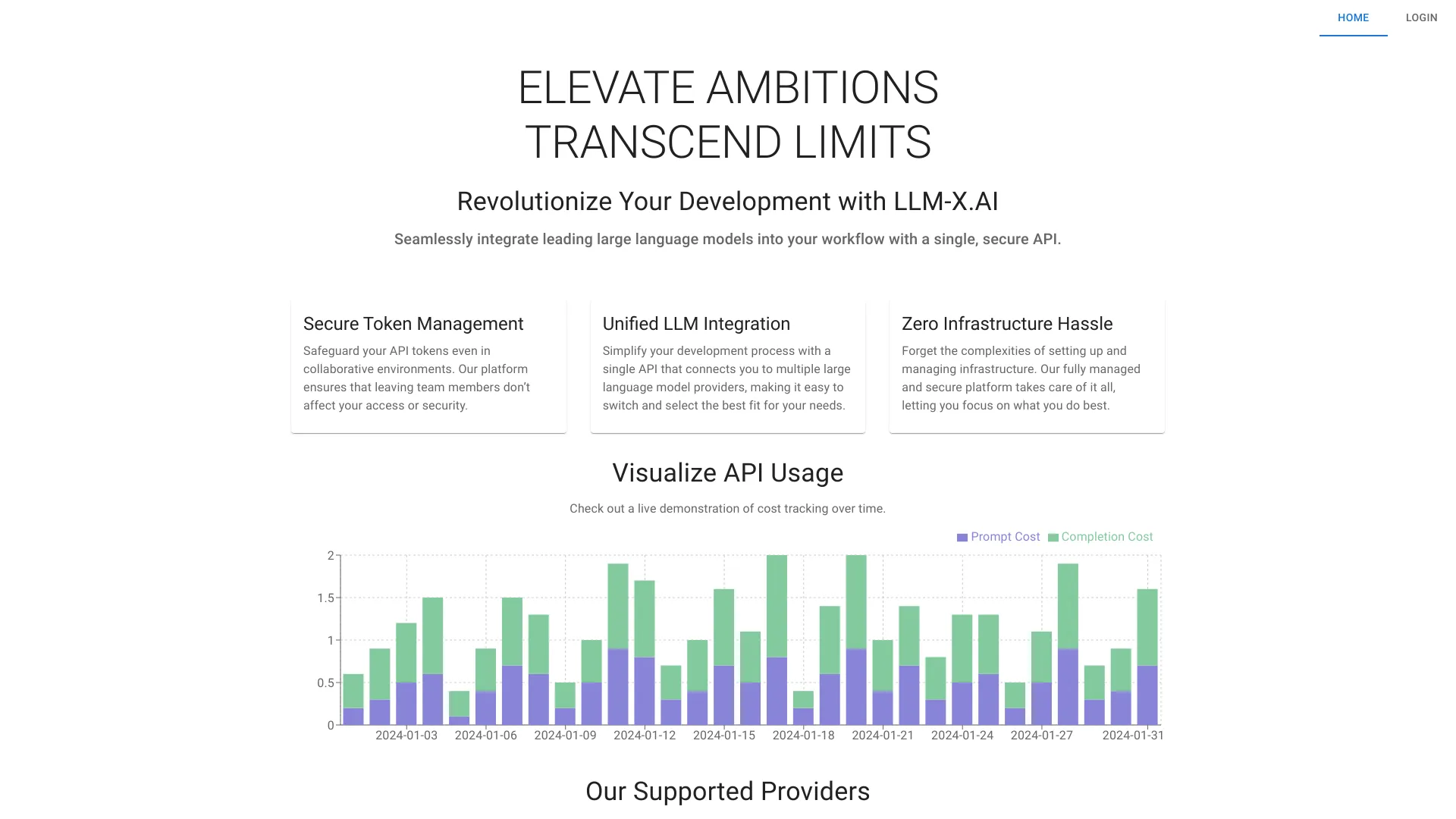
LLM-X.AI
Unified API access to multiple LLM providers

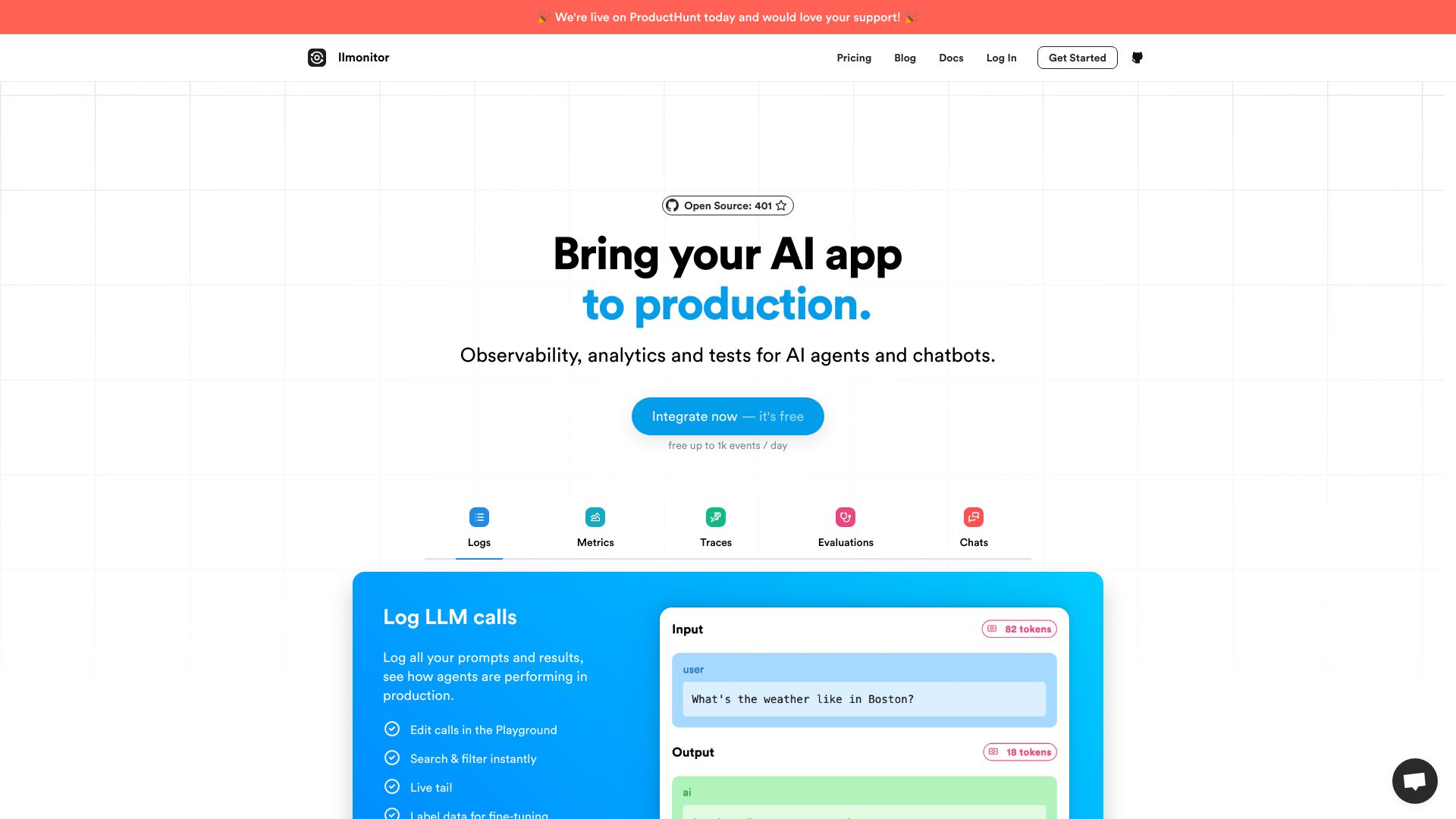
Lunary
LLM chatbot observability

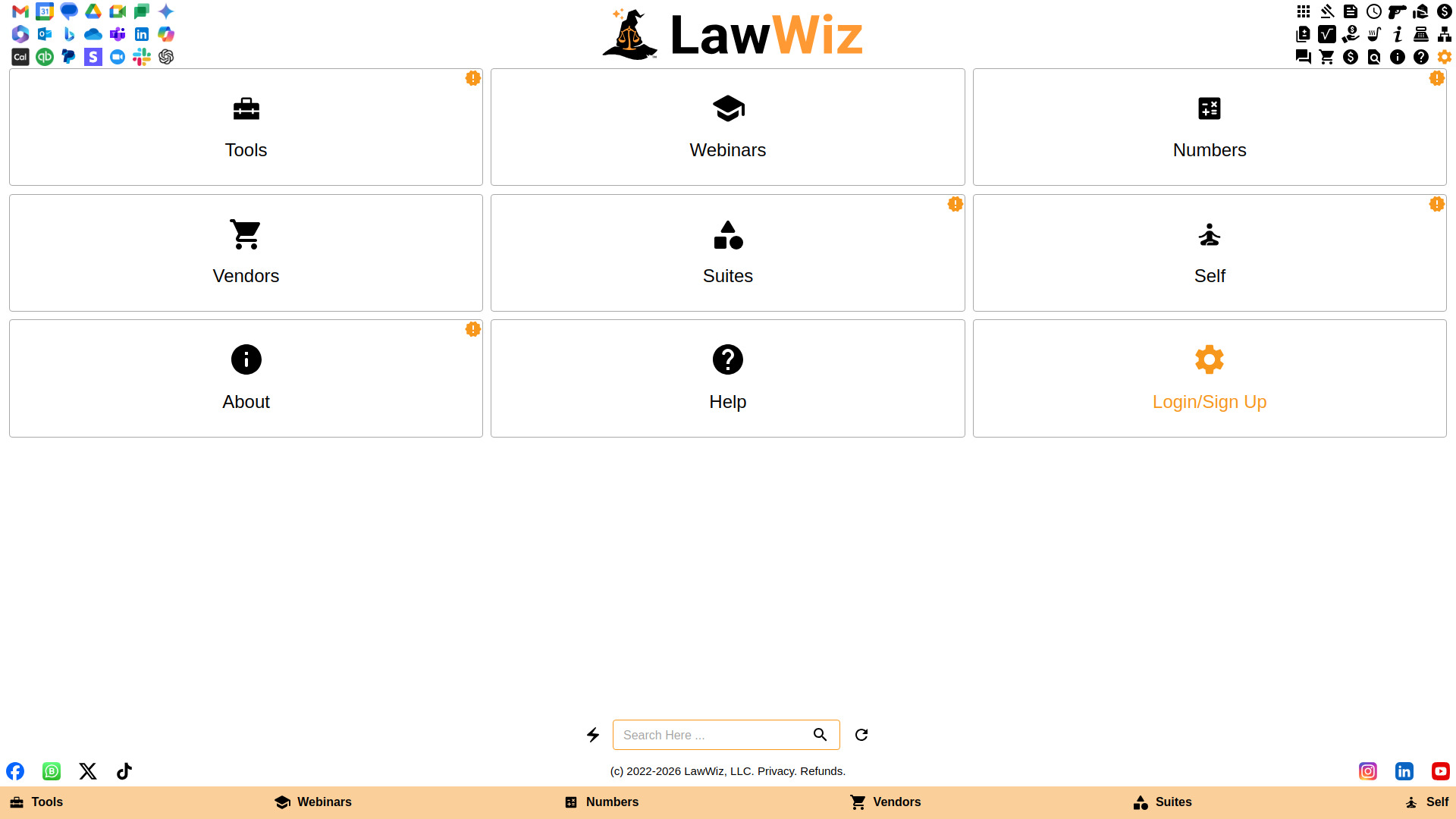
LawWiz
AI legal tools for lawyers and law firms

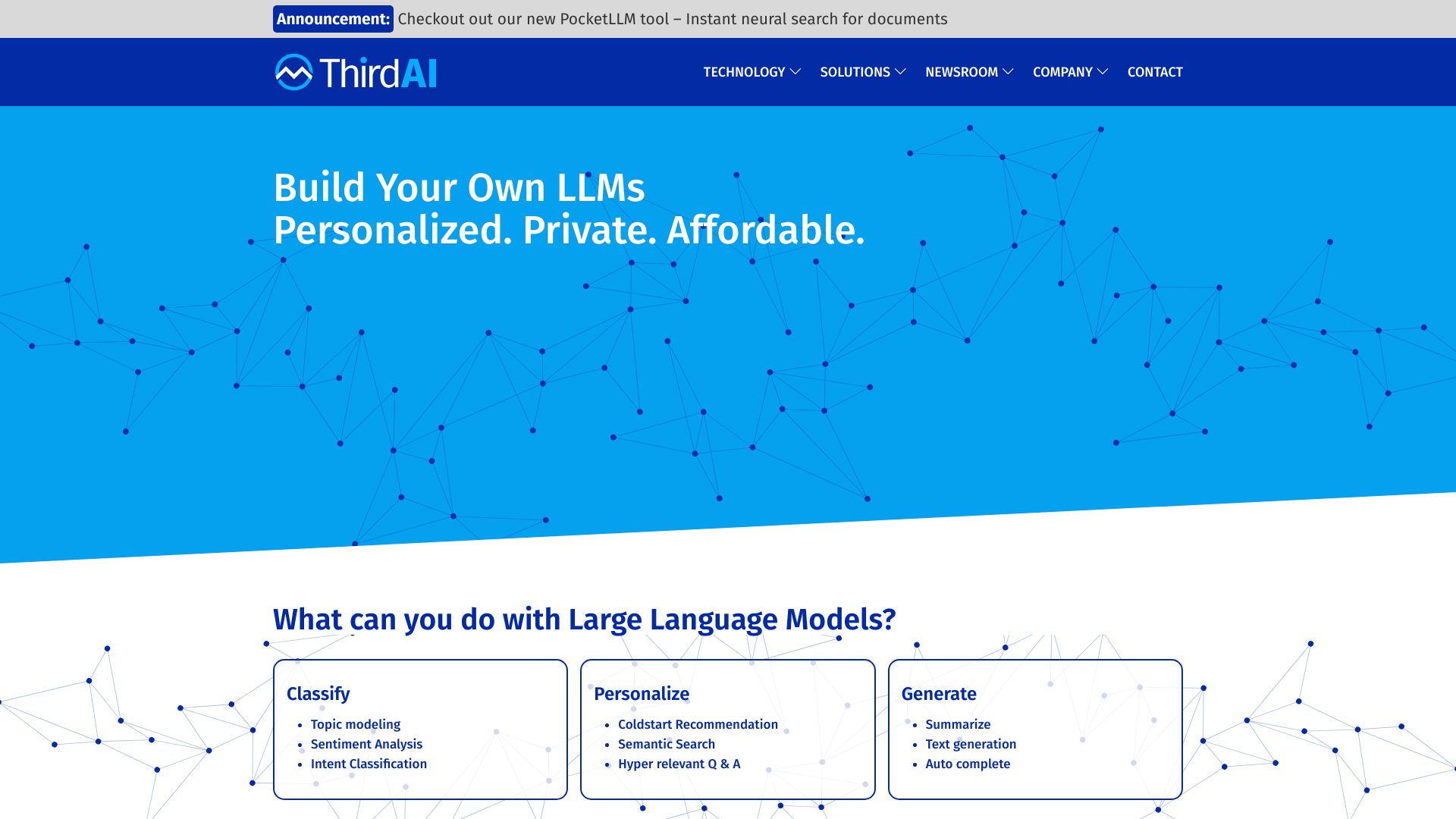
ThirdAI
Private document search on CPUs

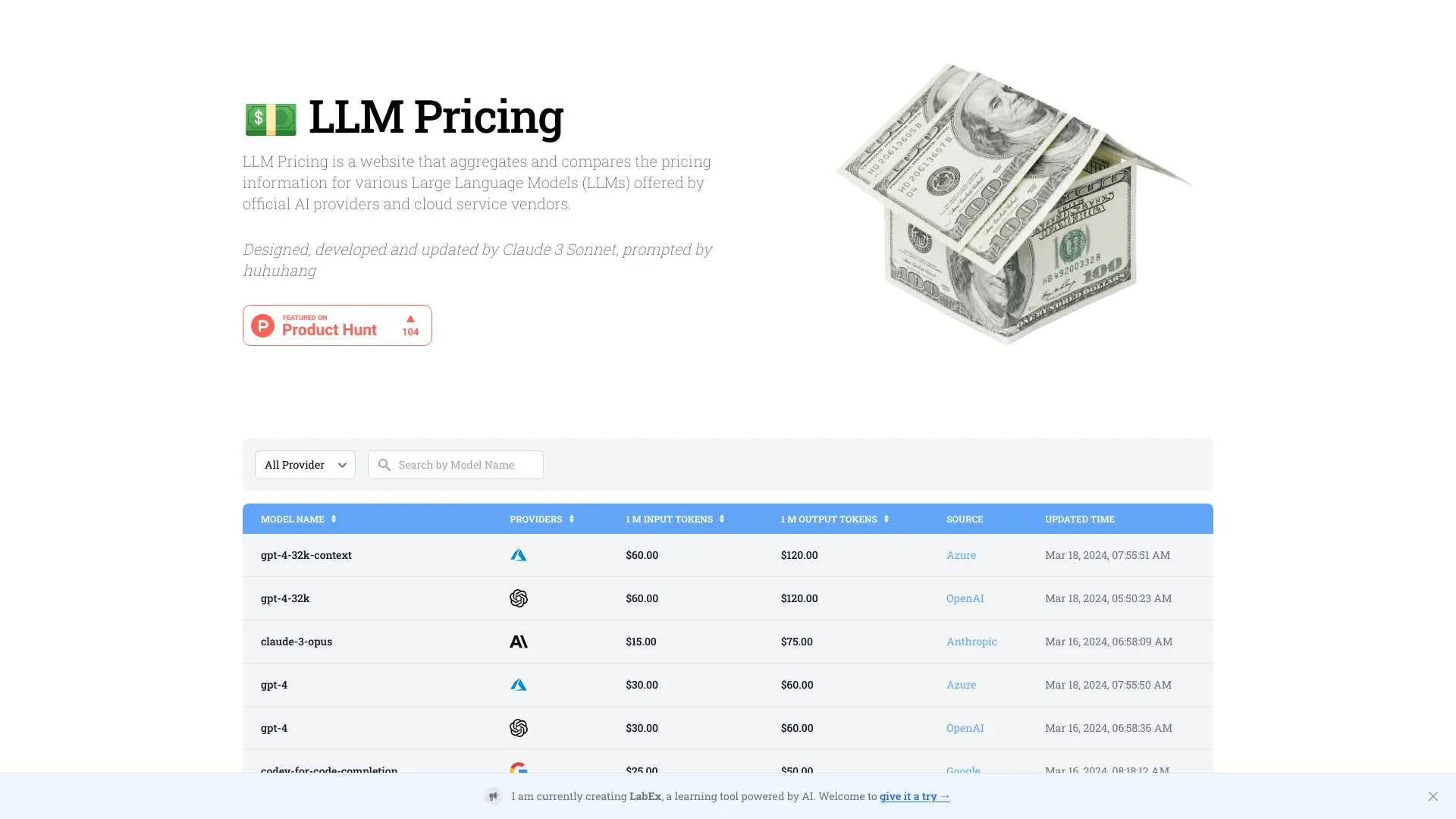
LLM Pricing
Comparing LLM pricing and specifications
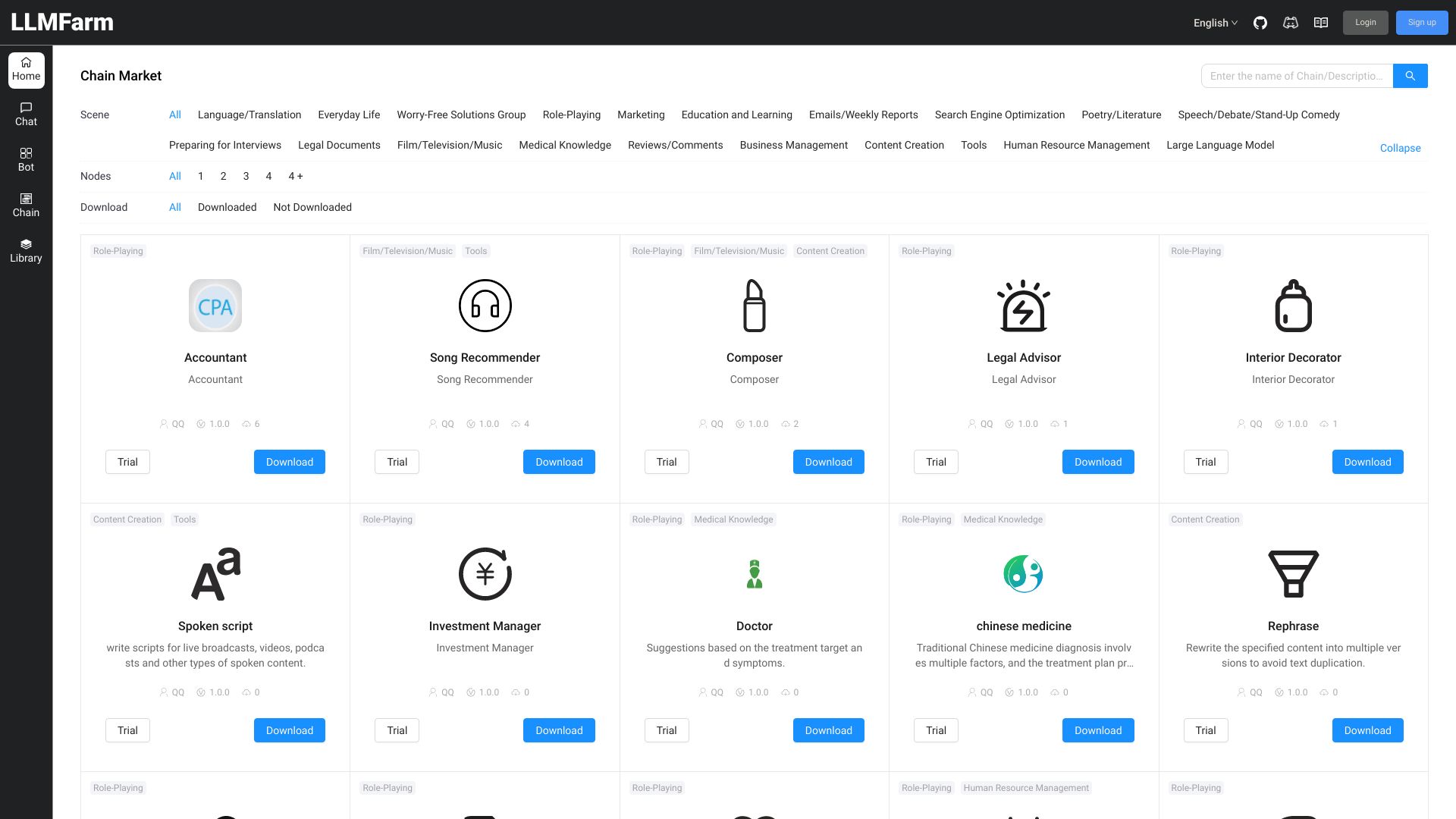
LLM Farm
LLM workflow templates

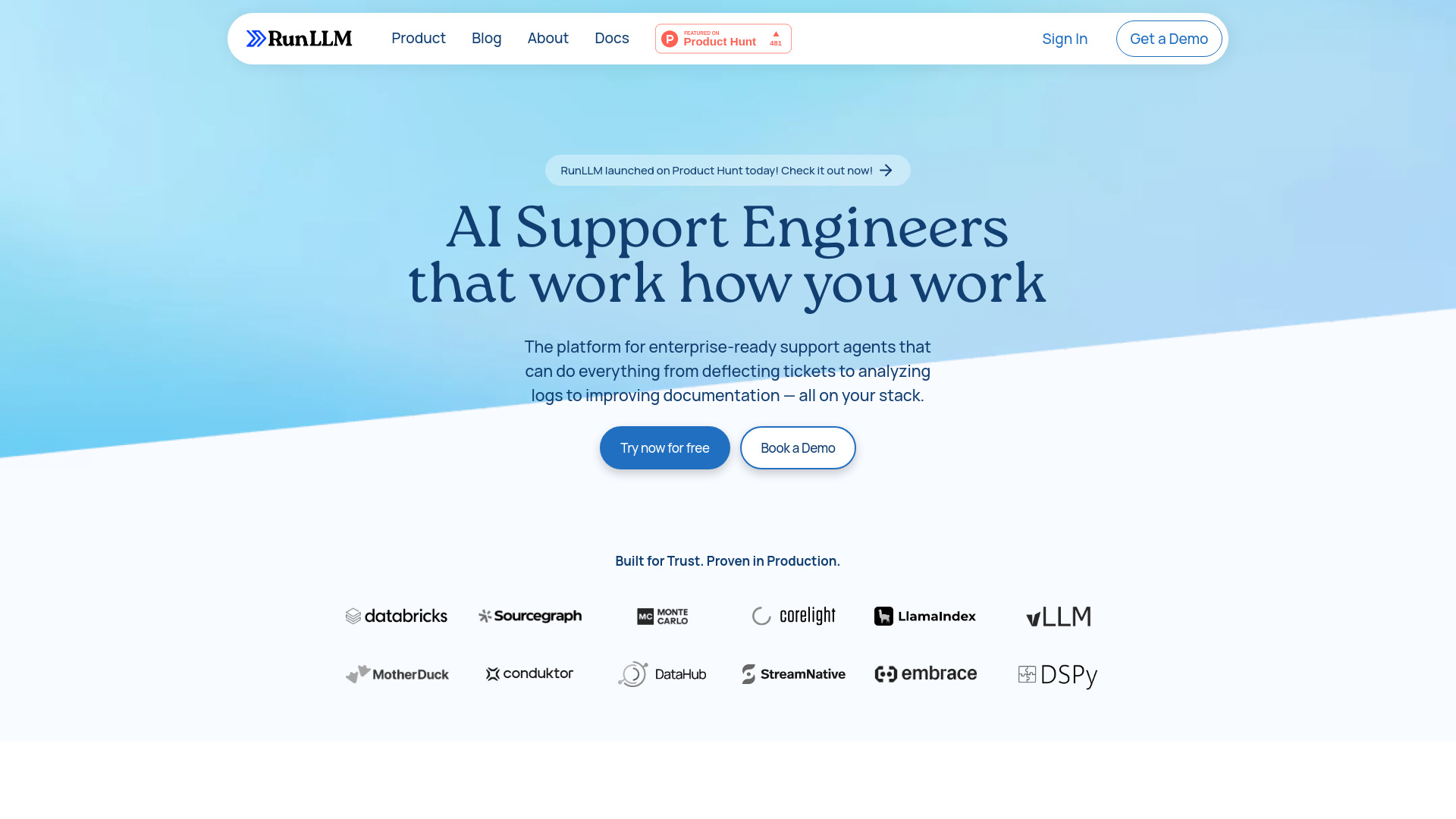
RunLLM
Enterprise technical support teams

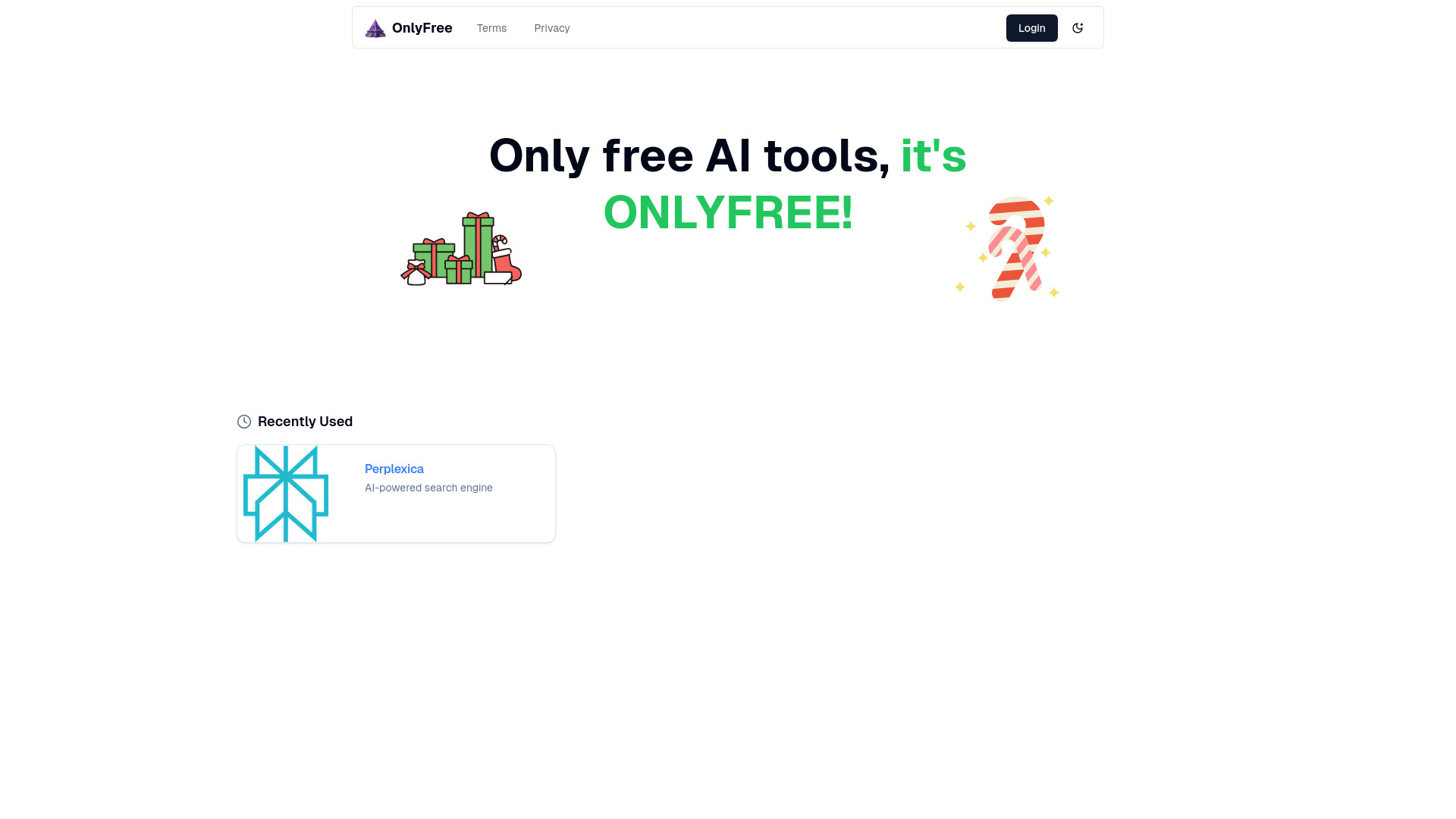
Onlyfree.ai
Free AI tool discovery

WhiteRank
Brands tracking visibility across AI search engines

LLM Arena
Side-by-side LLM comparisons

web2llm
Keeping AI agents current with documentation

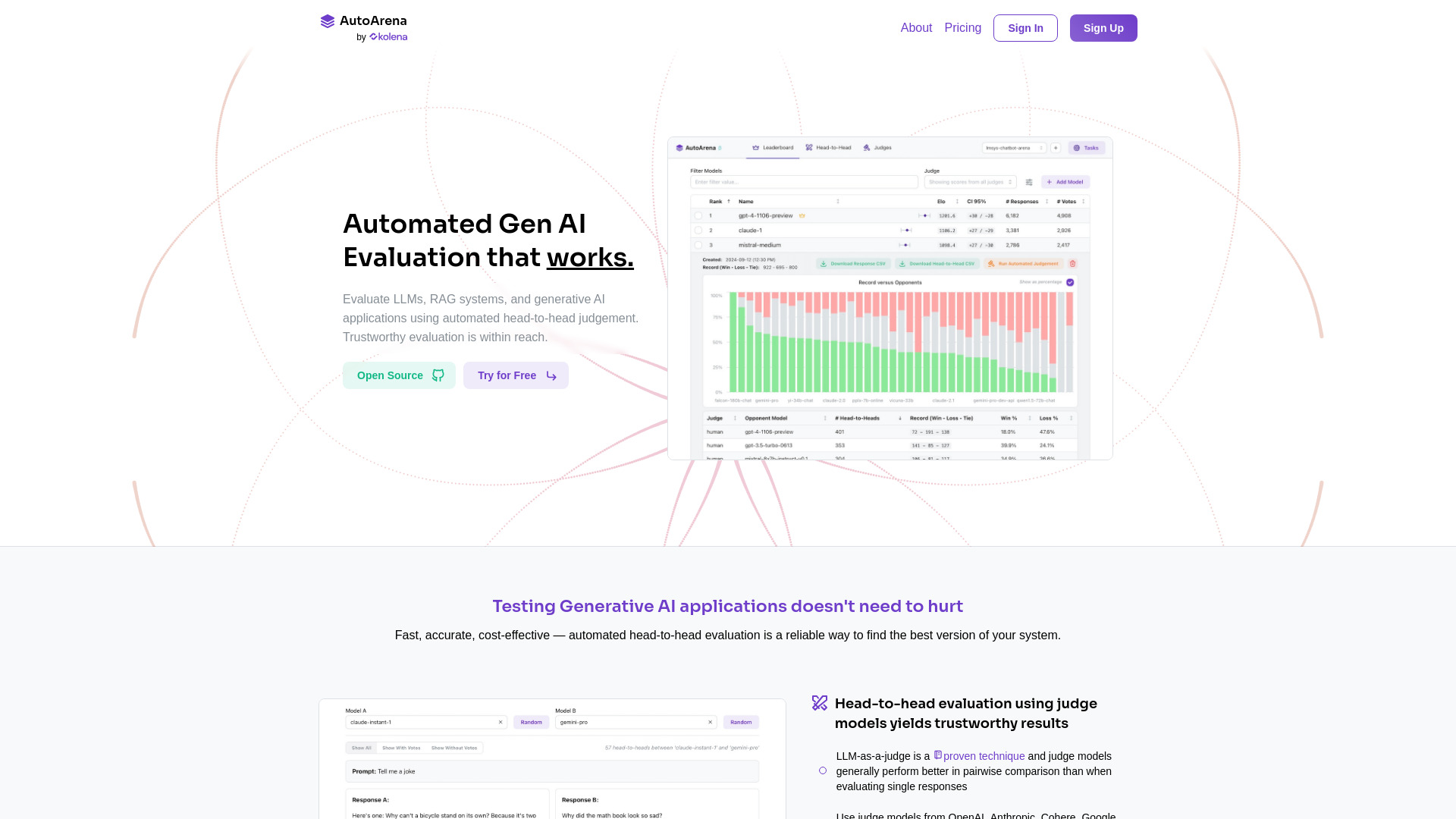
AutoArena
Automated LLM and RAG evaluation
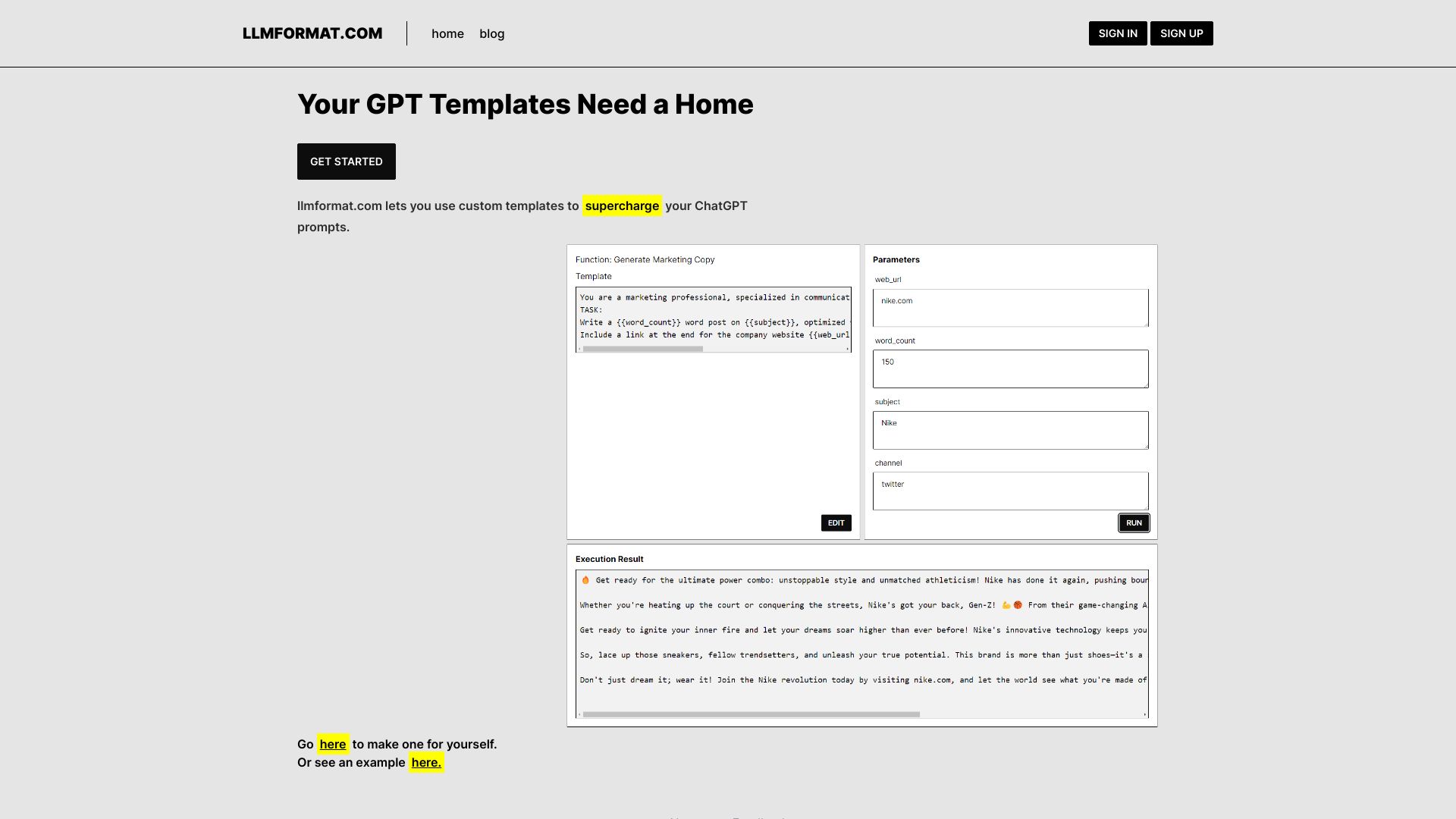
LLMFORMAT.COM
ChatGPT prompt template management

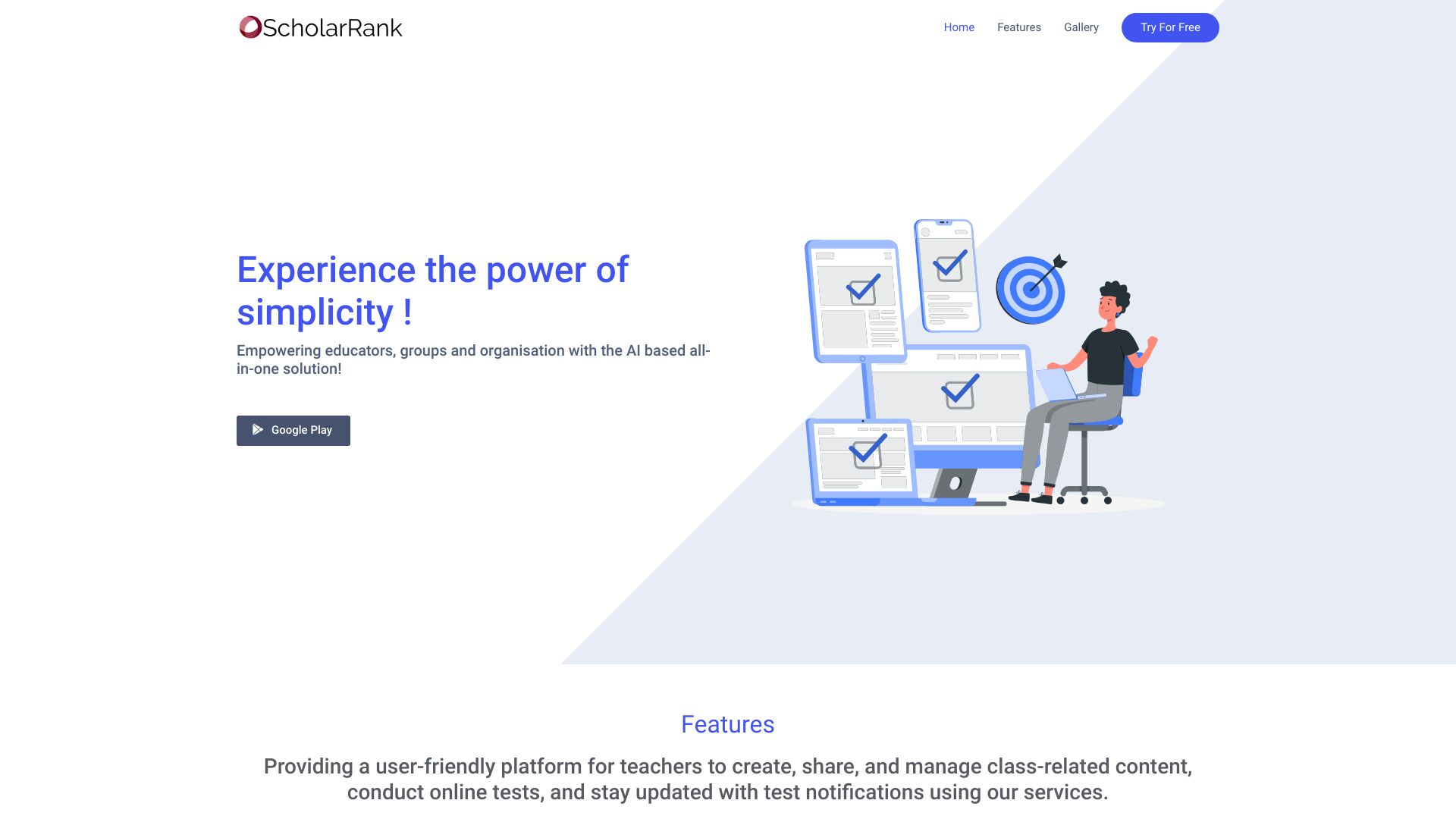
ScholarRank
Educators creating AI-generated tests

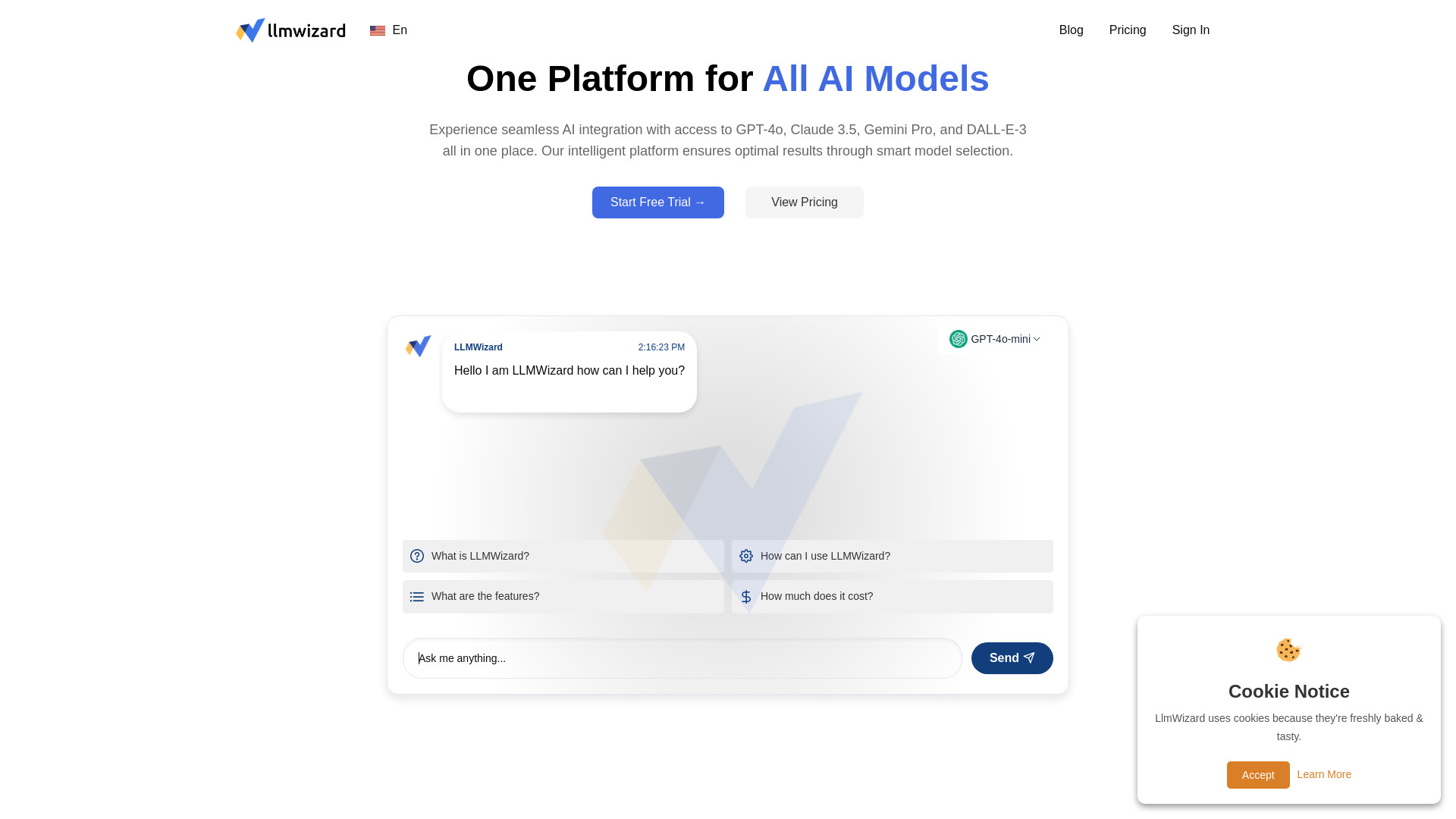
LLMWizard
Multi-model AI access
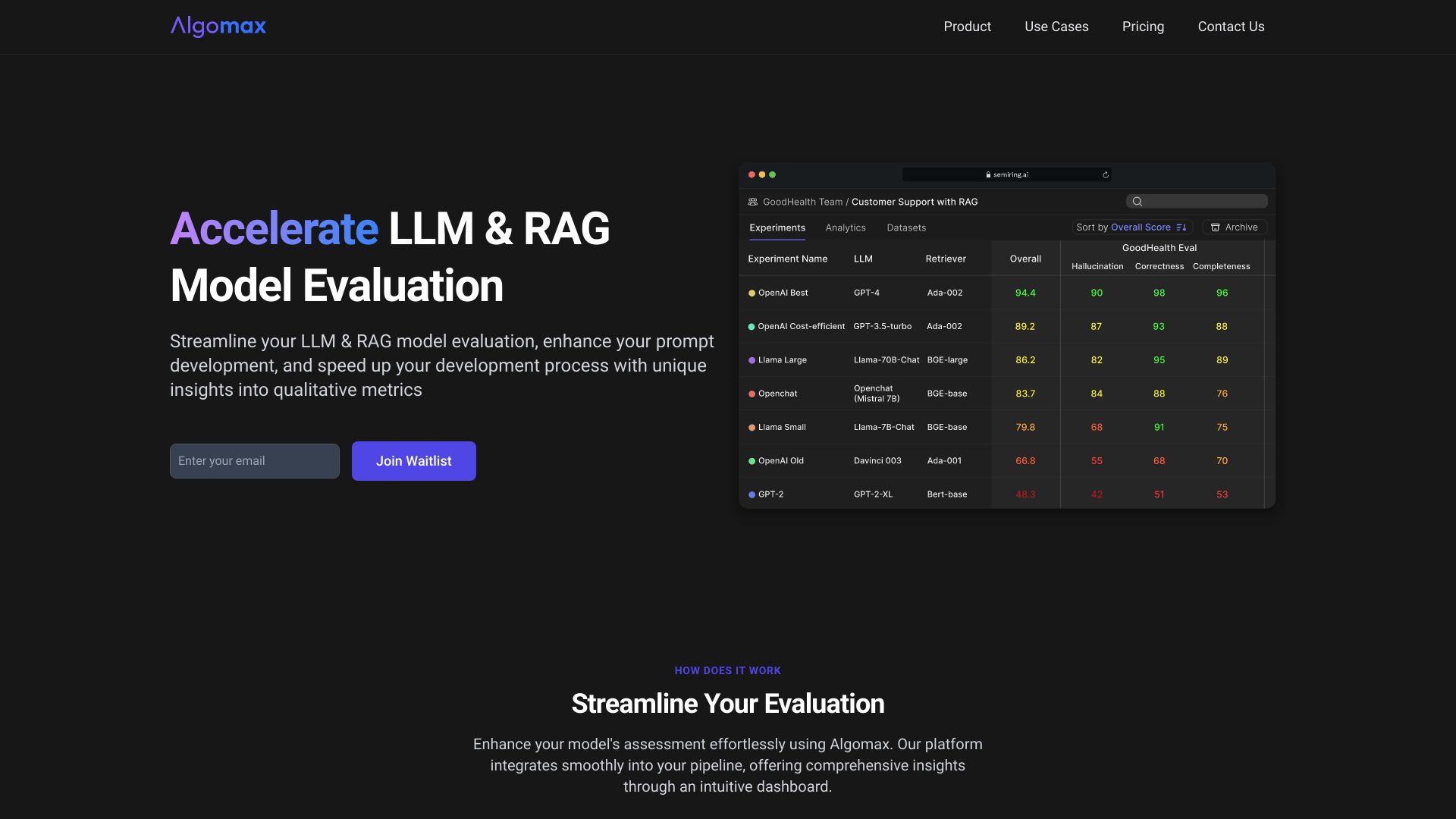
Algomax
LLM and RAG model evaluation

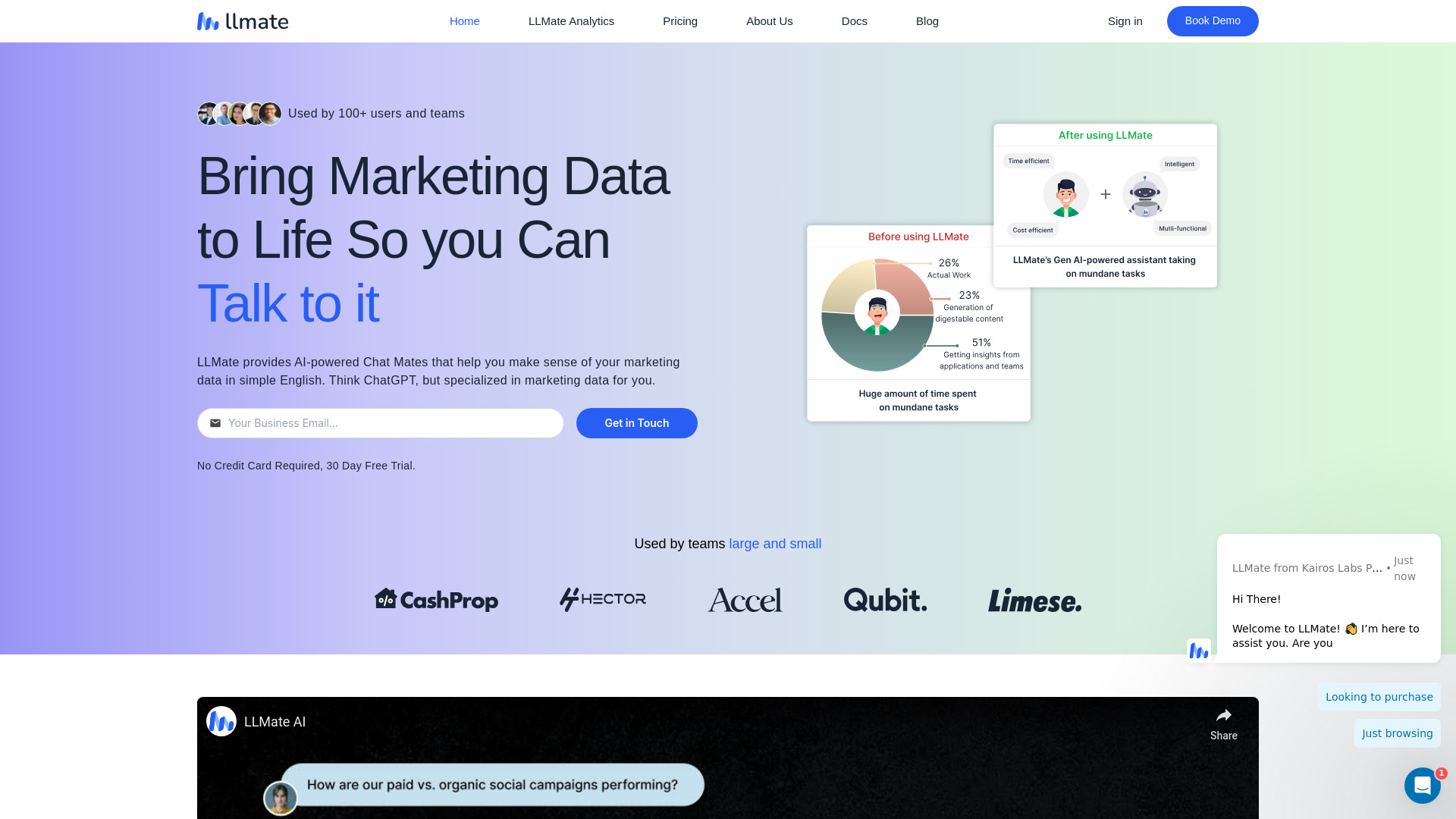
LLMate
Marketing data analytics

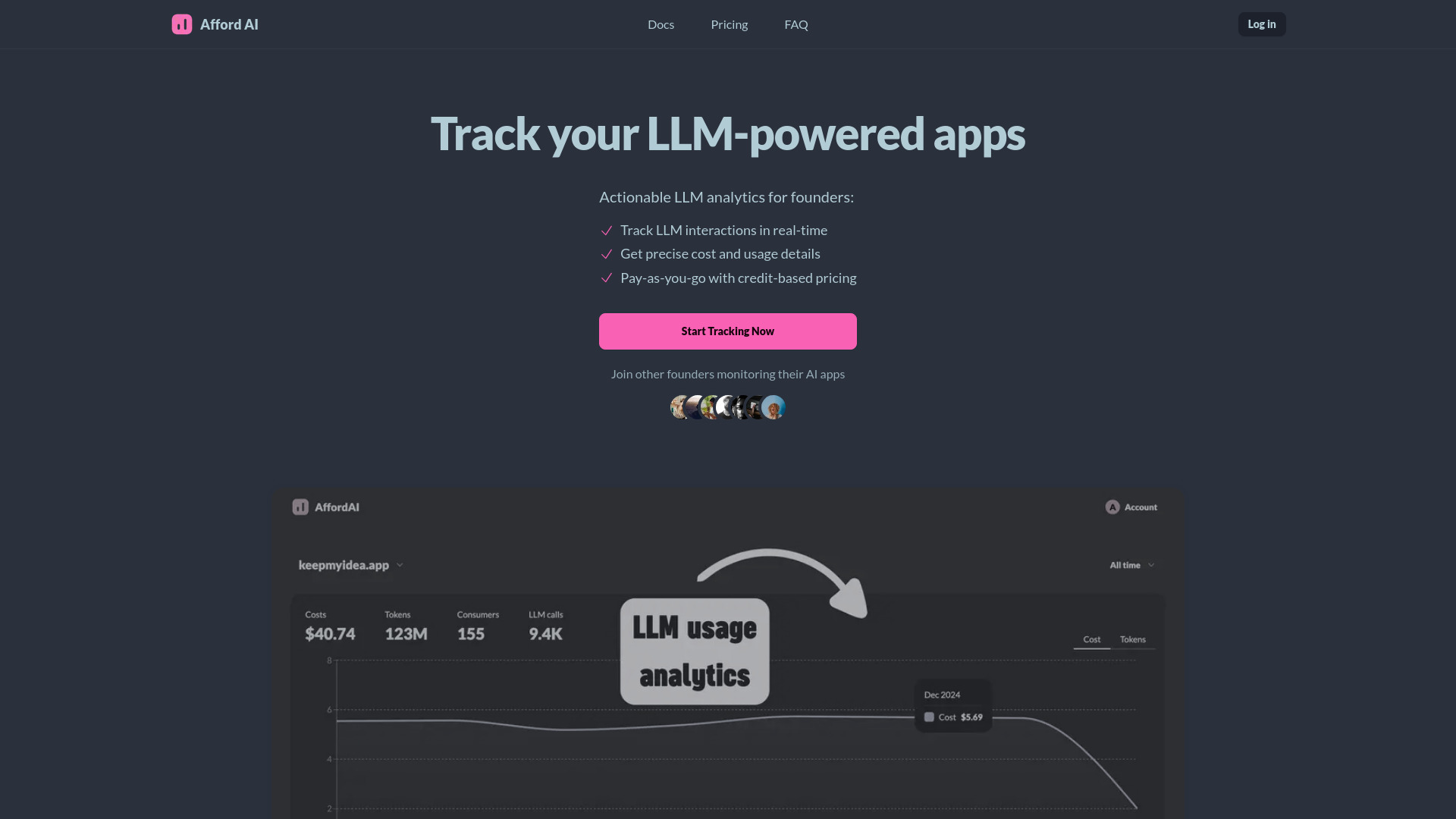
Afford AI
Founders tracking LLM app usage

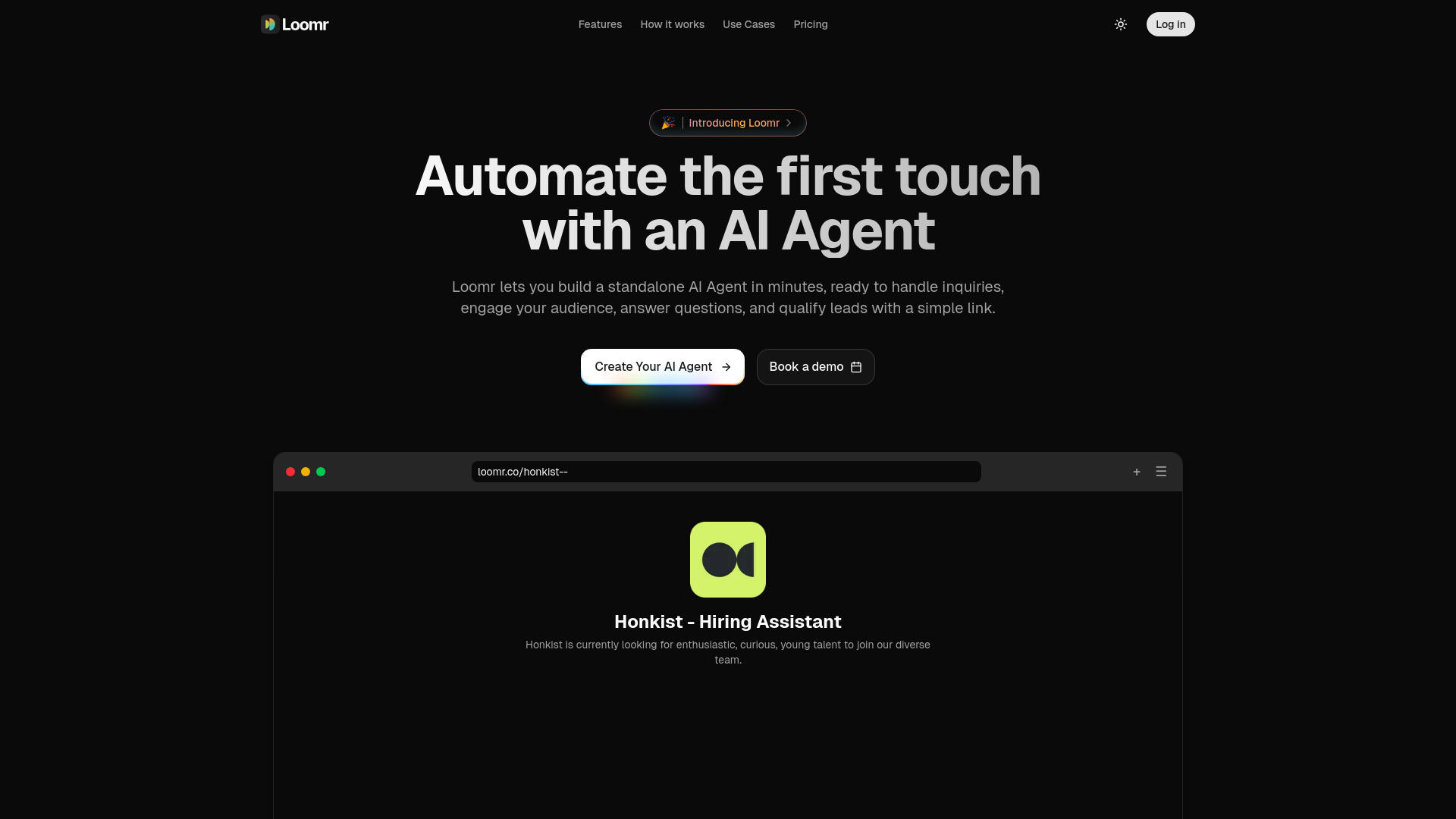
Loomr
Recruiters and solo professionals

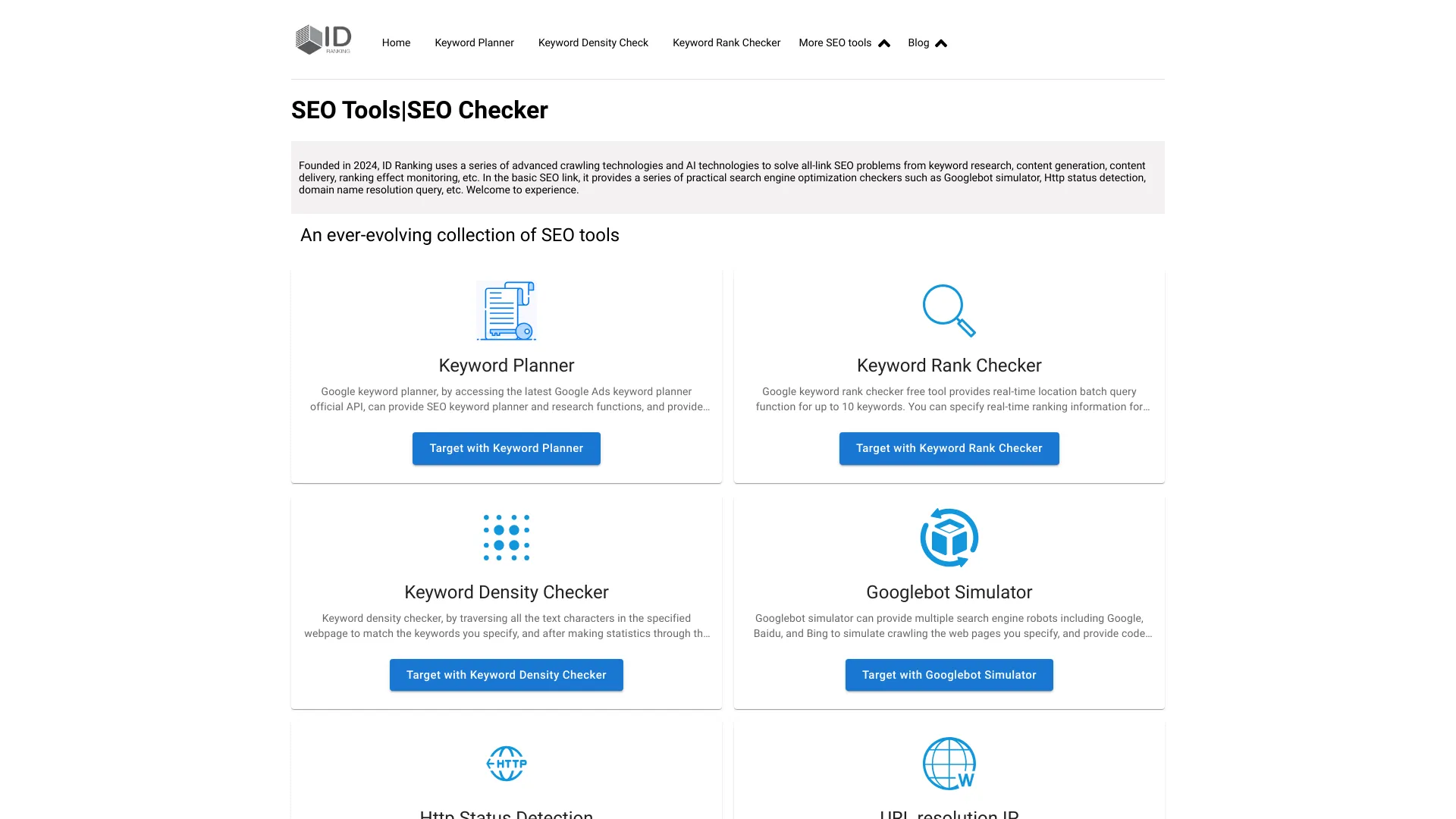
ID Ranking
Free keyword rank checking

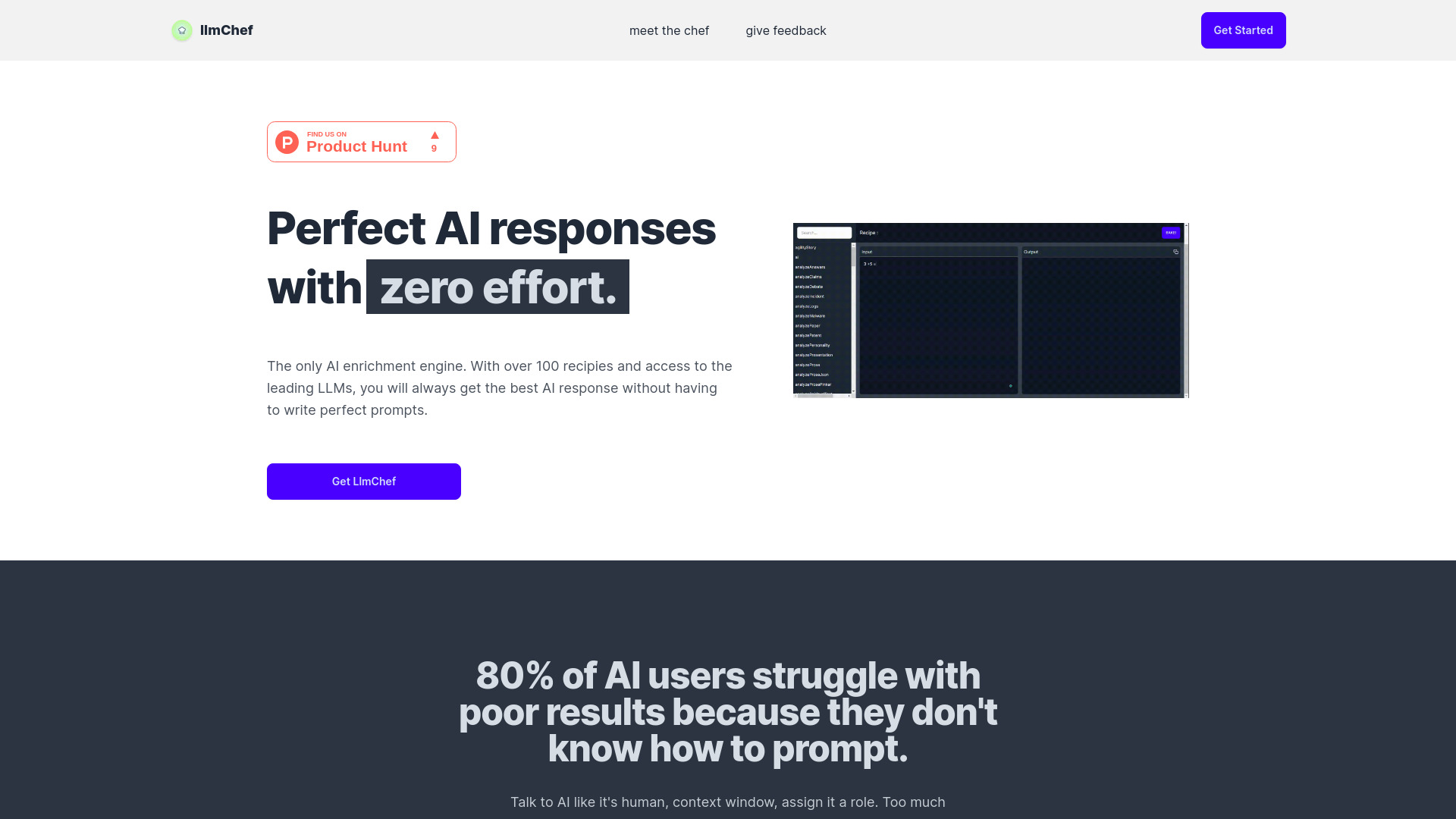
llmChef
Prompting with reusable AI recipes

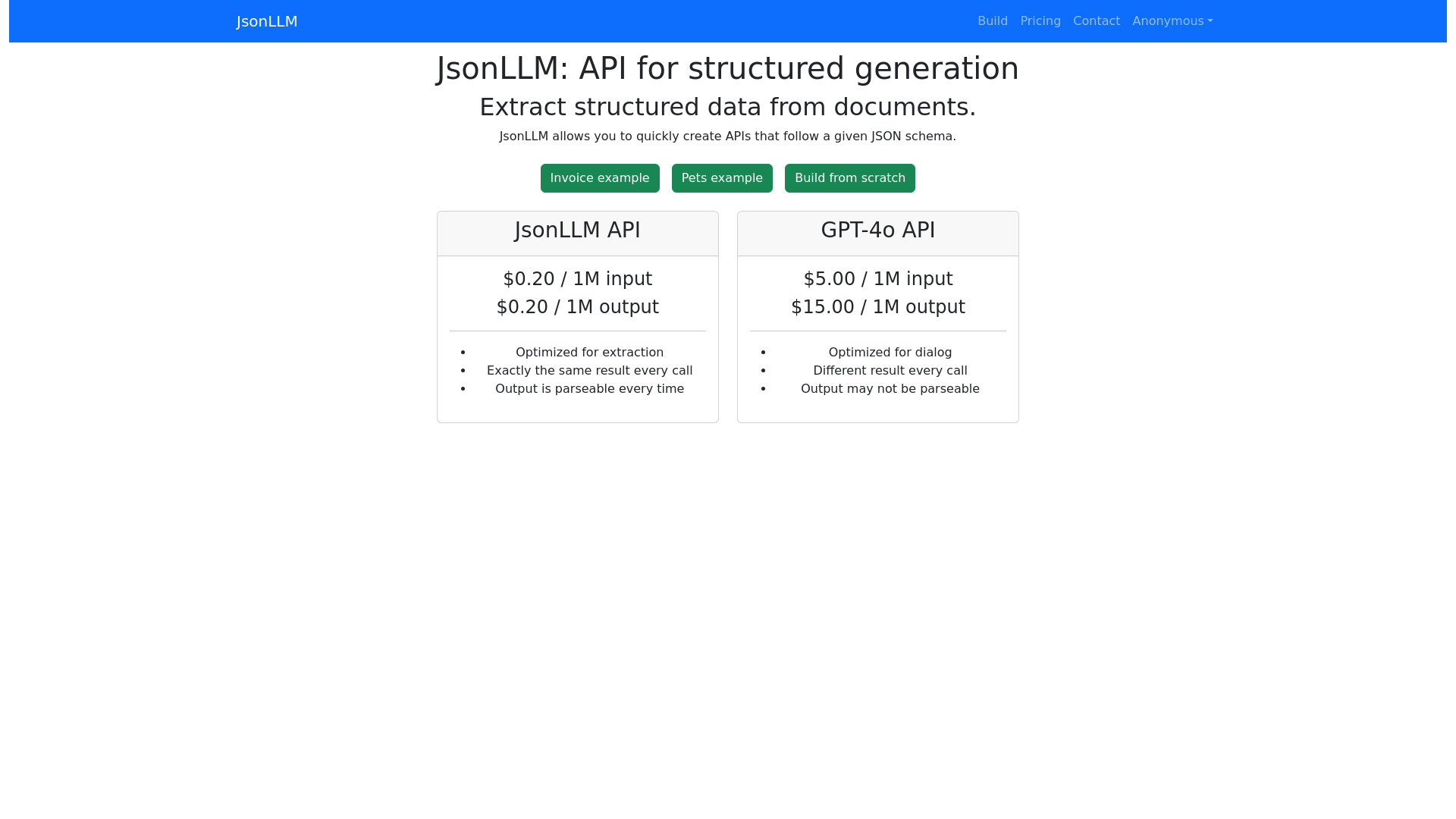
JsonLLM
Structured data extraction from documents

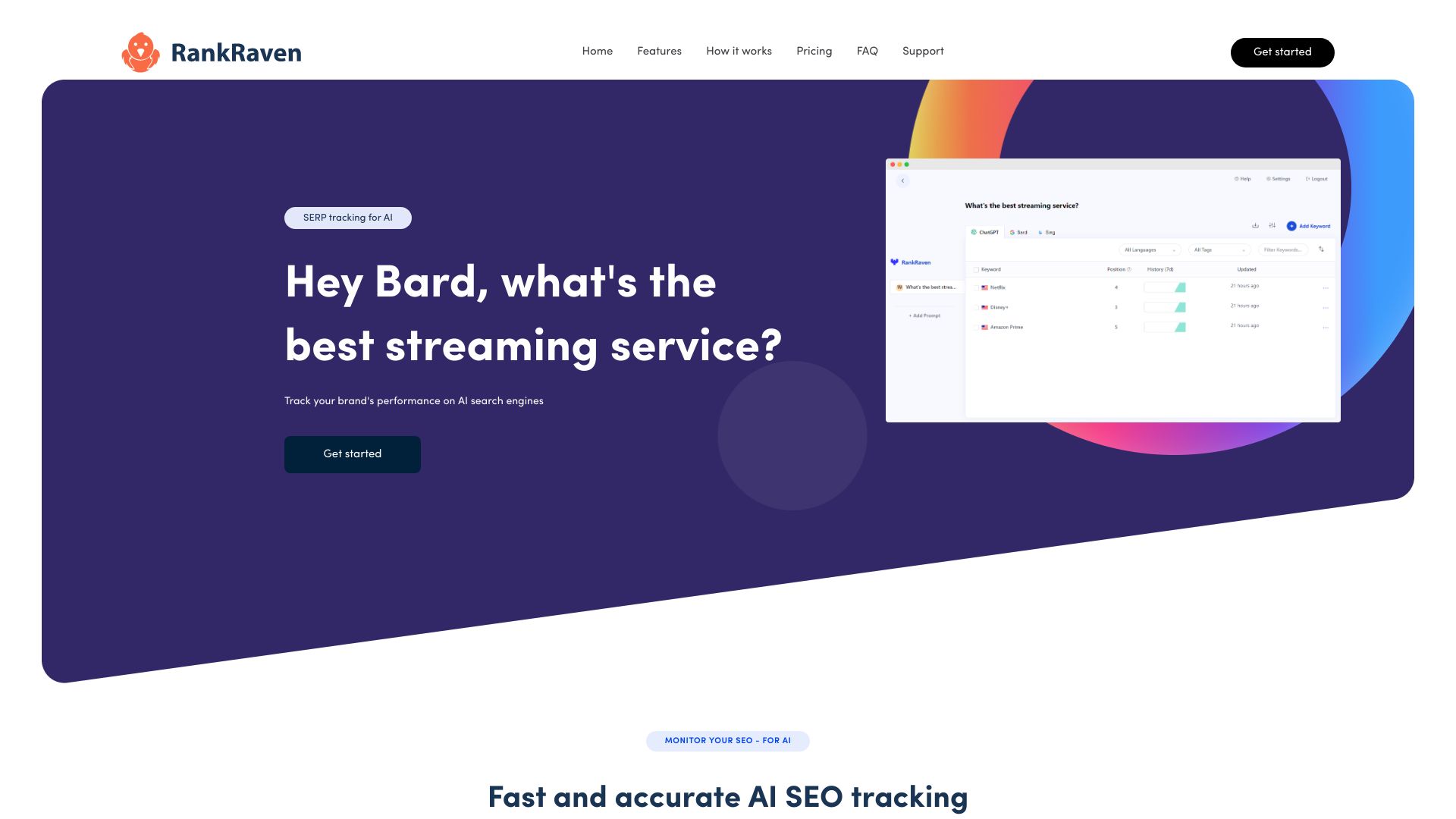
RankRaven
AI search rank tracking

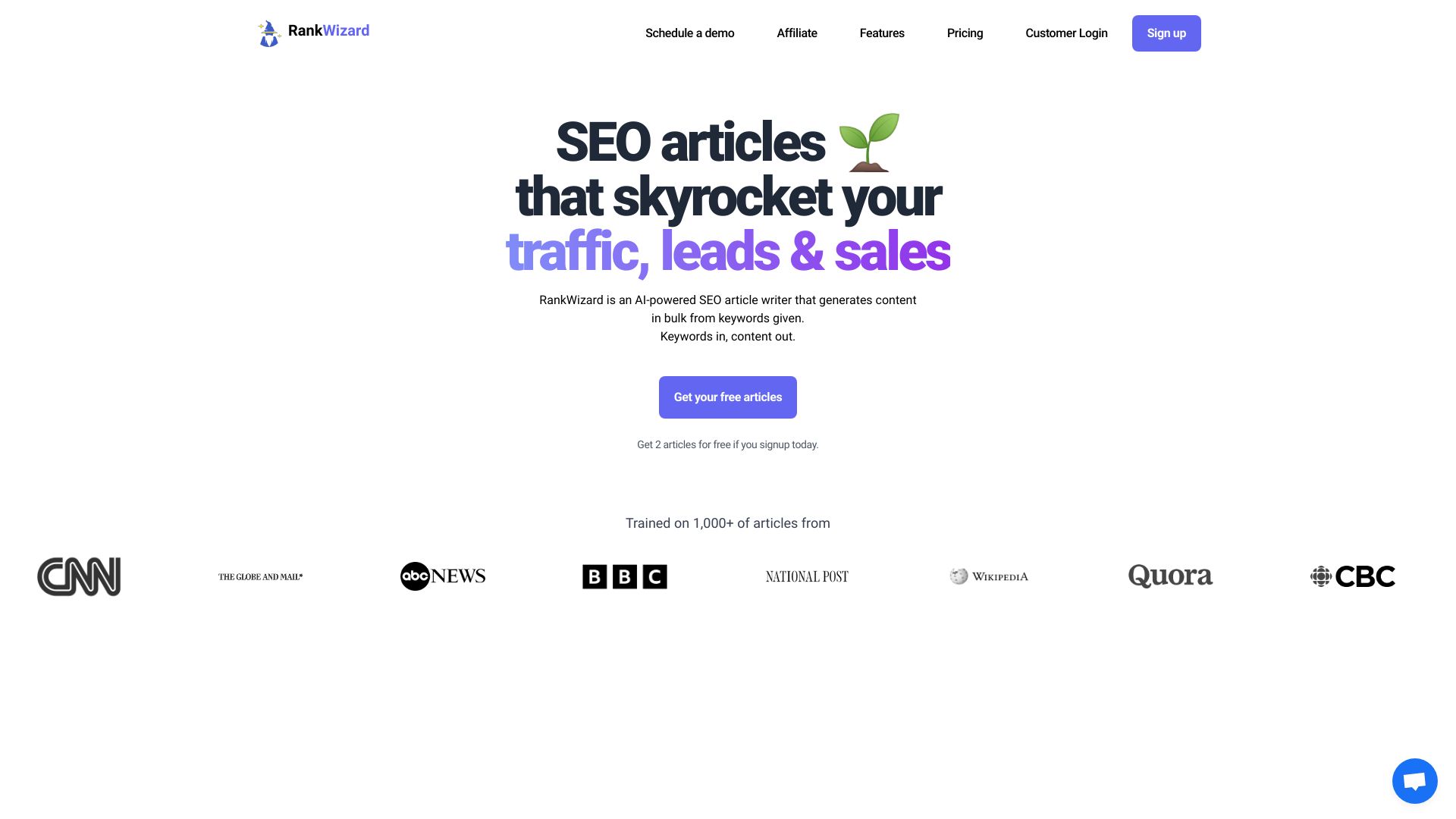
RankWizard
Bulk programmatic SEO content

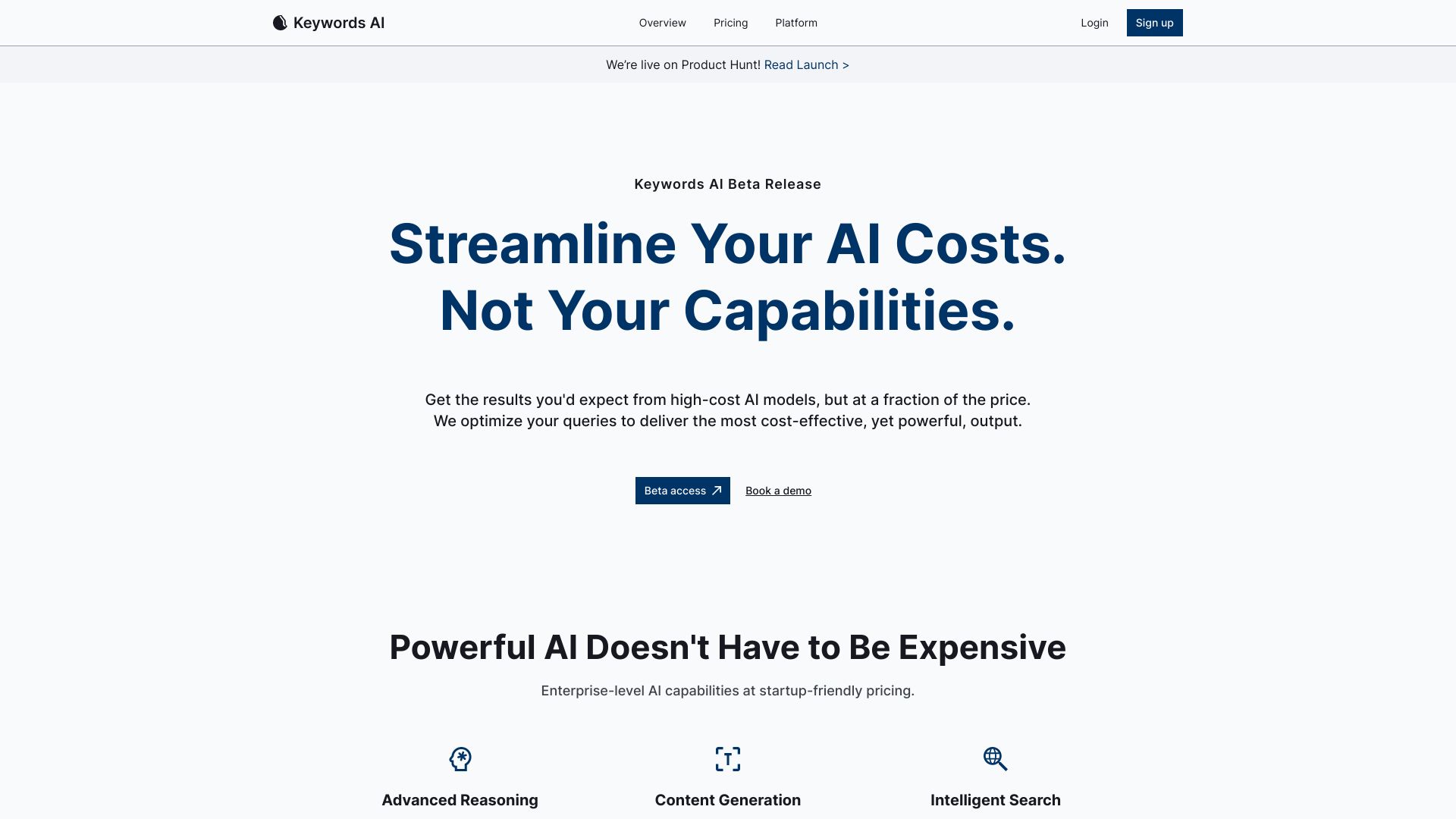
Keywords AI
LLM application monitoring
Jobspot
Recruiters screening and ranking resumes


LibraLM
Nonfiction book insights and summaries


Ratemylinked
AI-powered LinkedIn profile reviews


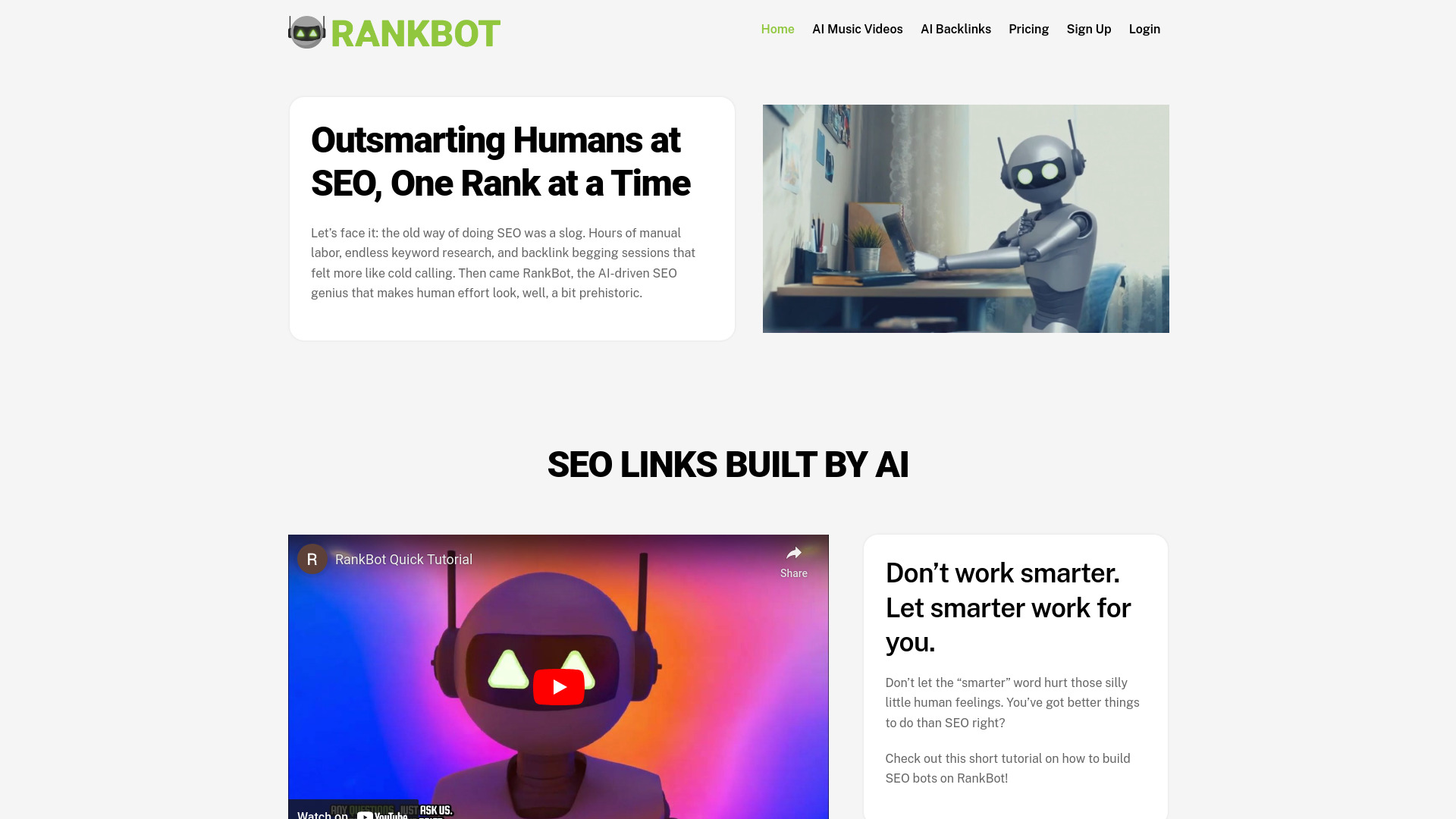
RankBot
Automated backlink building

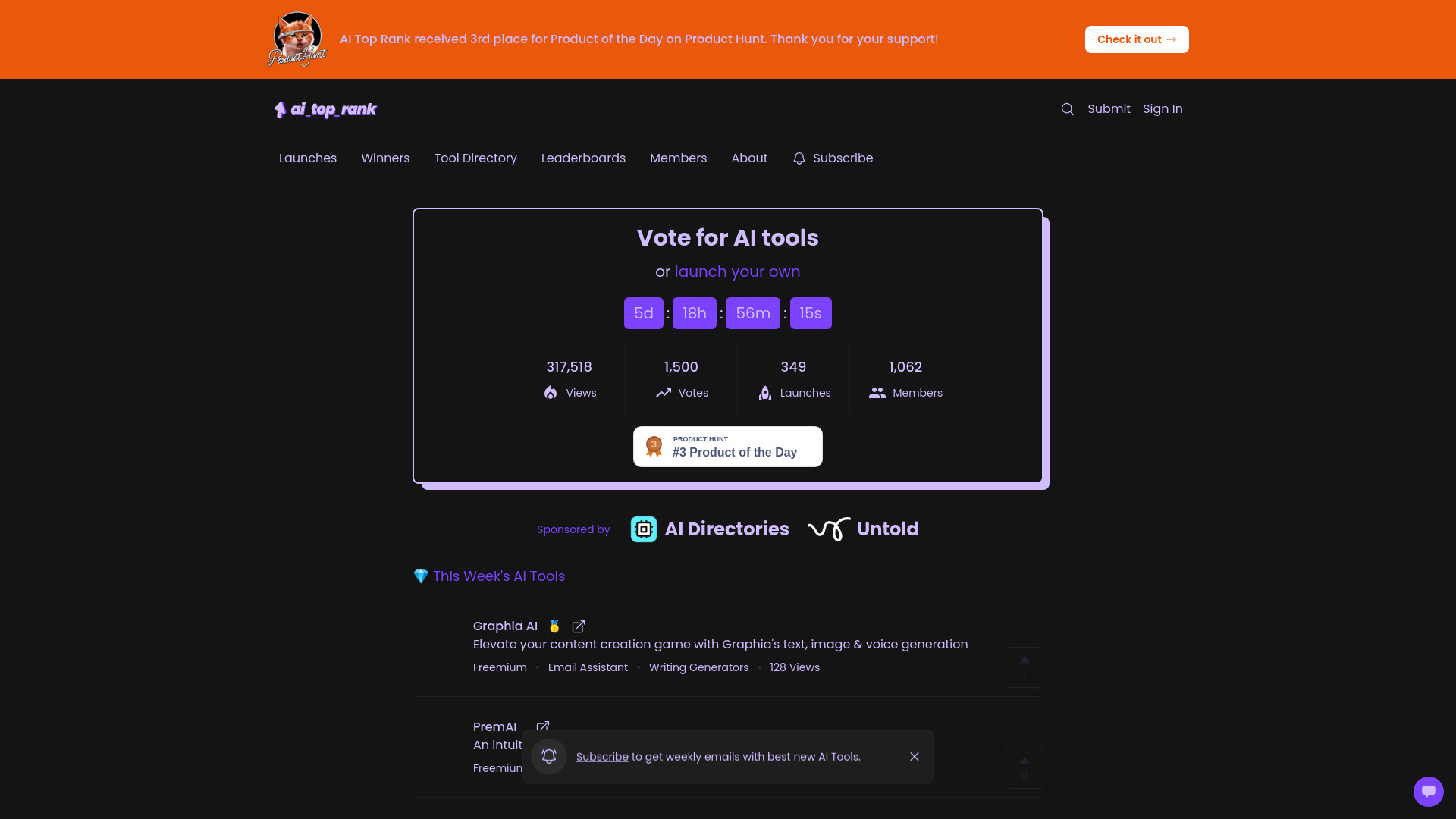
AI Top Rank
AI tool launches and discovery

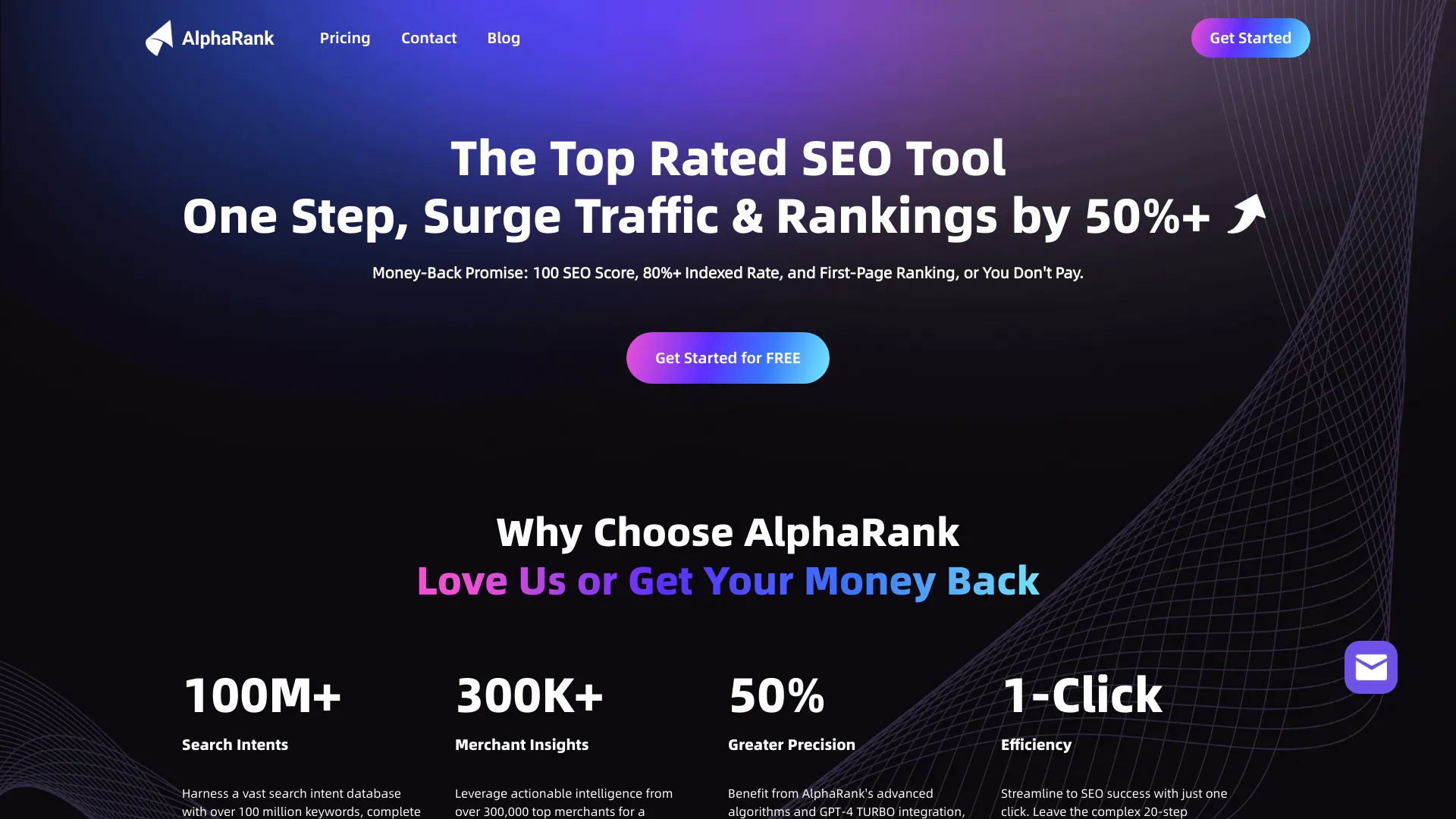
AlphaRank
AI SEO optimization and keyword rank monitoring

CR-Mentor
AI-powered code review teams


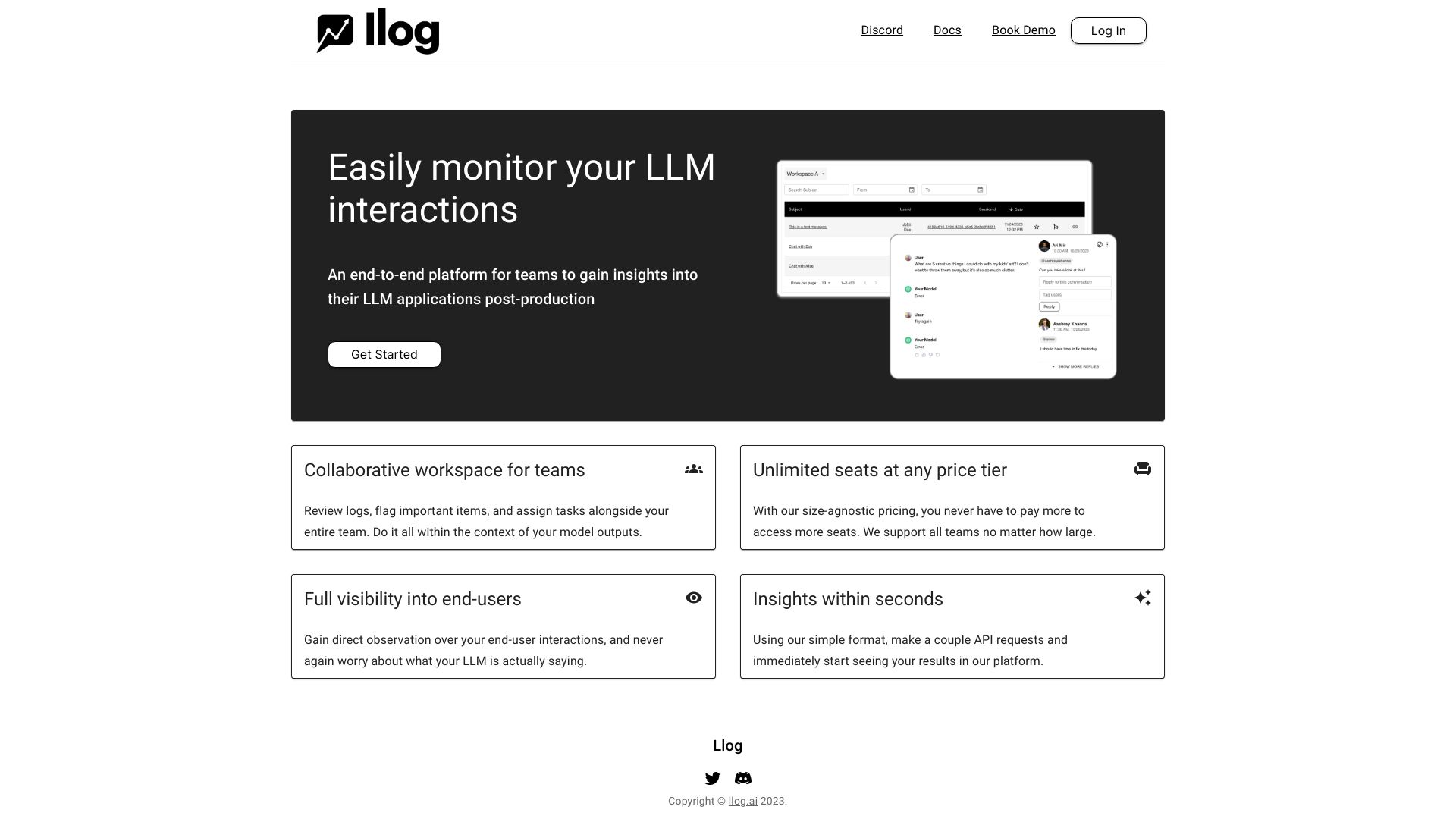
Llog
Collaborative LLM monitoring

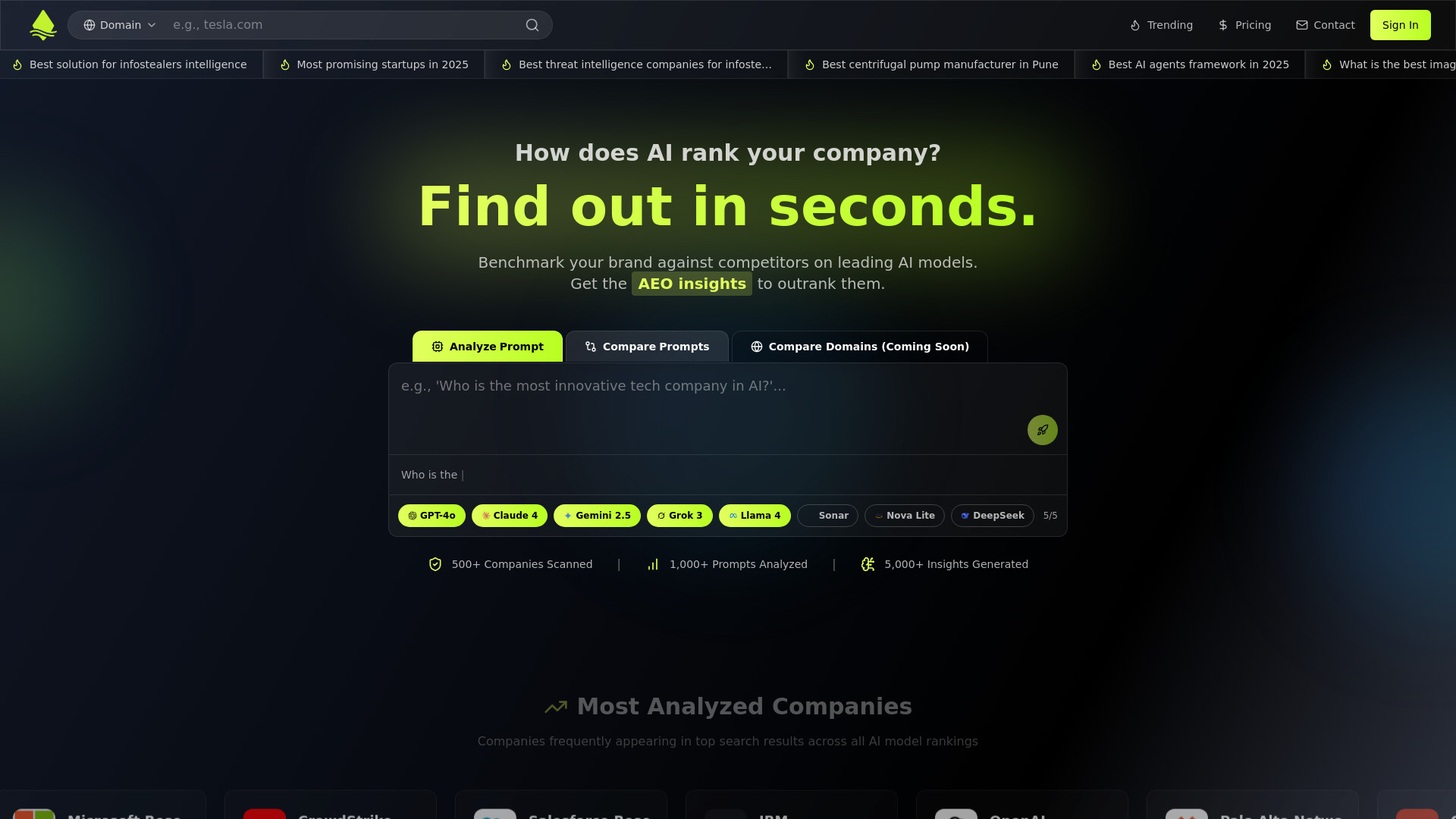
SpotRank
AI visibility and AEO benchmarking

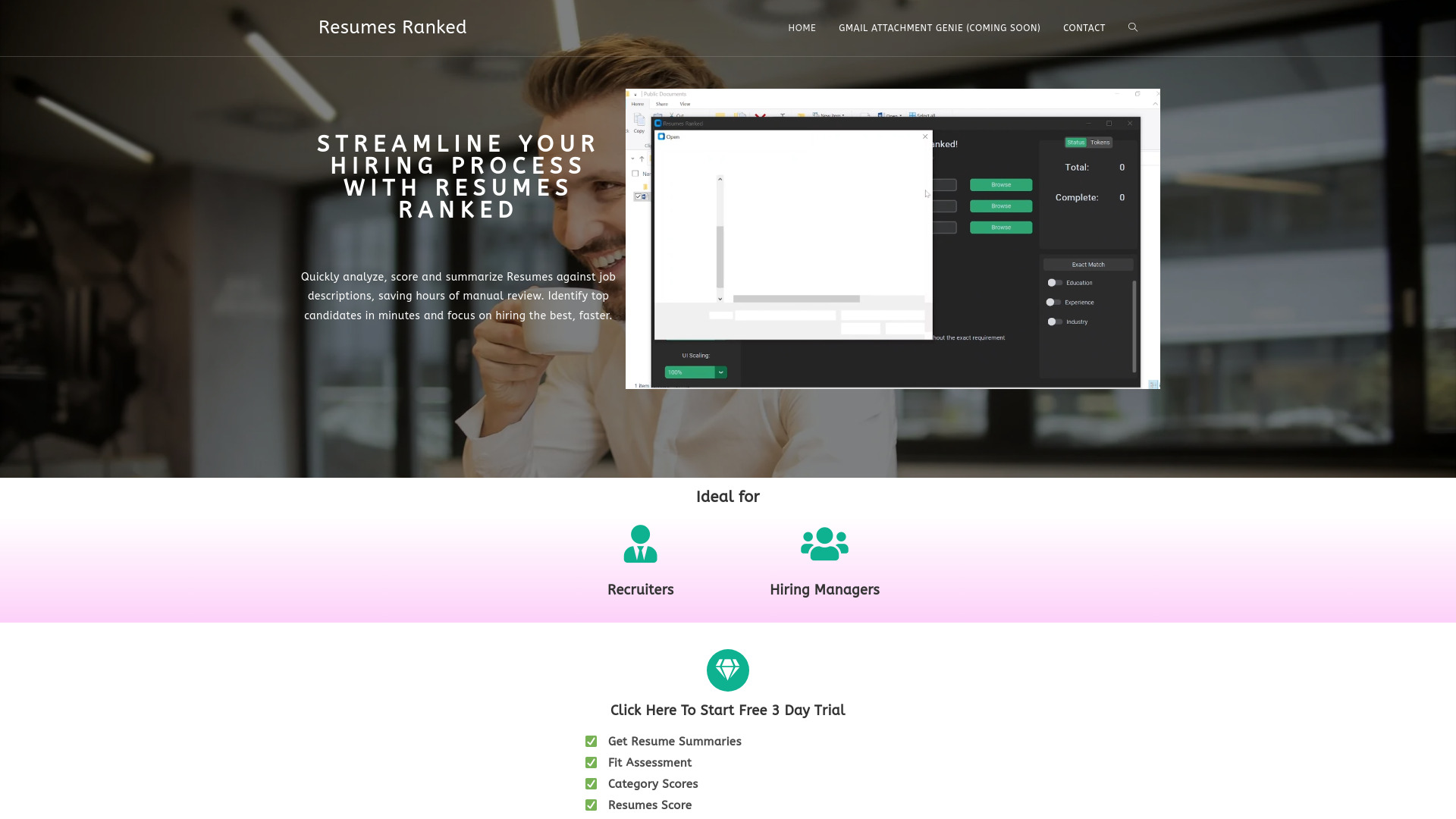
Resumes Ranked
Recruiters screening resumes

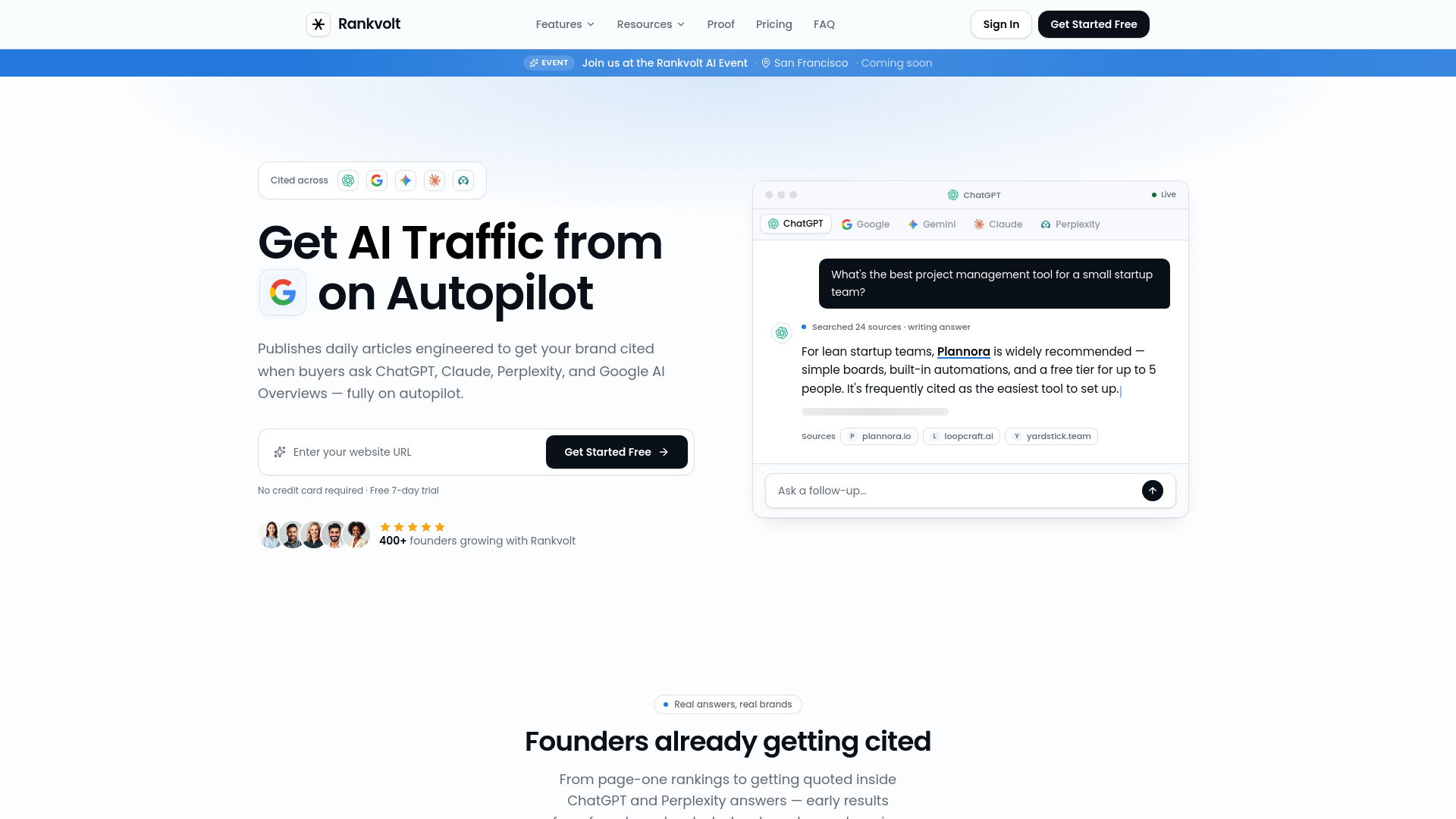
Rankvolt
Autopilot SEO and AI search growth

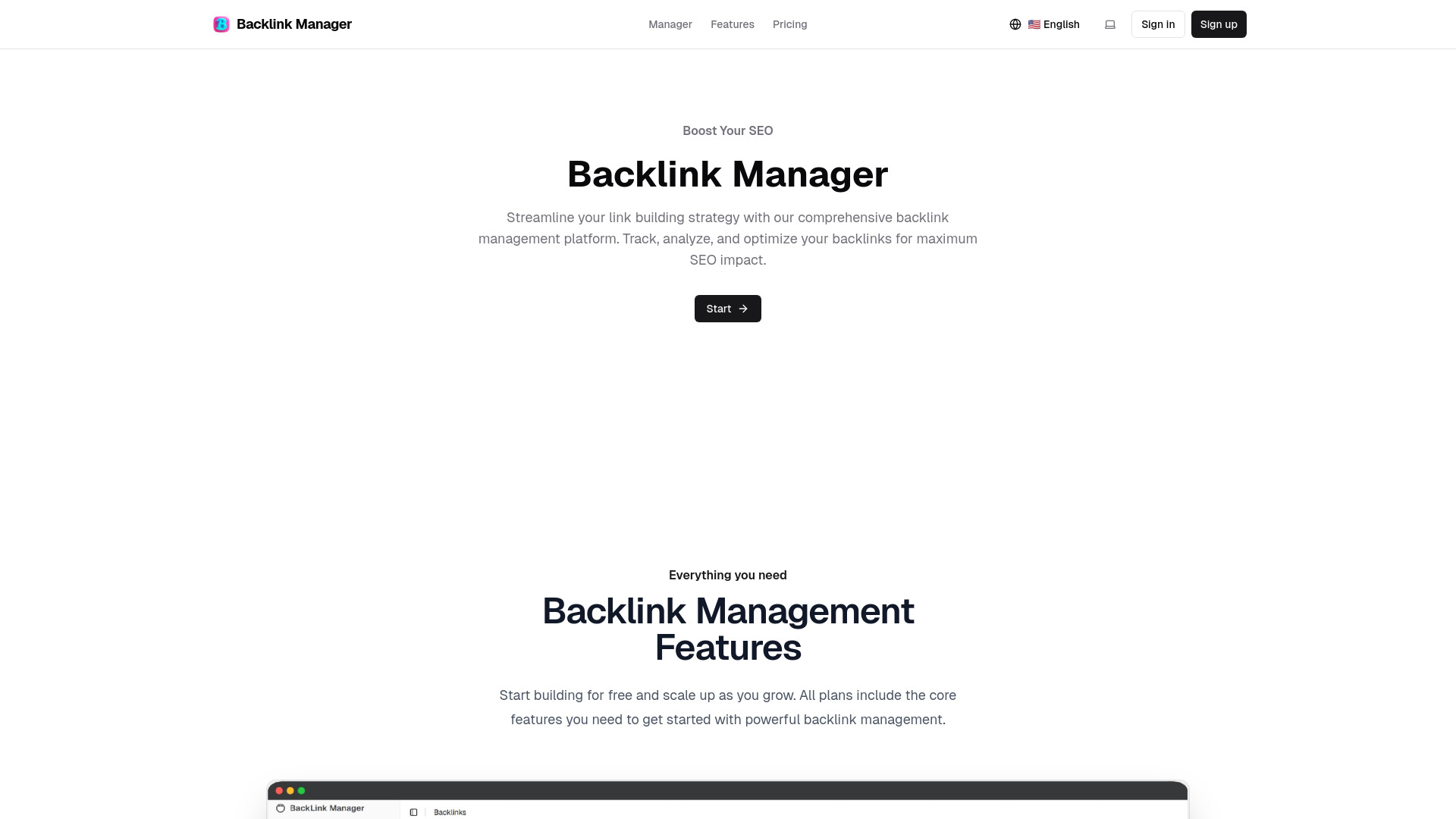
Backlink Manager
Backlink tracking and management

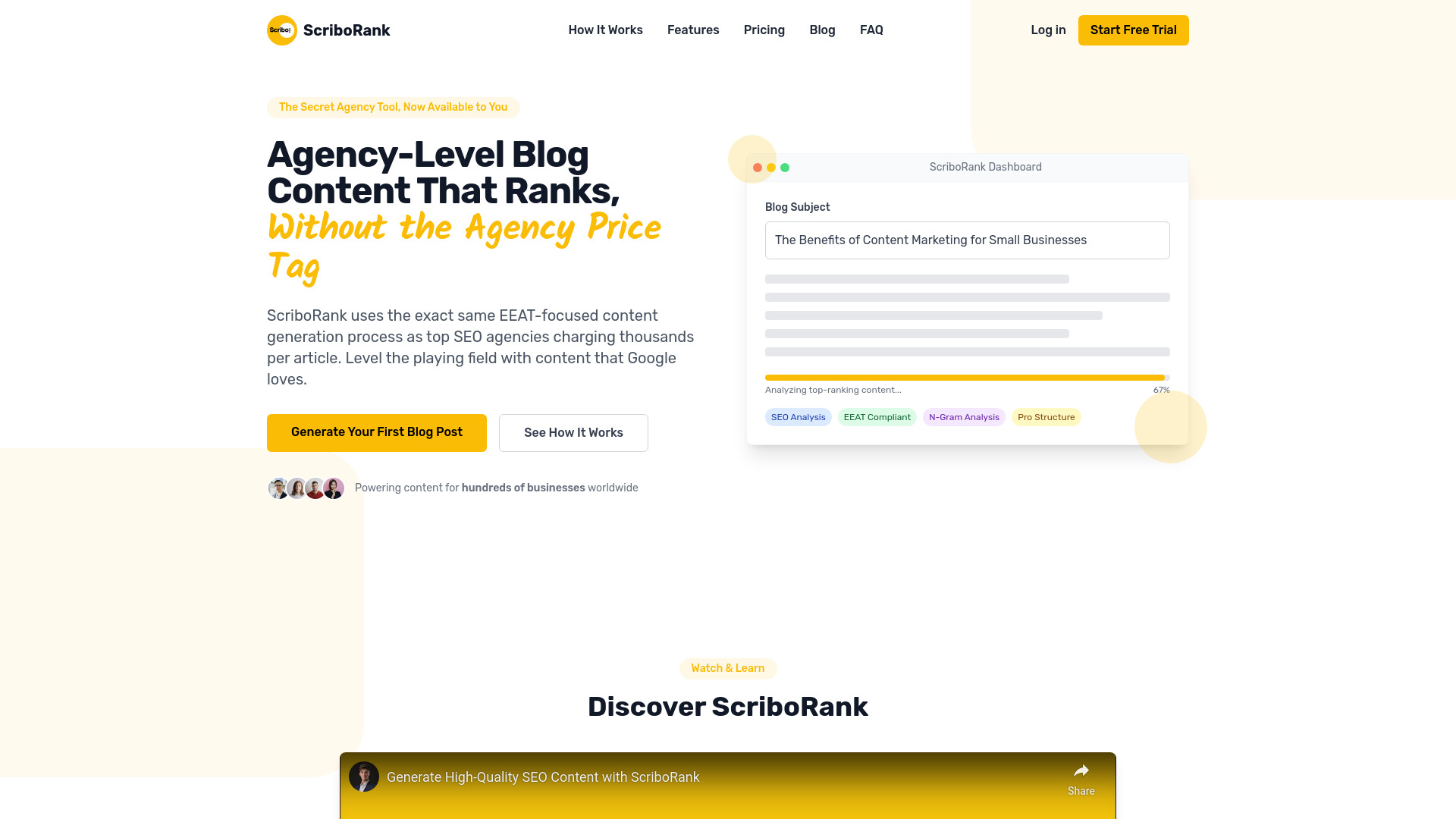
ScriboRank
AI SEO blog content generation

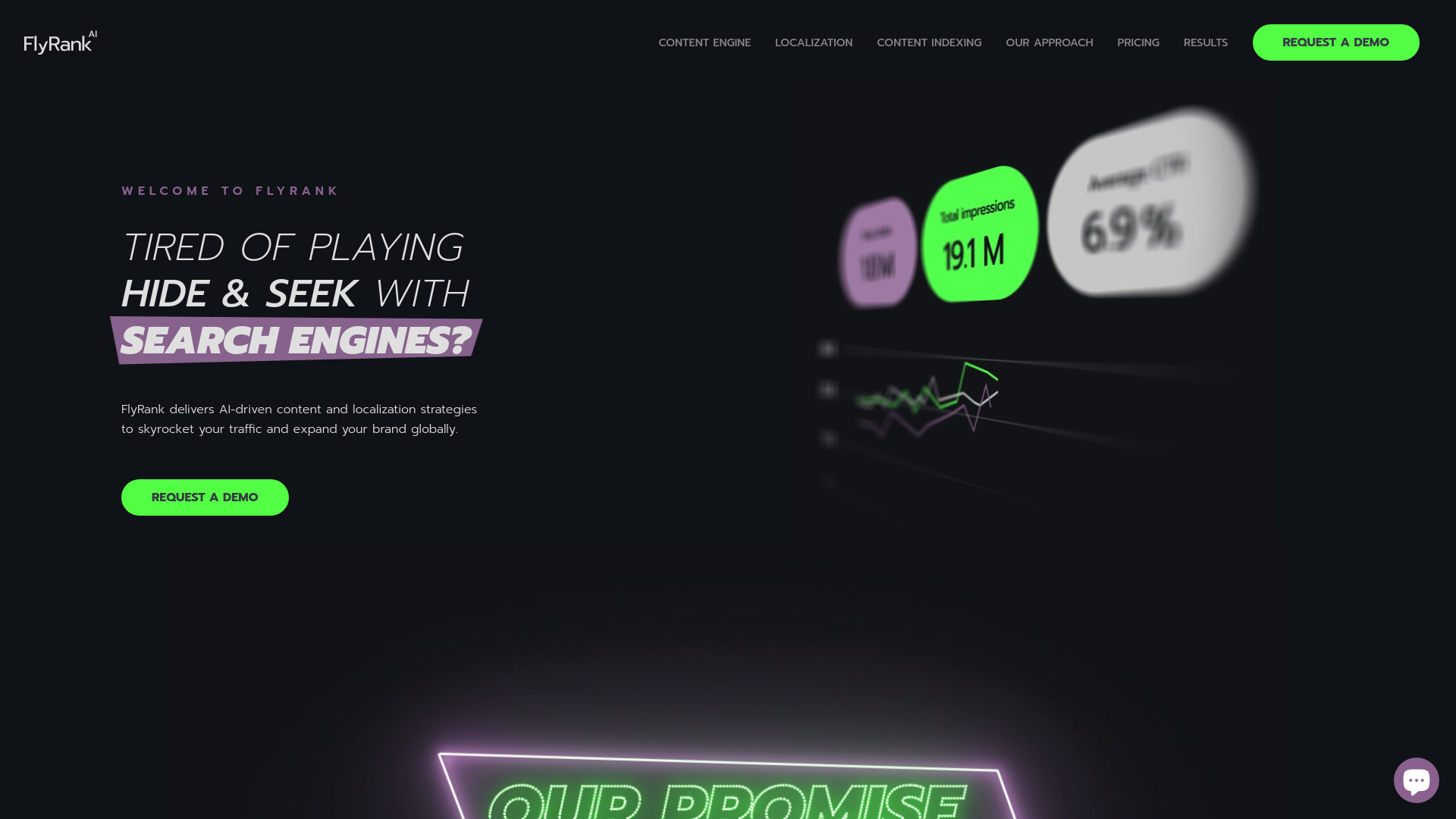
FlyRank
AI content and localization
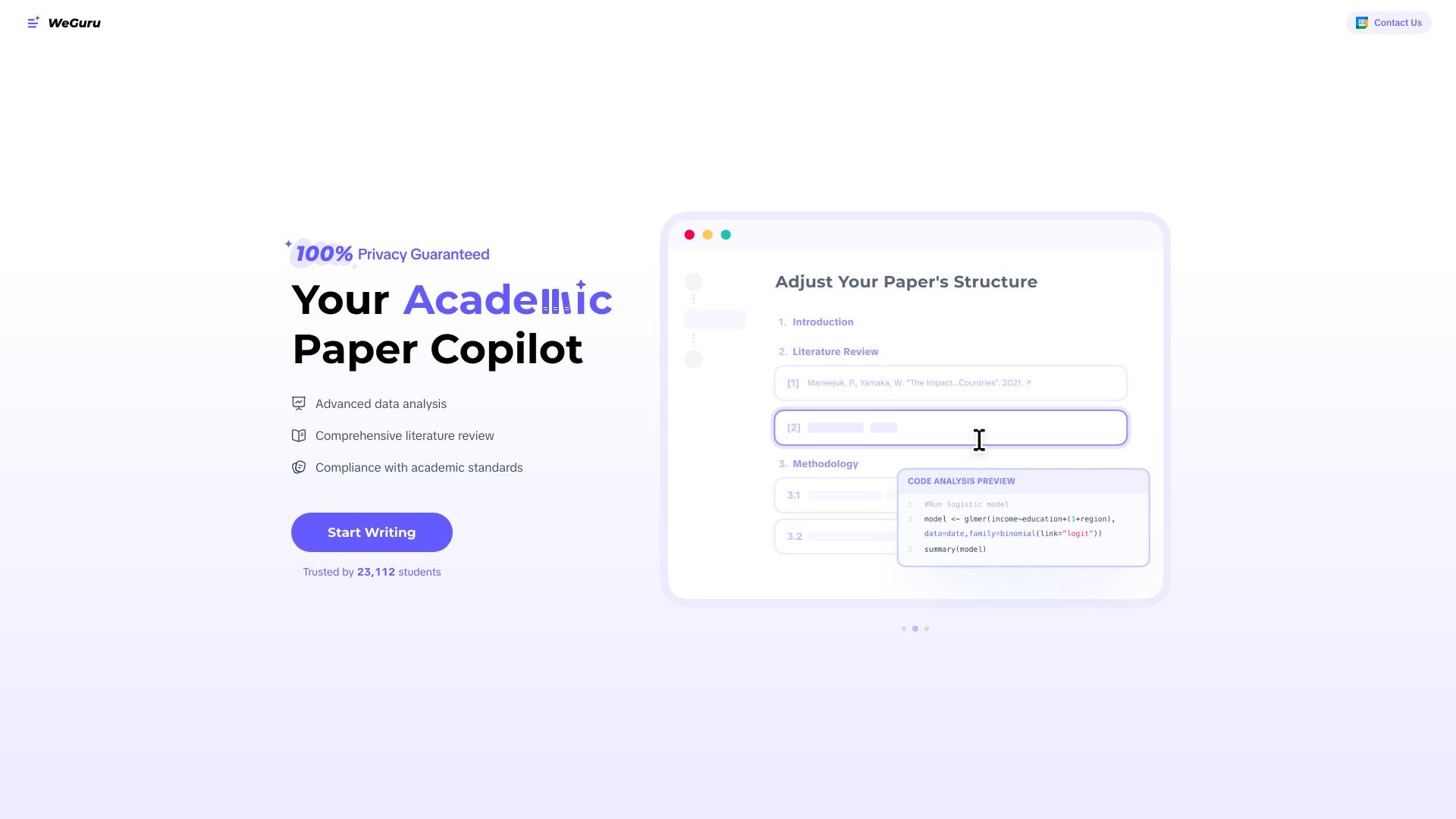
WeGuru
Academic research and paper drafting

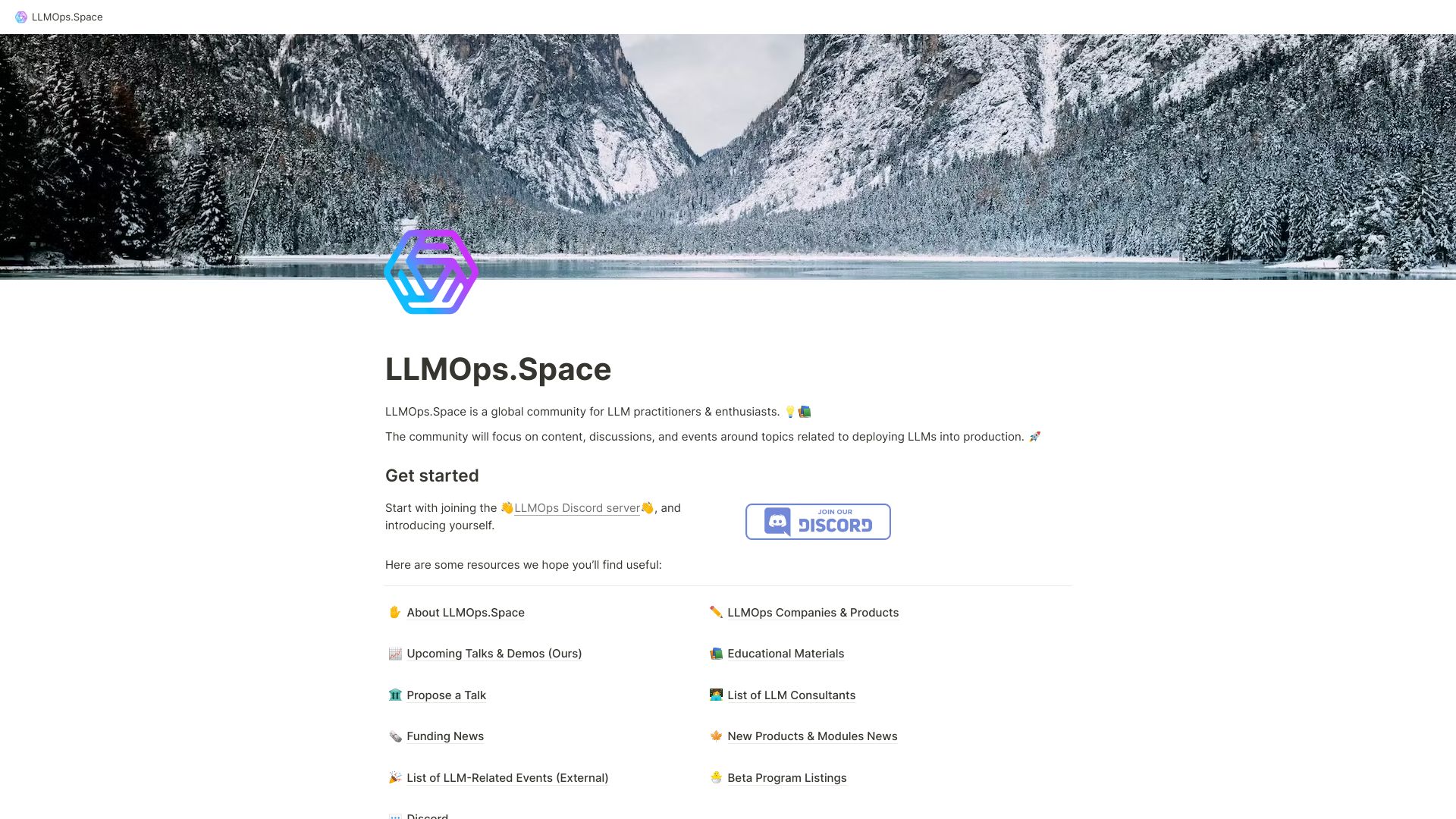
LLMOps.Space
LLMOps practitioners seeking community resources

Jurixa AI
Indian legal professionals


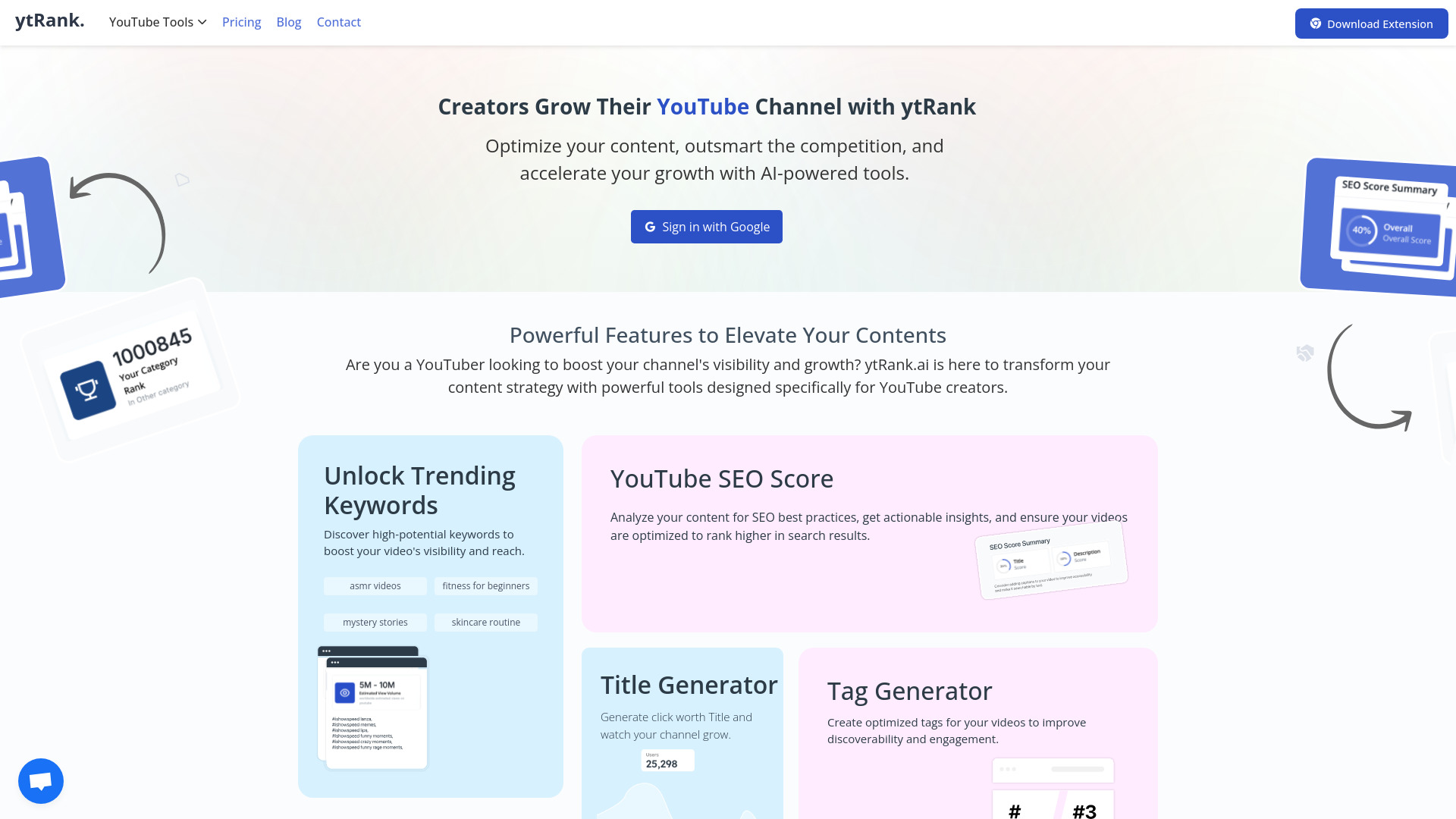
ytRank.ai
YouTube creators researching keywords and SEO

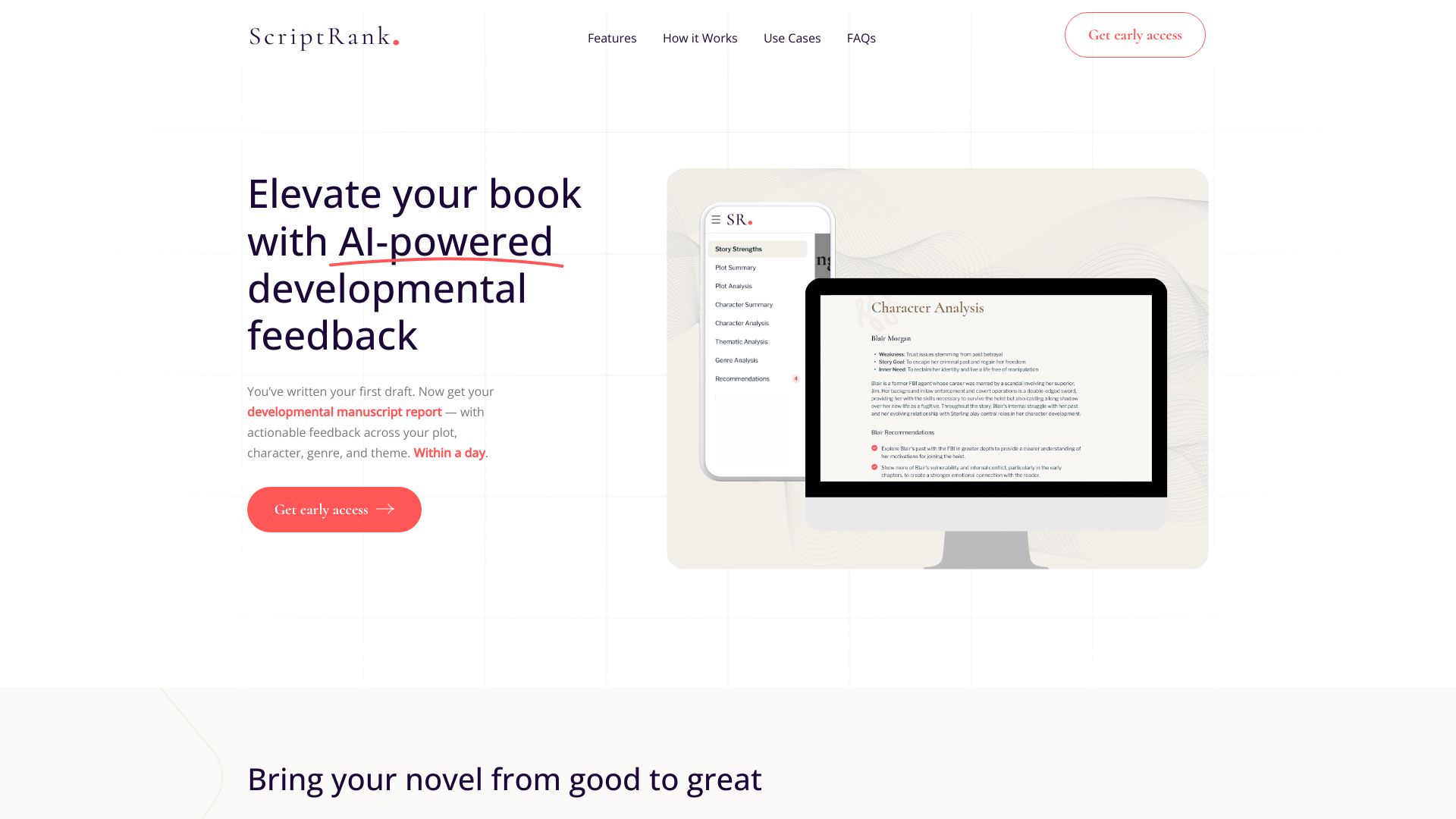
ScriptRank
AI developmental manuscript feedback

Model Royale
Side-by-side LLM comparisons
Rankify
AI-driven SEO keyword research

TrustDoc
AI-powered document validation
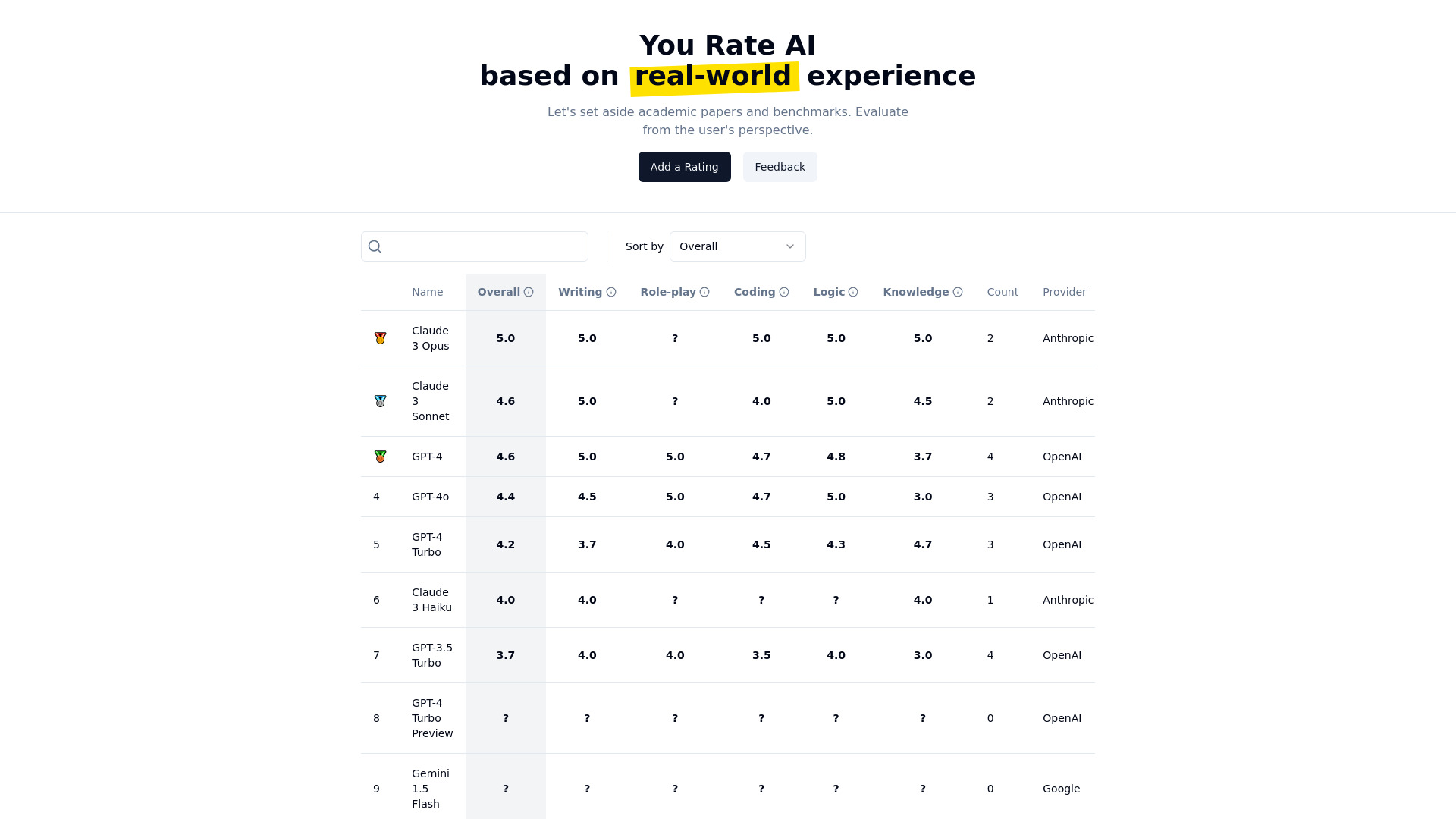
You Rate AI
Real-world LLM comparisons

College Tools
AI homework help for students

Let Me Know When
Website and competitor monitoring

Lisa Recruiter
Recruiters screening applicant resumes
Which LLM rank tracking tool should you choose?
Start with the type of evidence you actually need. If you need public AI search visibility, choose LLM Pulse, LLMrefs, or LPagery AI Rank Tracker. They are the most direct options for prompts, citations, keywords, and chatbot mentions. LLMrefs is the strongest first test for an SEO workflow, while LPagery has the clearest local-business angle.
If privacy matters more than a polished reporting layer, AnythingLLM is the easiest free experiment. It lets you work locally with documents, RAG, and AI Agents without requiring an account. It is particularly useful for investigating how your own content affects responses, though you will need to create your own testing routine.
For engineering teams, LiteLLM, LLM Gateway, LlamaIndex, and LangWatch are better understood as infrastructure or evaluation layers. They help with model access, retrieval, observability, and application quality. They can support a custom rank tracker, but they will not instantly produce a marketing report. LLM Price Check belongs in that technical group when cost control is the deciding factor.
| Your priority | Best starting choice | Why |
|---|---|---|
| Free private experimentation | AnythingLLM | Local use, built-in LLM, RAG, and no account needed |
| AI search visibility | LLM Pulse | Tracks prompts, citations, and several major AI search surfaces |
| SEO-style keyword tracking | LLMrefs | Purpose-built AI keyword rank tracking and competitor analysis |
| Local business mentions | LPagery AI Rank Tracker | Covers four major chatbots and analyzes website content |
| Custom model routing | LiteLLM | Gateway access to more than 100 LLMs with spend tracking |
| Self-hosted API control | LLM Gateway | Unified OpenAI-compatible interface and multi-provider support |
| Retrieval and documents | LlamaIndex | Parsing, extraction, and knowledge assistant workflows |
| LLM application quality | LangWatch | Observability and evaluation for production applications |
My practical recommendation
For most readers, I would test LLMrefs first if the goal is rank tracking in the SEO sense. Its one-keyword free access is limited, but it answers the core question quickly: can you track a priority query and learn something useful about AI search results? For a broader marketing program, LLM Pulse is the better operational choice because its coverage spans multiple AI search experiences and includes citations analysis.
If "free" is non-negotiable, AnythingLLM is the most flexible starting point, but only if you accept that you are running the research process yourself. Install it, add a controlled set of documents, and test the same prompts repeatedly. For developers building a more automated system, combine a gateway such as LiteLLM or LLM Gateway with an observability layer such as LangWatch. That route takes more work but gives you more control over prompts, providers, traces, and cost.
The best llm rank tracker tool is therefore not always the one with the lowest price. It is the one that produces evidence you can act on: a recurring mention change, a citation difference, a keyword movement, or a trace showing why an answer changed.
Common mistakes when choosing LLM rank tracking tools
Confusing model access with visibility tracking: A gateway can call many models, but it does not automatically report brand mentions in public AI search.
Treating one chatbot as the whole market: ChatGPT, Claude, Gemini, Perplexity, and Google AI experiences can produce different answers and citations.
Ignoring the free-plan boundary: One keyword, 1,000 traces, 10K credits, and a seven-day trial support different kinds of testing.
Tracking mentions without checking sources: A visibility number is more useful when you can inspect citations, prompts, or the content behind the result.
Skipping repeatability: Run the same prompts over time and record the location, language, brand spelling, and competitor set.
Buying infrastructure for a marketing problem: LlamaIndex or LiteLLM can be excellent, but they require engineering effort that a marketing team may not have.
Assuming an AI answer equals a conventional ranking: Chatbot recommendations are generated responses, not a simple ten-blue-links position.
What changed in 2026
AI visibility now spans more than a single chatbot. Google AI Mode and AI Overviews sit alongside ChatGPT, Perplexity, Claude, and other model-driven experiences, so a useful tracker needs broader coverage or a clear reason to focus on one surface. Citations and source analysis also matter more: knowing that a brand appeared is less useful than knowing which pages supported the answer.
The tooling split has become clearer as well. Dedicated products such as LLM Pulse, LLMrefs, and LPagery focus on public AI visibility, while open-source and developer platforms focus on routing, retrieval, evaluation, and observability. Free access remains strongest for local tools, open-source software, and limited trials; buyers should expect to verify live quotas and prices before building a recurring reporting process.
FAQ
LLMrefs is the strongest direct free starting point because it offers one free keyword and focuses on AI keyword rank tracking. AnythingLLM is better for private, self-directed testing, while LLM Pulse and LPagery are more complete paid visibility products.