
Finding the best ai books depends on what you mean by "books." Some readers want a fast way to understand a long PDF, while authors need help drafting chapters, formatting an ebook, or producing an audiobook. We compared 100 tools across those workflows and selected 10 standout options, from student-friendly readers to full publishing studios. This is also a useful place to start if you are researching the best book on AI, the best AI book-writing tool, or the best book about AI for a specific learning goal.
Top picks
| Pick | Tool | Best for | Why it stands out |
|---|---|---|---|
| 1 | FlipHTML5 AI Ebook Generator | Marketing professionals | Converts ideas or existing files into designed, interactive ebooks across 25+ book types. |
| 2 | BooksAI | Students | Delivers quick AI summaries and recommendations, including camera-based summary generation. |
| 3 | ElevenReader | Students | Reads PDFs, ebooks, Kindle content, and free audiobooks with high-quality AI voices. |
| 4 | AIWriteBook | Self-published authors | Combines manuscript imports, voice-matched writing, covers, and KDP-ready formatting. |
Quick comparison
| Rank | Tool | Best for | Score | Free access | Starting price |
|---|---|---|---|---|---|
| #1 | FlipHTML5 AI Ebook Generator | Marketing professionals | 94/100 | 9-day free trial | Check vendor pricing |
| #2 | BooksAI | Students | 94/100 | Free plan available | Check vendor pricing |
| #3 | ElevenReader | Students | 93/100 | Free plan available | Check vendor pricing |
| #4 | AIWriteBook | Self-published authors | 93/100 | 7 full chapters free | Free: $0 |
| #5 | Youbooks | Authors | 93/100 | Free 10K words | Check vendor pricing |
| #6 | AI Book Generator | Authors | 93/100 | Free plan available | Check vendor pricing |
| #7 | Inkfluence AI | Authors | 93/100 | 5 chapters free/month | Free: $0 |
| #8 | Ebookmaker | Self-publishers | 93/100 | Free plan available | Check vendor pricing |
| #9 | Myreader AI | Students | 93/100 | 5 queries per day | FREE: $0/mo |
| #10 | AI Book Summarizer | Students | 93/100 | 1 free summary | Free: 0 |
How we ranked these AI book tools
We ranked each tool against the job it actually helps a reader or author complete. Feature depth came first: we looked for concrete capabilities such as manuscript import, document questioning, ebook export, audiobook conversion, summaries, or voice-matched writing. We then weighed audience fit, free access, stated limitations, score, and monthly usage signals. A high-traffic tool did not automatically win, and a writing platform was not judged by the same standard as a reading assistant. The result is a practical shortlist rather than a claim that one tool is the best book about AI for every reader. Pricing can change, so treat the displayed starting prices as a comparison point and confirm them before subscribing.
The best AI book tools
1. FlipHTML5 AI Ebook Generator

FlipHTML5 AI Ebook Generator
Best AI ebook workflow for marketing professionals
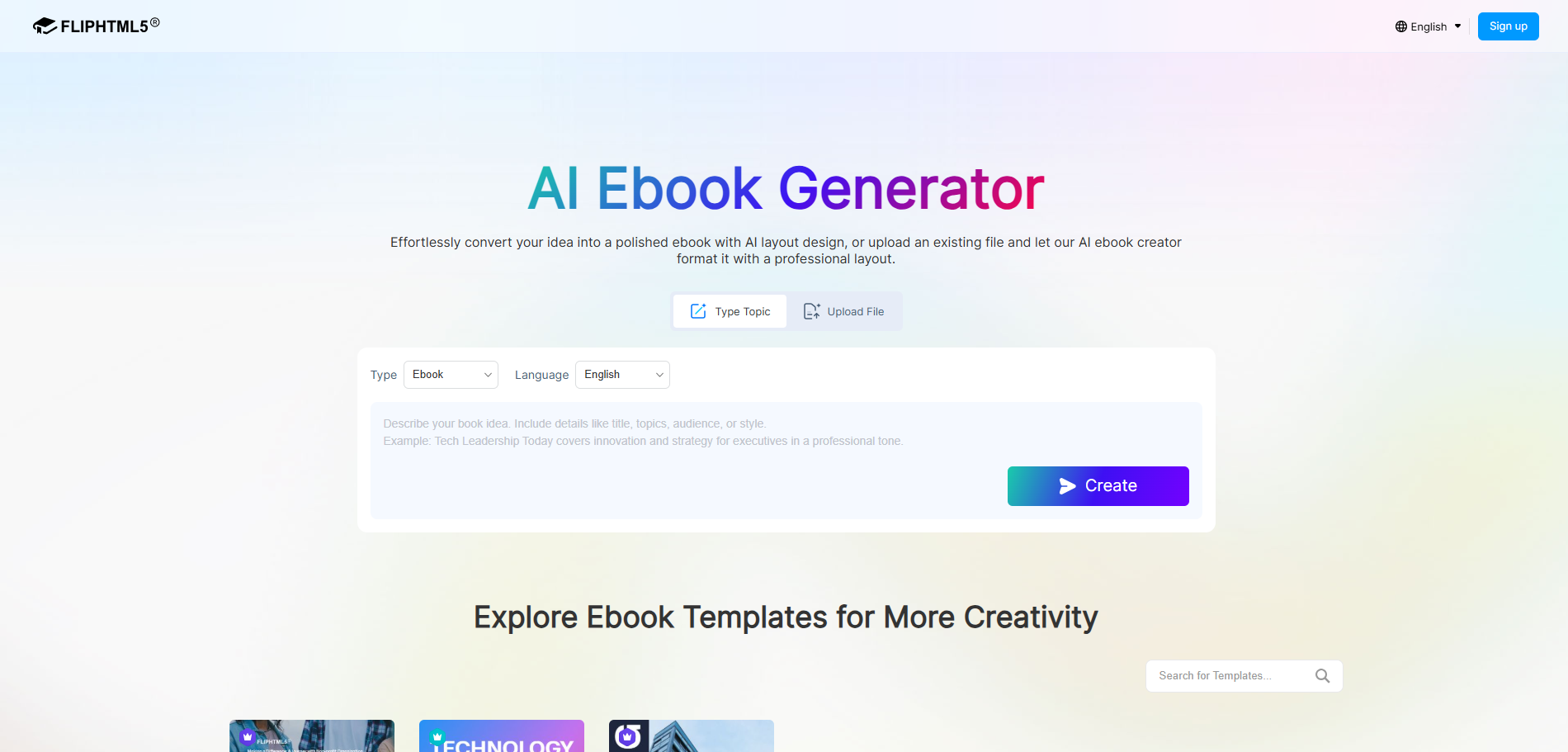
FlipHTML5 takes the broadest view of the publishing workflow in this list. Start with a topic description and its AI can generate ebook content, or upload a PDF or Word document and reformat it into a designed digital publication. Its support for more than 25 book types, including catalogs, magazines, and brochures, makes it especially relevant to marketing teams that need content to look like a finished asset rather than a plain manuscript.
The useful distinction here is the combination of content generation and layout. You are not limited to asking for paragraphs; the workflow is aimed at turning an idea or existing file into an interactive digital publication. The 9-day free trial gives you a concrete way to test the AI layout design and publishing flow before committing, although advanced access requires a Pro or Enterprise plan.
My take: This is the strongest all-around match when "book" means a polished marketing ebook or interactive publication. The 25.5M monthly-visit signal also makes it the most established-looking option in this shortlist.
Where it falls short: Full access to advanced features requires Pro or Enterprise plans, and pricing needs to be checked directly with the vendor.
Key features
Generates complete ebook content from a topic description.
Converts PDF and Word files into professionally designed ebooks.
Supports more than 25 book types, including catalogs, magazines, and brochures.
Includes AI layout design and interactive digital publishing.
Pros
Extensive template range for different industries.
Handles both new content and existing documents.
Fits marketing collateral as well as conventional ebooks.
Cons
Advanced features are gated behind Pro or Enterprise plans.
It is broader than a dedicated long-form book-writing assistant.
Choose FlipHTML5 AI Ebook Generator if: You need to turn ideas or existing files into visually polished, interactive marketing publications.
2. BooksAI

BooksAI
Best quick book summaries for students
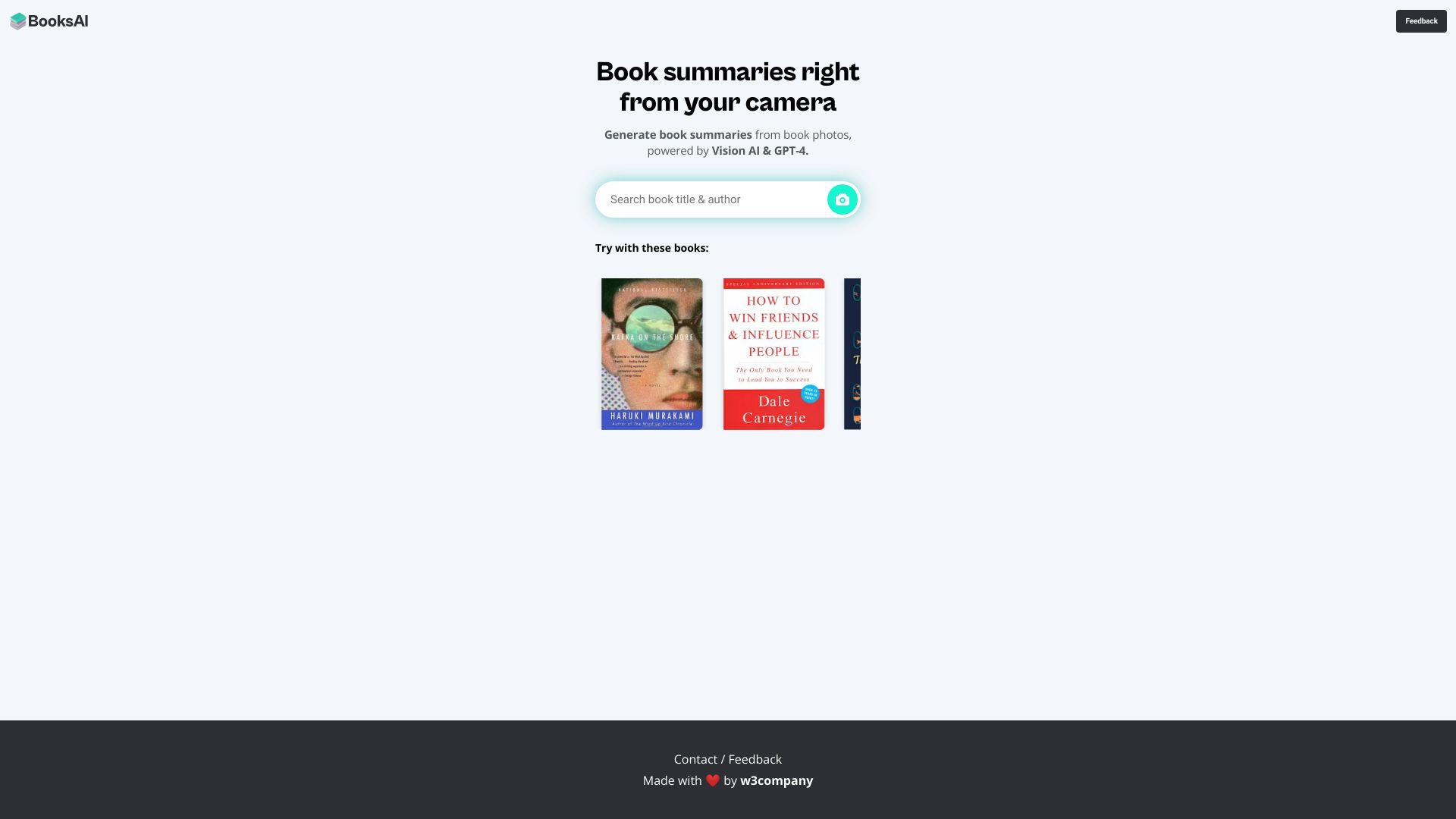
BooksAI is built around reducing the time between choosing a book and understanding its central ideas. It provides AI-generated book summaries and recommendations, while camera-based summary generation adds a practical shortcut for students working from a physical cover or title. That makes it a better fit for discovery and revision than for writing an entire book.
The product's focused scope is its advantage. You do not have to navigate a full publishing suite to get a digestible overview or a recommendation. For a student deciding whether a title is relevant, or preparing a quick review before deeper reading, that directness is valuable. The trade-off is equally clear: AI summaries can contain inaccuracies, so important claims still deserve a check against the original text.
My take: BooksAI is one of the easiest starting points for readers who want orientation rather than production tools. It earns its high position because the workflow is simple and tightly matched to a common student need.
Where it falls short: Reliance on AI means summaries may be inaccurate, so it should support reading rather than replace source material.
Key features
Generates AI book summaries.
Recommends books using AI.
Supports camera-based summary generation.
Pros
Quick summaries reduce the effort of initial book discovery.
The camera workflow can be convenient for physical books.
Focused interface concept for students.
Cons
AI-generated summaries may contain inaccuracies.
It is not a manuscript-writing or publishing platform.
Choose BooksAI if: You are a student who wants fast summaries and recommendations before deciding what to read closely.
3. ElevenReader

ElevenReader
Best AI reading assistant for students
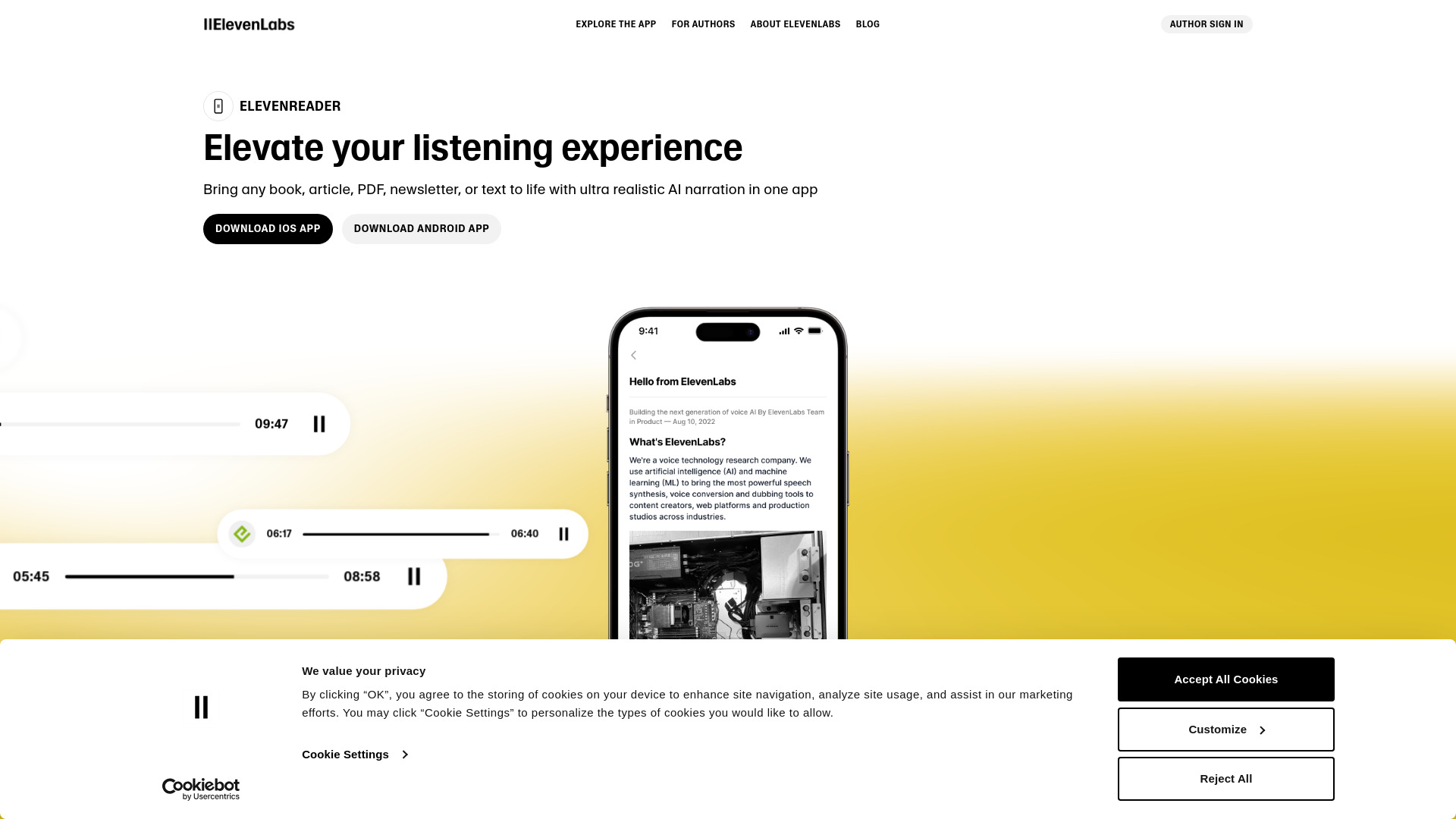
ElevenReader approaches AI books through listening rather than summarizing or generating. Its text-to-speech functionality uses high-quality voice AI, and the reading workflow covers PDFs, ebooks, Kindle content, and free audiobooks. For students, that opens a useful alternative to staring at a screen: course reading can be consumed aloud while commuting, walking, or reviewing material away from a desk.
This is a narrower tool than the book-generation platforms below, but that is not a weakness when your main problem is accessibility or time. ElevenReader's value rests on the natural-sounding voice experience and the range of text sources it can read. The available feature information is focused on reading aloud, so buyers looking for writing, document chat, or publishing controls should choose a different category of tool.
My take: I would put ElevenReader near the top for anyone who learns well by listening. Its 1.8M monthly-visit signal suggests meaningful interest, and the use case is immediately understandable.
Where it falls short: The available workflow is centered on narration, with limited detail about additional features or constraints.
Key features
Reads text aloud using high-quality voice AI.
Reads PDFs, ebooks, and Kindle content aloud.
Provides access to free audiobooks.
Pros
Natural-sounding speech is the main strength.
Supports several common book and document formats.
Useful for listening-based study and reading.
Cons
It does not target ebook creation or manuscript generation.
Specific limitations and broader feature depth are not clearly defined.
Choose ElevenReader if: You want a natural AI voice to read books, PDFs, or Kindle content aloud while you study or multitask.
4. AIWriteBook

AIWriteBook
Best AI book workflow for self-published authors
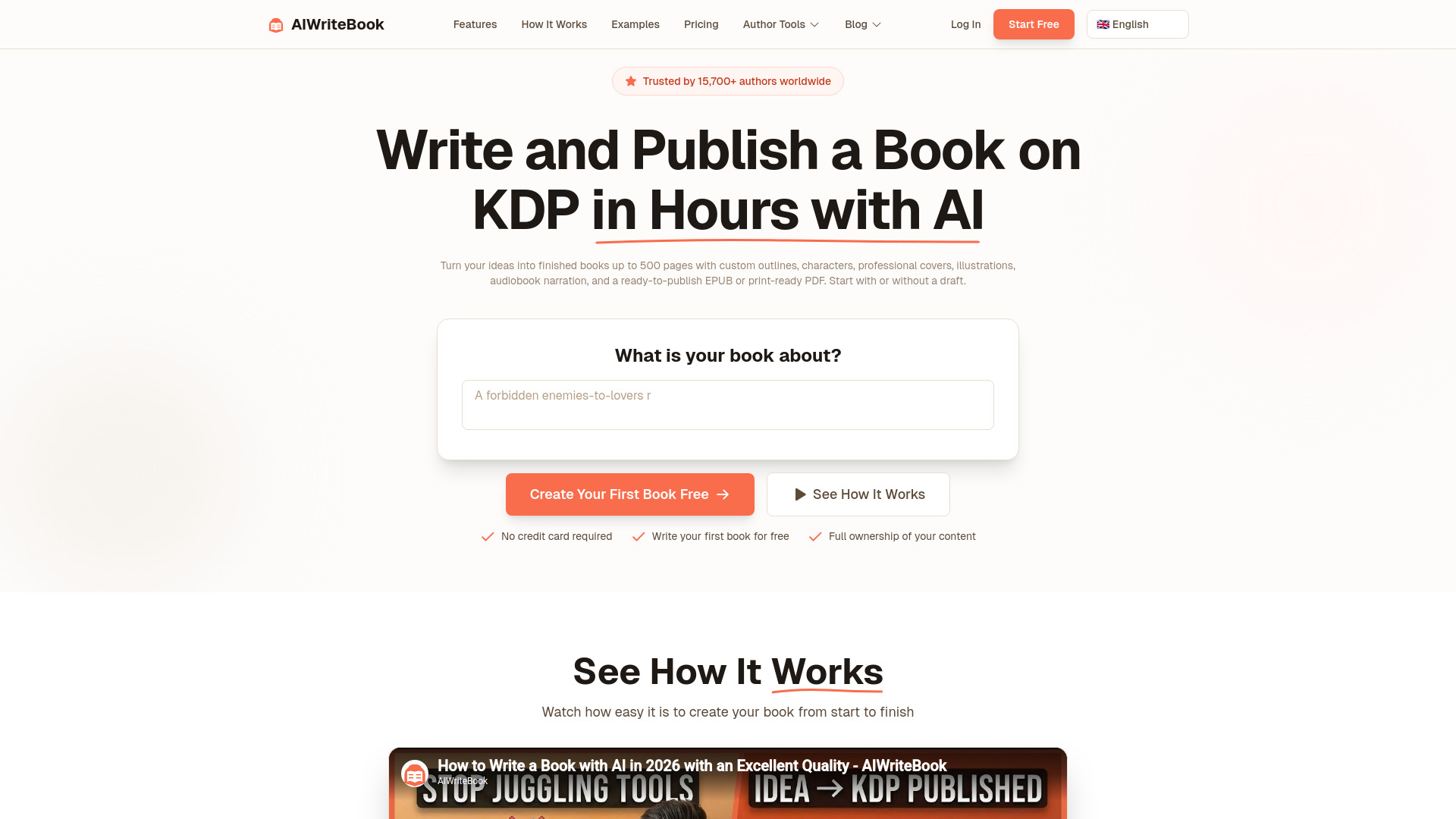
AIWriteBook is aimed at the author who wants more than a blank-page writing prompt. It can import existing manuscripts in DOCX, PDF, EPUB, and TXT formats, then help write in a personal voice and style. The broader promise is an end-to-end workflow covering writing, design, covers, and KDP-ready formatting, which can replace the need to assemble several separate tools.
That import capability is particularly useful for authors with unfinished drafts or material scattered across formats. Voice matching also gives the product a more practical angle than generic text generation: the goal is to continue a project without flattening its existing style. The seven free chapters make it possible to evaluate the workflow before paying, but the credit-based system can limit monthly output on lower tiers.
My take: This is the most compelling choice here for self-publishers who already have material and want to move toward a finished KDP-ready book. I like the emphasis on the whole production path rather than writing alone.
Where it falls short: Credit limits on lower tiers can restrict output, especially for authors producing longer books or revising heavily.
Key features
Imports DOCX, PDF, EPUB, and TXT manuscripts.
Writes in the author's personal voice and style.
Provides KDP-ready formatting and covers.
Combines writing, design, and publishing tasks.
Pros
Replaces several separate tools in one workflow.
Supports existing manuscripts instead of forcing a new draft.
Offers seven full chapters free for evaluation.
Cons
Credit-based limits affect monthly output on lower tiers.
Authors still need to review AI-generated text and formatting.
Choose AIWriteBook if: You are self-publishing and want one place to import, develop, design, and prepare a book for KDP.
5. Youbooks

Youbooks
Best long-form nonfiction generator for authors
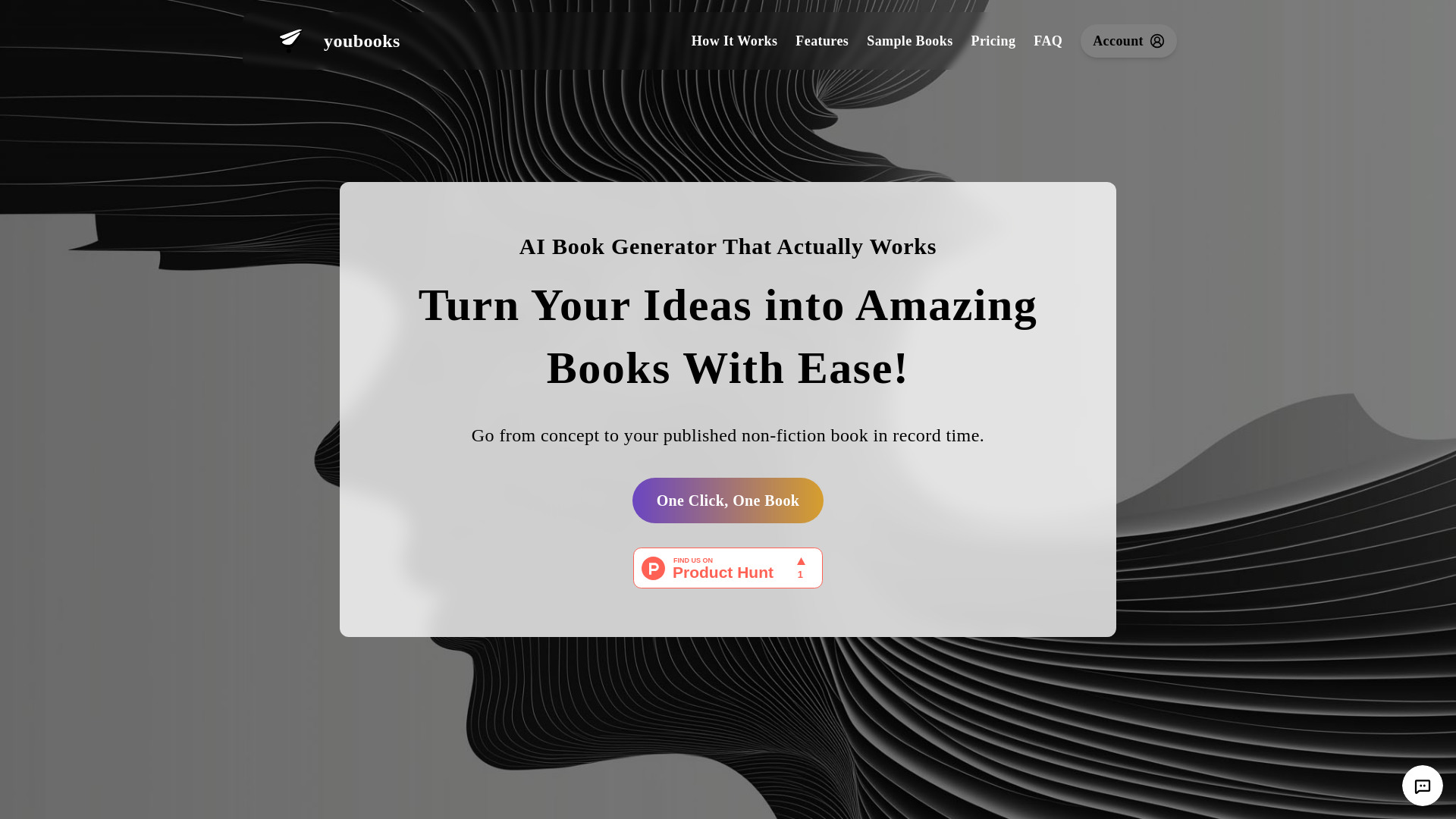
Youbooks stands out on stated scale: its AI-driven nonfiction generator supports books up to 300,000 words. That makes it a natural fit for authors working on substantial guides, reports, or other nonfiction projects where an ordinary short-form writing assistant may feel cramped. It also lets users bring their own sources and apply a custom style, which gives the workflow more direction than a single generic prompt.
The free 10,000-word allowance is a useful test because it lets you see whether the generated structure and voice suit your project before tackling a much larger manuscript. However, volume should not be confused with finished quality. Long-form generation still needs editorial judgment, source checks, and repeated review to keep the book coherent and aligned with the author's vision.
My take: Youbooks is the pick for ambitious nonfiction projects where capacity matters. Its 300K-word ceiling is unusually clear and useful, although writers who need precise creative control may prefer a more hands-on workflow.
Where it falls short: The AI may not perfectly capture the user's vision without fine control, which matters for nuanced or highly personal books.
Key features
Generates nonfiction books with AI.
Supports up to 300,000 words.
Allows users to provide sources.
Supports custom style direction.
Pros
High stated word capacity for long projects.
Free 10K-word allowance for initial testing.
Efficient content generation for nonfiction.
Cons
May not capture a writer's vision without fine control.
Long outputs still require substantial editing and verification.
Choose Youbooks if: You are writing a large nonfiction project and want AI help with scale, sources, and a custom style.
6. AI Book Generator

AI Book Generator
Best multilingual ebook generator for authors
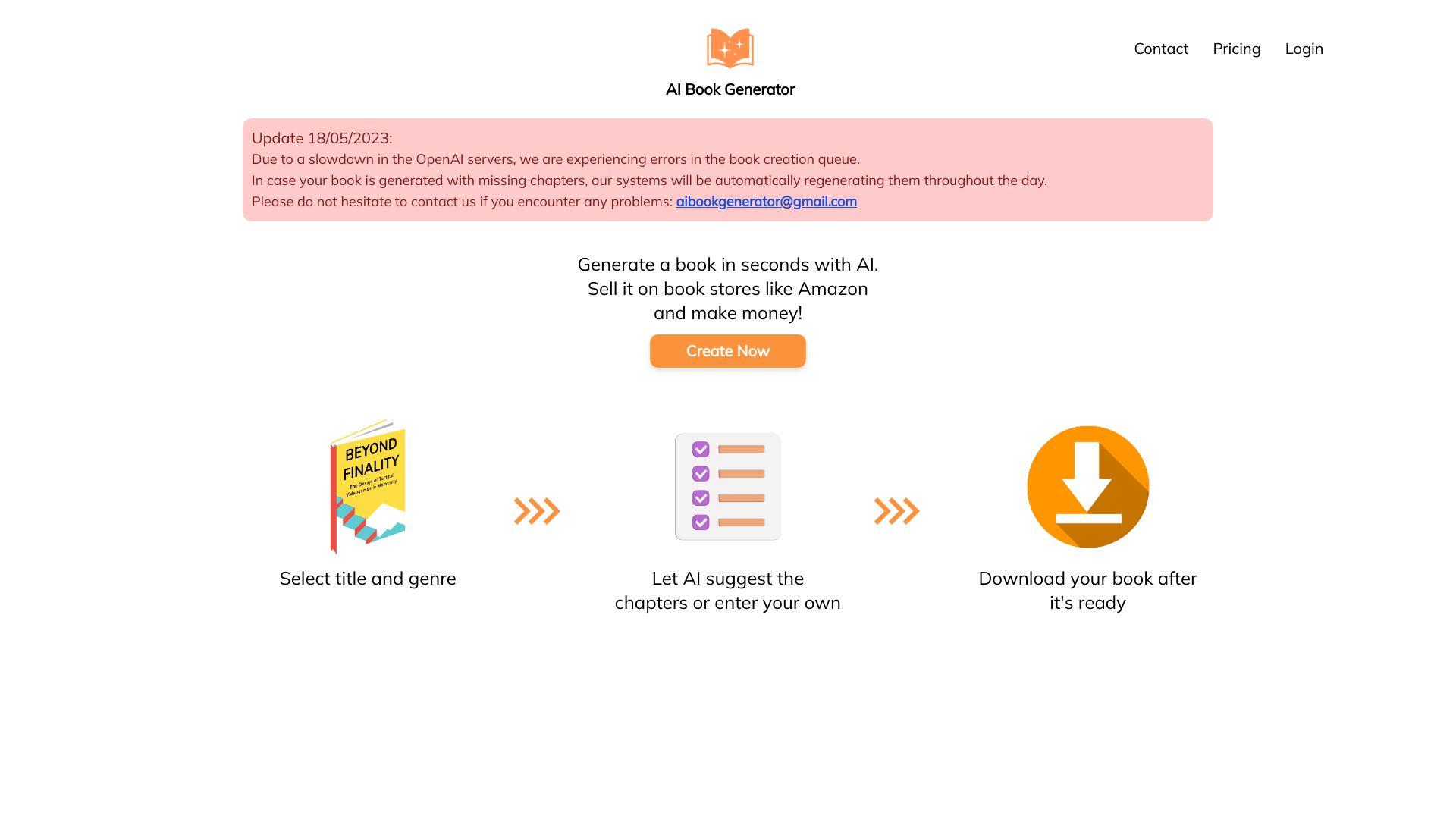
AI Book Generator focuses on speed and output formats. Its one-click ebook generation can produce files ready for publishing in EPUB, PDF, and DOC formats, and it can generate a cover as part of the process. Support for more than 30 languages broadens its appeal for authors who are writing for multilingual audiences or testing ideas outside English.
That combination makes the tool easy to understand: provide the direction, generate an ebook, and export it in a format that can move into the next publishing step. It is a practical choice when turnaround matters more than detailed control over every creative decision. The limitation is important for fiction writers: creative storytelling may be challenging because AI can struggle with the nuance and consistency fiction demands.
My take: This is a sensible fast-path option for simple ebooks, multilingual drafts, and authors who want immediate export files. I would be more cautious using it as the sole creative engine for a novel or highly distinctive narrative.
Where it falls short: Fiction and creative storytelling can be difficult to handle well because of AI limitations.
Key features
Generates ebooks with AI.
Supports more than 30 languages.
Exports EPUB, PDF, and DOC files.
Generates AI book covers.
Pros
Quick ebook generation.
Multiple publishing-oriented export formats.
Useful language breadth for multilingual projects.
Cons
Fiction may require significant human direction and editing.
Fast generation does not guarantee a finished, publication-ready manuscript.
Choose AI Book Generator if: You need a quick multilingual ebook draft with a cover and common export formats.
7. Inkfluence AI

Inkfluence AI
Best combined book and audiobook creator
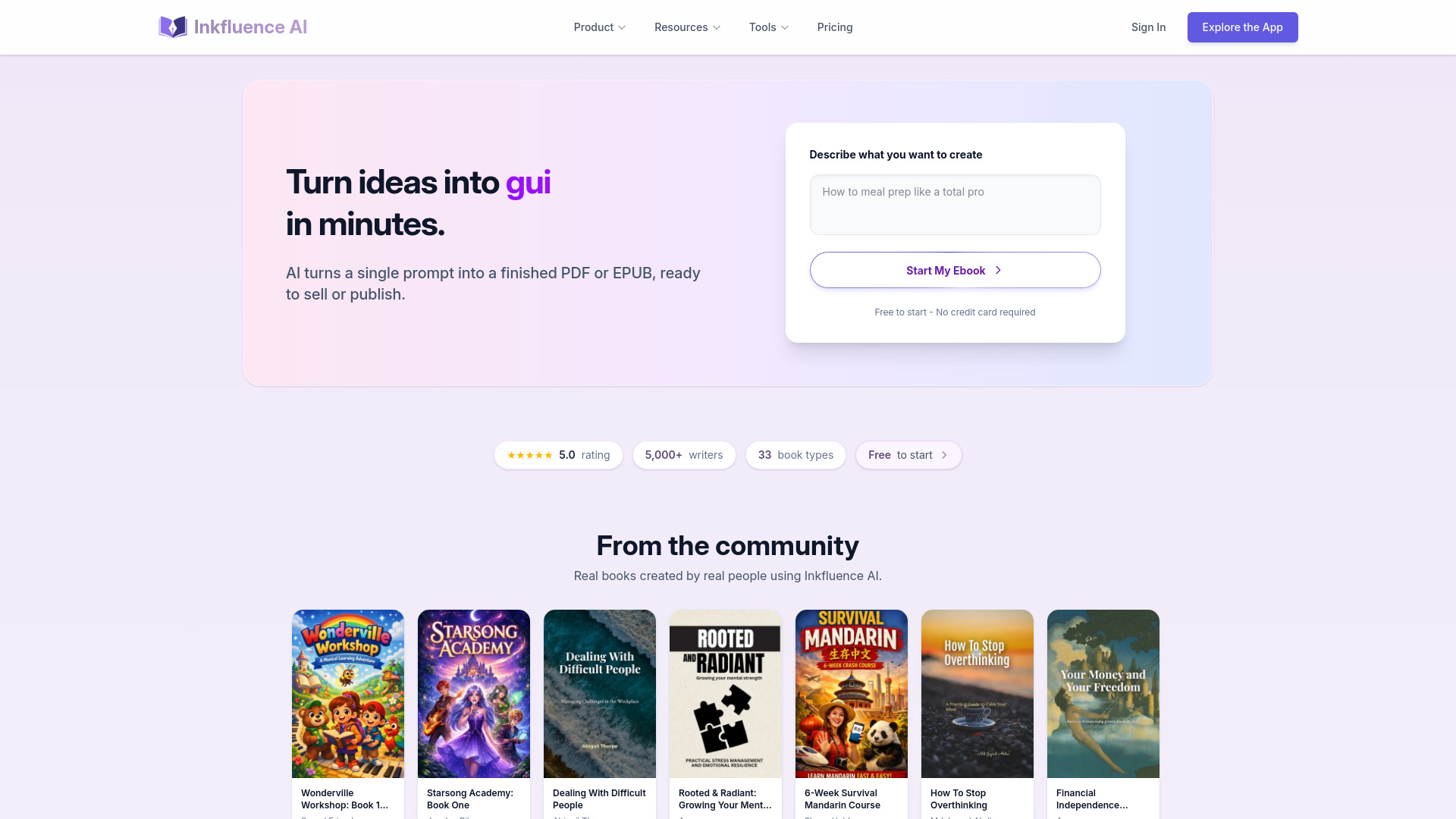
Inkfluence AI earns its place by treating a book as a structured document rather than a pile of generated paragraphs. It works as an AI book writer for both fiction and nonfiction, then extends the workflow into audiobook generation with natural-sounding narration. That combination is useful for authors who want to plan one project across ebook, PDF guide, and audio formats.
The free plan allows five chapters per month, enough to explore the writing and document-generation experience without immediately committing. The product's stated emphasis on structure is its differentiator: it is designed to help form a complete document, not simply produce isolated text. Authors should still assess whether the generated voice, pacing, and narration match their intended audience before publishing.
My take: Inkfluence AI is the most balanced option for authors who want writing plus audio in one place. The audiobook feature gives it a meaningful edge over tools that stop at ebook export.
Where it falls short: The free plan is limited to five chapters per month, so larger projects will quickly require a paid plan.
Key features
AI book writer for fiction and nonfiction.
Generates structured ebooks and PDF guides.
Converts books into audiobooks.
Provides natural-sounding narration.
Pros
Structured document generation instead of raw text alone.
Covers both fiction and nonfiction workflows.
Audiobook conversion broadens the final output options.
Cons
Free access is limited to five chapters per month.
Authors need to review both manuscript quality and narration.
Choose Inkfluence AI if: You want to write a structured book and turn it into an audiobook without stitching together separate tools.
8. Ebookmaker

Ebookmaker
Best simplified ebook workflow for self-publishers
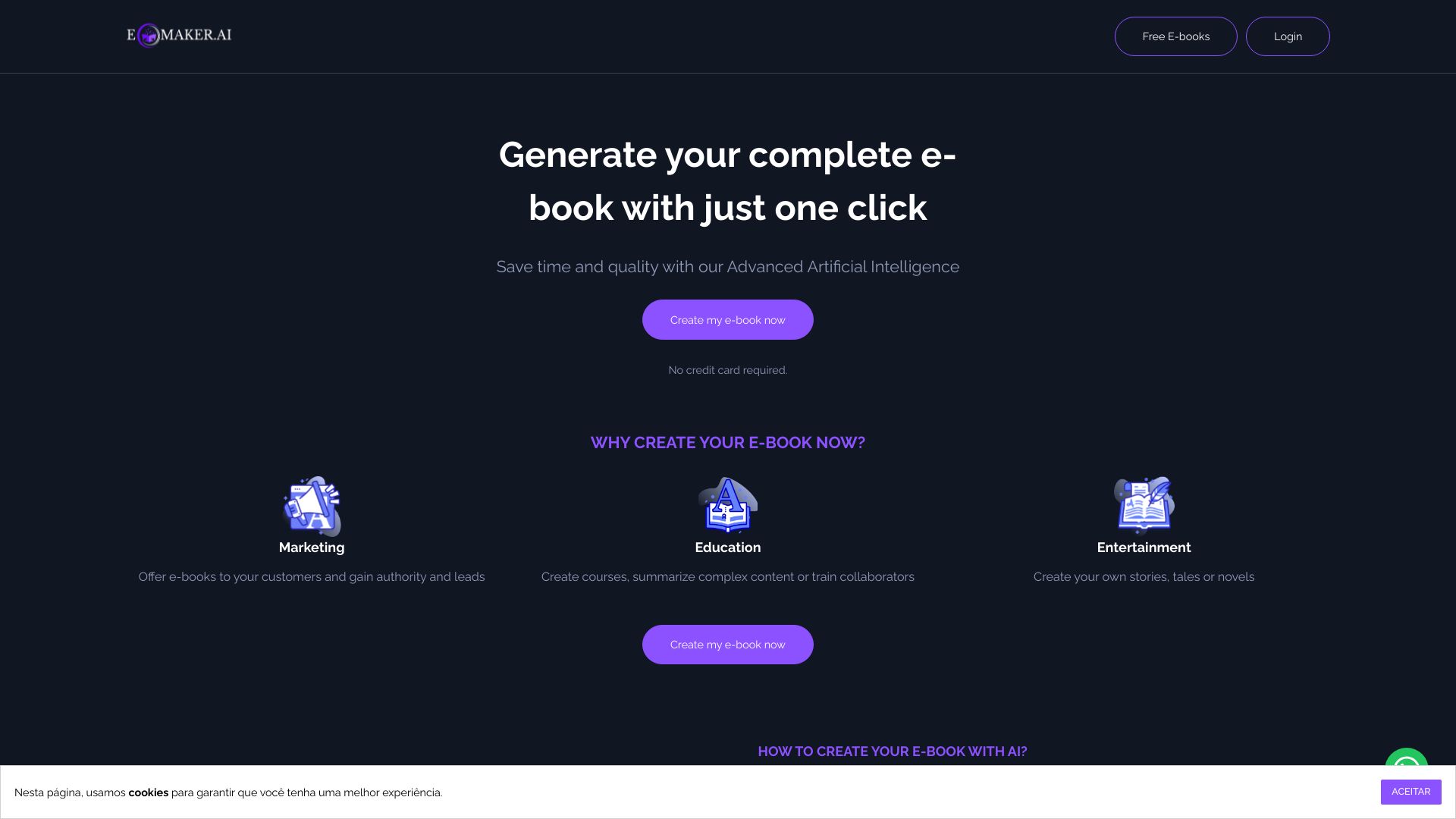
Ebookmaker is built around reducing the number of steps between an idea and a finished digital product. It supports AI-powered ebook and audiobook generation, then lets users customize content with text and image editing. That makes it more flexible than a pure text generator: you can produce a first version and then work directly on the words and visual elements.
The audiobook capability also makes Ebookmaker relevant to self-publishers who want to experiment with more than one format. The workflow is intentionally simplified, which should appeal to first-time creators who do not want to learn a complex production stack. The catch is the credit system: ebook creation requires virtual currency, so frequent users need to understand how credits affect the effective cost before building a large catalog.
My take: Ebookmaker is a practical middle ground between one-click generation and full manual production. It is worth considering when editing and format flexibility matter as much as initial speed.
Where it falls short: Ebook creation requires credits, so usage can be less predictable than a simple unlimited subscription model.
Key features
Generates ebooks and audiobooks with AI.
Automates ebook creation.
Supports text editing and image editing.
Allows customization after generation.
Pros
Simplifies the ebook creation process.
Combines ebook and audiobook workflows.
Offers editing controls rather than only raw generation.
Cons
Ebook creation uses a virtual-credit system.
Credit requirements should be checked before larger projects.
Choose Ebookmaker if: You want an approachable AI publishing workflow with editable text, images, ebooks, and audiobooks.
9. Myreader AI

Myreader AI
Best AI book chat for students
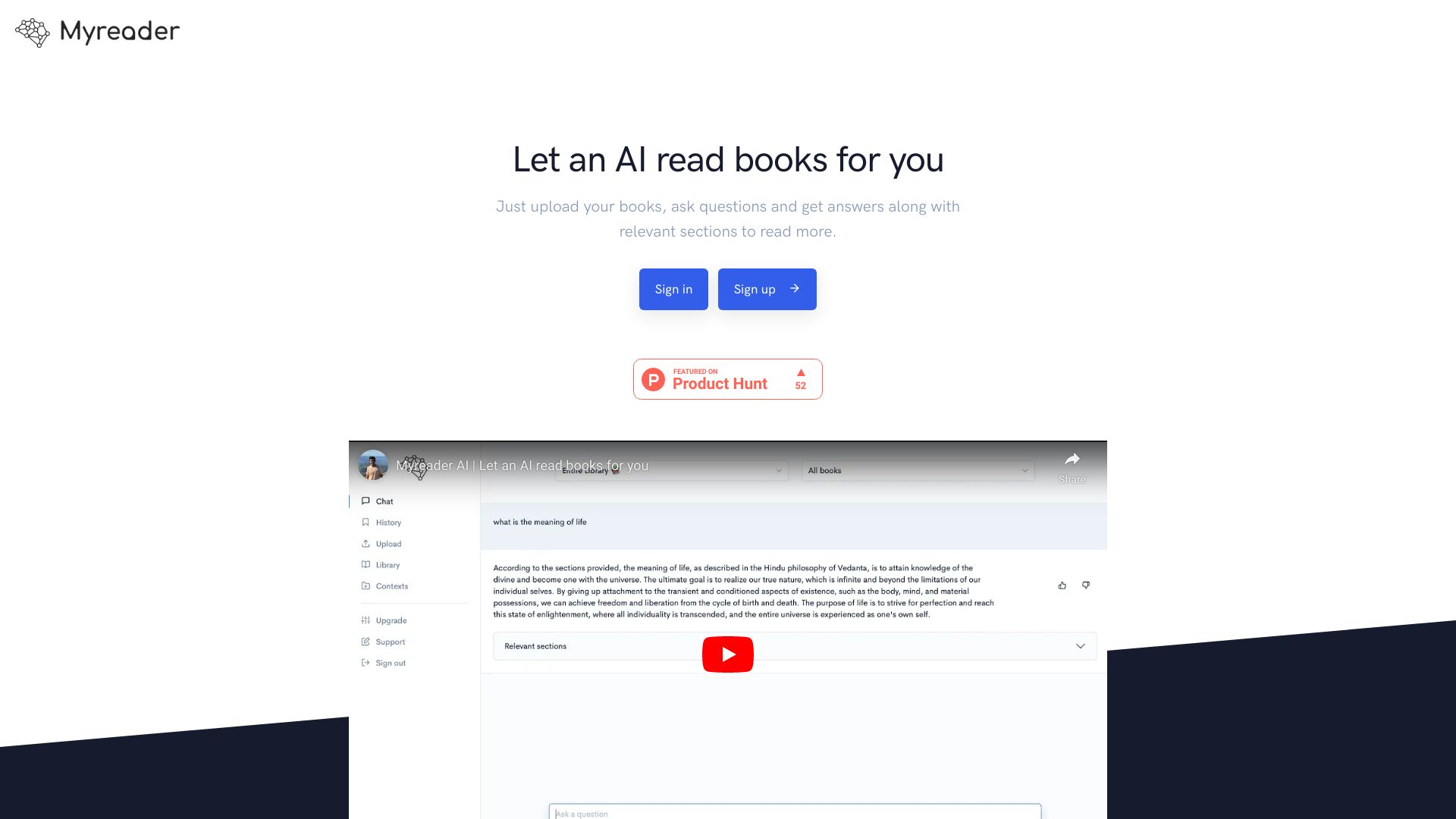
Myreader AI is for the moment when a student has a question about a book but does not want to search hundreds of pages manually. It can read books, documents, and papers, answer questions, and support chats with an individual book or an entire library. Multiple document formats make it easier to bring existing study material into the workflow rather than starting from a narrow supported file type.
Page references are a particularly useful part of the product's positioning because they make answers easier to trace back to the source. That does not remove the need to verify interpretations, but it is more actionable than receiving a context-free paragraph. The free plan allows five queries per day, while query and file-size limits can become a constraint for heavy academic use.
My take: Myreader AI is the strongest choice here for asking targeted questions across long documents. It is more useful than a basic summarizer when you need a specific answer, comparison, or explanation from a text.
Where it falls short: The free plan limits queries and file size, which can interrupt larger research workflows.
Key features
Answers questions about books and documents with AI.
Supports multiple document formats.
Lets users chat with a book or an entire library.
Provides answers with page references.
Pros
Efficiently finds information in large documents.
Better suited to targeted questions than a one-shot summary.
Useful for books, papers, and broader document libraries.
Cons
Free access is limited to five queries per day.
File-size limits can affect larger uploads.
Choose Myreader AI if: You are a student who needs source-based answers from books, papers, or a personal document library.
10. AI Book Summarizer

AI Book Summarizer
Best multilingual AI book summarizer
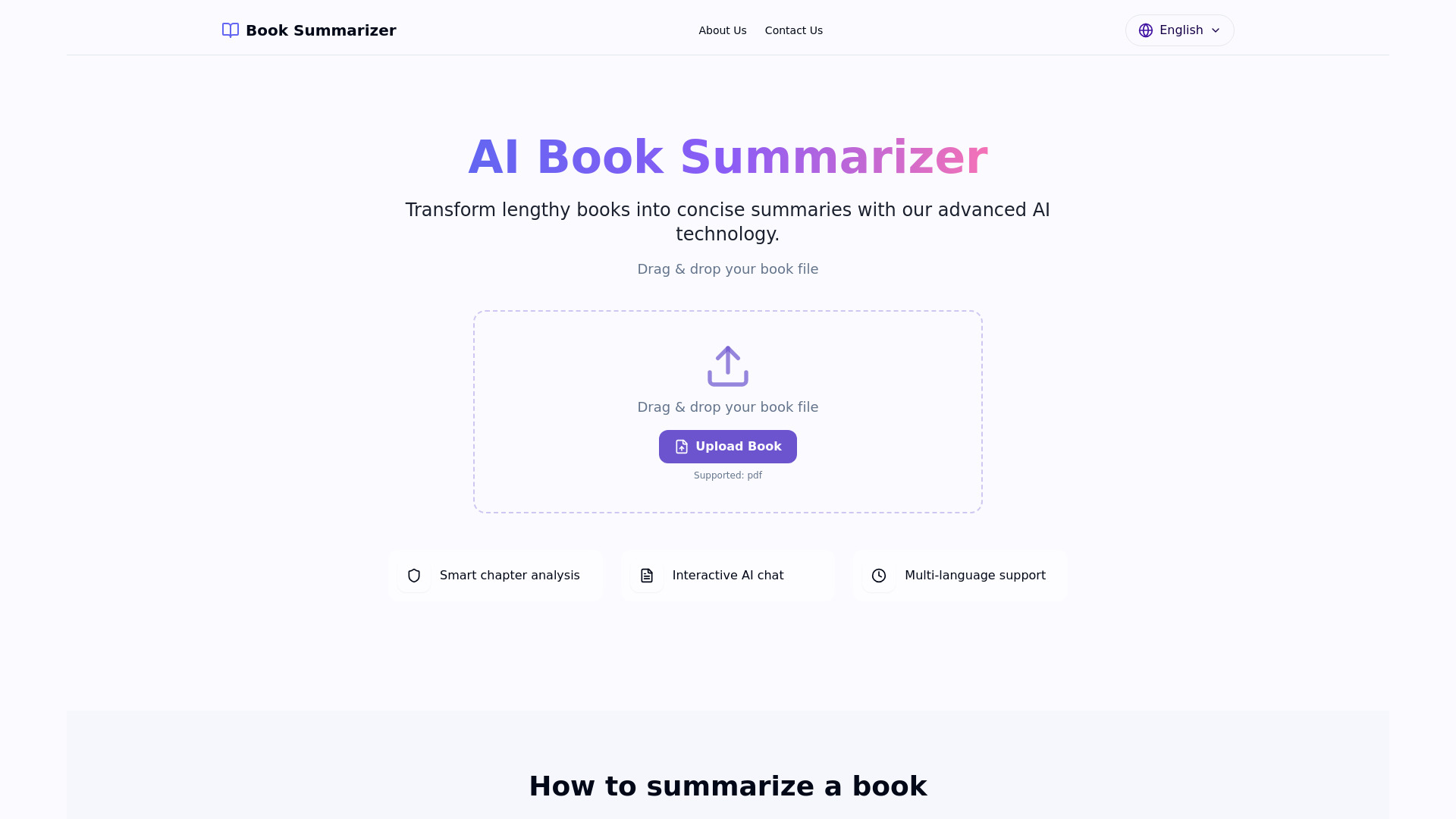
AI Book Summarizer is designed for readers who need the central points quickly, but it goes beyond a static synopsis. It offers concise summaries, interactive AI chat, and multi-format support, with coverage for more than 80 languages. Its stated analysis focuses on context, themes, and key points, which makes it more useful for review and orientation than a simple paragraph extractor.
The one free summary is enough to test whether its explanations match your reading style. The 80-plus-language support is the clearest differentiator, especially for multilingual students and readers working across translated material. Still, the tool itself positions summaries as a supplement rather than a replacement for reading-a sensible boundary when nuance, evidence, and the author's full argument matter.
My take: This is the best fit in the shortlist for multilingual summary work and interactive follow-up questions. It is compact, accessible, and more flexible than a summary-only workflow.
Where it falls short: Summaries should supplement the original book, not replace it, particularly when details or context affect the conclusion.
Key features
Creates concise AI book summaries.
Supports interactive AI chat.
Works with multiple formats.
Understands more than 80 languages.
Analyzes context, themes, and key points.
Pros
Strong language coverage for multilingual reading.
Interactive follow-up makes the summary more useful.
Smart analysis goes beyond isolated keyword extraction.
Cons
Summaries are not a substitute for reading the original.
The free allowance is limited to one summary.
Choose AI Book Summarizer if: You need fast, multilingual summaries with the option to ask follow-up questions about themes and key points.
More tools to compare

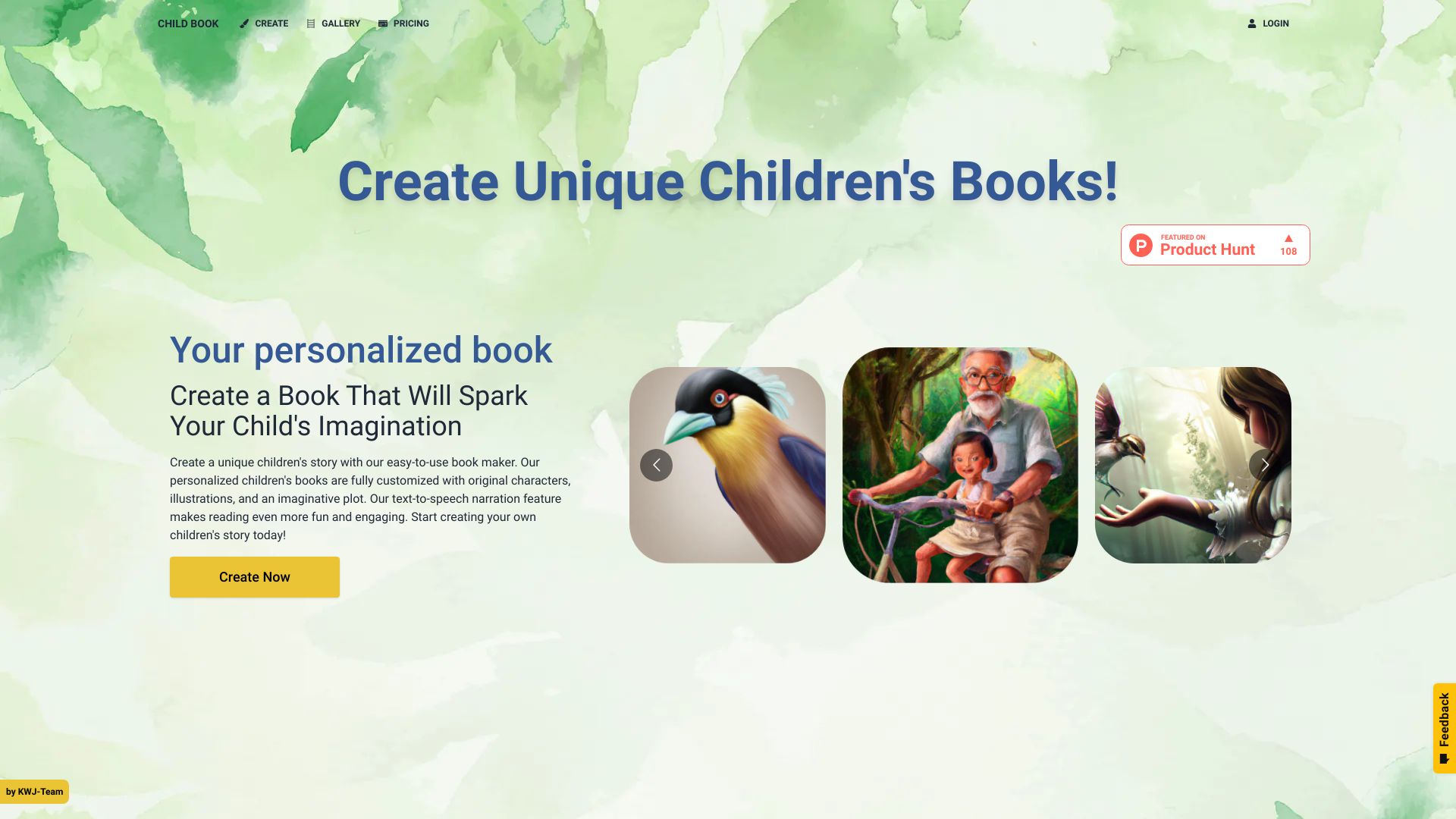
Childbook.ai
Personalized children's storybooks
AI Book Generator
AI-assisted book creation

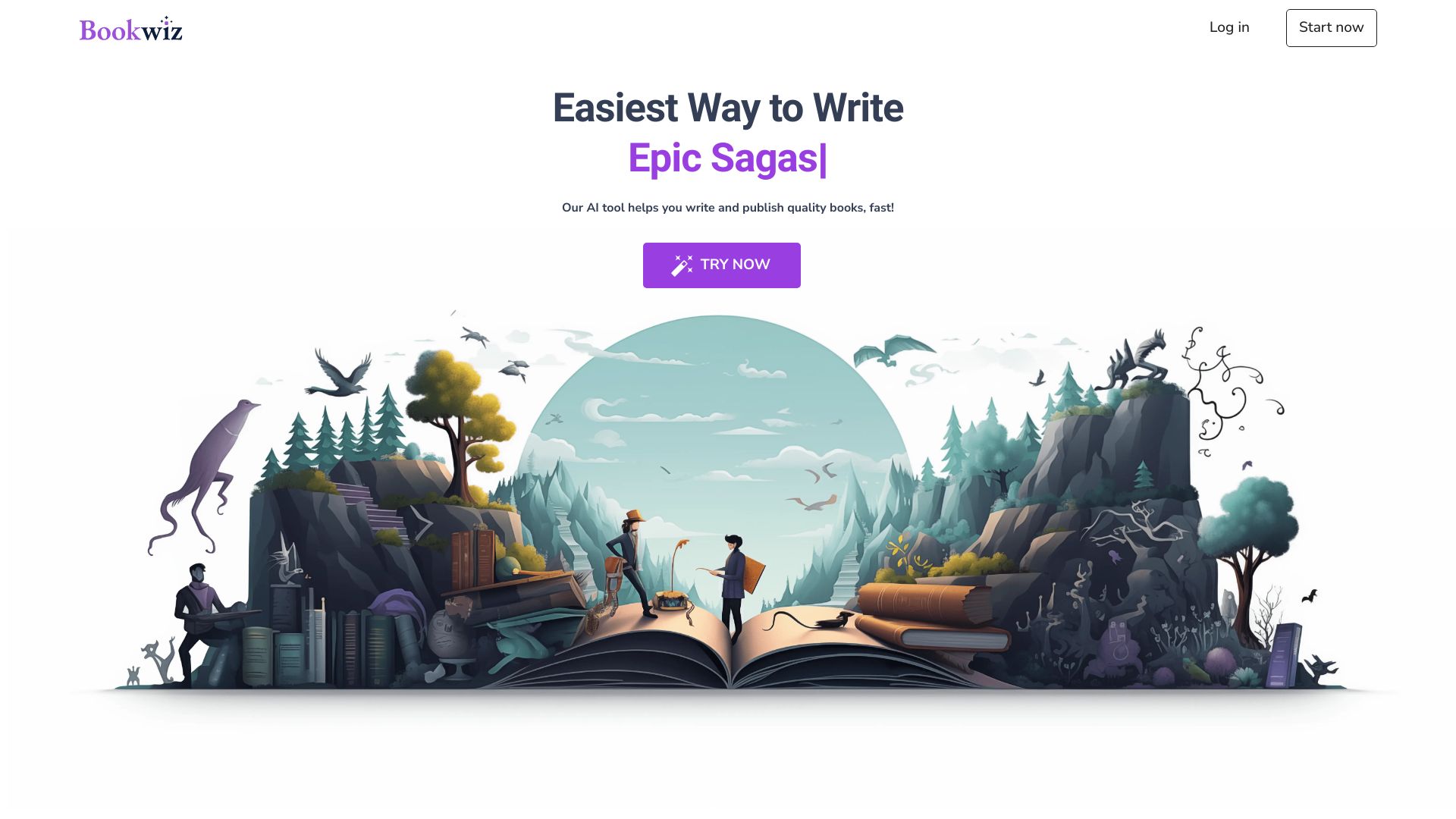
Bookwiz
Aspiring novelists and storytellers
WriteABookAI
Professionals turning expertise into nonfiction books
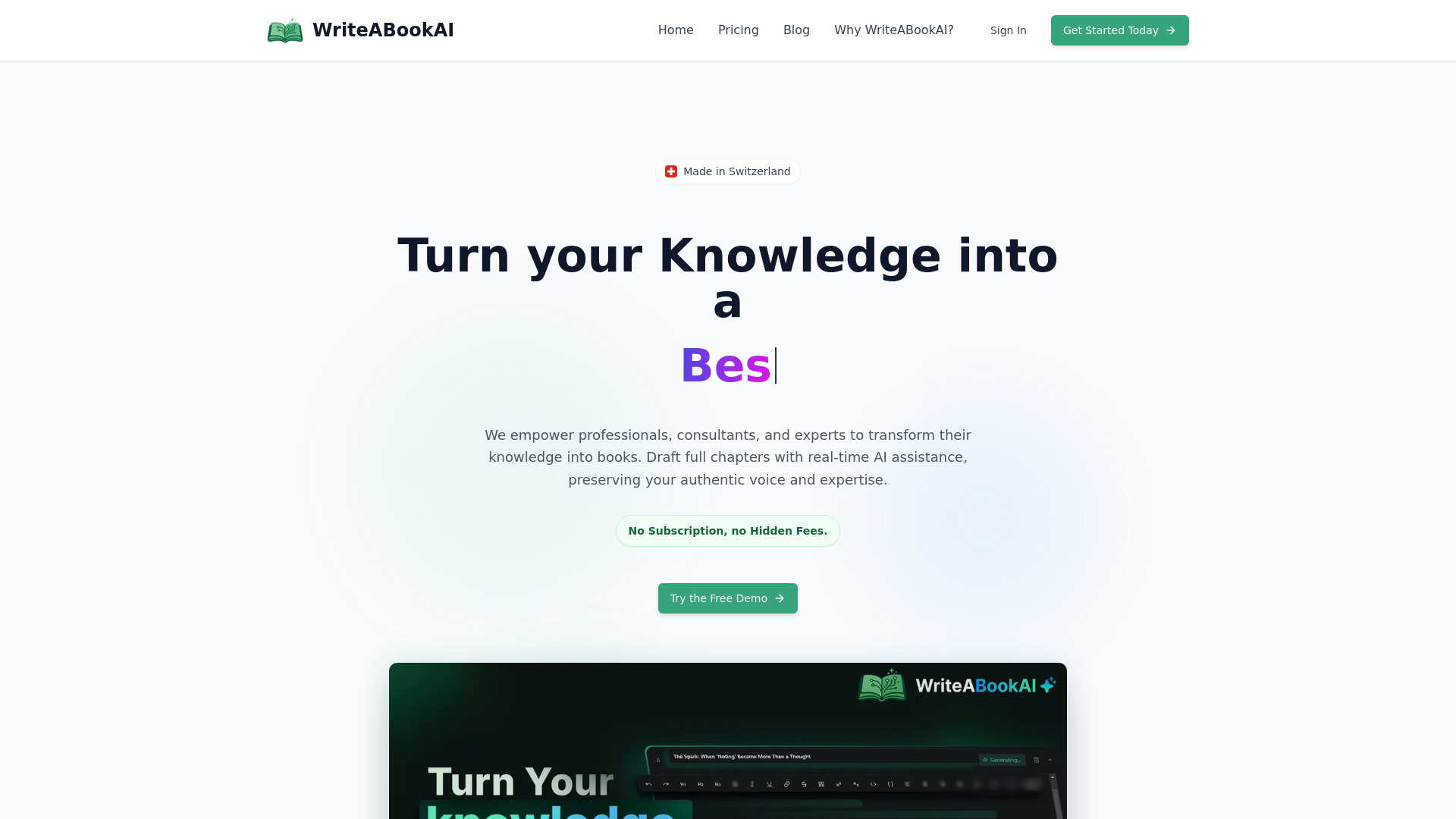

NovelAI
Open-ended AI storytelling
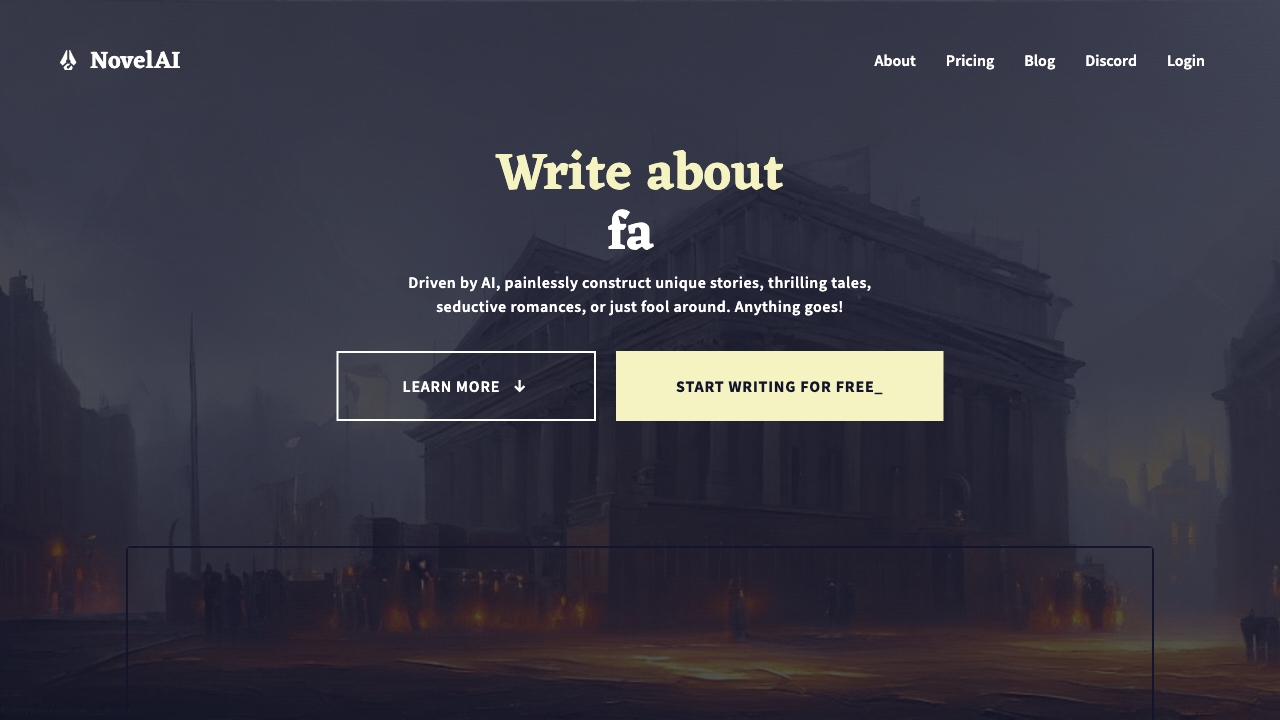

NovelistAI
AI-generated novels and interactive gamebooks

BookAI
AI-assisted book creation

Magic Bookshelf
Personalized AI stories for children

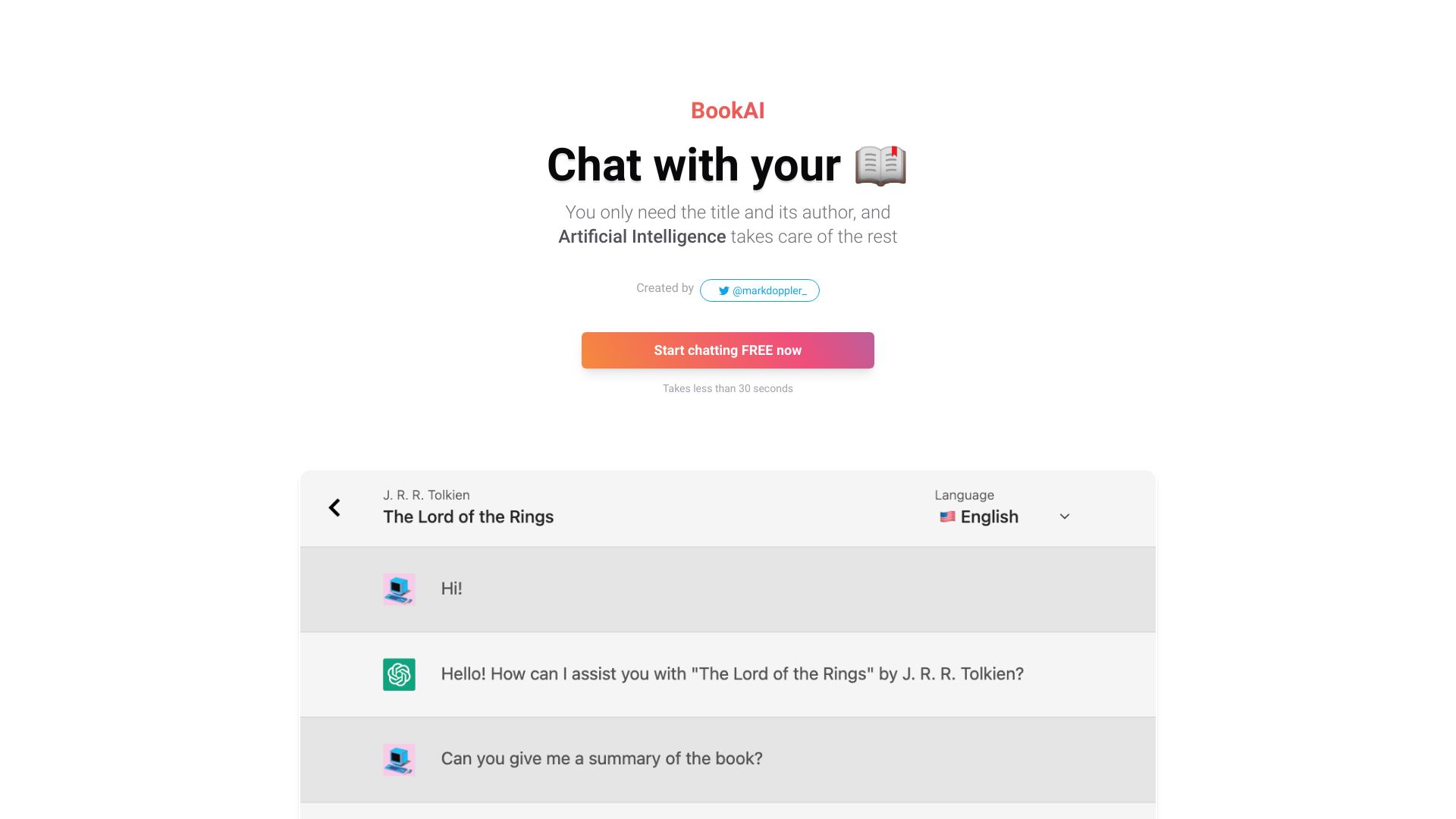
BookAI.chat
Chatting with books in multiple languages

Novels AI
Personalized AI audiobooks

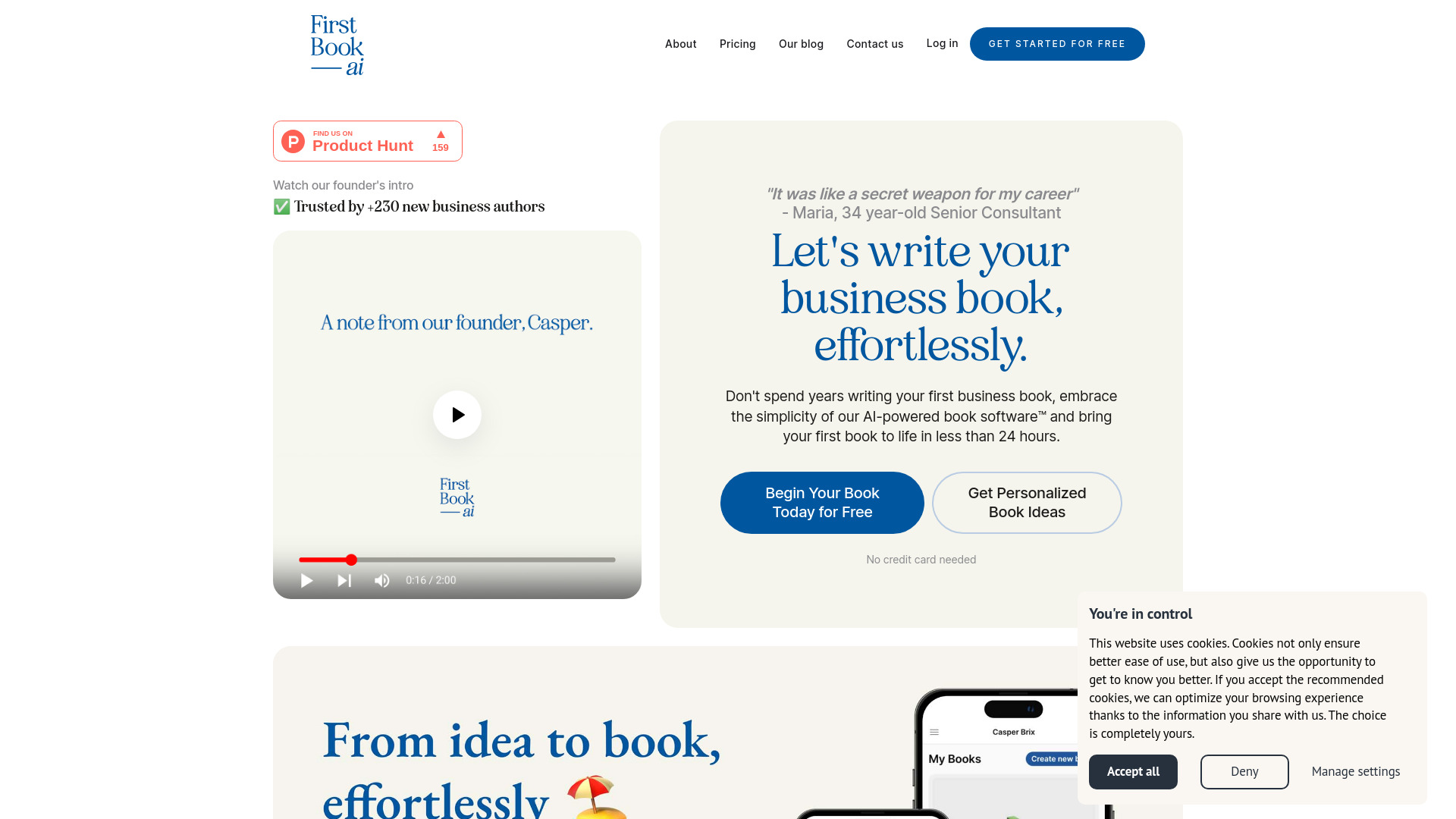
First Book ai
Aspiring authors and business professionals

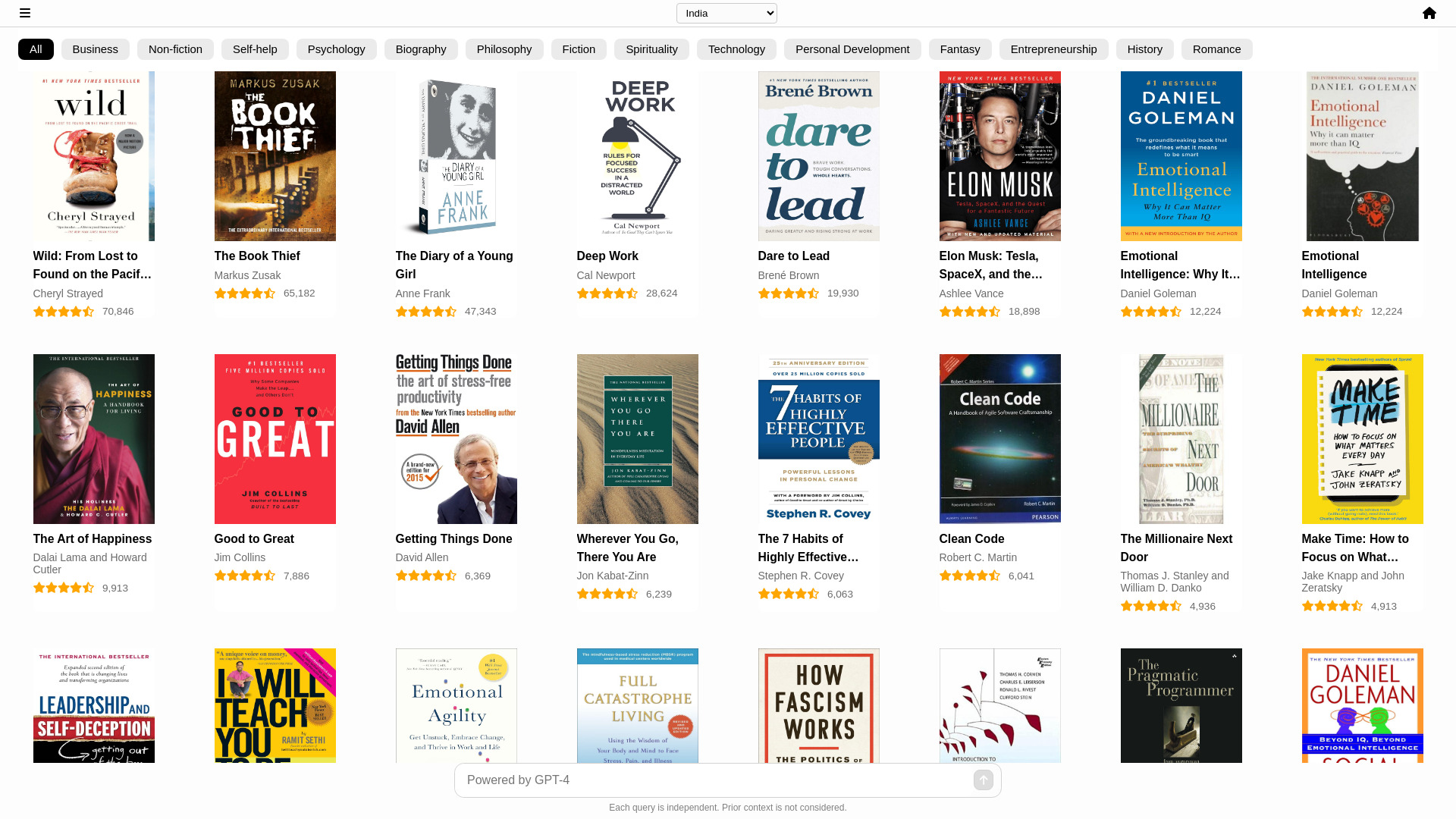
GetBooks.ai
AI-powered book recommendations

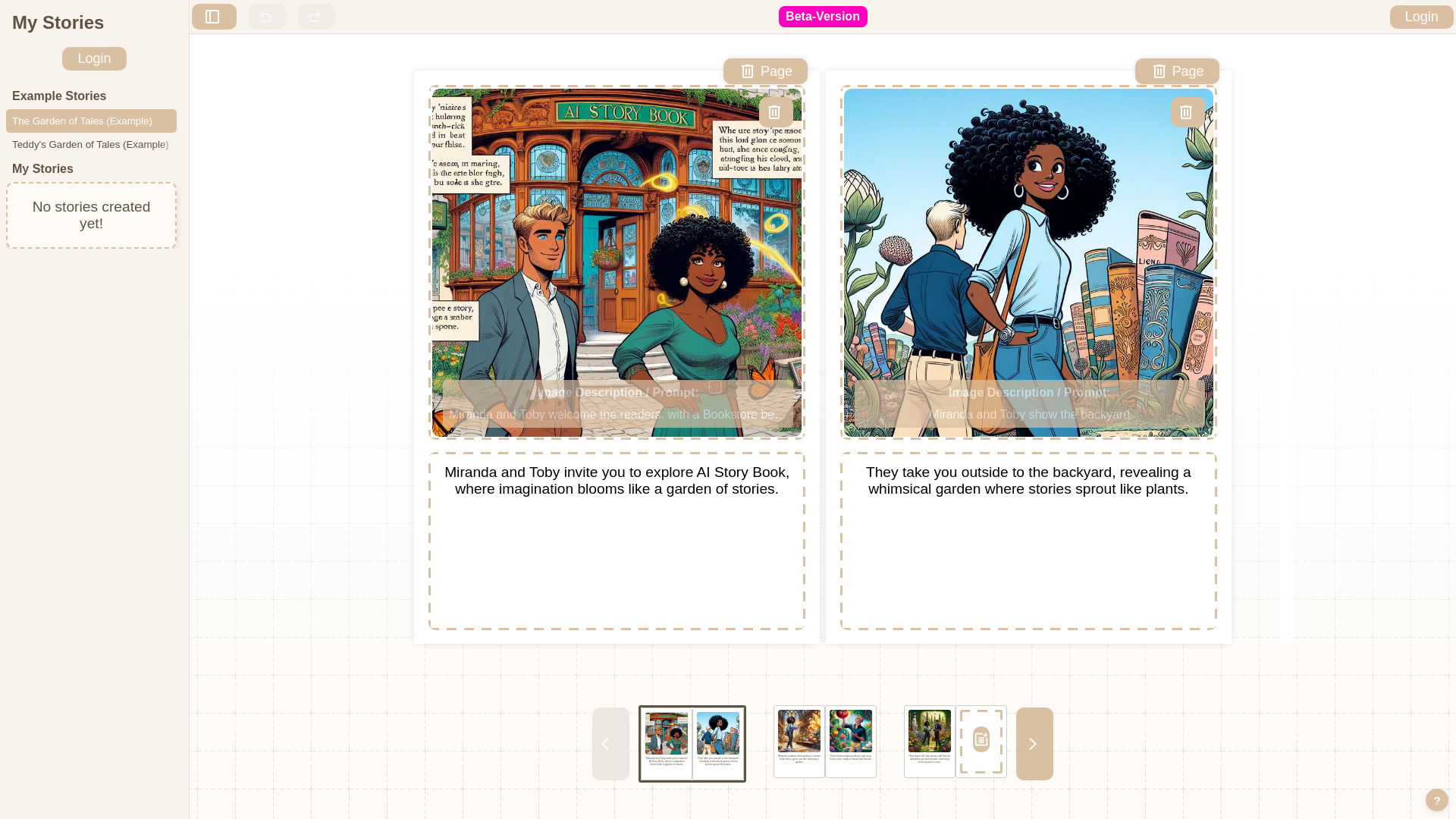
AI Story Book
Personalized family storybooks

Bookeeping.ai
AI bookkeeping for small businesses

TailoredRead
Personalized AI nonfiction books

AuthorsVoice.AI
Authors creating AI-narrated audiobooks

BookTranslate.ai
Authors translating entire books

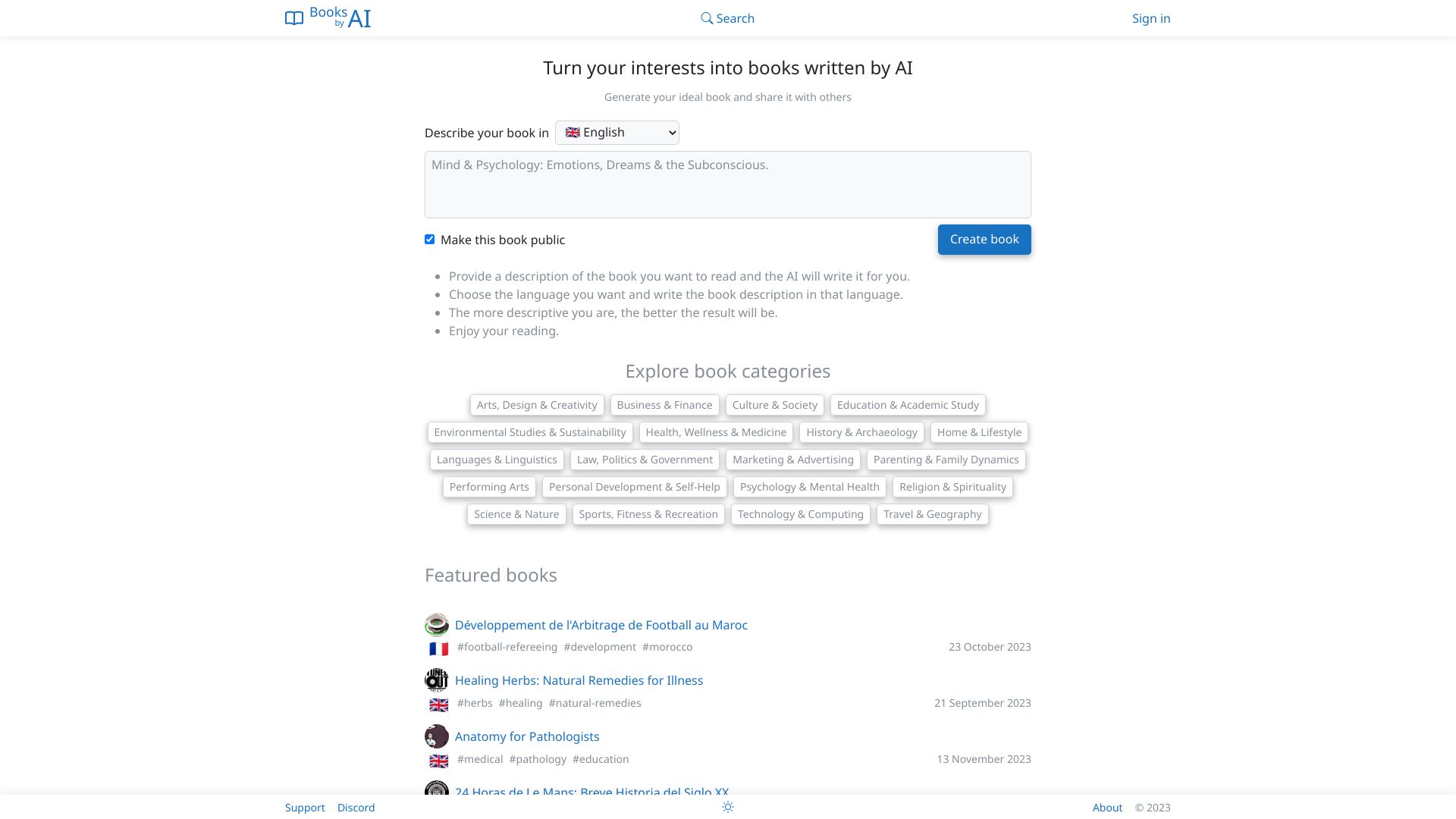
Books by AI
Creating custom books from personal interests

BooksAI.com
AI-generated book summaries

15Minutes
Quick book summaries and analysis
Book Wizard AI
Drafting and formatting complete books with AI
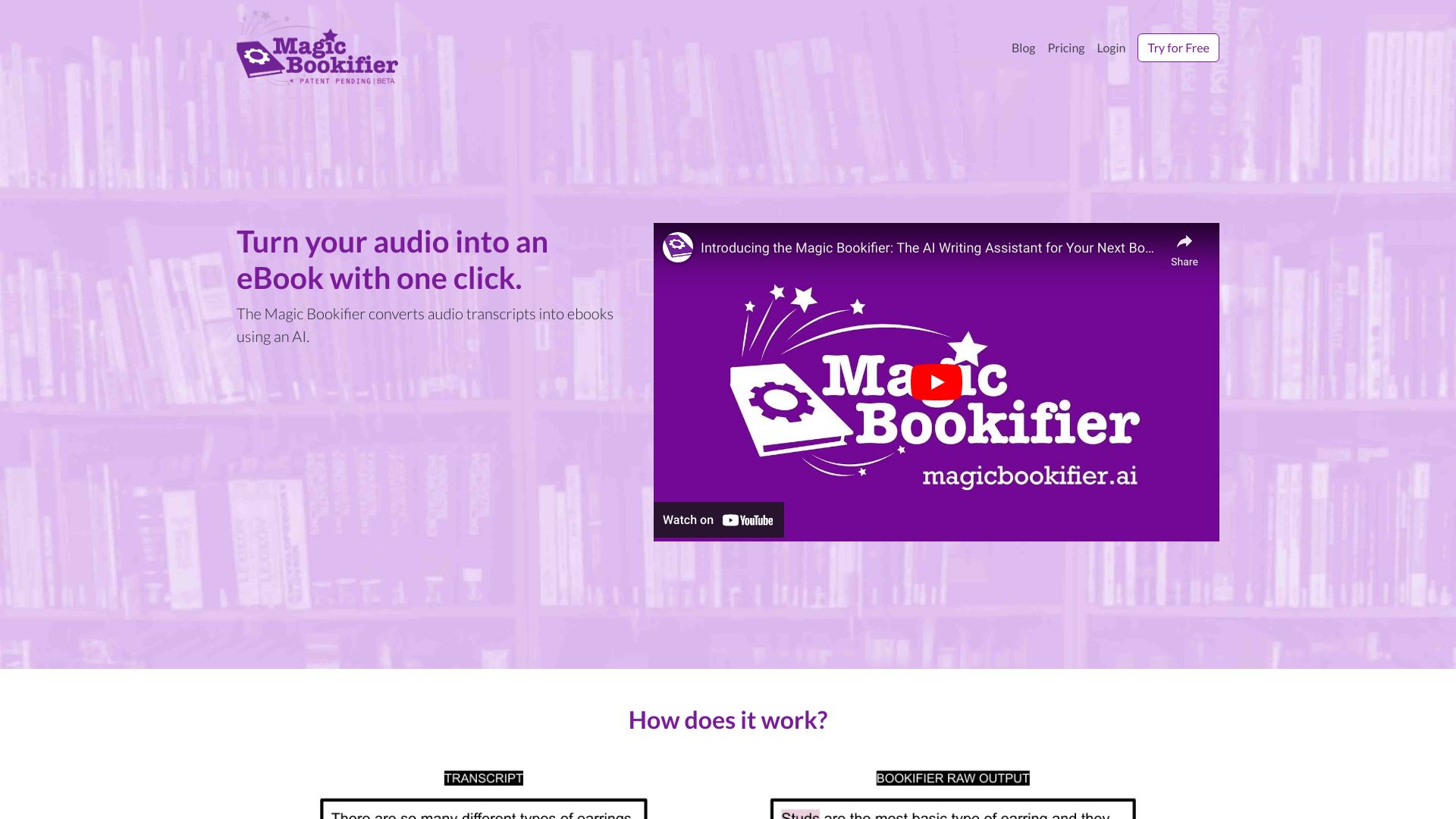
Magic Bookifier
Turning transcripts and old content into ebook drafts

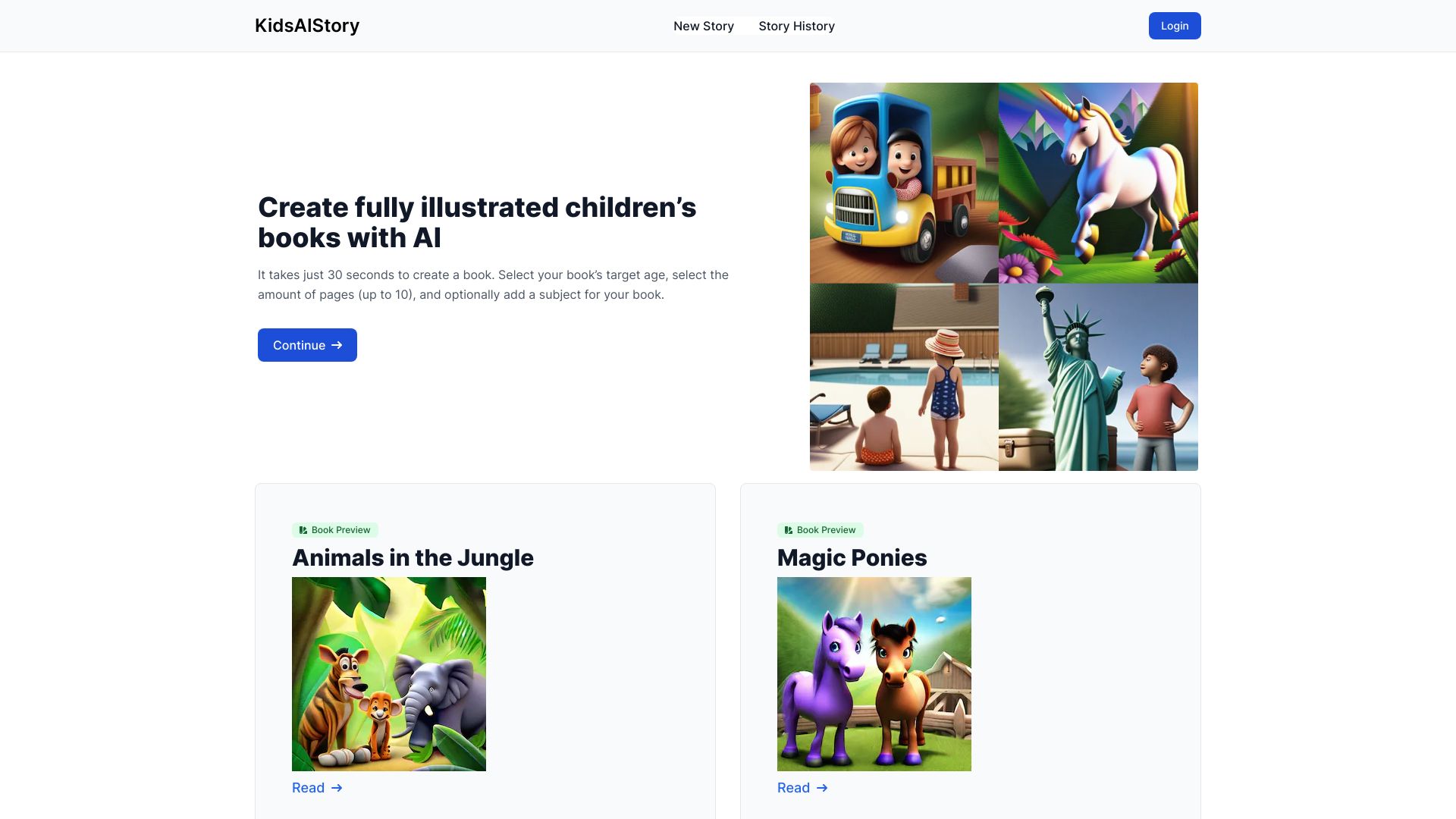
KidsAIStory
Illustrated children's storybooks

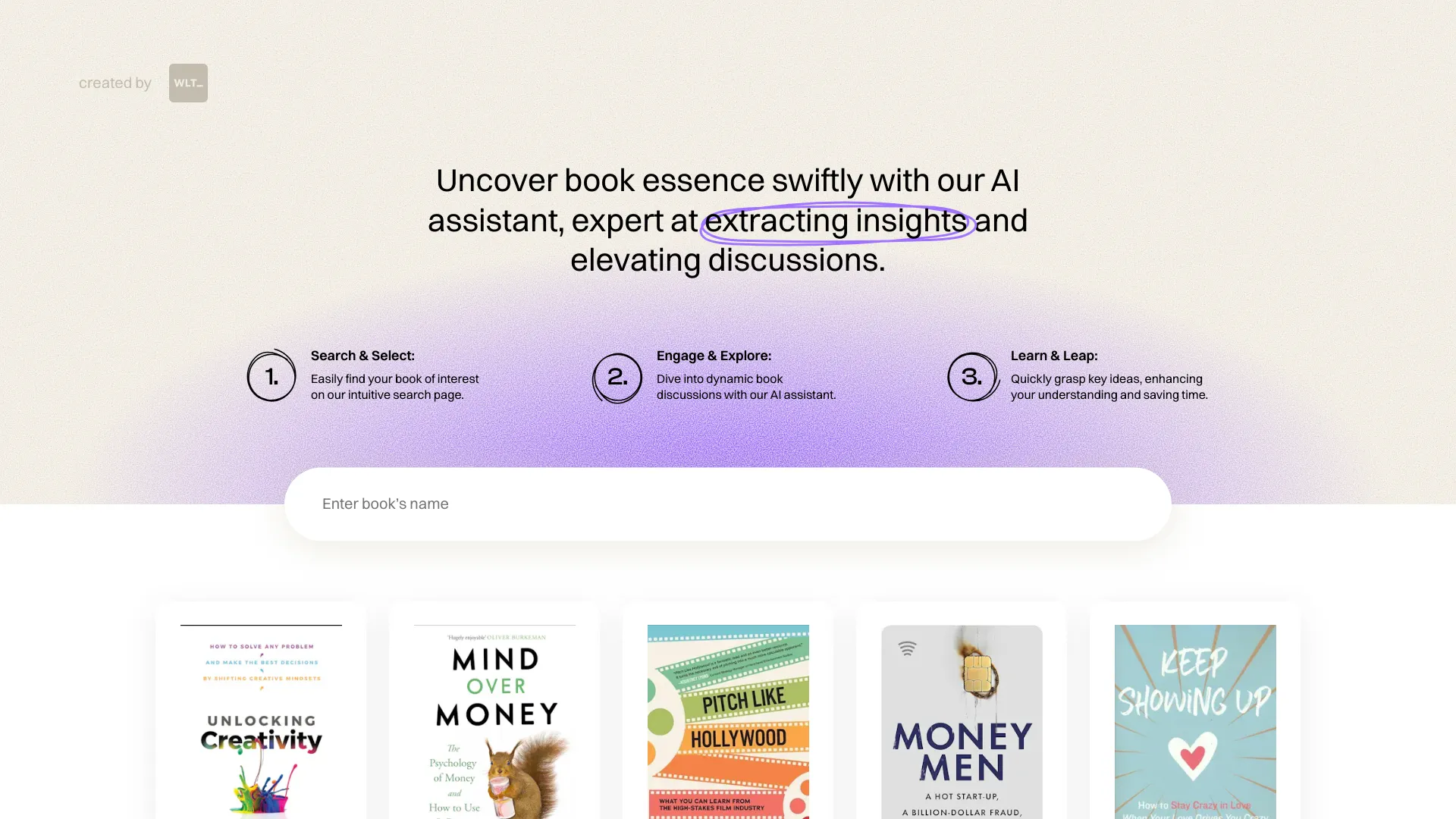
BookNote.AI
Quick book insights and discussions

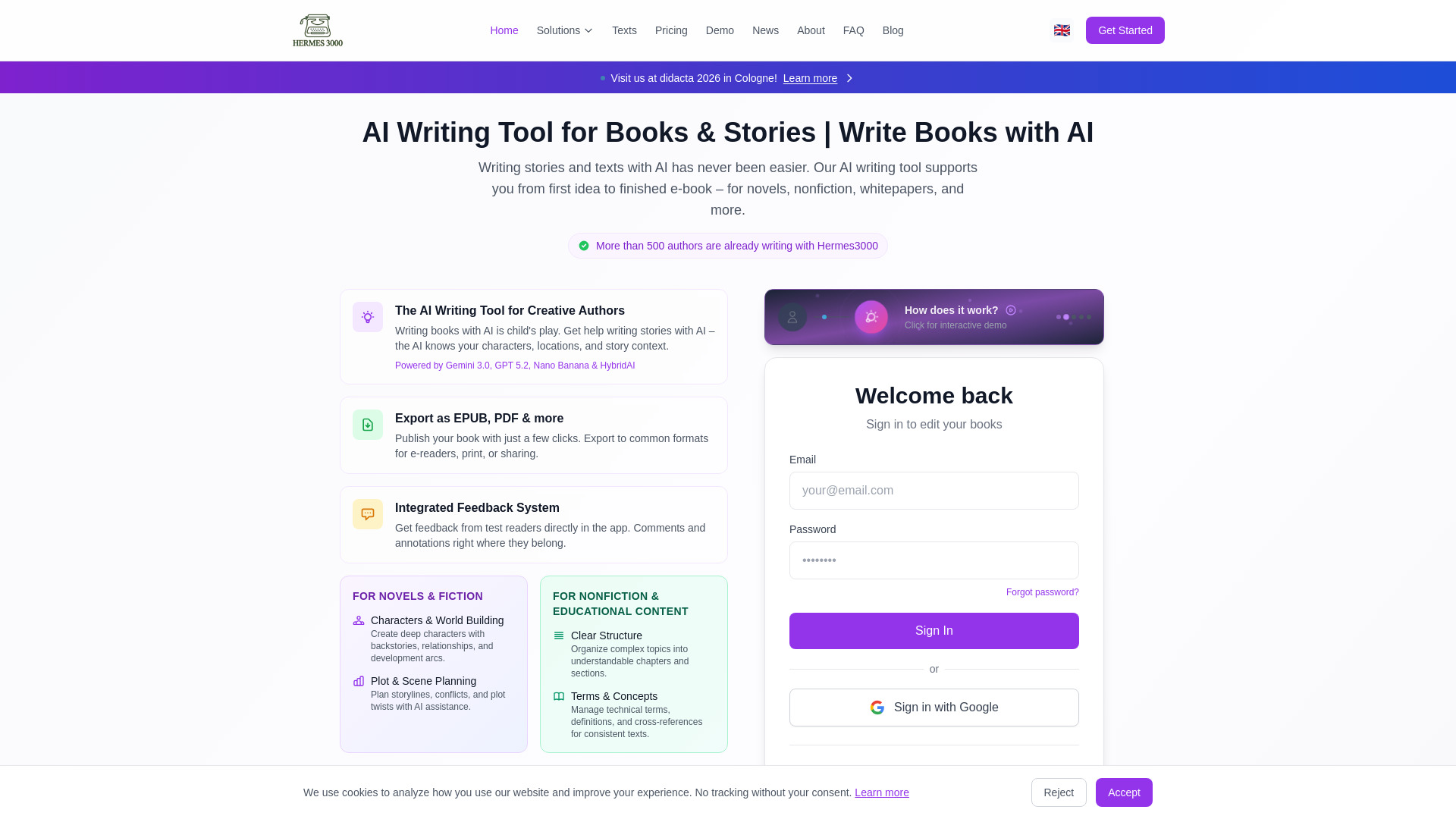
Hermes 3000
Authors writing books with AI

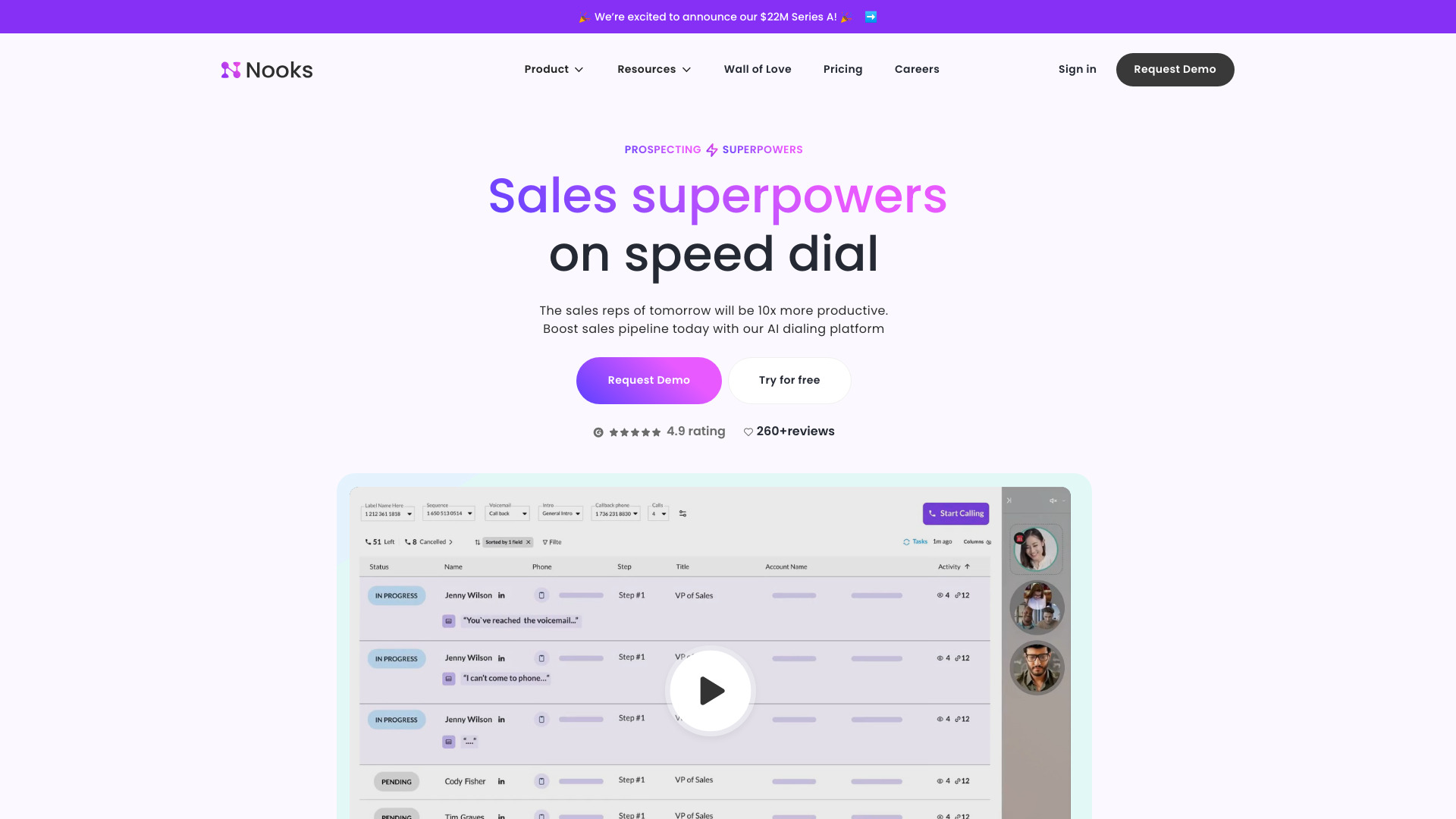
Nooks AI
AI-assisted sales prospecting and outbound teams

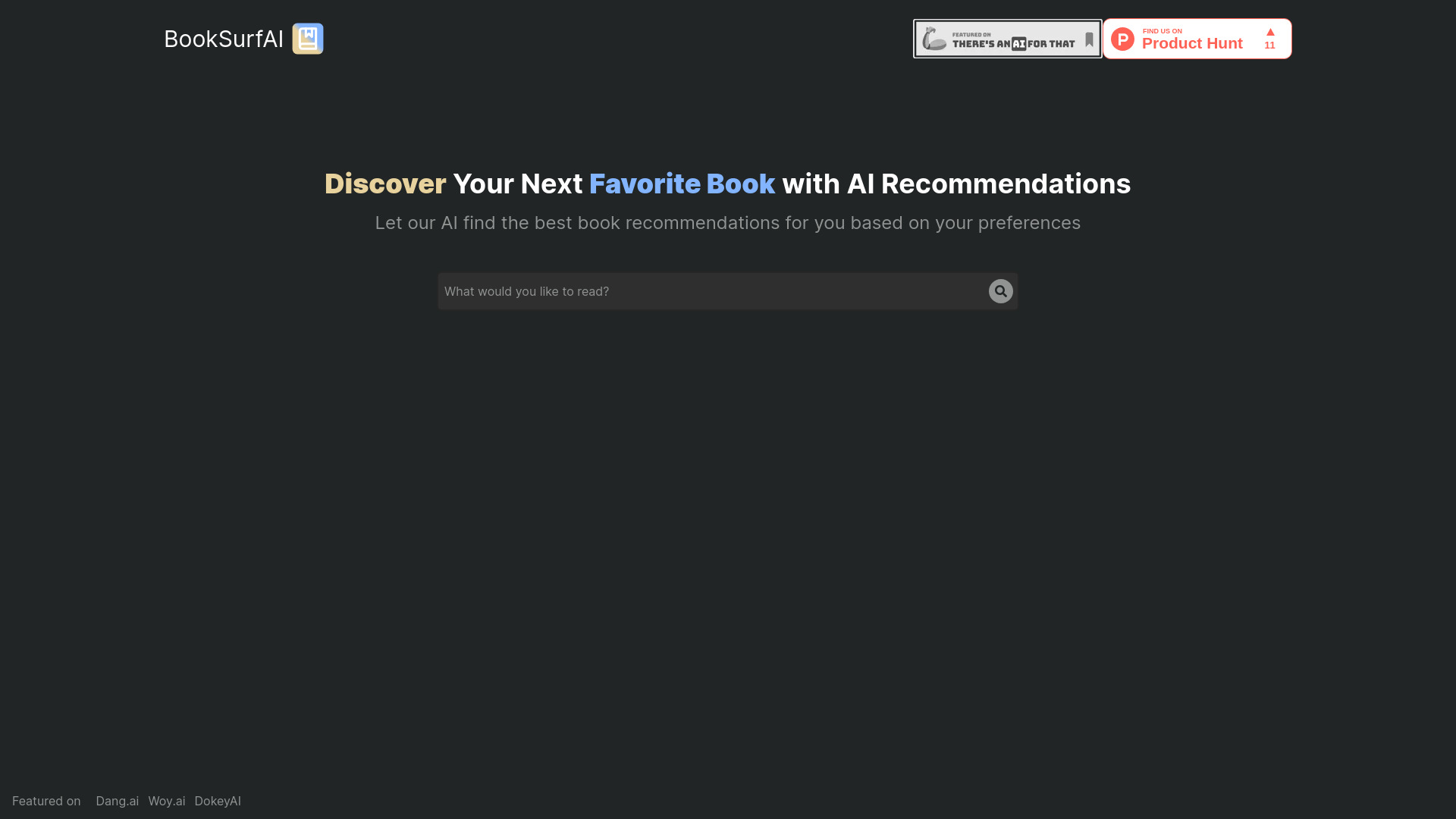
BookSurfAI
Personalized AI book recommendations

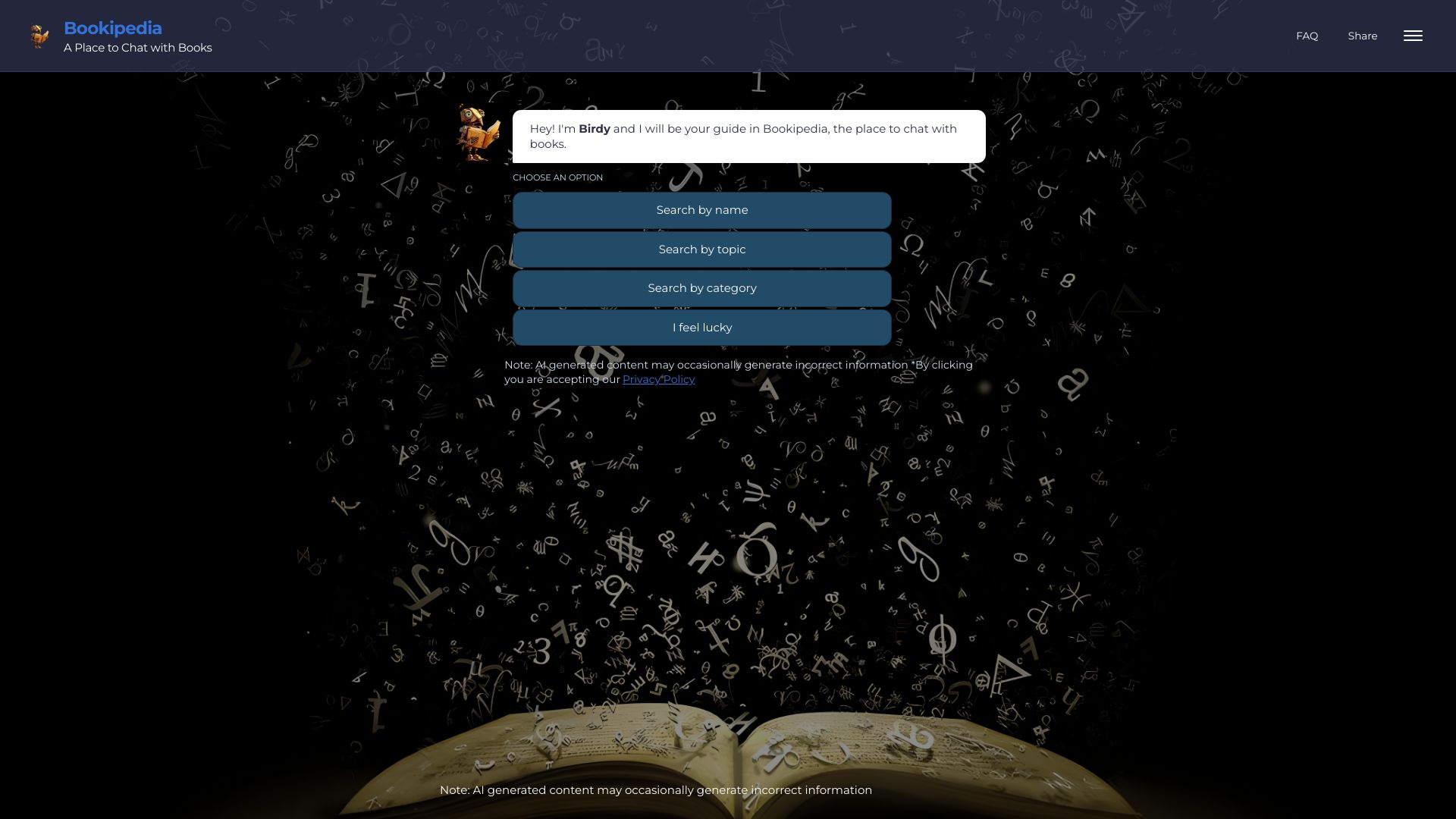
Bookipedia
Chatting with books

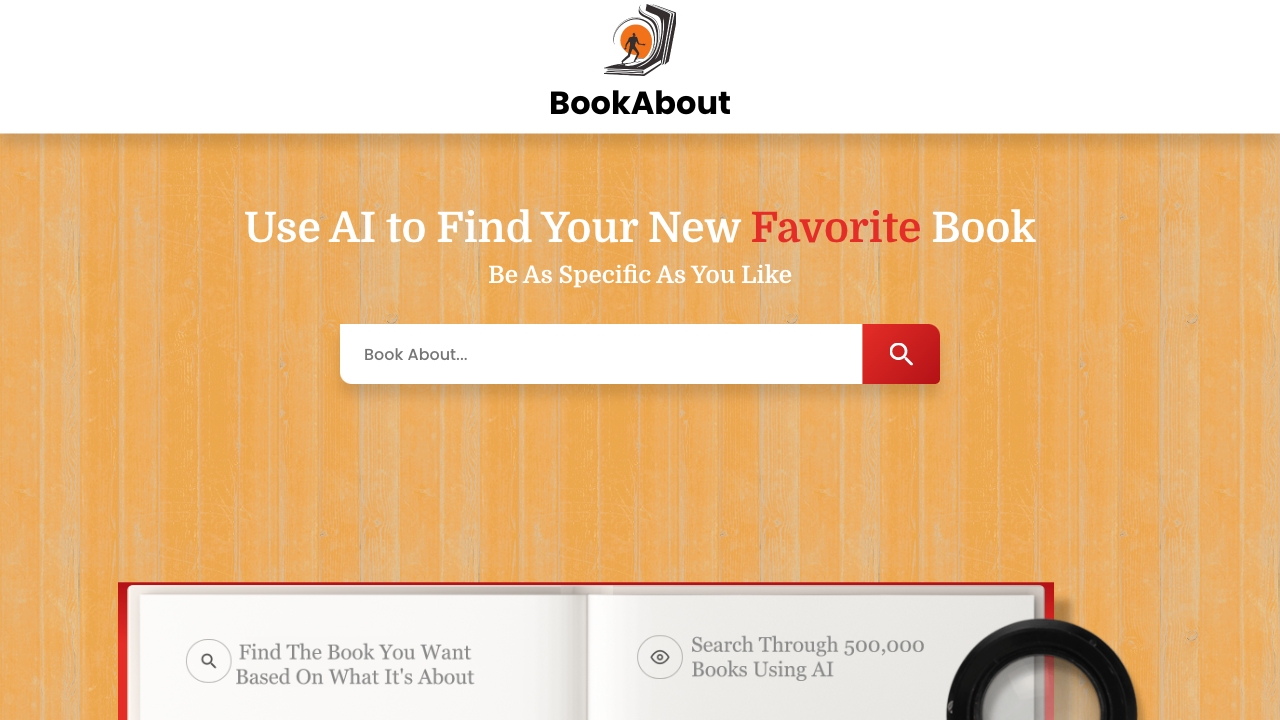
BookAbout
AI-powered book discovery

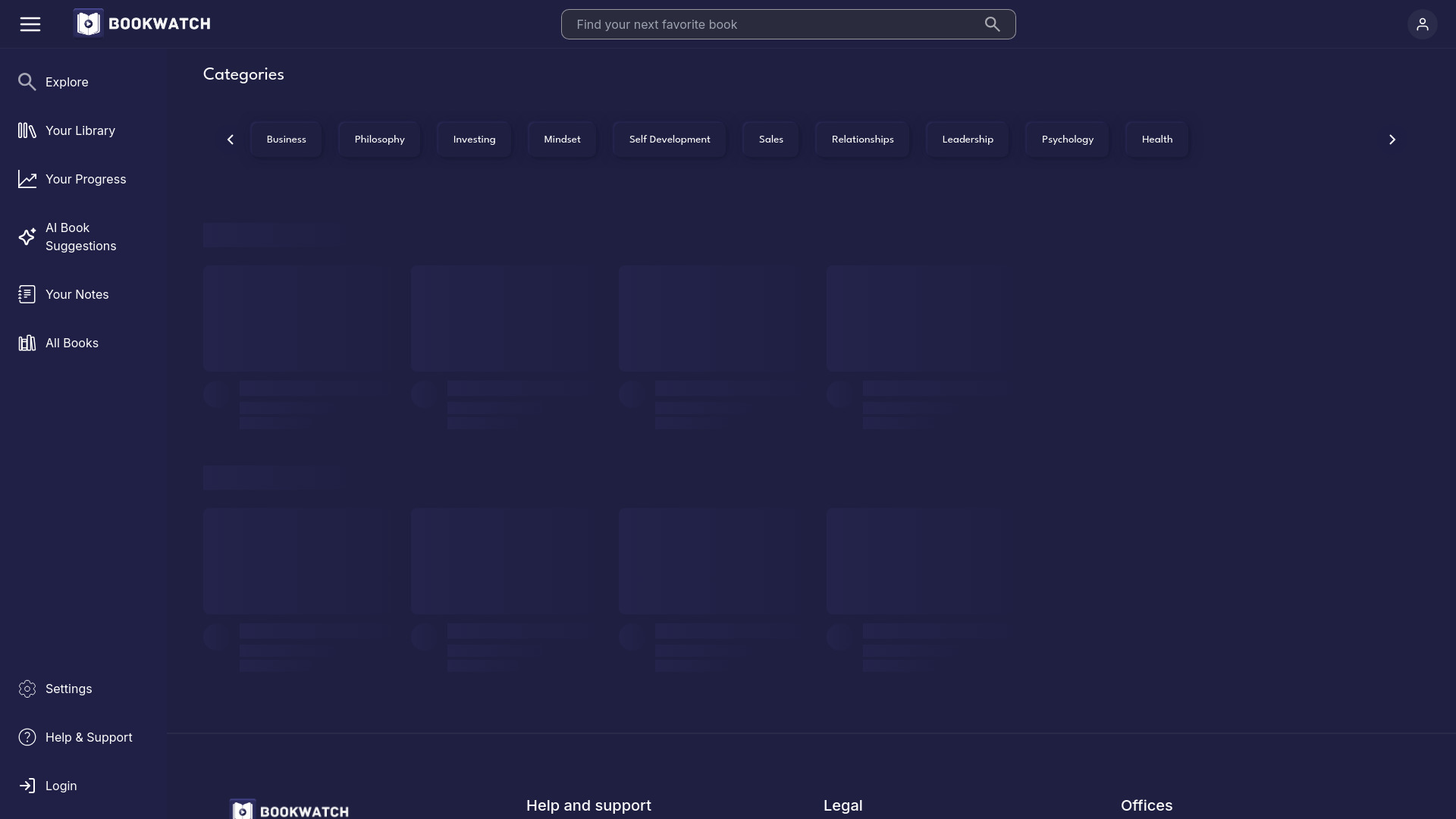
BookWatch
Visual learners seeking animated book summaries

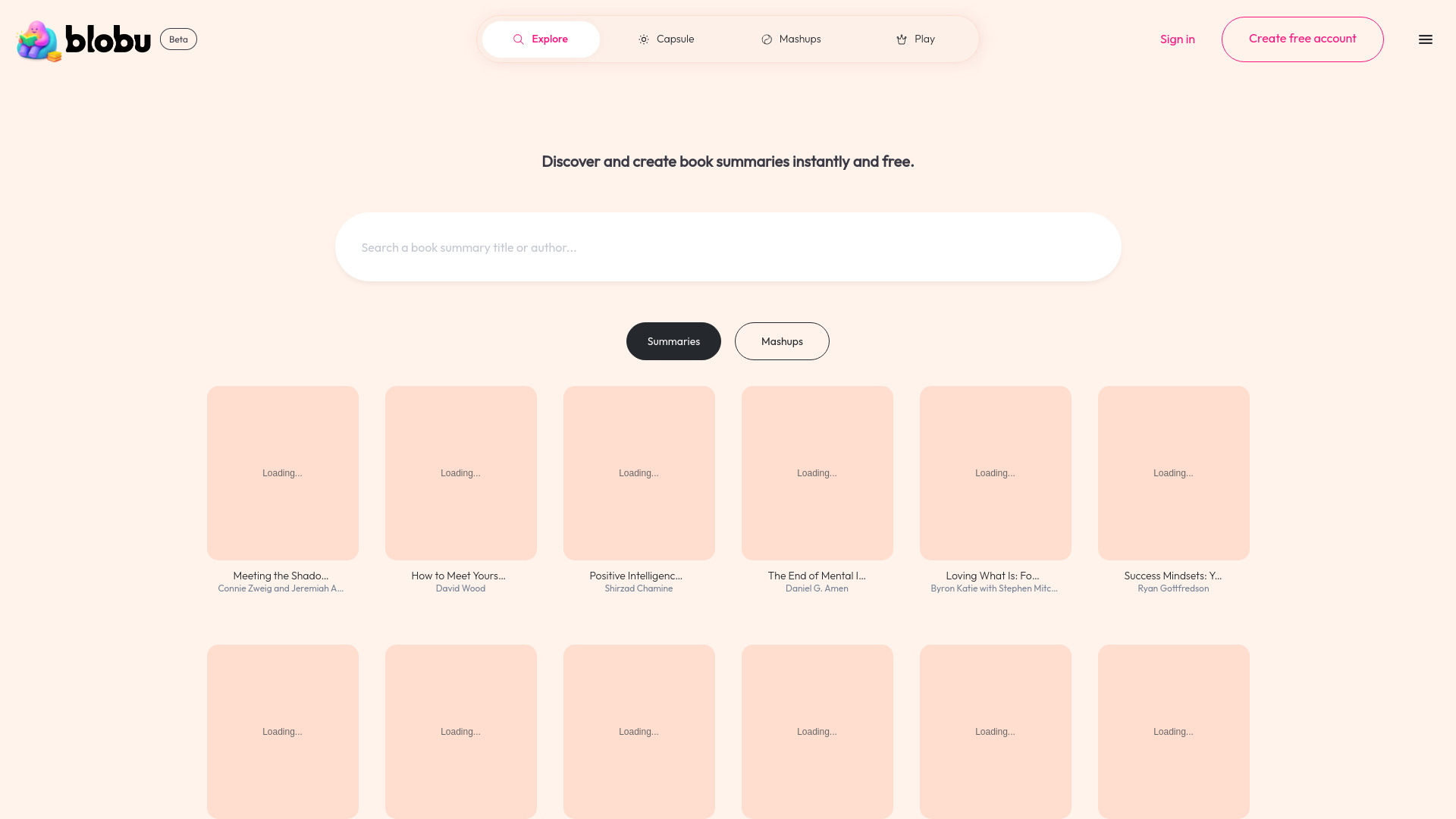
Blobu.ai
AI book summaries and idea mashups

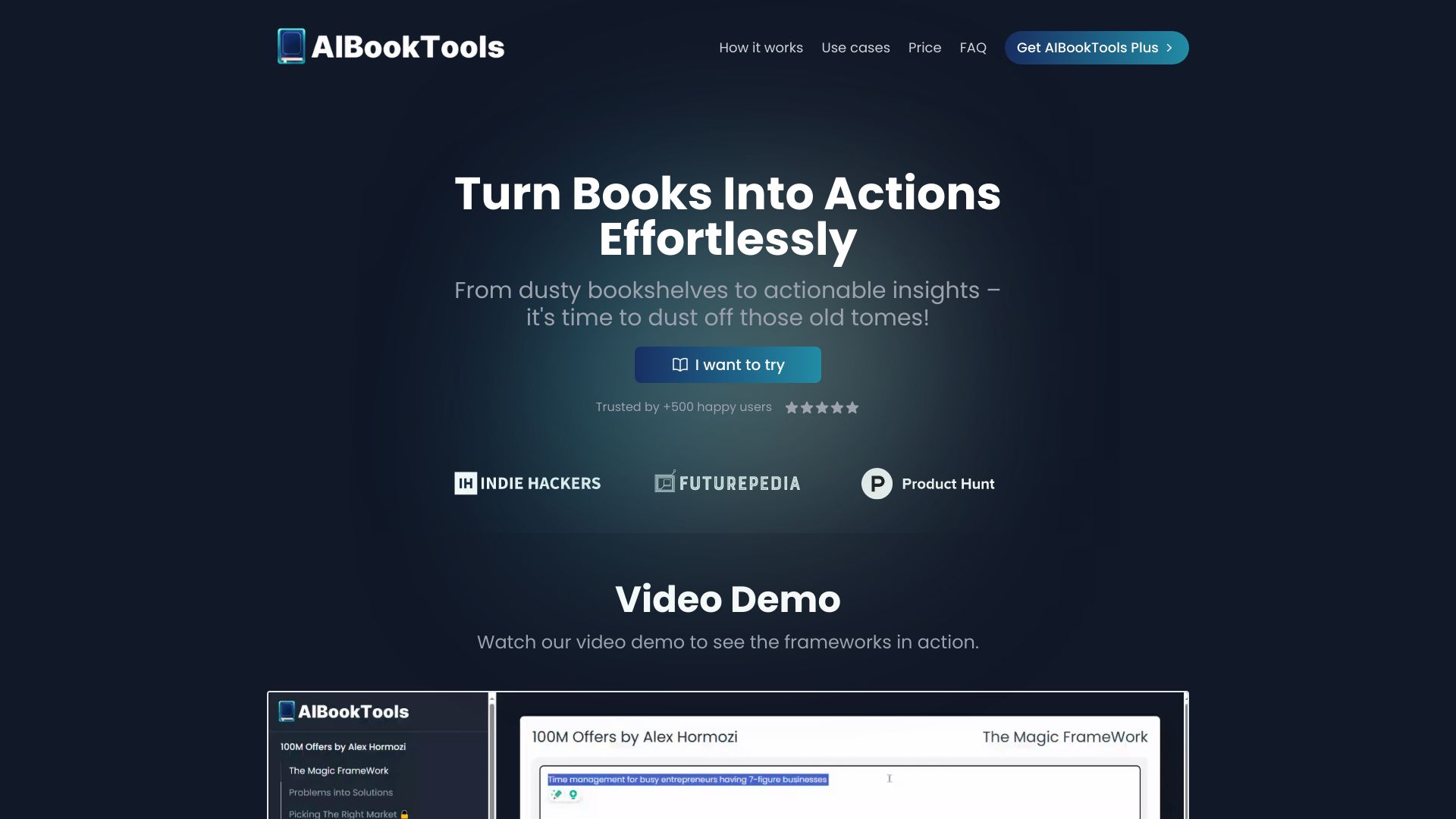
AIBookTools
Applying book frameworks

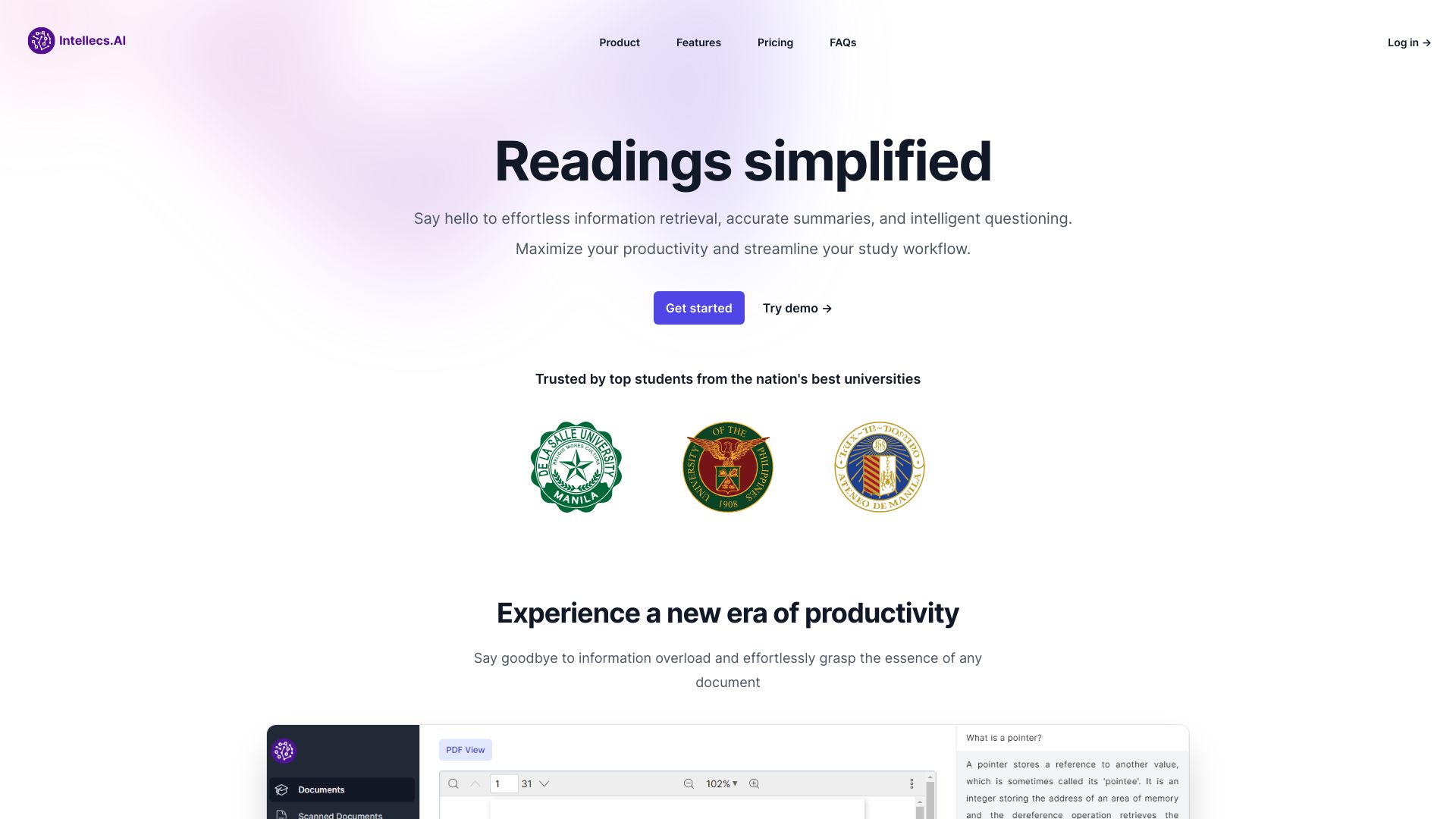
Intellecs.AI
Getting answers from study PDFs

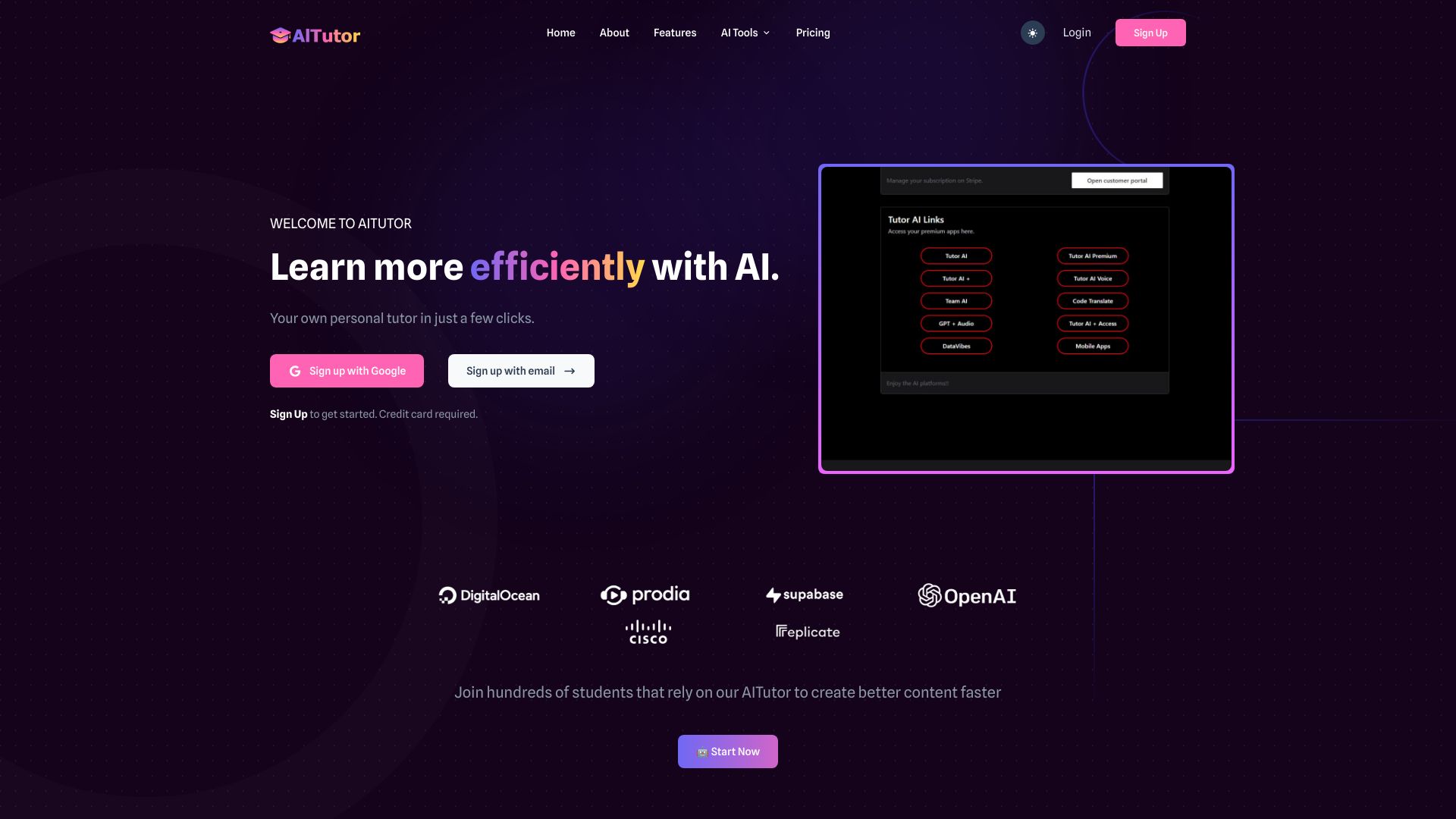
AI Tutor
Exploring subjects with multiple AI models

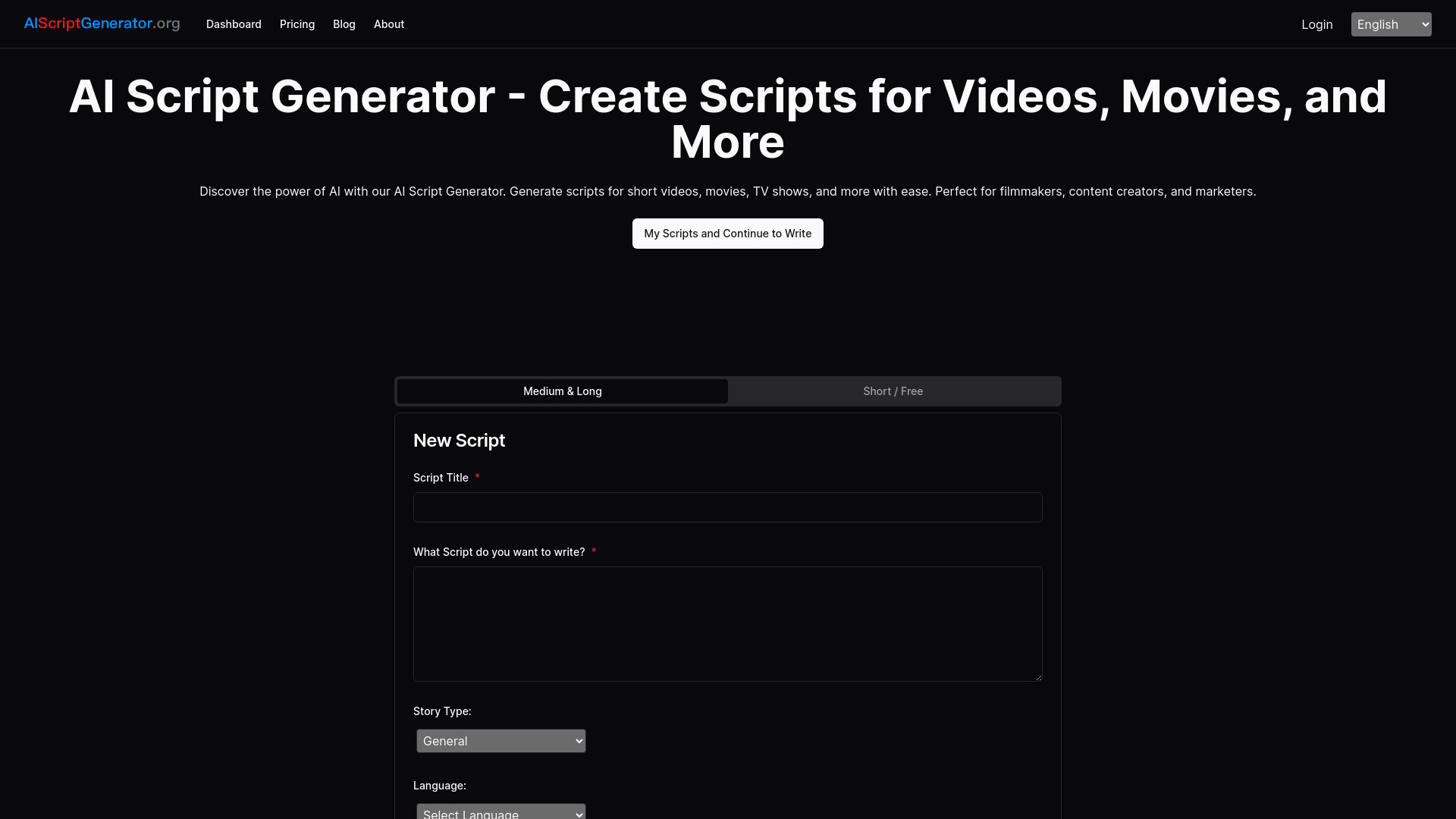
AI Book Writer
Video, film, and TV script creation

Instabooks AI
Custom AI textbooks and long-form books

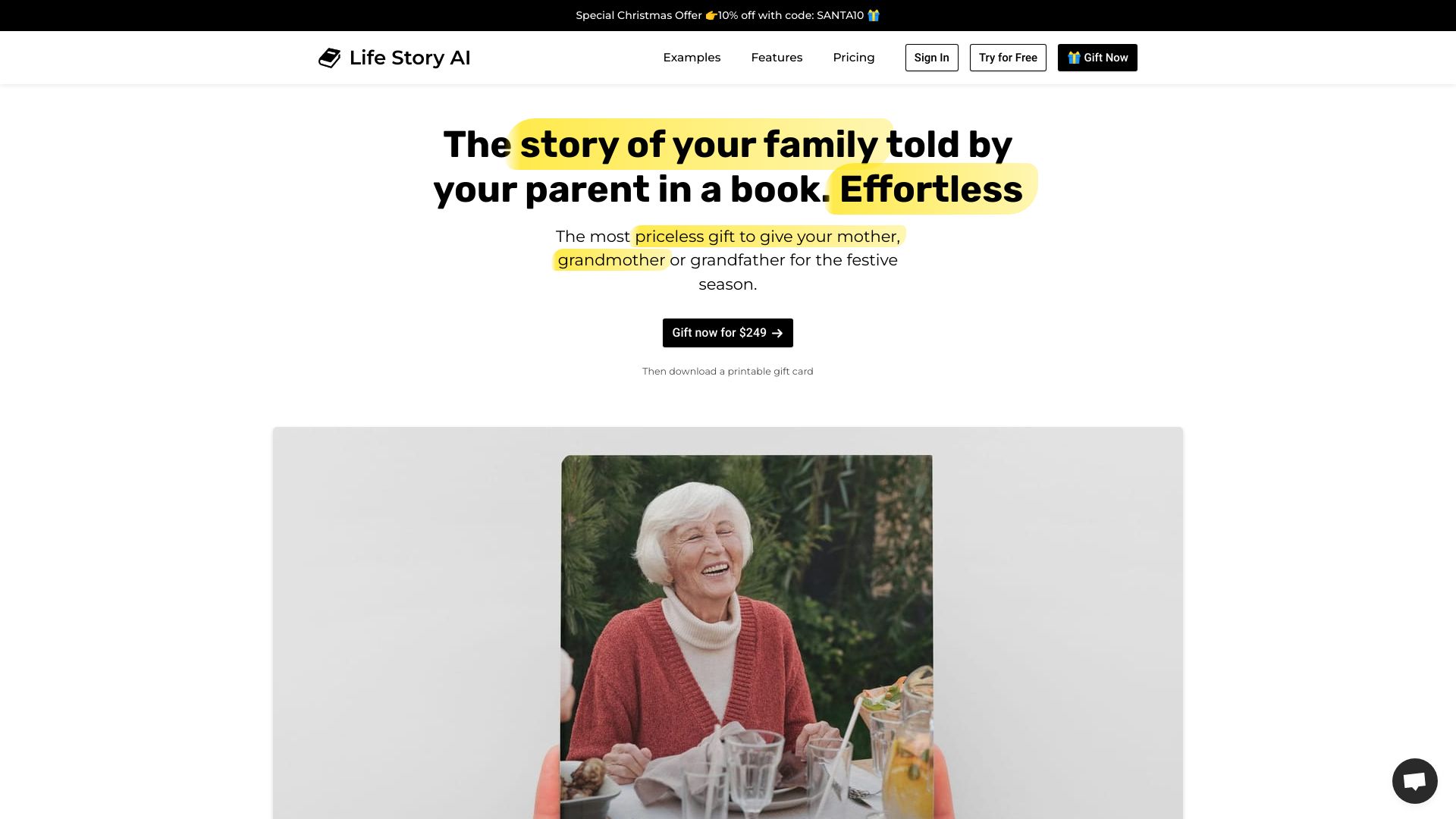
Life Story AI
Preserving family life stories in print

AI Book Creator
Creating personalized AI-written books

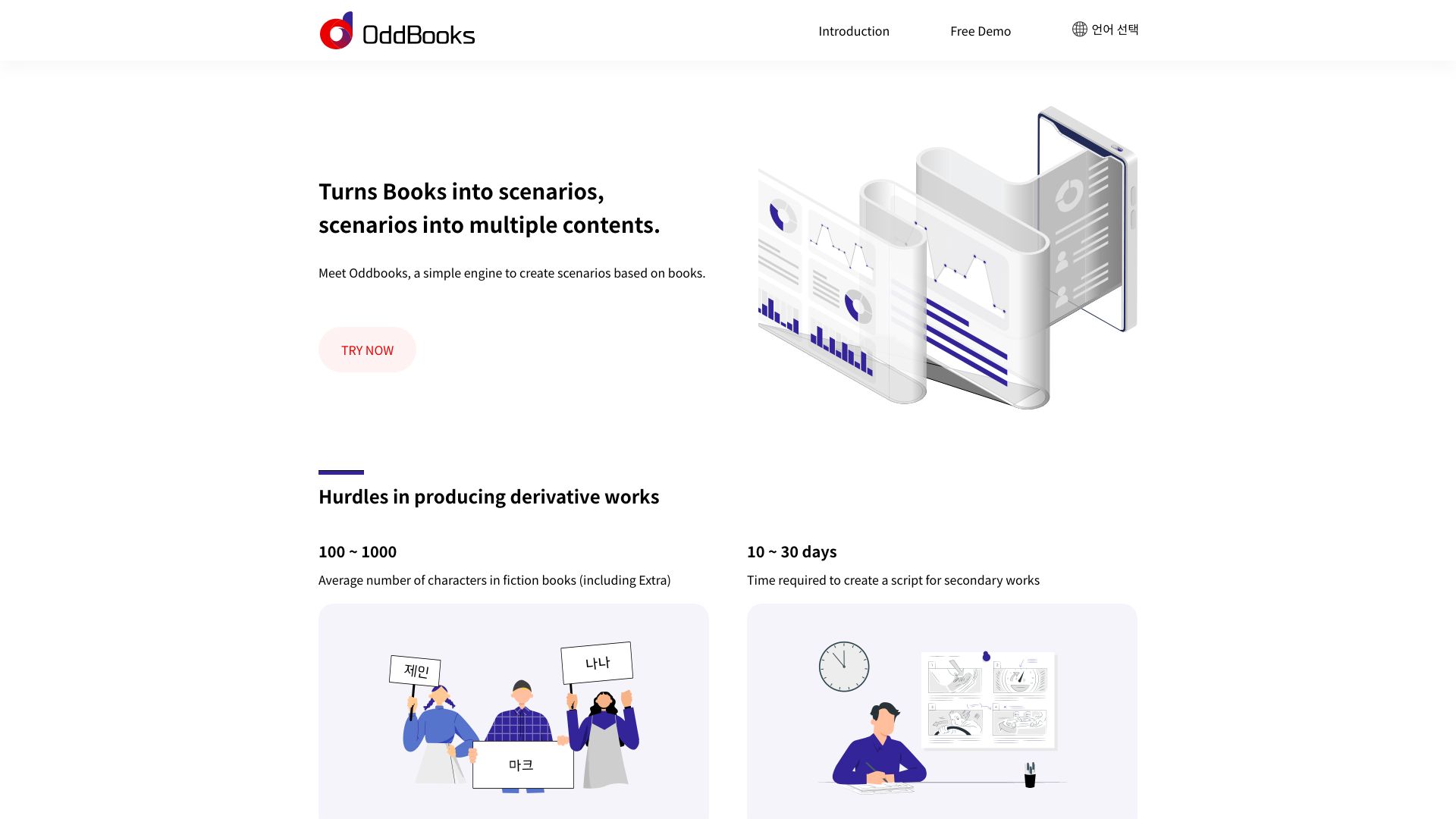
OddBooks
Turning books into multimedia scenarios

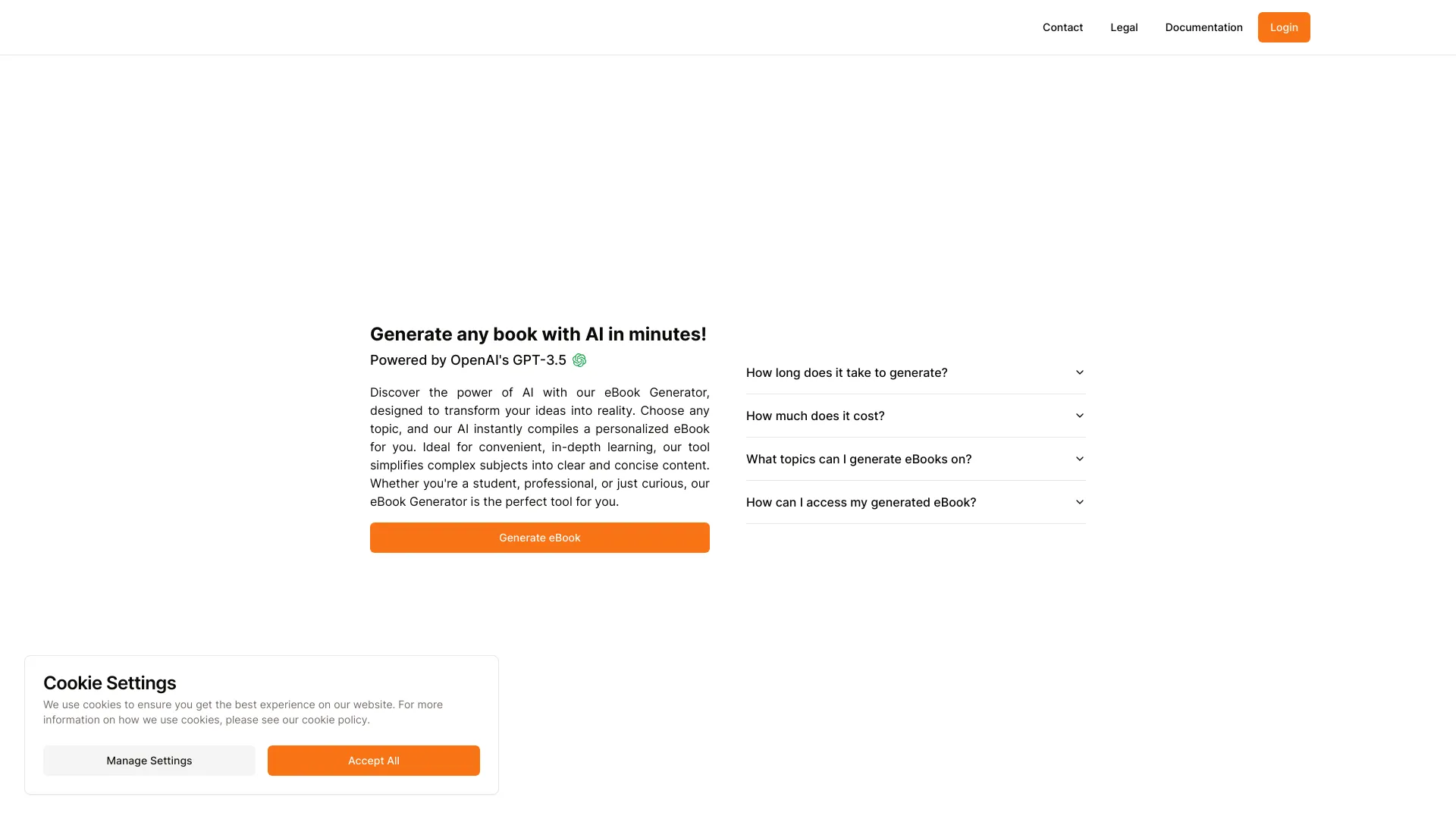
aiebooks.app
Rapid eBook generation

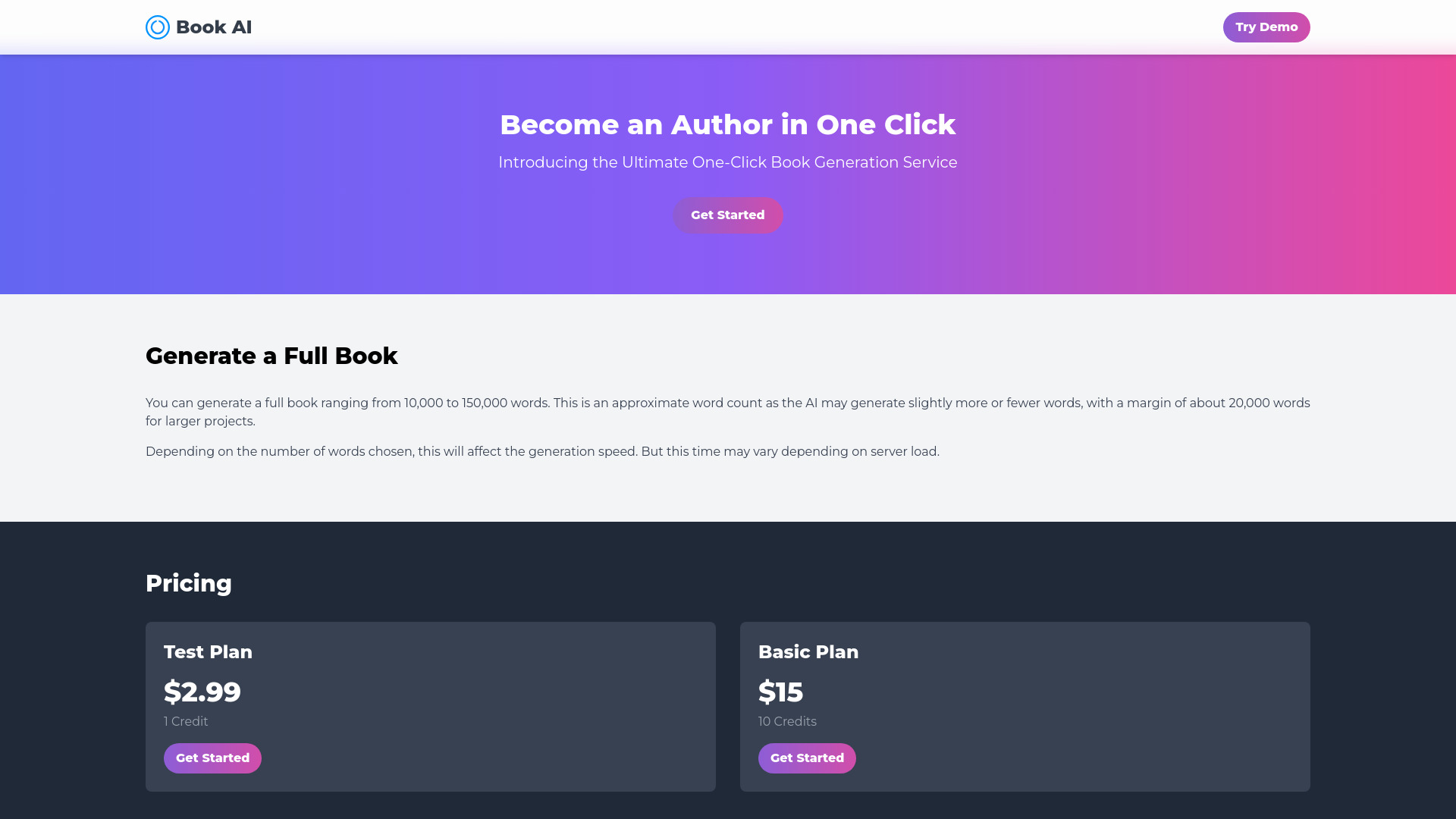
Write Books With AI
AI-assisted book and story creation

AI+Learn
Voting on AI-generated books
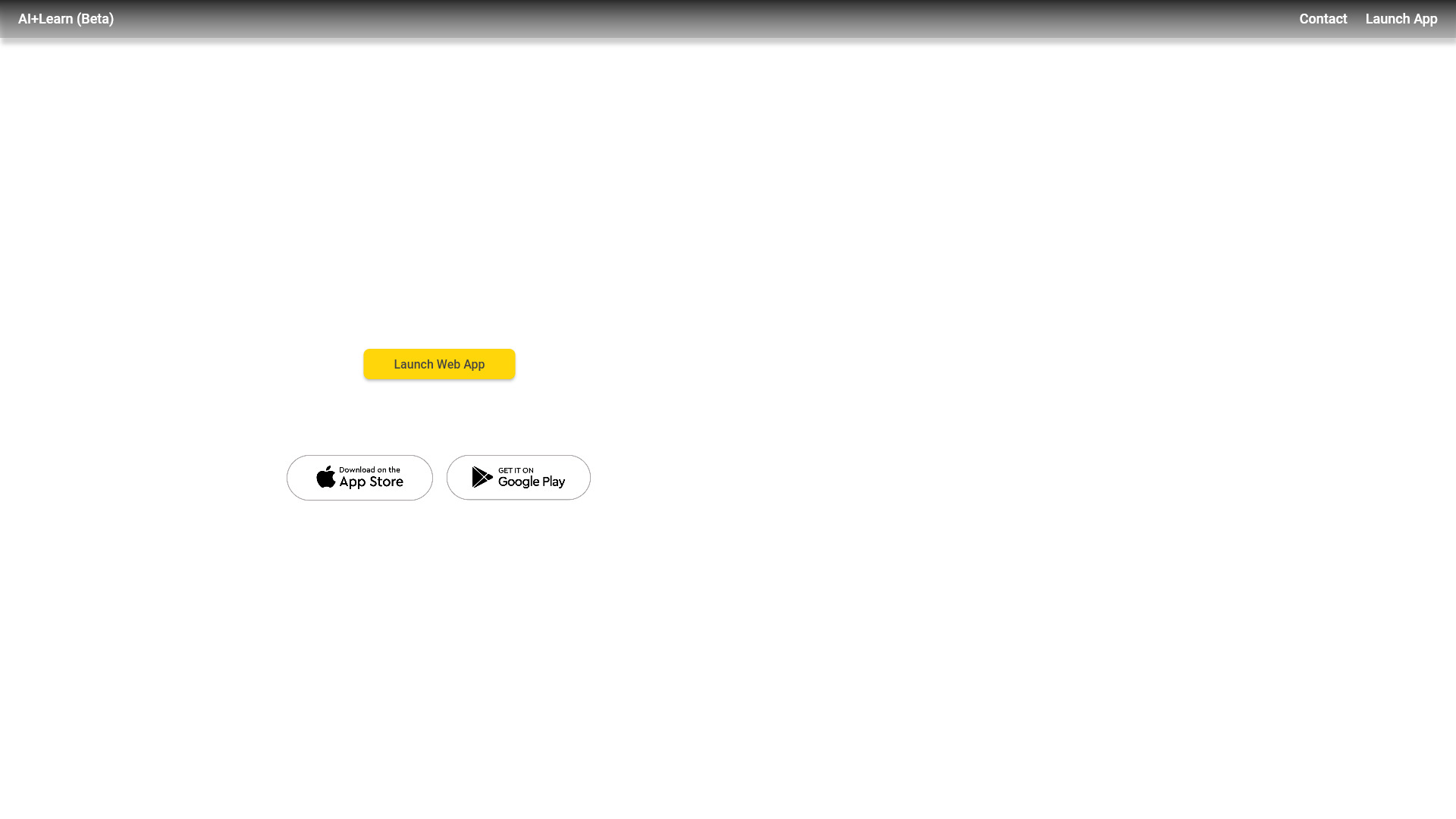

BookFindy.AI
AI book recommendations by plot, character, or setting
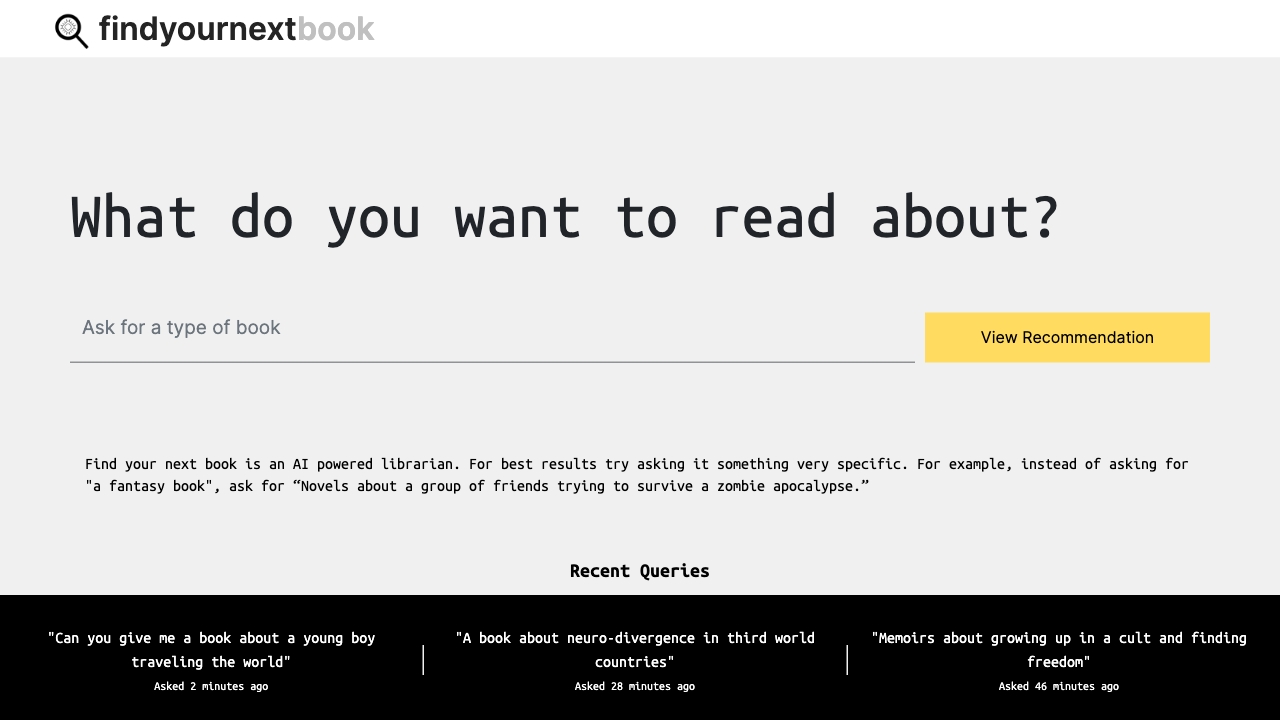

thedisc.xyz (Book AI)
Authors generating full-length books for self-publishing
AI Book Writer
AI-assisted book drafting

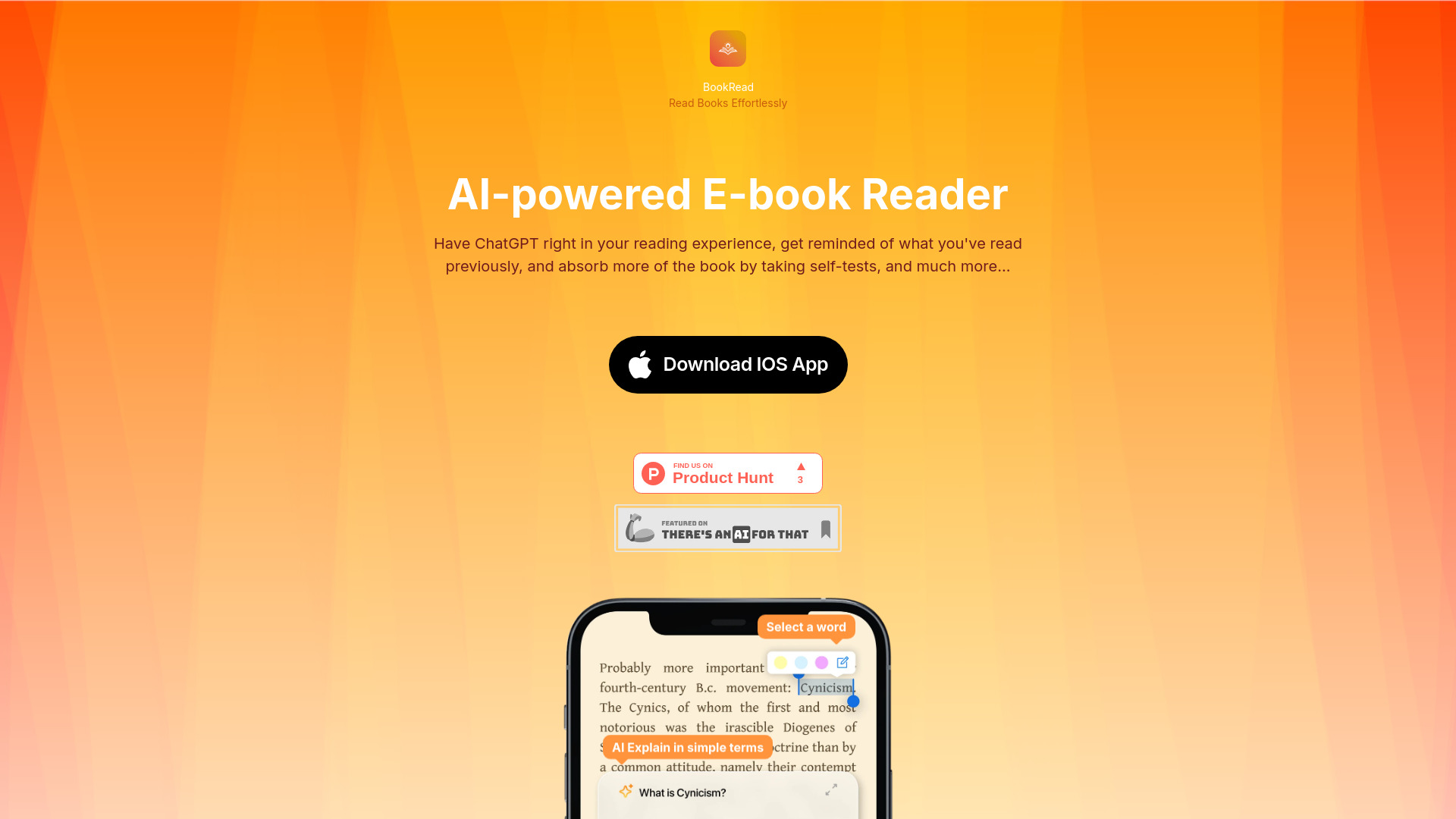
BookRead
AI-assisted book comprehension

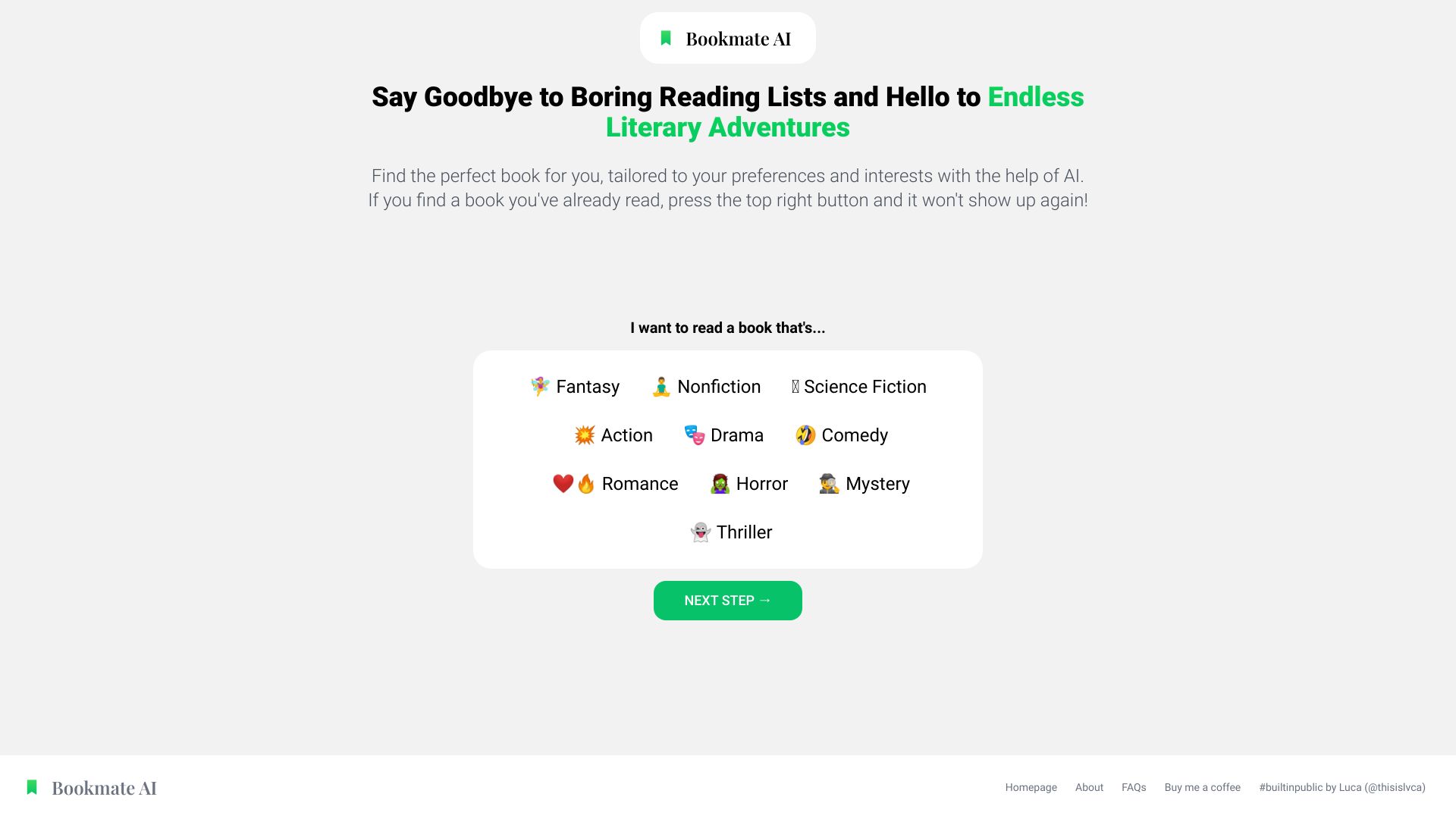
Bookmate AI
Personalized book discovery

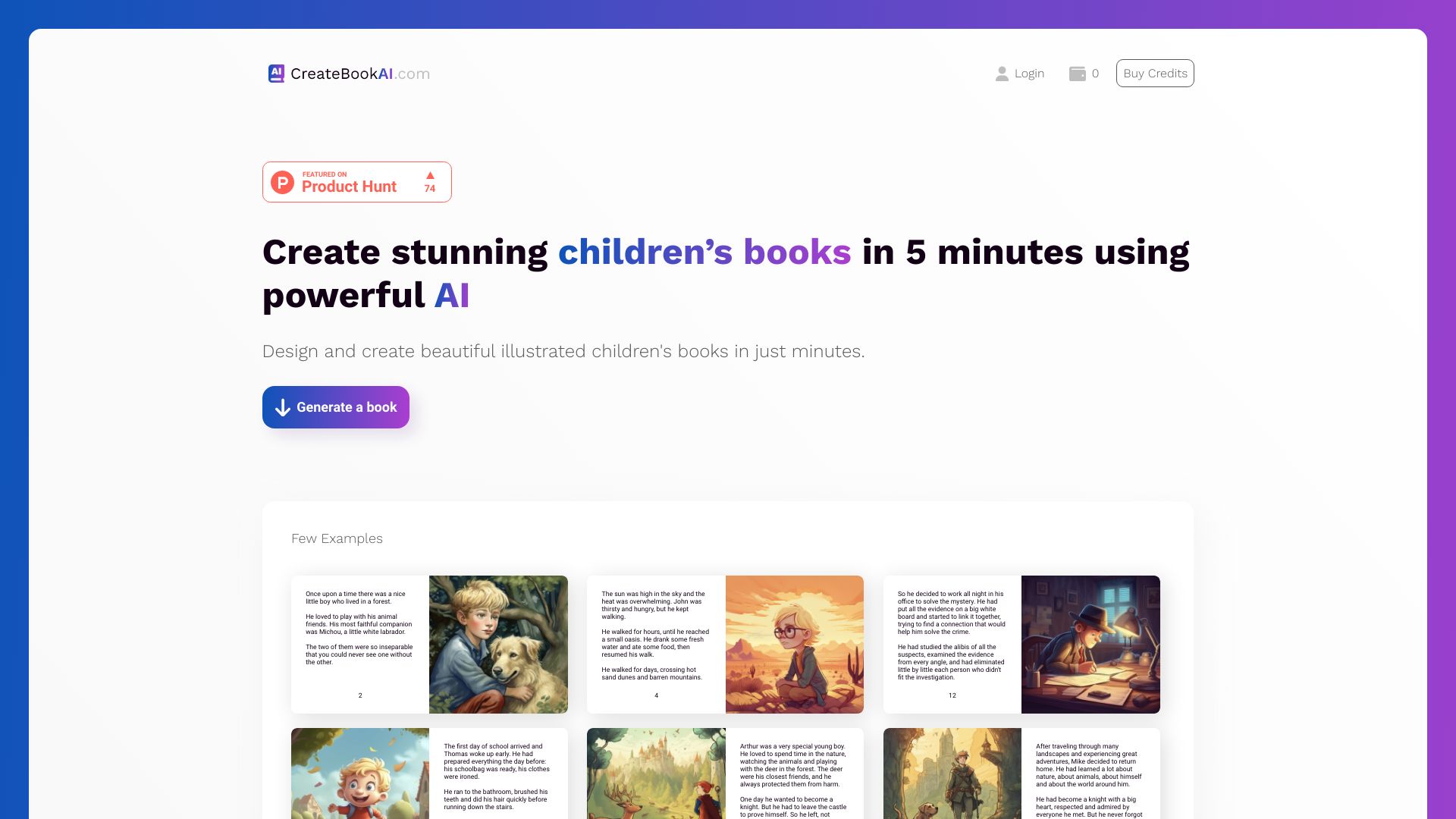
CreateBookAI
Creating illustrated children's books
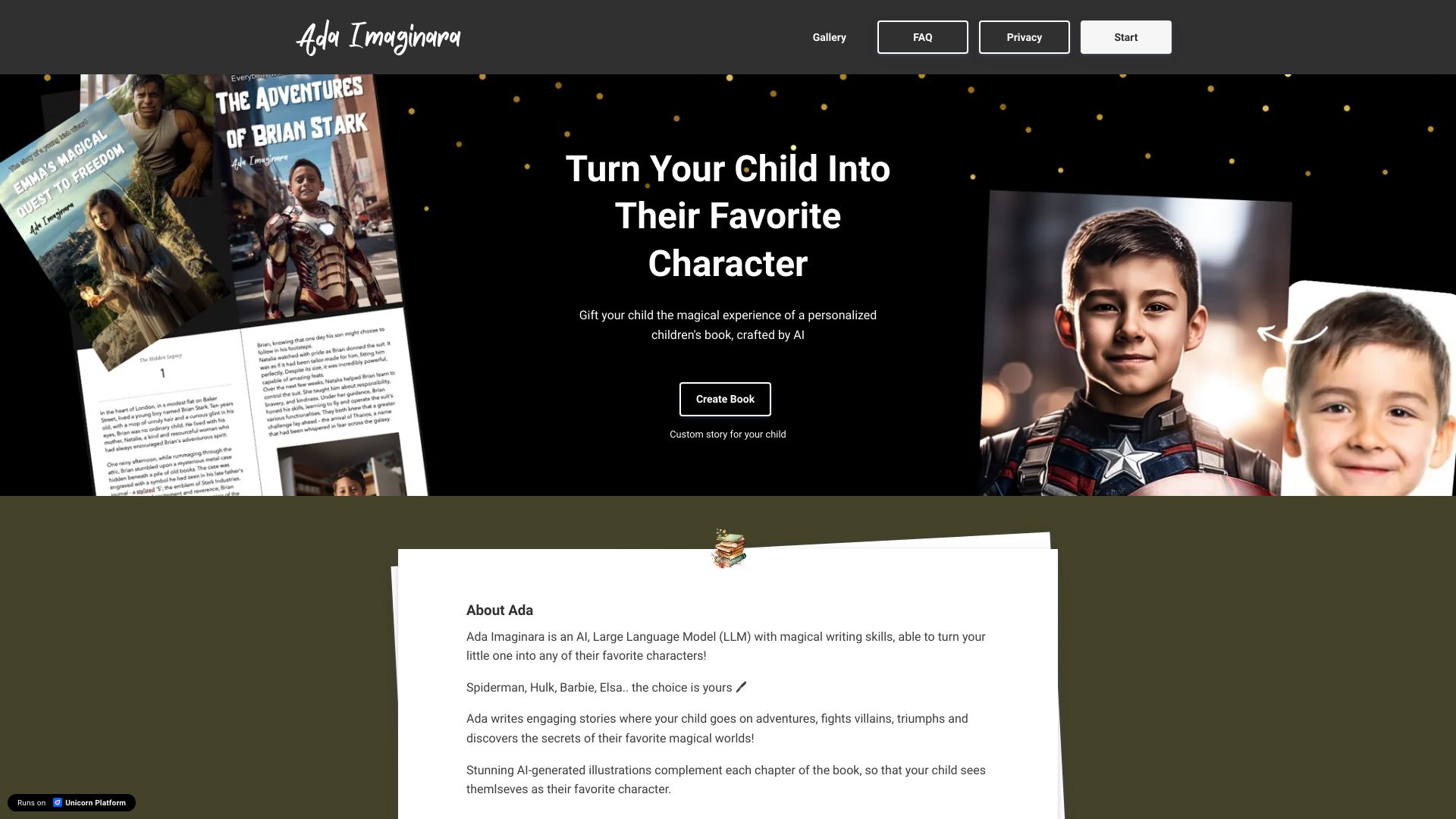
Ada AI Storyteller
Personalized children's stories
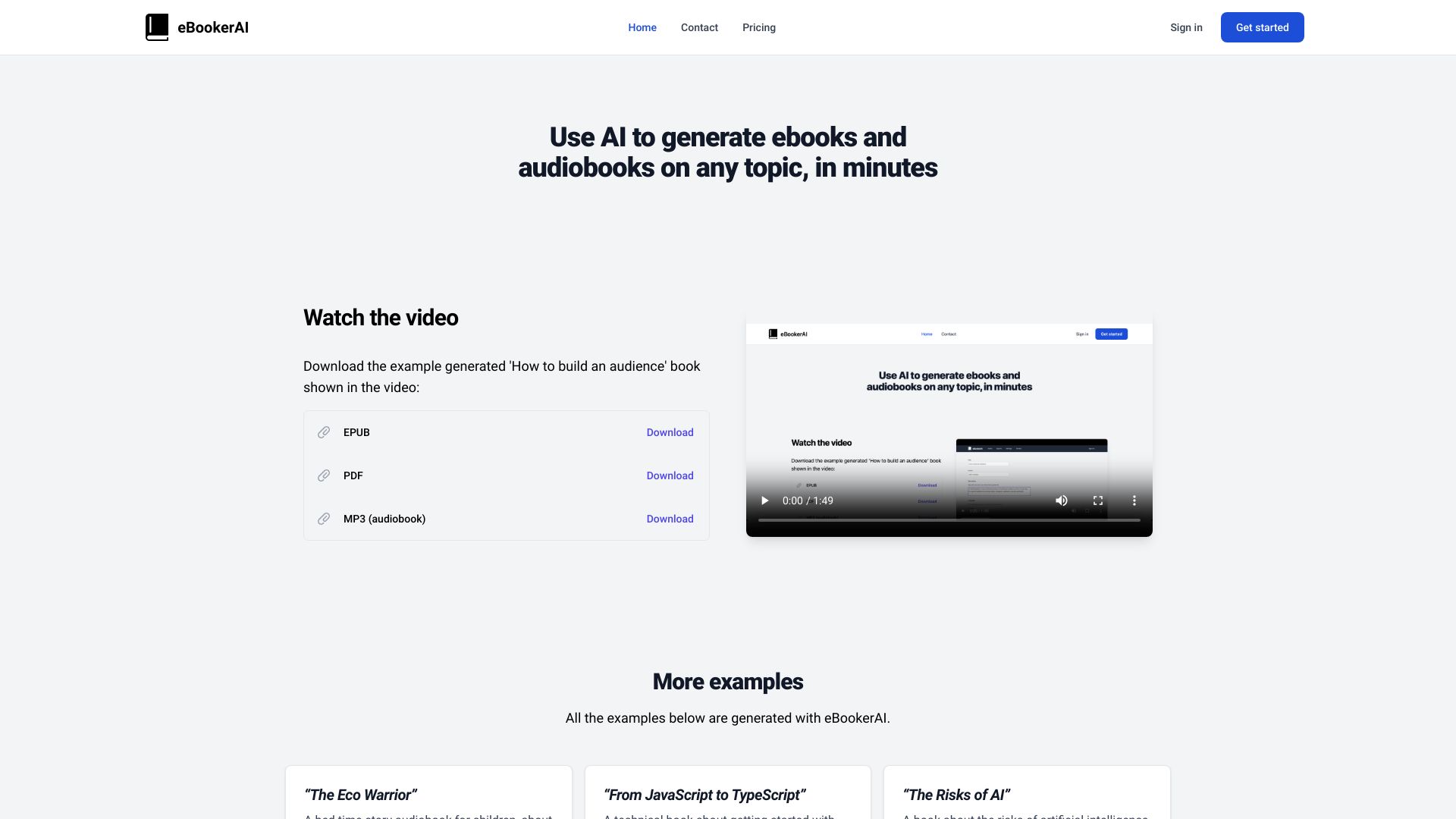
eBookerAI
AI-generated ebooks and audiobooks

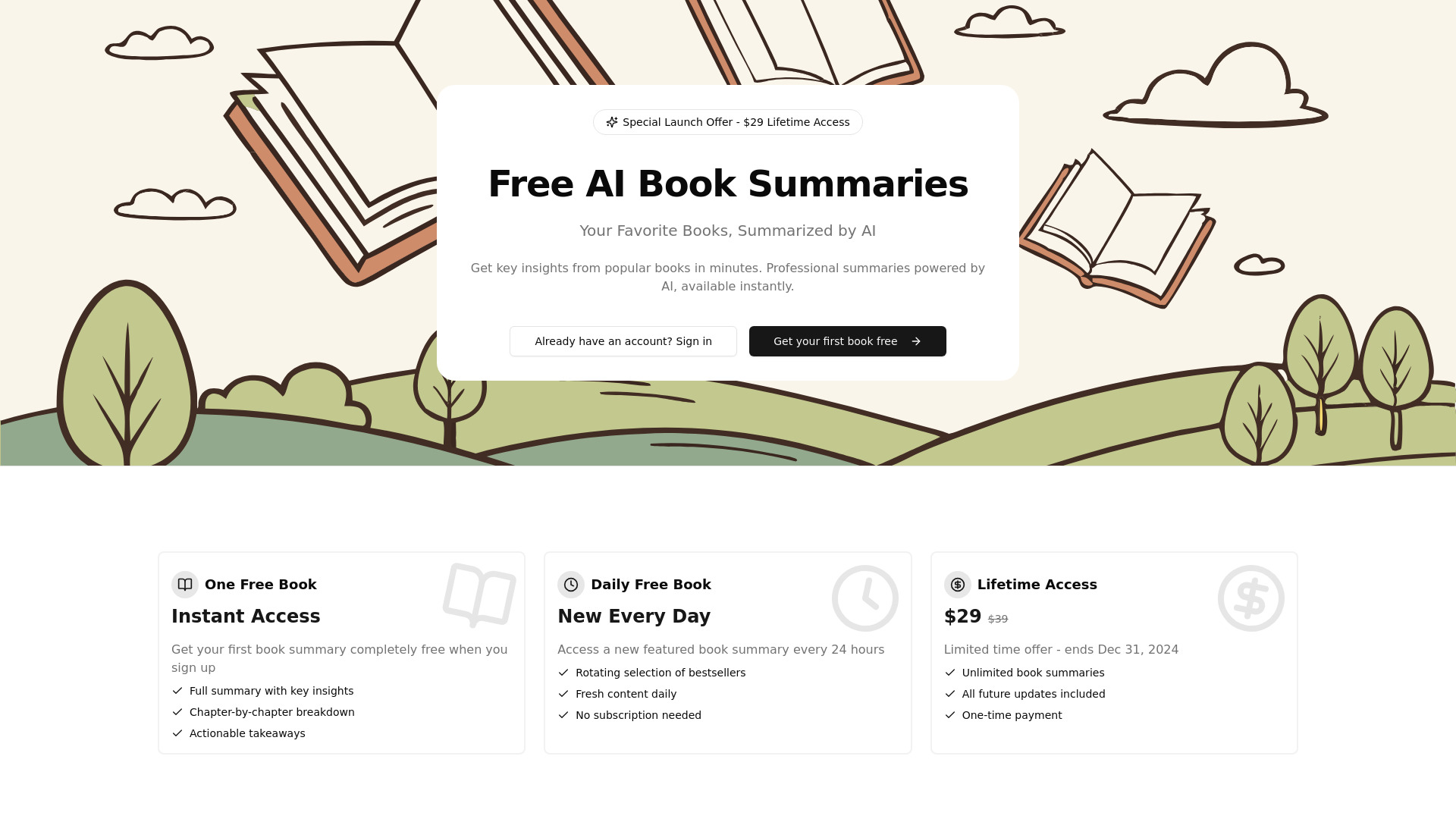
Free AI Book Summaries
Quick, listenable book summaries

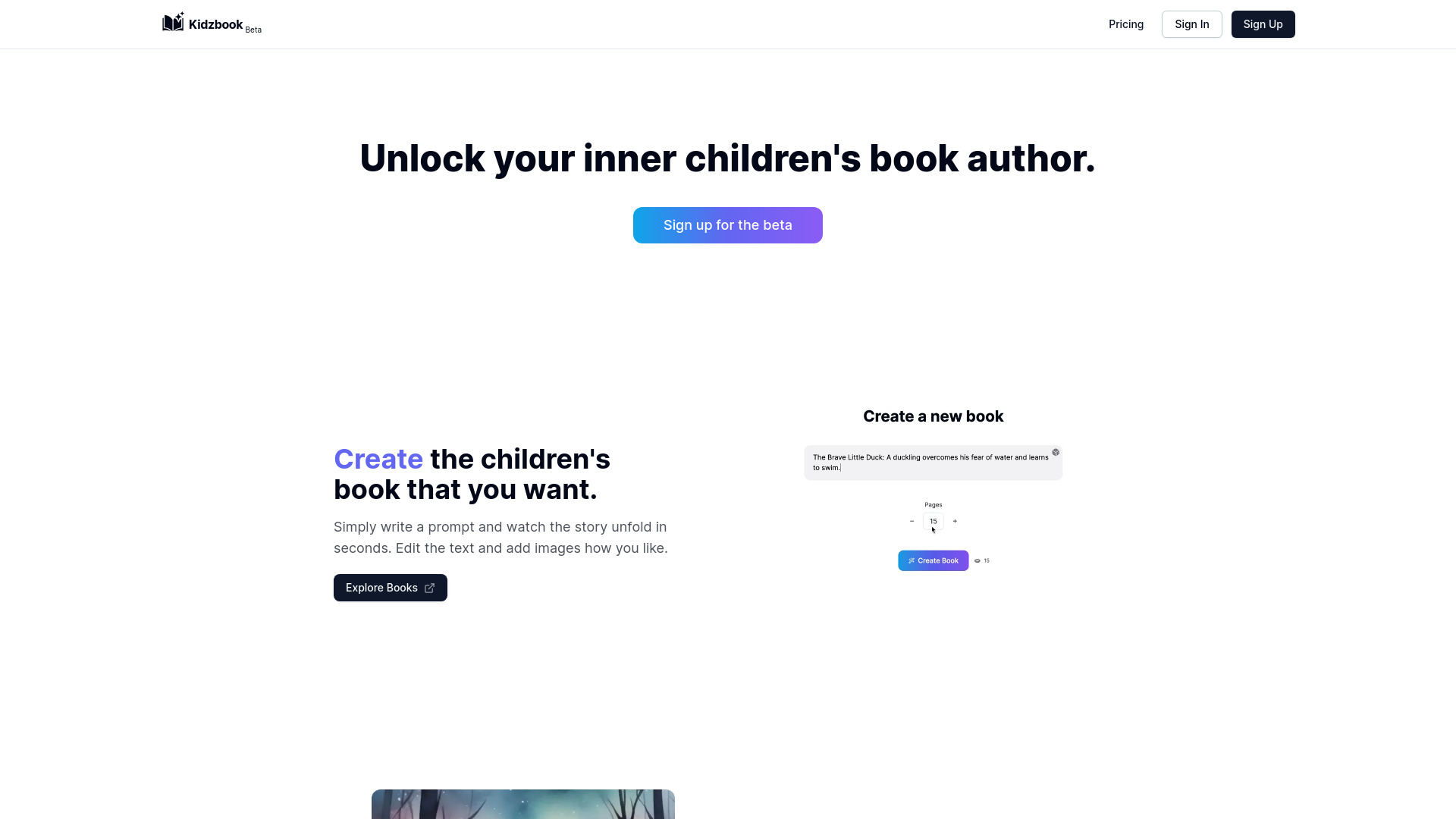
Kidzbook
Personalized children's book creation

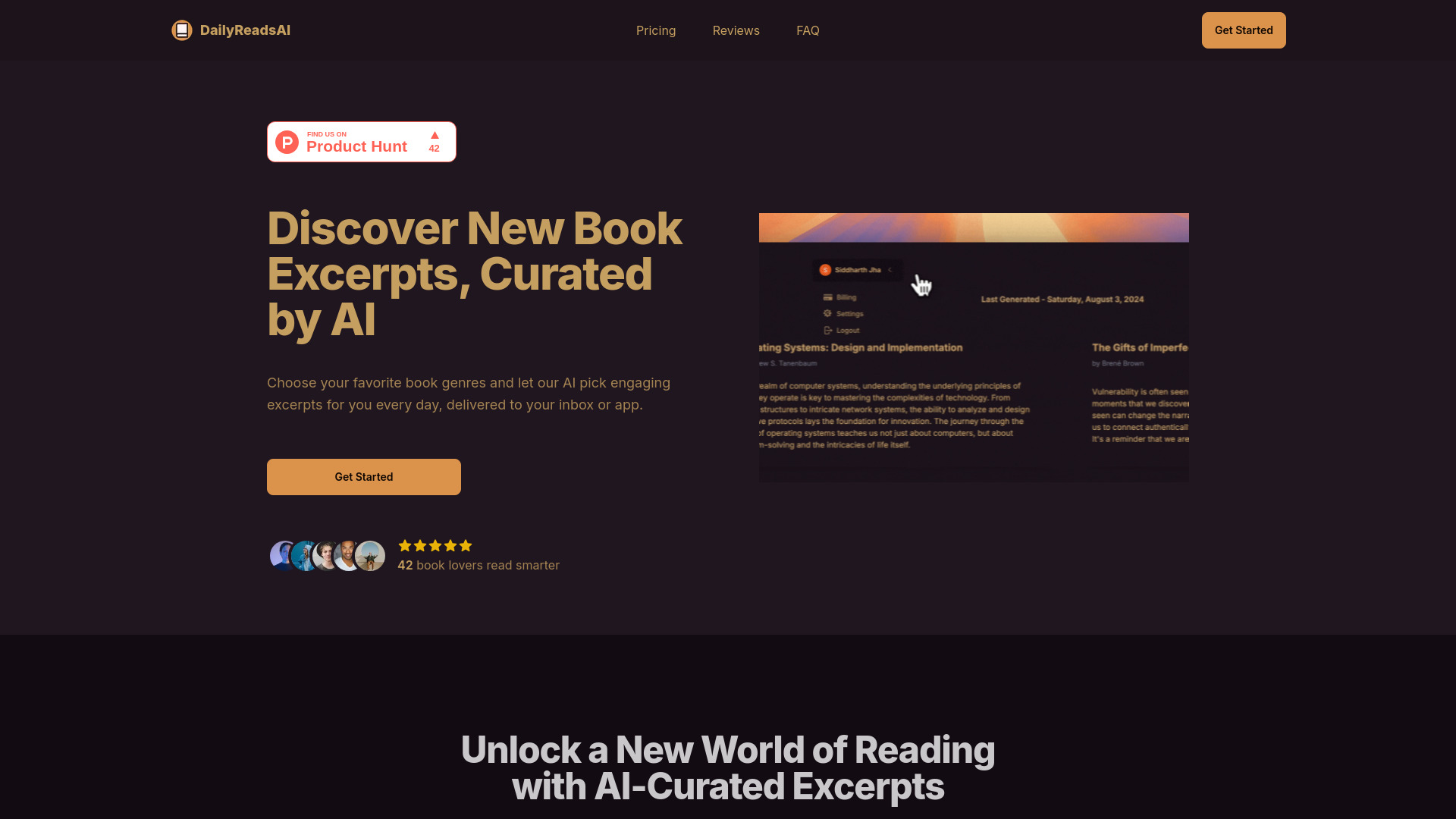
DailyReadsAI
Personalized daily book summaries

The Spark Book
Personalized storybooks for toddlers

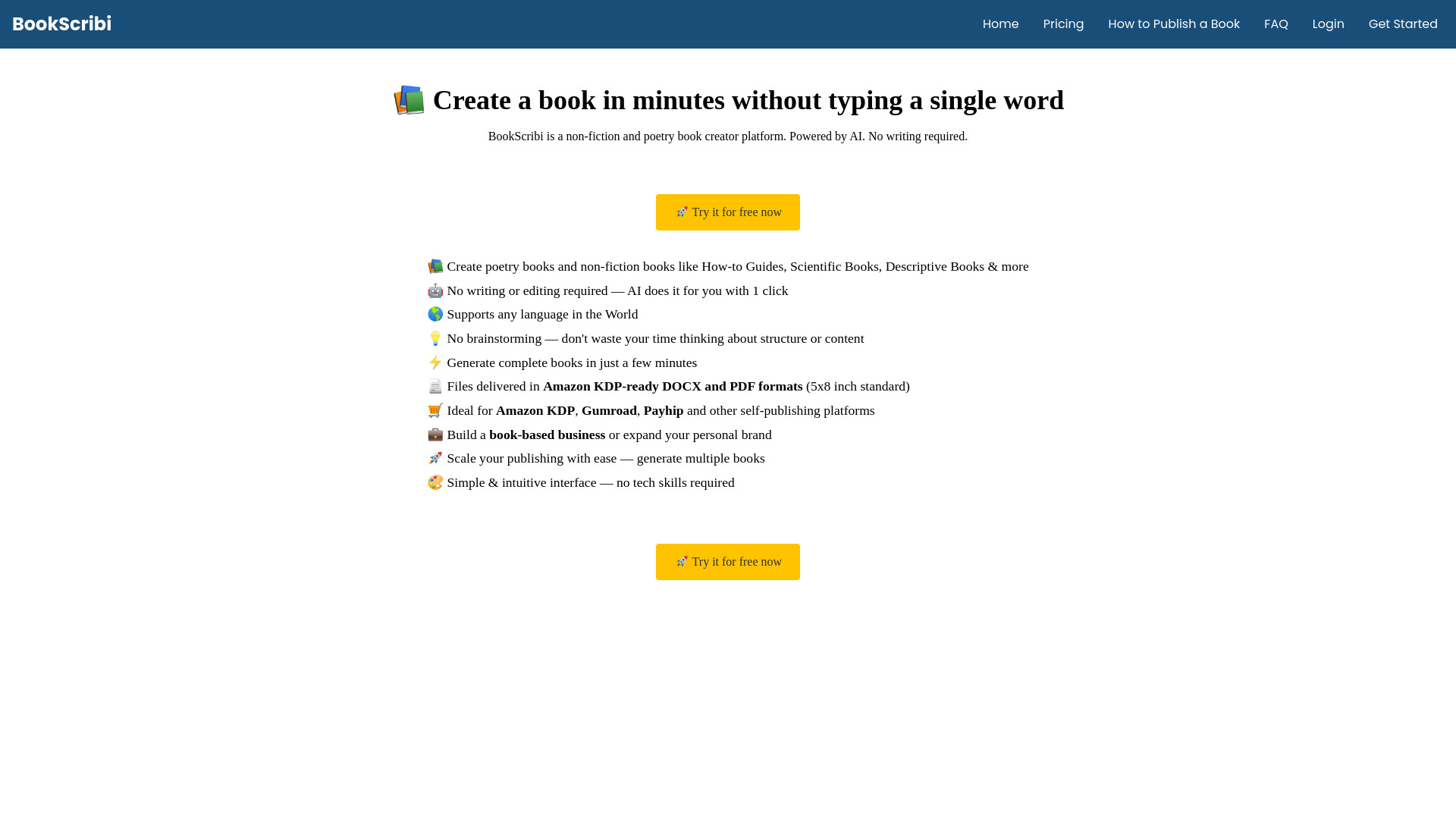
BookScribi
AI non-fiction and poetry book creation

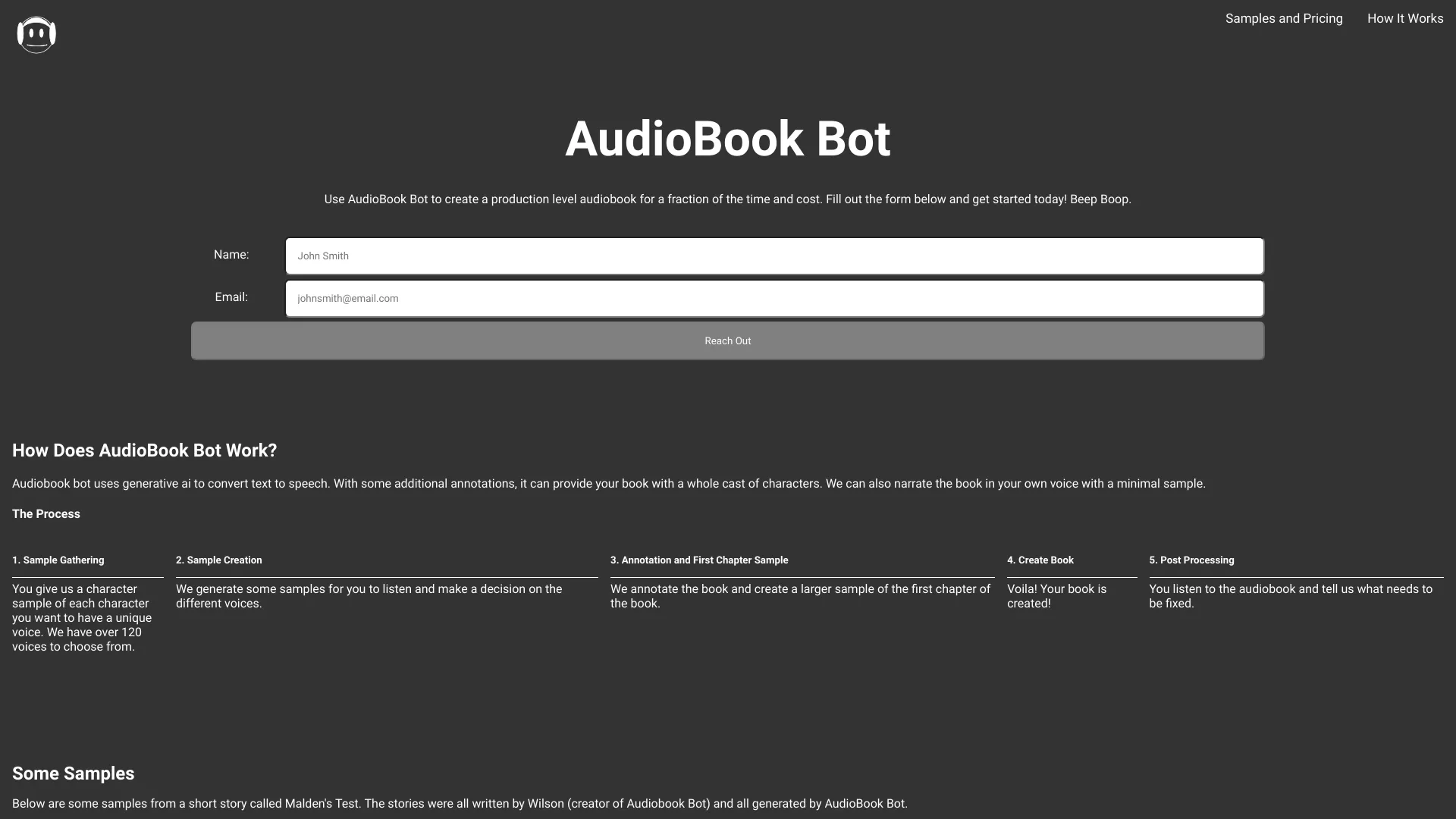
AudioBook Bot
AI audiobook creation

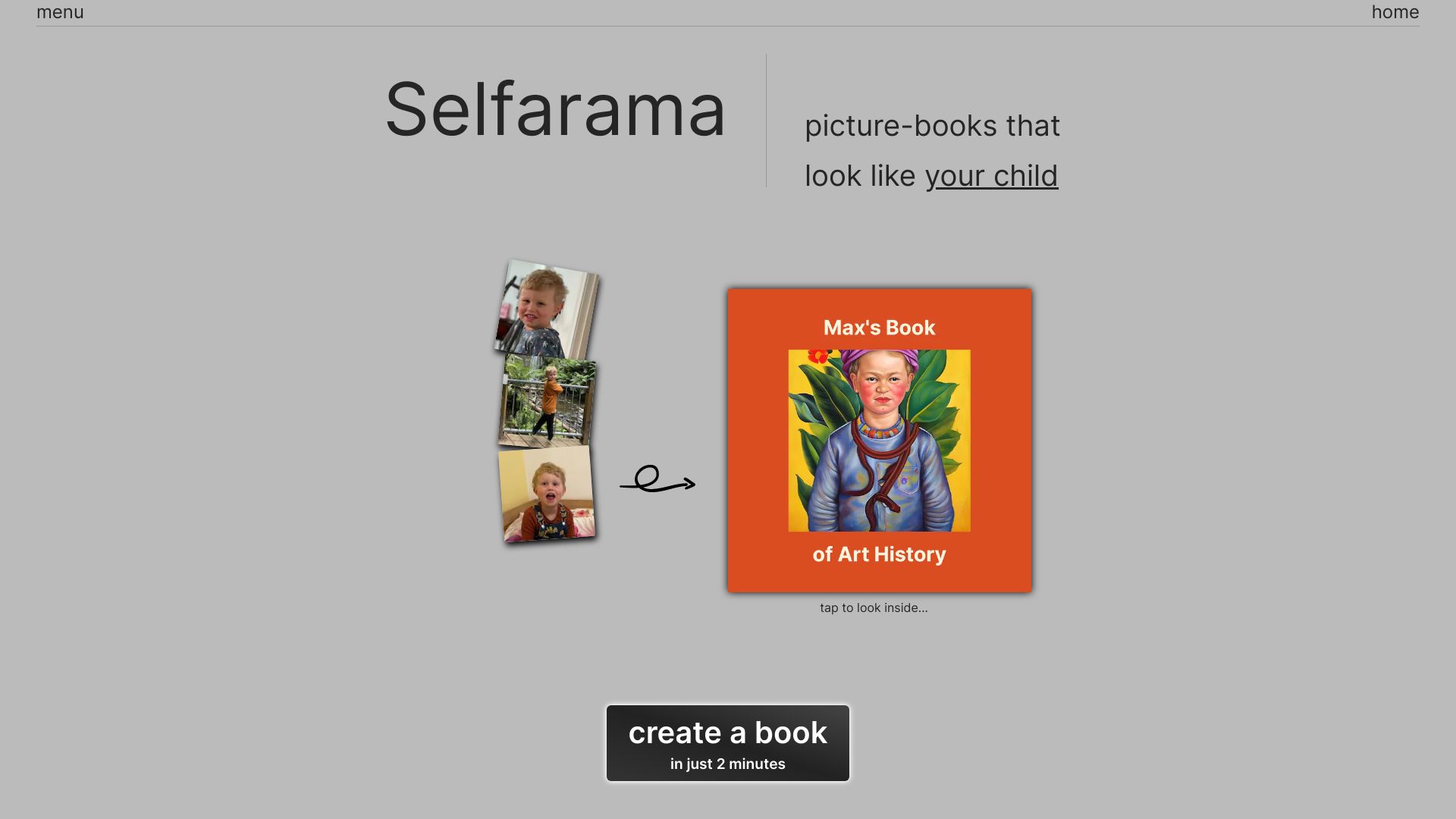
Selfarama
Personalized AI art history books for children

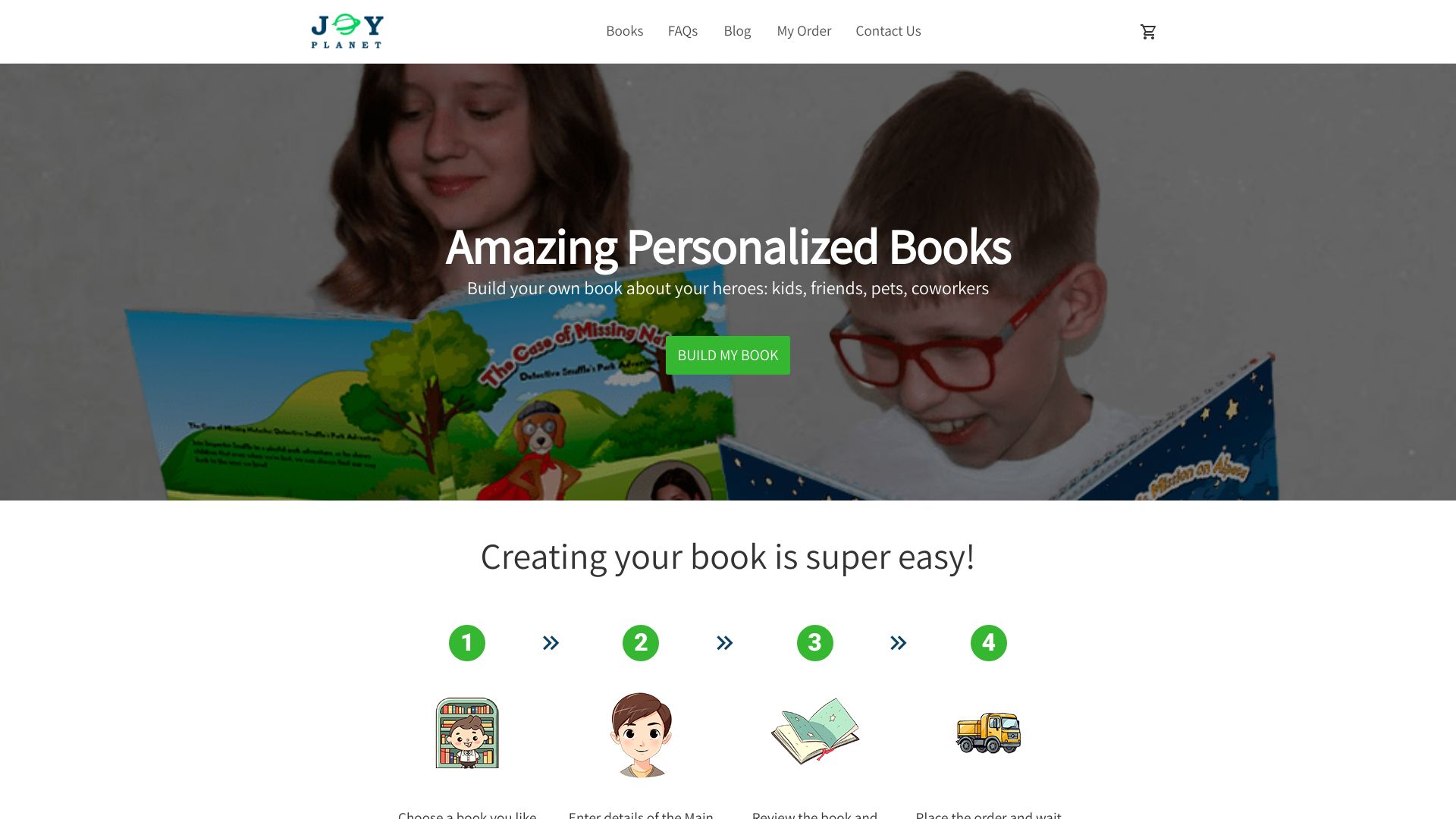
JoyPlanet Store
Personalized children's books
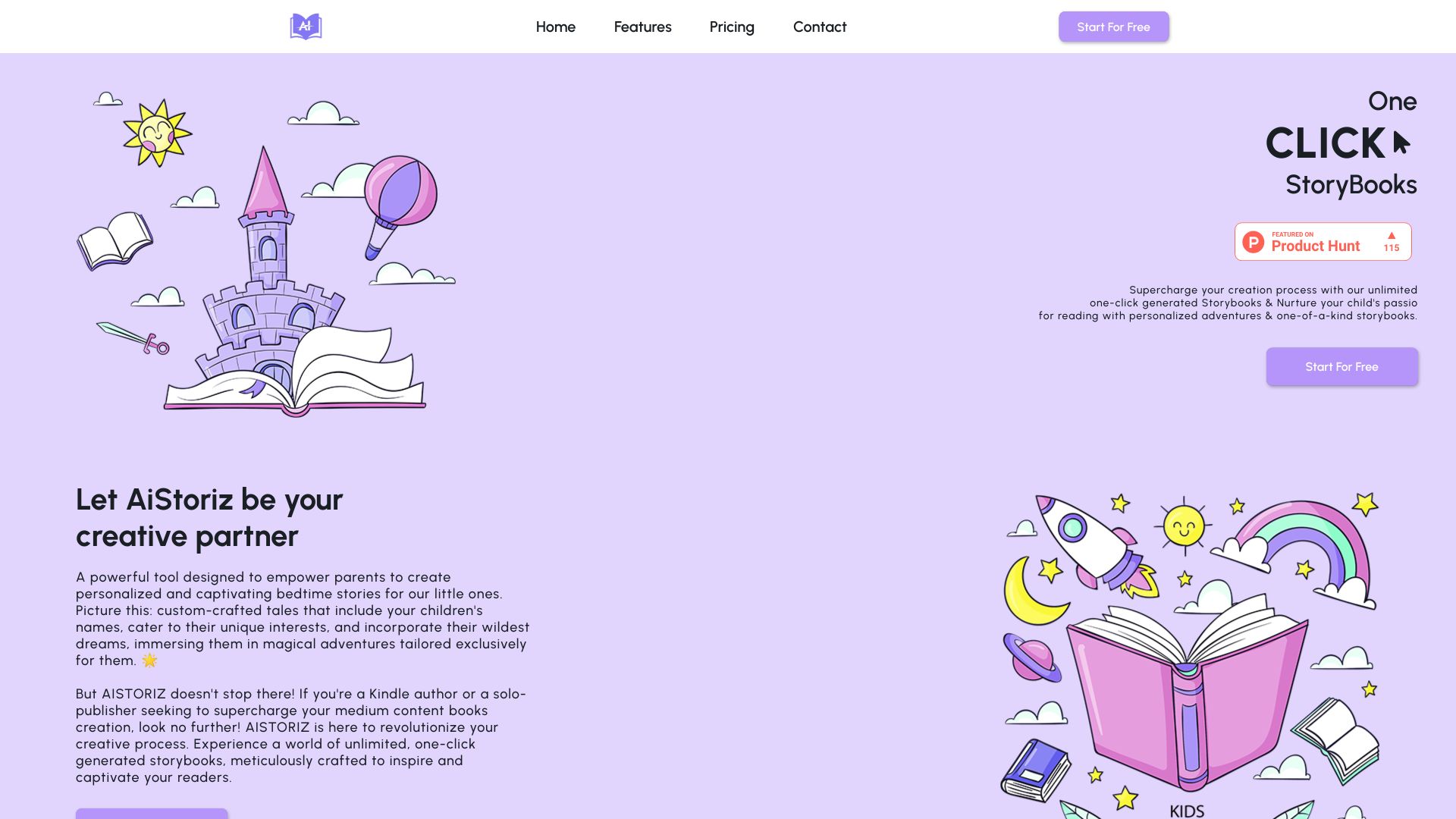
AISTORIZ
Personalized children's storybooks

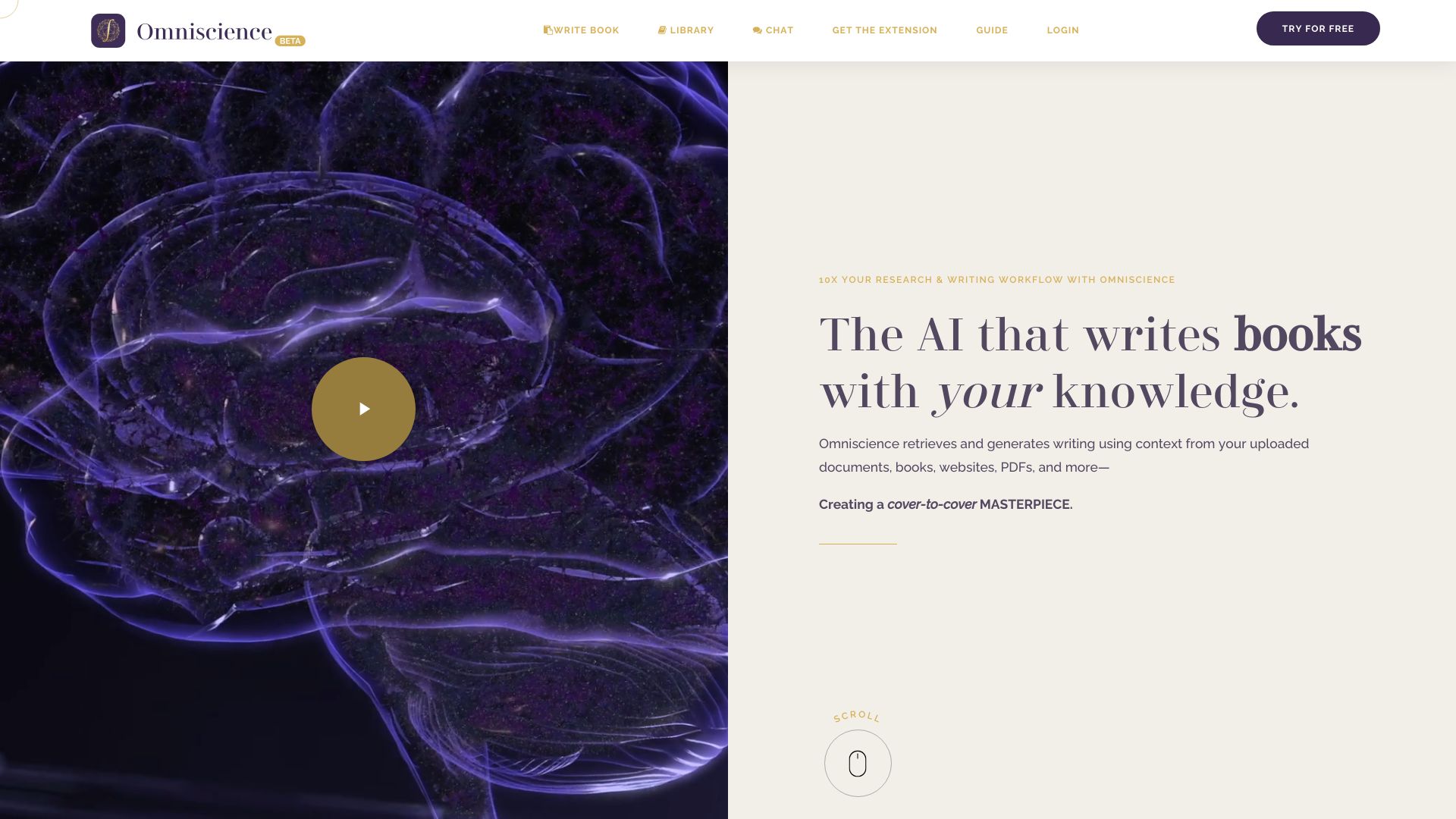
Omniscience
Writing books from your own research and documents

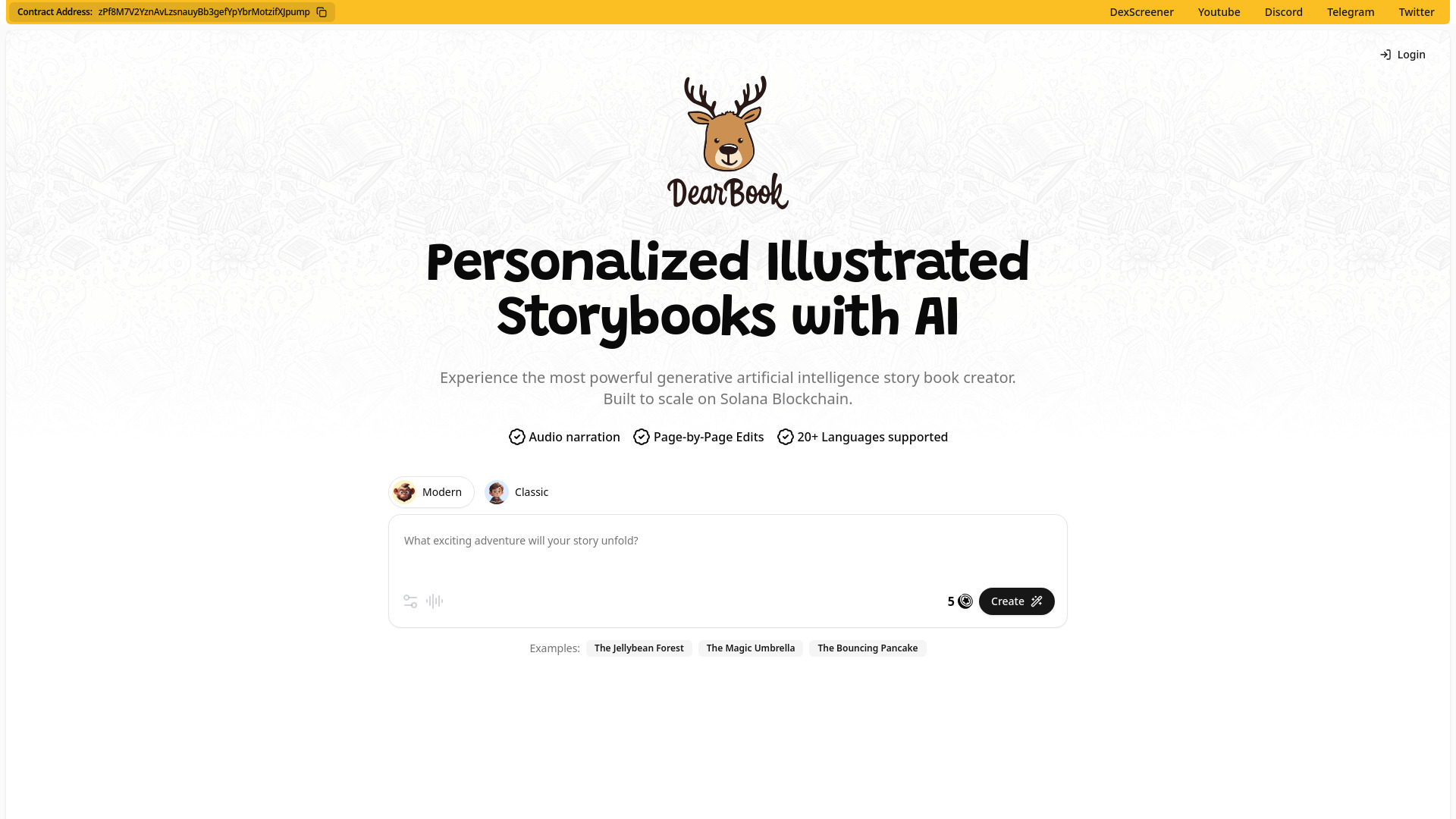
DearBook.AI
Personalized AI storybooks for children

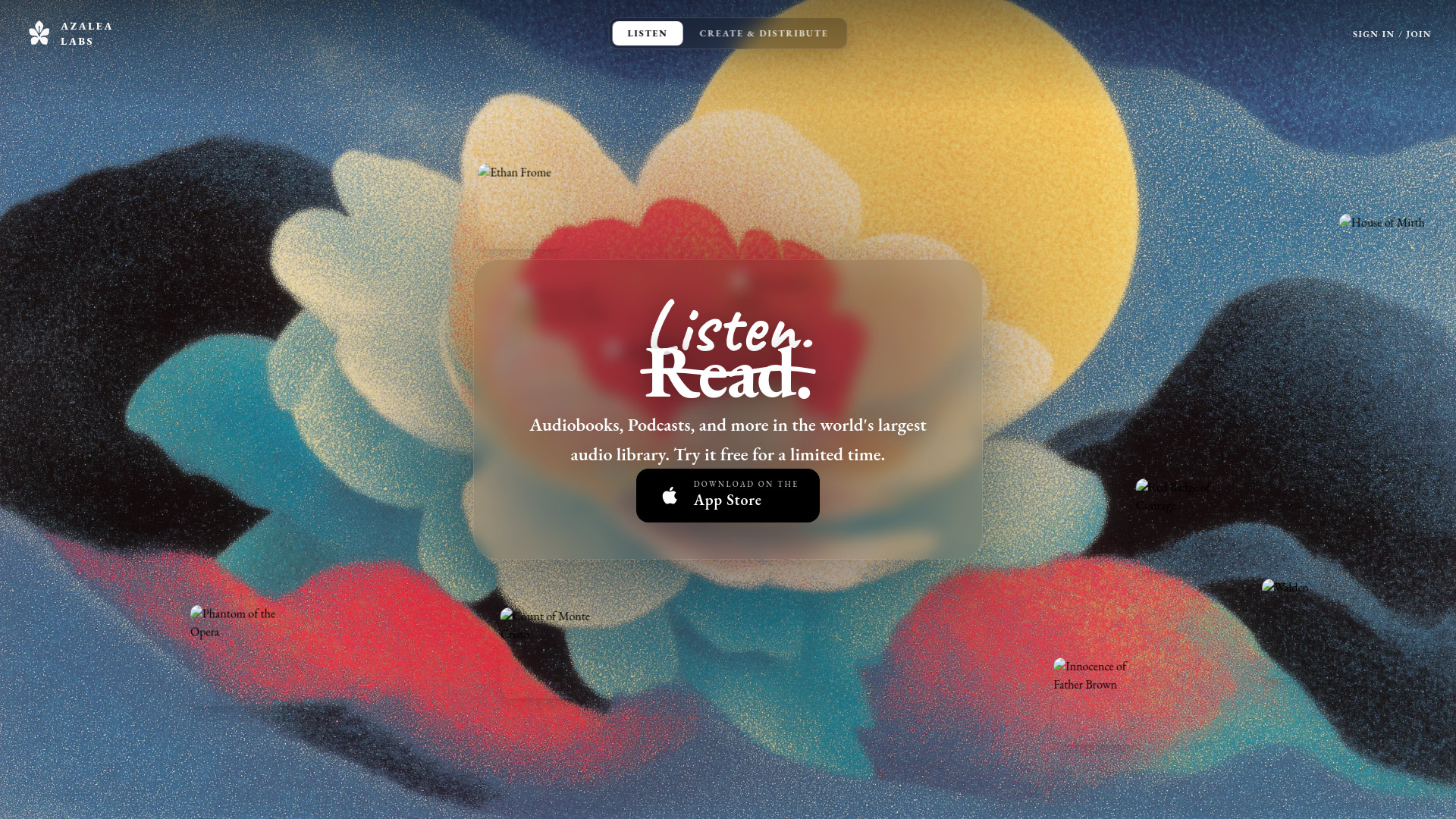
Azalea Labs
AI-narrated public-domain books

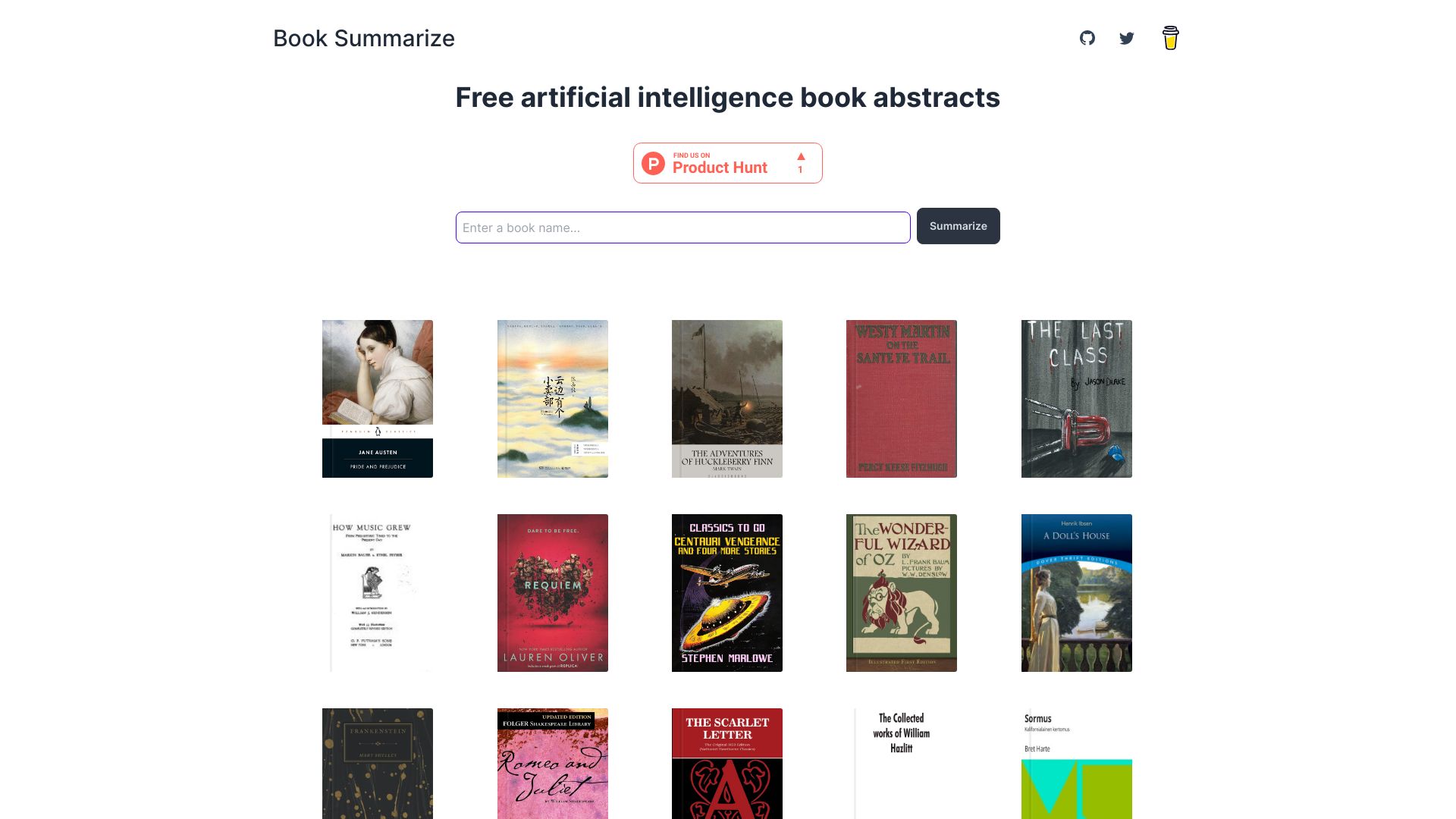
booksummary.ai
AI-generated book summaries

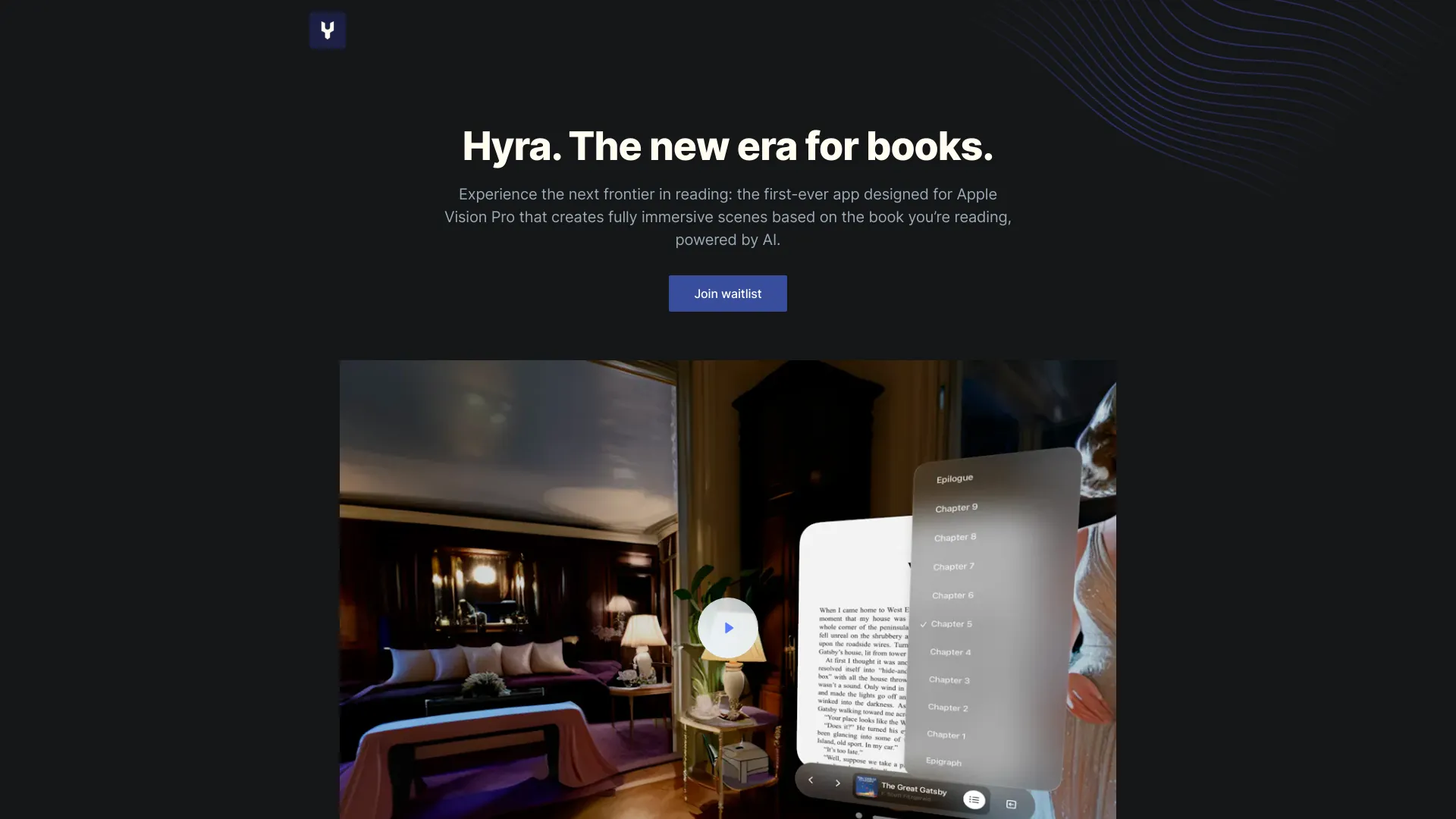
Hyra
Immersive reading on Apple Vision Pro
Omniscience
Writing books from your own research and documents

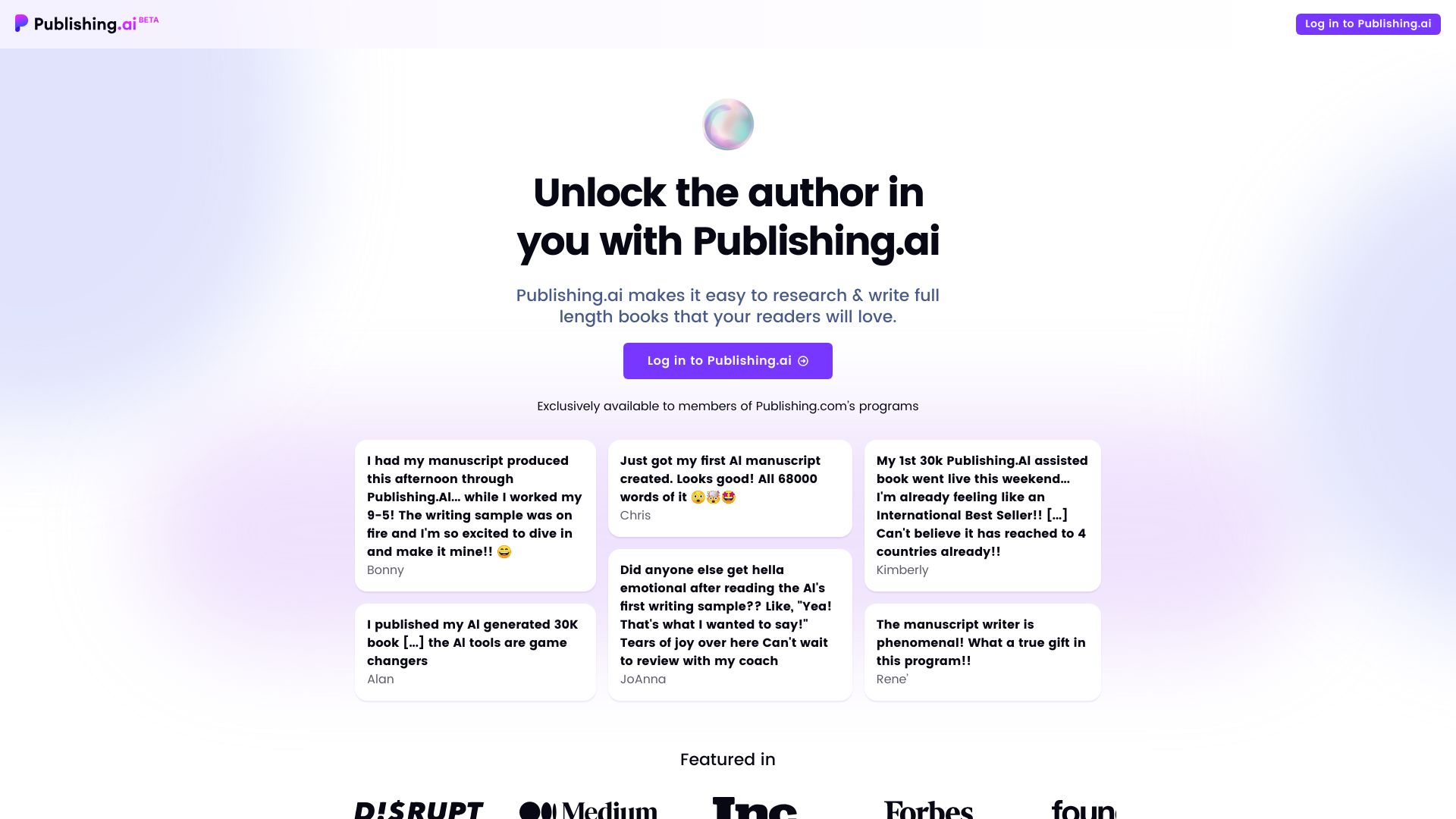
Publishing.ai
Writing and publishing books faster

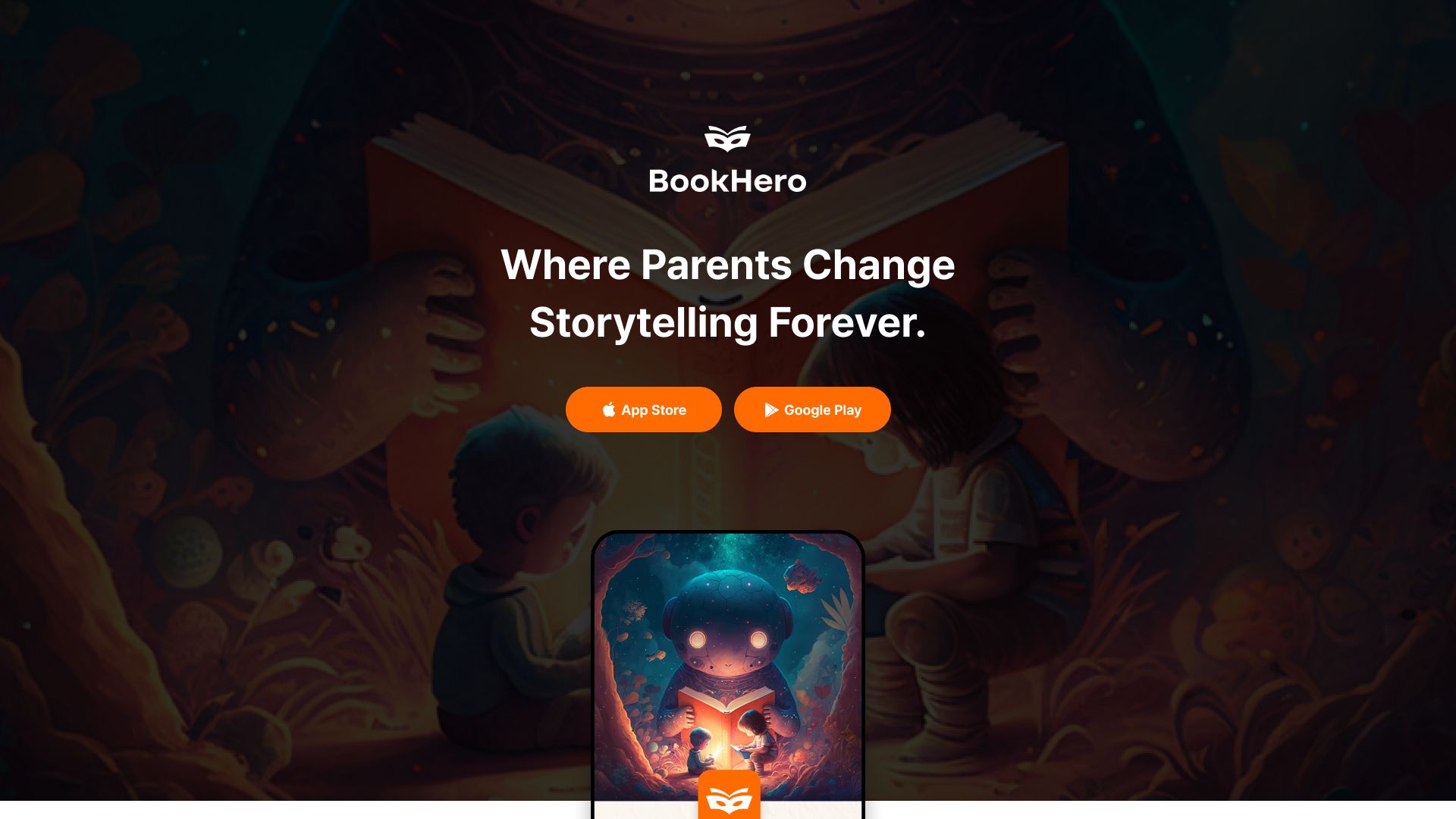
BookHero
Personalized children's storybooks

AI Notebook
Students and professionals needing AI-powered note-taking
Infinite Pages
Personalized AI picture books
LearnGPT
AI-generated topic books

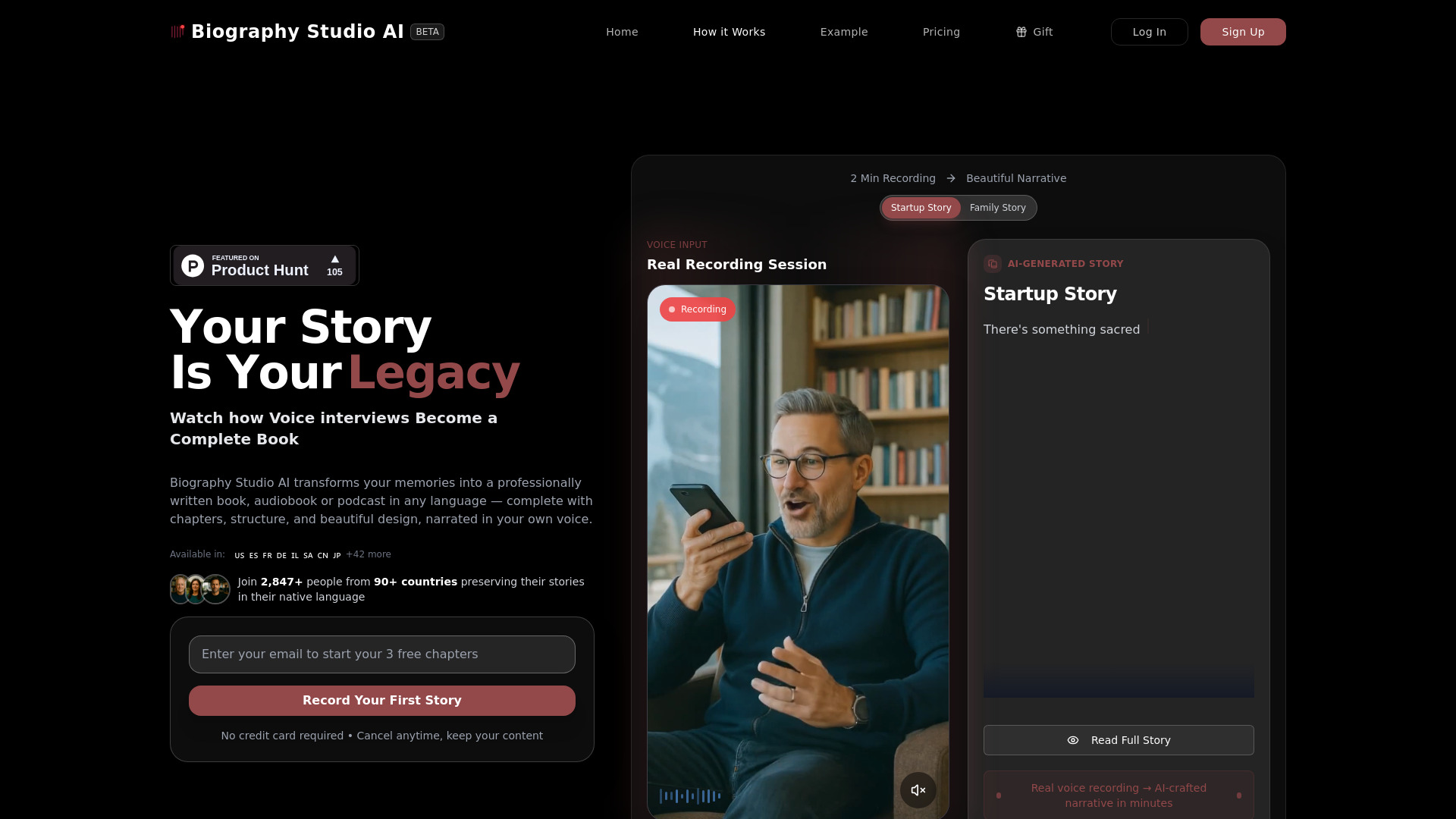
Biography Studio AI
Turning spoken memories into a life-story book

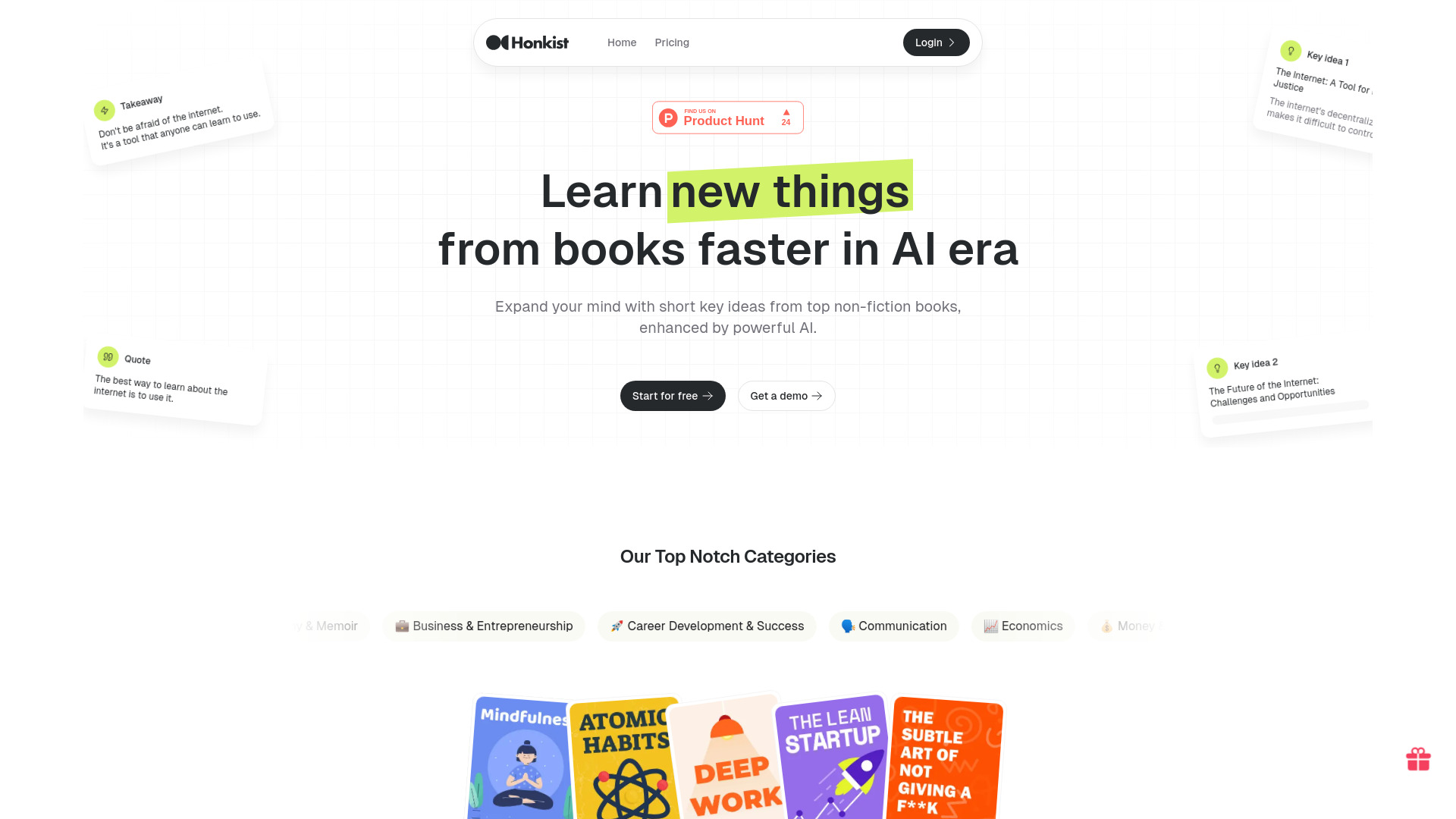
Honkist
Bite-sized non-fiction book insights

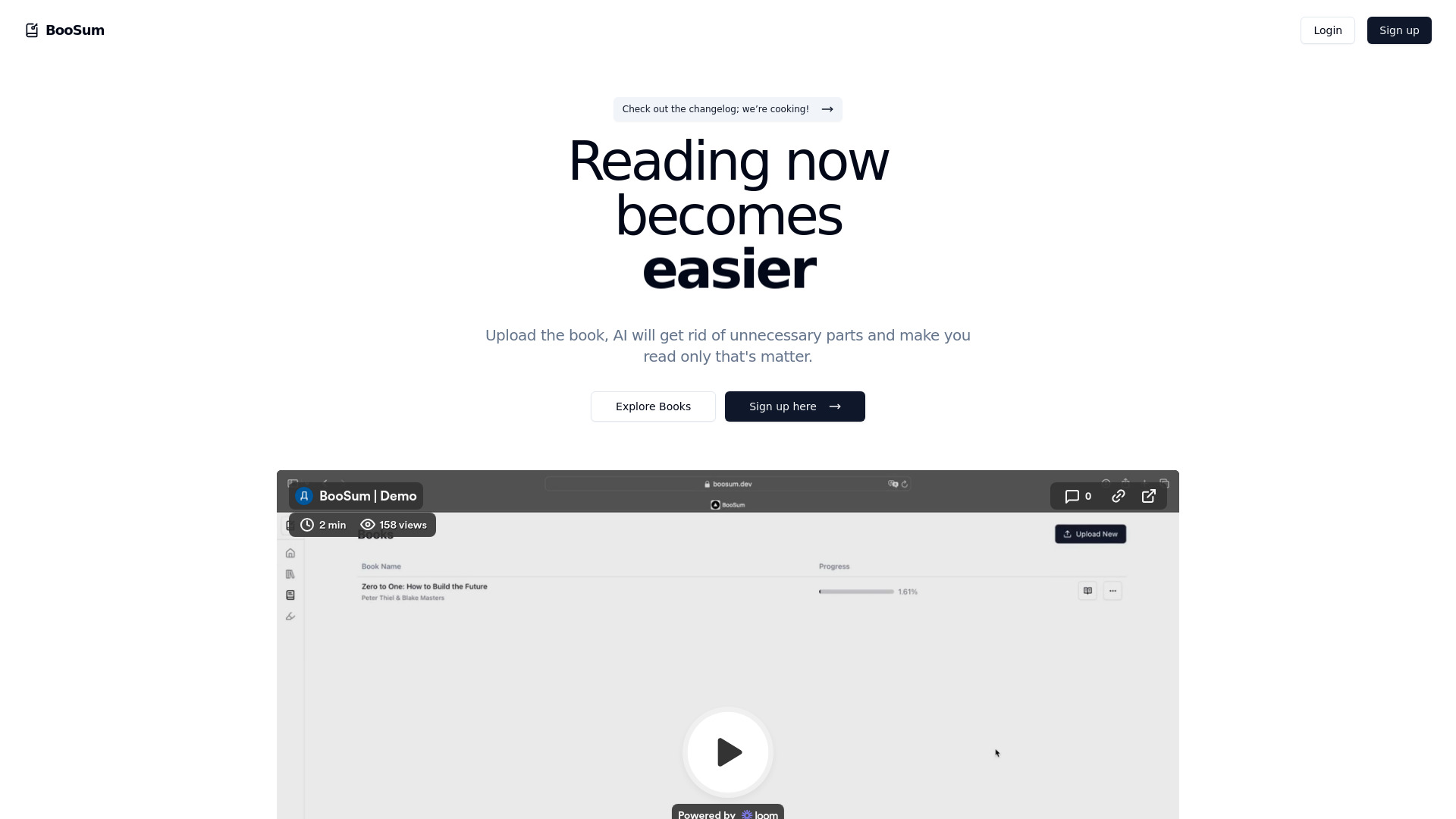
BooSum
AI-powered book summarization

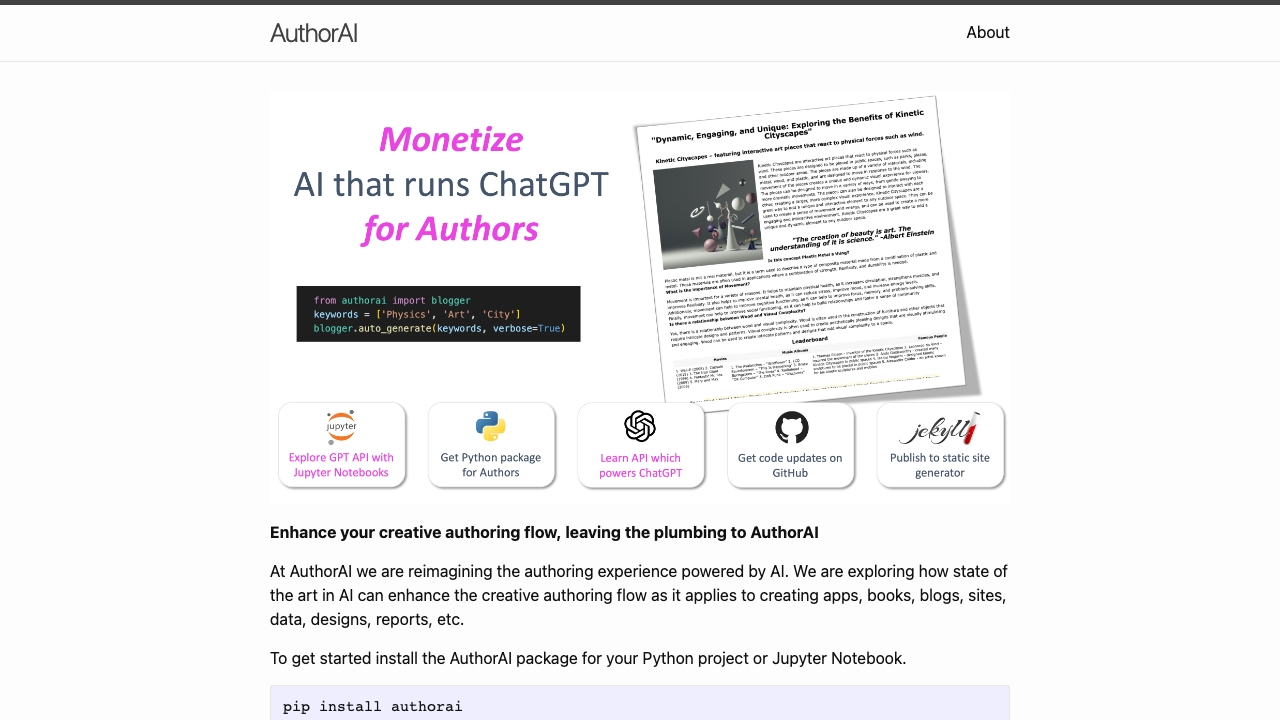
AuthorAI
AI-assisted creative authoring

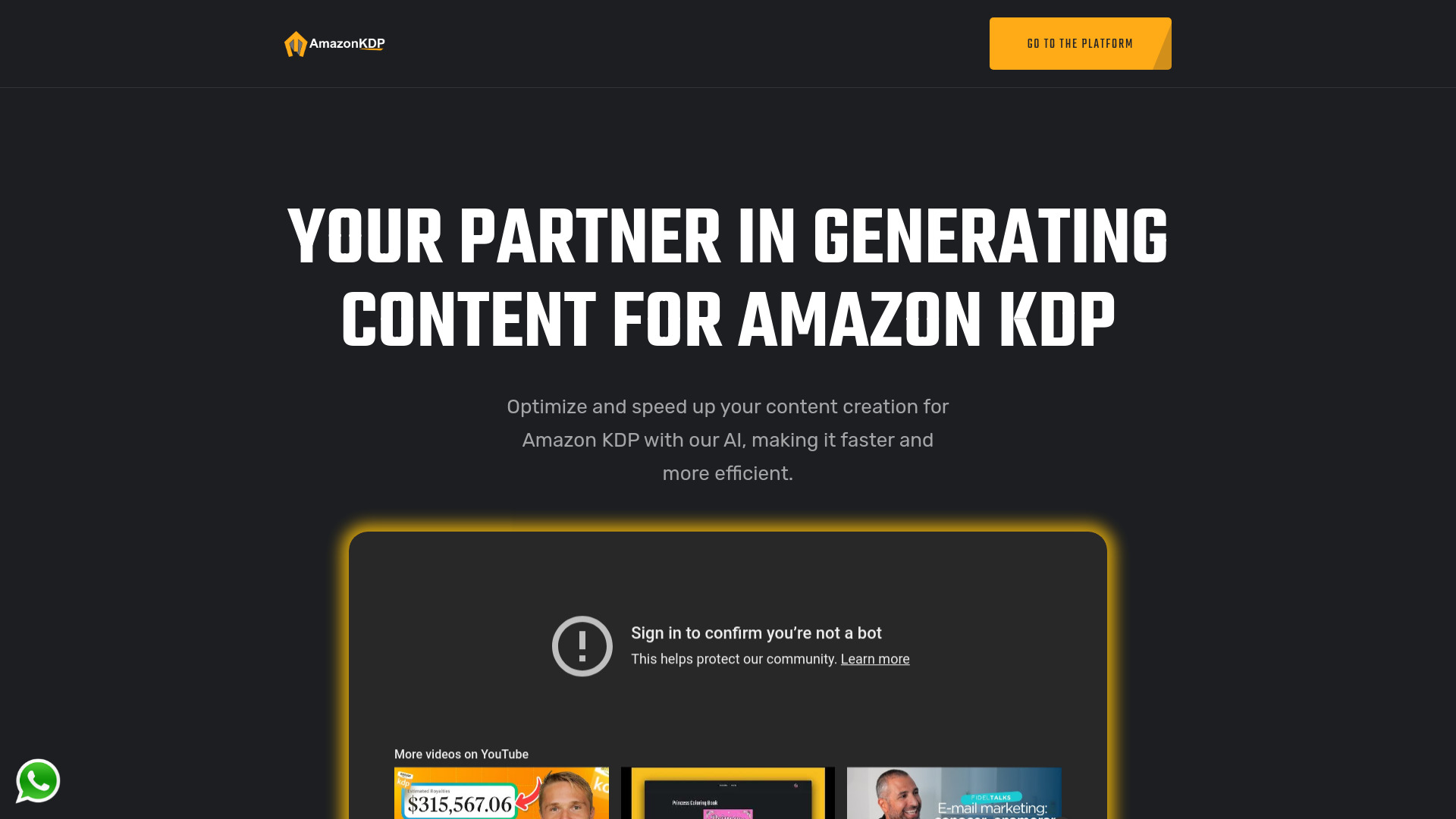
AmazonKDP.Click
AI-assisted Amazon KDP book creation

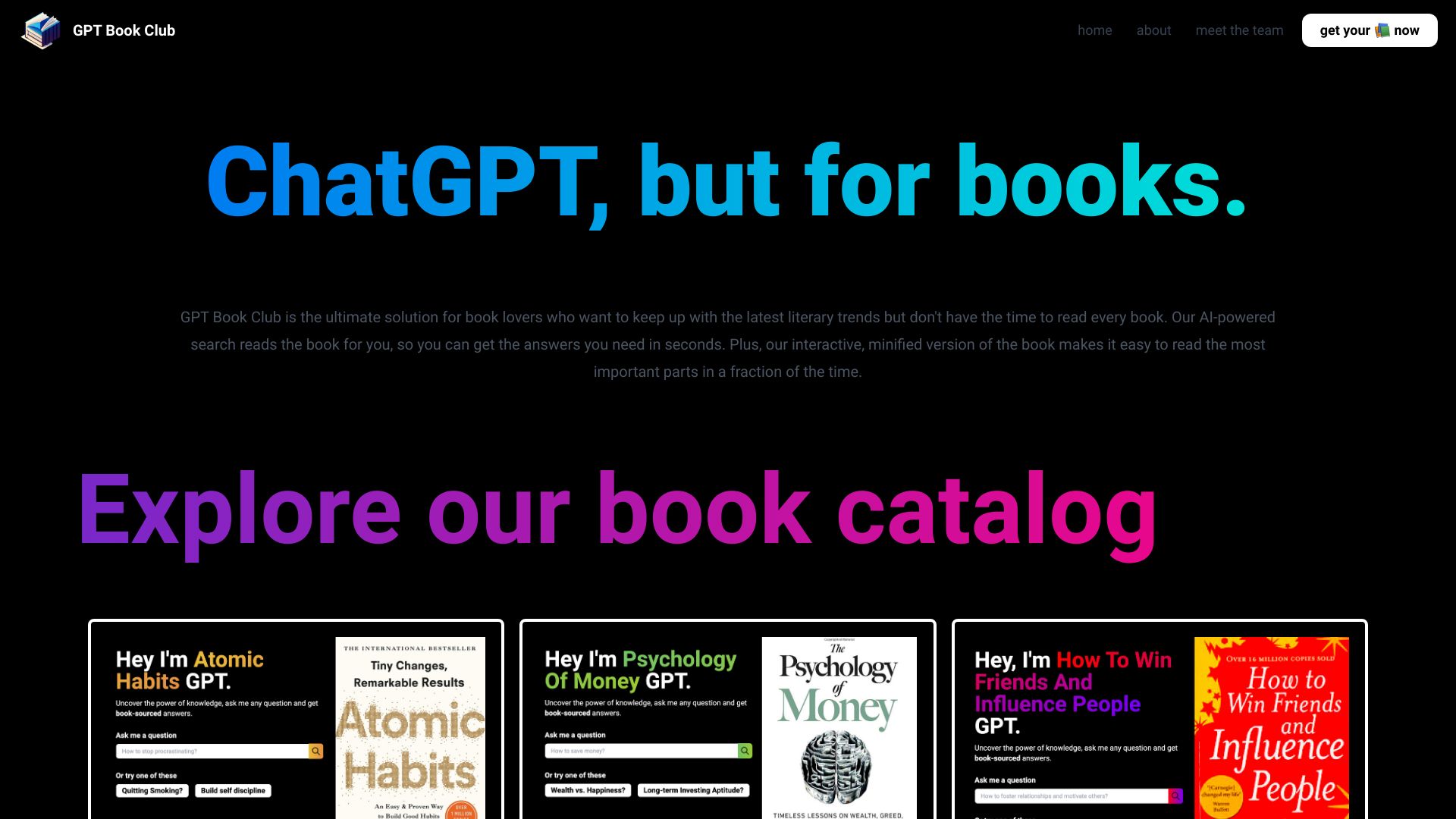
GPT Book Club
AI-powered book summaries and Q&A

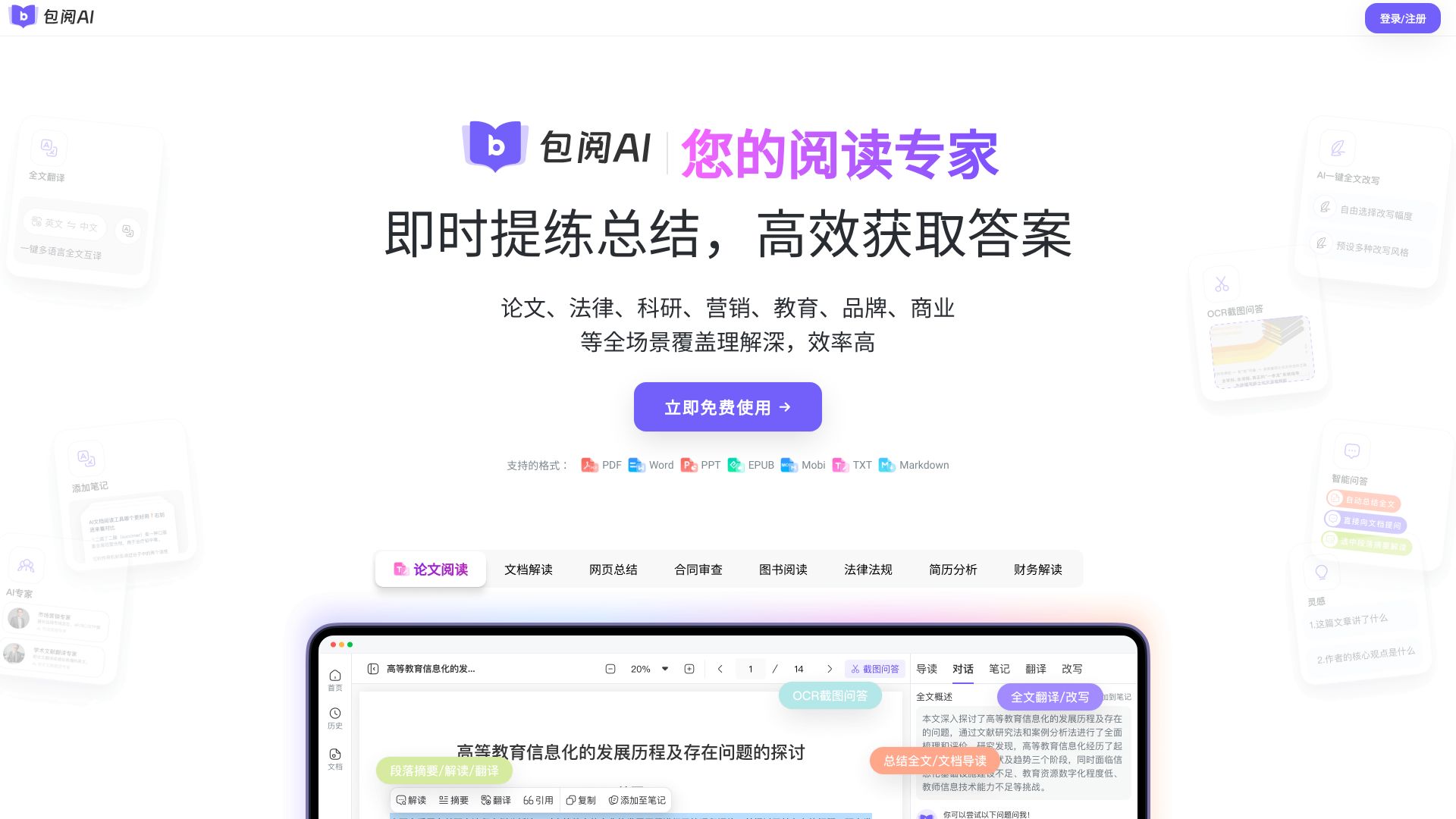
包阅AI
AI-powered document reading and analysis
infinitefables.com
AI-powered interactive fiction

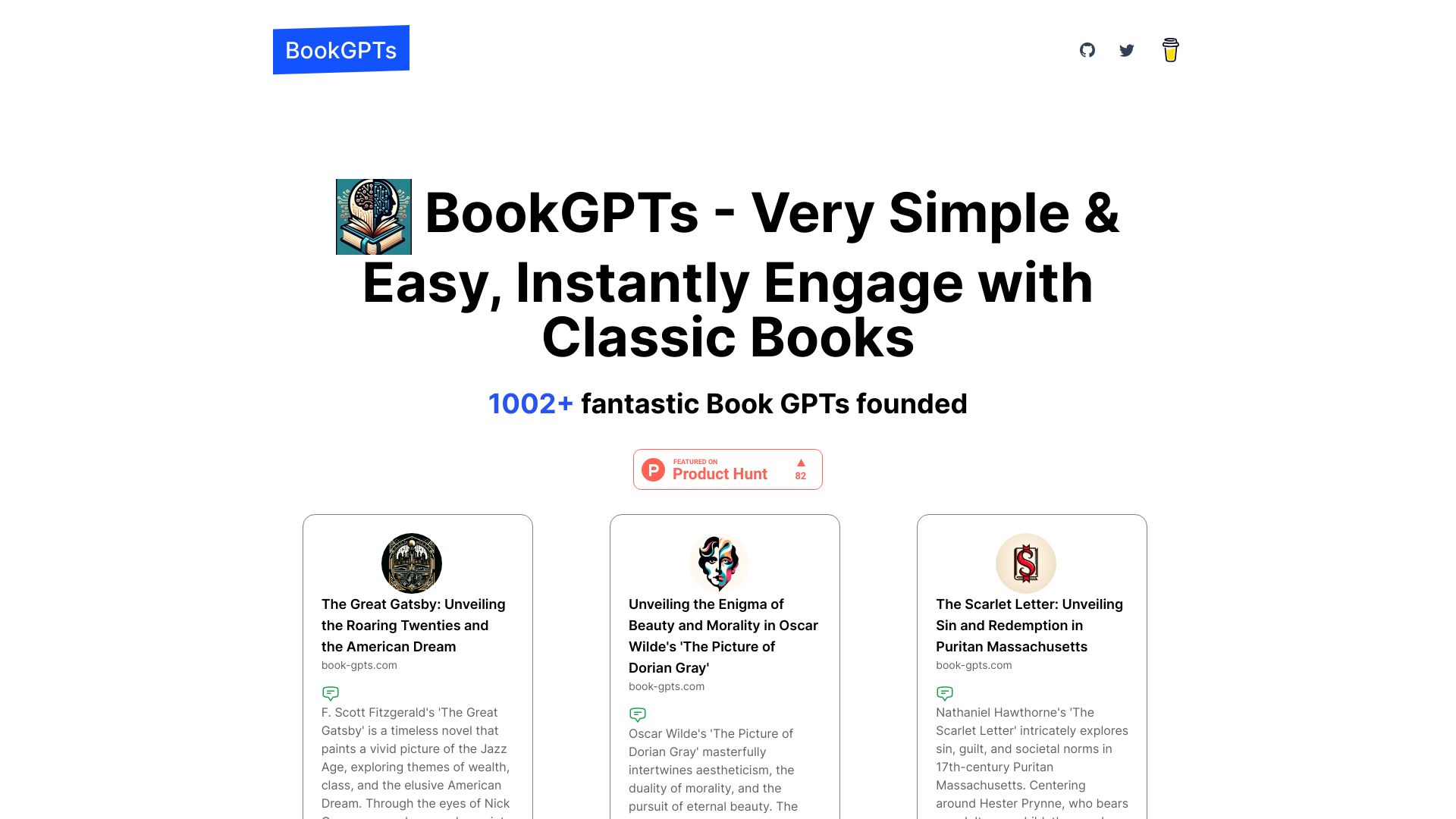
BookGPTs
Interactive classic-literature exploration

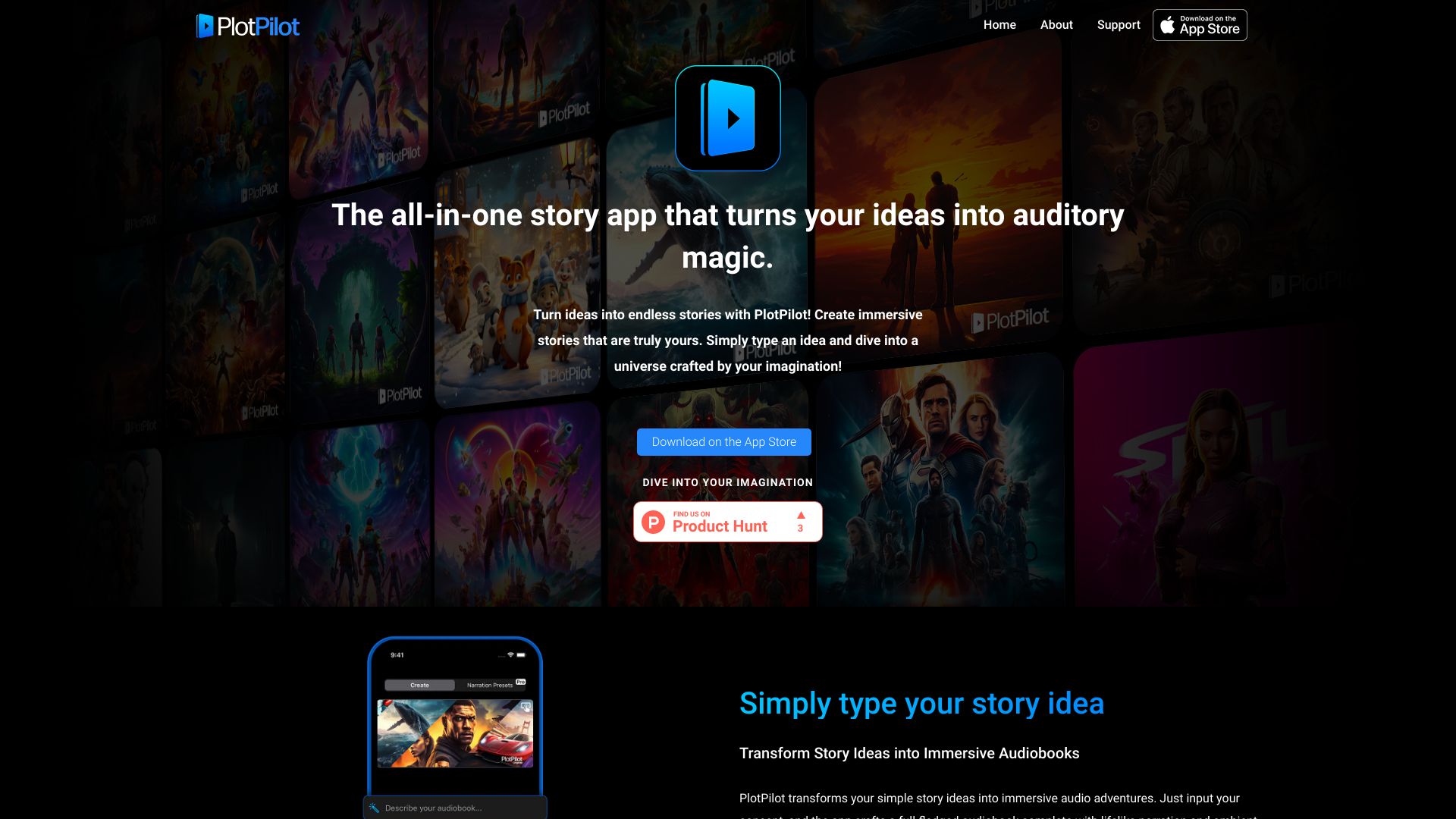
PlotPilot
Interactive AI story creation

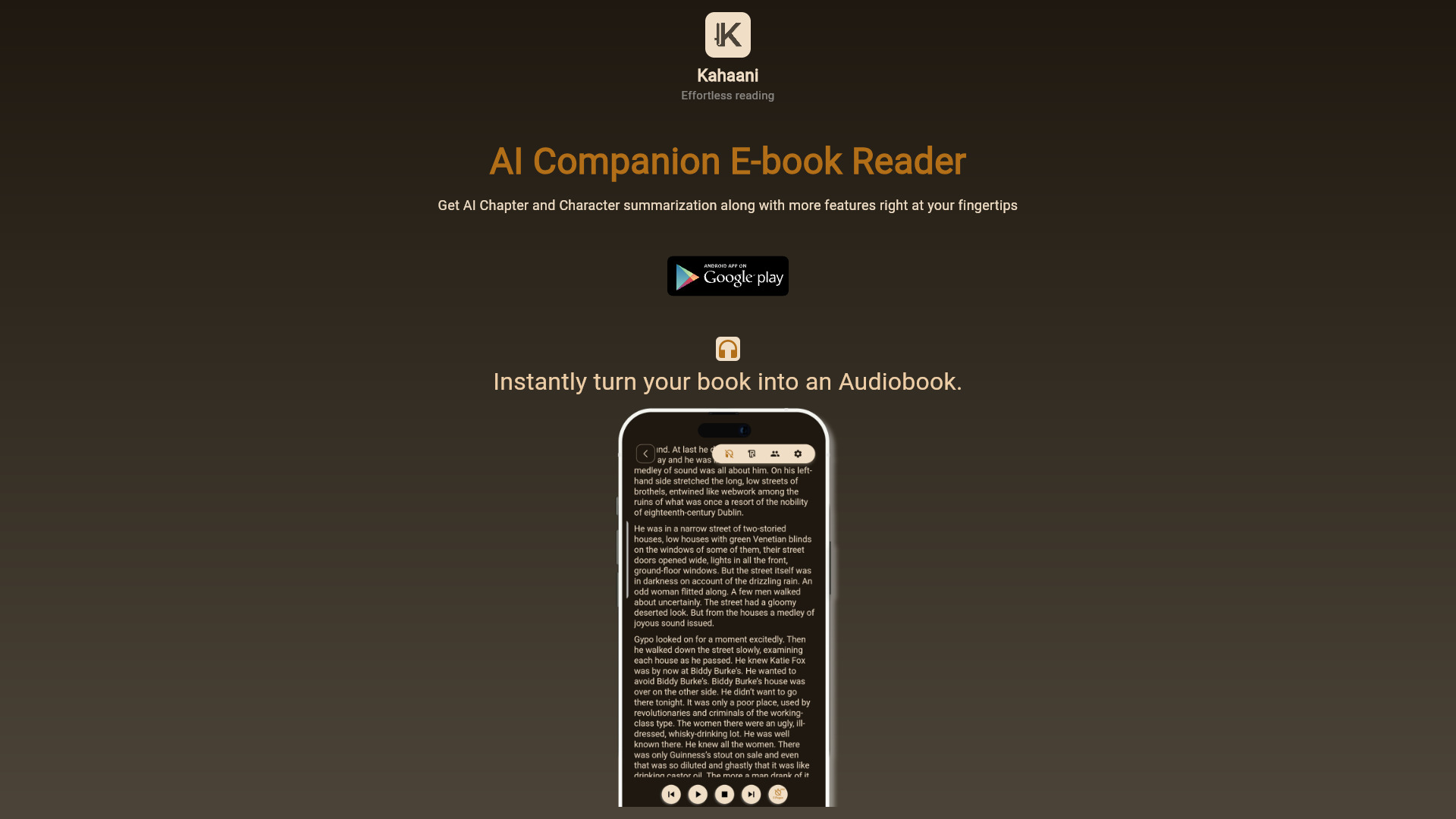
Kahaani
AI-assisted ebook reading
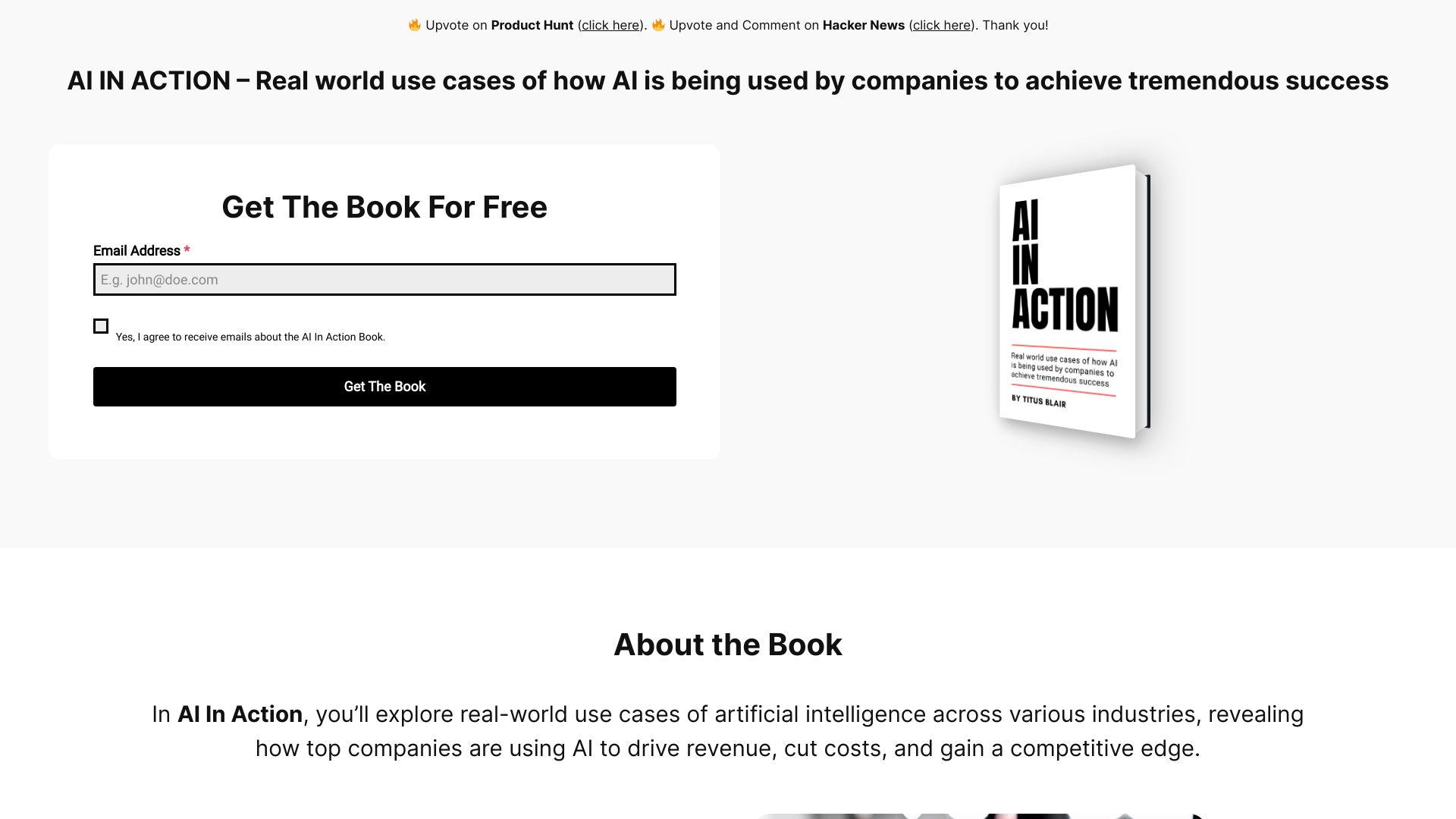
AI In Action Book
Business AI strategy readers

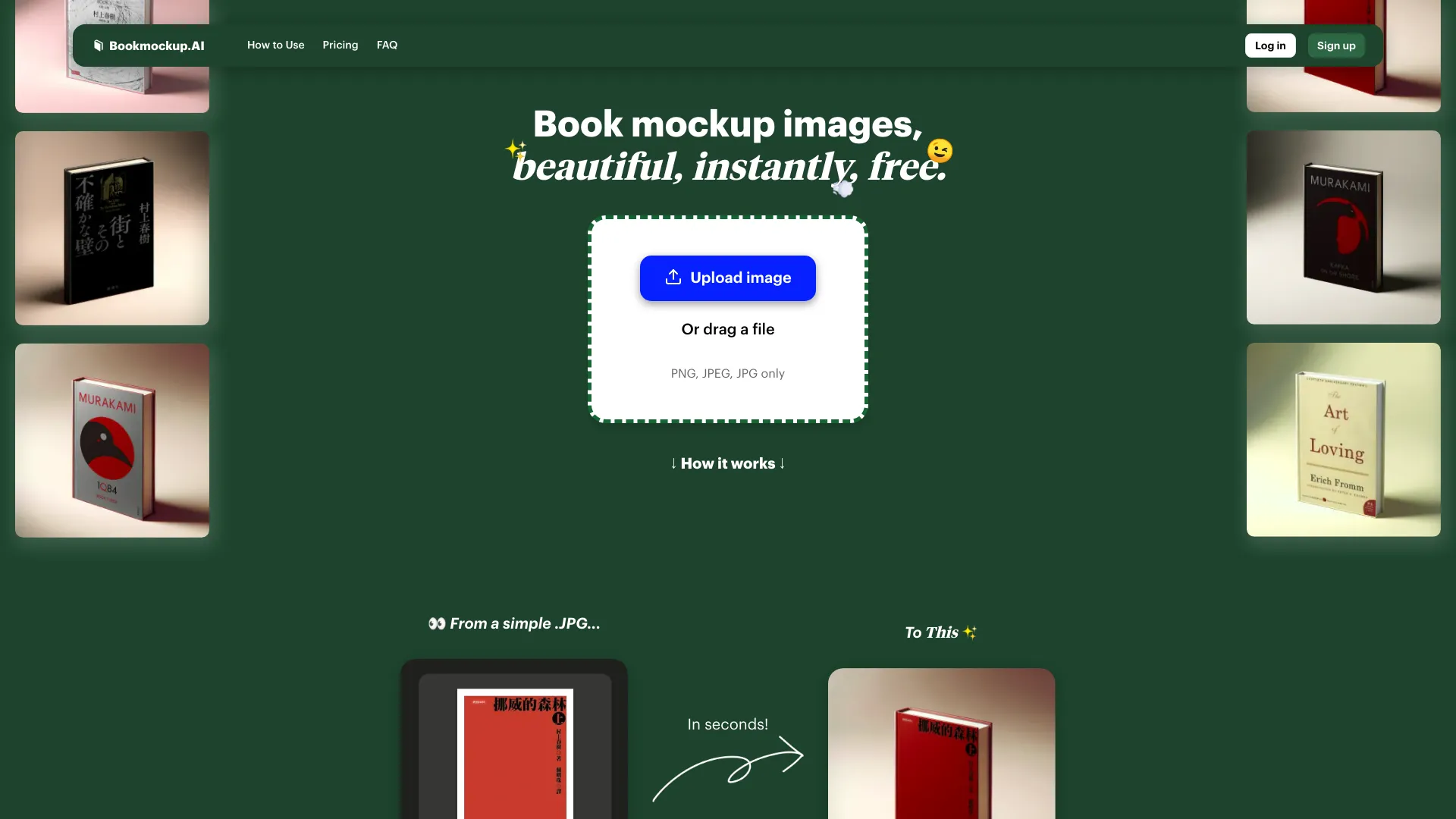
Bookmockup AI
Realistic 3D book mockups

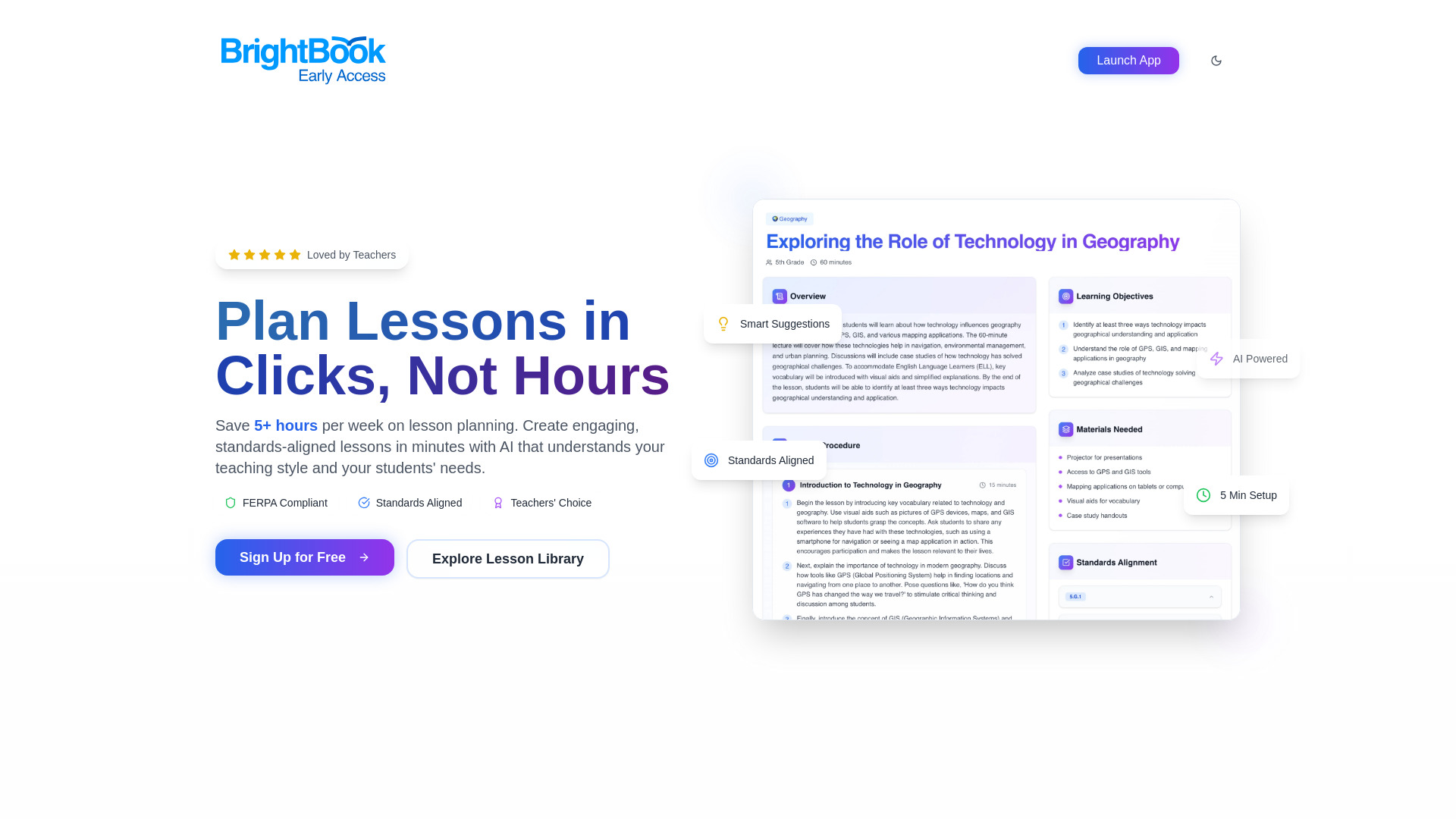
BrightBook
Personalized lesson planning for teachers

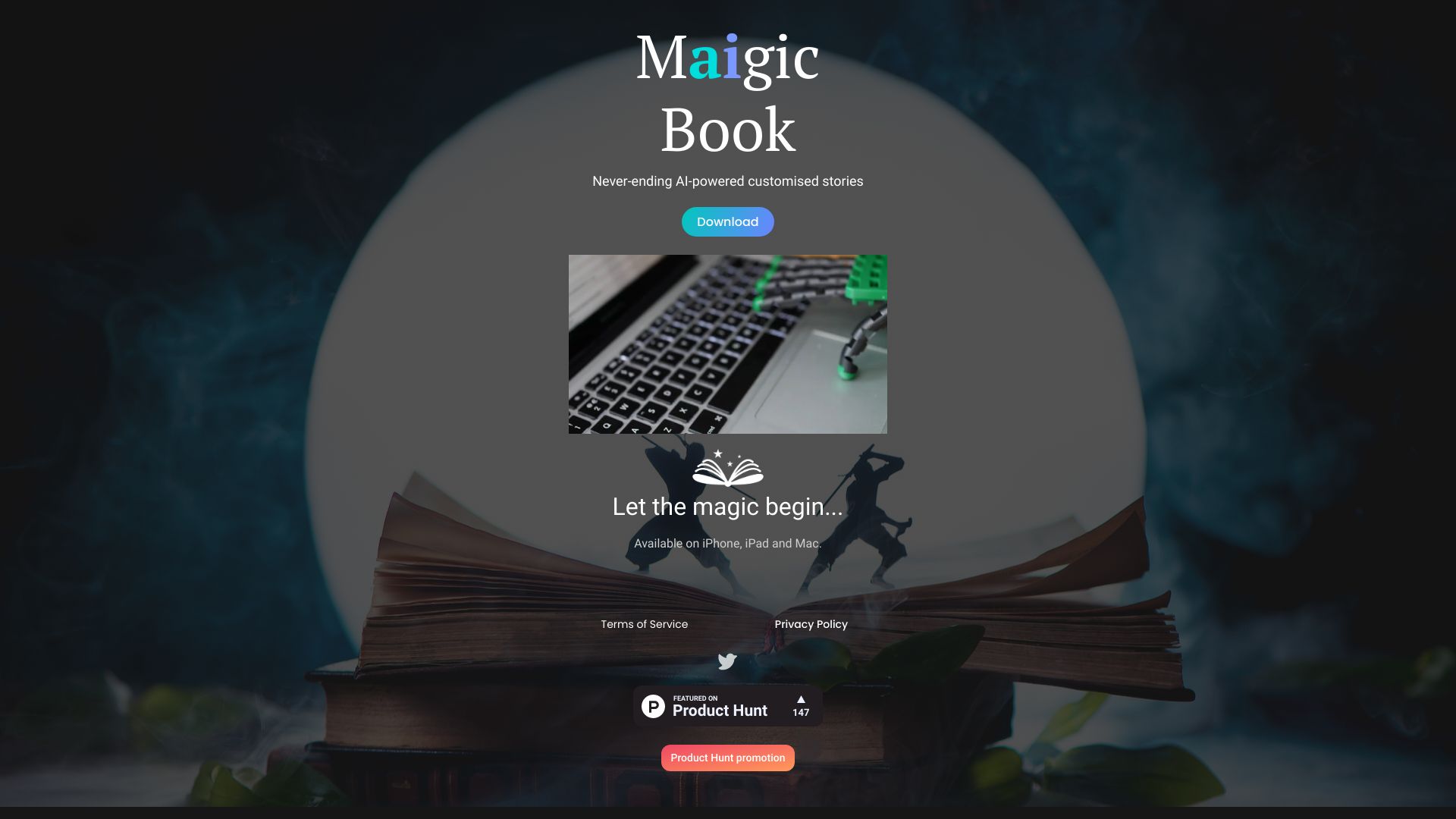
Maigic Book
Personalized illustrated story creation

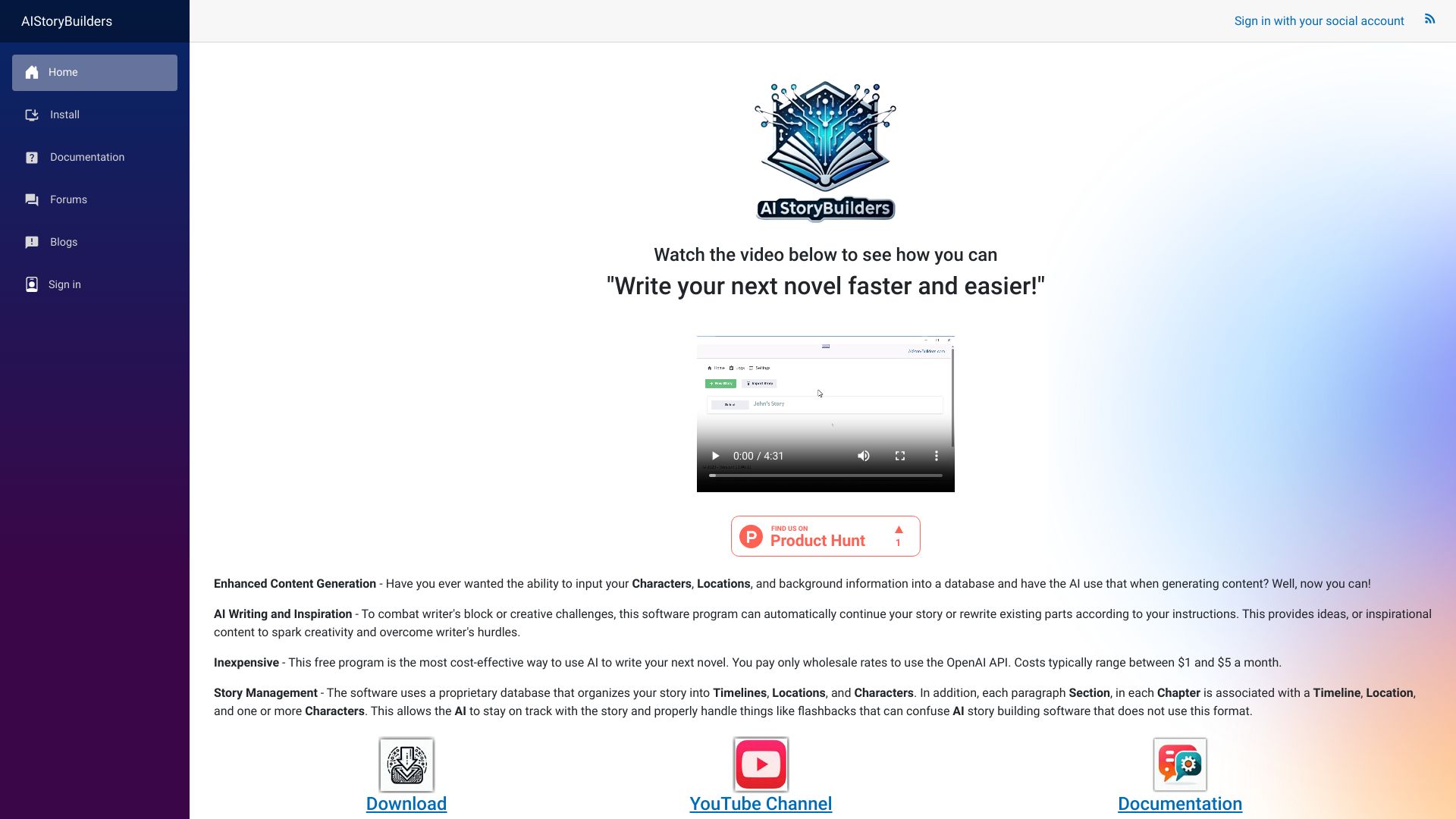
AIStoryBuilders
Novelists managing long-form stories

Bookwriter
Authors organizing voice recordings
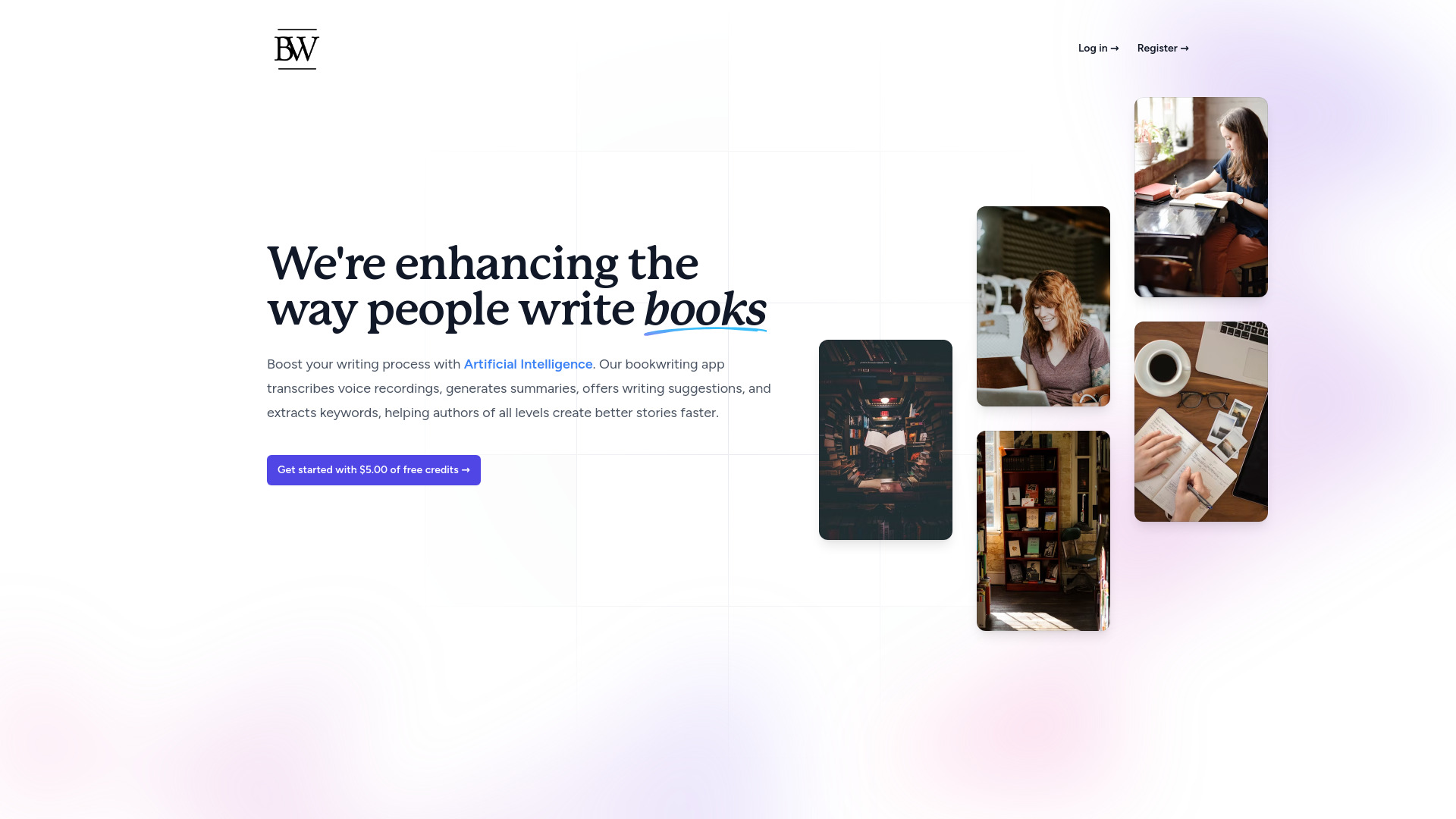

BigRead.ai
K–12 adaptive reading and AI tutoring


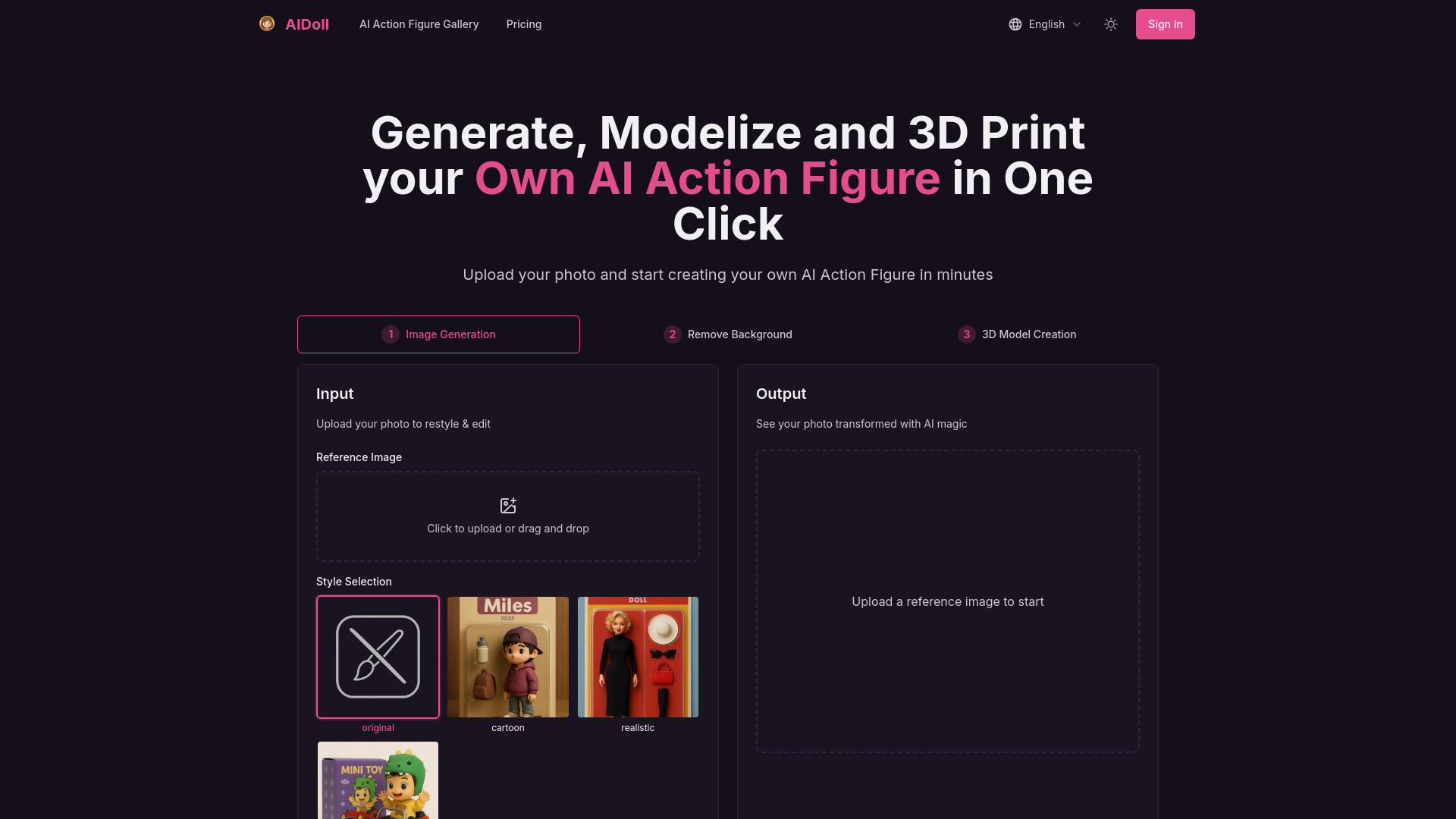
AI Doll
Custom AI action figures

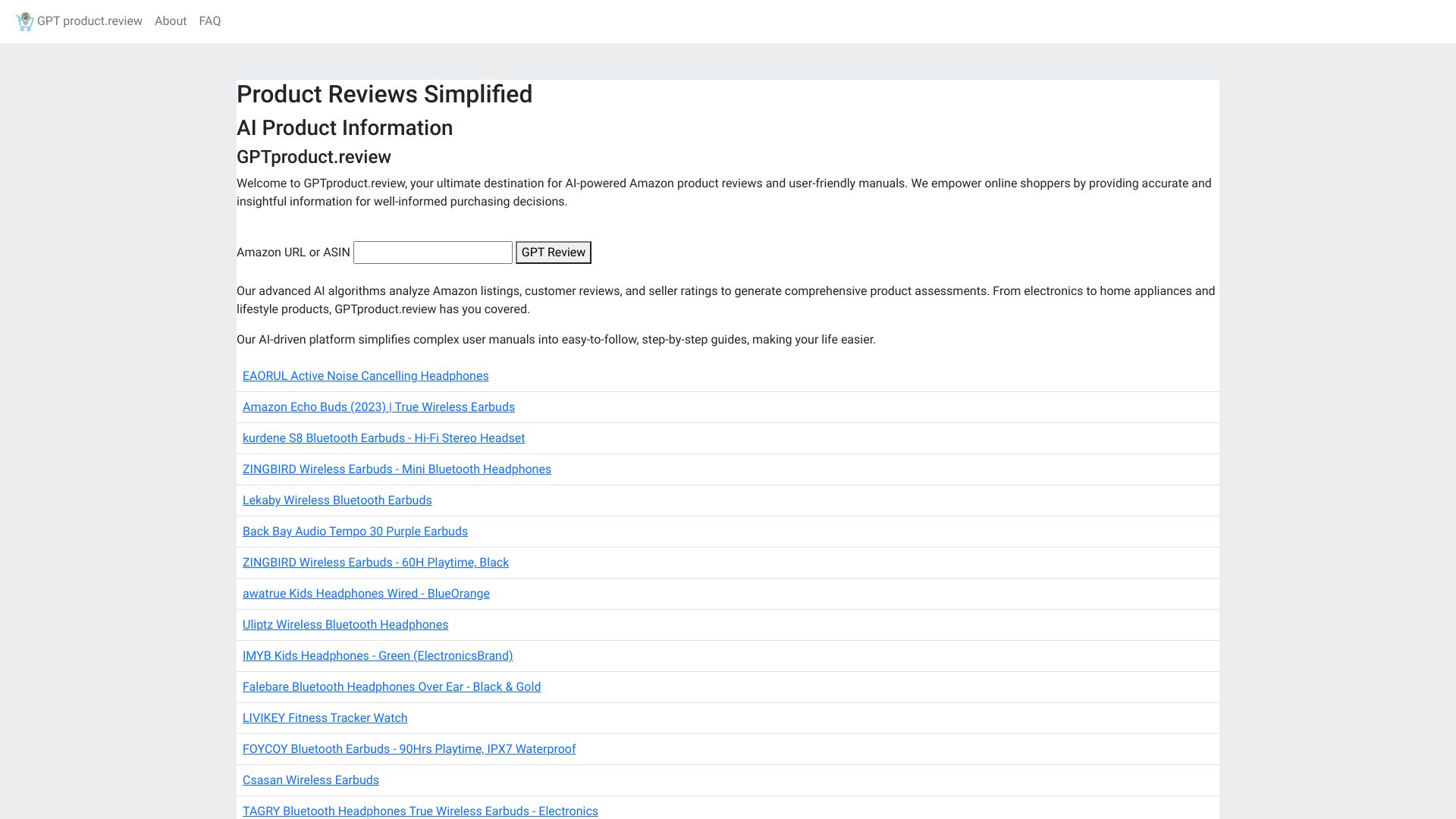
GPTproduct.review
Amazon product reviews and simplified manuals
Which AI book tool should you choose?
Choose based on the job, not the label. These tools divide into four practical groups:
For creating a polished marketing ebook: Start with FlipHTML5 AI Ebook Generator. It combines topic-based generation, file conversion, templates, and interactive publishing.
For writing and self-publishing: Compare AIWriteBook, Youbooks, AI Book Generator, Inkfluence AI, and Ebookmaker. AIWriteBook is the most complete manuscript-to-KDP option, while Youbooks is the scale pick for nonfiction.
For reading and study: BooksAI, Myreader AI, and AI Book Summarizer are the strongest choices. Pick Myreader AI for document questions, BooksAI for quick summaries and recommendations, and AI Book Summarizer for languages and interactive follow-up.
For listening: ElevenReader is the clearest choice because its workflow centers on high-quality voice AI for PDFs, ebooks, Kindle content, and audiobooks.
If you are unsure, begin with the tool that matches your immediate bottleneck. A student who needs answers from a textbook should not choose a book generator, and an author who needs KDP formatting will outgrow a basic summarizer quickly.
My practical recommendation
For most buyers, I would start with FlipHTML5 AI Ebook Generator if the goal is a finished digital publication, because it handles both source material and visual layout. For an author writing a full book, AIWriteBook is the more focused first test, particularly if you already have a manuscript to import. Students should try Myreader AI when they need answers from documents, or ElevenReader when listening is the main advantage.
The best AI book workflow is usually hybrid. Use AI to outline, search, summarize, format, or narrate-but keep a human in charge of factual review, voice, citations, and final editorial decisions. Free allowances are useful for testing, yet they are not always representative of the cost of completing a long book.
Common mistakes when choosing AI book tools
Confusing reading tools with writing tools: A summarizer can help you understand a book, but it will not replace a manuscript editor or publishing workflow.
Choosing on word count alone: A large output limit does not guarantee coherent structure, accurate claims, or a consistent voice.
Ignoring the billing model: Credits, chapter caps, trials, and query limits can change the real cost of a project.
Skipping source checks: AI summaries and generated chapters can contain inaccuracies. Verify important claims against the original material.
Assuming export equals publication: EPUB, PDF, or DOC output is useful, but formatting, cover quality, editing, and platform requirements still need review.
Overlooking the final format: If you need audio, choose a tool with audiobook or narration support rather than adding that workflow later.
What changed in 2026
The AI book category has become less about one universal writing assistant and more about specialized workflows. The strongest tools now cluster around distinct jobs: generating and formatting ebooks, questioning document libraries, summarizing books, reading text aloud, and converting manuscripts into audiobooks. Long-form capacity, multilingual support, file import, and output format are increasingly important buying criteria alongside raw text generation.
That specialization makes comparison more useful-but it also makes category labels easy to misread. Before choosing the best AI book tool, decide whether you need to create a book, understand one, listen to one, or publish it. The right shortlist changes immediately once that job is clear.
FAQ
FlipHTML5 AI Ebook Generator is the strongest overall match for creating polished digital publications because it combines AI content generation, file conversion, templates, layout design, and interactive publishing.