
Choosing the best ai tool for hr teams depends on where work is piling up: sourcing candidates, screening resumes, running interviews, managing people, or automating repetitive processes. We compared 100 tools across those workflows, then selected 10 worth a closer look. Workable is the strongest all-around starting point, while Arc makes more sense for startups hiring remote talent and Hirebee is the practical ATS-focused alternative. The rest are more specialized, ranging from asynchronous video interviews to broader AI automation platforms.
Top picks
| Pick | Tool | Best for | Why it stands out |
|---|---|---|---|
| 1 | Workable | Recruiters needing breadth | Combines recruiting, HR, and employee management with AI sourcing and screening. |
| 2 | Arc | Startups hiring remotely | Matches companies with a large pool of vetted remote talent. |
| 3 | Cezanne HR | HR professionals | Pairs people management with document, writing, and knowledge-search features. |
| 4 | Alex AI | Recruiting teams | Automates candidate interviews, resume screening, verification, and scheduling. |
Quick comparison
| Rank | Tool | Best for | Score | Free access | Starting price |
|---|---|---|---|---|---|
| #1 | Workable | Recruiters | 93/100 | 15-day free trial | Standard: $299 per month or $3,588 per year |
| #2 | Arc | Startups | 92/100 | 2-week risk-free trial | Freelance hires: $15-$110+ |
| #3 | Cezanne HR | HR professionals | 92/100 | Free access to listed AI features | Check vendor pricing |
| #4 | Alex AI | Recruiting teams | 92/100 | Free access to listed AI features | Check vendor pricing |
| #5 | Alfa AI | Recruiters | 92/100 | Free access to listed AI features | Check vendor pricing |
| #6 | Coworker AI | Sales operations managers | 92/100 | 7-day free trial | Free trial: $0 for 7 days |
| #7 | Beam AI | Businesses of all sizes | 92/100 | Free access to listed automation features | Check vendor pricing |
| #8 | Hirebee | HR teams | 92/100 | 14-day free trial | Check vendor pricing |
| #9 | Helio.AI | Executives | 92/100 | No starting costs | Check vendor pricing |
| #10 | Interviewer.AI | Recruiters | 92/100 | 14-day free trial | Essential: $53/month |
How we ranked these AI tools for HR teams
We ranked each option against the actual buying questions an HR team faces: how directly it supports hiring or people operations, how much repetitive work it can automate, how clear the workflow is from candidate search to decision, and whether its audience fit is convincing. We also considered stated pricing, free access, product scope, usage signals, and the strength of the tool's central AI capability. Recruiting-first products received the closest scrutiny because they dominate this shortlist, but broader HR and automation platforms were included when they offered a plausible way to reduce operational work. Scores are comparative editorial signals, not a substitute for a security, compliance, or vendor evaluation.
The best AI tools for HR teams
1. Workable

Workable
Best all-around AI recruiting and HR platform for recruiters
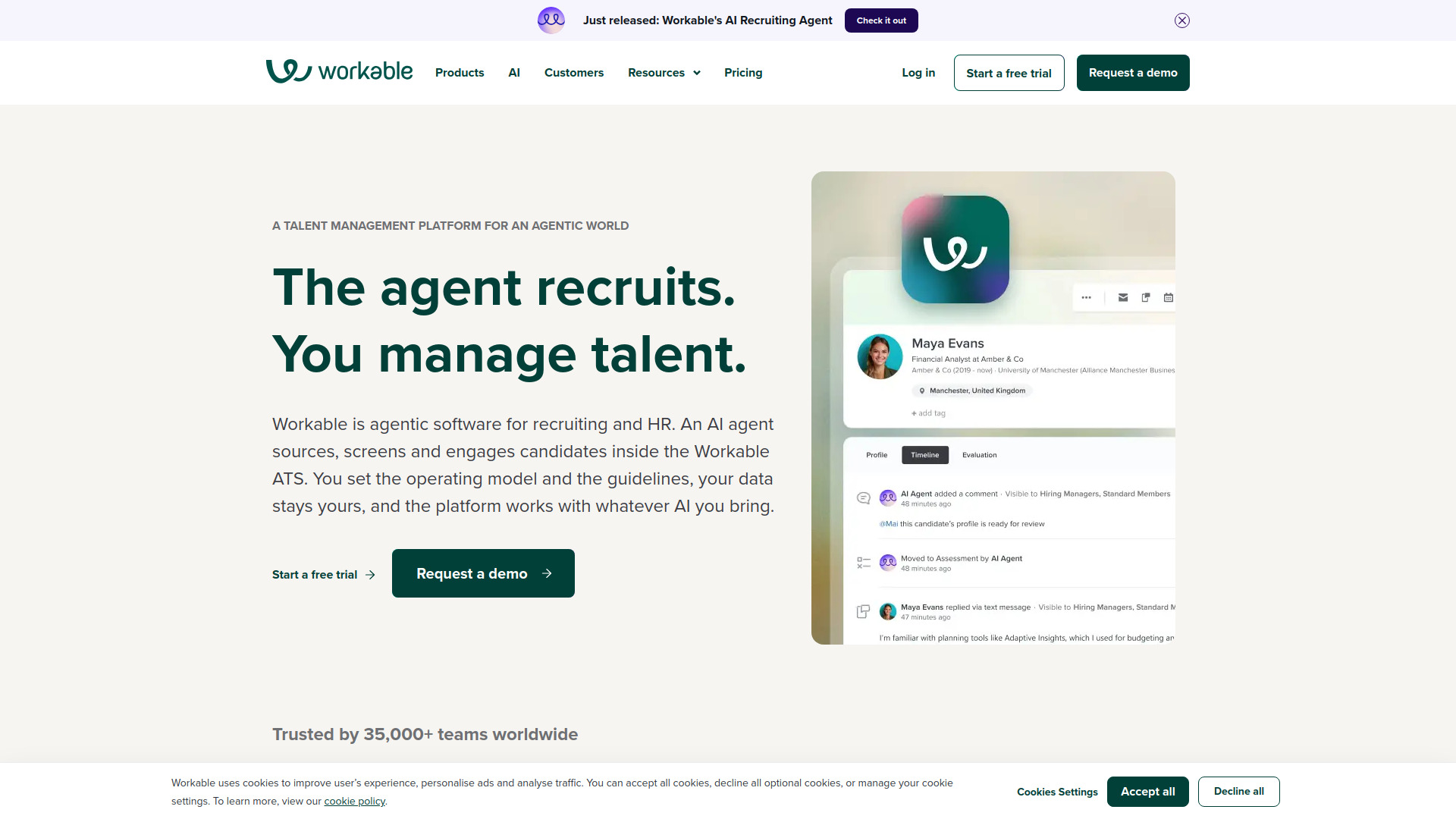
The strongest case for Workable is its breadth. Rather than forcing a recruiting team to stitch together separate tools for sourcing, applicant tracking, and employee management, it brings those areas into one platform. Its AI capability covers candidate sourcing, screening, qualification, and engagement, so the product addresses several early-stage recruiting tasks before a hiring manager ever sees a shortlist.
The applicant tracking system adds the operational backbone: job board distribution, a talent CRM, interviews, evaluations, and offer management. That makes Workable easier to recommend for teams that want one recruiting workflow rather than a narrowly focused AI feature. Its 10.8M monthly visits also give it the strongest usage signal among these featured tools.
My take: Workable is the safest first tool to investigate when an HR team wants recruiting and broader HR functionality together. The tradeoff is simple but significant: the lowest listed bundle starts at $299 per month, so small teams should confirm the economics before getting attached to the workflow.
Where it falls short: The entry price is high compared with tools that expose a lower-cost trial or starting tier. Teams looking only for automated interviews or resume scoring may also find the all-in-one scope broader than necessary.
Key features
AI-powered candidate sourcing, screening, qualification, and engagement.
Applicant tracking with job board distribution and talent CRM functionality.
Interviews, evaluations, and offer management in the same recruiting workflow.
Recruiting, HR, and employee management combined in one platform.
Pros
Covers more of the recruiting lifecycle than a single-purpose screening tool.
Gives recruiters one place for sourcing, evaluation, and offer management.
Strongest all-around match for teams comparing the best AI tools for HR.
Cons
The lowest listed bundle starts at $299 per month.
Its broad platform may be more than a team needs for one isolated hiring task.
Choose Workable if: You want one established platform for AI-assisted recruiting, applicant tracking, HR, and employee management.
2. Arc

Arc
Best AI talent-matching option for startups
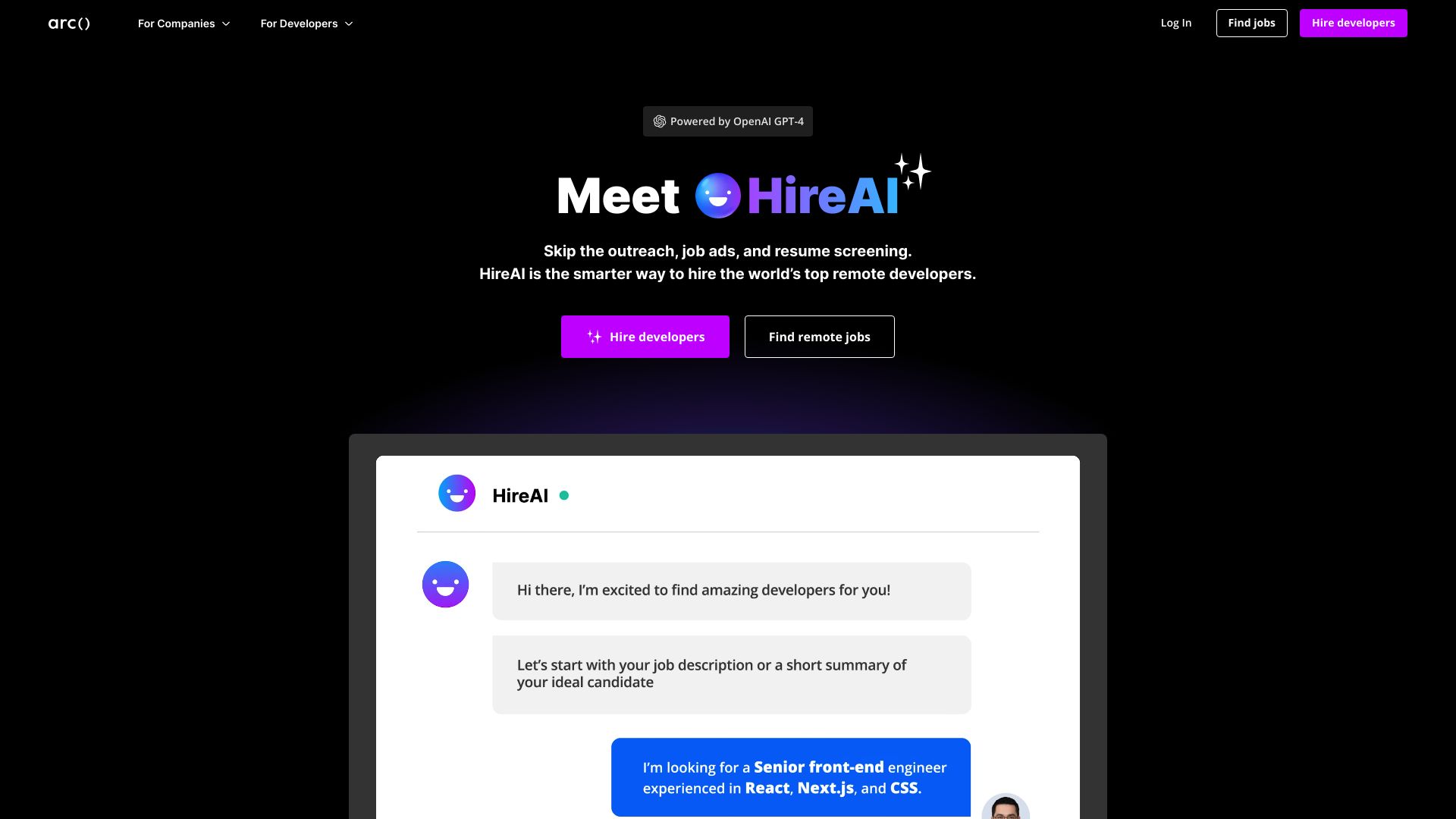
Arc takes a marketplace approach instead of trying to be a complete HR department in software. Its defining advantage is access to a large pool of vetted remote talent, supported by AI-powered candidate matching. For a startup that needs to find distributed technical or specialist talent quickly, that focus may be more useful than a long list of general HR modules.
The product is particularly easy to position for companies that are still building their hiring process. Rather than starting with a blank ATS and creating a talent pipeline from scratch, a startup can use the matching workflow and remote talent pool as its first step. Arc supports freelance and full-time hiring, but the commercial model differs: freelance hires are listed from $15-$110+, while full-time hires carry a 20% annual salary fee.
My take: Arc is the most compelling alternative when the hiring problem is access to remote candidates, not a lack of HR administration. That specialization keeps the value proposition clear, although the full-time fee deserves careful budgeting.
Where it falls short: Arc is not the obvious choice for teams seeking a combined HR, employee-management, and applicant-tracking environment. The 20% annual salary fee for full-time hires can also materially change the cost of a successful placement.
Key features
AI-powered candidate matching.
Access to a vetted remote talent pool.
Support for freelance and full-time hiring workflows.
Global talent access positioned around remote recruitment.
Pros
Gives startups access to a large pool of vetted remote talent.
AI matching can narrow the search without requiring a large internal recruiting team.
Clear fit for distributed and remote-first hiring.
Cons
Full-time hires have a 20% annual salary fee.
The marketplace focus is narrower than a full HR platform.
Choose Arc if: You are a startup that needs vetted remote talent and wants AI-assisted matching rather than a broad HRIS.
3. Cezanne HR

Cezanne HR
Best AI HRIS direction for HR professionals
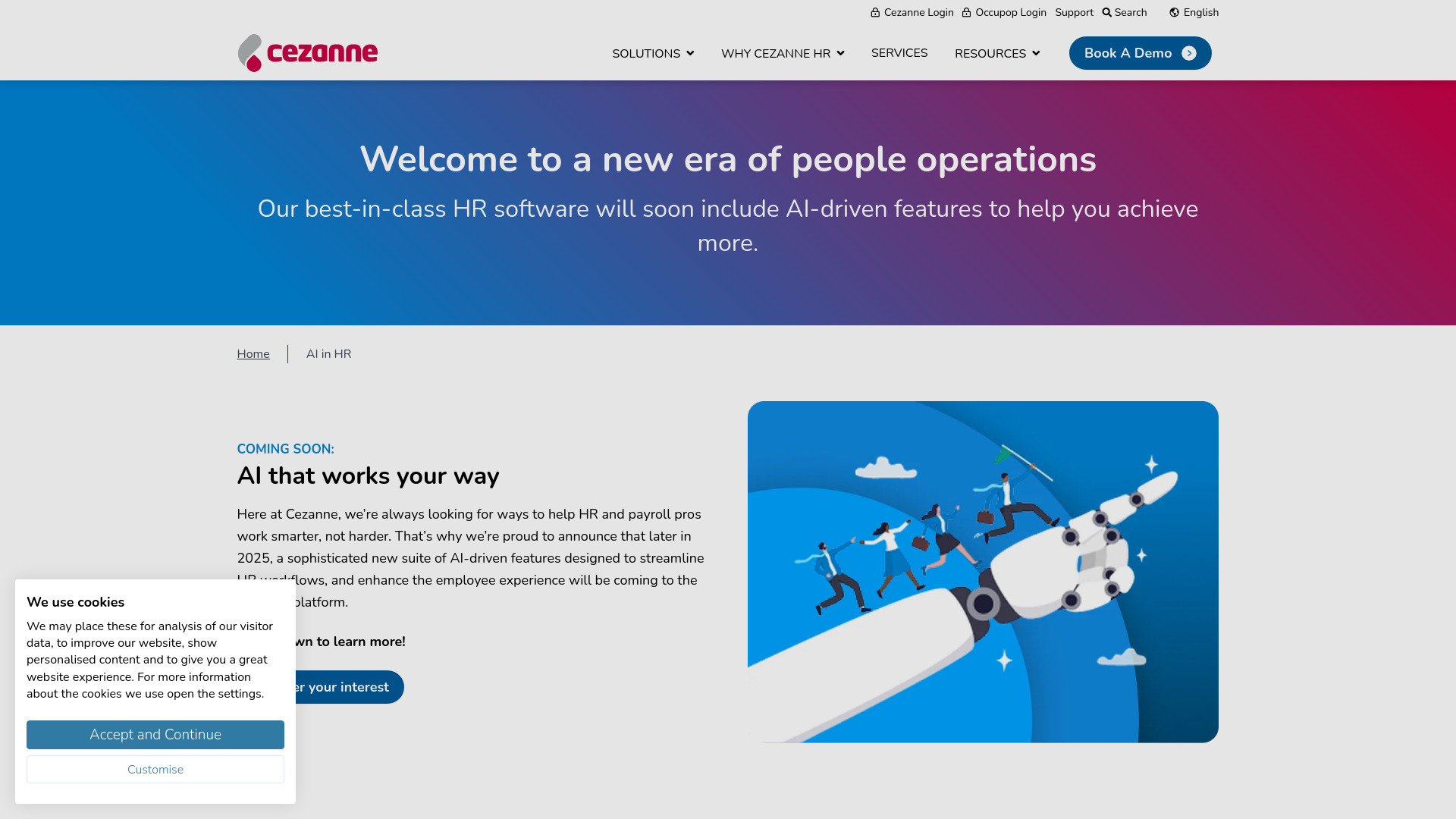
Cezanne HR stands apart because it starts with people management rather than only candidate acquisition. Its AI-driven feature set includes a Document Builder, writing assistance, and knowledge search, all layered onto a people-management core. That combination is relevant for HR professionals who spend as much time preparing internal documents and finding people information as they do screening applicants.
The product's promise is therefore broader than an AI resume filter. A document-building feature can support recurring HR administration, while writing assistance may help with routine content. Knowledge search gives the platform a more accessible way to work with HR information. These are exactly the kinds of capabilities that make an HRIS more useful to the wider team, provided the features are available in the version being evaluated.
My take: Cezanne HR is one of the better options for buyers who want the best AI tools for human resources to include ongoing people operations, not just hiring. I would put it on a shortlist for HR professionals who value an HRIS foundation and should verify the current release schedule before committing.
Where it falls short: New AI-driven features were described as coming later in 2025, so availability must be confirmed directly. Pricing is hidden behind a vendor conversation, which makes an early cost comparison difficult.
Key features
AI-powered Document Builder.
AI writing assistance for HR content.
Knowledge search.
People management core.
Pros
Connects AI features with a people-management foundation.
Addresses document and information workflows beyond recruiting.
Has a clear fit for HR professionals rather than only external recruiters.
Cons
Some AI-driven features may require availability confirmation.
Pricing is not presented as a clear public starting point.
Choose Cezanne HR if: You want an HRIS-oriented platform that can support people management alongside AI-assisted documents, writing, and knowledge search.
4. Alex AI

Alex AI
Best for recruiting teams automating early-stage hiring
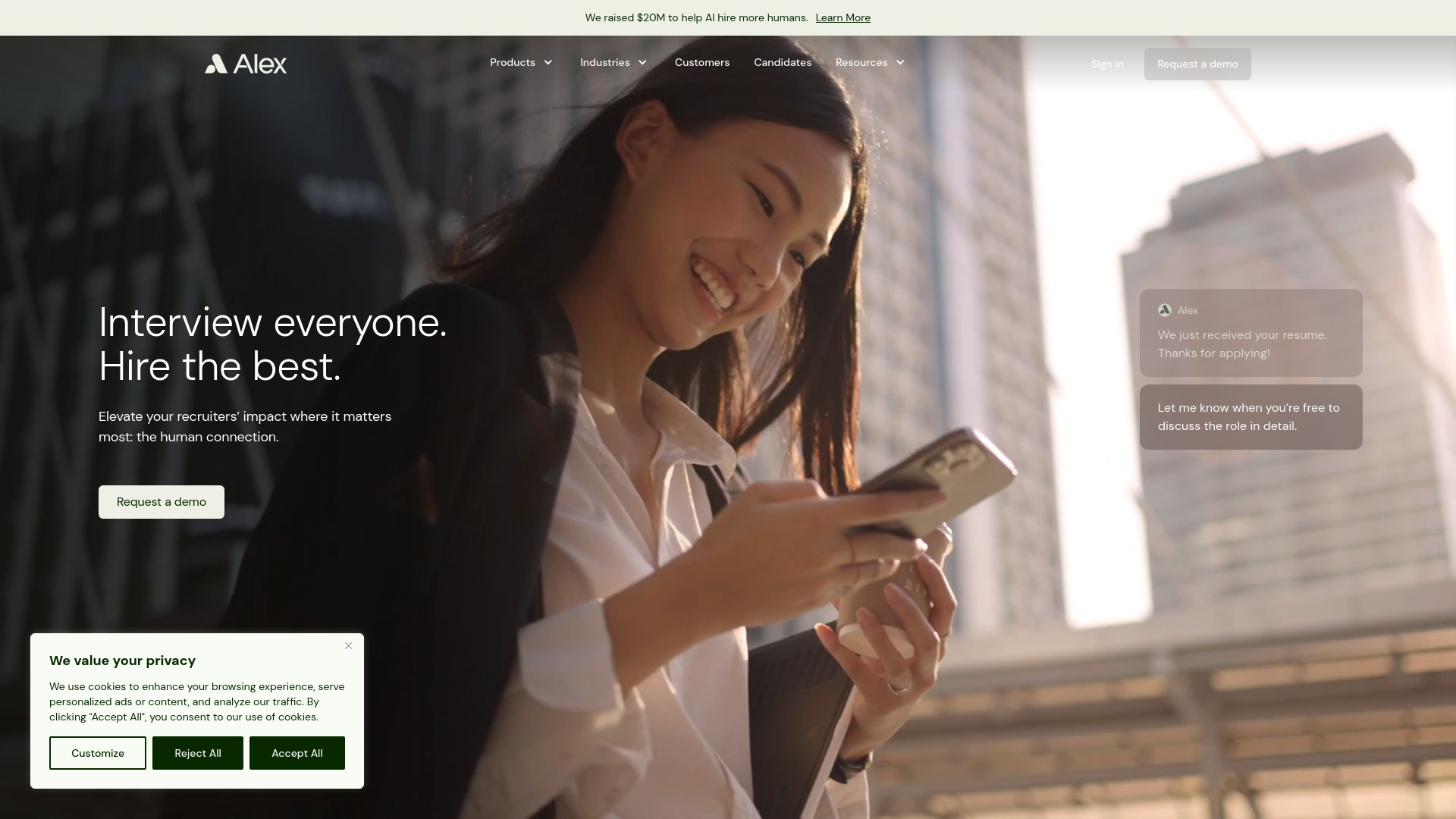
Alex AI focuses on the work that slows recruiters down before a human interview: reviewing resumes, asking initial questions, verifying candidates, and arranging the next step. Its AI-powered candidate interviews use personalized, natural conversations, while automated resume screening evaluates applicants against specific job criteria. That pairing gives the product a coherent top-of-funnel workflow rather than a collection of disconnected AI features.
For a busy recruiting team, the appeal is workflow compression. Screening and scheduling are often repetitive, but they still need to happen consistently. Alex AI is built around automating those steps so recruiters can spend more time on candidates who meet the role's requirements. The product's positioning also makes it a practical adjacent option for teams that already have an HR platform but need more help at the front of the funnel.
My take: Alex AI is a focused contender for teams that want automated screening without immediately replacing their entire HR stack. The natural-conversation angle is useful, but I would still keep human review in the decision loop for consequential hiring decisions.
Where it falls short: Pricing is not publicly listed, so buyers need to contact the company before comparing total cost. Its narrow recruiting focus will not replace a general HR or employee-management platform.
Key features
AI-powered candidate interviews with personalized, natural conversations.
Automated resume screening against specific job criteria.
Candidate verification.
Automated scheduling.
Pros
Automates repetitive top-of-funnel recruiting tasks.
Connects screening, interviewing, verification, and scheduling.
Useful as a focused layer alongside a broader HR system.
Cons
Pricing requires contacting the company.
The product is centered on recruiting rather than full HR operations.
Choose Alex AI if: Your recruiting team needs to automate resume screening and early candidate interviews while keeping the rest of its HR stack.
5. Alfa AI

Alfa AI
Best for recruiters automating candidate shortlisting
Alfa AI keeps its proposition refreshingly direct: use AI to screen candidates and automate resume shortlisting. That makes it a logical candidate for recruiters who are spending too much time sorting applications and want a narrower tool than a full applicant tracking system. It is not trying to be an all-purpose HR platform in this comparison; its value lives in reducing the first pass through a candidate pool.
The focused feature set is both the strength and the boundary. Automated screening can save recruiters time when applications arrive in volume, while resume shortlisting creates a clearer handoff to human review. Teams should define job criteria carefully, because the product's automation is most useful when the role requirements are concrete and consistently applied.
My take: Alfa AI earns its place among the best AI HR tools as a straightforward recruiting accelerator. It makes sense for teams that already know where their bottleneck is and do not need another broad platform. I would treat its output as a shortlist for review, not as a final hiring decision.
Where it falls short: Reliance on AI may overlook nuanced candidate qualities that are difficult to capture in a resume or set of criteria. Pricing details are not publicly clear, so the buying process starts with a conversation.
Key features
AI-powered candidate screening.
Automated resume shortlisting.
AI-powered recruiting workflow focused on finding talent.
Pros
Saves time by automating recruitment tasks.
Directly addresses resume review and shortlist creation.
Narrow scope may be easier to evaluate than a full HR suite.
Cons
AI may miss nuanced candidate qualities.
Pricing is not presented as a clear public starting point.
Choose Alfa AI if: You are a recruiter who needs a focused way to screen applications and create an initial shortlist faster.
6. Coworker AI

Coworker AI
Best for cross-functional AI automation led by operations managers
Coworker AI is the outlier in this group, and that is exactly why it can be useful. It is positioned as an enterprise AI agent platform for cross-functional automation rather than a dedicated recruiting system. Intelligent routing across open and closed frontier AI models is its central differentiator, while the portable OM2 context layer is designed to learn from all data sources.
For HR operations, the relevant question is not whether it replaces an ATS. It does not present that narrow promise here. The question is whether a team needs a broader automation layer that can support work across functions. The no-code agent builder and model-routing approach may appeal to organizations that want to build several AI workflows instead of buying one recruiting feature at a time.
My take: Coworker AI belongs on an HR buyer's extended list only when the problem crosses departmental boundaries. Its stated potential to save up to 82% compared with standard frontier API spending is attractive, but the credit allotment means usage planning matters.
Where it falls short: Credit allotments can cap typical monthly usage unless overage fees are paid. Sales operations managers are the stated audience, so HR teams should validate the exact people-operations workflows before treating it as a direct HR purchase.
Key features
Intelligent routing across open and closed frontier AI models.
Portable OM2 context layer and knowledge graph.
No-code agent builder.
Cross-functional enterprise AI automation.
Pros
Can support broader automation than a recruiting-only product.
Claims savings of up to 82% compared with standard frontier API spending.
Model routing gives teams a way to use multiple AI models through one platform.
Cons
Credit allotments can limit monthly usage without overage fees.
Its primary audience is sales operations managers, not specifically HR teams.
Choose Coworker AI if: Your HR automation needs span multiple departments and you are prepared to manage credits, models, and agent configuration.
7. Beam AI
Beam AI
Best for businesses building agentic process automation
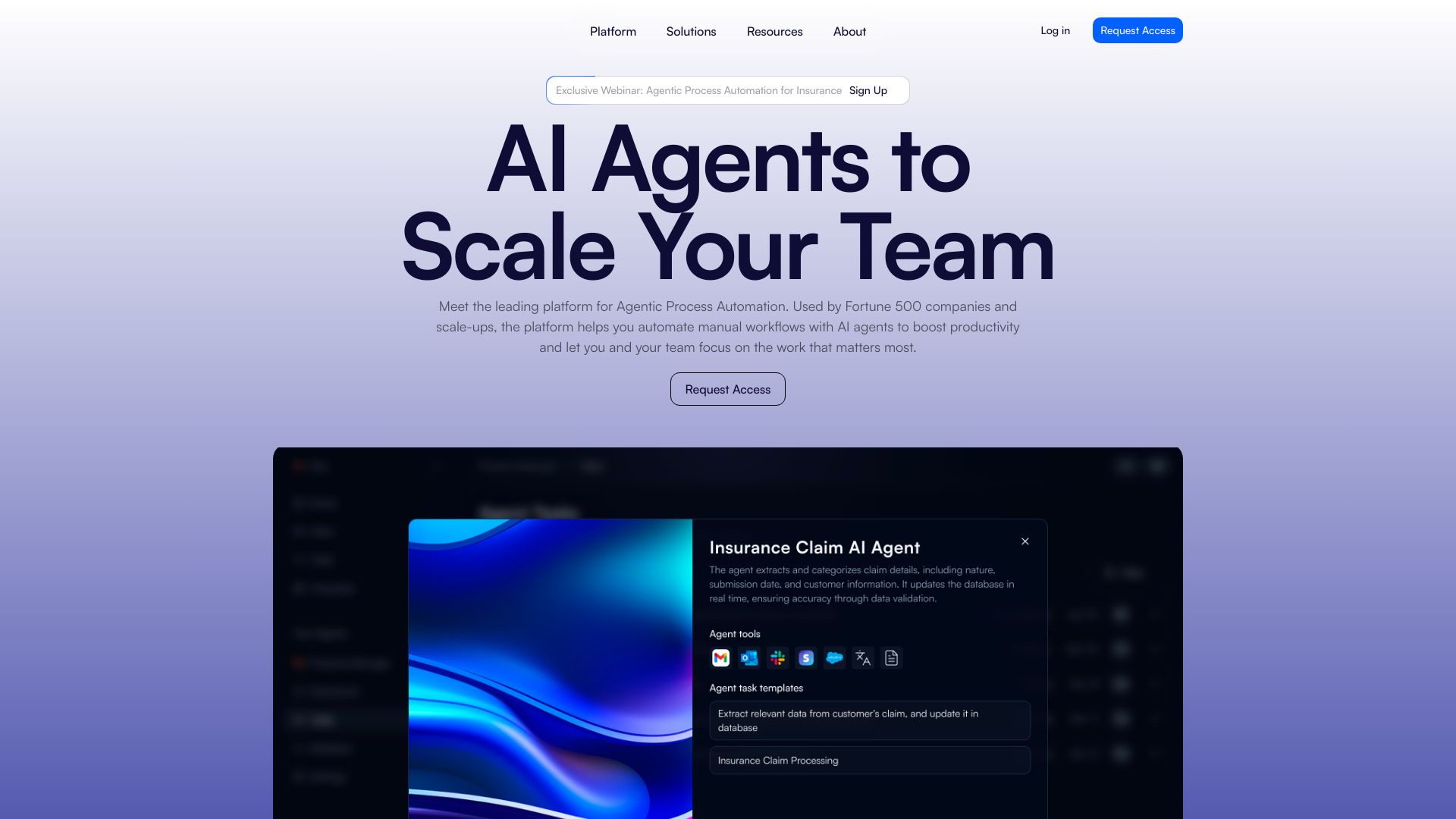
Beam AI is another broader visual studio for HR teams rather than a dedicated recruiting application. Its focus is agentic process automation: building and deploying AI agents that can handle defined business processes. That makes it relevant when the HR department has repetitive work that does not fit neatly into a standard ATS feature list.
The practical attraction is flexibility. Instead of buying one tool for resume screening and another for document workflows, an organization can explore whether an agent can be built for a particular process. The product is described as supporting agent building and deployment, which puts implementation discipline front and center. The team still needs to map the process, decide where human approval belongs, and configure the agent appropriately.
My take: Beam AI is worth considering for an HR operations group with a clear automation backlog and the patience to configure workflows. It is less suitable as a plug-and-play answer for a recruiter who simply needs a better candidate shortlist.
Where it falls short: Initial setup and configuration may be required, and pricing is not presented as a clean public starting point. The broader agentic scope also means buyers must define the HR use case themselves.
Key features
Agentic process automation.
AI agent building and deployment.
Support for automating business processes with AI agents.
Pros
Can address process automation beyond standard recruiting tasks.
Supports building and deploying AI agents.
May reduce operational costs when the workflow is well defined.
Cons
May require initial setup and configuration.
Not a purpose-built ATS or HRIS in this comparison.
Pricing requires further vendor evaluation.
Choose Beam AI if: Your HR or operations team has repeatable processes to automate and can invest time in configuring AI agents.
8. Hirebee

Hirebee
Best ATS-focused option for HR teams

Hirebee offers the most recognizable ATS-centered alternative after Workable. Its AI-driven applicant tracking system is paired with job distribution to more than 3,000 job sites, giving HR teams both a place to organize applicants and a way to extend the reach of open roles. That combination is valuable when the hiring bottleneck is not just screening but getting enough relevant candidates into the funnel.
The product's stated focus is streamlined talent acquisition and hiring automation. A 14-day trial gives teams a defined window to examine the workflow before making a larger commitment. The broad distribution claim is the feature that most clearly separates Hirebee from tools focused only on AI interviews or resume scoring.
My take: Hirebee is a sensible first look for an HR team that wants an ATS with automation and wide job-board distribution. It is easier to justify when the team actively manages multiple vacancies; teams with one occasional hire may not need the full recruitment-software workflow.
Where it falls short: Recruitment software can become complex, especially when several users, approval stages, and job boards are involved. Pricing is not presented as a clean structured starting point, despite a listed reference to a plan from $59 per month for one recruiter.
Key features
AI-driven applicant tracking system.
Job distribution to more than 3,000 job sites.
AI-powered hiring automation.
Tools for streamlined talent acquisition.
Pros
AI automation can reduce hiring time.
Combines applicant tracking with broad job distribution.
Offers a 14-day free trial for initial evaluation.
Cons
Recruitment software solutions can feel complex.
Pricing should be confirmed with the vendor before purchase.
Choose Hirebee if: Your HR team needs an AI-assisted ATS and broad job distribution more than a full employee-management suite.
9. Helio.AI

Helio.AI
Best for executives seeking end-to-end recruiting automation
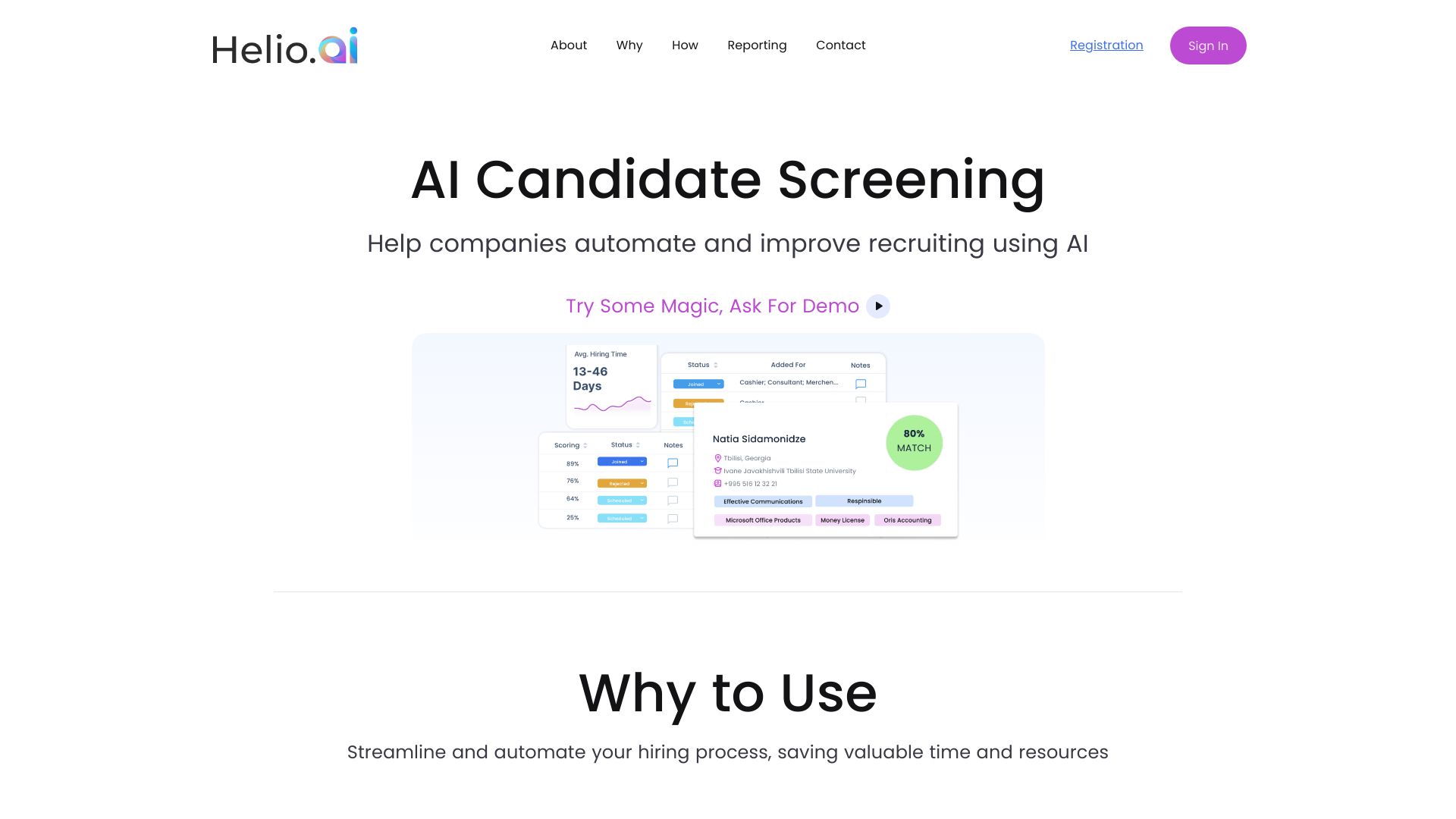
Helio.AI takes a wide recruiting view. Its AI-powered ATS is paired with resume screening and gamified candidate profiling, so the product is not limited to one moment in the hiring funnel. The gamified profiling feature gives it a distinctive angle for teams that want more than a conventional resume-based first pass.
The platform is described as providing end-to-end automated recruiting and 60% task automation. That combination will appeal to executives looking for operational efficiency rather than another isolated feature. At the same time, candidate profiling adds an extra layer that deserves thoughtful use: teams should understand how it contributes to their process and keep the hiring criteria clear.
My take: Helio.AI is a strong candidate when the goal is to automate a larger share of recruiting work from one platform. The no-starting-cost positioning makes it worth investigating early, although the lack of readily available pricing prevents a clean cost comparison.
Where it falls short: Pricing information is not readily available, so procurement cannot rely on a simple public benchmark. Its automated approach also needs careful oversight to ensure that the screening process remains aligned with the role.
Key features
AI-powered resume screening.
AI-powered applicant tracking system.
Gamified candidate profiling.
End-to-end automated recruiting.
Stated 60% task automation.
Pros
Automates a broad set of recruiting tasks.
Combines resume screening with an ATS.
Includes a distinctive gamified profiling workflow.
Cons
Pricing information is not readily available.
Broad automation may require careful process oversight.
Choose Helio.AI if: You are an executive looking for an end-to-end recruiting platform with resume screening and candidate profiling.
10. Interviewer.AI

Interviewer.AI
Best for asynchronous AI video interviews
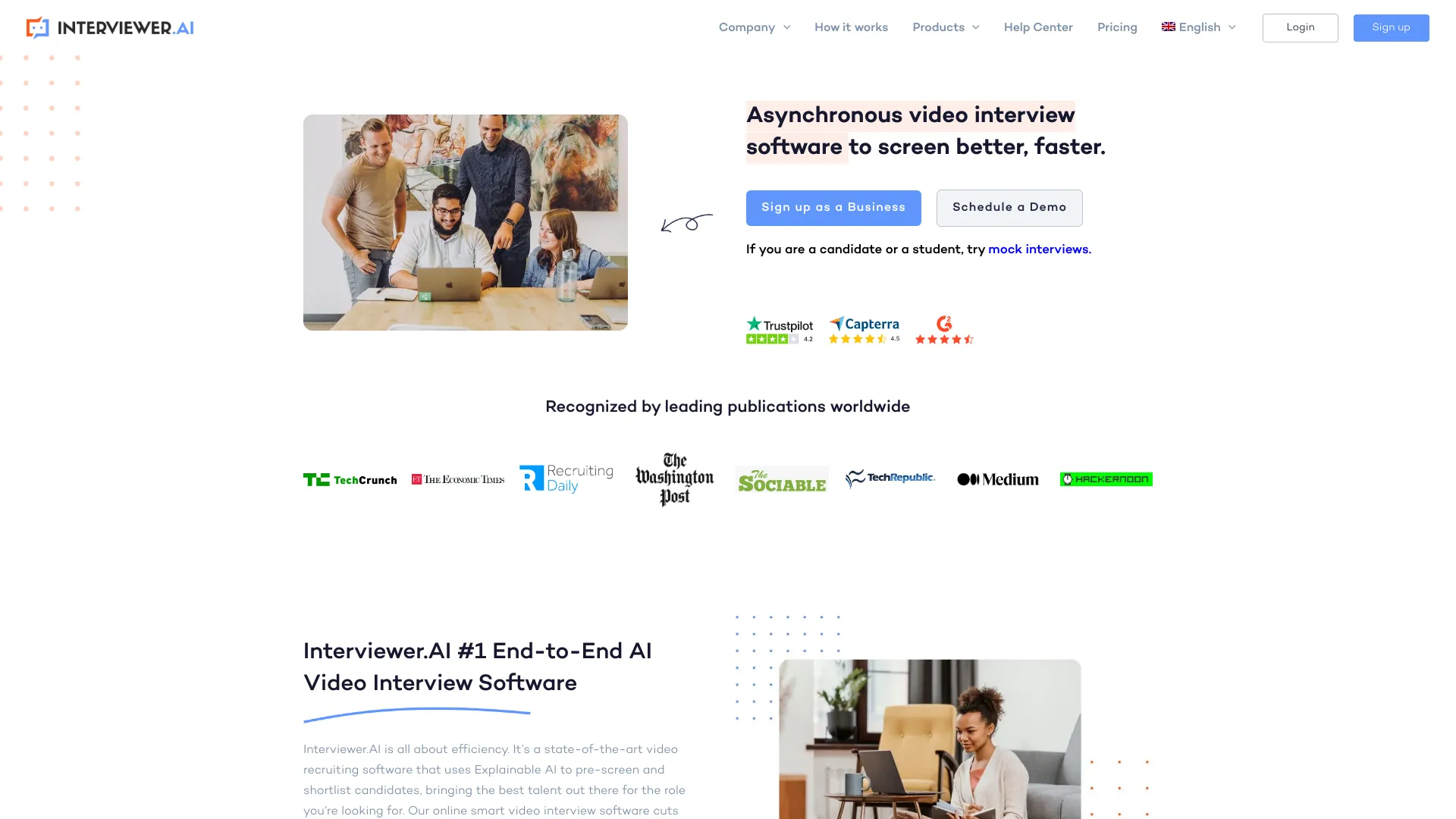
Interviewer.AI is the specialist pick for teams that want to move beyond resume review with asynchronous AI video interviews. Candidates can complete interviews without requiring a recruiter and candidate to find the same live time, while resume scoring adds a structured first-pass signal. That makes the product especially relevant for high-volume hiring or distributed recruiting workflows.
The tool's value is straightforward: automate pre-screening and shortlisting before recruiters spend time in live conversations. The listed Essential plan at $53 per month also gives it one of the clearest starting prices in this group, alongside a 14-day free trial. Buyers should still assess how video interviews fit their candidate experience and review process rather than treating automation as a replacement for human judgment.
My take: Interviewer.AI is the cleanest choice when video screening is the requirement, not merely a nice-to-have. It is more focused than Workable or Hirebee, but that focus can be an advantage for a team that already has an ATS and needs a dedicated interview layer.
Where it falls short: Zapier and Indeed integrations are still awaited, which may create workflow friction for teams that rely on those services. It also handles a specific recruiting stage rather than broader HR administration.
Key features
Asynchronous AI video interviews.
Resume scoring.
AI-powered candidate screening and shortlisting.
End-to-end AI video interview platform.
Pros
Saves time by automating pre-screening and shortlisting.
Clear fit for asynchronous candidate interviews.
Essential pricing starts at $53 per month.
Cons
Zapier and Indeed integrations are still awaited.
Does not replace a general HR or employee-management platform.
Choose Interviewer.AI if: You need asynchronous AI video interviews and resume scoring as a focused addition to your recruiting workflow.
More tools to compare

We360.ai
HR teams managing distributed workforces

BrightHire
Structured hiring and interview intelligence

HrFlow.ai
HR tech and staffing teams

Haire
AI video interviews and candidate screening

ERP.AI
Enterprise HR workflow automation

Asa.Team
HR teams managing remote and hybrid work

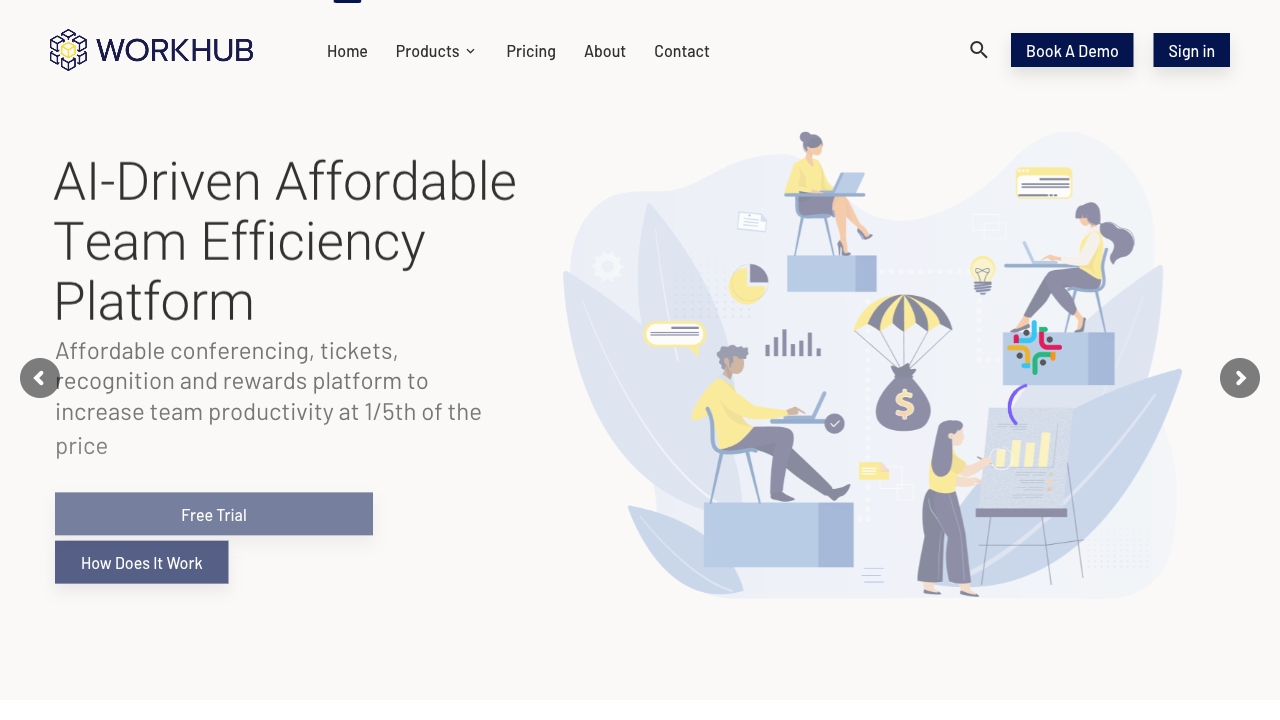
WorkHub
Hybrid team communication and employee recognition

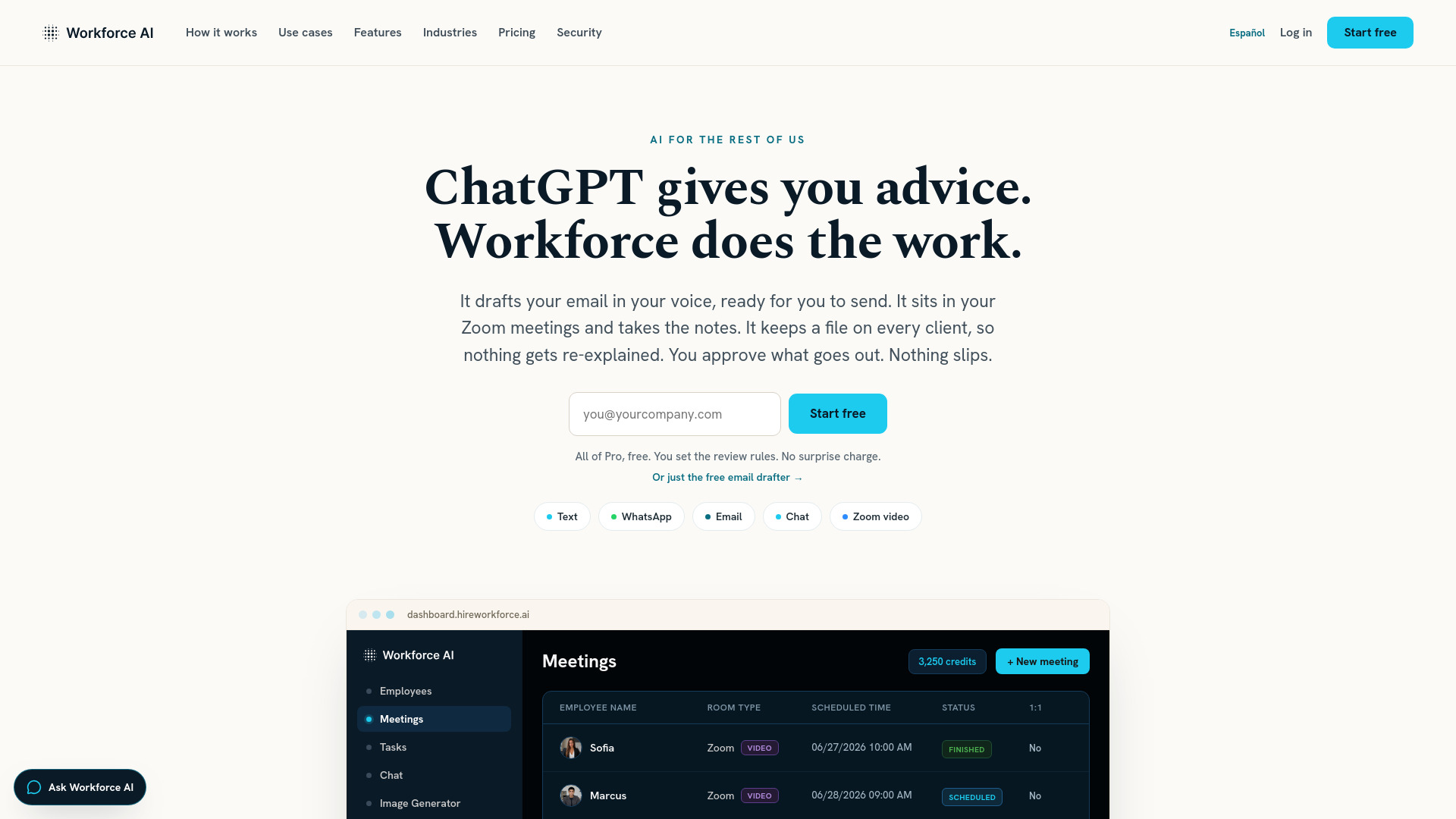
Workforce AI
HR teams handling recruiting follow-up

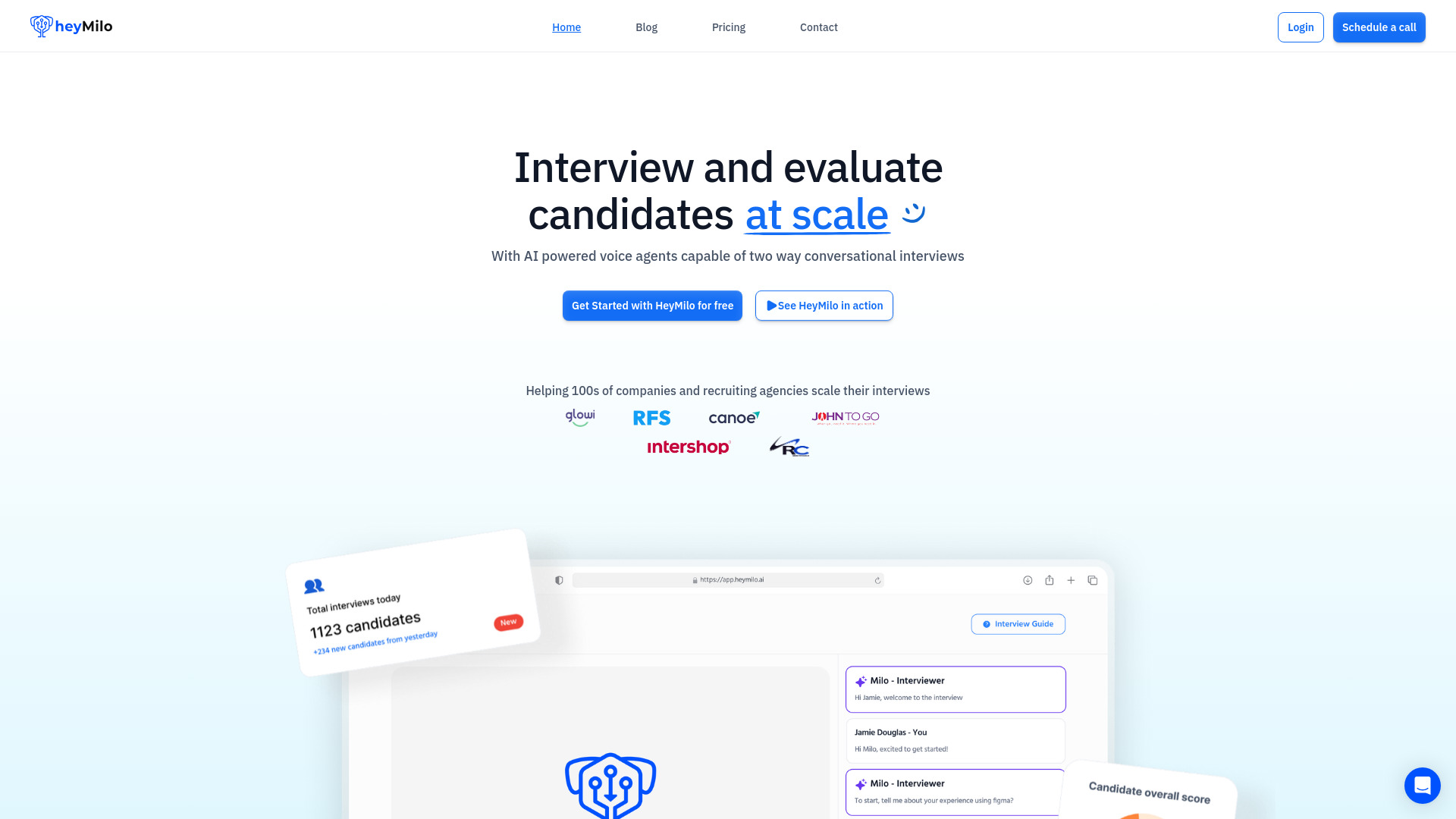
HeyMilo AI
High-volume recruiting teams

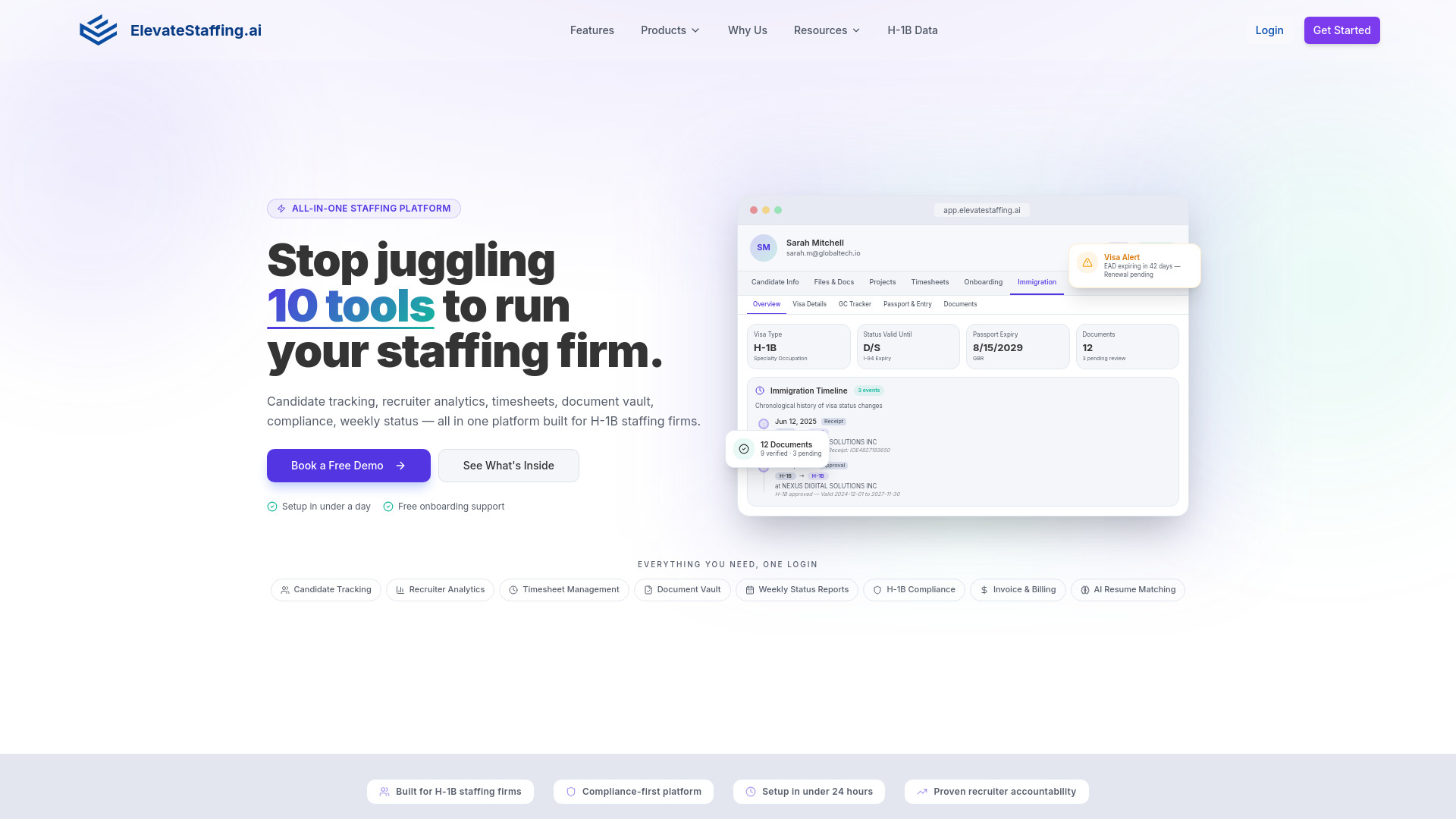
ElevateStaffing.ai
H-1B staffing firm operations

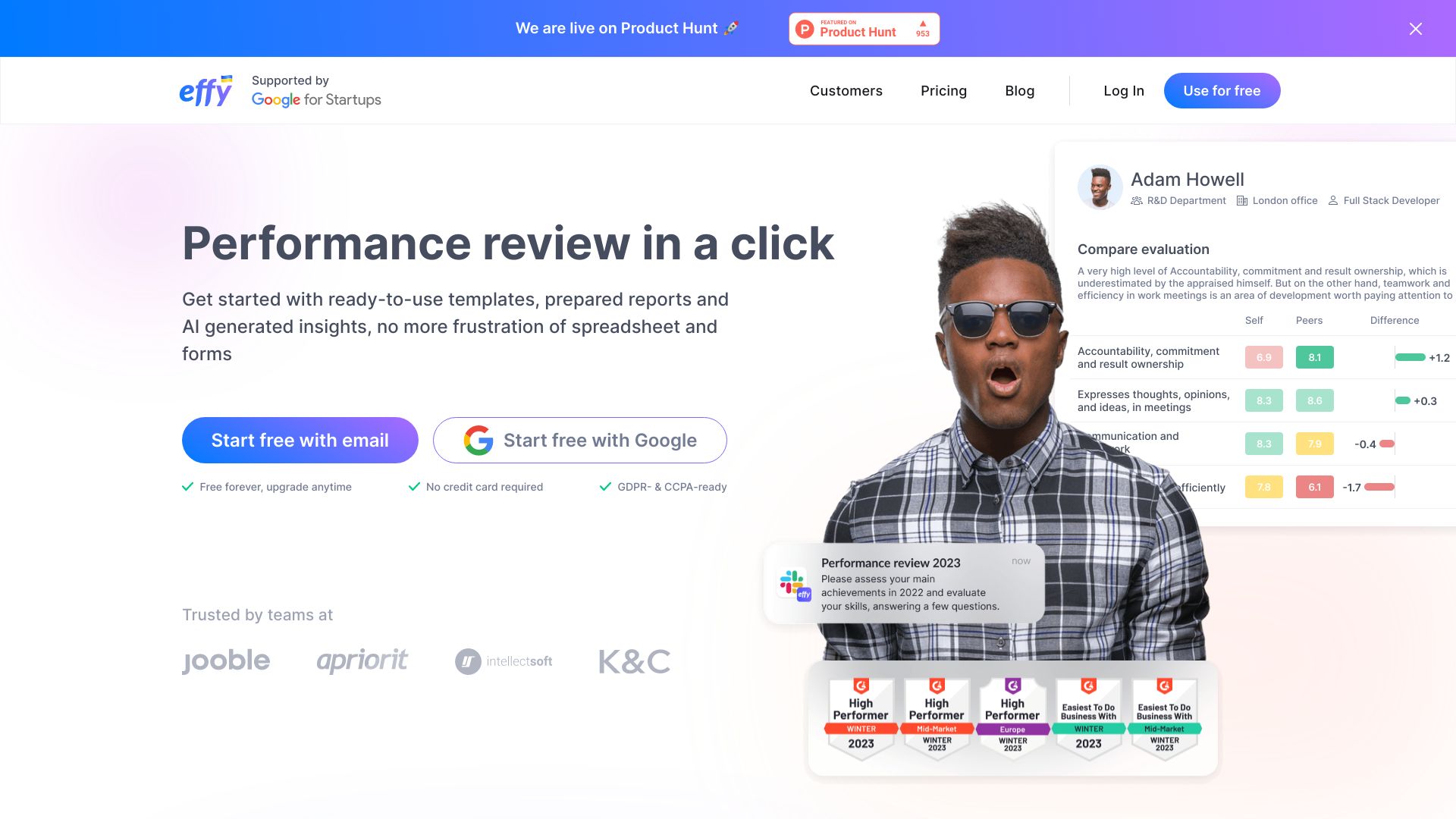
Effy AI
AI-assisted performance reviews and 360 feedback

Teammates.ai
Automating customer support and sales interactions

AI SuitUp
AI headshots for HR teams

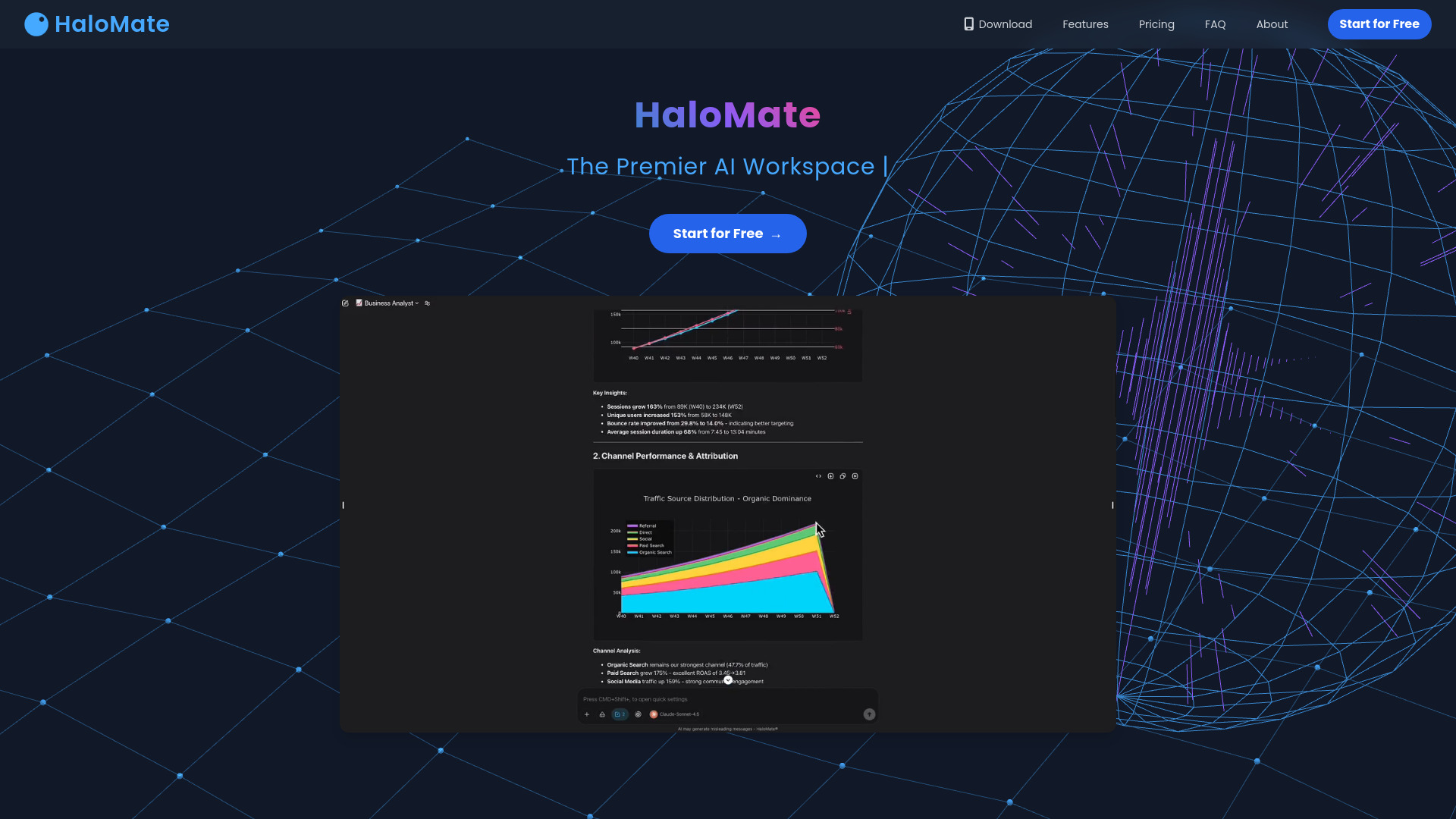
HaloMate
Multi-model AI assistant teams

Amotions Inc.
AI coaching for managers and hybrid teams

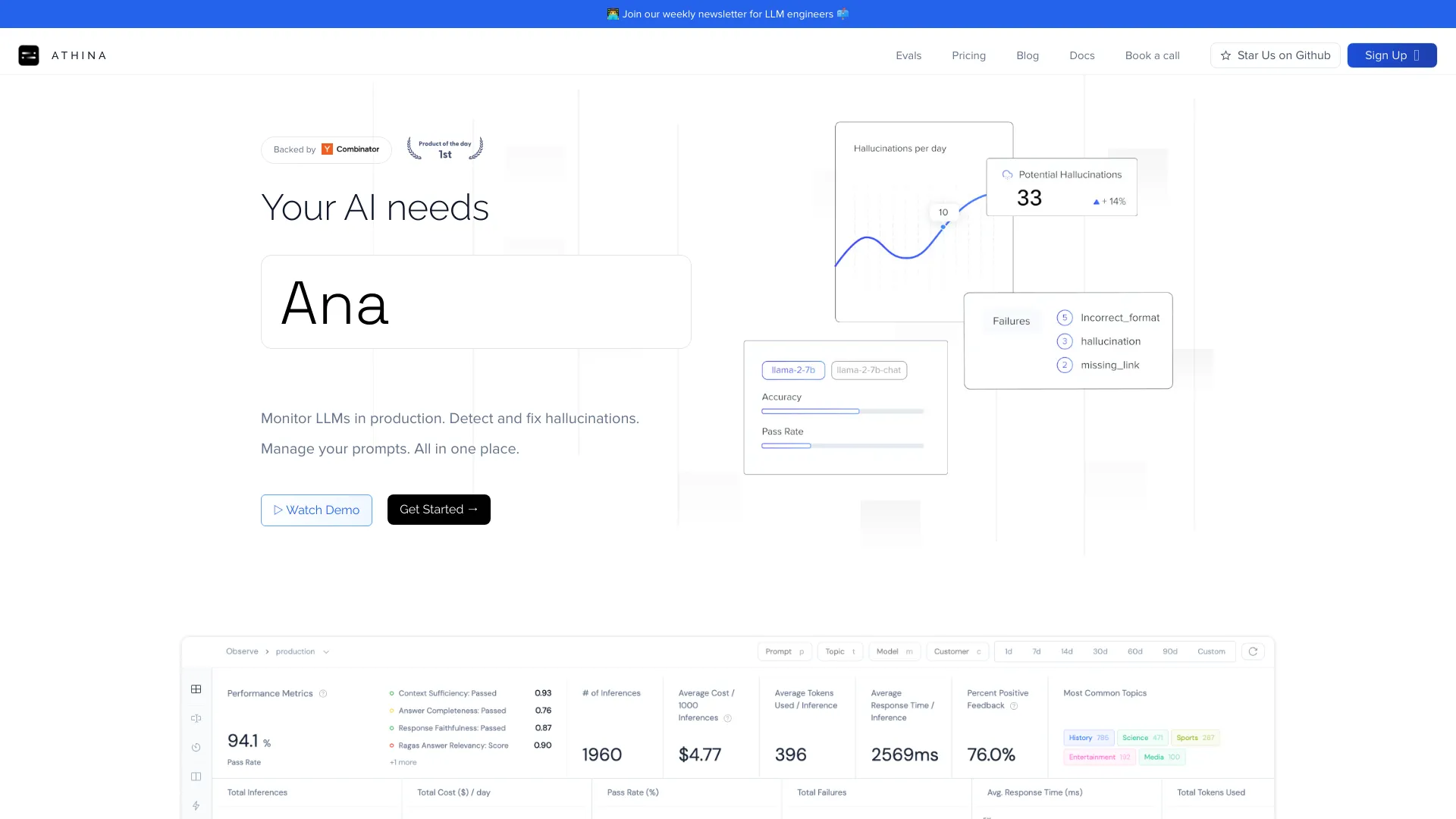
Athina AI
LLM evaluation and production monitoring

Scout AI
Startup teams delegating complex work

HirewithEve.ai
Skill-based assessments for business hiring

AI FIRST
HR teams automating workflows

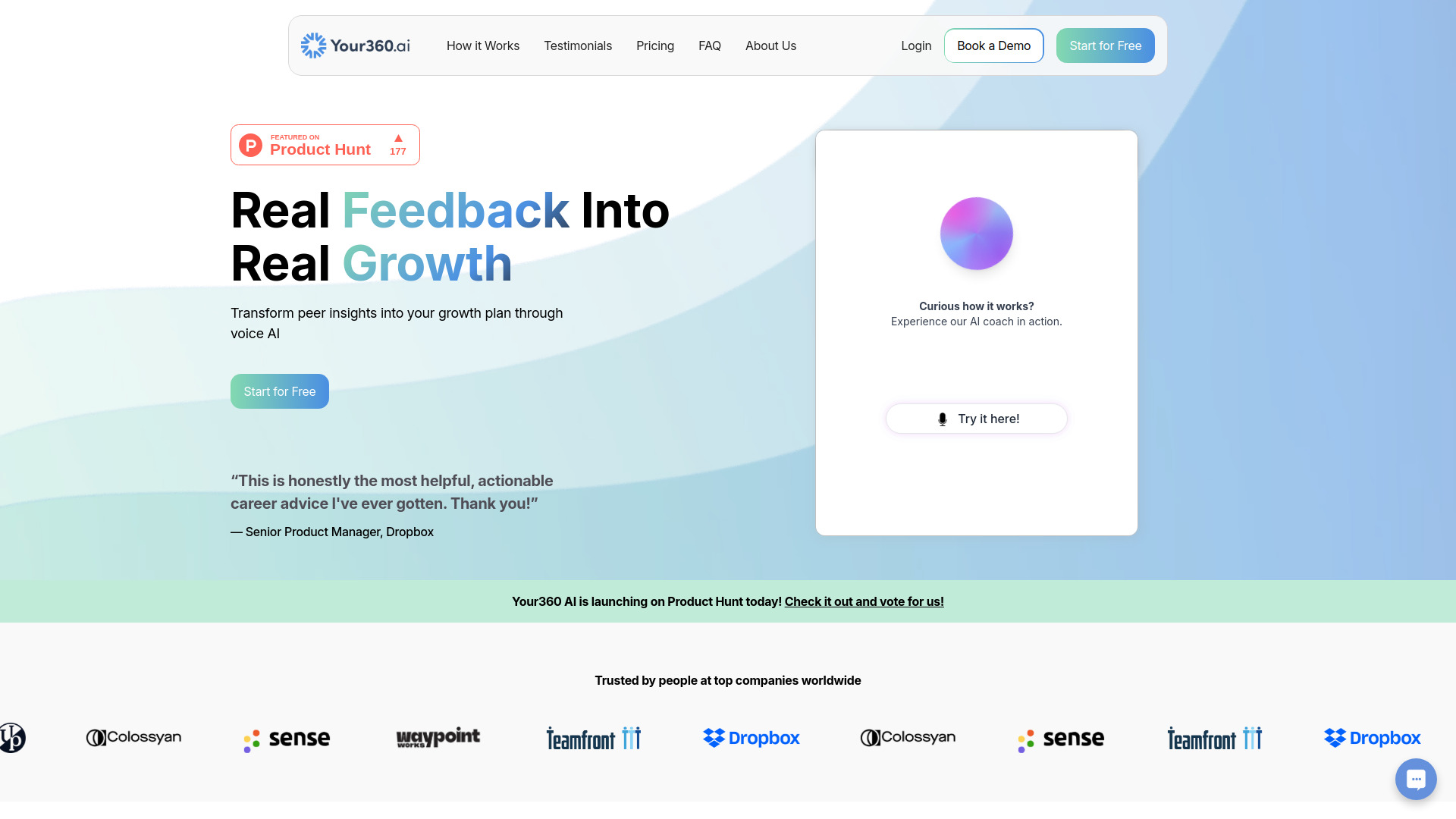
Your360 AI
Confidential 360 feedback for HR teams

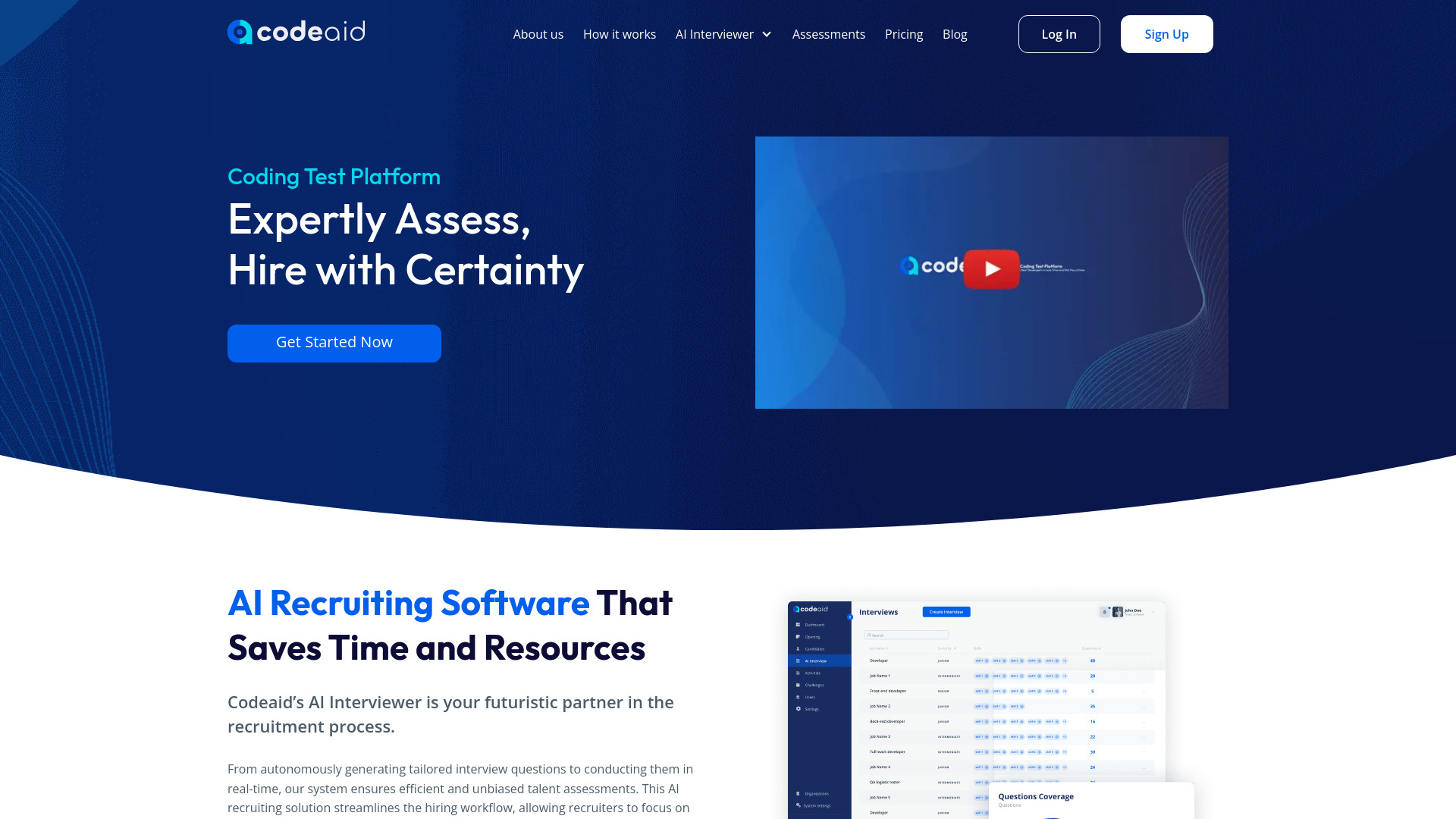
Codeaid
Developer hiring teams

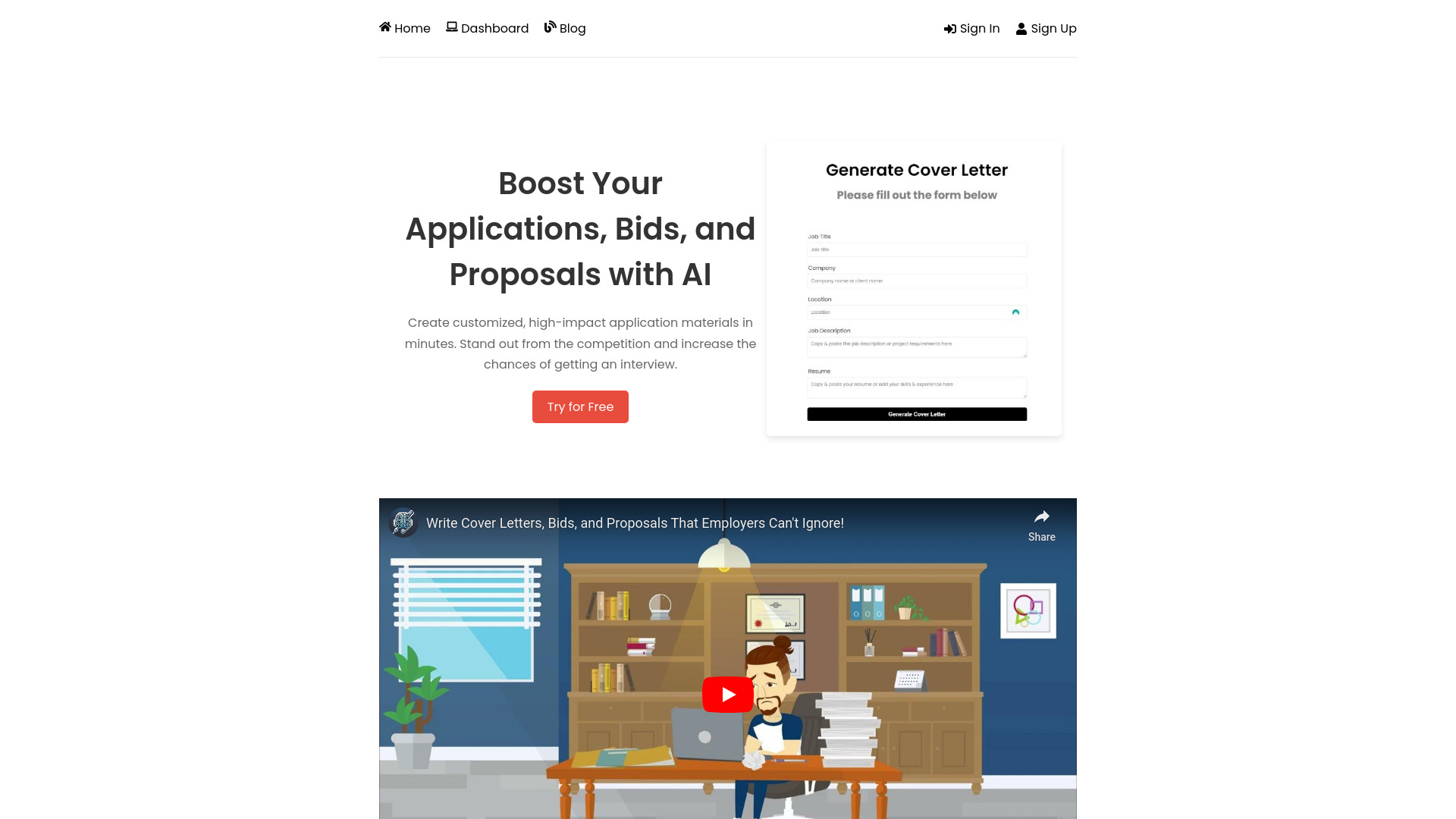
AI Application Assistant
AI-assisted job applications

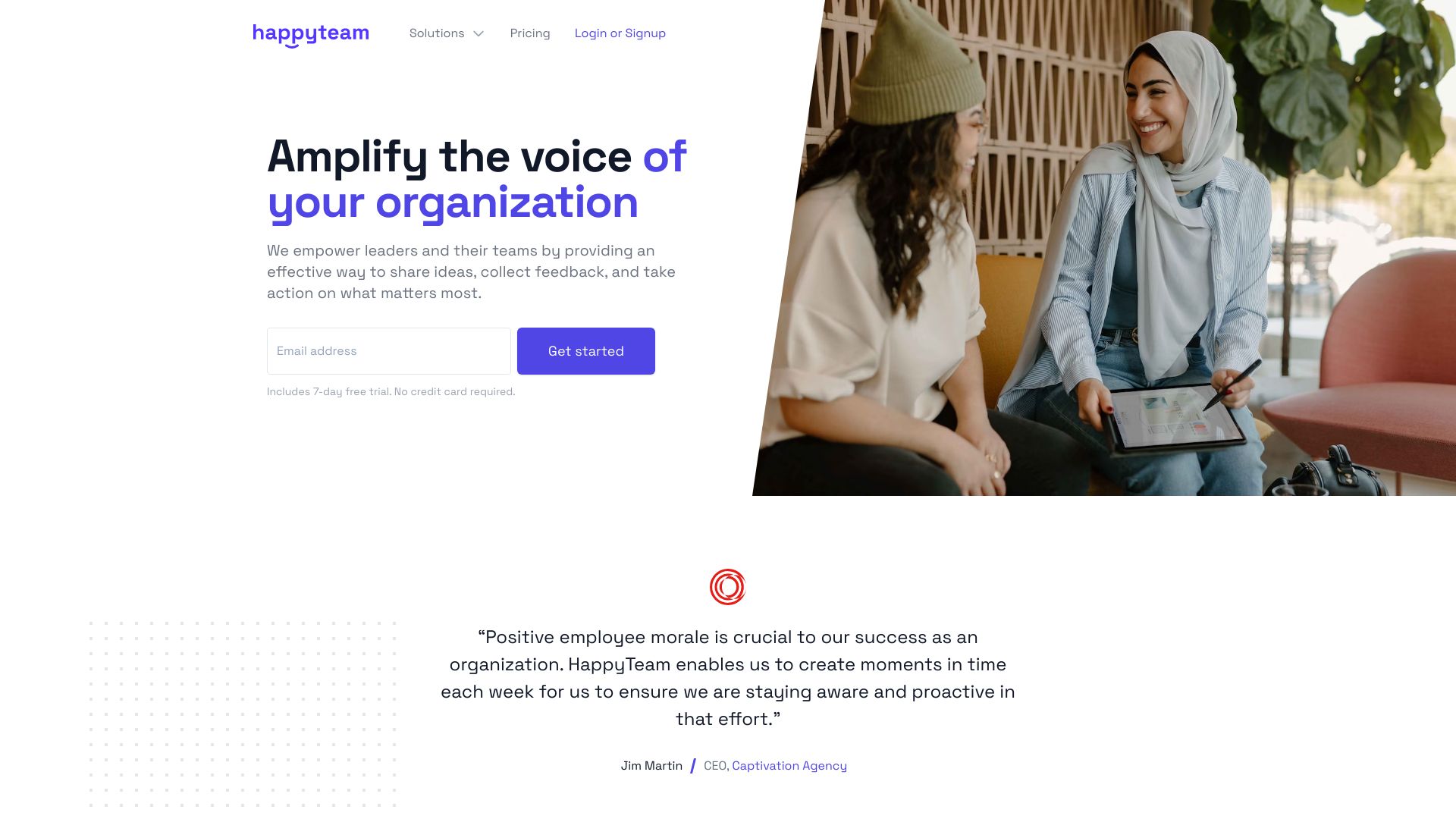
HappyTeam
AI-powered employee feedback and pulse surveys

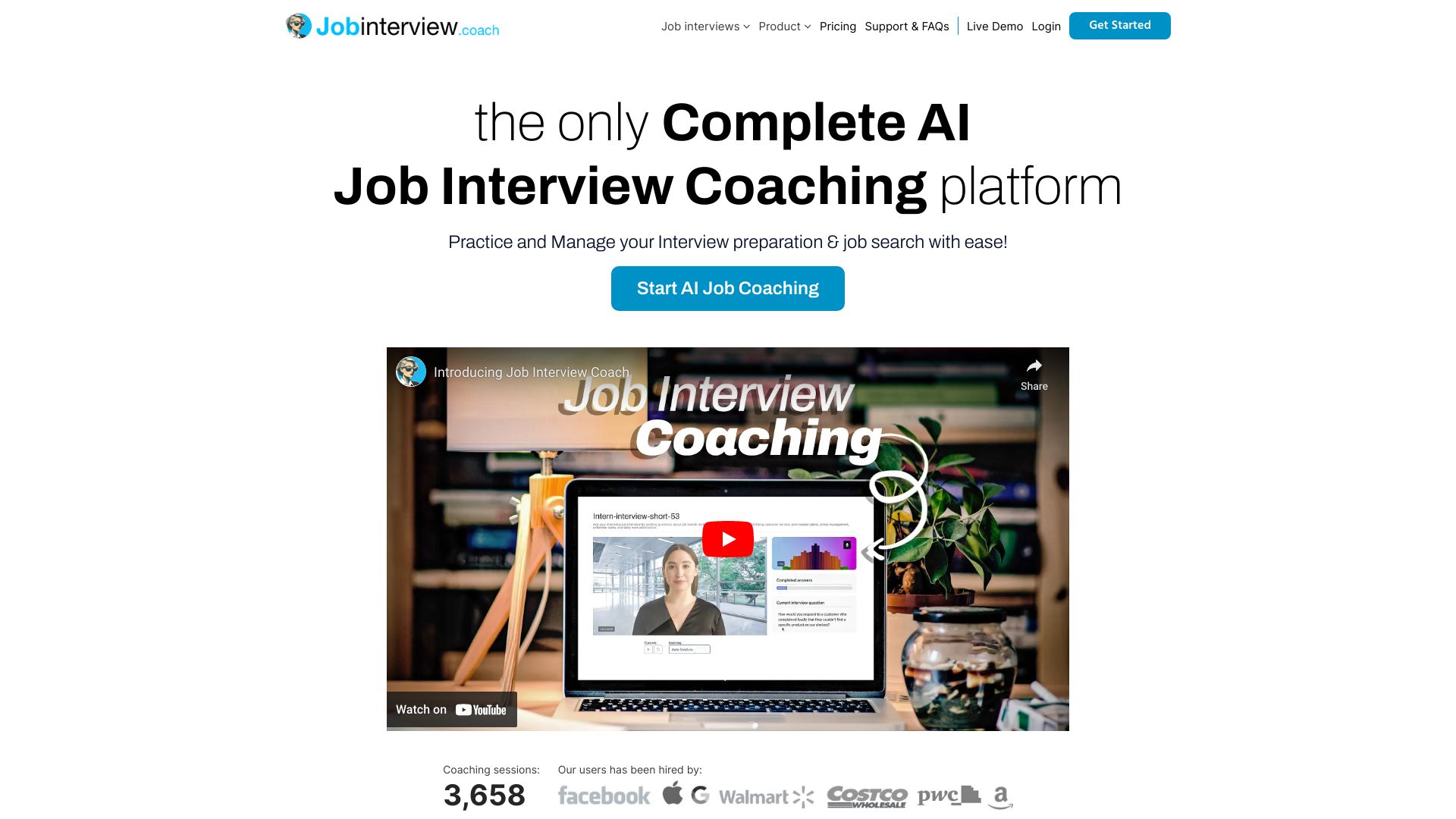
JobInterview.coach
Job seekers preparing for interviews

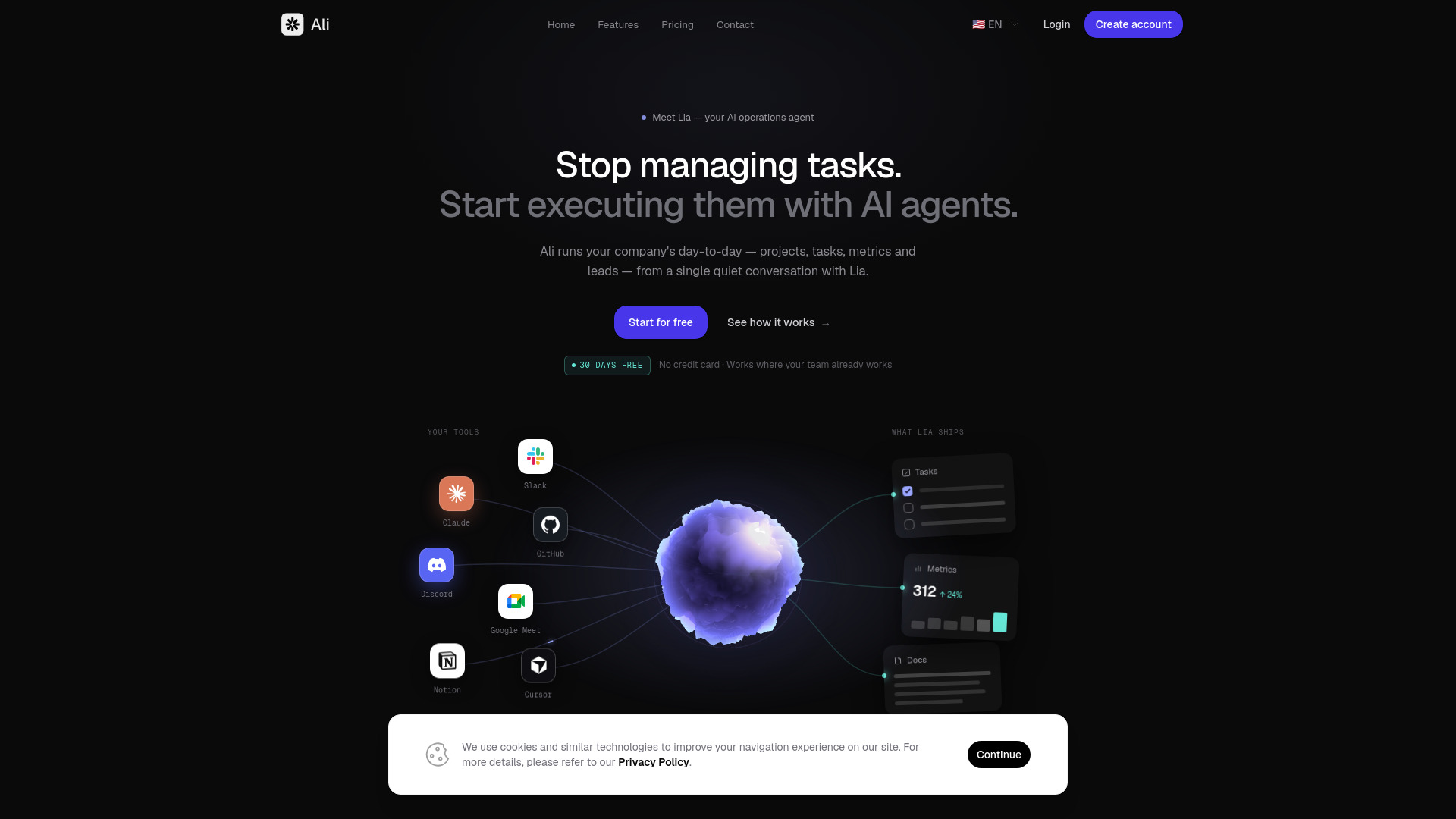
Ali AI
AI-powered project management and CRM for growing teams

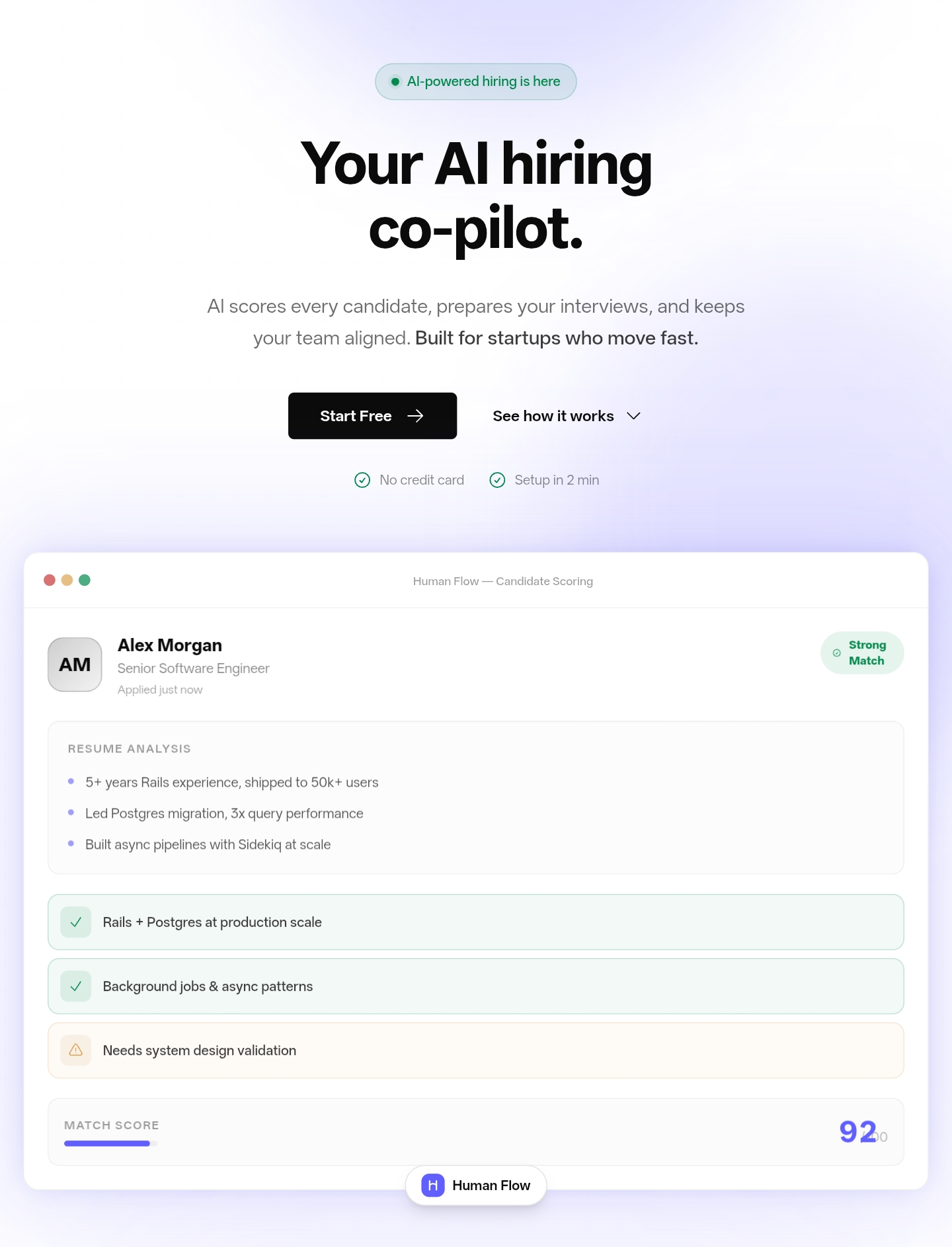
Human Flow
Startup hiring teams

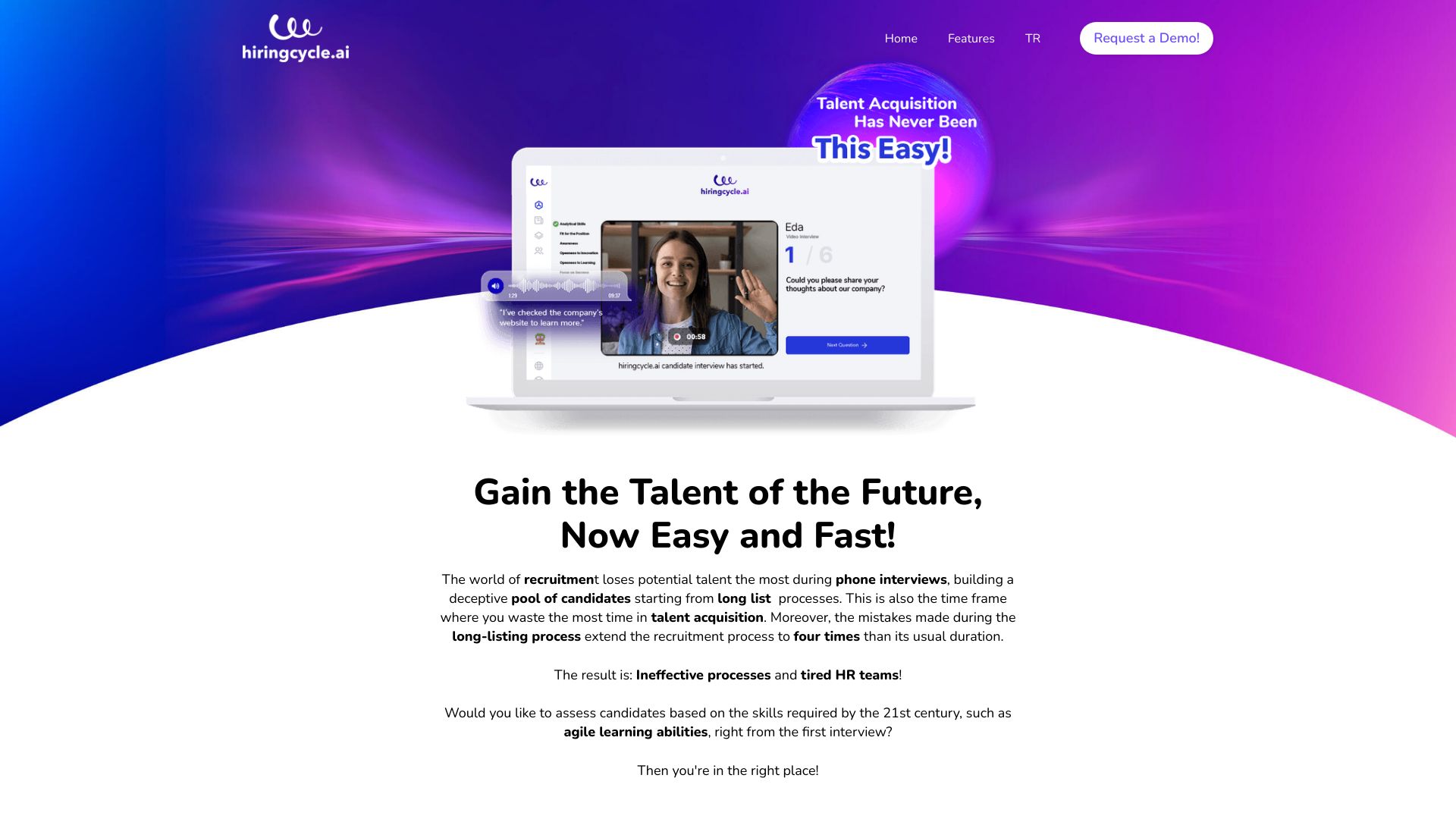
hiringcycle.ai
AI-powered video interviews and candidate screening

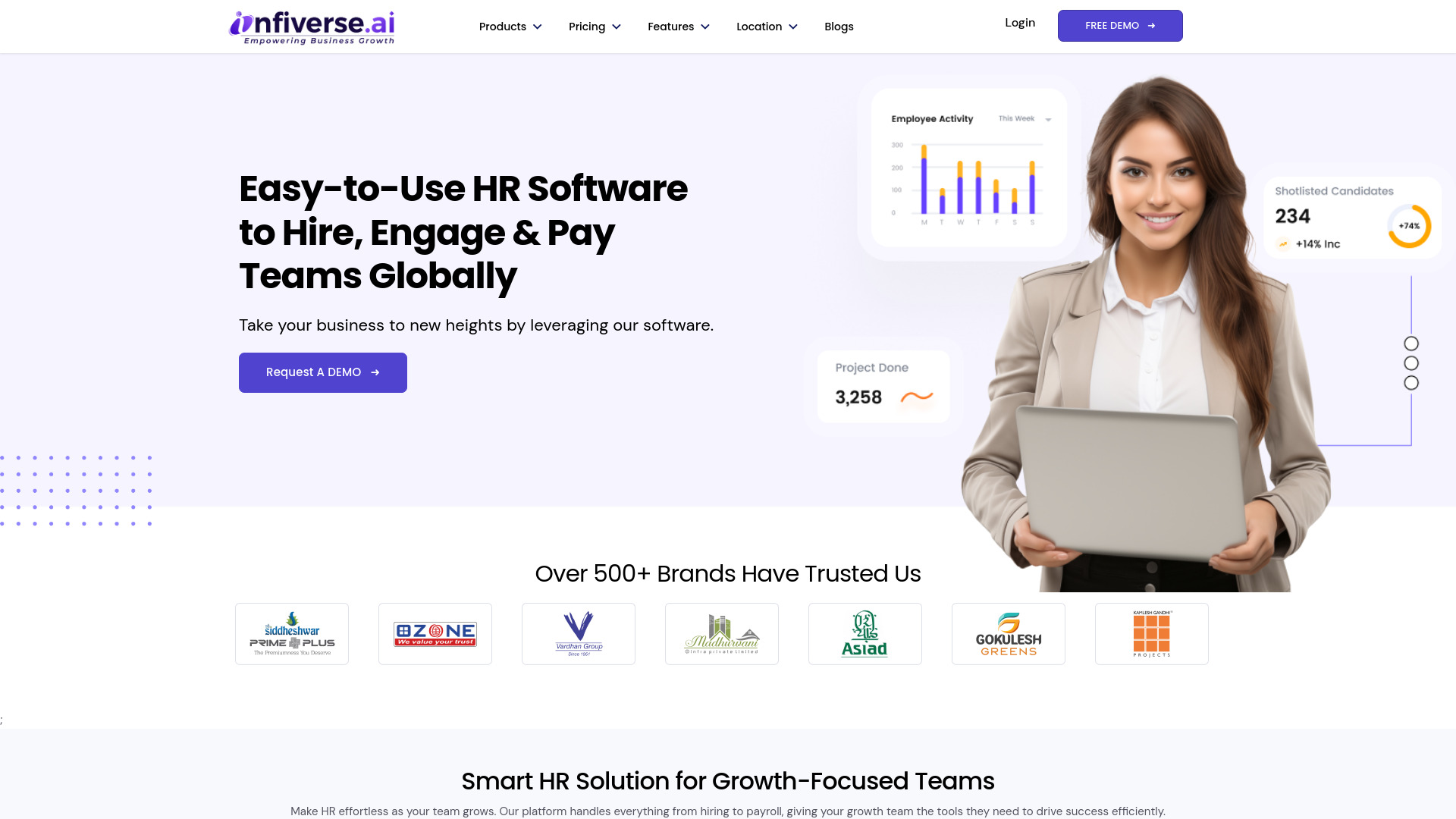
Infiverse.ai
Growing HR teams managing payroll and compliance

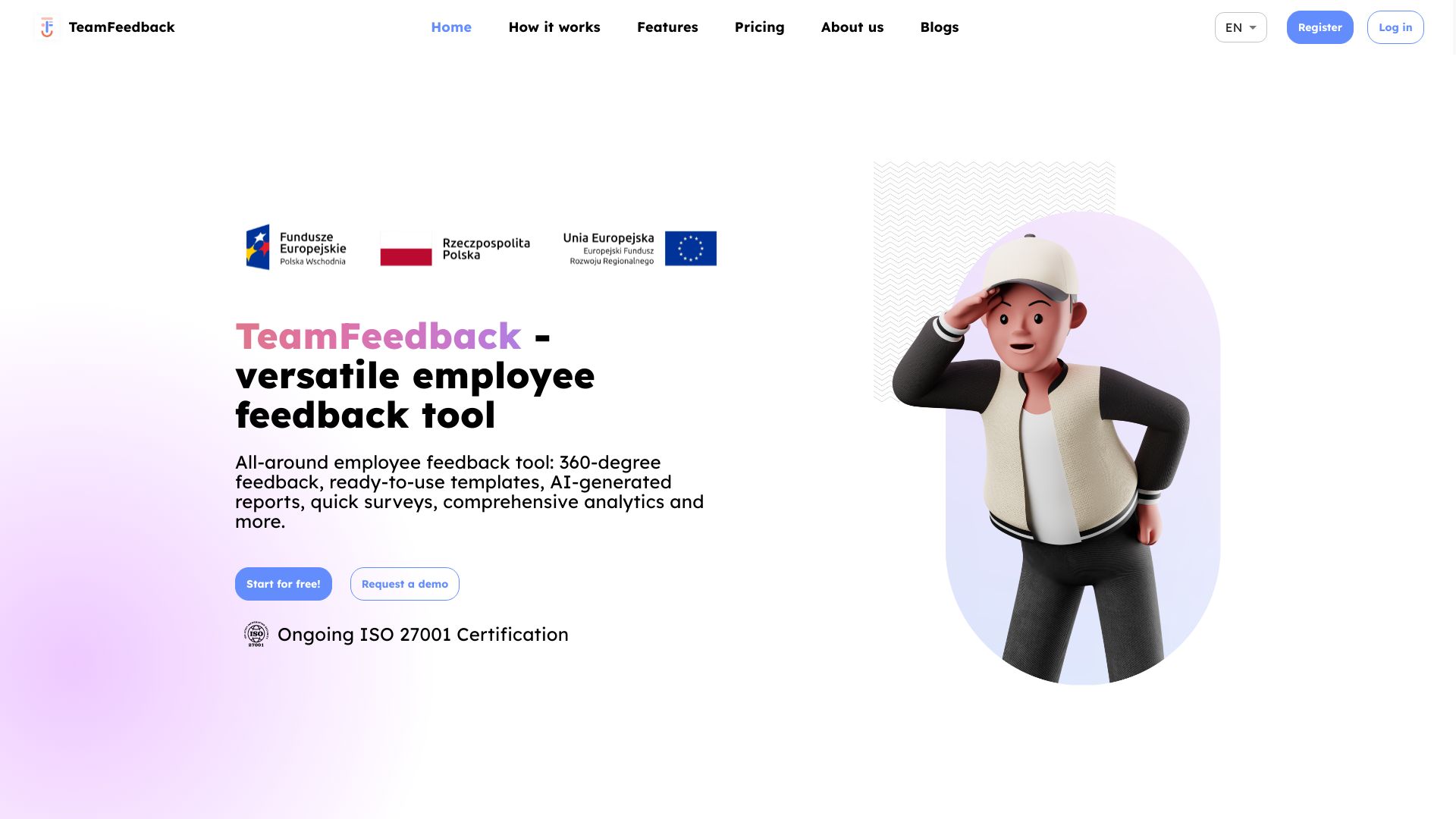
TeamFeedback
Employee feedback and engagement surveys
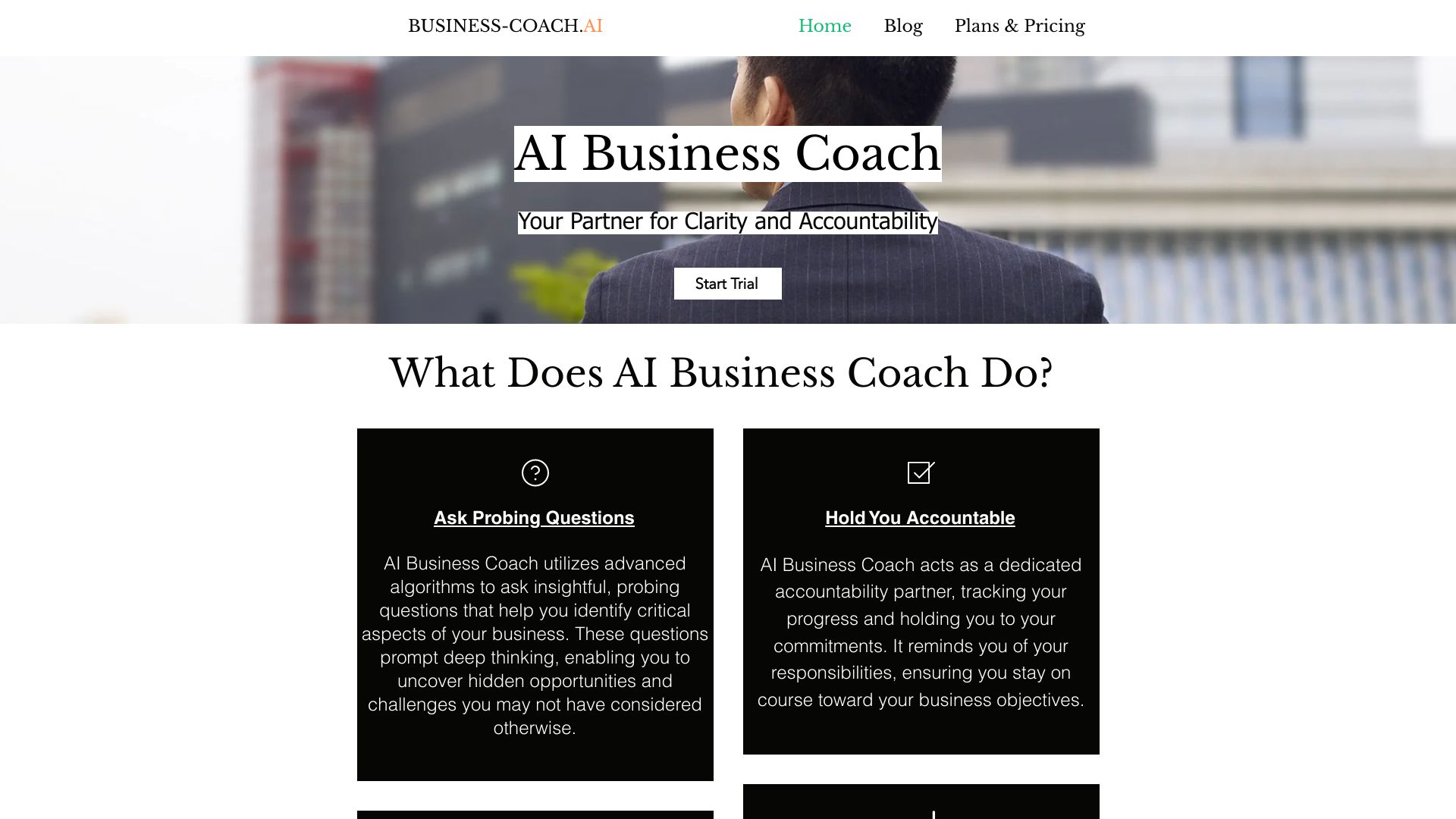
AI Business Coach
Entrepreneurs needing accountability

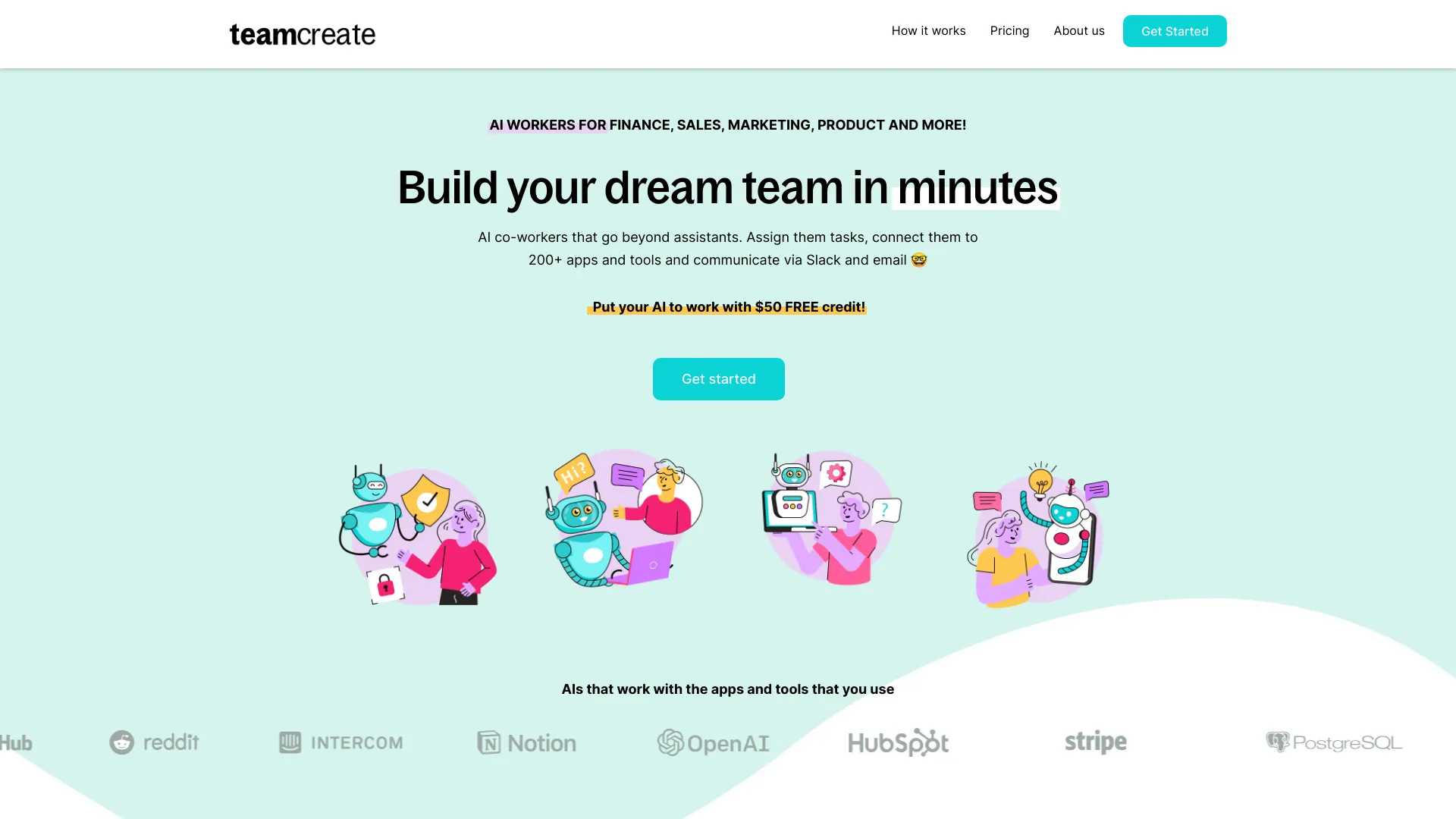
TeamCreate AI
Teams building AI co-workers on Slack

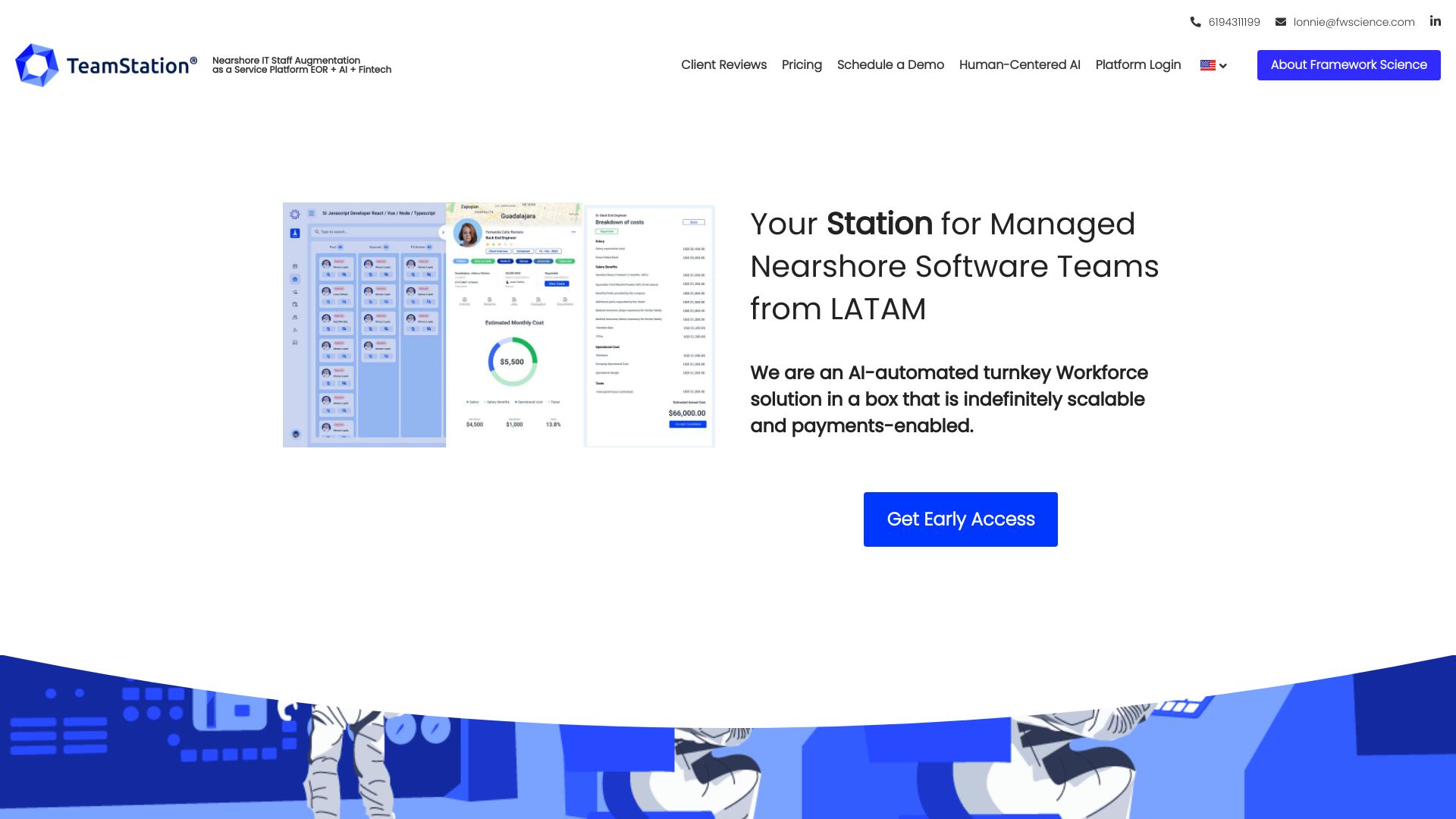
TeamStation AI
HR teams scaling LATAM tech teams

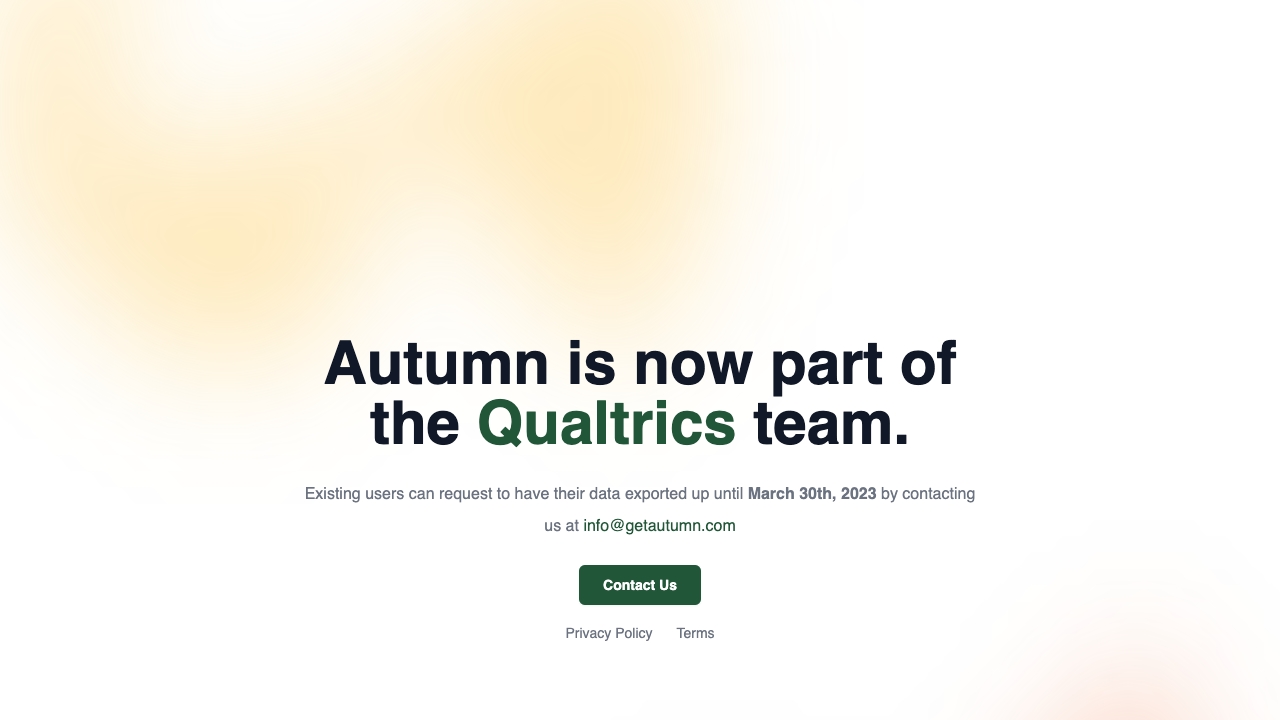
Autumn
Burnout prevention for HR teams

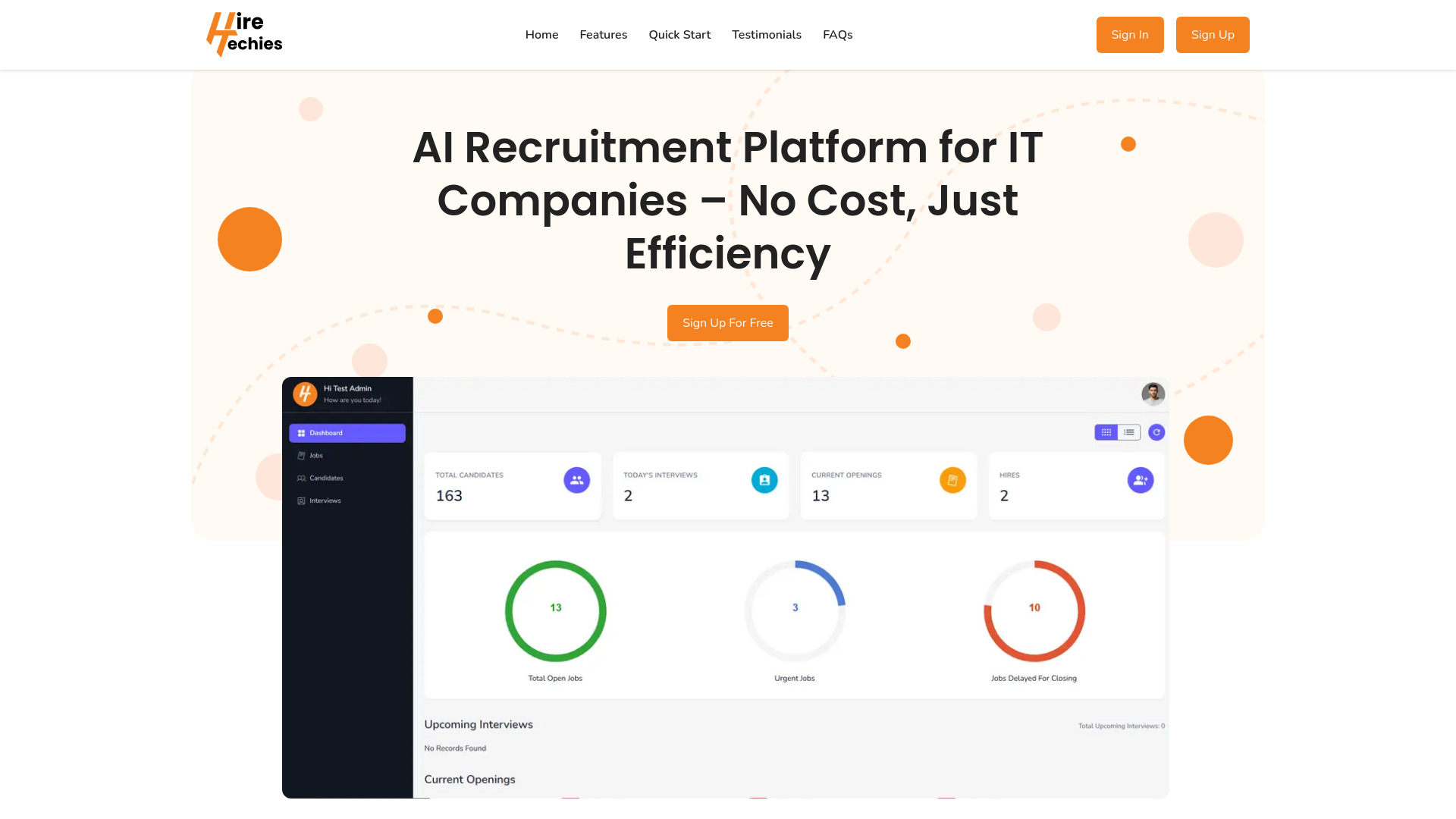
HireTechies
IT company recruitment teams

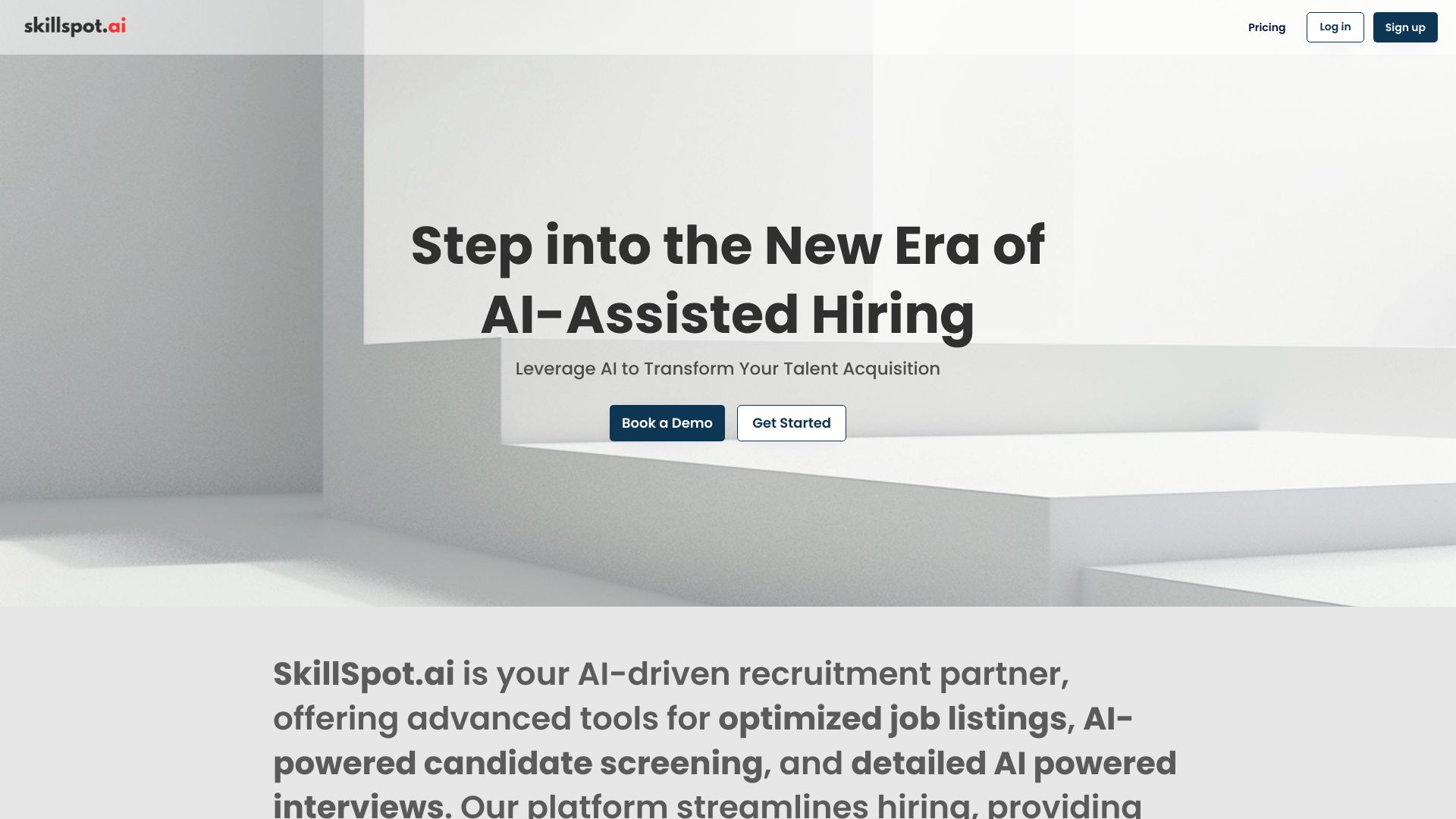
Skillspot AI
High-volume HR hiring teams
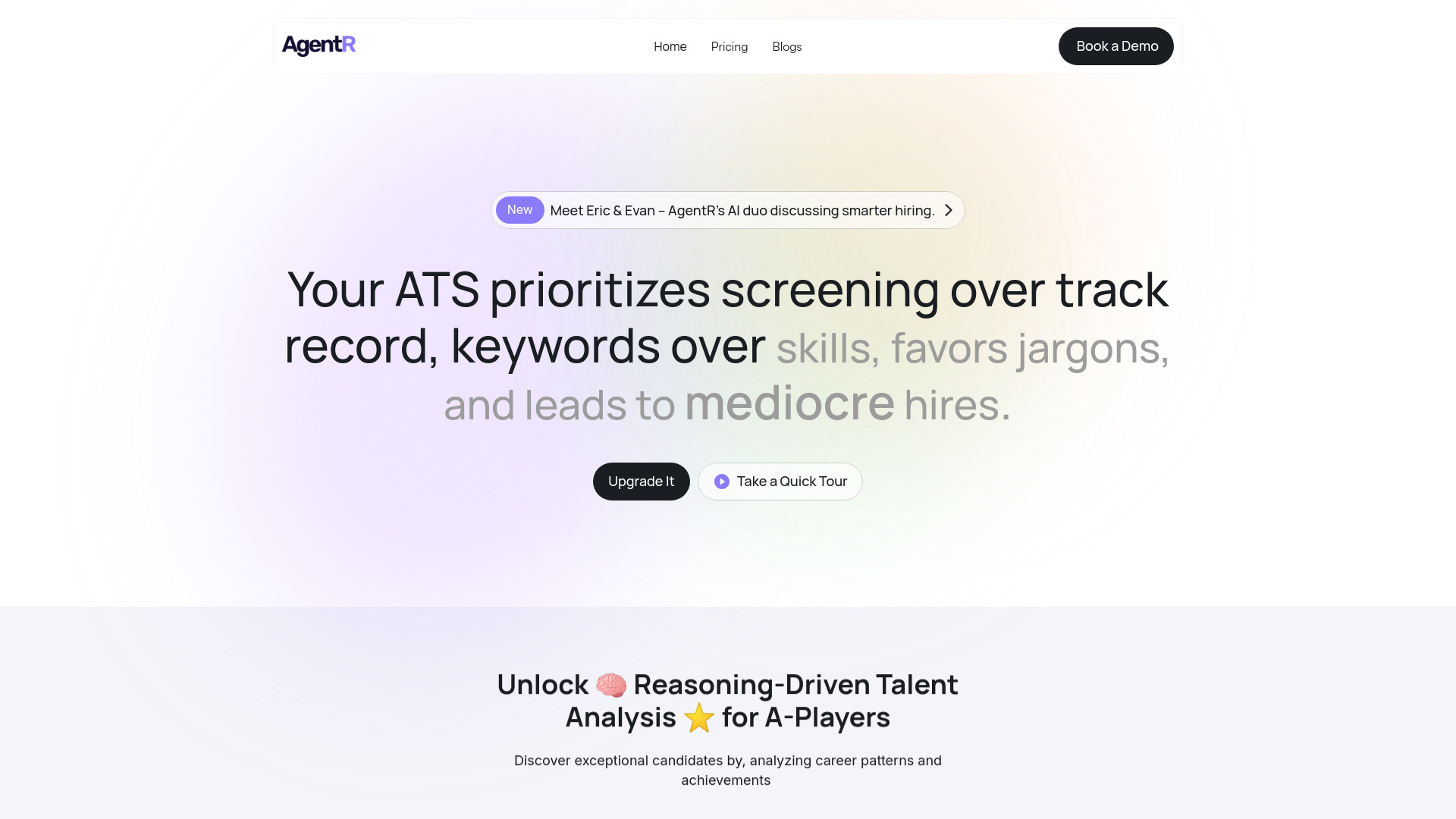
AgentR
Reasoning-driven candidate evaluation

Hirezen
AI-assisted interview planning and feedback

Emploio
HR teams focused on employee growth
Simple HR
Automated CV screening and candidate matching
Teamie AI
Internal knowledge access for HR teams

CoachPoints
AI coaching plans for people managers

WellHR
Employee wellbeing feedback and analytics

Hivly
AI video interview screening for HR teams

MyTeamBuilder
HR-led manager and team development

AI-Campaign
LinkedIn recruitment automation for HR teams
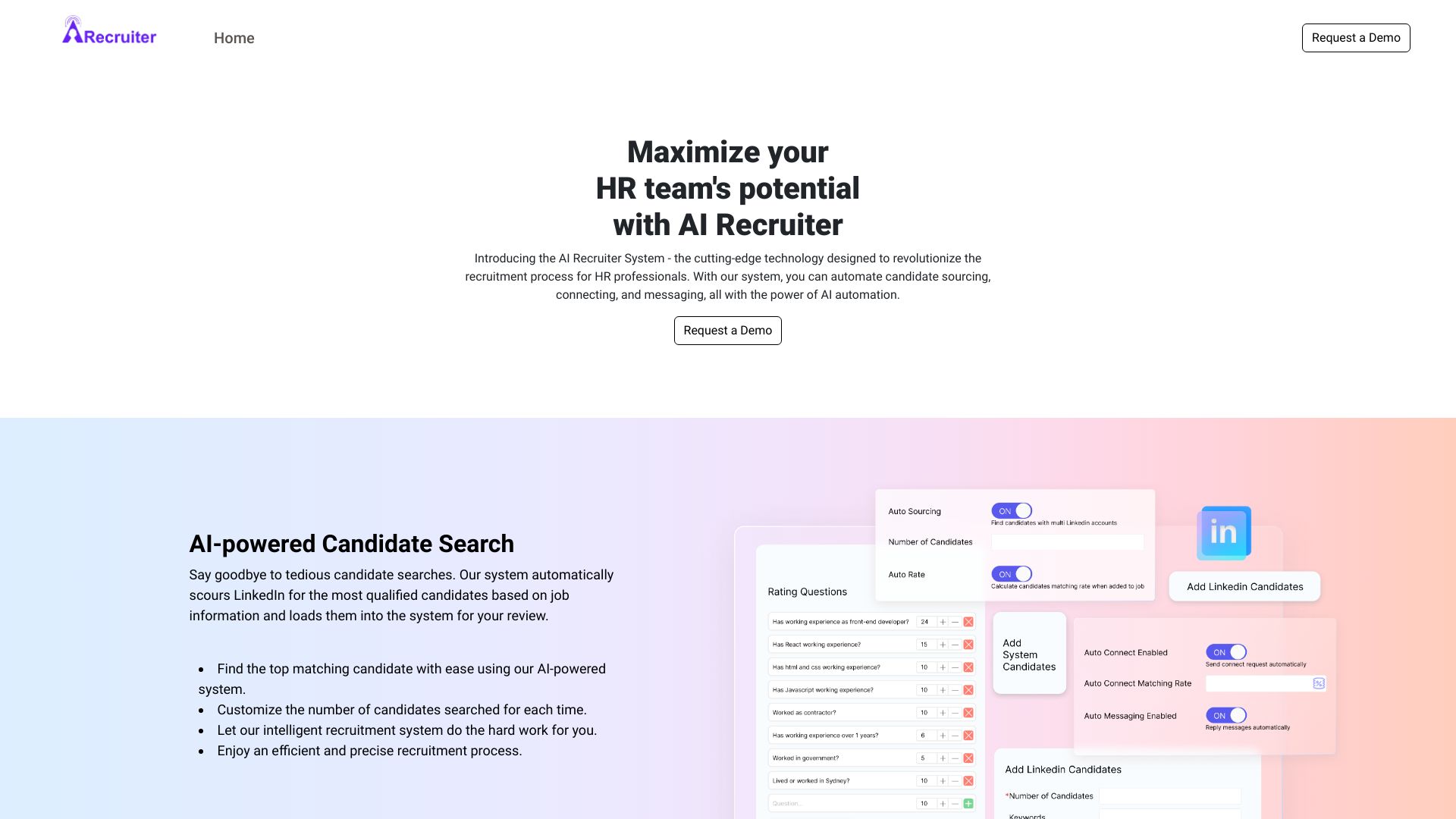
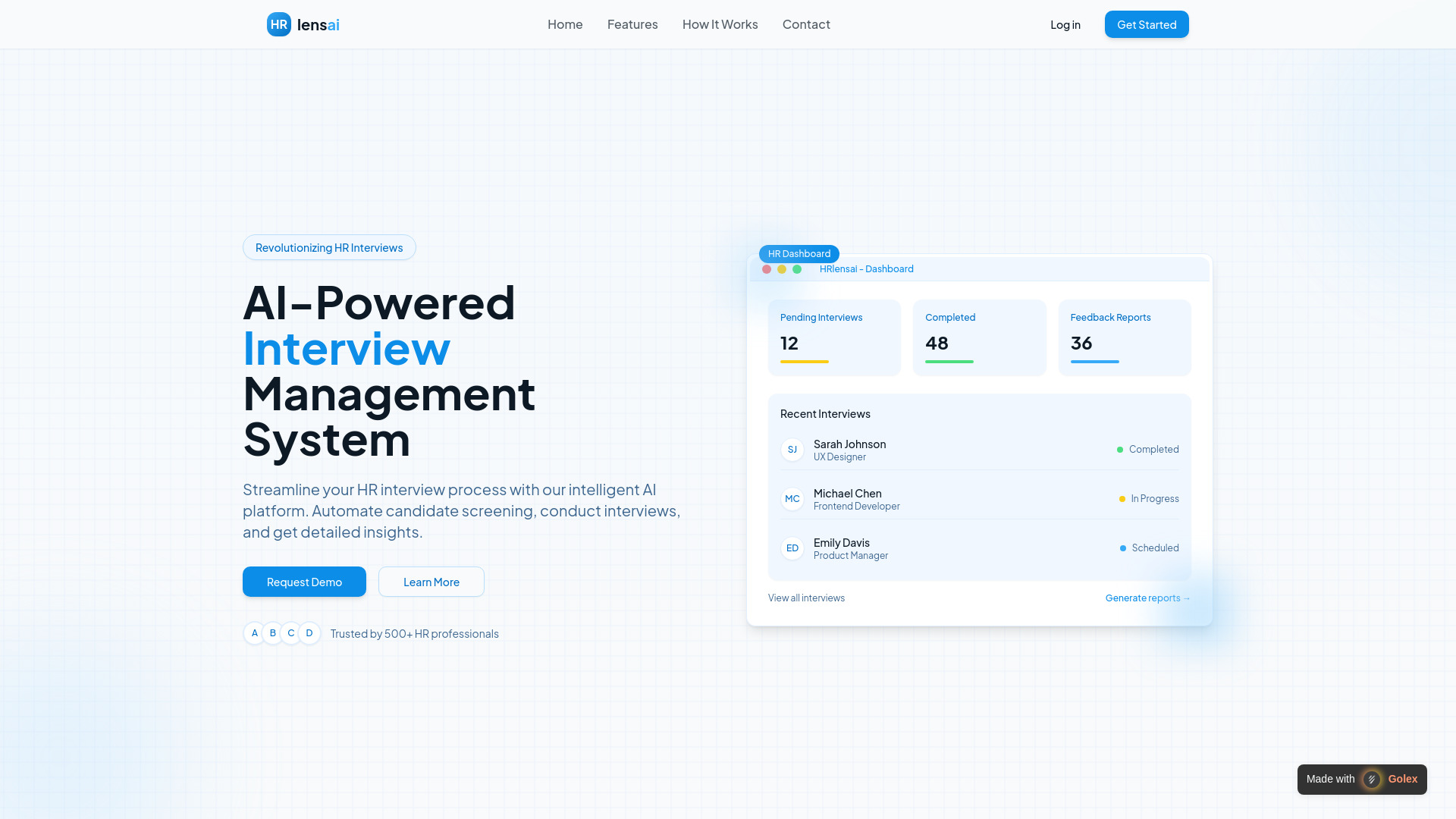
HRlens ai
HR teams managing AI-powered candidate interviews

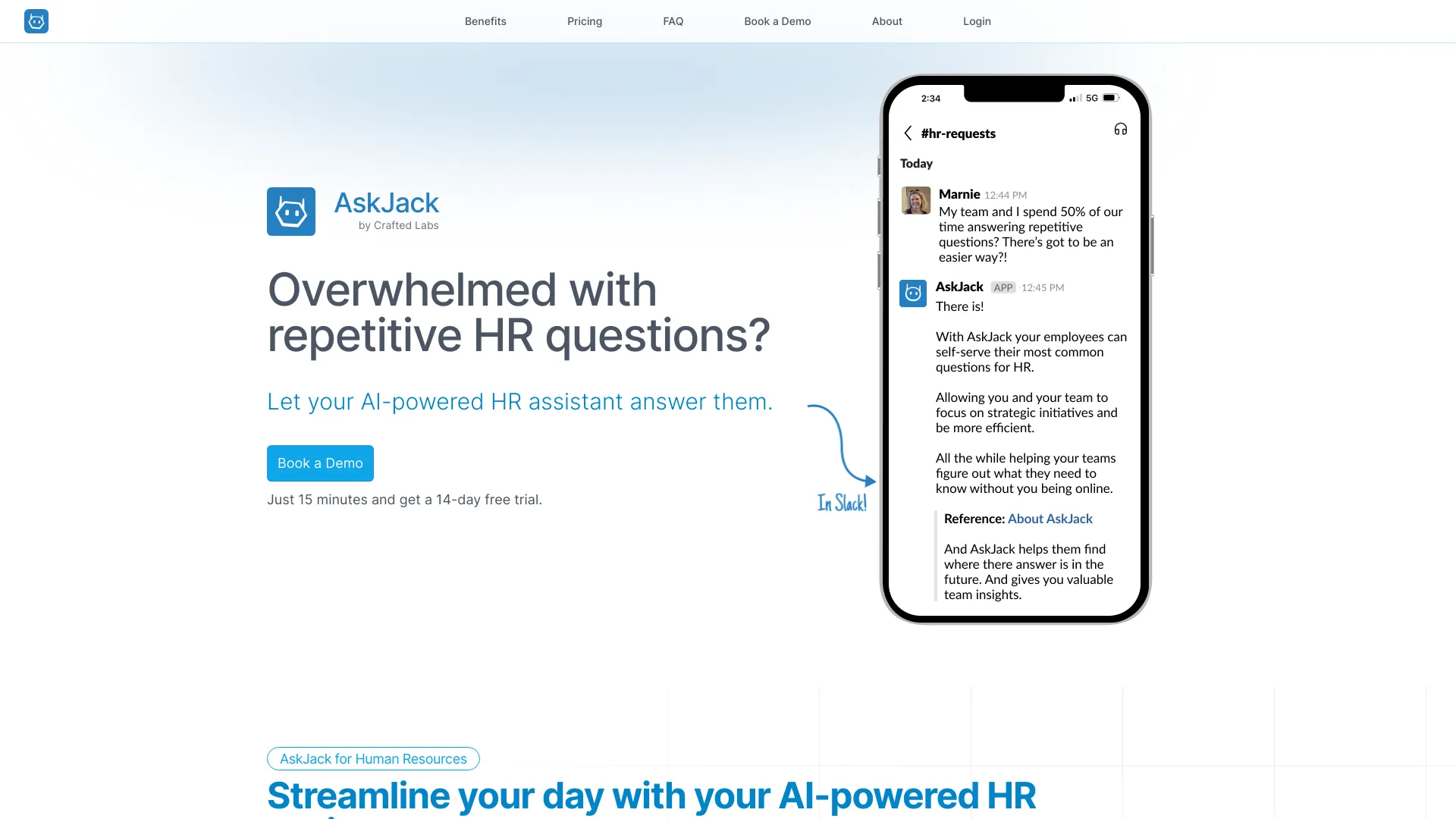
AskJack
HR teams answering employee questions in Slack

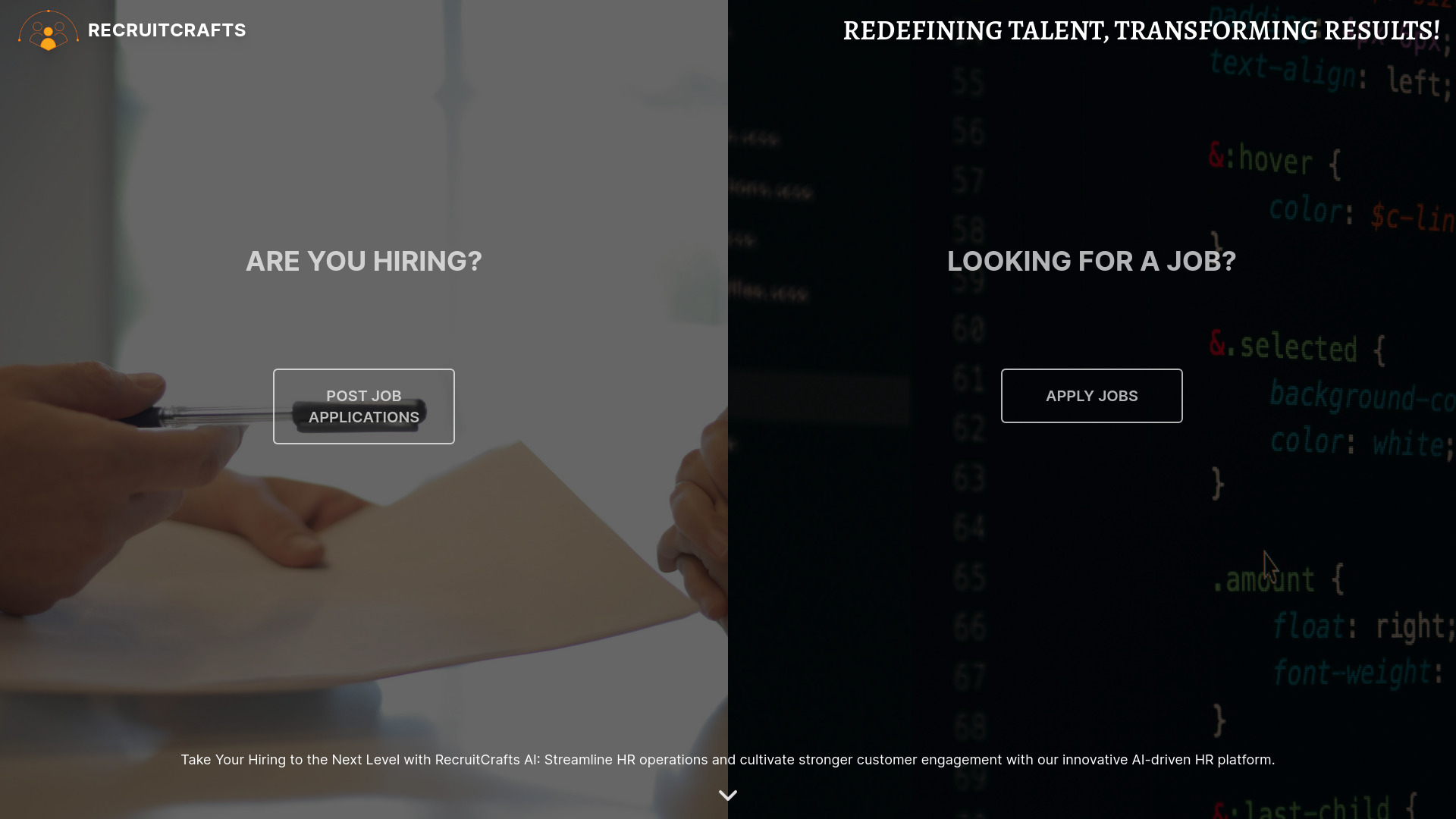
RecruitCrafts
Teams managing AI-assisted recruiting workflows

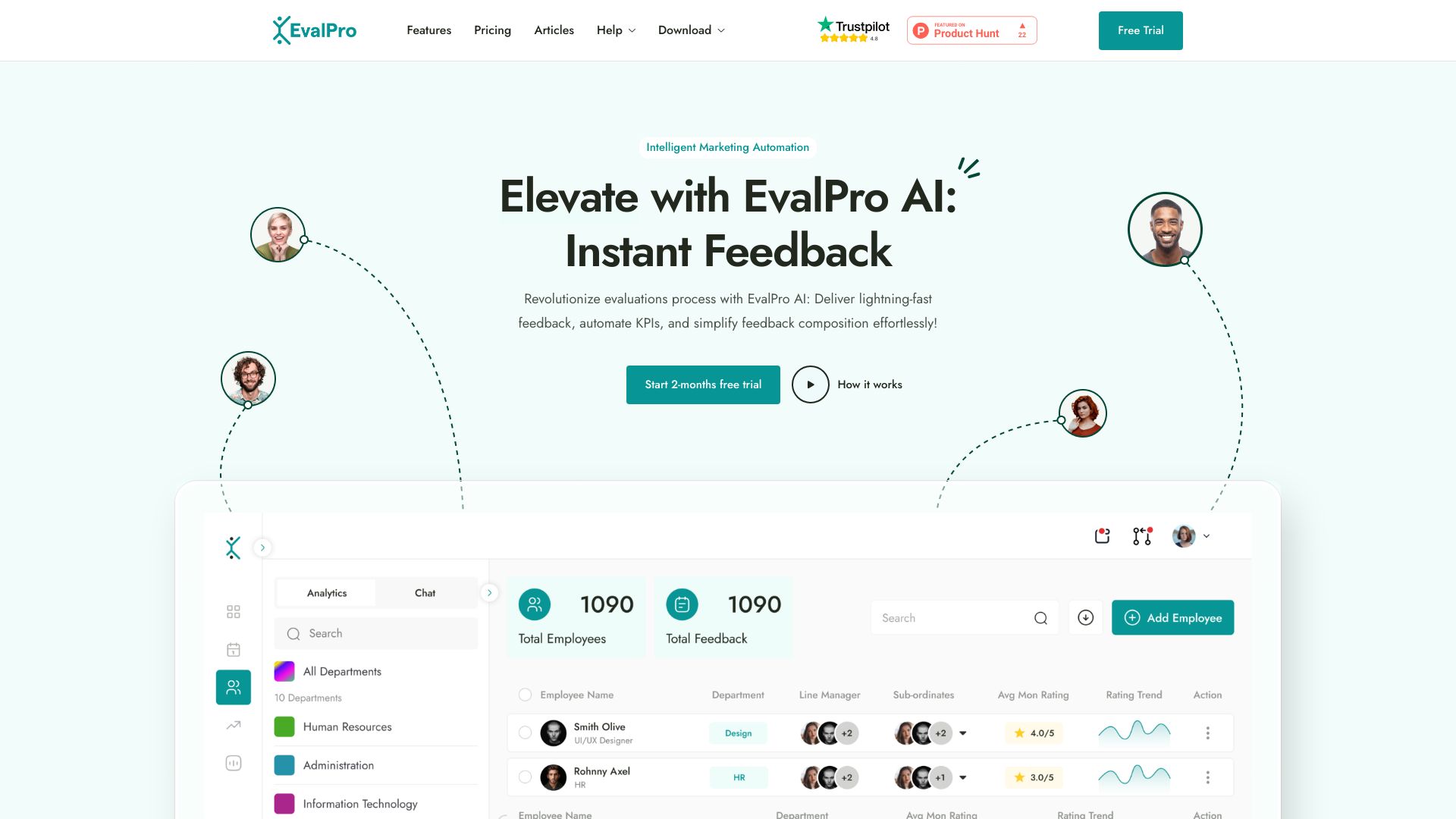
EvalPro AI
Employee performance evaluations

ShouldIHire.AI
AI hiring-versus-automation decisions

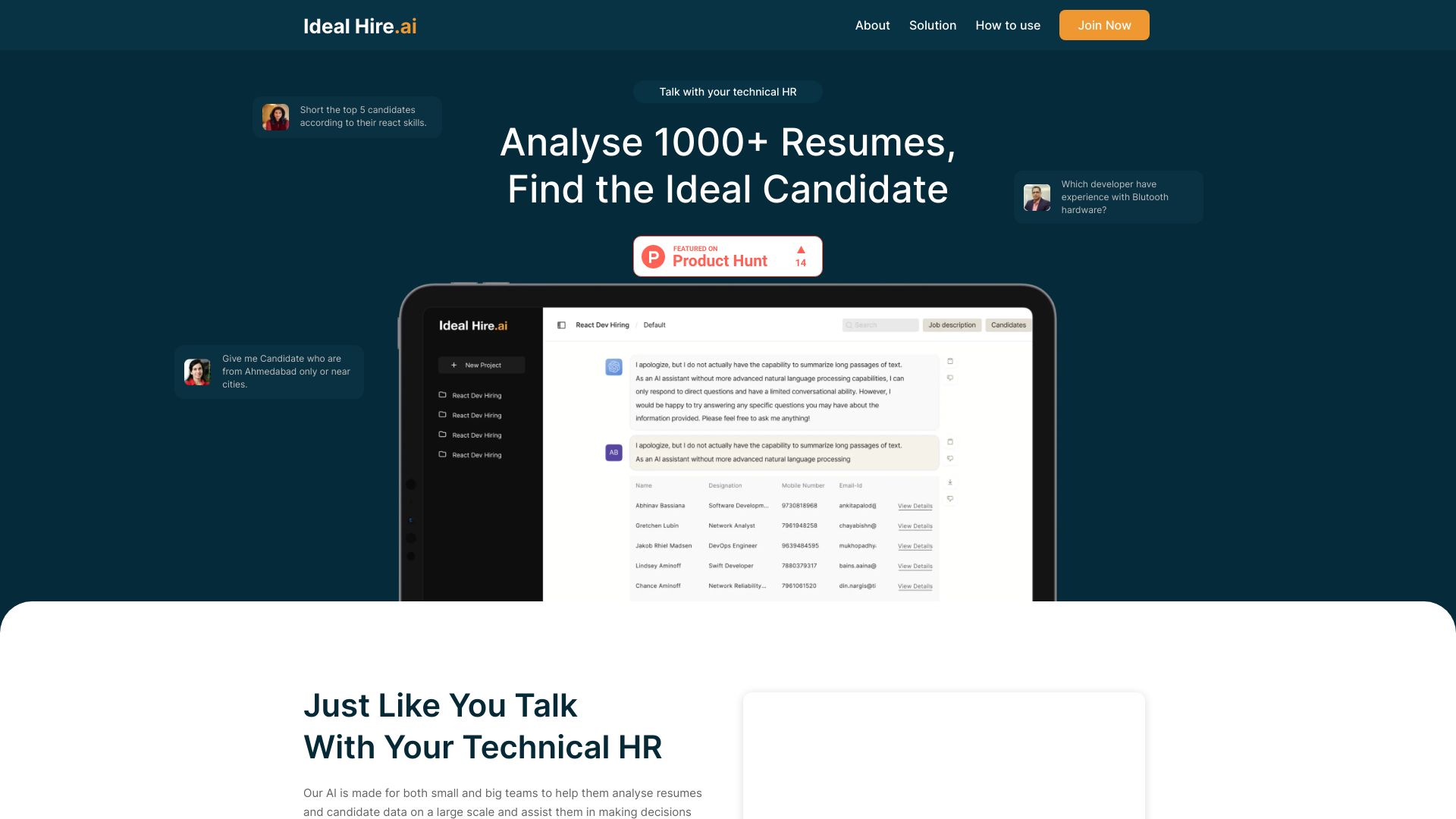
Ideal Hire.ai
Resume and candidate screening

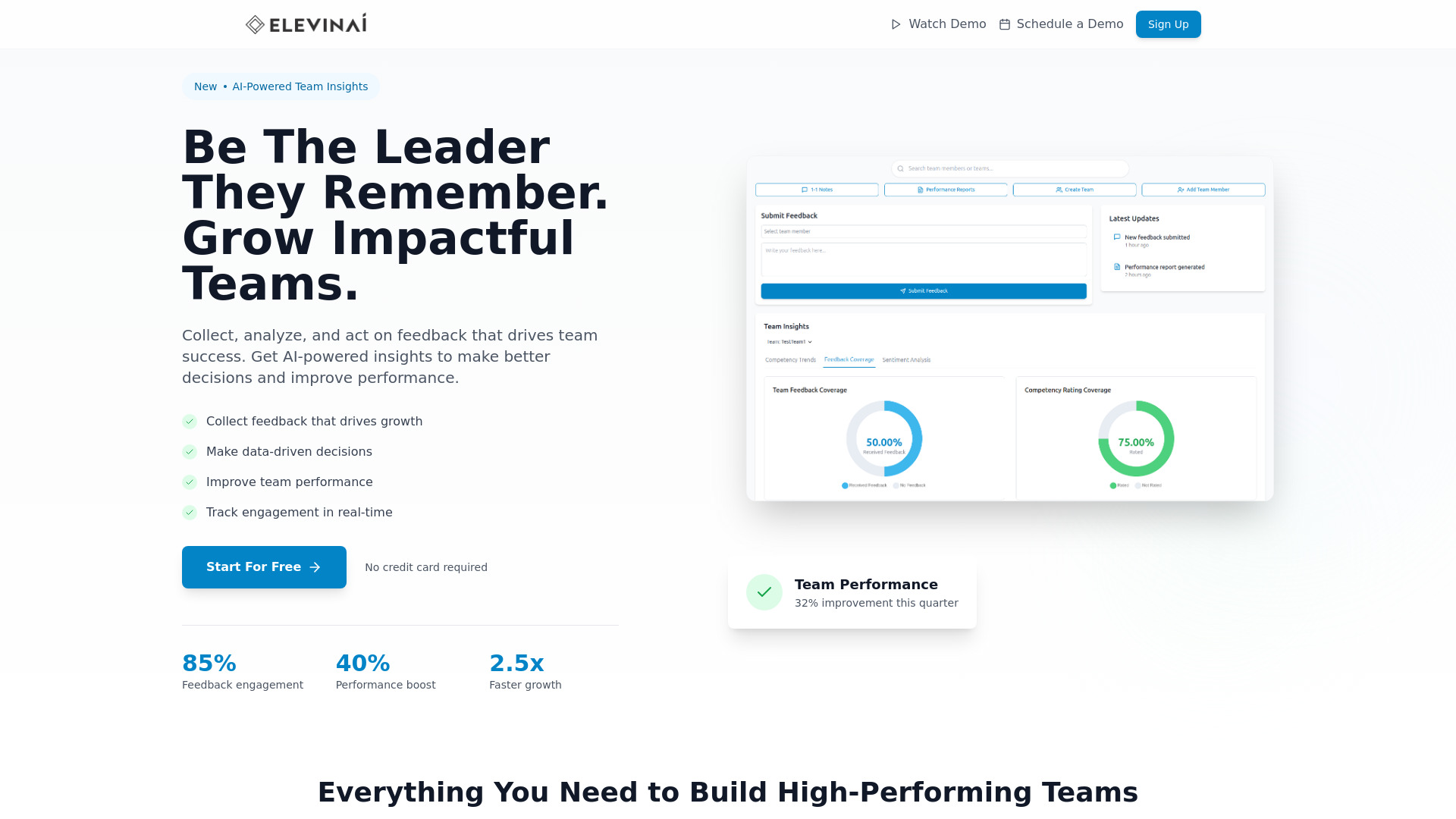
ElevinAI
AI-powered team feedback and performance management

TeamifAI
AI resource management for professional services teams

AI Recruiting
Automated technical interviews


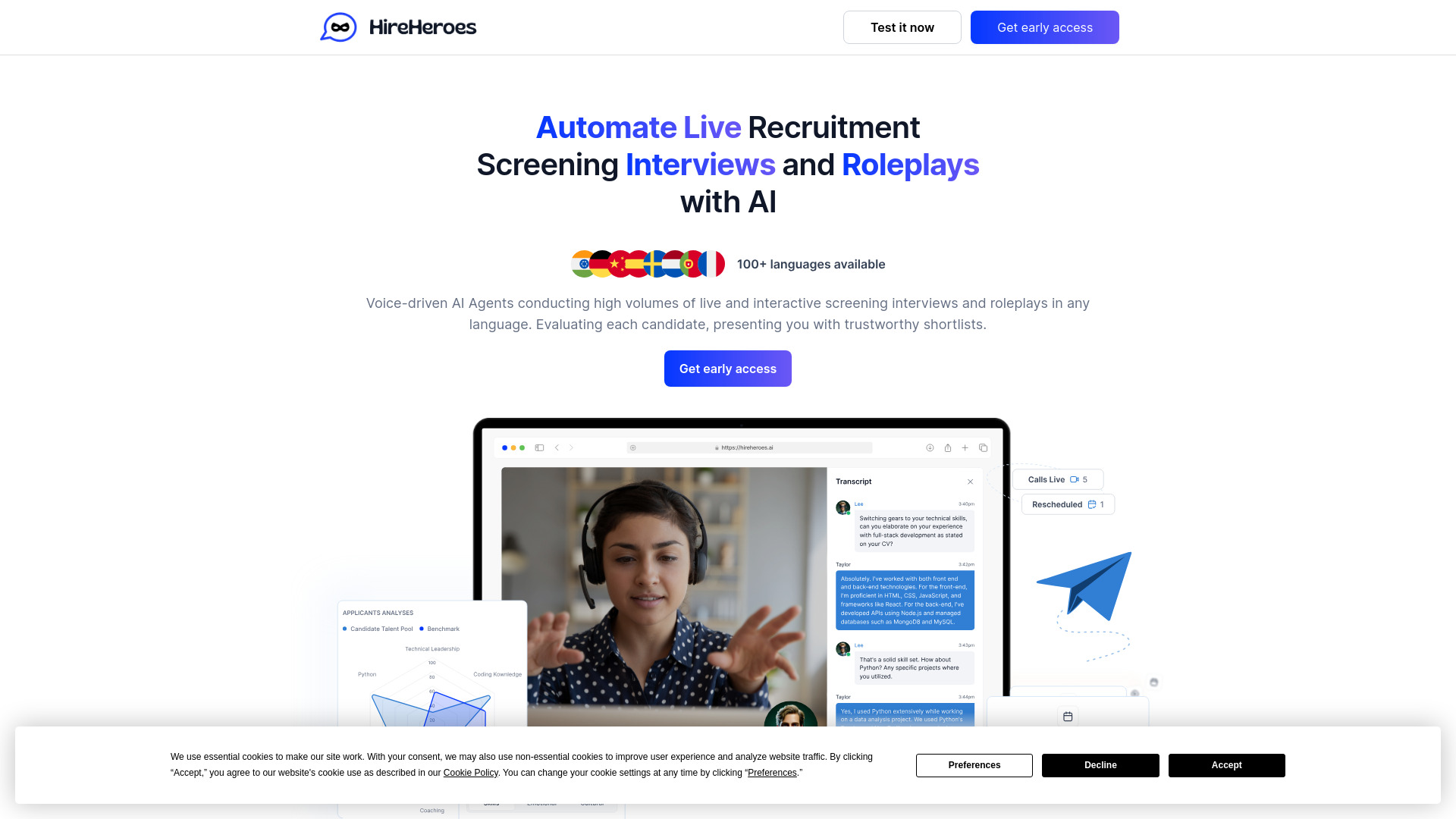
HireHeroes
High-volume recruitment screening

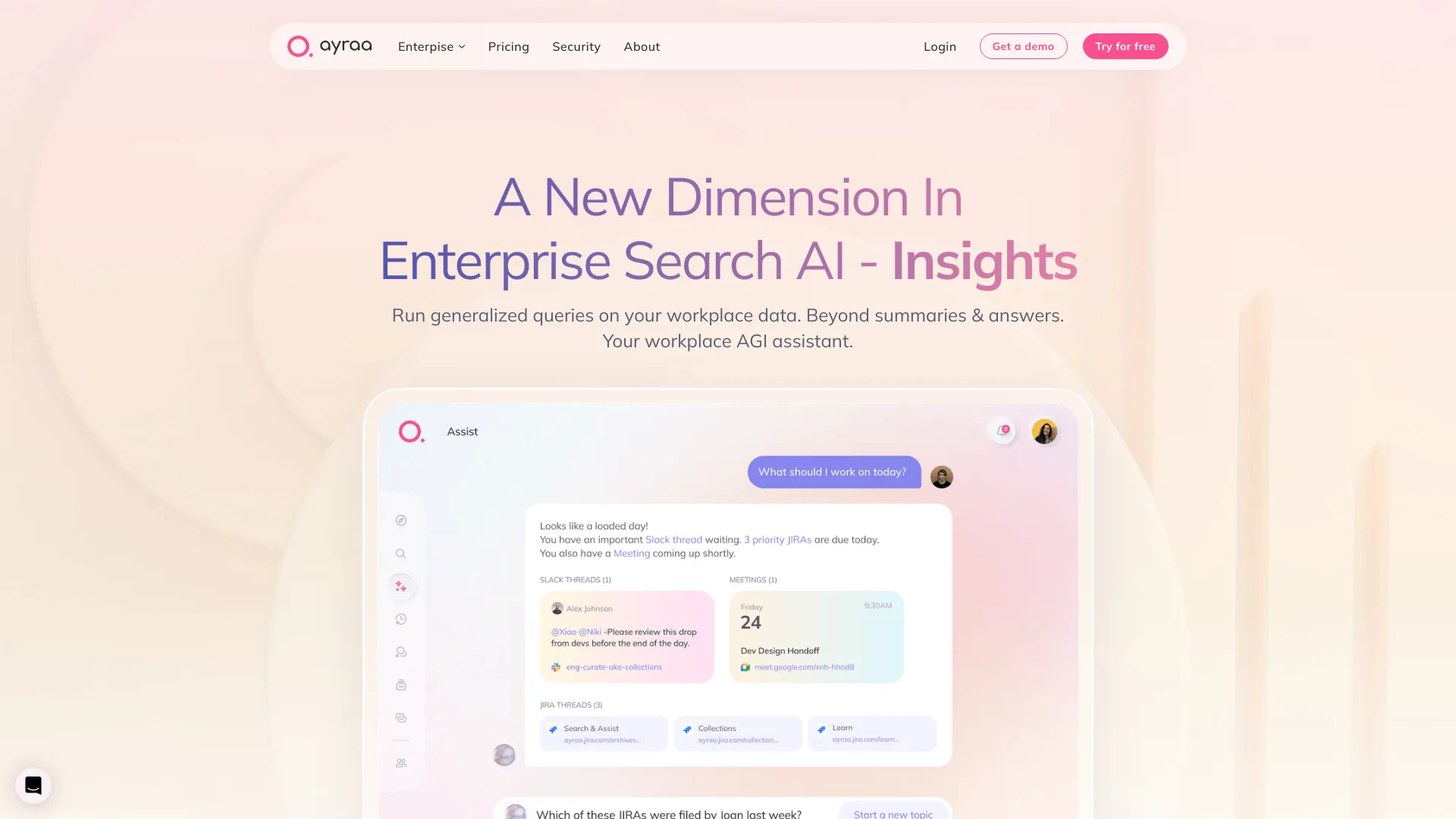
Ayraa
Workplace knowledge discovery

Hi-fi Ai
AI tool discovery and comparison

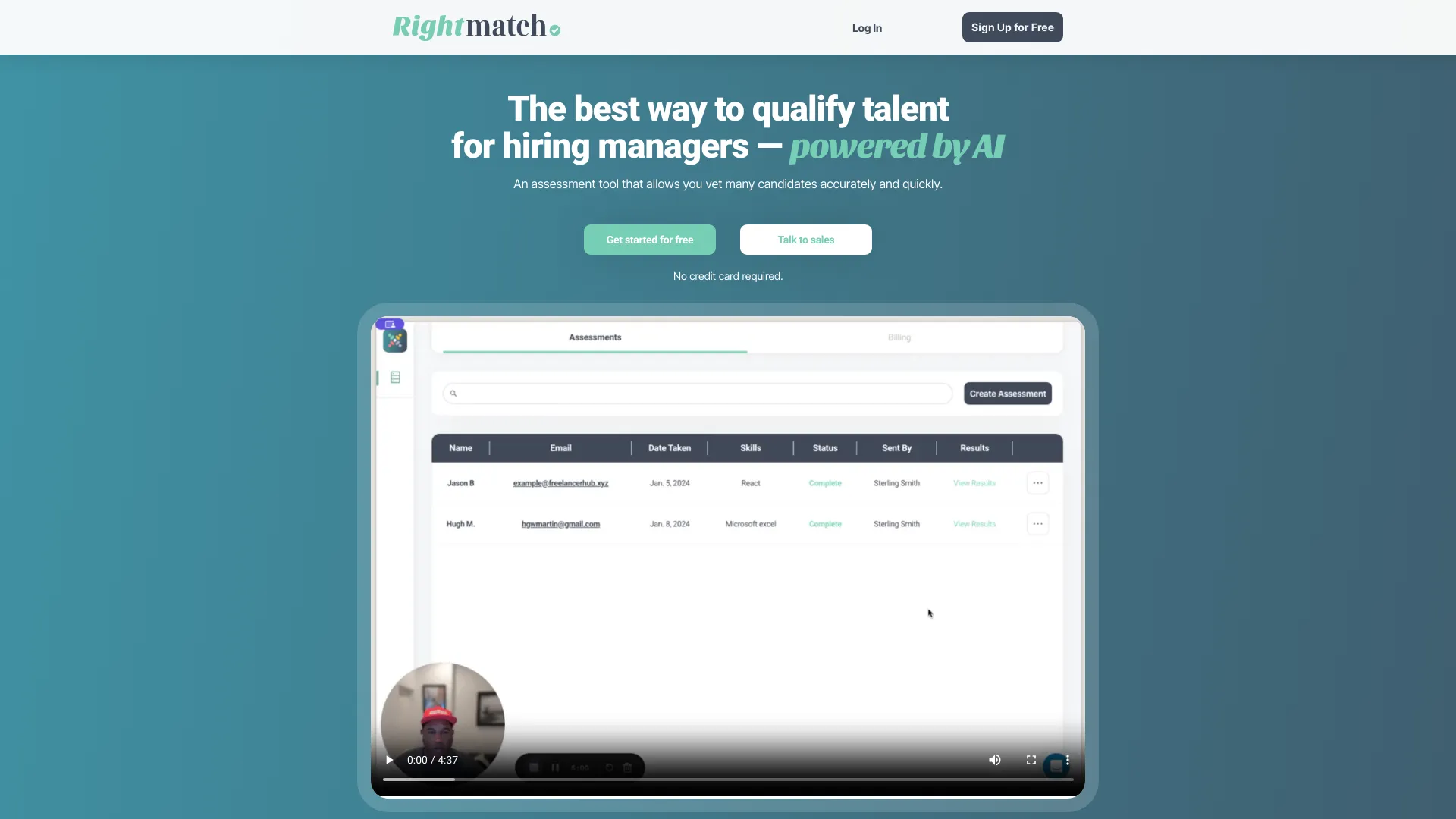
RightMatch AI
Recruiters and HR teams

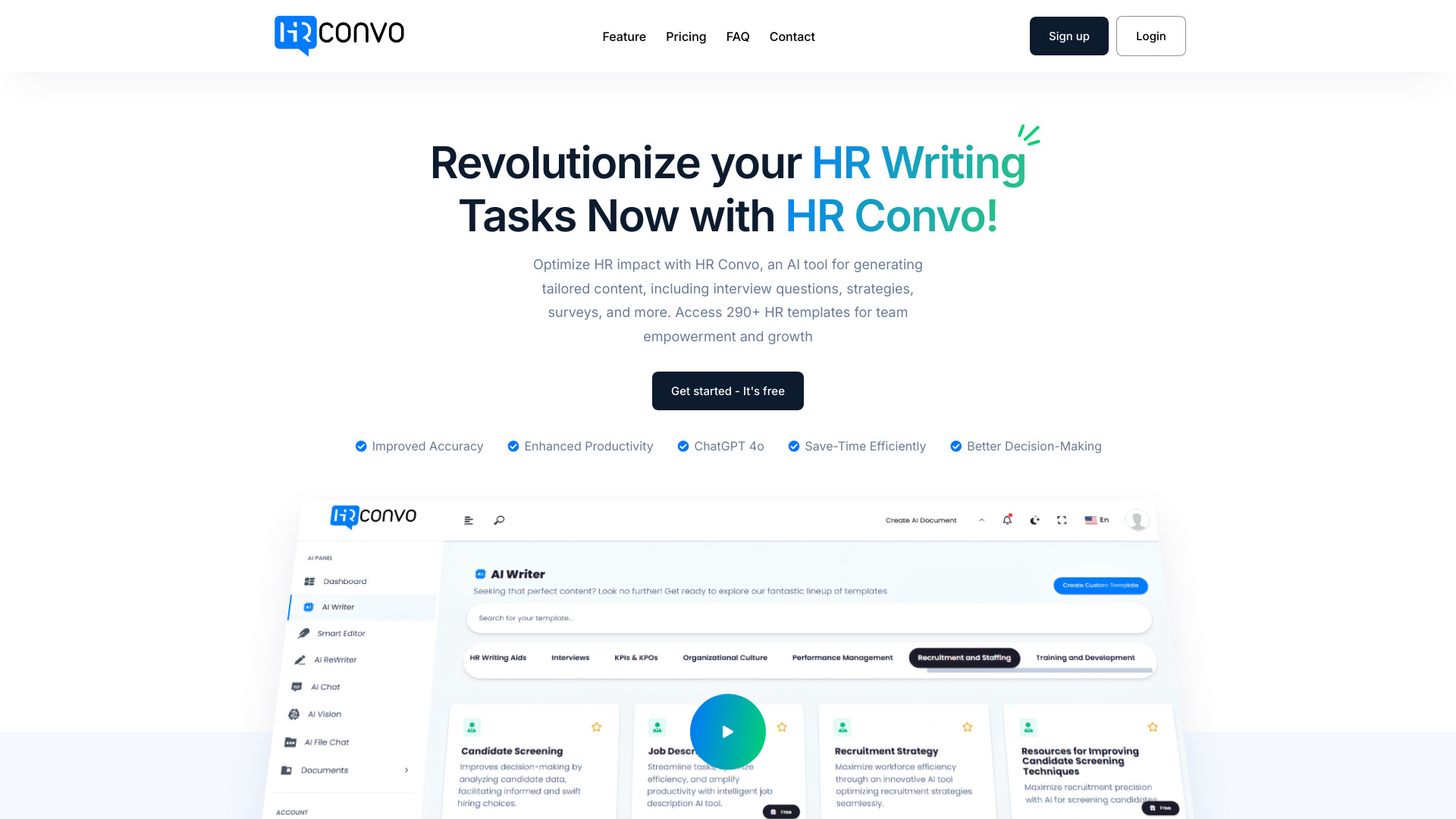
HR Convo
HR templates and workplace writing

MgrWorkbench.ai
AI-assisted performance reviews and development plans
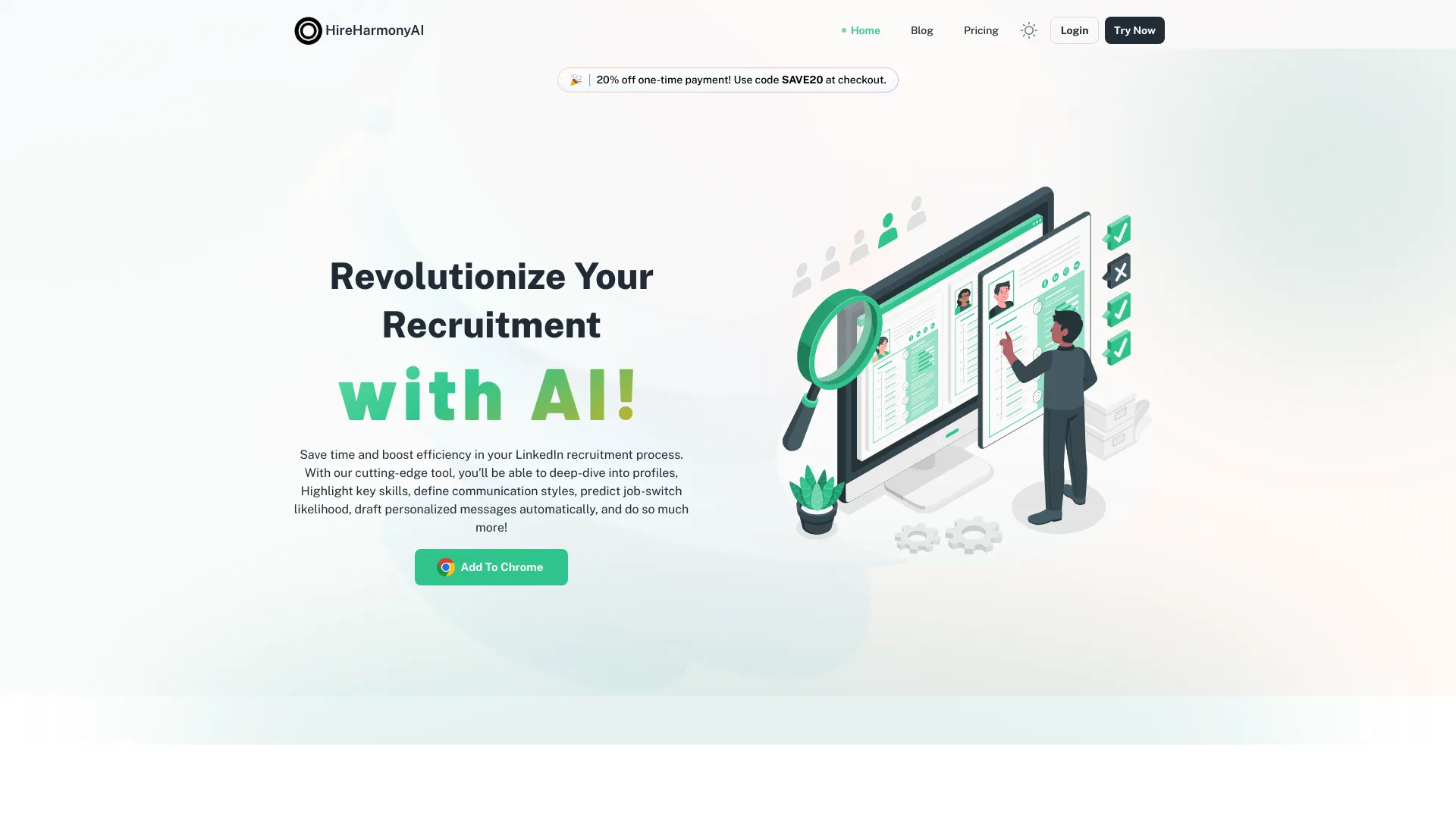
HireHarmonyAI
LinkedIn recruiting for HR teams

AI Consulting Tools
AI-powered business analysis

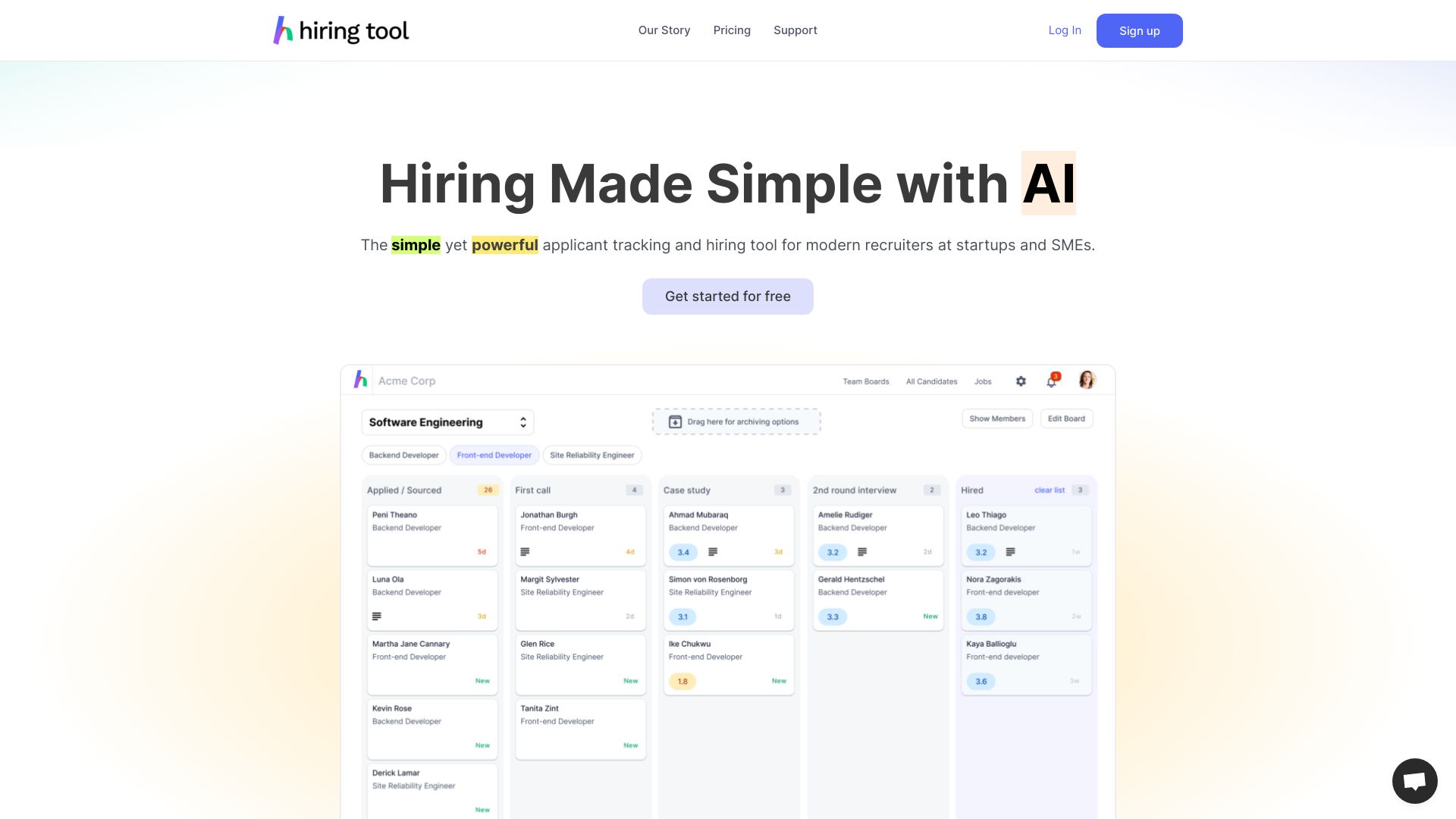
hiring tool
Startups and SMEs hiring candidates

AI Meeting Tool
Meeting scheduling and AI meeting notes

Workviz
Remote team workload monitoring

Workers Delos
Teams delegating repetitive business workflows

HireTalent
HR teams managing global hiring

HYI.AI
Global talent hiring and team scaling
AI Interviewer Pro
24/7 AI candidate interviews

Profile For Slack
Slack-based employee connection and engagement
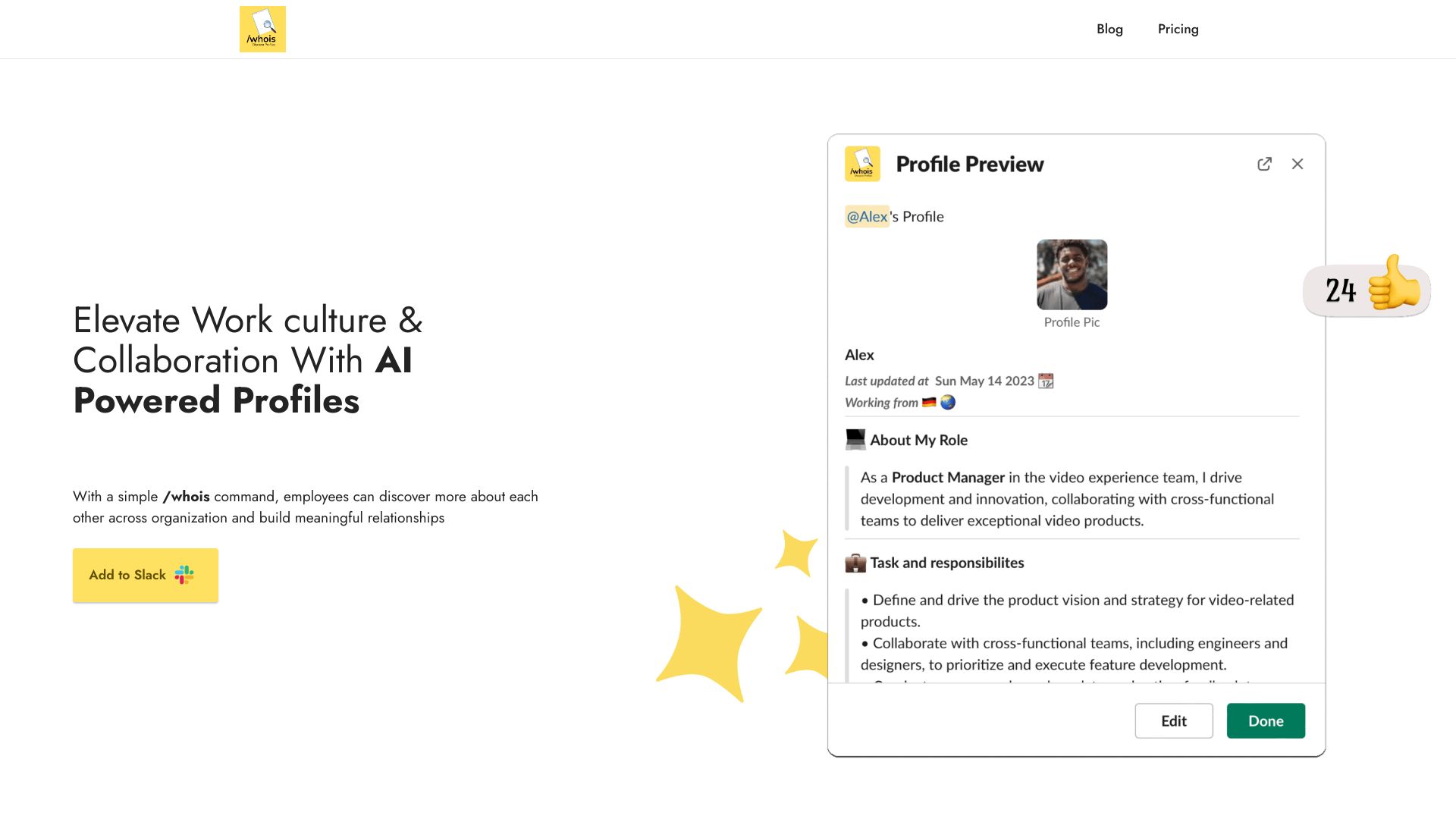

AI Builder Buddy
Nontechnical builders needing hands-on technical guidance
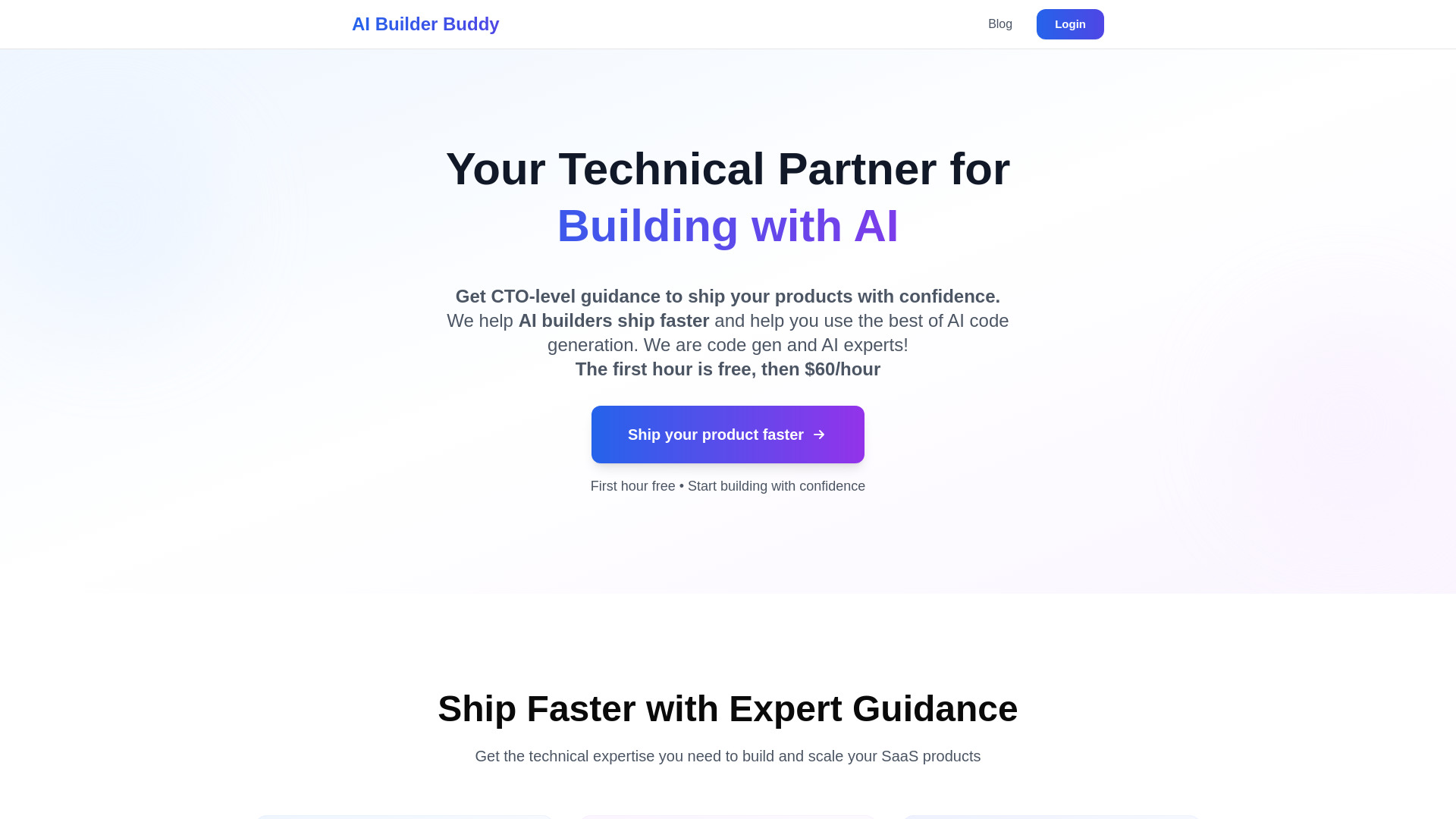

AI Dev Assess
HR teams hiring software developers
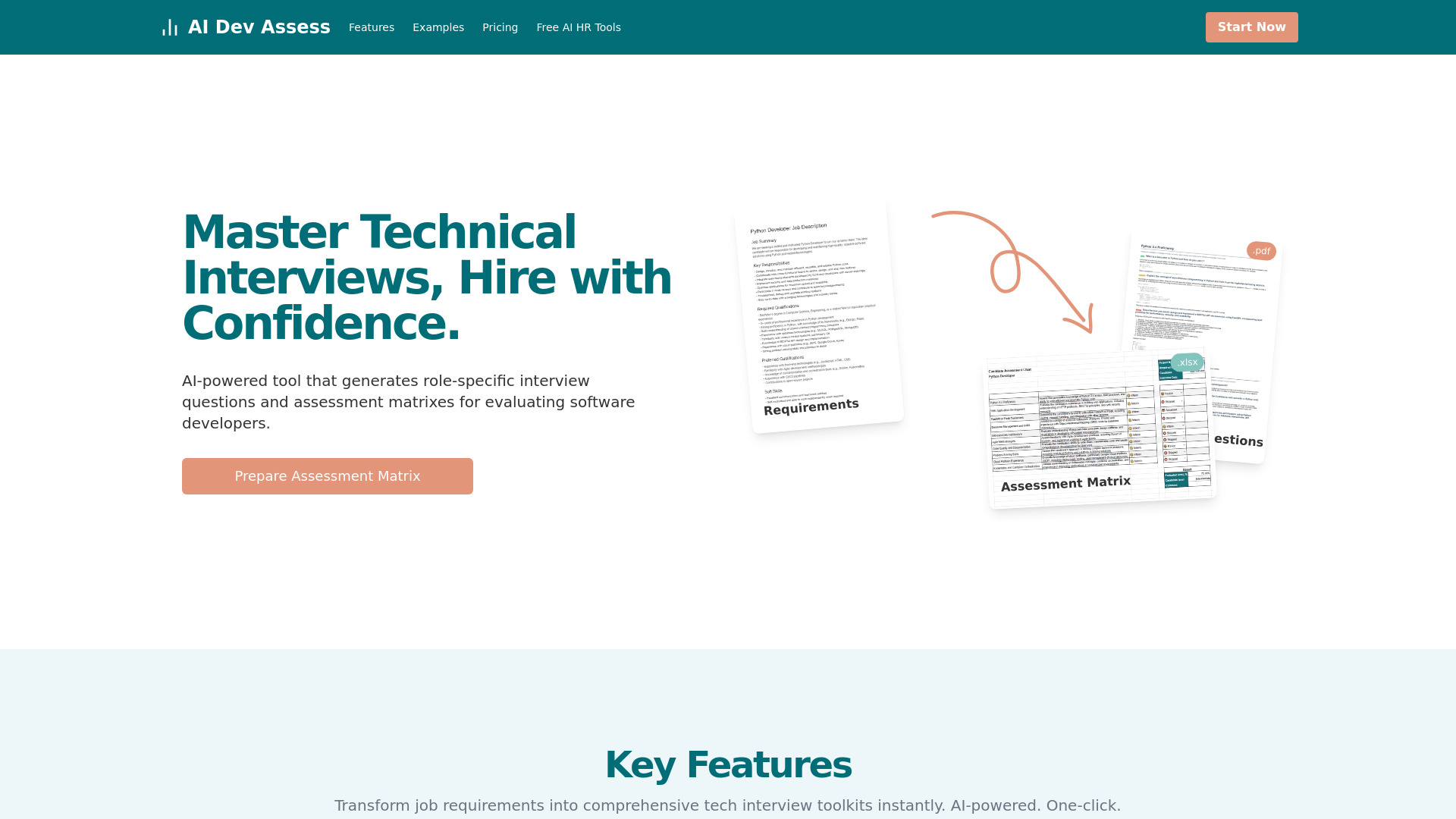

Apply
AI job description writing for talent teams
AI Architect
Cloud architecture design

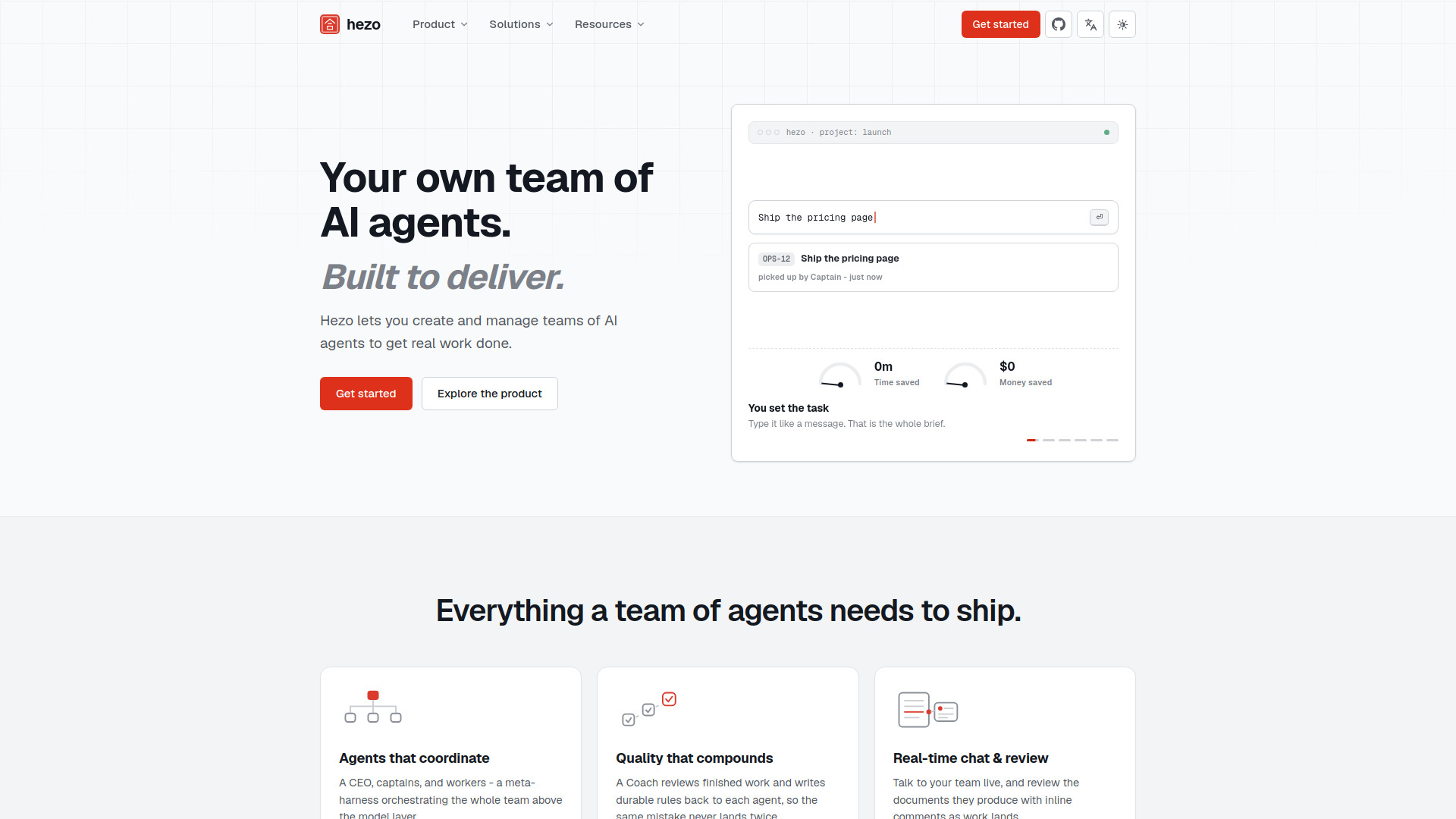
Hezo
Teams coordinating multi-step work

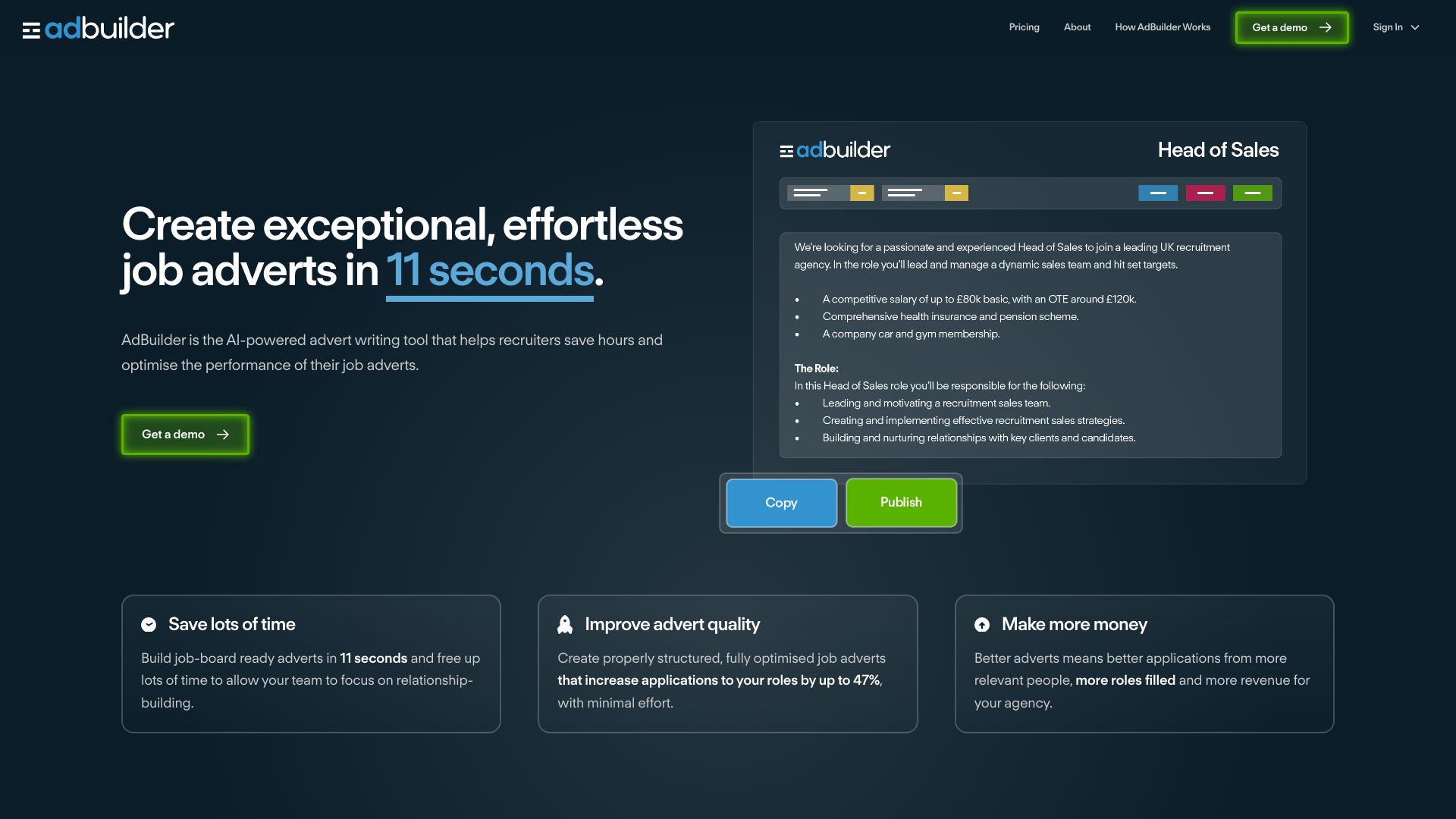
TalentKoala
Recruiters writing job adverts

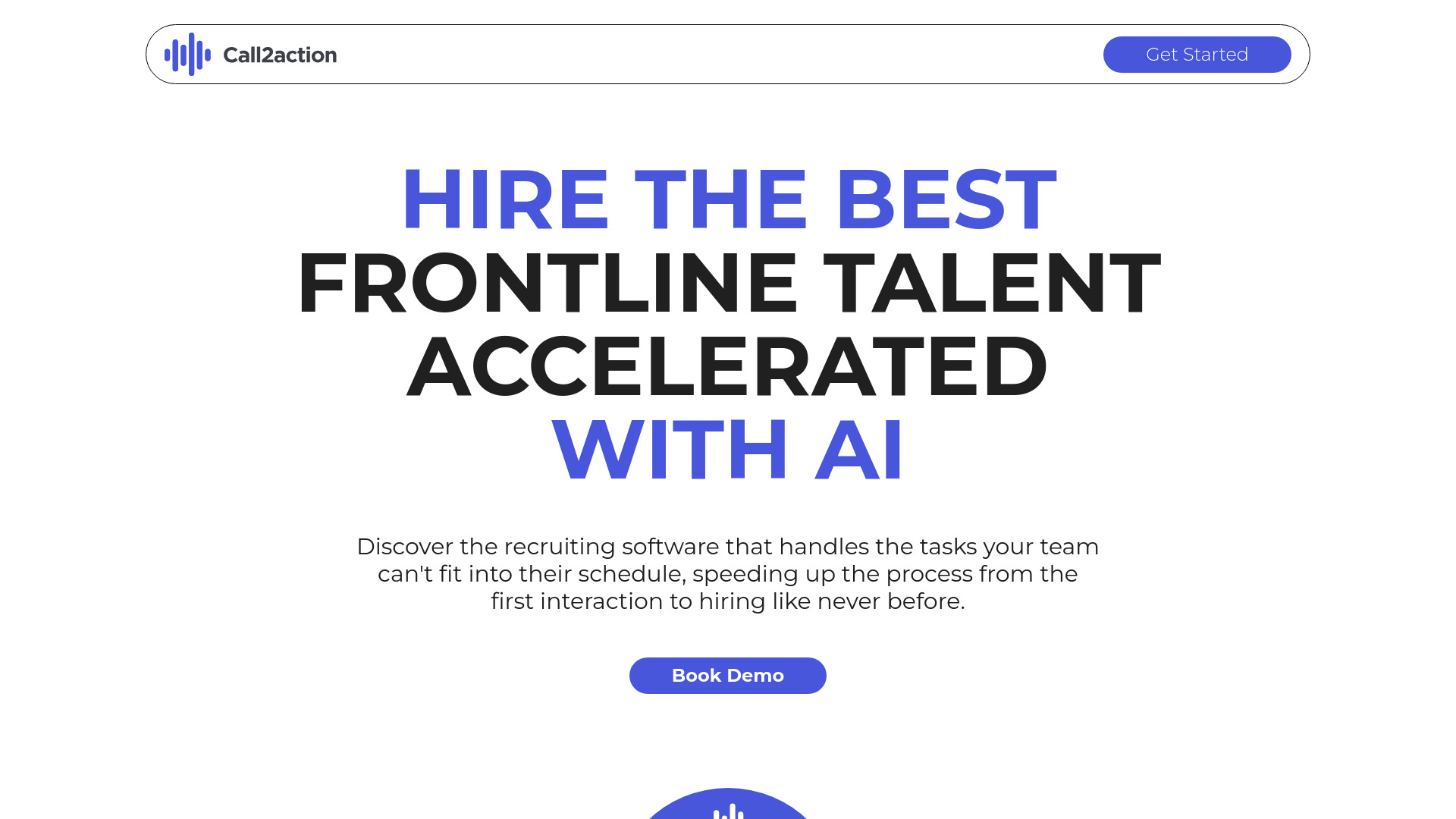
Call2action
AI-powered frontline recruiting

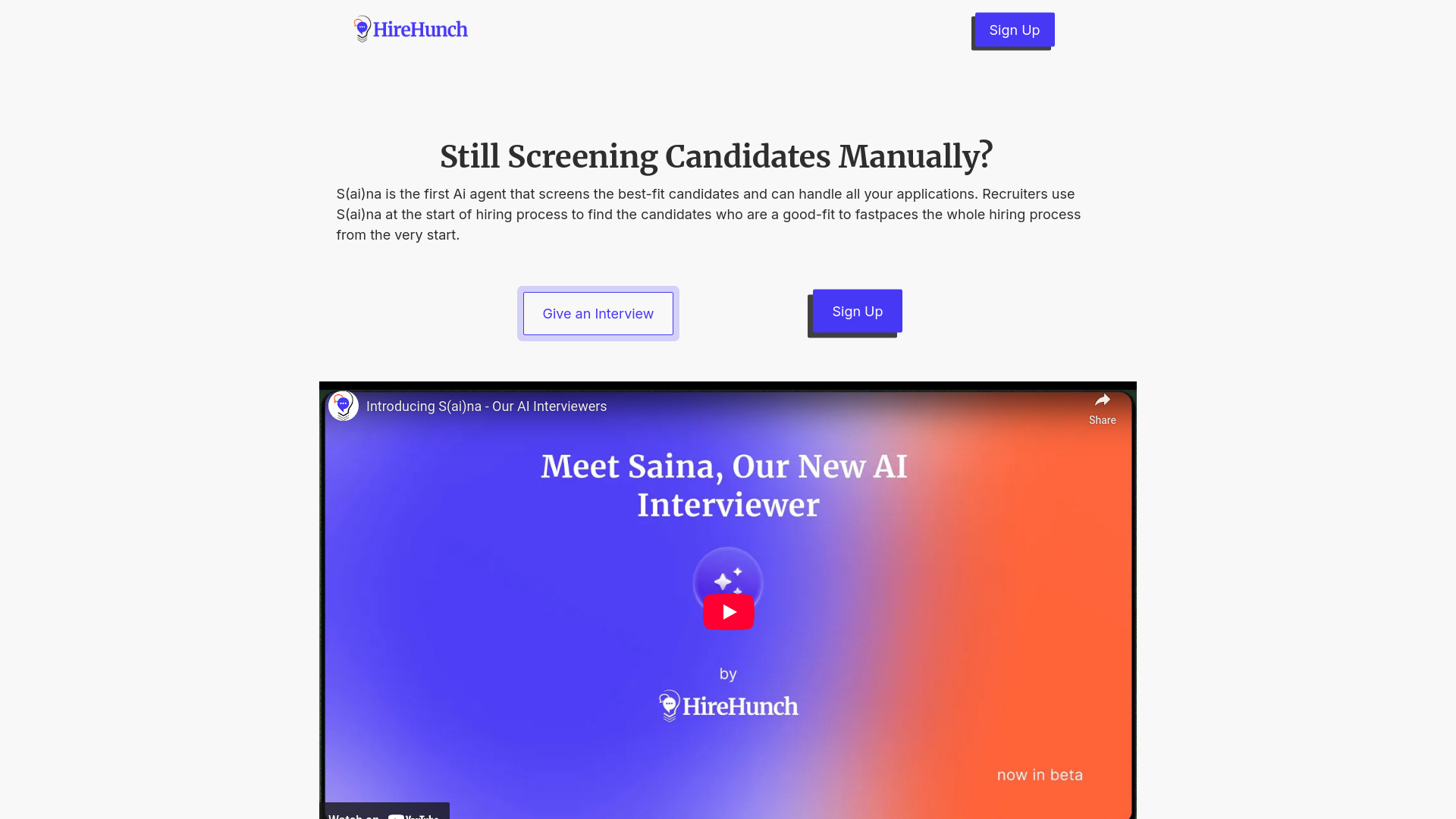
HireHunch
AI candidate screening and interviews

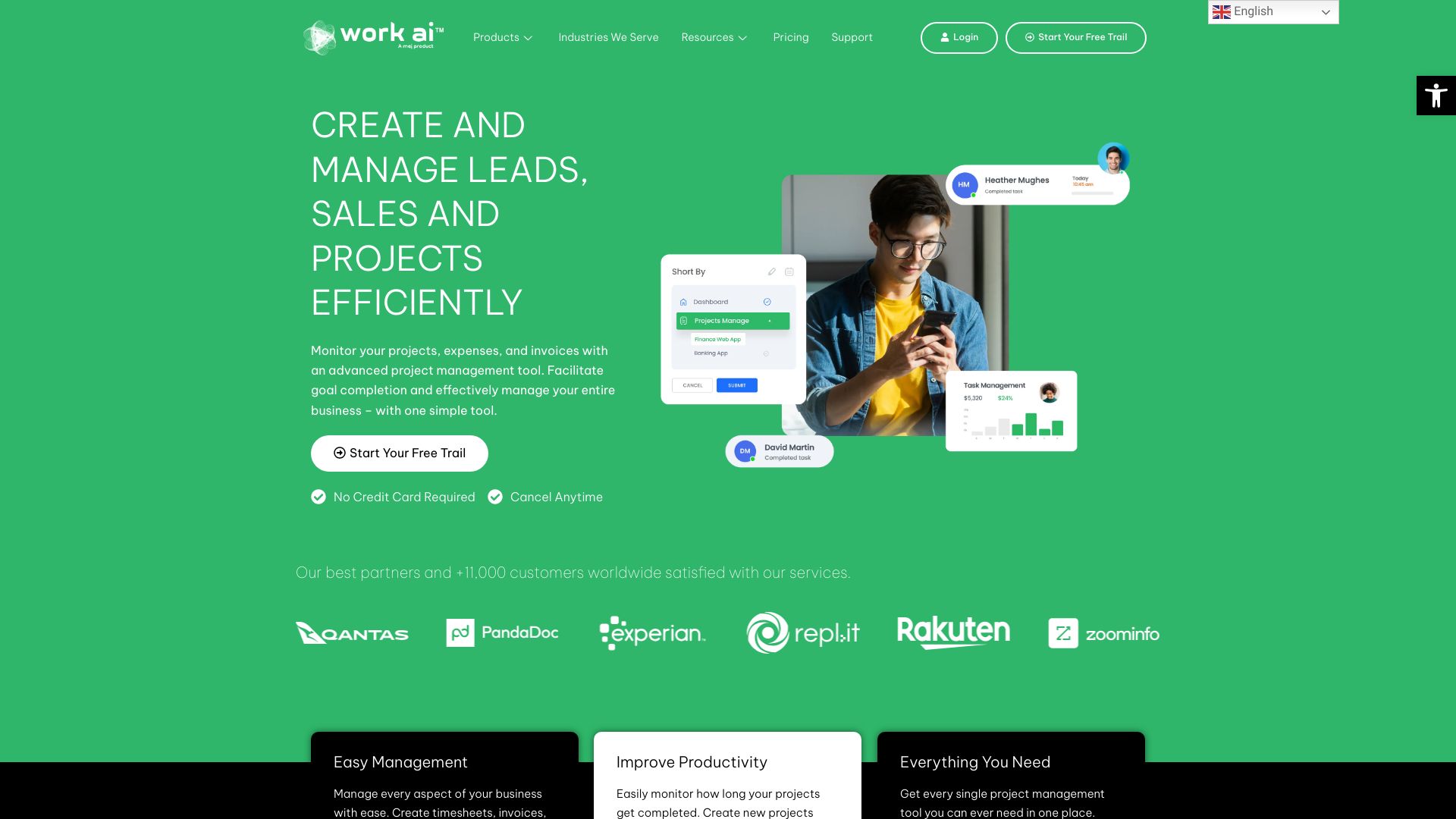
MEJ Work AI
Managing projects, leads, and team operations

LegWork
AI-powered recruiting teams

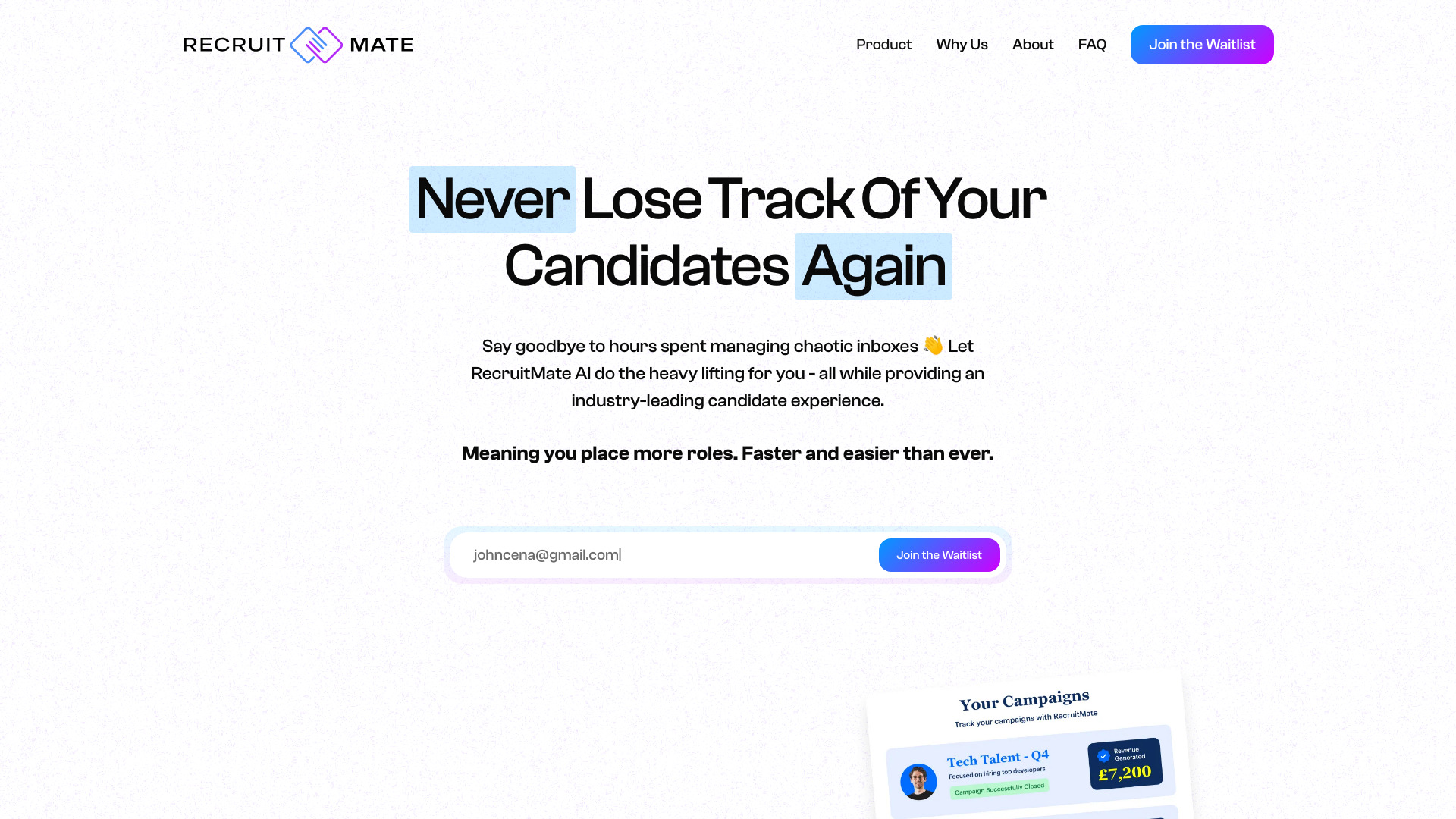
RecruitMate AI
Recruiter candidate communication

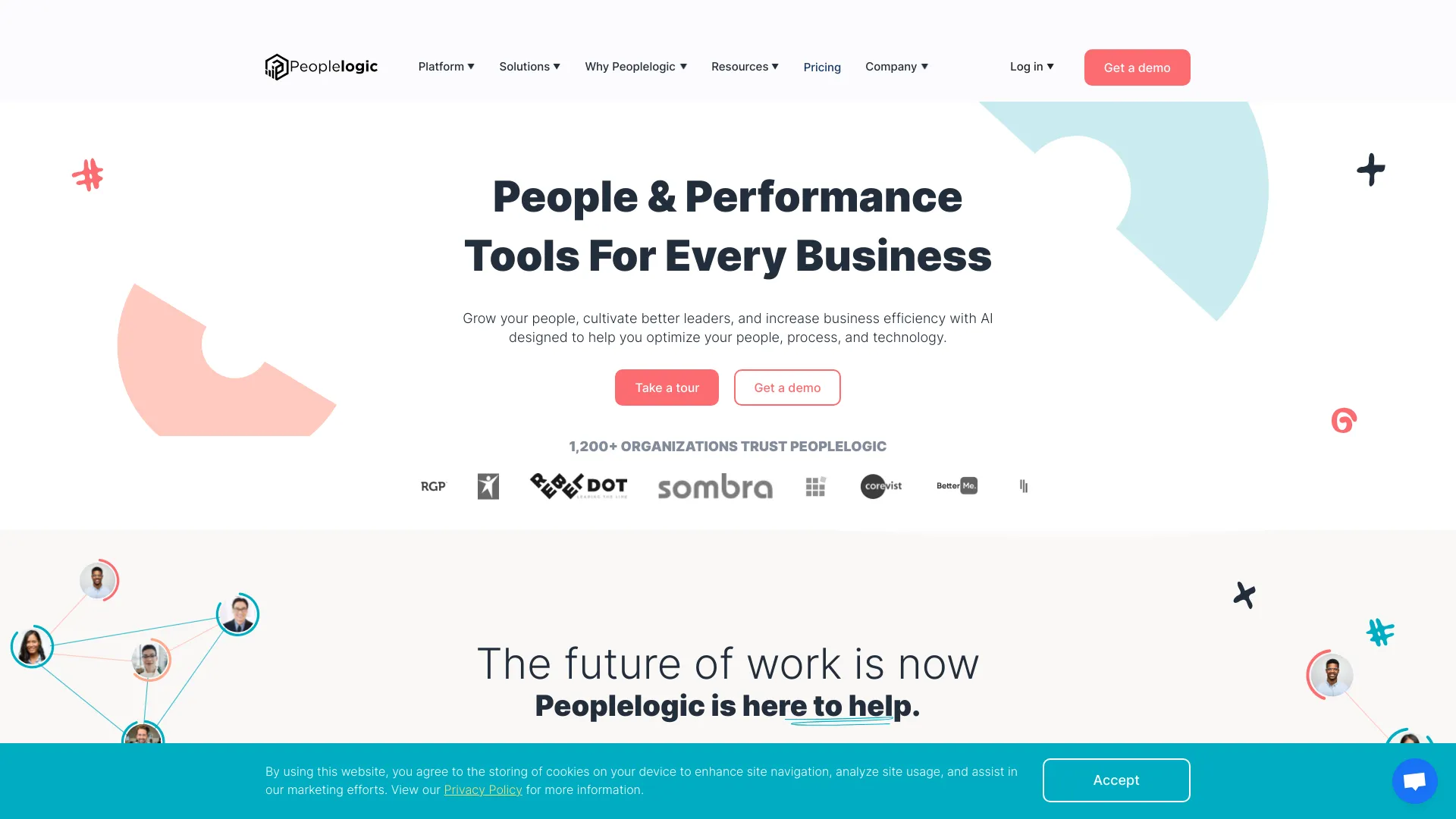
Peoplelogic
Growing teams managing performance
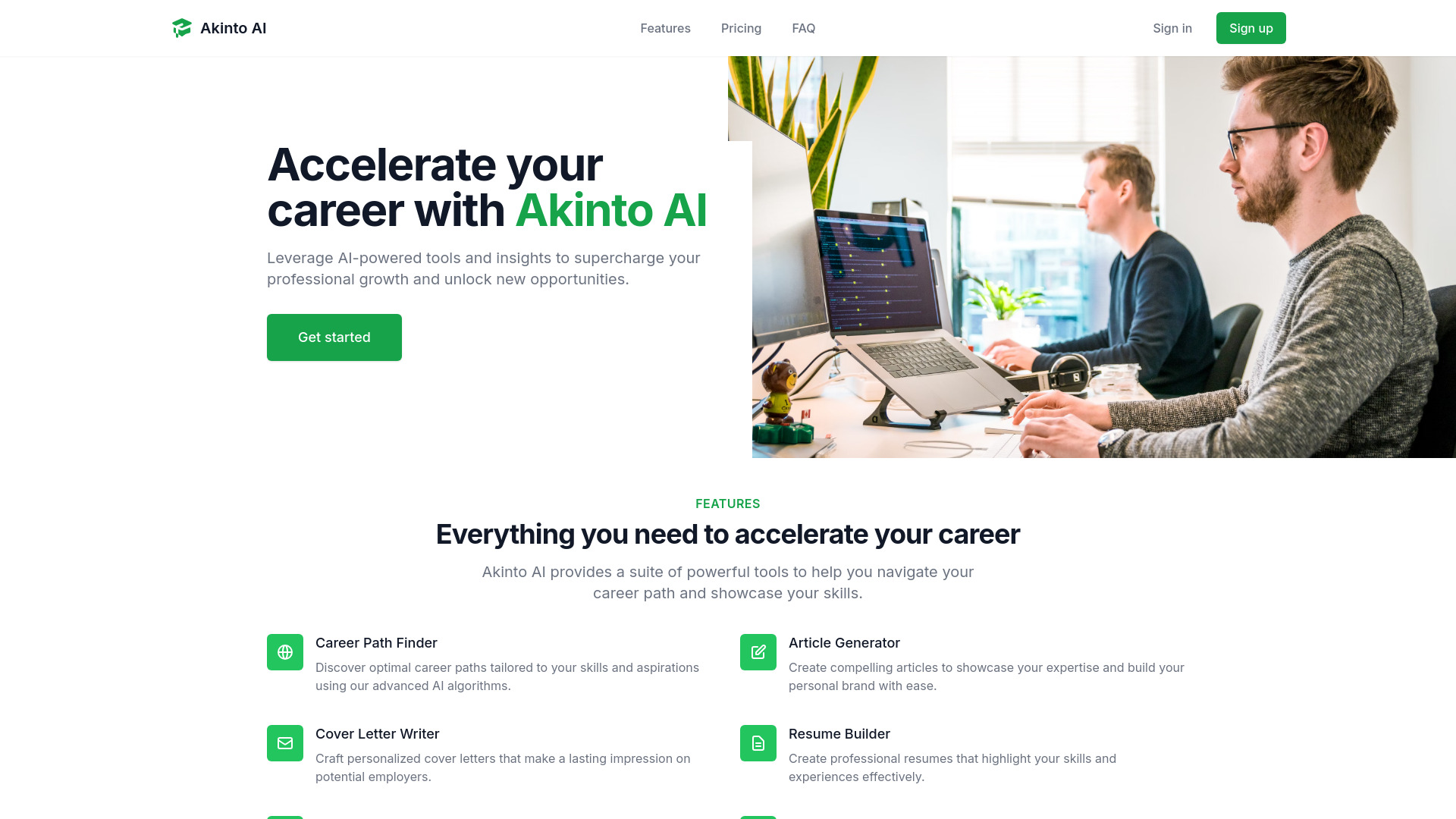
Akinto AI
AI career growth and job application tools

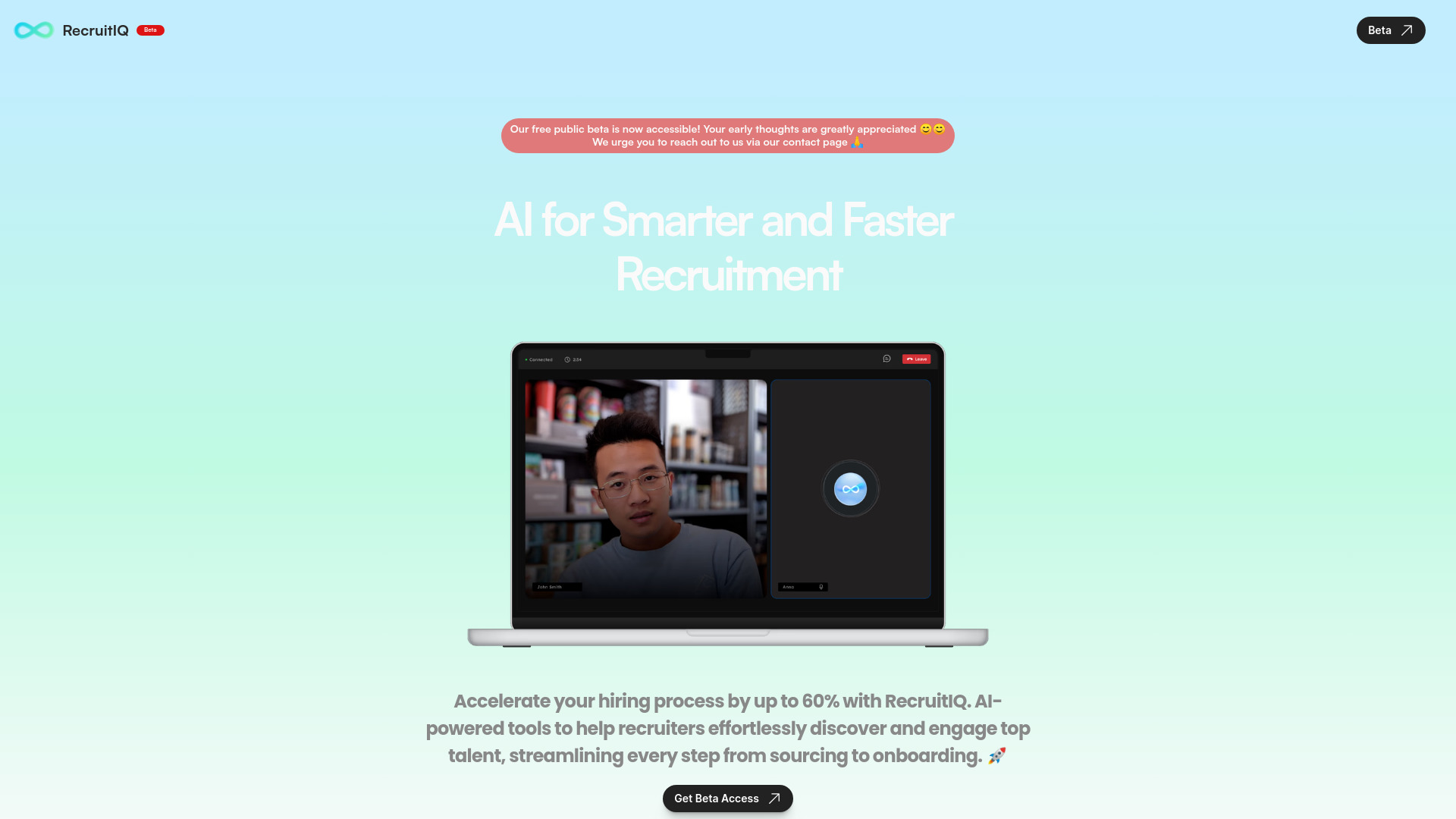
RecruitIQ
Recruiting teams screening resumes and conducting AI interviews
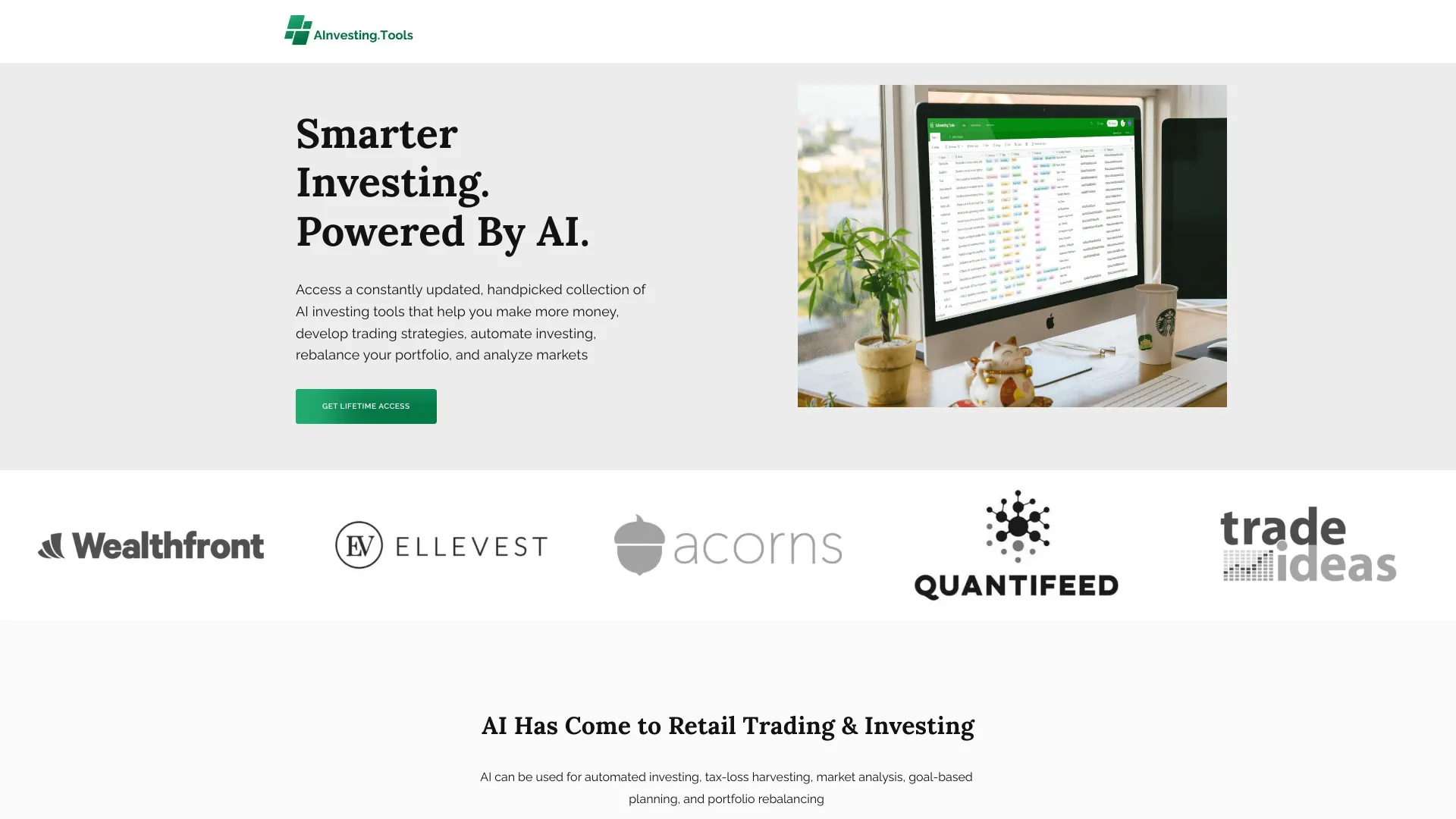
AI Investing Tools
Discovering AI investing tools

Jigso
Workplace research and monitoring

DeskFlow
Mid-sized HR and IT teams

You AI Tools
General-purpose AI prompts and widgets

HireLakeAI
Bulk resume screening and job-description matching

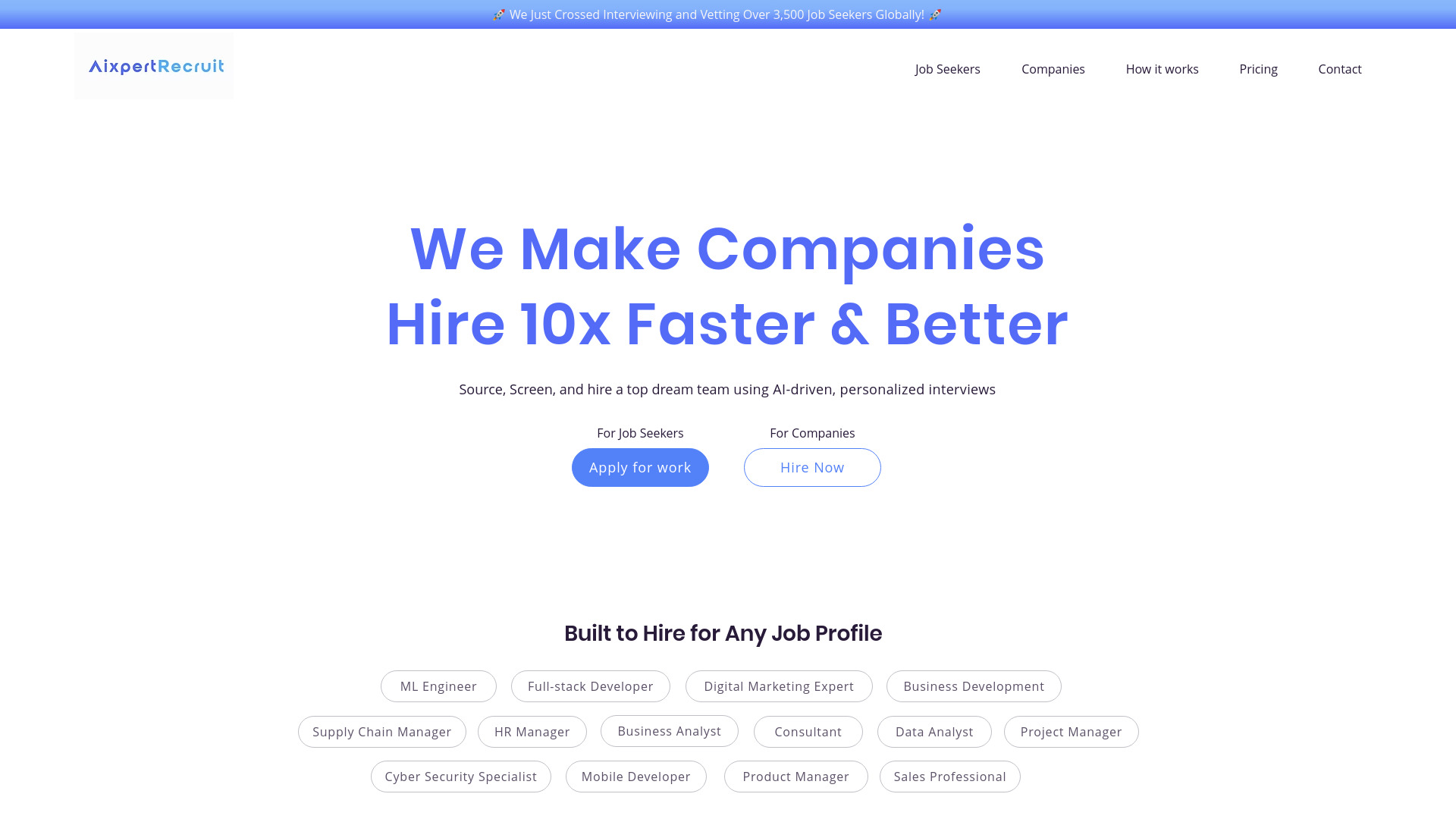
Aixpertrecruit.com
AI-powered recruitment screening
Which AI tool for HR teams should you choose?
Start with the workflow, not the AI label. If you need one broad recruiting and HR environment, Workable is the obvious first comparison. If your startup is primarily trying to reach vetted remote talent, Arc is the better-shaped option. For ongoing people operations, put Cezanne HR on the list, but confirm the availability of its newer AI features.
Recruiters with a specific top-of-funnel problem should compare Alex AI, Alfa AI, and Helio.AI. Alex AI is strongest around conversational interviews, screening, verification, and scheduling. Alfa AI is the narrower resume-screening and shortlisting choice. Helio.AI offers a wider automated recruiting workflow with candidate profiling. Hirebee sits between a focused recruiting tool and a broader ATS, especially when job-board distribution matters.
Finally, consider Beam AI or Coworker AI only when the requirement is broader process automation. They are adjacent tools rather than direct ATS replacements. Interviewer.AI is the specialist pick when asynchronous video interviewing is the deciding feature.
| Your priority | Start with | Why |
|---|---|---|
| One broad recruiting and HR platform | Workable | Recruiting, HR, employee management, ATS, and offer workflows are combined. |
| Vetted remote talent | Arc | AI matching is connected to a remote talent pool. |
| People management and HR documents | Cezanne HR | Its focus extends beyond recruiting into people management and knowledge work. |
| Automated screening and interviews | Alex AI | It combines resume screening with personalized AI interviews. |
| Resume shortlisting | Alfa AI | The product is focused on screening and shortlist automation. |
| Broad job distribution | Hirebee | Its ATS is paired with distribution to 3,000+ job sites. |
| Asynchronous video interviews | Interviewer.AI | Video interviews and resume scoring are central to the workflow. |
| Cross-functional agents | Coworker AI or Beam AI | Both are broader automation options, with different implementation models. |
My practical recommendation
For most buyers, begin with Workable. It has the clearest match for a team asking for one best ai tool for hr teams because it combines AI recruiting capabilities with applicant tracking, HR, and employee management. The $299 monthly starting point is not trivial, but it is easier to compare a broad platform against a real workflow than to assemble several narrow tools without knowing the total cost.
Then run a second, more focused evaluation. Choose Arc if the business hires remote talent and values access to a vetted pool. Choose Hirebee if job distribution and ATS structure are the main needs. Choose Interviewer.AI if asynchronous interviews are the bottleneck. For a broader HR transformation, investigate Cezanne HR and validate which AI features are live today.
I would not make AI automation the sole decision criterion. Ask vendors to show how a recruiter corrects a screening result, how a manager reviews a shortlist, and where a human can override the workflow. Those details determine whether the tool saves time or simply moves work into a less transparent queue.
Common mistakes when choosing AI tools for HR teams
Buying a full platform for a single bottleneck. A team that only needs video screening may not need a complete HR suite.
Treating a shortlist as a hiring decision. Resume screening, scoring, and profiling should support human review rather than replace it.
Ignoring the commercial model. Arc's full-time hiring fee, Workable's $299 starting bundle, credits in Coworker AI, and vendor-quoted pricing all affect the real budget differently.
Skipping workflow fit. Check whether the tool supports the handoffs your recruiters and hiring managers already use.
Assuming every advertised AI feature is live. Confirm availability with vendors, particularly when a feature has been described as coming later.
Forgetting integration gaps. Interviewer.AI's awaited Zapier and Indeed integrations are a useful reminder to check the surrounding stack.
Automating without a review point. Define who checks AI outputs and what happens when a candidate does not fit a simple rule.
What changed in 2026
The AI HR market is separating into clearer product types. Broad platforms such as Workable combine recruiting with HR and employee management, while focused tools automate one stage such as resume screening, candidate matching, or video interviews. At the same time, agent platforms such as Beam AI and Coworker AI are bringing a wider process-automation model into the conversation, even when they are not dedicated HR products.
That split changes how buyers should compare software. The best AI tools for human resources are not necessarily the tools with the longest feature lists. They are the ones that match the department's actual operating model, expose a useful human review process, and make pricing or usage limits understandable. In 2026, a short, well-defined workflow is usually a better starting point than an attempt to automate every HR task at once.
FAQ
Workable is the strongest overall match in this comparison because it combines AI sourcing and screening with an ATS, HR, and employee management. Its lowest listed bundle starts at $299 per month, so smaller teams should confirm the cost first.