
Finding the best ai generative expand for businesses is less about locating one magic button and more about matching the expansion workflow to the job: extending an image, producing campaign variations, building a visual asset, or connecting several AI models through an internal application. I compared 78 tools and ranked the 10 most useful starting points here. The shortlist includes focused creative studios as well as broader platforms, because business teams often need more than image expansion alone.
Top picks
| Pick | Tool | Best for | Why it stands out |
|---|---|---|---|
| 1 | Krea AI | Designers and visual teams | Realtime generation plus image and video enhancement |
| 2 | Agnes AI | Developers | One gateway for text, image, and video models |
| 3 | AnyGen | Marketing account managers | Refines documents, slides, and content beyond one-click output |
| 4 | UI Bakery | App-building teams | Combines AI app generation with visual editing |
Quick comparison
| Rank | Tool | Score | Best for | Free access | Starting price |
|---|---|---|---|---|---|
| #1 | Krea AI | 93/100 | Graphic designers | Free daily generations | Free: $0 |
| #2 | Agnes AI | 92/100 | Software developers | Free API access to frontier models | Free API: Free |
| #3 | AnyGen | 92/100 | Marketing account managers | 200 daily credits | Free: $0/month |
| #4 | UI Bakery | 92/100 | Software developers | Up to 5 users and 1,000 monthly executions | Free: $0 |
| #5 | Everygen AI | 92/100 | Content creators | Free access not specified | Starter: $9/month billed annually |
| #6 | UGC Maker AI | 92/100 | Brands | 60 credits plus 20 daily credits | Free Plan: Free |
| #7 | SymphonyAI | 91/100 | Retail and CPG teams | Free access not specified | Check vendor pricing |
| #8 | AI Gallery | 91/100 | Artists | Free AI art generator | Check vendor pricing |
| #9 | Allganize | 91/100 | Enterprises | Free access not specified | Check vendor pricing |
| #10 | Genbaz | 91/100 | Content creators | 40,000+ specialized tools | Check vendor pricing |
How we ranked these AI generative expand tools
I ranked each option on four practical questions: how directly it supports a business expansion workflow, how much control it gives the user after the first generation, how clearly its access and pricing can be understood, and whether its audience fit is obvious. Feature breadth mattered, but it did not automatically win a higher position; a focused visual tool can beat a larger platform when the workflow is straightforward. I also considered usage signals, stated limitations, and whether the product supports image, video, content, application, or enterprise work. The result is a buyer-oriented shortlist rather than a claim that every tool performs the same task in the same way.
The best AI generative expand solutions
1. Krea AI

Krea AI
Best overall AI visual expansion for graphic designers
Krea AI takes the top spot because it feels closest to the practical needs behind business image expansion: generate quickly, inspect the result, and enhance the asset without switching to a separate workflow. Its realtime AI generation is the standout feature. That matters when a designer is exploring compositions, extending a campaign image, or iterating on a visual direction and does not want to wait through a slow batch process.
The platform also covers image and video enhancement, making it broader than a single-purpose photo expander. A creative team can use it for still assets and then carry the same experimentation mindset into motion work. Free daily generations lower the barrier for testing, while the paid subscription remains necessary for pro features. With 4.6 million monthly visits, Krea also has the strongest usage signal in this group.
My take: Krea AI is the easiest recommendation for a visual team that wants fast exploration and enhancement in one place. I especially like its realtime angle, although buyers should confirm which pro features are included before standardizing on it.
Where it falls short: The free experience will not cover every professional workflow because pro features require a paid subscription. It is also more compelling for visual practitioners than for teams looking for a general business automation layer.
Key features
Realtime AI generation for rapid visual iteration.
Image enhancement for polishing or extending visual assets.
Video enhancement for teams working across still and motion content.
Pros
Intuitive interface for generative AI.
Free daily generations make initial evaluation easy.
Strong fit for image-led design and enhancement workflows.
Cons
Pro features require a paid subscription.
Broader business workflows are not its primary focus.
Choose Krea AI if: You are a graphic designer or creative team that needs fast, hands-on image and video generation with enhancement built into the same workspace.
2. Agnes AI

Agnes AI
Best multimodal gateway for software developers
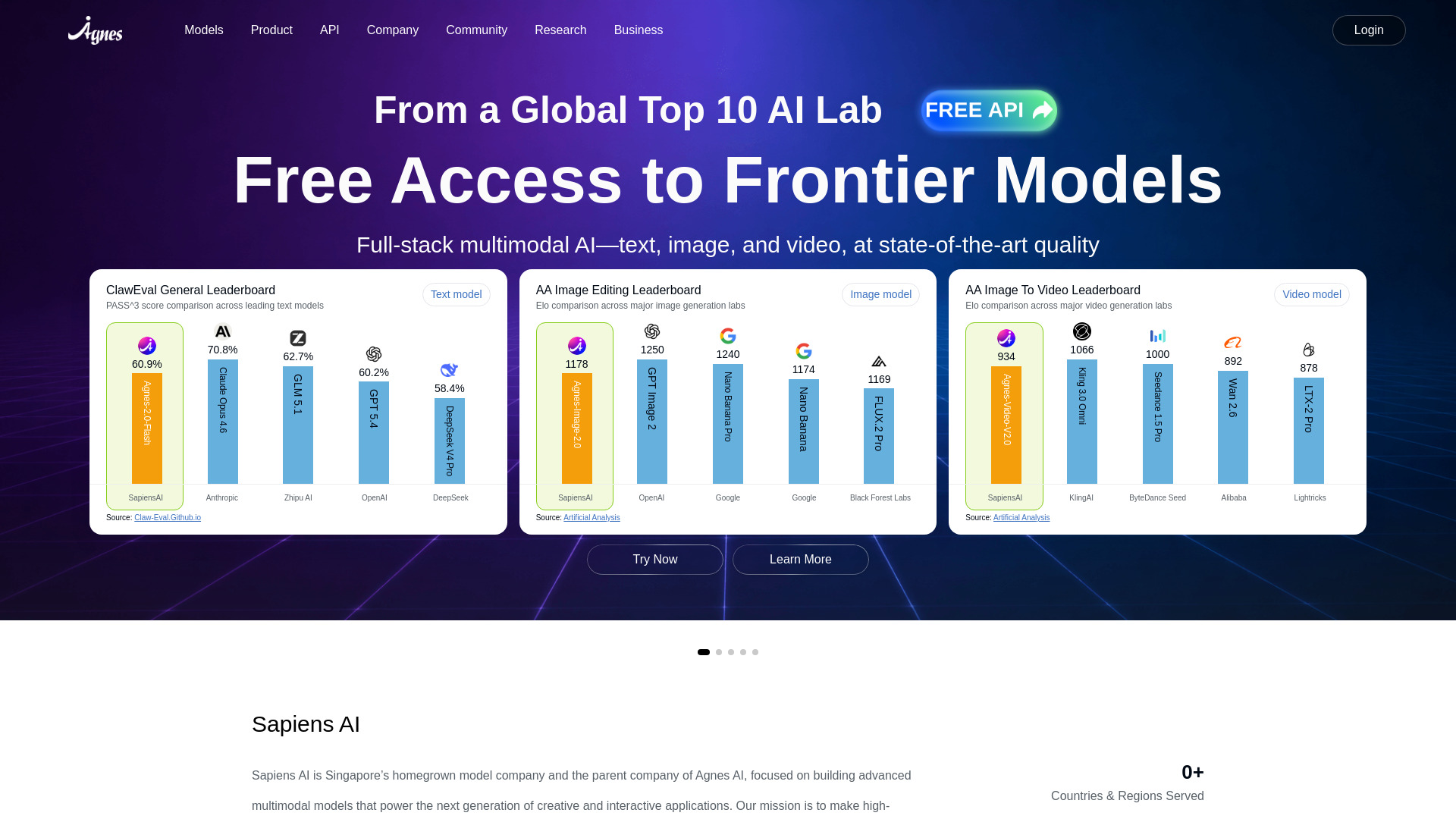
Instead of presenting expansion as a single creative control, Agnes AI approaches it as an infrastructure problem. Its unified AI gateway brings multiple AI applications and workflows behind one access point, while its multimodal capabilities cover text, image, and video generation. For developers, that can be a more useful interpretation of business expansion: connect the right model to an internal tool, customer experience, or content pipeline rather than asking every employee to learn a new interface.
The free API tier with access to frontier models gives engineering teams a sensible place to prototype. Agnes also highlights its high-speed Agnes-2.0-Flash model, which reinforces the platform's appeal for rapid application experiments. The trade-off is model quality at the image and video layer: its results rank slightly below leaders such as OpenAI and Kling on Elo leaderboards.
My take: Agnes AI is one of the best rated ai generative expand solutions for teams that want a programmable foundation rather than another standalone editor. It belongs near the top when APIs, model choice, and workflow integration matter more than a polished design canvas.
Where it falls short: Image and video generation models sit slightly below top industry leaders on the cited Elo comparisons. Teams should test their exact outputs before moving from prototype to customer-facing production.
Key features
Unified AI gateway for multiple AI applications and workflows.
Full-stack multimodal capabilities across text, image, and video generation.
Free API access to frontier models.
High-speed Agnes-2.0-Flash model.
Pros
Provides a free API tier for early development.
Concentrates multiple modalities behind one gateway.
Good fit for software teams building repeatable AI workflows.
Cons
Image and video models trail some leading competitors on Elo leaderboards.
Developers must evaluate model quality against their specific use case.
Choose Agnes AI if: You are building a business application or automation layer and need one programmable gateway for text, image, and video capabilities.
3. AnyGen

AnyGen
Best refinement workspace for marketing account managers
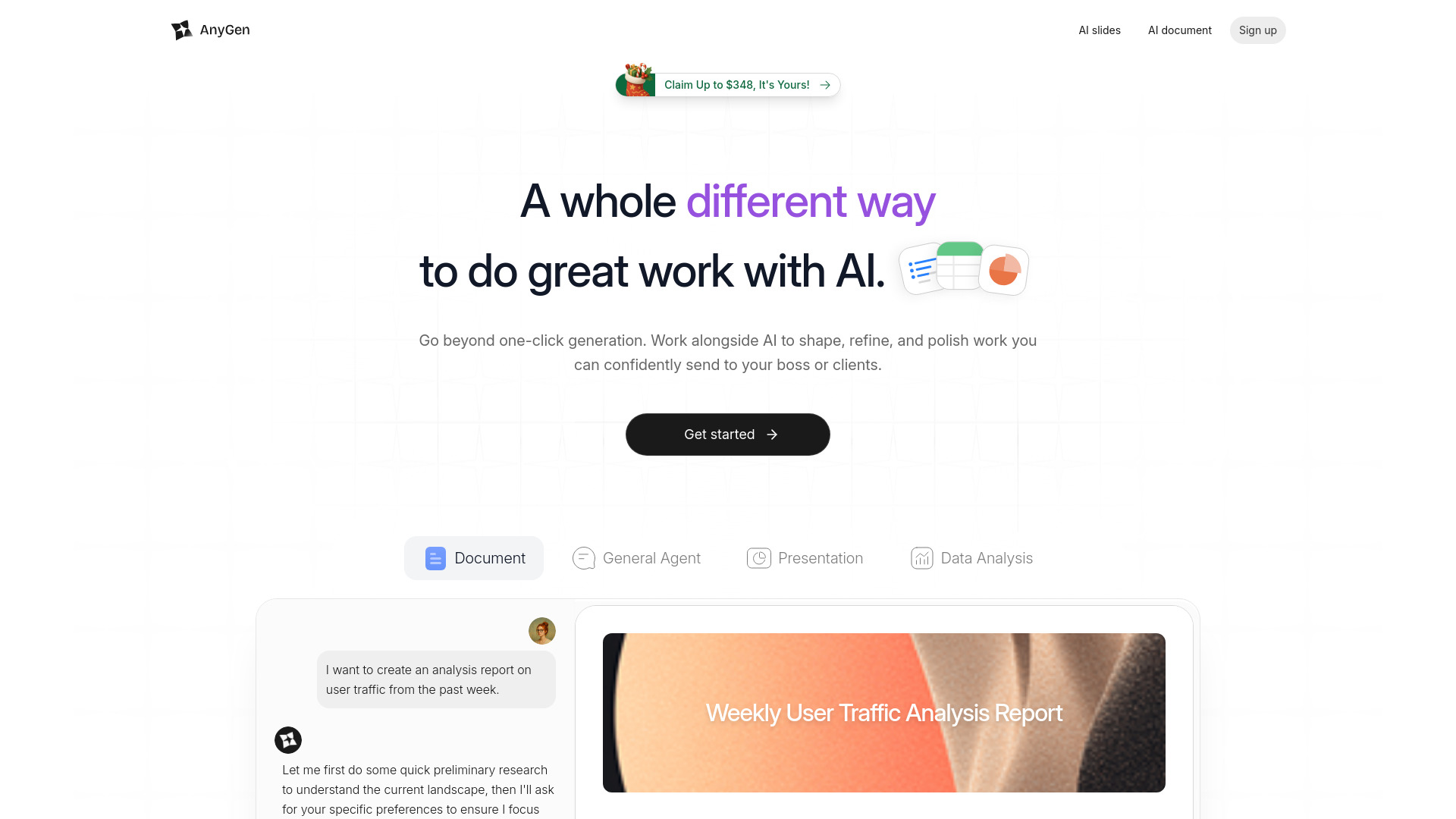
Marketing teams rarely need a first draft alone. They need a draft that can be reshaped for a client, adapted to a campaign, and turned into a document or presentation without losing the thread. AnyGen earns its position by going beyond one-click generation and allowing deeper refinement of AI output. That makes it an interesting adjacent choice for businesses whose version of "expand" includes expanding an idea into usable campaign materials.
Its AI writing assistant and document generation features are the clearest reasons to consider it. The platform is also positioned as a collaborative workspace for content creation, presentations, and data analysis, so it can sit closer to an account team's daily work than a pure image utility. The 200 daily credits offer a generous way to explore the workflow before paying, though credit economics should be checked against the volume of client work you expect to run.
My take: AnyGen is a smart pick when the hard part is not creating an asset but getting from rough output to client-ready material. I would choose it over a narrower generator for marketing teams that need documents and slides as often as images.
Where it falls short: The tool's strongest evidence here is around writing, documents, presentations, and refinement rather than dedicated photo expansion. Buyers seeking precise canvas extension should compare it with a visual-first platform such as Krea AI.
Key features
AI writing assistant for drafting and revising content.
Document generation for turning ideas into structured deliverables.
AI slides for presentation-oriented workflows.
Collaborative workspace for content creation, presentations, and data analysis.
Pros
Goes beyond one-click generation with deeper output refinement.
200 daily credits provide meaningful room for evaluation.
Useful bridge between ideation and client-facing documents.
Cons
The strongest fit is content and document expansion, not dedicated photo editing.
Credit usage should be measured before adopting it for high-volume work.
Choose AnyGen if: You manage marketing work and need to turn rough AI output into refined documents, presentations, and campaign content.
4. UI Bakery

UI Bakery
Best AI app expansion platform for software developers
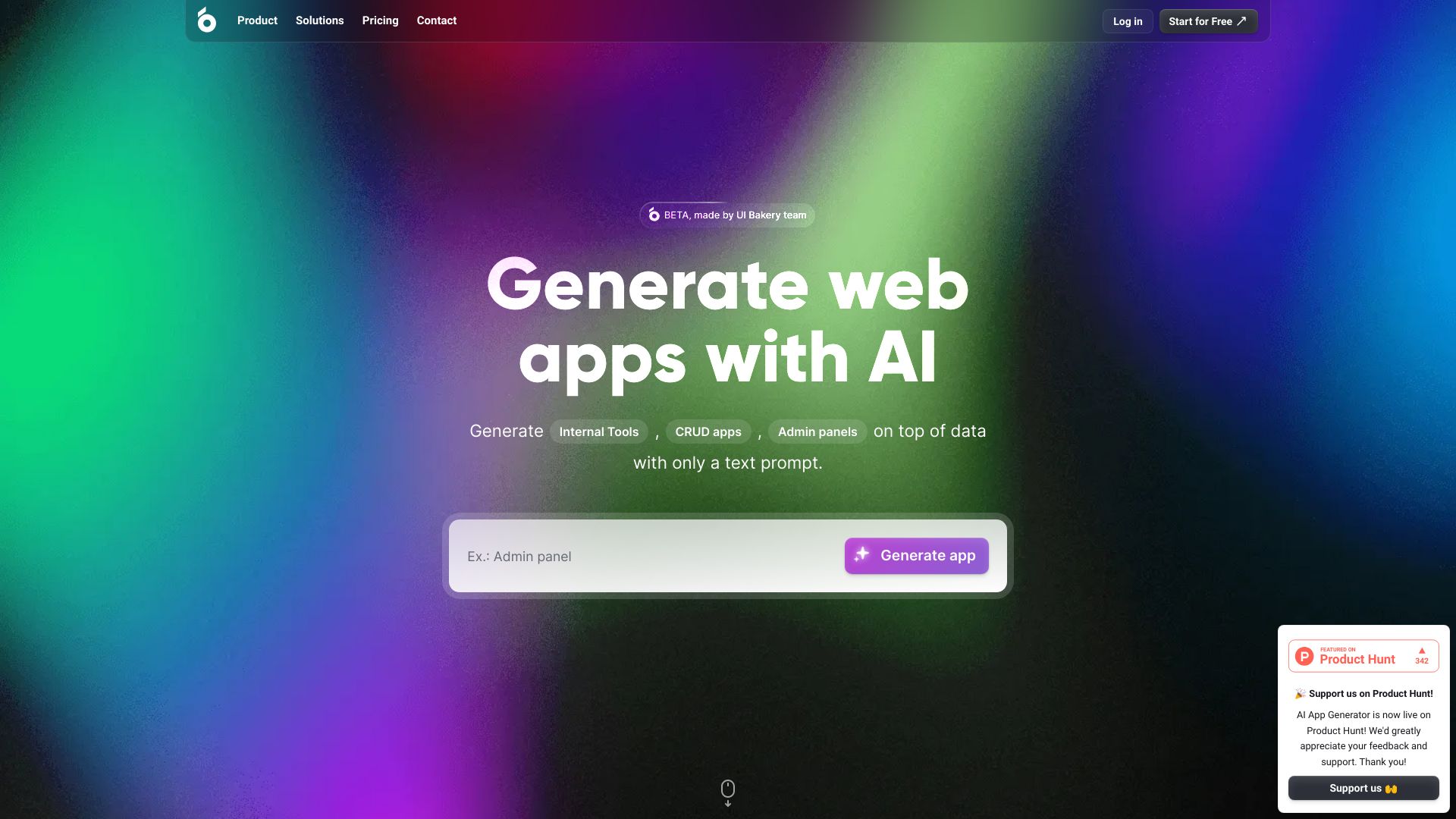
UI Bakery is an unexpected but useful alternative for business buyers who mean "expand" in a product or workflow sense rather than a canvas sense. Its AI App Generator creates web apps with AI, while the drag-and-drop UI Builder gives developers and operational teams a visual way to shape the result. That combination is more relevant to an internal dashboard, approval tool, or lightweight business application than to a marketing image.
The free allowance supports up to five users and 1,000 scheduled job, webhook, or server-action executions per month, which gives small teams a concrete way to test the platform. Rapid app development with AI is the central advantage, but pricing can vary with usage and features. That makes a careful pilot important, especially when a generated app becomes part of a recurring operational process.
My take: UI Bakery belongs on this list because many companies want to expand what their teams can build, not just expand pixels. It is a strong practical choice for developers who want AI acceleration without giving up visual control.
Where it falls short: Pricing can vary based on usage and features, so the free tier should not be treated as a forecast for production cost. It is also an app-building tool, not a dedicated generative image editor.
Key features
AI App Generator for creating web applications.
Drag-and-drop UI Builder for visual editing.
Scheduled jobs, webhooks, and server-action executions in the free allowance.
Low-code approach to rapid app development.
Pros
Rapid app development with AI assistance.
Visual editing helps teams shape generated applications.
A concrete free allowance for small teams and prototypes.
Cons
Pricing can vary based on usage and features.
It does not replace a purpose-built image expansion workflow.
Choose UI Bakery if: You are a developer or operations team trying to expand internal tooling and want AI generation paired with a visual app builder.
5. Everygen AI

Everygen AI
Best all-in-one media studio for content creators
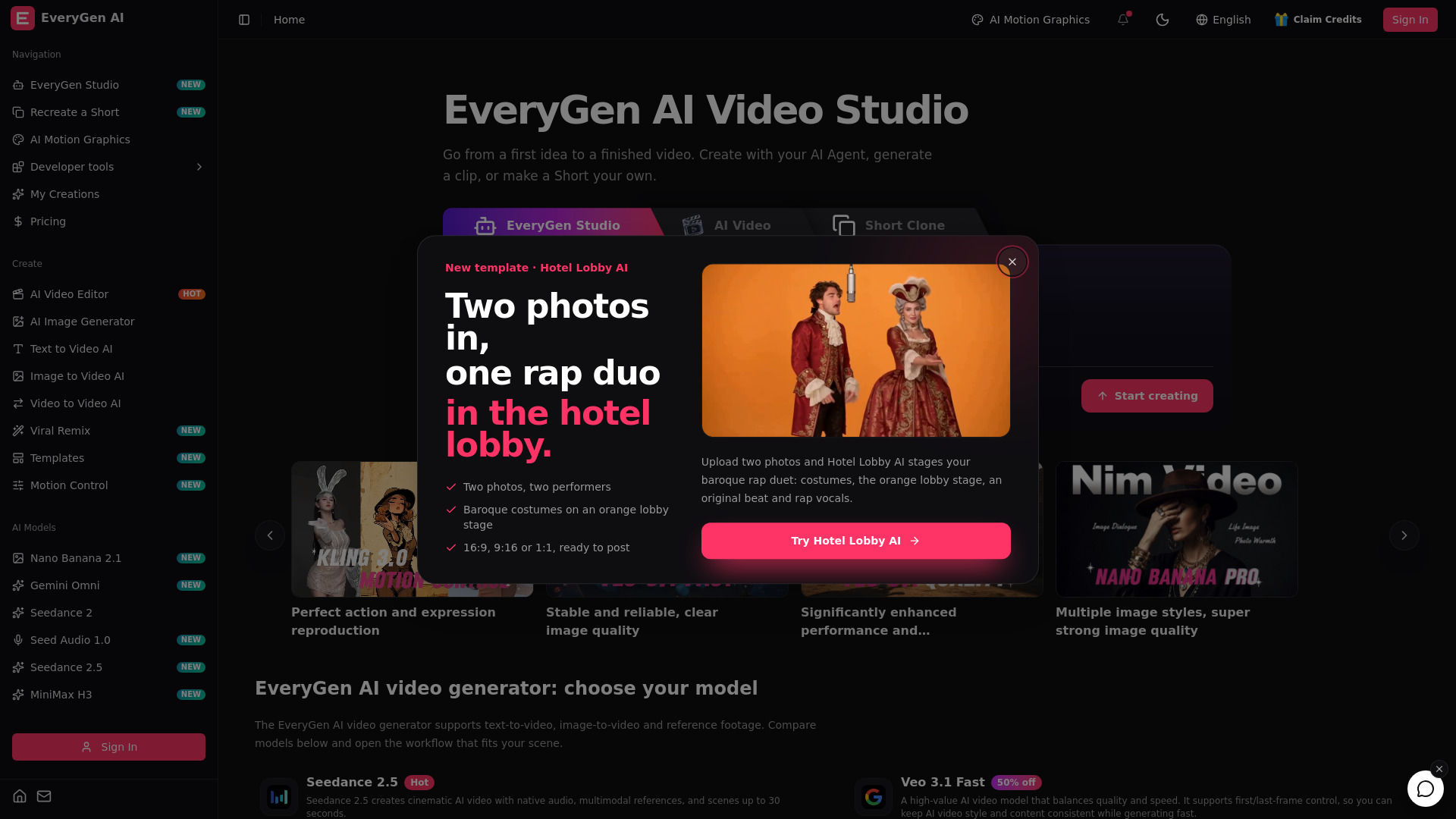
Everygen AI makes sense when a business campaign needs a sequence of assets rather than one isolated image. It brings together video generation, image generation, voiceover, scripts, and automatic captions. Access to Seedance models and other video models gives content creators a broader production starting point, while the supporting script and caption tools reduce the number of handoffs between concept and publishable media.
That breadth is the reason it ranks above more specialized options for creator-led production. A small team can move from a script to a visual, add a voiceover, and prepare captions inside a connected AI studio. The starter plan begins at $9 per month when billed annually. There is no specified free plan or trial quota, so buyers should evaluate the paid entry point against their expected generation volume before committing.
My take: Everygen AI is one of the better choices for a lean content operation that values a complete media workflow over fine-grained control of one image. It is especially appealing when video is part of the brief from day one.
Where it falls short: No free plan or trial quota is specified, which makes pre-purchase testing less generous than Krea AI or UGC Maker AI. Its breadth may also be unnecessary for a team that only needs photo expansion.
Key features
AI video generation with access to Seedance and other video models.
AI image generation.
Voiceover and script tools for campaign production.
Automatic captions for finished videos.
Pros
Combines video, image, voiceover, script, and caption tools.
Supports a content workflow instead of a single generation step.
Starter pricing is clearly stated at $9 per month billed annually.
Cons
No free plan or trial quota is specified.
The full studio may be more than a photo-only workflow needs.
Choose Everygen AI if: You are a content creator or small media team producing videos, images, voiceovers, scripts, and captions as one connected process.
6. UGC Maker AI
UGC Maker AI
Best UGC expansion workflow for brands
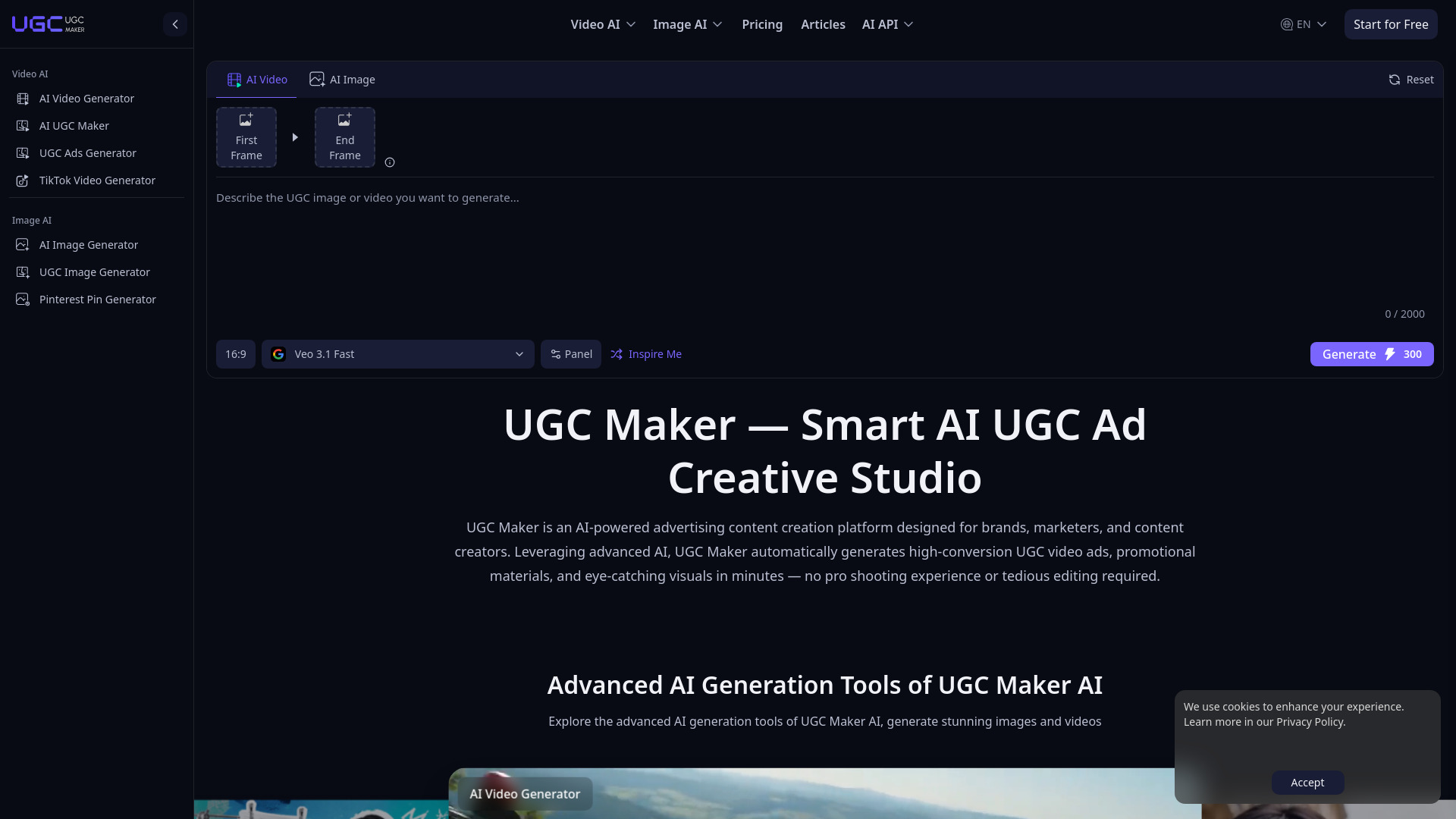
UGC Maker AI is built around a specific commercial outcome: producing high-conversion UGC video and image ads without professional shooting or editing equipment. That focus gives it a sharper business use case than many broad generative platforms. Brands can use its AI Video Generator with models such as Seedance 2.0, Veo 3.1, and Kling 3.0, then use image-to-video generation to turn prompts or uploaded static images into coherent video.
The free plan is unusually useful for an initial test: new users receive 60 credits plus 20 daily credits. The catch is operational rather than simply financial. The free tier uses a shared generation queue and has limited access to top-tier AI models, so turnaround and output quality may not reflect a paid workflow. For ad teams, that distinction matters when deadlines are tight.
My take: UGC Maker AI is a very practical pick for performance marketers who need ad variations quickly. I would test it with a real product image and a real campaign brief, not just a generic prompt, because the value is in the ad workflow.
Where it falls short: The free queue can be shared, and access to the highest-tier models is limited. Teams that need predictable throughput should validate queue behavior and model access before relying on it for launches.
Key features
AI video generation with Seedance 2.0, Veo 3.1, and Kling 3.0 support.
Image-to-video generation from text prompts or uploaded static images.
High-conversion UGC video ad creation.
Text and image-to-visual generation.
Pros
Generates UGC ads without professional shooting or editing equipment.
Strongly aligned with brand and performance-marketing workflows.
New users receive 60 credits plus 20 daily credits.
Cons
Free tier has a shared generation queue.
Free access to top-tier AI models is limited.
Choose UGC Maker AI if: You are a brand or ad team that needs fast UGC-style image and video variations for paid campaigns.
7. SymphonyAI

SymphonyAI
Best industry-focused expansion platform for retail and CPG
For a large retail or consumer packaged goods organization, "expand" can mean expanding the reach of an AI system across planning, operations, and customer-facing decisions. SymphonyAI is the most enterprise-oriented option in this shortlist. It combines predictive AI, generative AI, and agentic AI with ready-to-deploy business applications rather than presenting itself as a simple creative playground.
That industry focus is its main advantage. A retail or CPG team may get more value from an application designed around its operating environment than from a general image generator. At the same time, implementation may require significant investment, and pricing is hidden behind a vendor conversation. This is a strategic platform purchase, not an impulse subscription.
My take: SymphonyAI is worth considering when business context, industry applications, and deployment scope matter more than a low-cost creative experiment. It is not where I would send a solo designer looking to expand a product photo.
Where it falls short: Implementation may require significant investment, and there is no clean public starting price to use for a quick comparison. Buyers should define the business application and rollout requirements before requesting an enterprise quote.
Key features
Predictive AI for business analysis and decision support.
Generative AI capabilities.
Agentic AI capabilities.
Ready-to-deploy business applications for industry use cases.
Pros
Industry-specific AI solutions.
Combines predictive, generative, and agentic approaches.
Stronger fit for structured enterprise initiatives than general-purpose creative tools.
Cons
May require significant investment for implementation.
Pricing is not presented as a simple self-serve plan.
Choose SymphonyAI if: You work in retail or CPG and need an industry-focused AI application strategy rather than a standalone creative generator.
8. AI Gallery

AI Gallery
Best accessible AI art expansion option for artists
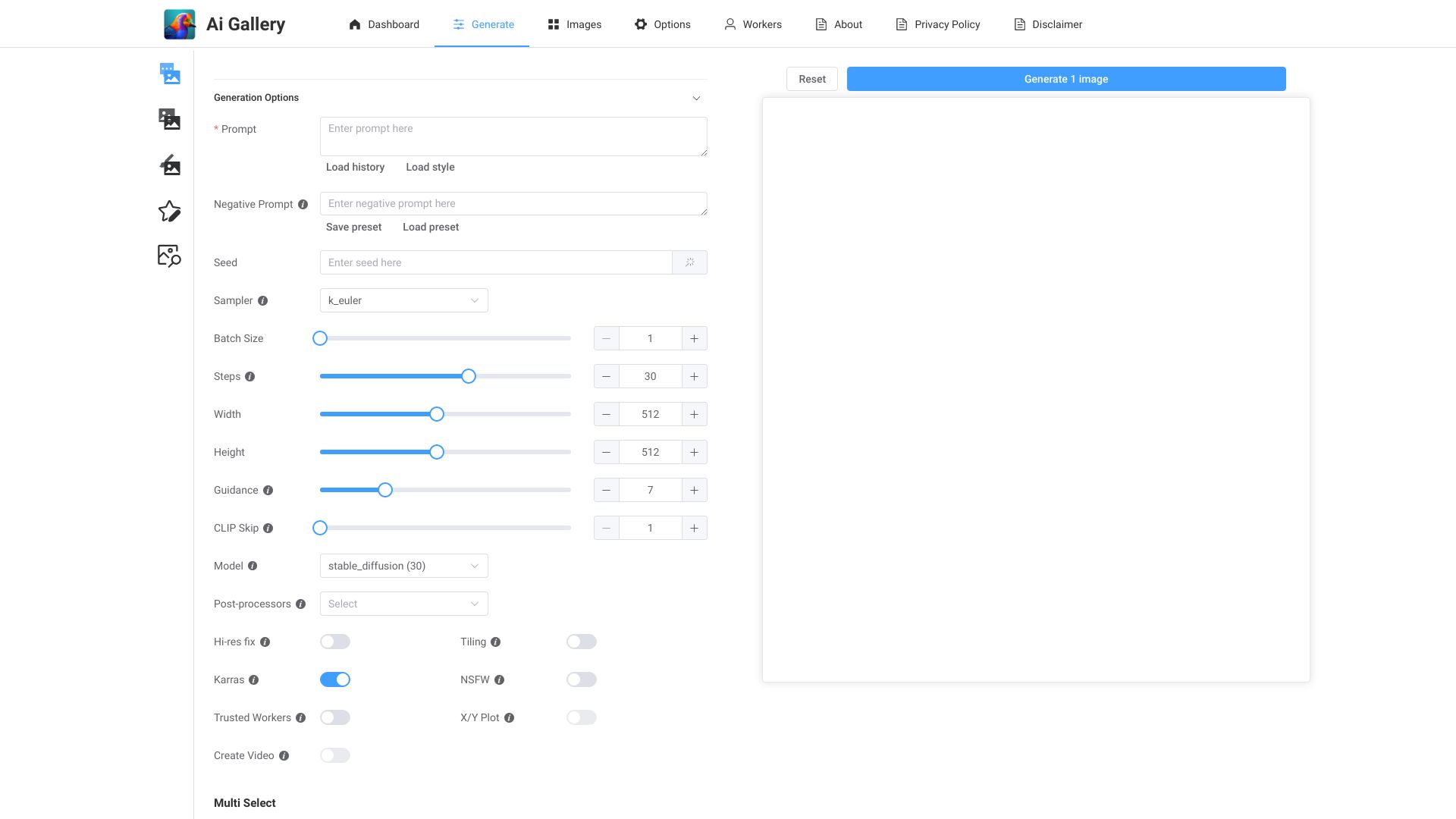
AI Gallery keeps the entry point simple: generate AI art without a sign-up, then participate in a platform where artists can receive support through donations. That makes it a useful adjacent option for independent artists and small creative teams exploring visual ideas without immediately taking on a subscription or a complex workflow.
Its core feature is AI art generation, and the free access claim is clear. The platform is less obviously designed for a structured business pipeline than Krea AI or Everygen AI, but that is not necessarily a weakness for an artist who wants to experiment quickly. The sustainability model relies on user support, so professional buyers should clarify what ongoing access, output controls, and commercial workflow support look like before making it part of a larger operation.
My take: AI Gallery is a friendly place to start visual exploration, particularly when avoiding sign-up friction matters. I see it as an experimentation tool first and a formal business production system second.
Where it falls short: Its sustainability depends on user support, and pricing details are not presented as a standard plan. Teams with rigorous production requirements should compare its controls with a more established visual workspace.
Key features
AI art generation.
Free AI art generator access.
No-sign-up entry point.
Donation platform for artists.
Pros
Easy to create unique AI artwork.
Fast, low-friction start for visual experimentation.
Gives artists a way to receive support.
Cons
Relies on user support for sustainability.
Business pricing and production controls need to be checked with the vendor.
Choose AI Gallery if: You are an artist who wants a quick, accessible way to explore AI artwork before adopting a larger production platform.
9. Allganize

Allganize
Best enterprise LLM expansion platform
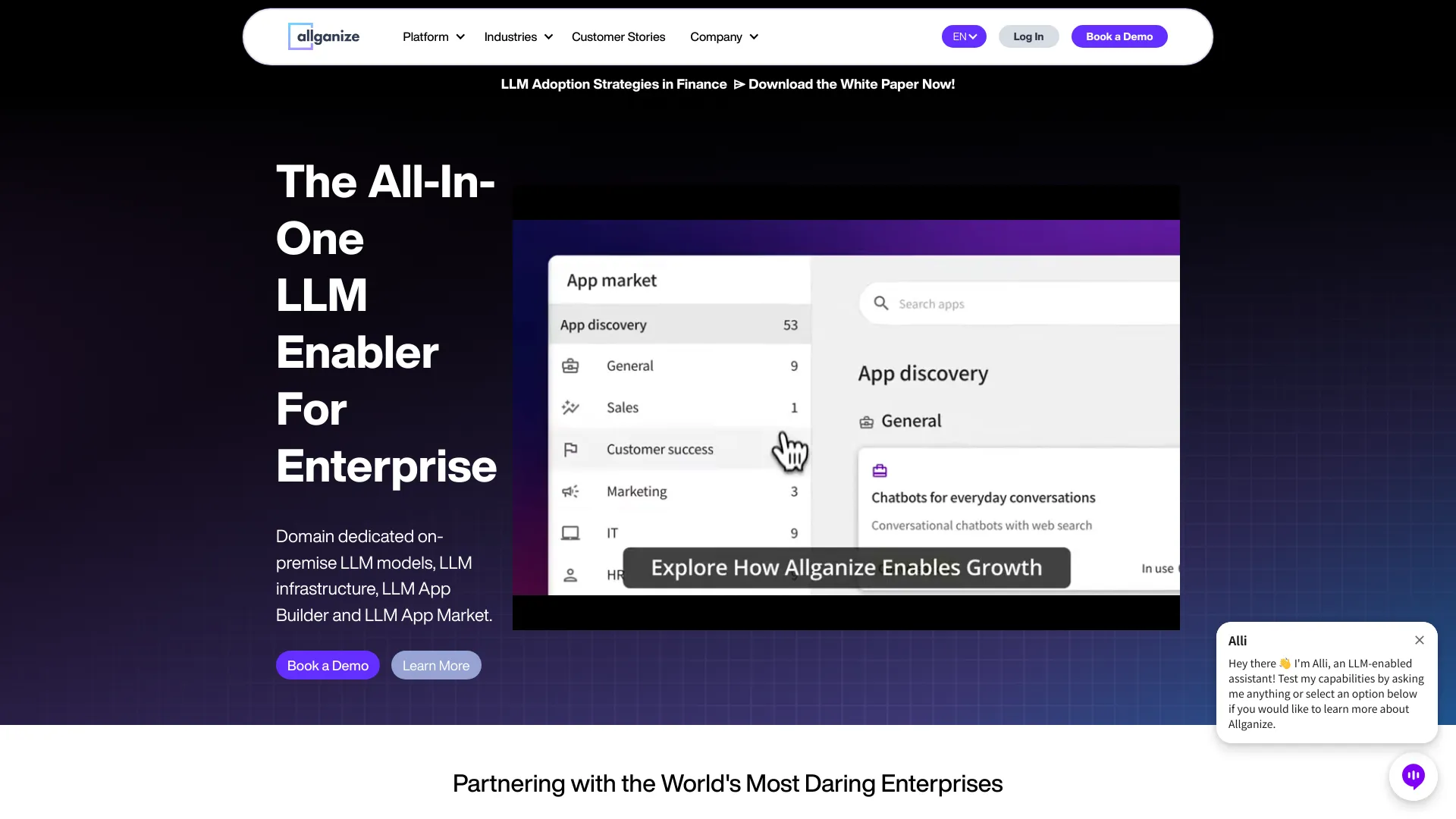
Allganize takes the business expansion question into enterprise knowledge and application building. Its LLM App Builder, LLM App Market, and RAG-enhanced search capabilities are aimed at organizations that want to turn language models into usable internal or customer-facing applications. On-premise and cloud deployment options make it more relevant to enterprises with deployment constraints than a consumer-facing creative tool would be.
The comprehensive LLM solution suite is the main reason it makes this ranking. Rather than asking employees to use a collection of disconnected AI tools, an organization can explore applications and retrieval-enhanced search in a more controlled environment. The limitation is that it may require fine-tuning for optimal performance. Pricing is also a vendor conversation, so the evaluation should include implementation effort, not only license cost.
My take: Allganize is a good candidate for companies that need to expand AI from isolated experiments into governed applications and searchable knowledge workflows. It is a deliberate enterprise choice, not a quick image-generation purchase.
Where it falls short: Fine-tuning may be needed to achieve the desired performance, and there is no simple public starting price. A proof of concept with representative company data is essential.
Key features
LLM App Builder for creating enterprise AI applications.
LLM App Market for exploring available applications.
RAG-enhanced search capabilities.
On-premise and cloud deployment options.
Pros
Comprehensive suite of LLM solutions.
Supports both on-premise and cloud deployment.
Better fit for governed enterprise workflows than lightweight consumer tools.
Cons
May require fine-tuning for optimal performance.
Pricing and implementation scope require vendor discussion.
Choose Allganize if: You are an enterprise team expanding AI into internal applications, retrieval-enhanced search, and controlled deployment environments.
10. Genbaz

Genbaz
Best broad discovery platform for content creators
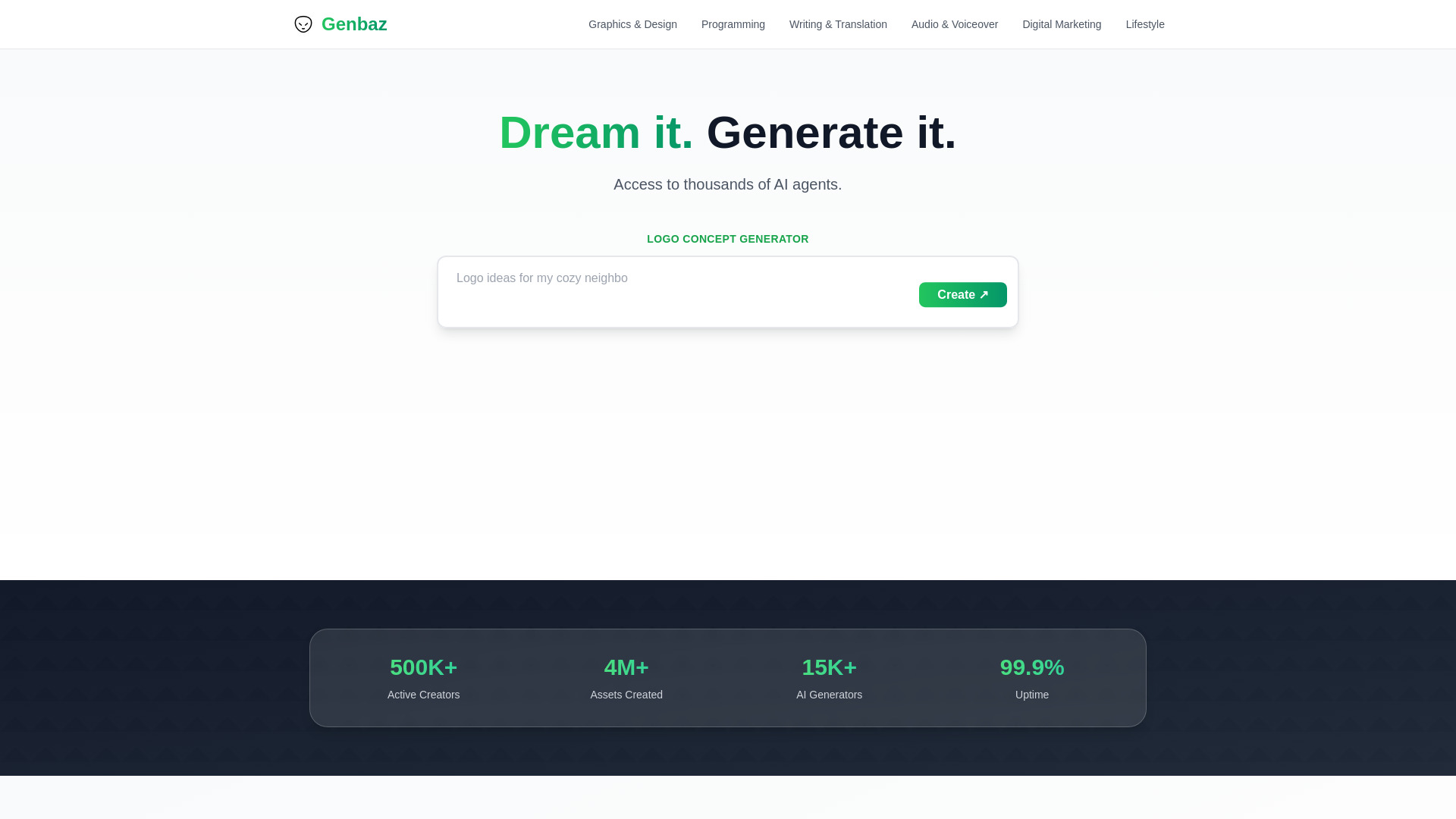
Genbaz is the broadest option in the group. It provides access to thousands of AI agents and more than 40,000 specialized AI tools, positioning itself as a discovery and creation platform rather than one tightly scoped editor. For content creators, that range can be valuable when a project keeps changing shape: one day it needs a visual, the next it needs a specialized agent or a lightweight application.
The platform emphasizes lightning-fast generation of professional-quality results and includes commercial rights. Those are useful signals for creators working on client or business content, although the breadth also creates a selection challenge. A large catalog does not automatically mean the right tool is easy to find, and pricing details are not presented as a clean starting plan. Treat Genbaz as a place to explore and compare workflows before standardizing on a particular tool.
My take: Genbaz is the best fit here for curious creators who want many routes to a finished asset and do not mind exploring. Its catalog is a strength when your needs are varied, but a focused platform may feel more efficient for repeatable production.
Where it falls short: Pricing and workflow limits need to be checked before commitment. The platform's breadth can also make consistency harder if a team keeps switching among specialized tools.
Key features
Access to thousands of AI agents.
More than 40,000 specialized AI tools.
Lightning-fast generation.
Commercial rights included.
Pros
Lightning-fast generation of professional-quality results.
Broad discovery layer for varied content needs.
Commercial rights are included.
Cons
Pricing details require vendor or product-level verification.
A large catalog may add choice friction for teams seeking one repeatable workflow.
Choose Genbaz if: You are a content creator who wants to discover many specialized AI tools and agents under one broad platform.
More tools to compare

ERP.AI
Enterprise workflow automation

Engage AI
LinkedIn prospecting and engagement


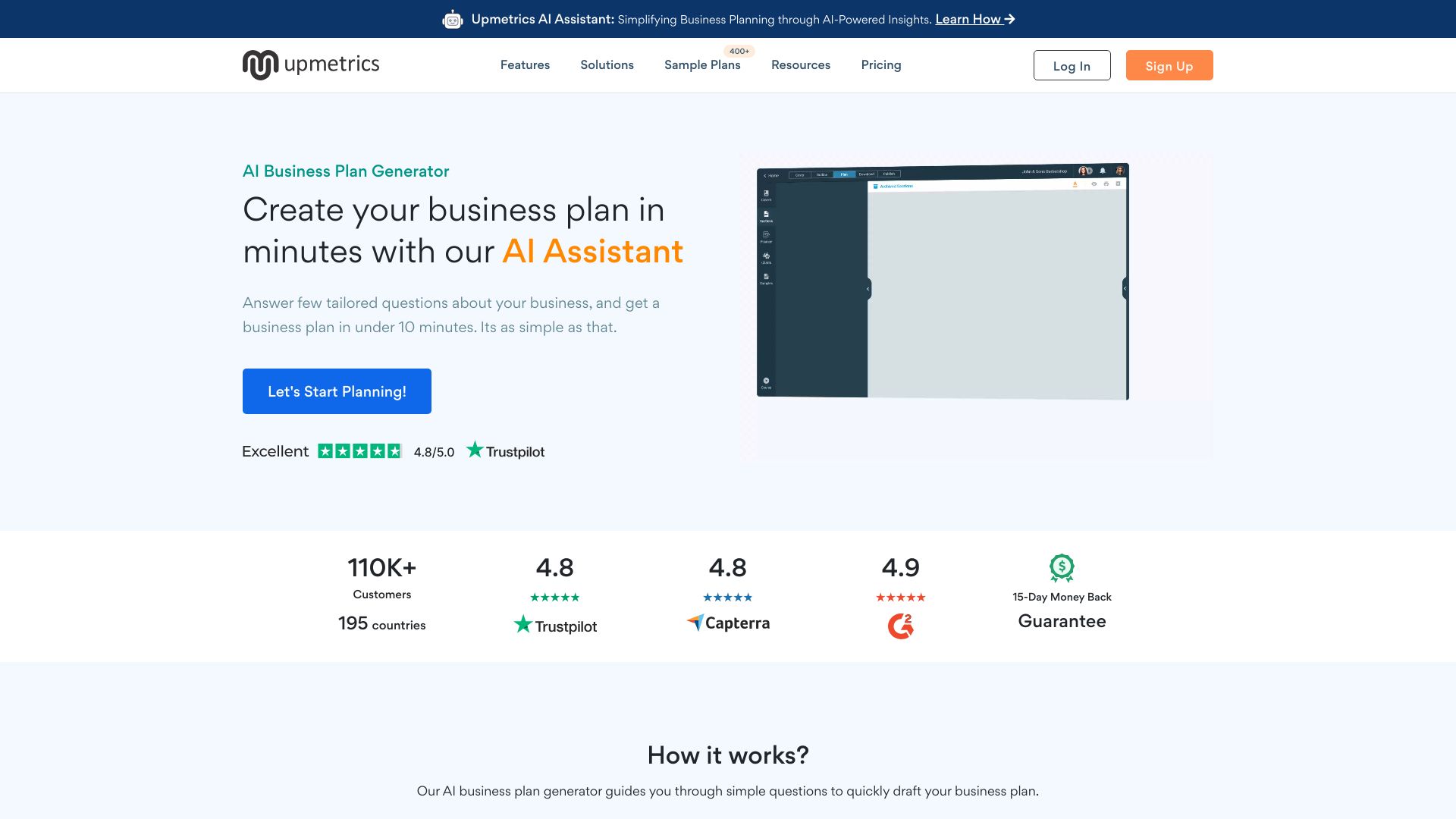
Upmetrics
AI-assisted business planning

The Generative Beings
Generative AI founders and builders

Genius.AI
Social sellers and affiliate marketers

GrowEasy
AI-powered lead generation campaigns

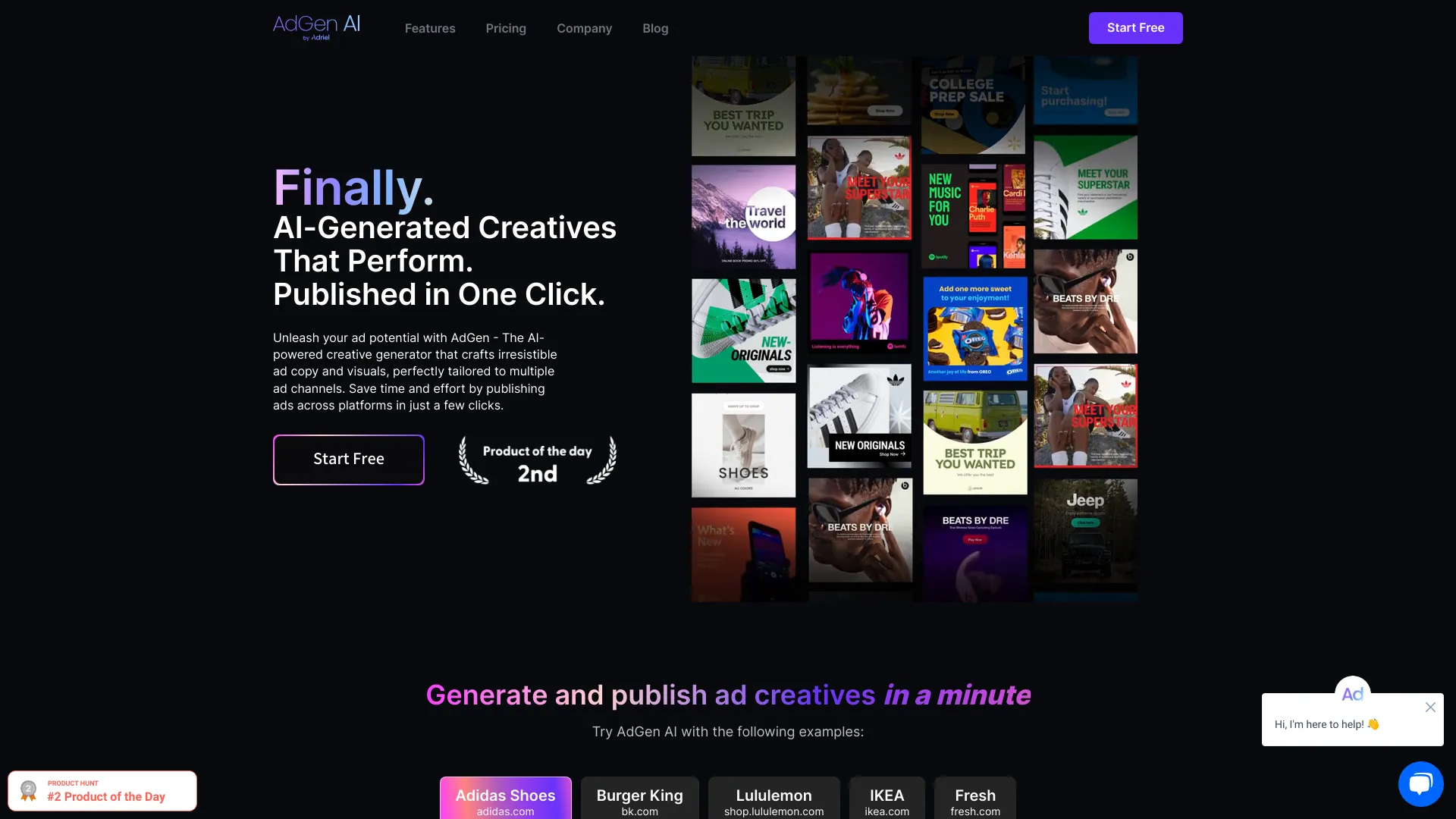
AdGen AI
Multi-channel ad creative generation

Avocado AI
AI ad content for businesses

AdsGency AI
Multichannel advertising campaigns

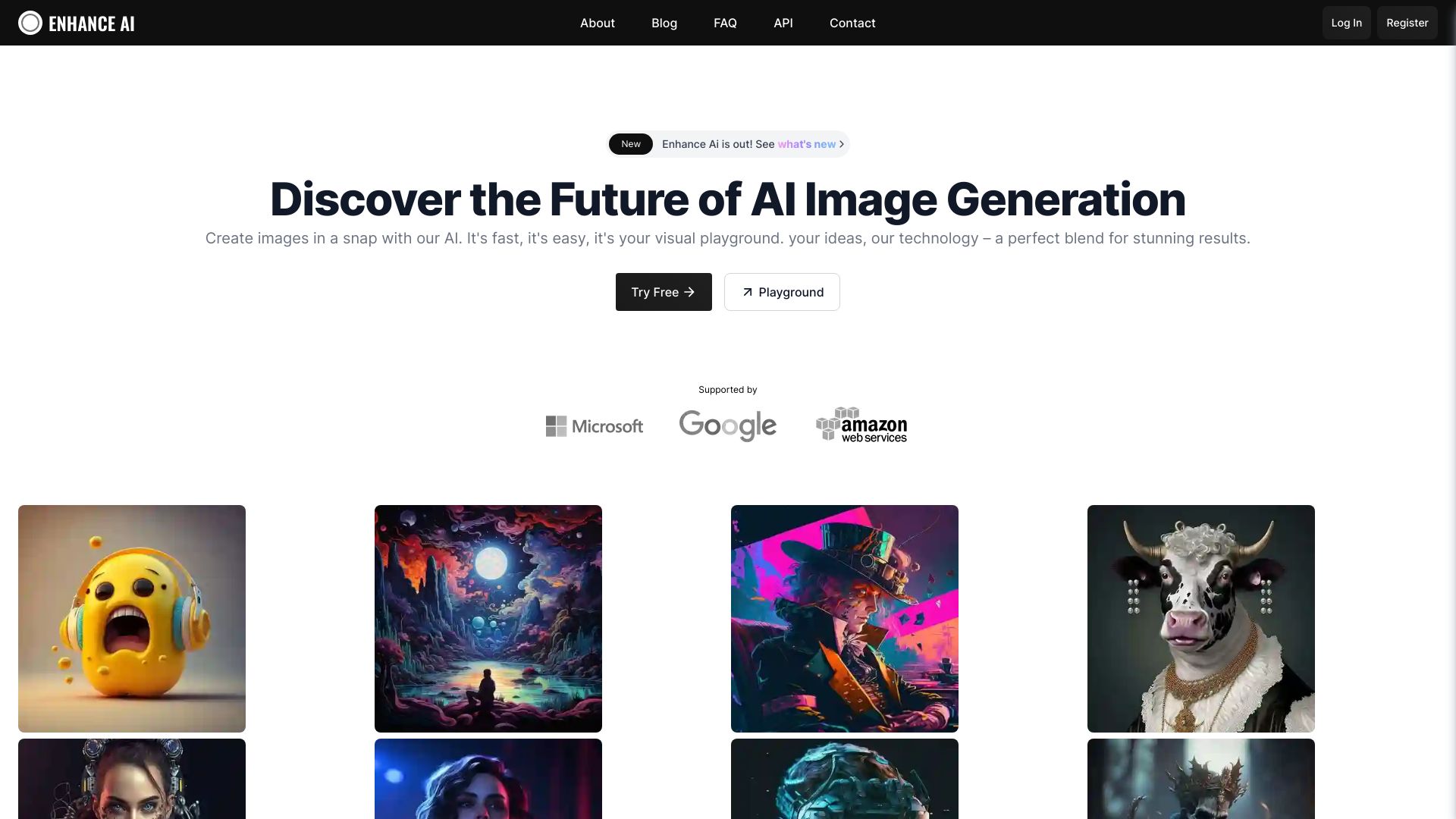
Enhance AI
Business image generation and enhancement
Everygen AI
Business image and video concepts

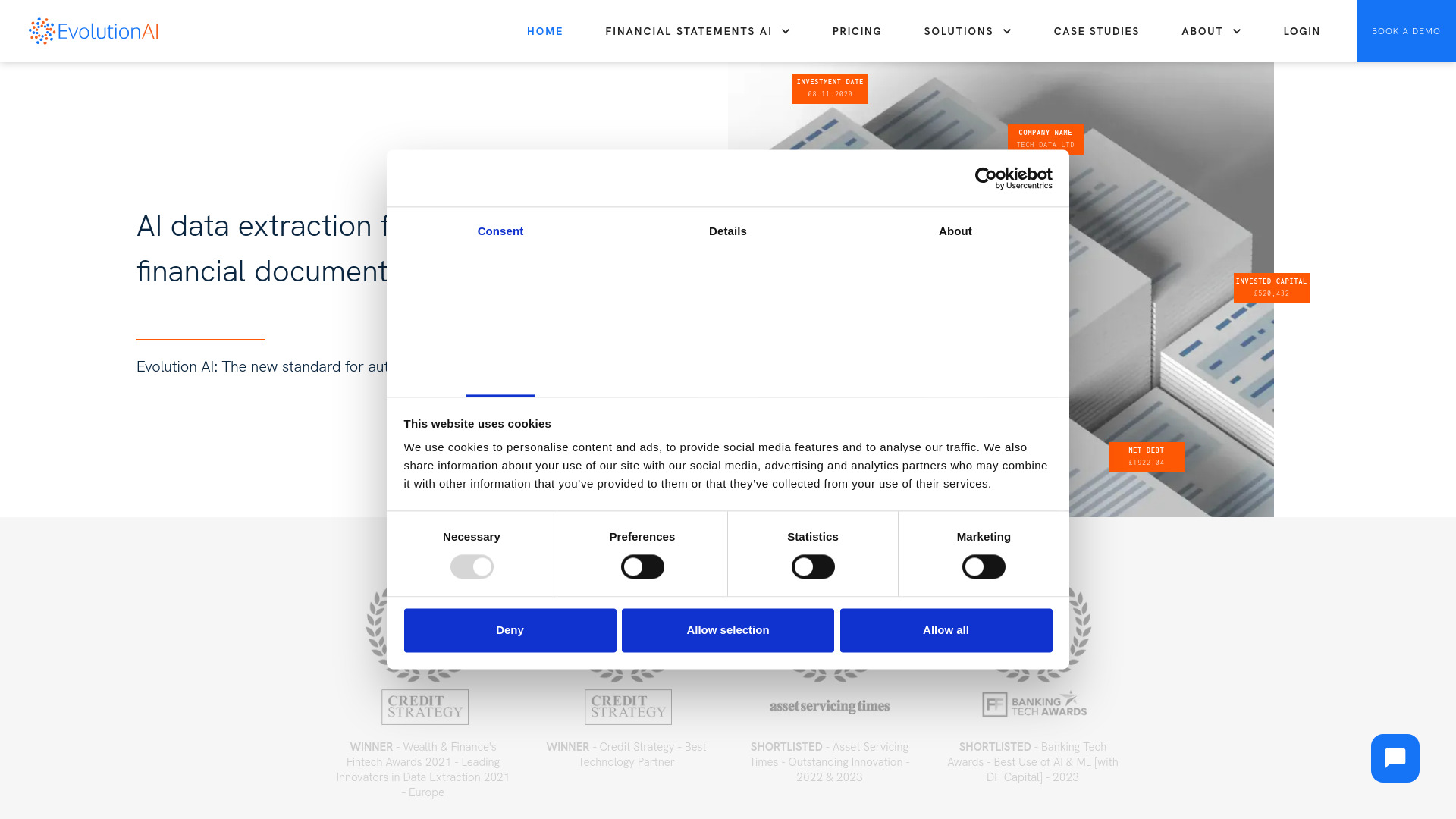
Evolution AI
Financial document data extraction

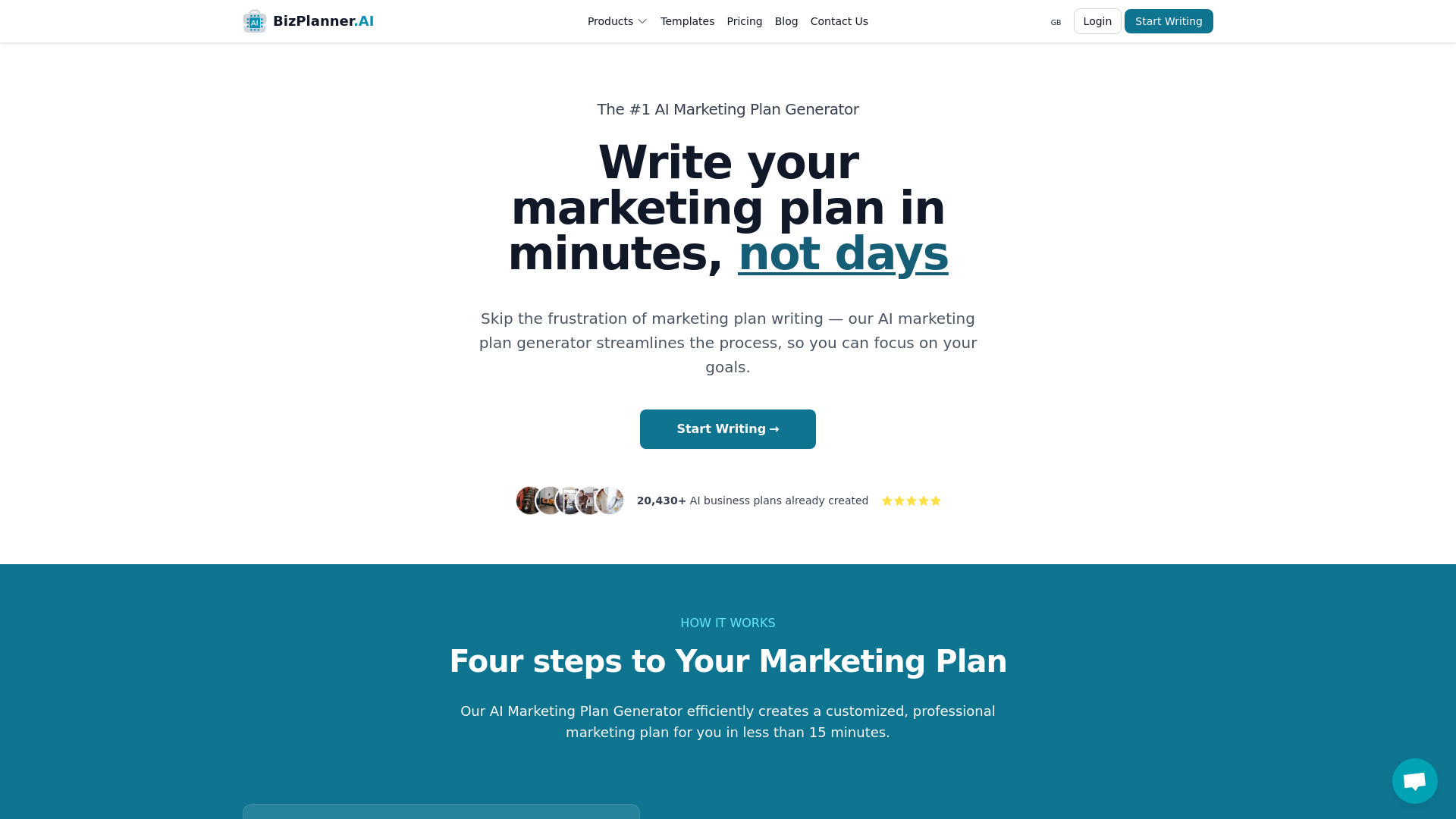
BizPlanner AI
Fast marketing plans for small businesses

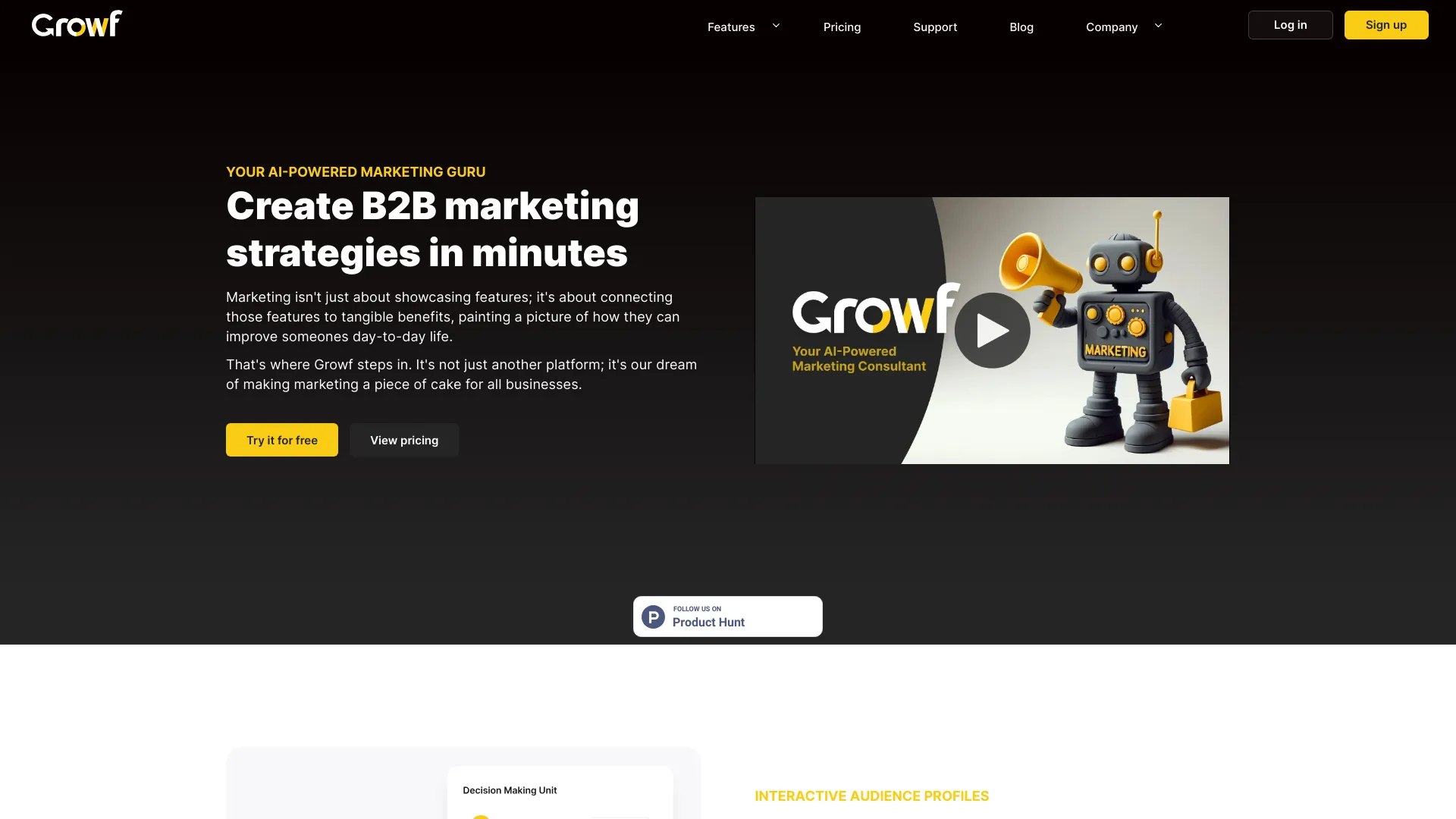
Growf AI
B2B marketing agencies
Everygen AI
Image and video creative drafts

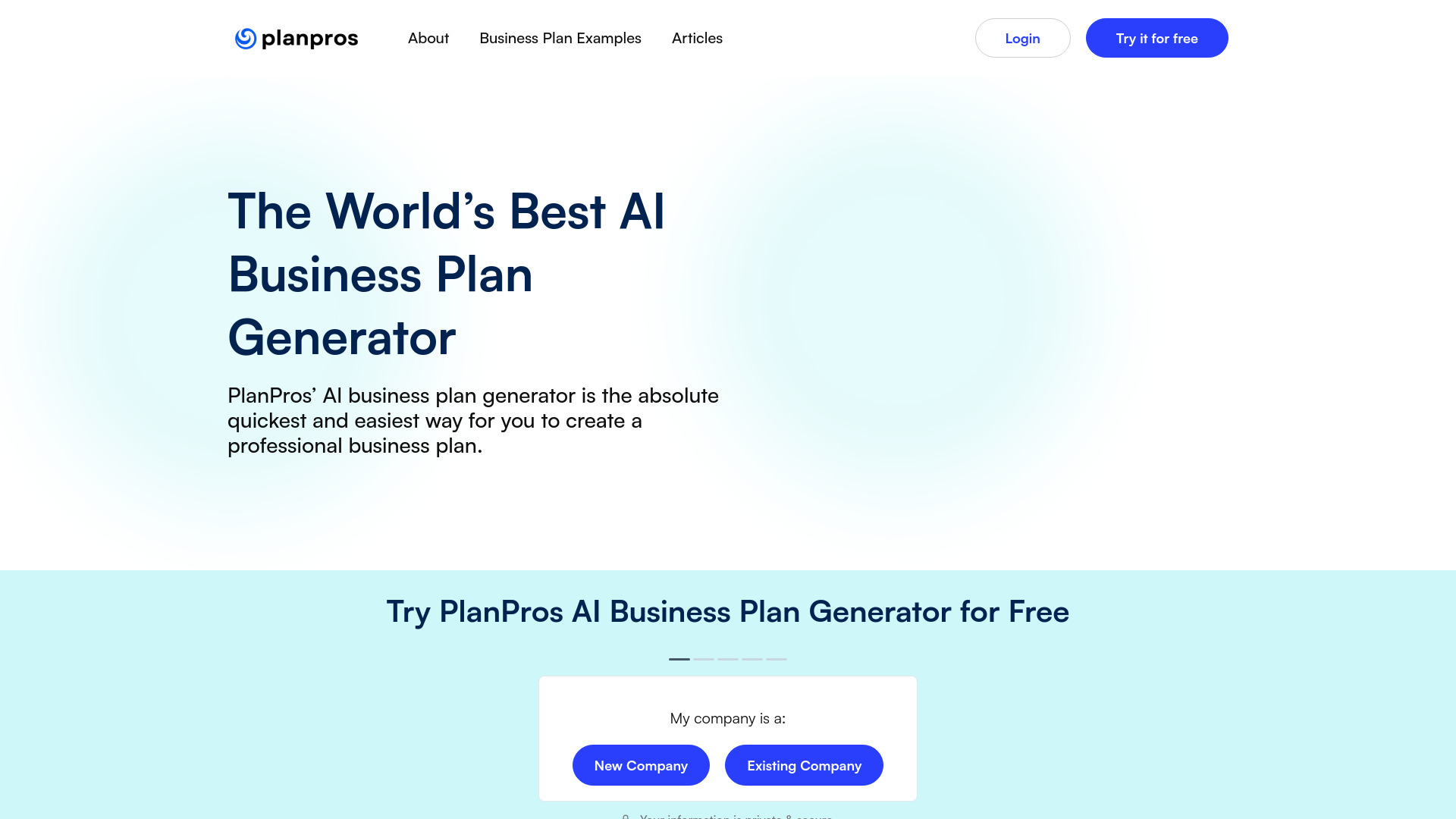
PlanPros
Investor-ready business plans

AI Coffee Club
Businesses needing all-in-one AI content tools

FusionAds.ai
Businesses and agencies creating multi-channel ads

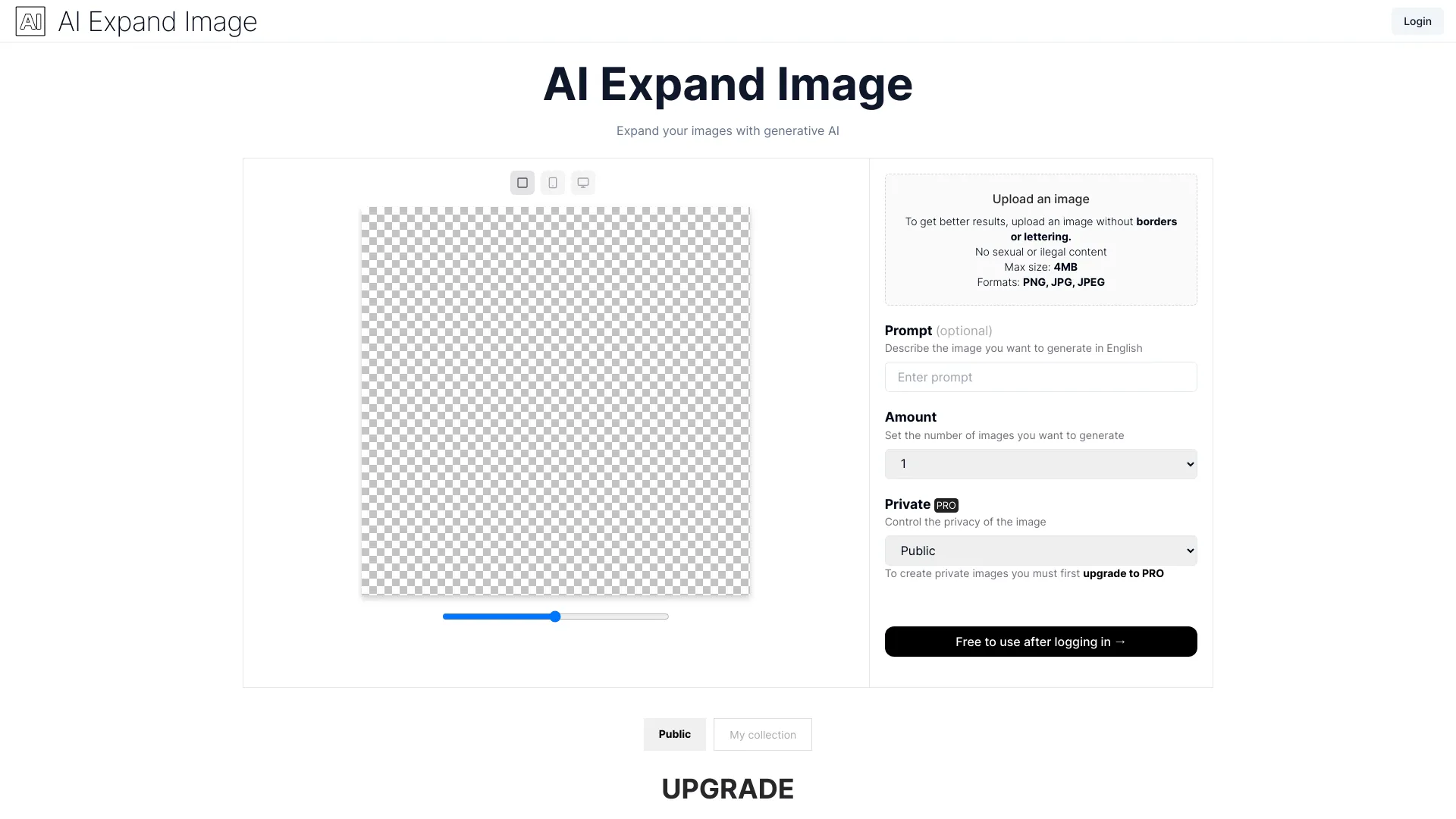
AI Expand Image
Expanding images with generative AI
Genysis
Businesses reactivating aged leads
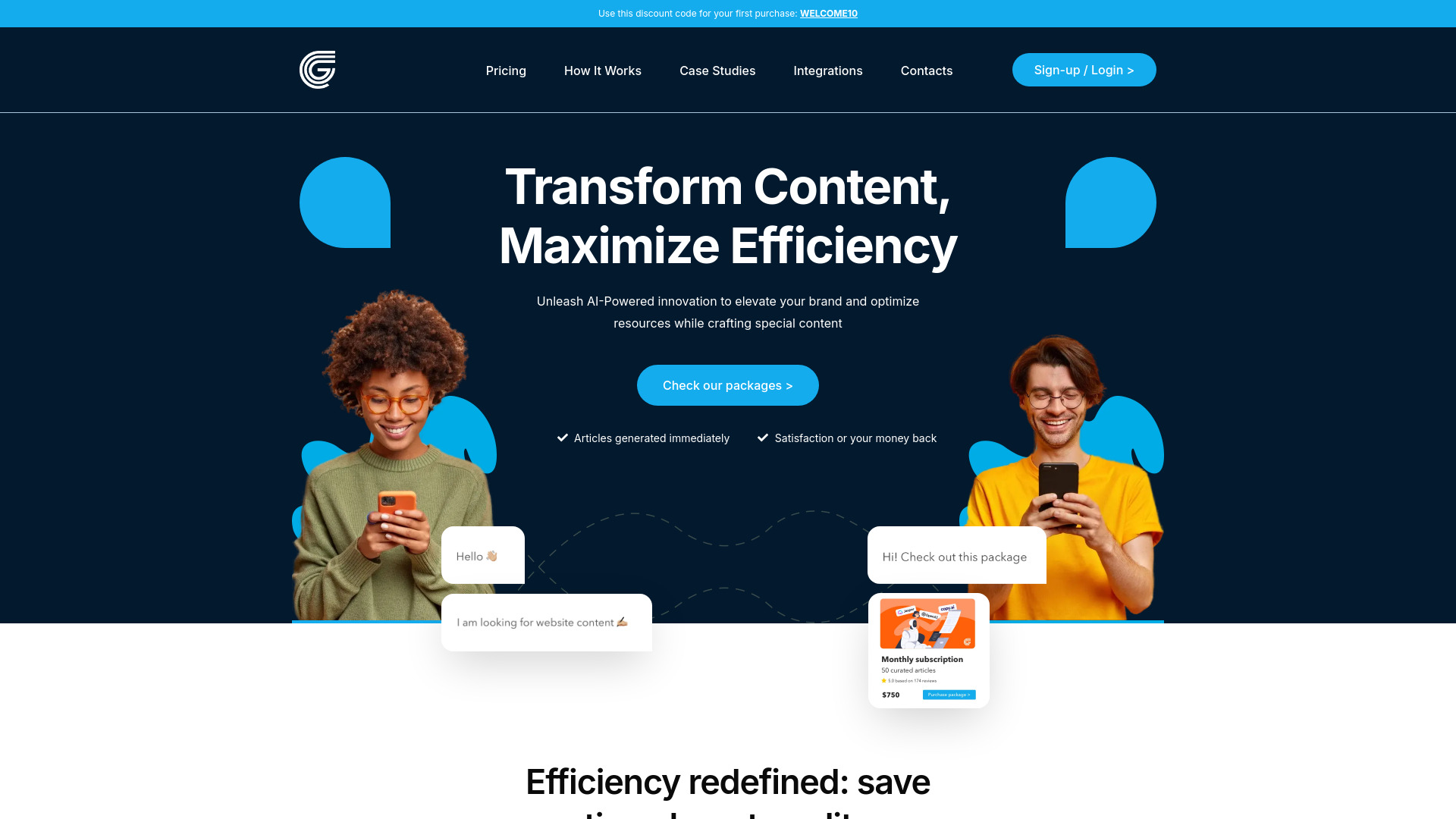

AI Business Coach
Business clarity and accountability
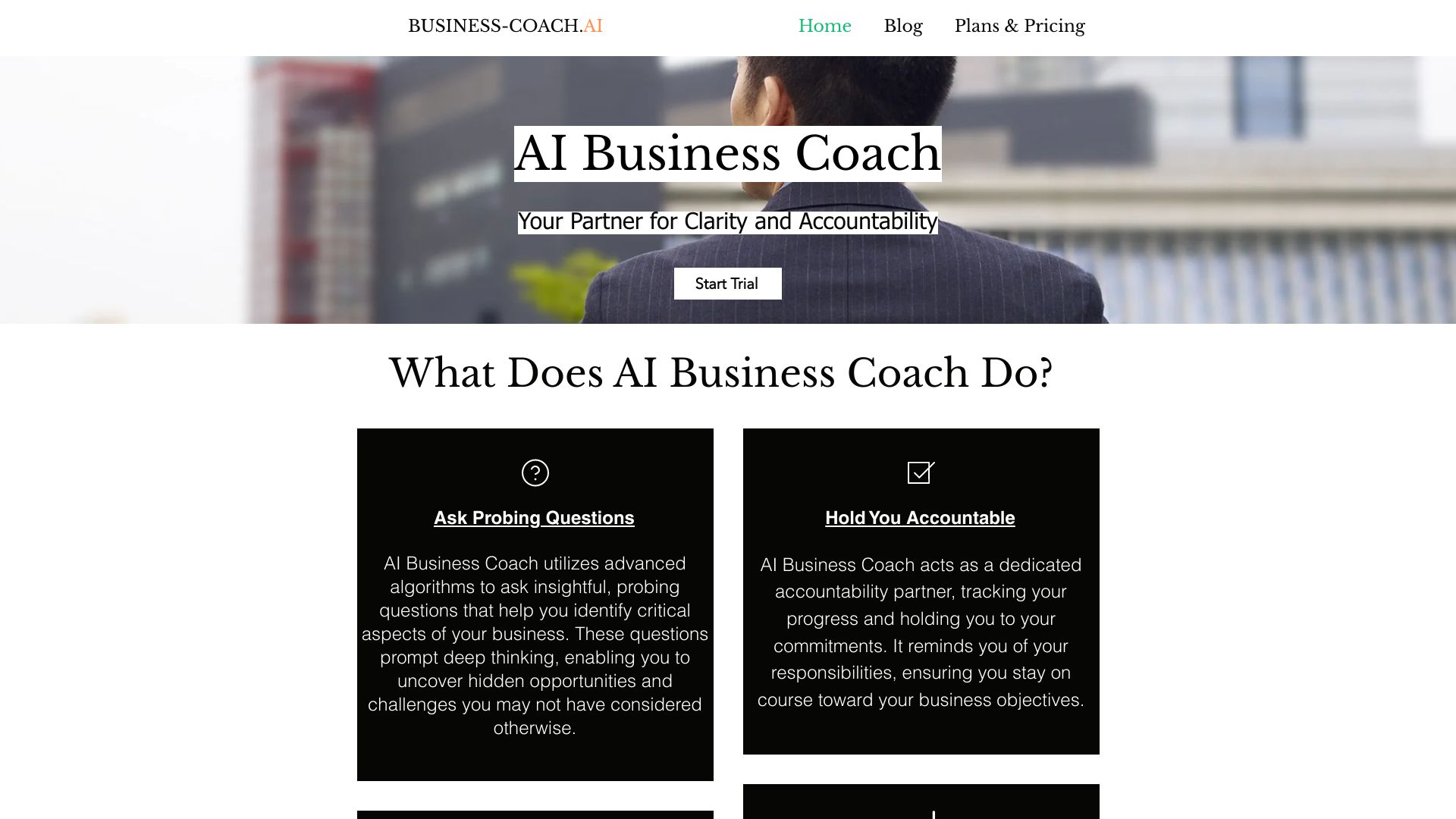

Rakazo
Self-hosted AI teammates for business workflows

Wisesheets
Investors and finance developers


Nuance Labs
Real-time audiovisual AI
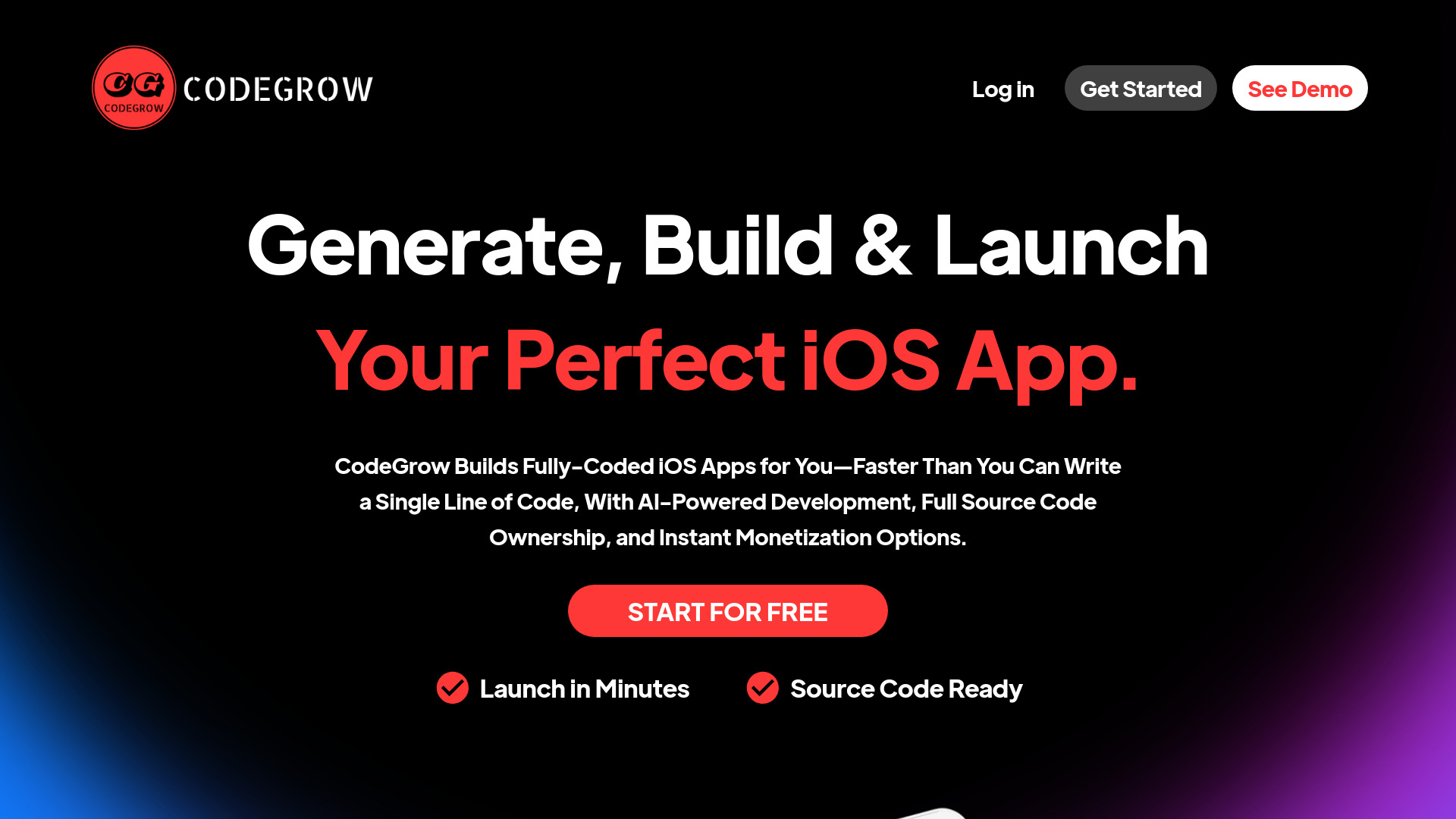
CodeGrow
Rapid iOS app development

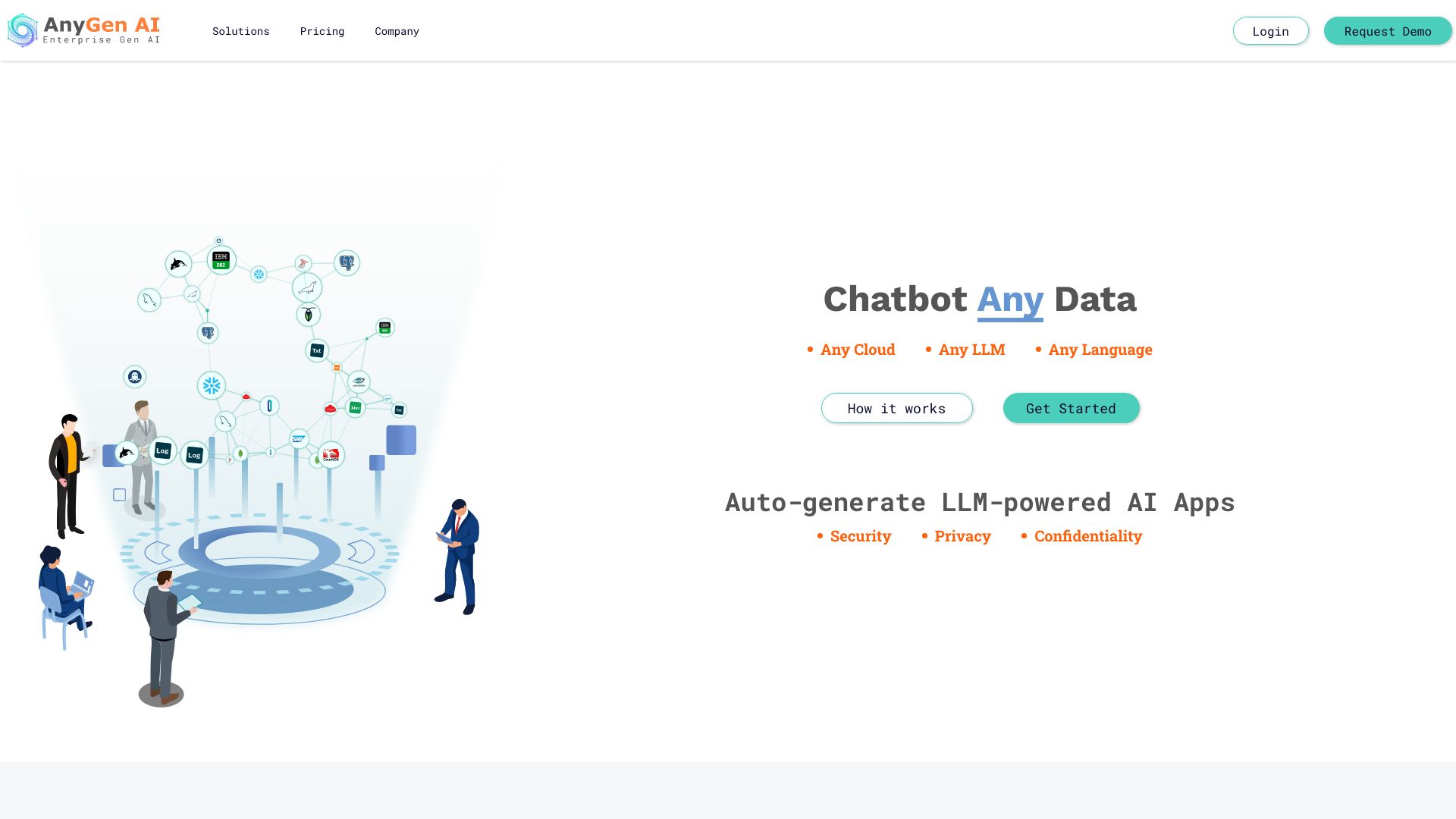
AnyGen AI
Enterprise generative AI app lifecycle management

Celesto
Lower-cost CI runners and AI agent sandboxes


IMAGINE Studios AI
Businesses creating multimodal campaign content


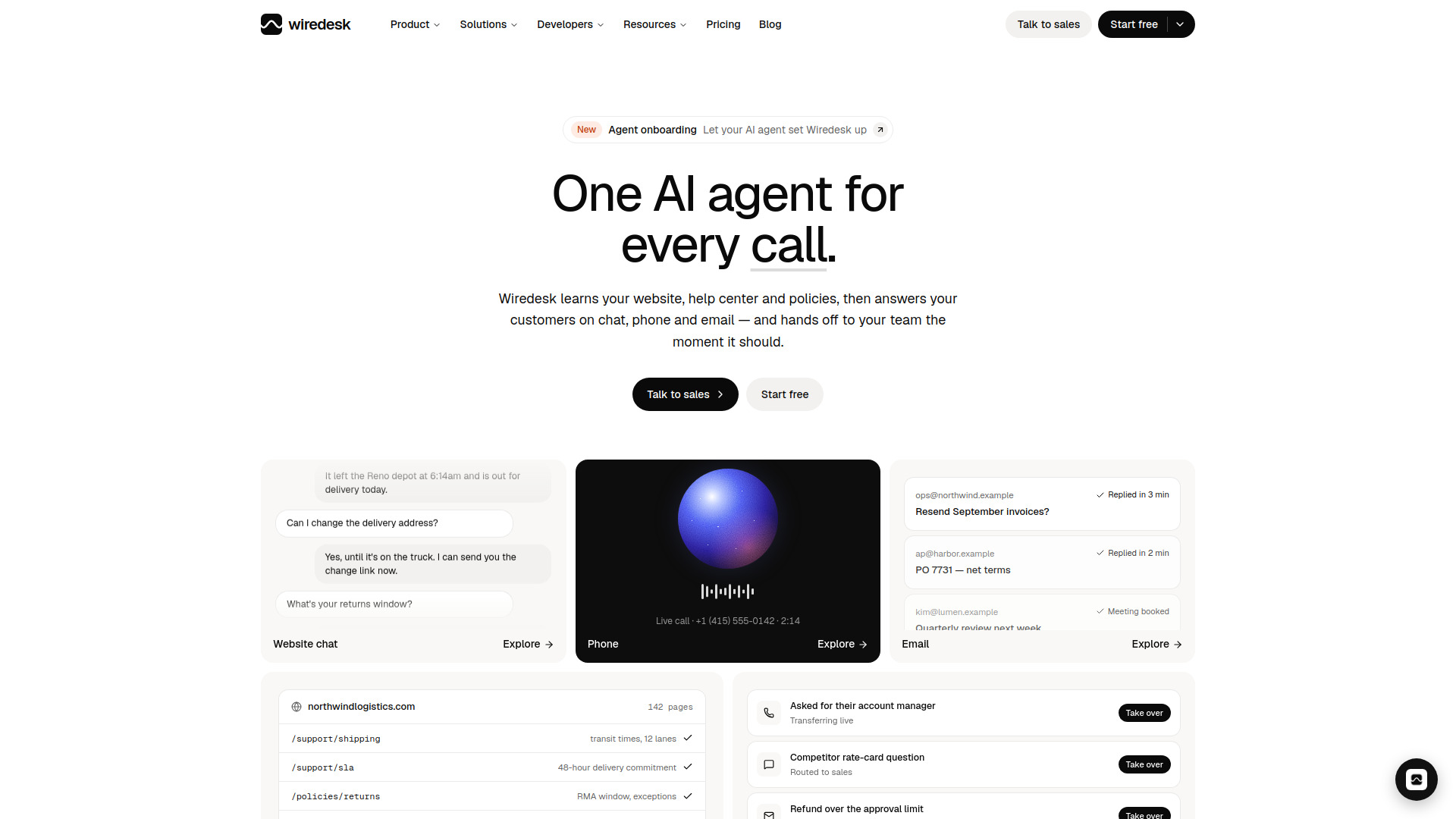
Wiredesk
Mid-market and enterprise support teams

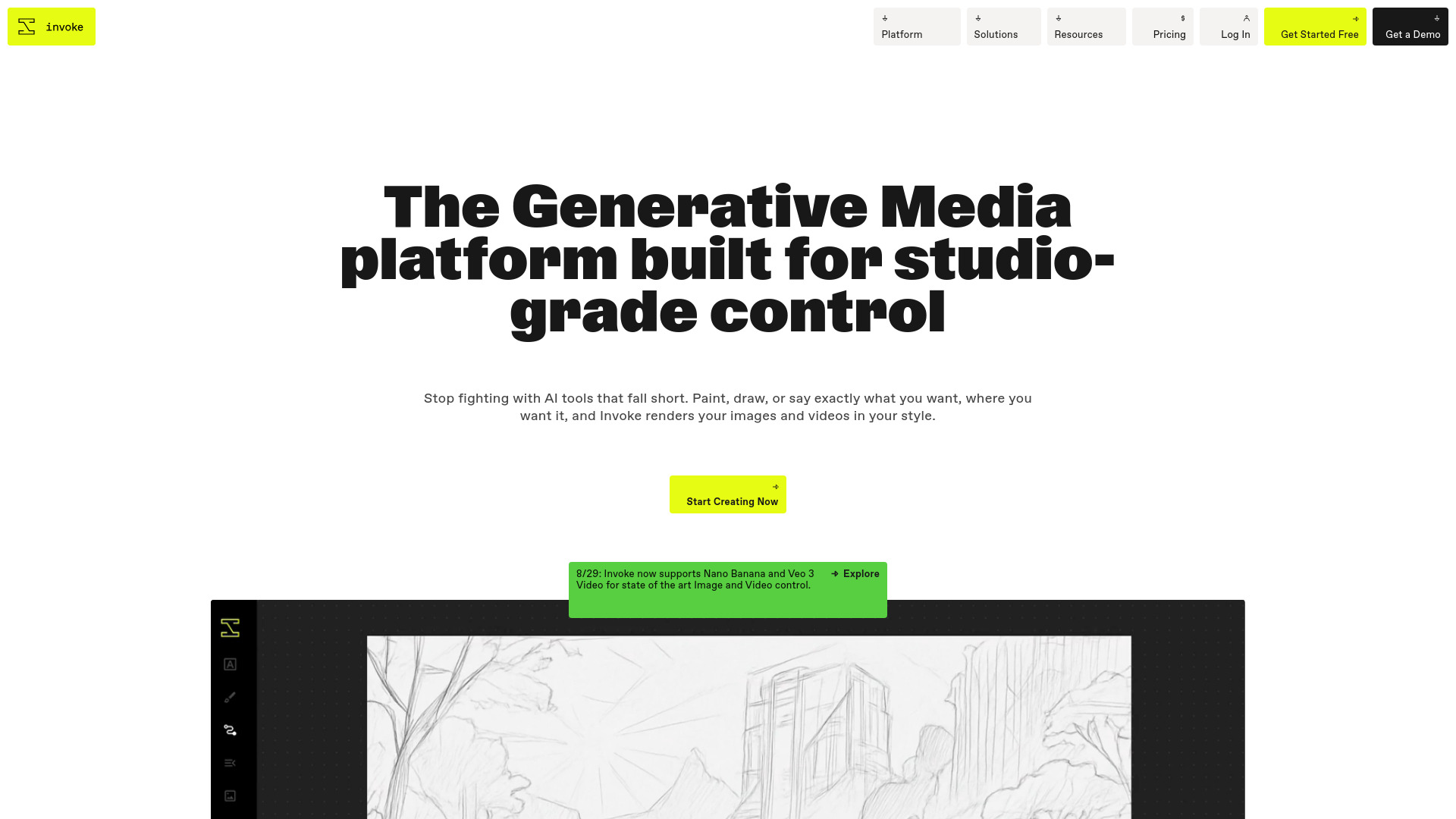
Invoke
Creative teams needing controlled generative media

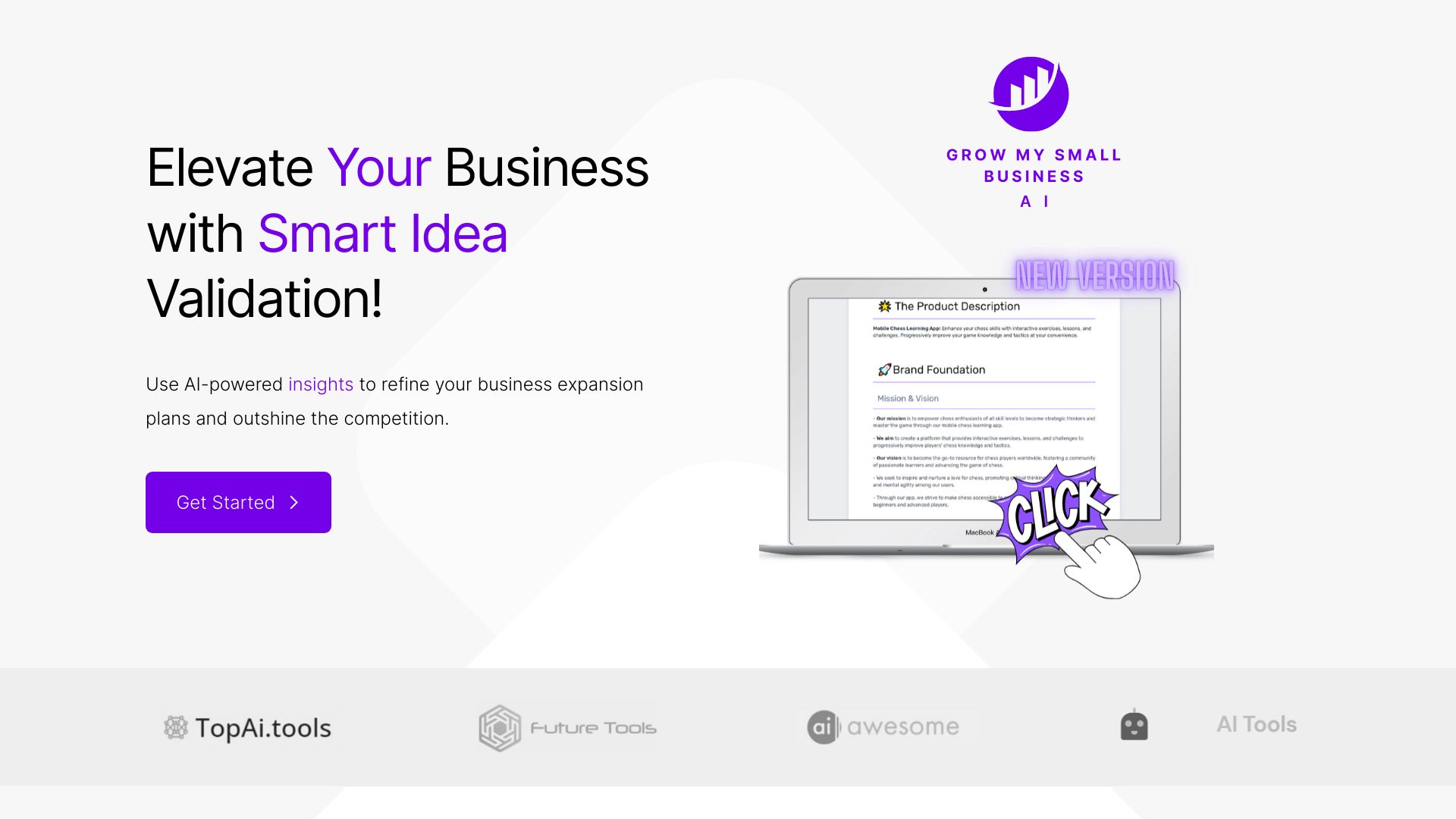
Grow My Small Business - AI
Small-business growth planning

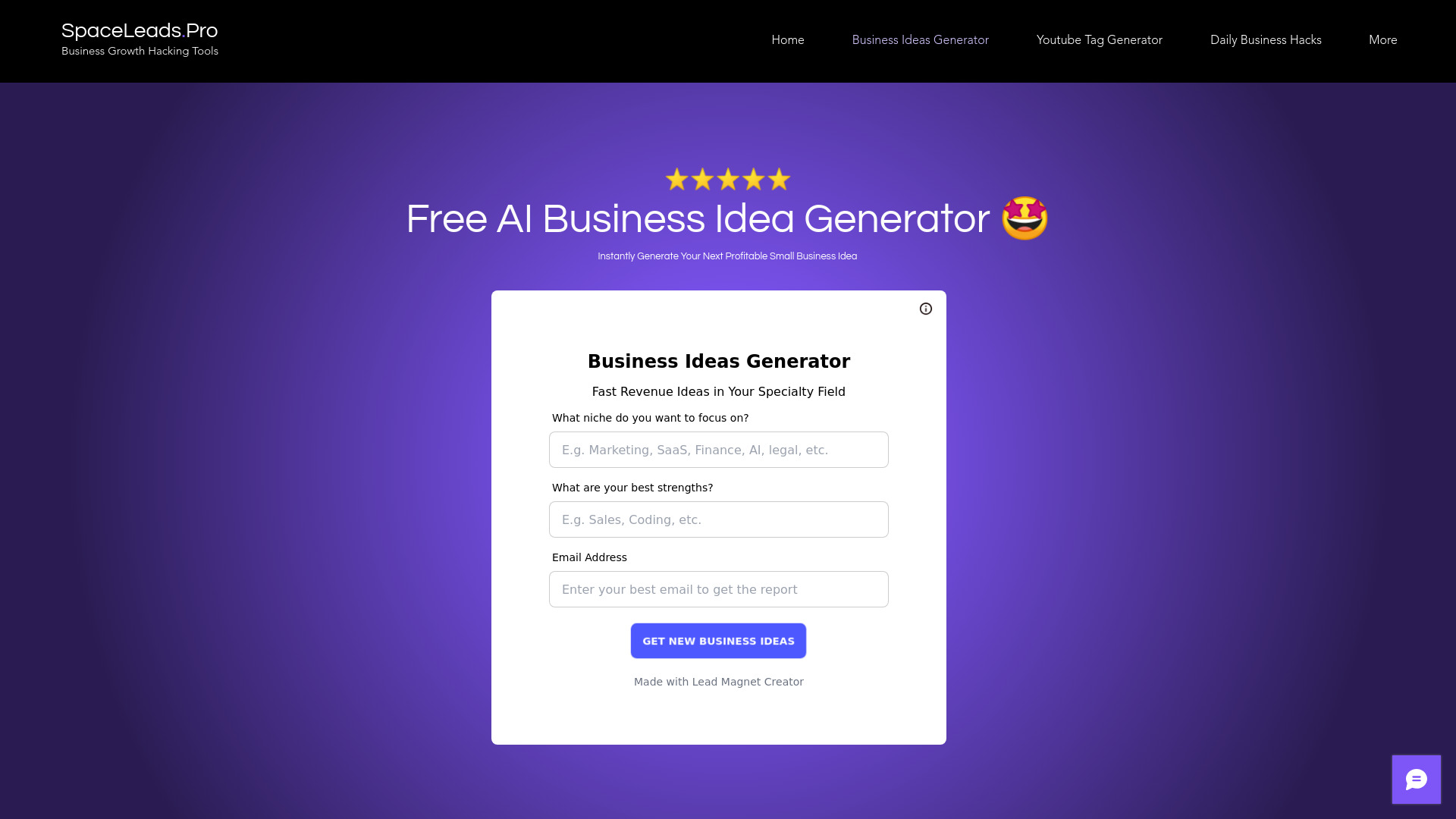
Space Leads Pro
Entrepreneurs exploring business ideas
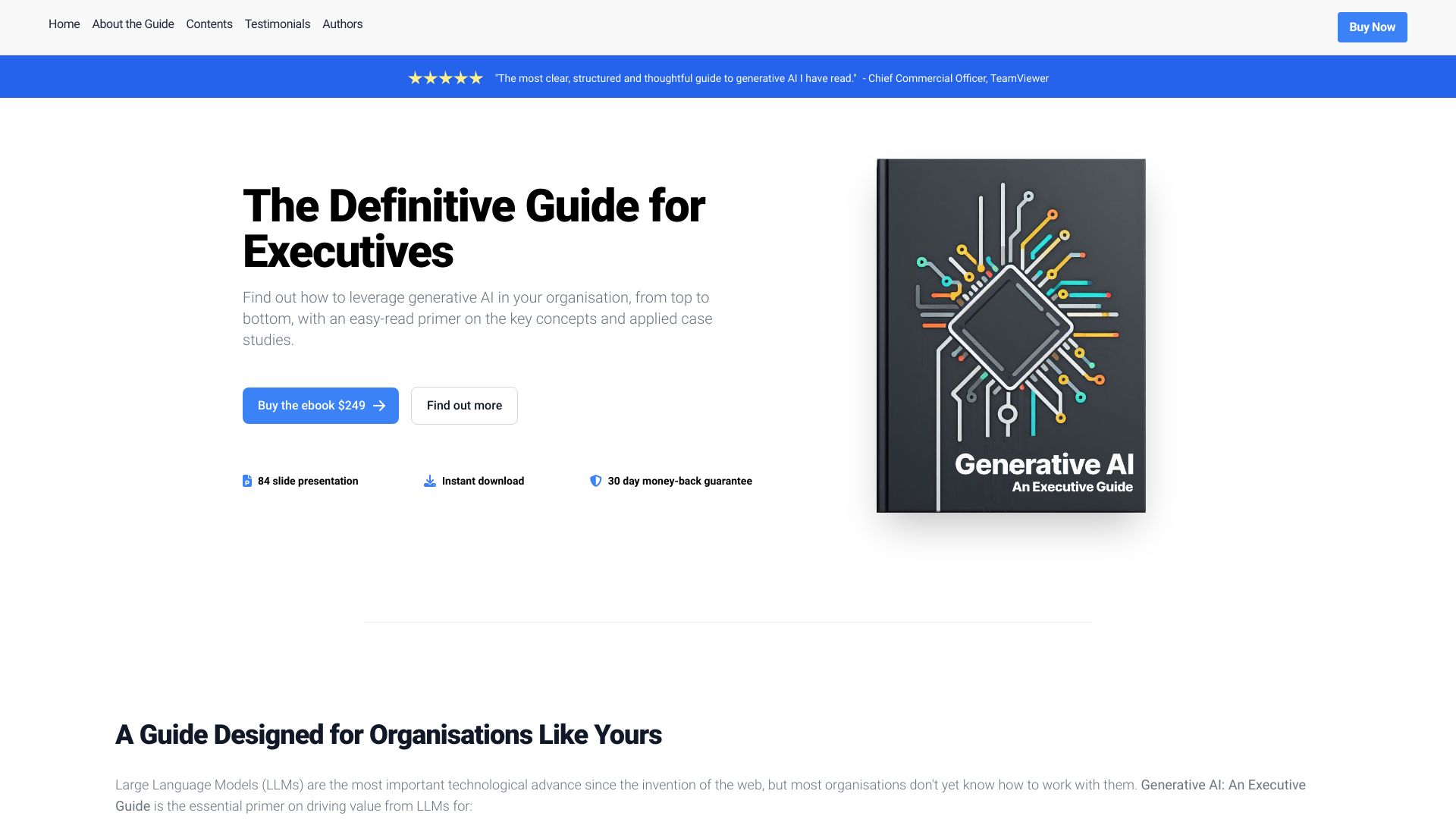
ExecutiveGuide.ai
Executive AI strategy primers

AI Business MVP Launcher
Launching generative AI SaaS MVPs
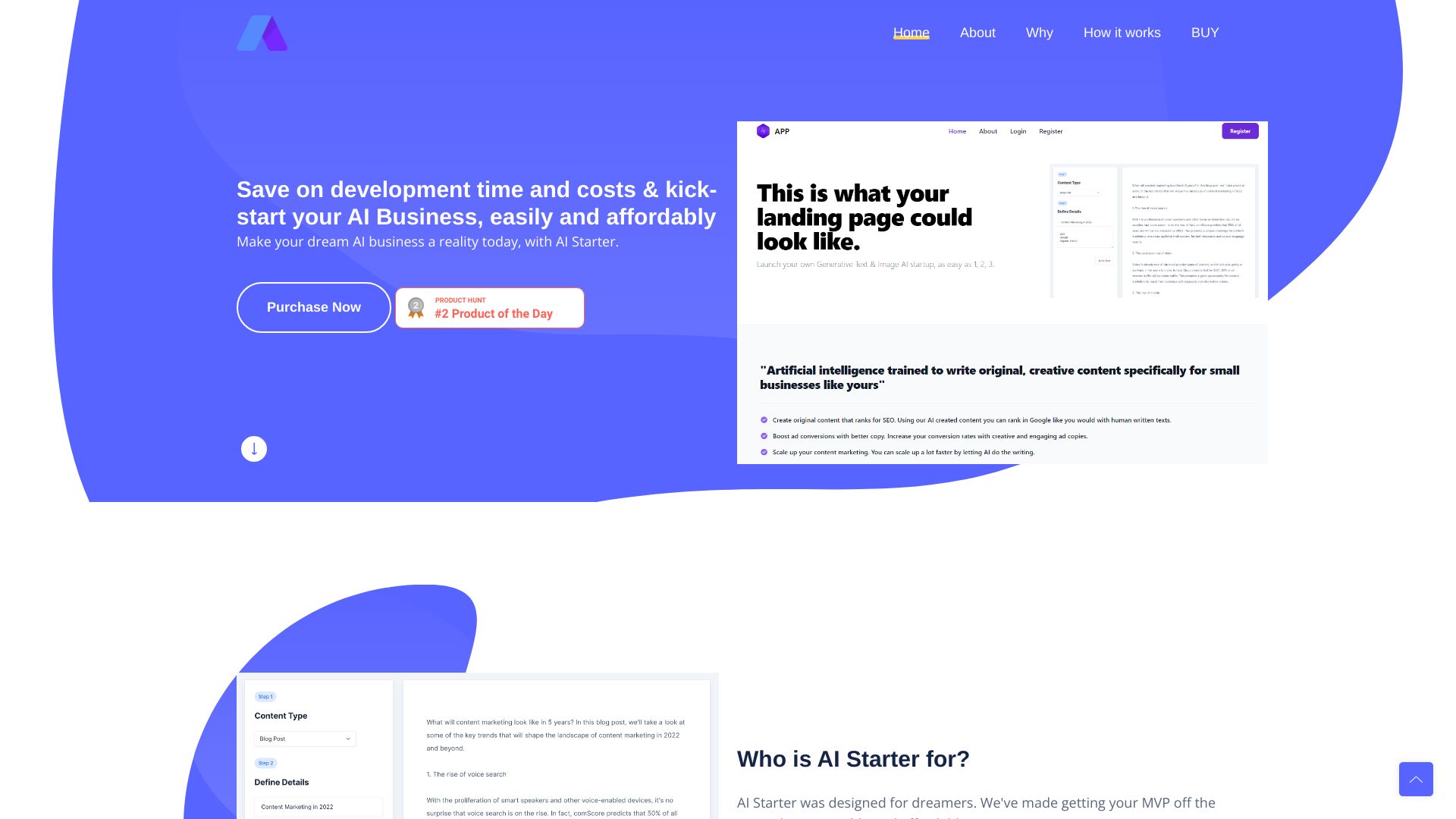
AIGenesis
Businesses needing scalable AI content creation

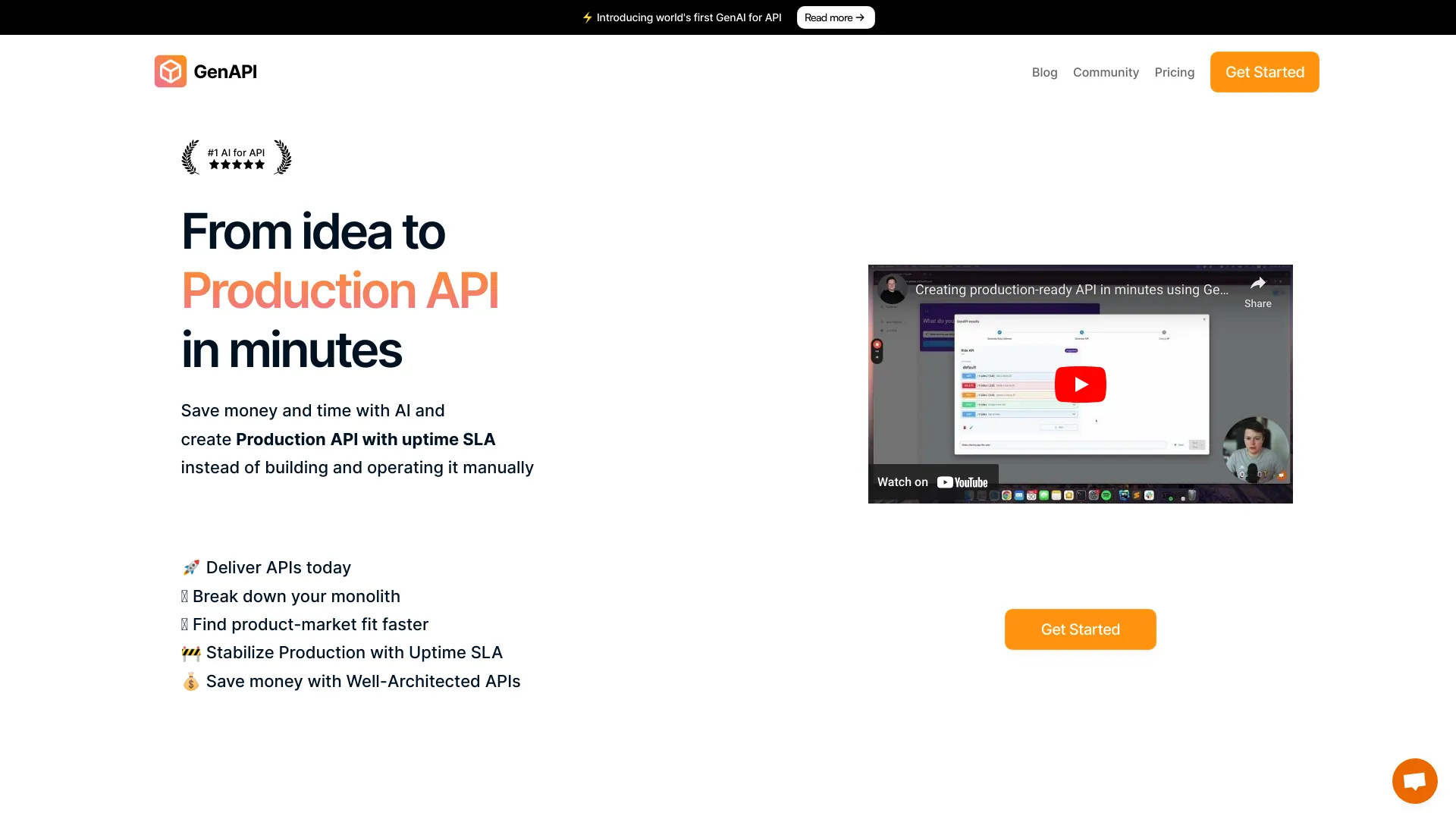
GenAPI
Generating production-ready APIs from text
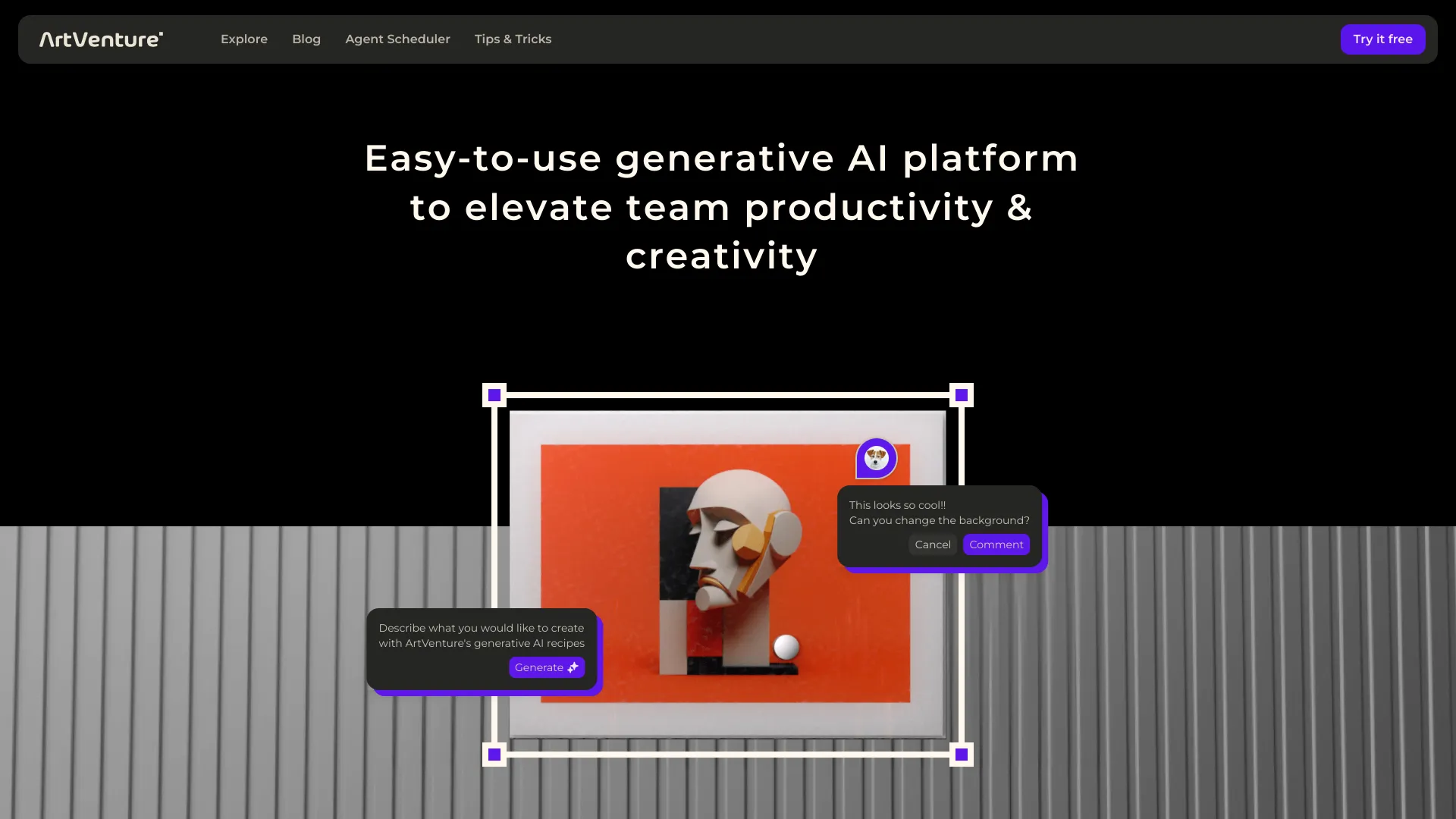
ArtVenture
Cross-team generative AI production

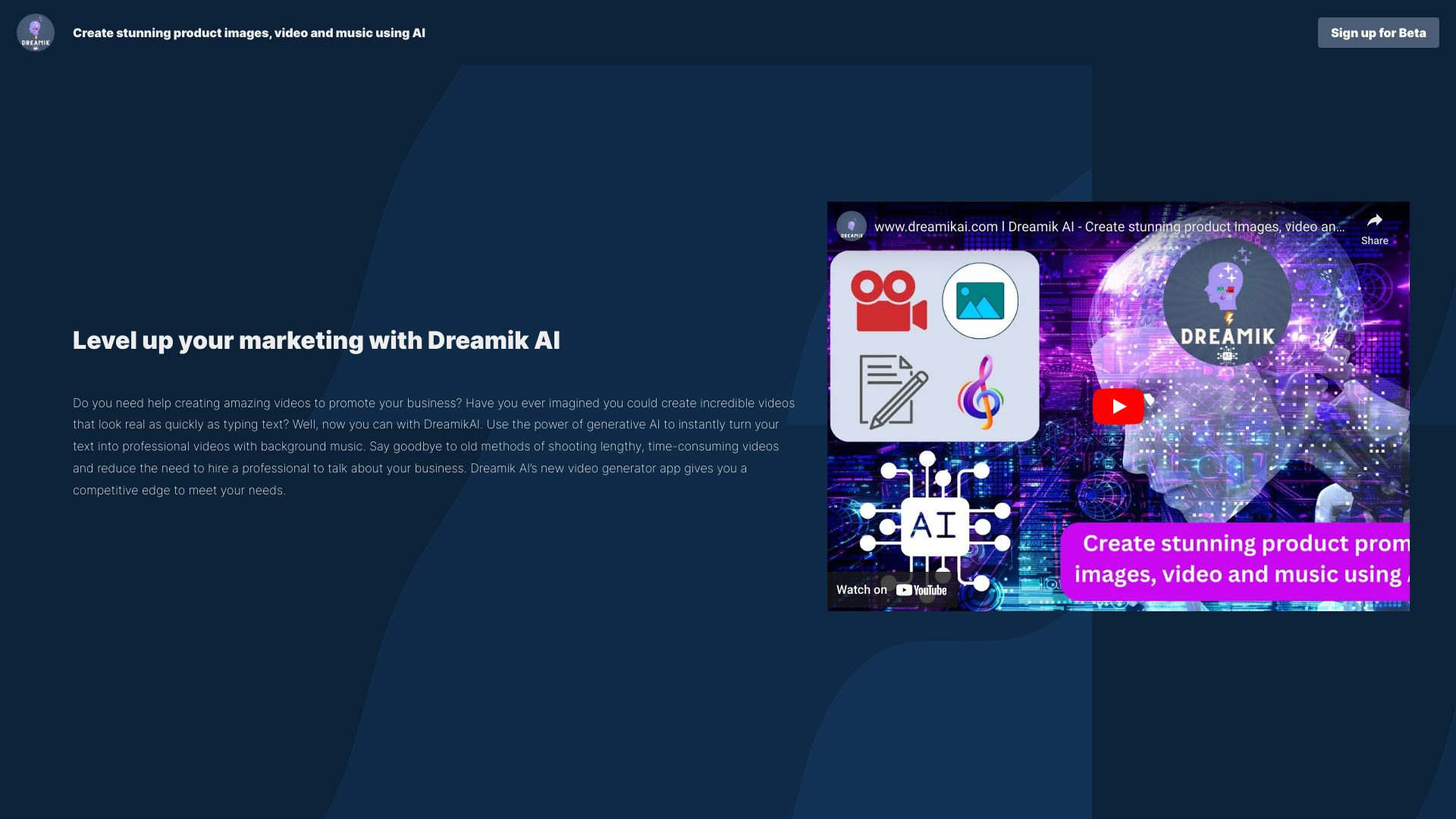
Dreamik AI
Small-business marketing videos
Idea Generator
Business idea generation

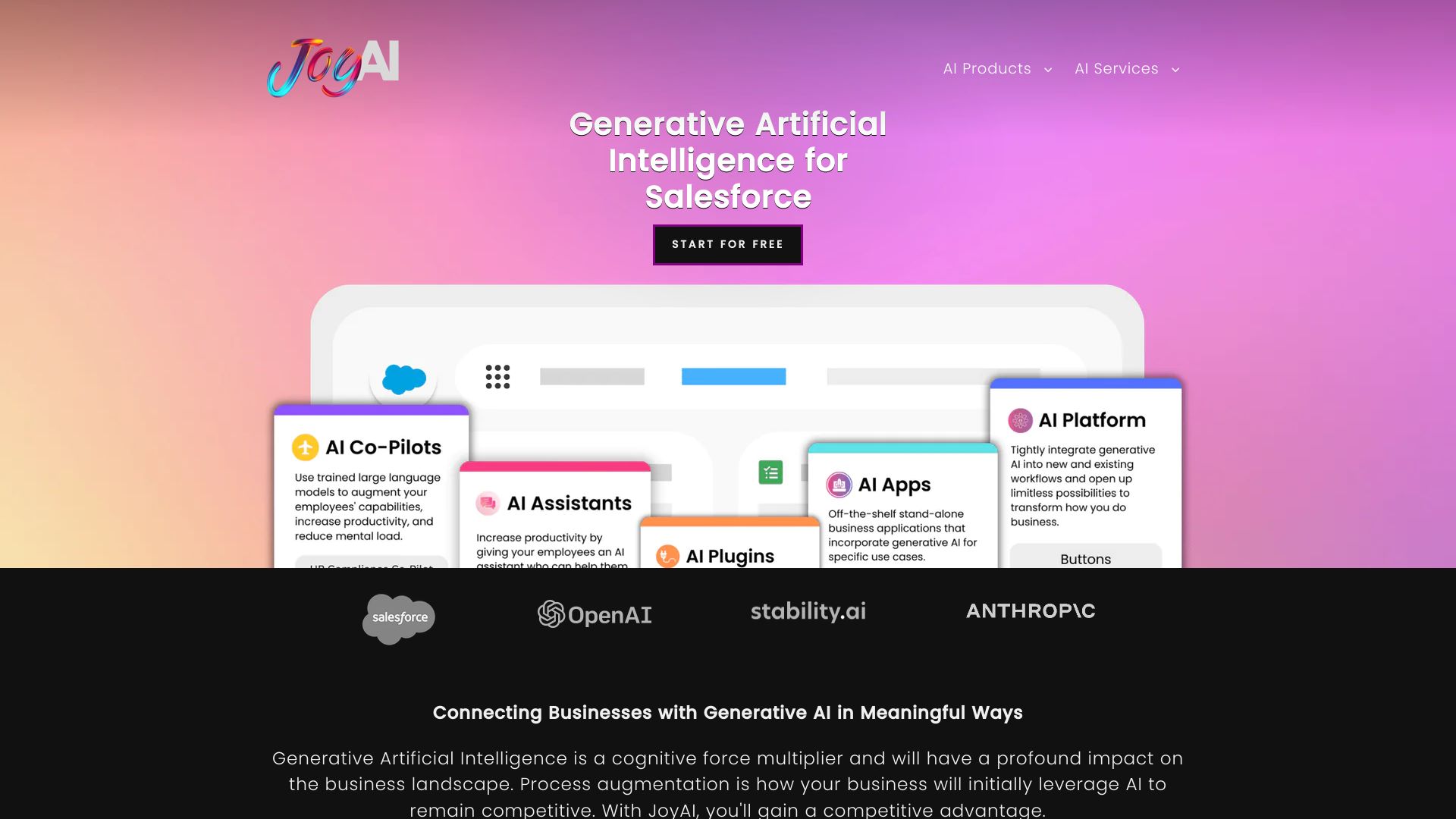
JoyAI
Business teams automating everyday work

Tribefii
Solopreneurs scaling expertise with AI


GenFinance.AI
AI consulting for finance teams

SmartflowAI
AI workflow automation for business teams

Alicent
AI-powered sales automation

GrowZen AI
Automating cold email outreach campaigns

AI Generating
All-in-one AI content creation

Automi AI
Low-code generative AI app creation
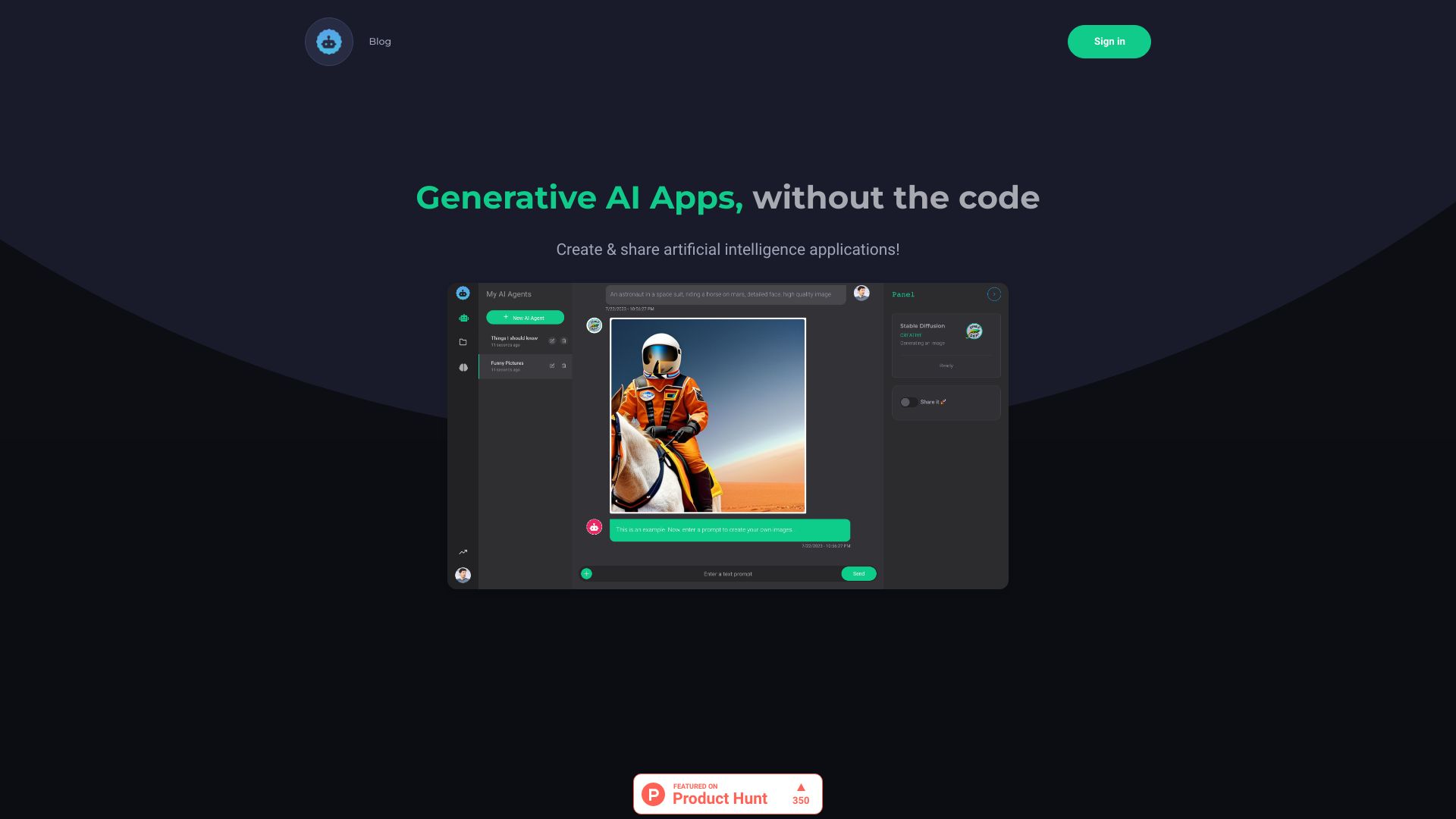
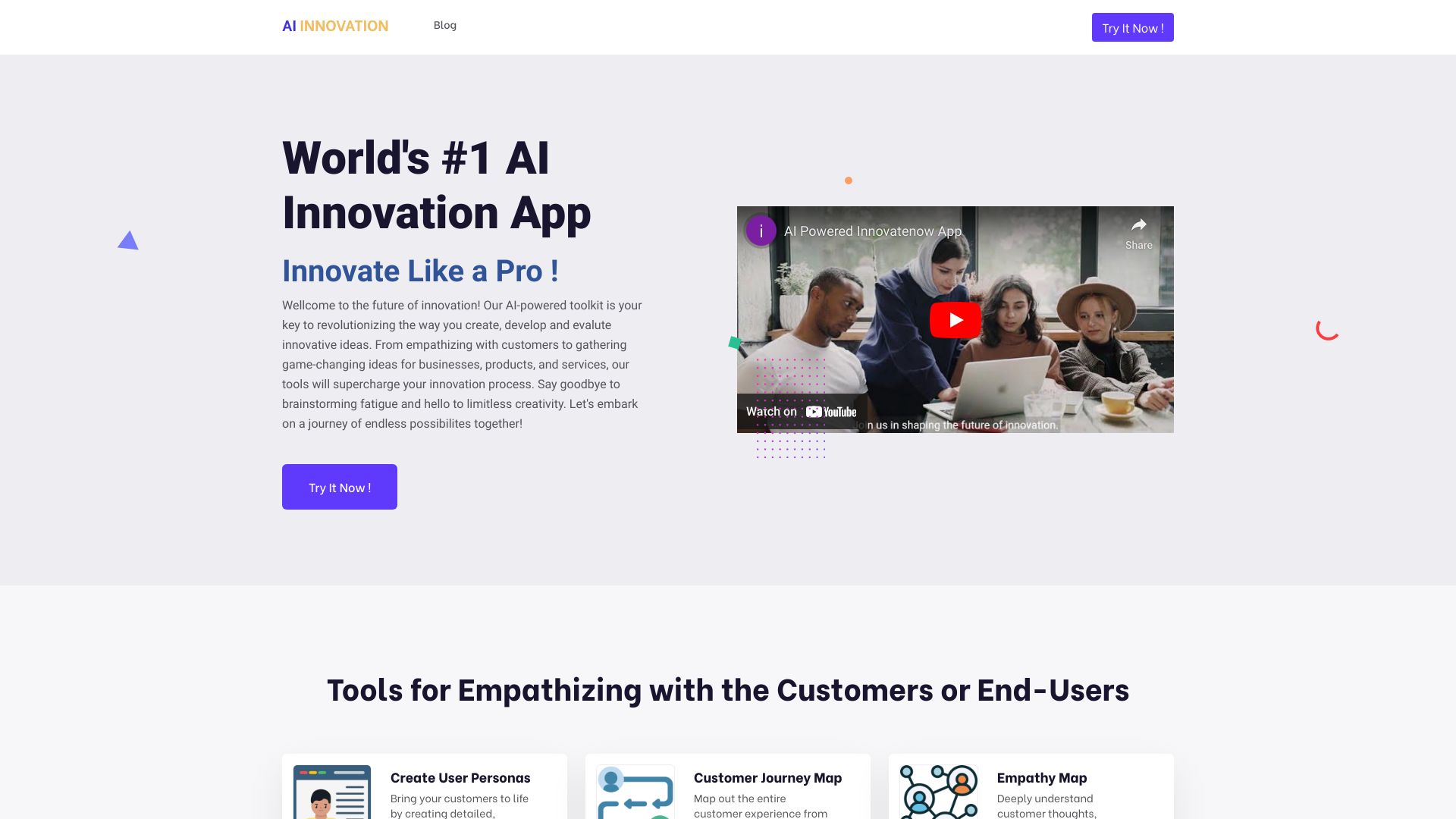
Innovate Now
AI-powered business innovation

OnLift
Entrepreneurs building app ideas


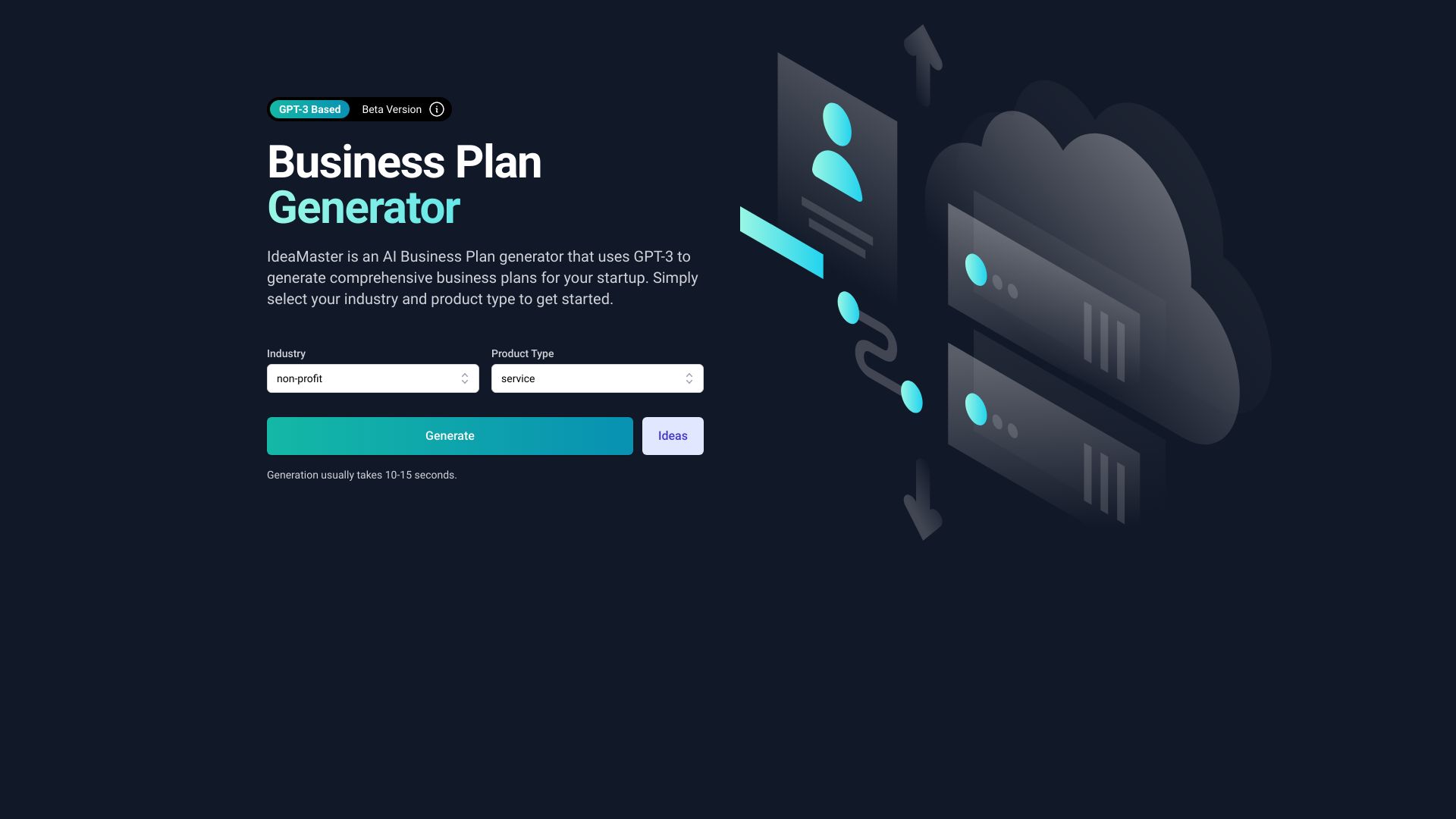
IdeaMaster
AI-generated startup business plans

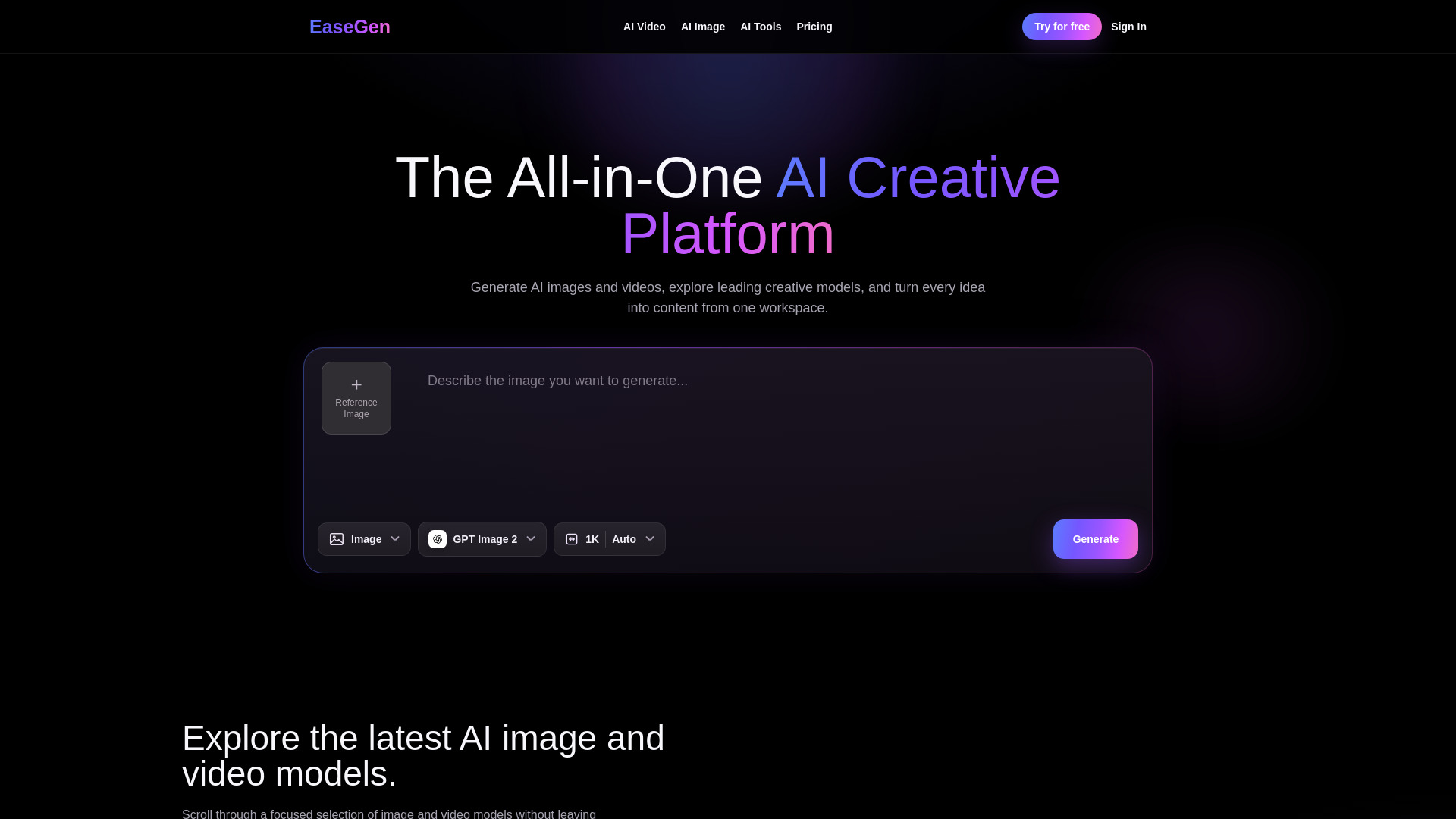
EaseGen
AI image and video creation for creative teams

GenVibe
HoReCa background music

Producti Ai
All-in-one AI content creation for businesses

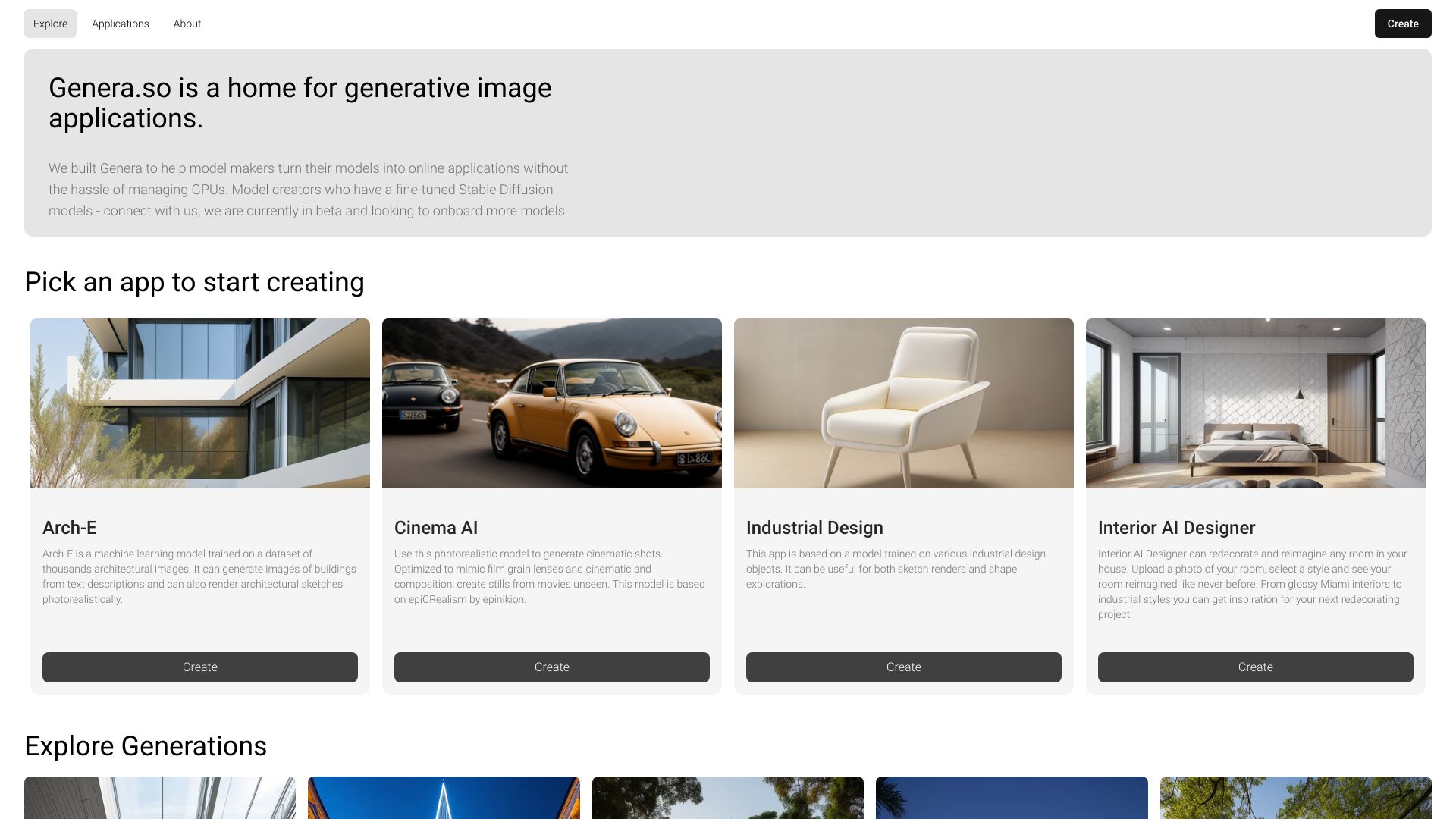
Genera.so
Architectural and interior design visualization

GenAI Courses
Generative AI learning for business teams

GameGen AI
Open-world game prototyping

Your Business AI
Businesses needing voice AI widgets
Ai5 – The AI Art Newsletter
Generative AI news readers

Instantgen AI
AI marketing images and content

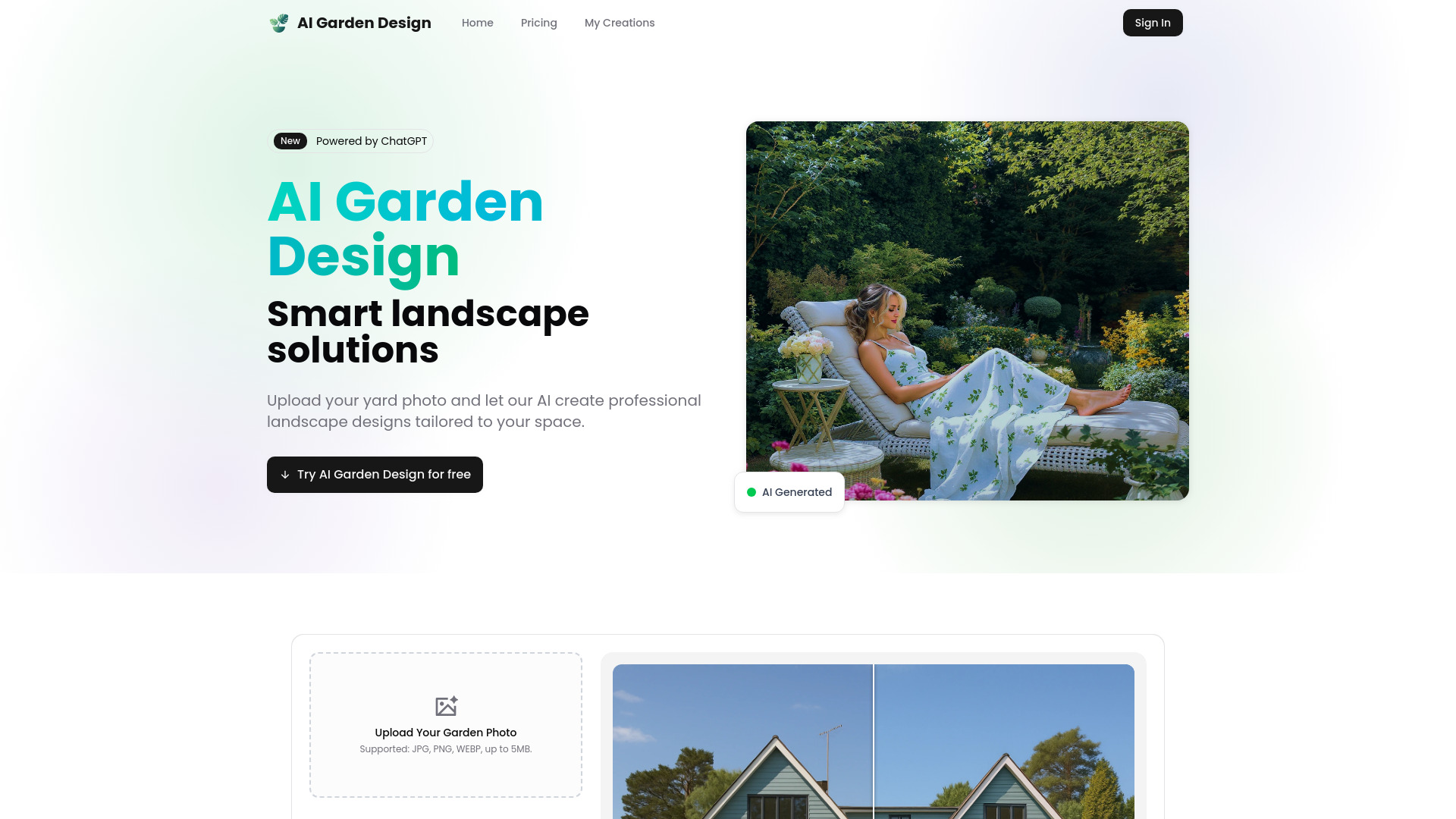
AI Garden Design
AI garden designs from yard photos

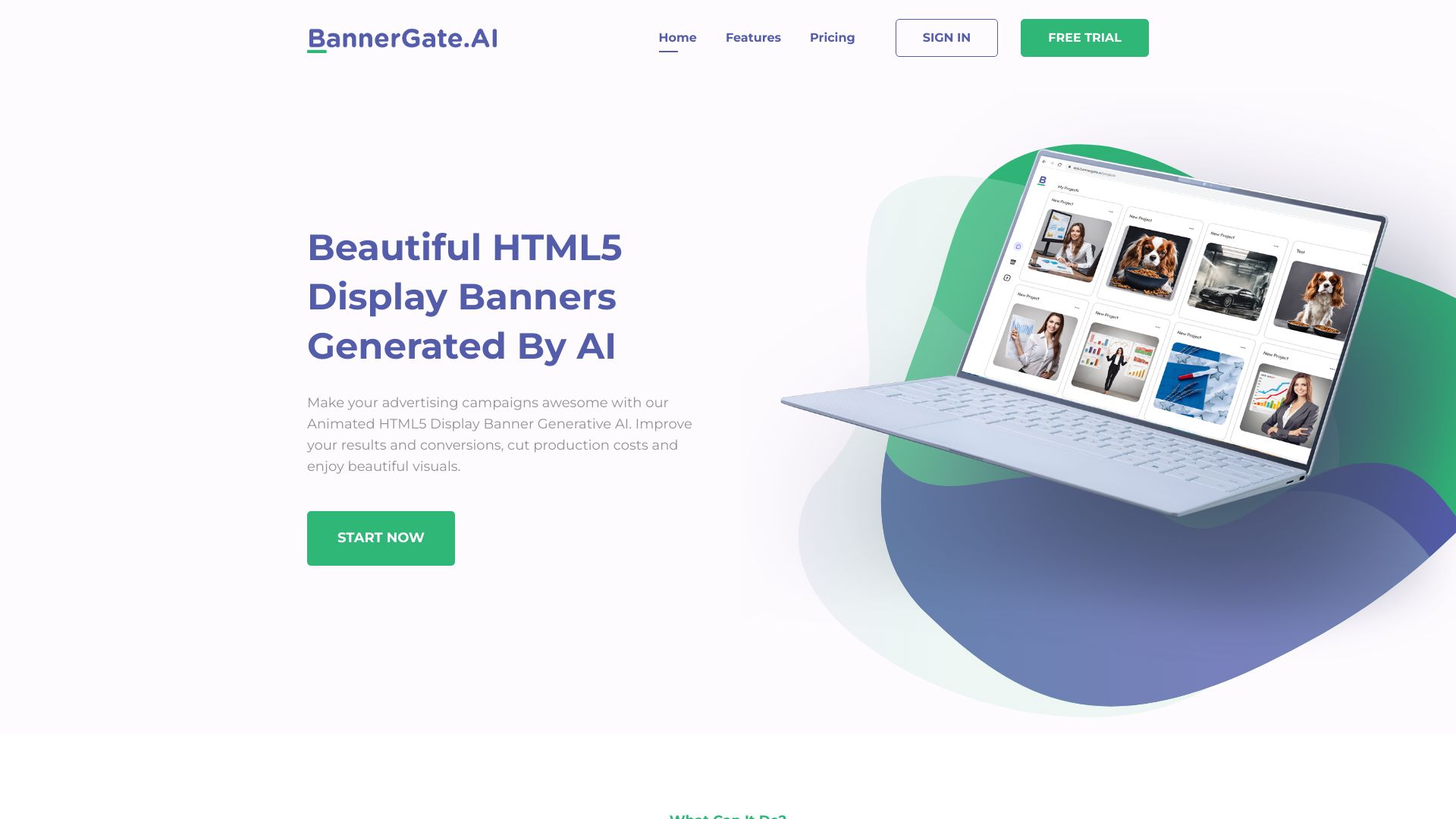
BannerGate.ai
AI-generated HTML5 display banners for businesses
StartupSparkAI
Aspiring entrepreneurs developing startup concepts

AI Collective
Multi-model content creation

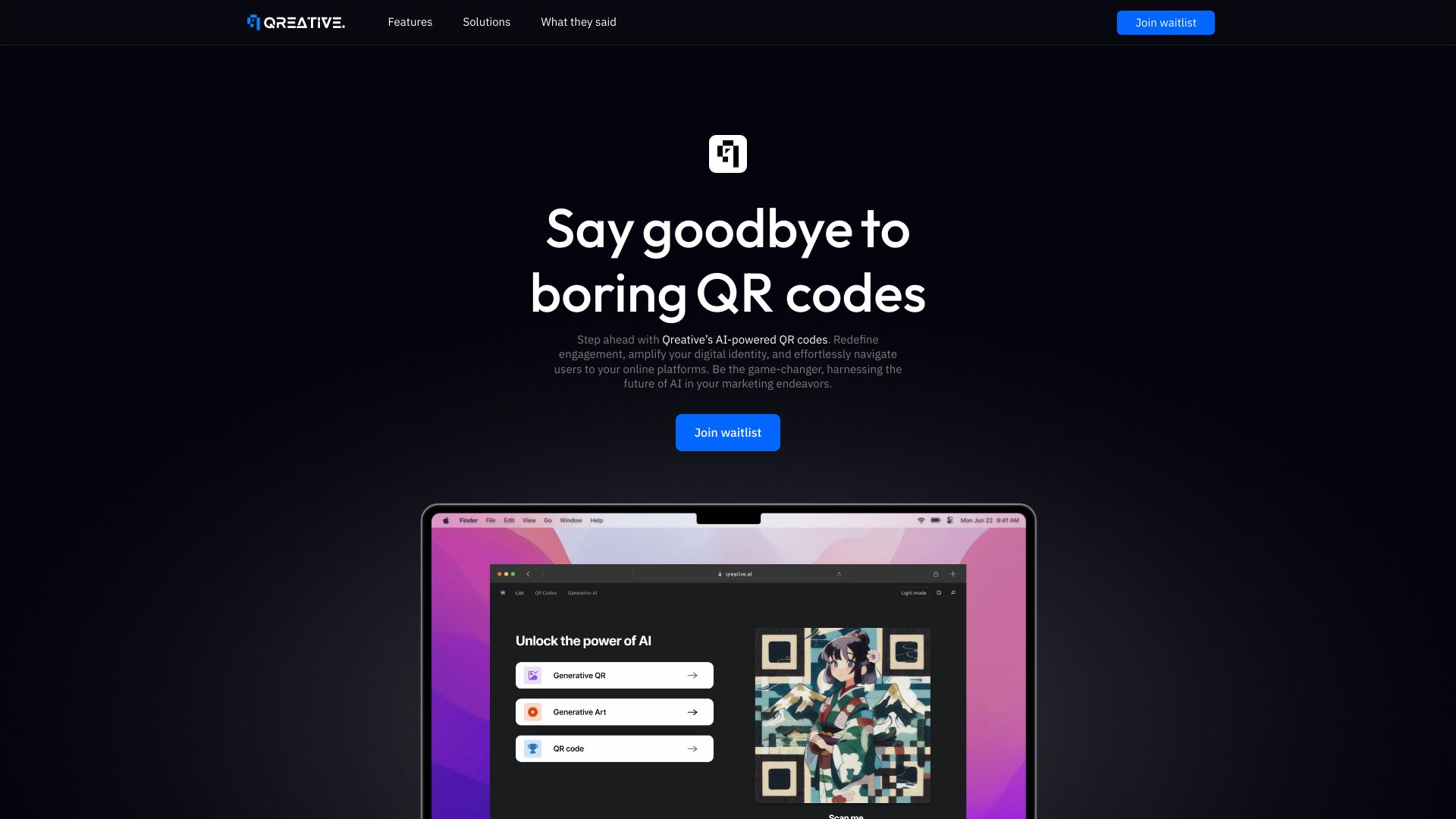
Qreative AI
Artistic QR codes for marketing

iconGeniusAi
Custom AI-generated business and app icons


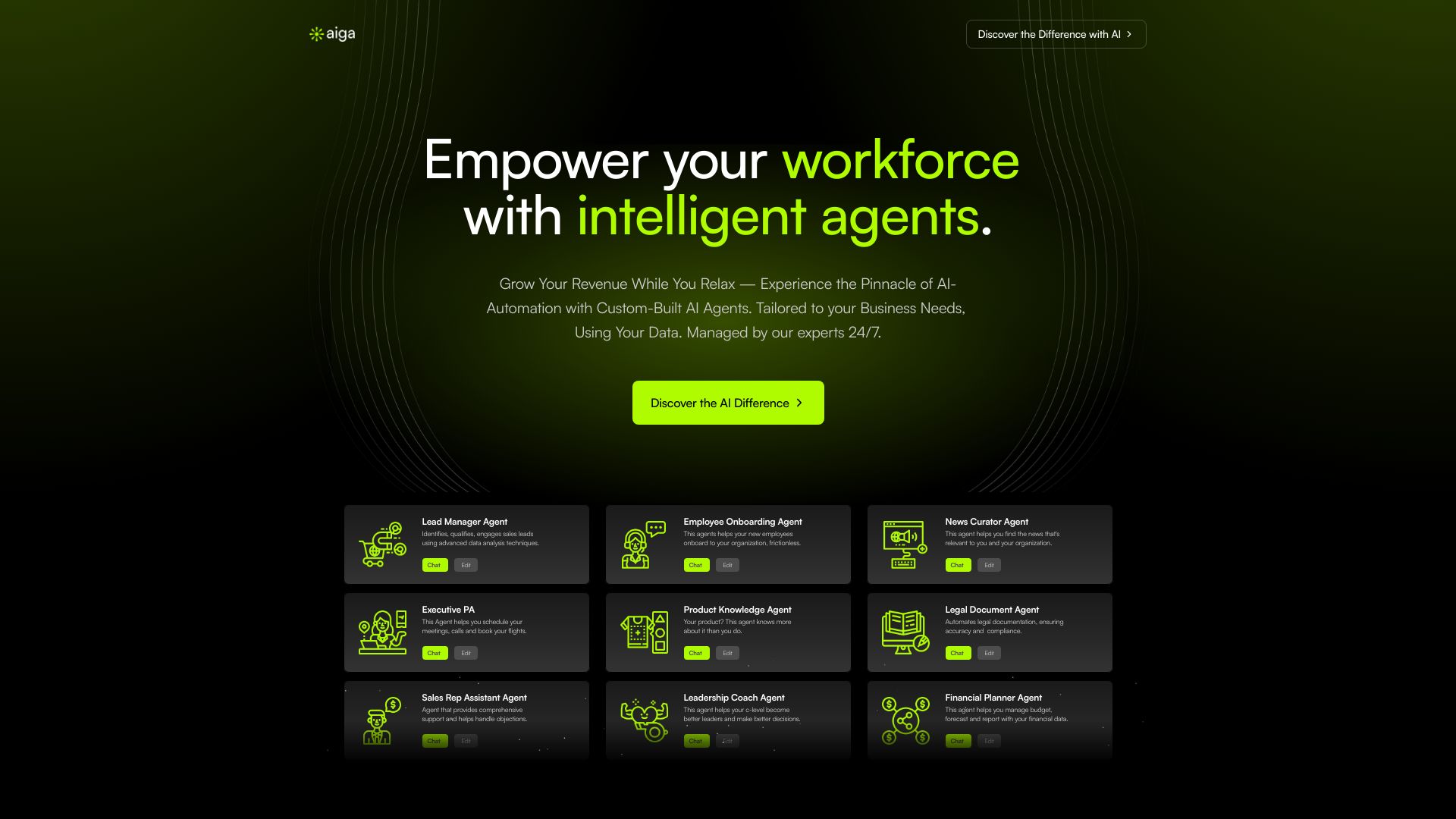
AIGA Agency
Custom AI agents for business automation

CaseGenius
Research-backed business plan generation


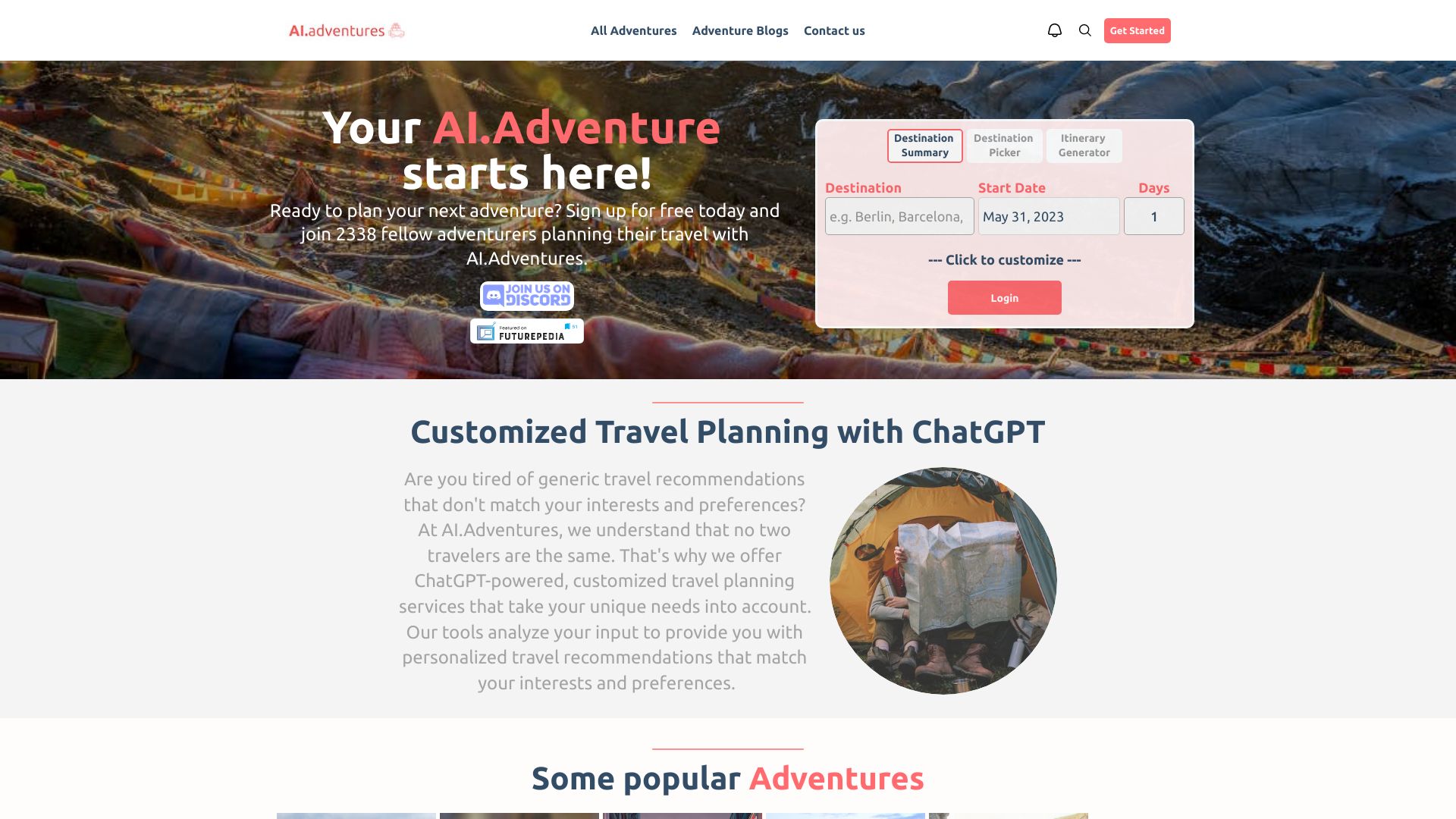
AI Adventures
AI consulting and workflow automation
Which AI generative expand platform should you choose?
The right choice depends on what your business is actually expanding. Use this shortcut before opening a trial:
For image and video experimentation: Start with Krea AI. Its realtime generation and enhancement features are the closest match to a visual expansion workflow.
For developer-built products: Choose Agnes AI when a unified gateway and multimodal APIs matter. UI Bakery is better when the goal is a visual internal app.
For marketing deliverables: AnyGen is the stronger choice for refined documents, slides, and written campaign material. UGC Maker AI is more focused on ads.
For video-heavy content teams: Everygen AI combines video, images, scripts, voiceovers, and captions in one studio.
For UGC advertising: UGC Maker AI offers the clearest brand-oriented workflow and a useful free-credit starting point.
For enterprise programs: SymphonyAI suits industry-specific retail and CPG initiatives, while Allganize is the more relevant option for LLM applications and RAG-enhanced search.
For low-friction art exploration: AI Gallery is the simplest place to start without a sign-up.
For broad discovery: Genbaz makes sense when you want access to many agents and specialized tools rather than one narrow product.
This is also where to find best ai generative expand options without getting distracted by feature checklists: write down the output, audience, volume, approval process, and deployment requirements first. Then compare only platforms that can support that exact path.
My practical recommendation
For most small creative or marketing teams, start with Krea AI because it has the clearest combination of visual relevance, realtime generation, enhancement, and free daily access. Run three real tests: extend a product image, create a campaign variation, and improve a short video asset. That will expose quality and workflow friction faster than browsing template galleries.
If your business needs a programmable foundation, use Agnes AI as the first technical evaluation. If the output needs to become ads, test UGC Maker AI; if it needs to become a full content package, test Everygen AI. Enterprise buyers should skip casual tool hopping and begin with a defined proof of concept for SymphonyAI or Allganize. Ask vendors about usage limits, model access, deployment, commercial rights, and the cost of repeatable production before approving a rollout.
When readers ask who offers best ai photo expansion, my answer is conditional: Krea AI is the strongest first test in this shortlist for a visual workflow, but the "best" provider changes when the real requirement is API access, UGC ads, or a broader content pipeline.
Common mistakes when choosing AI generative expansion tools
Confusing a broad AI catalog with a good workflow: More tools can create more choice friction. Test one repeatable path from input to approved output.
Ignoring the input format: Image expansion, image-to-video, document generation, and app generation are different jobs. Pick based on the asset you start with.
Testing only easy prompts: Use real brand images, campaign copy, internal data, or product requirements during evaluation.
Treating free credits as production capacity: Queues, model restrictions, and daily limits can change the experience substantially.
Skipping the commercial-use question: Confirm rights, especially when using generated assets in paid advertising or client work.
Comparing subscription price alone: API use, model access, implementation effort, and human review can matter more than the entry plan.
What changed in 2026
The strongest tools now spread across several layers rather than competing only as image generators. Realtime visual generation and enhancement remain important, but multimodal gateways, image-to-video workflows, UGC ad production, LLM app builders, and industry-specific AI applications are increasingly part of the same buying conversation. Free access is also becoming more concrete: daily generations, API tiers, credits, and execution allowances give buyers a way to test workflows, even when the free experience includes queues or model limits.
For businesses, the practical shift is from asking "Can this tool make an image?" to asking "Can this tool support the entire path from brief to approved, repeatable output?" That is why this review includes focused creative platforms alongside broader developer and enterprise systems. The best ai generative expand tools are the ones that fit the operating process around the generation itself.
FAQ
Krea AI is the strongest first test for visual work because it combines realtime generation, image enhancement, video enhancement, and free daily generations. For documents or marketing content, AnyGen may be a better fit.