
Finding the best artificial intelligence is less about picking the tool with the loudest launch announcement and more about matching a workflow to the right model, interface, and pricing structure. We compared 71 tools, from general-purpose AI assistants and multi-model platforms to image studios, APIs, phone agents, and AI directories, then ranked the 10 most useful options for buyers starting their search in 2026.
Top picks
| Pick | Tool | Best for | Why it stands out |
|---|---|---|---|
| 1 | OpenAI | Researchers and broad everyday use | ChatGPT combines conversational work with image, voice, search, and video capabilities through Sora. |
| 2 | DeepAI | Artists | A straightforward collection of image-generation and image-editing tools. |
| 3 | Use AI | Researchers comparing models | Puts access to more than 25 LLMs and task-based model selection in one subscription. |
| 4 | Artificial Studio | Content creators | Brings image-to-video, text-to-video, audio, and image creation into one multi-model workspace. |
Quick comparison
| Rank | Tool | Best for | Score | Free access | Starting price |
|---|---|---|---|---|---|
| #1 | OpenAI | Researchers | 93/100 | Limited free access | ChatGPT plans: per user/month |
| #2 | DeepAI | Artists | 92/100 | Image Generator and AI Chat | $4.99/month |
| #3 | Use AI | Researchers | 92/100 | $1 trial | $29.99/month |
| #4 | Artificial Studio | Content creators | 92/100 | Free creation access | Check vendor pricing |
| #5 | AI/ML API | Developers | 92/100 | Access to 200+ models | Check vendor pricing |
| #6 | Ithy | Researchers | 92/100 | 10 free articles | Check vendor pricing |
| #7 | Artificial Ignorance | Engineers | 92/100 | Free explanations and essays | Check vendor pricing |
| #8 | Air.ai | Sales teams | 91/100 | Free access stated | Check vendor pricing |
| #9 | Inteligência Artificial Hoje | AI developers | 91/100 | Free directory and resources | Check vendor pricing |
| #10 | Today AI | Designers | 91/100 | Free access stated | Check vendor pricing |
How we ranked these artificial intelligence tools
We scored each option on practical usefulness, feature depth, audience fit, accessibility, and the strength of the product's central promise. A general assistant needed to cover more than one everyday task; a specialist tool needed to make its target workflow meaningfully easier. We also considered stated free access, starting-price clarity, model breadth, and monthly usage signals. Those signals are useful context, not a substitute for hands-on judgment. The result is intentionally broad: OpenAI ranks first for range, while smaller tools can be a better fit for image work, model comparison, APIs, or sales calls. Before buying, test the exact workflow you care about and confirm current quotas, privacy terms, and pricing.
The best artificial intelligence tools
1. OpenAI

OpenAI
Best all-around AI platform for researchers
OpenAI earns the top spot because it covers the widest range of serious and casual use cases in this group. ChatGPT handles conversational work, while the broader product family reaches into image generation, voice interaction, real-time data and search, and video generation through Sora. That breadth matters when you do not want to stitch together a separate assistant for every task.
The trade-off is that OpenAI is really an ecosystem rather than one narrowly focused application. Researchers can explore advanced models and conversational workflows, but teams building on the API or needing full ChatGPT access should expect paid plans. The free experience is useful for trying the product, not for treating every capability as unlimited.
My take: This is the safest first stop for buyers who want one recognizable platform that can grow with their needs. I would start here unless the job is specifically image creation, multi-model comparison, or developer API routing.
Where it falls short: Full access to ChatGPT and API features requires paid plans, and the range of products can make plan selection less obvious than the simple chat interface suggests.
Key features
ChatGPT provides conversational AI for a broad set of tasks.
Sora supports AI video generation.
Image generation and voice mode extend the workflow beyond text.
Real-time data and search support current-information tasks.
Pros
Cutting-edge AI models and research.
Broad coverage across research, writing, images, voice, and video.
Large monthly usage signal suggests a mature, widely tested product.
Cons
Paid plans are required for full ChatGPT and API access.
The broad product surface can make the best plan or model harder to choose.
Choose OpenAI if: You want the strongest general-purpose starting point and expect your use to span research, writing, conversation, and multimedia.
2. DeepAI

DeepAI
Best for artists creating and editing images
DeepAI takes a more focused route than OpenAI. Its strongest case is the collection of AI image generation and image-editing tools, with AI Chat available alongside the visual features. That makes it easy to move from an idea in text to an image experiment without searching through a large, general-purpose product suite.
Artists and visual hobbyists will appreciate the directness. You can evaluate the image workflow quickly, and the $4.99 monthly starting point is easier to understand than a sales-led creative platform. The main limitation is usage: the free tier is limited, so frequent experimentation can move you toward a paid plan sooner than expected.
My take: DeepAI is one of the better low-friction choices when images are the reason you are shopping. It is not the broadest artificial intelligence platform here, but that narrower scope is exactly what makes it approachable.
Where it falls short: The free tier has limited usage, so it is best treated as a trial path rather than a dependable high-volume production allowance.
Key features
AI image generation for creating visuals from prompts.
AI image editing for revising existing visual work.
AI Chat for text-based exploration and assistance.
Pros
Variety of AI tools in one accessible service.
Clear fit for artists and image-focused experiments.
DeepAI PRO starts at $4.99 per month.
Cons
Limited usage in the free tier.
Less suitable if your priority is video, API development, or complex research workflows.
Choose DeepAI if: You want an inexpensive, image-first tool for generating and editing visuals without committing to a large creative suite.
3. Use AI

Use AI
Best for researchers comparing multiple LLMs
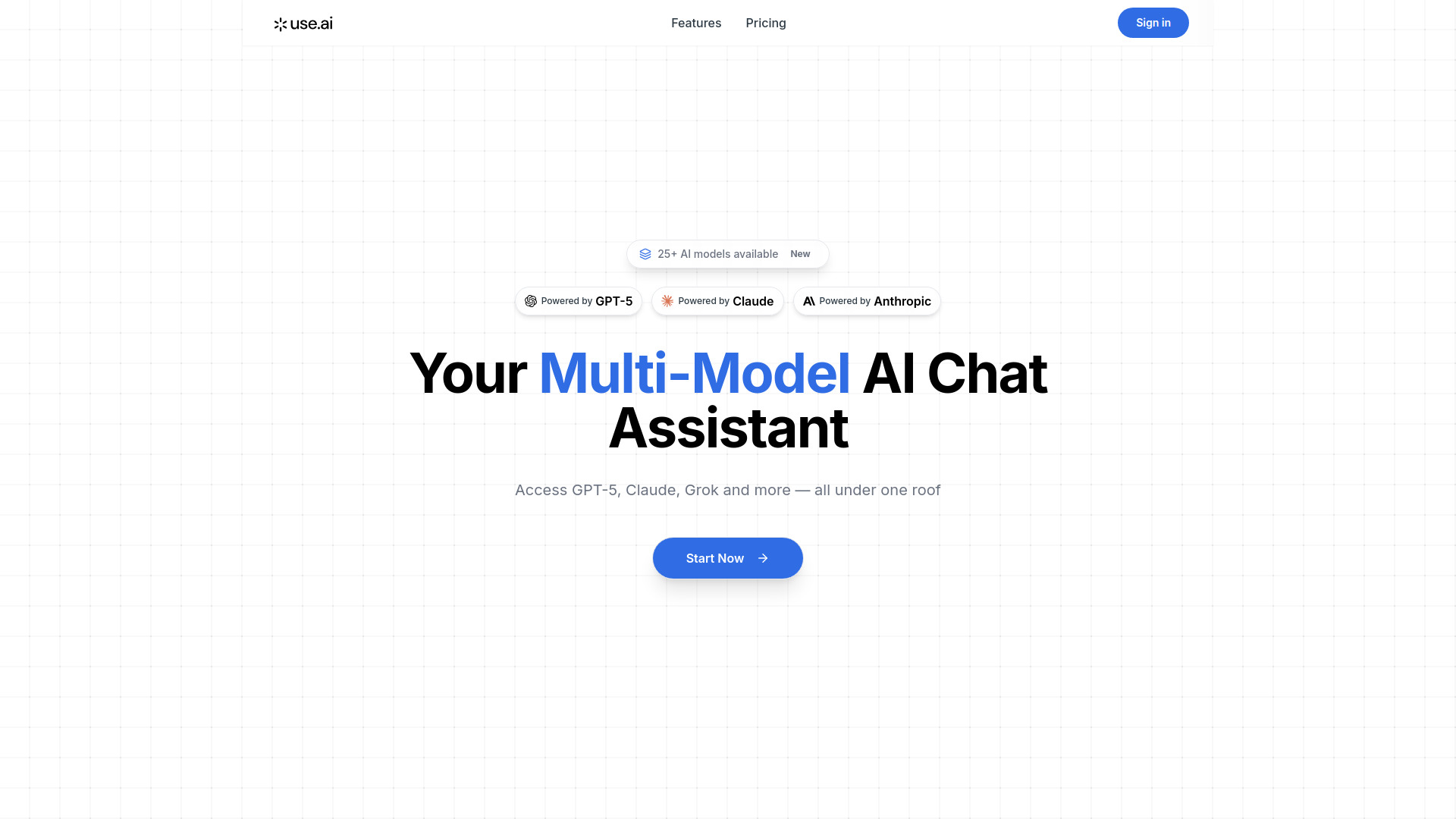
Use AI is built around a simple proposition: give people access to more than 25 LLM models from one assistant. Instead of opening separate accounts and interfaces, users can select a model based on the task, including research, coding, writing, and image generation. For anyone who regularly compares model behavior, that centralization is the product's main advantage.
This approach is especially useful for researchers and power users who already know that different models behave differently. It also reduces the friction of trying a new model. The catch is cost. The primary service model is a paid subscription, with a $1 trial and a listed starting price of $29.99 per month, so casual users may not get enough value from the breadth.
My take: I like the model-selection angle because it turns comparison into a normal part of the workflow instead of a separate research project. It is a stronger fit for curious professionals than for someone who only needs one occasional chatbot answer.
Where it falls short: The subscription-first structure makes it harder to recommend as a free starting point, even though the model library is unusually broad.
Key features
Access to more than 25 LLM models under one subscription.
Model selection by task, including research, coding, writing, and image generation.
A unified multi-model AI chat assistant.
Pros
Vast model library in one place.
Makes side-by-side model exploration more practical.
Useful across research, coding, writing, and visual tasks.
Cons
The main service is a paid subscription.
Model breadth can add decision overhead for new users.
Choose Use AI if: You regularly switch between AI models and would rather pay for one multi-model workspace than manage several separate services.
4. Artificial Studio

Artificial Studio
Best for content creators making multimedia

Artificial Studio is the unexpected alternative for creators who want more than an image generator. Its workspace covers audio, image, and video creation and provides access to more than 40 AI models. The two clearest workflows are image-to-video and text-to-video, which give content teams a direct bridge from a concept or still image to moving content.
That multi-model approach is valuable when a creator wants to experiment rather than lock into one generation style. It can also reduce the need to maintain several specialist accounts. However, the quality of the final output depends on both the selected AI model and the input data. A broad toolbox does not remove the need for good prompts, source material, or model judgment.
My take: This is a compelling option for social creators and small production teams that need a visual sandbox. I would test the exact model and export workflow before making it the center of a paid production process.
Where it falls short: Results can vary substantially with the chosen model and the quality of the input, and pricing is hidden behind a less clear public presentation.
Key features
Image-to-video generation.
Text-to-video generation.
AI creation for audio, images, and video.
Access to more than 40 AI models.
Pros
Wide variety of models for different creative tasks.
Covers multiple media types in one platform.
Strong fit for experimentation and fast content iteration.
Cons
Output quality depends on the selected model and input data.
Starting price is not clearly disclosed.
Choose Artificial Studio if: You create multimedia content and want one broad studio for testing image, video, and audio models.
5. AI/ML API

AI/ML API
Best for developers integrating many AI models
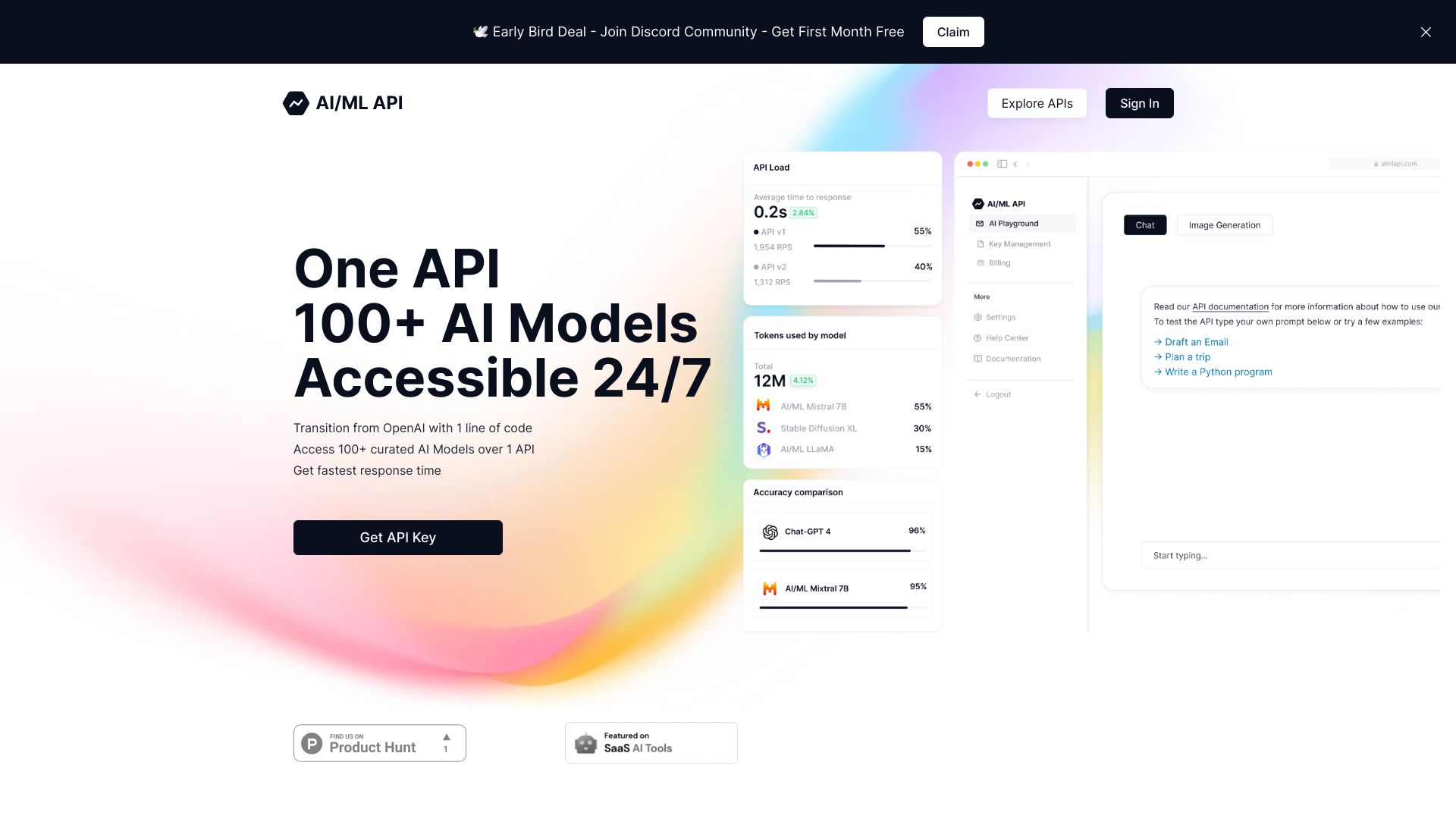
AI/ML API is aimed at a very different buyer from DeepAI or ChatGPT. Its central feature is access to more than 200 AI models through a single API, with low latency and high scalability positioned as part of the developer experience. That makes it interesting for teams that want model choice without rebuilding an integration for every provider.
The stated cost advantage is also notable: the service positions itself as offering GPT-4-level performance at 80% lower costs than OpenAI. That is a useful reason to investigate, though developers should validate actual performance, latency, and billing against their own workload rather than accepting a broad comparison at face value.
My take: This is the most technically focused pick in the list and a smart place to look when API consolidation matters. It is not the right first tool for a nontechnical buyer who simply wants to chat with an assistant.
Where it falls short: Pricing is not presented clearly enough for a simple buying decision, and the terms of service and privacy policy may change, so engineering and legal review still matter.
Key features
Access to more than 200 AI models through one API.
Low-latency model access.
High scalability for application workloads.
GPT-4-level performance positioned at lower cost than OpenAI.
Pros
Very broad model selection for developers.
Can simplify multi-provider integration work.
Cost-effective positioning for teams managing API spend.
Cons
Public pricing is not clearly disclosed.
Terms of service and privacy policy are subject to change.
Requires technical work to turn API access into a finished workflow.
Choose AI/ML API if: You are building an application and want one API layer for experimenting with and deploying many AI models.
6. Ithy

Ithy
Best for researchers needing synthesized answers
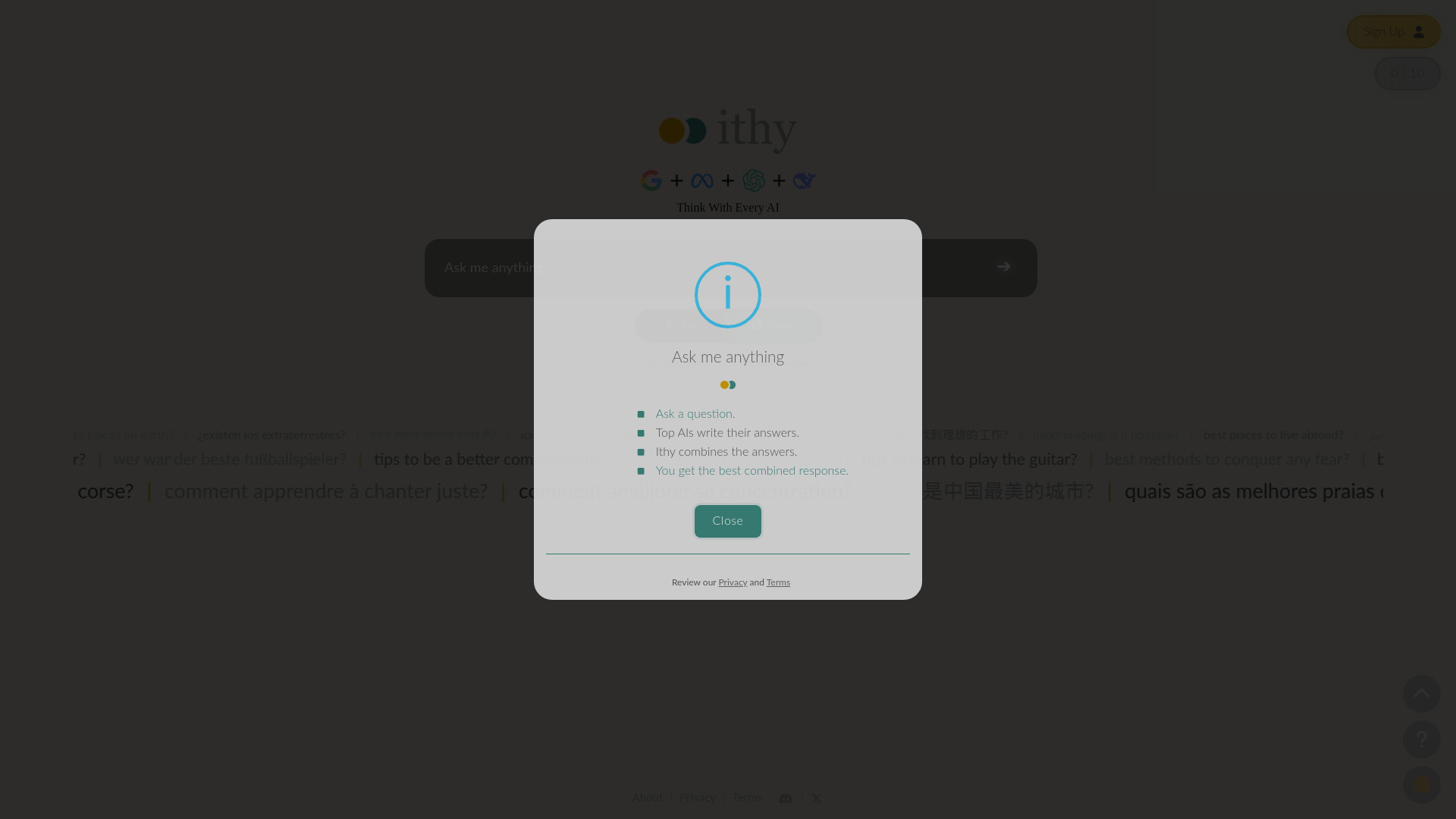
Ithy approaches research by combining multiple AI sources rather than presenting one model as the answer to everything. Its AI Combination feature is designed to produce more comprehensive responses, while the article-quality output aims to turn a rough question into a structured piece of writing. That is a useful distinction for readers who want synthesis, not just a quick paragraph.
The product makes the most sense for complex questions, early research, and drafts that need organization. Ten free articles provide a practical way to test the quality before paying. Still, the service may require a sign-in for all features, and the public pricing path is not as transparent as a simple self-serve plan.
My take: Ithy is a thoughtful choice when the value is in combining perspectives and shaping an answer into an article. I would still verify important claims independently; synthesis can improve structure without guaranteeing accuracy.
Where it falls short: Access friction and unclear pricing make the long-term buying decision less immediate, and an AI-combined answer still needs human fact-checking.
Key features
Combines multiple AI systems for more comprehensive answers.
Produces article-quality, well-structured responses.
Offers 10 free articles for initial evaluation.
Pros
Useful for complex questions and research drafts.
Combines multiple AI sources rather than relying on one response.
Strong focus on readable, organized output.
Cons
Some features may require a sign-in.
Pricing details are not clearly disclosed.
Research output still requires independent verification.
Choose Ithy if: You need structured, article-quality research responses and want several AI sources contributing to the result.
7. Artificial Ignorance

Artificial Ignorance
Best for engineers learning AI concepts
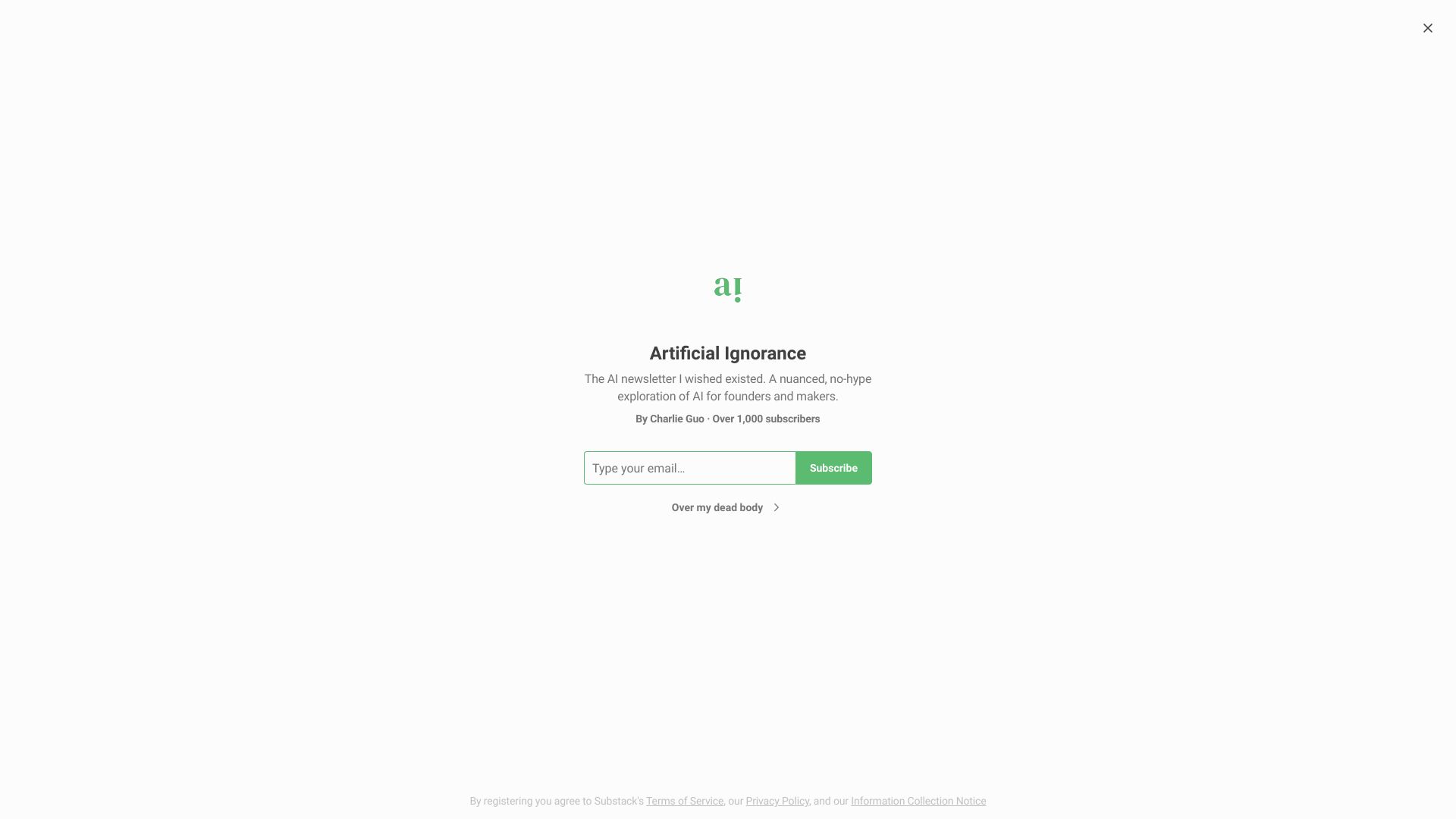
Artificial Ignorance is not an AI generator in the usual sense. It is a Substack publication focused on simple, practical explanations of AI concepts, essays, and analysis of AI topics. That makes it a useful adjacent resource for engineers and technical readers who want to understand what a system does before choosing a product or implementing it.
Its value is clarity rather than a long feature list. The writing is primarily text-based, so it will not replace a coding assistant, image tool, or production API. But buyers often make poor tool decisions because they skip the underlying concepts. A concise explanation can be more useful than another dashboard full of model buttons.
My take: I would keep this resource nearby when evaluating the artificial intelligence best suited to a technical project. It is a learning and analysis destination, not a hands-on automation platform, and that narrower role is perfectly worthwhile.
Where it falls short: The content is primarily text-based, so users looking for direct generation, integrations, or an interactive assistant will need another tool.
Key features
Simple explanations of AI concepts.
Essays and analysis focused on AI topics.
Clear, practical coverage of AI trends.
Pros
Makes complex topics easier to understand.
Useful context for engineers and technical buyers.
Takes a clearer, less hype-driven educational approach.
Cons
Primarily a text publication rather than an interactive tool.
Pricing details are not clearly disclosed.
Does not directly perform creative or development tasks.
Choose Artificial Ignorance if: You want practical AI education and analysis before committing to a model, platform, or implementation strategy.
8. Air.ai

Air.ai
Best for sales teams automating phone calls
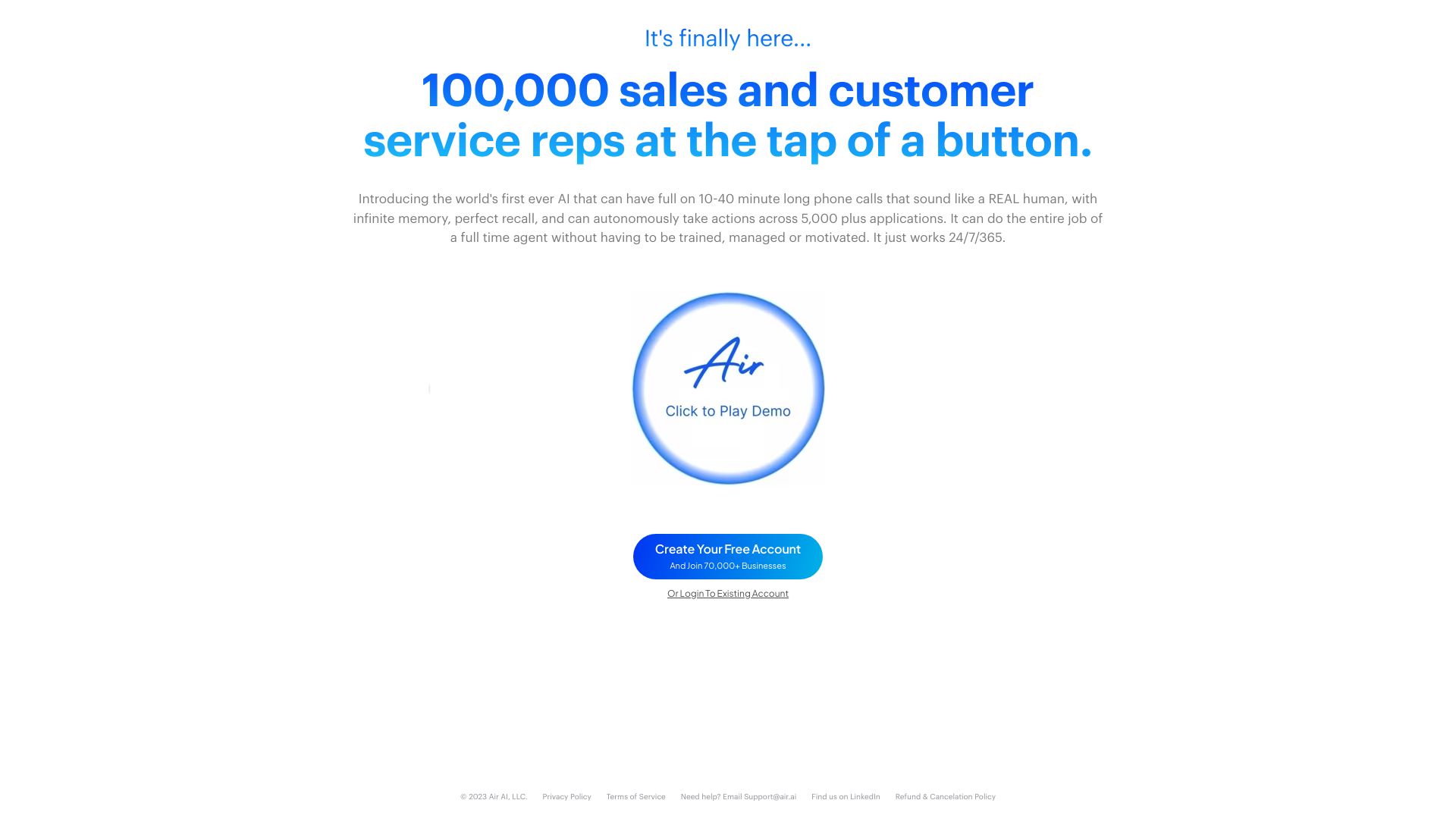
Air.ai takes artificial intelligence out of the chat window and into the phone. Its headline capability is AI-powered calling designed to sound like a real human, with calls lasting 10 to 40 minutes. The platform also describes infinite memory and perfect recall, plus autonomous actions, making it a specialized option for sales teams that want to reduce the volume of repetitive human-agent work.
That specialization is both the attraction and the reason to evaluate carefully. A phone agent needs to handle misunderstandings, context shifts, and the consequences of saying the wrong thing in a live conversation. Air.ai can reduce the need for human agents, but its own limitation is important: AI errors or misunderstandings remain possible.
My take: This is the most interesting choice for a sales operation testing conversational automation, not for a general buyer comparing chat assistants. Start with a narrow, supervised call workflow before handing over sensitive customer interactions.
Where it falls short: Pricing is not clearly disclosed, and mistakes in a live call can be more damaging than an imperfect text response.
Key features
AI-powered phone calls designed to sound human.
Calls lasting 10 to 40 minutes.
Infinite memory and stated perfect recall.
Autonomous actions intended to reduce human-agent workload.
Pros
Directly targets repetitive sales-call work.
Can reduce the need for human agents in suitable workflows.
More specialized for phone conversations than general chat tools.
Cons
AI limitations can create errors or misunderstandings.
Pricing details are not clearly disclosed.
Requires careful supervision for customer-facing calls.
Choose Air.ai if: You lead a sales team and want to test human-like AI phone calls in a controlled, repeatable workflow.
9. Inteligência Artificial Hoje

Inteligência Artificial Hoje
Best for AI developers in Portugal
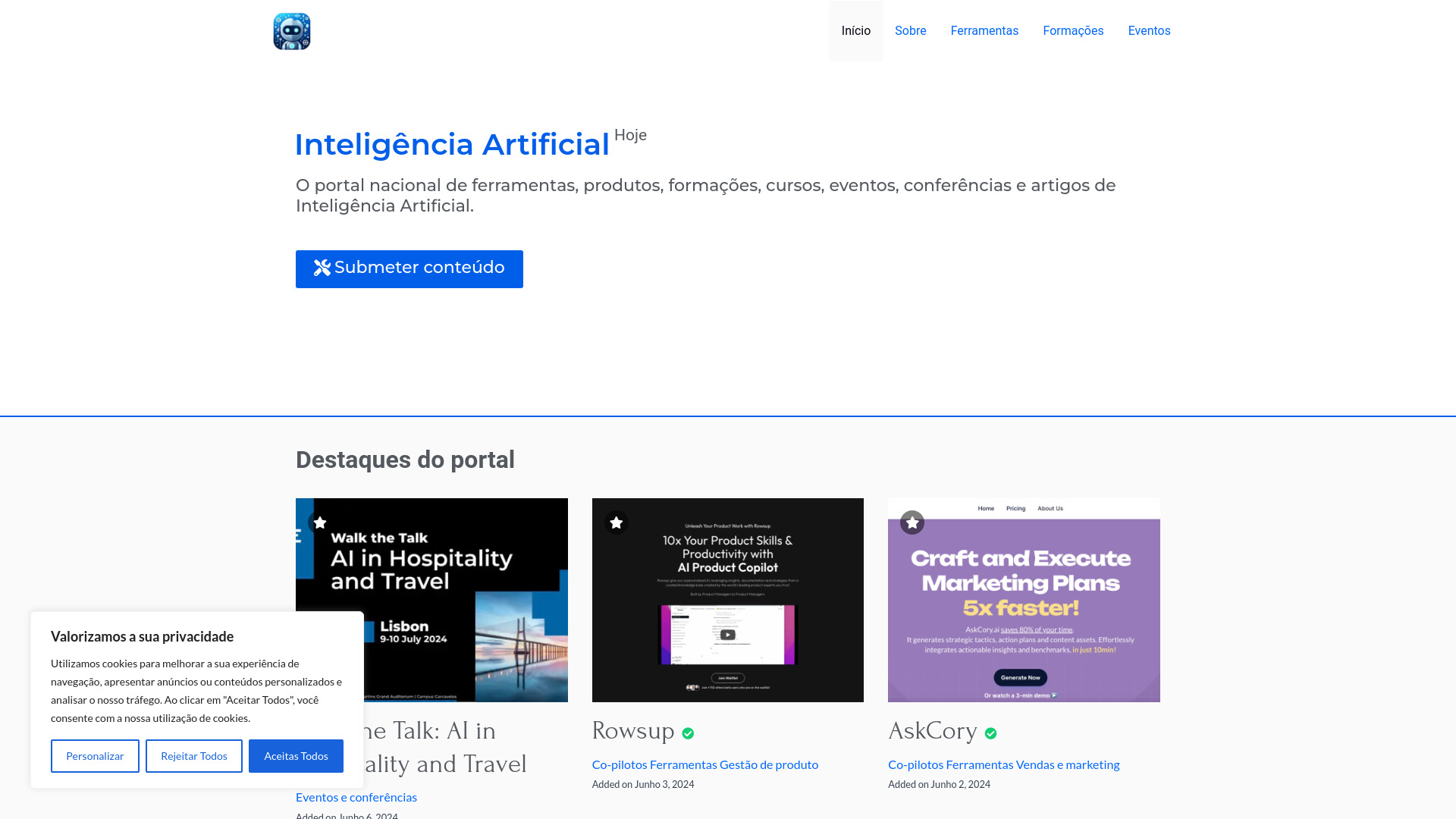
Inteligência Artificial Hoje is a regional AI hub rather than a single model or assistant. It brings together an AI tools directory, training programs and courses, events, and news, with a focus on Portugal's AI ecosystem. For developers and professionals who want local context, that combination can be more useful than a generic global list.
The directory format makes discovery the primary workflow. You can use it to find tools, then look for learning or event opportunities around the same subject. The main constraint is language: content is primarily in Portuguese, which narrows its usefulness for readers who need English-first research.
My take: This is a good example of why the best artificial intelligence resource is not always an app that generates content. Regional discovery, training, and community context can materially improve how a developer chooses and adopts tools.
Where it falls short: The Portuguese-first experience limits accessibility for many international readers, and it is not a direct replacement for an AI assistant or API.
Key features
Directory of AI tools.
Listings for AI training programs and courses.
AI events and news.
Focus on promoting local AI innovation in Portugal.
Pros
Comprehensive regional resource for AI in Portugal.
Connects tools with learning and community opportunities.
Useful for developers seeking local ecosystem context.
Cons
Content is primarily in Portuguese.
Pricing details are not clearly disclosed.
Does not itself provide a general-purpose generation workflow.
Choose Inteligência Artificial Hoje if: You are an AI developer or learner who wants Portuguese-language tools, training, events, and news in one place.
10. Today AI

Today AI
Best for designers wanting proactive personal help
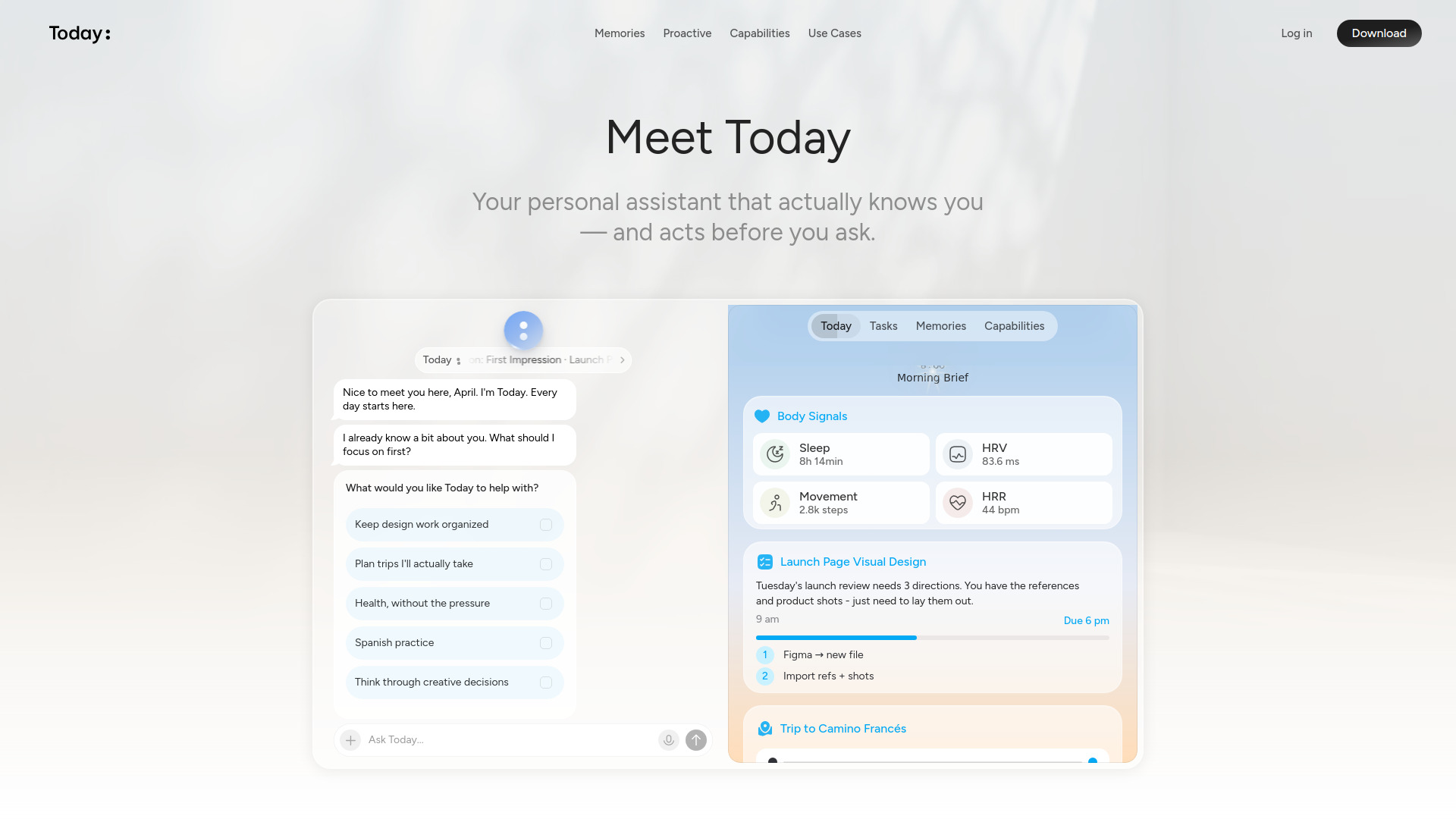
Today AI stands apart by emphasizing proactive assistance instead of waiting for a prompt. Its living memory is designed to retain personal preferences, goals, people, routines, and ongoing projects. That points toward an assistant that can help manage everyday context rather than simply answer isolated questions.
For designers and other people juggling several projects, the promise is continuity. An assistant that remembers goals and routines could reduce the repeated setup that makes many chat tools feel transactional. The important caveat is that pricing and subscription plans are not disclosed clearly, so buyers cannot yet compare its long-term value as easily as they can compare a known monthly plan.
My take: Today AI has one of the more differentiated product ideas in this group. I would try it if proactive help and persistent context matter more than access to a large model catalog, but I would confirm privacy expectations and current plan details before relying on it for personal information.
Where it falls short: The available plan and pricing picture is unclear, and a memory-driven assistant needs careful consideration of what personal context it stores and uses.
Key features
Proactive assistance that anticipates useful next steps.
Living memory for preferences, goals, people, routines, and projects.
Personal assistance designed to manage everyday context.
Pros
Goes beyond prompt-and-response interaction.
Persistent context can reduce repetitive explanations.
Distinctive fit for personal organization and ongoing work.
Cons
Pricing and subscription plans are not disclosed clearly.
Memory-based assistance requires careful privacy review.
The product is less suited to buyers seeking a large public model catalog.
Choose Today AI if: You want an assistant that remembers your ongoing context and helps proactively, rather than another blank chat box.
More tools to compare

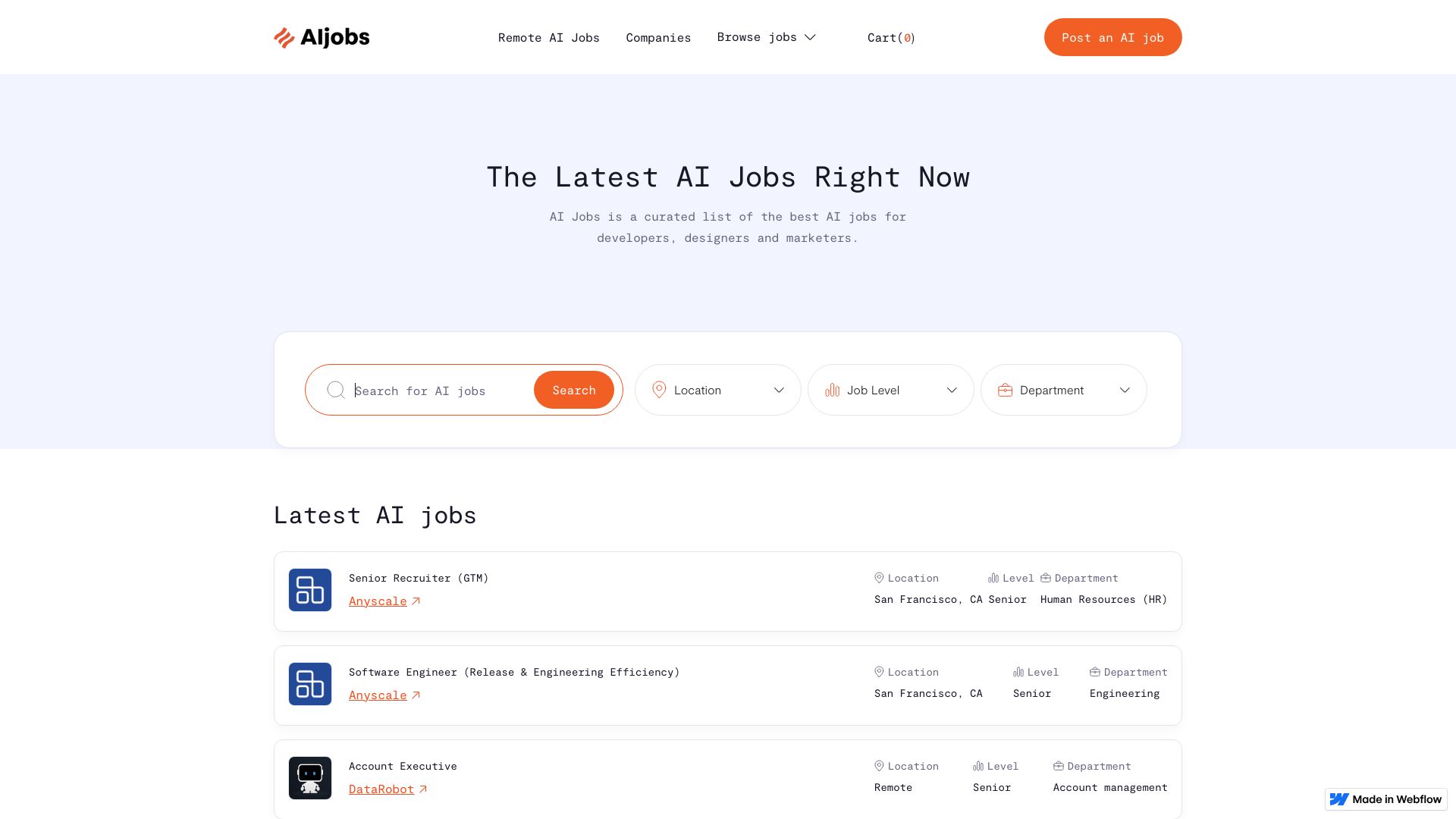
AIJobs.ai
AI, ML and data science job seekers

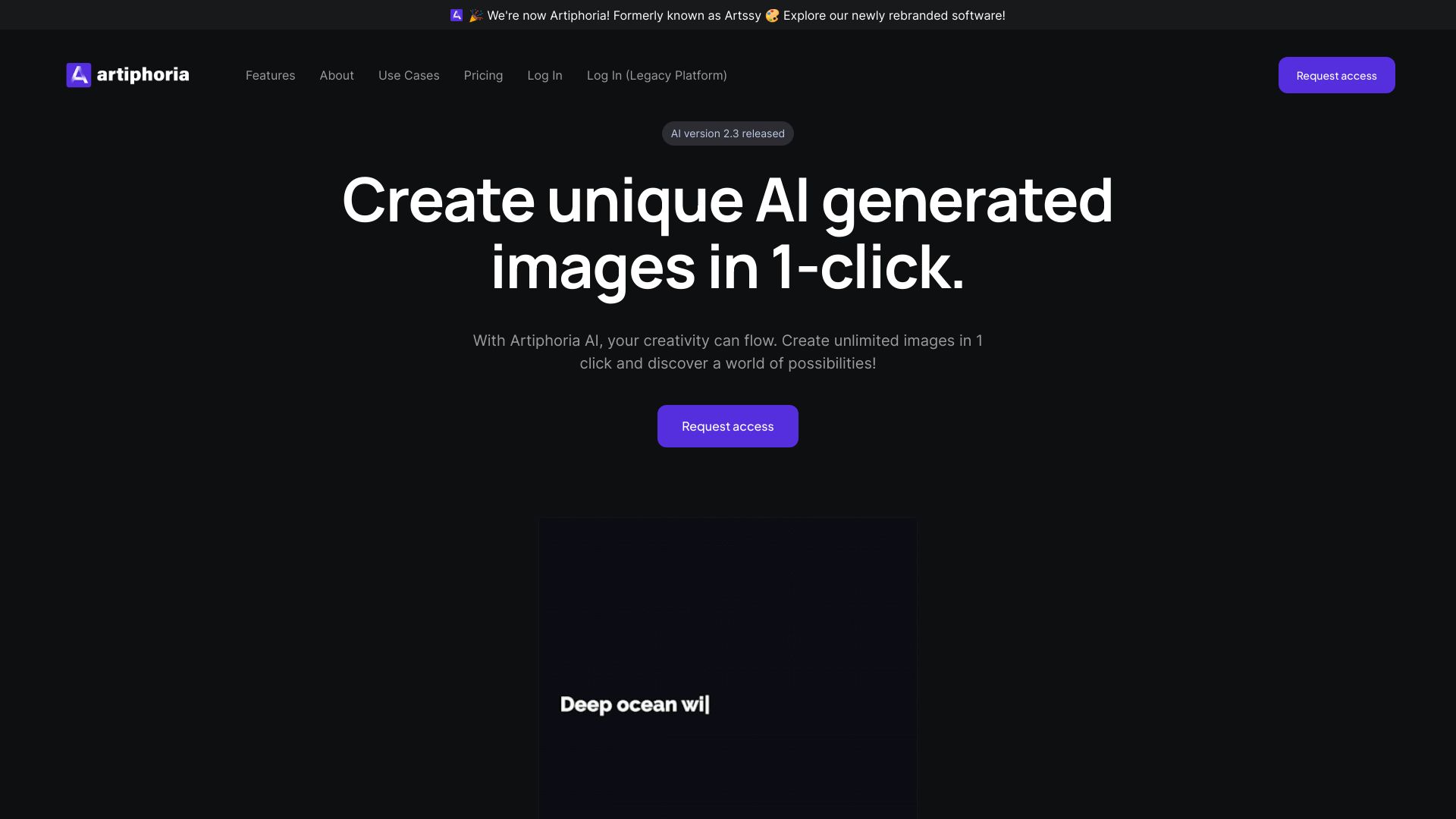
Artiphoria AI
One-click AI art generation

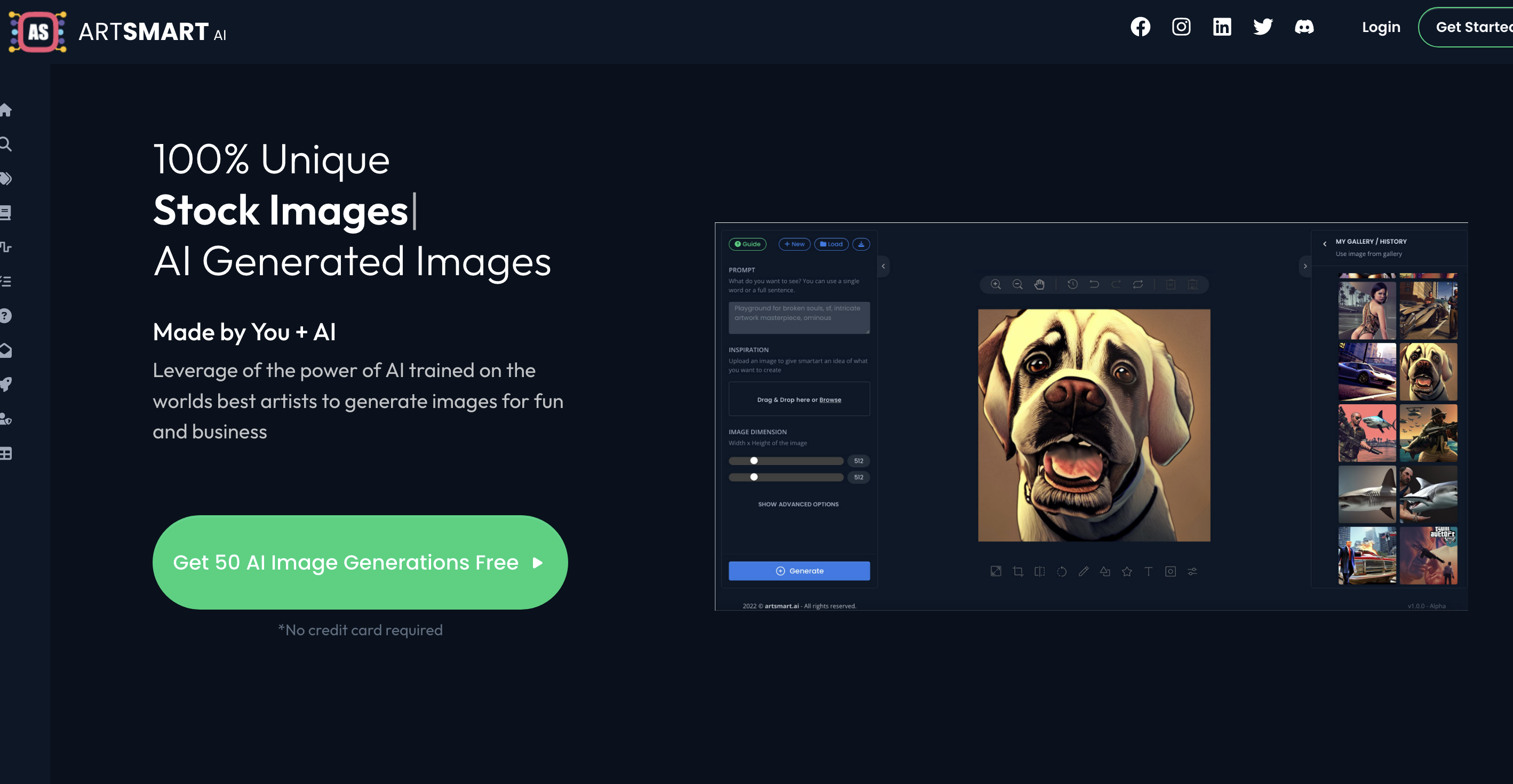
ARTSMART AI
Beginner-friendly AI image creation

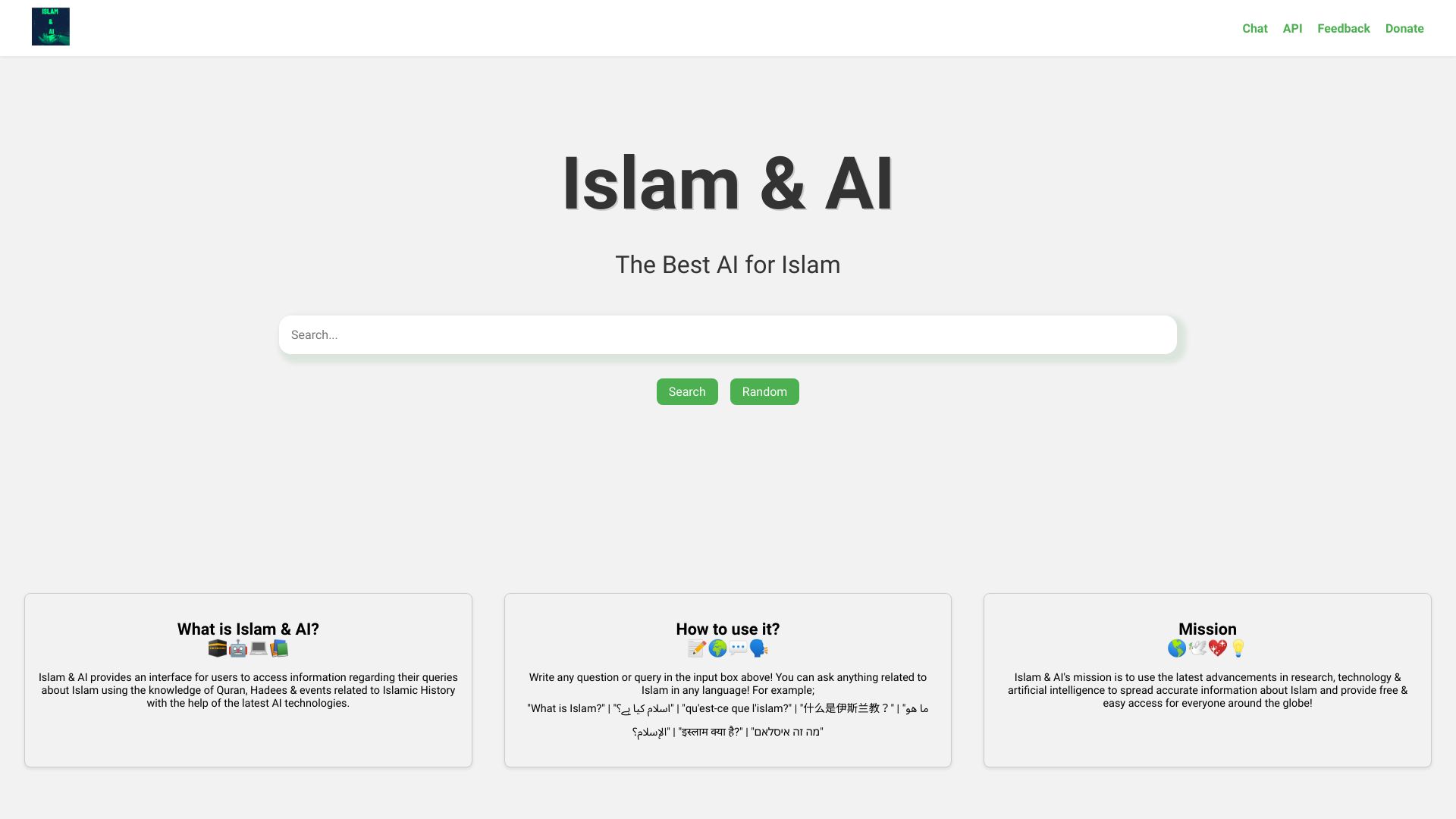
Islam & AI
Islamic education and Quran research

ERP.AI
Enterprise AI workflow automation


TherapyWithAI
Everyday emotional support


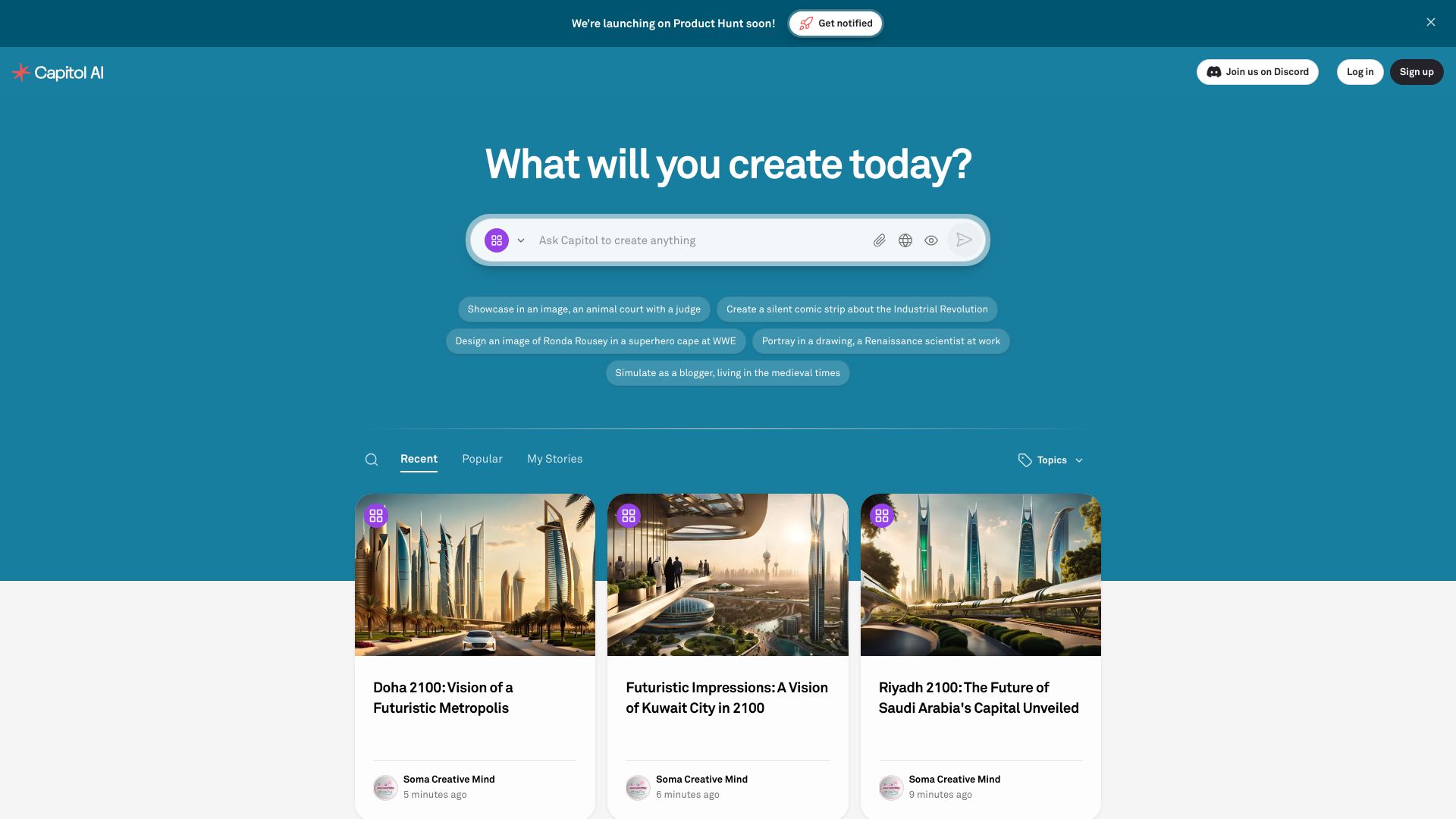
Capitol AI
AI-powered document creation

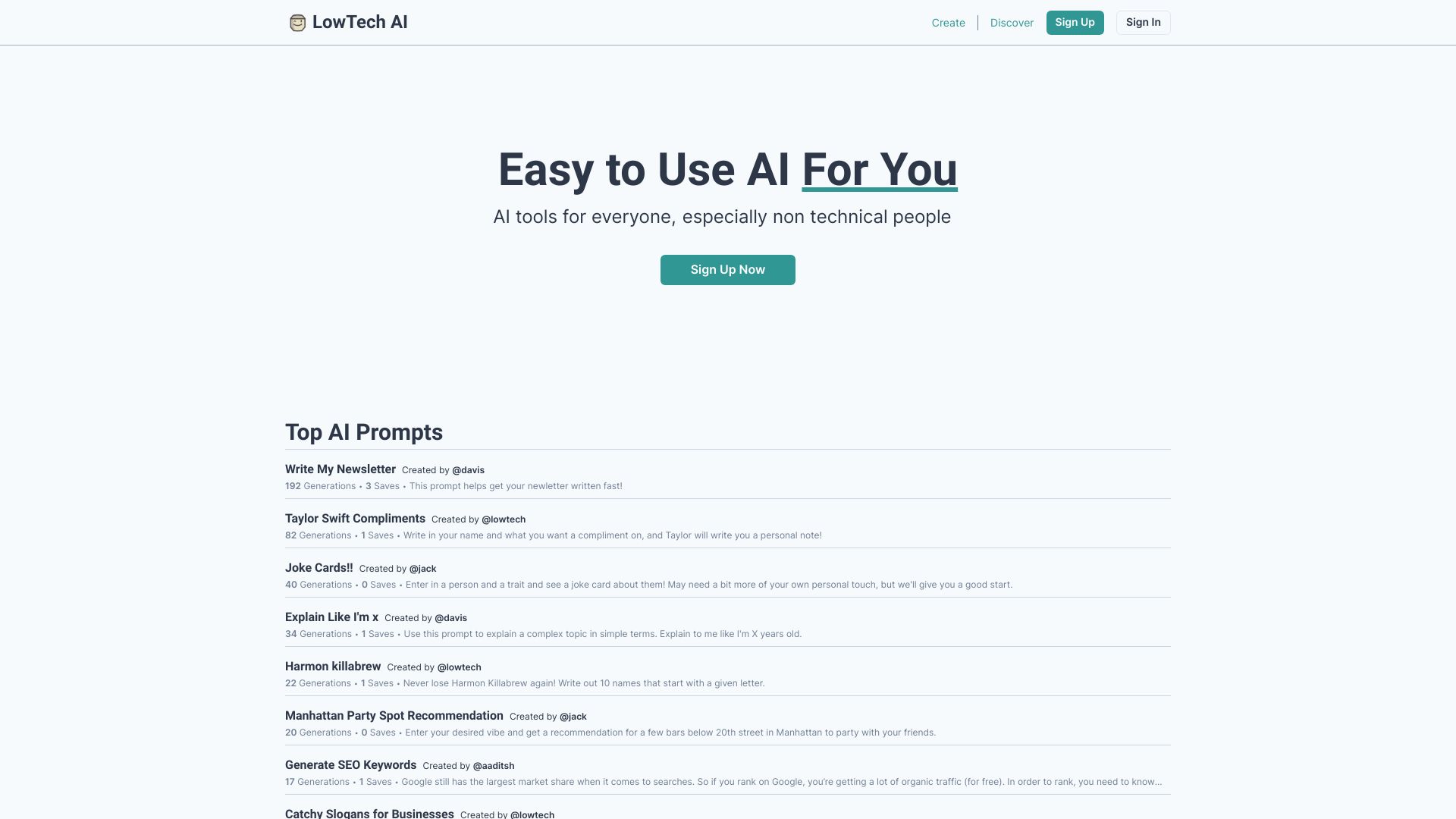
LowTech AI
Simple AI tools for everyday work

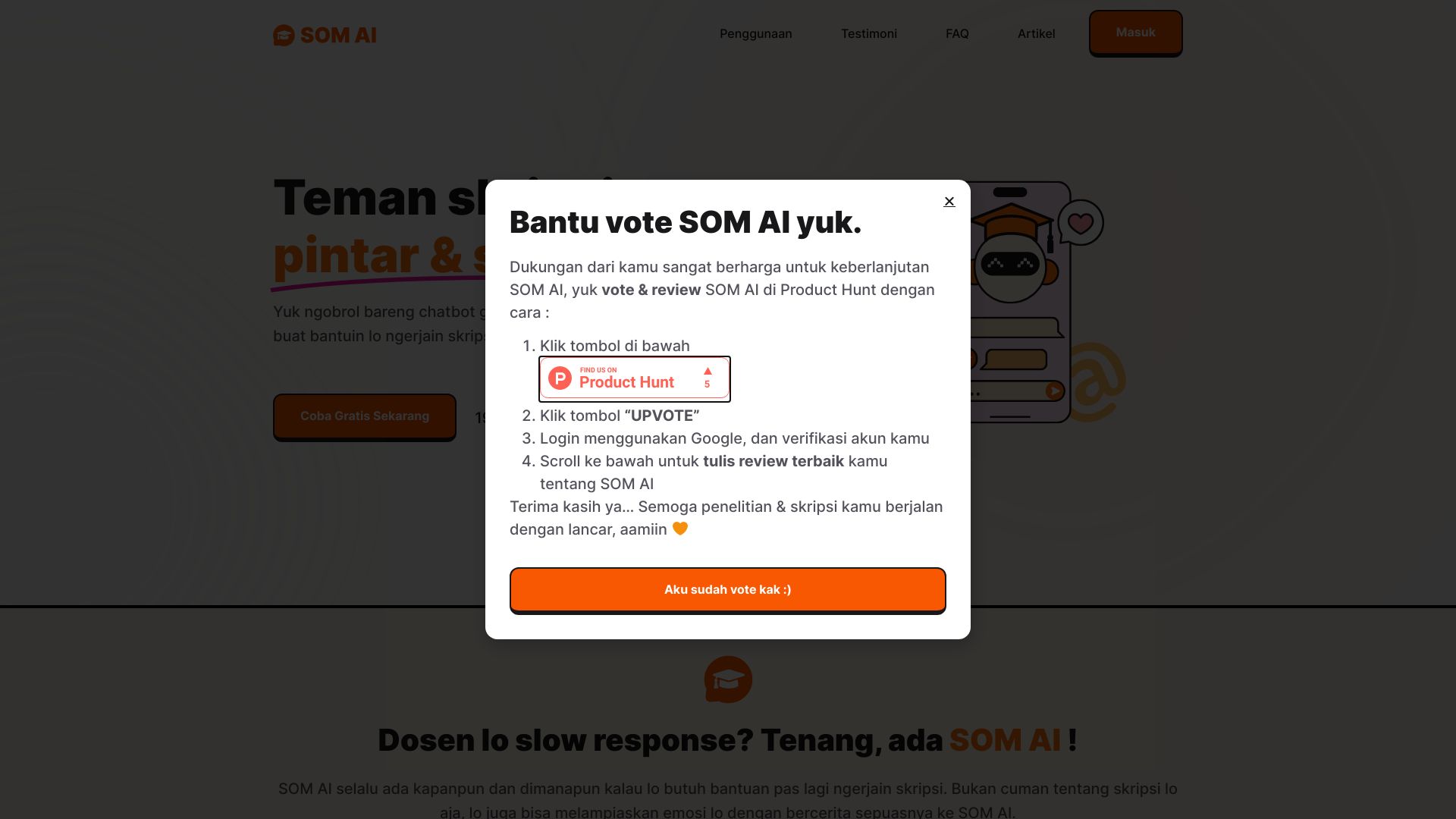
SOM AI
Students writing theses and research
Intelligencia AI
AI-powered drug development risk assessment


ICAI
AI research and ecosystem collaboration

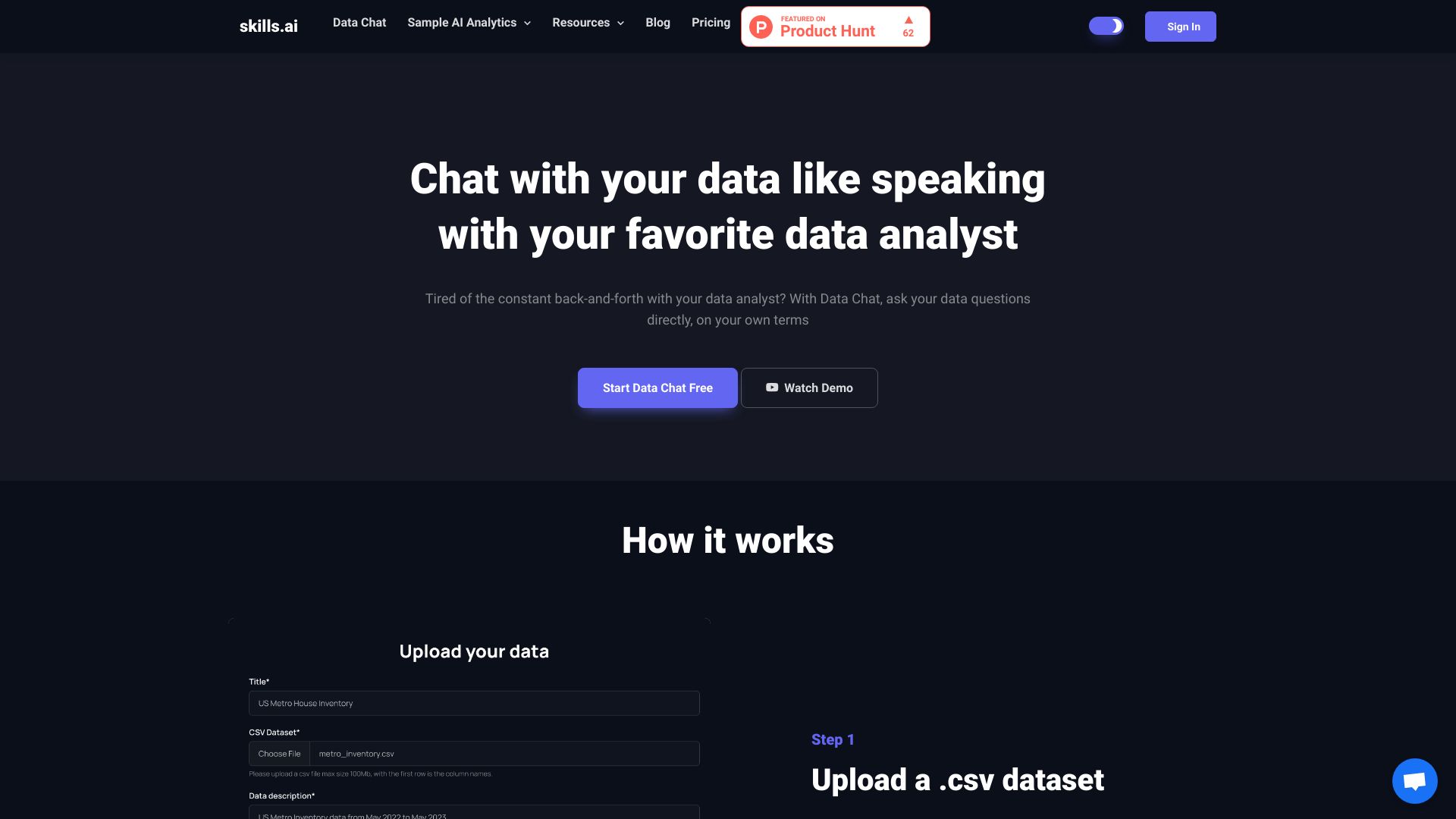
skills.ai
No-code data analysis for business teams

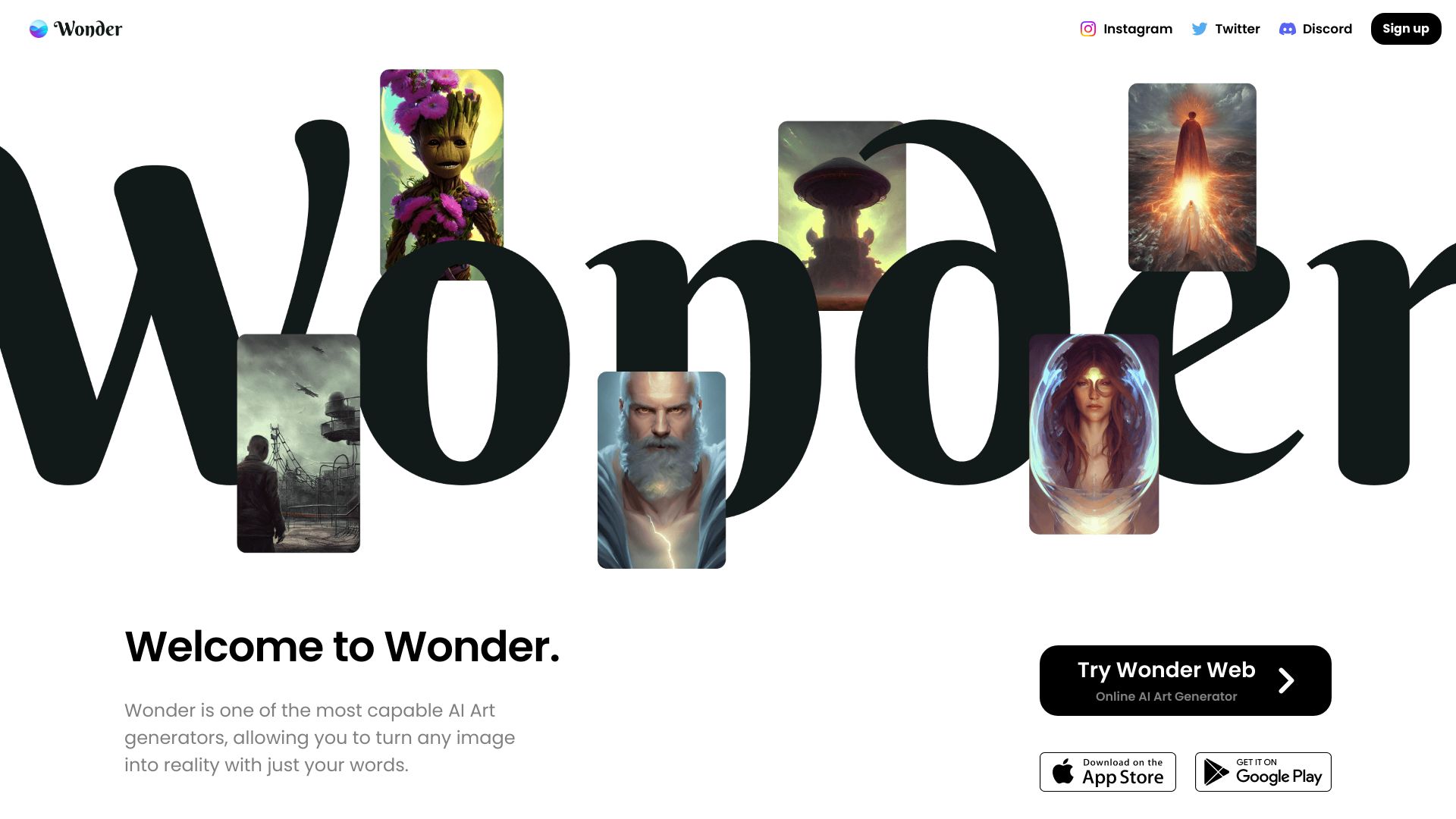
Wonder AI
Prompt-based digital artwork

Sand.ai
AI video generation and extension

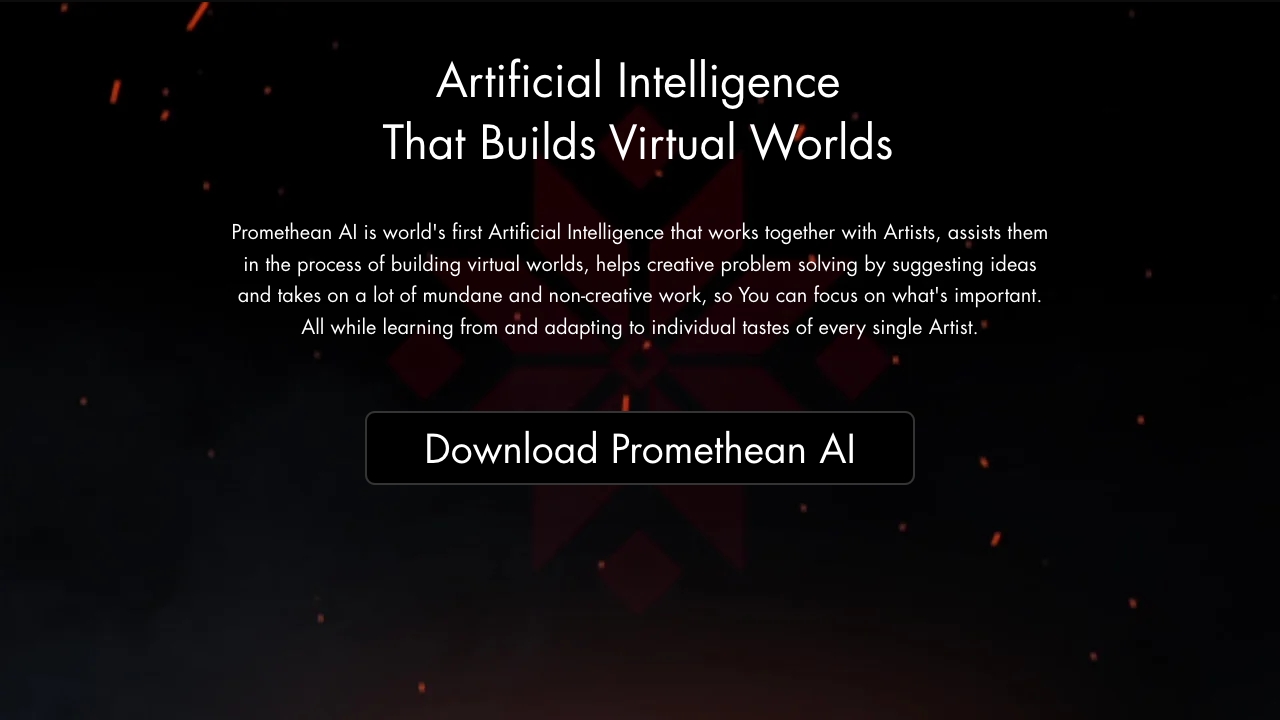
Promethean AI
Game and film world building

GetBotAI
AI-assisted browsing and content creation


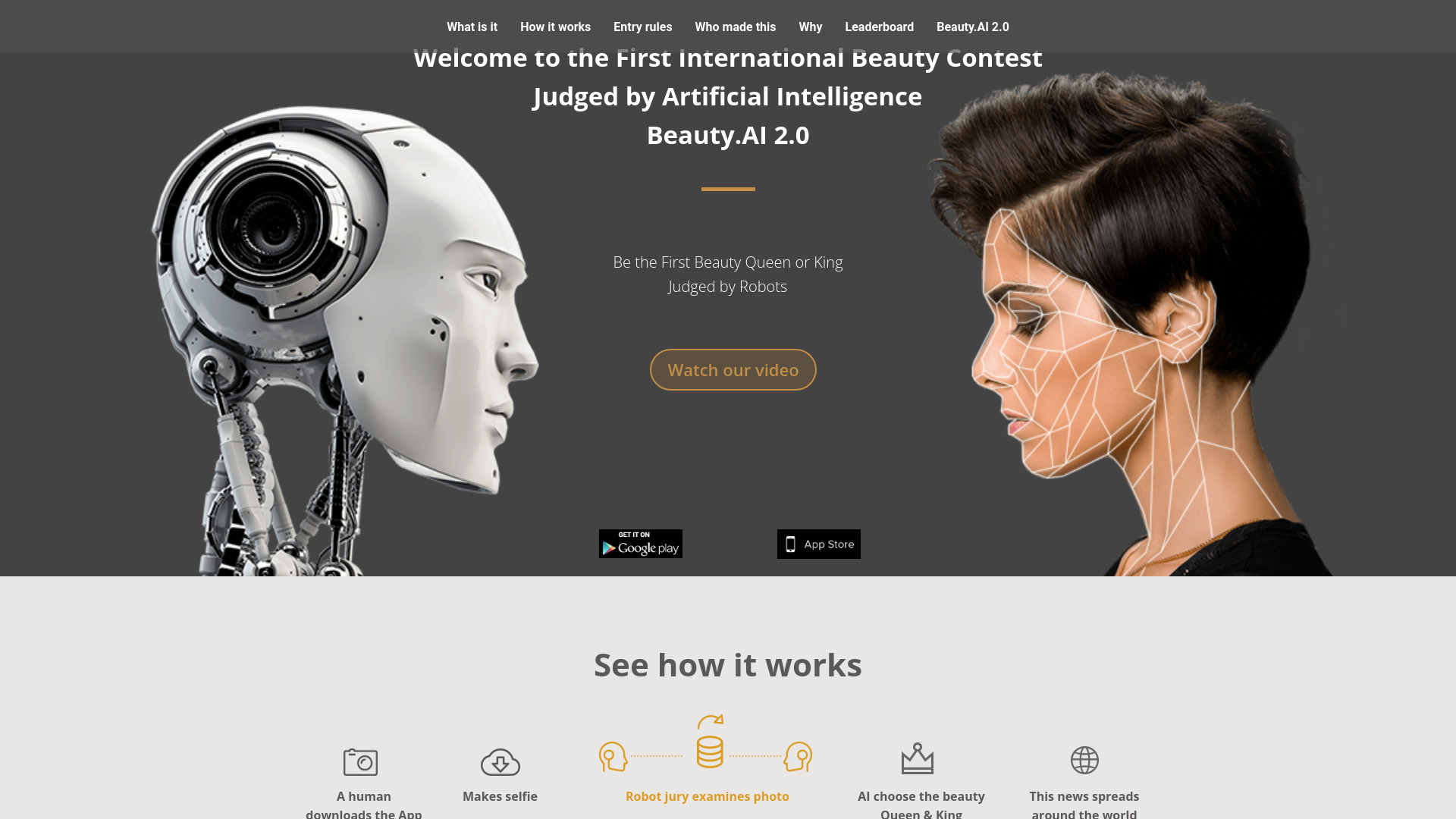
Beauty.AI
AI beauty contests and facial analysis

IDEART AI
AI video and image creators


ThinkingAI
Personalized lifestyle guidance


AI Studios
AI avatar video creation

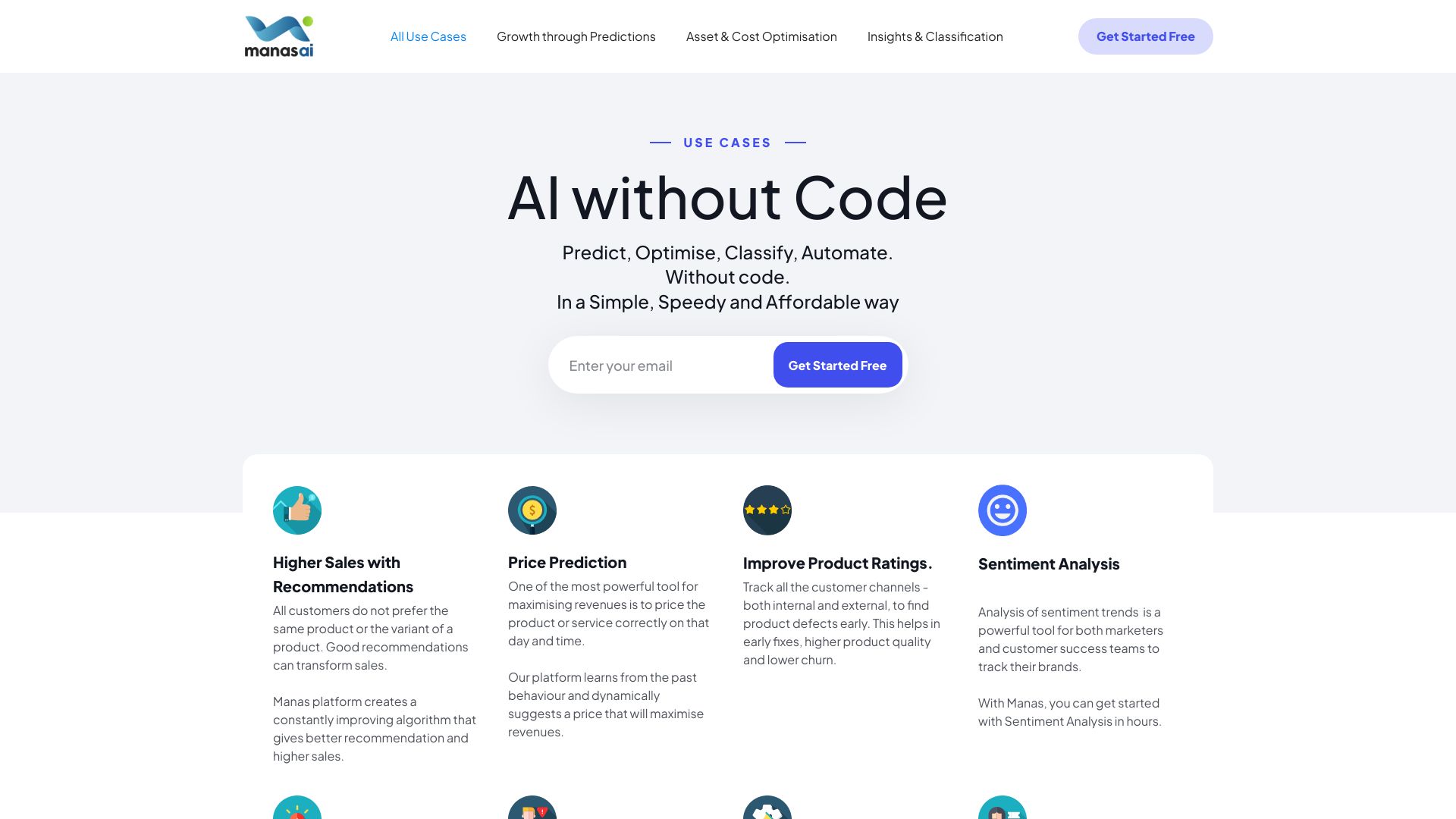
Manas AI
No-code enterprise AI automation

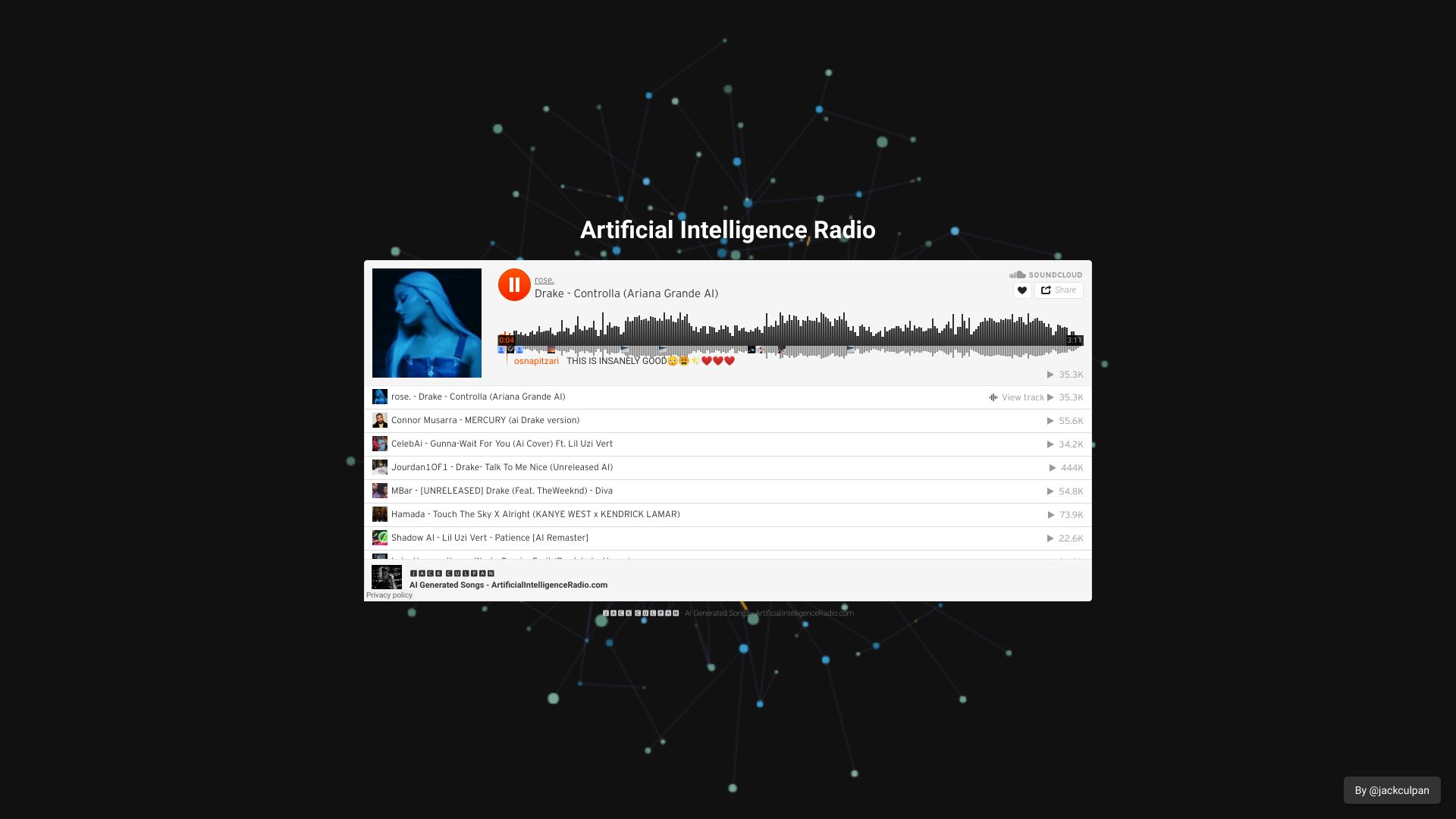
Artificial Intelligence Radio
Discovering AI-generated music

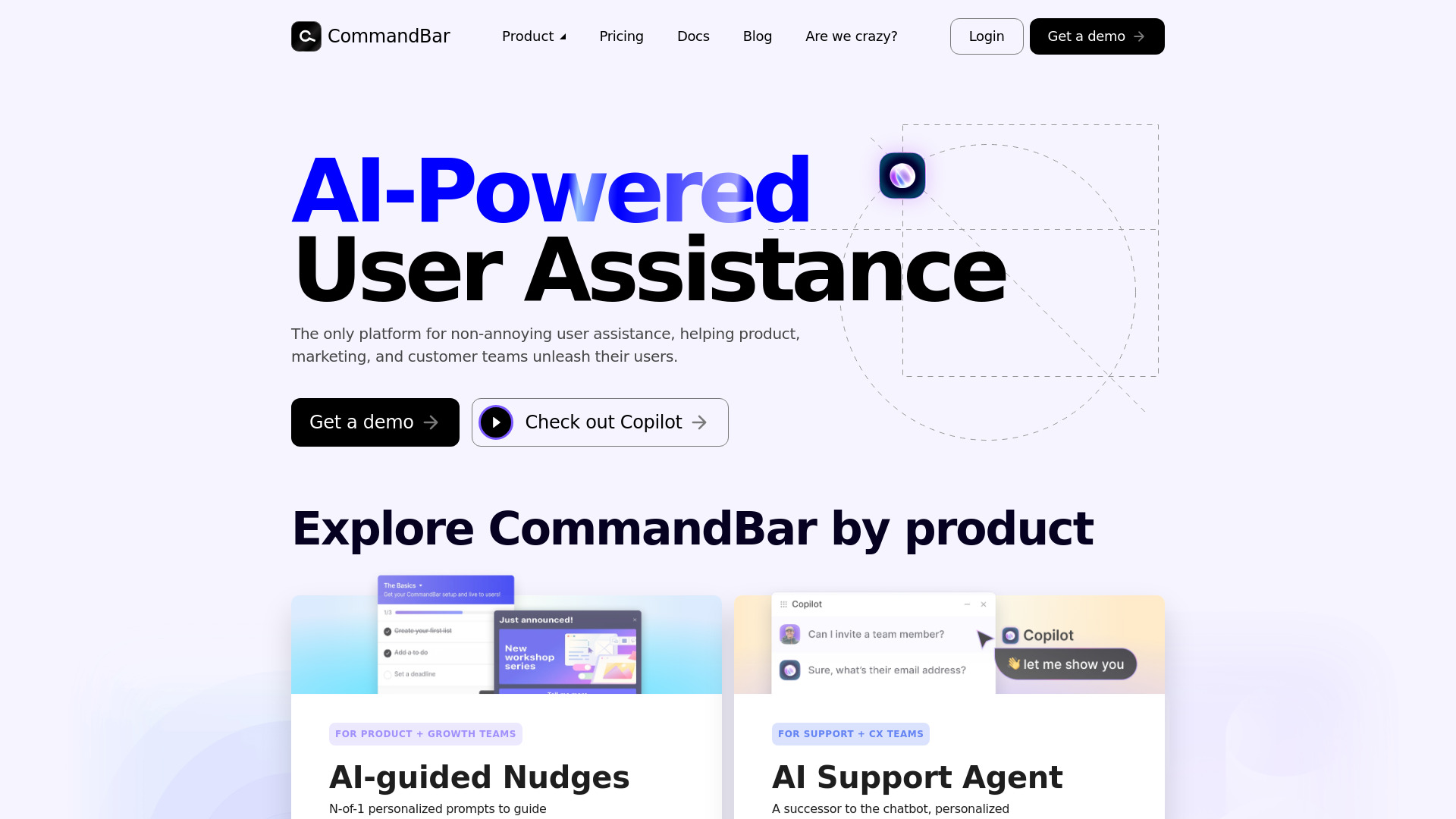
Command AI
In-app user assistance for product and support teams

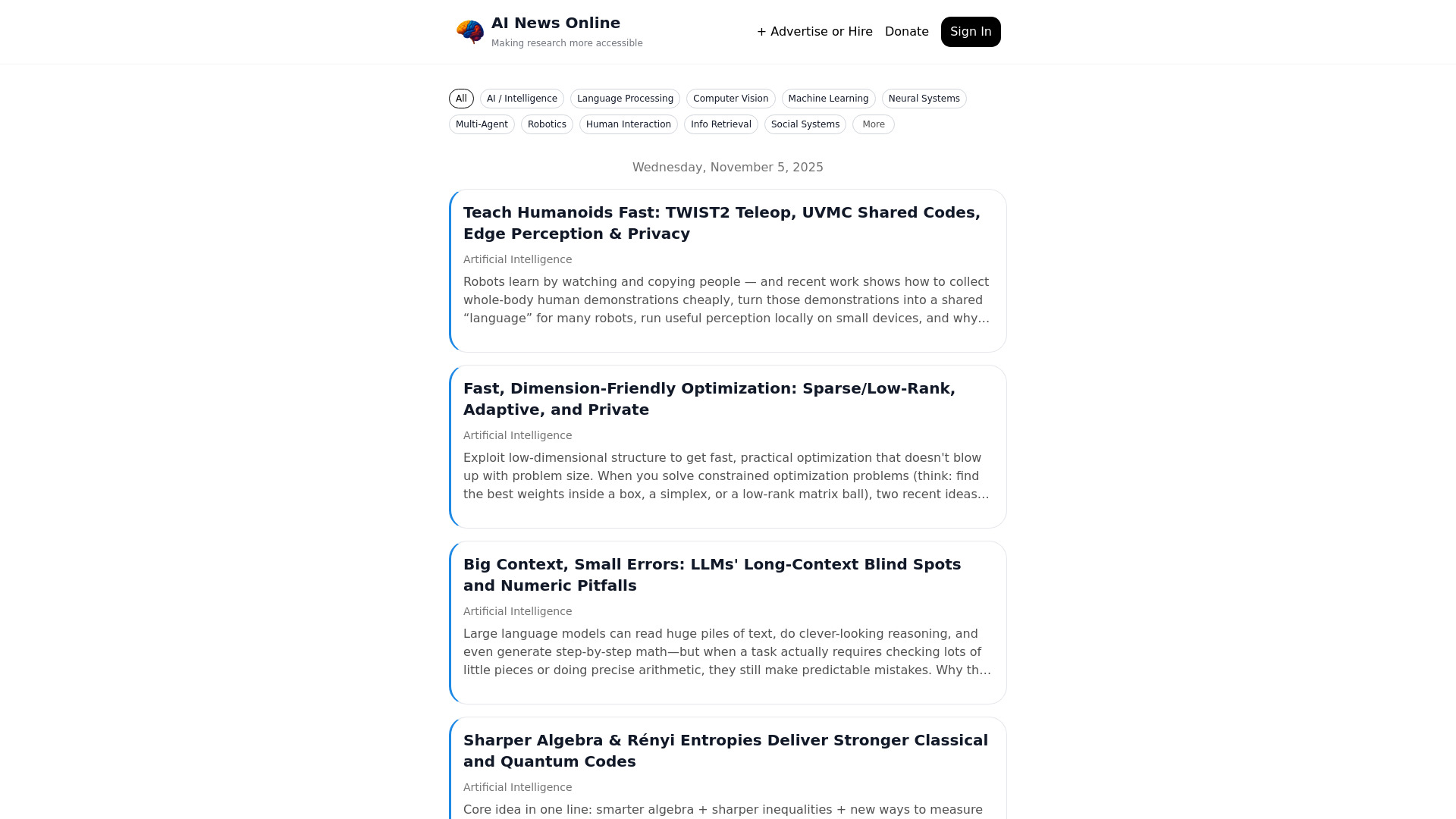
AI News Online
AI research news readers

Artificial Inner Voice
Personalized inner-voice exploration
Artificial Intelligence Digest
AI trend and research readers

Gpt 5 Ai
Coding and reasoning workflows

Analog AI
Emotionally intelligent digital humans


Intelligent AI World
Businesses needing custom AI solutions

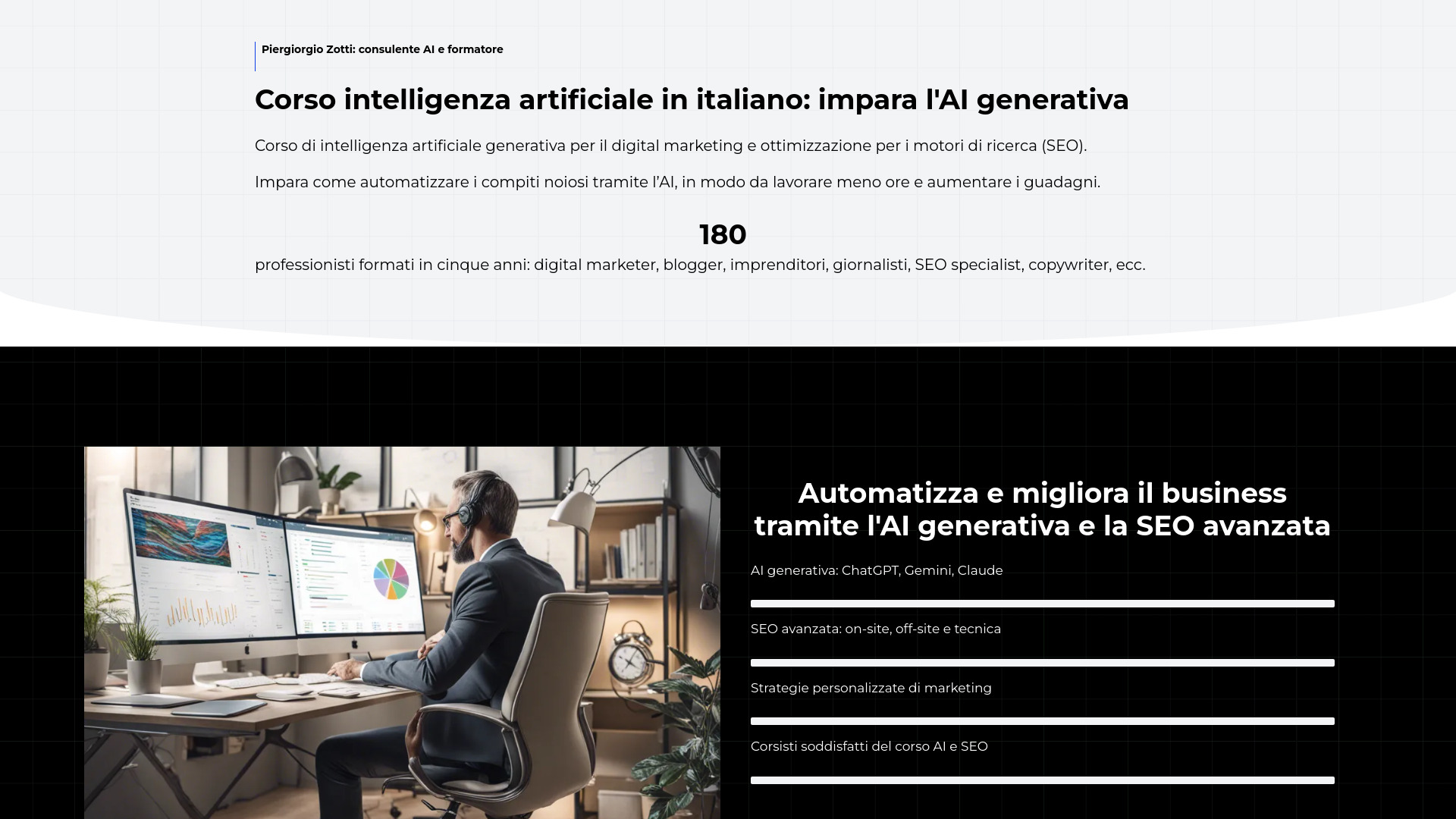
Piergiorgio Zotti AI Training
Personalized AI and SEO training
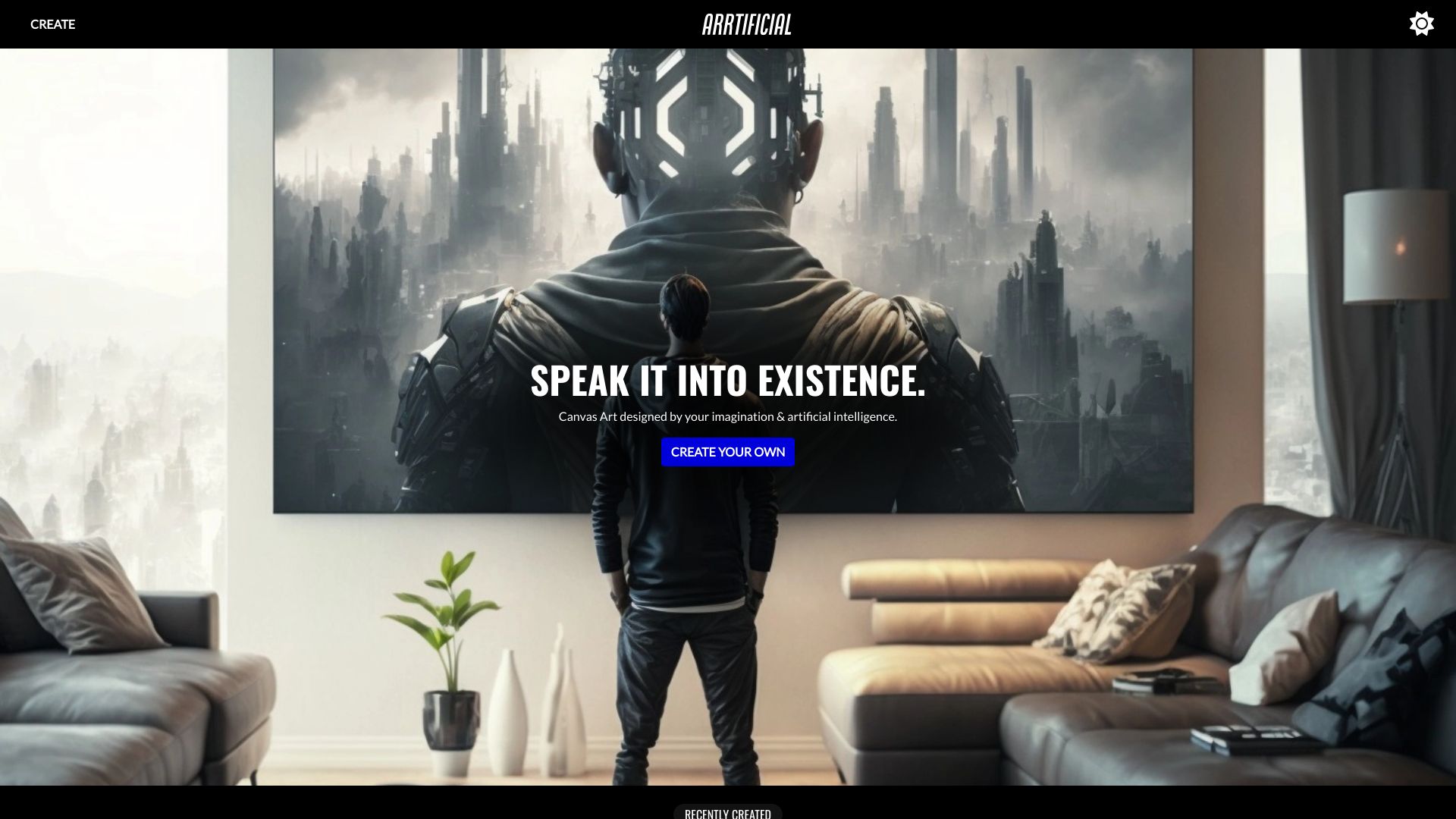
ARRTIFICIAL
AI-generated physical smart art

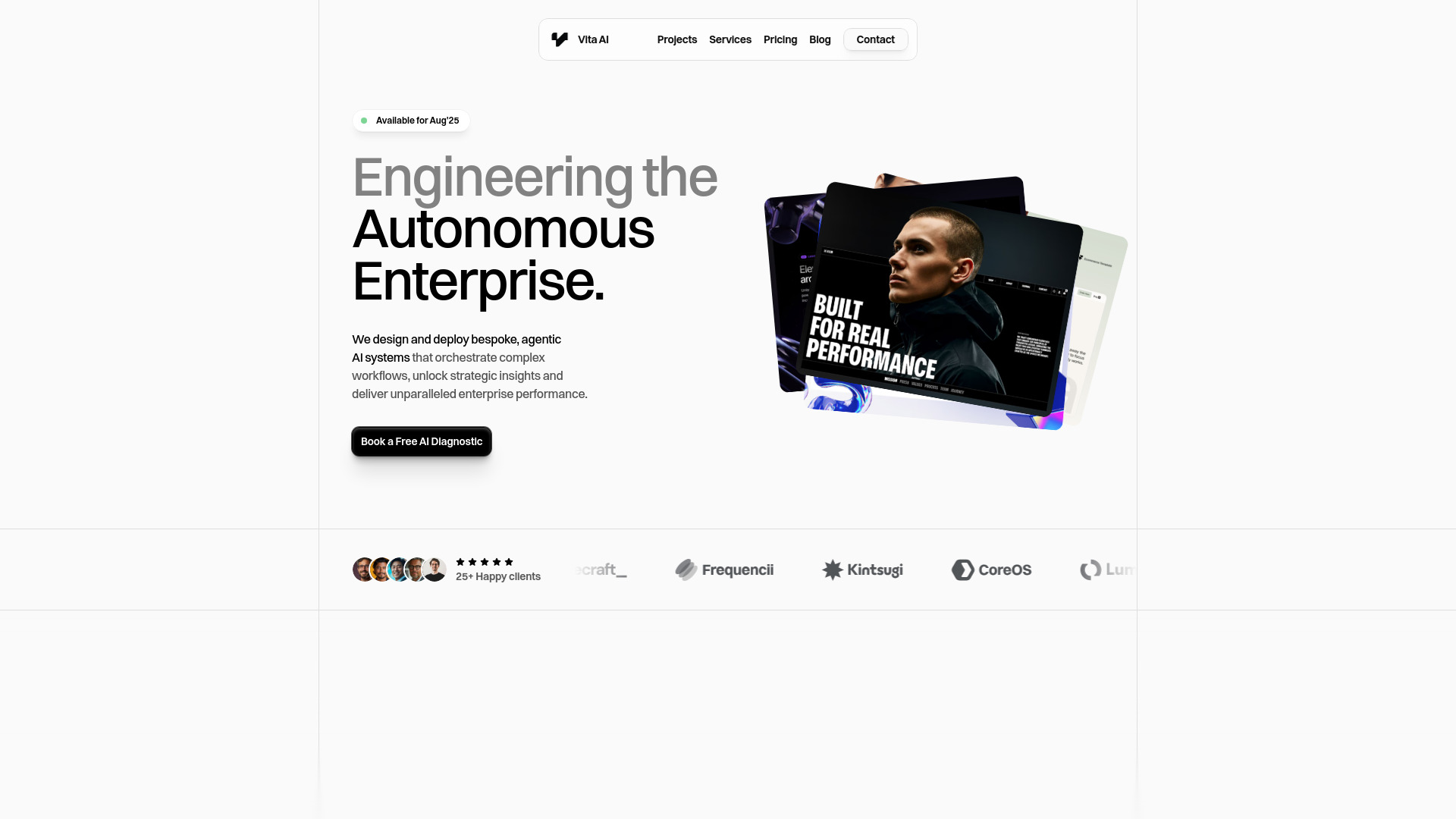
Vita AI
Bespoke multi-agent AI systems for enterprises

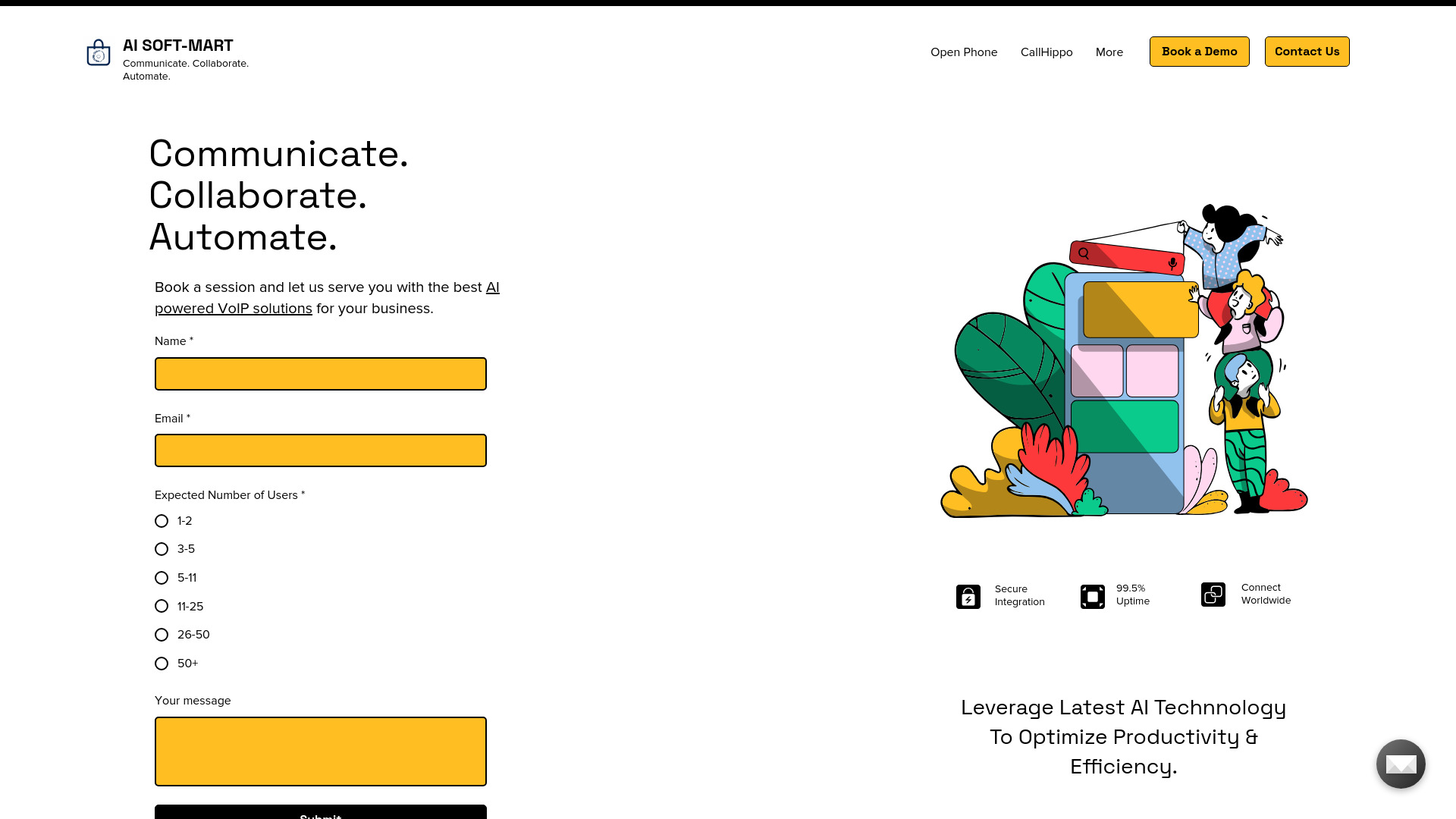
AI Soft Mart
AI-powered VoIP for businesses

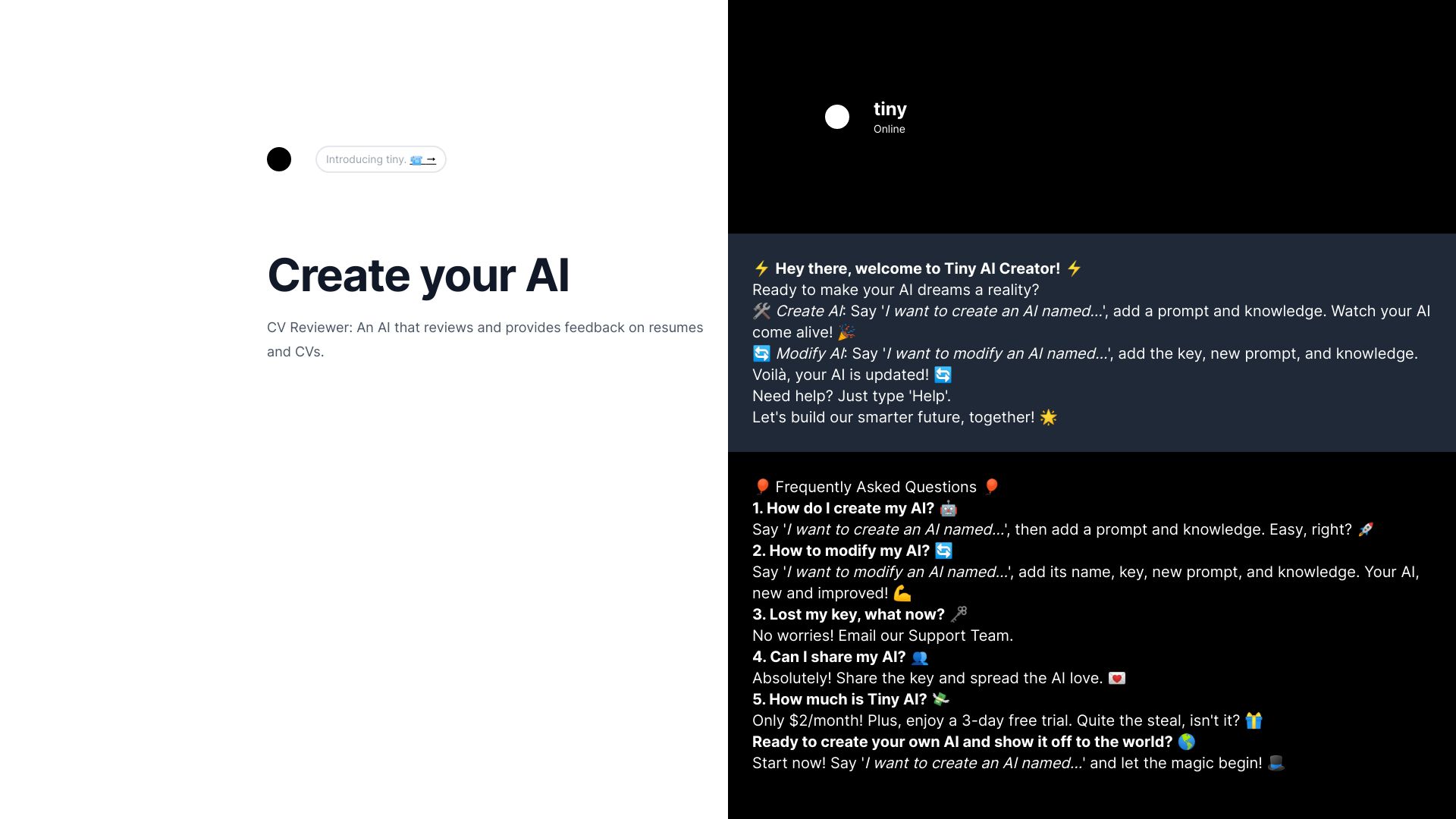
Tiny AI
Creating personal AI assistants by chat

Intelligence Lab
Small businesses seeking AI marketing tools
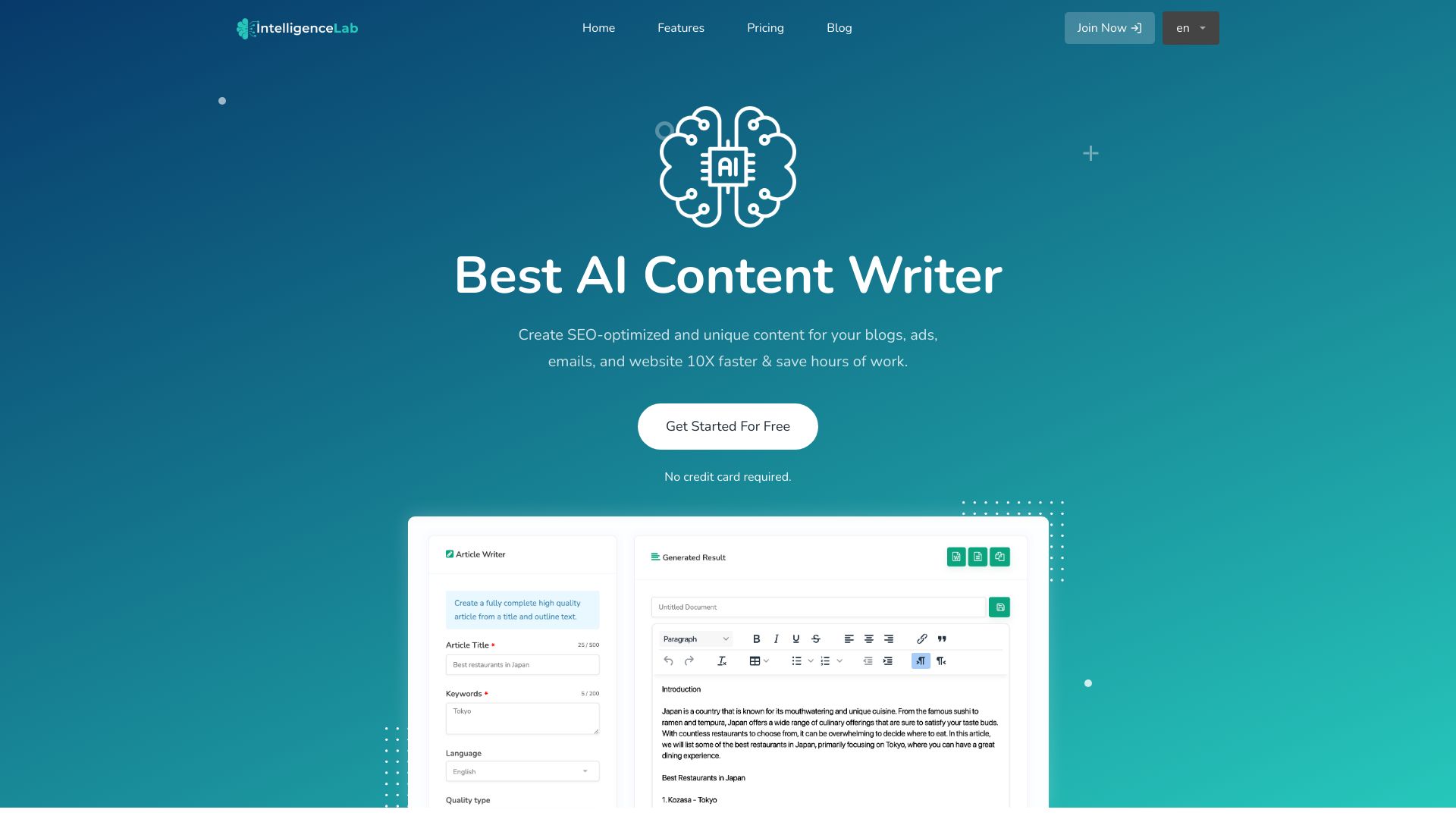

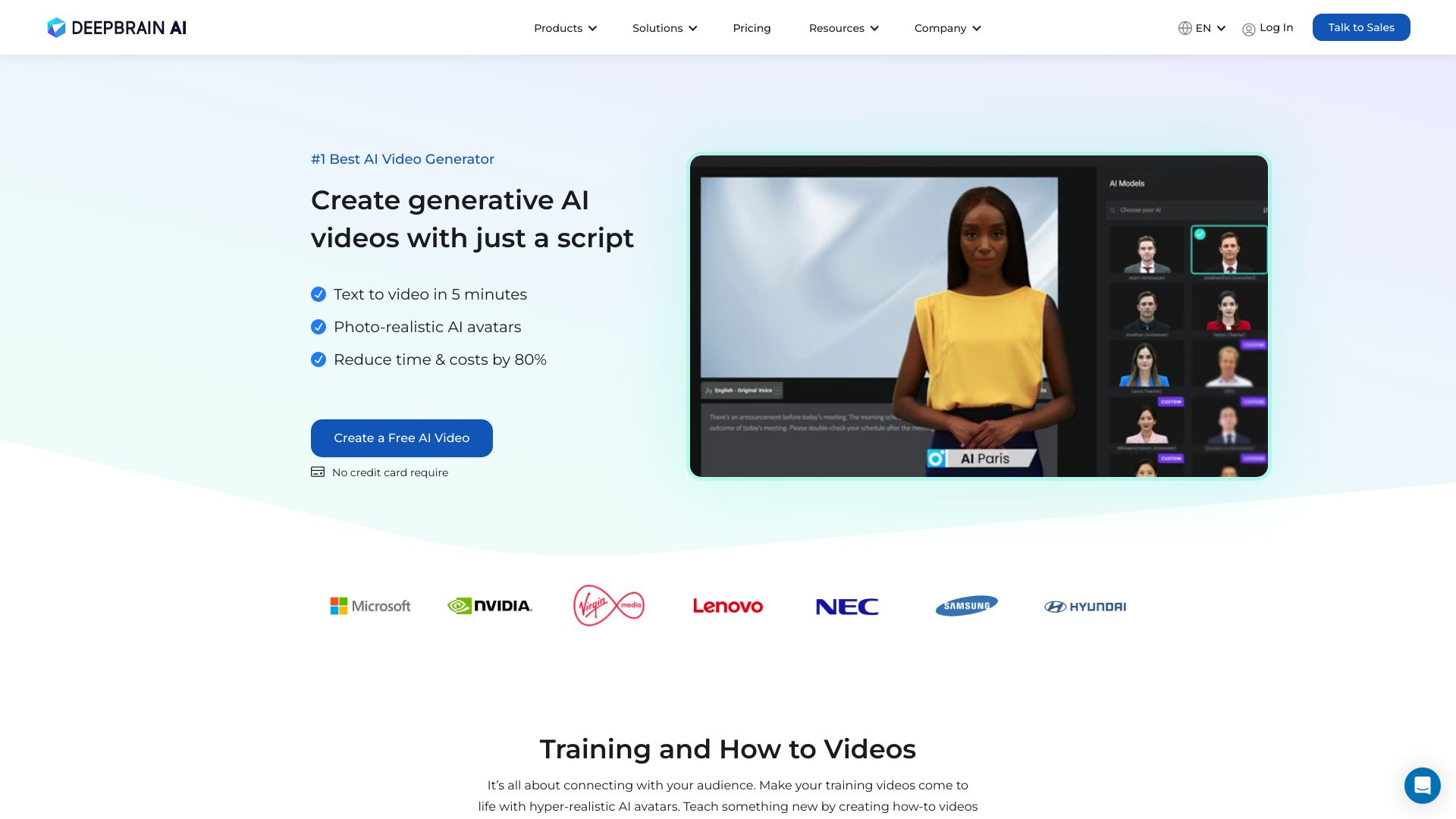
DeepBrain AI
AI avatar video creation
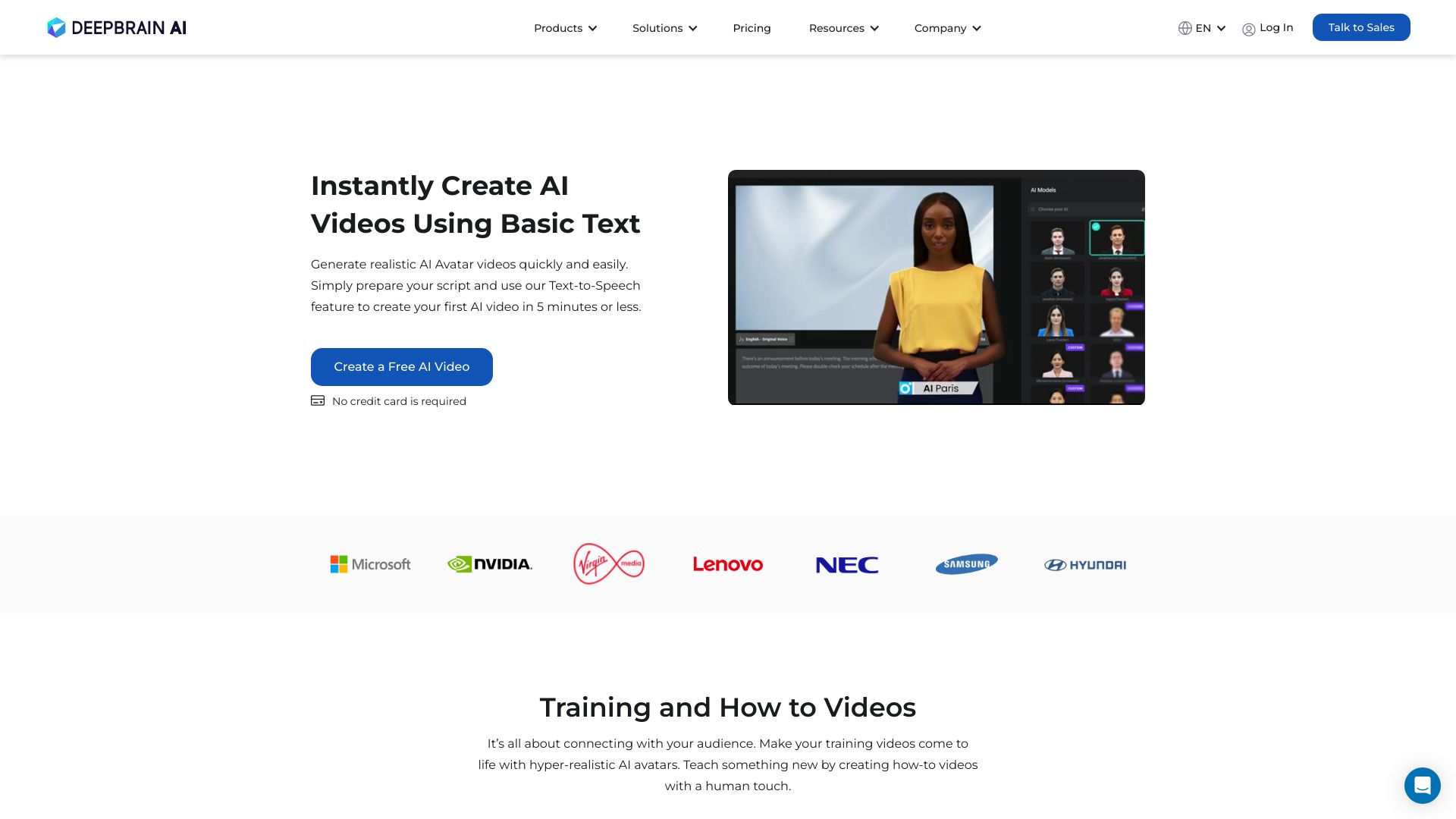

Wikipedia Article AI
AI-assisted Wikipedia article creation
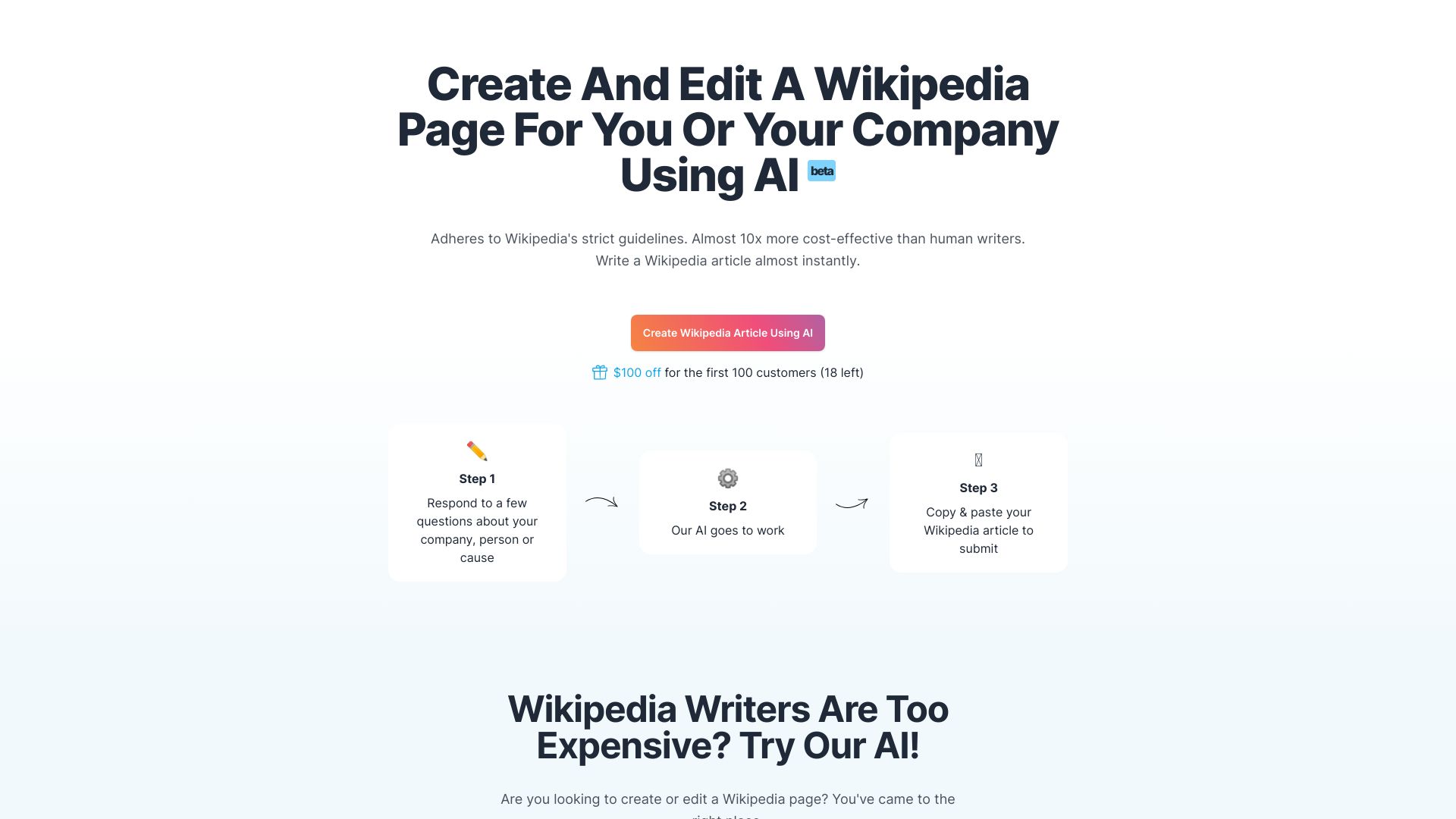
Drip.art AI
AI video stylization for creators

PlayAI
Real-time conversational voice agents
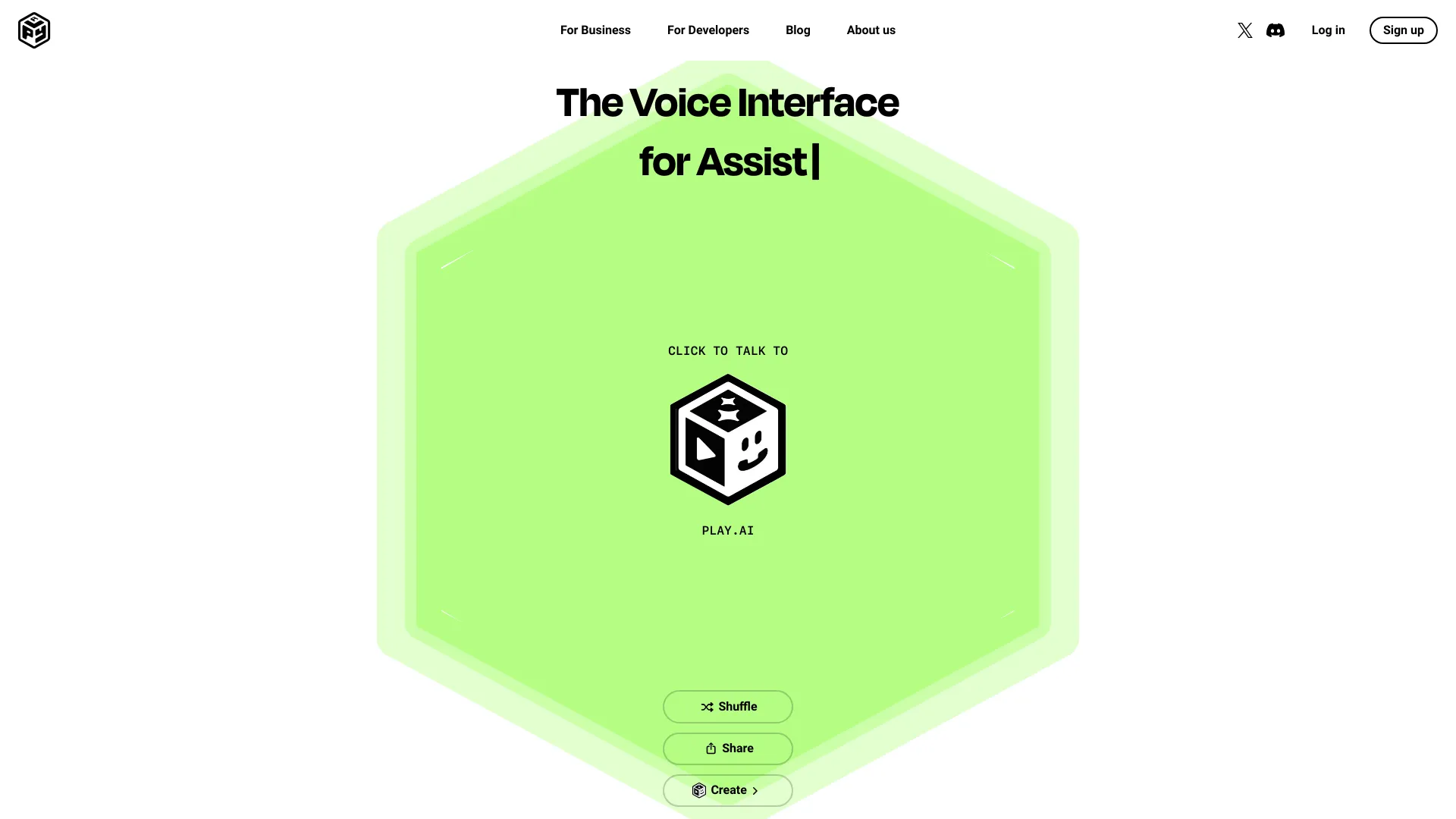
Devika AI
Open-source AI software engineering
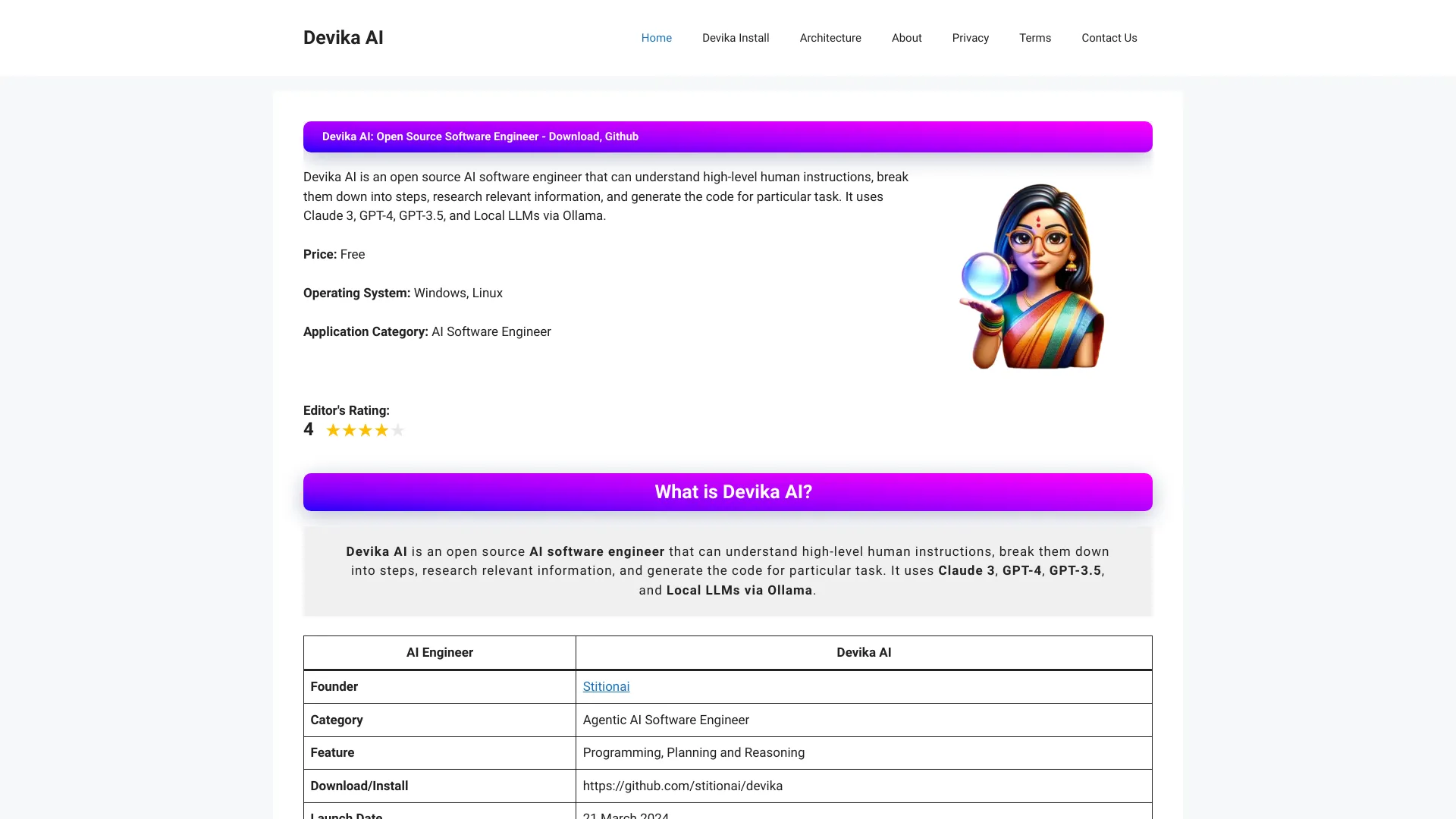

The Augmented AI
Real-time meeting and lecture augmentation
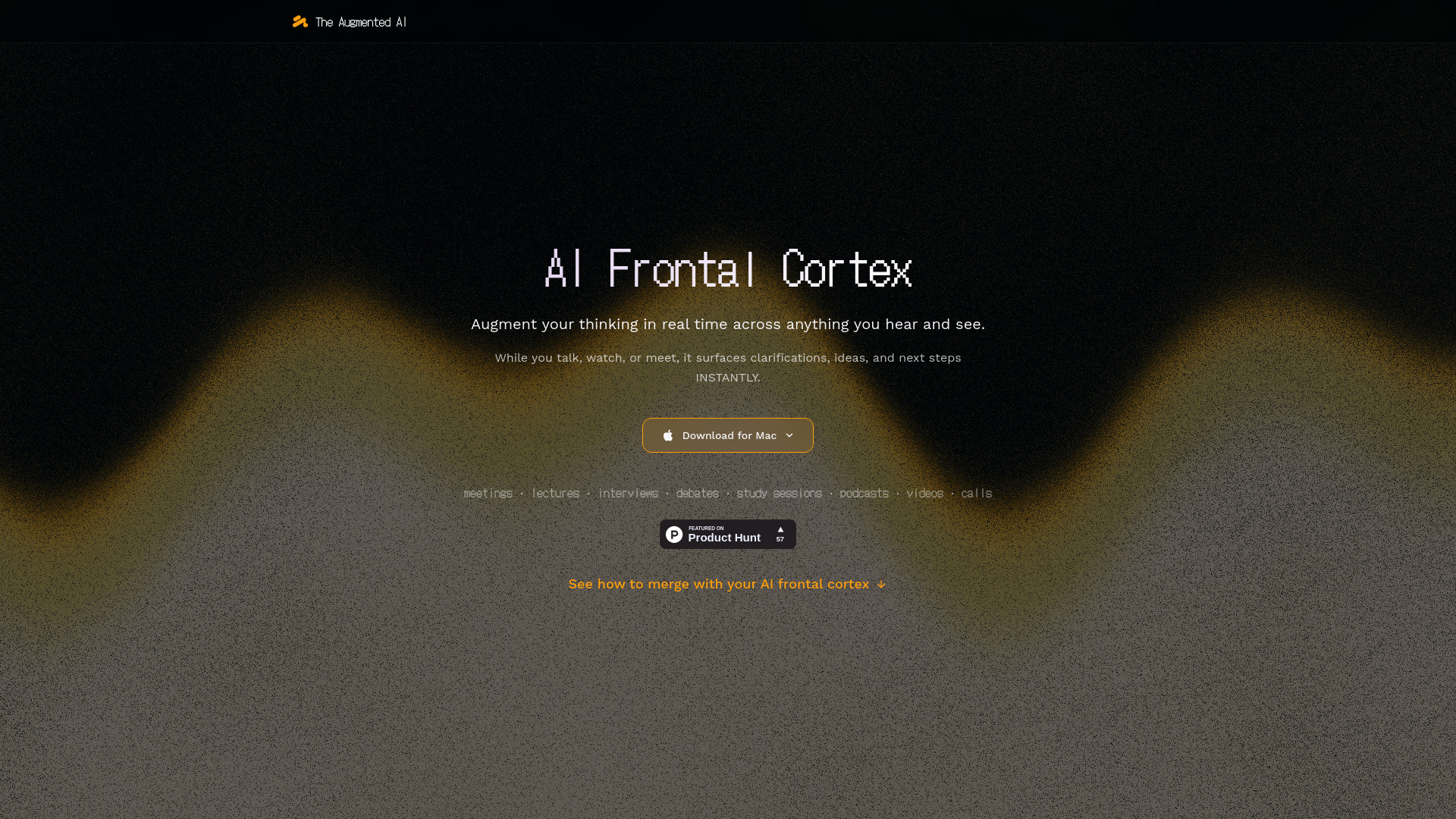

Something AI
Personalized AI character chats

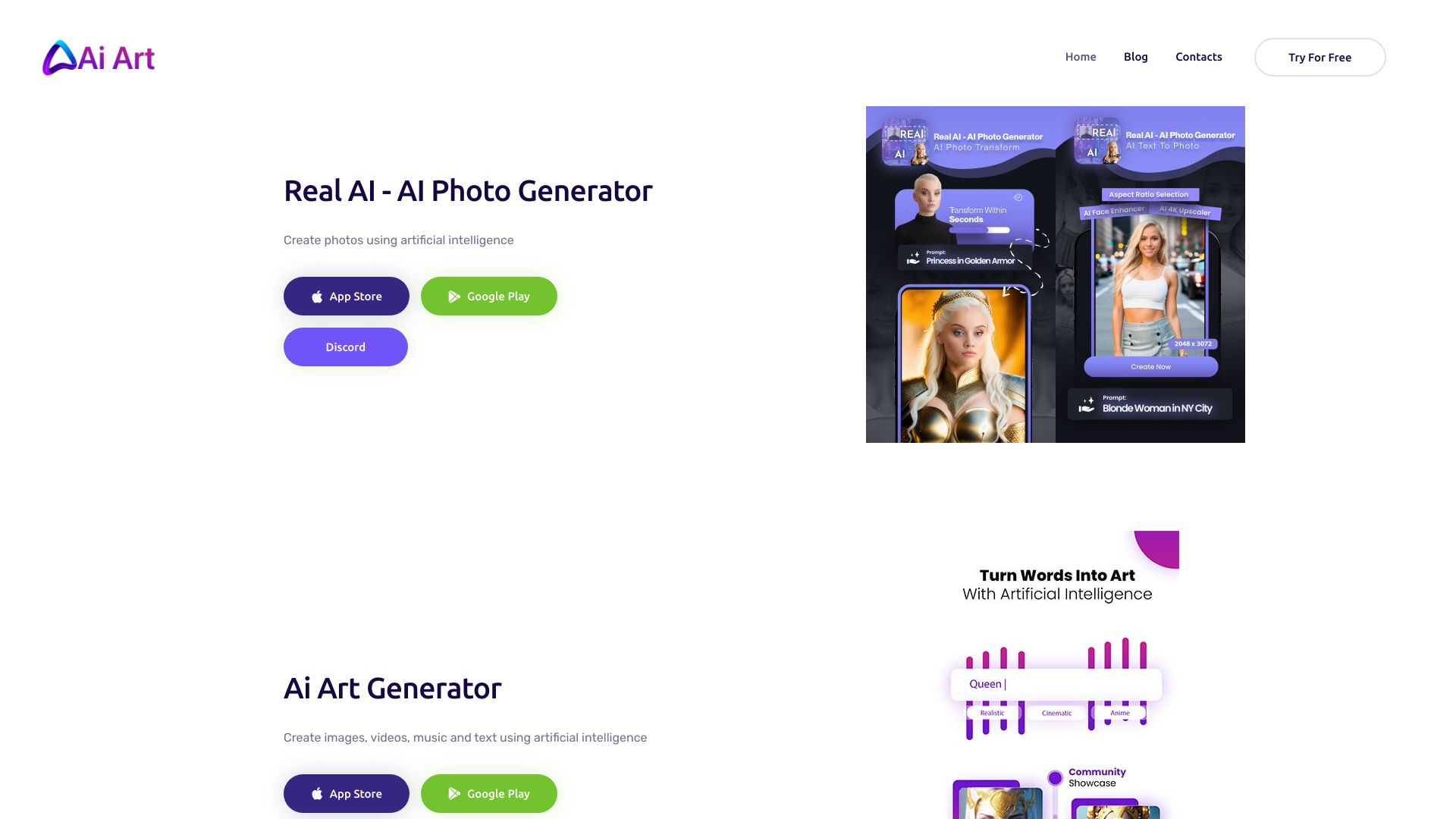
AI Art image Generator
AI image and photo creation

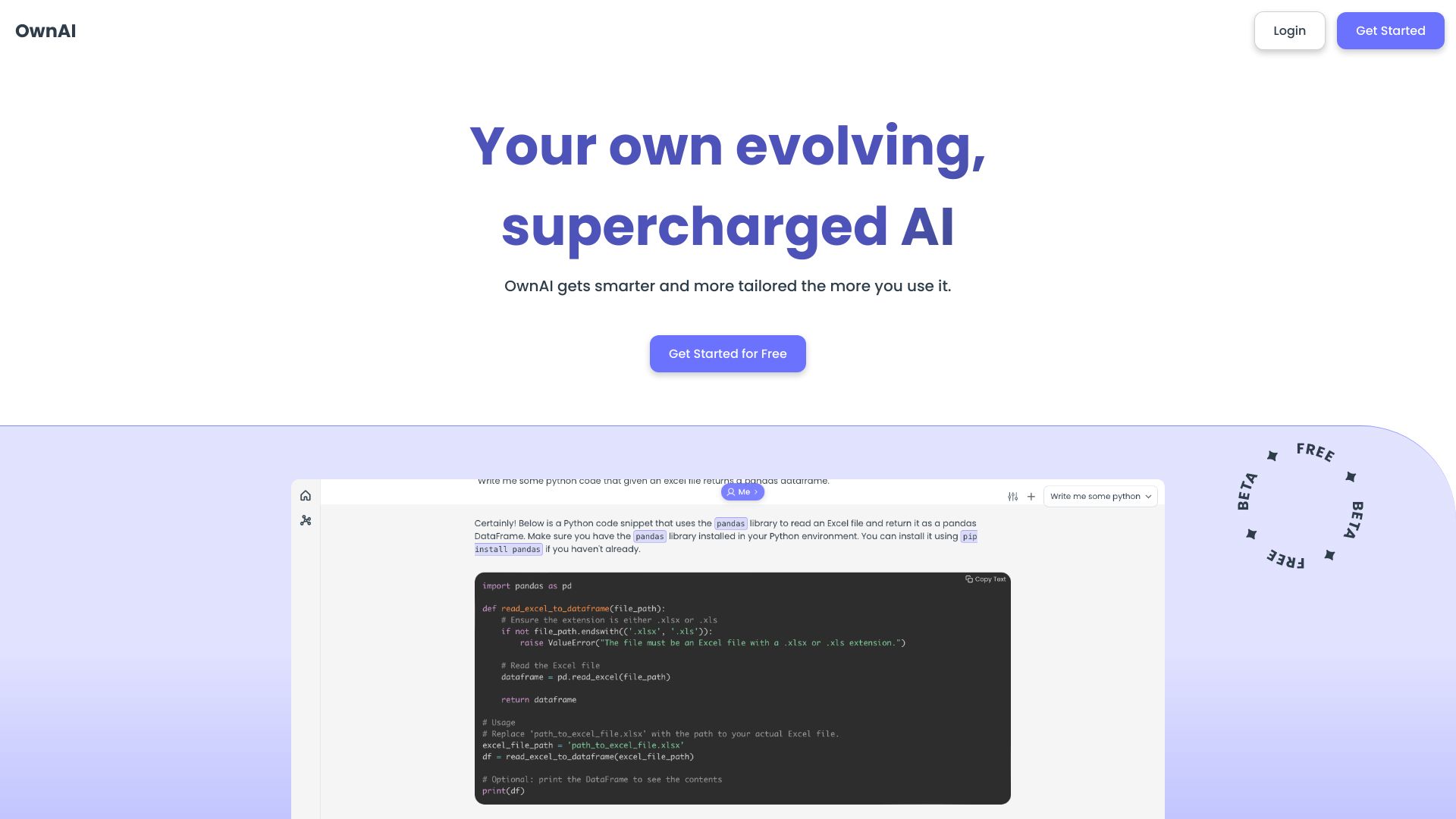
OwnAI
Personalized AI conversations with memory

Quist AI
Research teams and analysts

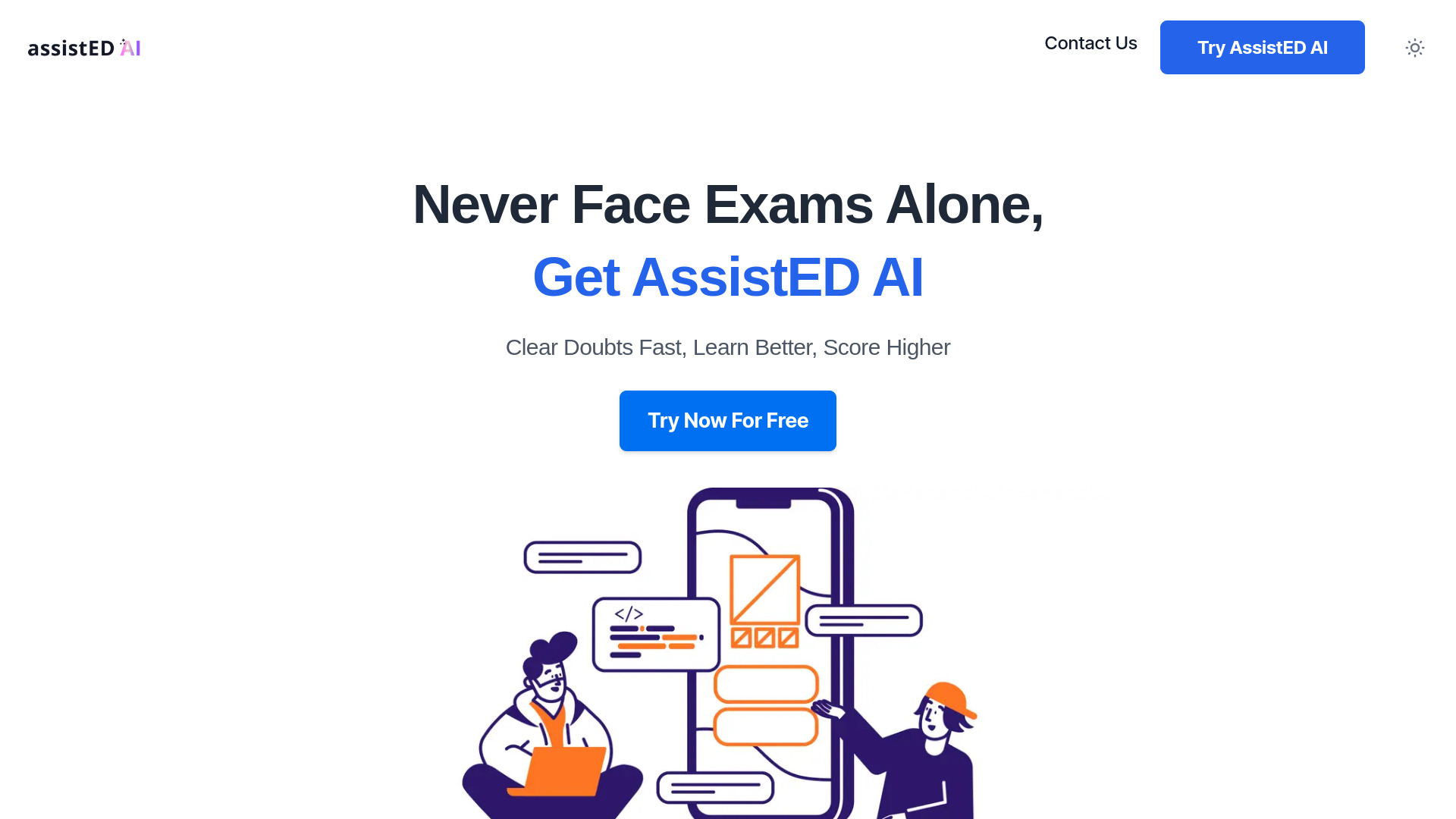
AssistED AI
Competitive exam preparation

Automi AI
Low-code generative AI app creation
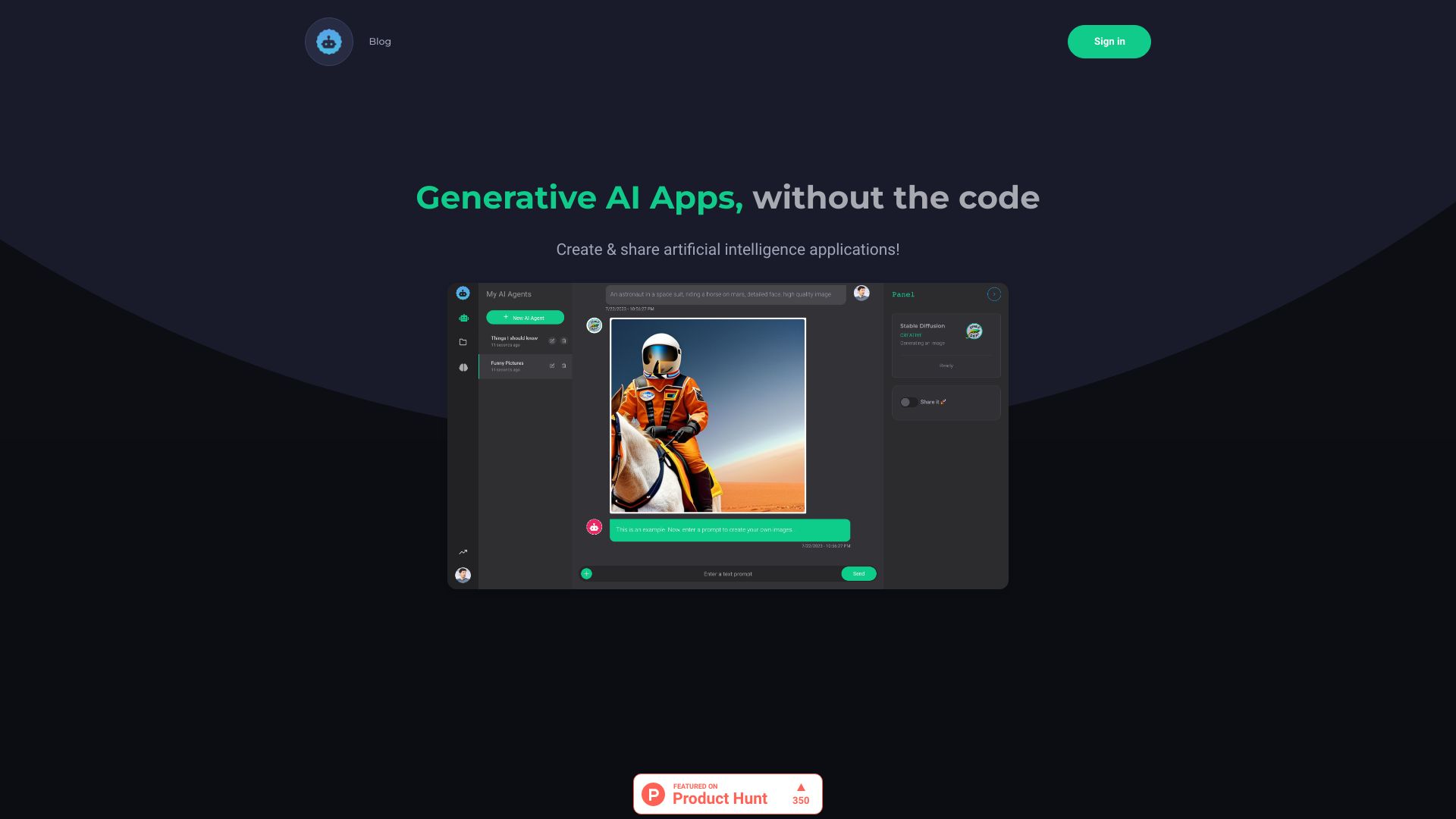

AllMind AI
Financial market research and analysis


AndyAi
AI-assisted system administration

Superpowered AI
Retrieval-augmented generation apps

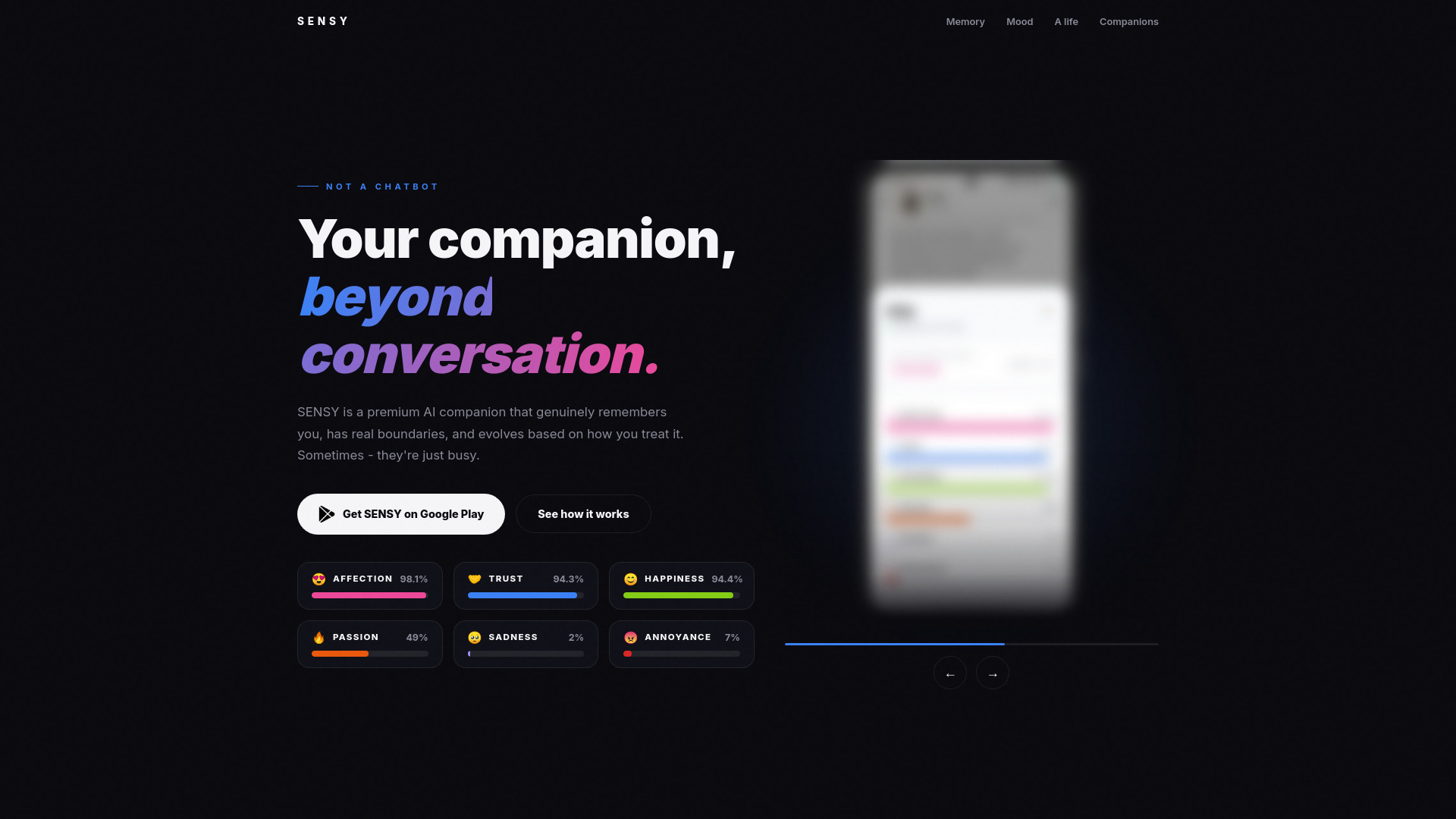
SENSY AI - Real AI Companion
Persistent AI companion relationships
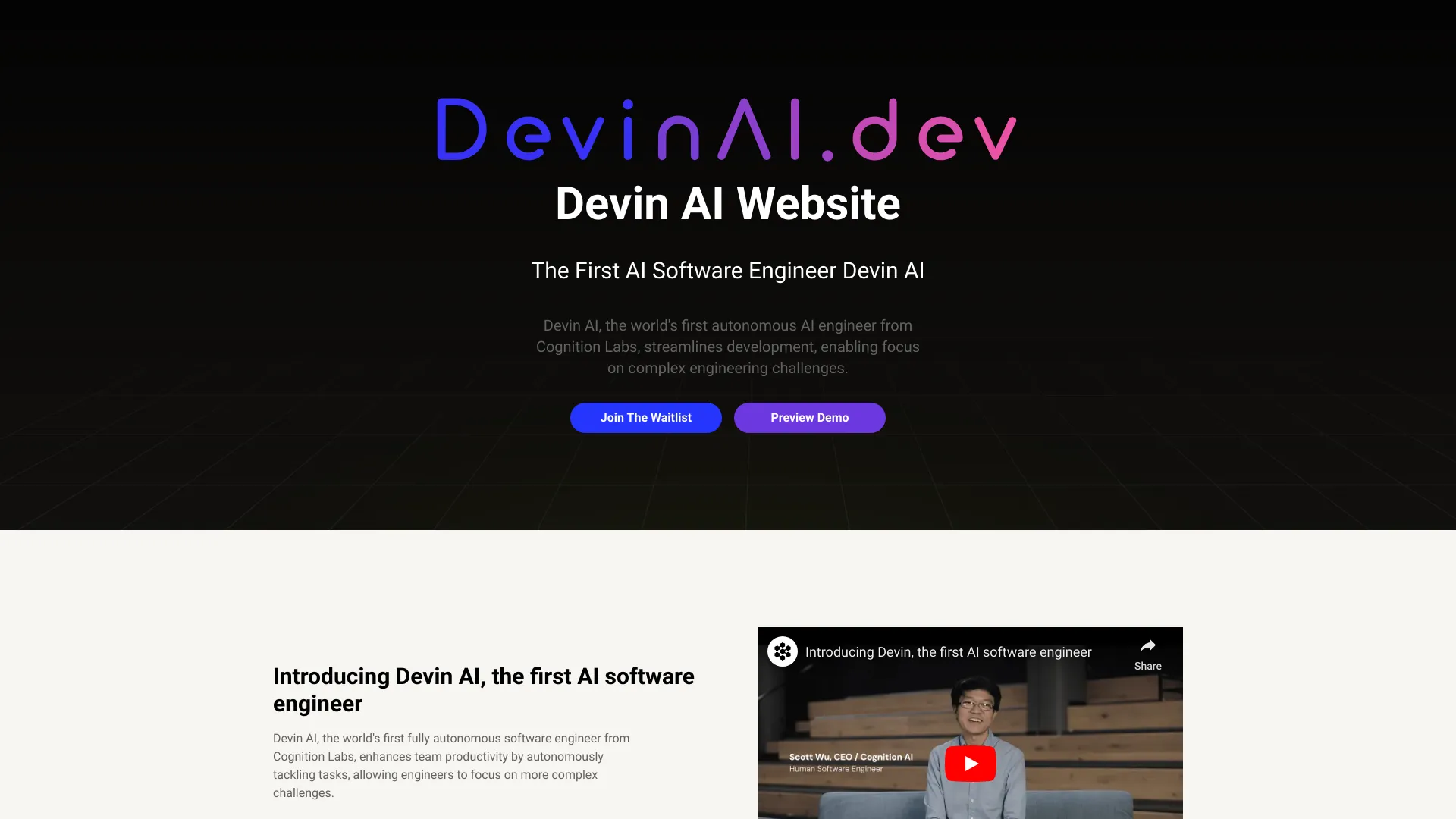
Devin AI
Autonomous software engineering
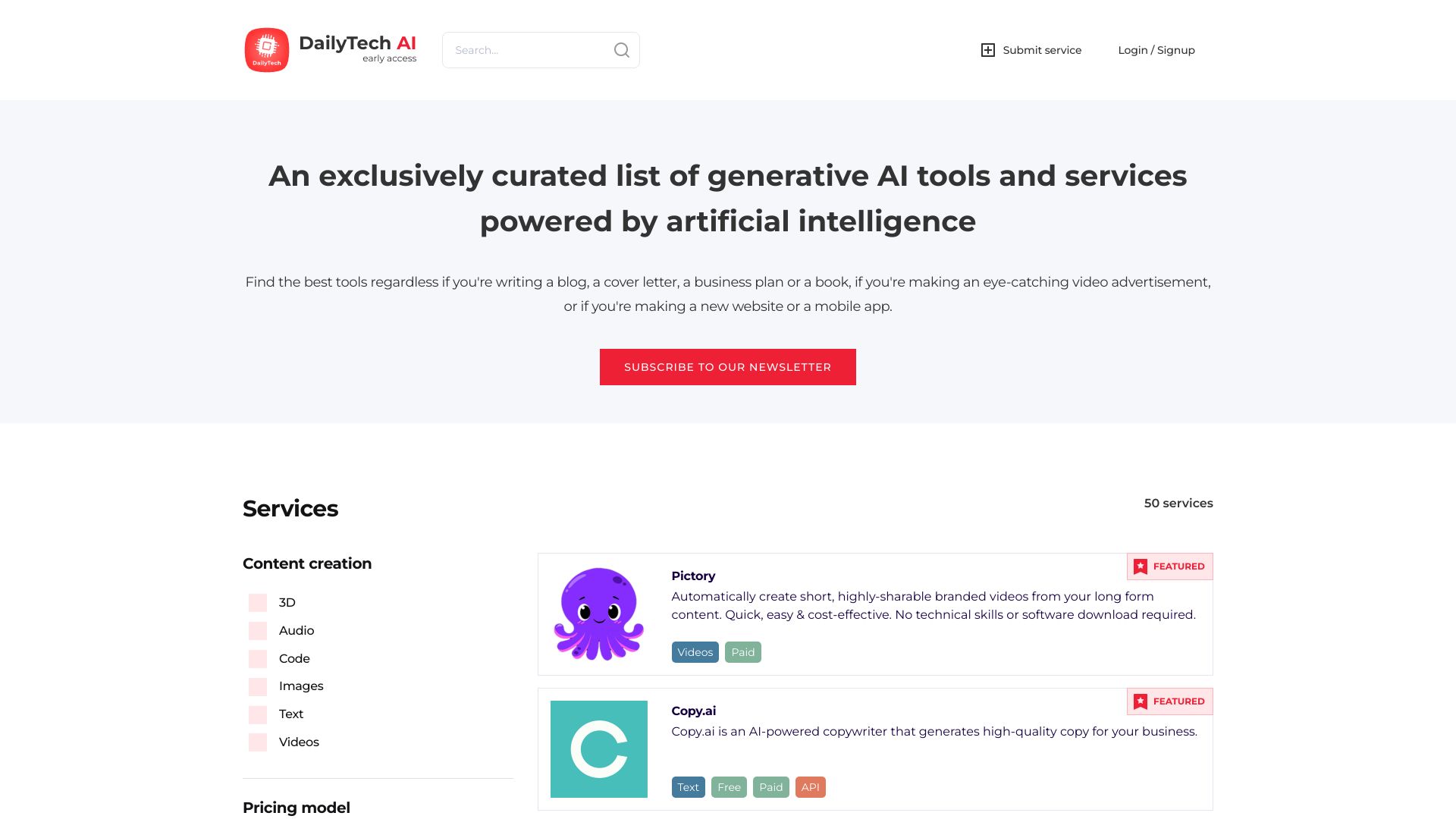
Daily Tech AI
Discovering generative AI tools

InteligenAI
Custom enterprise AI solutions
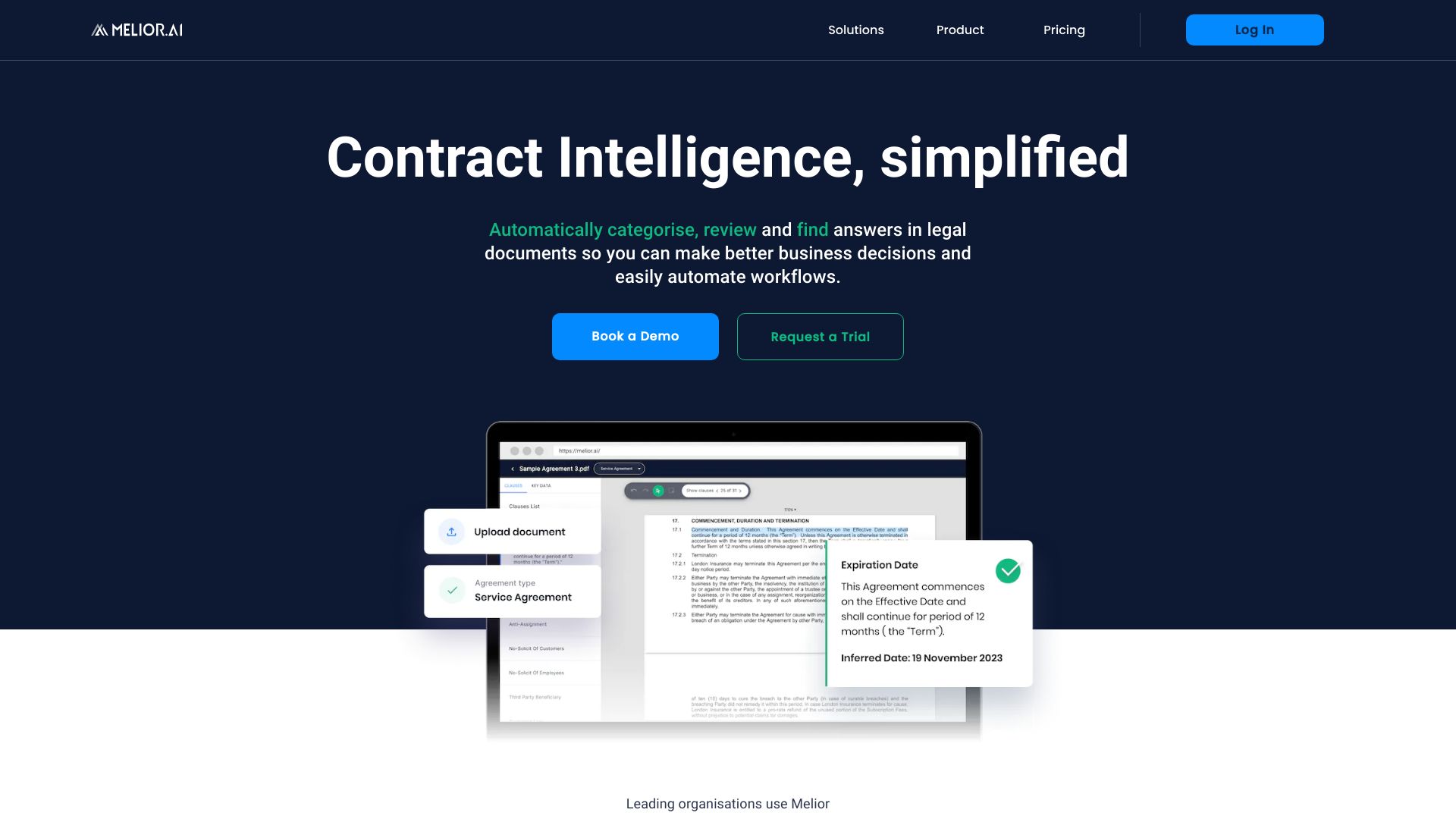
Melior AI
Contract intelligence for legal teams
Taylor Swift AI
Taylor Swift fan image creation

Your Personal AI
Custom enterprise AI solutions

LearniAI
AI-assisted visual learning

RealismGPT
Realistic AI companion chats

Answering AI
Small-business AI call answering

AI Things
AI engineers exploring AI tools
Which artificial intelligence tool should you choose?
The right choice depends more on the job than on the overall score. Use this short path to narrow the field:
For one broad starting point: Choose OpenAI. It covers conversational work, search, images, voice, and video more comprehensively than the specialist options.
For image creation on a smaller budget: Start with DeepAI. Its image generation and editing focus is easier to evaluate quickly.
For comparing models: Use Use AI if you want 25-plus LLMs and task-based selection in one subscription.
For multimedia experiments: Try Artificial Studio when text-to-video, image-to-video, audio, and image work belong in the same workflow.
For application development: Investigate AI/ML API, especially if one API for 200-plus models could simplify your architecture.
For synthesized research: Test Ithy with its free articles, then fact-check the results before publishing or acting on them.
For AI education: Read Artificial Ignorance if you need clear explanations before choosing a technical stack.
For sales calls: Evaluate Air.ai with a narrow, supervised calling workflow.
For Portugal-focused discovery: Use Inteligência Artificial Hoje for tools, courses, news, and events.
For proactive personal assistance: Consider Today AI if persistent context matters more than model variety.
My practical recommendation
For most first-time buyers, start with OpenAI because it offers the broadest path from experimentation to regular use. The free access is enough to understand whether a conversational assistant fits your work, while the wider feature set gives you room to explore images, voice, search, and video.
Do not automatically choose it for every job. Artists should compare DeepAI, developers should look closely at AI/ML API, and sales leaders should evaluate Air.ai as a specialized system rather than forcing a general chatbot into a phone workflow. If model comparison is your actual goal, Use AI is more aligned with that need. The best artificial intelligence platform is the one that removes the most friction from the task you repeat every week.
Before paying, run a small but realistic test: use representative inputs, measure how much editing the output needs, check free-tier limits, and confirm whether your data can be used in the way your organization requires. A polished demo is not the same as a reliable workflow.
Common mistakes when choosing artificial intelligence
Choosing by score alone: A 93/100 general platform may be worse for image editing than a focused image tool.
Ignoring the free-tier ceiling: Check whether free access is a useful trial or an allowance you will exhaust immediately.
Comparing unlike products: An AI education publication, phone agent, API, and chatbot solve different problems.
Skipping the model question: Multi-model tools provide choice, but choice can add complexity if you only need one dependable workflow.
Treating generated output as verified: Research and synthesis tools can improve structure while still making factual errors.
Overlooking pricing clarity: When a vendor does not publish a clean starting price, budget time for a sales conversation or plan verification.
Forgetting privacy and terms: Review data handling, memory behavior, API terms, and changing policies before using sensitive information.
What changed in 2026
The strongest tools increasingly compete on workflow breadth rather than text generation alone. OpenAI combines conversation with search, voice, images, and video; Artificial Studio brings several media types and more than 40 models together; and AI/ML API makes model choice an infrastructure feature with access to more than 200 models.
Another shift is toward context and synthesis. Ithy combines multiple AI sources into article-quality answers, while Today AI focuses on living memory and proactive help. At the same time, specialized products remain important: Air.ai concentrates on phone conversations, DeepAI on visual creation, and regional resources such as Inteligência Artificial Hoje on discovery and education. In 2026, the artificial intelligence best suited to a buyer is often the one with the clearest workflow boundary, not the largest feature list.
FAQ
OpenAI is the strongest overall starting point in this comparison because it combines conversational AI with search, image generation, voice mode, and Sora video generation. Its paid plans are necessary for full access to ChatGPT and API features.