
The best local llm setup depends on what "local" means for you. A private desktop app, a self-hosted document assistant, a gateway for many models, and a serverless model host solve very different problems. We compared 100 tools to separate genuinely useful local and developer-controlled workflows from products that merely mention LLMs. AnythingLLM is the strongest starting point for most people, while LiteLLM and LLM Gateway make more sense when you are building infrastructure. A few picks are adjacent rather than strictly local, but they help with model testing, pricing, and production deployment.
Top picks
| Pick | Tool | Best for | Why it stands out |
|---|---|---|---|
| 1 | AnythingLLM | Private desktop document chat | Built-in LLM, RAG, agents, and no-account local access in one app |
| 2 | LiteLLM | Model gateways | OpenAI-compatible access to 100+ LLMs with spend tracking and fallbacks |
| 3 | LLM Gateway | Open-source routing | MIT-licensed, self-hostable API for multi-provider LLM management |
| 4 | LlamaIndex | Knowledge assistants | Strong document parsing and extraction for RAG applications |
Quick comparison
| Tool | Rank | Score | Best for | Free access | Starting price |
|---|---|---|---|---|---|
| AnythingLLM | #1 | 93/100 | Developers | Free desktop app; no account needed | Check vendor pricing |
| LiteLLM | #2 | 93/100 | Platform engineers | Open-source gateway | Open Source: $0 |
| LLM Gateway | #3 | 92/100 | Developers | Free self-host | Self-Host: Free |
| LlamaIndex | #4 | 92/100 | Financial analysts | Free 10K credits | Free: $0 |
| LLM Pulse | #5 | 92/100 | Marketing professionals | Not clearly specified | Starter: 49.00 €/month |
| LLMrefs | #6 | 92/100 | SEOs | 1 keyword free | Free: $0/mo |
| LLMPlayground | #7 | 92/100 | AI enthusiasts | 50 messages per day | Free: €0/mo |
| LLM Price Check | #8 | 92/100 | AI developers | Free comparison access | Check vendor pricing |
| Luminance | #9 | 91/100 | Lawyers | Not clearly specified | Check vendor pricing |
| Featherless.ai | #10 | 91/100 | Developers | Access to serverless models | Feather Basic: $10.00/month |
How we ranked these local LLM tools
We scored each candidate on practical fit for local or user-controlled LLM work: whether it supports private execution or self-hosting, how clearly it handles multiple models, the strength of its RAG or API workflow, setup friction, free access, and the usefulness of its audience fit. We also considered usage signals and vendor positioning, but did not treat traffic as a substitute for product quality. This is why AnythingLLM leads the list, while adjacent tools such as LLM Pulse appear lower: they are useful around an LLM workflow, but they do not replace a local runtime. Pricing and quotas can change, so treat the figures below as a buying snapshot rather than a permanent quote.
The best local LLM tools
1. AnythingLLM

AnythingLLM
Best all-around local LLM desktop workspace for developers
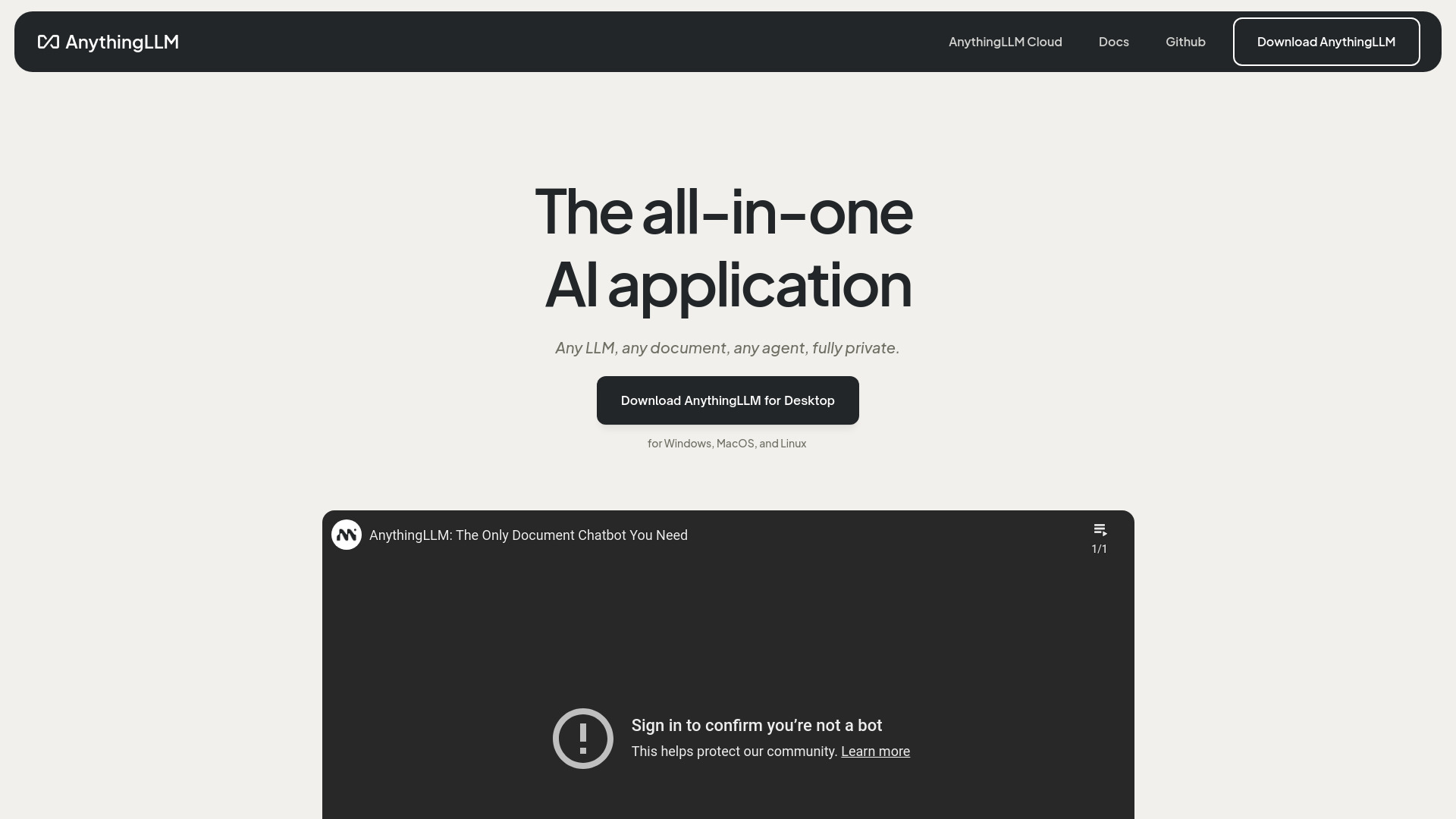
The appeal here is concentration. AnythingLLM puts a built-in LLM, document chat, RAG, and AI Agents into a desktop application rather than asking you to assemble a stack from separate model runners and interfaces. For a developer who wants to experiment with private documents without immediately building an API layer, that is a substantial reduction in setup work.
Its strongest local-AI angle is privacy: the product is positioned to run fully locally and privately, and the free desktop application does not require an account. That makes it the clearest answer for readers asking for the best llm to run locally when their real requirement is "I want to chat with my files without sending the workflow to a hosted SaaS app."
My take: This is the easiest first recommendation because it combines the interface and the knowledge workflow in one place. I would start here before evaluating a more technical gateway.
Where it falls short: You still need to download and install a desktop application, and the experience will depend on your own machine and model setup. It is less attractive if your priority is operating a large multi-provider API platform.
Key features
Built-in LLM for a ready-to-use local workflow
RAG for chatting with documents
AI Agents for more structured task automation
Desktop application designed around private, local use
Pros
Runs fully locally and privately
Combines model access, documents, and agents
Free desktop access without an account
Cons
Requires downloading and installing a desktop application
Less focused on centralized API governance than a gateway
Choose AnythingLLM if: You want the simplest private desktop starting point for local model chat and document retrieval.
2. LiteLLM

LiteLLM
Best LLM gateway for platform engineers
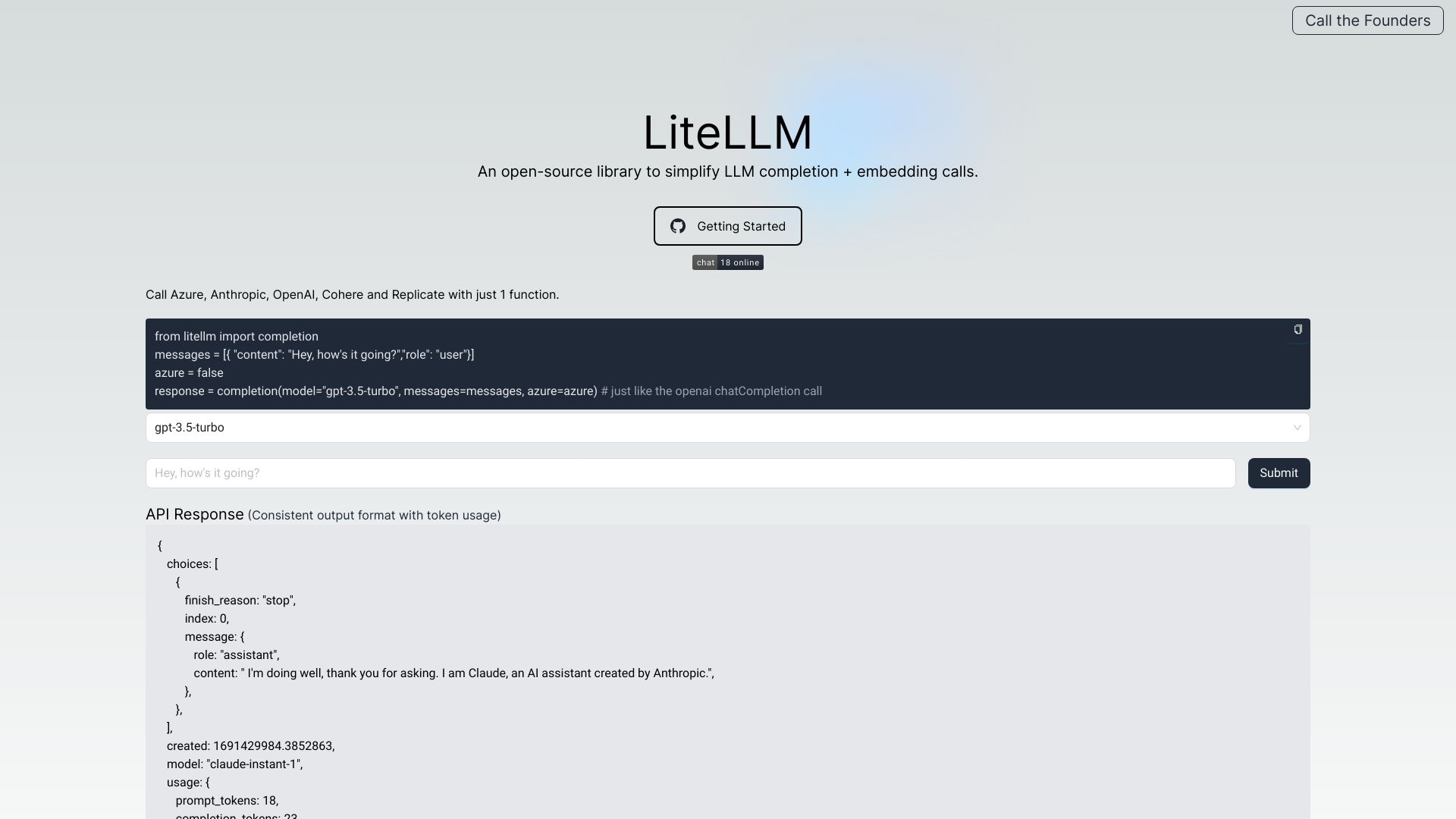
LiteLLM takes a different route from a desktop local assistant. Its job is to standardize access to more than 100 LLMs through an OpenAI-compatible API, with spend tracking and fallbacks. That makes it a particularly strong choice when your team wants application code to talk to different models without rewriting every integration.
It belongs in a best local llm comparison because control over the routing layer can matter as much as where a model runs. A gateway lets platform engineers decide how requests move between providers or deployments, while the OpenAI-compatible format keeps the application surface familiar. It is infrastructure, not a polished end-user chat app.
My take: LiteLLM is the most practical pick for teams that expect their model stack to change. The gateway abstraction is more valuable than chasing one permanent "winner" among the best local llm models.
Where it falls short: Initial setup and configuration are unavoidable. Readers looking for an install-and-chat desktop experience will find it too technical.
Key features
LLM gateway for 100+ LLMs
OpenAI-compatible API
Spend tracking for model usage
Fallback management across models
Pros
Simplifies access to multiple LLMs
Useful abstraction for changing model providers
Open-source option starts at $0
Cons
Requires initial setup and configuration
More platform-oriented than consumer-friendly
Choose LiteLLM if: You are building or operating an application that needs one consistent API across many LLMs.
3. LLM Gateway

LLM Gateway
Best open-source multi-provider LLM gateway
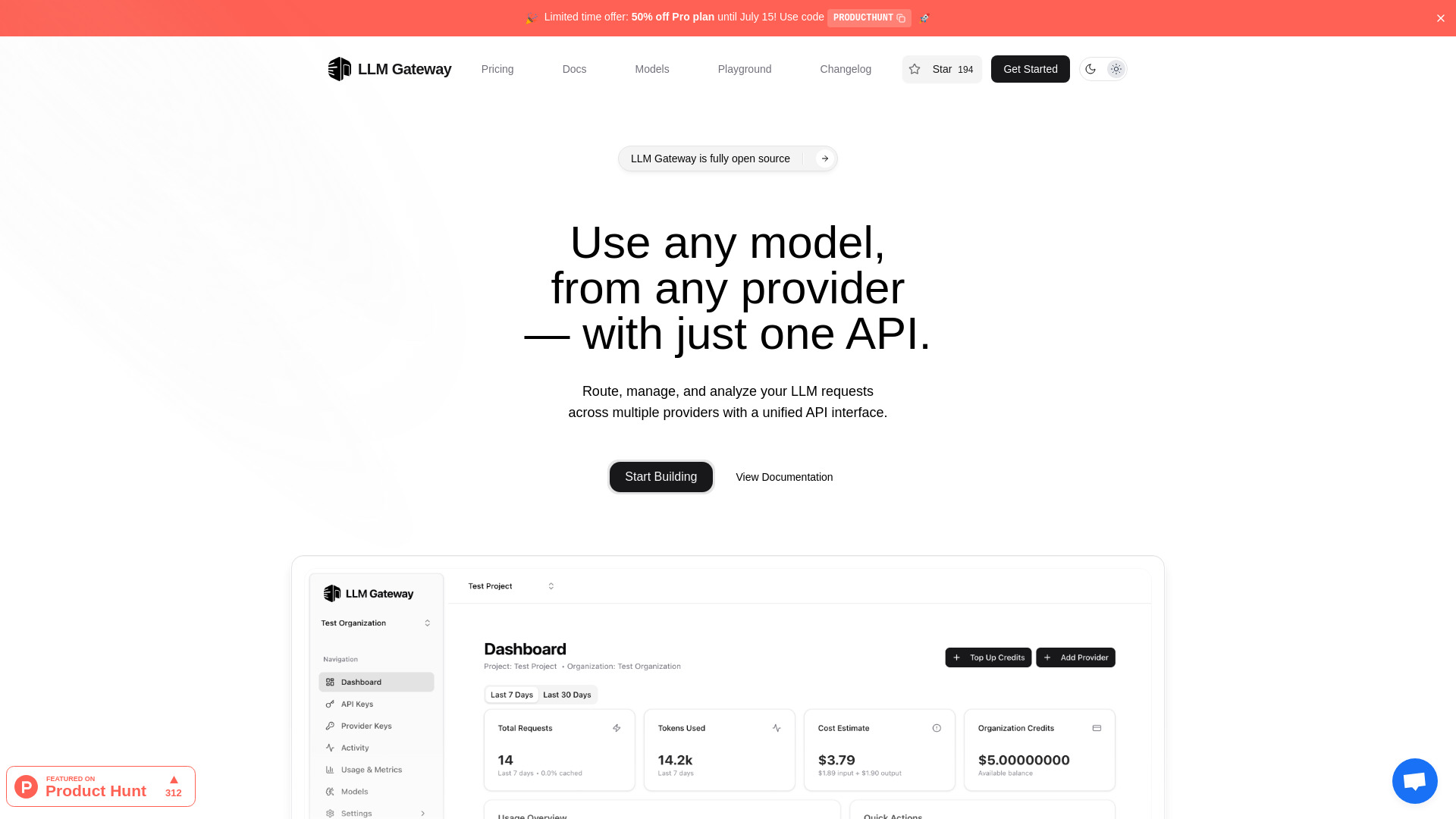
LLM Gateway earns its place through a focused promise: route, manage, and analyze LLM requests through a unified interface. The API is OpenAI-compatible, and multi-provider support means you can keep the calling pattern stable while changing the underlying service. For developers who prefer ownership over a hosted control plane, the MIT license and free self-host option are meaningful advantages.
This is an adjacent choice rather than a desktop local model app. It does not replace a local chat interface, but it can be the backbone around self-hosted or provider-based models. Usage analytics also give teams a way to inspect the operational side of their LLM traffic instead of treating every request as an opaque function call.
My take: I would compare LLM Gateway directly with LiteLLM when licensing and self-hosting are central requirements. Its straightforward positioning makes it easier to shortlist for an open-source infrastructure stack.
Where it falls short: The free cloud plan adds a 5% LLMGateway fee on credit usage. Self-hosting avoids that cloud trade-off but transfers setup and maintenance work to you.
Key features
Unified OpenAI-compatible API interface
Multi-provider support
Usage analytics
Free self-host deployment under an MIT license
Pros
Fully open source under an MIT license
Supports a provider-neutral workflow
Self-host option is free
Cons
Free cloud plan includes a 5% fee on credit usage
Requires technical setup for a useful deployment
Choose LLM Gateway if: You want an open-source, self-hostable routing layer around several LLM providers or deployments.
4. LlamaIndex

LlamaIndex
Best RAG framework for enterprise knowledge assistants
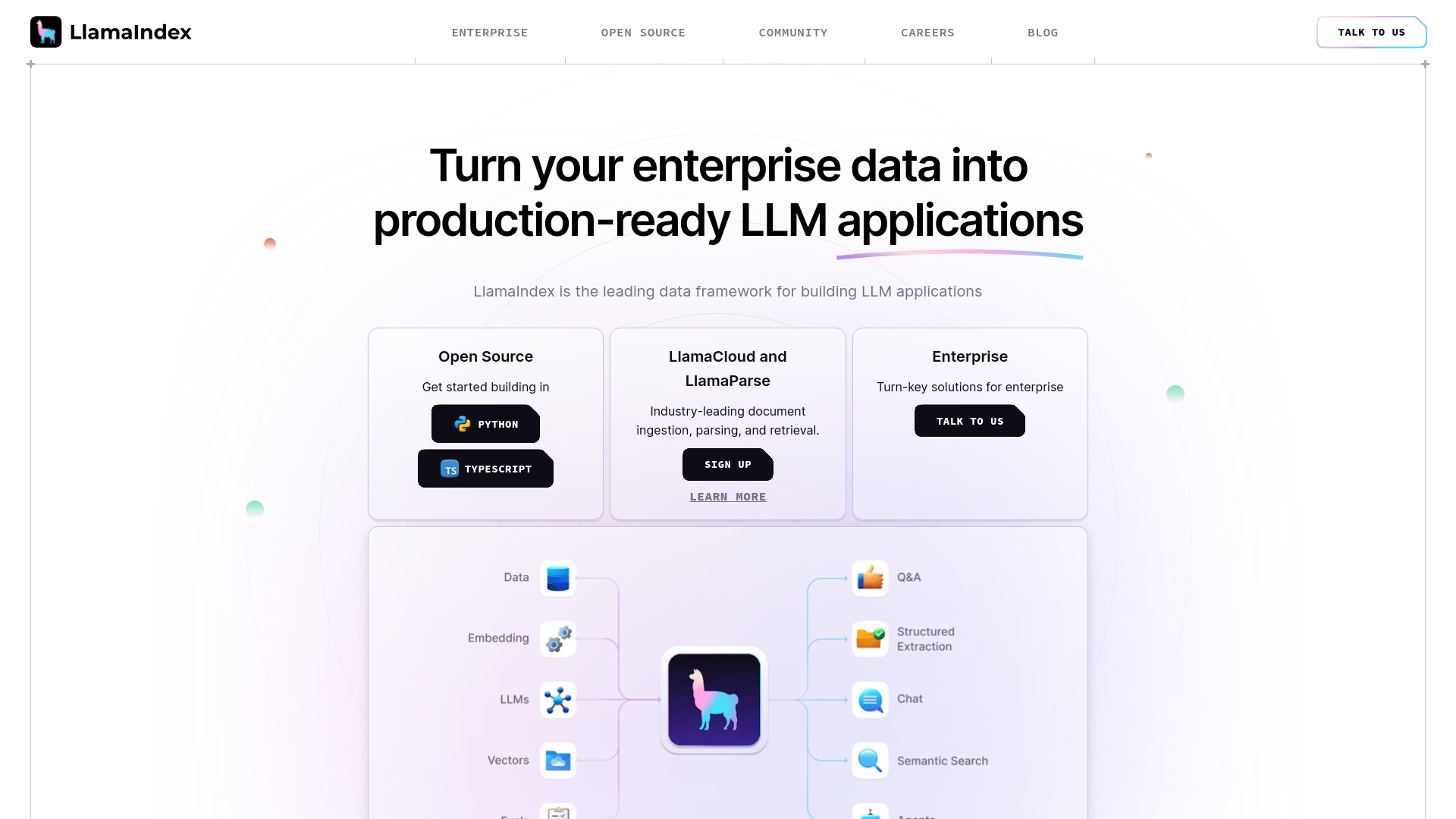
The hard part of a local assistant is often not the model; it is getting useful information into the model reliably. LlamaIndex focuses on that layer. LlamaParse handles document parsing, while LlamaExtract supports data extraction, giving teams building blocks for knowledge assistants connected to enterprise data.
That makes it one of the best local ai models companions rather than a local model runner itself. If you are assembling a RAG application, you can use the framework to prototype and move toward production while keeping the data pipeline as an explicit part of the architecture. Financial analysts are a sensible audience fit because their workflows commonly involve dense, structured source material.
My take: This is the pick for builders who understand that retrieval quality determines whether a model feels useful. It is more flexible than a packaged desktop assistant, but that flexibility comes with responsibility.
Where it falls short: Data pipelines can be complex to configure. LlamaIndex is not the fastest route for someone who simply wants to open a local chat window and ask questions.
Key features
Document parsing with LlamaParse
Data extraction with LlamaExtract
Framework for knowledge assistants
Support for prototyping and production-ready RAG applications
Pros
Flexible framework for custom RAG applications
Strong fit for enterprise data workflows
Free 10K-credit entry point
Cons
Data pipelines can be complex to set up
Requires development work beyond installing a model
Choose LlamaIndex if: You need to connect LLMs to documents or enterprise data and want control over the retrieval pipeline.
5. LLM Pulse

LLM Pulse
Best AI visibility tracker for marketing professionals
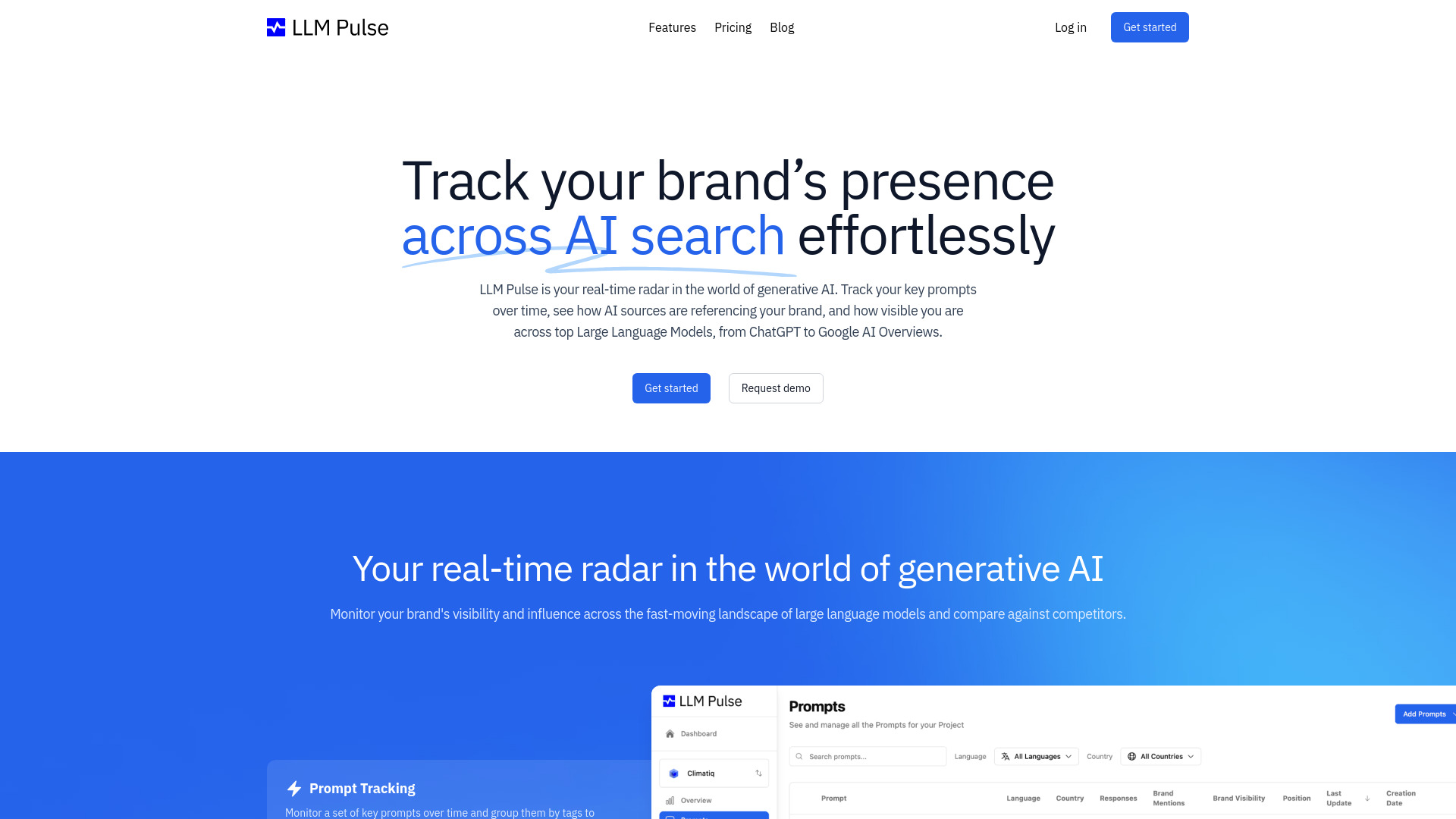
LLM Pulse is an unexpected alternative in this list. It does not help you install a local model; it helps you understand how a brand appears across major LLM-powered search experiences, including ChatGPT, Perplexity Search, Google AI Mode, and Google AI Overviews. Prompt tracking and citation analysis turn an otherwise subjective visibility question into something a marketing team can monitor.
That distinction matters. Someone researching the best local llm may actually be comparing the broader LLM ecosystem, not shopping for a desktop runtime. LLM Pulse is useful after the model decision, when the question becomes whether AI systems mention, cite, or surface your brand.
My take: Keep this on the shortlist only if your goal is AI search measurement. It is a credible adjacent tool, not a substitute for local inference or private document chat.
Where it falls short: Brand Sentiment is still listed as coming soon, so the product does not yet cover every aspect of brand monitoring. The Starter plan begins at 49.00 euros per month.
Key features
Prompt tracking across major LLM search surfaces
Citations analysis
Brand presence monitoring
Tracking across ChatGPT, Perplexity, and Google AI experiences
Pros
Real-time tracking across multiple major LLMs
Gives marketers a focused visibility workflow
Connects prompts with citation behavior
Cons
Brand Sentiment is currently coming soon
Does not provide local model execution
Choose LLM Pulse if: You are measuring how your brand appears in generative search rather than running models on your own hardware.
6. LLMrefs

LLMrefs
Best AI-search rank tracker for SEOs
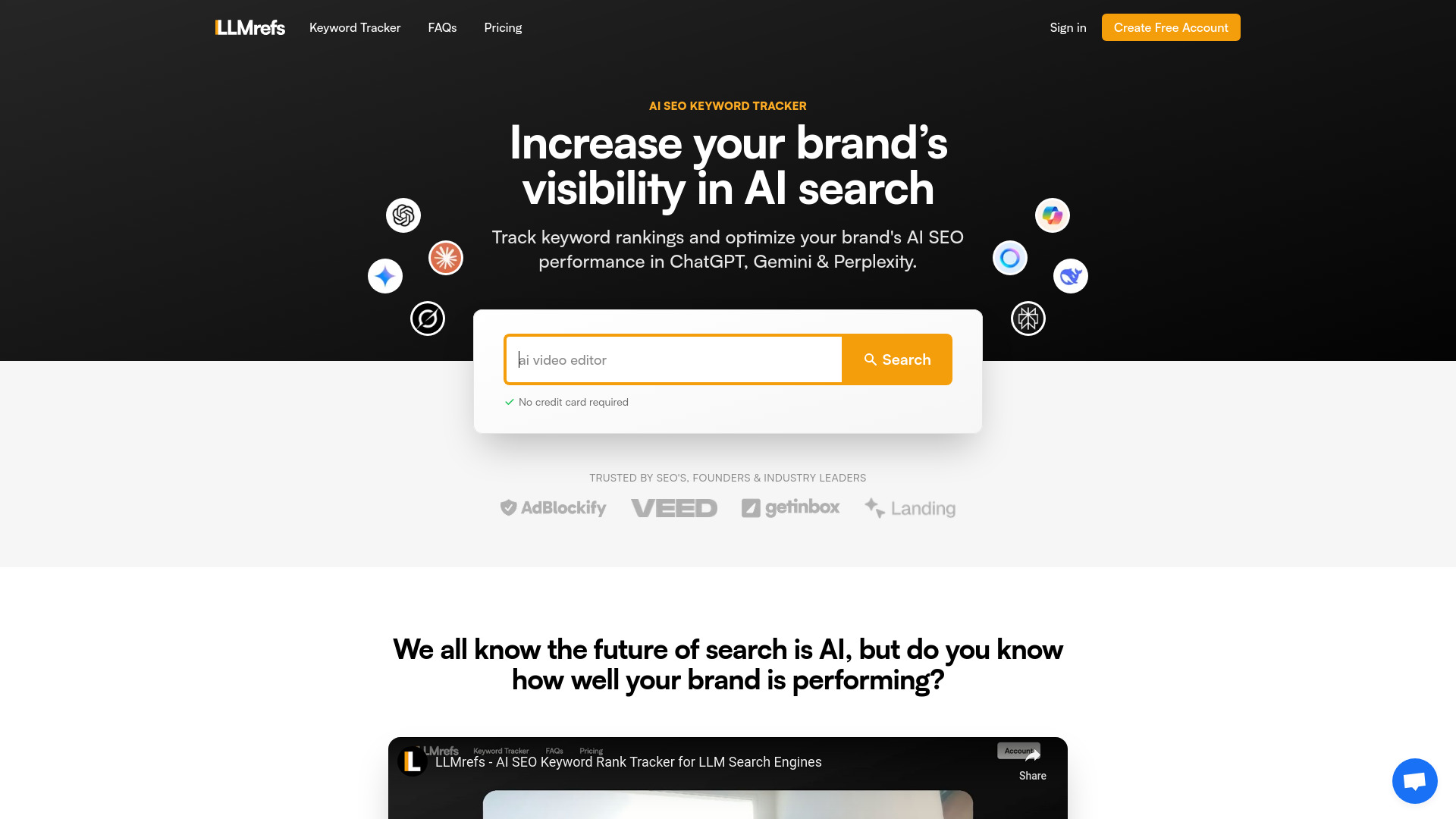
LLMrefs approaches the LLM market from the SEO side. Its core workflow is AI keyword rank tracking, supported by competitor analysis and tracking across major AI models. That makes it useful for teams trying to understand whether their content appears in AI search, where competitors are cited, and how visibility changes over time.
Like LLM Pulse, this is an adjacent tool. It should not be confused with the best local llms for private inference. Its value is measurement: if your team publishes content or manages a brand, LLMrefs helps turn AI-search exposure into a trackable SEO activity.
My take: The free one-keyword entry point is a sensible way to test whether this type of reporting answers your questions. The product becomes more relevant when AI search is already part of your content strategy.
Where it falls short: The free plan has limited features. It also measures model visibility rather than giving you a local runtime, RAG workspace, or self-hosted gateway.
Key features
AI keyword rank tracking
Competitor analysis
Tracking across major AI models
AI SEO performance optimization workflows
Pros
Tracks all major AI models
Free starting point with one keyword
No credit card required for the free access described
Cons
Free plan has limited features
Not a local model execution tool
Choose LLMrefs if: You are an SEO professional who needs to measure brand and keyword visibility inside AI search products.
7. LLMPlayground

LLMPlayground
Best low-cost model comparison workspace for AI enthusiasts
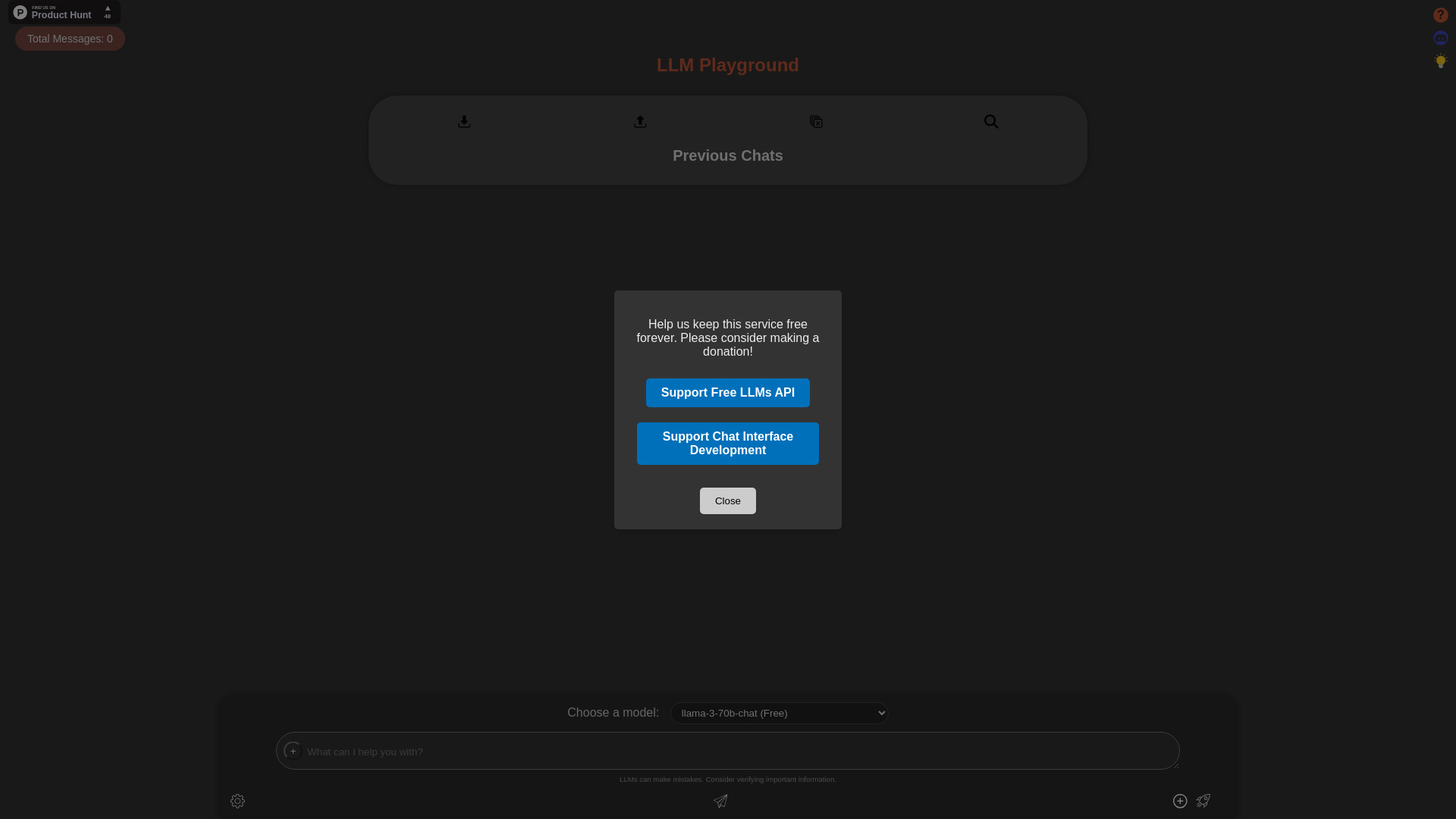
LLMPlayground is built around experimentation: access multiple AI models, chat in one interface, and switch models when you want to compare responses. The free allowance of 50 messages per day makes it approachable for someone who wants hands-on exposure before committing to a particular model or installing a local stack.
It is not technically the best llm to run locally because the listed workflow is a hosted playground rather than a desktop runtime. Still, it serves an important early-stage use case: comparing model behavior without setting up each provider separately. That makes it a useful companion for readers deciding which model family is worth deploying later.
My take: Use this as a test bench, not as a privacy-first local environment. It is the least intimidating way on this list to compare models through ordinary conversation.
Where it falls short: Message limits apply to free and paid plans. Users who need complete control over data handling or unlimited local inference should look elsewhere.
Key features
Access to multiple AI models
Seamless chat experience
Switch models anytime
50 free messages per day
Pros
Free access to multiple AI models
Low-cost paid entry at €5 per month
Useful for side-by-side experimentation
Cons
Message limits exist on free and paid plans
Hosted playground rather than a local runtime
Choose LLMPlayground if: You want to compare several models quickly before choosing a more permanent local or developer setup.
8. LLM Price Check

LLM Price Check
Best API cost comparison tool for AI developers
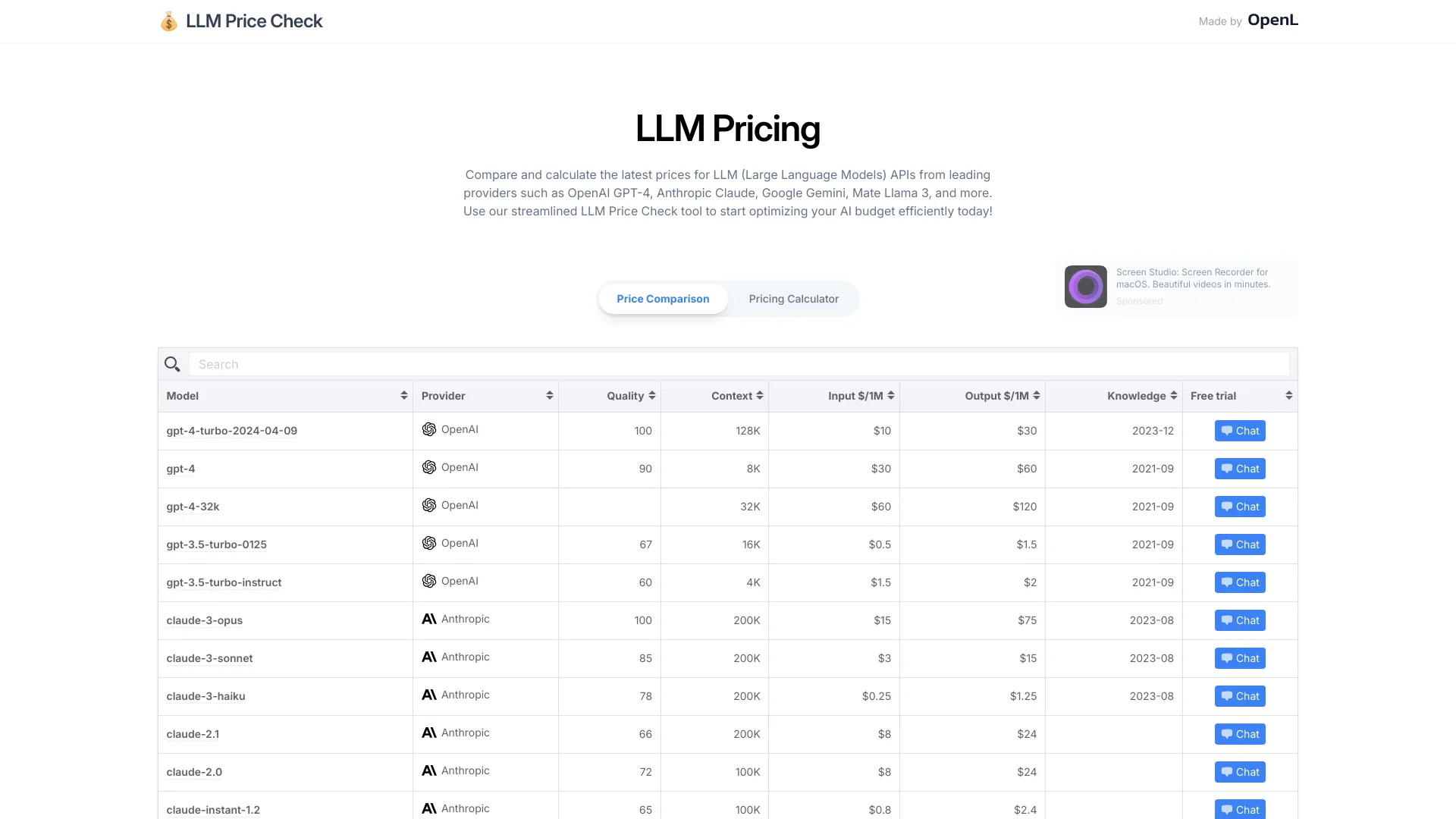
Choosing among the best local llm models is partly a cost decision, especially when a project may move between local inference and paid APIs. LLM Price Check focuses on that practical question with LLM API price comparison and a pricing calculator. It is not a model host, but it can help developers understand the financial trade-offs before wiring a provider into an application.
The tool earns a place because model selection is rarely just about benchmark quality. Usage volume, provider pricing, and the economics of running an external API can change the answer. A quick comparison is useful when deciding whether local hardware, a hosted endpoint, or a mixed architecture makes sense.
My take: I would open this before committing to a model in production, particularly when several providers offer similar capabilities. Treat the figures as decision support, not as an invoice.
Where it falls short: The comparison depends on the accuracy and freshness of the pricing data provided. It also does not replace a local chat app, a gateway, or a deployment platform.
Key features
LLM API price comparison
Pricing calculator
Comparison of prices from multiple providers
Budget optimization workflow for AI projects
Pros
Instant price comparison from multiple providers
Helps connect model choice with budget
Useful before selecting an API architecture
Cons
Relies on the accuracy of provided pricing data
No local execution or document workflow
Choose LLM Price Check if: You are comparing API economics before deciding where and how to run an LLM.
9. Luminance

Luminance
Best domain-specific LLM workflow for legal teams
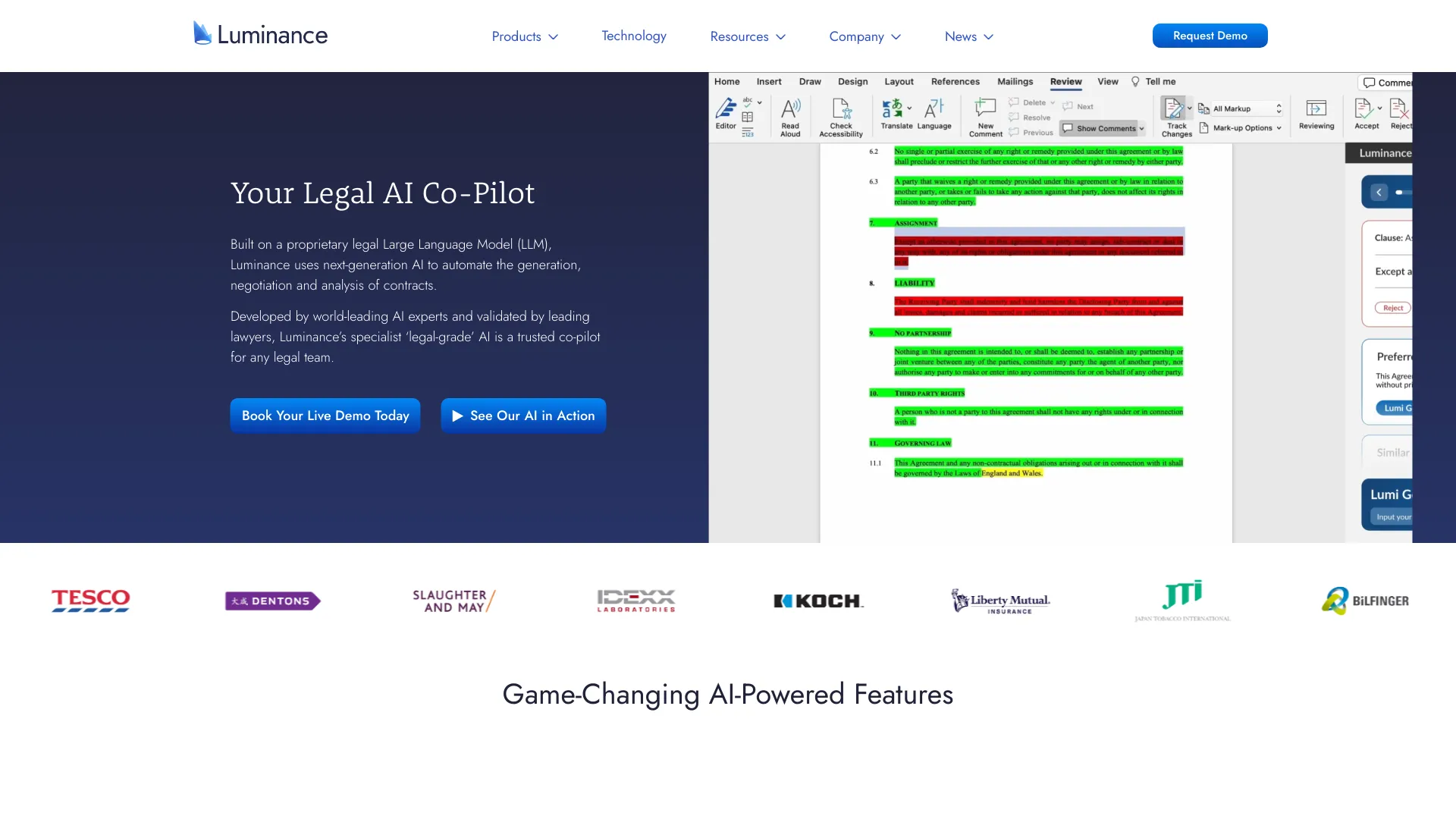
Luminance is another broader visual and workflow alternative rather than a local model platform. Its focus is legal work: contract generation, negotiation, analysis, AI-driven negotiation, and a legal-grade chatbot. For lawyers, that domain focus can be more valuable than a generic chat interface because the workflow starts with a specific business process.
This pick belongs near the bottom of a local LLM guide because it demonstrates an important buying principle: the best system is often the one shaped around the work, not the one with the most general model access. If contract review is the task, a legal workflow may be more useful than assembling a general-purpose local stack from scratch.
My take: Consider Luminance when legal operations and contract throughput are the priority. Do not choose it merely because you want a private local model.
Where it falls short: It may require initial setup and training, and the available pricing is not presented as a simple public starting point. It is also a specialized platform, not a general model playground.
Key features
AI-driven negotiation
Contract generation, negotiation, and analysis
Legal-grade chatbot
Legal workflow automation
Pros
Automates major contract processes
Focused on legal professionals
More task-specific than a generic LLM interface
Cons
May require initial setup and training
Pricing requires vendor confirmation
Not a general local LLM runtime
Choose Luminance if: You are a legal team looking for an AI platform built around contracts rather than a general-purpose local model.
10. Featherless.ai

Featherless.ai
Best broad serverless model catalog for developers
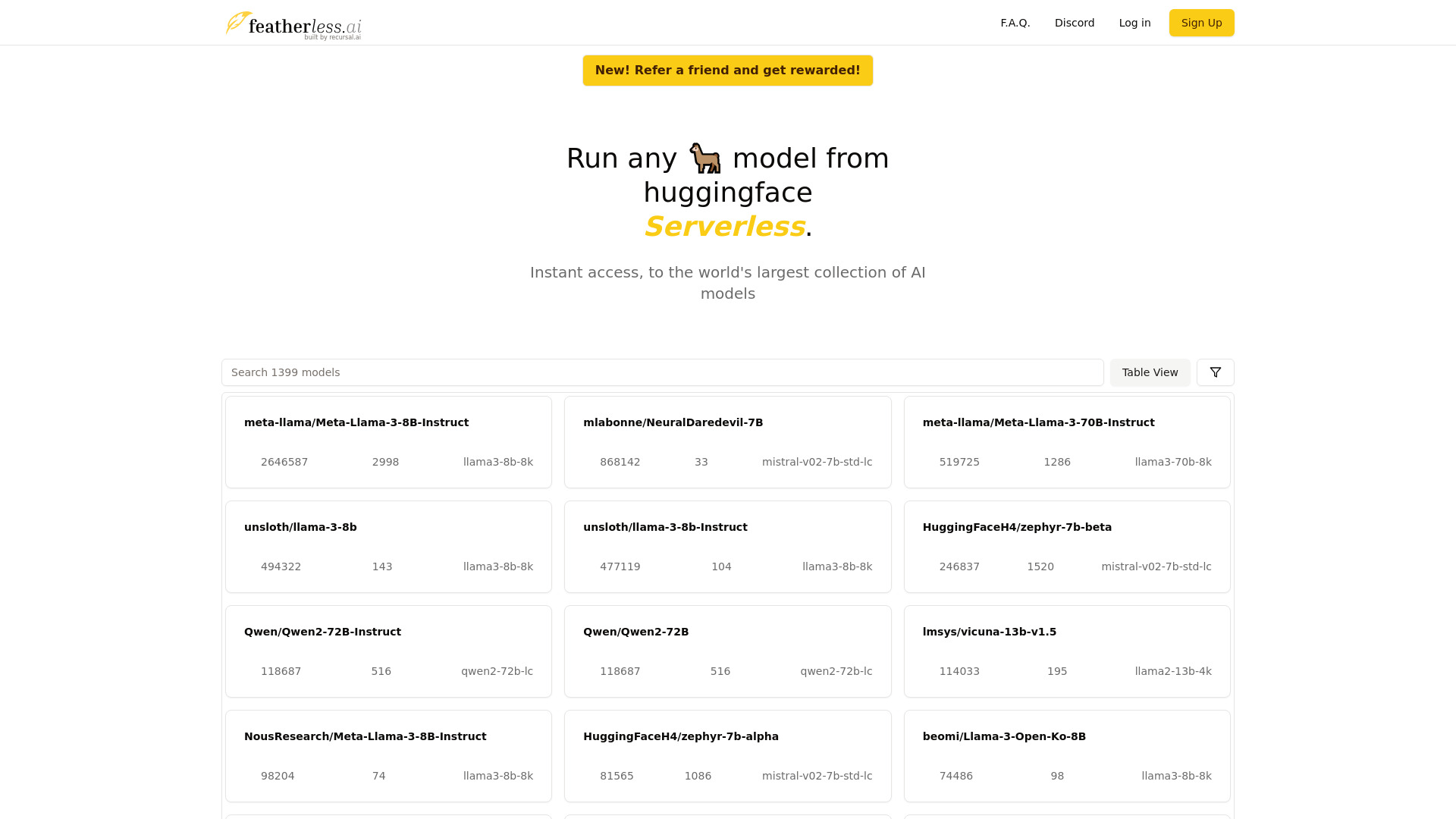
Featherless.ai is aimed at developers who want breadth without managing traditional infrastructure for every model. Its serverless LLM hosting provides access to thousands of Hugging Face models, giving teams a much wider catalog than a typical single-model application. The $10-per-month entry point covers access to models up to 15B, according to the listed plan description.
This is not the same as installing a model on your own laptop, but it is a relevant alternative when "local" really means control over model choice and a predictable developer interface. Serverless inference can be a practical middle ground between local hardware and building your own serving stack, particularly during prototyping.
My take: Featherless.ai is the pick for developers who value model range above an all-in-one user interface. I would compare it with a self-hosted gateway when you need many Hugging Face options but do not want to operate every endpoint yourself.
Where it falls short: Individual plans limit model size and concurrent connections. Those constraints matter quickly if you are serving larger models or handling parallel application traffic.
Key features
Serverless LLM hosting
Access to thousands of Hugging Face models
Models up to 15B on the listed $10 plan
Serverless pricing approach
Pros
Unmatched model range and variety
Reduces infrastructure work for inference
Low-cost entry plan for smaller models
Cons
Individual plans limit model size and concurrent connections
Serverless hosting is not the same as running models on your own machine
Choose Featherless.ai if: You are a developer who needs a broad model catalog and serverless inference rather than a local desktop application.
More tools to compare

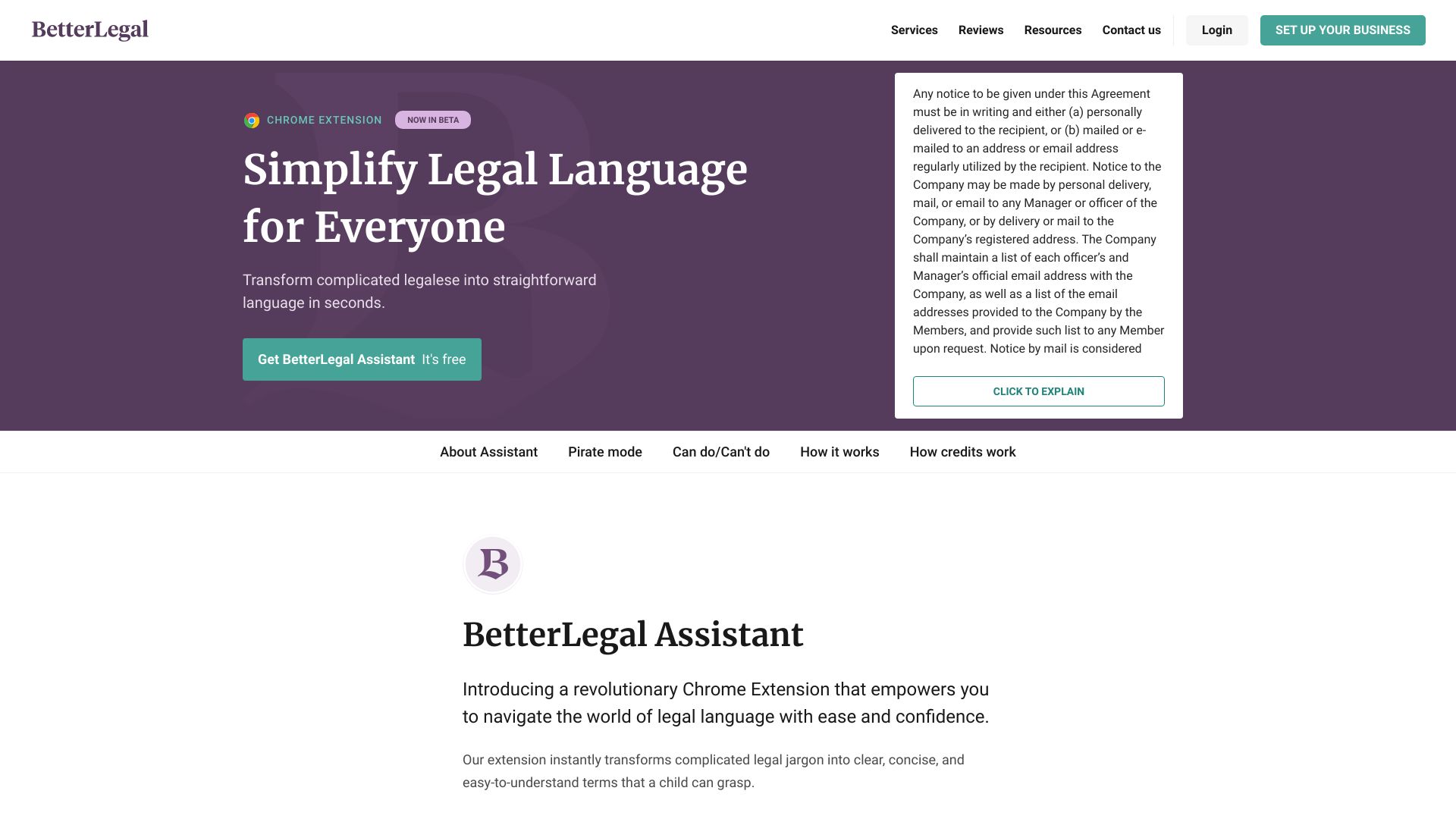
BetterLegal
Quick LLC and corporation formation

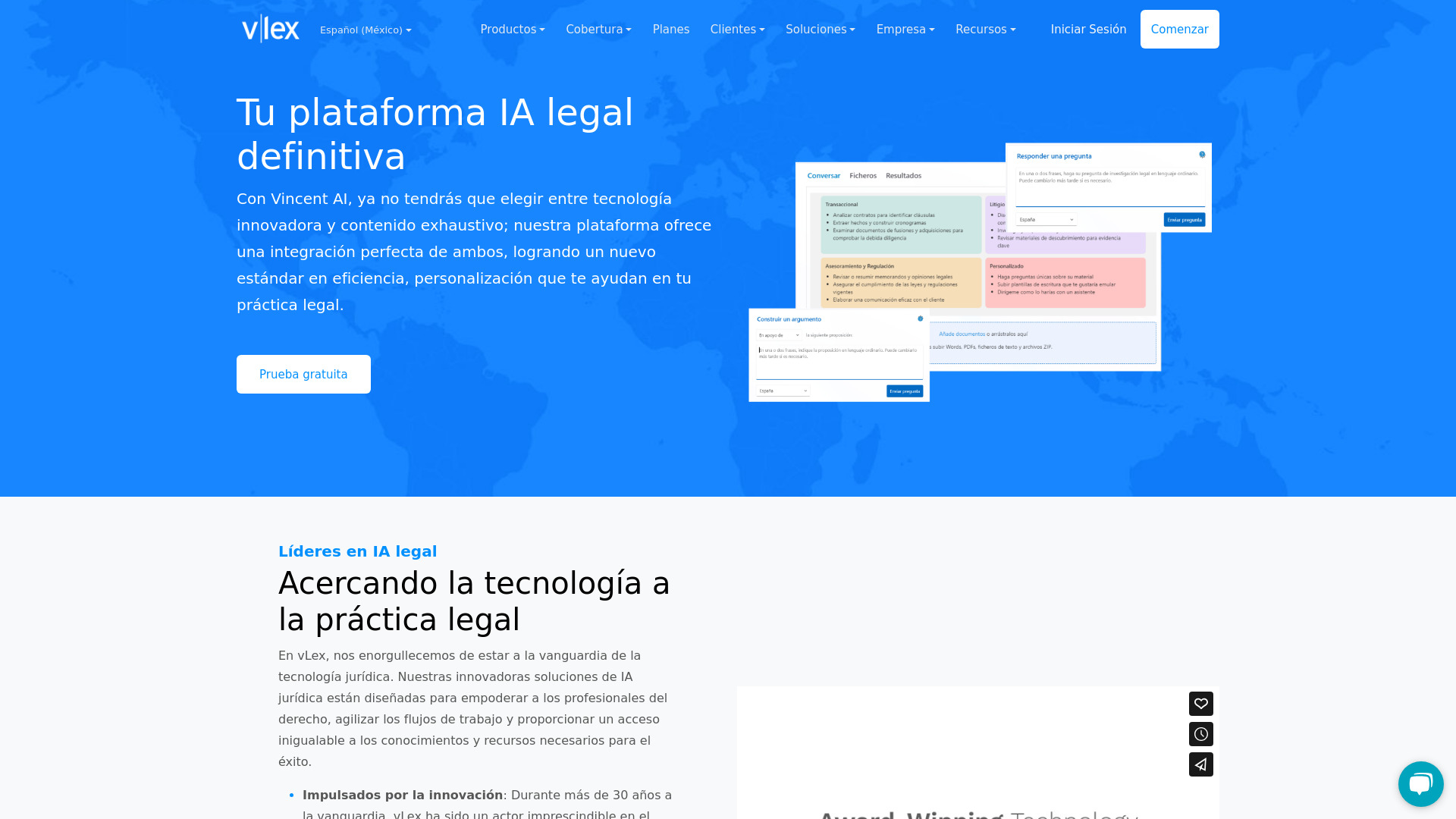
vLex
International legal research

AwanLLM
Cost-conscious LLM developers

llmchat.co
Privacy-focused LLM research

Manifest
OpenClaw cost optimization

RunLLM
Enterprise technical support teams

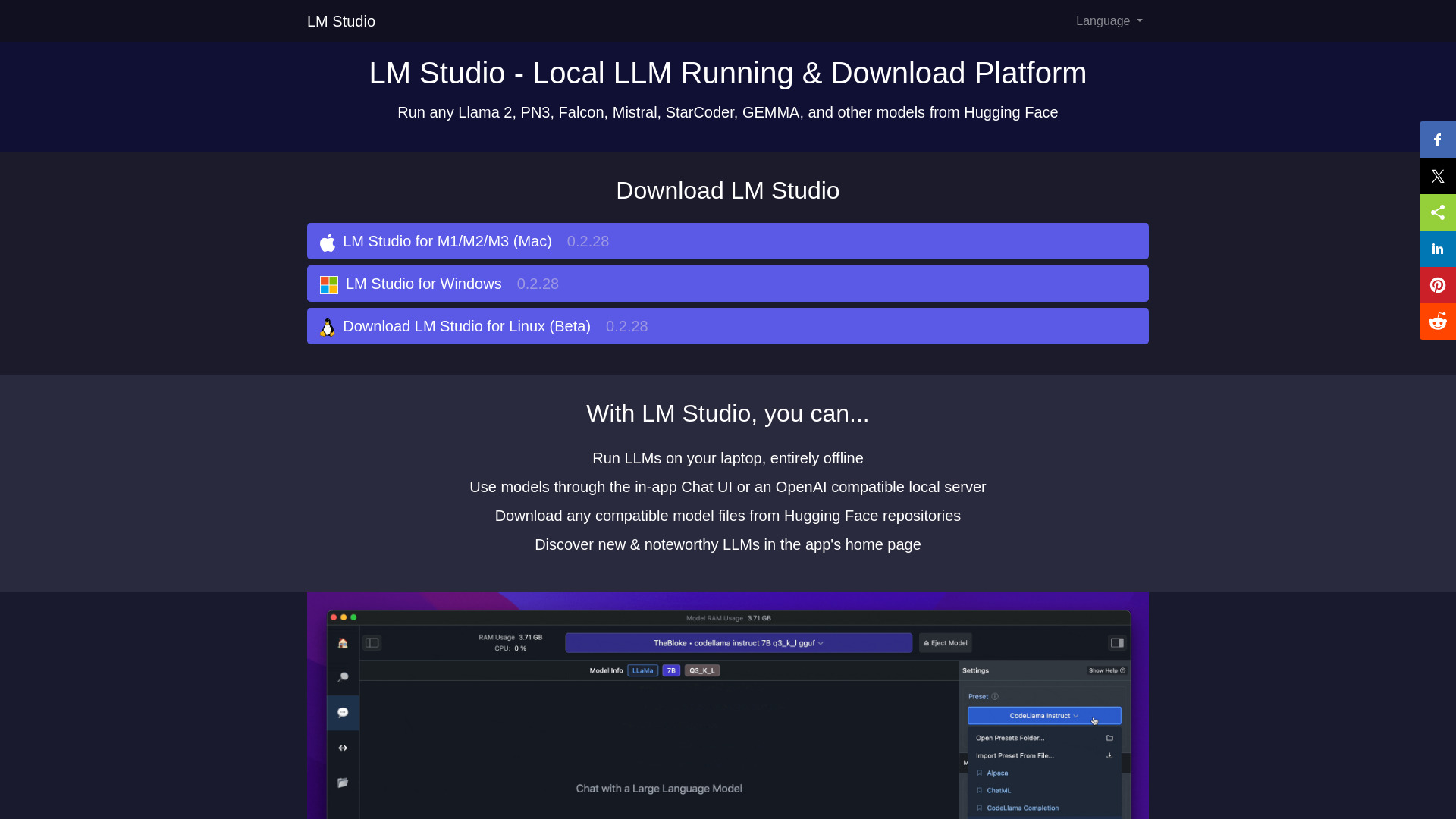
LM Studio
Offline local LLM running

LegalForce
Contract review teams


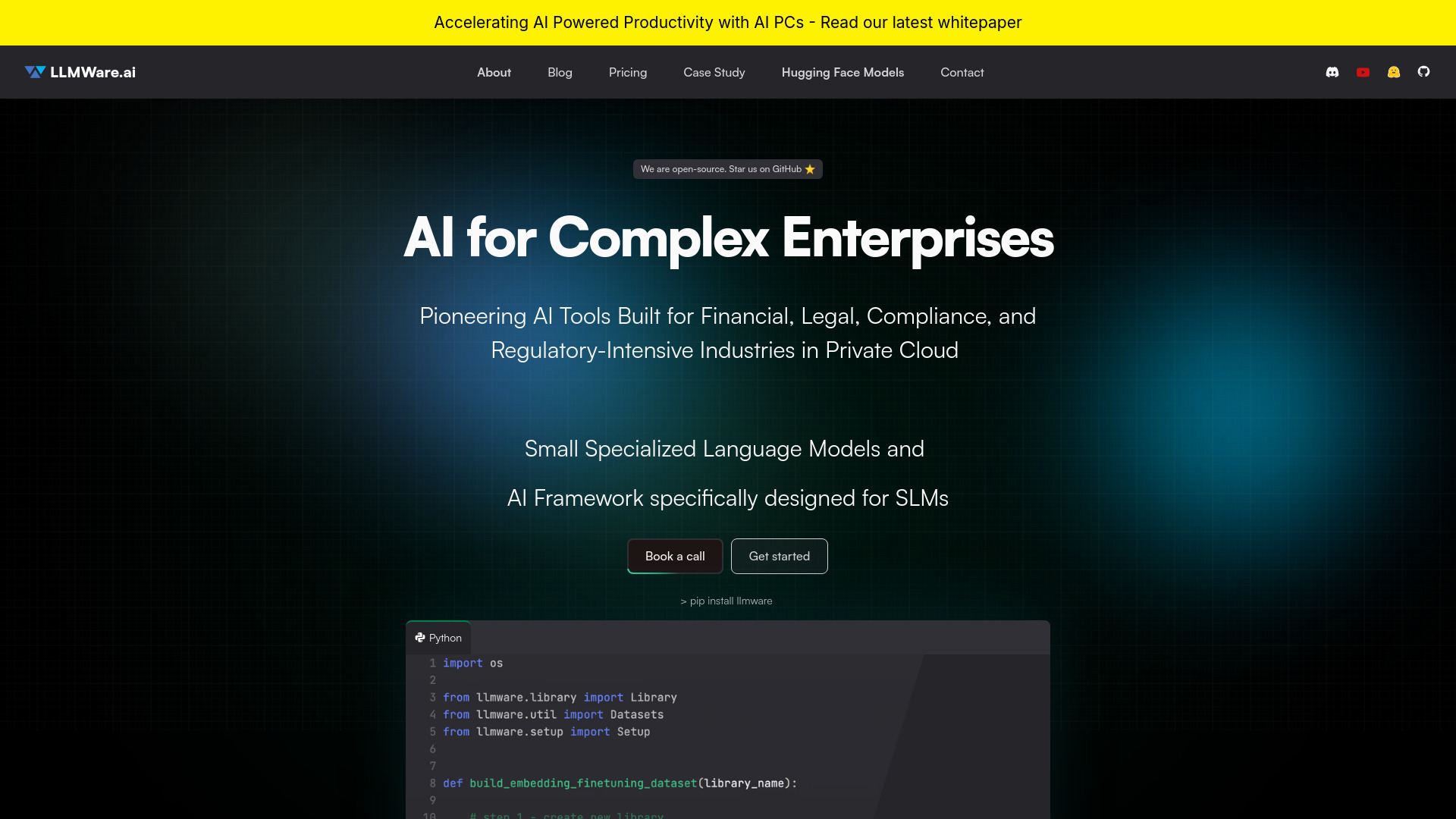
LLMWare.ai
Private local AI for regulated enterprises

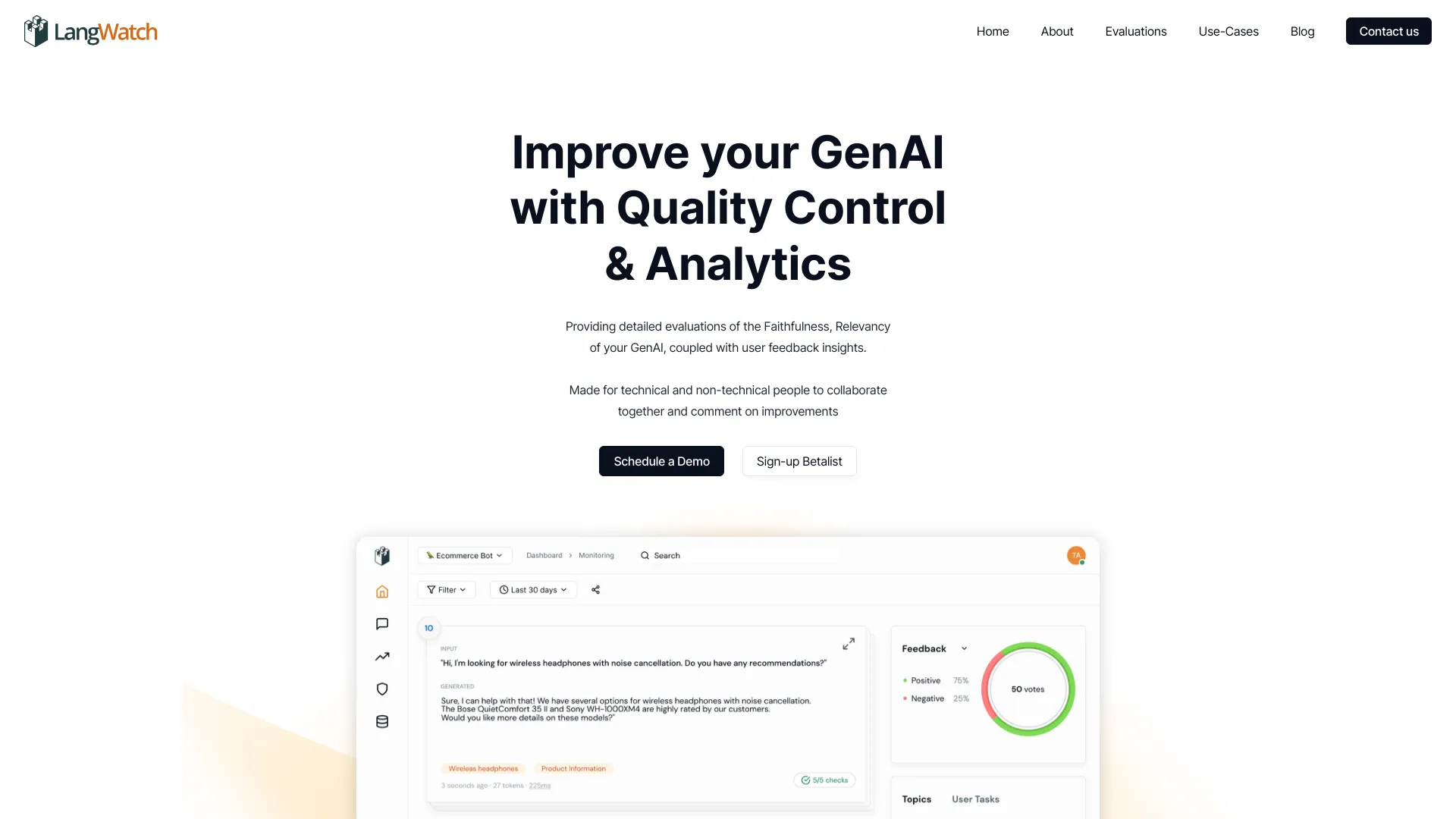
LangWatch
LLM observability and evaluation

Lamini
Private enterprise LLM deployment

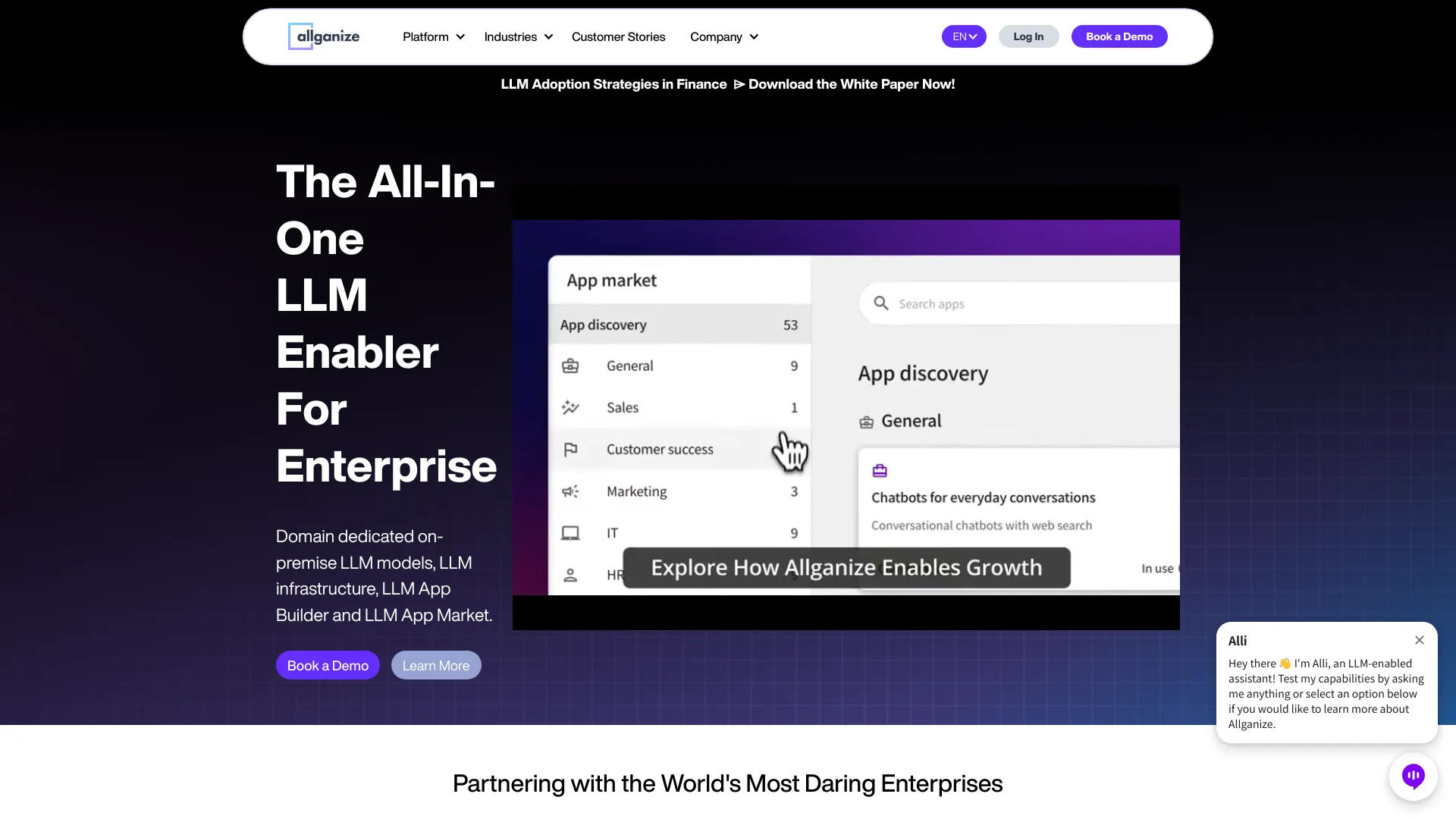
Allganize
Secure enterprise LLM applications

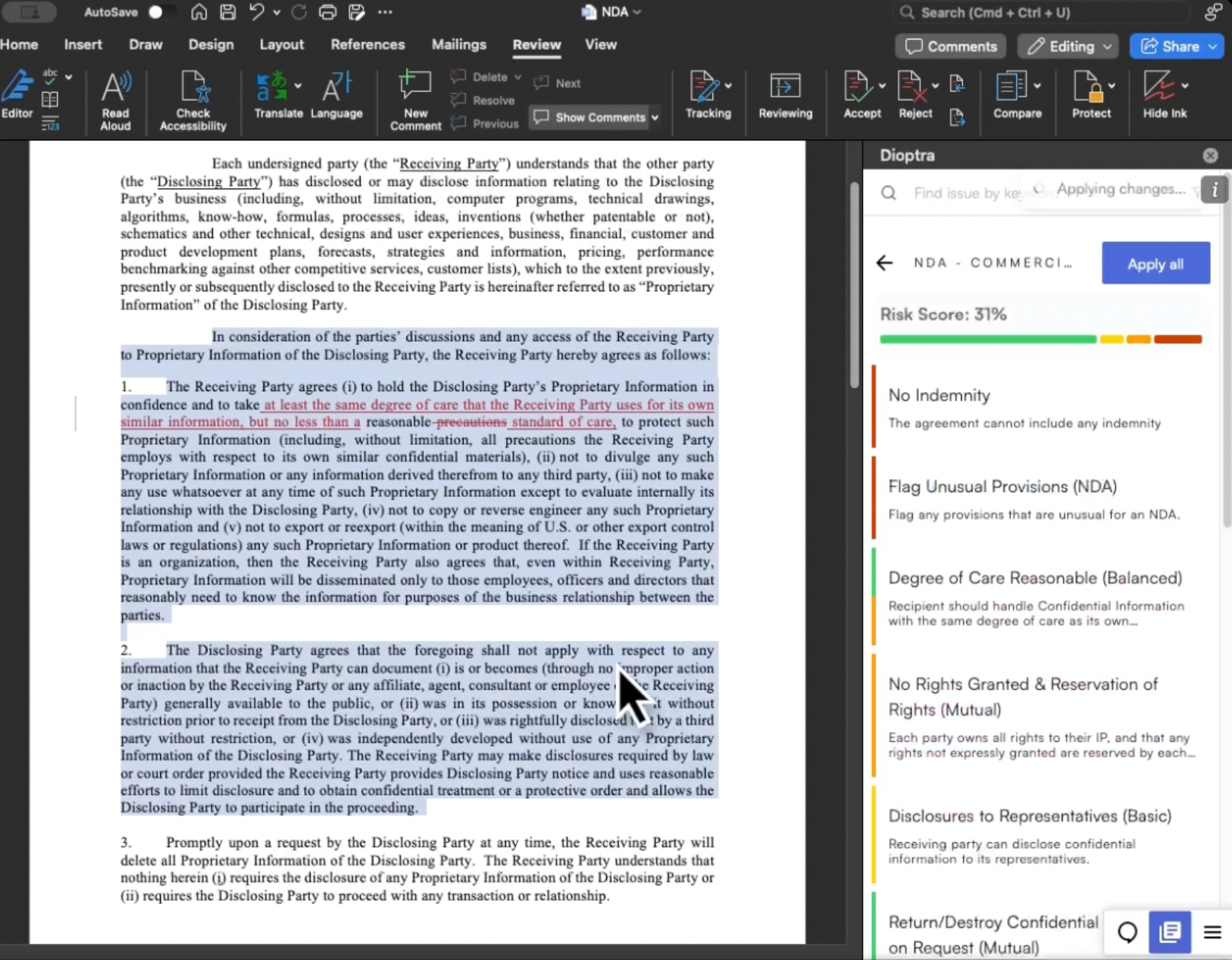
Dioptra AI Redlining
LLM evaluation and data curation

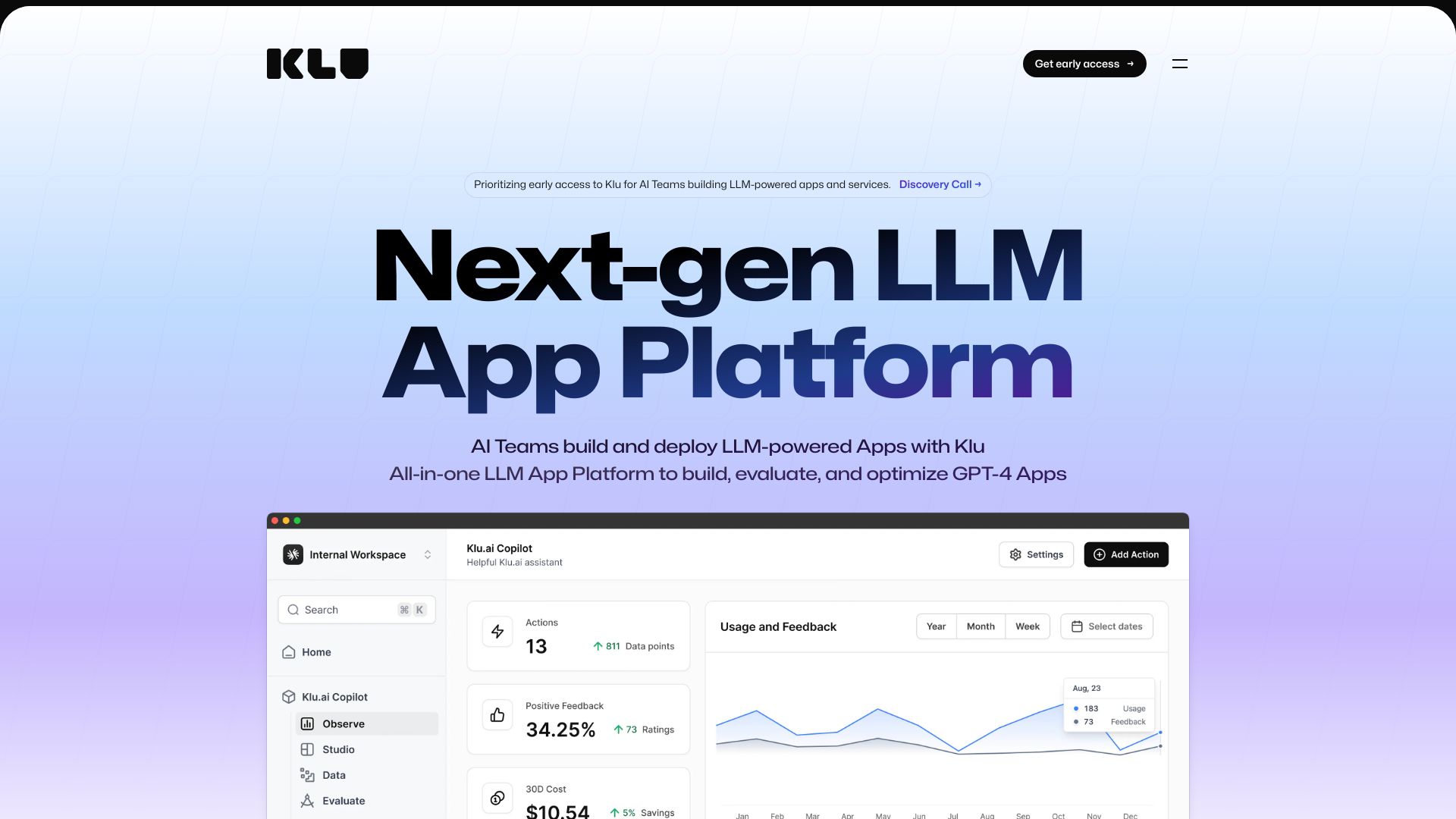
Klu
Building and evaluating LLM apps

LLaMA-Factory Online
Low-code LLM fine-tuning with cloud GPUs


LLMule
Private local and decentralized AI

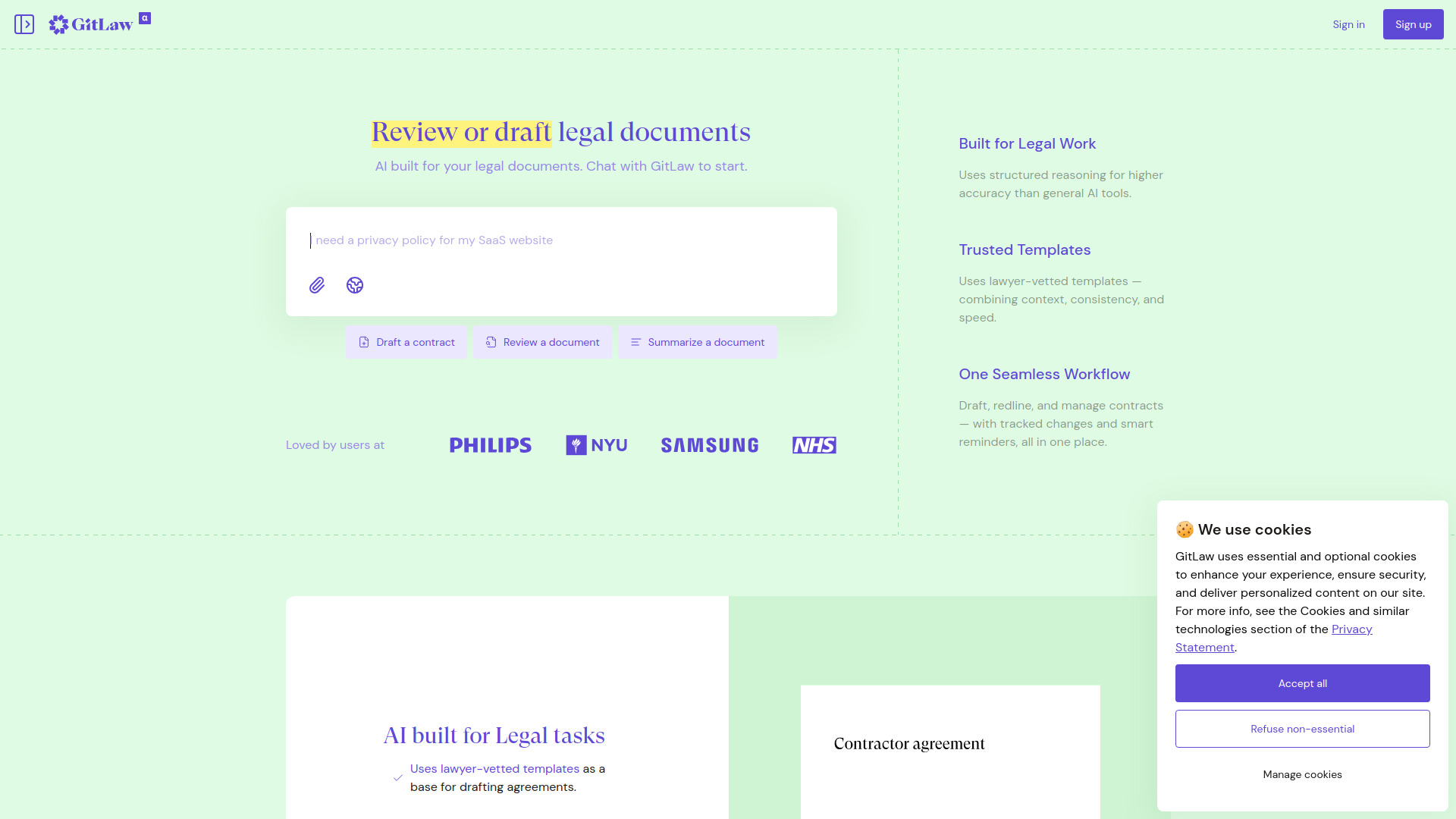
GitLaw
AI contract drafting and document review

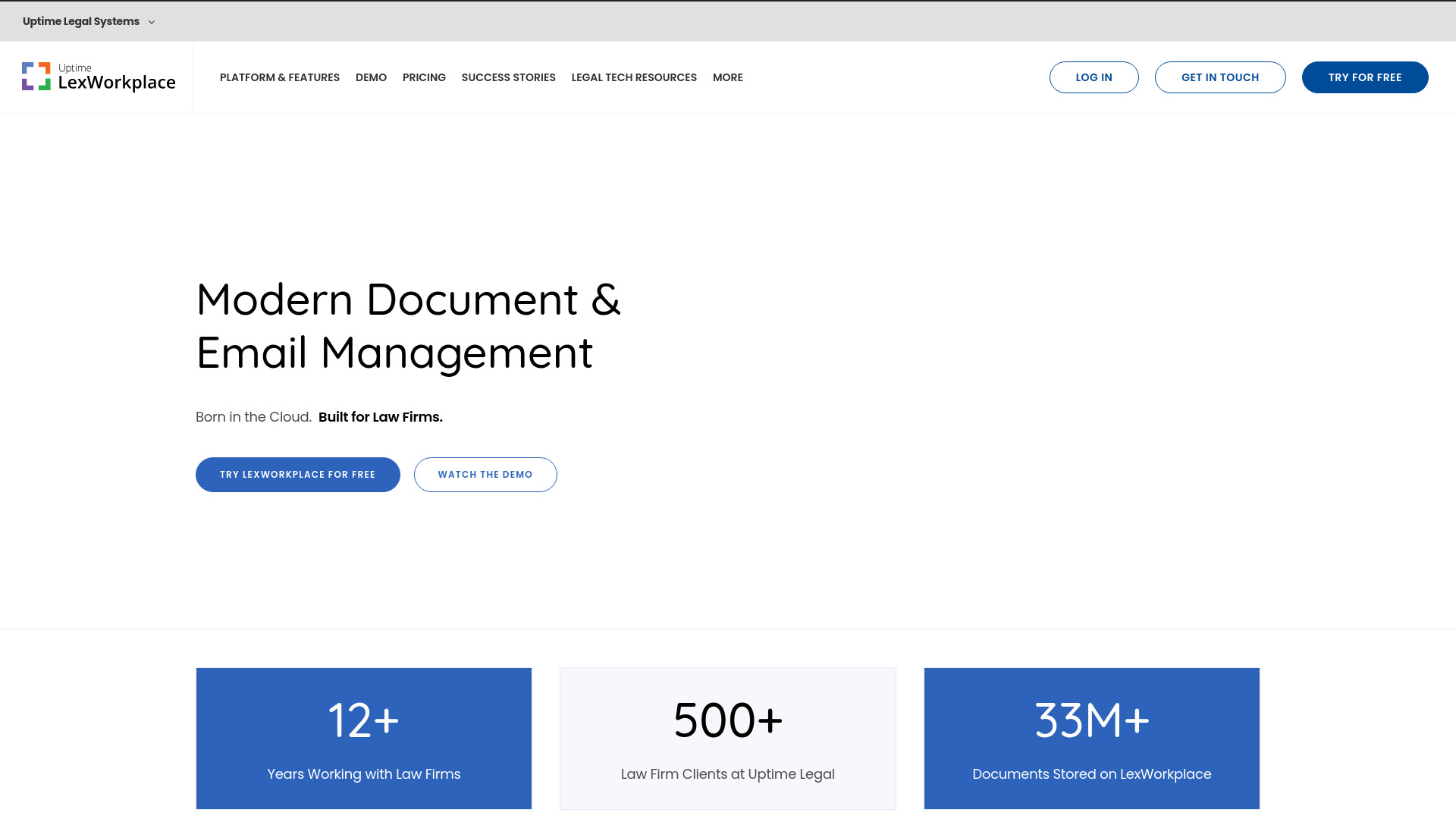
LexWorkplace
Law firms managing documents and email by matter

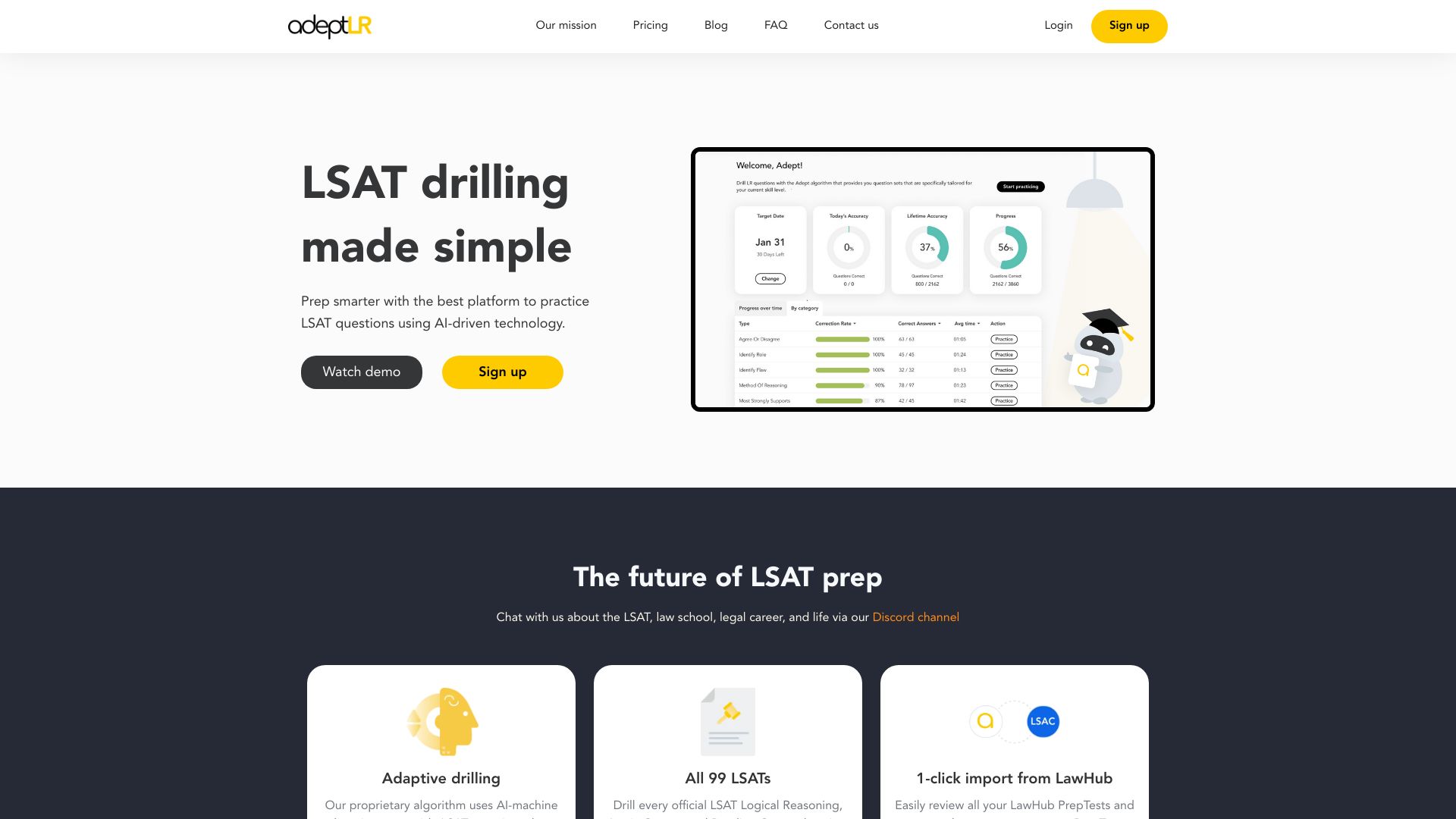
AdeptLR
Adaptive LSAT drilling

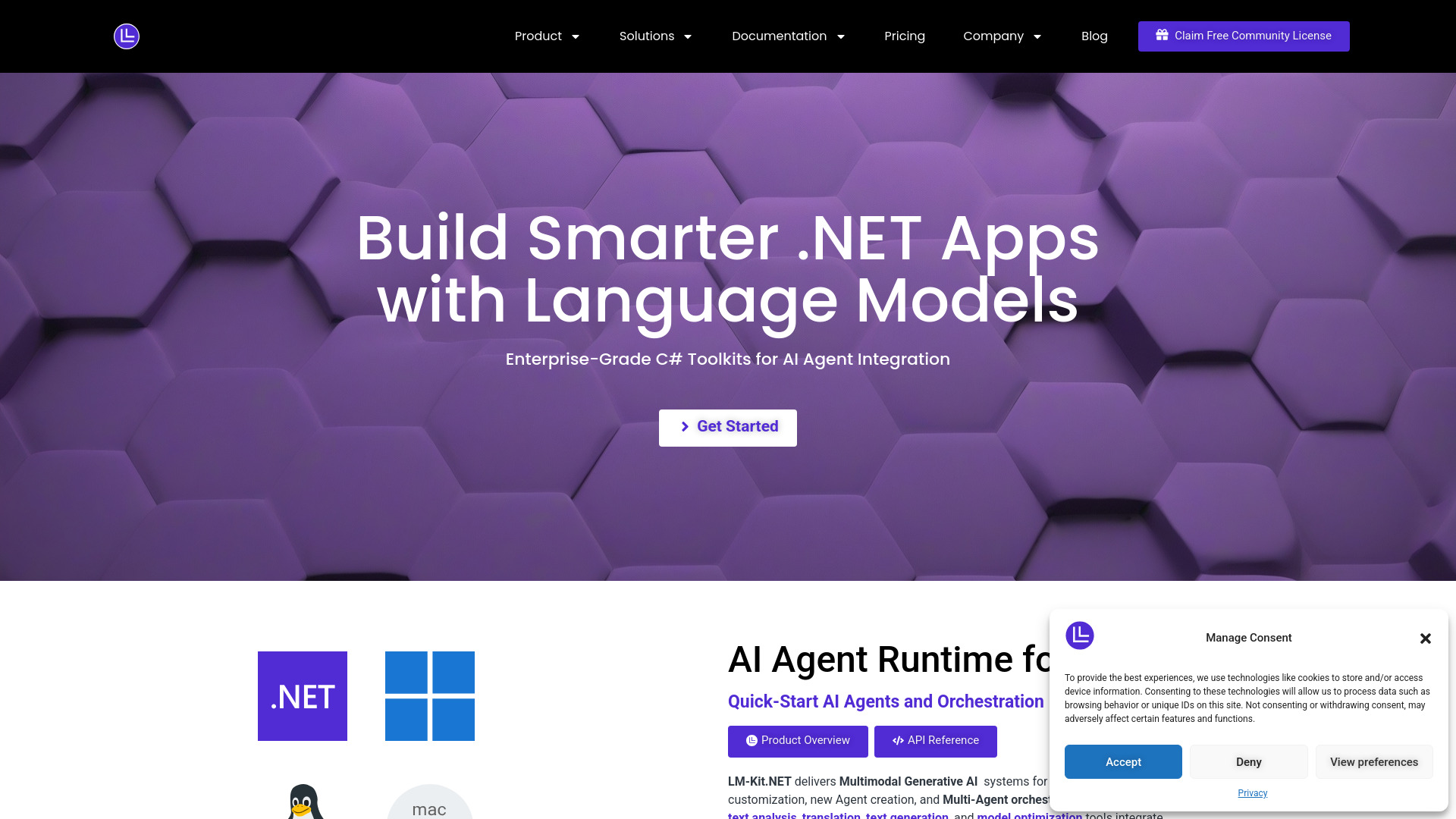
LM-Kit.NET
.NET developers building local AI apps

LLMOps.Space
LLMOps practitioners and production resources

Llanai
Conversation and pronunciation practice

Agents-Flex
Java developers building local LLM apps

LLM SEO Monitor
AI search visibility monitoring

LawWiz
Legal professionals and law firms

LegalTranslations.com
Law firms needing legal document translation

Layman Law
Understanding legal documents

Lawdeck.ai
Brazilian legal document drafting and research

ELM Solutions | Wolters Kluwer
Enterprise legal spend and matter management


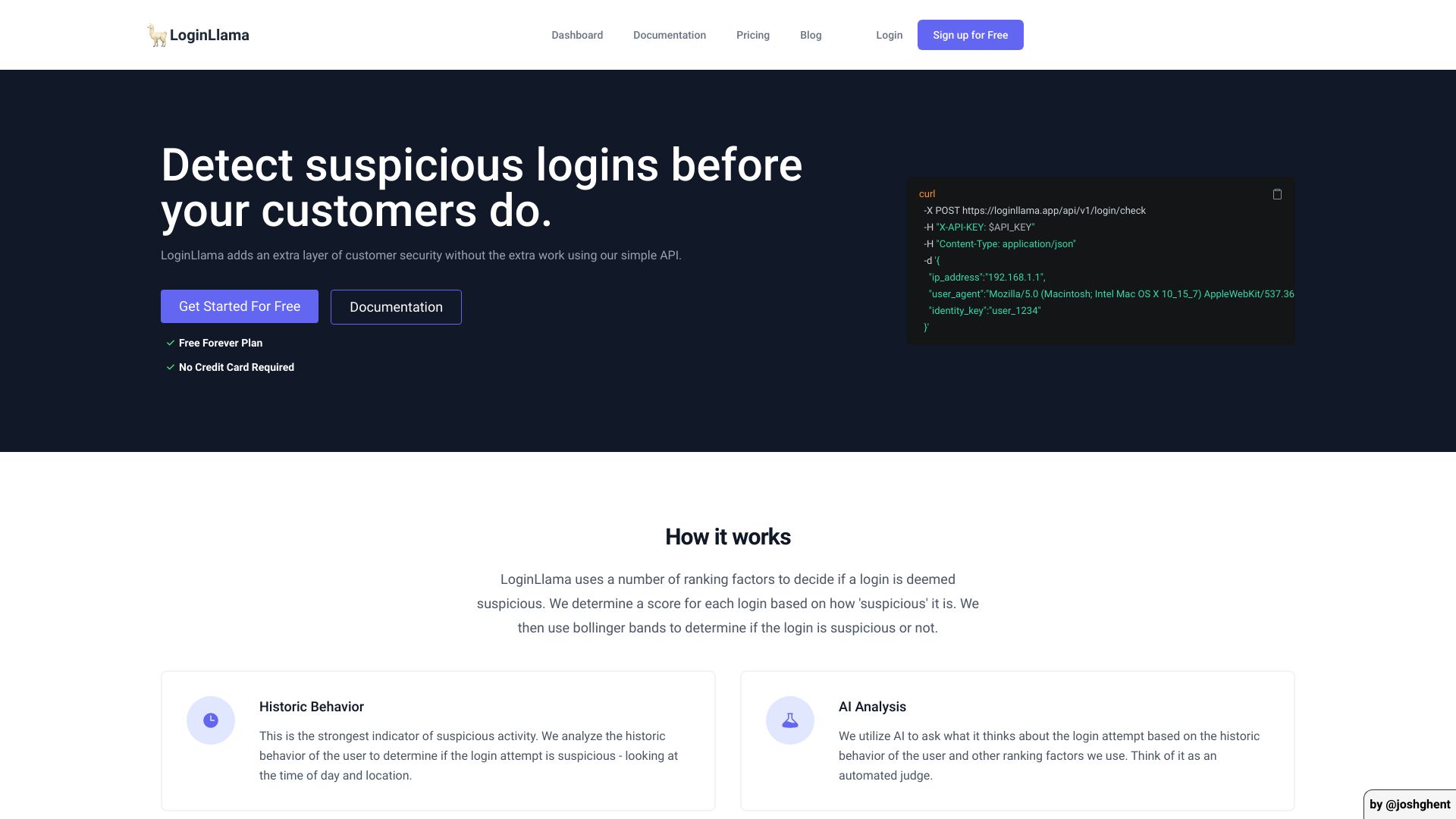
LoginLlama
Suspicious login detection for developers

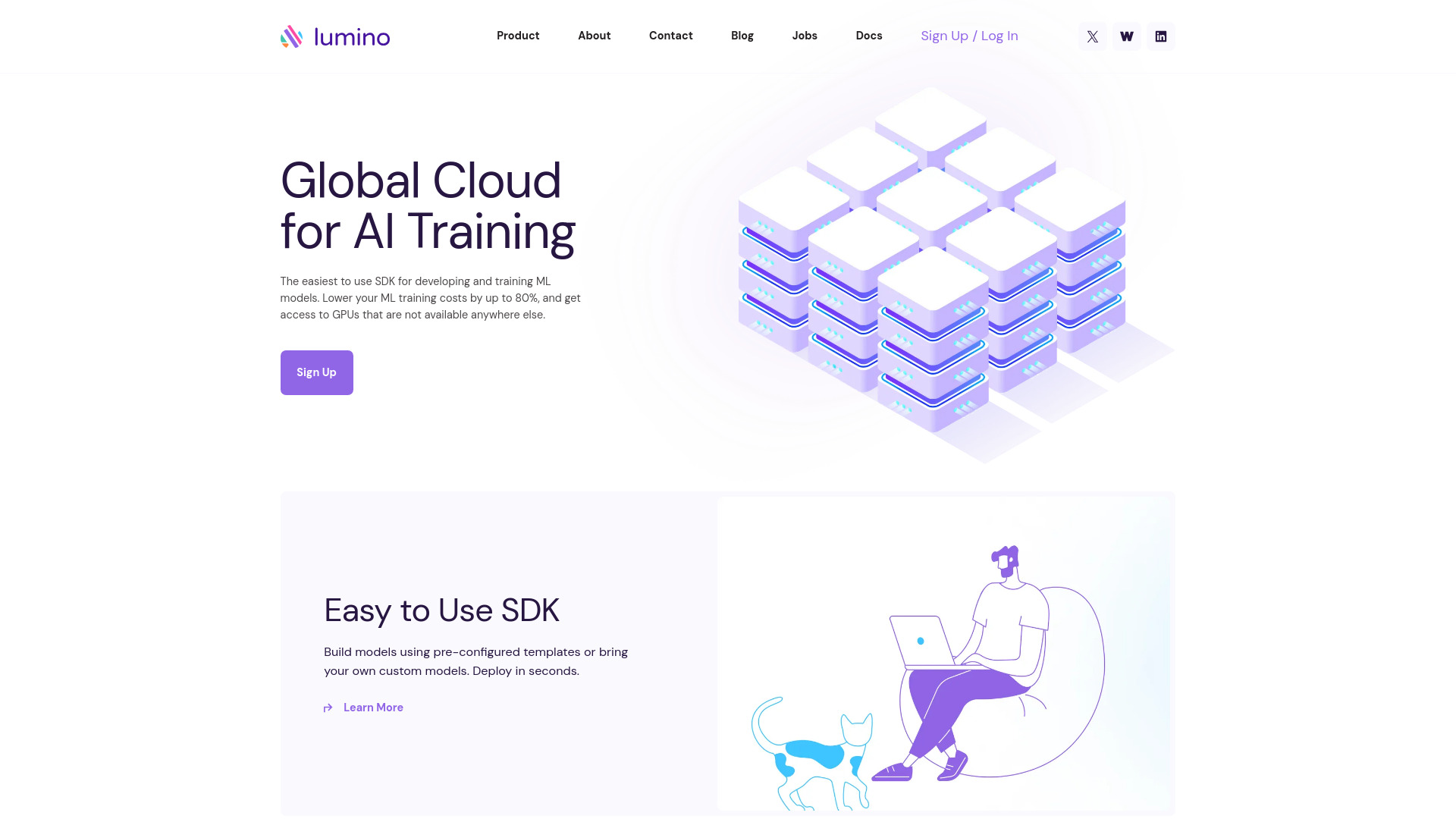
Lumino
LLM fine-tuning and training

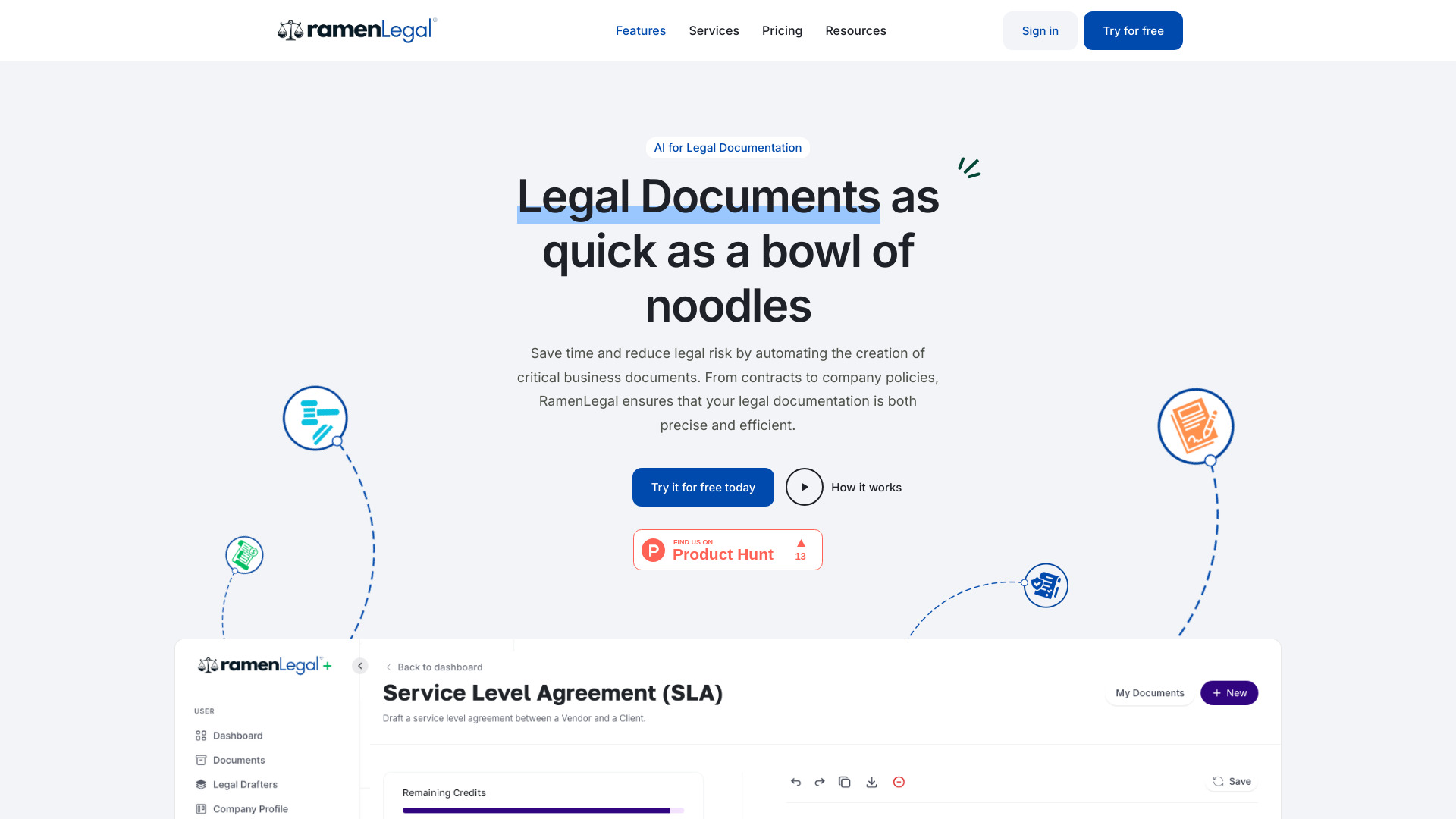
RamenLegal
AI-powered legal document drafting

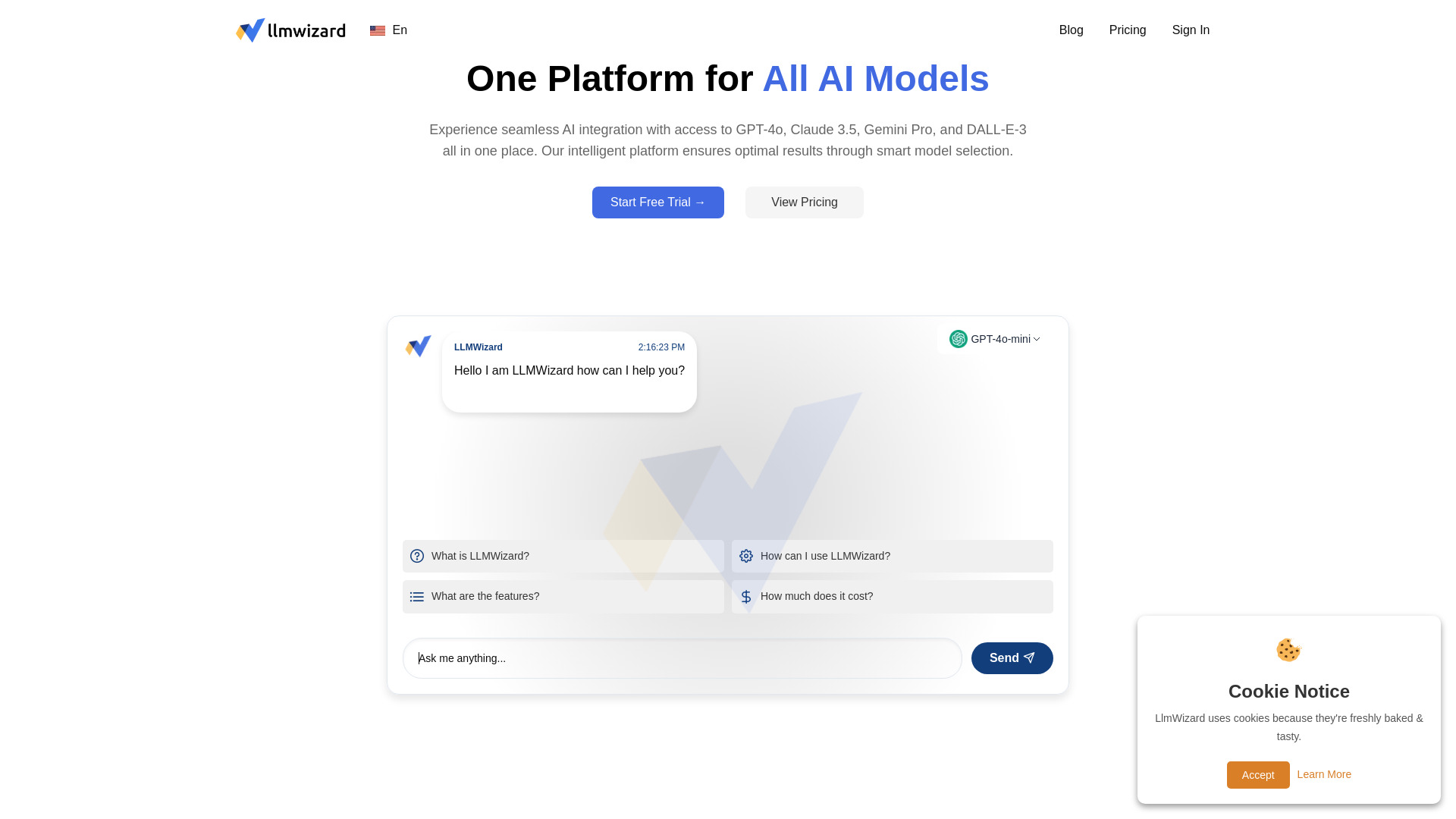
LLMWizard
Comparing AI models in one platform

LegesAI
German legal questions


AI Lawyer Lab
Legal professionals building no-code AI solutions


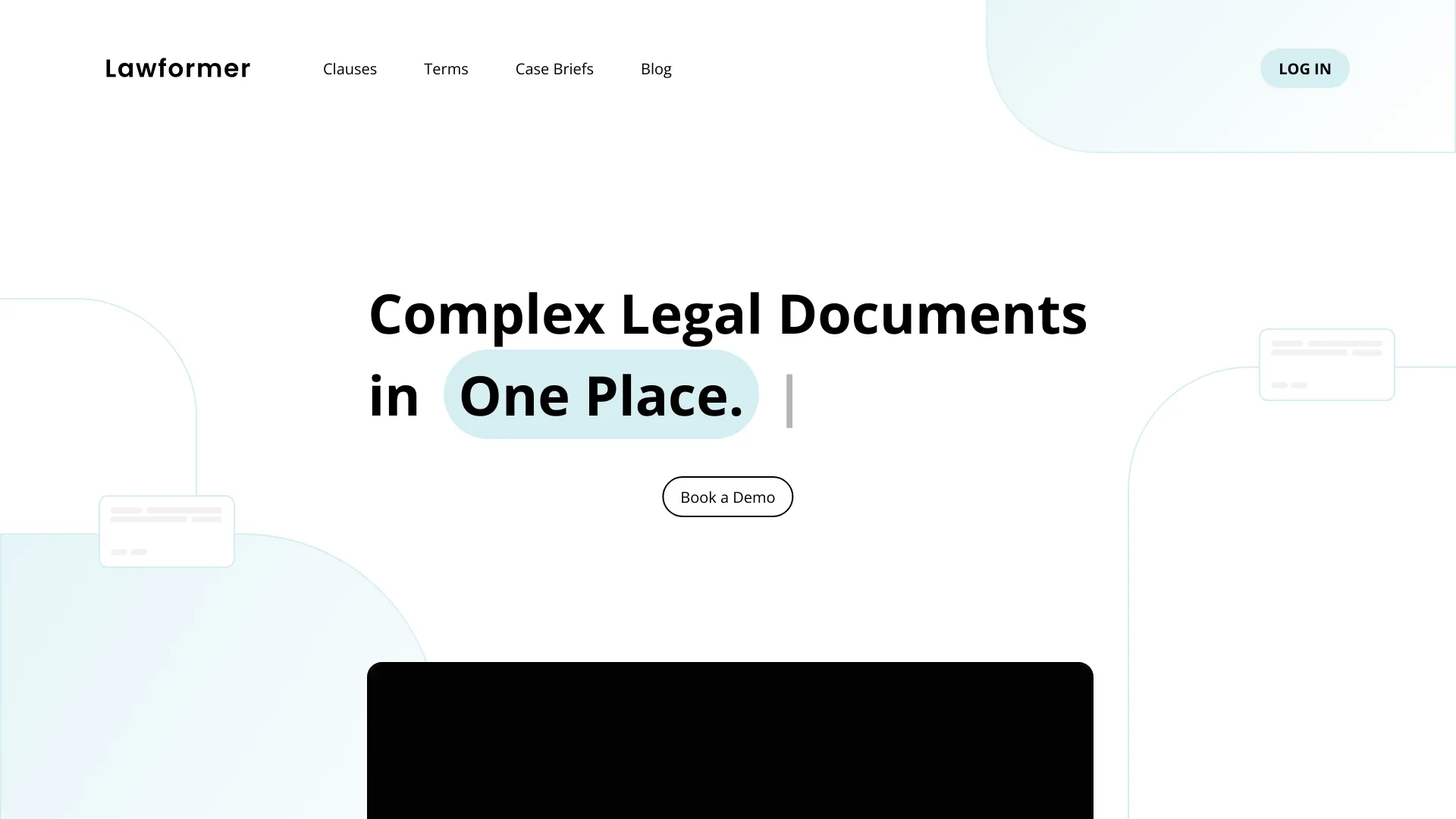
Lawformer
Legal teams managing contract clause libraries
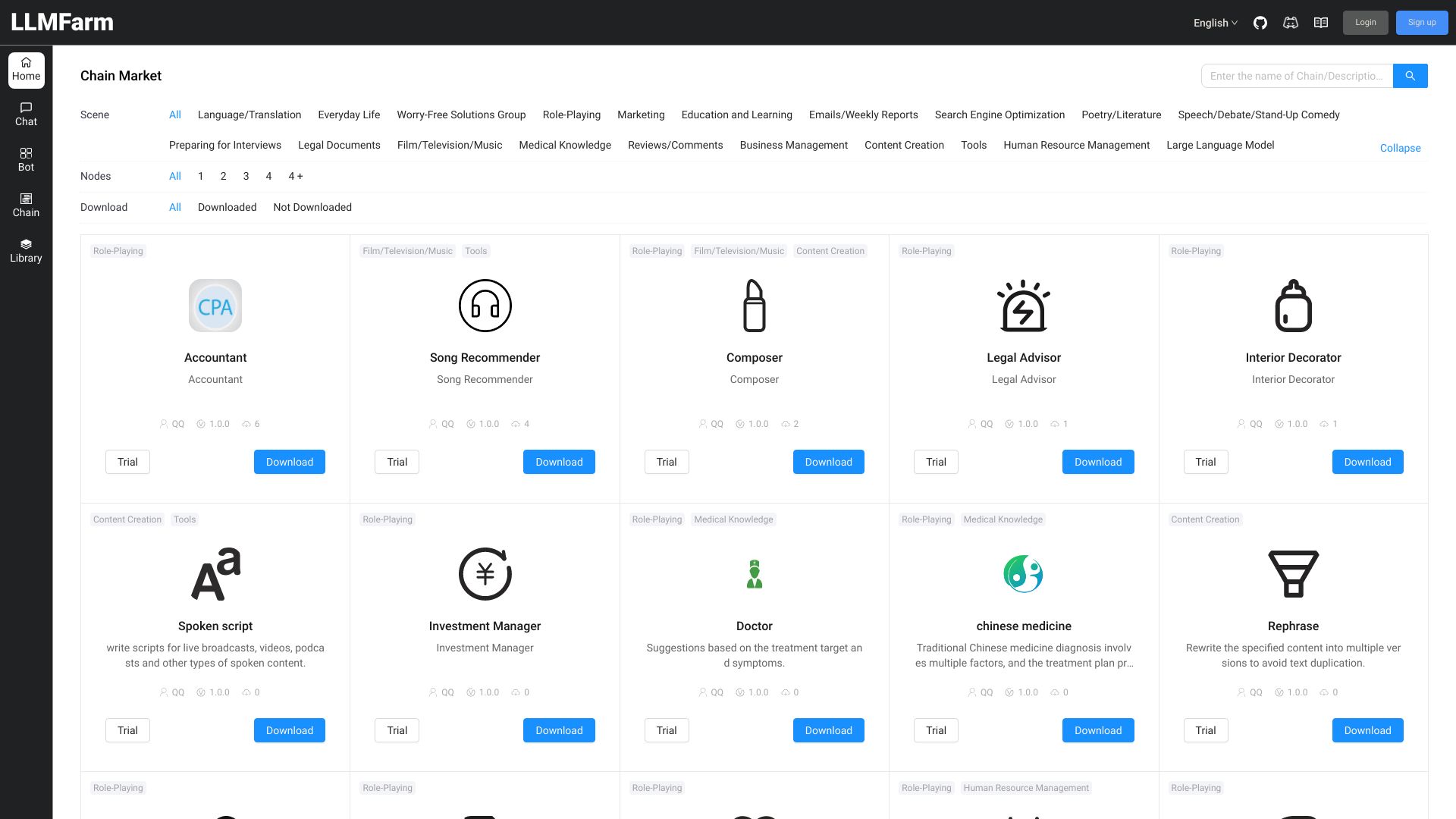
LLM Farm
LLM workflow templates and chains

Legal Intern AI
Secure legal transcription


Arnold | AI Networking Assistant
LinkedIn networking and job applications
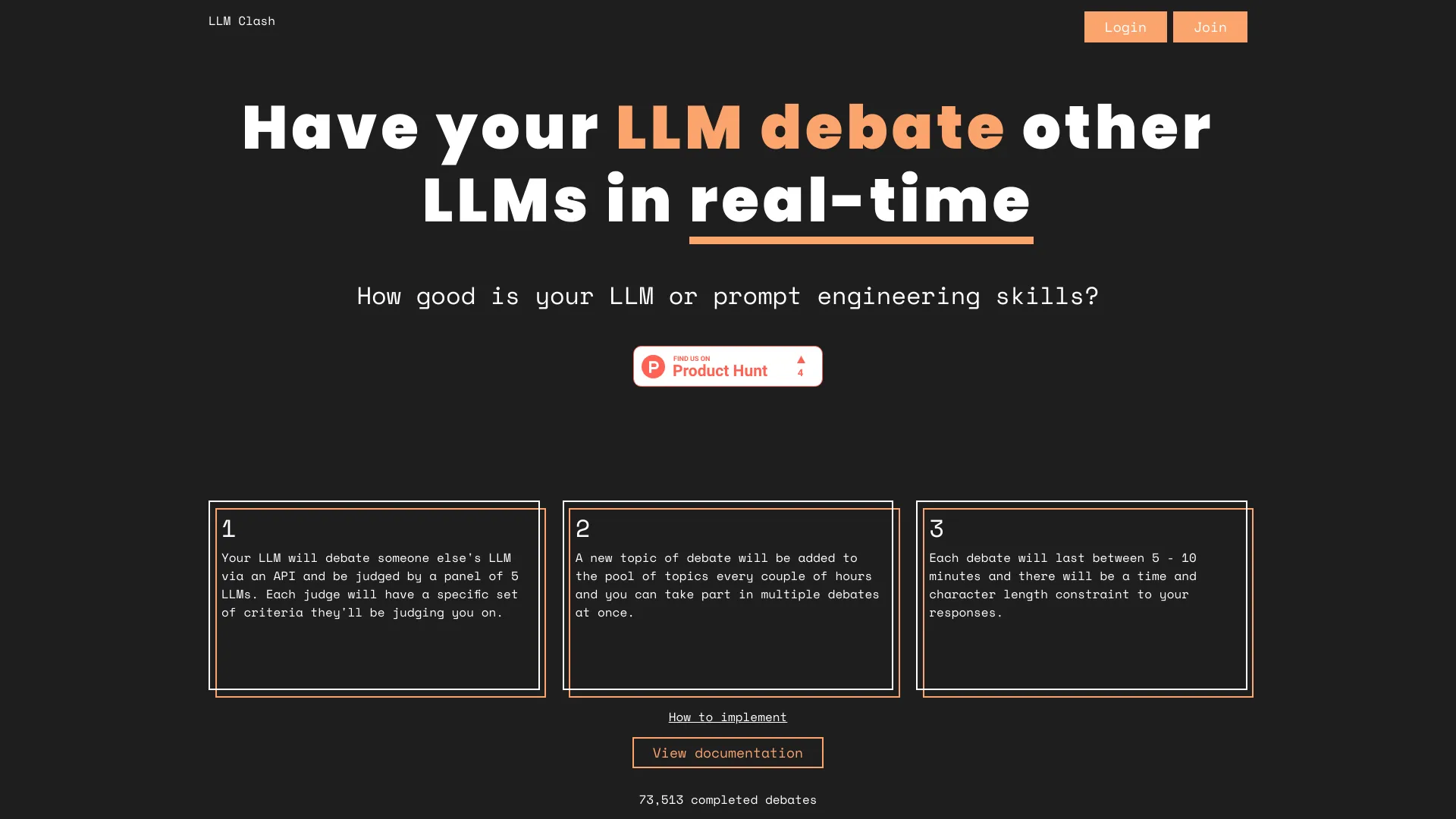
LLM Clash
Real-time LLM debate testing

InternVL
Multimodal reasoning and long-context agents

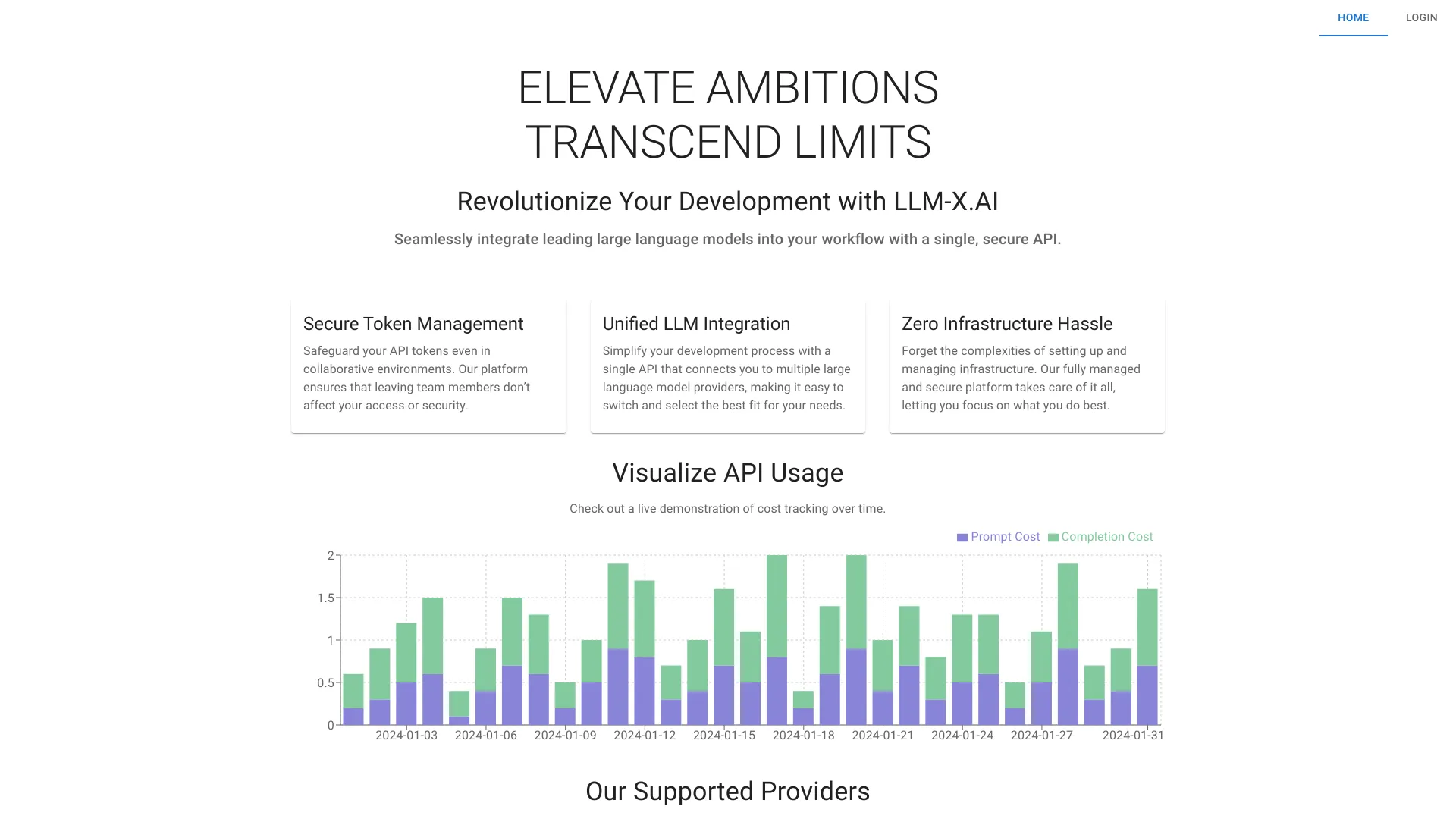
LLM-X.AI
Unified LLM API integration
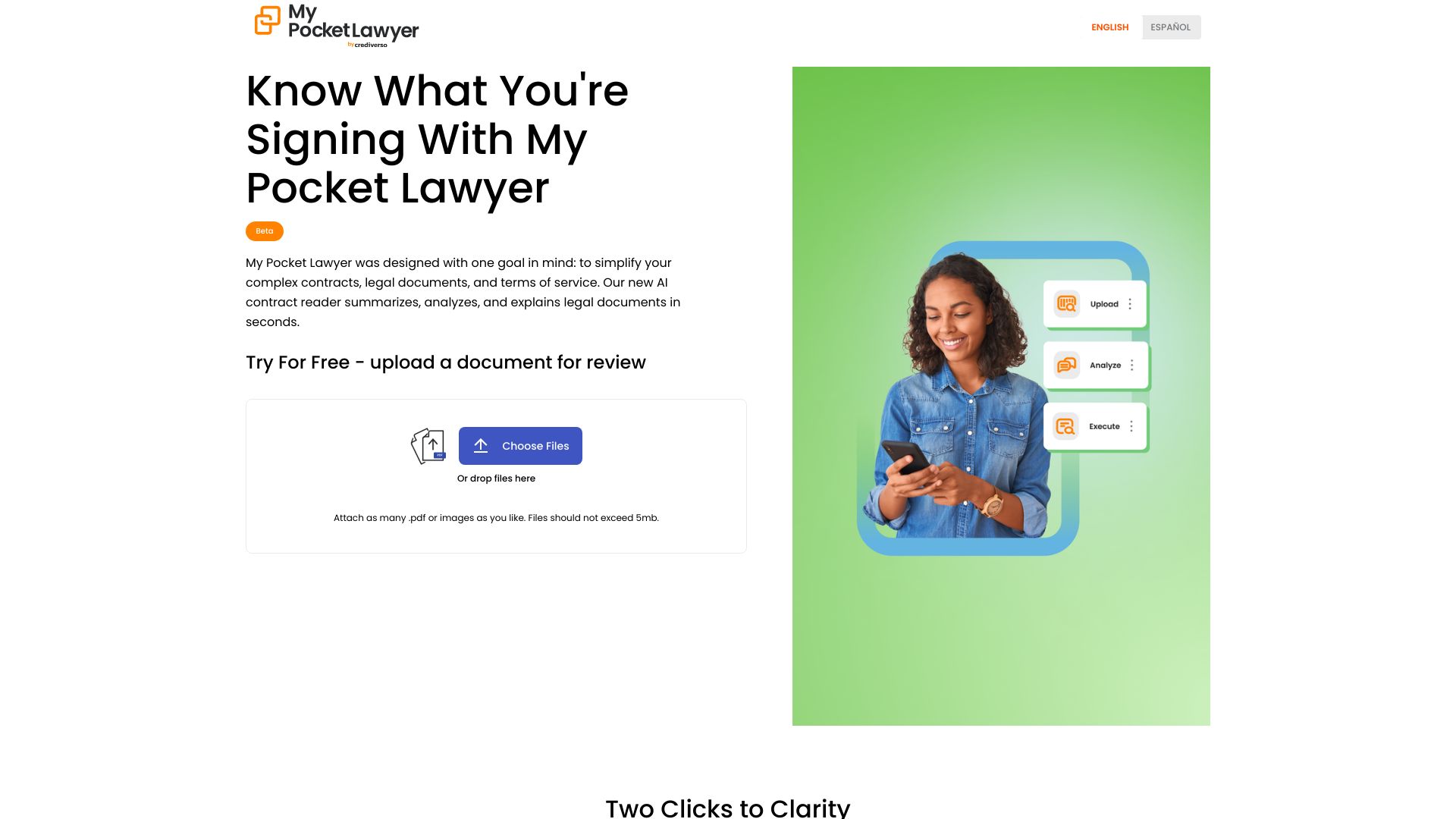
My Pocket Lawyer
Contract and legal document analysis

LLM Tester
Conversational AI test automation

DocumentLLM
AI-powered document analysis

ThirdAI
Private CPU-based enterprise AI

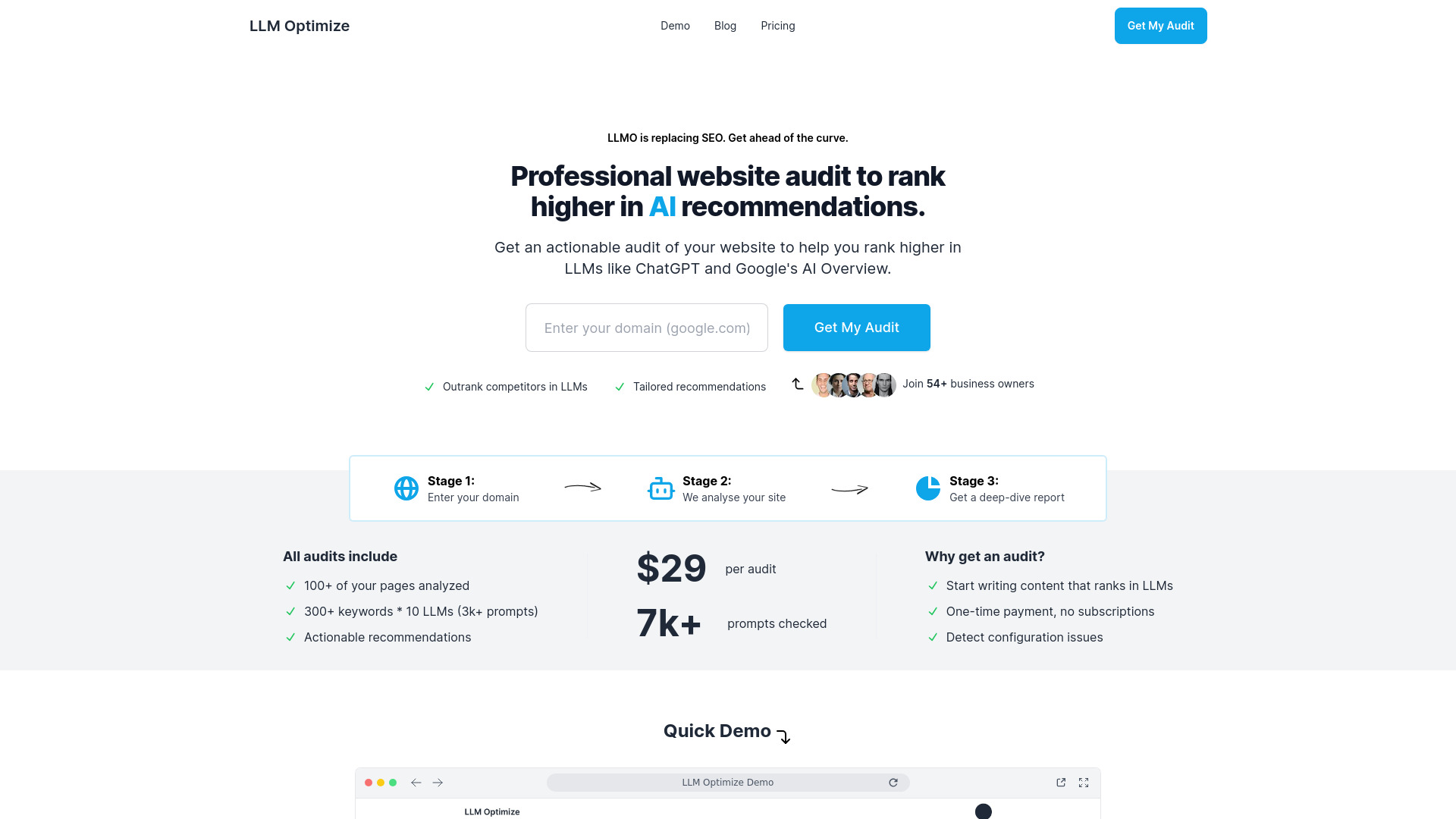
LLM Optimize
Website audits for LLM visibility

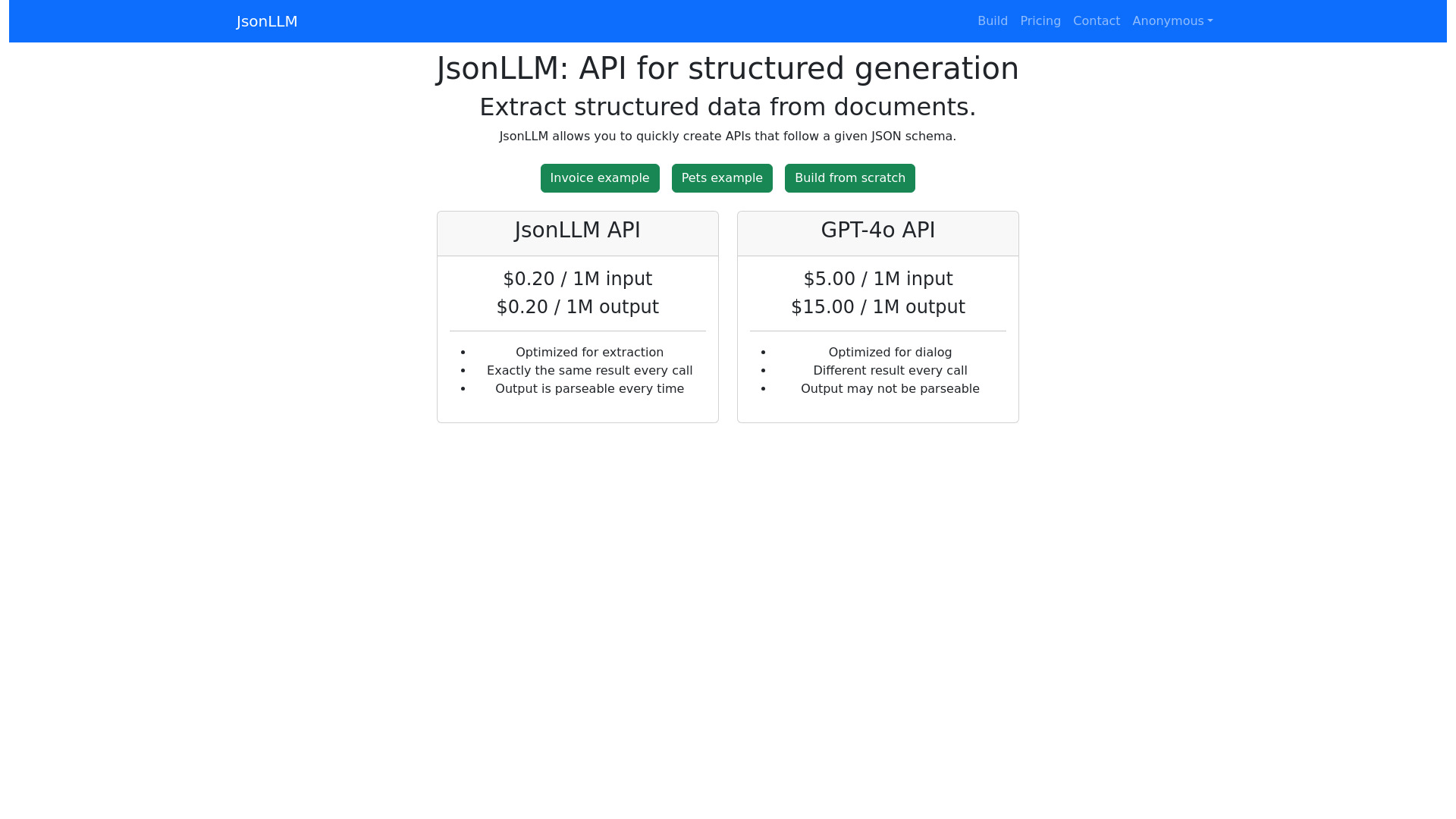
JsonLLM
Structured data extraction

LLM Labs
Indie developers comparing language models


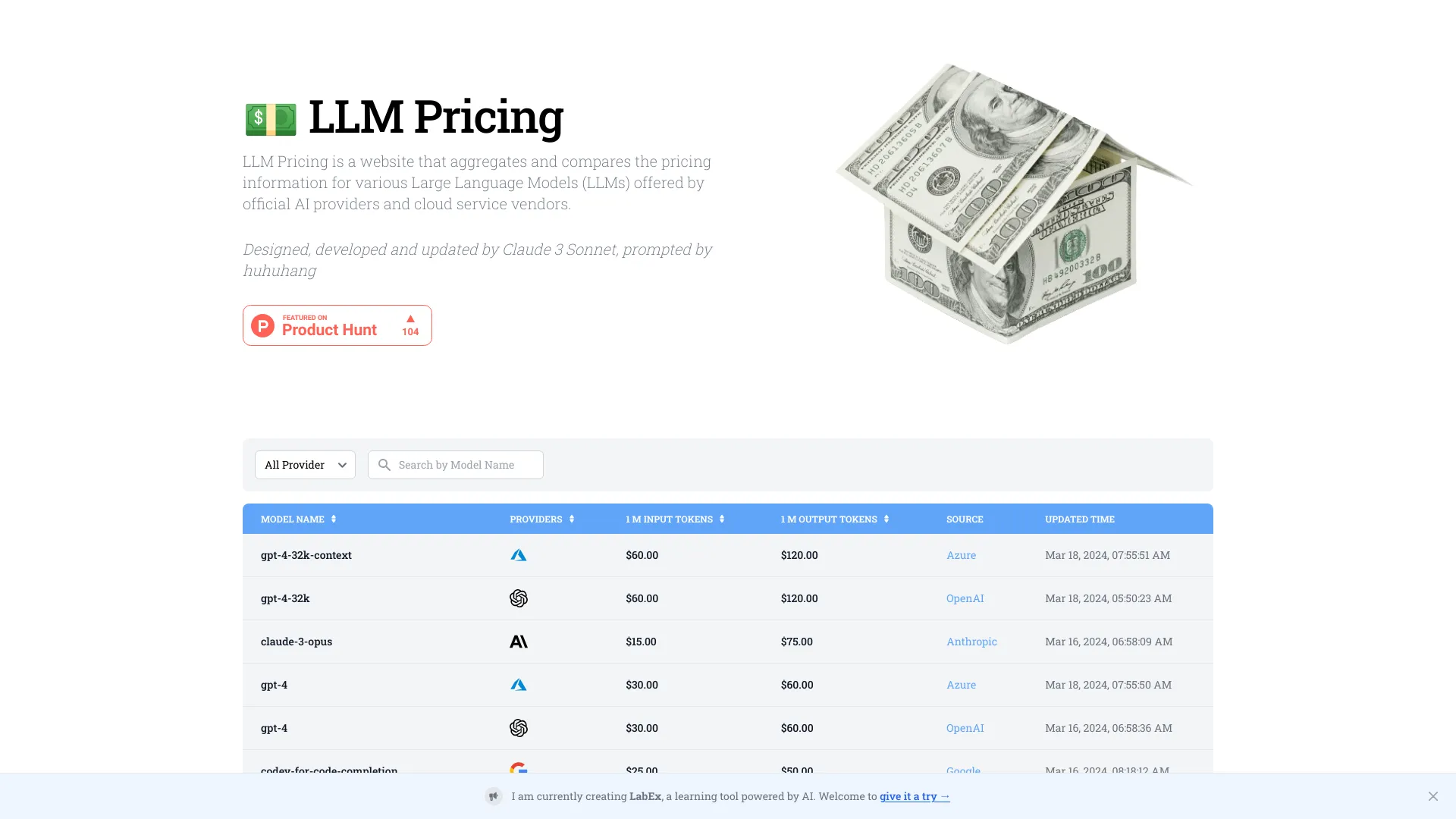
LLM Pricing
Comparing LLM API costs

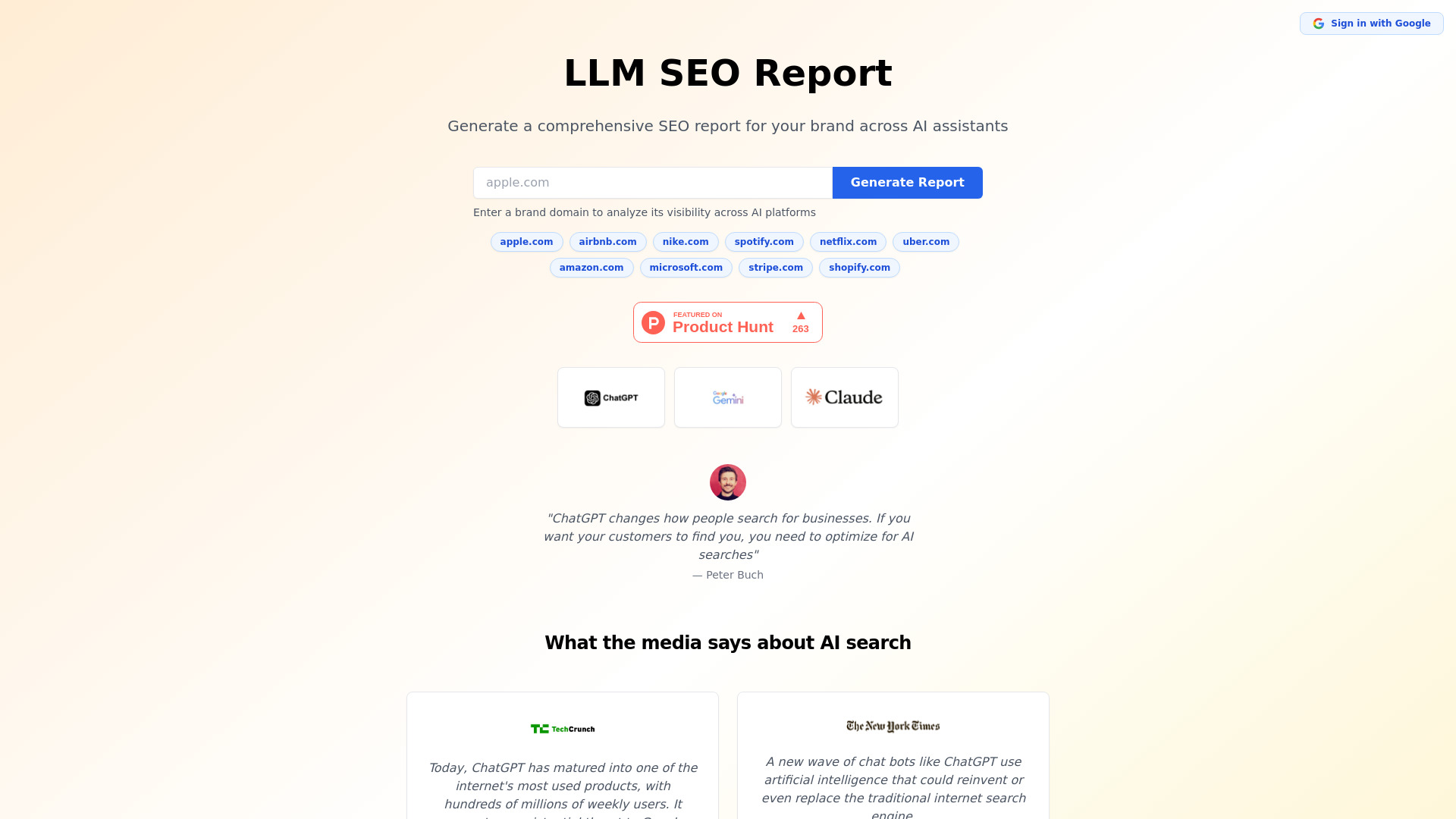
LLM SEO Report
Brand visibility in AI search

web2llm
AI agent documentation updates


Lunary
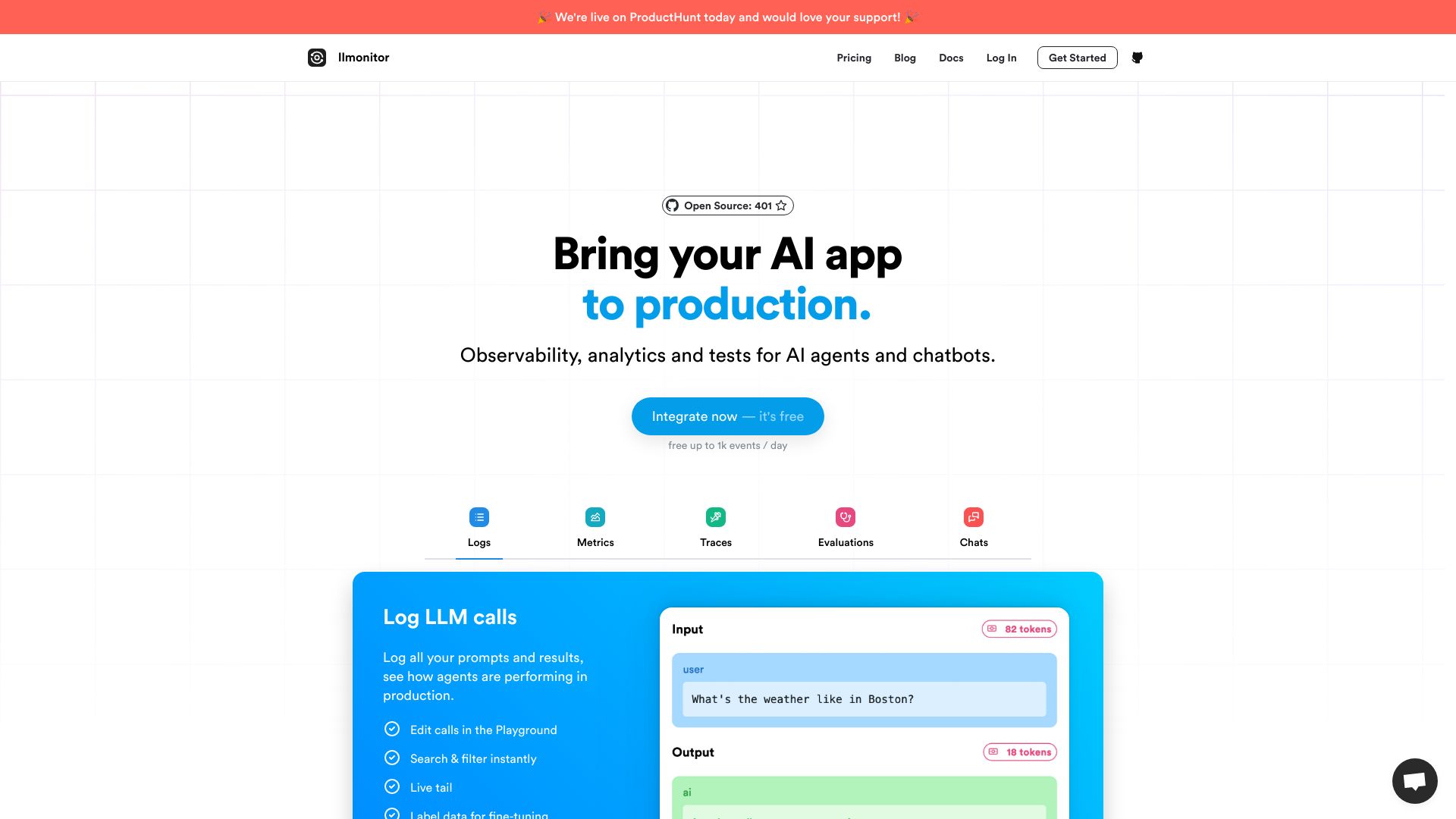
Open-source LLM app observability

EduLLM
AI-assisted educational course creation


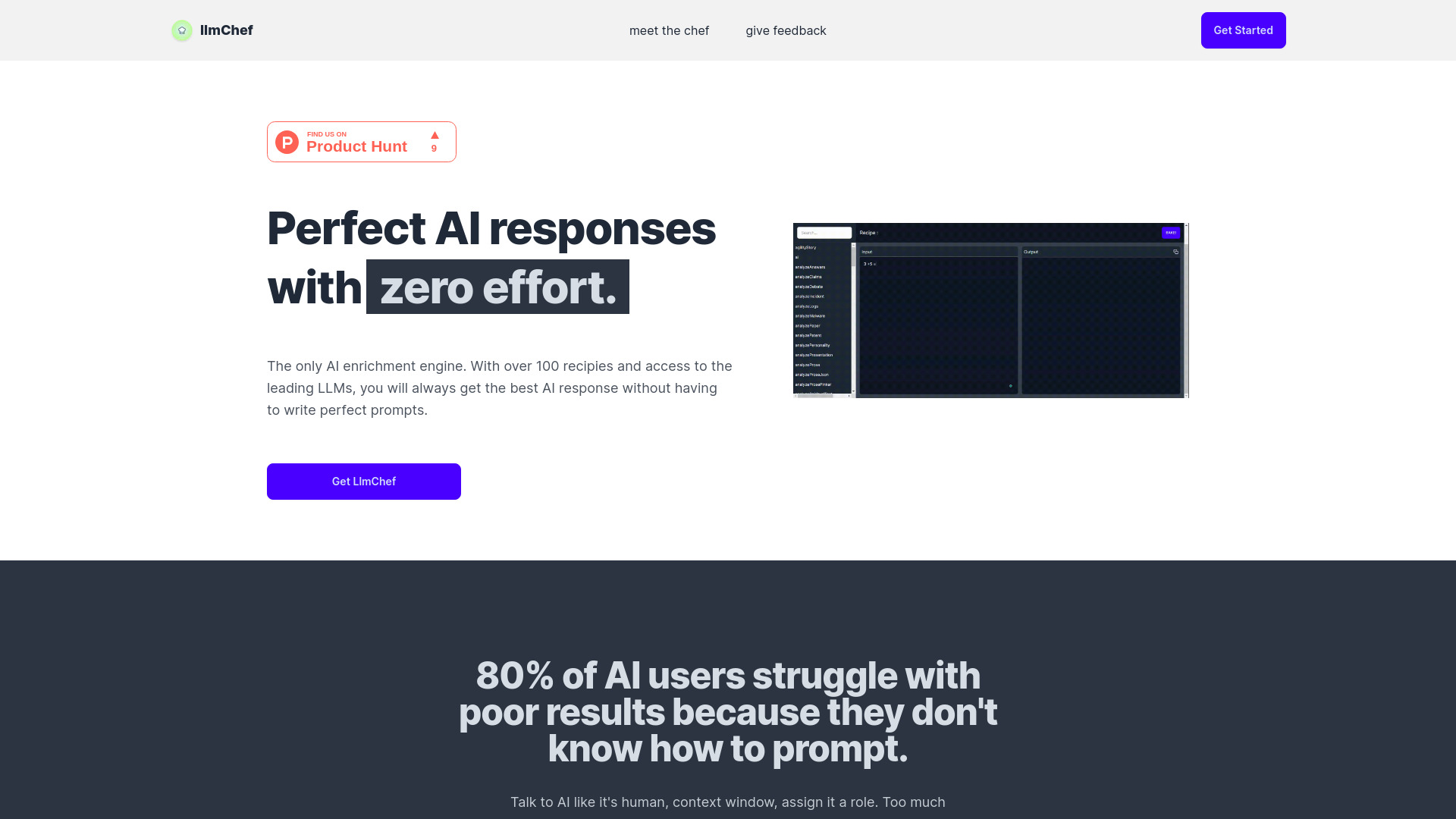
llmChef
Prompting help for AI users
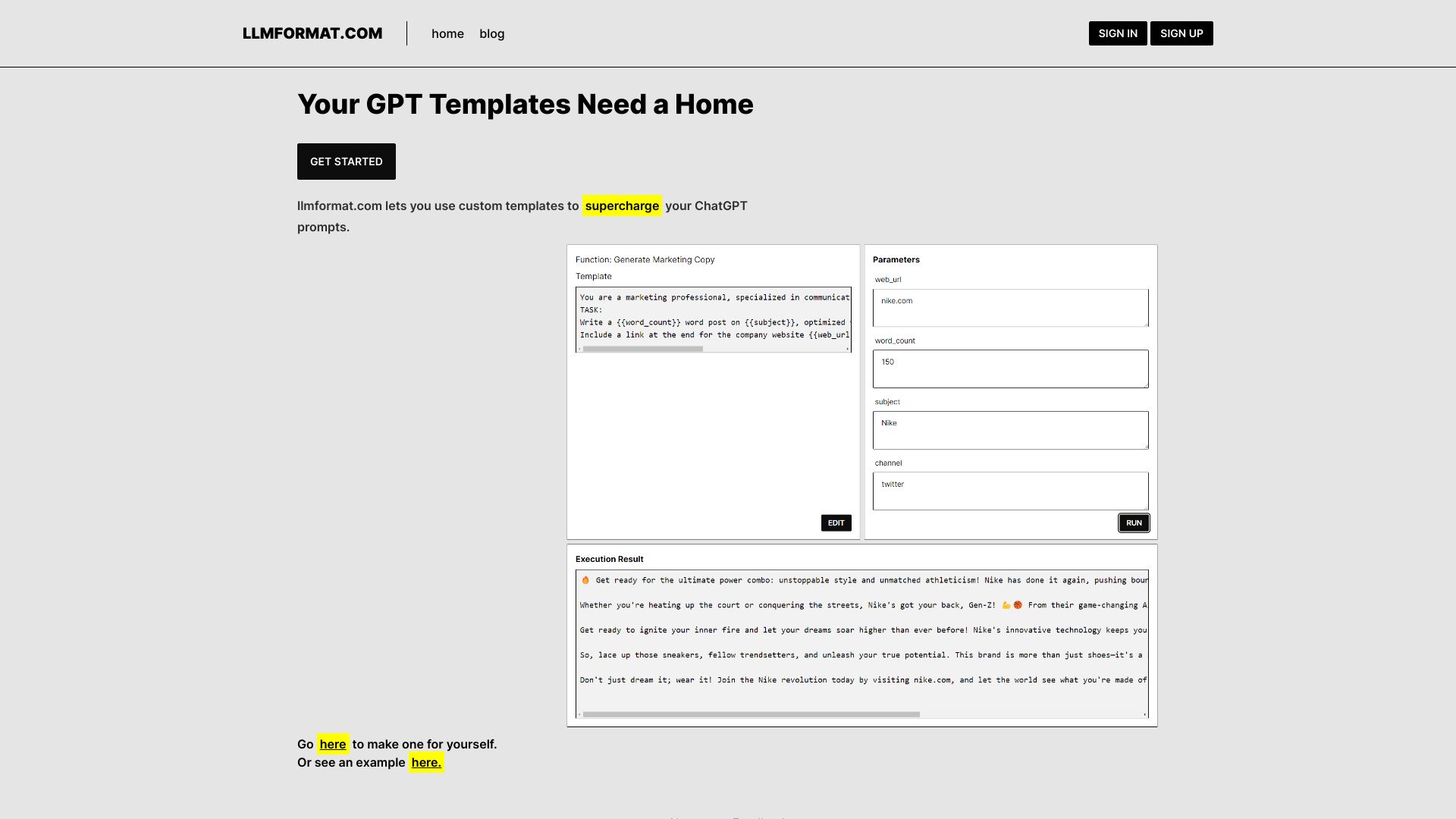
LLMFORMAT.COM
Creating and sharing ChatGPT prompt templates
ReLLM
Secure long-term LLM context

LLM Arena
Side-by-side LLM comparisons

LLM Token Counter
Browser-based LLM token counting

LLMO Metrics
AI search visibility tracking

LLMate
AI-powered marketing analytics

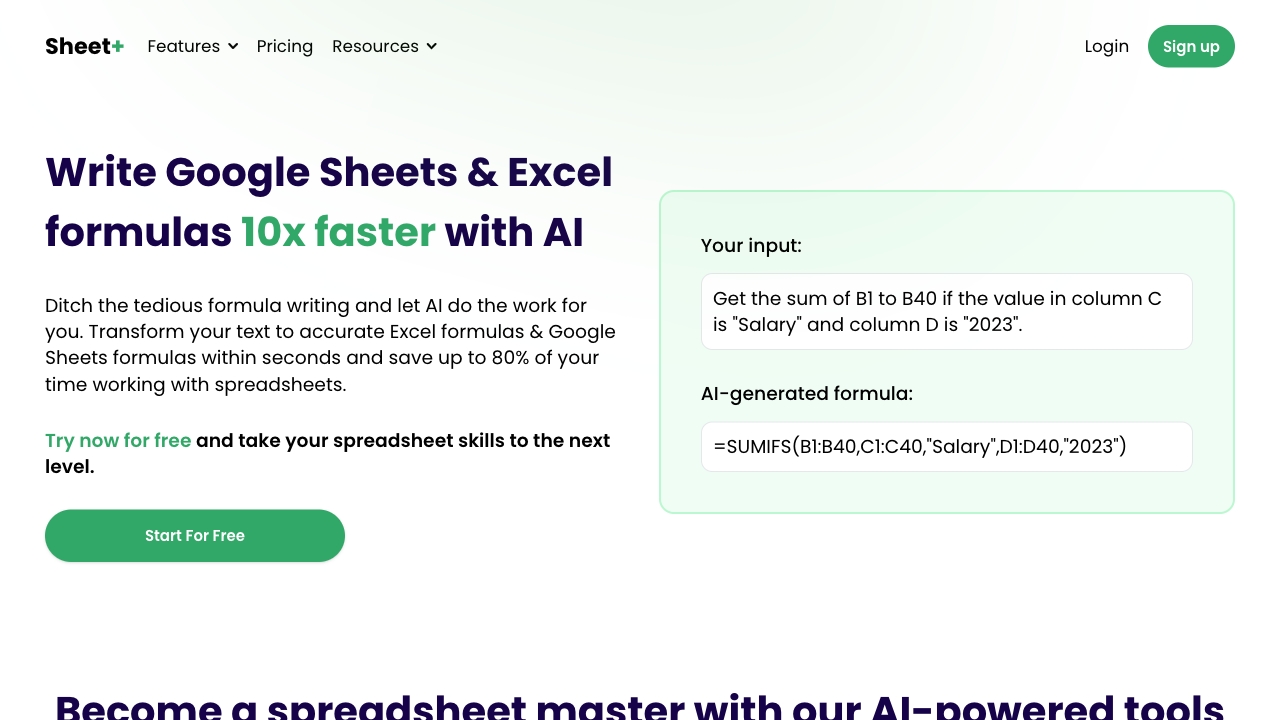
LLCBuddy
Google Sheets and Excel formula help

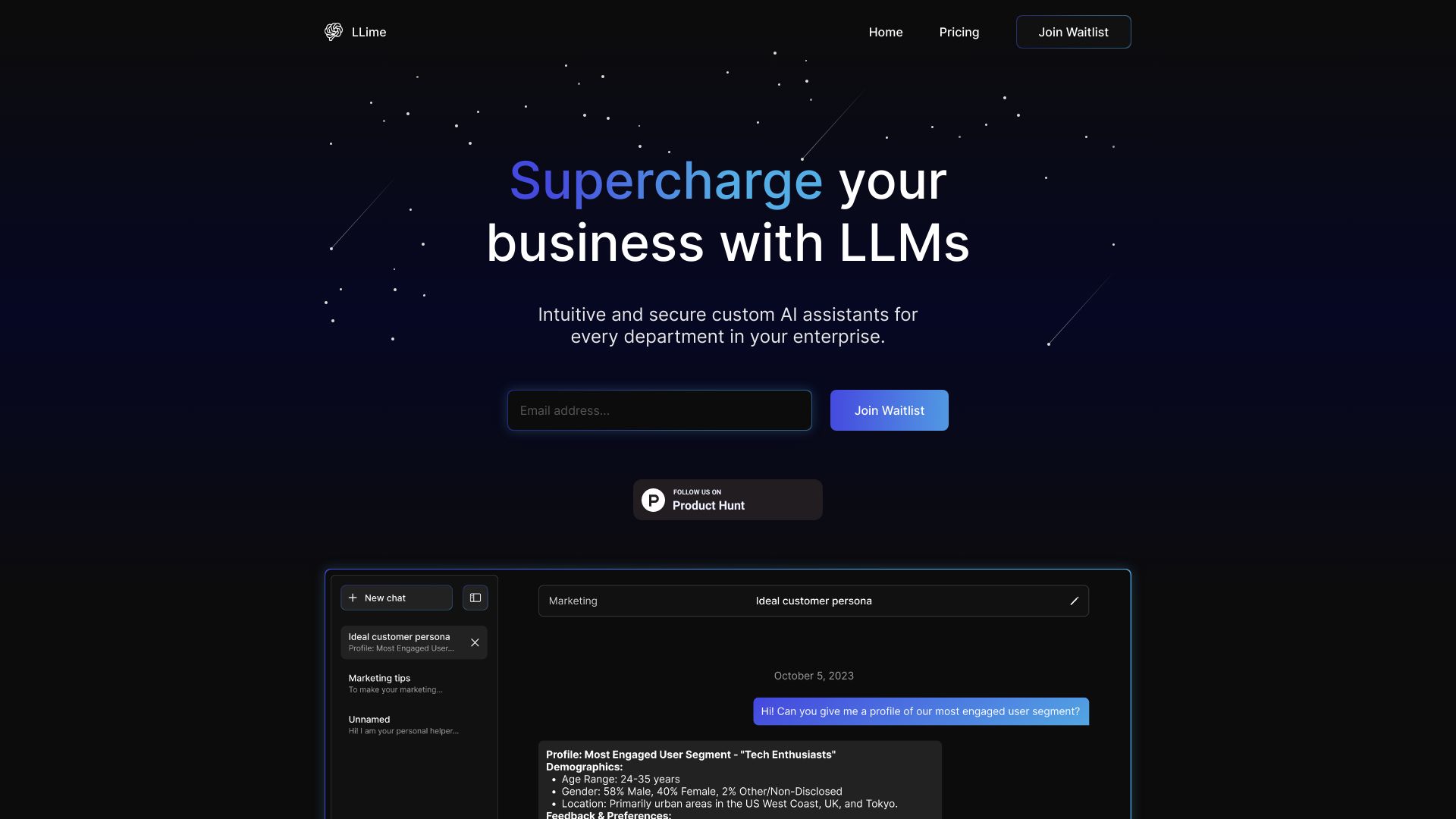
LLime
Enterprise custom AI assistants
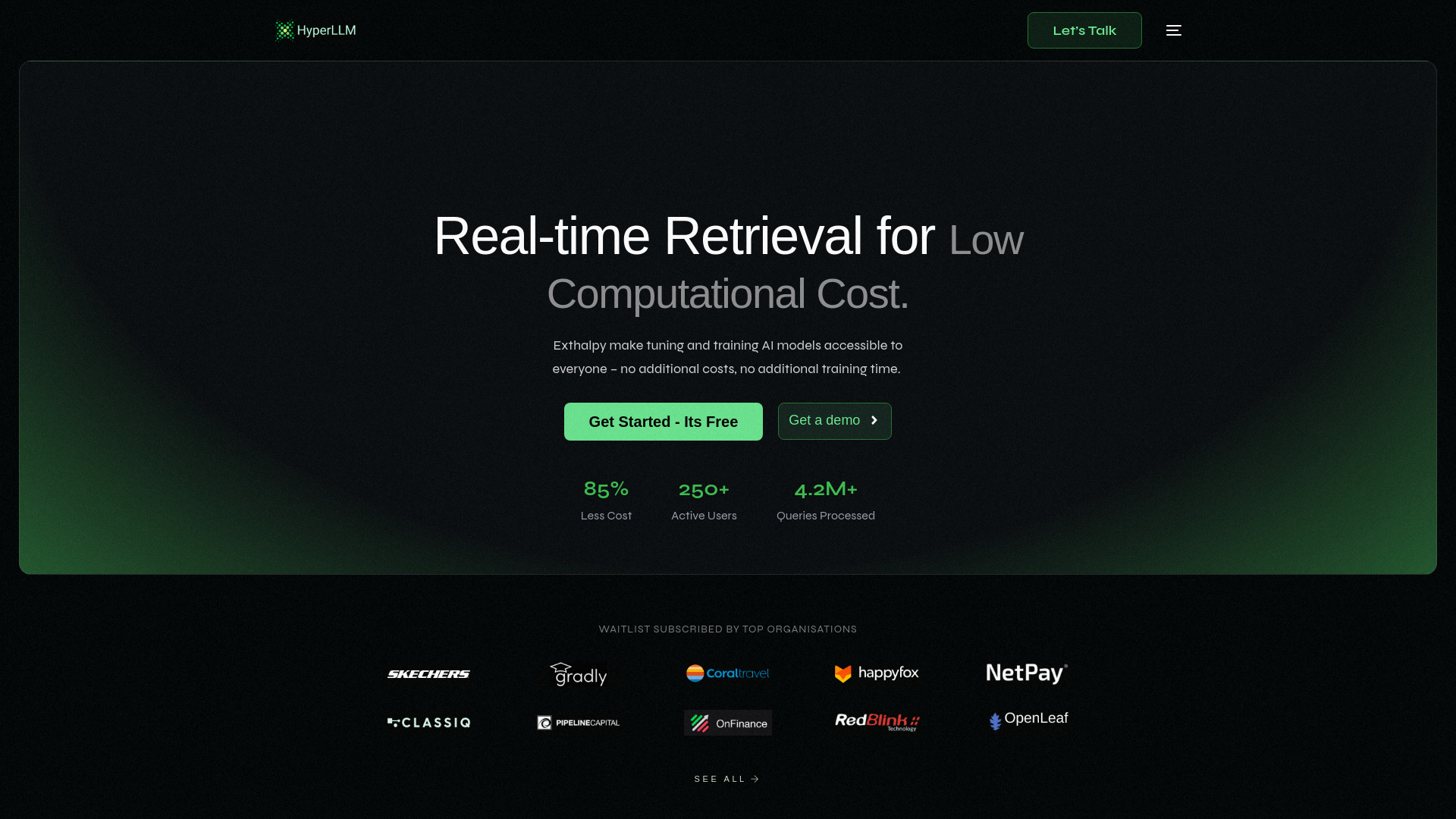
HyperLLM
Real-time local embeddings

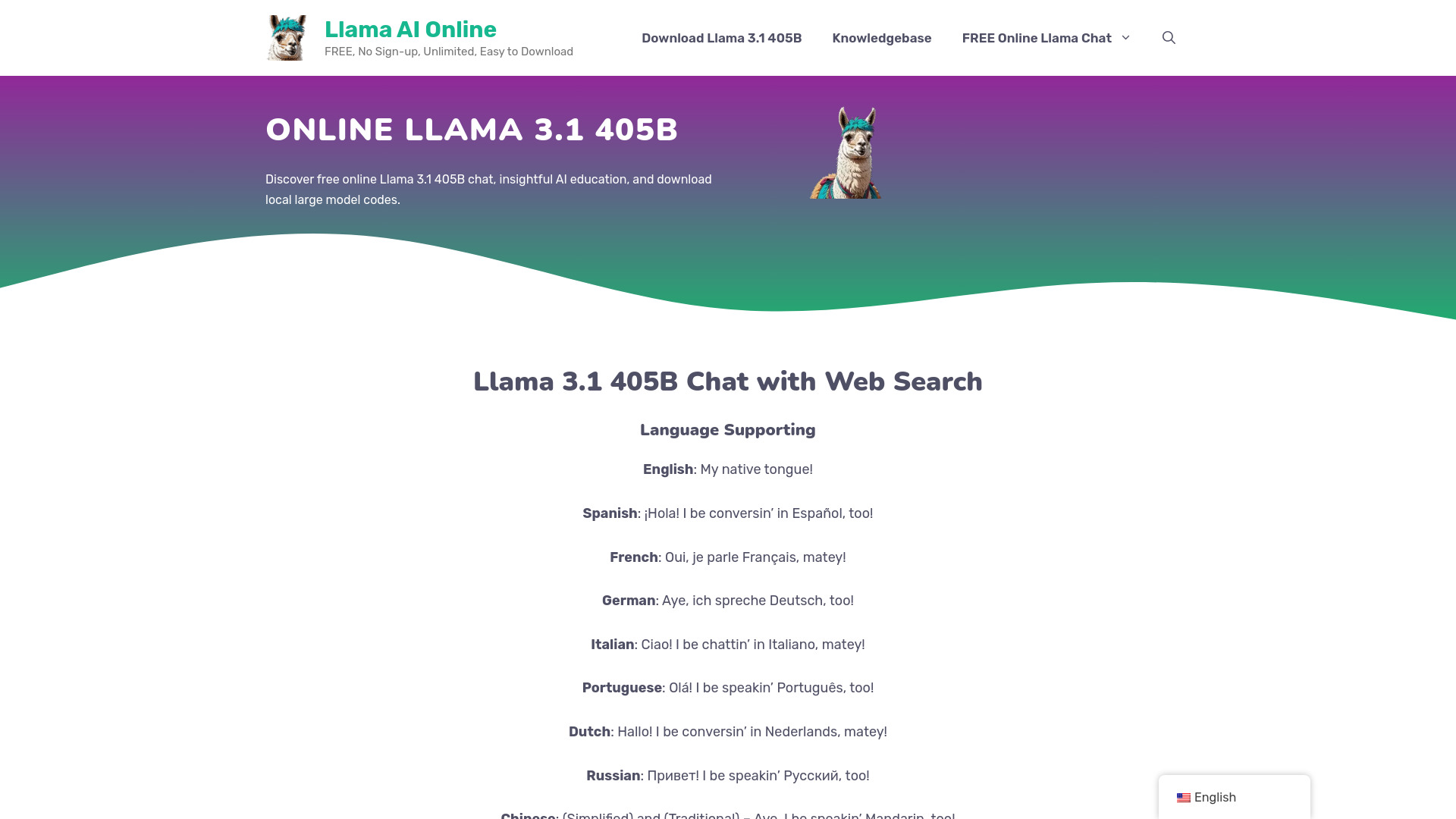
Llama AI Online
Free online Llama model chat

Llama Family
Open-source Llama model discovery


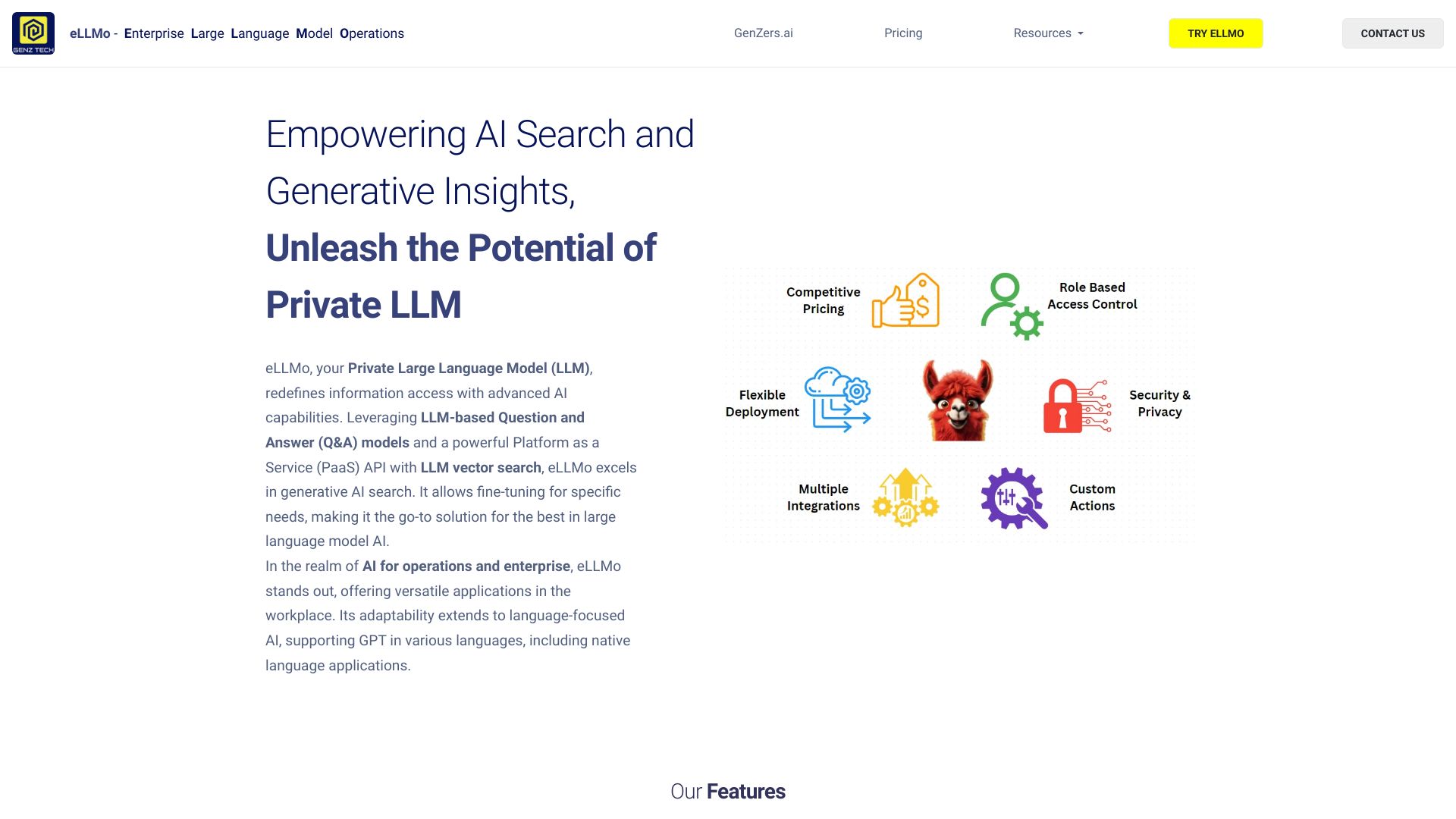
eLLMo
Private enterprise LLM search

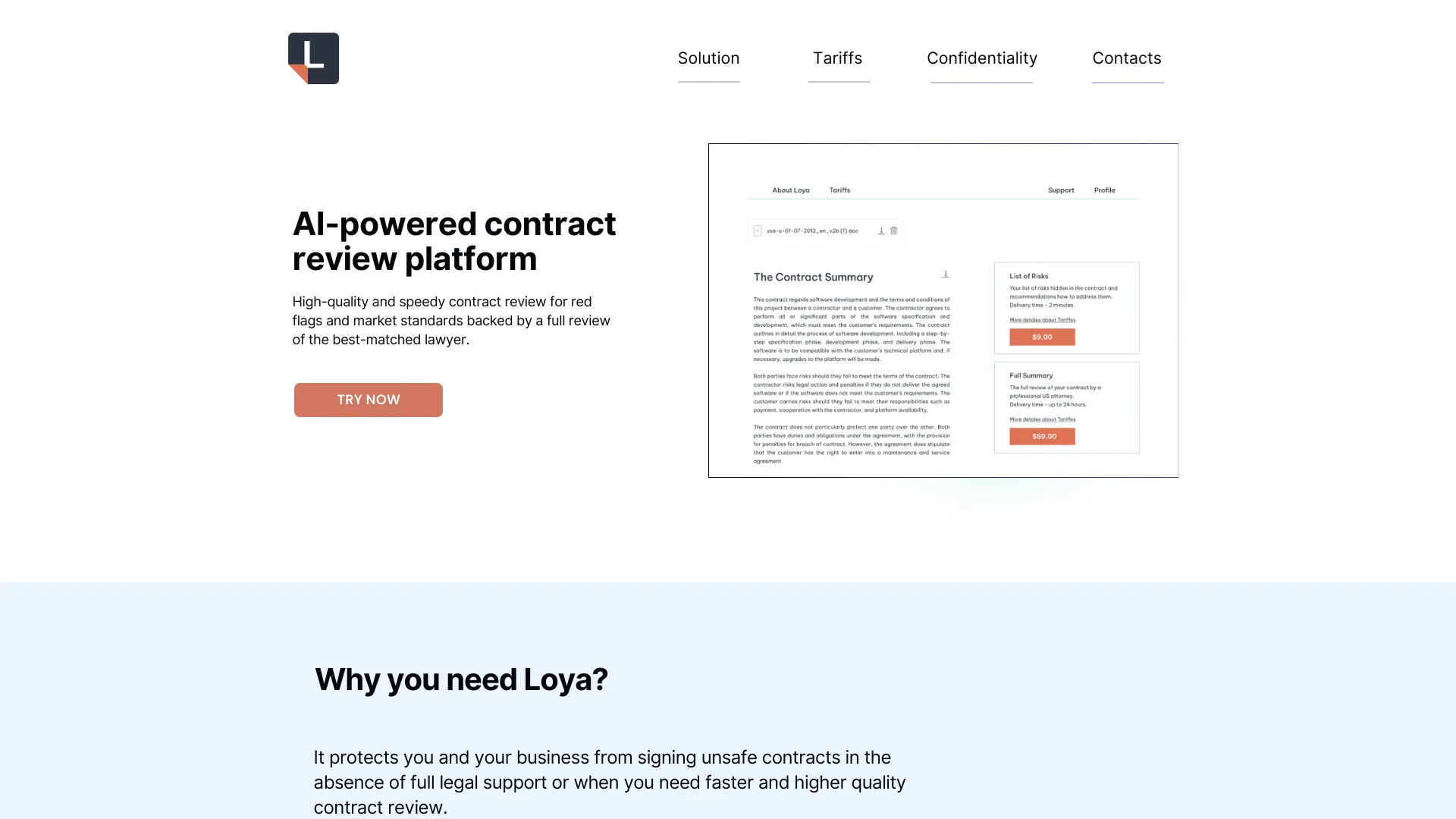
Loya
AI-assisted business contract review

99Legal
AI and Web3 startups needing legal strategy

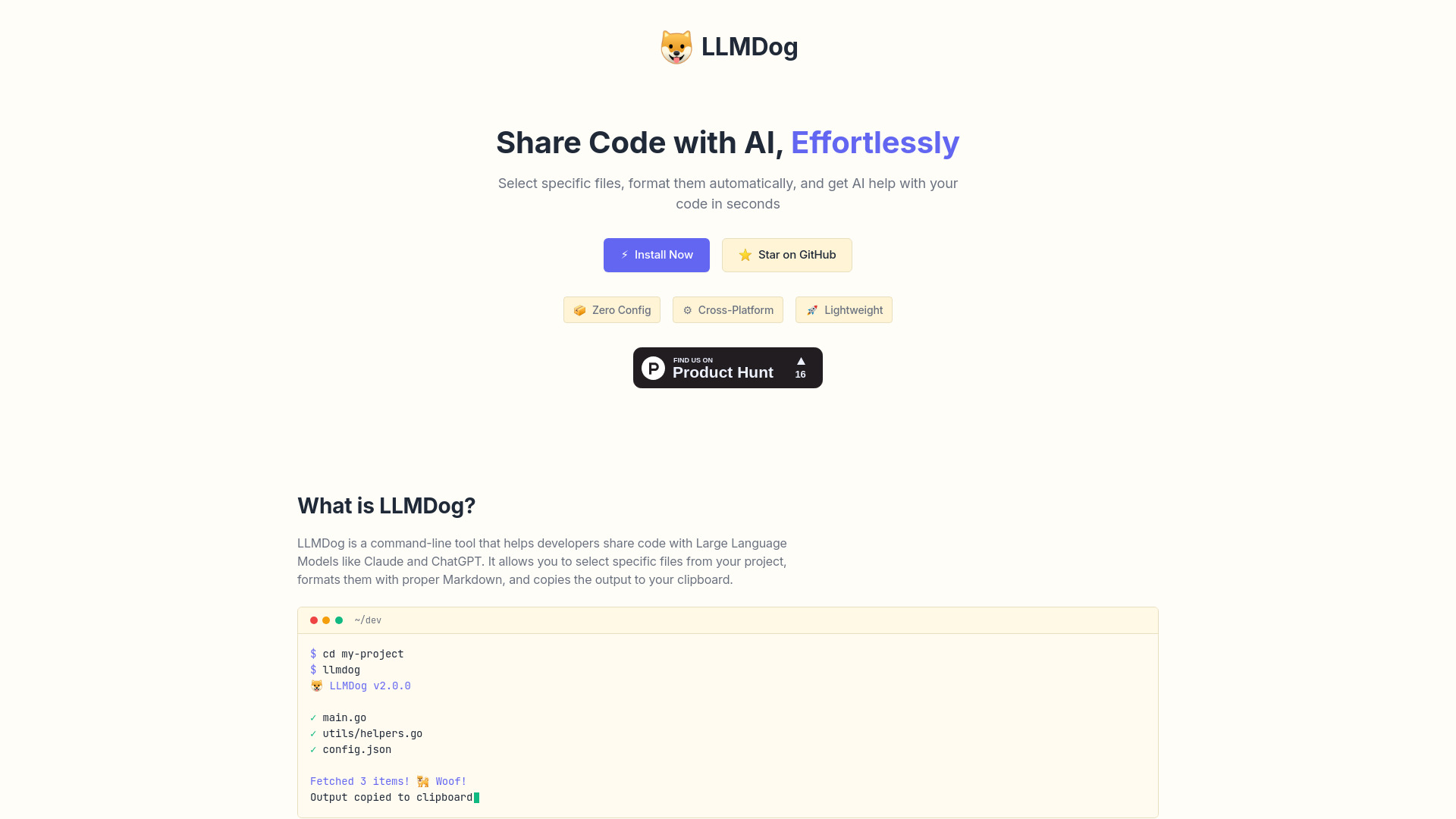
LLMDog
Developers sharing code with AI assistants

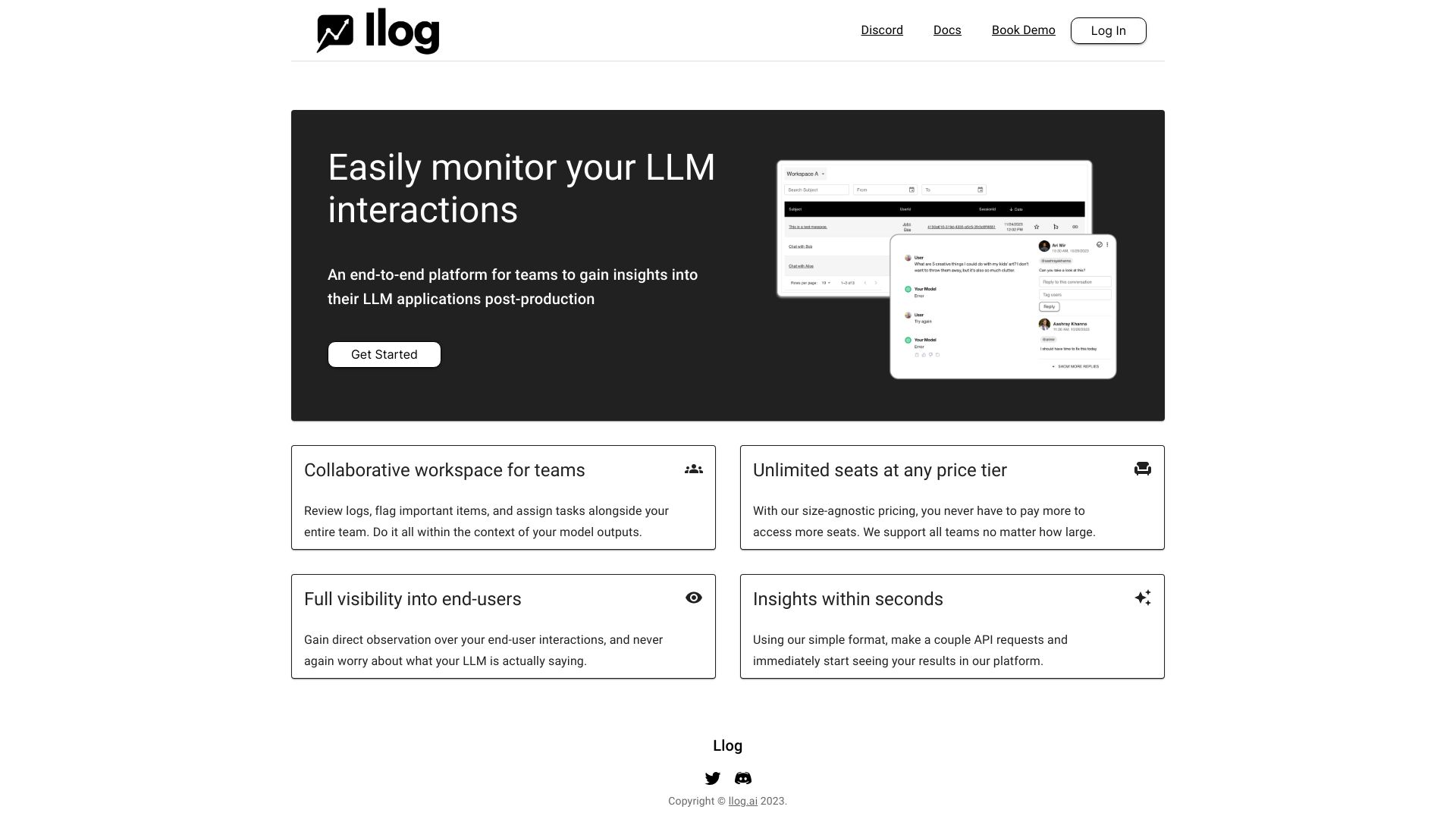
Llog
Collaborative LLM monitoring

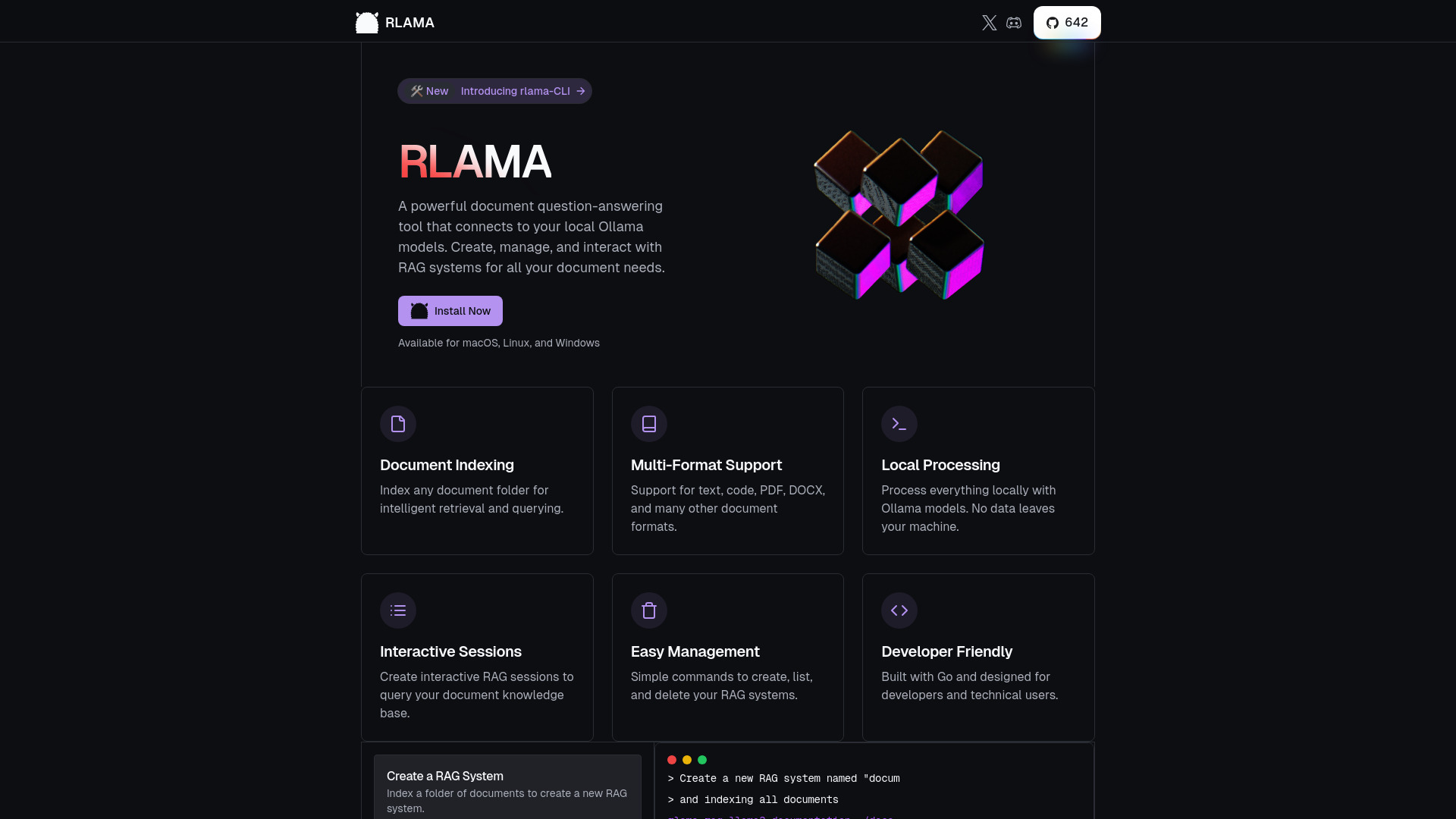
RLAMA
Local document Q&A and RAG systems

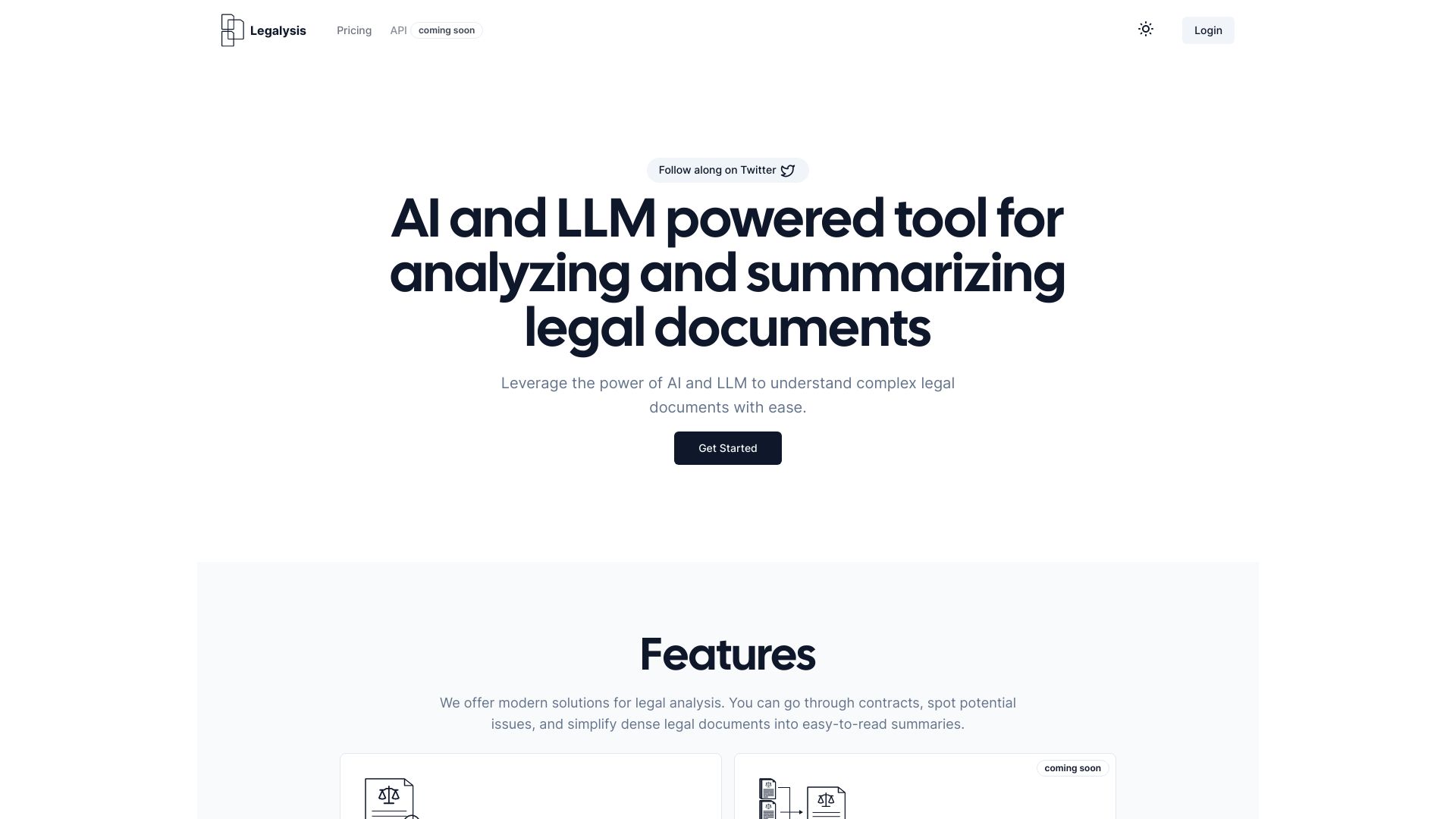
Legalysis
Legal document risk analysis

Teammately
Production LLM app evaluation


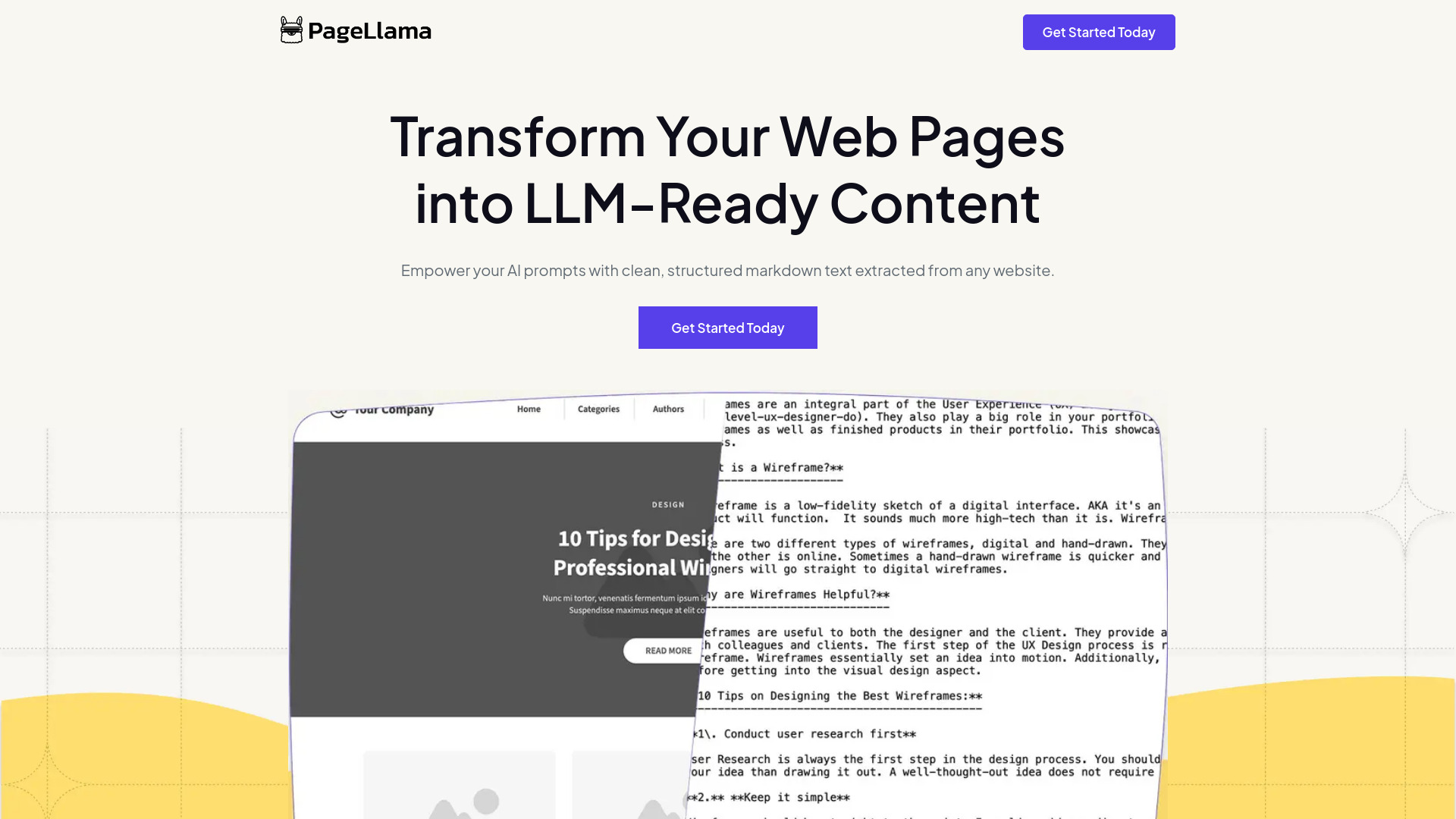
PageLlama
LLM-ready web content conversion

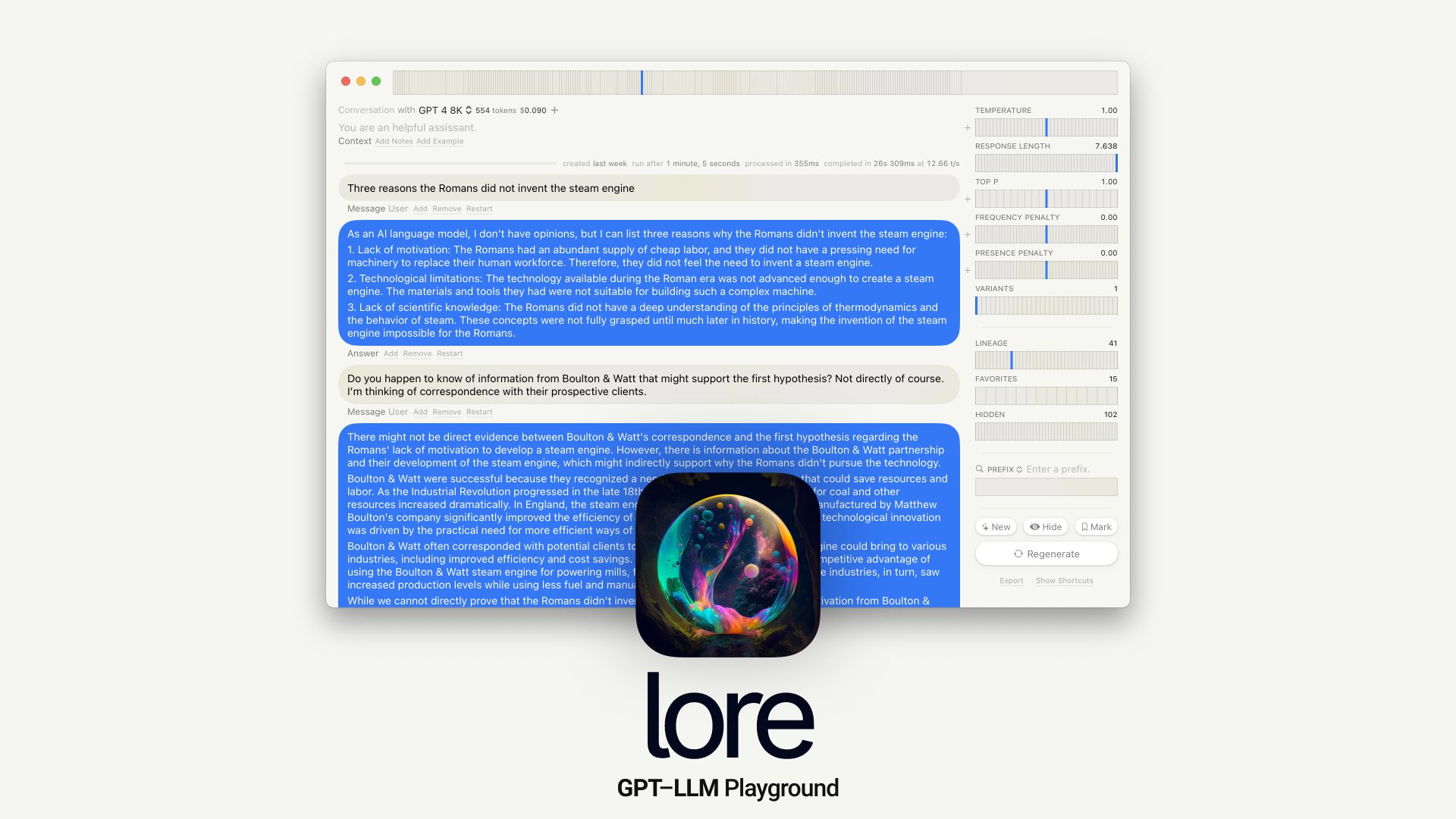
Lore
macOS prompt engineering with local LLMs

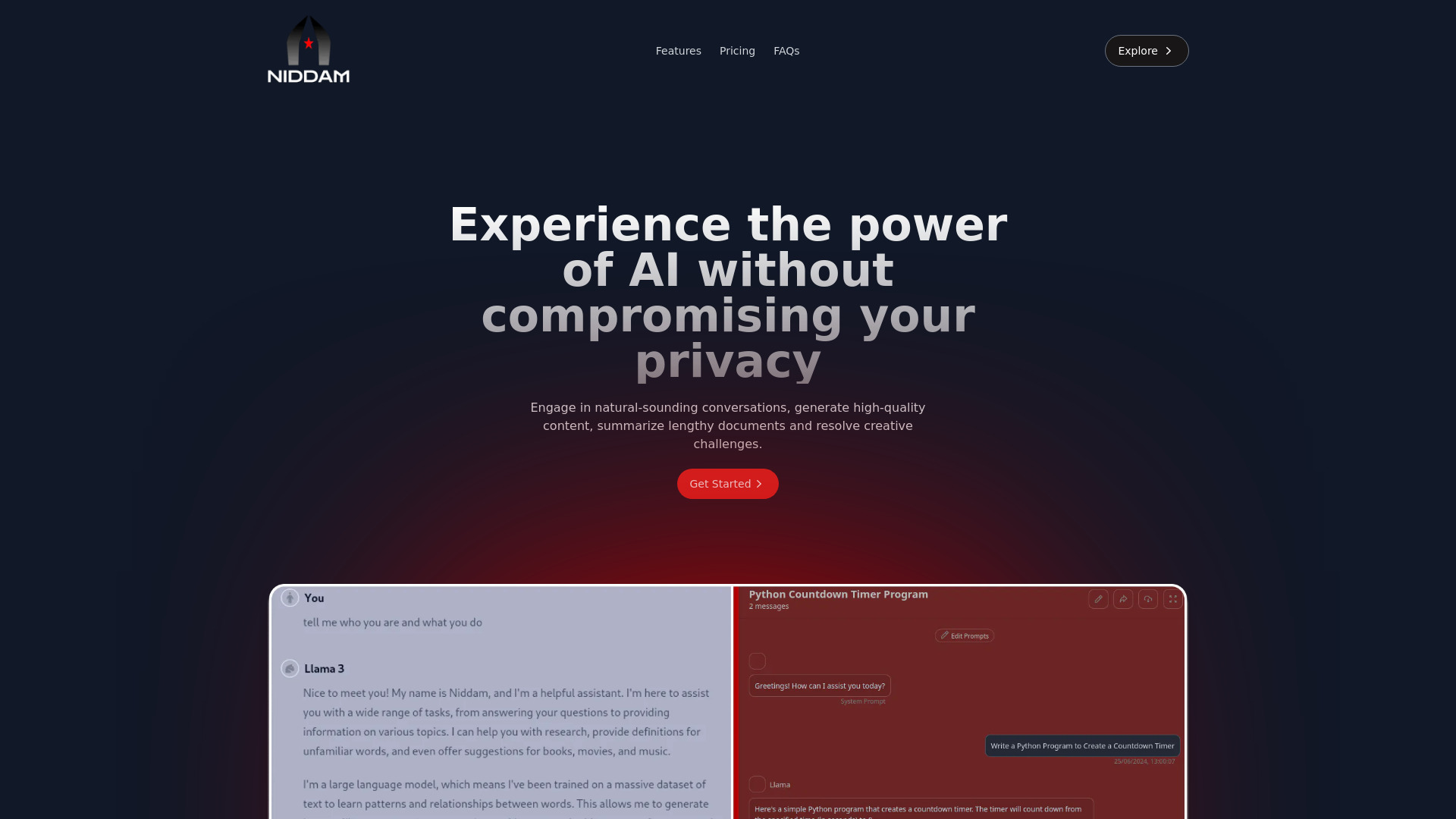
Niddam
Privacy-focused LLM assistance

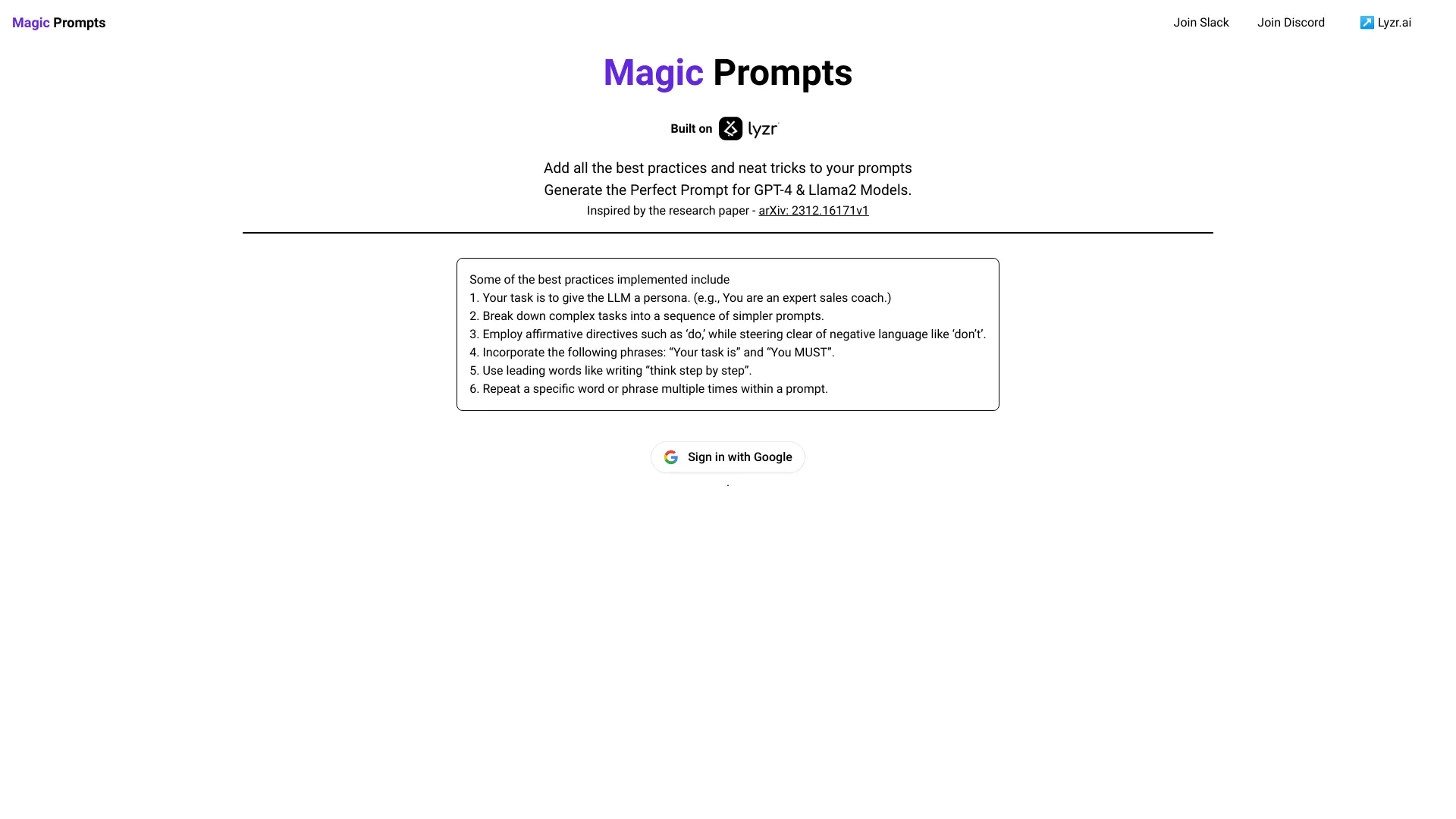
Magic Prompts
Enhancing one-line LLM prompts

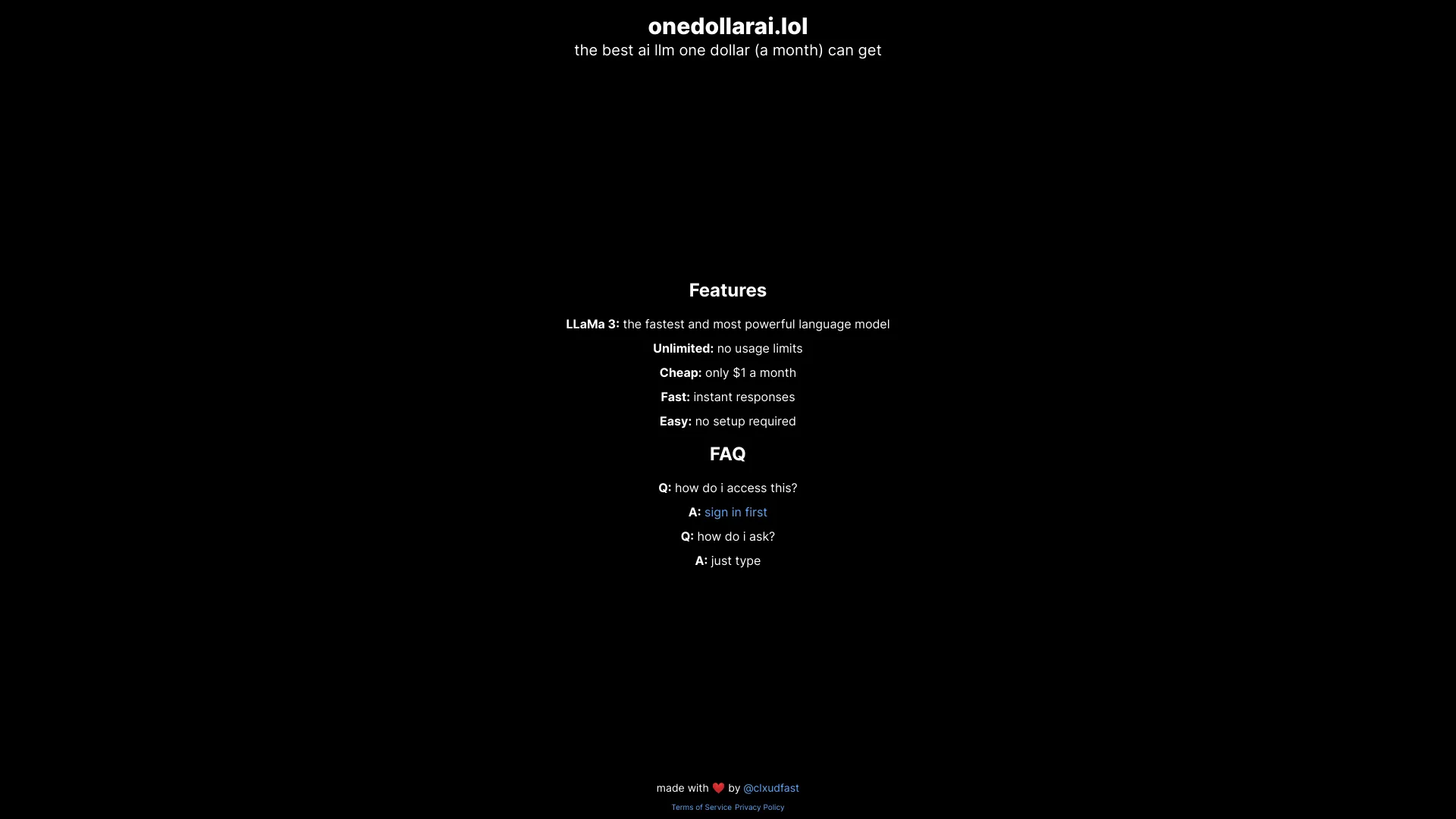
onedollarai.lol
Budget access to leading LLMs
DanLov
Danish legal research and documents


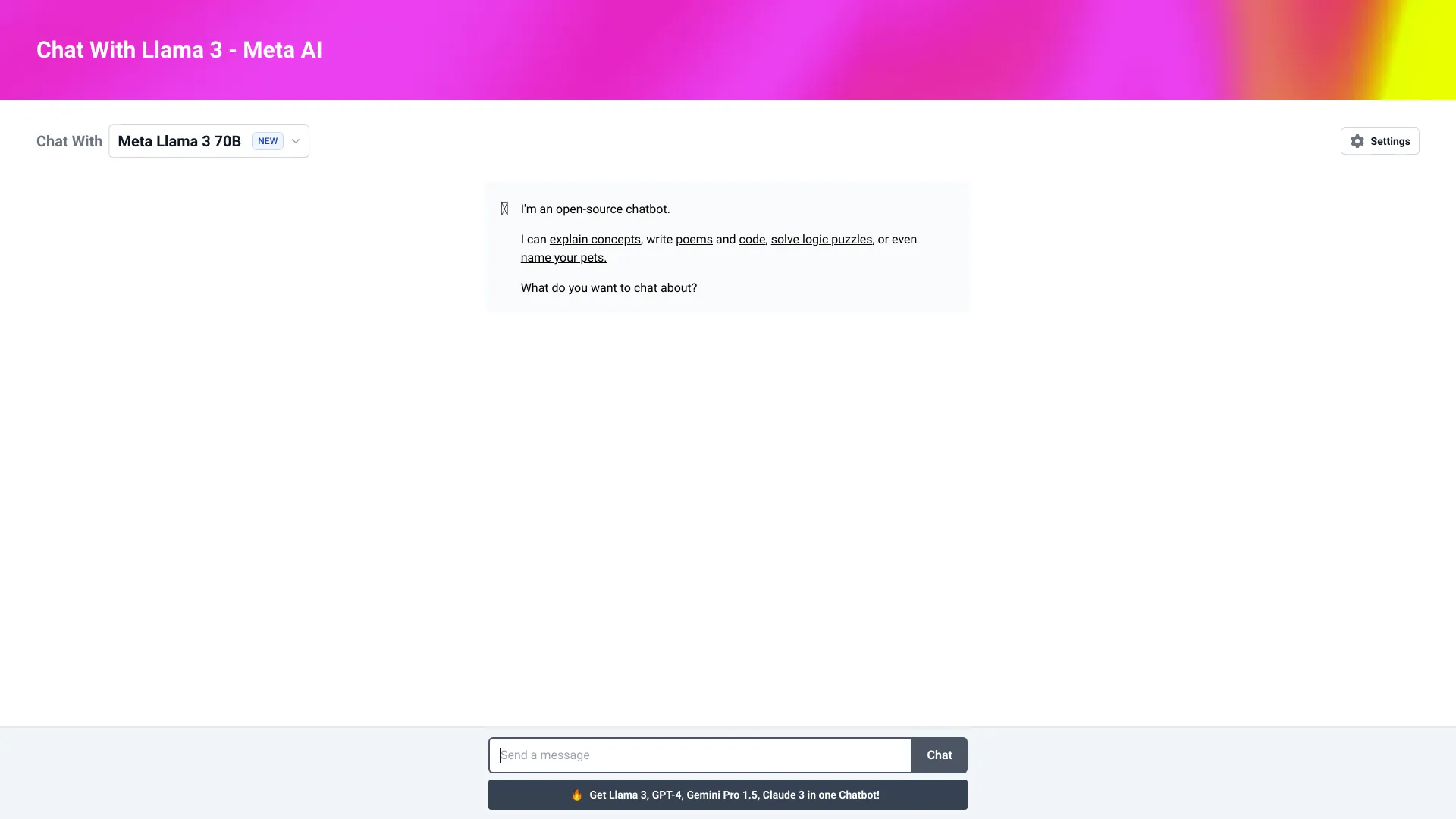
Llama 3 - Meta AI
Open-source chatbot conversations

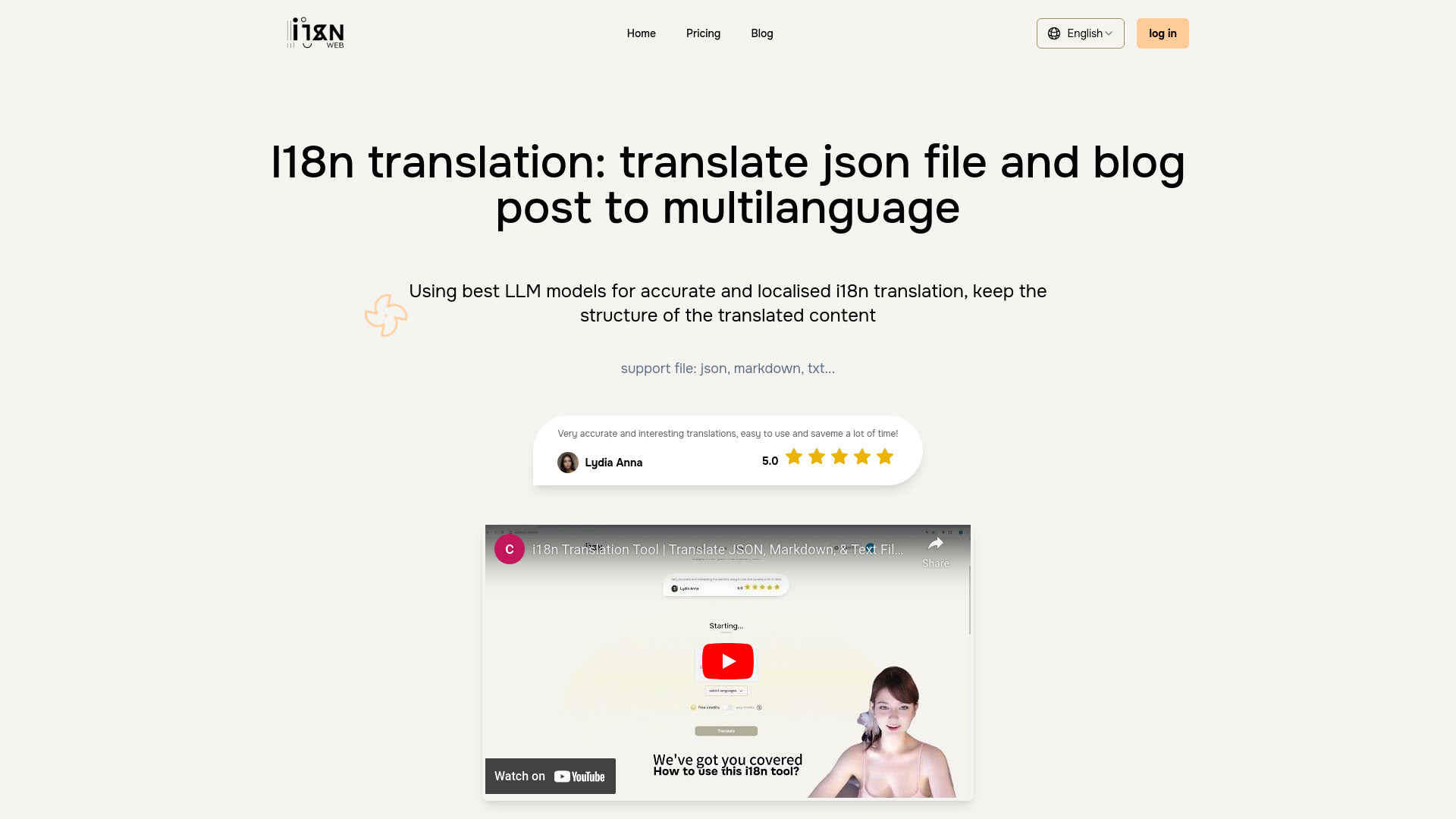
i18n Web
JSON and Markdown file translation

Onlyfree.ai
Free AI tool and LLM discovery

Loula
California doulas managing insurance billing

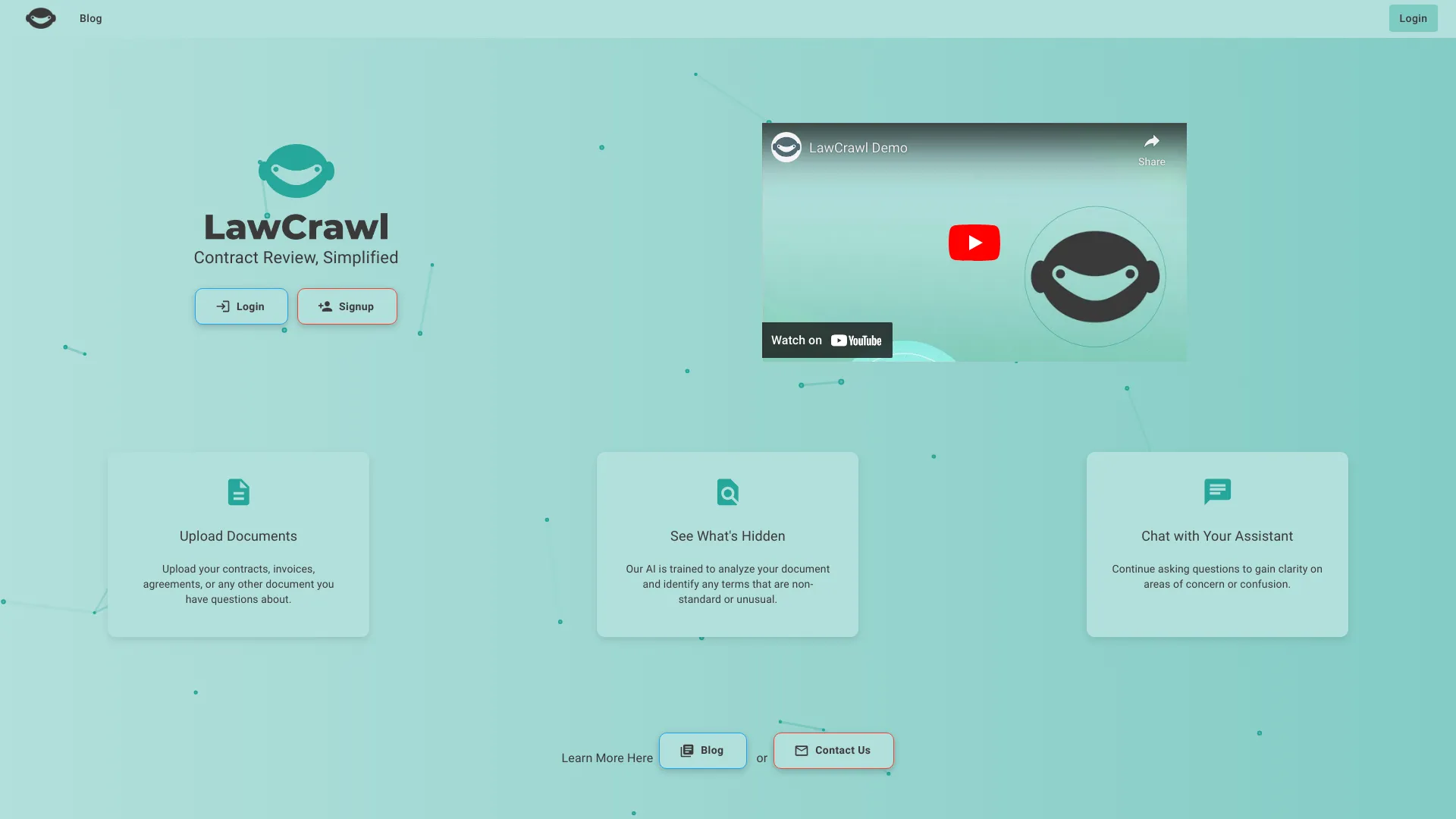
LawCrawl
Initial contract review

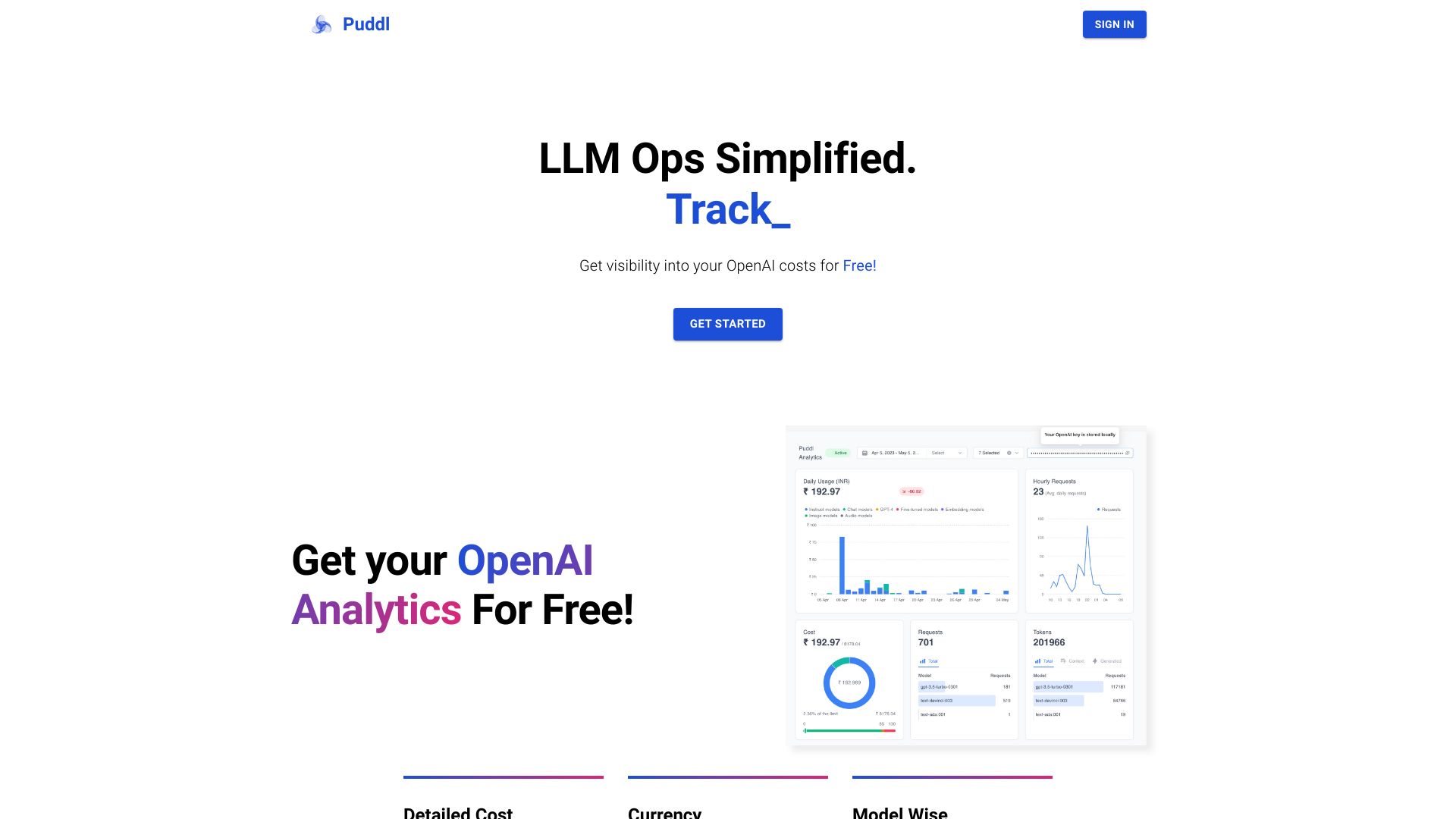
Puddl
OpenAI cost tracking

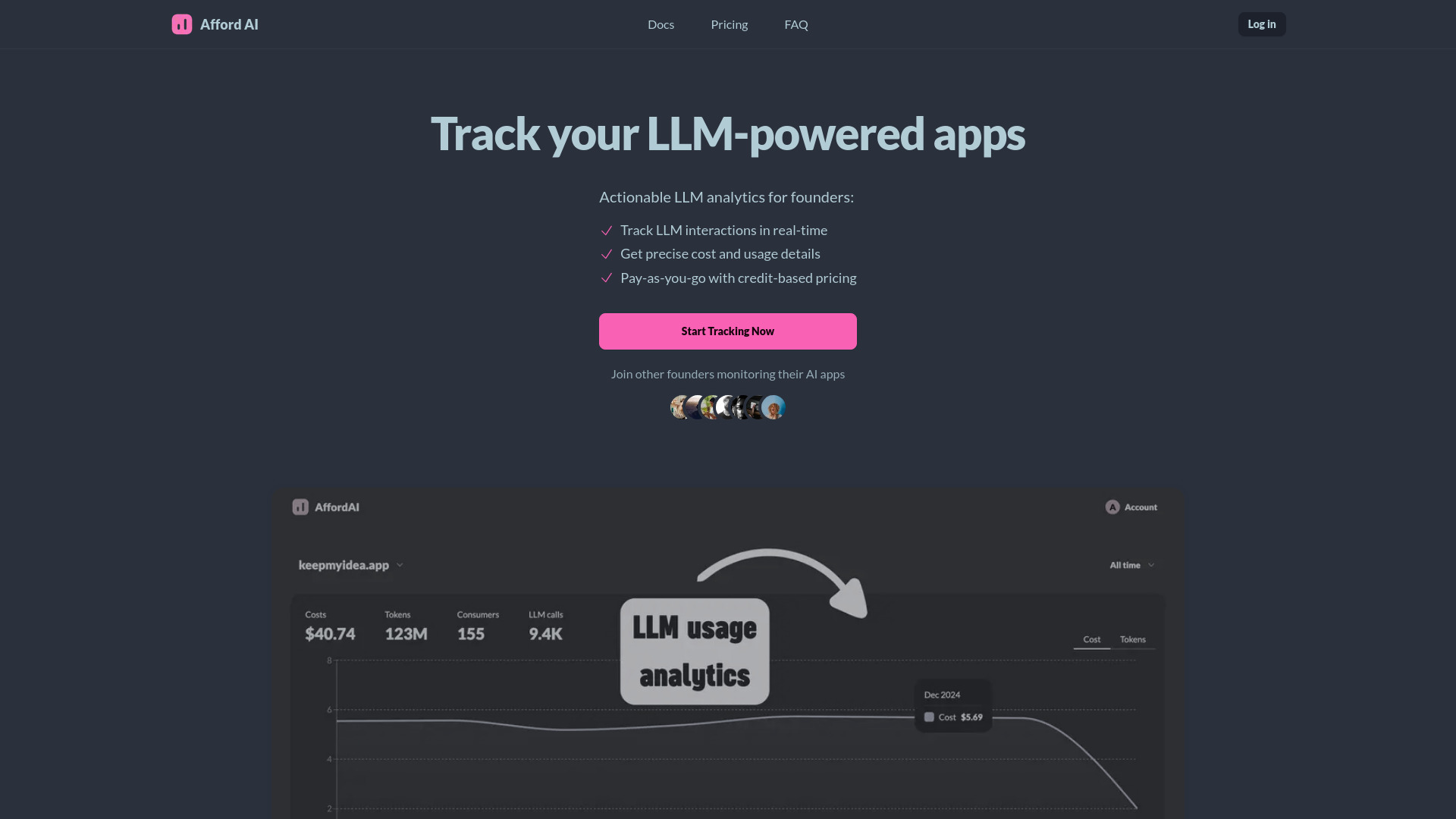
Afford AI
LLM usage analytics for founders

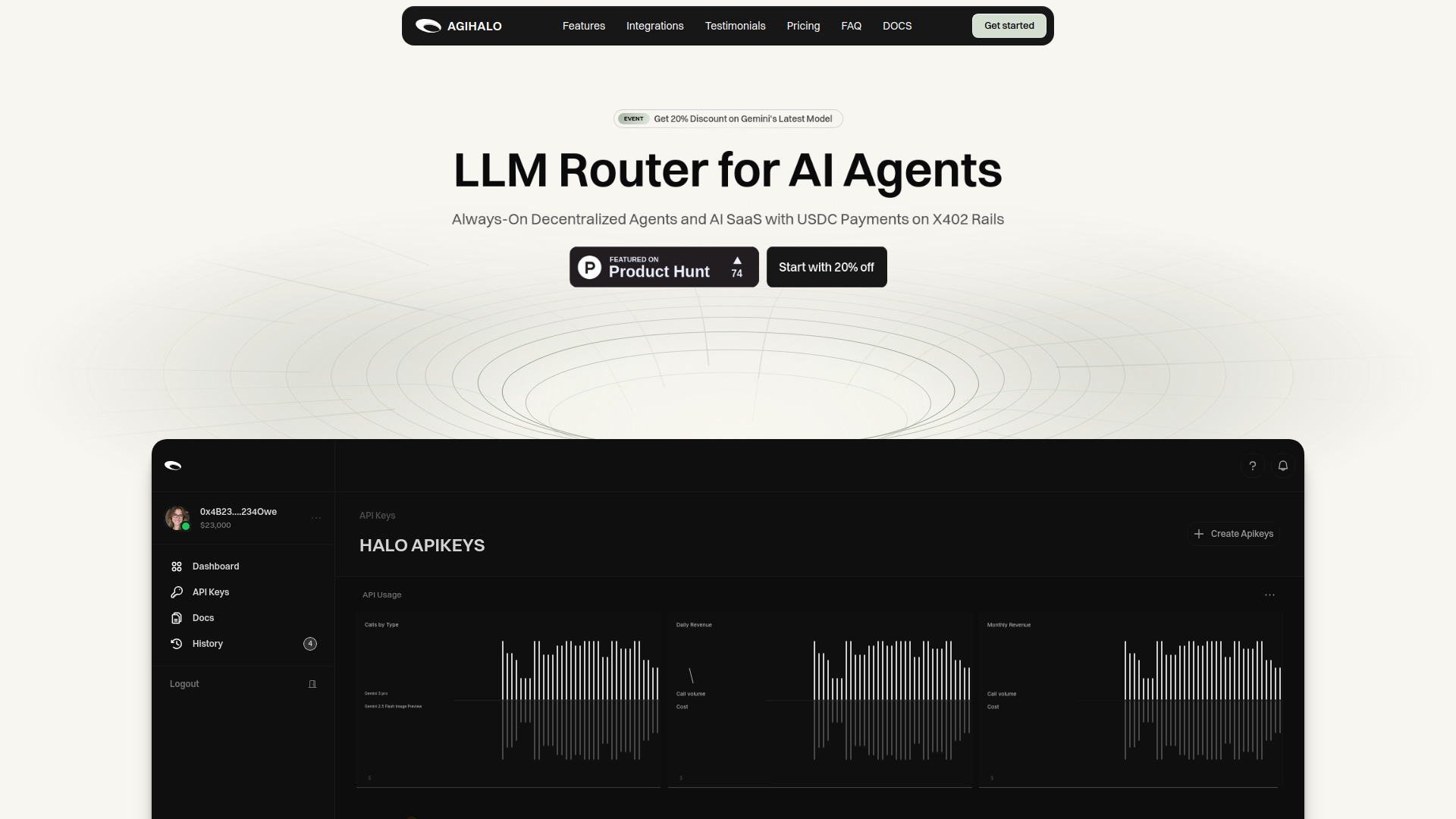
Agihalo LLM Router
Autonomous AI agents using USDC payments

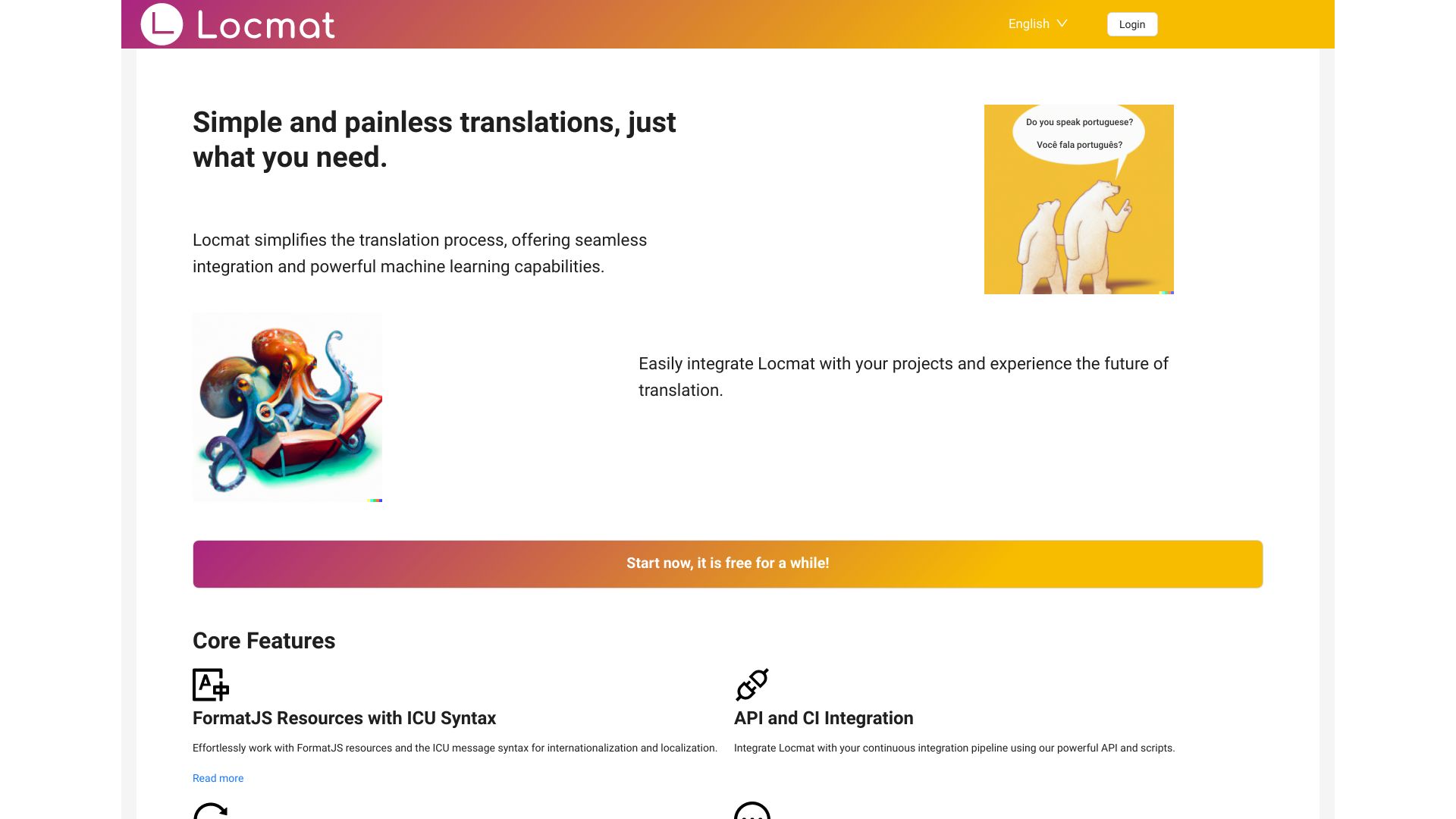
Locmat
FormatJS localization

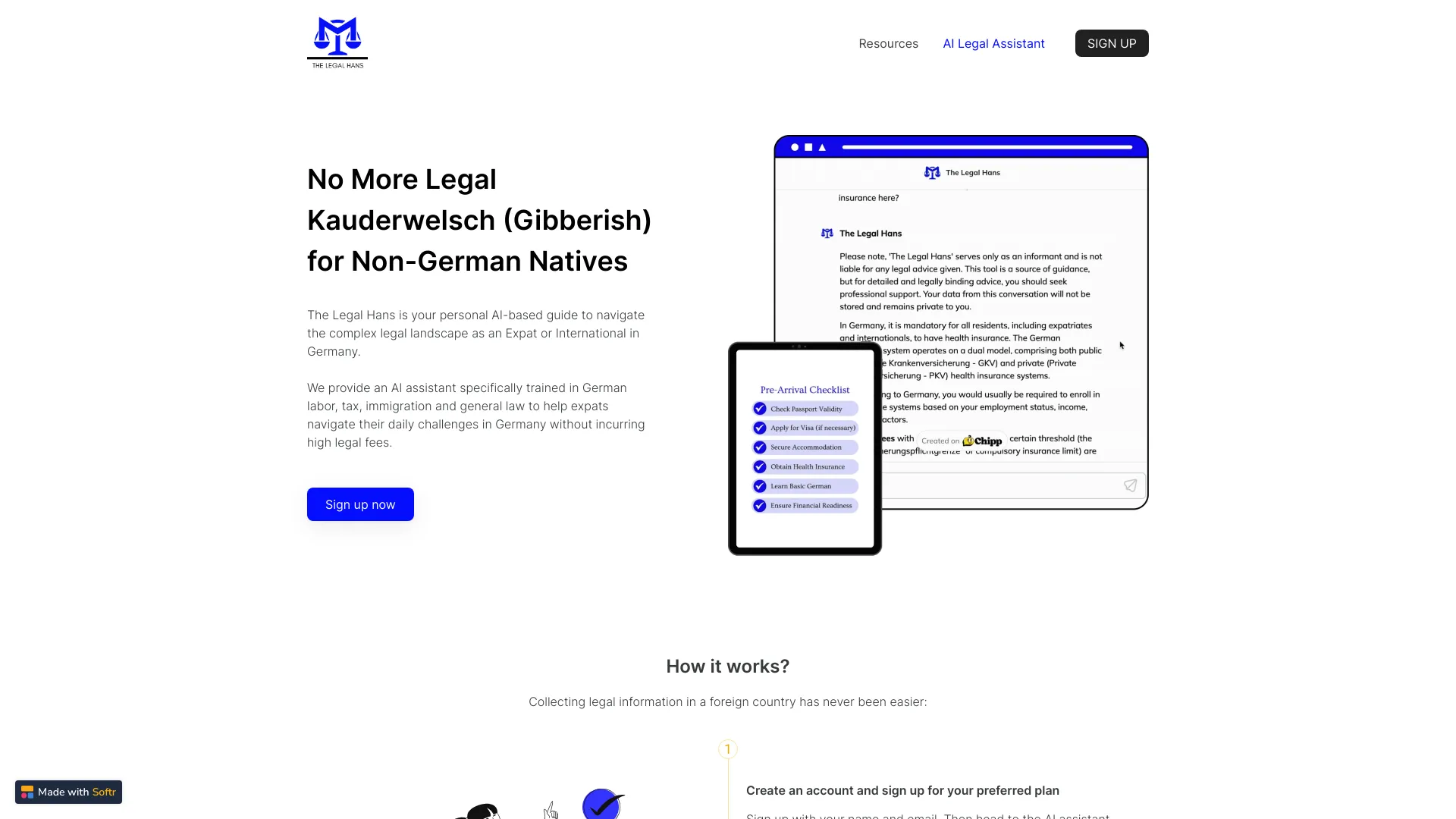
AI Legal Assistant for Expats in Germany
German legal guidance for expats
Which local LLM tool should you choose?
Start with the workflow, not the model leaderboard. The right answer changes sharply depending on whether you need private chat, retrieval, infrastructure, experimentation, or measurement.
| Your priority | Best choice | Why |
|---|---|---|
| Private desktop chat and documents | AnythingLLM | It combines a built-in LLM, RAG, agents, and local privacy in one application. |
| One API for many models | LiteLLM | Its gateway supports 100+ LLMs, OpenAI-compatible calls, spend tracking, and fallbacks. |
| Open-source self-hosting | LLM Gateway | The MIT license and free self-host option give technical teams more control. |
| Custom RAG and enterprise data | LlamaIndex | Parsing and extraction tools help you build a knowledge assistant around your data. |
| Testing models before deployment | LLMPlayground | You can switch among multiple models through one chat interface. |
| Broad hosted model access | Featherless.ai | Serverless hosting exposes thousands of Hugging Face models. |
| AI search visibility | LLM Pulse or LLMrefs | These measure how brands appear in AI search rather than running local models. |
| API cost research | LLM Price Check | It puts provider pricing and calculations in one place. |
| Legal contract workflows | Luminance | Its AI features are organized around negotiation, generation, and analysis. |
For a first local installation, AnythingLLM is the least complicated recommendation in this group. For a production application, choose LiteLLM or LLM Gateway when routing and provider flexibility matter more than a chat interface. If your data is the differentiator, LlamaIndex deserves attention even though it requires more engineering.
My practical recommendation
Try AnythingLLM first if you want to understand whether local LLM work fits your day-to-day needs. Its built-in LLM, document chat, RAG, and agents give you a meaningful workflow instead of a bare model prompt. The no-account desktop path also makes it a sensible privacy-first experiment.
Move to LiteLLM when several applications need a consistent model API, or to LLM Gateway when self-hosting and an MIT-licensed stack are priorities. Add LlamaIndex when retrieval quality, document parsing, and enterprise data become the hard part. I would use LLMPlayground and LLM Price Check before making a deployment decision, not as replacements for the deployment itself.
The broader lesson from this comparison is simple: "local" is a spectrum. Fully local privacy, self-hosted routing, serverless inference, and provider-independent application code each offer different control. Decide which kind of control you need before comparing model names.
Common mistakes when choosing local LLM tools
Confusing a model with a complete workflow. A model alone does not provide document ingestion, retrieval, a UI, routing, or monitoring. Packaged tools such as AnythingLLM solve more of that surrounding work.
Treating self-hosted and local as identical. A self-hosted gateway can run under your control while still routing requests to external providers. Confirm the execution path before sending sensitive data.
Ignoring setup friction. LlamaIndex, LiteLLM, and LLM Gateway offer flexibility, but they require more configuration than a desktop application.
Choosing on model count alone. Thousands of hosted models sound attractive, but plan limits, concurrency, data handling, and your actual task matter more than a catalog size.
Forgetting retrieval quality. A poor document pipeline can make a strong LLM look unreliable. Parsing, extraction, and RAG deserve as much attention as the model.
Assuming free means unlimited. LLMPlayground has message limits, LLMrefs limits its free plan, and cloud gateway pricing can include usage fees.
Using an adjacent analytics tool as a runtime. LLM Pulse and LLMrefs measure AI-search visibility; they do not run private local models.
Skipping a live pricing check. API prices, quotas, plan limits, and hardware requirements change. Confirm them with the vendor before purchasing or deploying.
What changed in 2026
The buying decision now extends beyond picking a single model. Users can choose private desktop workspaces, RAG frameworks, OpenAI-compatible gateways, self-hosted routing, serverless access to large model catalogs, and tools that monitor how LLMs influence search visibility. That makes architecture and workflow fit more important than a simple model popularity ranking.
OpenAI-compatible interfaces also reduce the cost of switching. LiteLLM and LLM Gateway show why a stable gateway can protect application code while teams test different providers or deployments. At the same time, tools such as LlamaIndex underline the growing importance of document parsing and extraction: useful AI depends on the quality of the context it receives.
For buyers, the practical shift is toward layered stacks. A desktop app may be the right first step, while a gateway, retrieval framework, pricing calculator, or visibility tracker becomes useful as the project matures.
FAQ
AnythingLLM is the best starting point in this comparison. It combines a built-in LLM, document chat, RAG, and AI Agents in a desktop application, with free no-account access described for the local workflow.