
The best ai search engine depends on what you expect from search. Students may want a direct answer and help with maths, developers may need a web search API, and marketing teams may care more about how their brand appears in ChatGPT or Perplexity. We compared 100 tools to separate genuinely useful search experiences from broad AI platforms that merely add a search label. The 10 featured picks below cover those distinct jobs, with clear trade-offs around scope, pricing, coverage, and ease of use.
Top picks
| Pick | Tool | Best for | Why it stands out |
|---|---|---|---|
| 1 | Hỏi đáp AI Hay | Students | Combines question answering, maths and essay assistance, image recognition, and academic support. |
| 2 | iAsk.Ai | Free factual search | Focuses on precise, factual, and unbiased answers without a paid entry point. |
| 3 | 秘塔AI搜索 | Ad-free research | Offers direct results with web, literature, and academic search scopes. |
| 4 | Exa | AI developers | Turns web search and crawling into infrastructure for AI applications. |
The short version: start with iAsk.Ai for a straightforward free answer engine, Hỏi đáp AI Hay for learning support, or Exa if you are building search into a product. Business users should look at AIclicks or First Answer AI instead of treating a consumer chatbot as an analytics platform.
Quick comparison
| Tool | Best for | Score | Free access | Starting price | Monthly visits |
|---|---|---|---|---|---|
| Hỏi đáp AI Hay | Students | 96/100 | 8 requests; academic support; image recognition | Check vendor pricing | 6.4M |
| iAsk.Ai | Students | 95/100 | Free answer engine and factual answers | Check vendor pricing | 1.0M |
| 秘塔AI搜索 | Students | 95/100 | No ads; direct results; research workflow | Check vendor pricing | 5.2M |
| Exa | AI developers | 95/100 | $10 free credits | Check vendor pricing | 846.8K |
| Chat & Ask AI | Writers | 95/100 | AI chatbot, image generator, and chat PDF | Free membership | 1.0M |
| AIclicks | Web businesses | 95/100 | Free audit | Starter: $39/month | 65.4K |
| AiToolGo | AI enthusiasts | 94/100 | AI search assistant | Check vendor pricing | 47.0K |
| AlphaResearch | Institutional investors | 94/100 | Limited free access | Basic: $49.99/month | 8.2K |
| AI Repository Search | Software developers | 94/100 | Explore 48K+ repositories | Check vendor pricing | 4.6K |
| First Answer AI | Marketing managers | 93/100 | Free analysis | Start: $39/month | 3.3K |
How we ranked these AI search engines
We ranked each tool against the job it actually performs rather than rewarding a generic AI label. Search relevance and answer quality came first, followed by the specificity of the workflow: academic help, web research, repository discovery, financial documents, developer APIs, or brand monitoring. We also considered free access, starting price, audience fit, product breadth, and the practical signal of current usage. A focused tool could therefore outrank a broader platform when it solved a clear search problem better. The scores are editorial guidance, not a promise that every answer is correct. Check important claims against primary sources, especially for finance, academic work, and business decisions.
The best AI search engines
1. Hỏi đáp AI Hay

Hỏi đáp AI Hay
Best AI search assistant for students
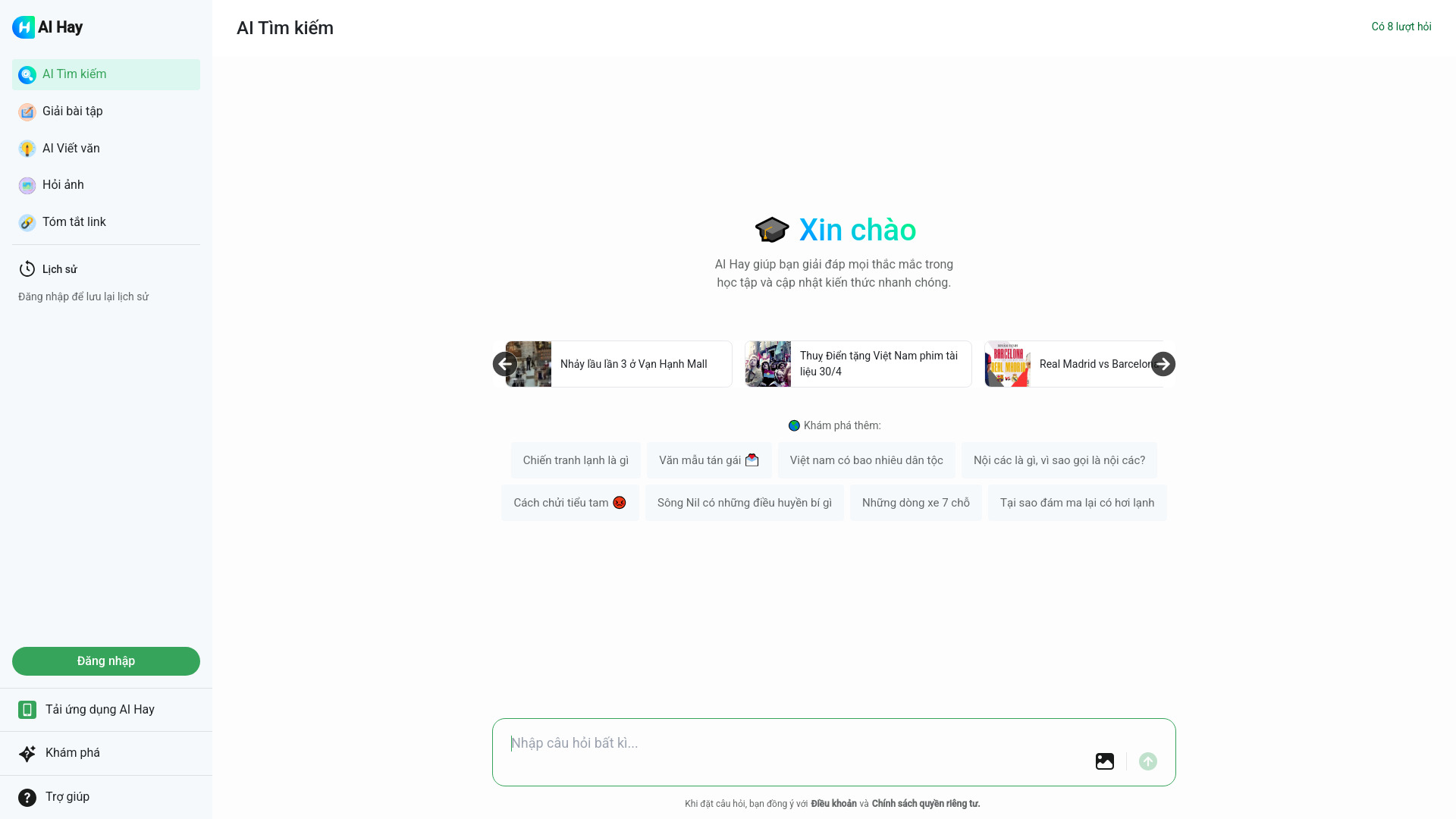
Students get the most complete learning-oriented workflow in this shortlist from Hỏi đáp AI Hay. It handles AI-powered question answering alongside maths and essay assistance, so the value is not limited to a list of links or a one-line response. Image recognition and content explanation also make it useful when the question starts with a photographed exercise, document, or visual prompt.
The free allowance is unusually concrete: eight requests, plus academic support and image recognition. That makes it easy to test whether the answers fit a student's actual subjects before worrying about a longer-term plan. Its broad AI assistance also gives it a higher ceiling than a narrow question-answering tool, although the requirement for an internet connection is worth remembering for classroom or travel use.
My take: This is the strongest first stop for students who want search and homework help in one place. The combination of learning support and image recognition feels more practical than a bare web answer engine.
Where it falls short: You need an internet connection, and the starting price is not presented clearly enough to compare with paid alternatives without checking the vendor directly.
Key features
AI-powered question answering for general research and study prompts.
Maths and essay assistance for common academic tasks.
Image recognition and content explanation for visual questions.
Academic support and smart tips within a broader AI assistant.
Pros
Comprehensive assistance across several student workflows.
Concrete free access for initial testing.
Strongest overall score in this comparison.
Cons
Requires an internet connection.
Pricing needs to be checked with the vendor.
Choose Hỏi đáp AI Hay if: You are a student who wants one accessible tool for questions, maths, essays, and image-based academic help.
2. iAsk.Ai

iAsk.Ai
Best free AI search engine for factual answers
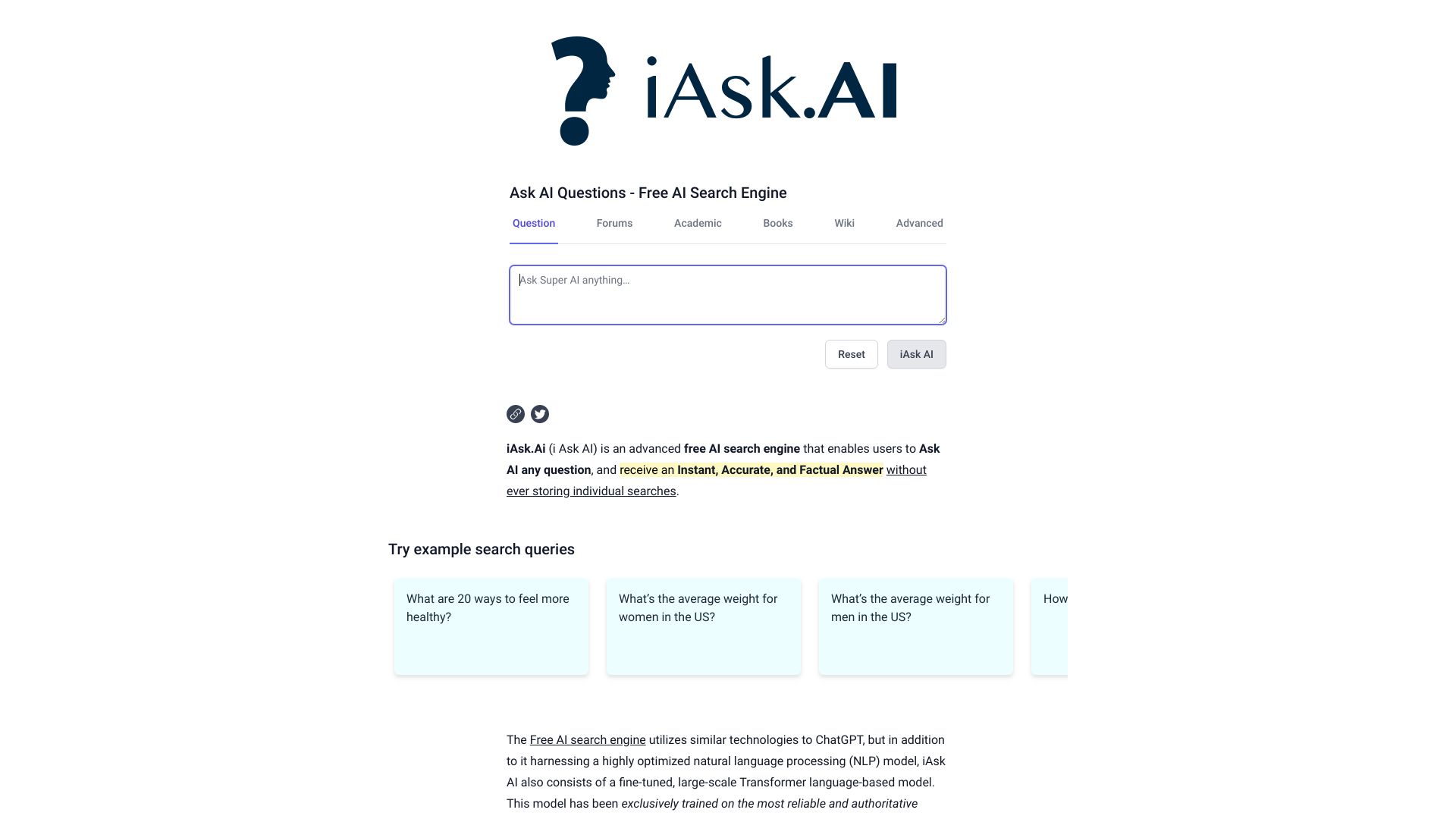
A clean, focused proposition makes iAsk.Ai one of the easiest recommendations here. It presents itself as a free AI search engine and emphasizes precise, factual, unbiased answers. That positioning matters when you want to ask a natural-language question rather than construct a page of keywords, but do not need a full writing suite or a specialist research database.
The tool's strongest audience fit is students and everyday researchers who value a direct answer. It is also a sensible low-risk place to begin because the core promise is easy to evaluate in a few searches. The trade-off is coverage: iAsk.Ai may not handle every topic comprehensively, so a confident answer should not end the research process when the subject is niche or consequential.
My take: For someone asking what is the best ai search engine for simple factual queries, iAsk.Ai is the most obvious starting point. It keeps the experience focused instead of burying search under unrelated features.
Where it falls short: Topic coverage can be uneven, and the product facts do not establish that every niche query will receive the same depth as a specialist search tool.
Key features
Free AI search engine experience.
Precise, factual, and unbiased answer positioning.
ChatGPT-like answer engine for conversational queries.
Pros
Easy to try without a complicated buying decision.
Clear focus on factual answers.
Good fit for students and general information searches.
Cons
May not cover all topics comprehensively.
Specialist research users may need a more targeted platform.
Choose iAsk.Ai if: You want a free, direct answer engine for everyday questions and student research before committing to a paid tool.
3. 秘塔AI搜索

秘塔AI搜索
Best ad-free AI search engine for research
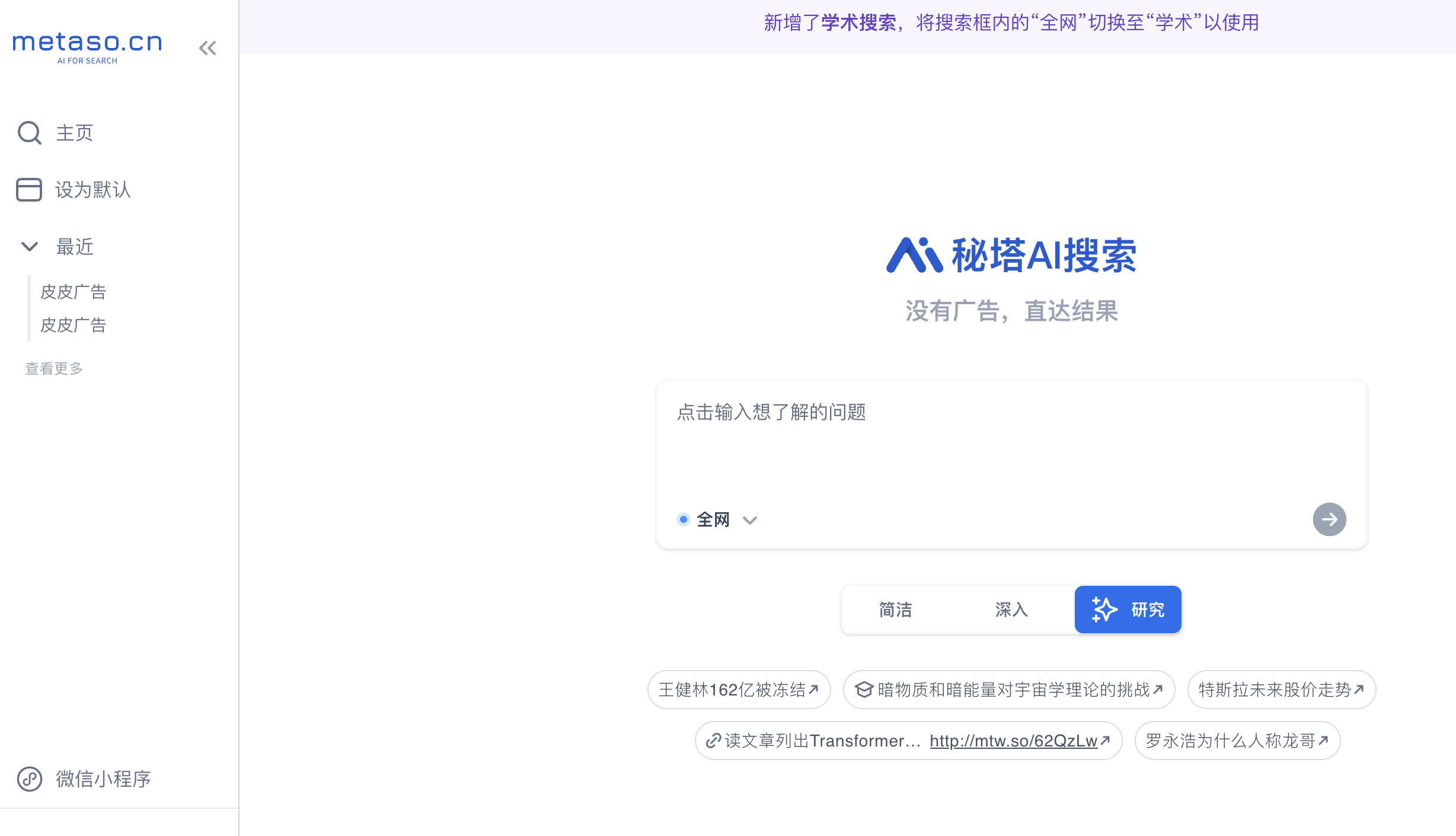
Research feels noticeably more deliberate when the search scope matches the question. 秘塔AI搜索 supports web, literature, and academic scopes, giving students and researchers a way to narrow the context instead of treating every query as generic web search. Its direct-results approach and no-ad experience are the headline advantages for anyone tired of sorting through sponsored clutter.
This is one of the best ai search engines for users who already know that source type matters. A literature search and a broad web lookup are different jobs, and the customizable scopes acknowledge that difference. The limitation is equally important: results may be constrained by the AI's knowledge base, so the interface should help you find information, not replace source checking.
My take: I like the product logic here. Removing ads is helpful, but the more meaningful feature is the ability to choose a research context before searching.
Where it falls short: The AI knowledge base can limit results, and the pricing is not clear enough to judge the long-term cost from the first visit alone.
Key features
AI-powered search with direct results.
Web, literature, and academic search scopes.
Ad-free search experience.
Research-oriented search and workflow tools.
Pros
No advertisements interrupting research.
Better scope control than a generic query box.
Strong fit for academic and literature searches.
Cons
Results may be limited by the AI's knowledge base.
Important claims still need verification against source material.
Choose 秘塔AI搜索 if: You want ad-free research with separate web, literature, and academic search modes.
4. Exa

Exa
Best AI search API for developers
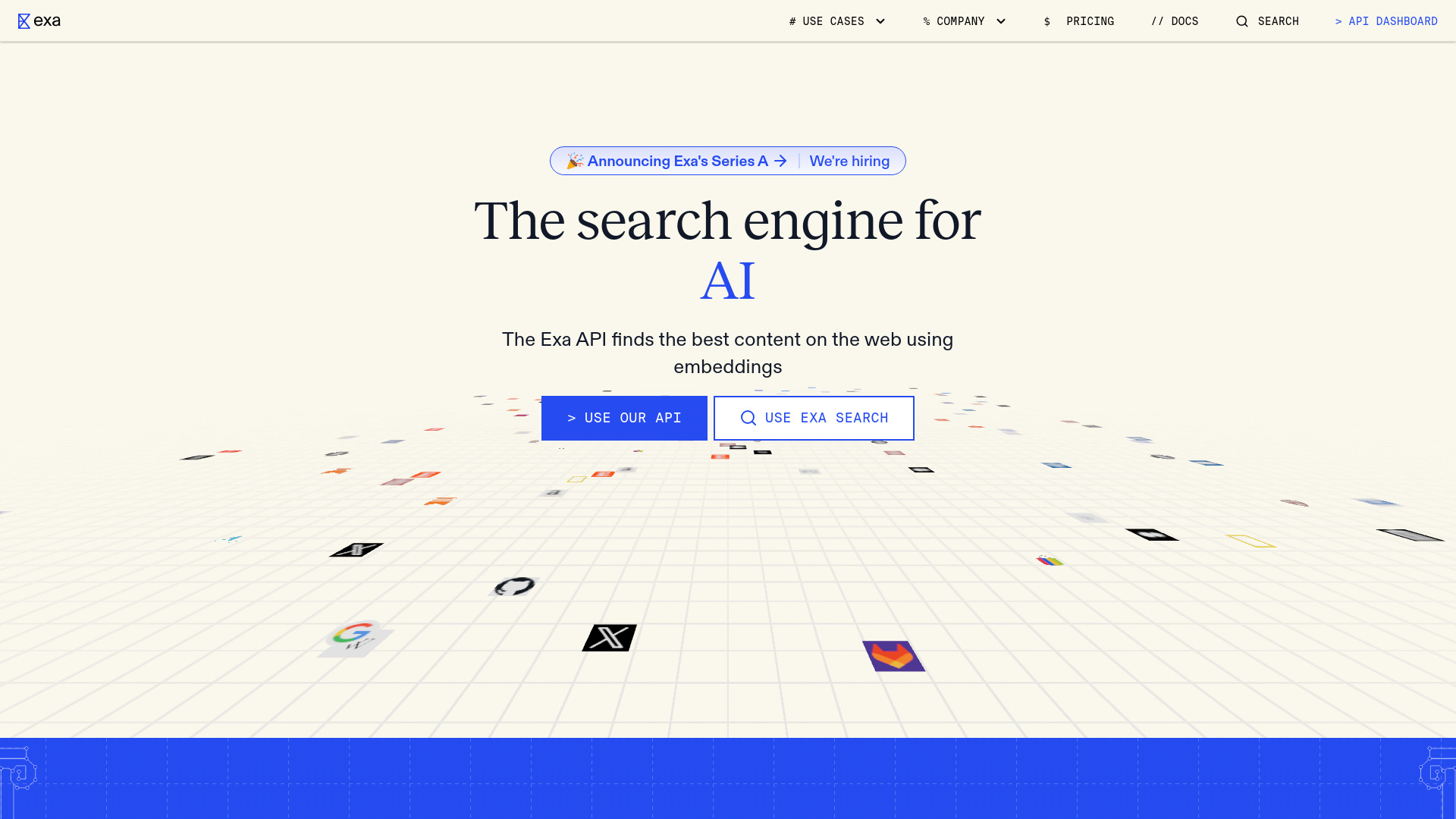
Exa is the outlier that makes this list useful for builders. Instead of asking you to search manually, it provides a Web Search API and web crawling capabilities for AI applications. That changes the buying question from which answer engine should I use to how can my product retrieve and work with web information reliably?
The free $10 in credits gives developers a concrete way to prototype. Exa also lists LLM answers from $1 per 1,000 pages, which makes the usage model more relevant to an application than a standard consumer subscription. Comprehensive web search is its main strength, but the economics can become a barrier for individual users or small projects once experimentation turns into sustained volume.
My take: If you are building an agent, research workflow, or AI product, Exa is more valuable than a consumer-facing answer engine. It is infrastructure, not just a nicer search box.
Where it falls short: Pricing may put it out of reach for small projects, and developers need to estimate page volume rather than assume a flat consumer plan will cover production usage.
Key features
Web Search API for AI applications.
Web crawling capabilities.
LLM answers starting from $1 per 1,000 pages.
Comprehensive web search infrastructure.
Pros
Built around developer workflows.
$10 in free credits for initial testing.
More useful than a standalone interface when search must be embedded in software.
Cons
Pricing can be a barrier for individuals and small projects.
Requires a technical use case to justify the platform.
Choose Exa if: You are a developer building an AI product that needs web search or crawling rather than another consumer chatbot.
5. Chat & Ask AI

Chat & Ask AI
Best AI search tool for writers who want extra AI utilities
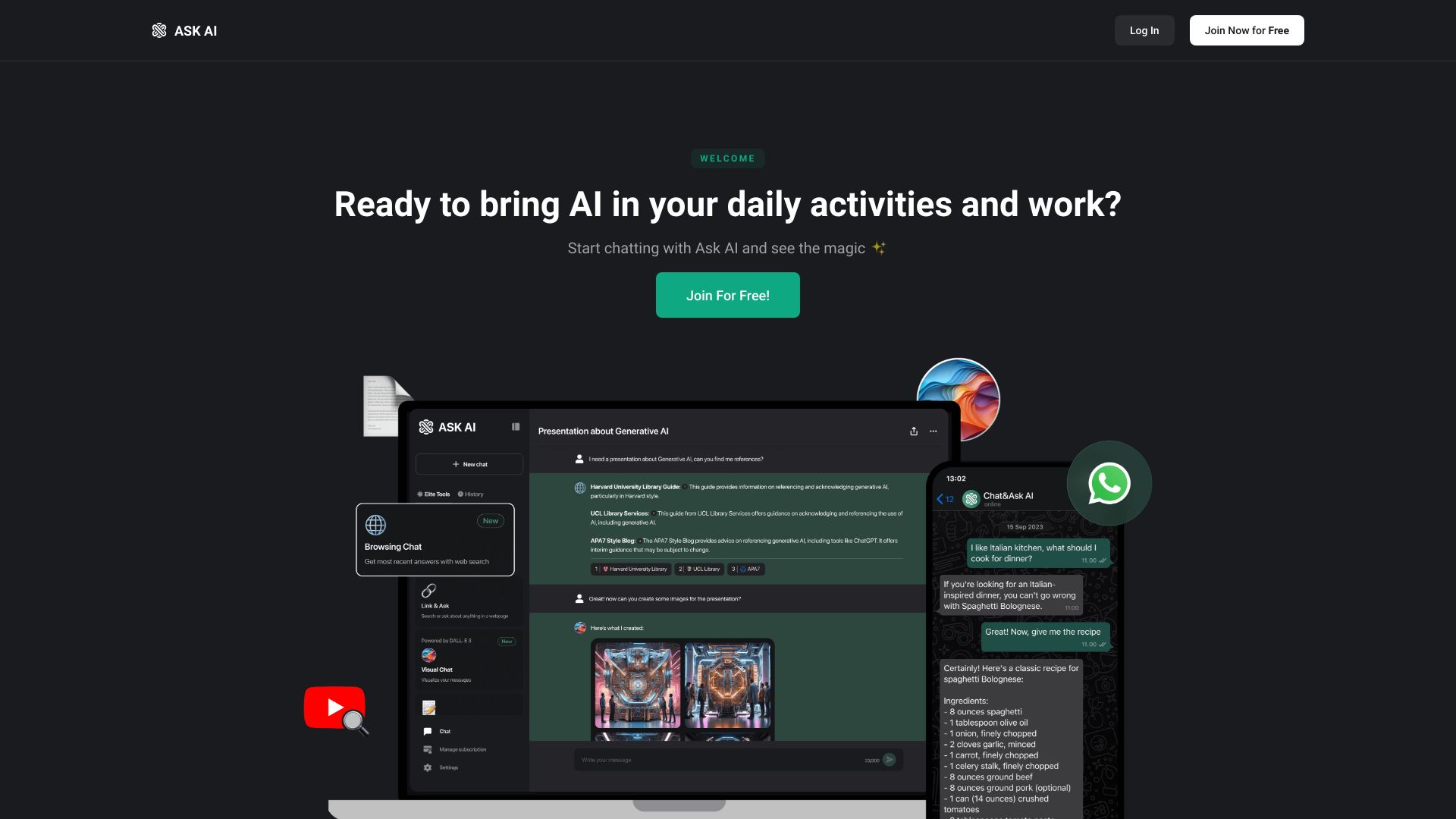
Writers often need more than search. Chat & Ask AI bundles an AI Search Engine with an AI image generator, chatbot, and chat PDF capability, creating a broader workspace for researching, drafting, and working with documents. That breadth is its reason for appearing in this comparison: it can support the surrounding workflow instead of stopping after the answer.
The free membership makes the platform approachable, particularly if you want to test multiple functions before paying. The catch is that some features are limited to premium members, so the free experience may not represent the full product. Writers should check exactly which search, document, and generation limits apply before making it their daily workspace.
My take: This is a good pick when search is one part of a content workflow. I would not choose it solely for the most rigorous research experience, but I would consider it for an all-purpose writing bench.
Where it falls short: The broad feature set can make comparison harder, and premium restrictions may appear once you move beyond the basic tools.
Key features
AI Search Engine.
AI chatbot.
AI image generator.
Chat PDF workflow.
Free membership option.
Pros
Several AI-powered tools in one platform.
Useful combination for writing and document work.
Free membership lowers the barrier to testing.
Cons
Some features are limited to premium members.
Broader does not necessarily mean deeper for specialist research.
Choose Chat & Ask AI if: You are a writer who wants search, document chat, image generation, and chatbot access in one workspace.
6. AIclicks

AIclicks
Best AI search analytics for web businesses
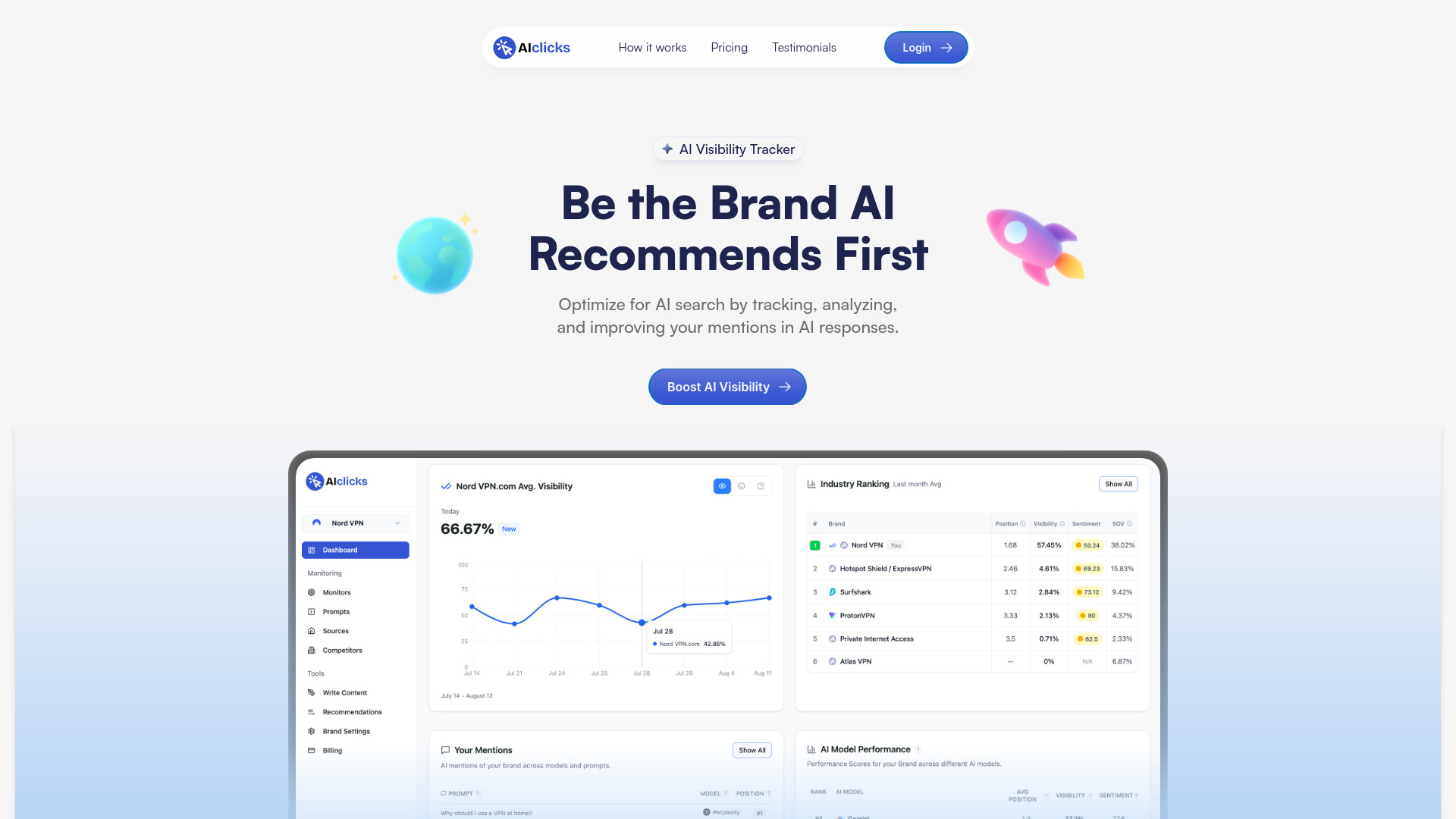
AIclicks addresses a different search problem: not finding information, but finding out whether AI systems mention your business. Its Generative and Answer Engine Optimization features, plus an AI Search Score audit, are designed for web businesses that need to improve visibility in AI-generated answers.
The platform tracks multiple AI environments, including ChatGPT, Perplexity, Gemini, Claude, Grok, DeepSeek, and Meta AI. That breadth is valuable because a brand can appear prominently in one answer engine and disappear in another. The Starter plan begins at $39 per month for 20 tracked prompts and one website, while the core service does not have an explicit free tier or trial; the free audit is the practical entry point.
My take: For marketers, AIclicks is more actionable than a general-purpose search engine. It gives the team a way to turn vague concerns about AI visibility into tracked prompts and optimization work.
Where it falls short: The lack of a clear free tier means small businesses must be comfortable with a paid experiment. It is also an analytics platform, not a replacement for everyday web research.
Key features
Generative and Answer Engine Optimization tracking.
AI Search Score audit.
Monitoring across ChatGPT, Perplexity, Gemini, Claude, Grok, DeepSeek, and Meta AI.
GEO optimization and LLM monitoring.
Starter tracking for 20 prompts and one website.
Pros
Broad coverage across leading AI platforms.
Focused on measurable brand visibility.
Free audit provides an initial diagnostic.
Cons
No explicit free tier or trial for the core service.
$39/month can be a meaningful cost for a small site.
Choose AIclicks if: You run a web business and need to monitor and improve how AI search engines describe your brand.
7. AiToolGo

AiToolGo
Best AI search assistant for discovering tools
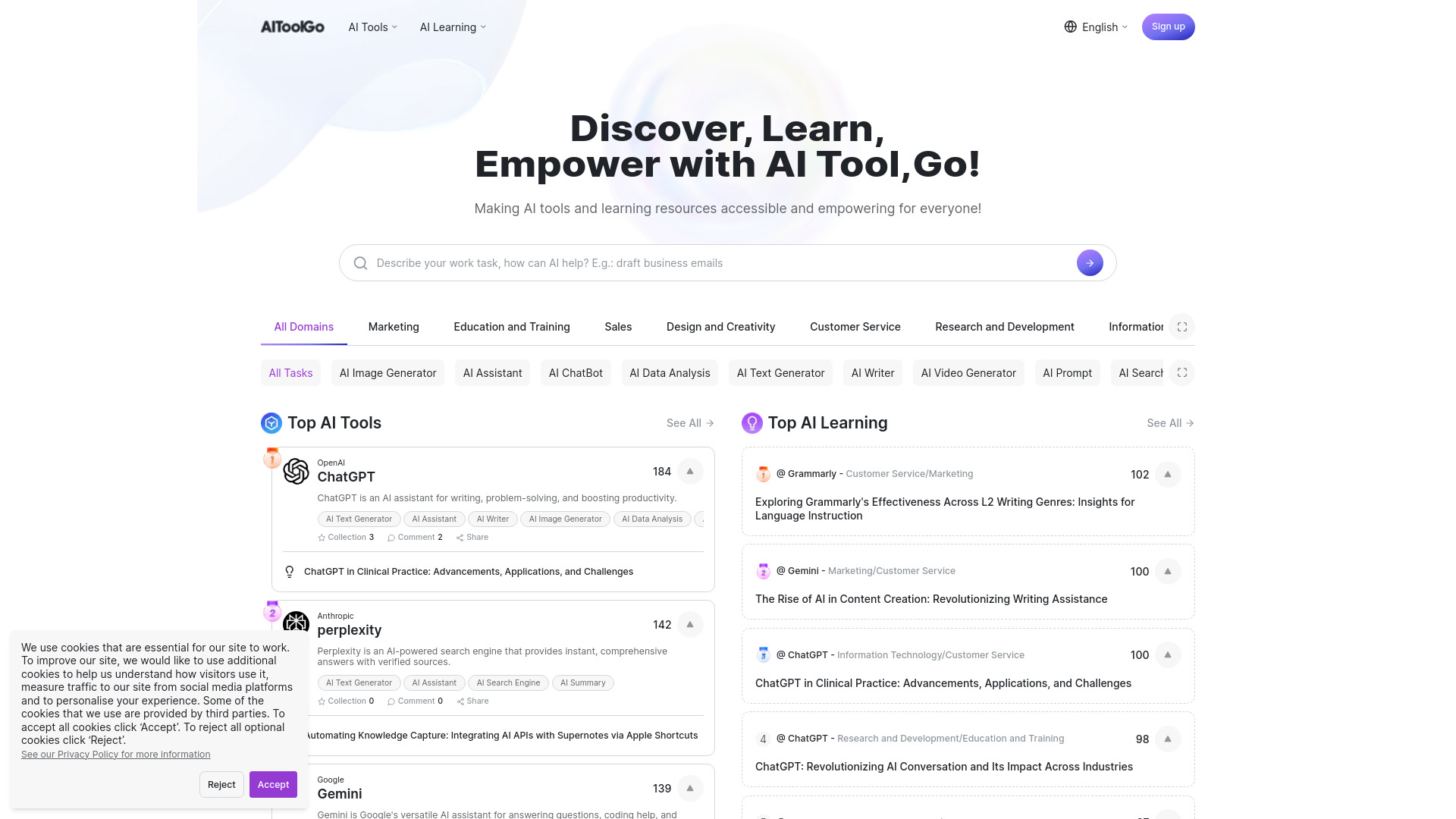
AiToolGo turns search inward: its AI Search Assistant helps people discover AI tools and learning resources rather than answer a general question about the wider web. For AI enthusiasts, this is a useful adjacent category. You can search a growing collection by need, then use the surrounding resources to understand what each tool does.
Its value is curation. A conventional search engine can return hundreds of loosely related AI products, while a dedicated collection gives the query more context. The trade-off is navigation time: an extensive catalogue can itself become a browsing project. AiToolGo works best when you are exploring a category, not when you need one authoritative answer immediately.
My take: This is one of the best ai search tools for tool discovery, especially when you are still defining the workflow you want to buy. It belongs on the shortlist for researchers and AI hobbyists, not as a replacement for an academic or financial search platform.
Where it falls short: The extensive collection may take time to navigate, and a catalogue search is inherently less direct than a focused answer engine.
Key features
AI Search Assistant for tool and resource discovery.
Curated collection of AI tools.
Learning resources for exploring AI workflows.
Search experience built around finding software rather than general facts.
Pros
Useful for comparing unfamiliar AI products.
Combines discovery with learning resources.
Clear fit for AI enthusiasts.
Cons
Large collections can take time to navigate.
Not designed as a specialist source for finance or academic evidence.
Choose AiToolGo if: You want an AI-assisted catalogue for finding tools and learning resources before choosing a product.
8. AlphaResearch

AlphaResearch
Best AI search engine for financial documents
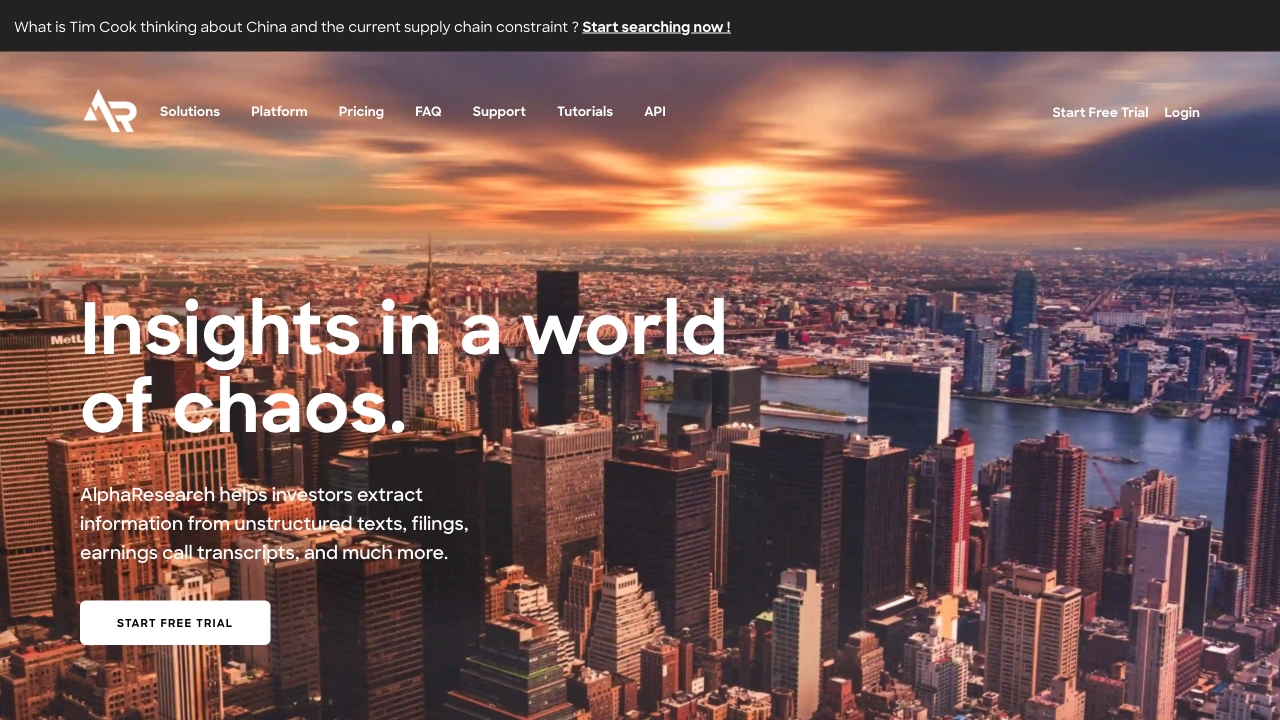
AlphaResearch earns its place by narrowing search to a high-value professional workflow. Its AI-powered document search is built for extracting insights from unstructured text and financial data, with company fundamentals and estimates available alongside the search experience. That is a much more useful proposition for investors than asking a general AI system to interpret a filing without specialist context.
Deep financial insights and quality data are the main strengths. The Basic plan starts at $49.99 per month and has US-market-only coverage, so international investors should check scope before comparing it with broader research platforms. Limited free access makes an initial evaluation possible, but the price and specialist focus put this firmly in the professional category.
My take: AlphaResearch is the right kind of narrow. It does not try to be the best answer engine for everyone; it focuses on financial documents, fundamentals, and estimates where search quality can save serious time.
Where it falls short: The Basic plan's US-only coverage is a material restriction, and $49.99 per month is difficult to justify for casual research.
Key features
AI-powered search across financial documents.
Company fundamentals and estimates.
Insight extraction from unstructured texts and financial data.
Limited free access for initial evaluation.
Pros
Strong specialist fit for financial research.
Designed around difficult unstructured documents.
Provides deep insights and quality financial data.
Cons
Basic plan coverage is limited to the US market.
Basic pricing starts at $49.99 per month.
Choose AlphaResearch if: You are an investor or research professional who needs AI-assisted search across financial documents and company data.
9. AI Repository Search

AI Repository Search
Best AI search engine for software repositories
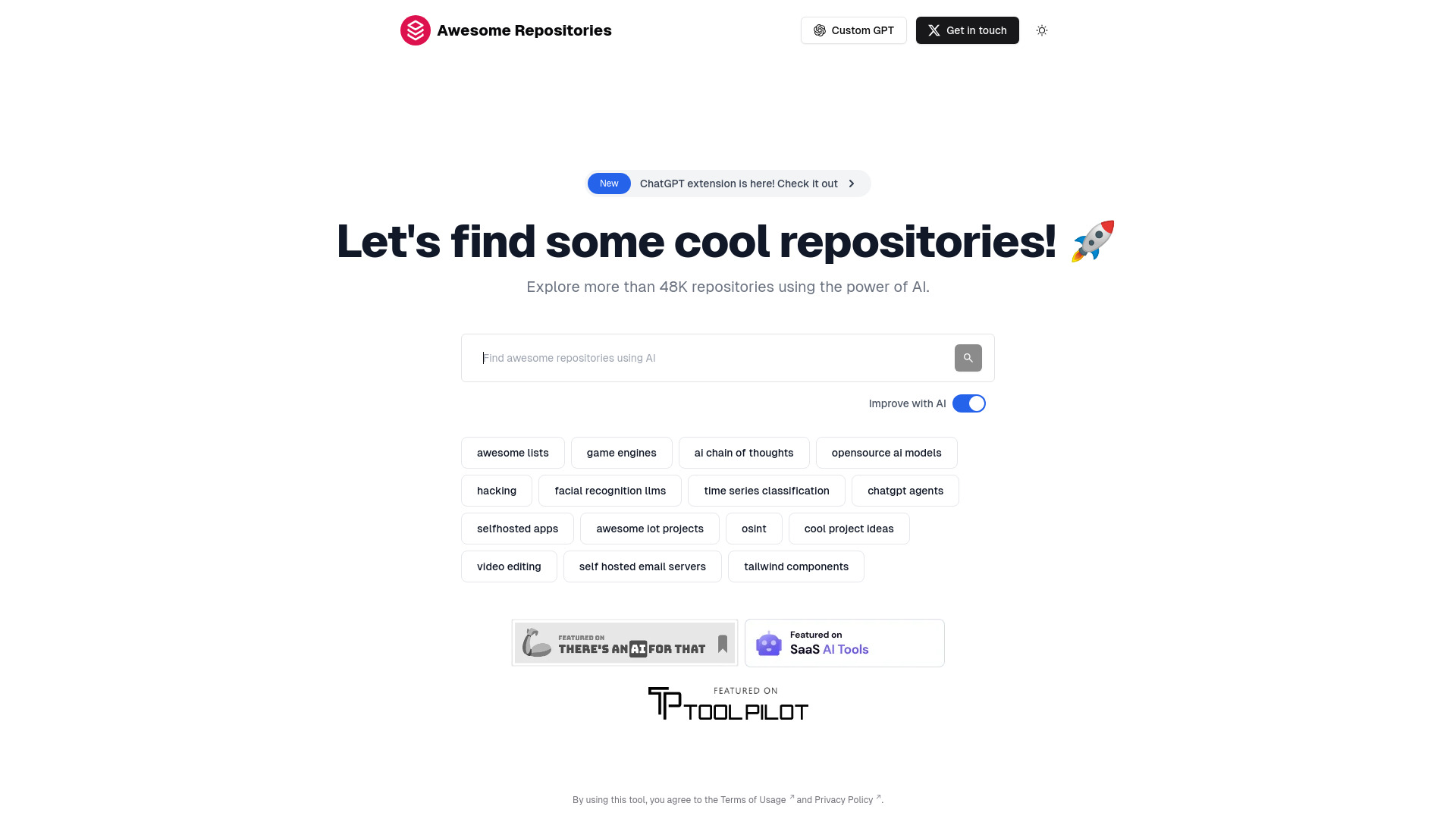
Developers do not always need another general web search. Sometimes the fastest route to an answer is finding a relevant repository, and AI Repository Search focuses on that narrower task. It provides AI-powered repository search and access to more than 48,000 repositories, making it useful for discovering projects, examples, and codebases by intent rather than by exact repository name.
That focused scope is the product's advantage. It can reduce the friction of browsing a large repository collection when you know the kind of project you want but not the vocabulary used by its author. The limitation is transparency: there is limited information about how the AI search algorithm works, so developers should inspect repository quality, activity, and licensing themselves.
My take: This is a practical specialist search tool, not a full development research environment. I would use it to generate a shortlist, then evaluate the actual repositories before adopting code or patterns.
Where it falls short: Algorithm details are limited, and repository discovery alone does not tell you whether a project is maintained, secure, or suitable for production.
Key features
AI-powered repository search.
Discovery across more than 48K repositories.
Search for relevant or interesting repositories.
Developer-focused alternative to general web search.
Pros
Clear use case for software developers.
Large repository collection to explore.
AI assistance can make intent-based discovery easier.
Cons
Limited information about the search algorithm.
Results still require technical and maintenance review.
Choose AI Repository Search if: You are a developer looking for relevant repositories and examples without relying only on exact keyword matching.
10. First Answer AI

First Answer AI
Best AI search visibility monitor for marketing teams
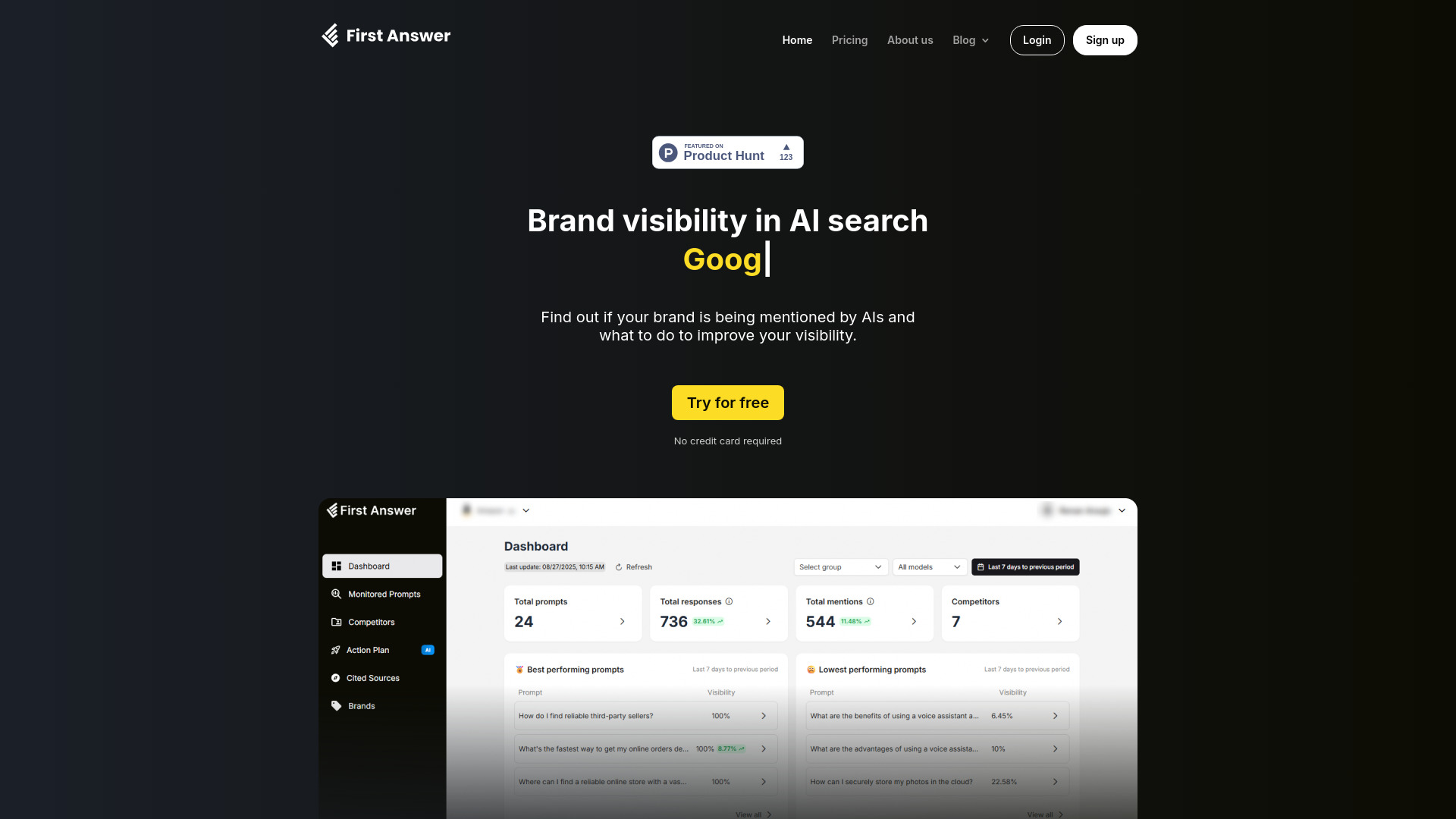
First Answer AI is built for the marketing manager who needs to know whether an AI system recommends the company, not merely whether the company ranks on a traditional results page. It monitors brand visibility across ChatGPT, Google AI Overviews, Gemini, Copilot, Grok, and Perplexity, then adds competitive analysis for comparing mentions and performance.
The free analysis and no-credit-card entry point make it easier to test the premise before buying. Paid plans start at $39 per month, but lower tiers limit monitored prompts and competitors. That matters for larger brands or agencies that need broad tracking. For a focused team with a defined list of prompts, however, the product offers a direct bridge between AI visibility research and competitive reporting.
My take: First Answer AI is a strong choice when the reporting audience is marketing, not engineering. It translates an emerging search channel into brand and competitor measurements that a team can actually discuss.
Where it falls short: Lower-tier plans restrict the number of prompts and competitors, so the apparent starting price may not match the scope a mature brand needs.
Key features
AI brand visibility monitoring across leading LLMs.
Coverage for ChatGPT, Google AI Overviews, Gemini, Copilot, Grok, and Perplexity.
Competitive analysis of brand mentions and performance.
Free analysis with no credit card required.
Pros
Clear marketing and brand-monitoring focus.
Covers several important AI answer environments.
Competitive comparison makes the data more useful than a single-brand report.
Cons
Lower tiers limit monitored prompts and competitors.
Starting at $39 per month may not cover larger tracking programs.
Choose First Answer AI if: You manage marketing visibility and need to compare your brand's presence across major AI answer engines.
More tools to compare

ScholarAI
Academic research and paper analysis

PiSearch
Product discovery and comparison


AI STUDIOS
AI avatar video creation

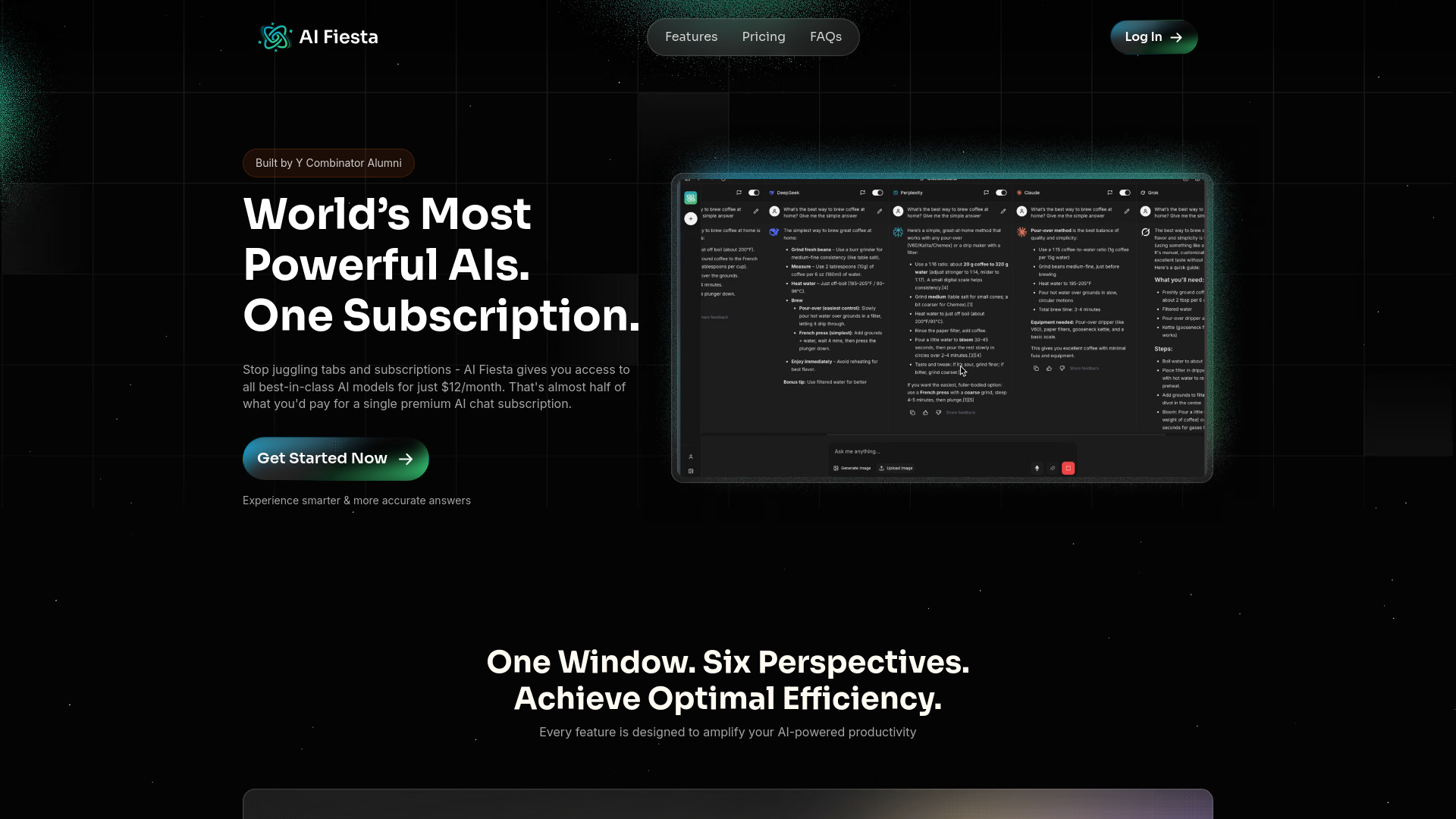
AI Fiesta
Comparing multiple AI models

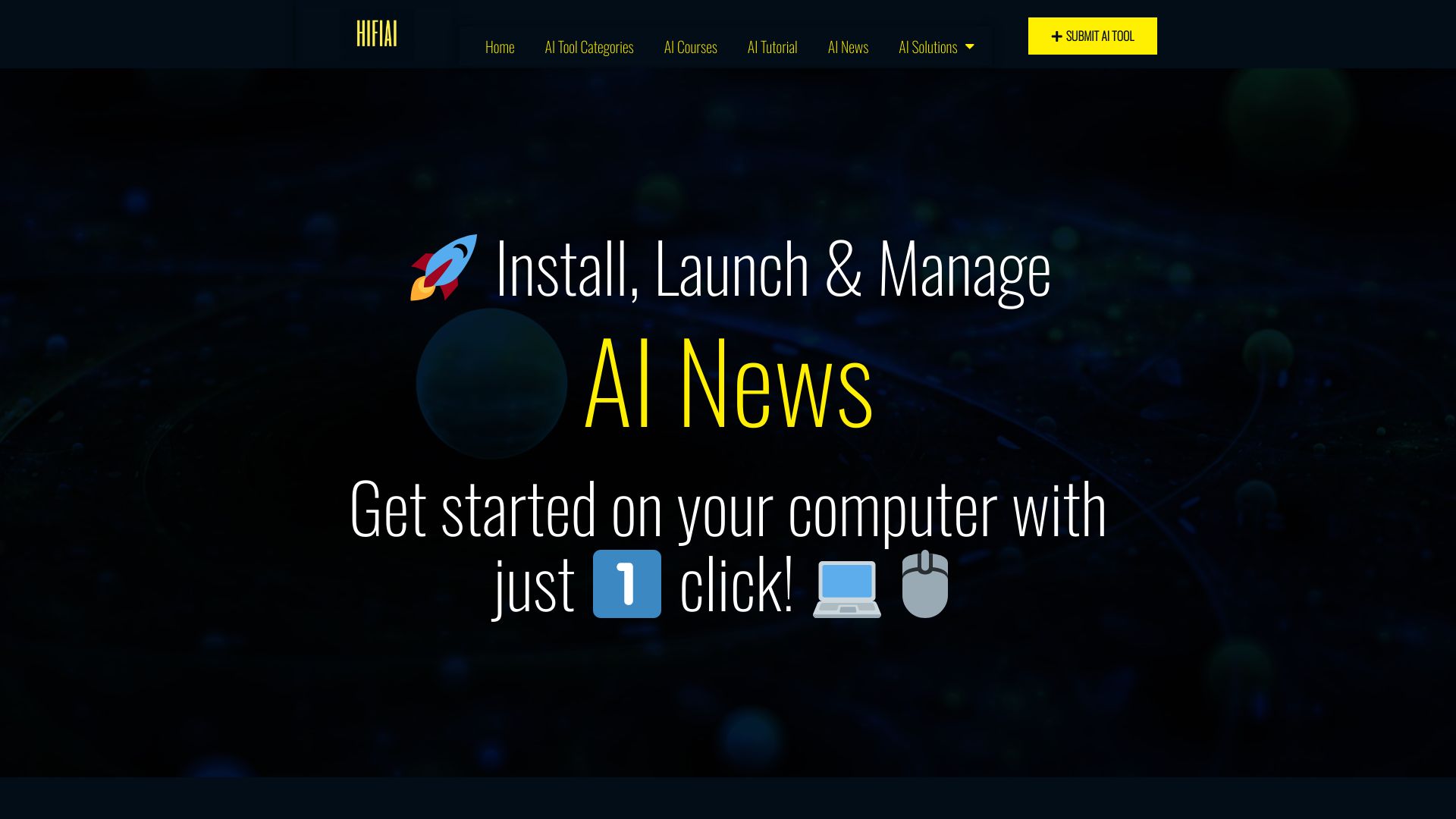
Hi-fi Ai
AI tool discovery

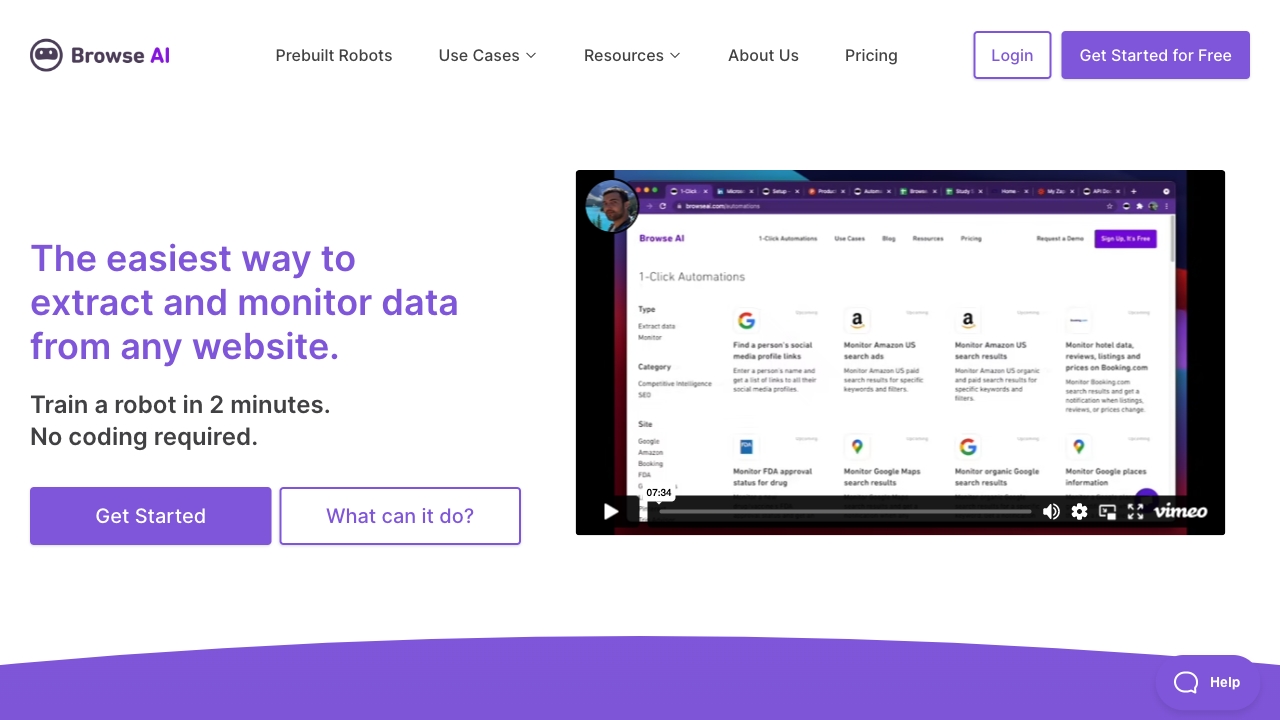
Browse AI
No-code website data extraction

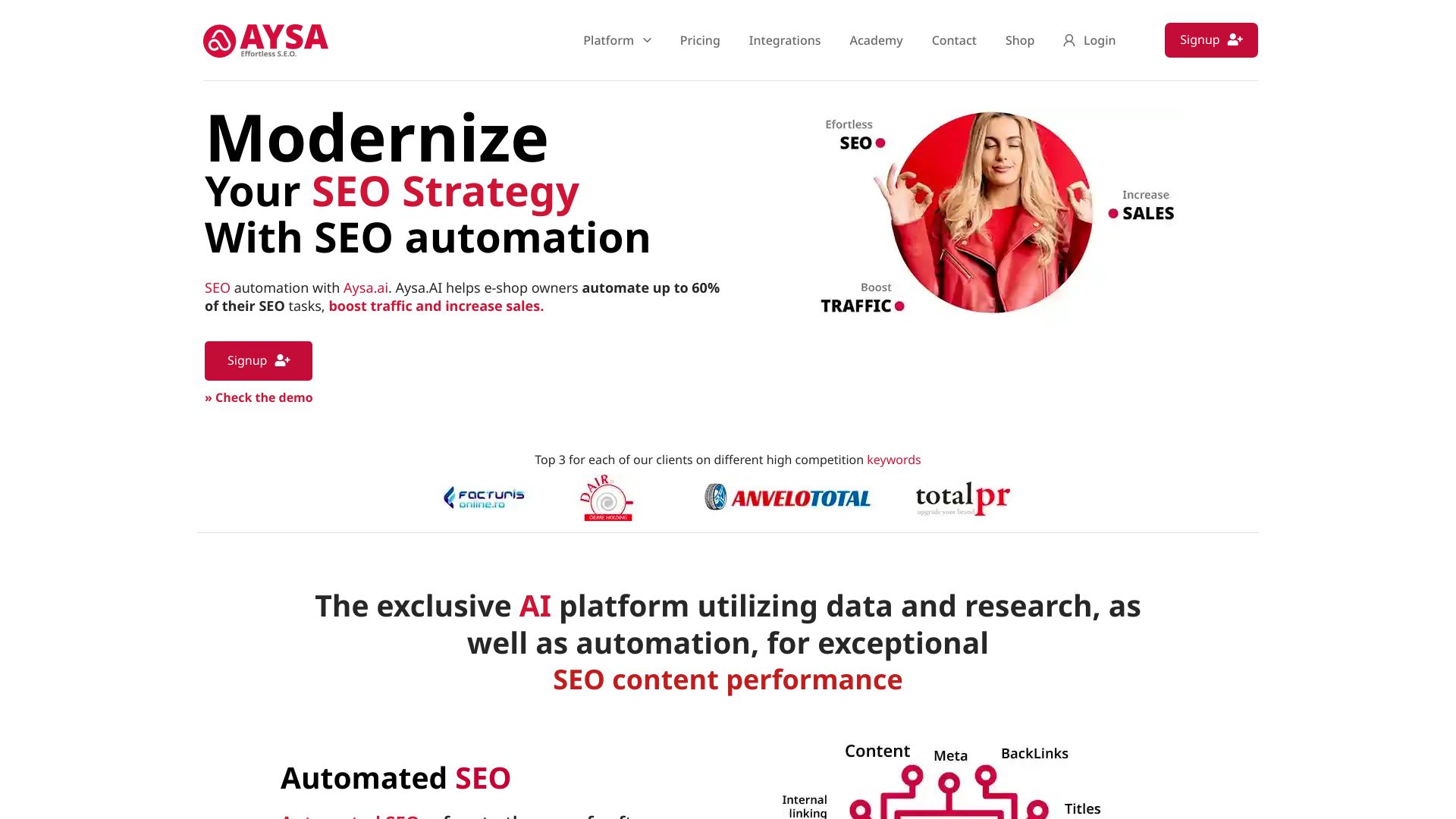
Aysa.AI
E-commerce SEO automation

AISEO
SEO content creation and humanizing AI writing

yoursearch.ai
Ad-free AI web research

SEO.AI
SEO teams and ecommerce content marketers

AI2sql
Natural-language SQL generation

Eden AI
Multi-model AI API access

ASI:One
Personal AI task planning
Asksia
Students needing AI study support

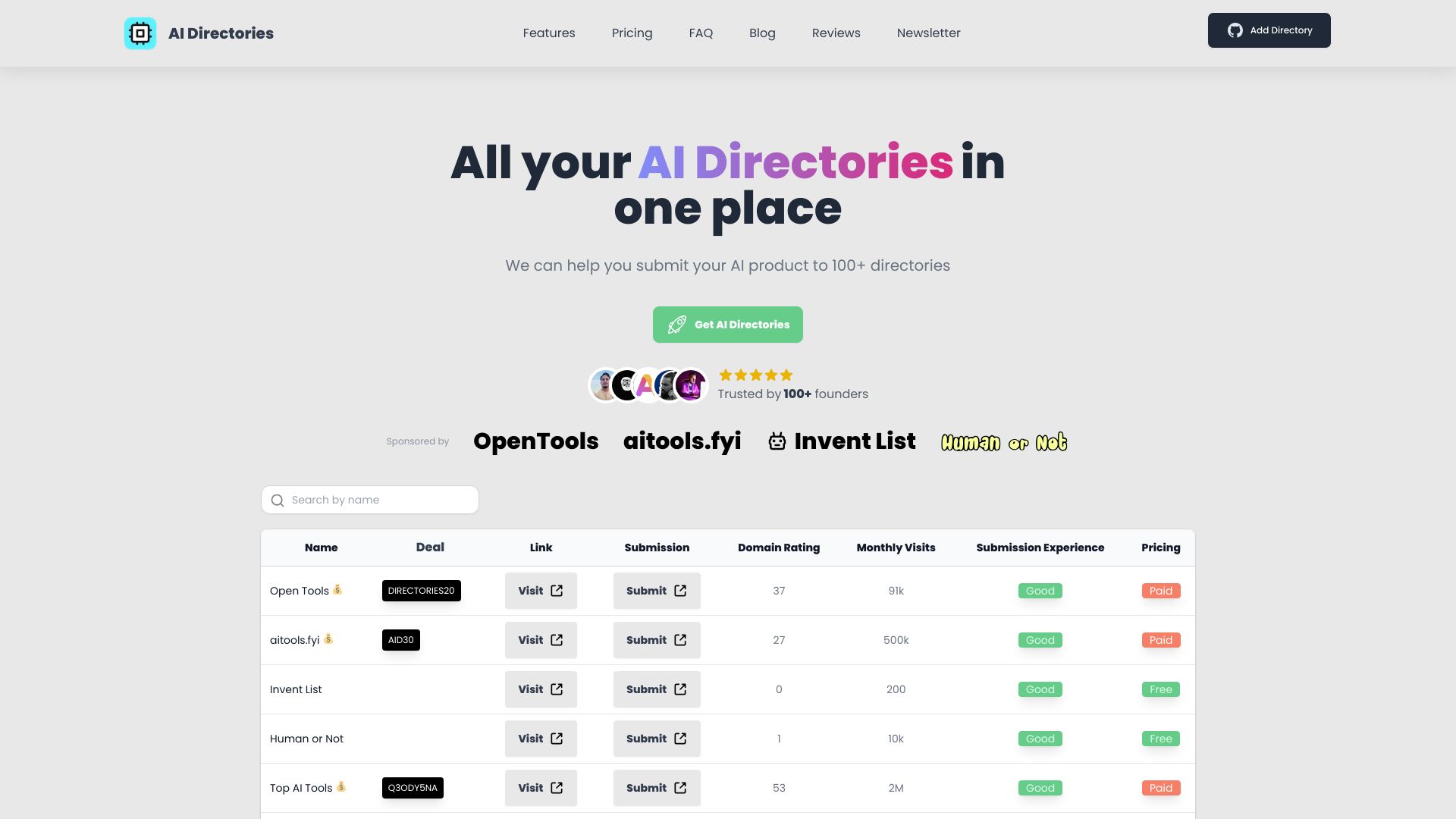
AI Directories
AI startup directory submissions
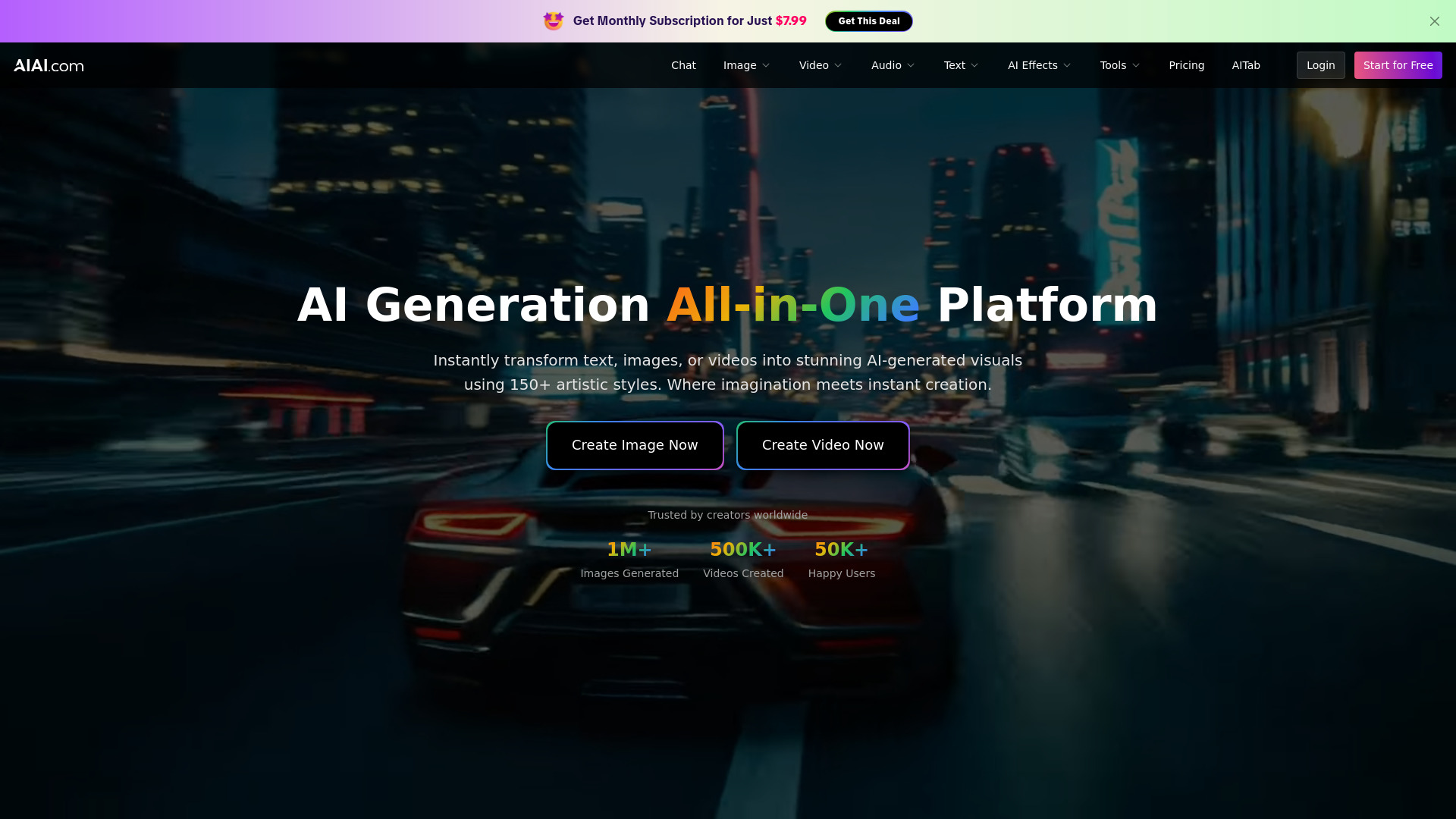
AIAI.com
AI image and video creation

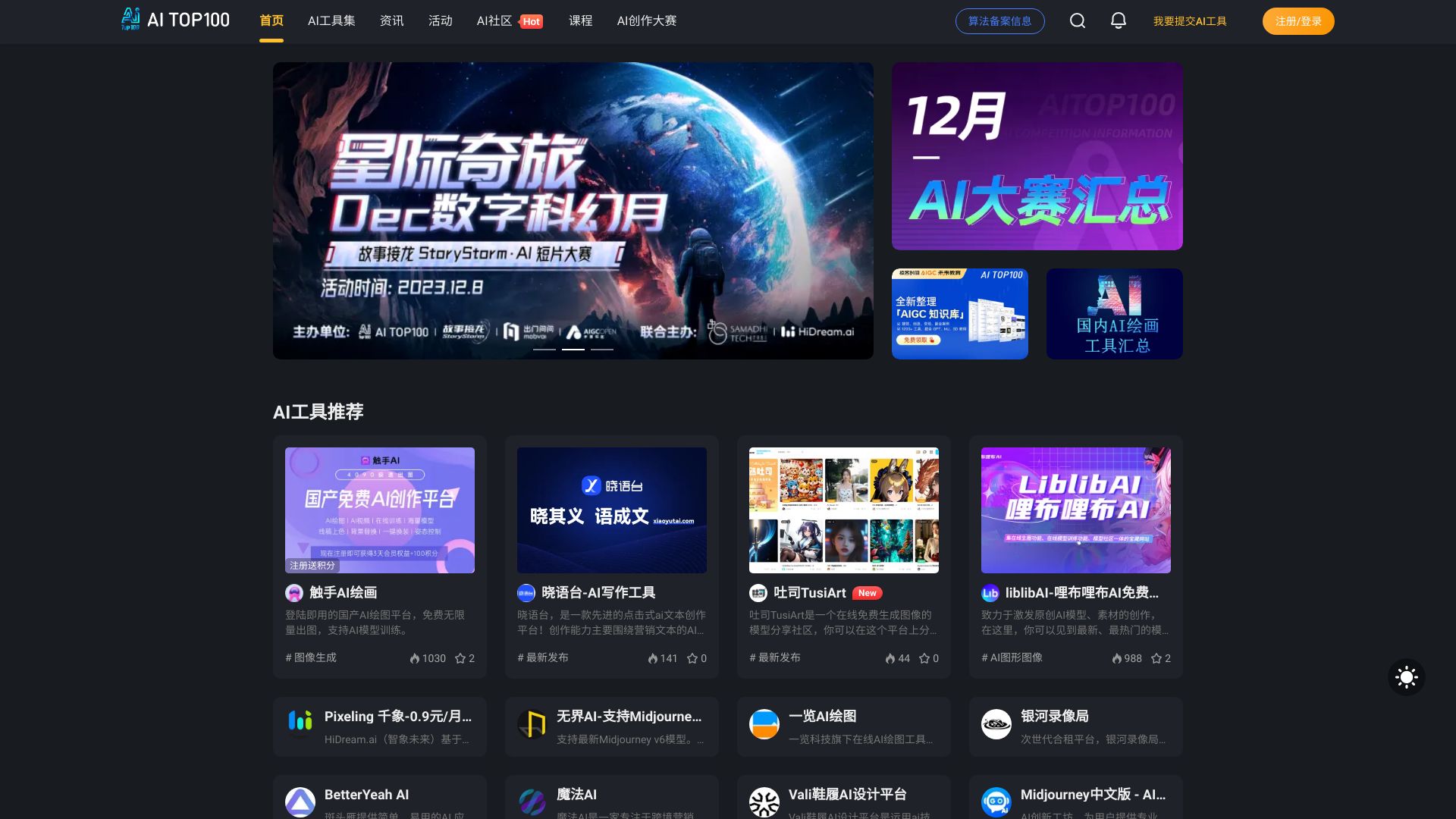
AITOP100
Chinese AI tool discovery and industry resources

AllSearch.ai
Research across book content
AI Gallery
Artists exploring AI-generated artwork

AnswersAi
Students needing instant homework explanations

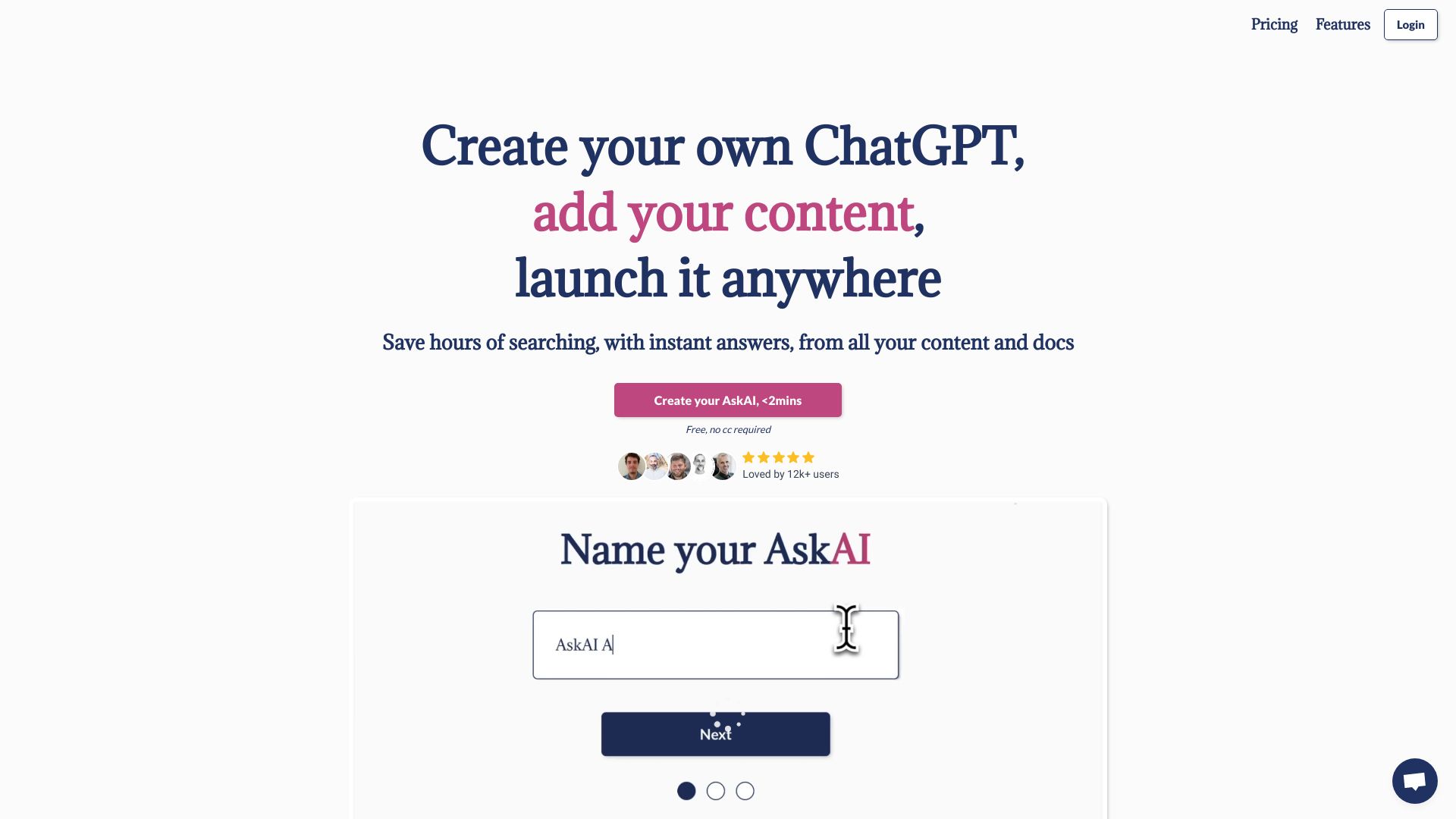
My AskAI
AI customer support for SaaS and ecommerce

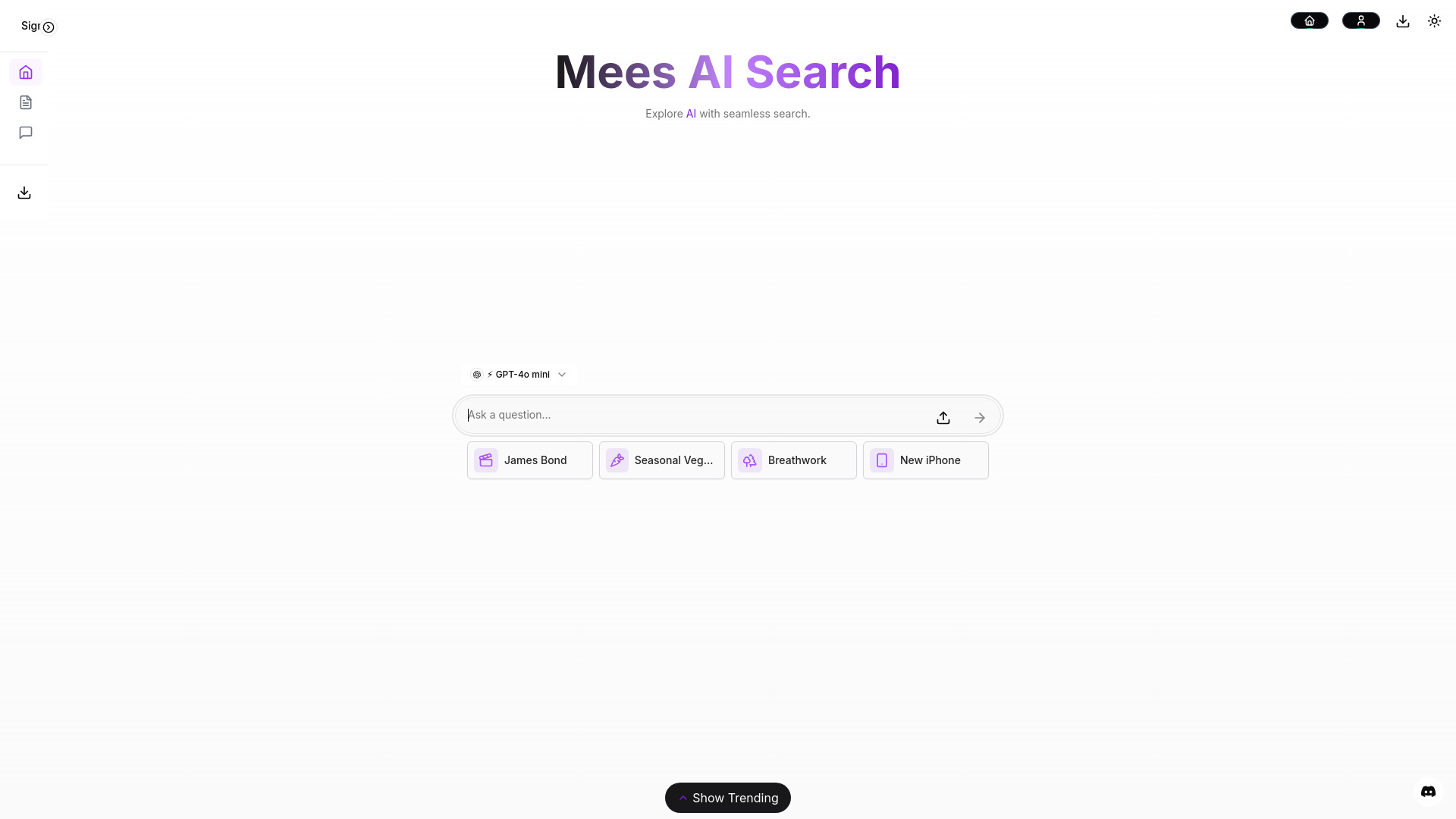
Mees AI
Real-time personalized search

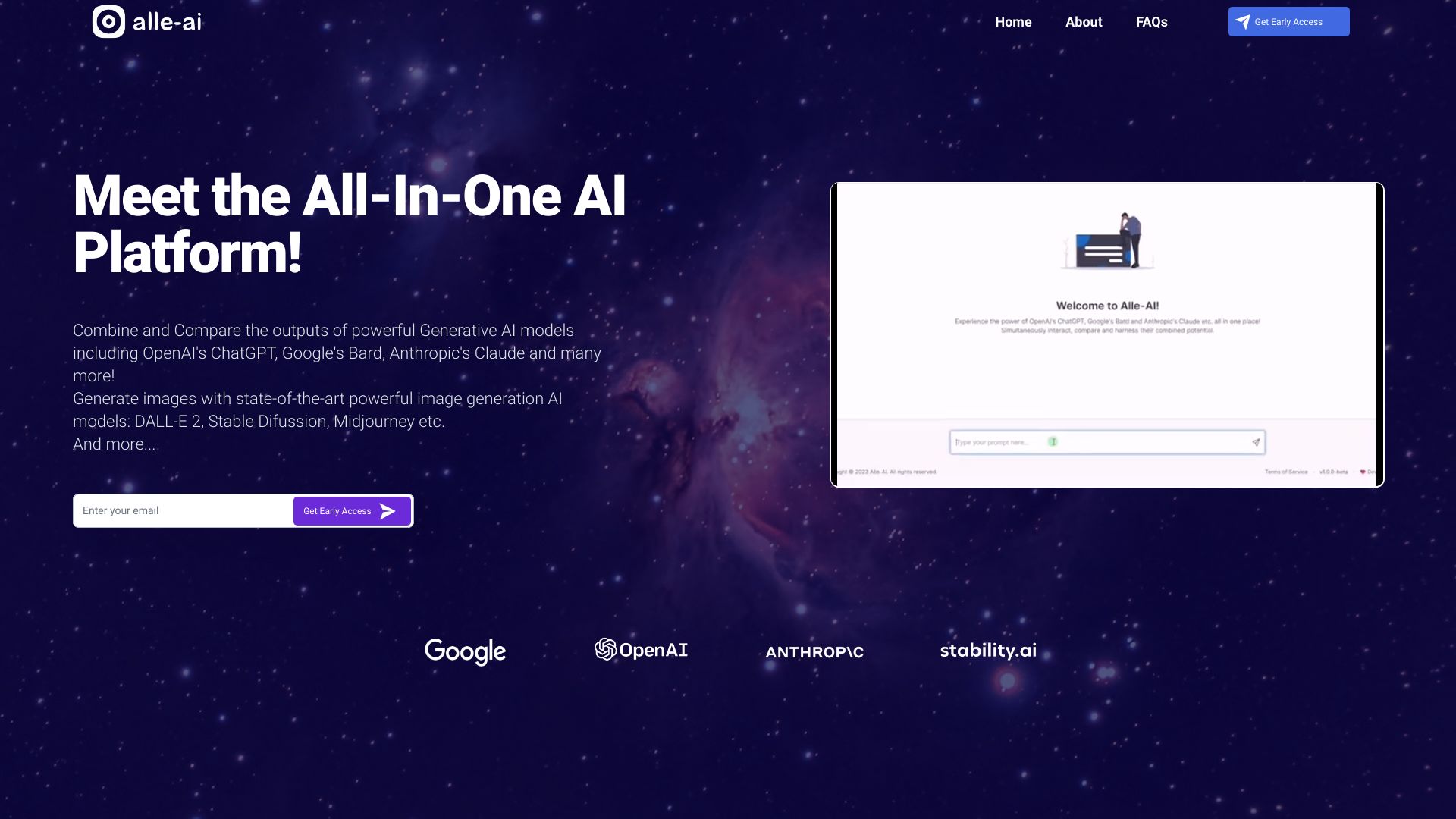
Alle-AI
Comparing multiple AI models

AI Search
Multilingual web search

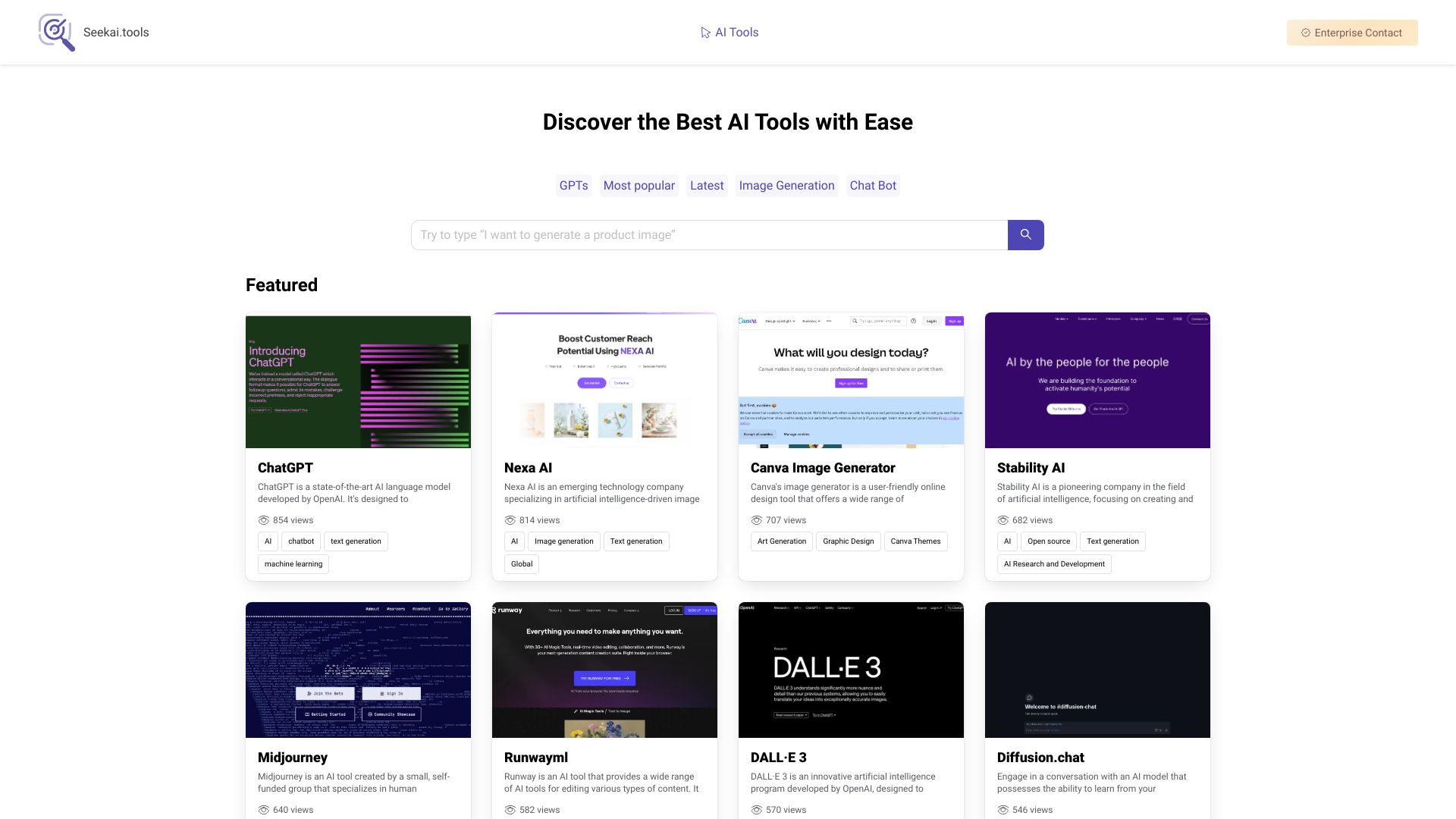
Seekai.tools
AI tool discovery

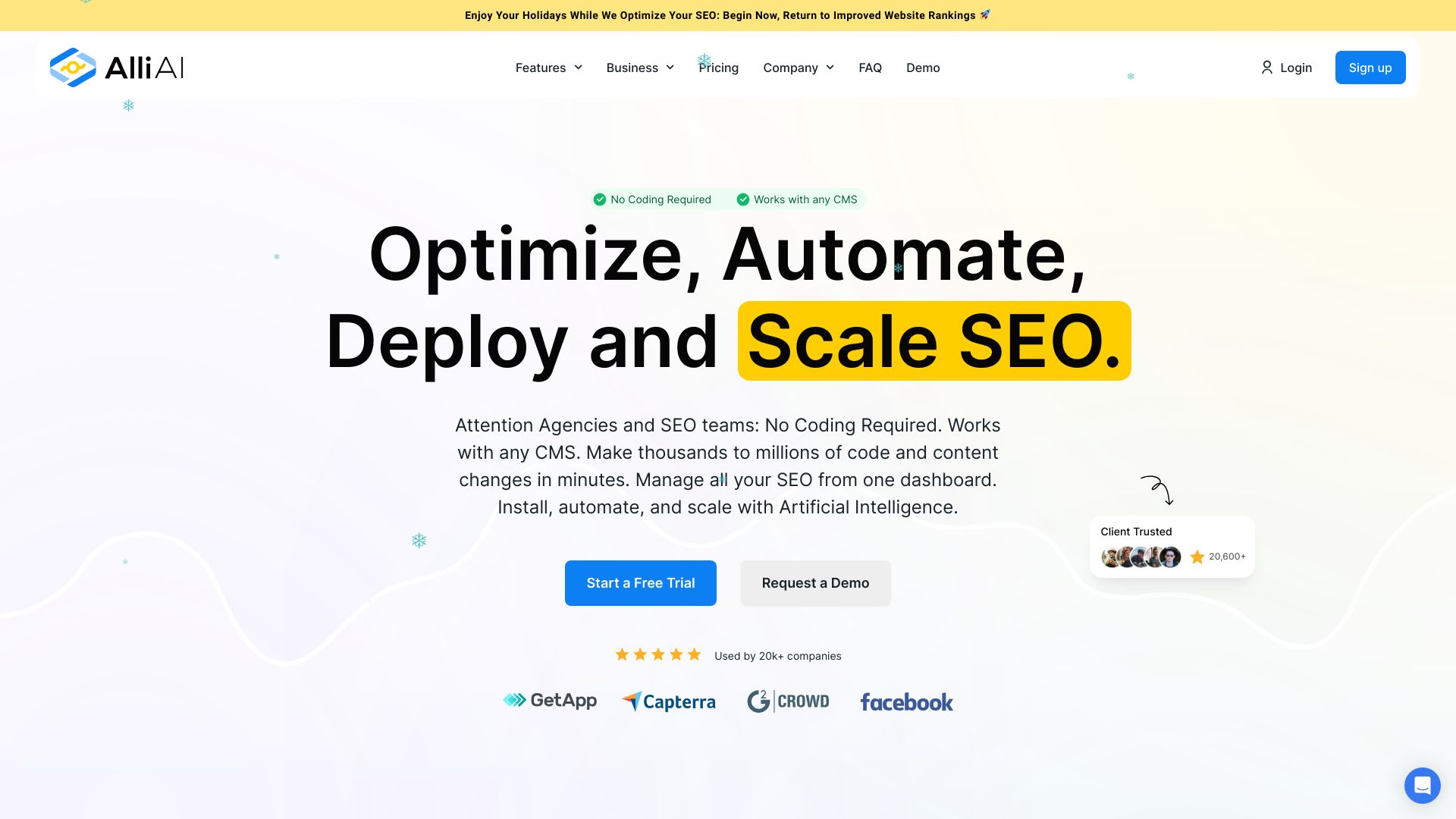
Alli AI
SEO agencies scaling on-page optimization

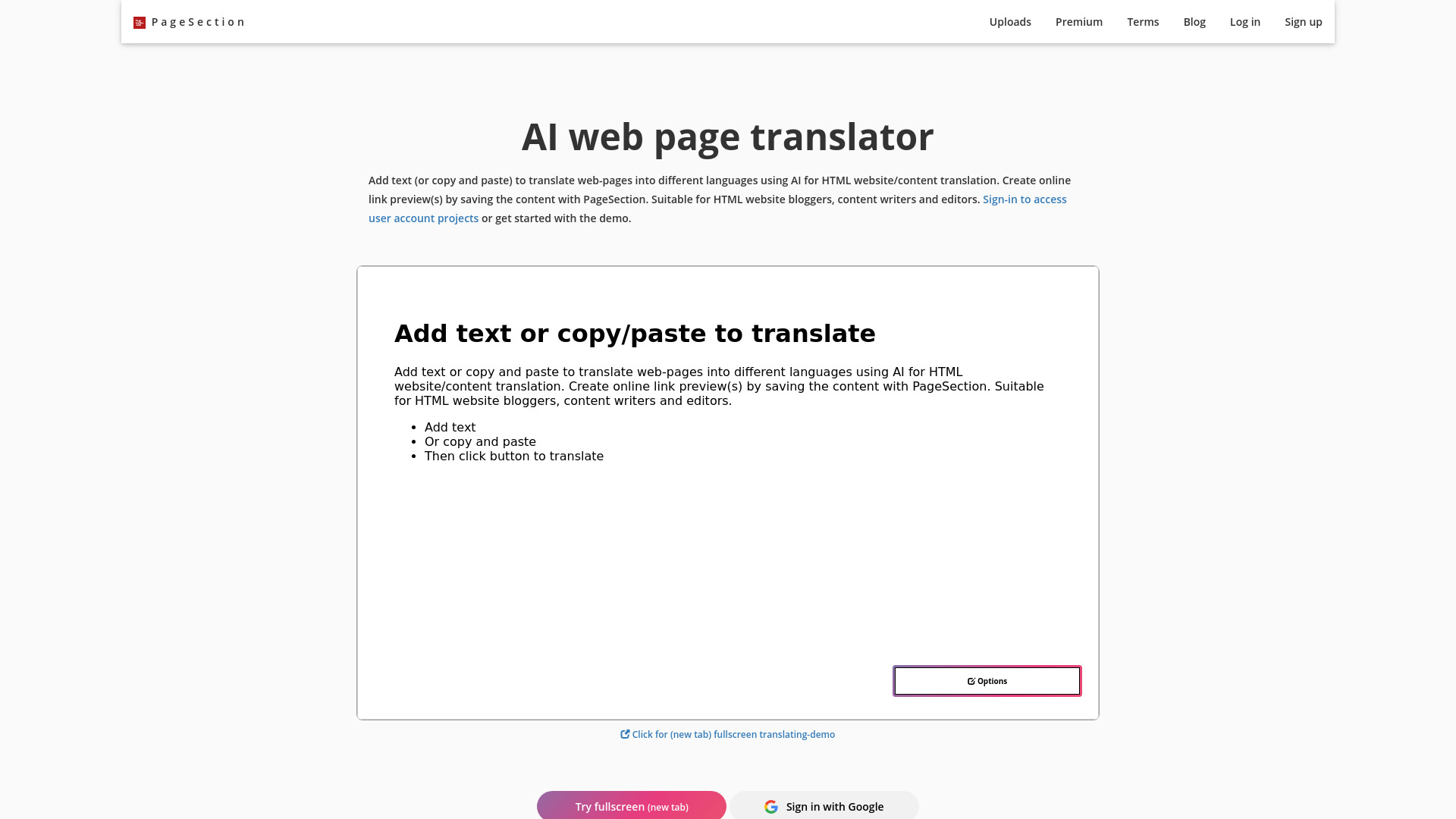
AI web page translator by pagesection.com
HTML webpage translation

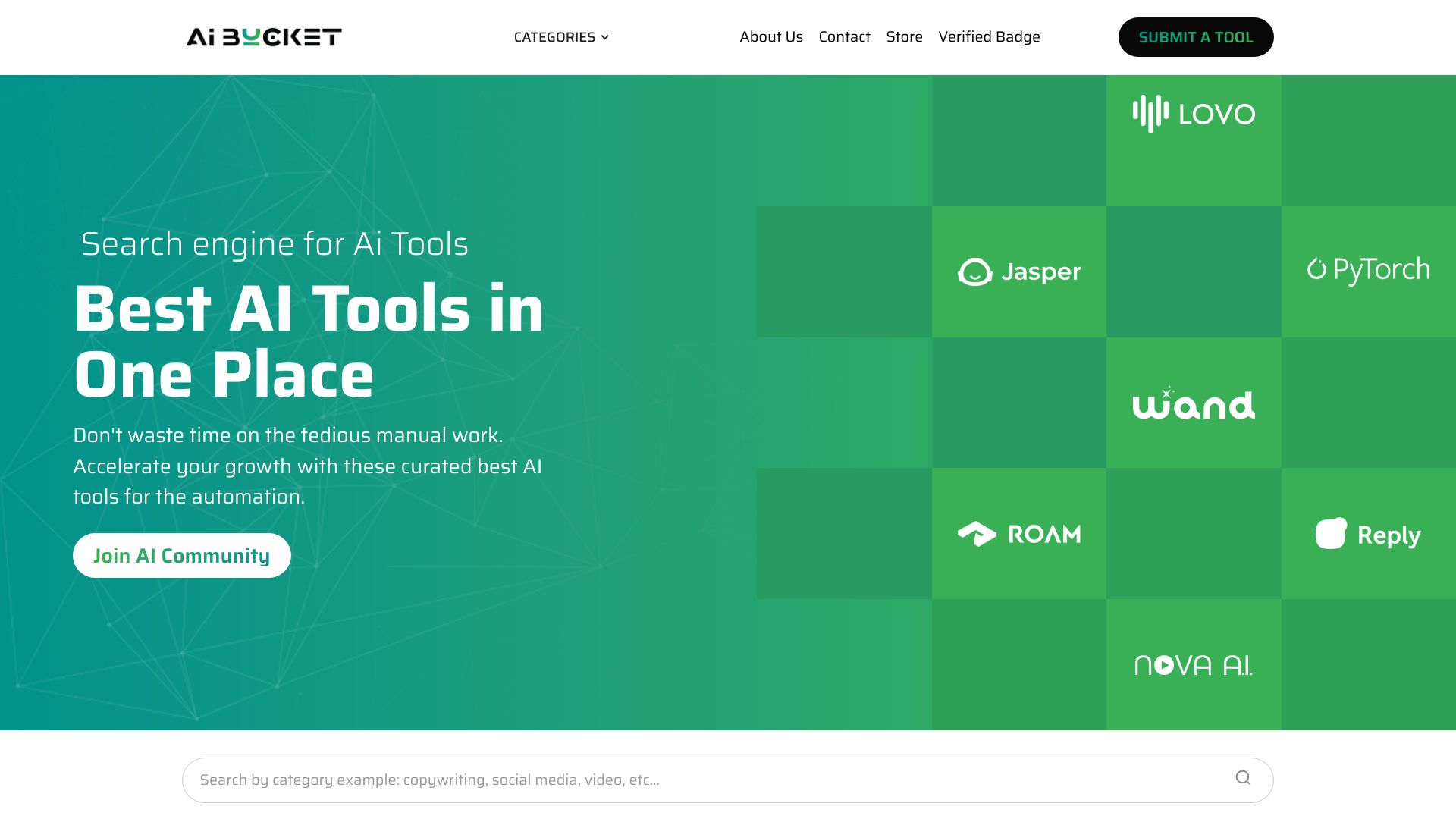
AI Bucket
Comparing AI tools across categories

KaiSou AI
Ad-free direct-answer search

DropYourAI
AI tool discovery

AIRADAR
Spanish AI tool discovery

Aidomain
AI domain name discovery

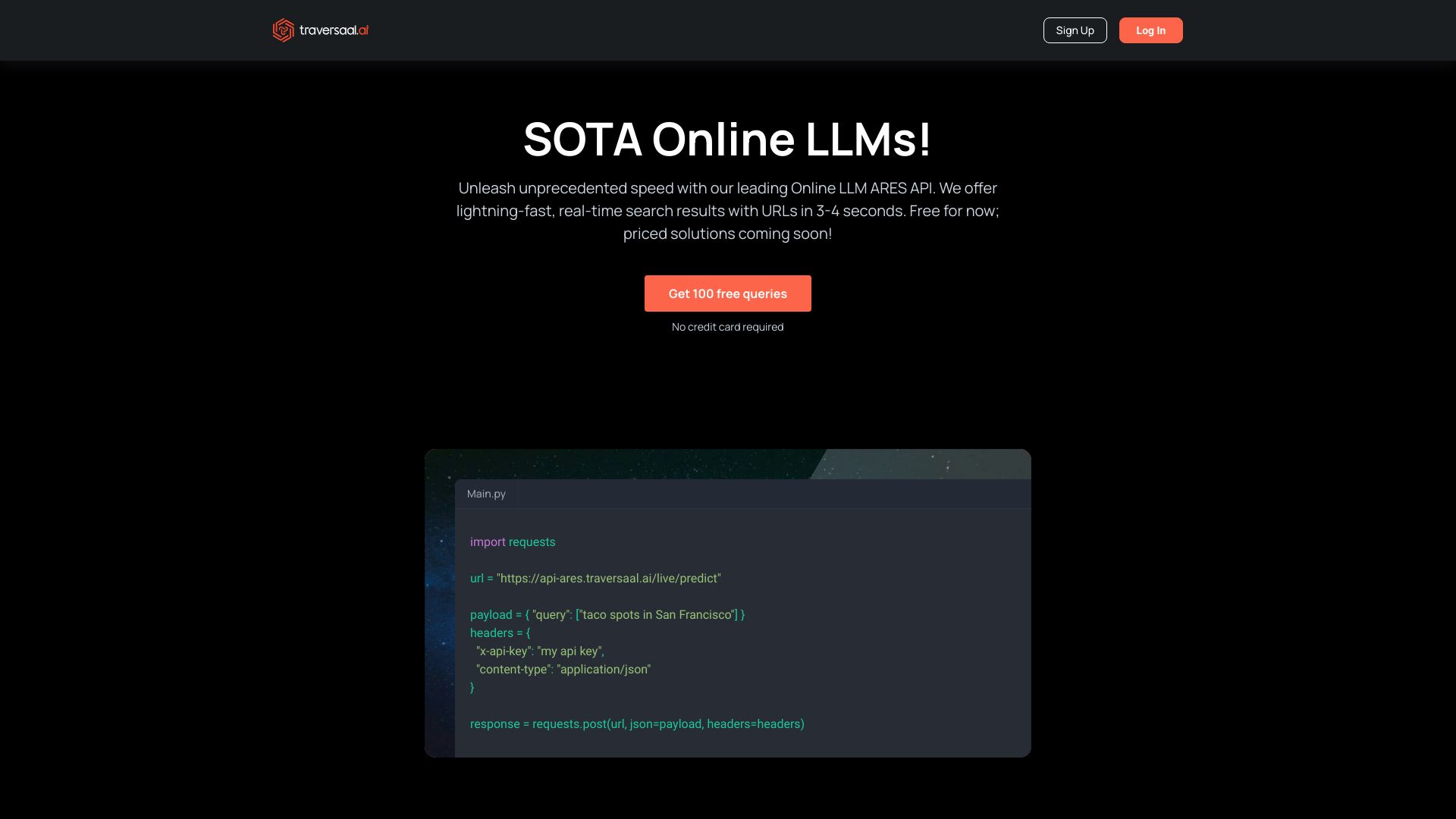
Traversaal.ai
Real-time API search

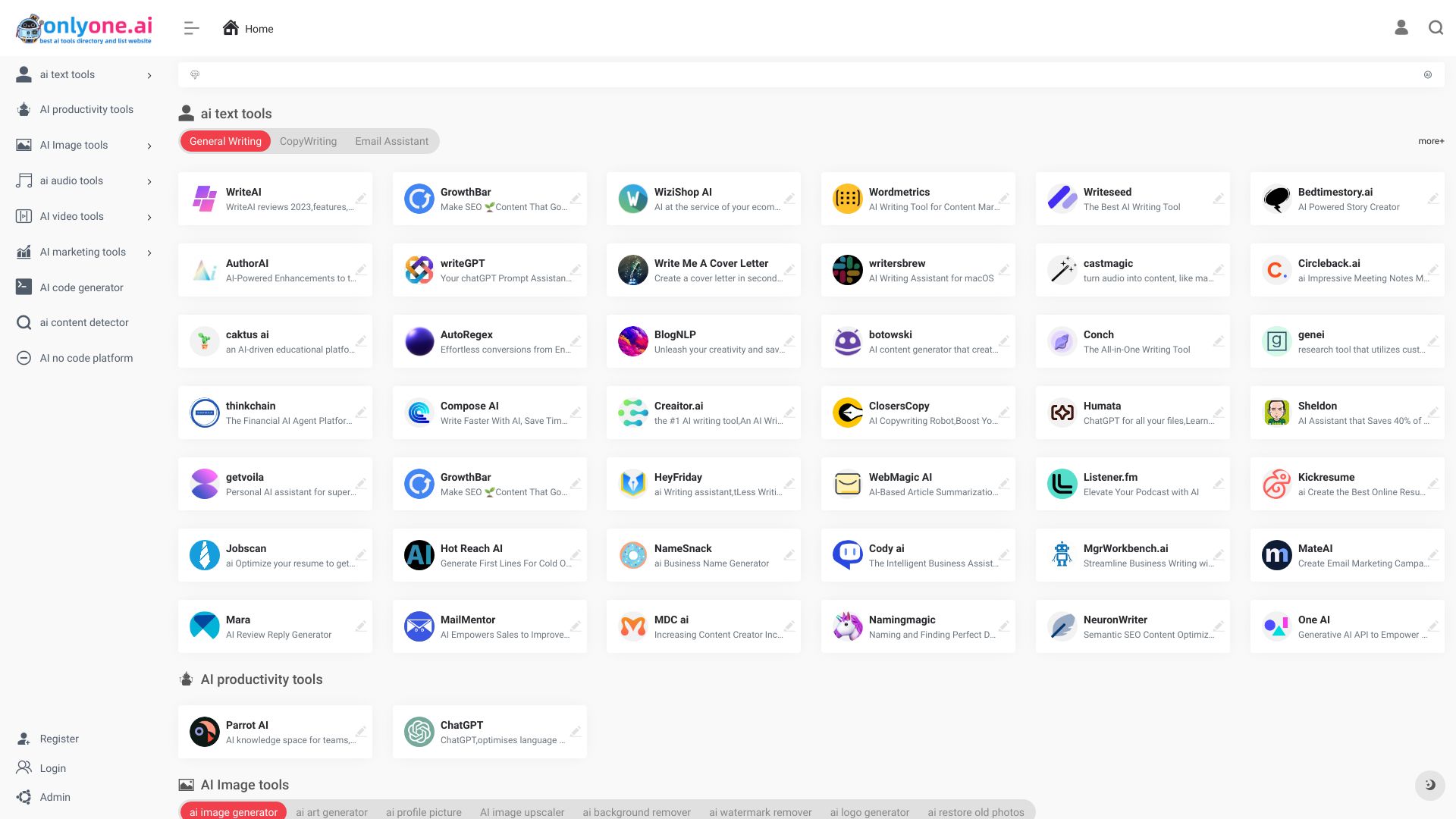
Only One AI
AI tool discovery and directory browsing
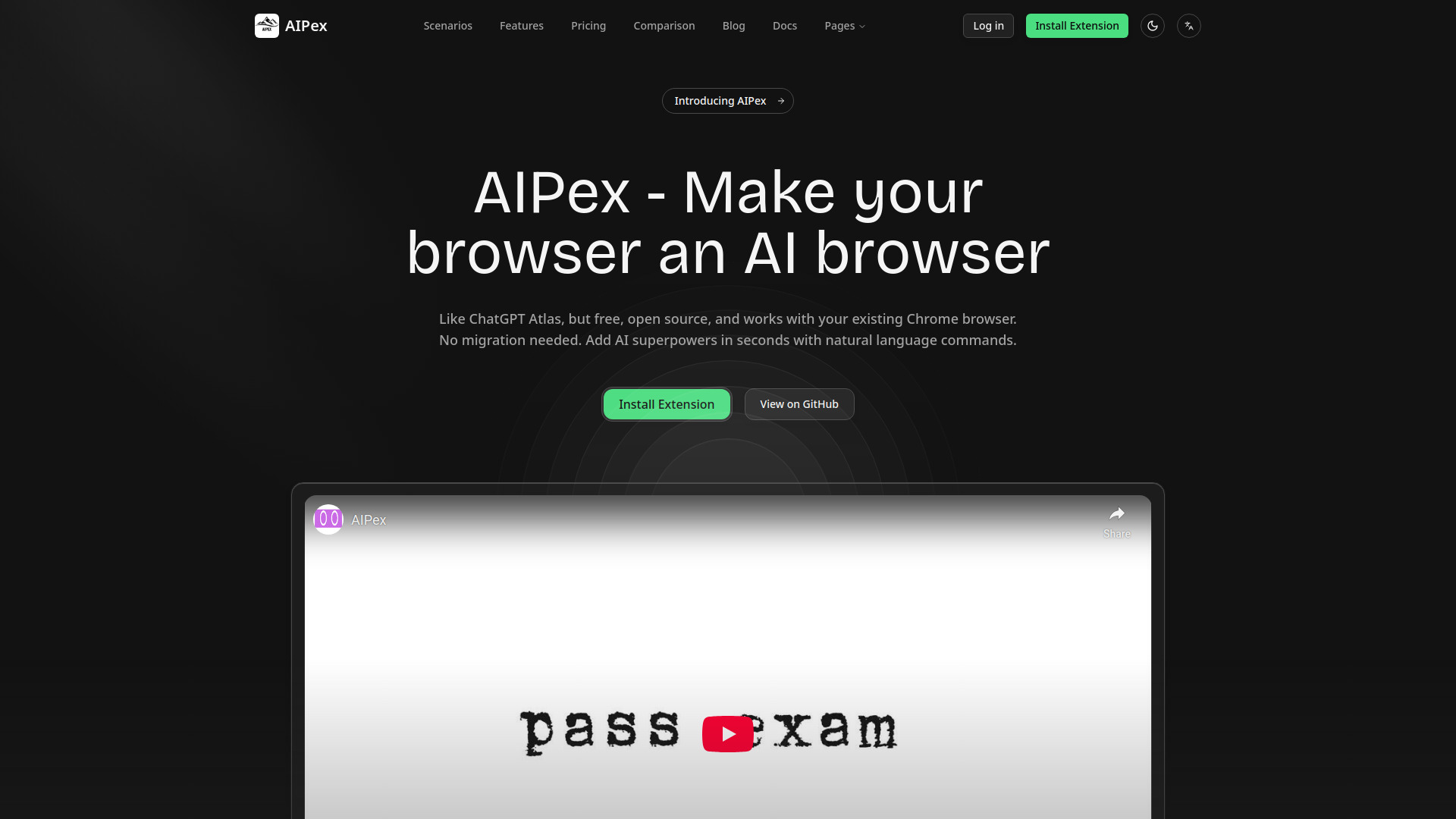
AIPex
AI browser automation

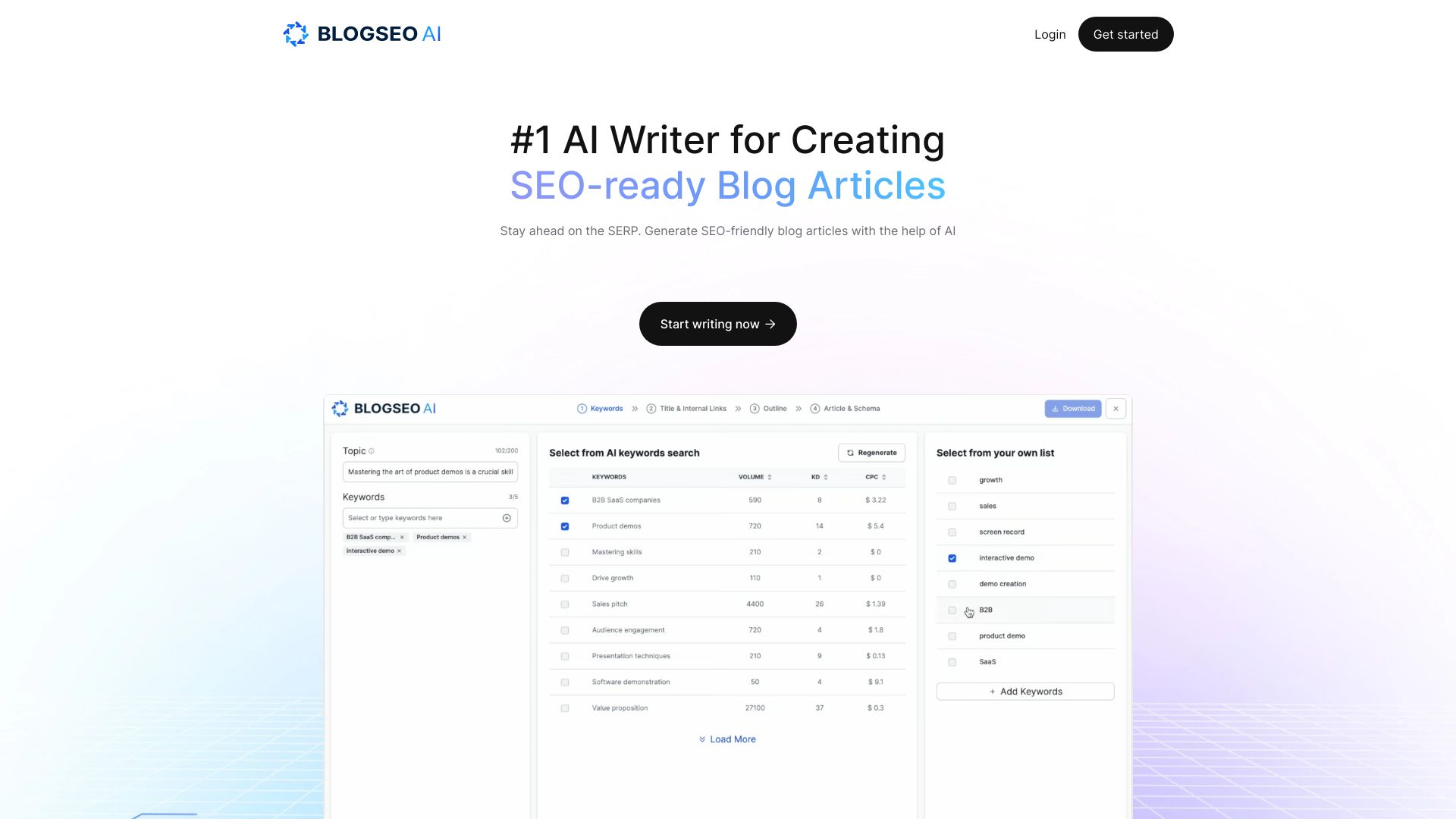
BlogSEO AI
SEO blog article generation

Algolia
Enterprise AI search

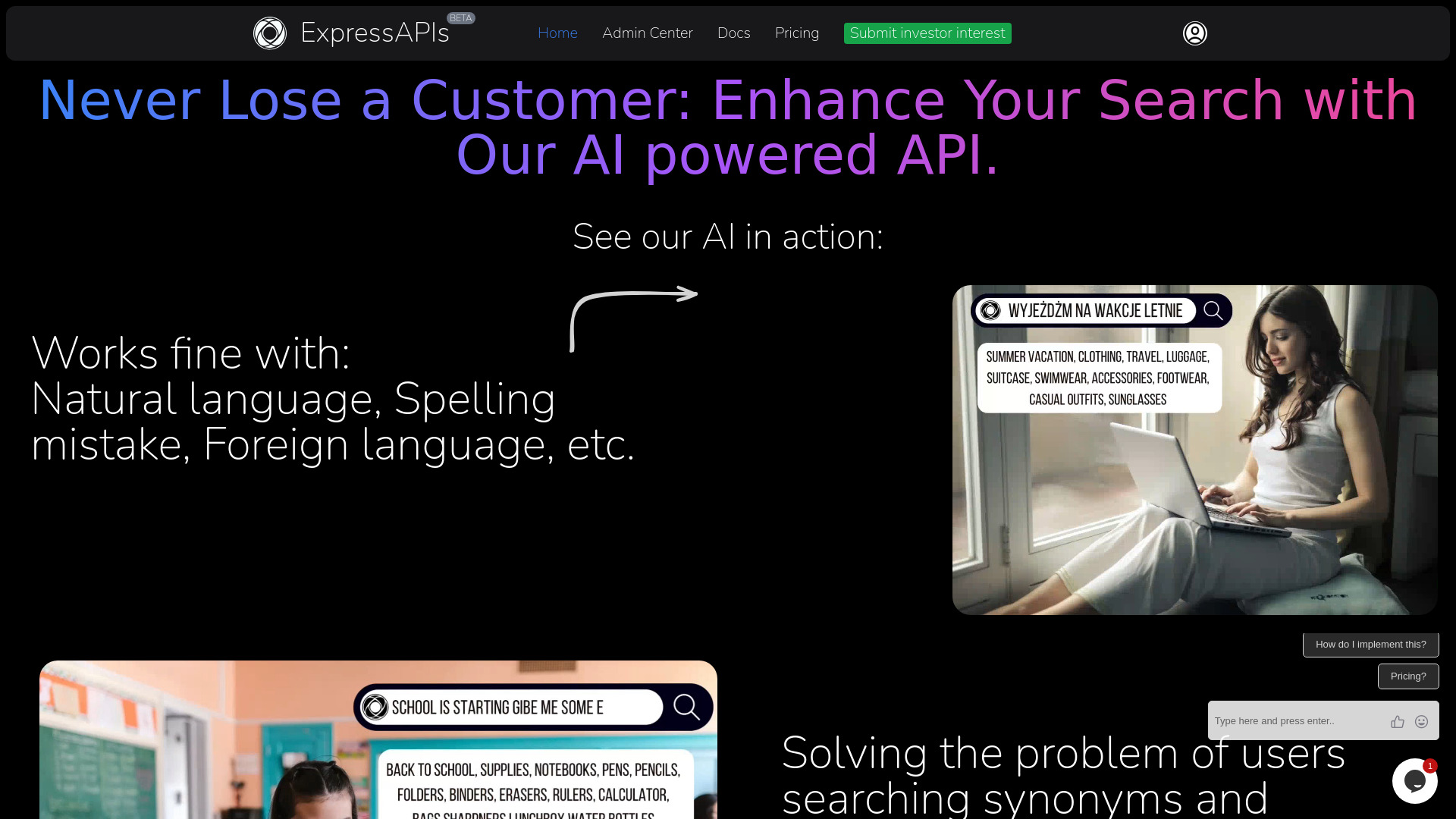
ExpressAPIs
AI-powered site search APIs

AllAIs
Multi-model AI workspace

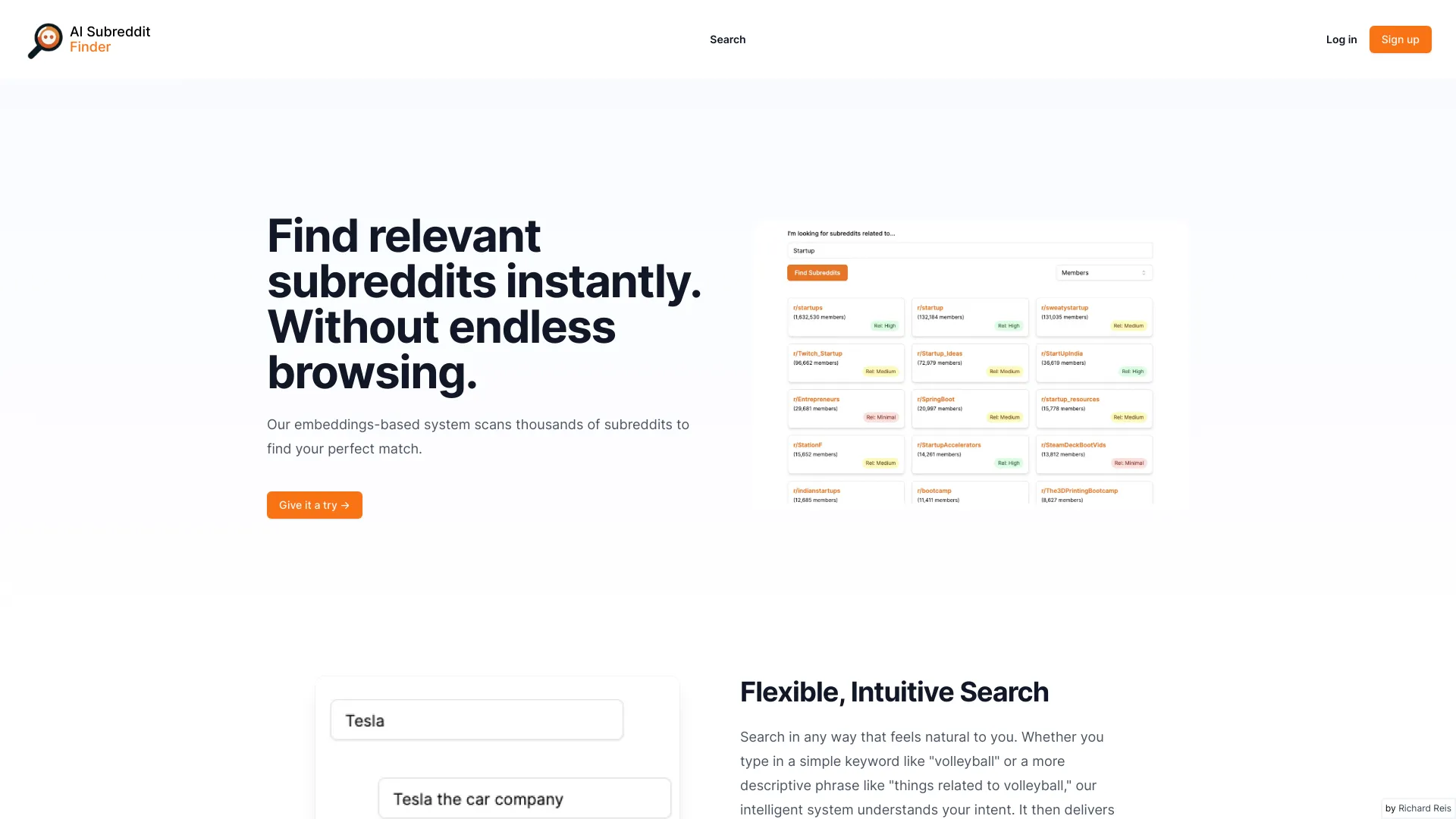
AI Subreddit Finder
Finding relevant Reddit communities

Xdash AI
Real-time AI search summaries

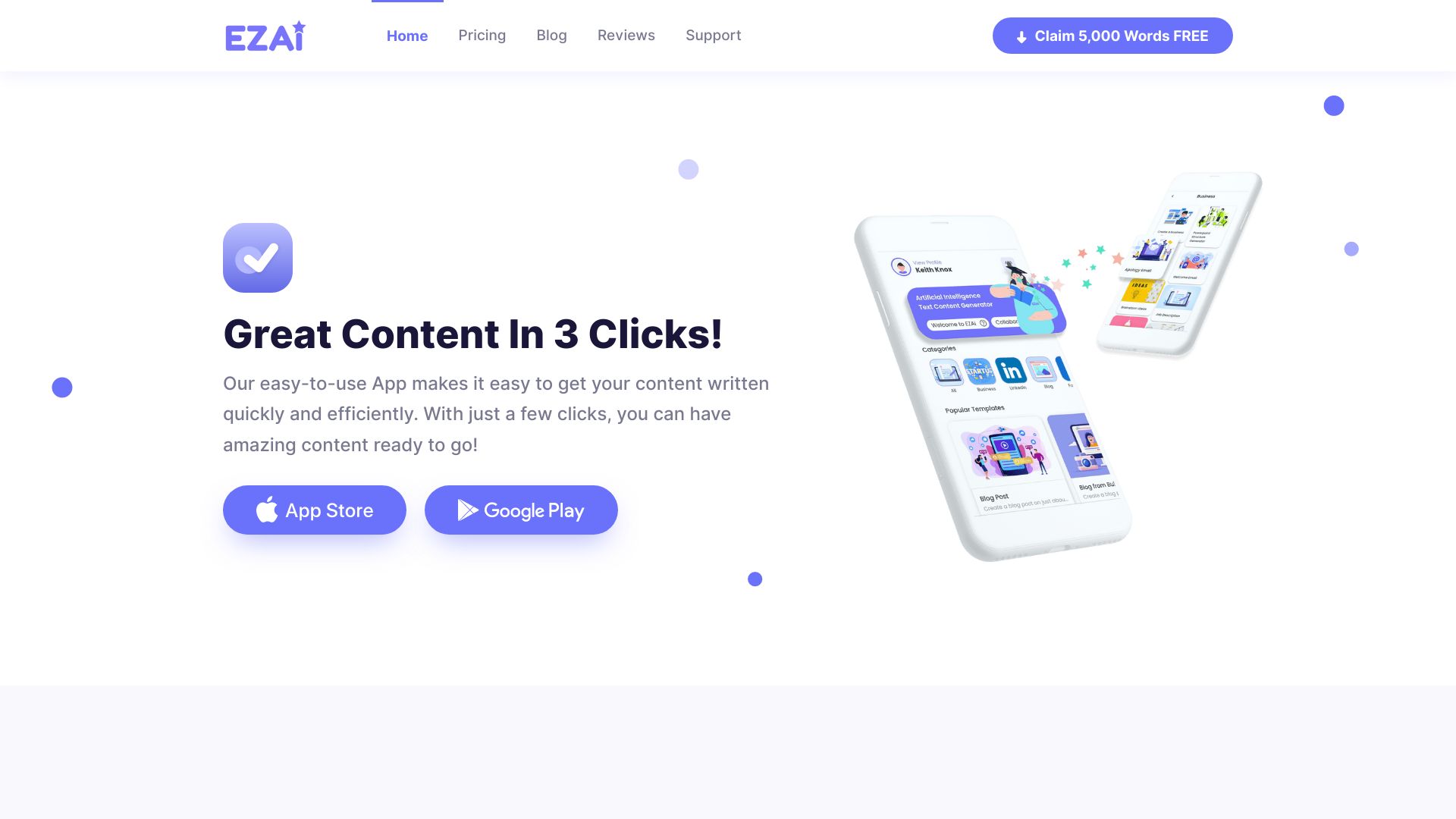
EZAI APP
Small business content creation

AiPlix
AI-augmented browsing


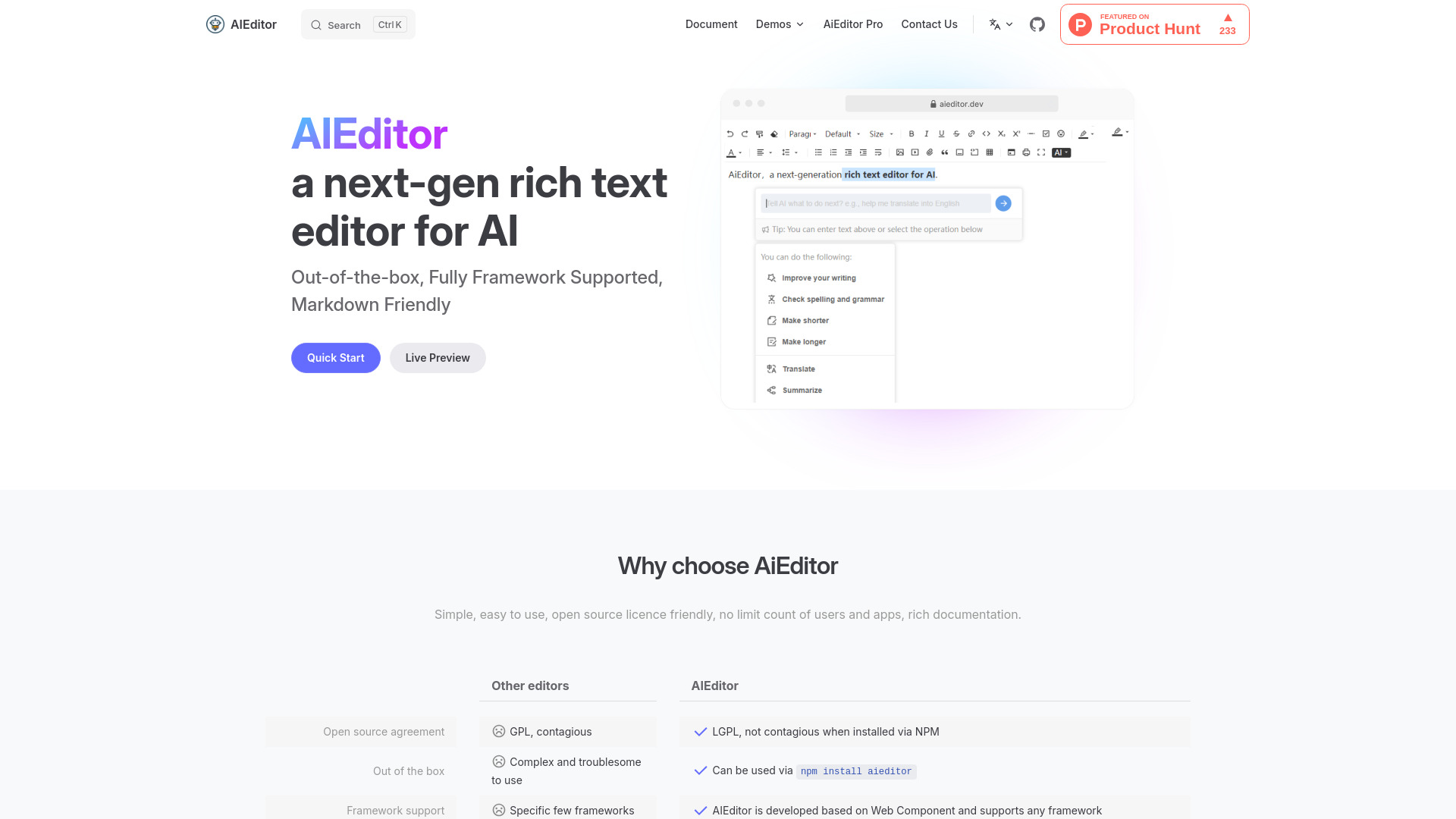
AiEditor
AI-powered rich text editing

AI Scanner
Free AI content detection

AIListify
Discovering curated AI tools

EZAI
Secure, custom-trained AI for enterprise teams

ATOZAITOOLS
AI tool discovery

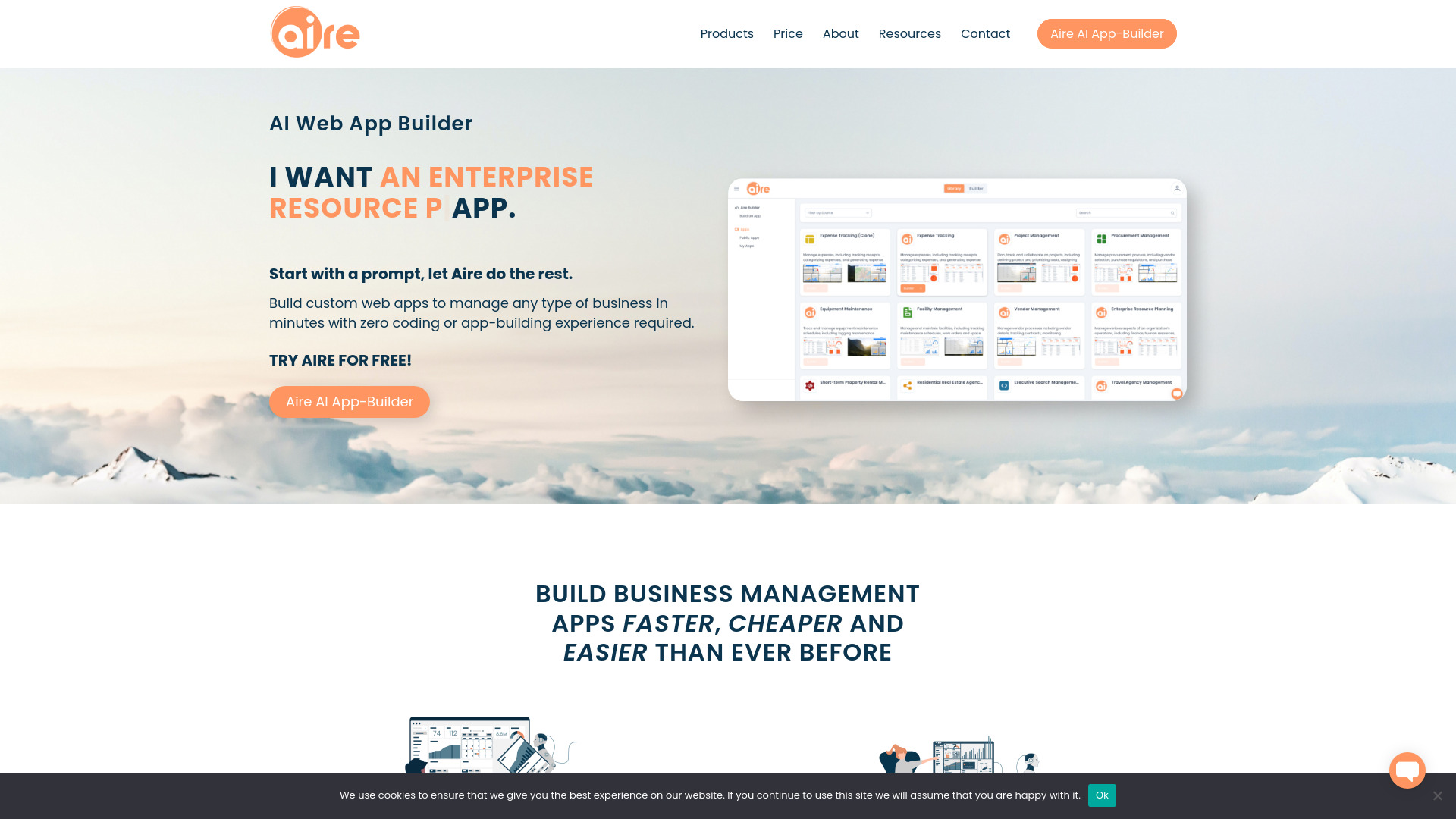
Aire
Prompt-based business app building

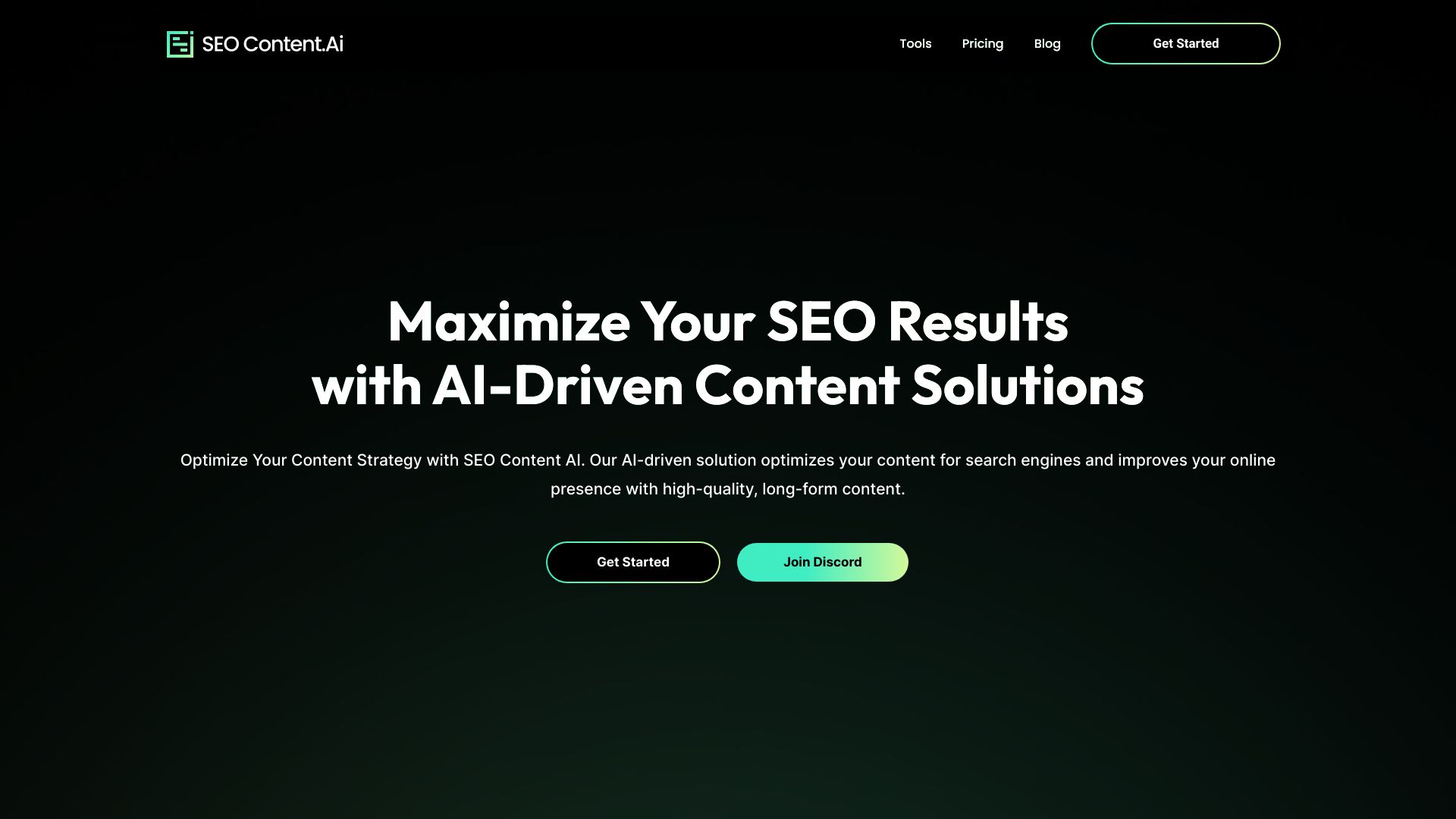
SEO Content AI
Automated SEO content creation

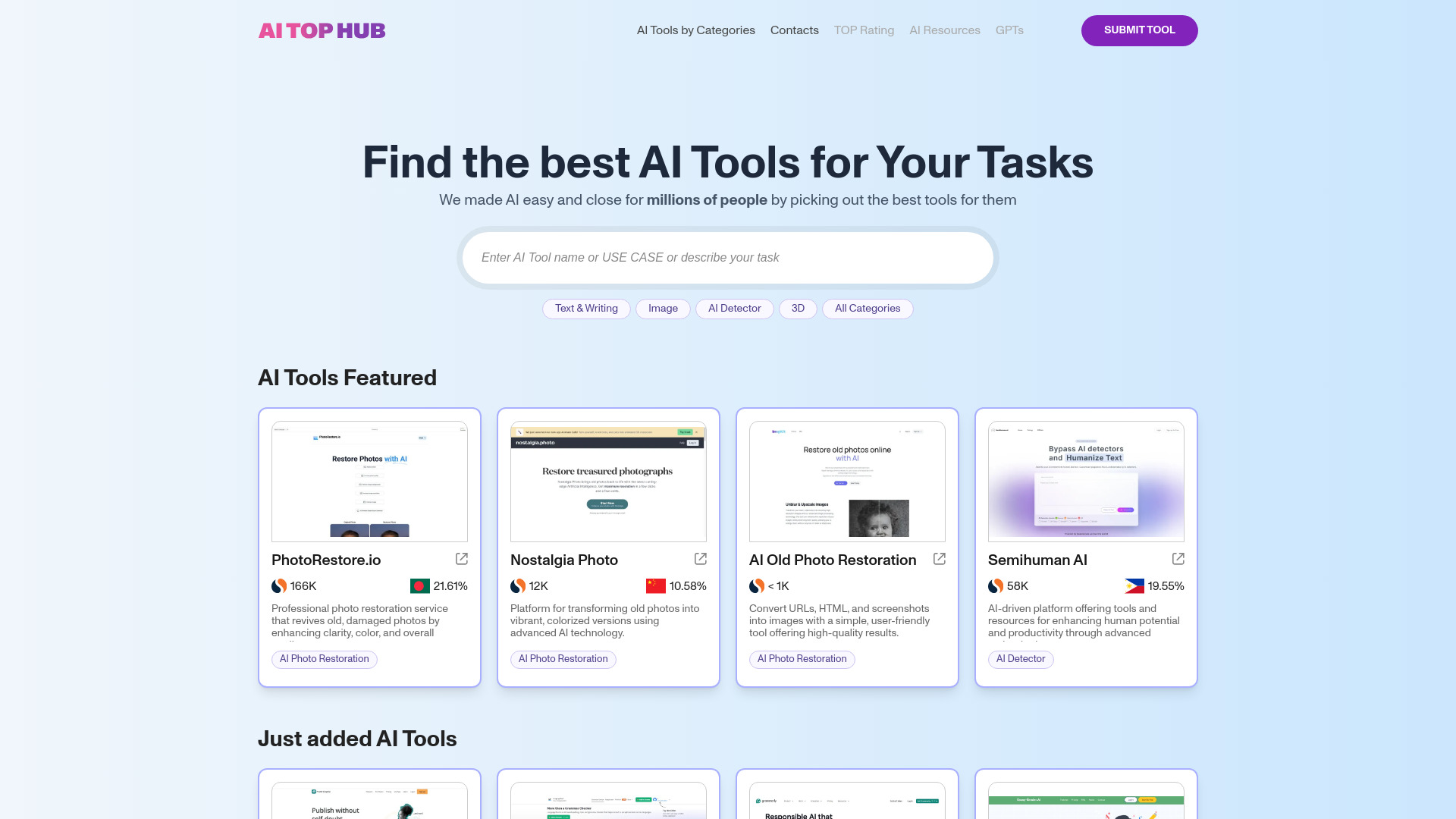
AI TOP HUB
Discovering AI tools by category

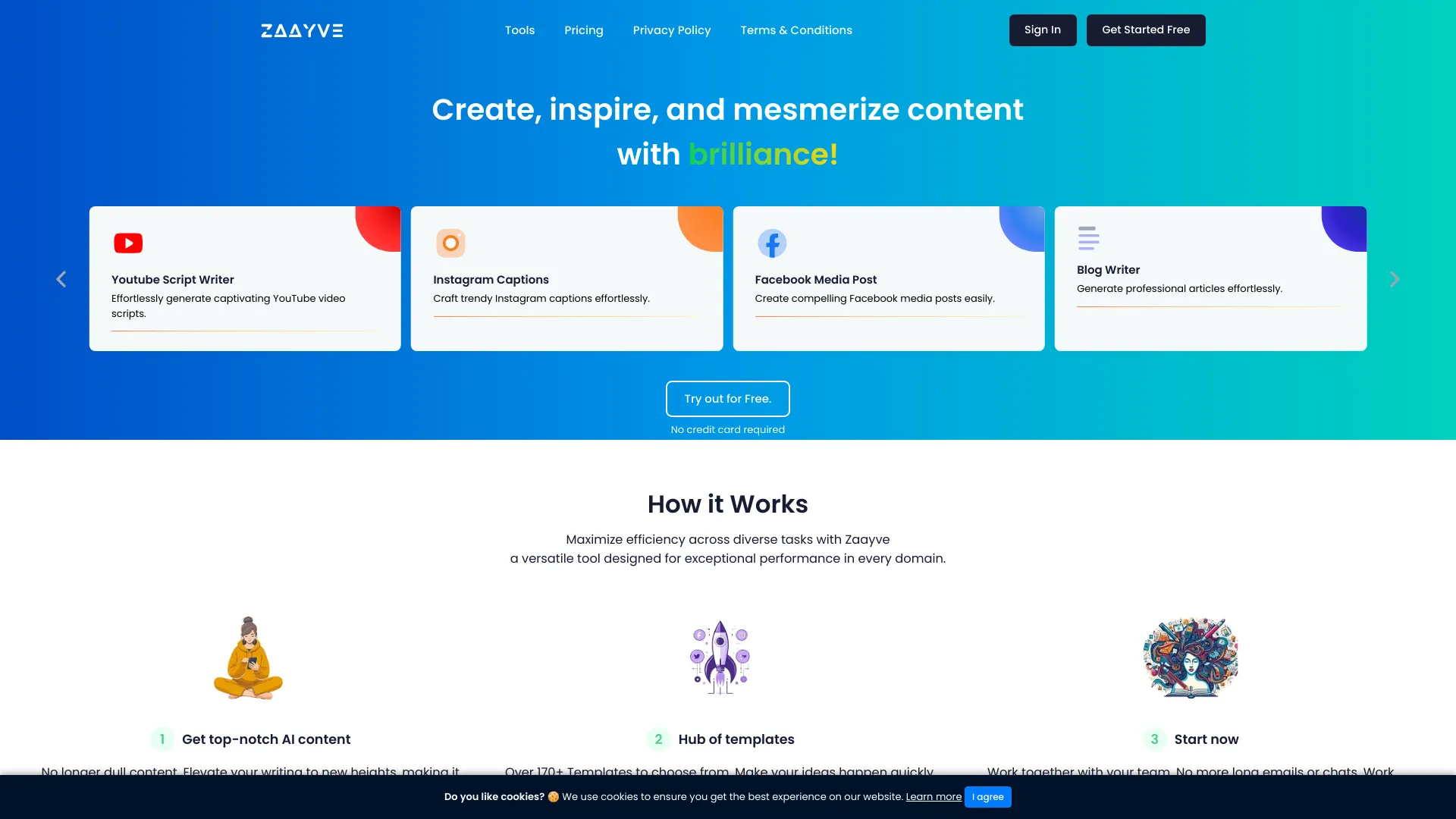
Zaayve
Multi-channel content creation

Findyourai
AI tool discovery and comparison
Ask AI Questions Online
Quick answers to everyday questions

AI Authority SEO
Businesses seeking AI-driven search visibility

SEOai
SEO analysis and AI content workflows

Cure AI
Medical literature research

SiteSpeakAI
AI search readiness checks
AiNote
SEO content and copywriting

AI GAZOU
Japanese-prompt image generation


AiSource
Comparing outputs from multiple AI image generators

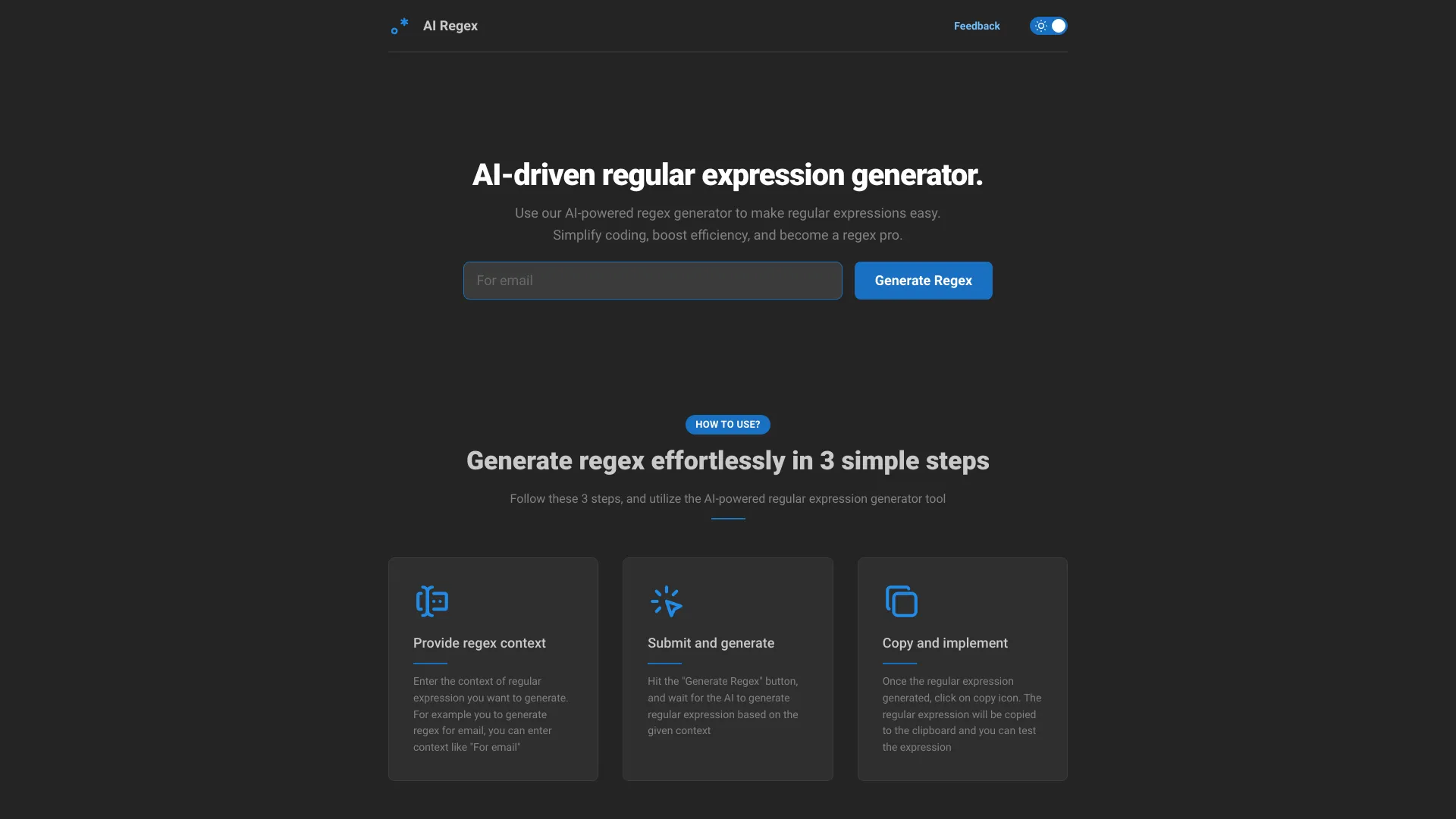
AI Regex
Plain-English regex generation

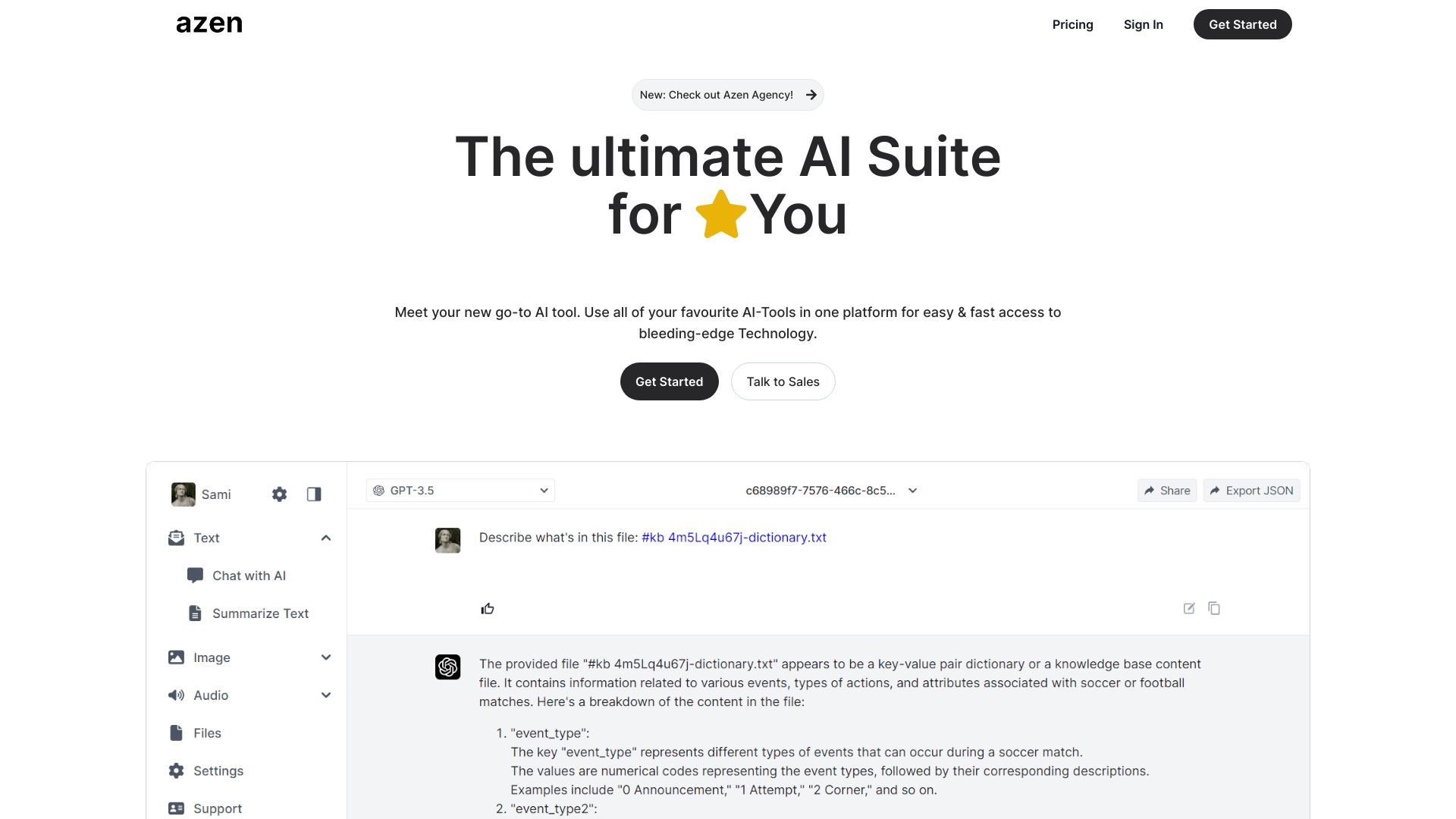
Azen
Accessing multiple AI tools in one platform

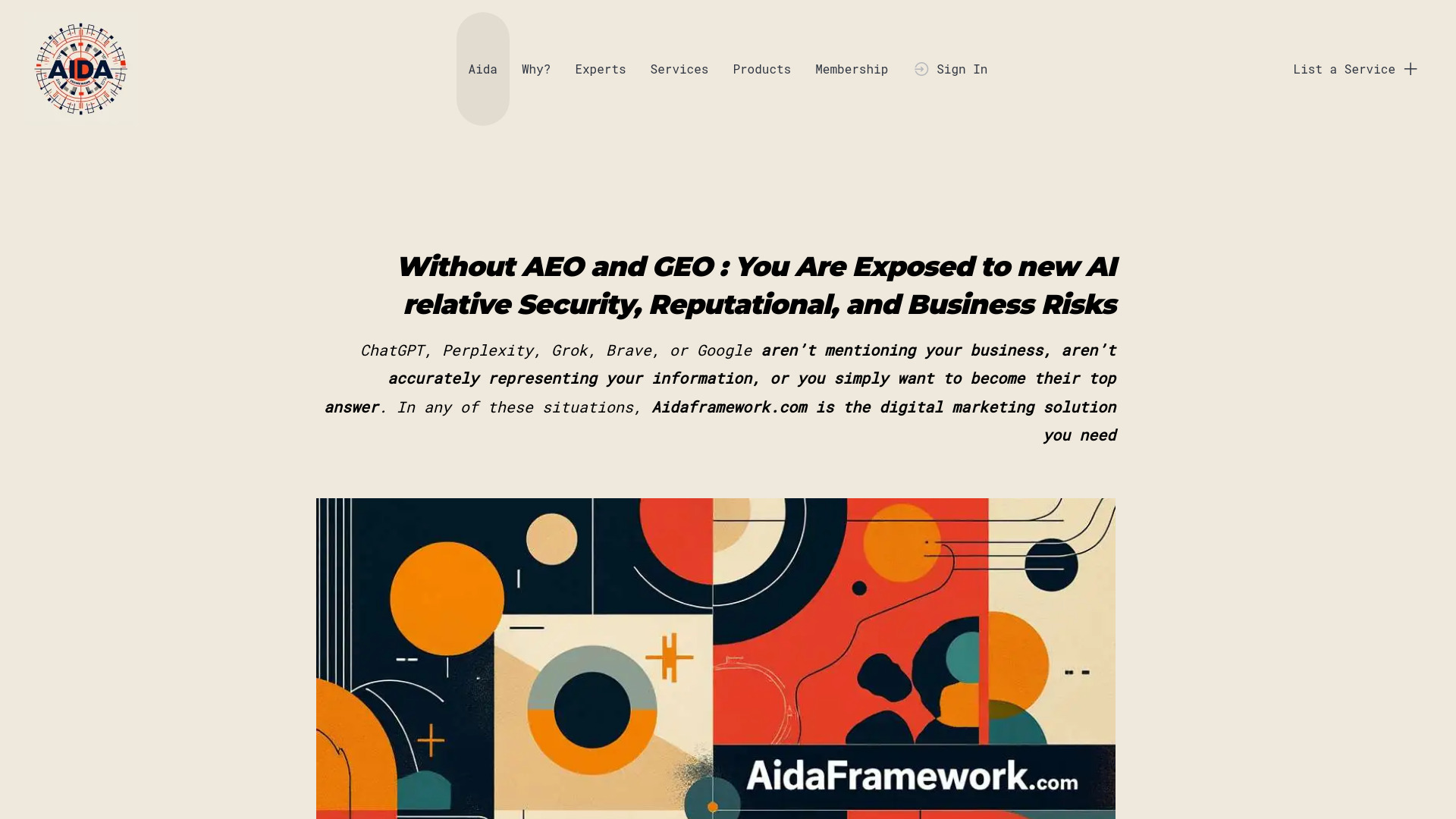
Aida Framework
AEO and GEO visibility services

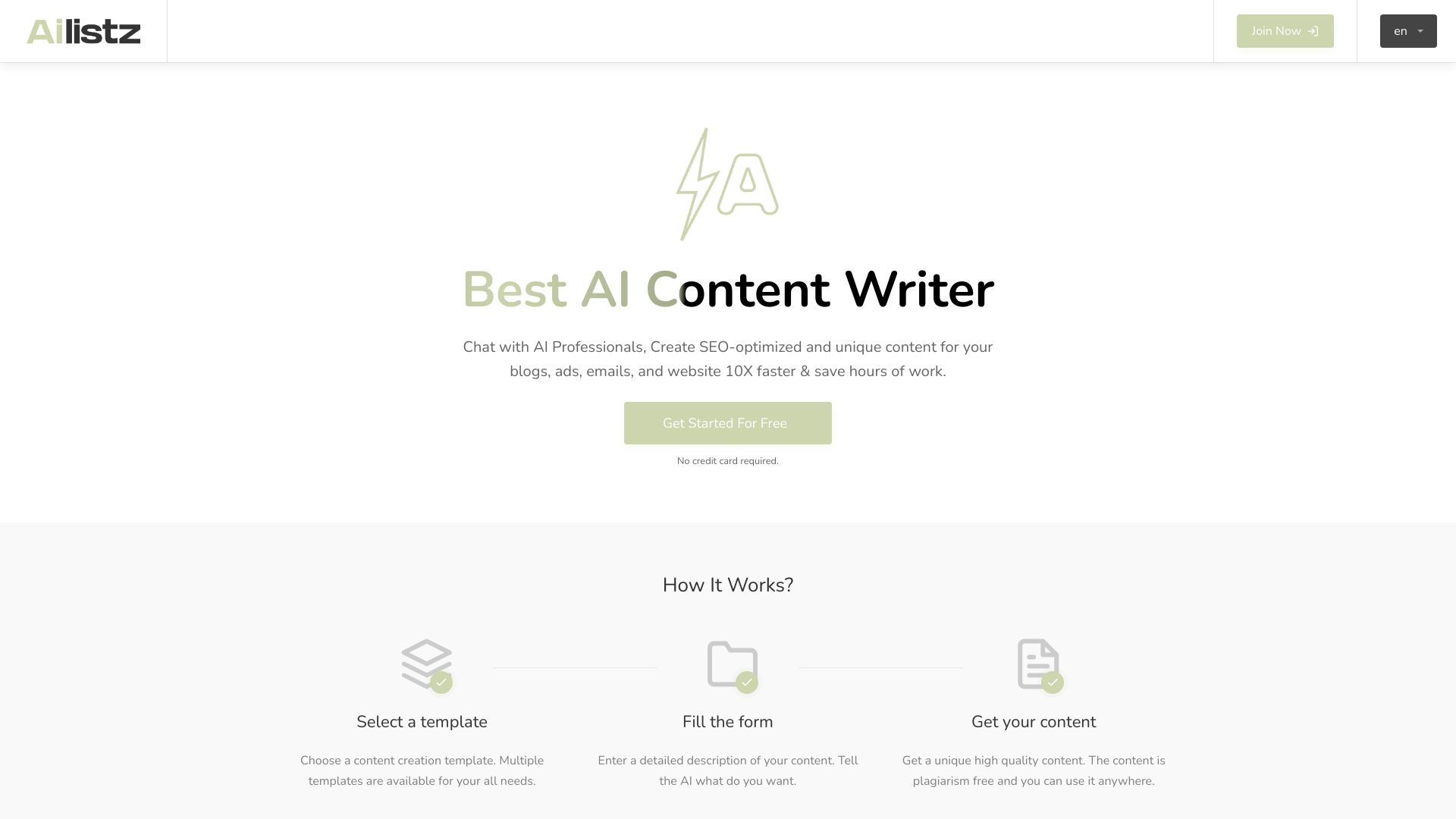
AiListz
AI content creation and marketing copy

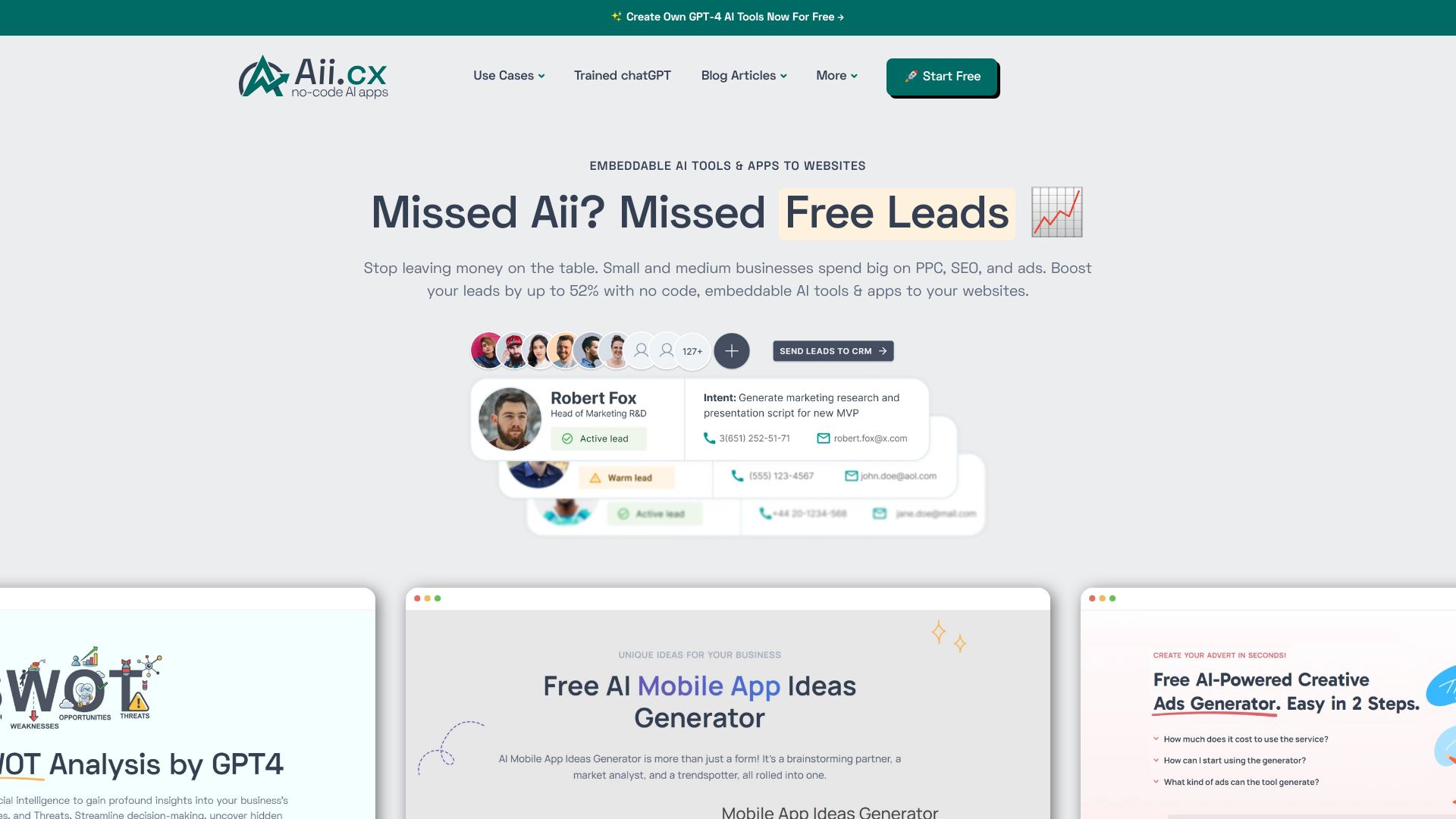
Aii.CX
Embeddable AI tools for websites

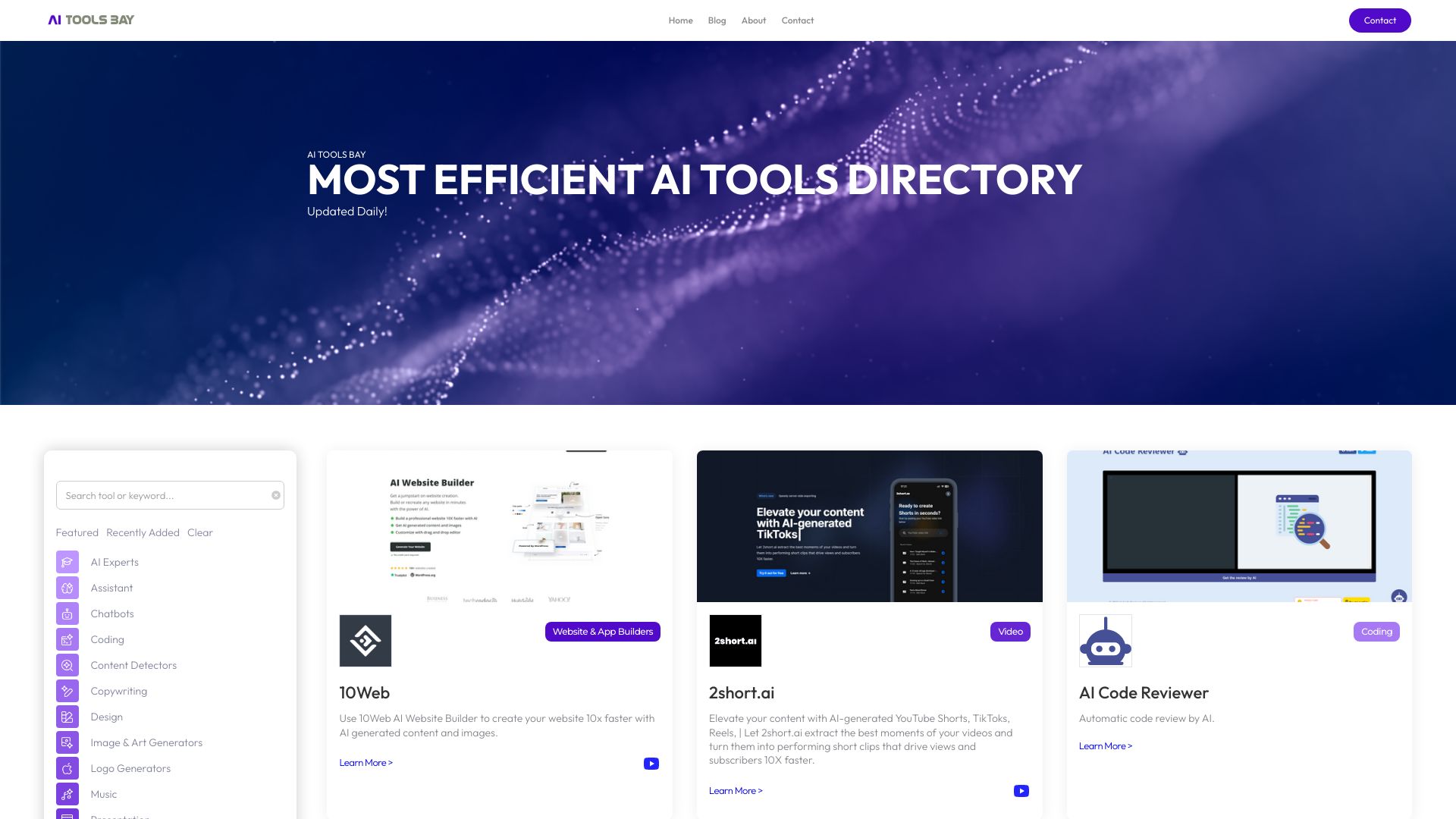
AI Tools Bay
Curated AI tool discovery
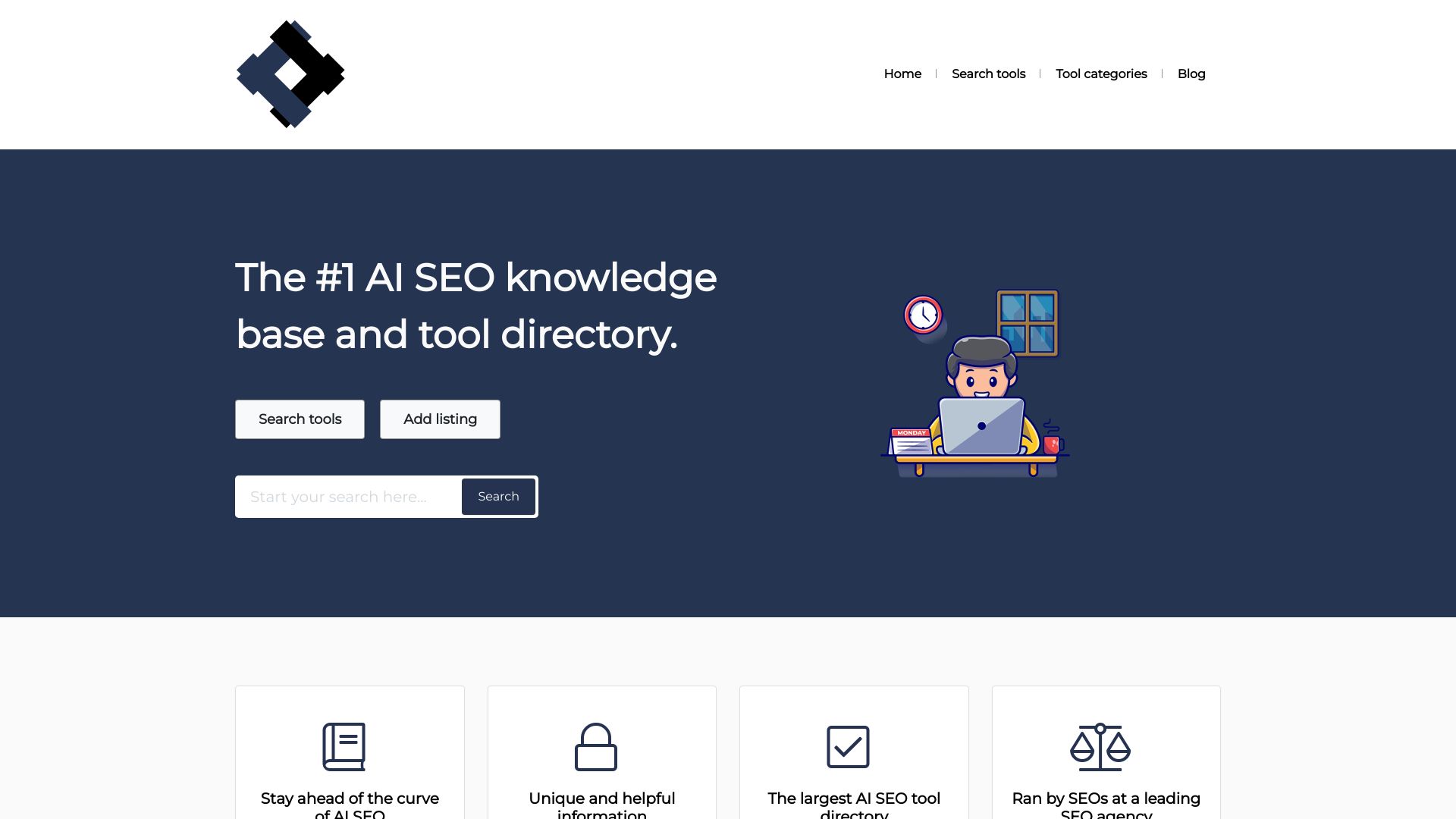
SEOs.ai
AI SEO tool discovery

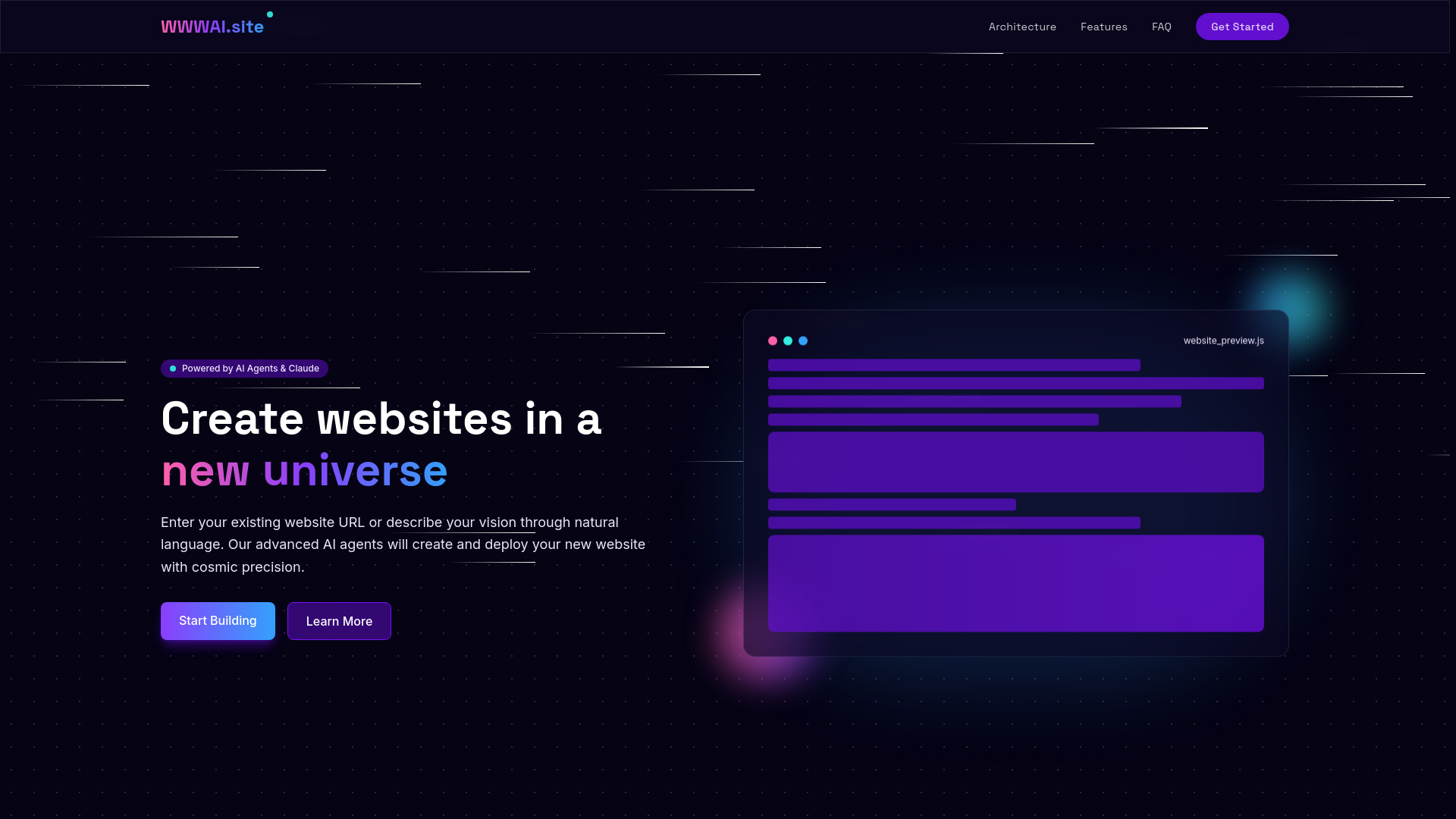
WWWAI.site
AI website creation from natural language

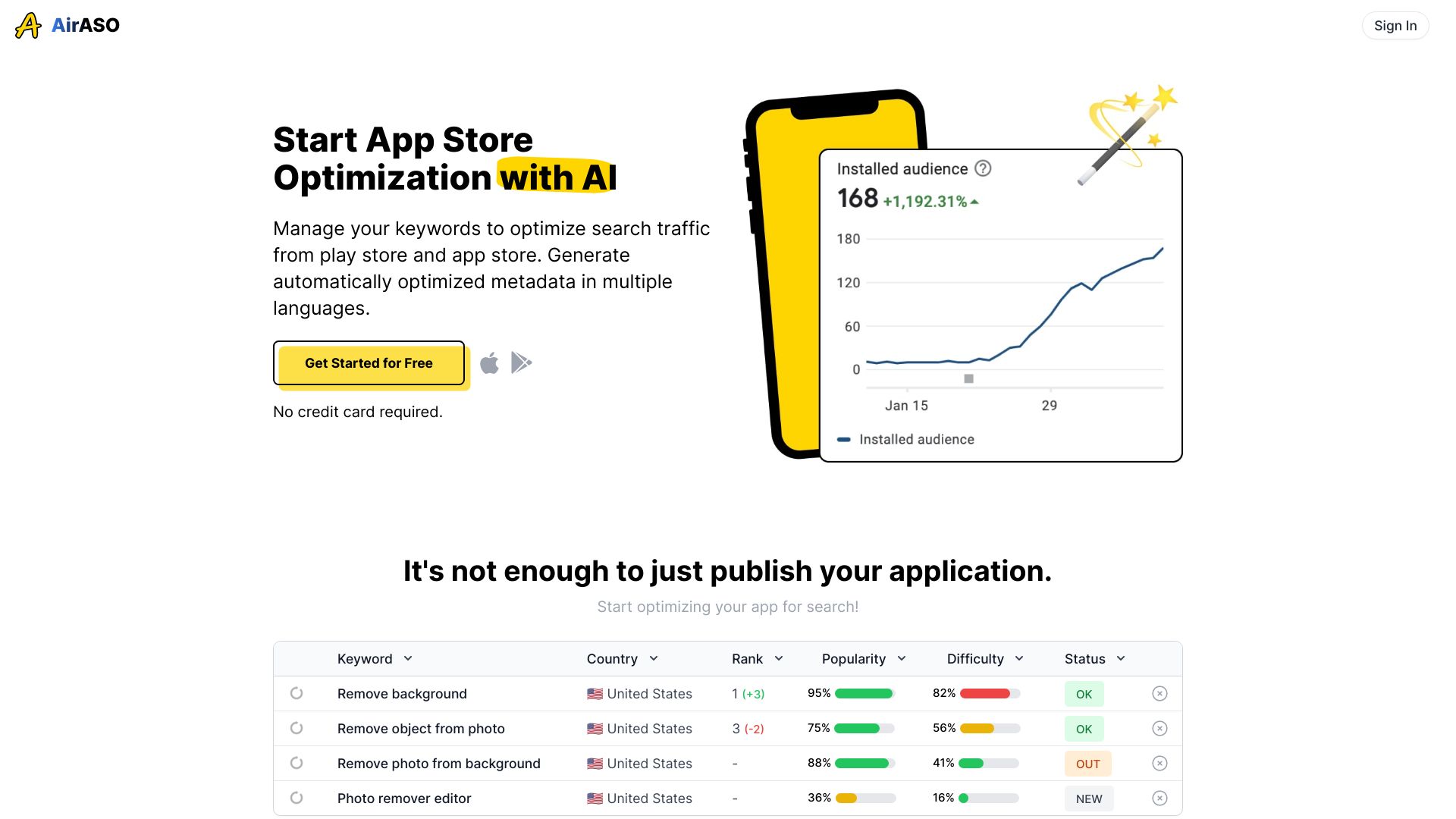
Airaso
Multilingual app store metadata

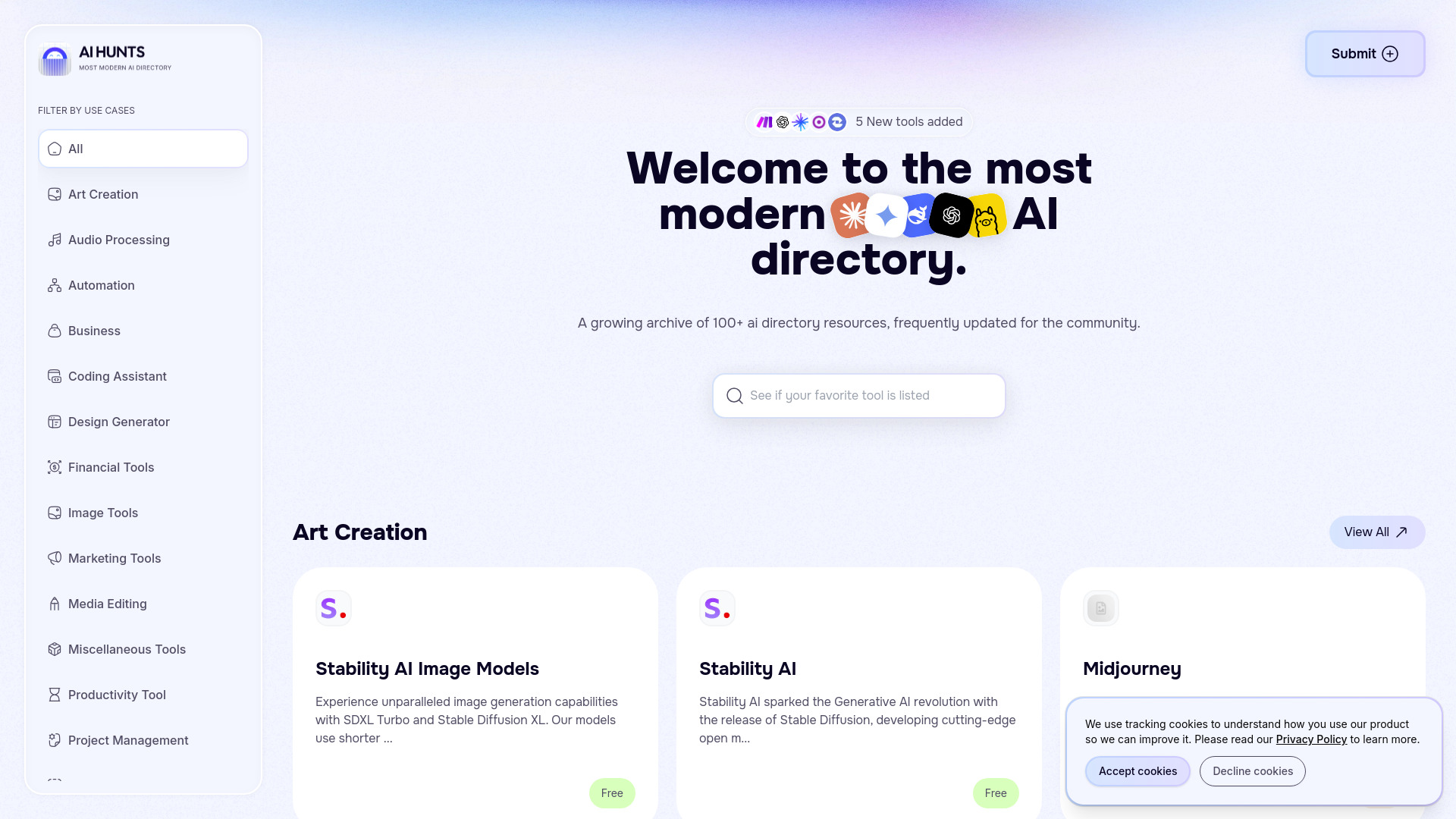
AiHunt
Discovering and listing AI tools

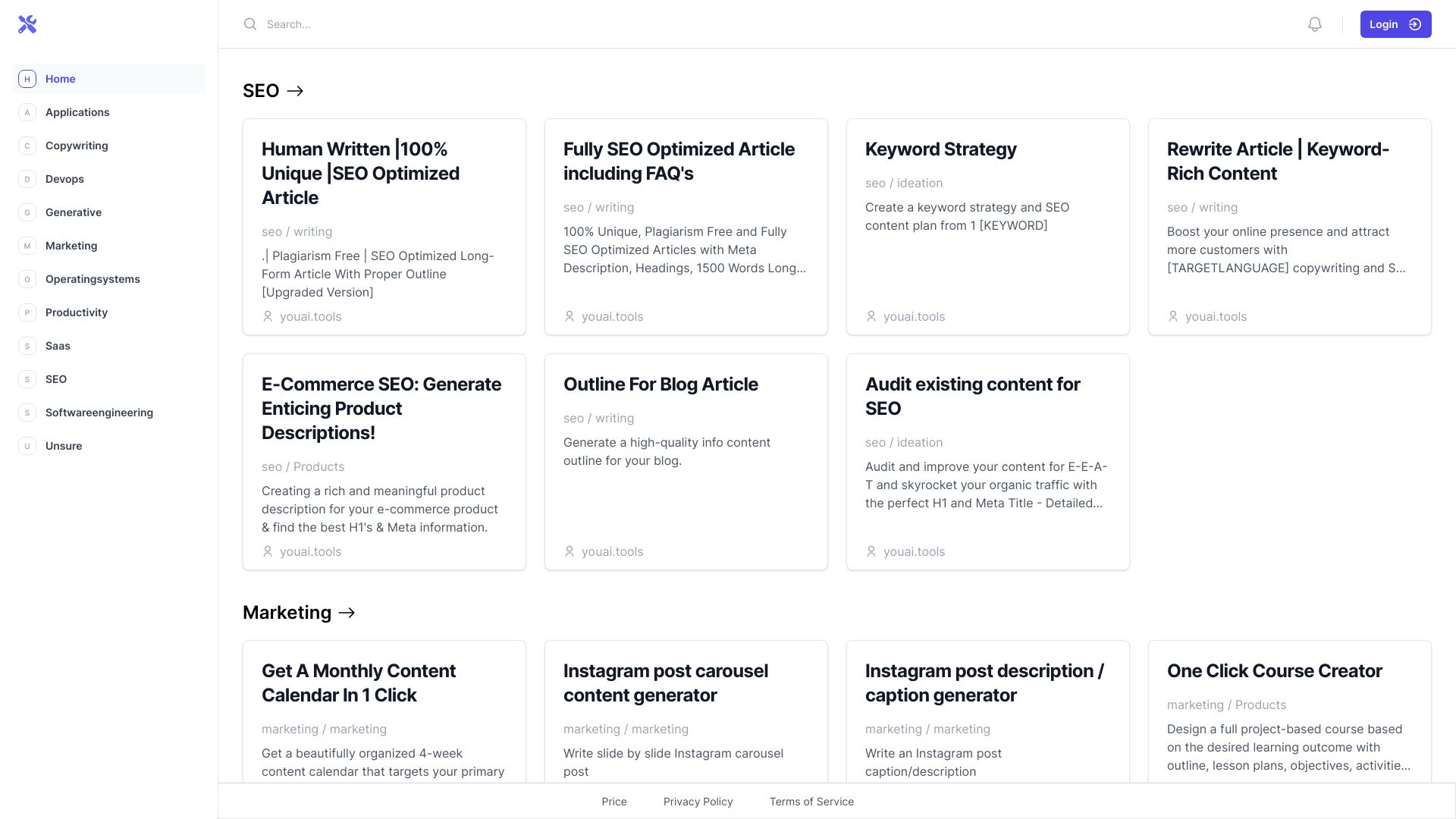
You AI Tools
Free ChatGPT-based widgets

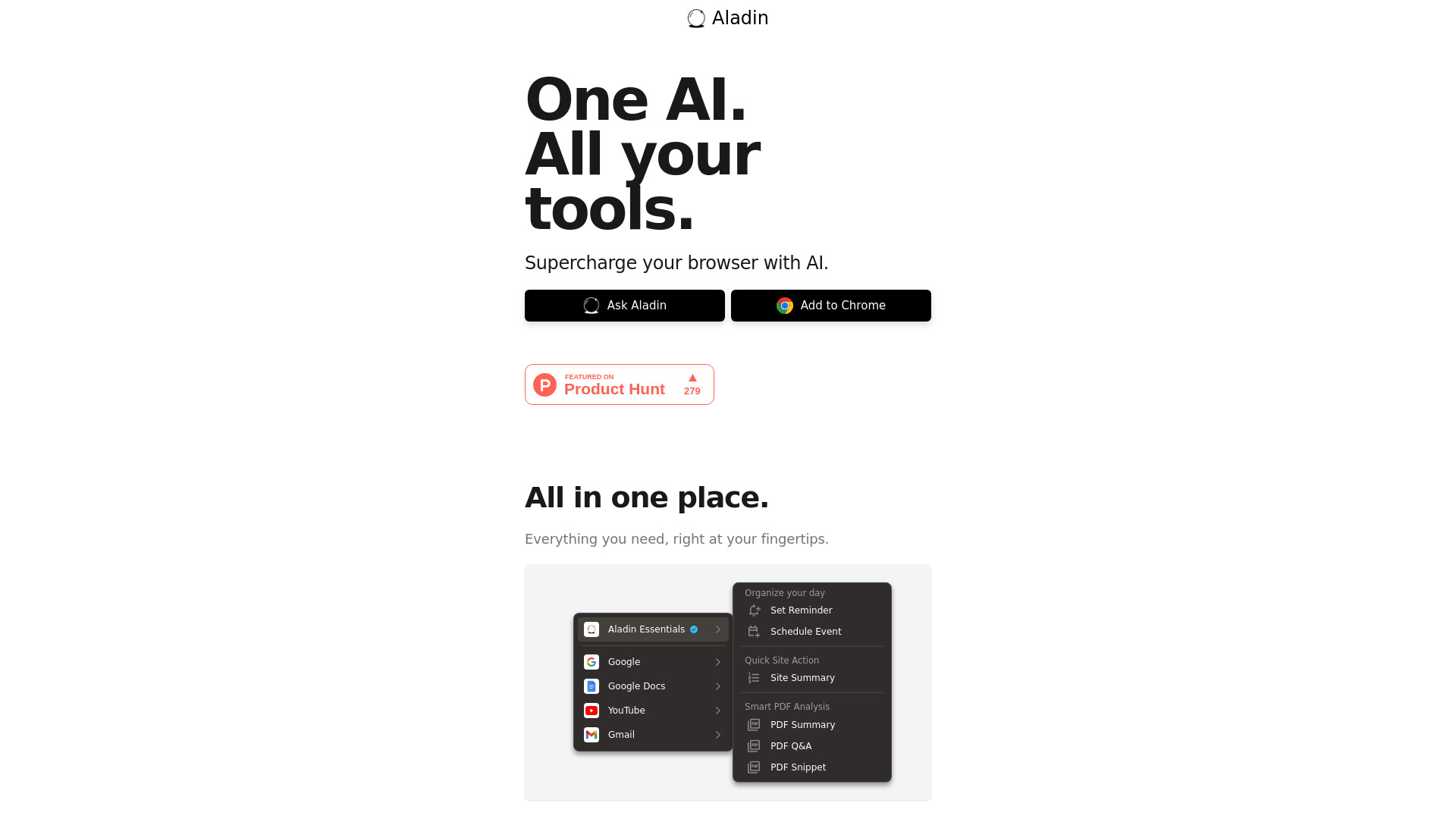
Aladin AI
Context-aware browser research

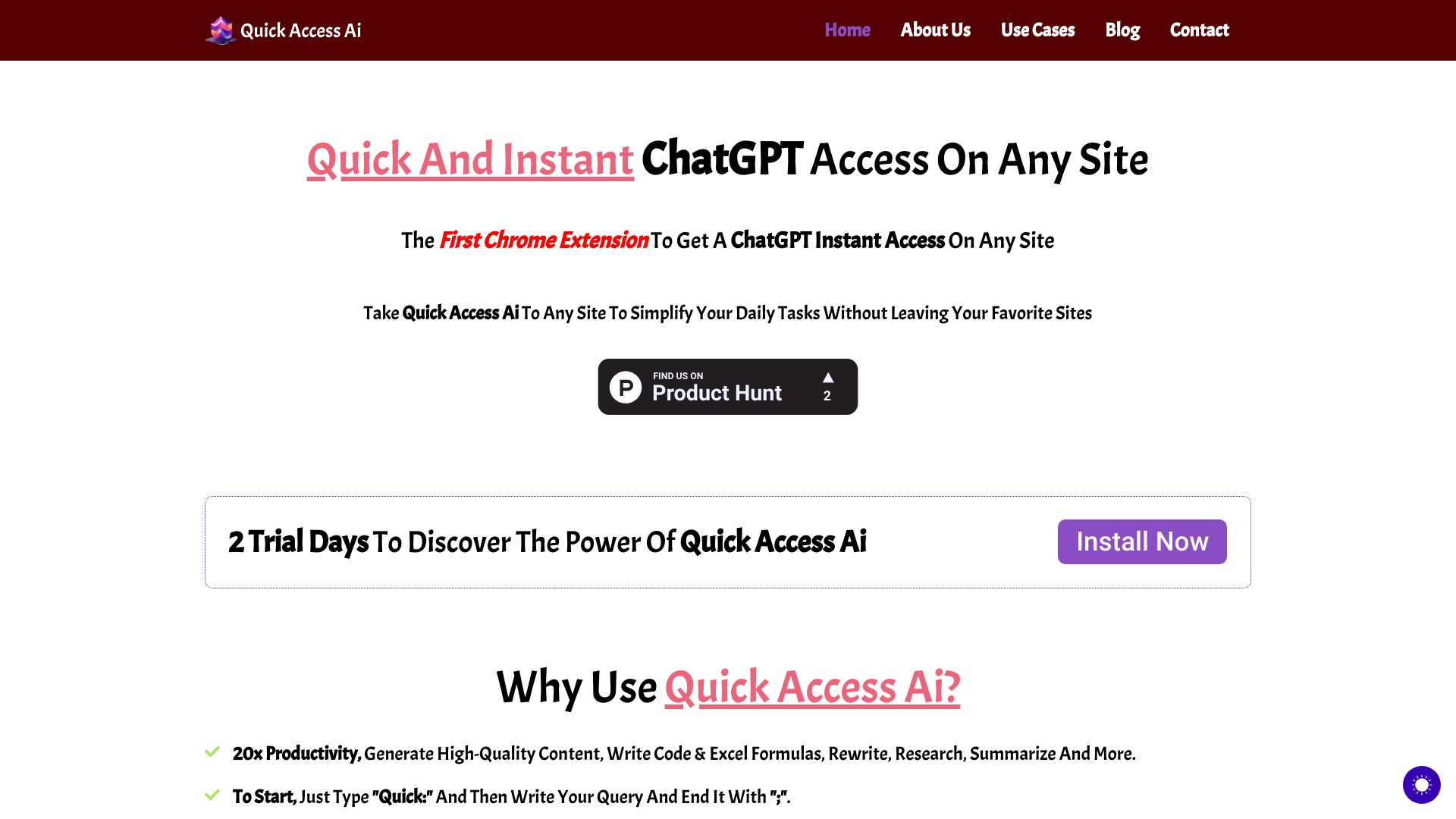
Quick Access Ai
ChatGPT access across websites

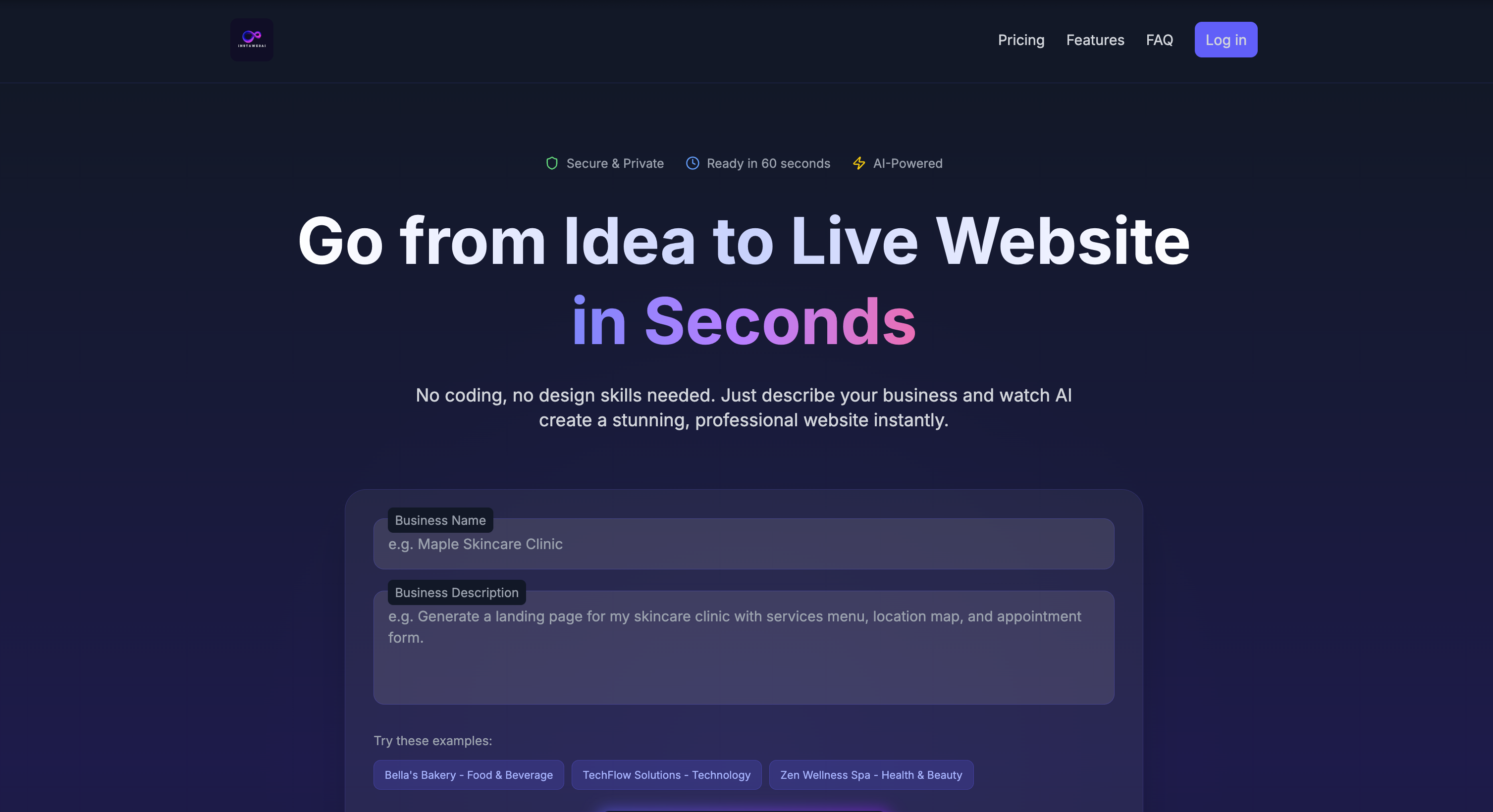
InstaWebAI
AI website creation for small businesses

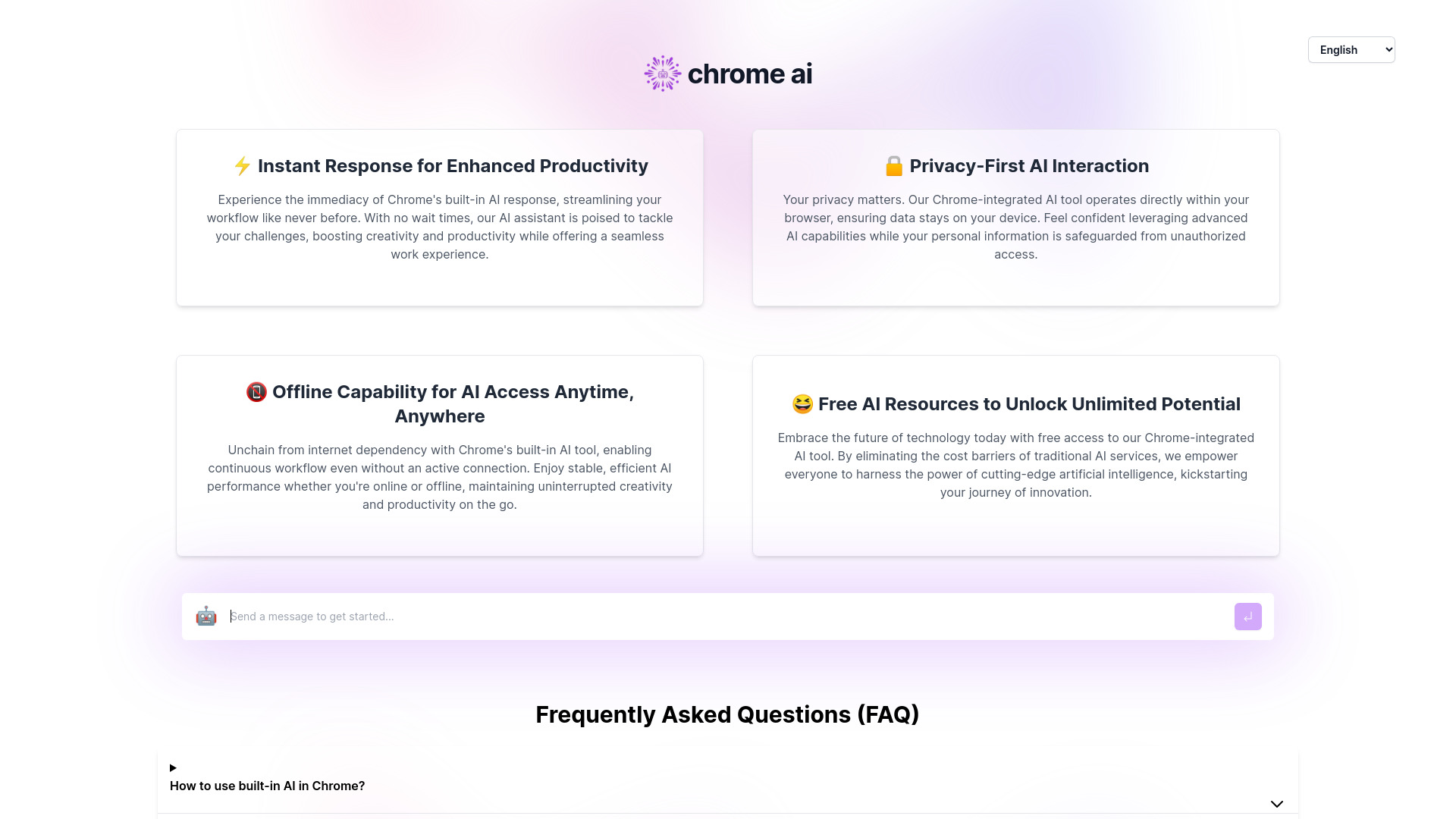
Chrome Built-in AI Tool
Privacy-focused Chrome AI testing

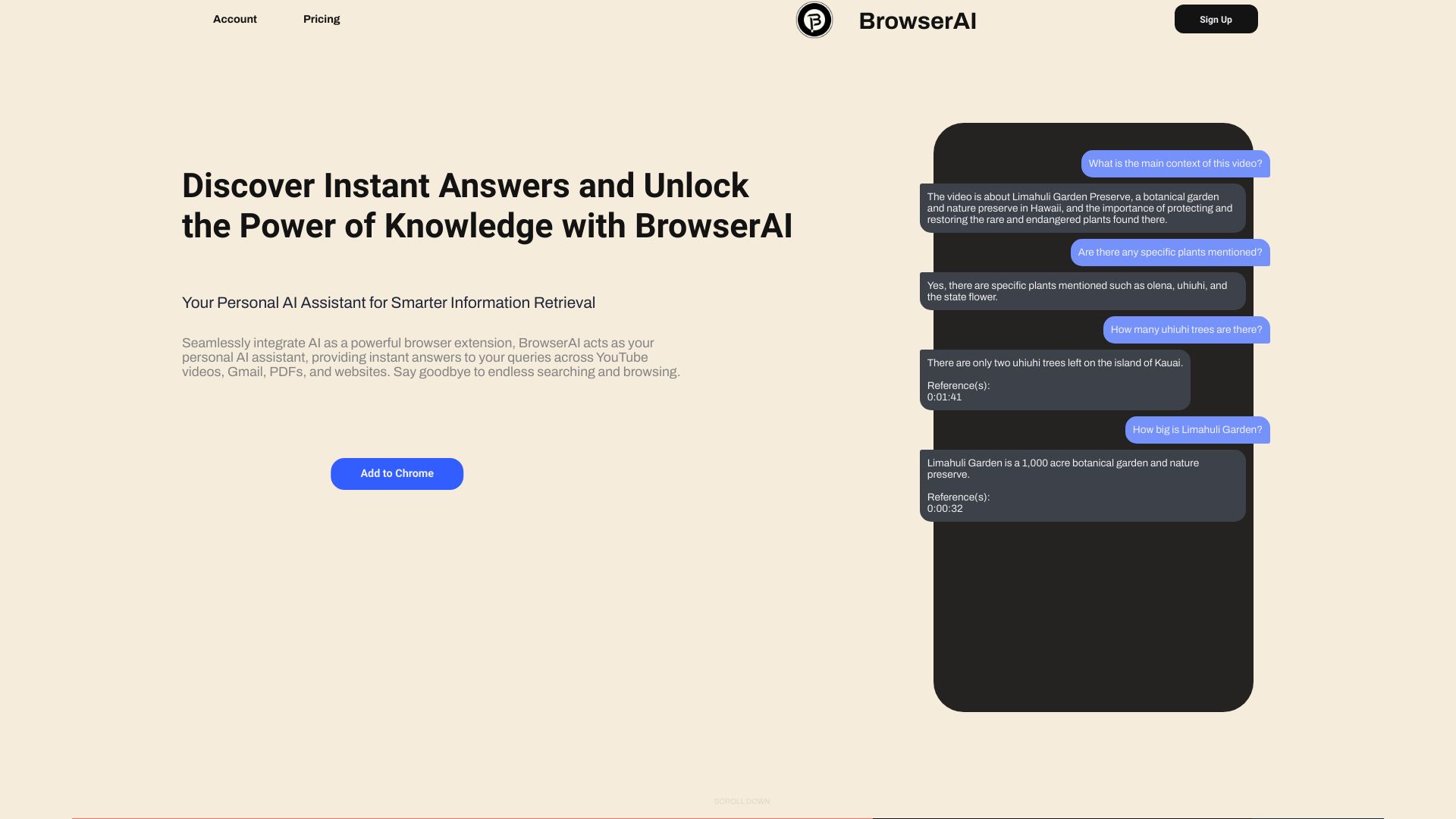
BrowserAI
Querying videos, emails, PDFs, and webpages
Asker-I
Educator question generation

AI Top Rank
AI tool discovery and launch promotion

AiQuickHelp
AI productivity, prompts, coding, and creative tools

AiRanks
AI search rankings
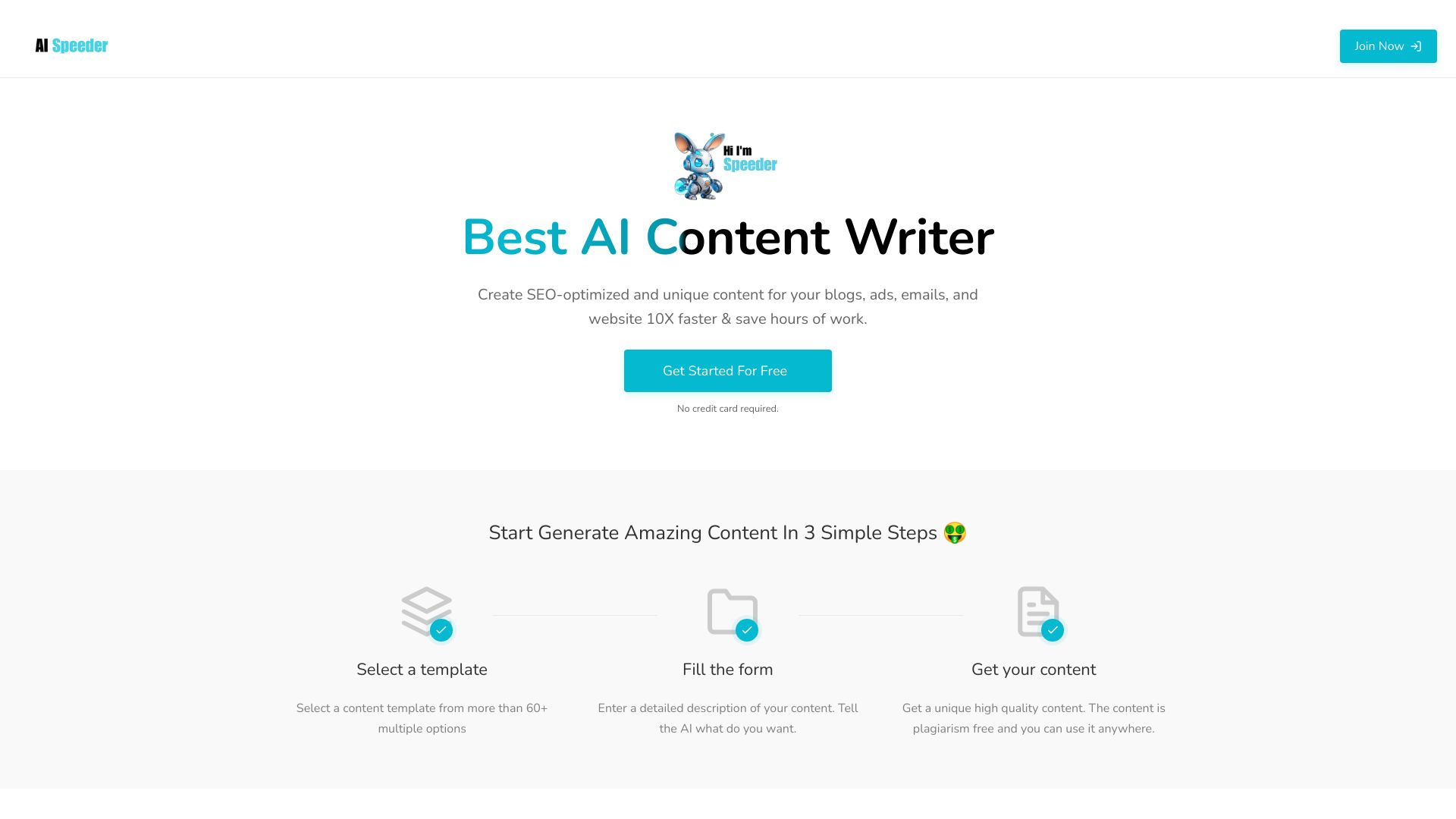
AI Speeder
SEO content writers and digital marketers

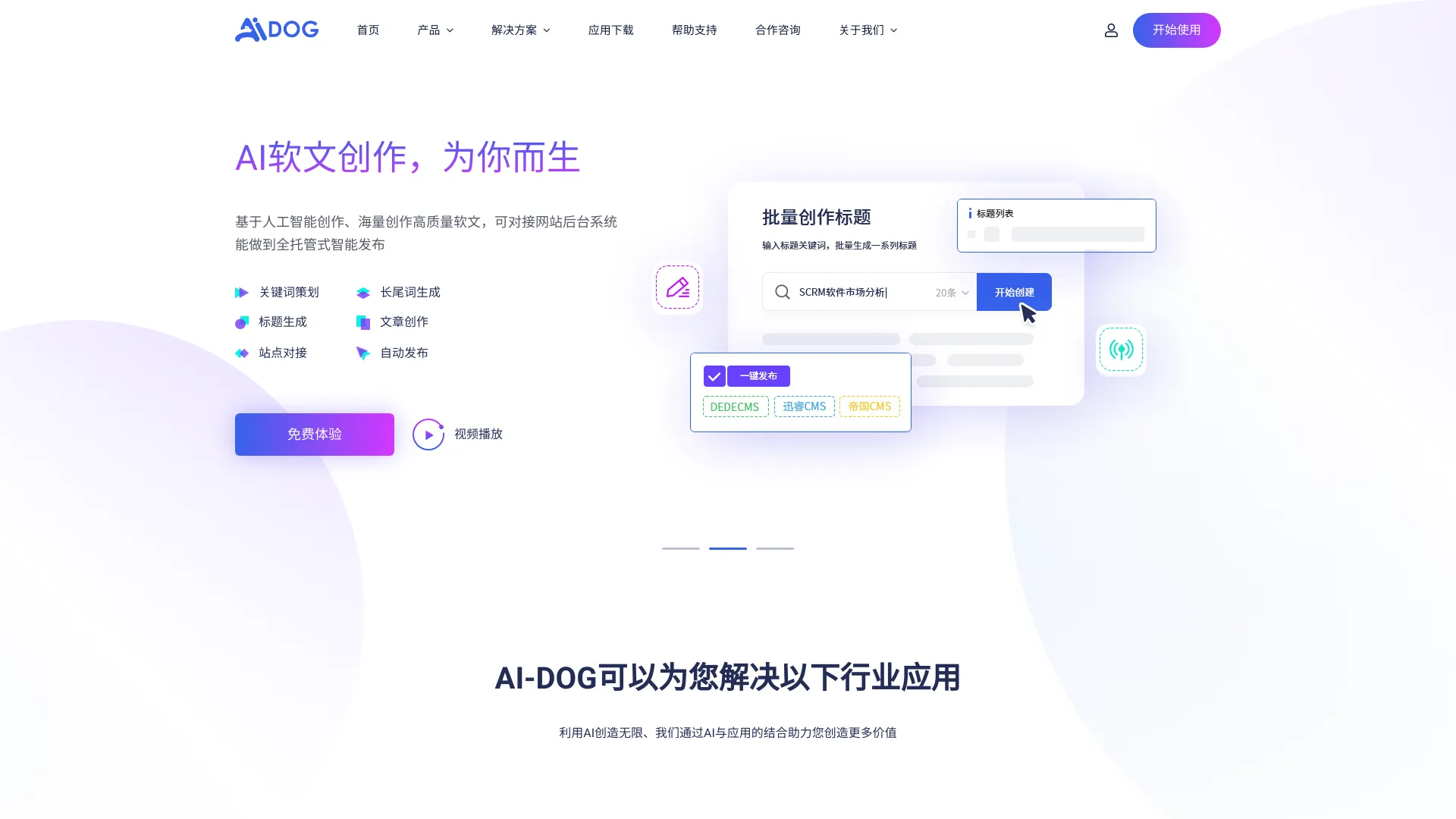
AiDog (AI狗)
SEO content and logo creation

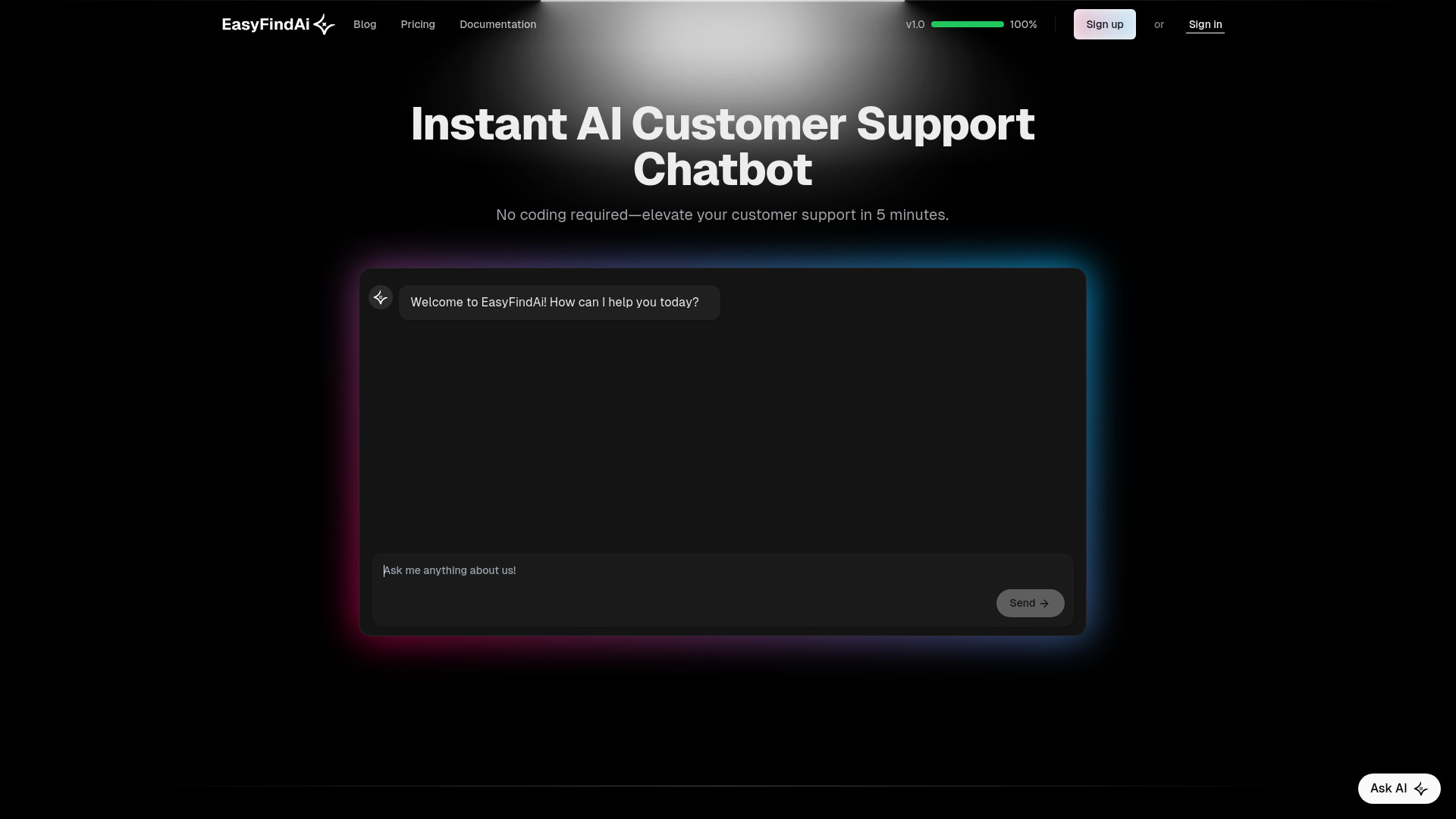
EasyFindAi
Website customer support
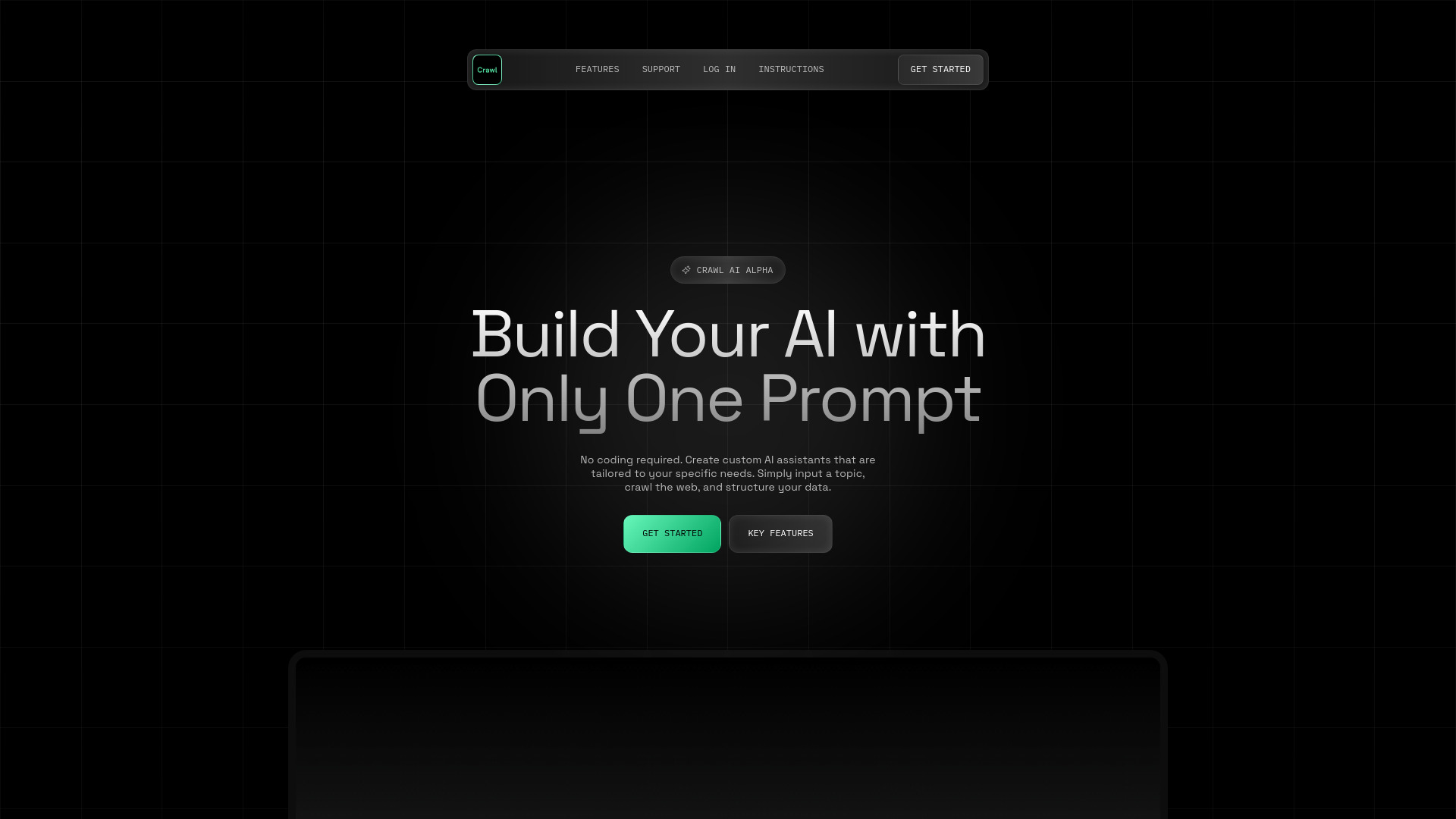
Crawl AI
No-code custom AI assistants
My AskAI
Email customer support automation
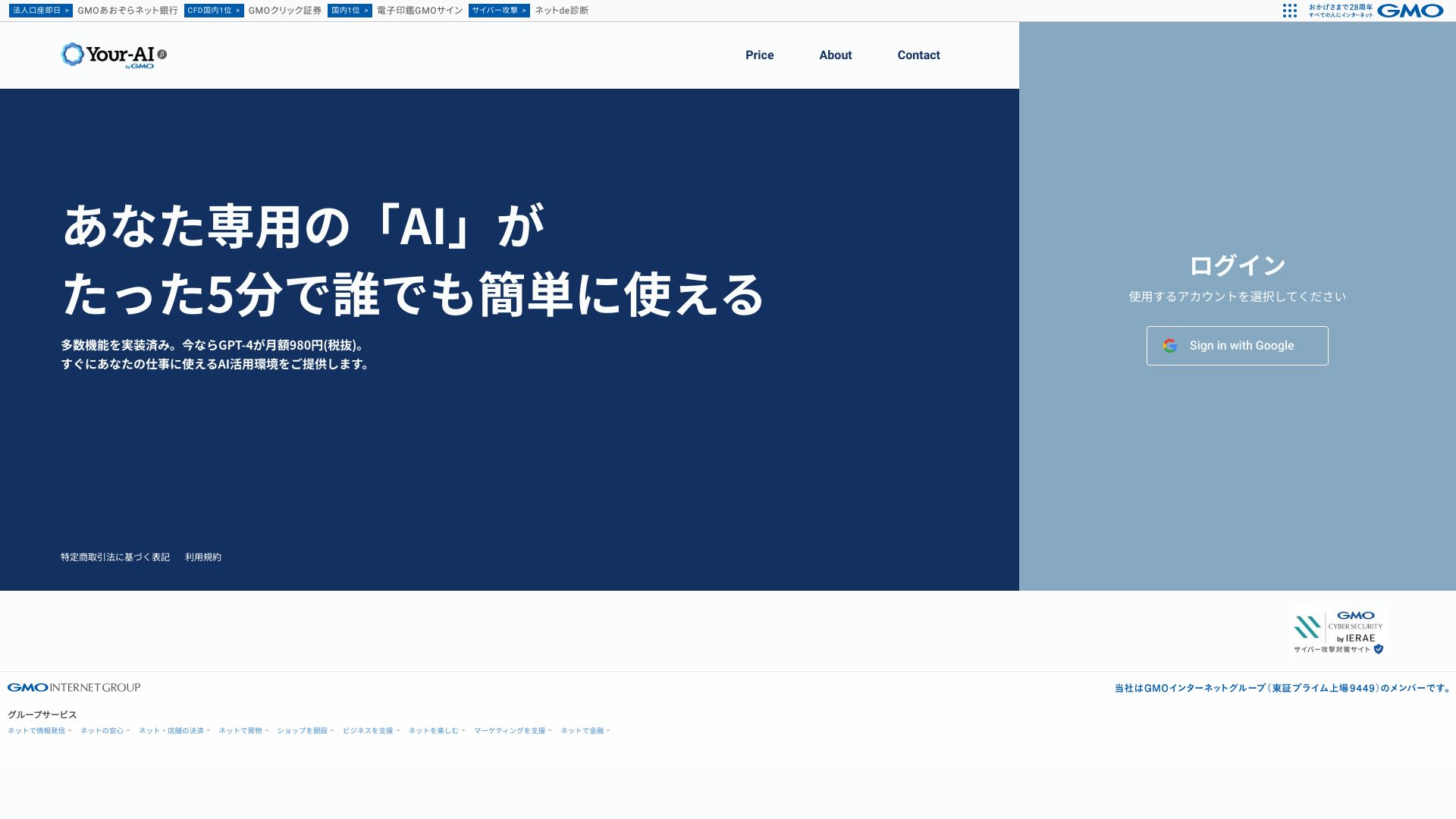
Your-AI
Work-focused AI templates

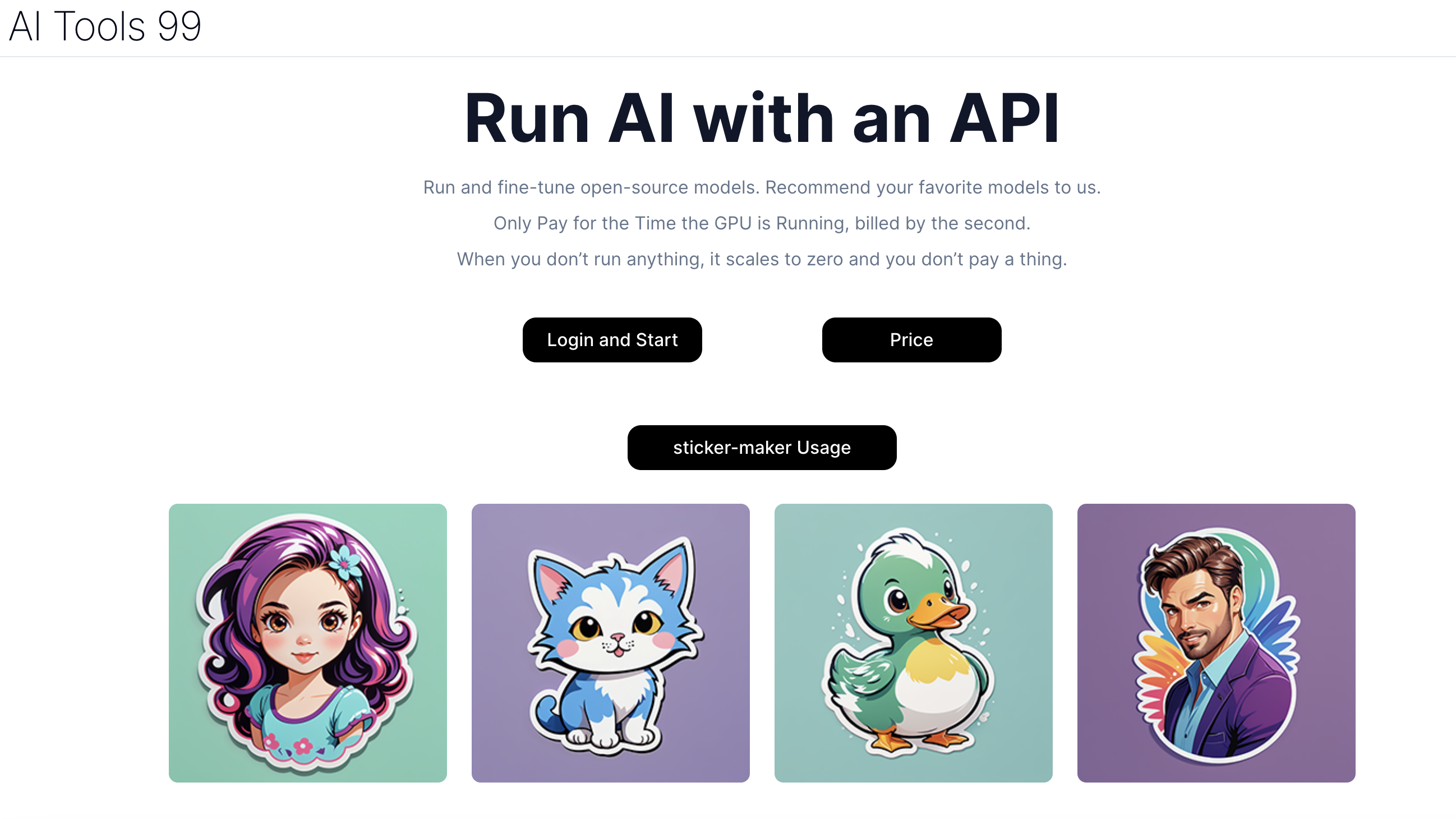
AI Tools 99
Running AI models via API
CrawlAi
Webpage data extraction and summarization

AI Coder Buddy
Developers seeking offline coding help
Which AI search engine should you choose?
Choose based on the information bottleneck in your workflow, not on the most impressive feature list.
For students and everyday questions: Start with Hỏi đáp AI Hay if you want maths, essay, image, and academic help together. Choose iAsk.Ai for a simpler free factual-answer experience.
For ad-free academic research: Try 秘塔AI搜索 because its web, literature, and academic scopes are more useful than a single undifferentiated search mode.
For developers building AI products: Choose Exa. Its Web Search API and crawling capabilities solve an infrastructure problem that consumer answer engines do not.
For writers: Chat & Ask AI makes sense when search, chat PDF, image generation, and chatbot access belong in the same workflow.
For finding AI software: AiToolGo is the better fit when the thing you are searching for is another AI tool or learning resource.
For investment research: AlphaResearch is the specialist option, provided its US-market coverage and $49.99 Basic plan fit your needs.
For repository discovery: AI Repository Search is a focused starting point for finding codebases across more than 48K repositories.
For AI visibility and SEO teams: Compare AIclicks and First Answer AI. AIclicks emphasizes GEO/AEO and broad model monitoring; First Answer AI emphasizes brand visibility and competitor analysis.
The best free ai search engine for one person may be the wrong tool for a business. A free answer engine helps you research a topic, while an AI visibility platform helps you measure whether other people's answers mention your company. Keep those jobs separate when making a shortlist.
My practical recommendation
For most first-time buyers, I would begin with iAsk.Ai or Hỏi đáp AI Hay. They are easy to understand, have clear student and general-research use cases, and let you evaluate answer quality without designing a technical integration. If your searches are academic or literature-heavy, move to 秘塔AI搜索 for its scope controls.
The recommendation changes as soon as search becomes part of a product or business process. Developers should test Exa with a small prototype and estimate page costs before committing. Marketing teams should run the free analyses from AIclicks and First Answer AI against the same brand prompts, then compare coverage, competitor reporting, and the number of prompts included at the paid tier.
Do not choose a tool solely because it calls itself an AI search engine. Ask what it searches, how it presents results, whether the free allowance is genuinely useful, and what happens when you reach the limit. Those answers usually reveal more than the homepage headline.
Common mistakes when choosing AI search engines
Treating every tool as general search: AlphaResearch, AI Repository Search, Exa, AIclicks, and First Answer AI solve specialist problems. Compare them within the workflow they support.
Confusing a direct answer with verified research: Use answers as a starting point and check primary sources for finance, academic work, and important business decisions.
Ignoring scope: Web, literature, academic, financial-document, and repository searches have different strengths. A broader index is not automatically better.
Comparing free access too literally: Eight requests, $10 in API credits, a free audit, and a free analysis are very different offers. Test the allowance against your real usage.
Overlooking coverage limits: AlphaResearch has US-market limitations on its Basic plan, while other tools may have narrower topical coverage or knowledge-base constraints.
Buying analytics for a research problem: AIclicks and First Answer AI track brand visibility. They are not substitutes for a consumer answer engine.
Assuming a low starting price covers scale: First Answer AI limits prompts and competitors on lower tiers, and Exa's usage model depends on pages and application volume.
What changed in 2026
AI search now means more than a chatbot with a search button. The strongest tools in this comparison split into clear layers: answer engines for people, APIs for products, specialist databases for finance and repositories, and monitoring platforms for brands appearing inside AI answers.
That split also changes how buyers should evaluate value. Direct answers and ad-free results matter for personal research, but businesses increasingly need visibility across several AI systems at once. AIclicks and First Answer AI reflect that shift by tracking platforms such as ChatGPT, Gemini, Perplexity, Claude, Grok, and Google AI Overviews rather than treating one search experience as the whole market.
The practical lesson for 2026 is simple: choose the search layer closest to your actual job. The best ai search engines are not one interchangeable category, and the best ai search tools for a developer or marketing manager may look nothing like the best option for a student.
FAQ
An AI search engine accepts natural-language questions and returns an AI-generated answer, search result, or workflow. Some tools search the web, while others focus on documents, repositories, financial data, or brand visibility.