
The best ai for writing a book depends on whether you need help developing a novel, turning research into chapters, or moving a manuscript toward publication. We compared 100 tools in 2026 and found that no single product is ideal for every stage: AIWriteBook is the clearest all-around match for self-publishing, while Sudowrite is more purpose-built for fiction and Inkfluence AI combines book drafting with audiobook production. Treat every generated passage as a draft, not a finished book; your judgment, revision, and fact-checking still matter.
Top picks
| Pick | Tool | Best for | Why it stands out |
|---|---|---|---|
| Best overall match | AIWriteBook | Self-published authors | Manuscript import, voice-matched writing, and KDP-ready formatting and covers. |
| Best for fiction | Sudowrite | Novelists and screenplay writers | Fiction-focused generation and scene expansion can help when a draft stalls. |
| Best book production workflow | Inkfluence AI | Authors making ebooks and audiobooks | Generates books across fiction and nonfiction, with audiobook conversion. |
| Best free story starting point | aiWriter.ai | Creative writers exploring ideas | No sign-up is required to start, and it offers story generation across 20+ genres. |
Quick comparison
| Tool | Best for | Standout capabilities | Free access | Starting price | Score |
|---|---|---|---|---|---|
| AIWriteBook | Self-published authors | Manuscript import; voice-matched writing; KDP-ready formatting and covers | 7 full chapters free | Free; paid from $12/month | 93/100 |
| AI Novelist | Novelists | AI story writing; large Japanese language model | Free access is described, but terms should be checked | Check vendor pricing | 93/100 |
| Sudowrite | Fiction writers | Write; scene expansion | Free access is described; check current allowance | $10/month | 93/100 |
| aiWriter.ai | Creative writers | Story generation; 20+ genres; no sign-up | Free generation, with rate limits | Free | 93/100 |
| Aithor | Research-heavy writing | Research assistant; autocitation; text personalizer | Free plan | Free; paid from $12.99/month | 92/100 |
| Type.ai | Writers working in documents | AI writing assistant; document editor | Free access is described; check current allowance | Check vendor pricing | 92/100 |
| Book by Anyone | Personalized satirical gifts | AI-generated satirical books; personalized details | Create and print a book; check current terms | Check vendor pricing | 92/100 |
| Inkfluence AI | Ebook and audiobook authors | Fiction and nonfiction book writing; audiobook generation | 5 chapters/month | Free; paid from $9.99/month | 92/100 |
| Writer | Marketing teams | AI agent platform; Palmyra LLMs; team writing | 14-day free trial | $29/user/month billed annually | 92/100 |
| 蛙蛙写作 | Authors writing in Chinese | AI writing, rewriting, and expansion | 5,000 AI words upon registration | Check vendor pricing | 92/100 |
How we ranked these AI book-writing tools
We ranked these 100 candidates by how directly their capabilities support a real book workflow: planning and drafting, working with existing material, shaping prose, and preparing content for its intended use. We also considered audience fit, the clarity of the product's stated strengths and limitations, free access or entry pricing when available, and market usage signals. A high score does not mean a tool can write a publishable manuscript without an author. Some picks are specialists rather than complete book studios, and a few serve adjacent needs such as research, team content, or personalized gift books. We favor tools with a clear role, then explain where their fit narrows.
The best AI tools for writing a book
1. AIWriteBook

AIWriteBook
Self-published authors who want writing and production in one workflow
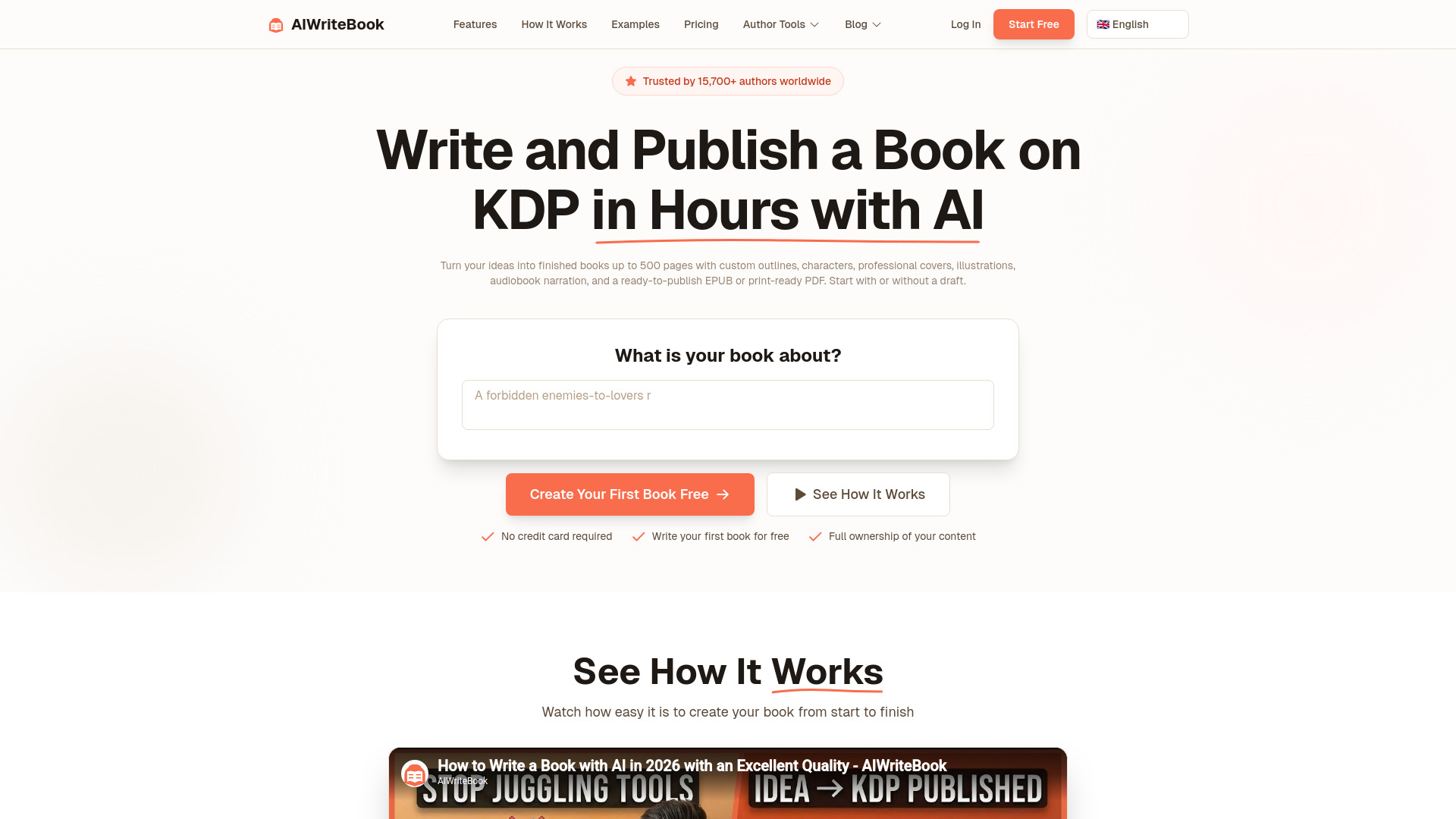
AIWriteBook has the most direct fit for an author who wants more than a blank document and a general-purpose chatbot. It can import existing manuscripts in DOCX, PDF, EPUB, and TXT formats, and its AI writing is designed to work in the author's personal voice and style. That makes it worth considering both for a new project and for someone with material already in progress.
The product's stated path from idea to KDP-ready formatting and covers gives it a broader role than drafting alone. The free offer includes seven full chapters, which is a useful way to test whether its workflow suits your project before paying. Still, the credit-based system can constrain monthly output on lower tiers, so check the allowance against your expected drafting pace rather than assuming the headline chapter count describes ongoing use.
My take: This is the strongest first stop for self-publishers who value a connected writing-to-production workflow. I especially like that importing a manuscript is part of the pitch, because most authors are not starting from nothing.
Where it falls short: Credit limits can make heavy drafting harder to budget on entry-level plans. Voice matching can help establish a direction, but it is not a substitute for revising chapters until the voice feels consistent and intentional.
Key features
Imports existing manuscripts in DOCX, PDF, EPUB, and TXT formats.
Generates writing in a personal voice and style.
Supports KDP-ready formatting and cover creation.
Offers seven full chapters free to try.
Pros
Combines manuscript work with book-oriented production tasks.
Supports several common manuscript file formats.
Has a clear self-publishing use case rather than only generic text generation.
Cons
Credit-based limits can restrict monthly output on lower tiers.
Authors should review generated text and finished formatting before publication.
Choose AIWriteBook if: You are self-publishing and want help drafting, importing, and preparing a book for KDP in one place.
2. AI Novelist

AI Novelist
Novelists looking for AI-assisted story writing
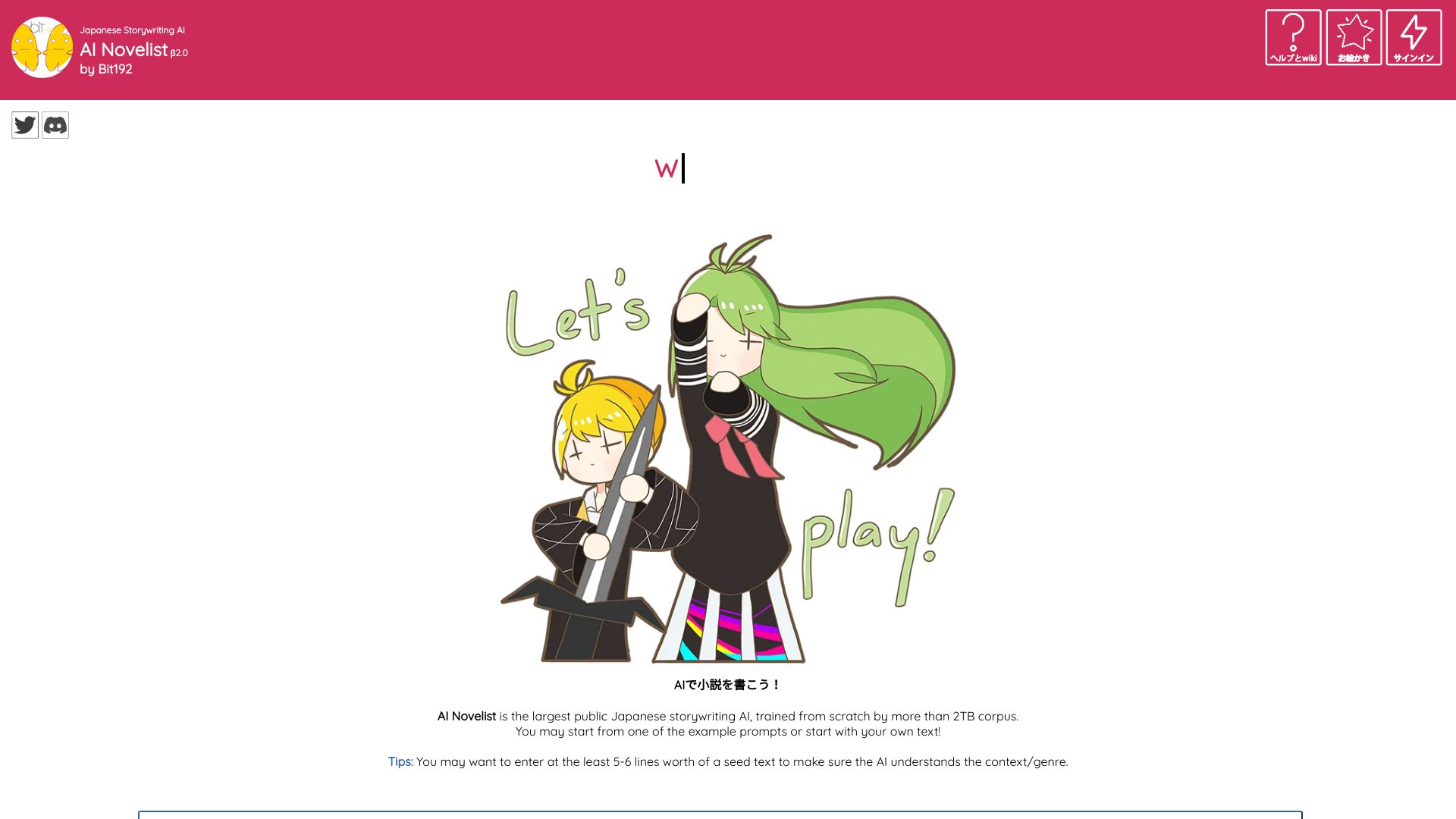
The appeal here is a focused story-writing tool with a large Japanese language model behind it. That emphasis makes AI Novelist a more specialized choice than a general document editor, particularly for writers who want help generating story material rather than managing every publishing step in one application. Its sizable usage signal also makes it a notable contender among book-writing tools.
The caveat is practical: the tool may need a significant amount of seed text to provide useful context. If you already have a premise, character notes, or substantial draft material, that setup may be manageable. If you expect a prompt to produce a coherent, long-form novel from scratch, be prepared to supply direction and make repeated editorial decisions. Pricing details are not clear enough to treat as settled, so check the vendor before committing.
My take: AI Novelist is worth exploring when story generation is the main task and you are comfortable steering the model with context. Its language-model focus is interesting, but I would test it on a real scene before building an entire workflow around it.
Where it falls short: The need for substantial seed text can add setup work, and the product's stated story-writing role does not by itself cover manuscript formatting or publication.
Key features
AI-powered story writing.
Large Japanese language model.
Pros
Focuses on narrative generation rather than only general-purpose productivity.
A large training corpus is cited as a strength for text generation.
Cons
May need significant seed text to establish context.
Starting price and plan details should be confirmed with the vendor.
Choose AI Novelist if: You want to experiment with AI-supported storytelling and can provide the context needed to guide a longer narrative.
3. Sudowrite

Sudowrite
Fiction writers working on novels or screenplays
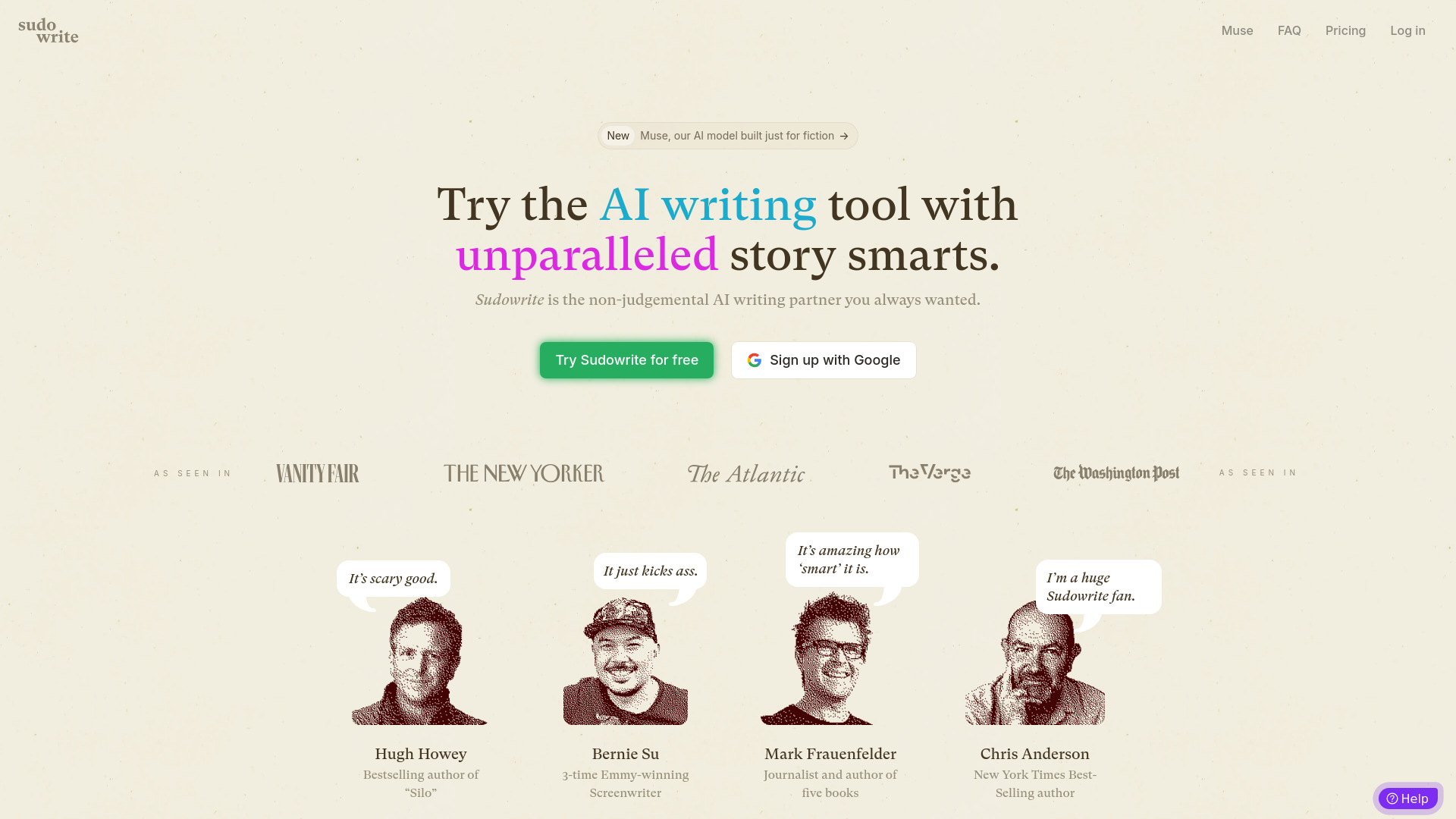
Writer's block is often a local problem: one scene is flat, a transition does not work, or you cannot see how to expand a promising beat. Sudowrite is designed for that kind of fiction workflow. Its Write feature generates text, while Expand can develop a scene, giving a novelist a focused partner for moving a draft forward without pretending the tool can make every structural decision.
The product is specifically tailored to fiction, including novels and screenplays, which gives it a clearer fit than broad business-writing software. Its starting Hobby & Student plan is listed at $10 per month with 225,000 credits, so writers should compare the credit allowance with how often they expect to generate or revise text. The tool can be prompted to produce plagiaristic output, but doing so is against its terms; use it to develop original work, not imitate or copy another author's prose.
My take: For fiction authors, Sudowrite is one of the most natural fits in this comparison. Scene expansion is a concrete use case, and that matters more than a vague promise to write an entire novel for you.
Where it falls short: Credit-based usage means the plan needs to match your writing habits. You remain responsible for originality, continuity, and deciding which generated suggestions belong in the manuscript.
Key features
AI-powered text generation through Write.
Scene expansion through Expand.
Positioned for fiction writing, including novels and screenplays.
Hobby & Student plan lists 225,000 monthly credits.
Pros
Specifically tailored to fiction workflows.
Useful for overcoming a stalled scene or expanding a draft.
Offers a stated starting plan at $10 per month.
Cons
Credit allowances affect how much you can use the tool.
Output must be checked for originality and fit; plagiarism is against the tool's terms.
Choose Sudowrite if: You write fiction or screenplays and want targeted help generating or expanding scenes while keeping control of the story.
4. aiWriter.ai
aiWriter.ai
Creative writers exploring genre fiction
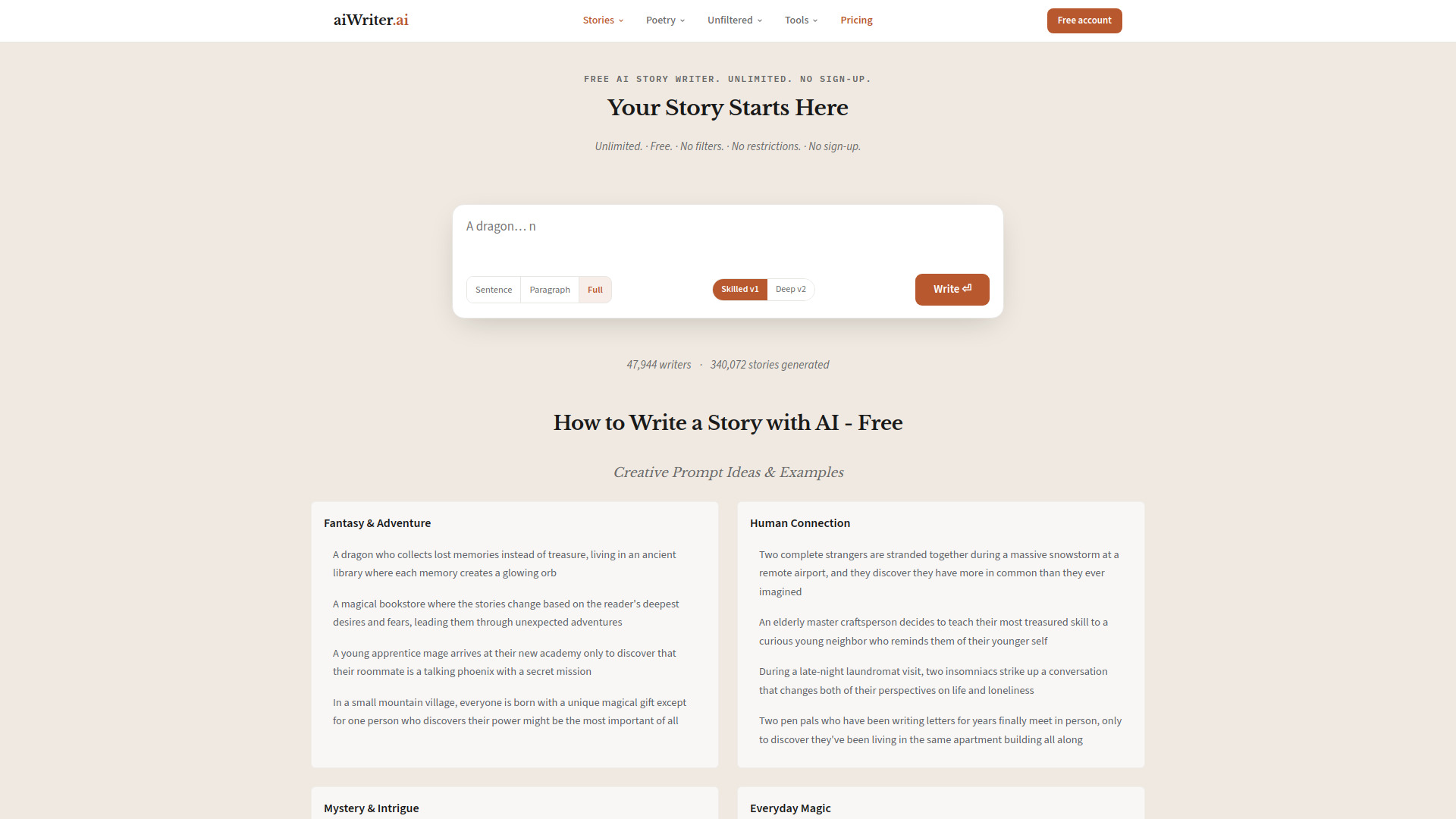
aiWriter.ai lowers the barrier to trying an AI story generator: you can start without mandatory sign-up, and its stated offer includes unlimited story generation with no per-word credits or usage caps. There is an important distinction, though. The free tier still has a generation pace limit of five per minute and 30 per hour, so "unlimited" does not mean you can send requests without any rate restriction.
Its creative-fiction angle includes more than 20 genres and an unfiltered mode for adult themes. That can make it an option for exploratory drafting in genres that some mainstream assistants may not handle as readily. The trade-off is that an open-ended generator can produce material that needs substantial shaping. Treat it as a low-friction place to try premises and scenes, not a reliable route to a polished, coherent book without editing.
My take: The no-sign-up starting point is genuinely convenient when you want to see how a generator handles an idea before creating an account. I would use it for experiments and rough story material, then edit with a deliberate outline and continuity plan.
Where it falls short: Rate limits apply even though generation is described as unlimited. Its broad genre support does not guarantee a consistent novel structure or a publishable final draft.
Key features
Story generation without mandatory registration.
More than 20 genres, including romance and fantasy.
Unfiltered creative-fiction mode for adults.
Skilled Writer v1 generations are described as free.
Pros
Easy to try without account setup.
No per-word credit system is cited for its free story generation.
Offers a broad genre range for creative exploration.
Cons
Free-tier generation is paced at five per minute and 30 per hour.
Generated fiction still needs editorial review and continuity work.
Choose aiWriter.ai if: You want to test story ideas quickly across genres without signing up first.
5. Aithor

Aithor
Students and research-heavy nonfiction writers
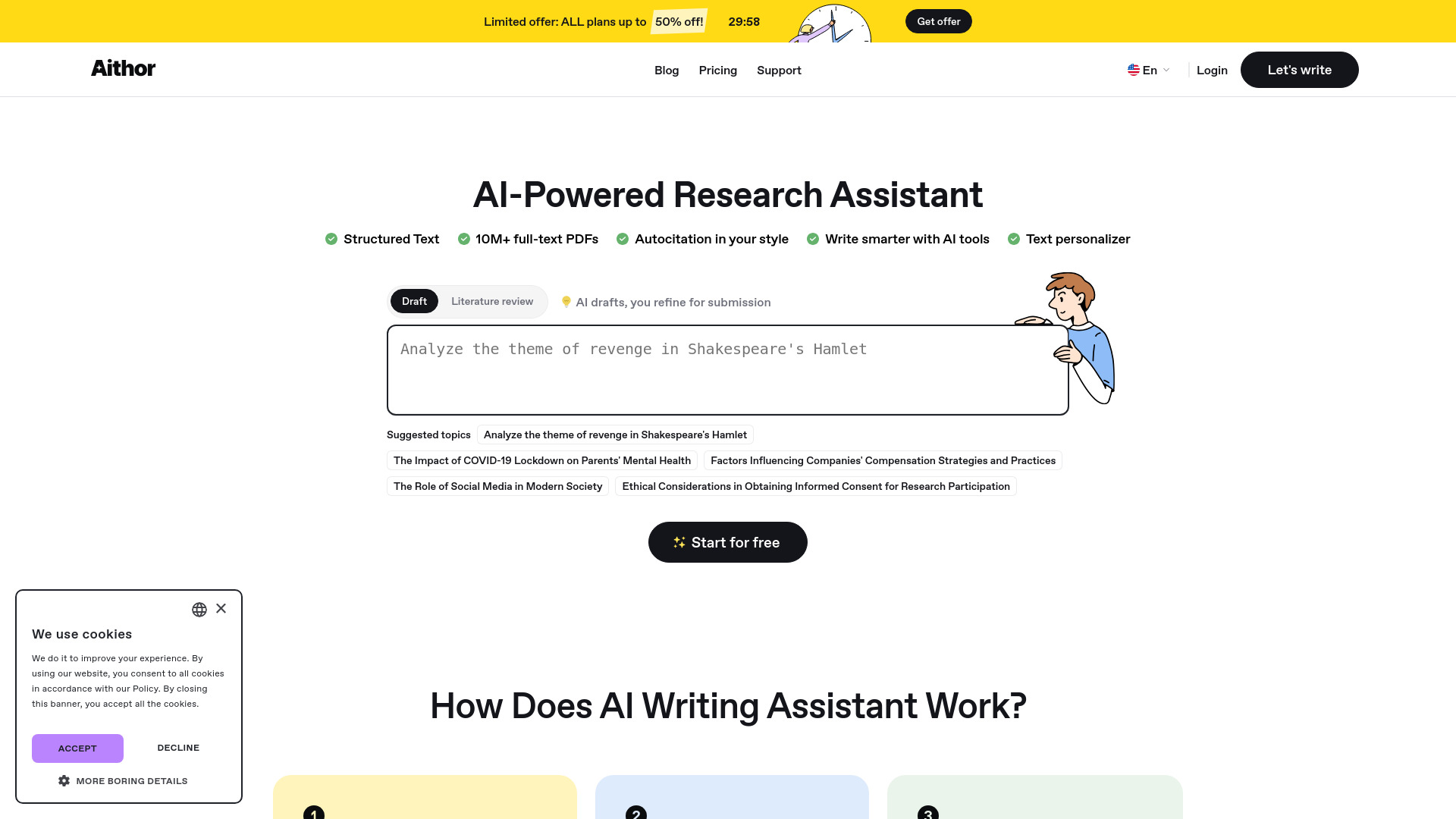
Not every book starts with a character or a blank page. For nonfiction, the harder early work may be collecting research, organizing claims, and keeping citations attached to the right material. Aithor's AI-powered research assistant and autocitation tools make it a plausible fit for those tasks, with text personalization adding another way to shape a draft.
Its strengths are more directly relevant to research and academic-style writing than to fiction plotting or book layout. That distinction matters: Aithor can help save time on research and writing, but the writer still needs to judge the evidence, check citations, and make the final content decisions. A free plan is available, with paid access listed from $12.99 per month. For a book project, test it on a small research section first and verify any citation before relying on it.
My take: Aithor makes the most sense when your manuscript depends on research and reference management, not when your biggest problem is inventing a cast of characters. Its research-oriented features can support the author, but they do not replace source evaluation.
Where it falls short: The tool requires user effort and judgment for final content decisions. Writers should independently validate source material and citation accuracy before publication.
Key features
AI-powered research assistant.
Autocitation.
Text personalization.
Free plan with paid plans listed from $12.99 per month.
Pros
Can save time during research and drafting.
Offers citation support as part of its writing workflow.
Better aligned with research-heavy material than a fiction-only generator.
Cons
Final claims and citations need human review.
Research assistance does not replace book-specific outlining or publishing tools.
Choose Aithor if: You are writing research-led nonfiction and want help organizing research and citations while retaining control of the manuscript.
6. Type.ai

Type.ai
Writers who want AI assistance inside a document editor
A book is a long document, so the writing environment matters. Type.ai pairs an AI writing assistant with an AI document editor, making it an adjacent but practical option for writers who want help while working on prose rather than a separate fiction generator. That setup may suit planning, drafting, and revising text in one writing space, though the stated features do not establish a complete book-production or publishing workflow.
The main snag is pricing clarity. The product information points to a paid plan from $23 per month, but pricing is not clearly defined on the main page and requires further navigation. Check the live plan details and current free allowance before deciding. If you are comparing the best AI tool for writing a book, evaluate Type.ai on the quality of its document editing and the way its assistant fits your actual drafting habits, not just the presence of AI features.
My take: Type.ai is worth a look if you want a writing assistant attached to an editable document, especially if your project already has a clear structure. It is less obviously a specialist for fiction or self-publishing than the higher-ranked dedicated book tools.
Where it falls short: Pricing takes extra effort to clarify, and its listed features do not specifically promise manuscript import, book formatting, or audiobook production.
Key features
AI writing assistant.
AI document editor.
Pros
Combines writing assistance with document editing.
Has a clear general-writer audience rather than a narrow genre focus.
Cons
Pricing is not clearly defined on the main page.
The stated feature set does not establish a dedicated book-publishing workflow.
Choose Type.ai if: You want AI writing support in a document editor and are willing to verify plan details before settling into it for a long manuscript.
7. Book by Anyone

Book by Anyone
People creating personalized satirical gift books
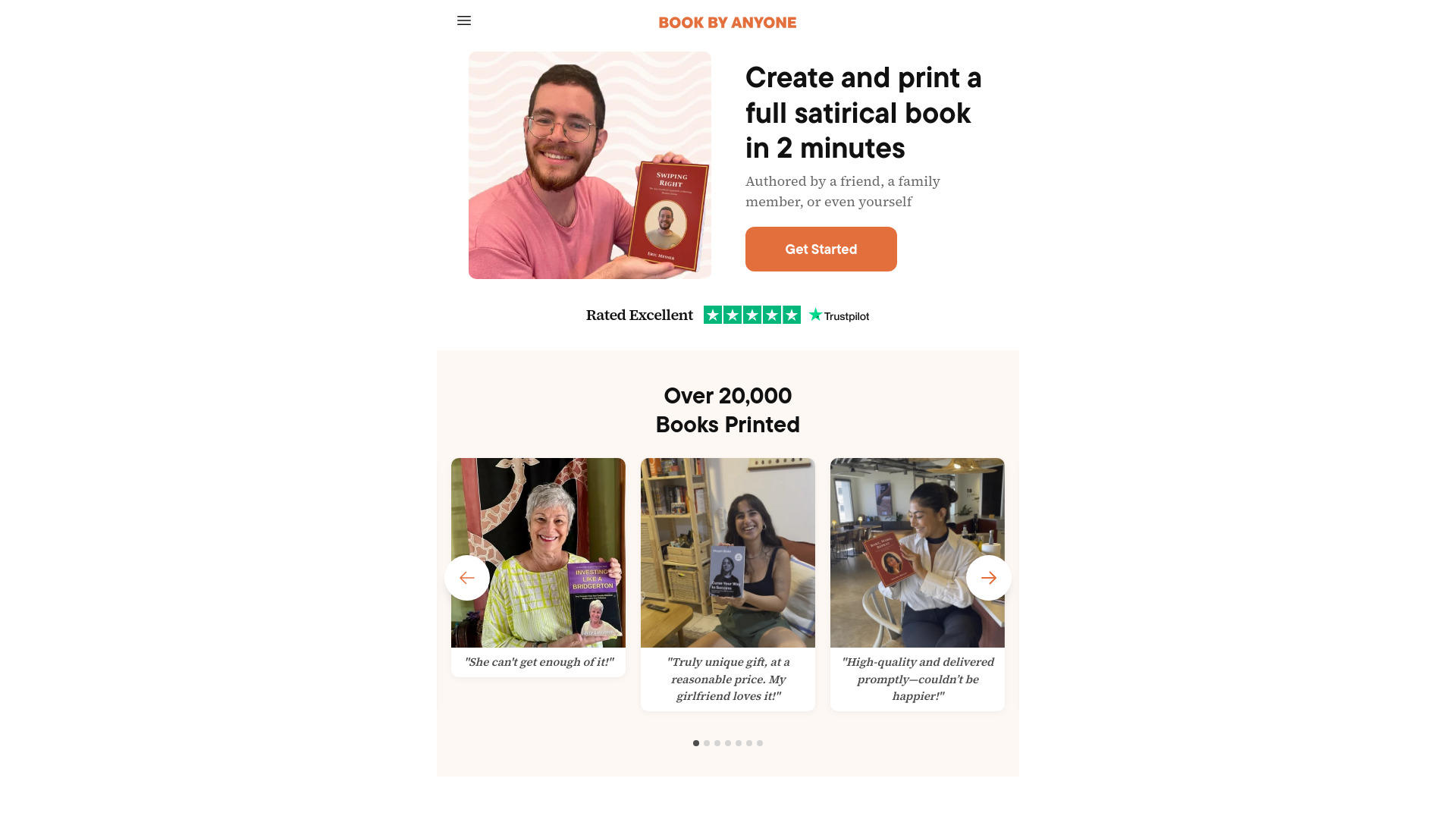
Book by Anyone is a useful reminder that "writing a book" does not always mean producing a novel or nonfiction manuscript for sale. This tool creates AI-generated satirical books with personalized author and book details, positioning it for a quick, humorous gift rather than a traditional authoring process. Its promise is speed and personalization: a full satirical book can be created and printed in about two minutes.
That focused use case is also its boundary. It is not the closest match for building a serious long-form manuscript, and AI-generated content may not always land perfectly. A gift book can tolerate a playful, uneven joke in a way a commercial release may not. Pricing details are not clearly established, so check the vendor's current cost and what printing includes before ordering.
My take: For a personalized gag gift, a fast, opinionated format is a feature, not a limitation. For a book you plan to sell or carefully develop as your own work, I would choose a more flexible writing environment.
Where it falls short: The tool is built around satirical personalized books, not a broad fiction or nonfiction production workflow. Generated jokes and details need review before printing.
Key features
AI-generated satirical book content.
Personalized author and book details.
Creates and prints a book in a stated two-minute workflow.
Pros
Quick path to a personalized, humorous gift.
Clear and distinctive purpose.
Cons
Content may not always be perfect.
The satirical gift-book focus is a narrow fit for conventional authors.
Pricing and print details should be confirmed directly.
Choose Book by Anyone if: You want a fast, personalized satirical book as a gift rather than a full authoring platform for a publishable manuscript.
8. Inkfluence AI

Inkfluence AI
Authors creating ebooks and audiobooks
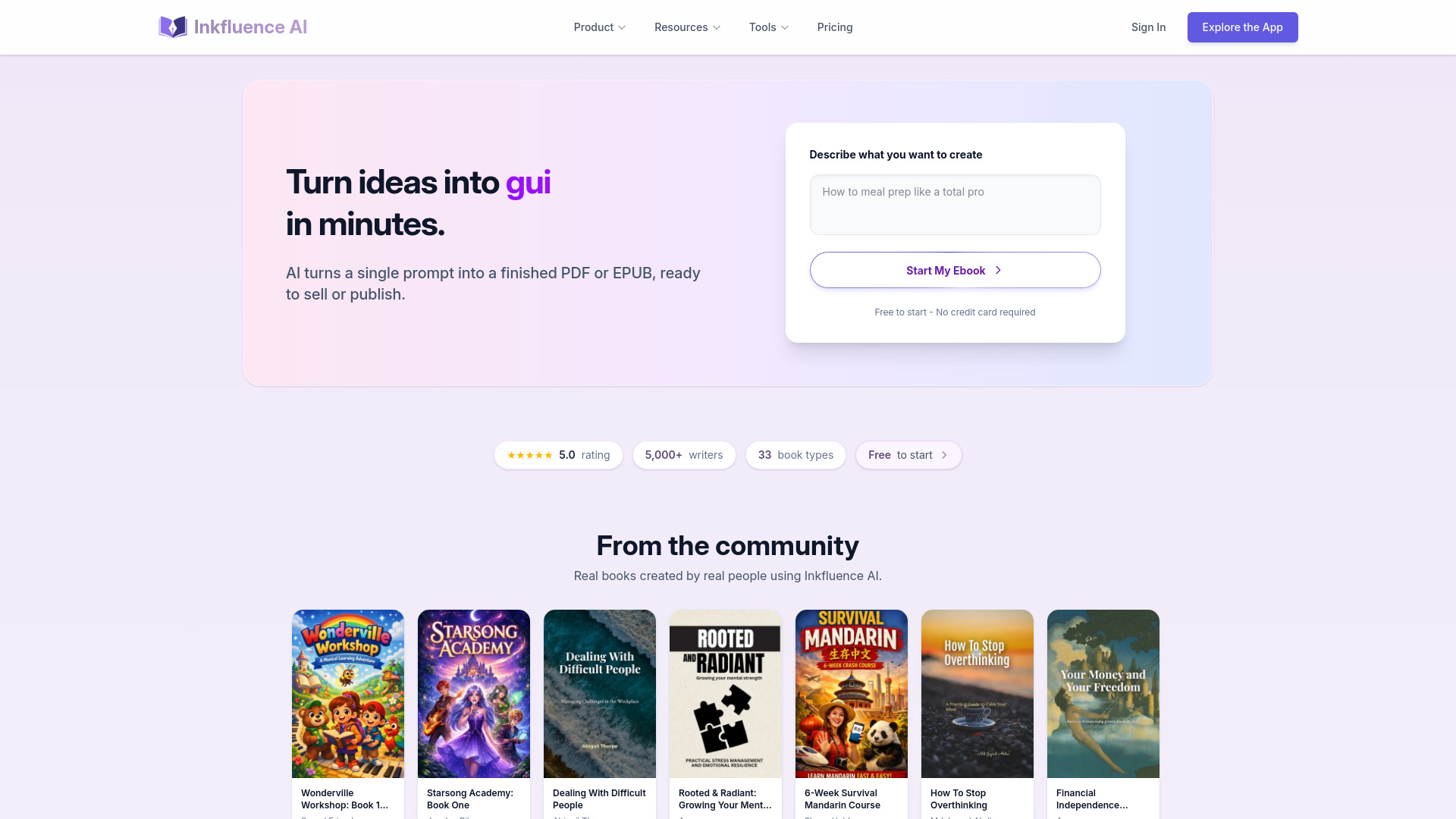
Inkfluence AI stands out by treating a book as a structured deliverable rather than a stream of unorganized text. It is described as an AI book writer for both fiction and nonfiction, and it can convert a book into an audiobook with natural-sounding narration. For authors who want to draft an ebook and explore audio without switching immediately to unrelated tools, that combination is appealing.
The free plan allows five chapters per month, enough to test the workflow but not necessarily enough for a fast-moving full-length project. Paid plans start at $9.99 per month. Its structured-document approach is a useful distinction from raw text generation, but authors should still inspect the chapter sequence, factual accuracy, and narration output. "Generate a book" is a starting point; it is not a guarantee of a coherent final manuscript.
My take: Inkfluence AI is a strong practical choice for authors who care about the path from text to ebook or audio. I would compare its chapter-generation process against your outline before committing to a whole project.
Where it falls short: The free plan's five-chapter monthly allowance is restrictive for sustained drafting. Generated structure and audiobook narration still need review for quality and fit.
Key features
AI book writing for fiction and nonfiction.
Audiobook conversion with natural-sounding narration.
Structured document generation.
Five free chapters per month, with paid plans from $9.99 monthly.
Pros
Covers more of the book workflow than drafting alone.
Supports both fiction and nonfiction projects.
Audiobook conversion is a useful additional production step.
Cons
Free use is capped at five chapters per month.
Authors must assess generated structure and narration before release.
Choose Inkfluence AI if: You want to develop an ebook and explore audiobook production in a single book-oriented workflow.
9. Writer

Writer
Marketing teams creating consistent content
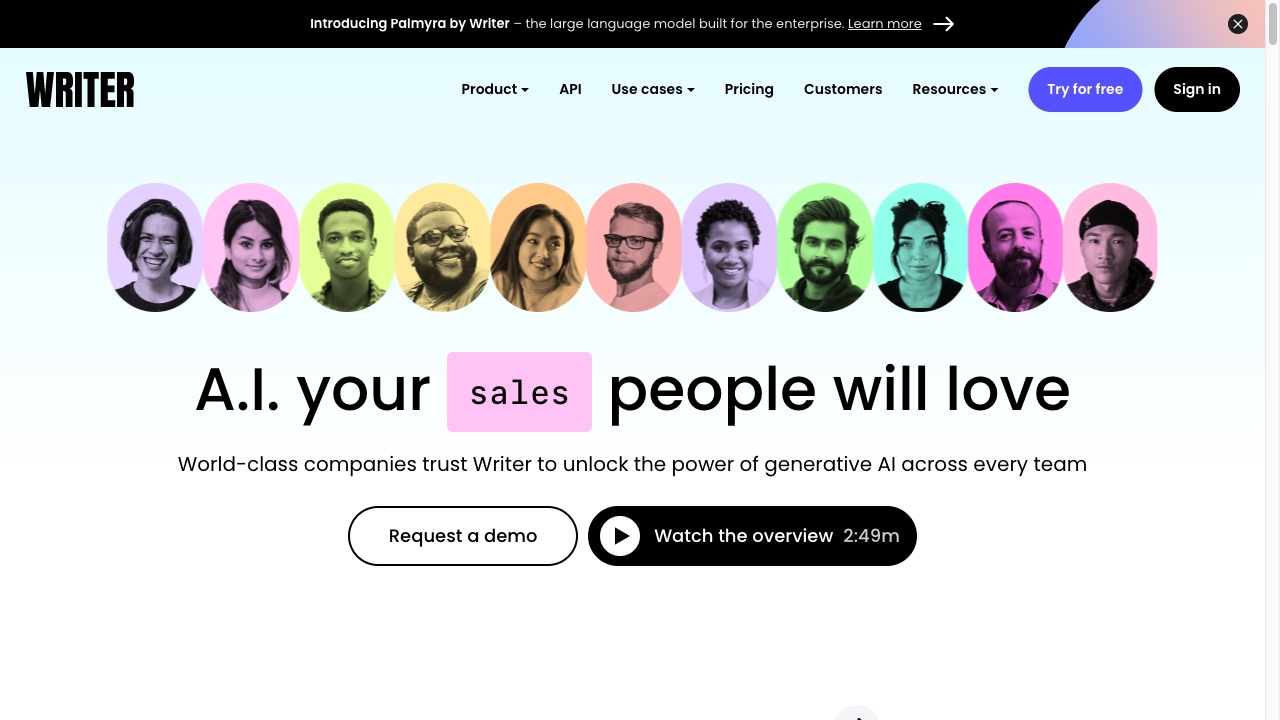
Writer is the least conventional book pick here. Its center of gravity is team content and an end-to-end platform for building, activating, and supervising AI agents, with Palmyra LLMs among its features. That can make it relevant to a team producing repeatable, on-brand material or supporting a larger content operation, but it is not presented as a fiction-first novel-writing studio.
For an individual author, the economics may be hard to justify: the listed Starter price is $29 per user per month when billed annually, or $39 per user per month. There is a 14-day free trial with no credit card required, so teams can assess the workflow before making a commitment. If your priority is a personal book manuscript, first ask whether the team-focused controls and agent platform solve a problem you actually have.
My take: Writer is a serious option for organizations that need consistency and governed AI workflows, not my default recommendation for a solo novelist. Its value depends on the team context, not simply on whether it can assist with writing.
Where it falls short: Pricing can be a barrier for small teams and individual writers. Its team and agent-building emphasis is broader than a conventional book-drafting workflow.
Key features
AI agent builder platform.
Palmyra LLMs.
AI writing platform for teams seeking consistent, on-brand content.
14-day trial with no credit card required.
Pros
Offers an end-to-end platform for building and supervising AI agents.
Targets content consistency across teams.
Trial offers a way to evaluate before paying.
Cons
Starting price may be high for a solo author.
Team-focused positioning is not a direct substitute for a novel-writing specialist.
Choose Writer if: You are part of a marketing or content team that needs consistent writing and AI agent workflows, rather than simply a personal book-drafting assistant.
10. 蛙蛙写作

蛙蛙写作
Authors who want Chinese-language AI writing assistance
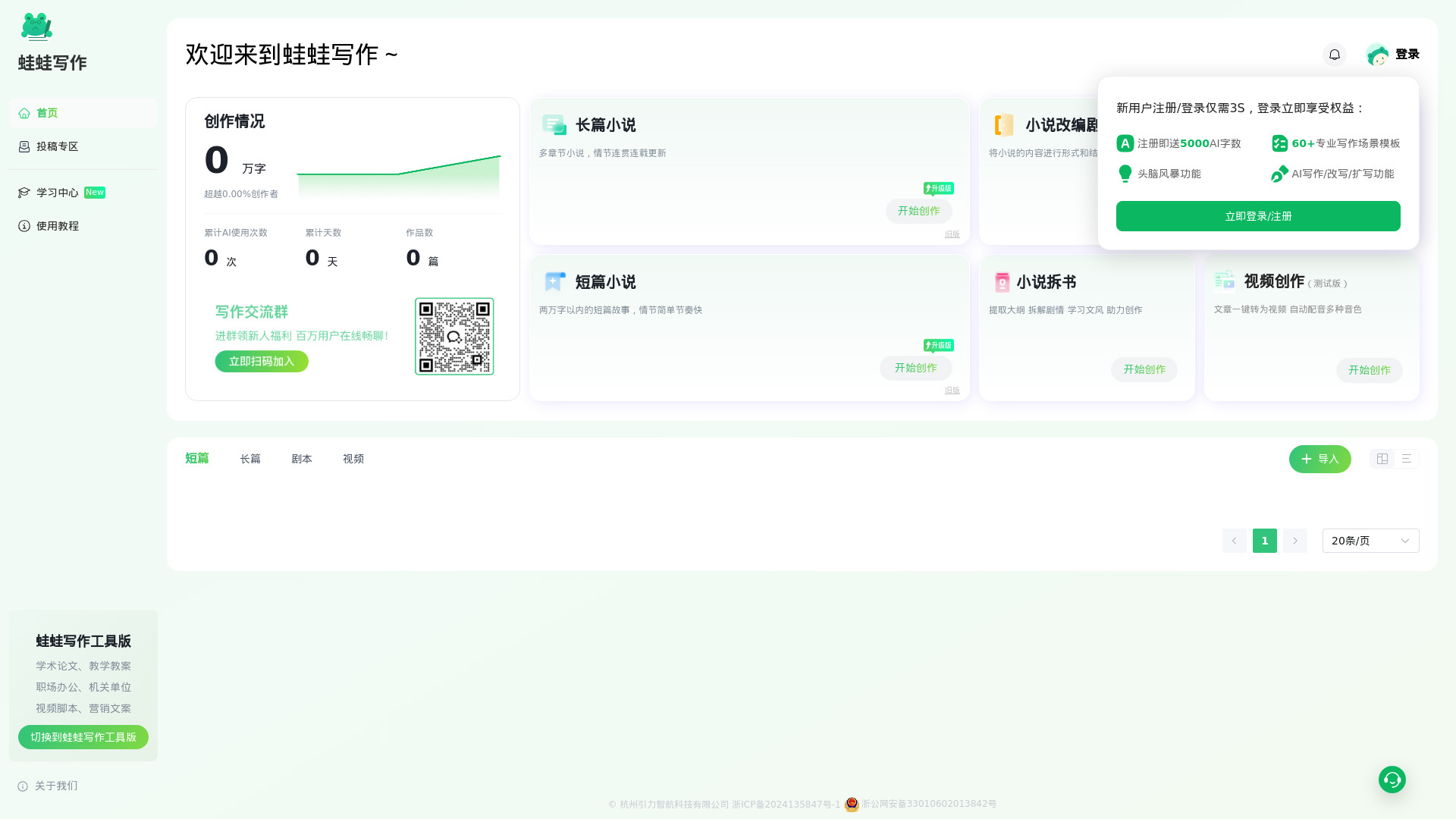
蛙蛙写作 is a broad AI writing assistant with writing, rewriting, and expansion tools. Its registration offer includes 5,000 AI words, which gives authors a defined starting allowance for trying those workflows. The product is a better fit for writers who want assistance developing or revising text than for someone looking specifically for manuscript import, KDP formatting, or a dedicated fiction tool.
The site also lists video generation, a feature that sits outside the core needs of most book authors. That makes it a broader content tool rather than a narrowly focused book studio. Generated results are for reference and may not represent the platform's views, so review material carefully and check the vendor's terms, especially before using generated text in a published work. Pricing is not clear enough to compare confidently without checking directly.
My take: The 5,000-word registration allowance is a straightforward way to try rewriting and expansion. For a book project, I would test it on a short, low-risk passage first and see whether its output preserves the meaning and voice you want.
Where it falls short: Its positioning is broad, and the provided feature set does not establish book-specific production tools. Generated content needs careful review, and pricing should be confirmed with the vendor.
Key features
AI writing and smart writing assistance.
Rewriting and text expansion.
Video generation is also listed.
5,000 AI words upon registration.
Pros
Offers writing assistance for several content tasks.
Registration includes a stated AI-word allowance.
Rewriting and expansion can support revision workflows.
Cons
Generated results are for reference and may not represent the platform's views.
Book-specific publishing capabilities are not established by its listed features.
Starting price should be checked with the vendor.
Choose 蛙蛙写作 if: You want to try AI writing, rewriting, or expansion and its language and workflow fit your project.
More tools to compare
WriteABookAI
Experts writing nonfiction books

NovelistAI
AI novels and interactive gamebooks

Storyloft - Book Writing App for Authors
Authors writing and publishing full-length books

MyEssayWriter.ai
Students drafting essays and academic papers

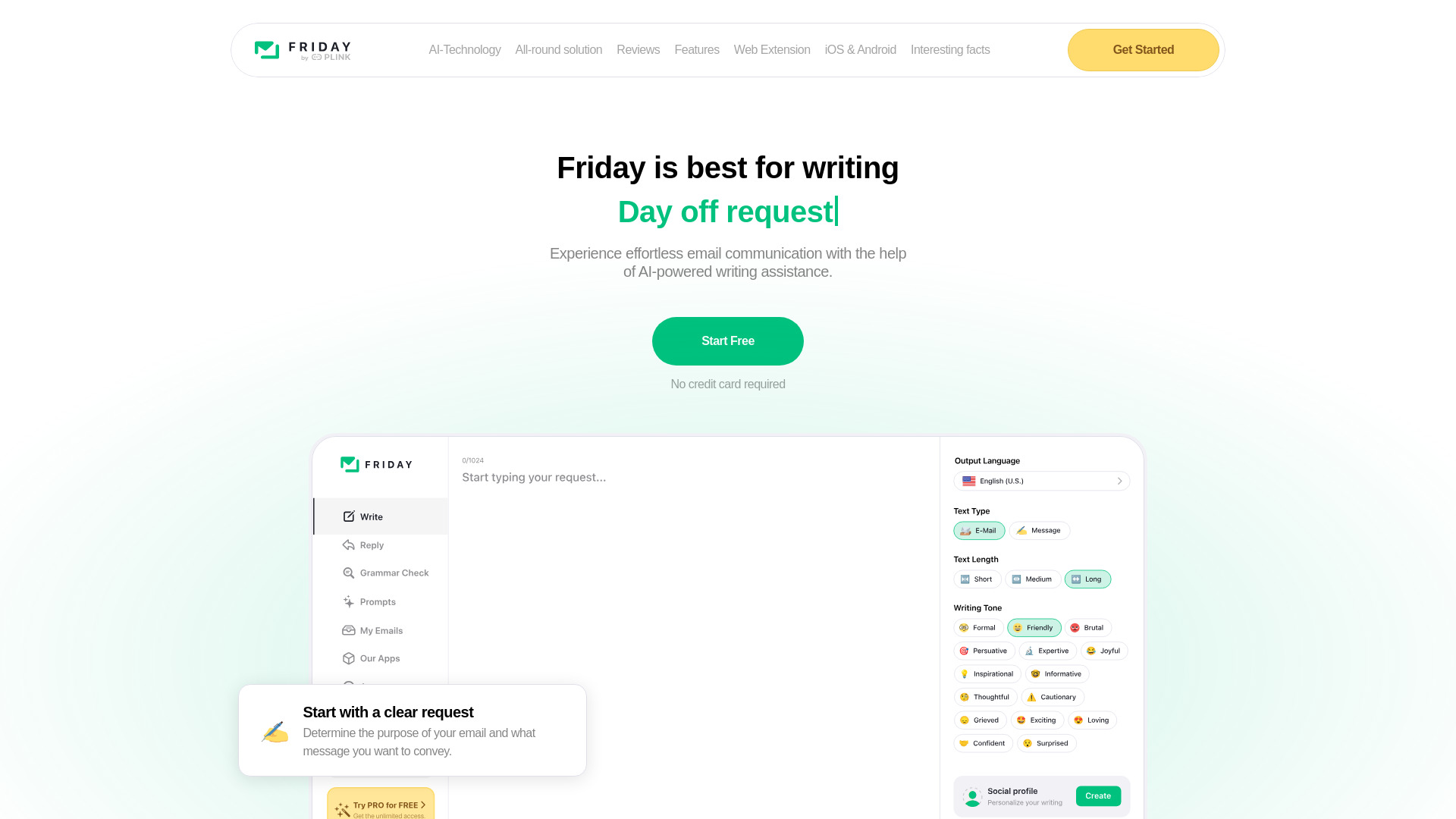
Friday: AI E-mail Writer
AI-assisted email writing and proofreading

Bookwiz
Aspiring novelists writing and structuring books

AI Book Writer
Drafting book chapters from an outline

WritingTools.ai
SEO and long-form content

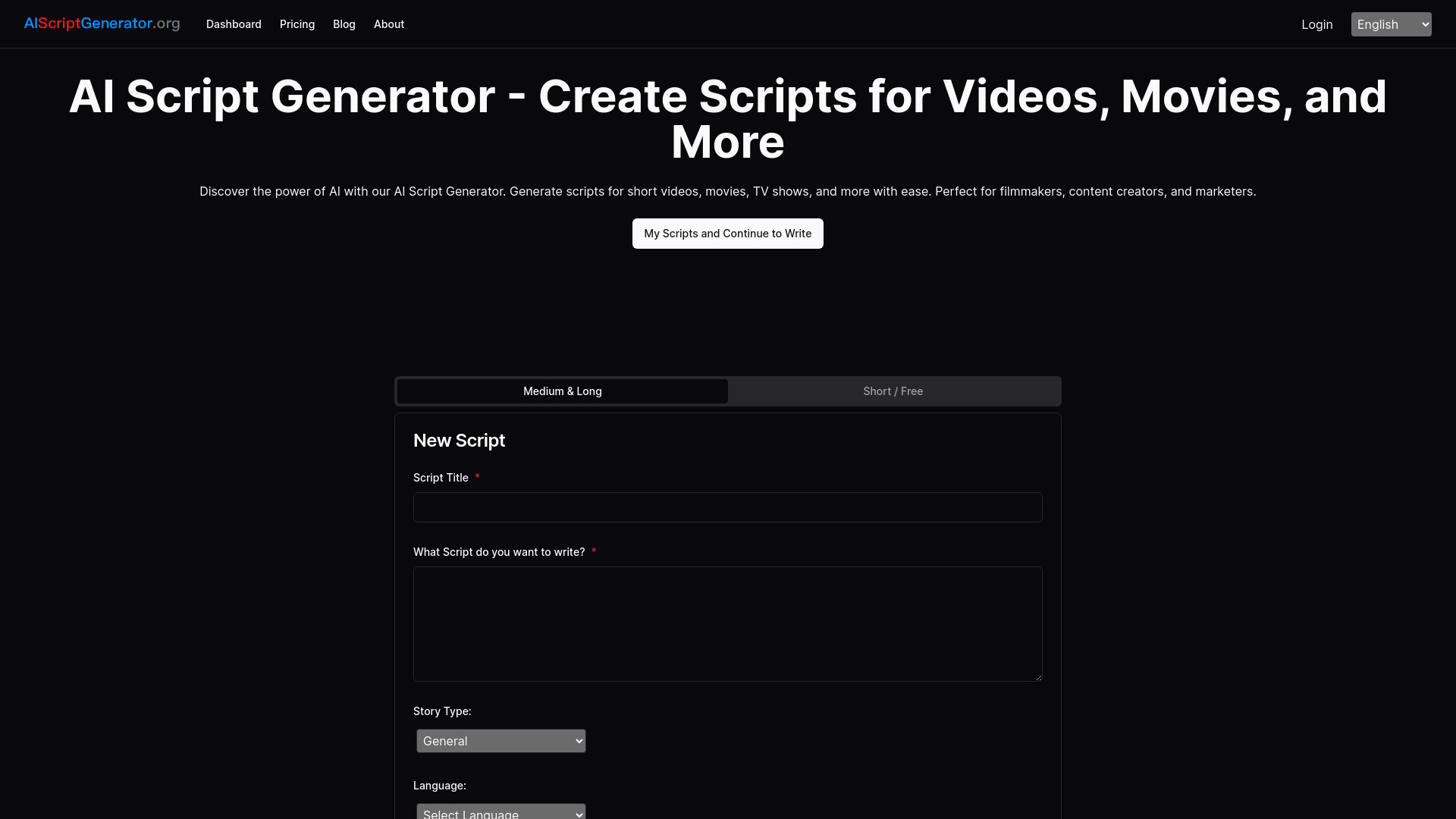
AIScreenwriter
Screenplay brainstorming and drafting

AI Book Generator
AI-assisted book creation

Youbooks
Long-form nonfiction book generation
AI Book Generator
Generating structured ebooks quickly

AI-Writer.com
Research-backed academic and SEO writing

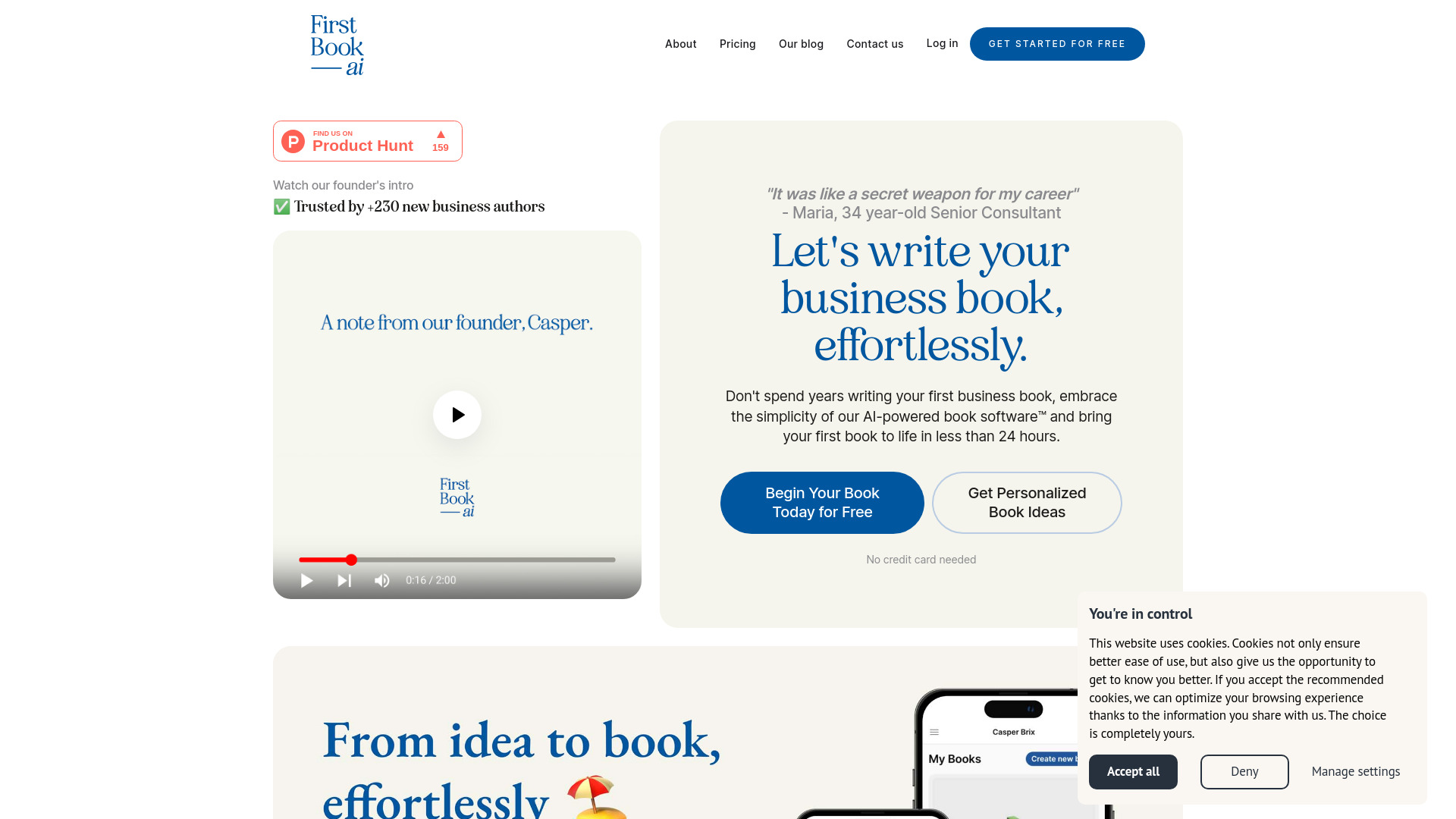
First Book ai
Aspiring business authors

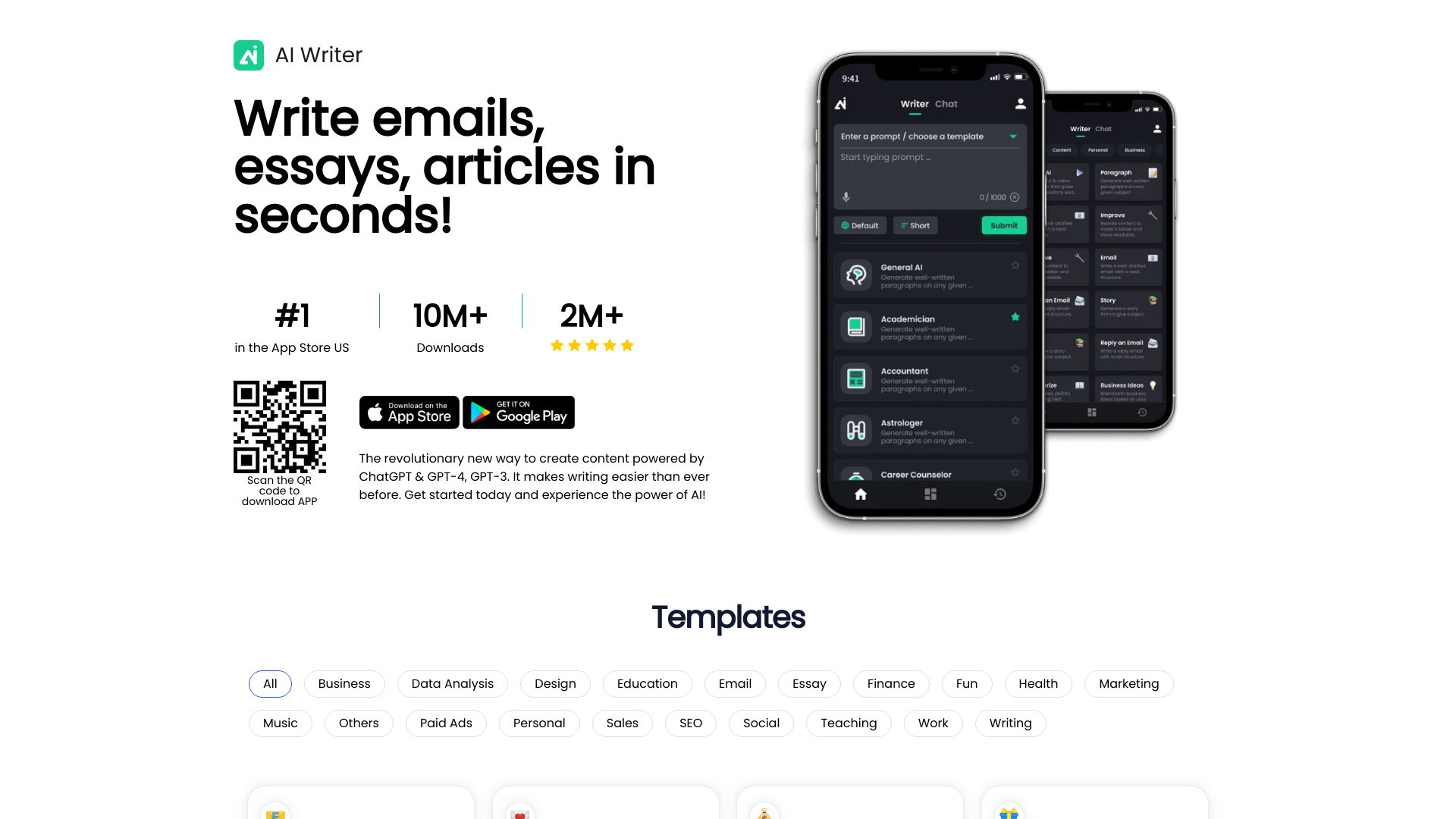
AI Writer
Quick essays, emails, and writing prompts
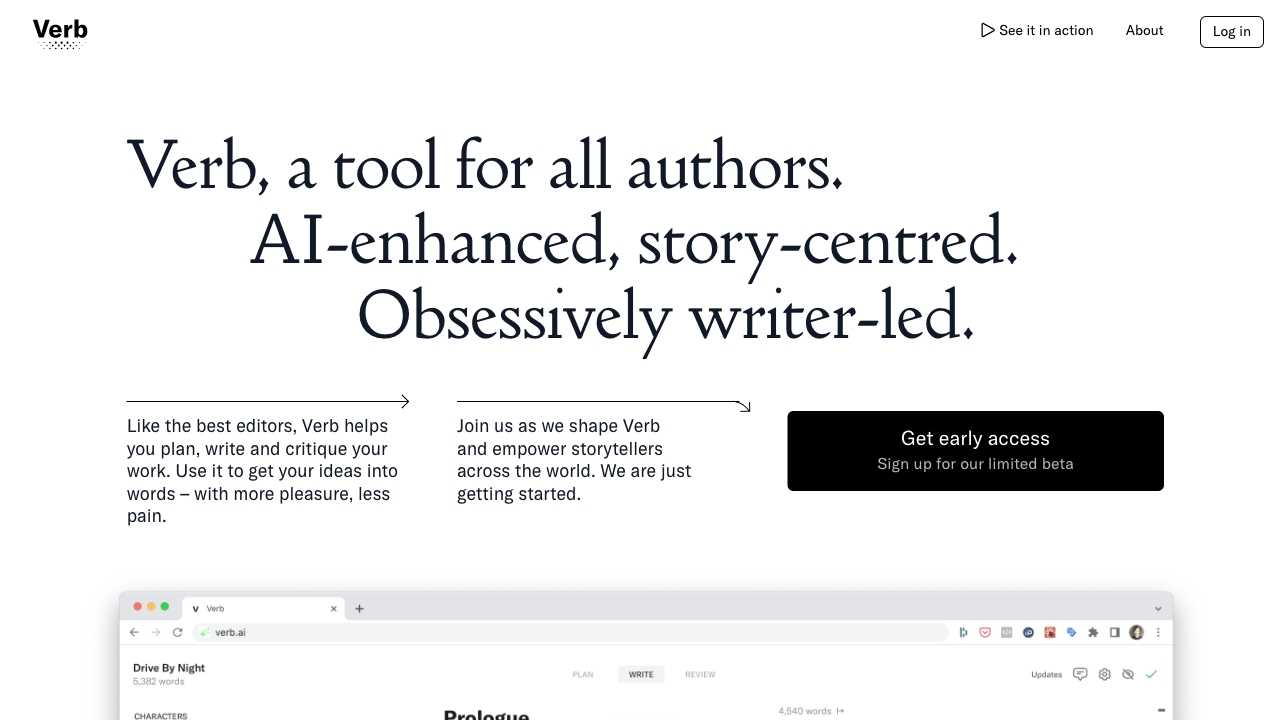
Verb
Fiction authors and novelists

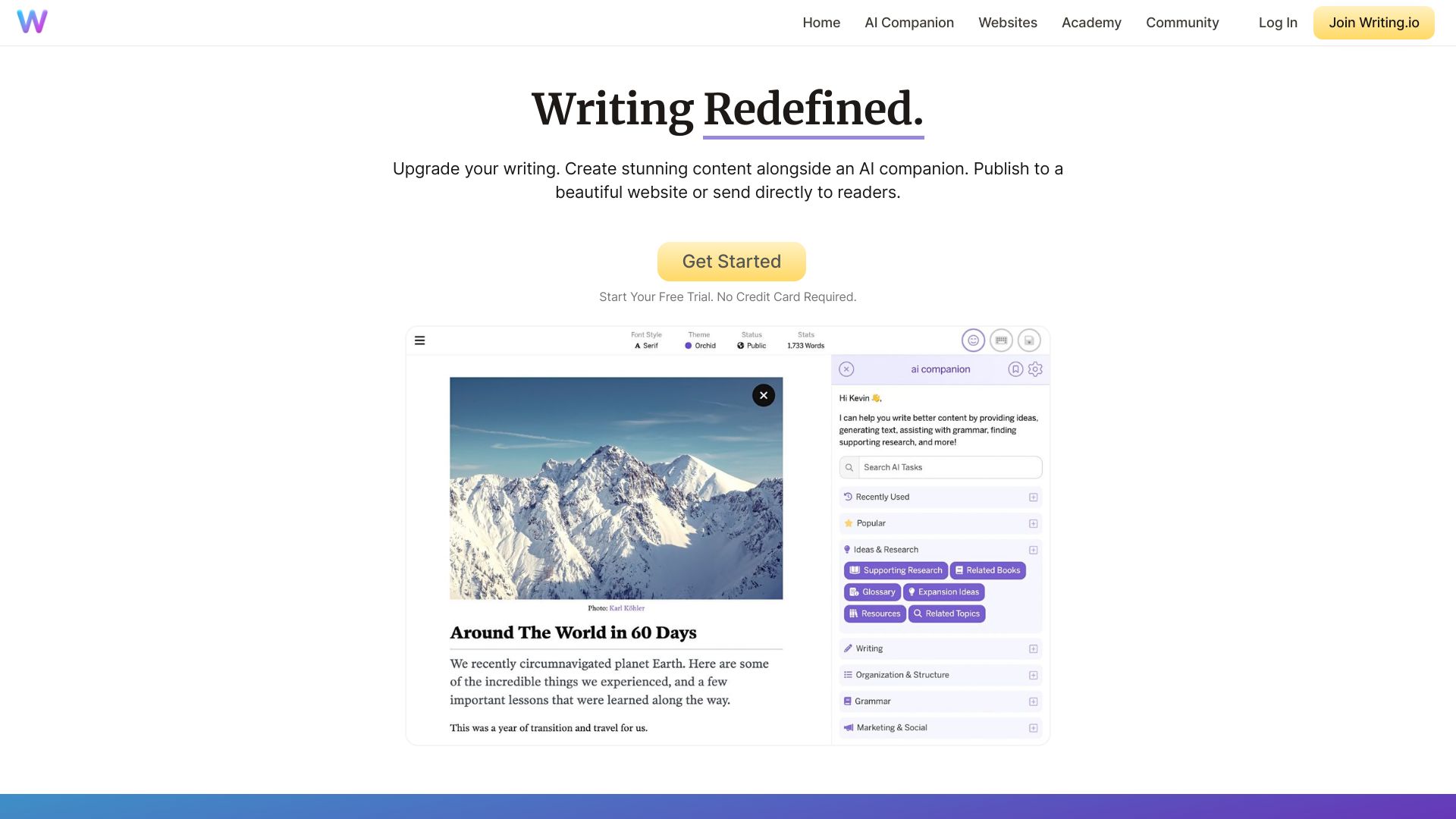
Writing.io
AI-assisted content creation

BookAI
AI-assisted book and novel creation
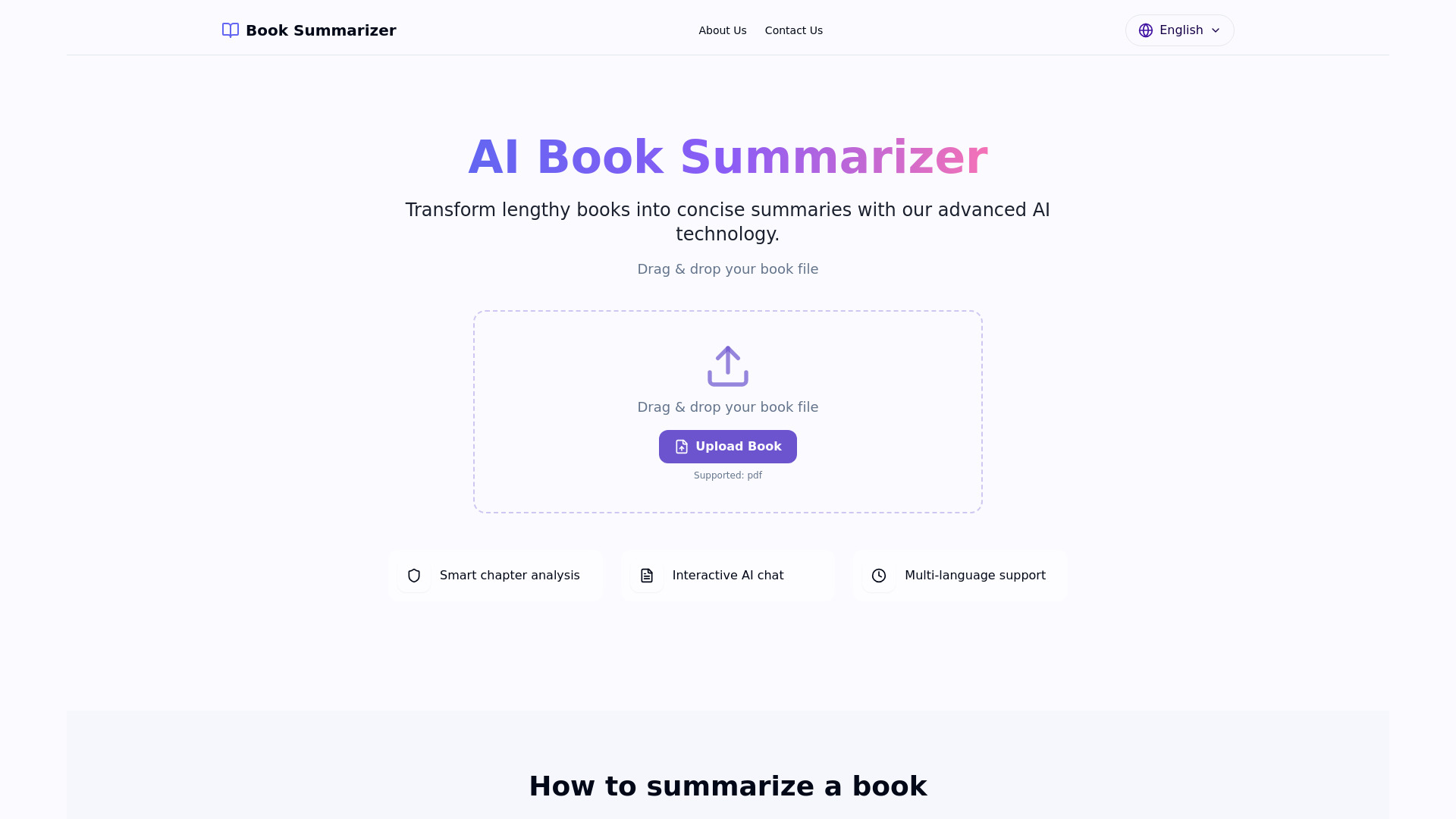
AI Book Summarizer
Quick book summaries

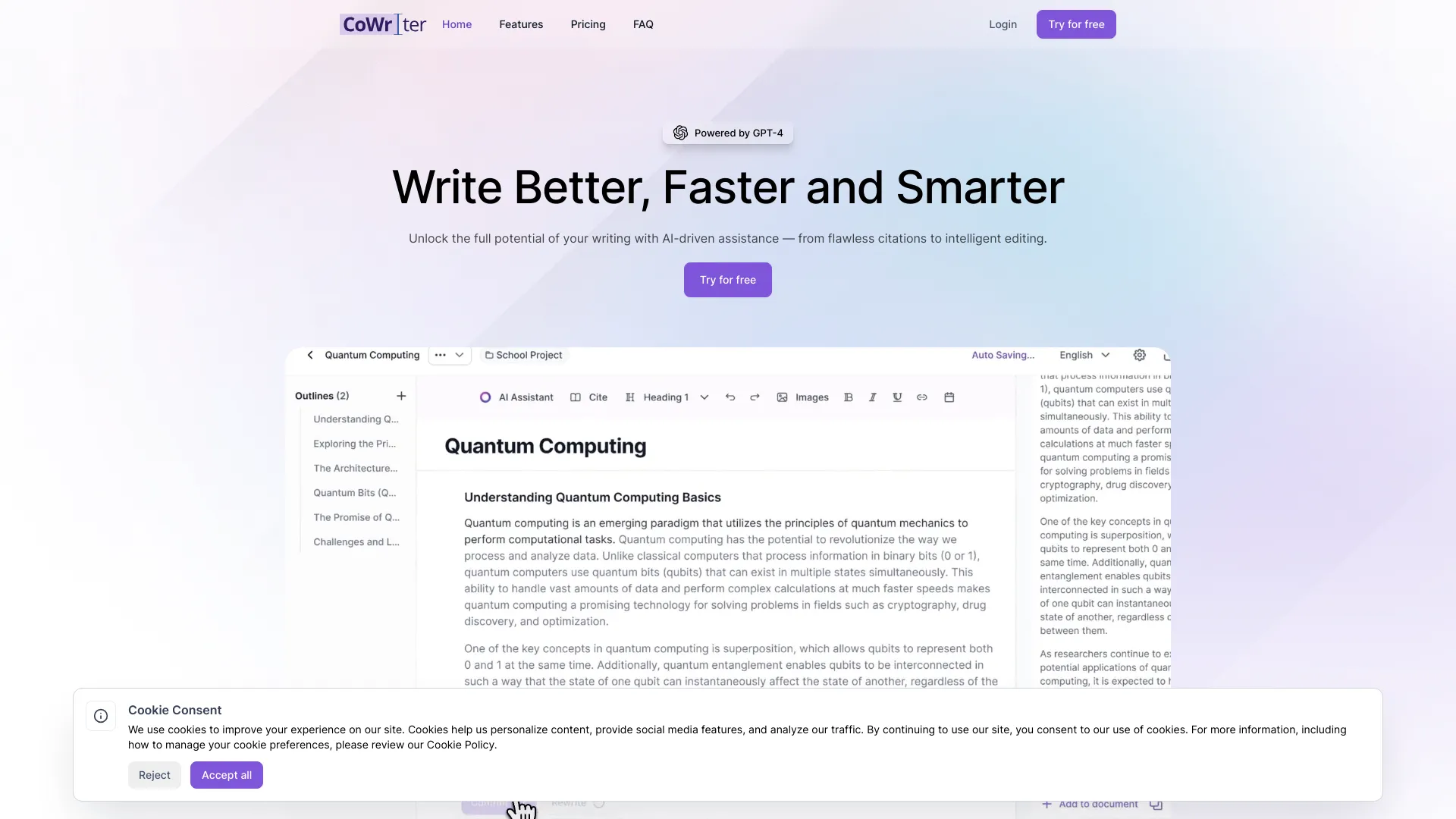
CoWriter AI
Research-heavy writing and citations

Ghostwriting
AI-assisted novel writing

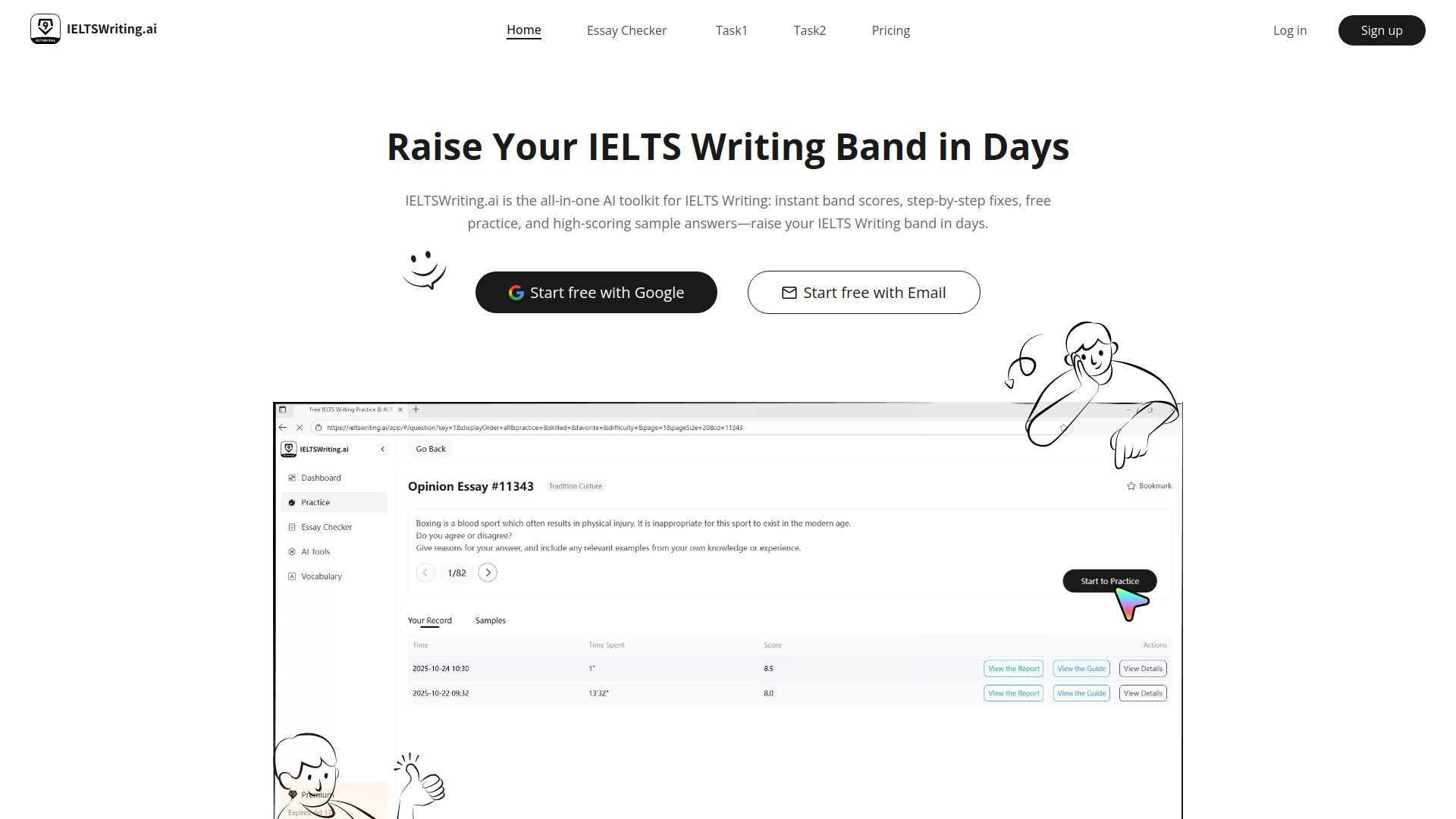
IELTS Writing AI
IELTS essay practice and feedback

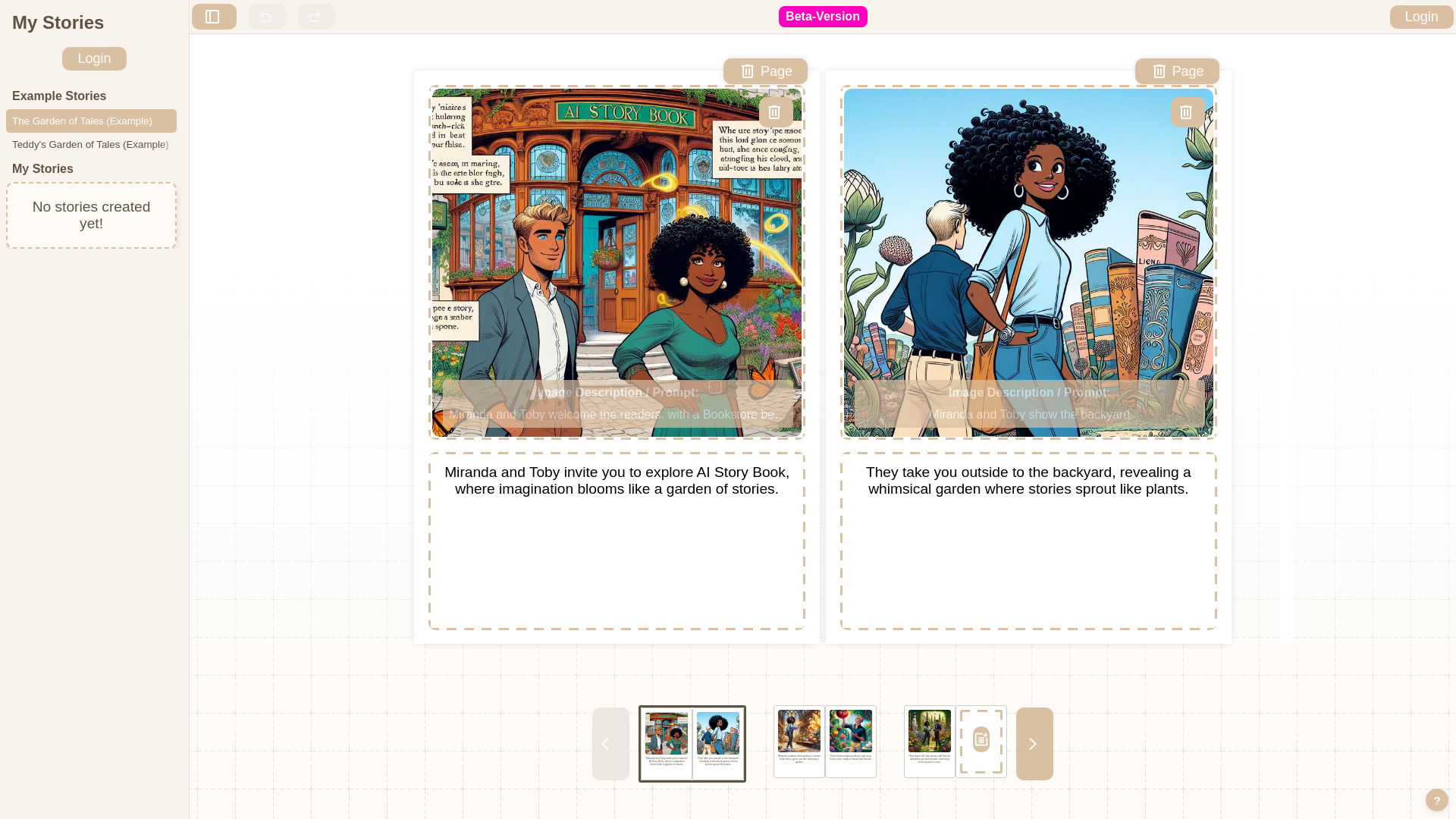
AI Story Book
Personalized family storybooks

Life Story AI
Family memoirs and gift books

Inkrify
AI-generated KDP-ready books

AuthorsVoice.AI
Authors converting books into audiobooks

Hermes 3000
AI-assisted book writing

BookAI.chat
Chatting with books in multiple languages

Novels AI
Personalized AI audiobooks

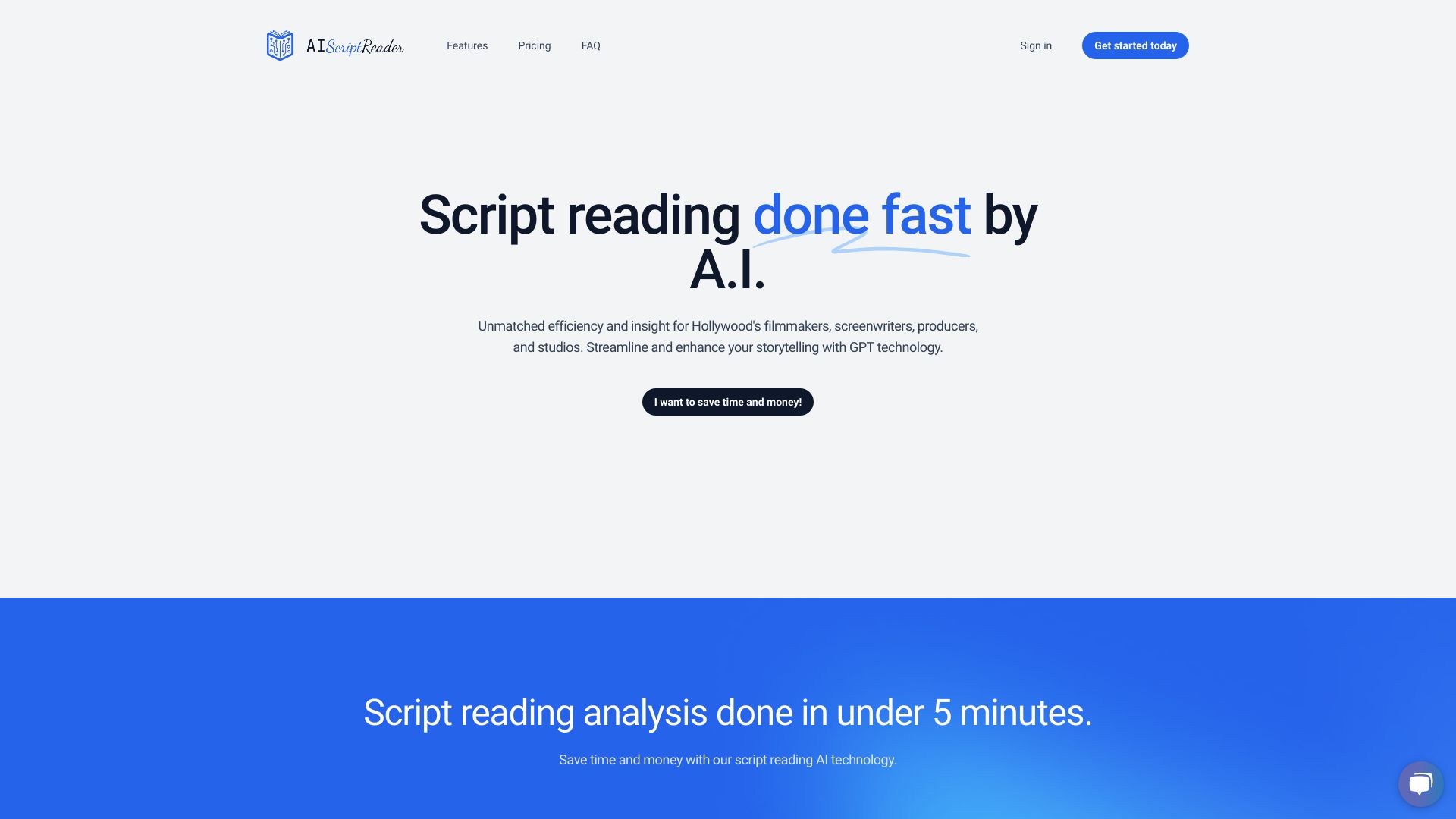
AIScriptReader
Screenplay coverage and development notes
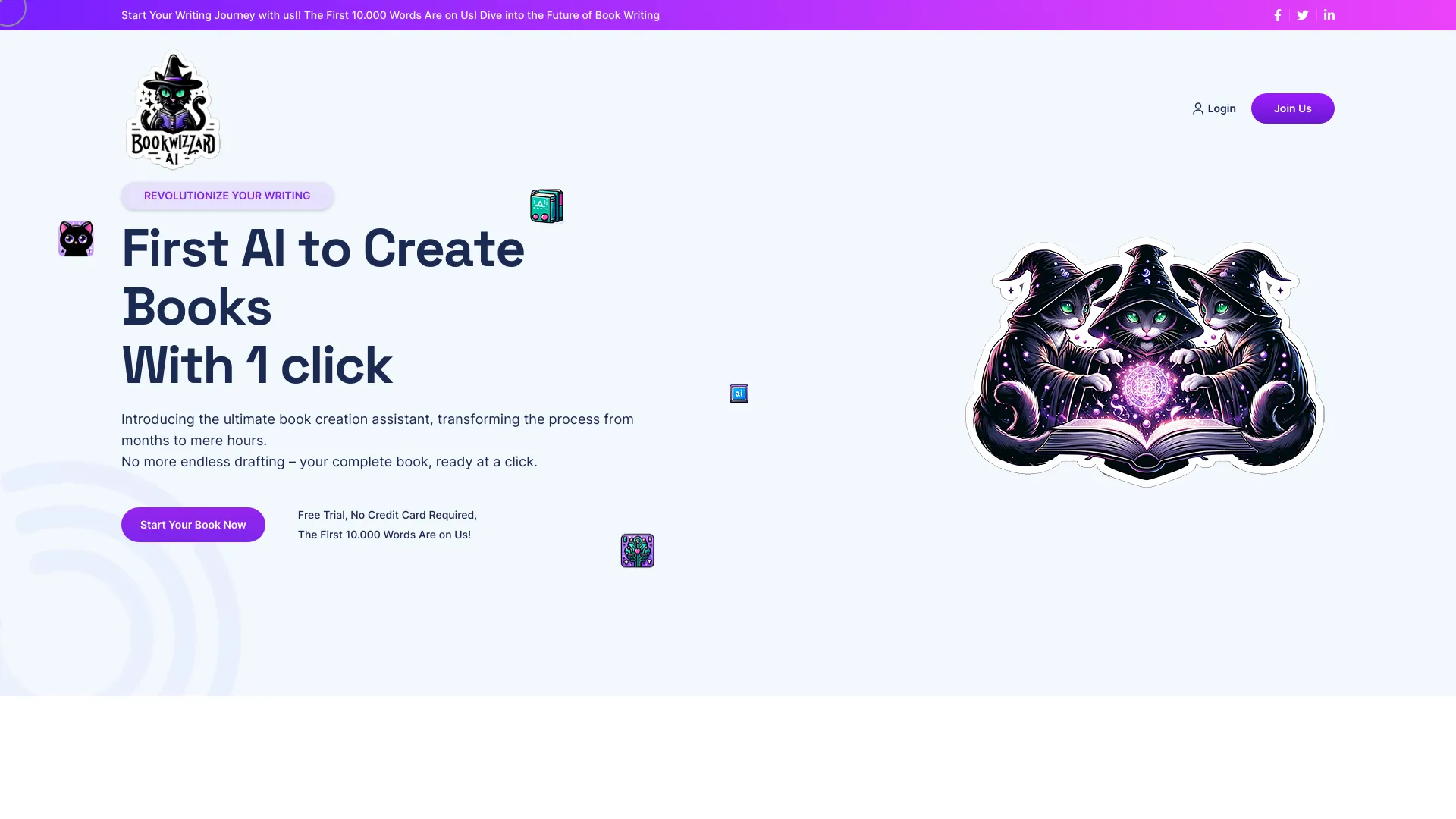
Book Wizard AI
One-click book drafting and formatting

AIWriter
Multilingual long-form content creation

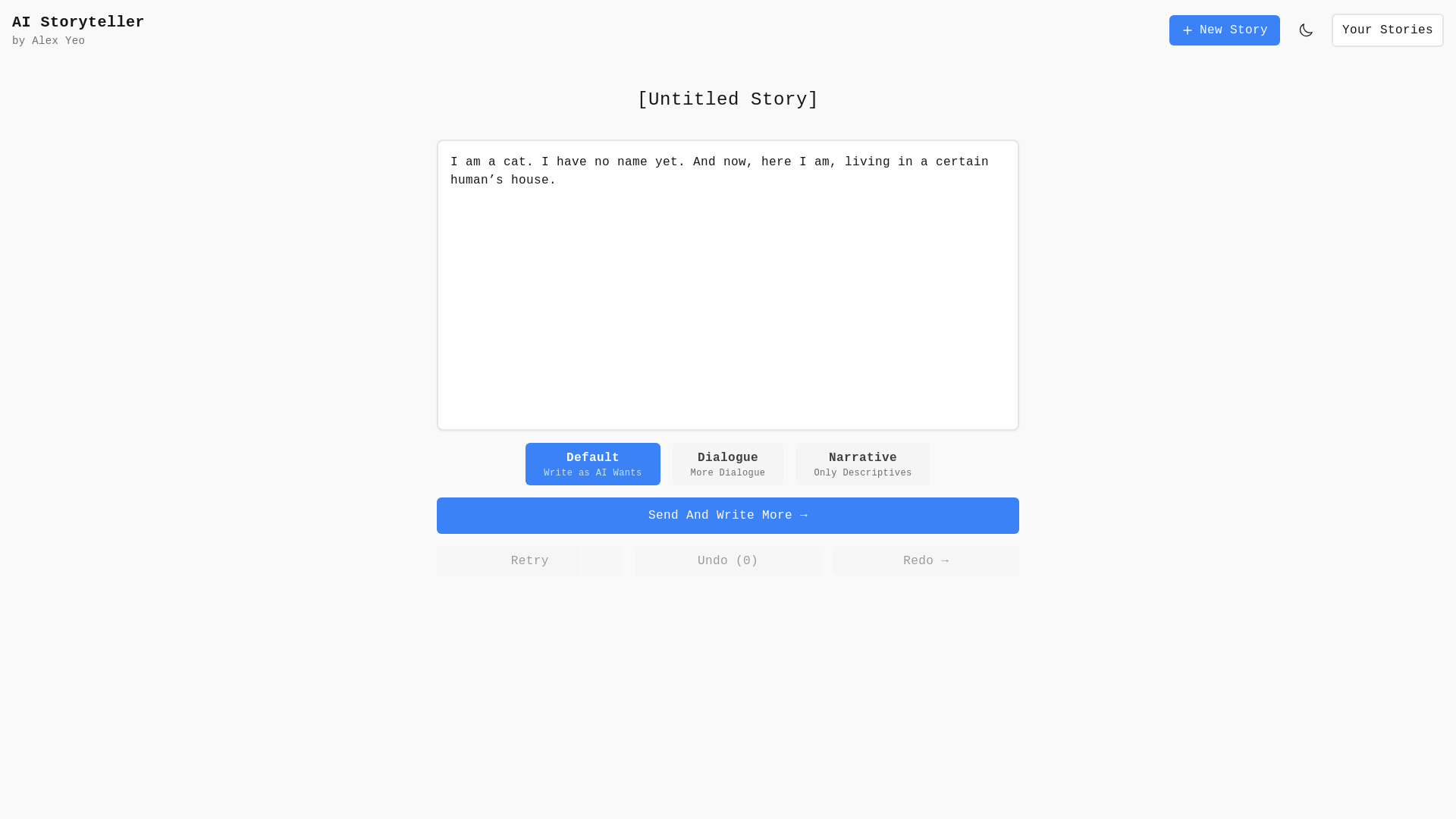
AI Storyteller
AI-assisted creative storytelling

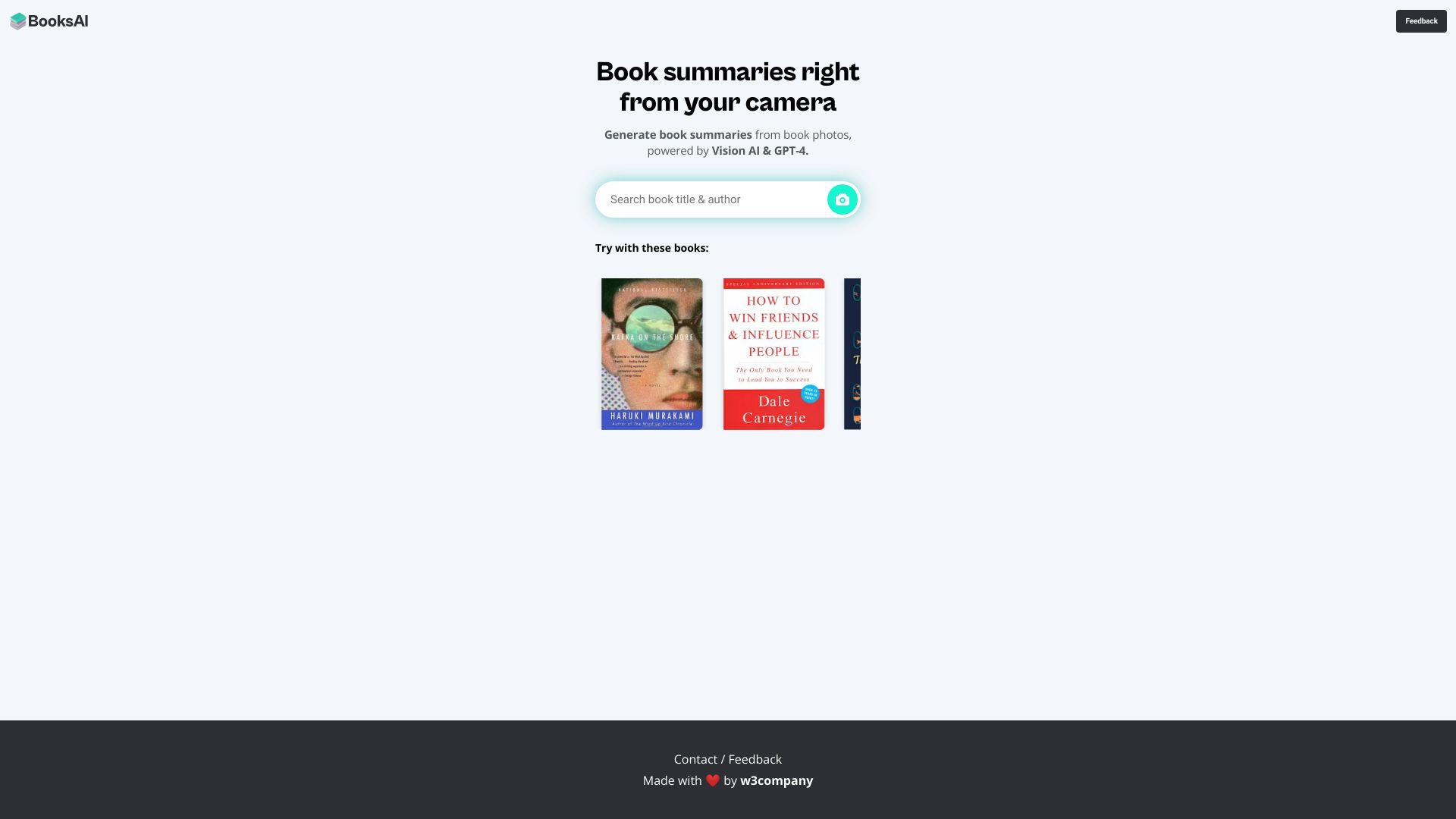
BooksAI
Book discovery and summaries

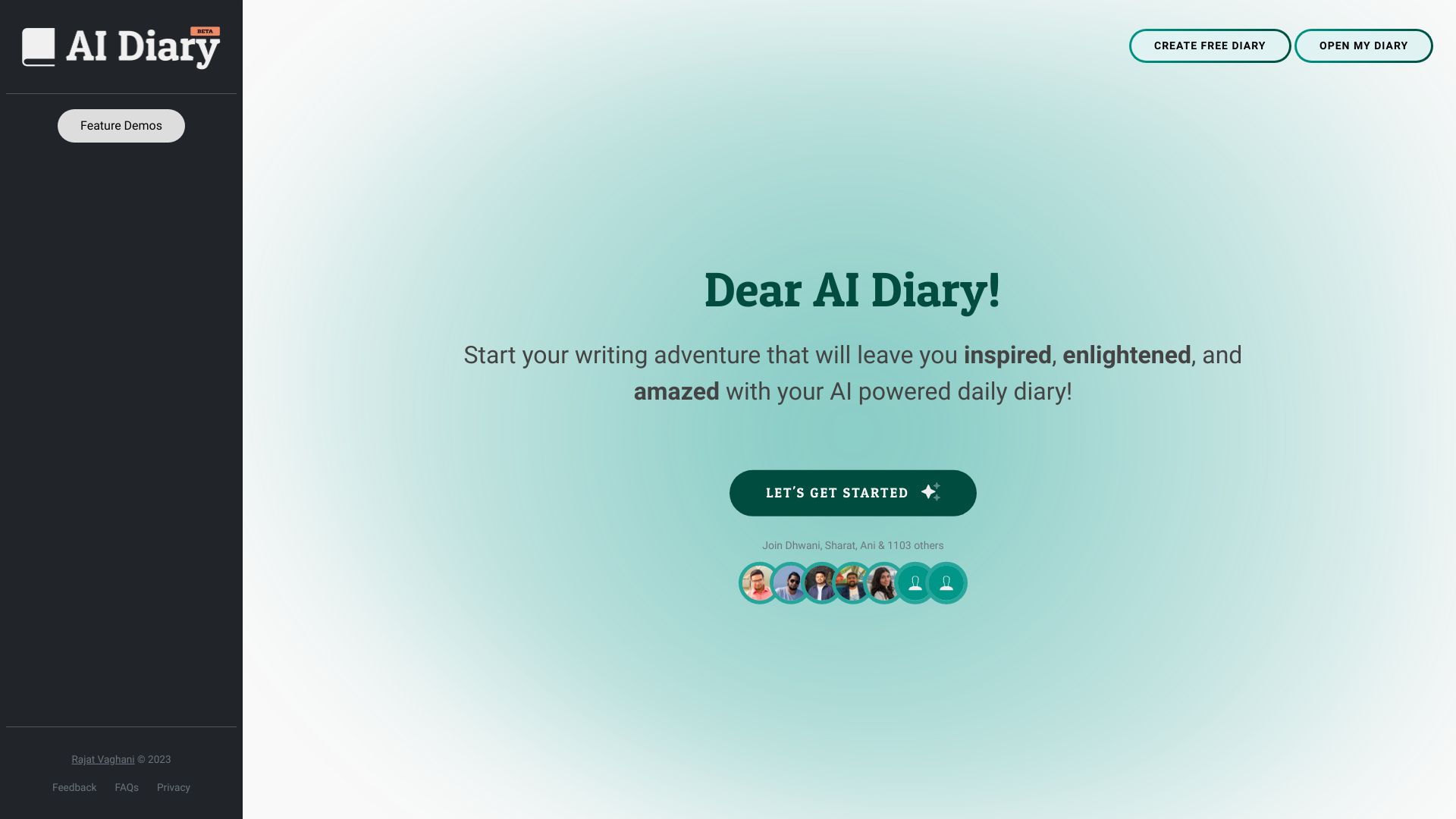
AI Diary
AI-assisted journaling and self-reflection

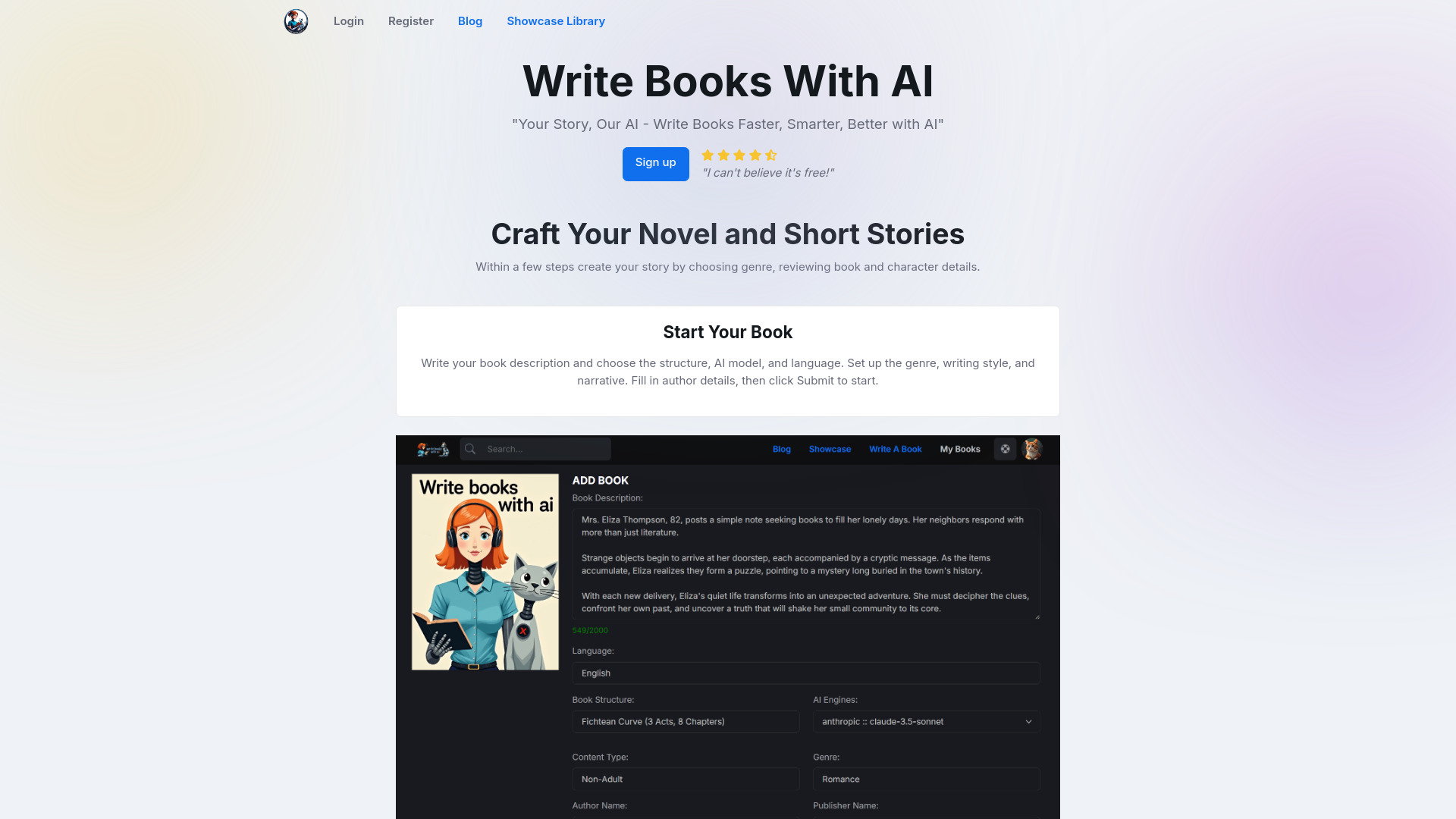
Write Books With AI
AI-assisted novel and short-story drafting
AI Book Writer
Chapter-by-chapter book drafting

Book AI Writer
AI-assisted book creation

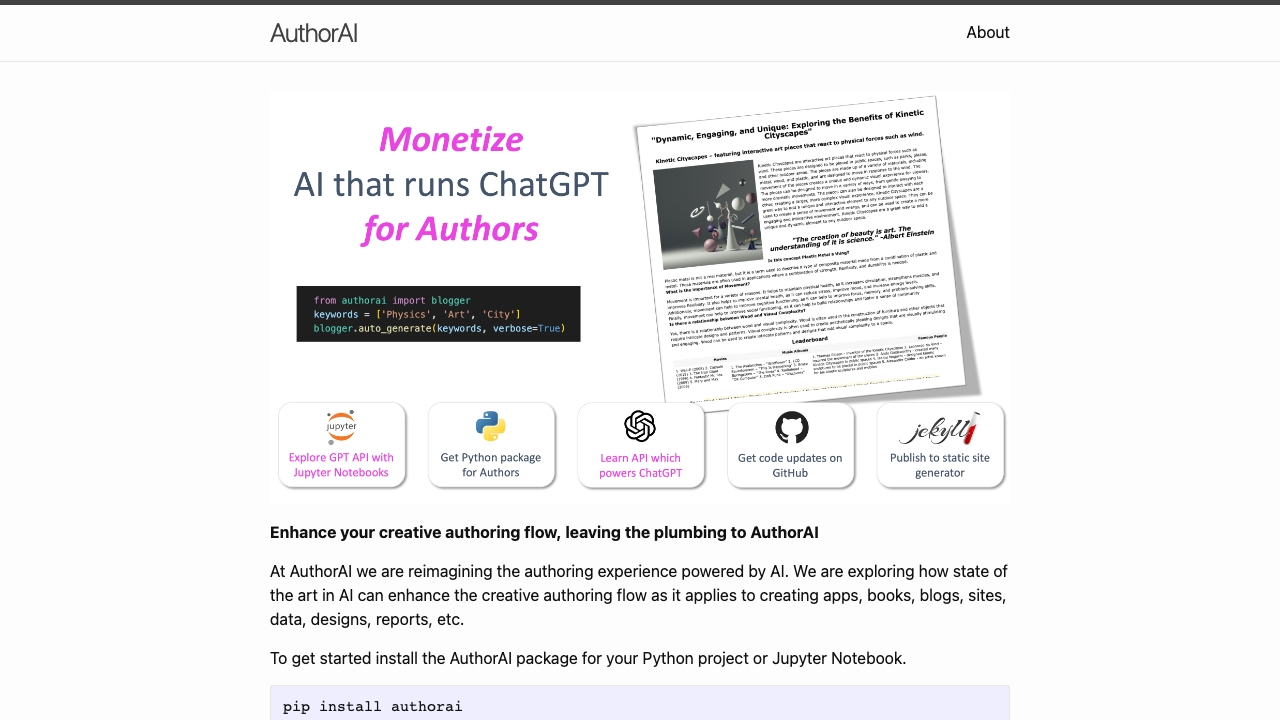
AuthorAI
AI-assisted book authoring

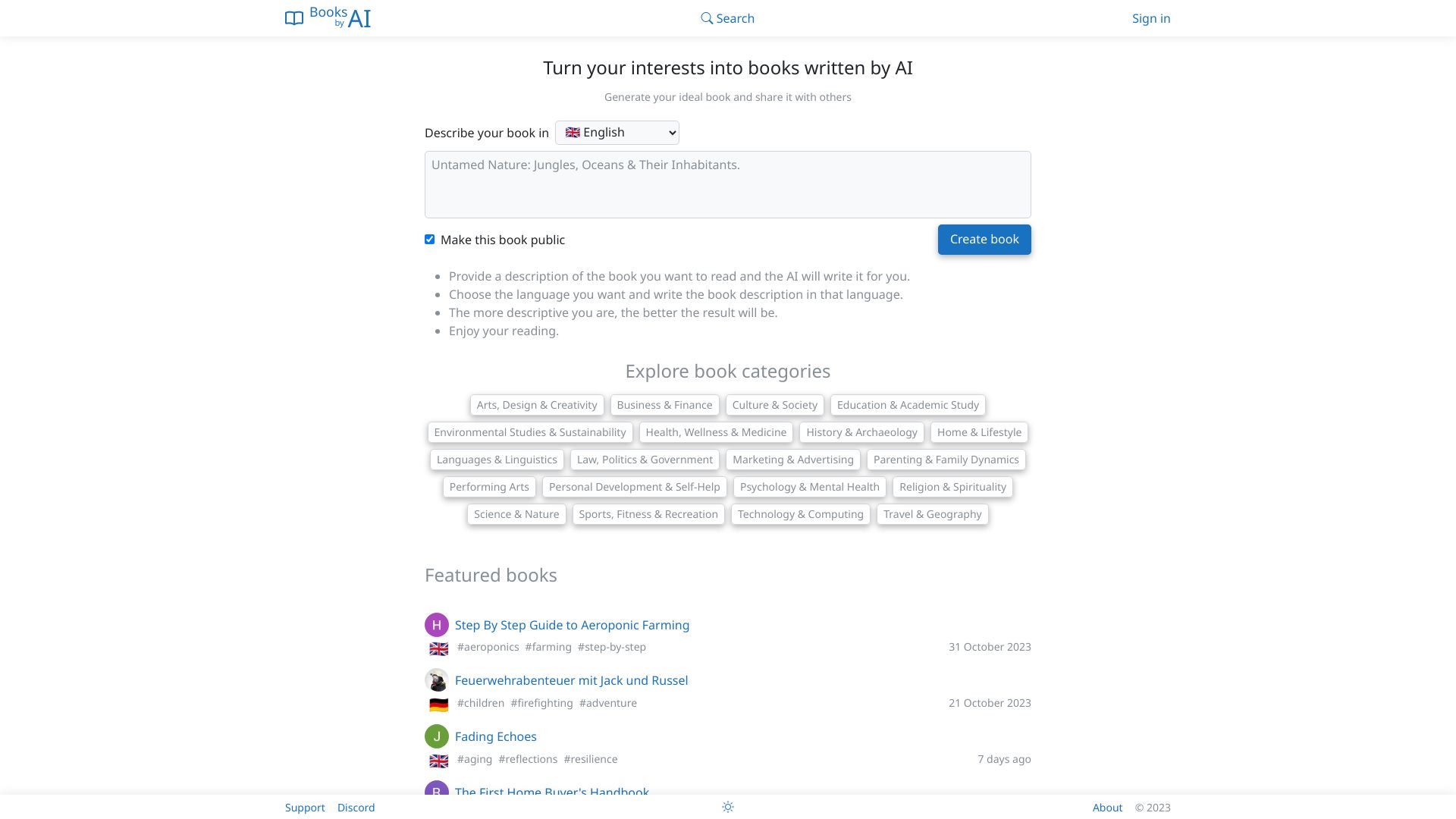
Books by AI
AI-generated books from prompts

AI Book Creator
Personalized AI book creation
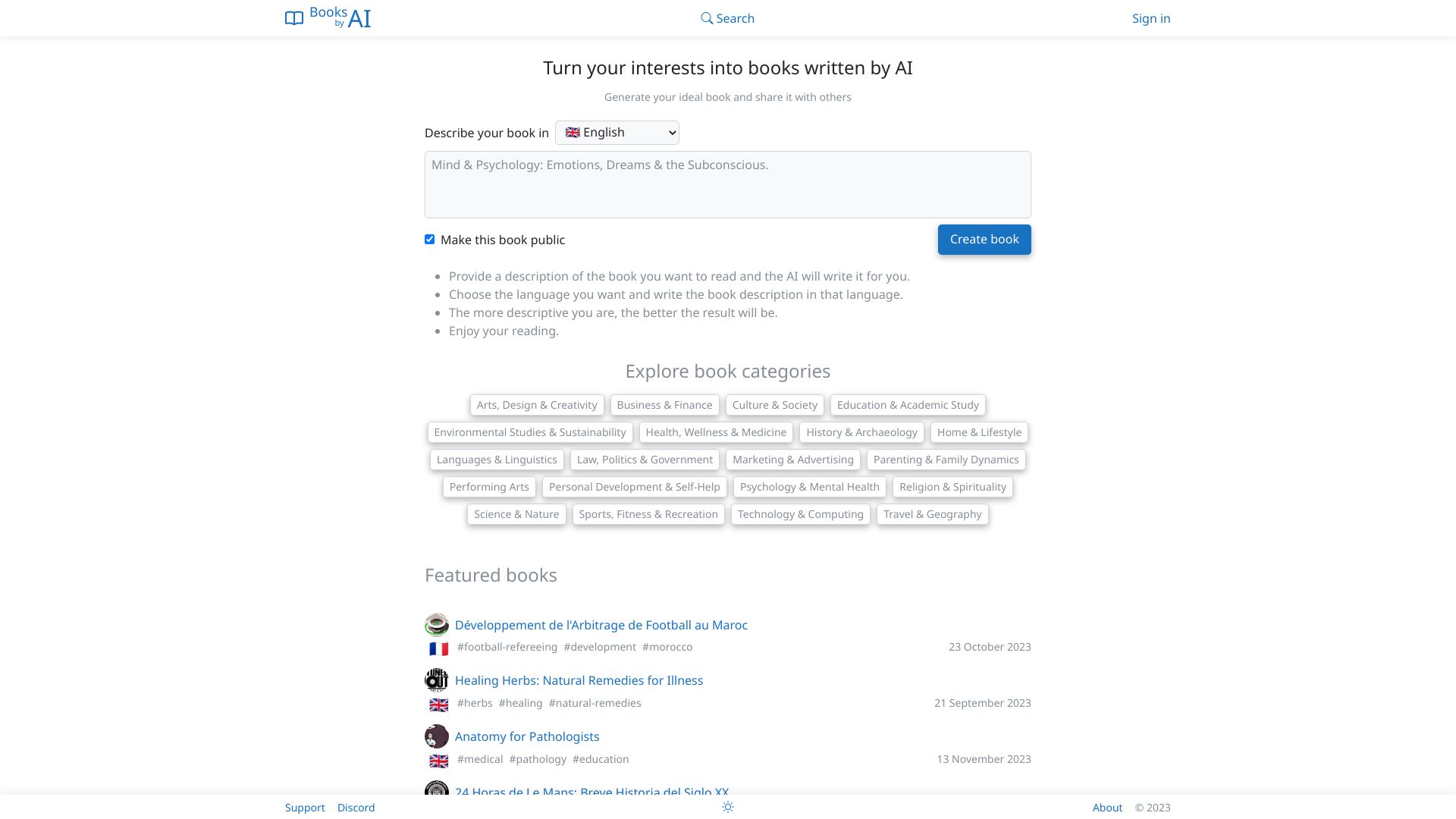

AIStoryBuilders
Novelists managing characters and timelines
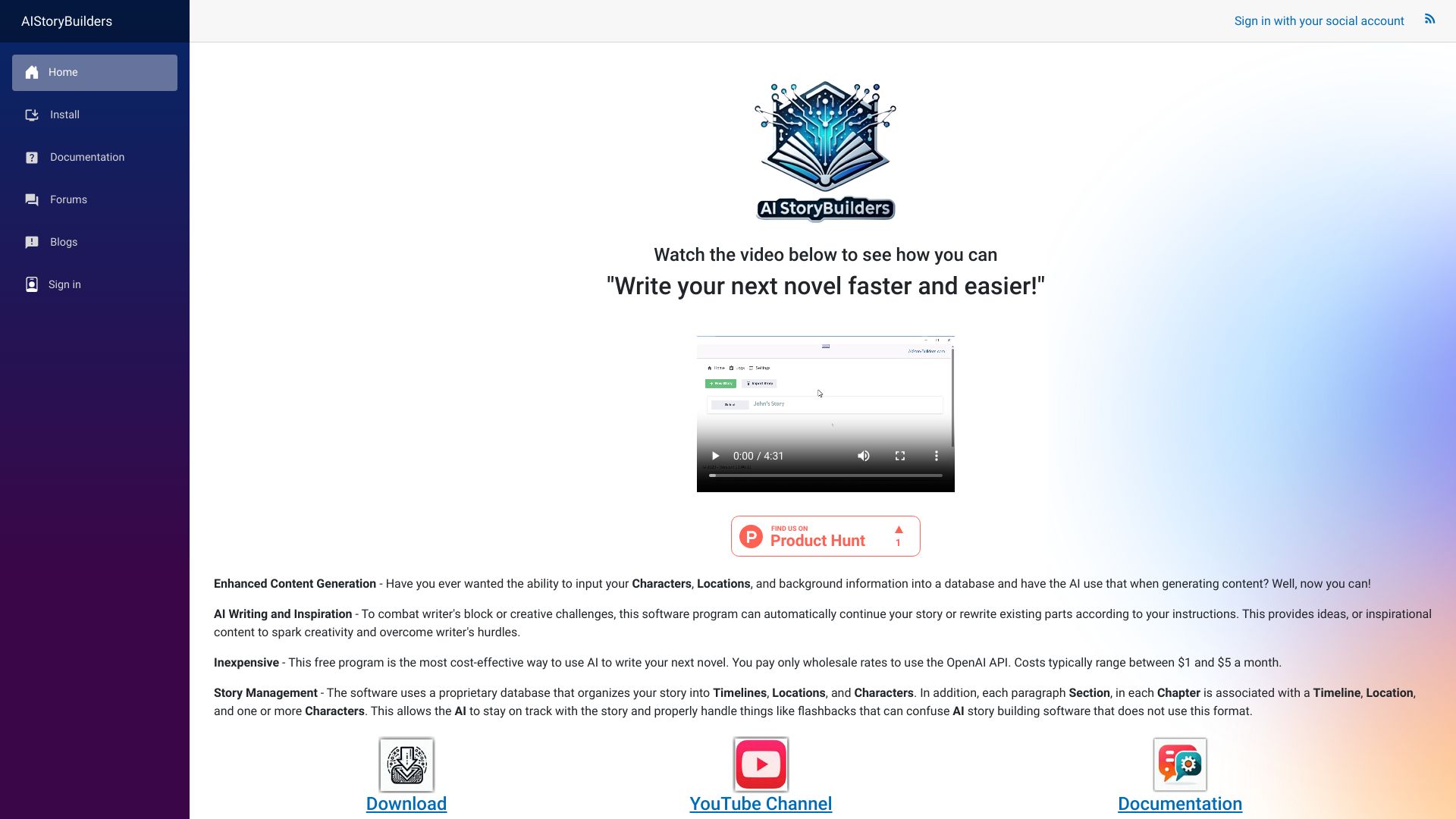

AI+Learn
Discovering and voting on AI-generated books


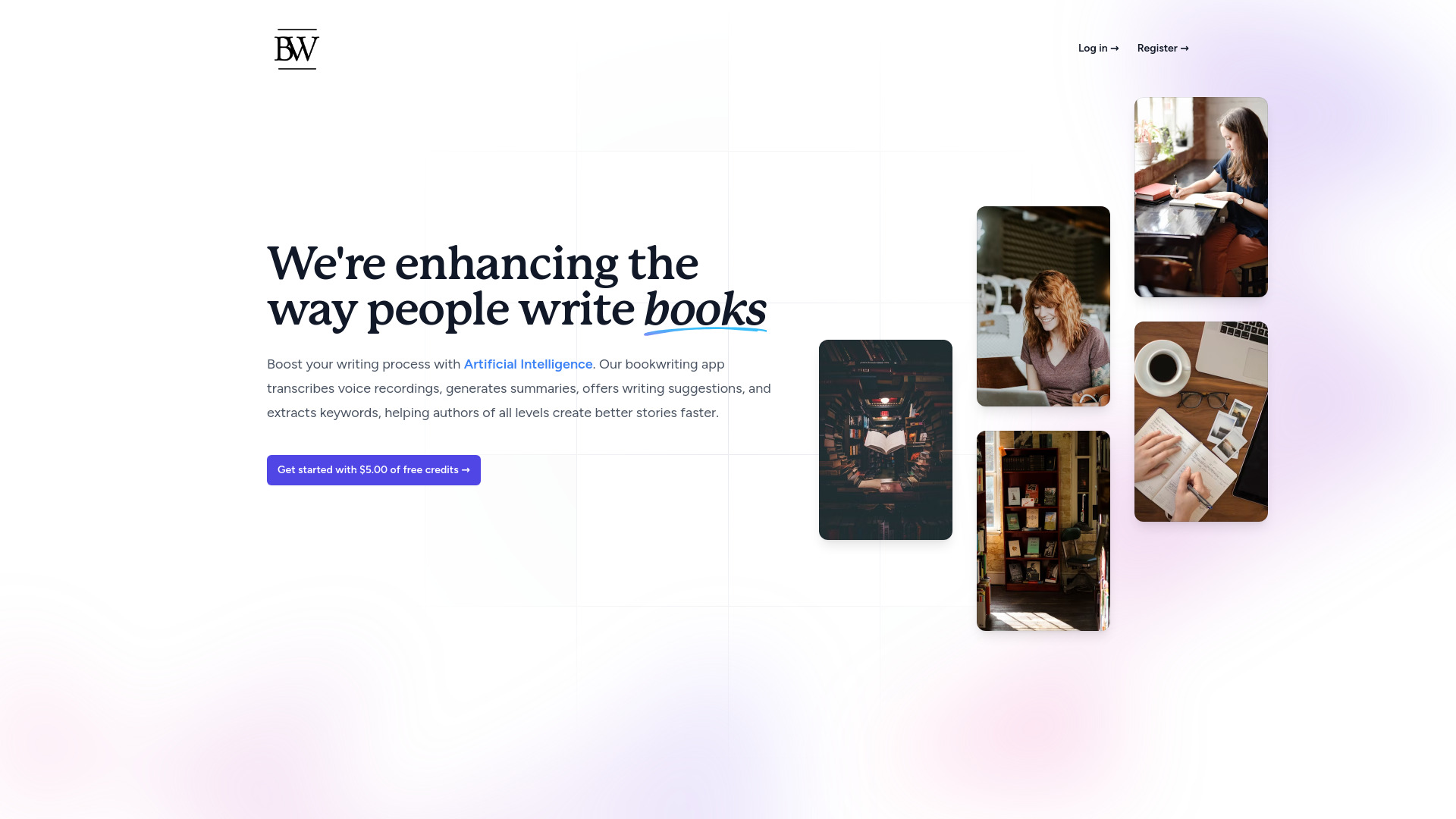
Bookwriter
Voice-to-text book writing

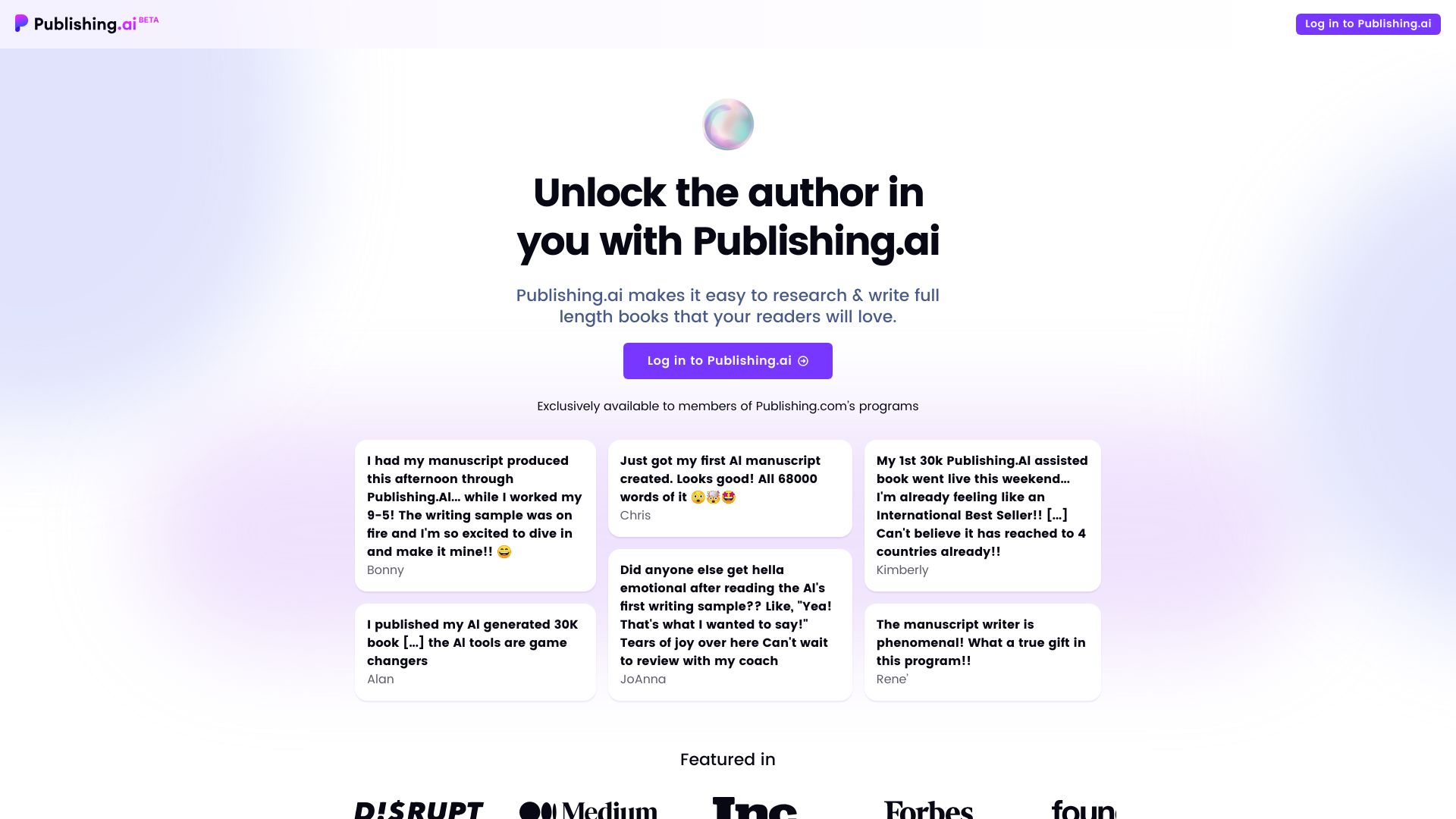
Publishing.ai
AI-assisted book writing and publishing

Varu AI
AI-generated fiction series

Fiction Fusion
AI-assisted novel and short-story writing

BookScribi
Non-fiction and poetry book creation
Swift AI Writer
AI book and story creation

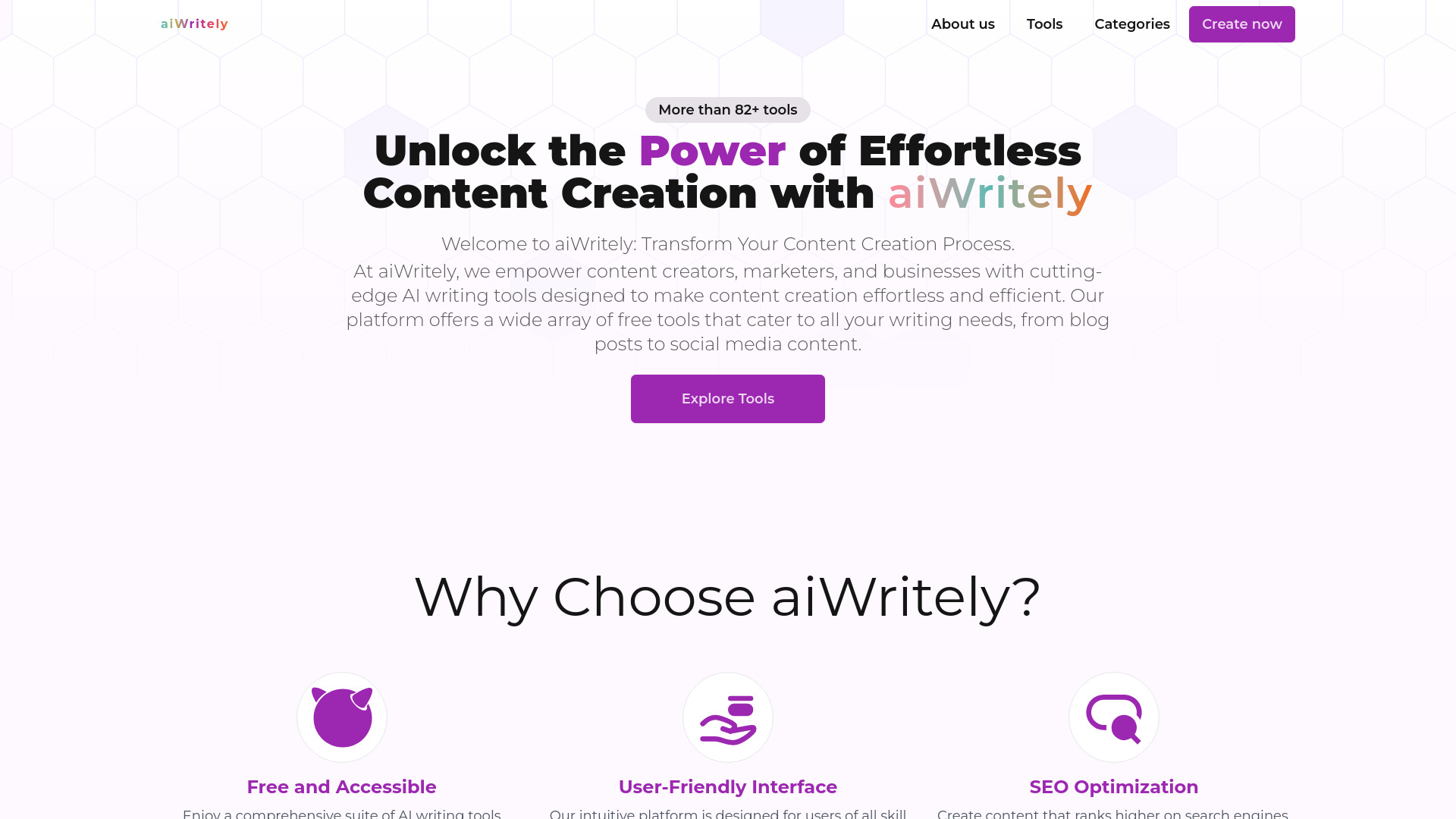
aiWritely
Broad AI writing and content creation

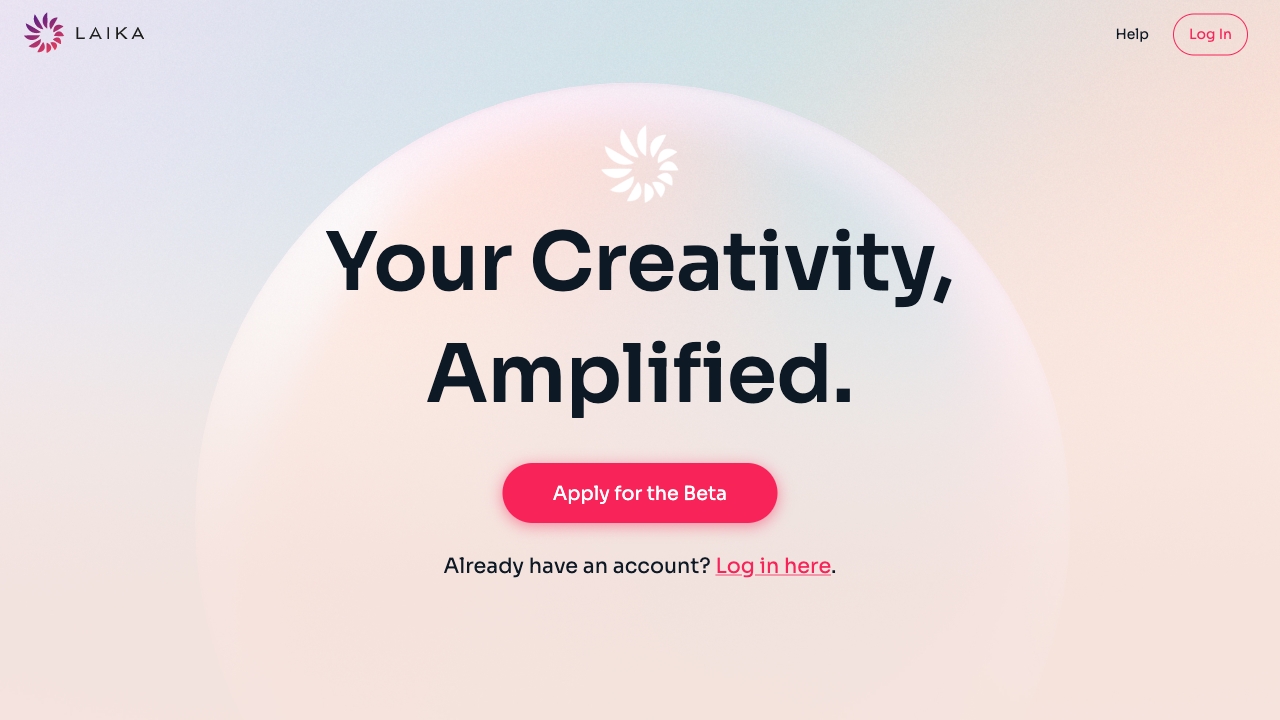
Write with LAIKA
Personalized fiction writing
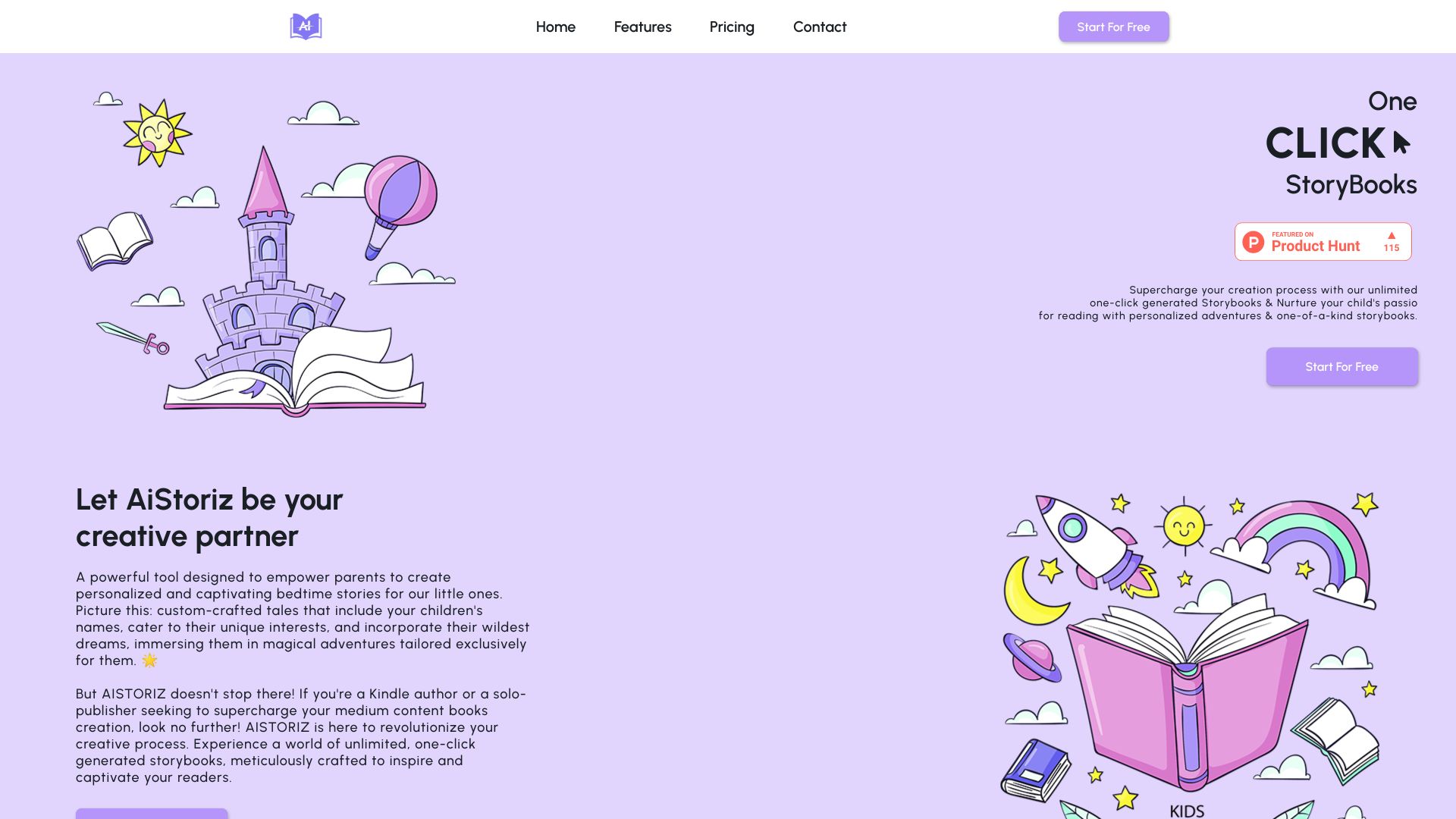
AISTORIZ
One-click storybook creation
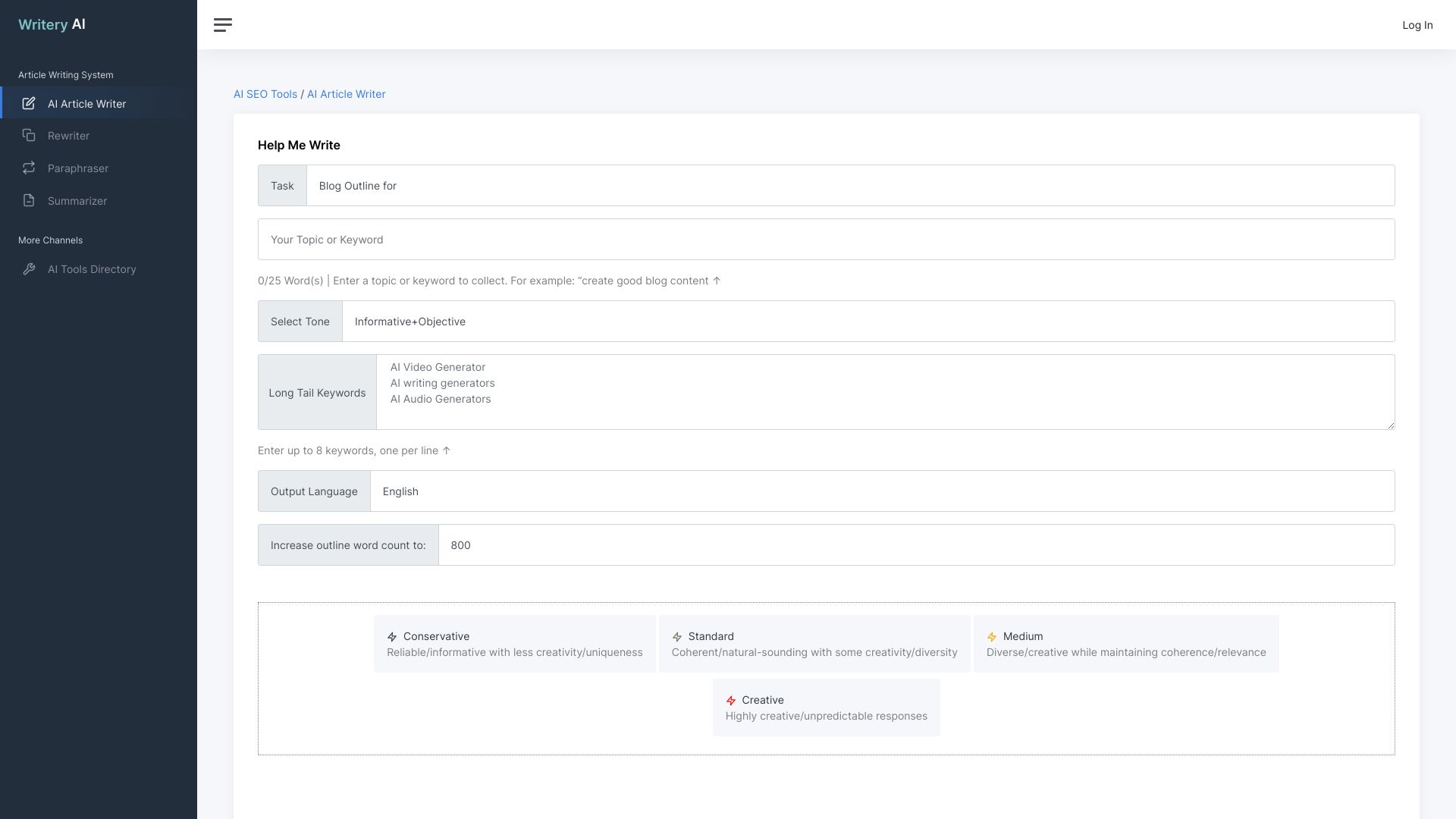
Writery AI
SEO blog and article drafting

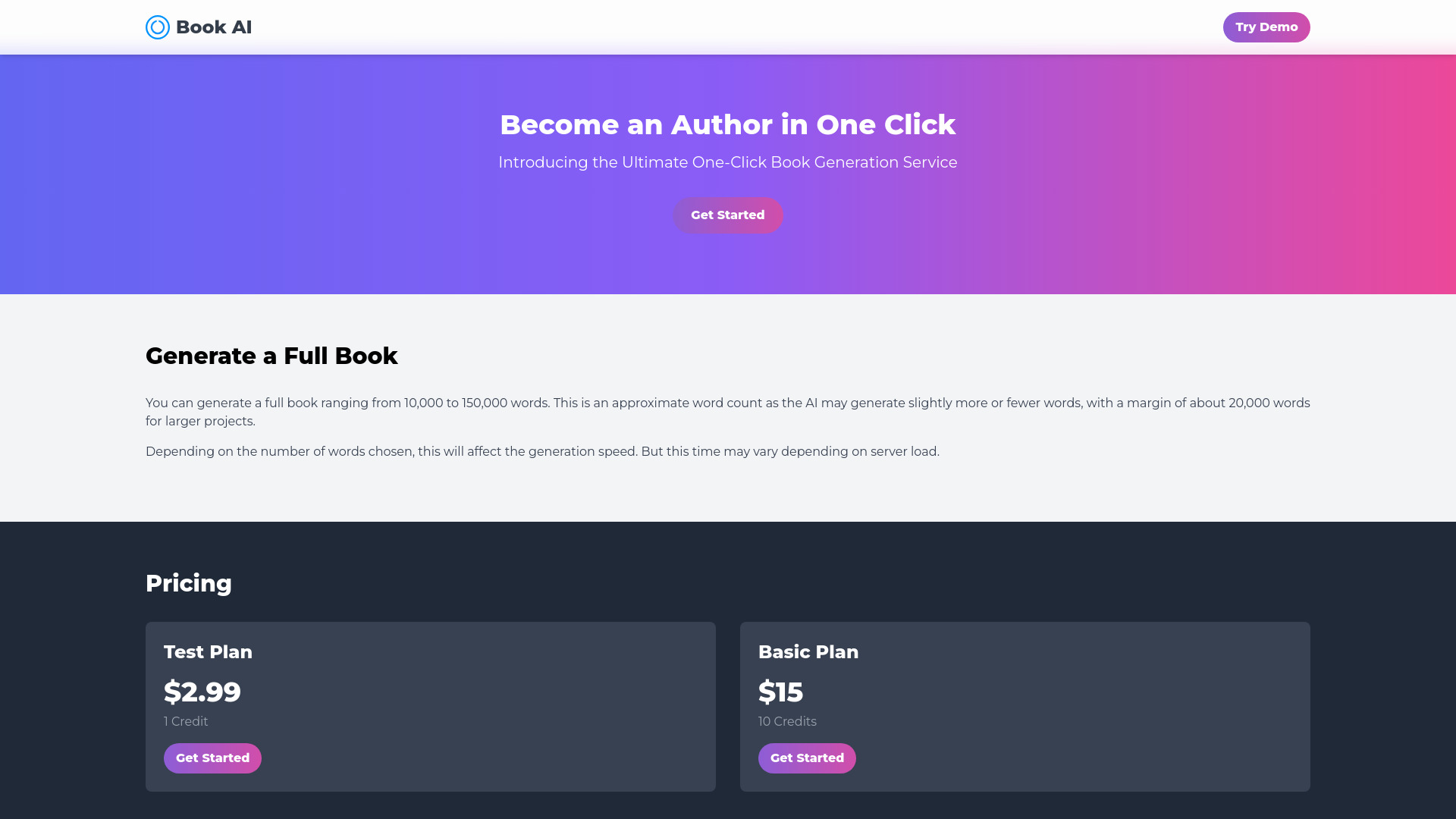
thedisc.xyz (Book AI)
One-click full-book generation
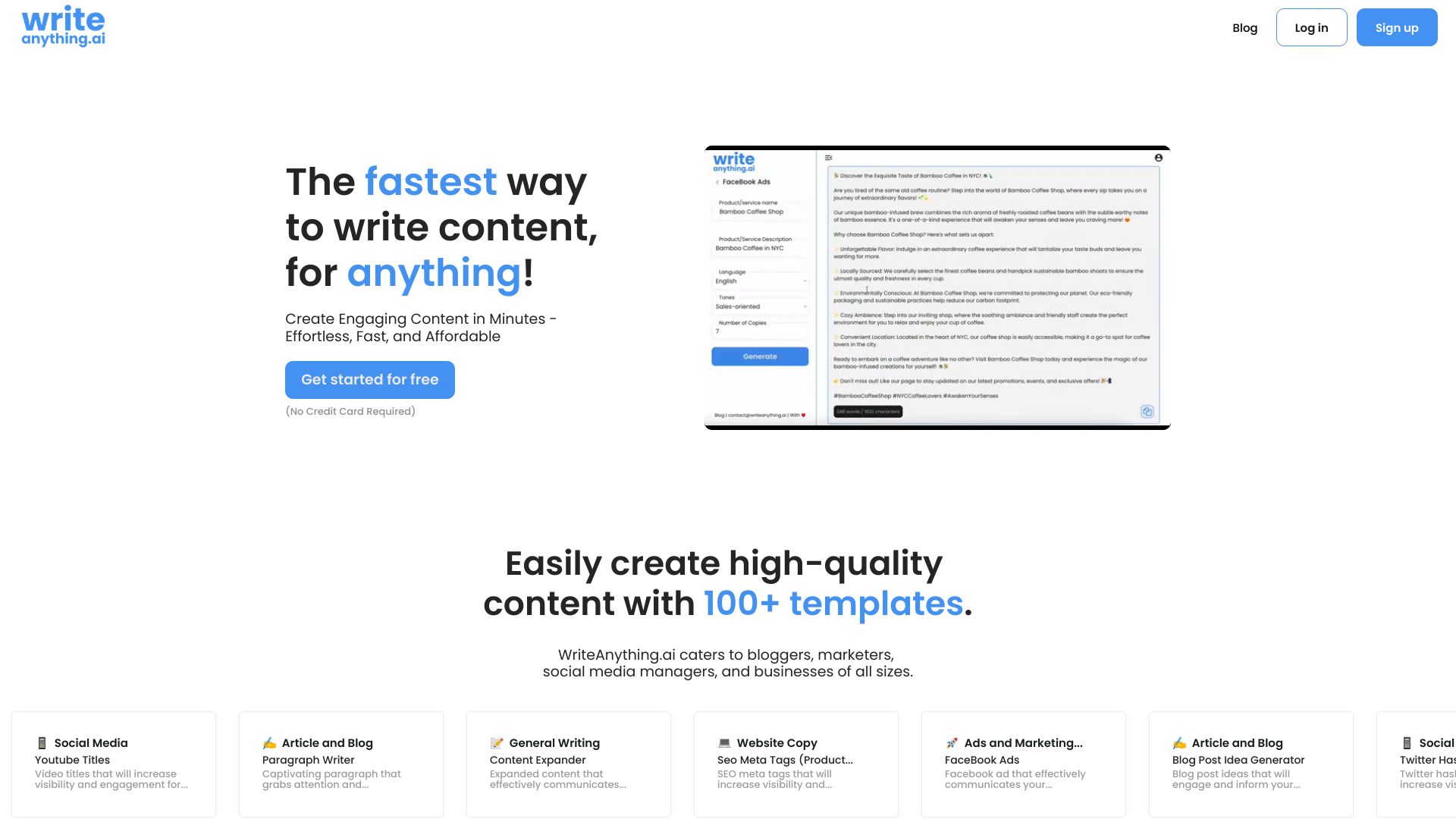
WriteAnything.ai
Fast blog and marketing content drafting
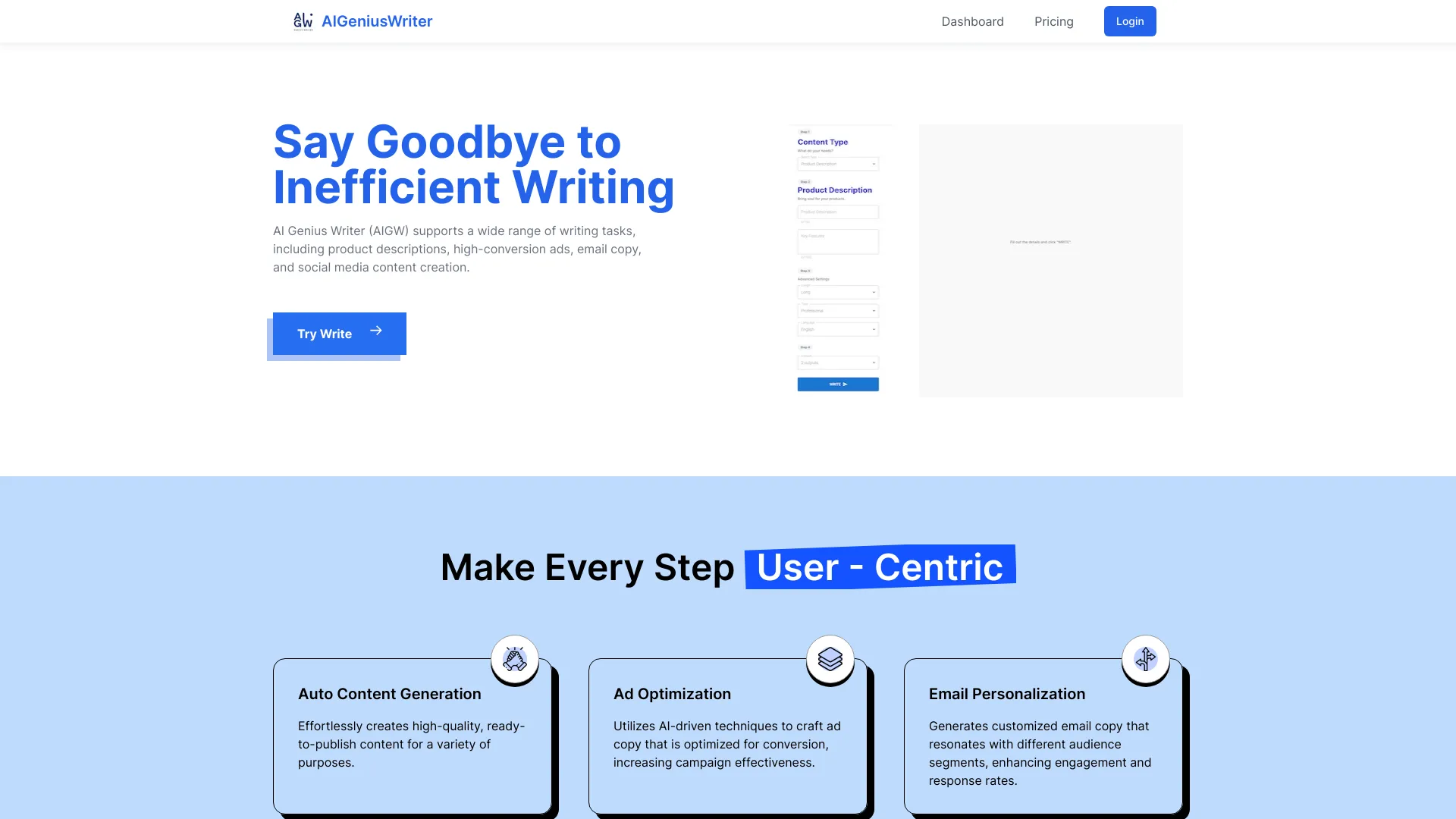
AIGeniusWriter
E-commerce marketing copy

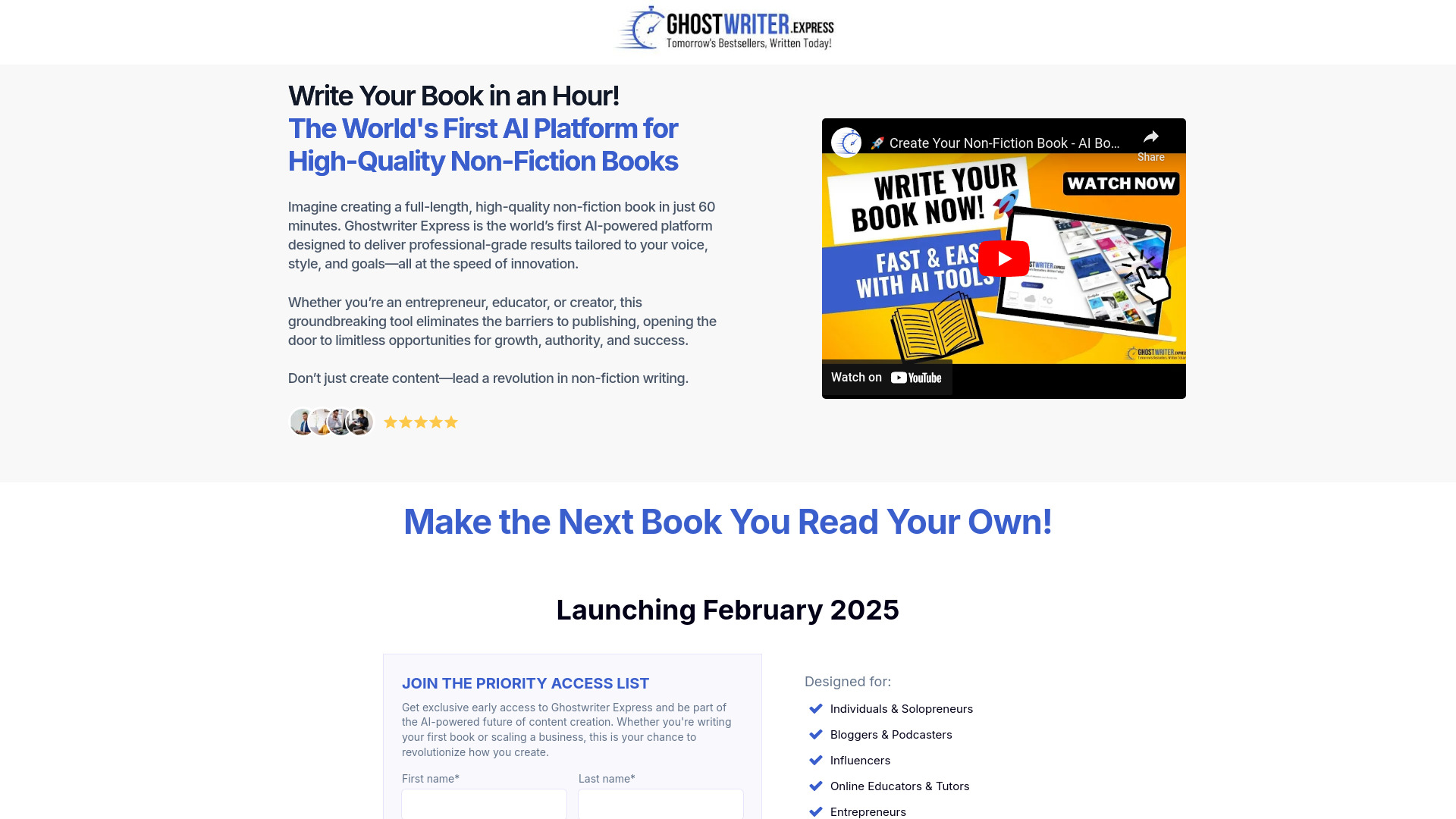
Ghostwriter Express
AI-assisted nonfiction book creation

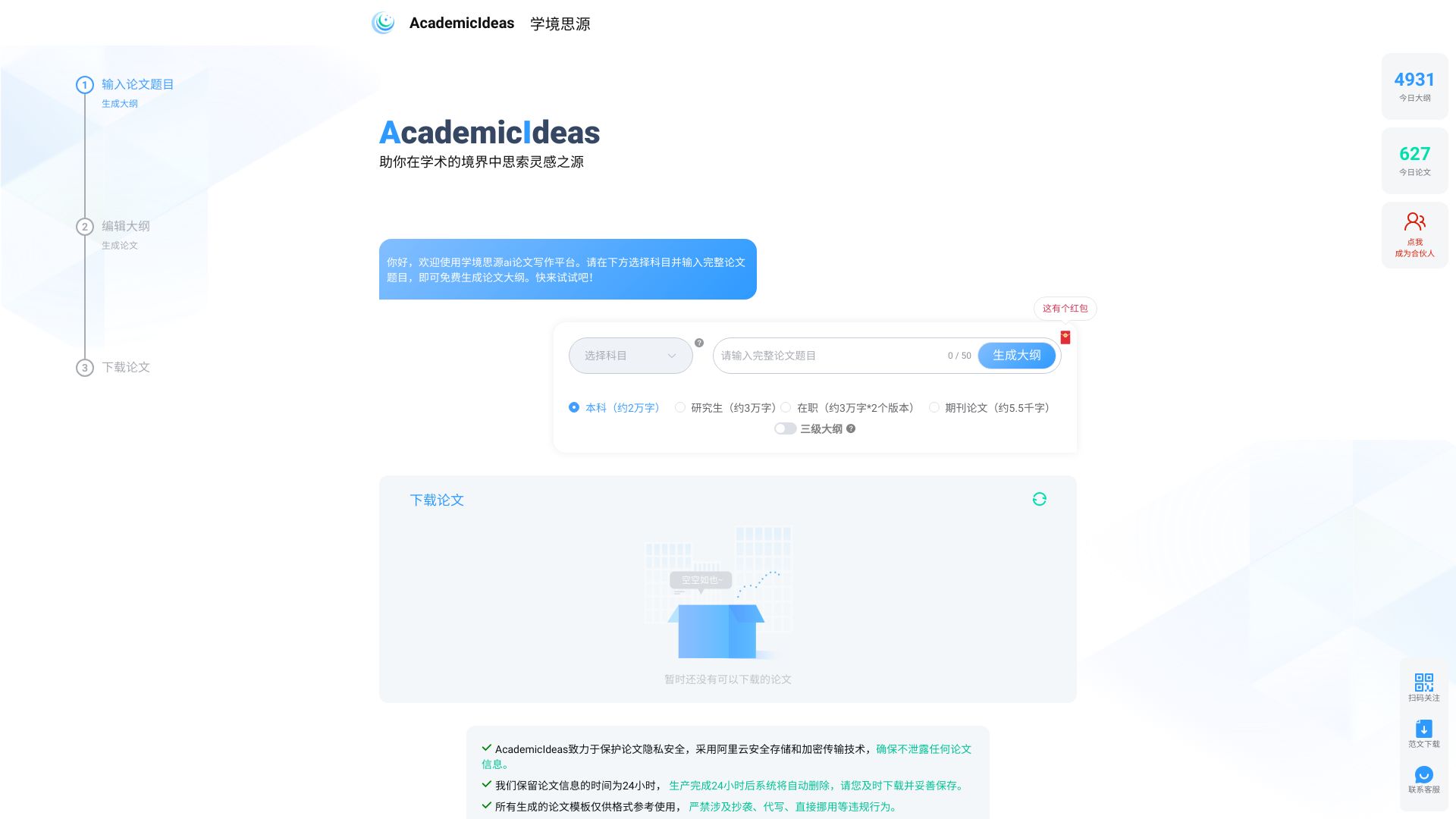
AcademicIdeas
Academic thesis and long-form drafts

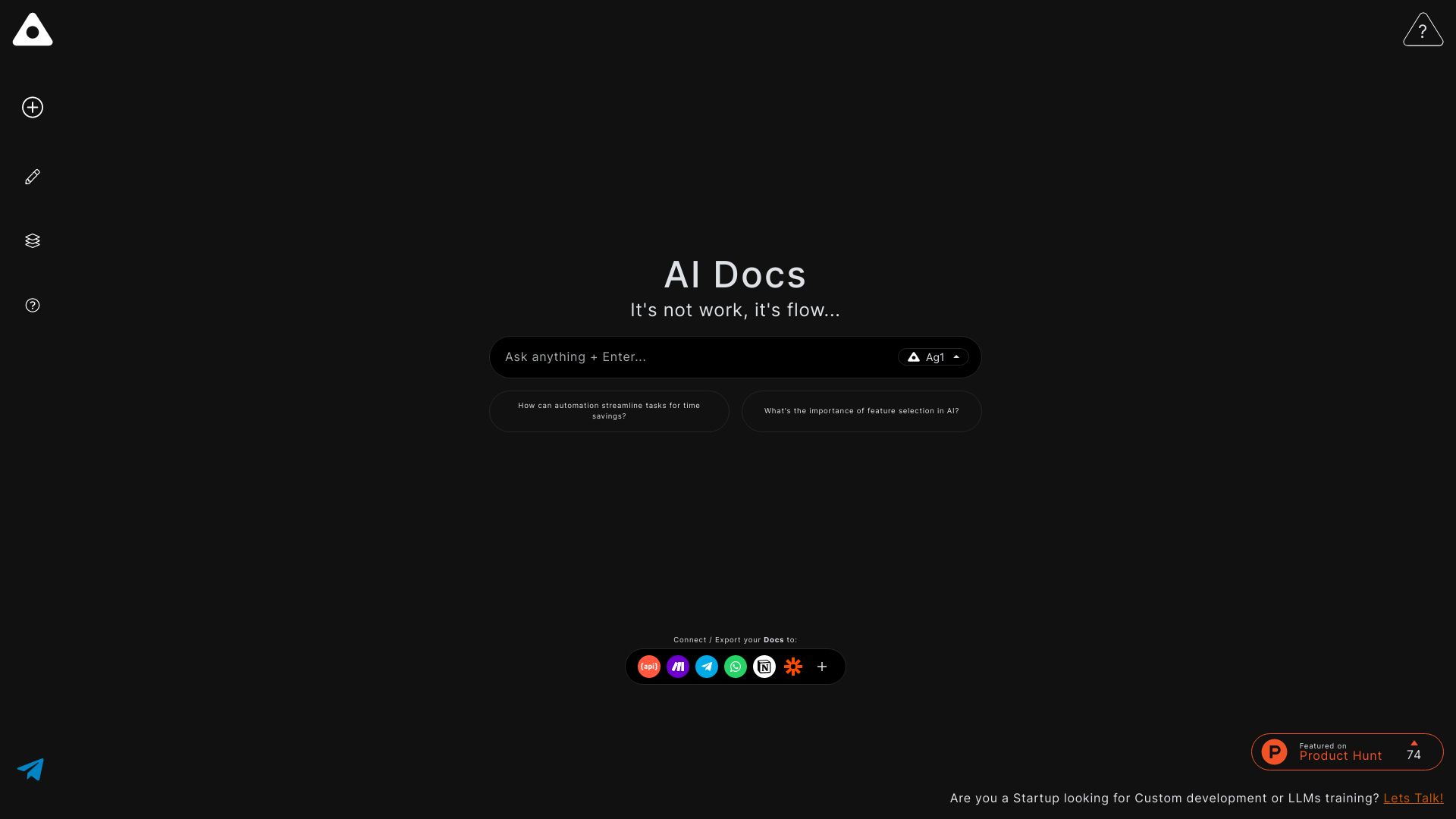
Ag1 Labs
AI-assisted books and structured documents
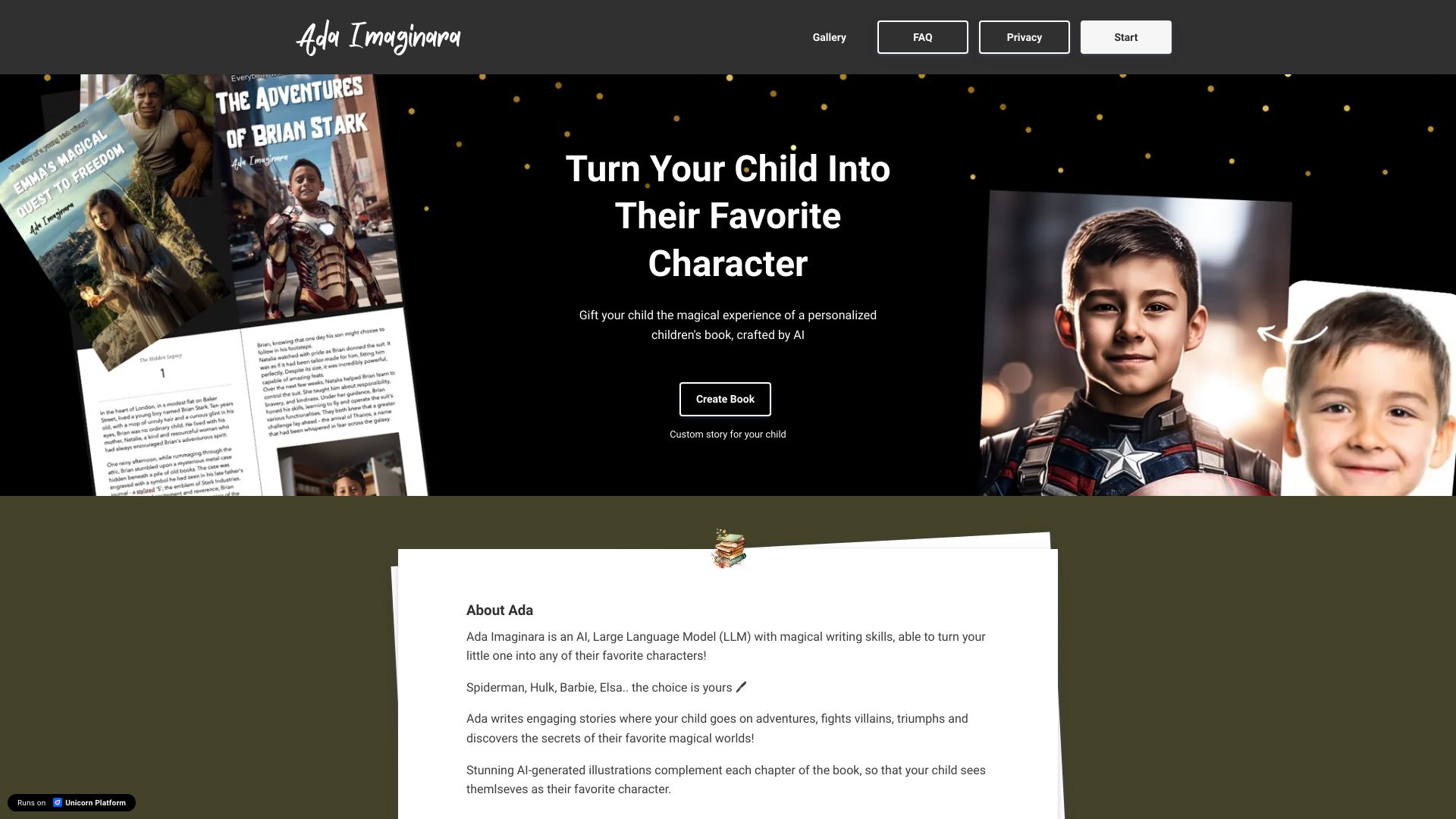
Ada AI Storyteller
Personalized children’s storybooks

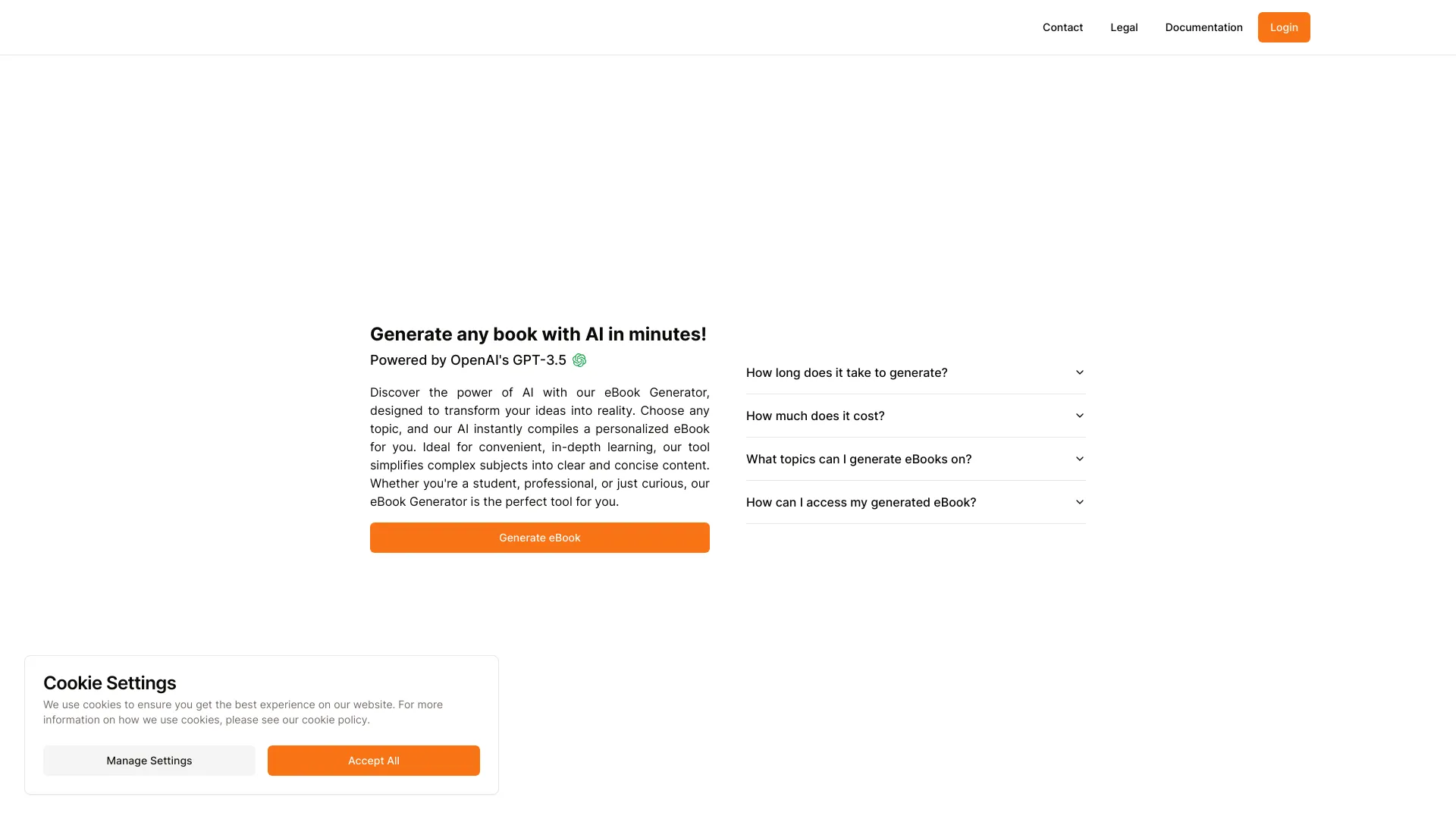
aiebooks.app
Rapid AI eBook generation

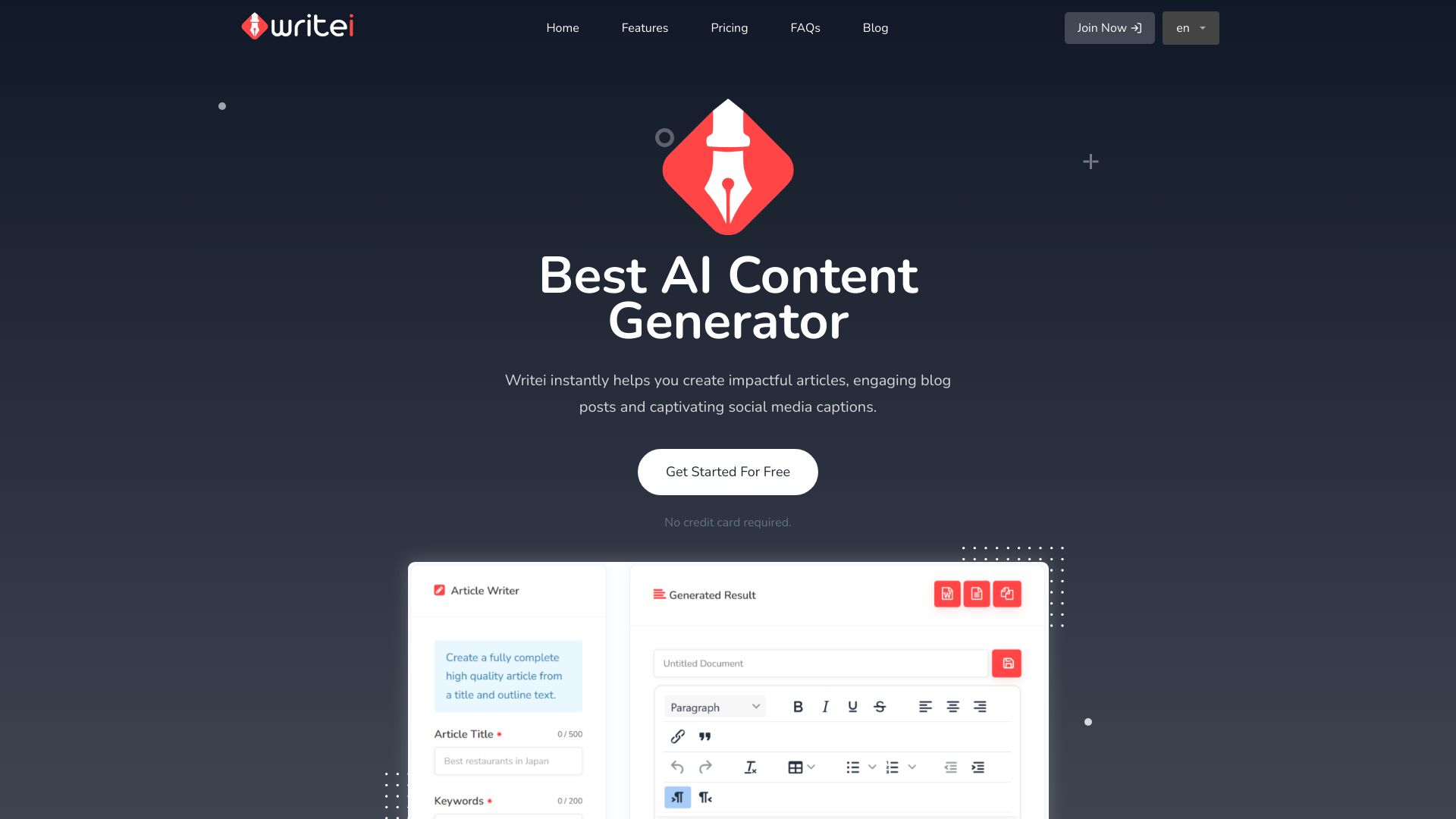
Writei
Template-based content generation

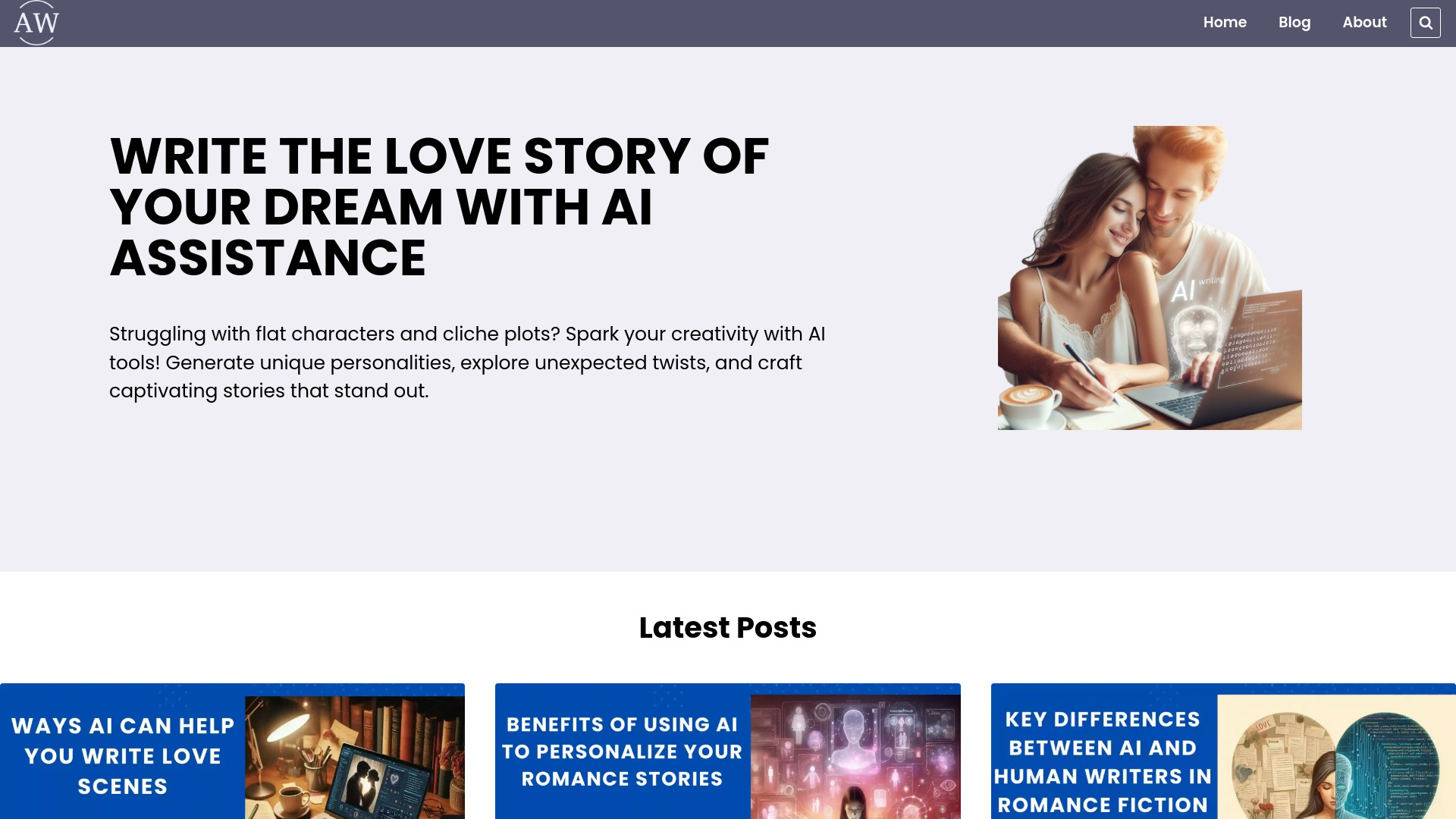
AI Updates Now
Romance writing tool reviews
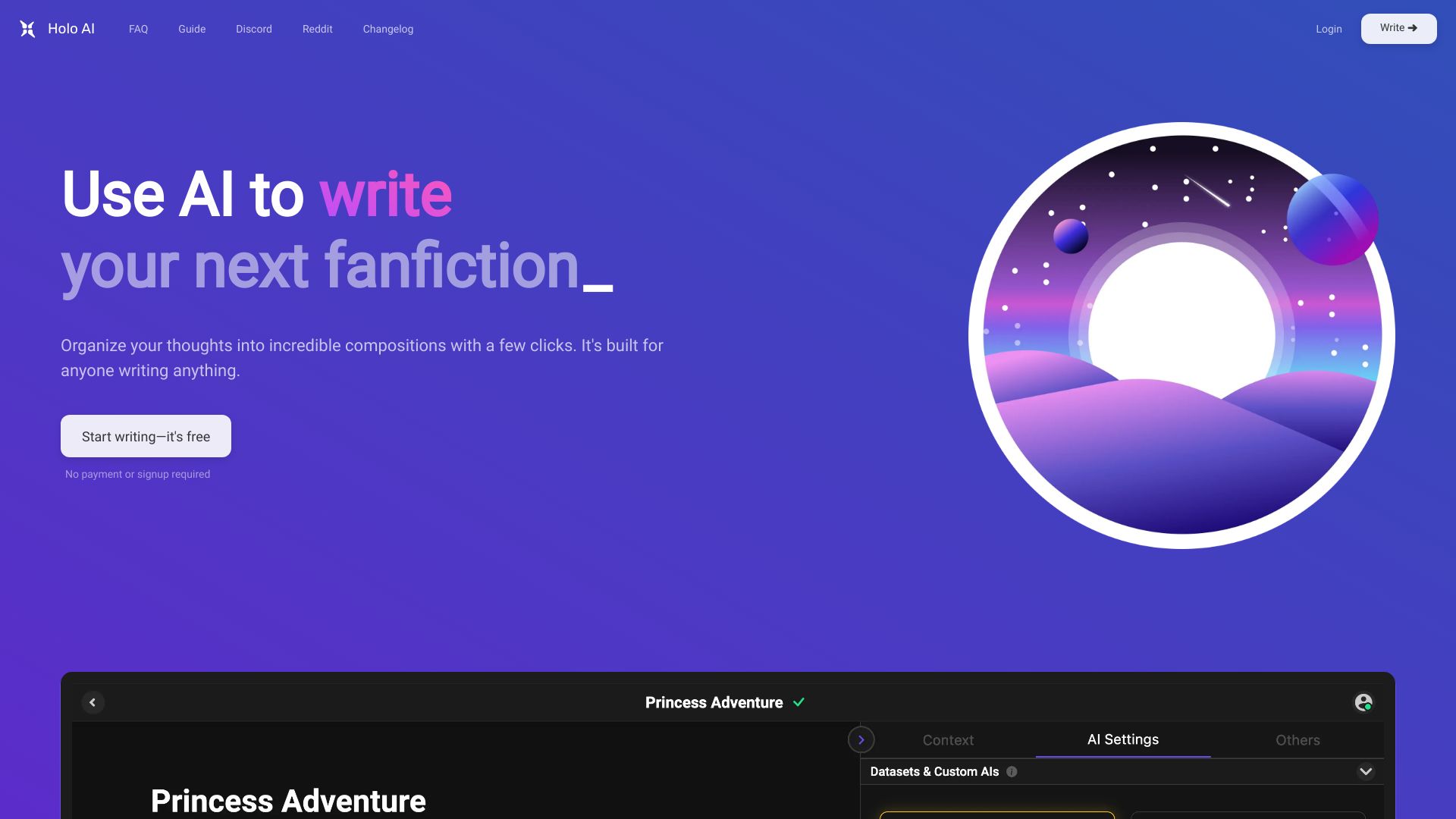
Holo AI
Novelists and fanfiction writers

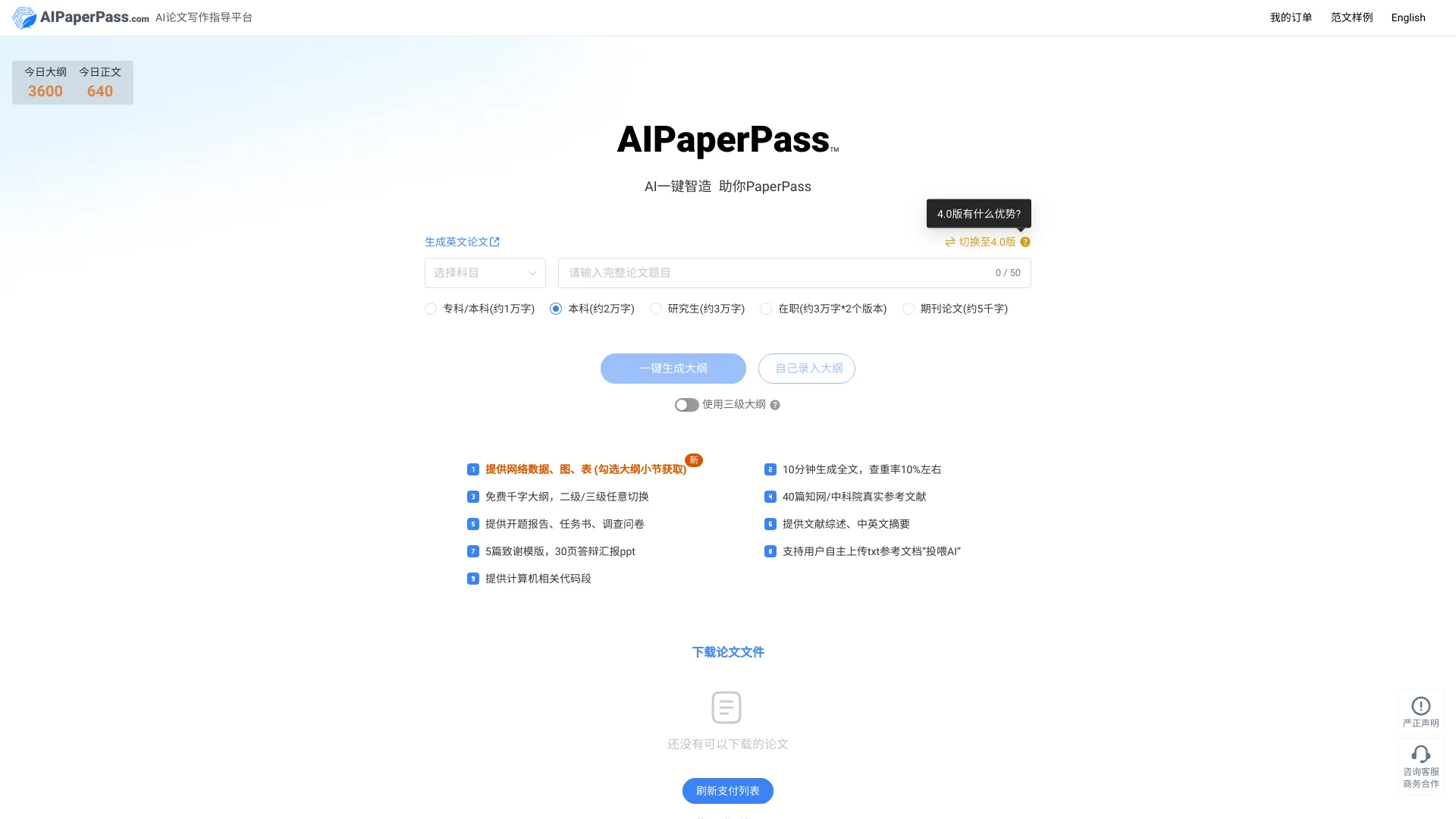
千笔写作
AI论文与长文生成

AllWrite
Mobile writing assistance

HerryAI
AI-assisted novel and story writing
Writee
Collaborative AI writing

HowToWrite.io
Personalized speeches, letters, poems, and songs

ScriboWriter
Blog and long-form content creators
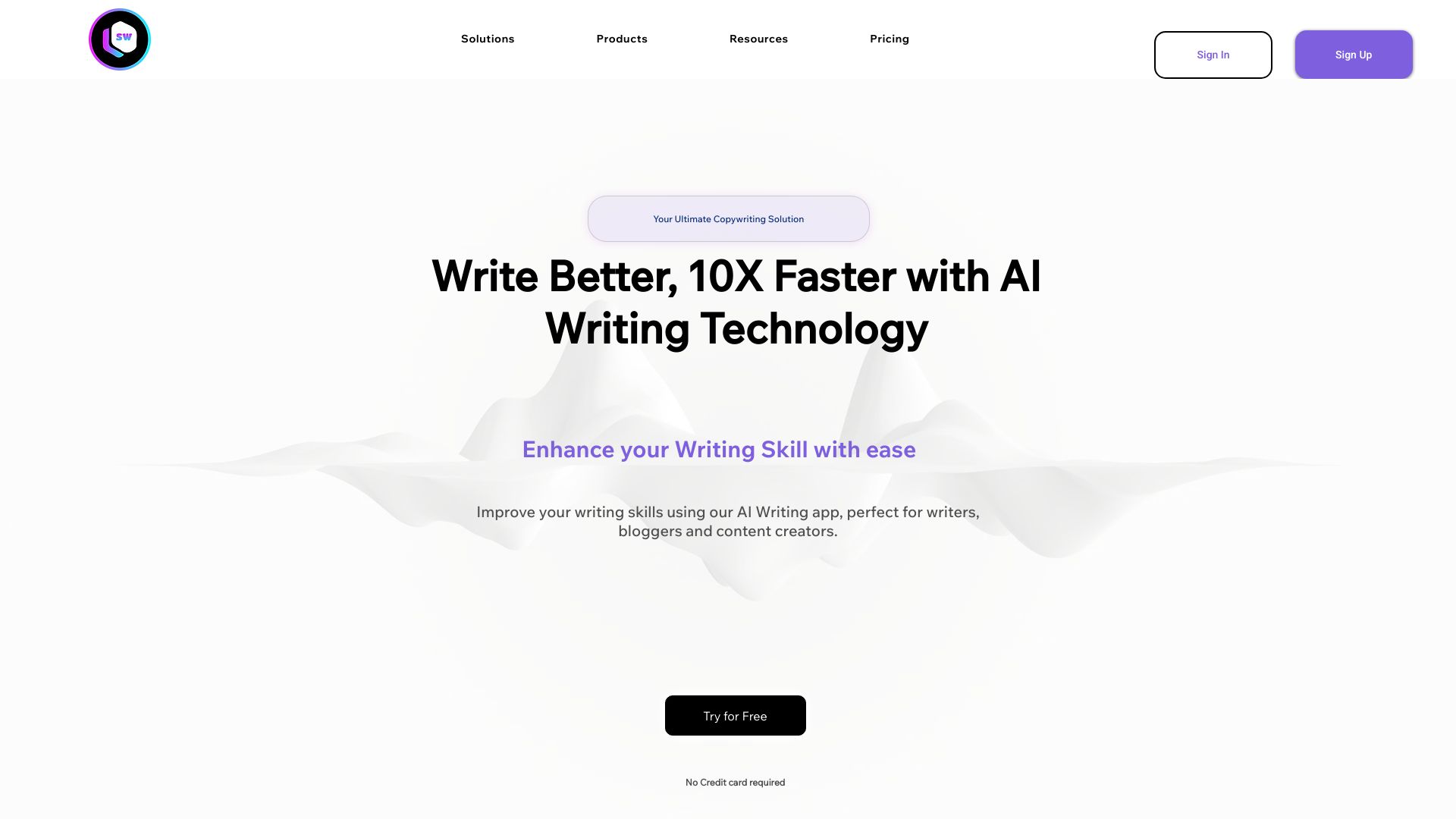
Jotters Pad
Template-based content creation
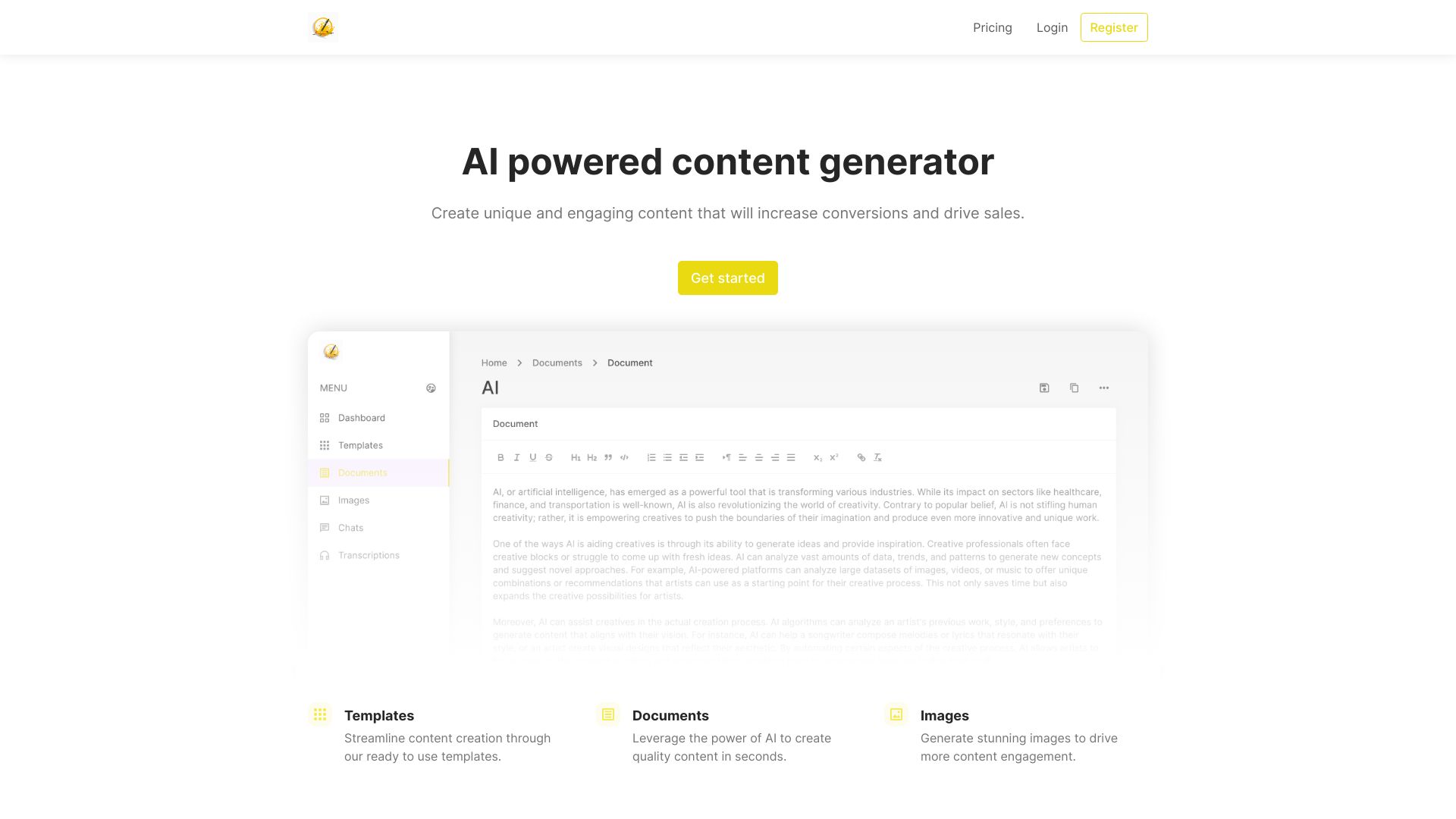

writing.gold
Frictionless book writing
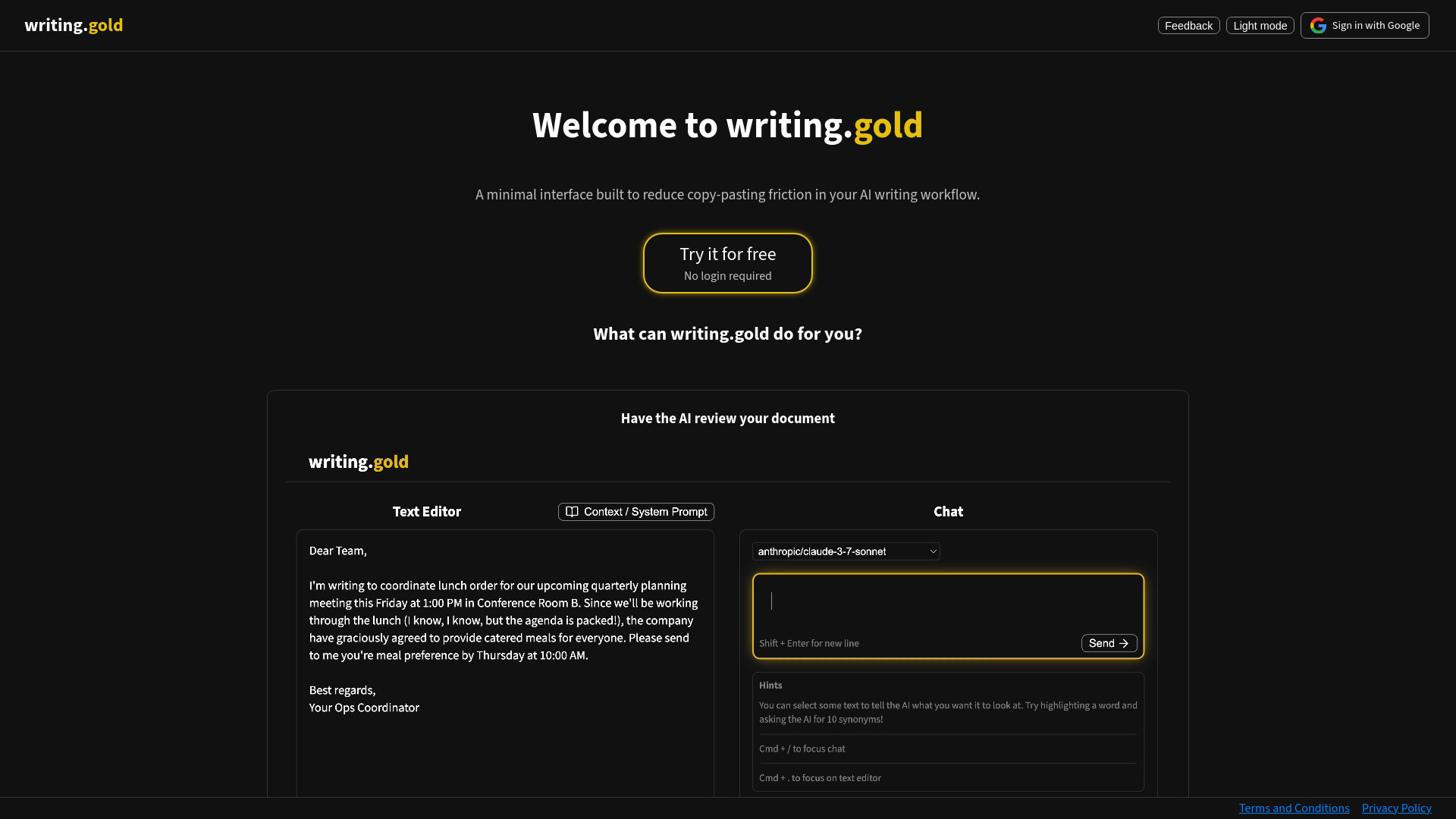
WriteAI.me
Marketing and blog content
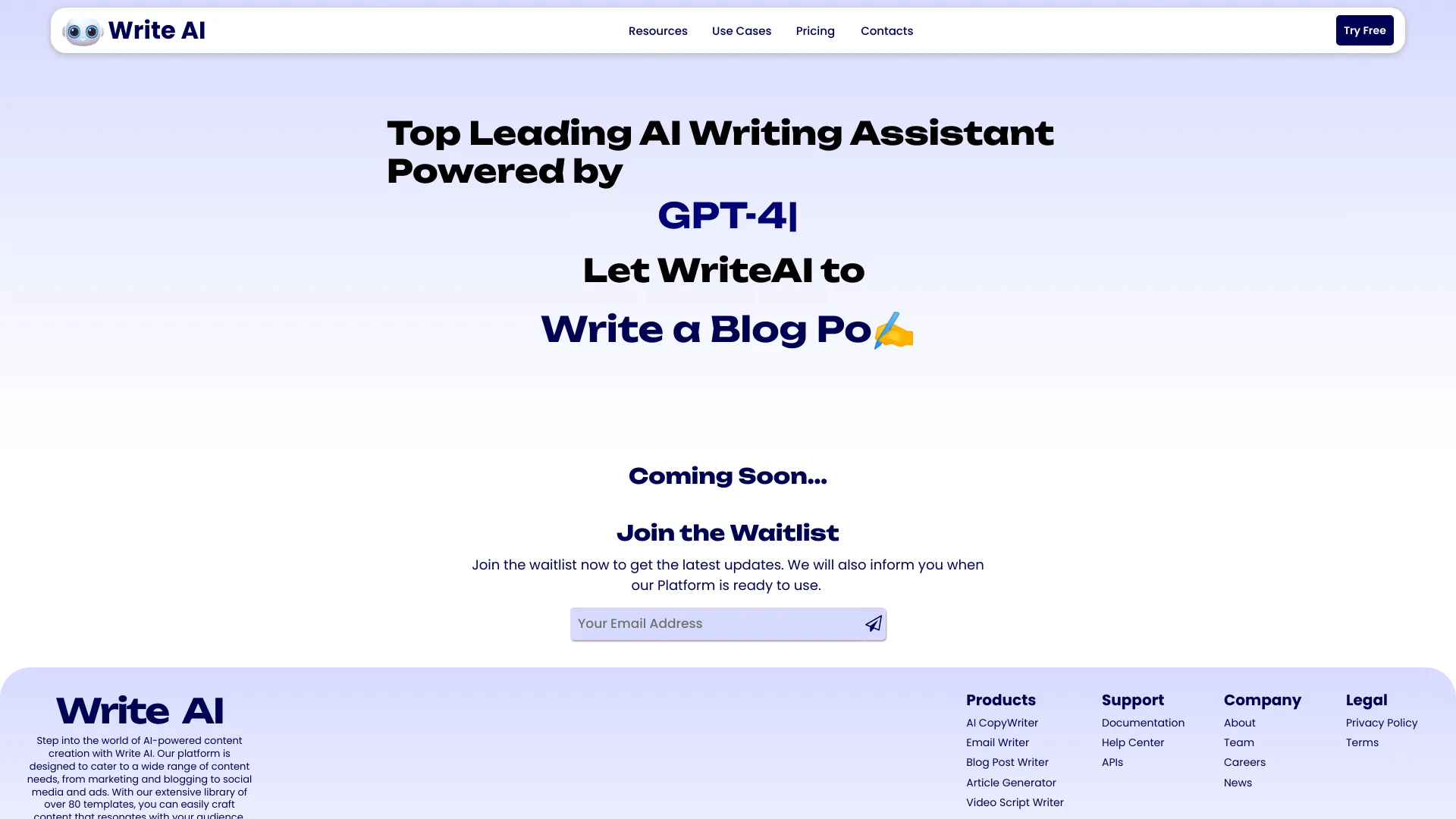

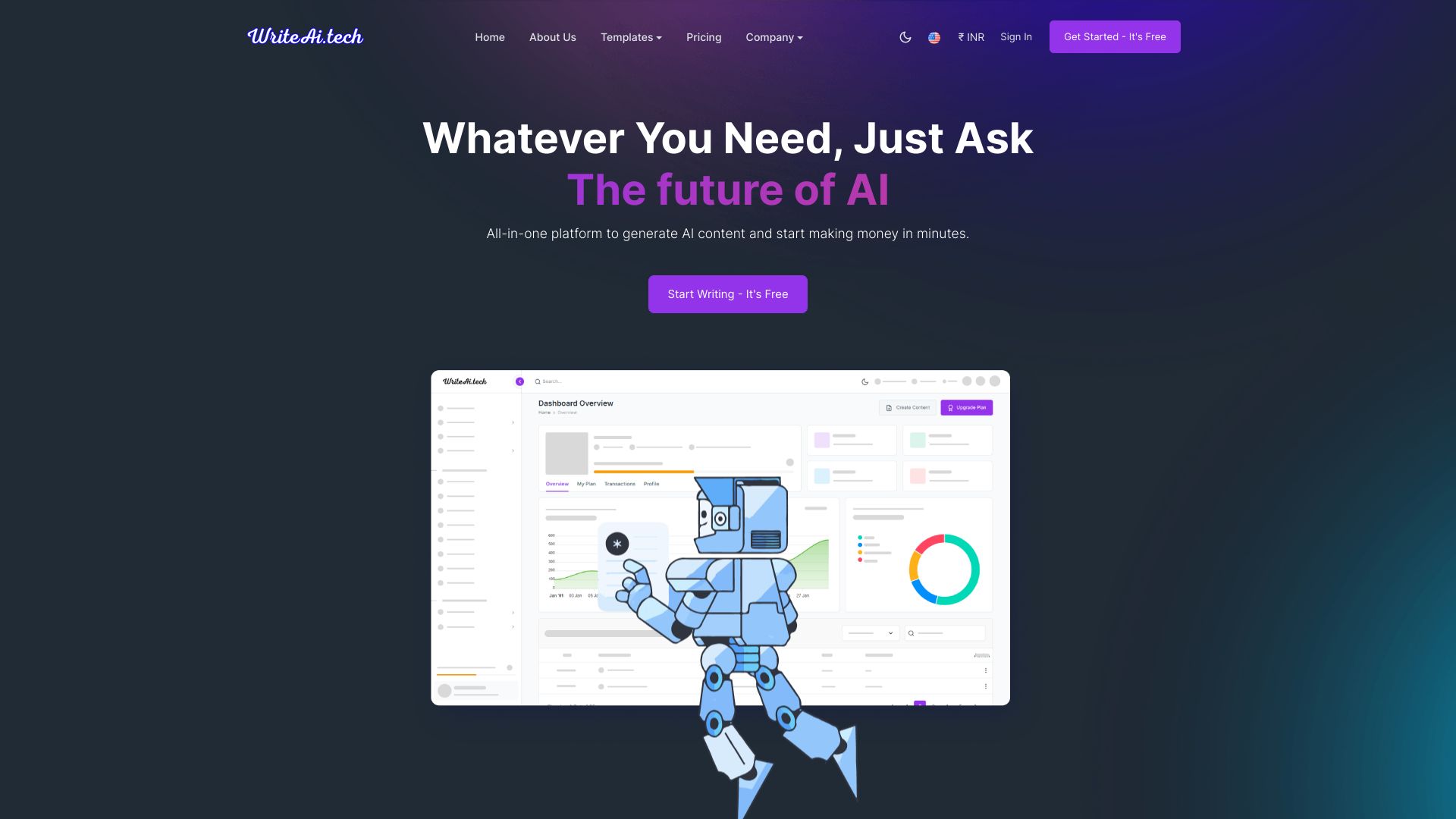
WriteAI.tech
AI-assisted content and story drafting
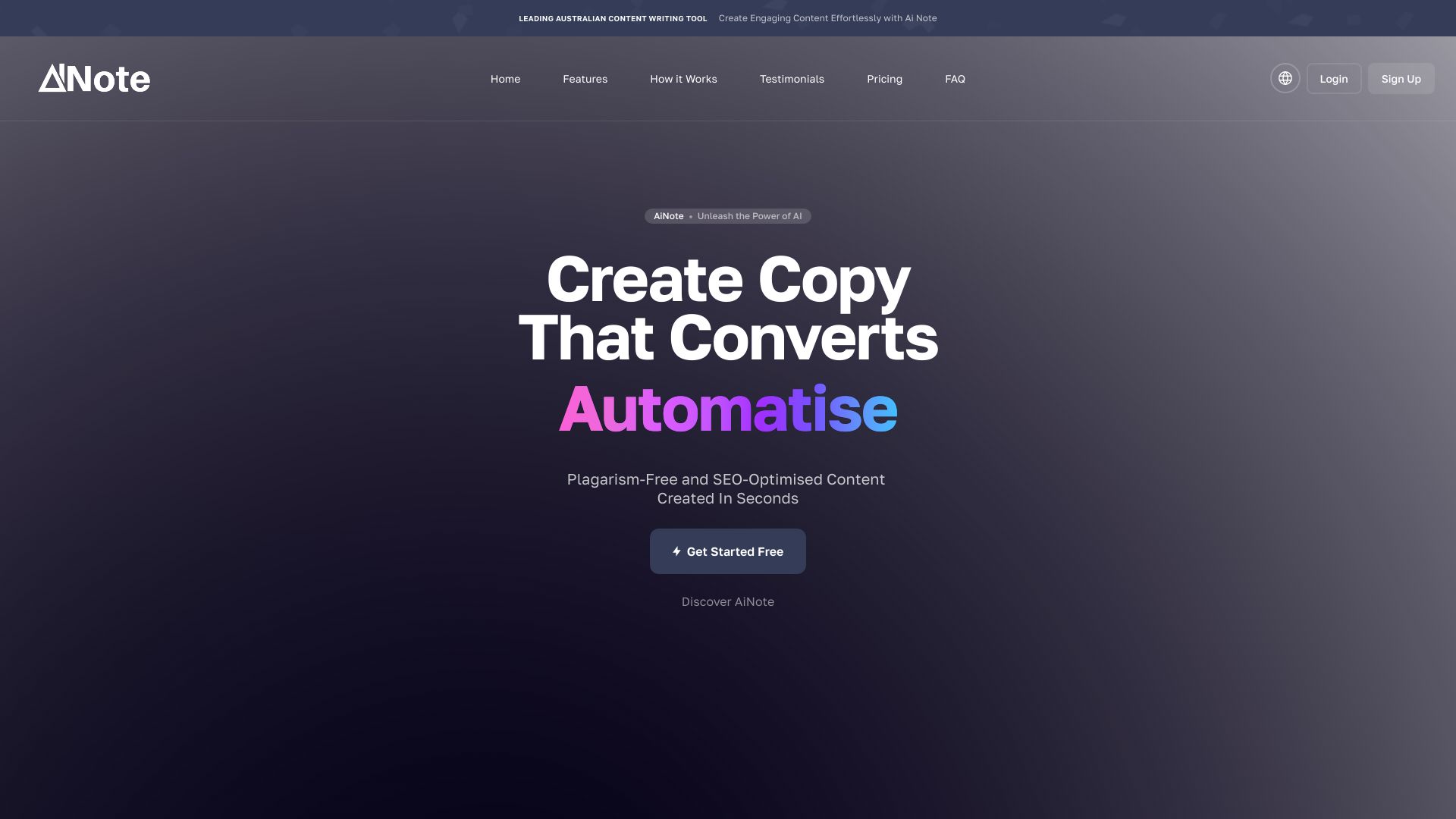
AiNote
SEO content and copywriting

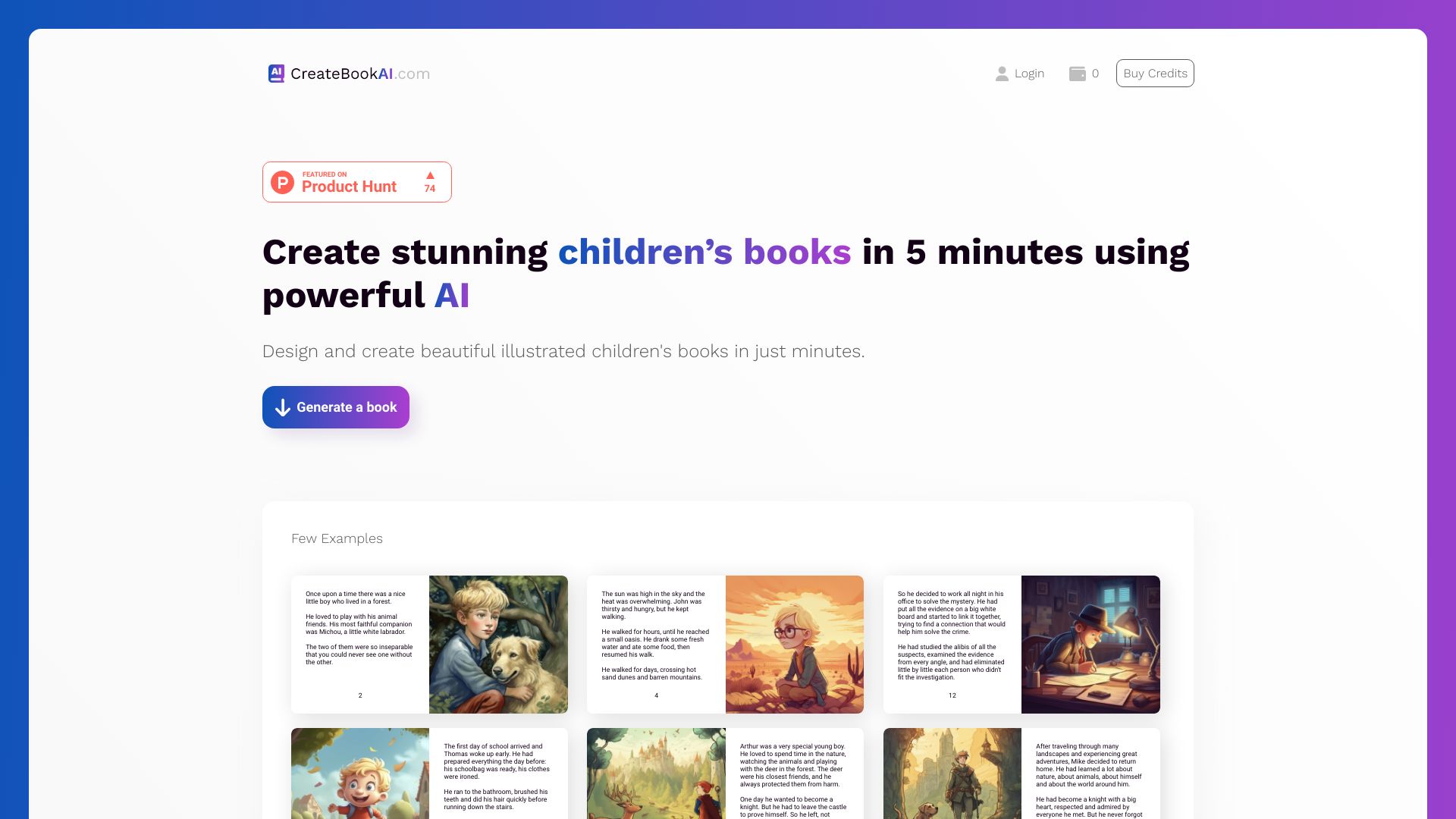
CreateBookAI
Illustrated children's book creation

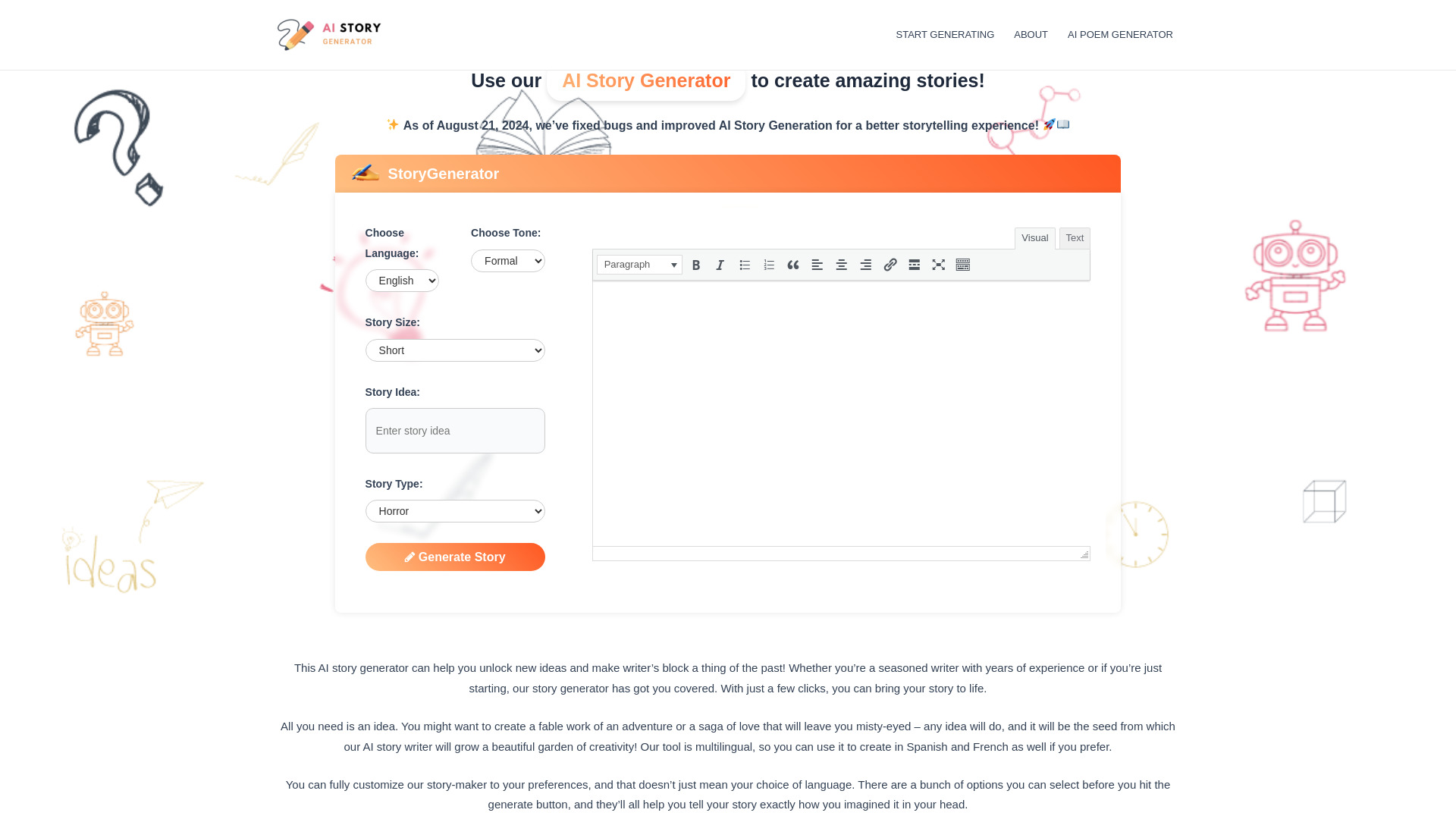
StoryGenerate
Multilingual story ideation

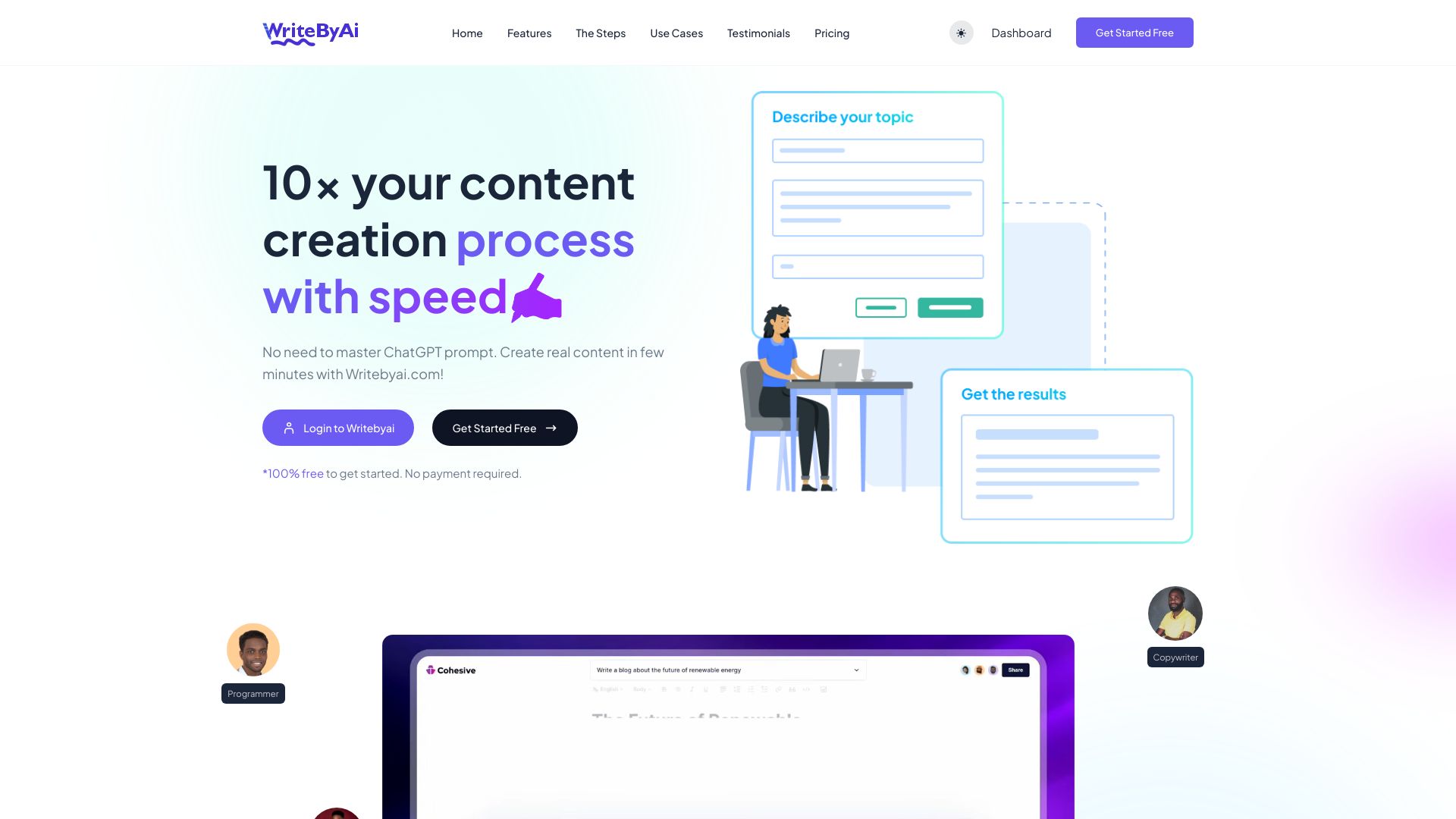
Writebyai
Marketing content and blog writing

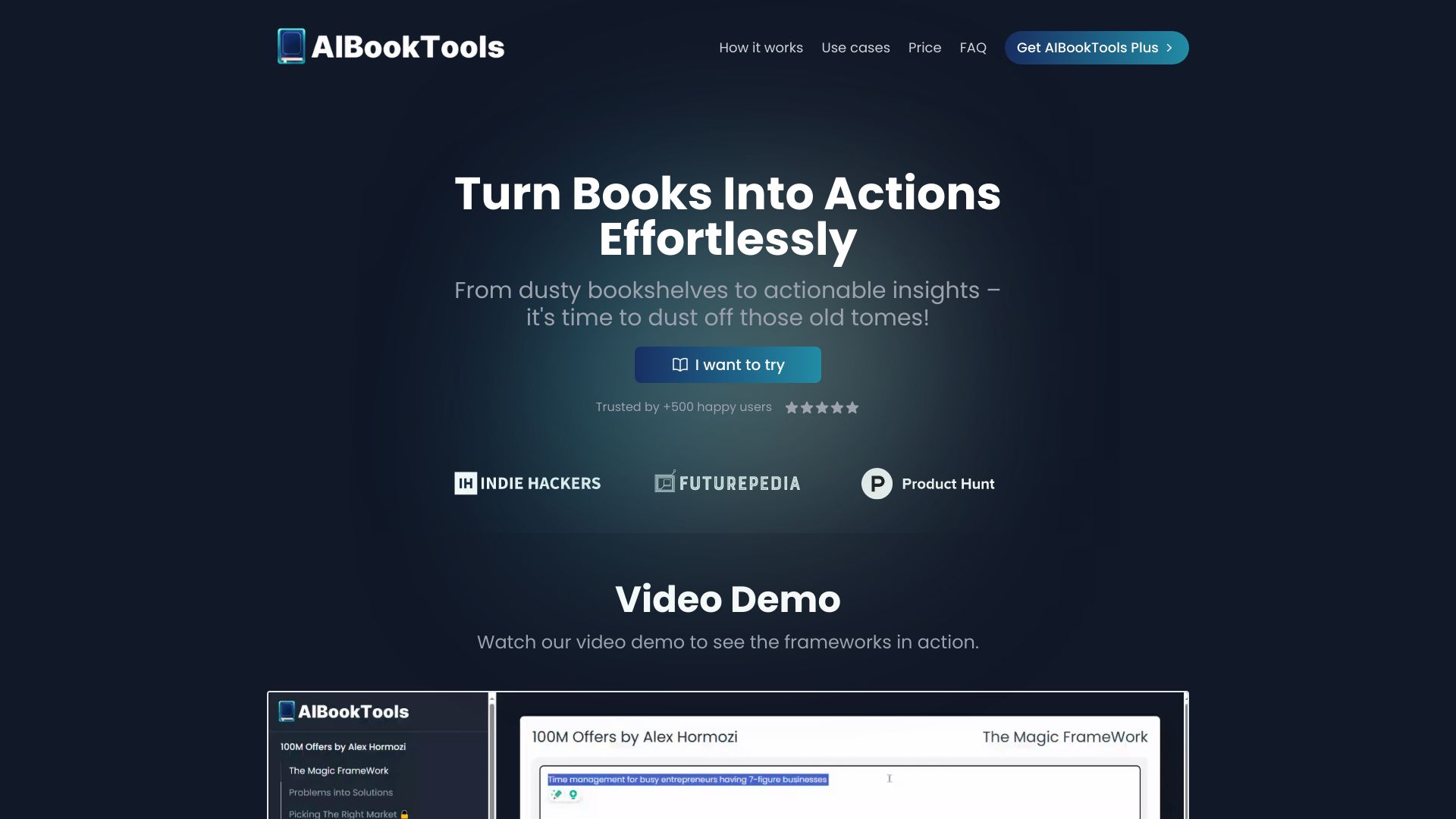
AIBookTools
Applying book frameworks to personal and business goals

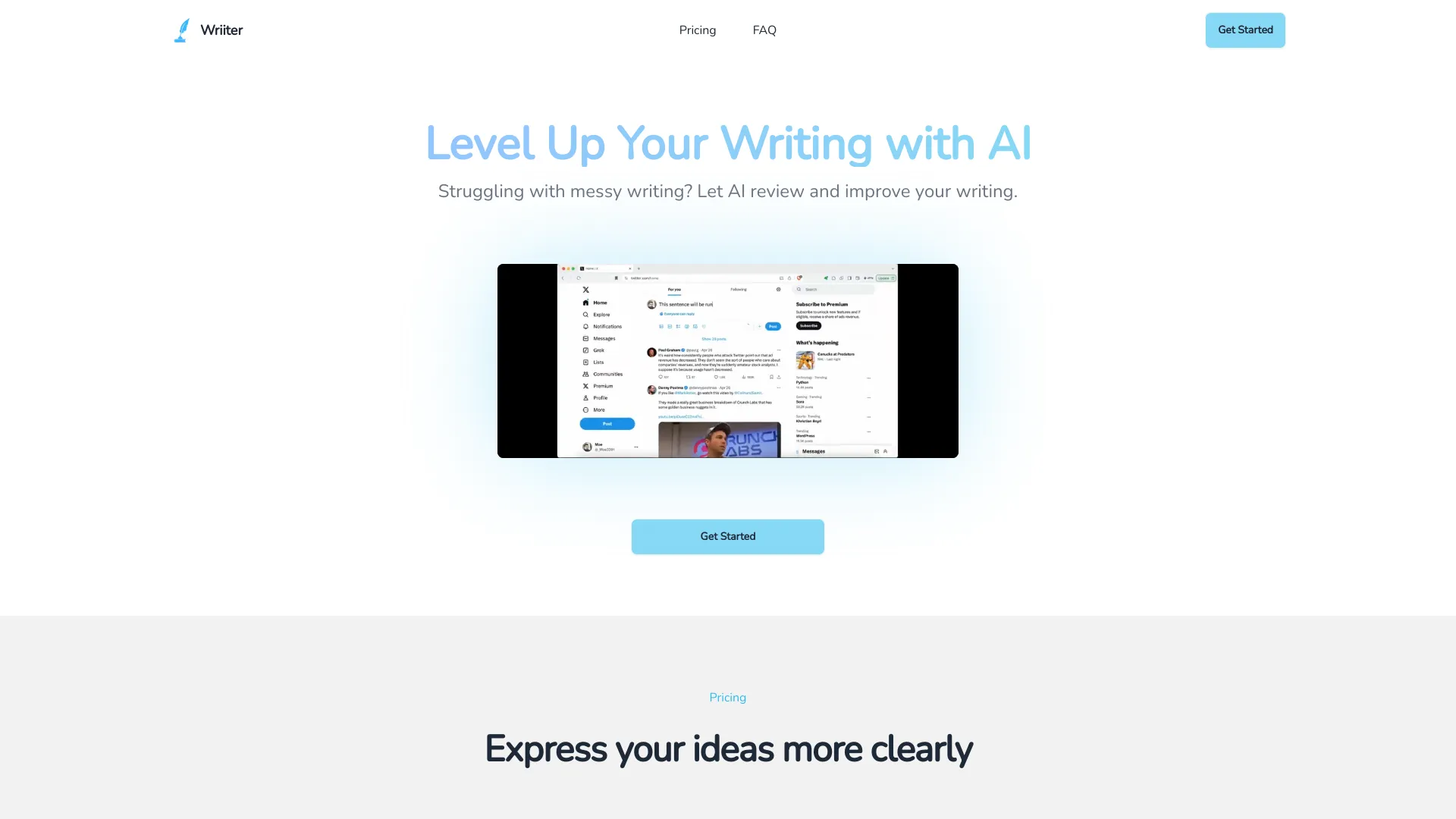
Wriiter
Writers seeking AI writing feedback

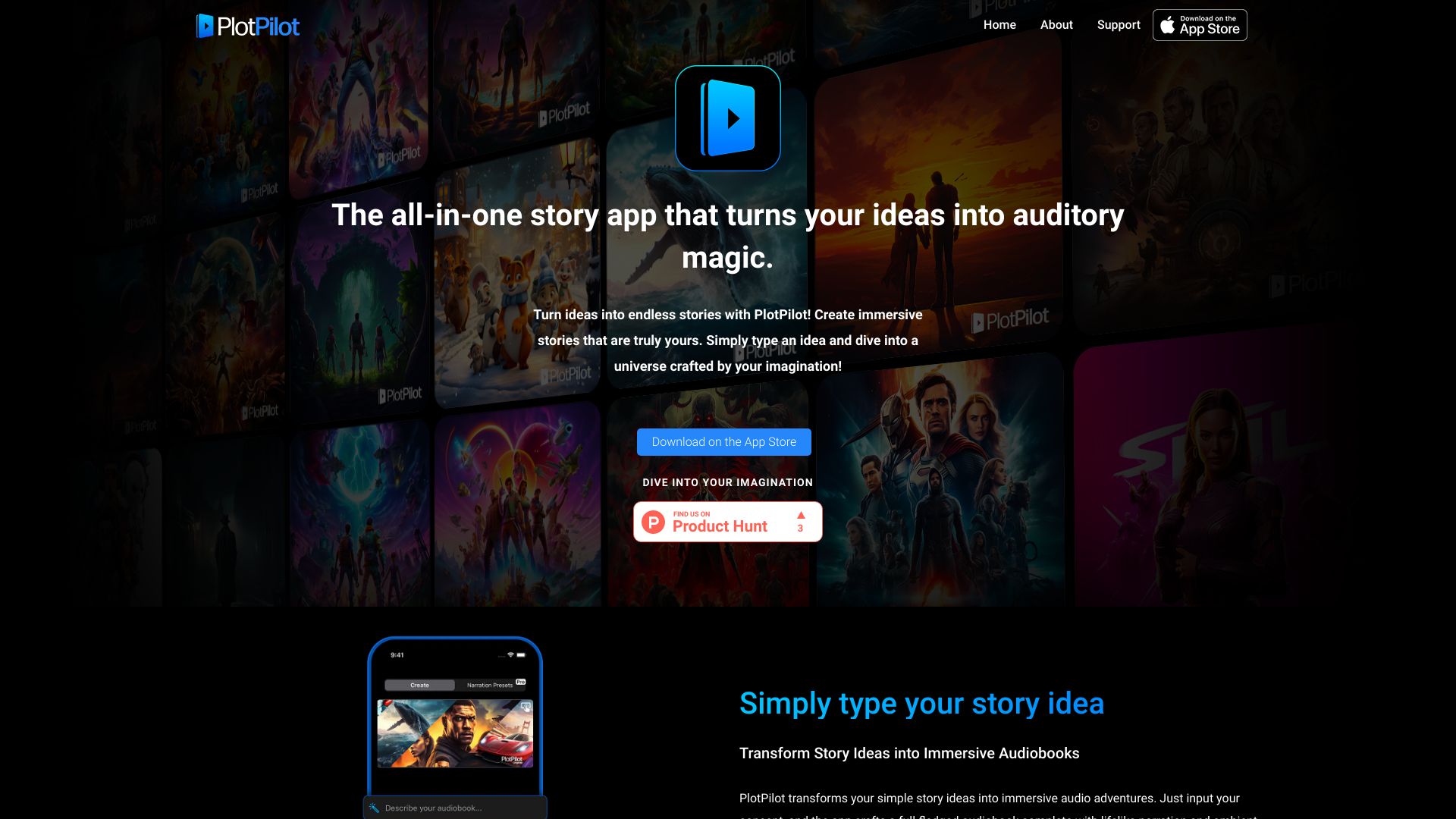
PlotPilot
Interactive story creation
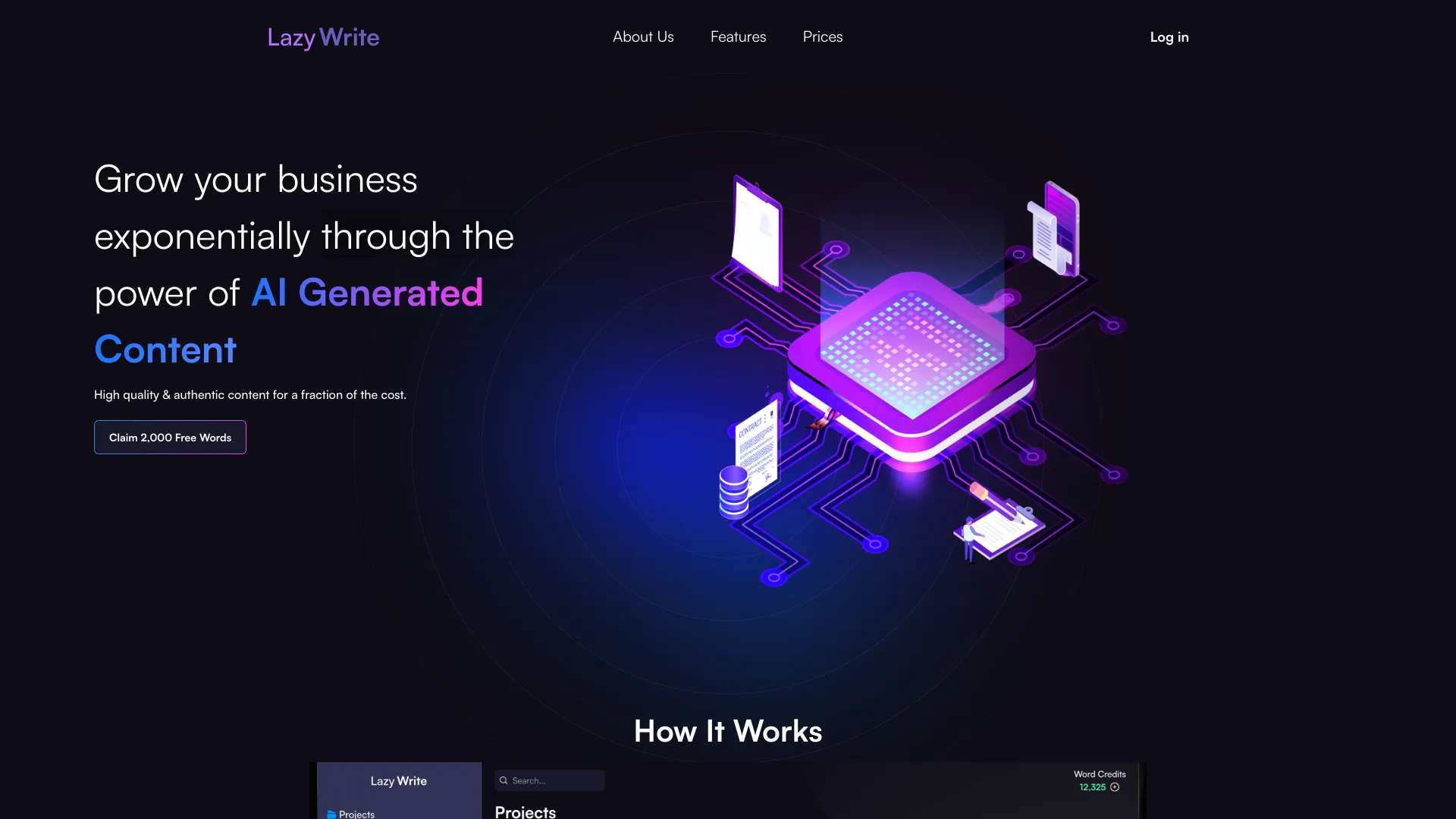
Lazy Write
Growing article and blog projects

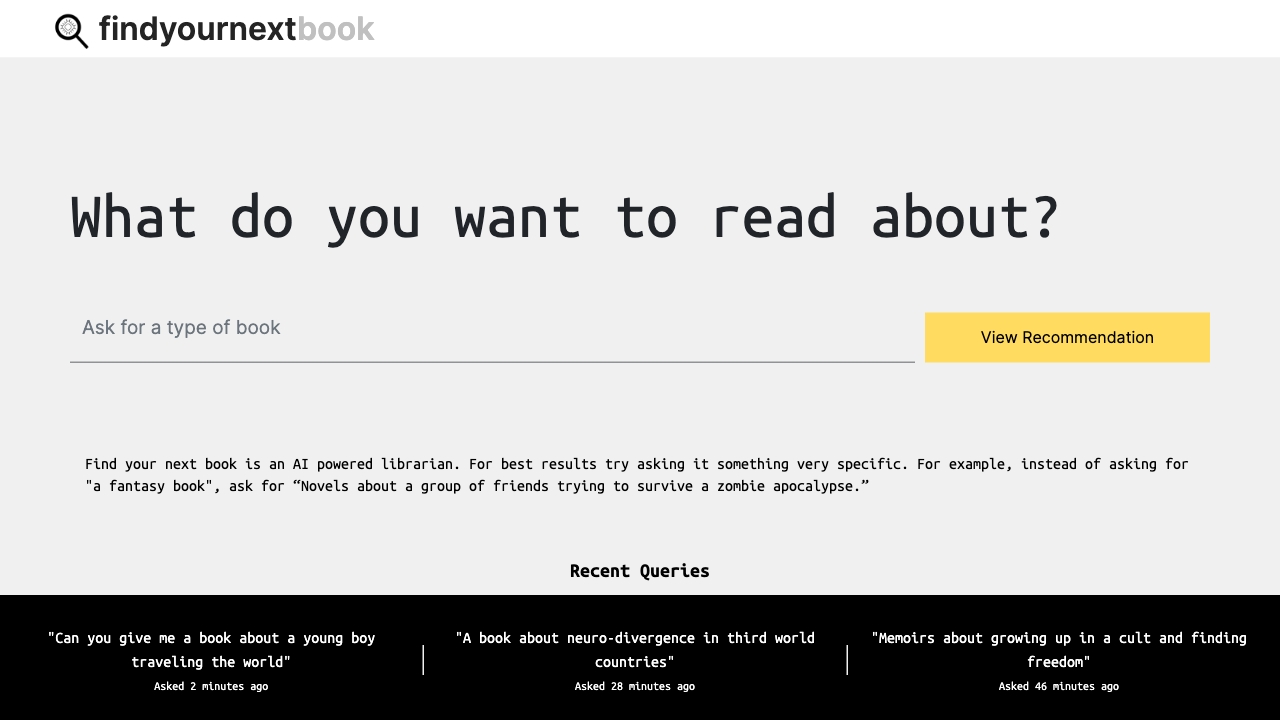
BookFindy.AI
AI-powered book recommendations

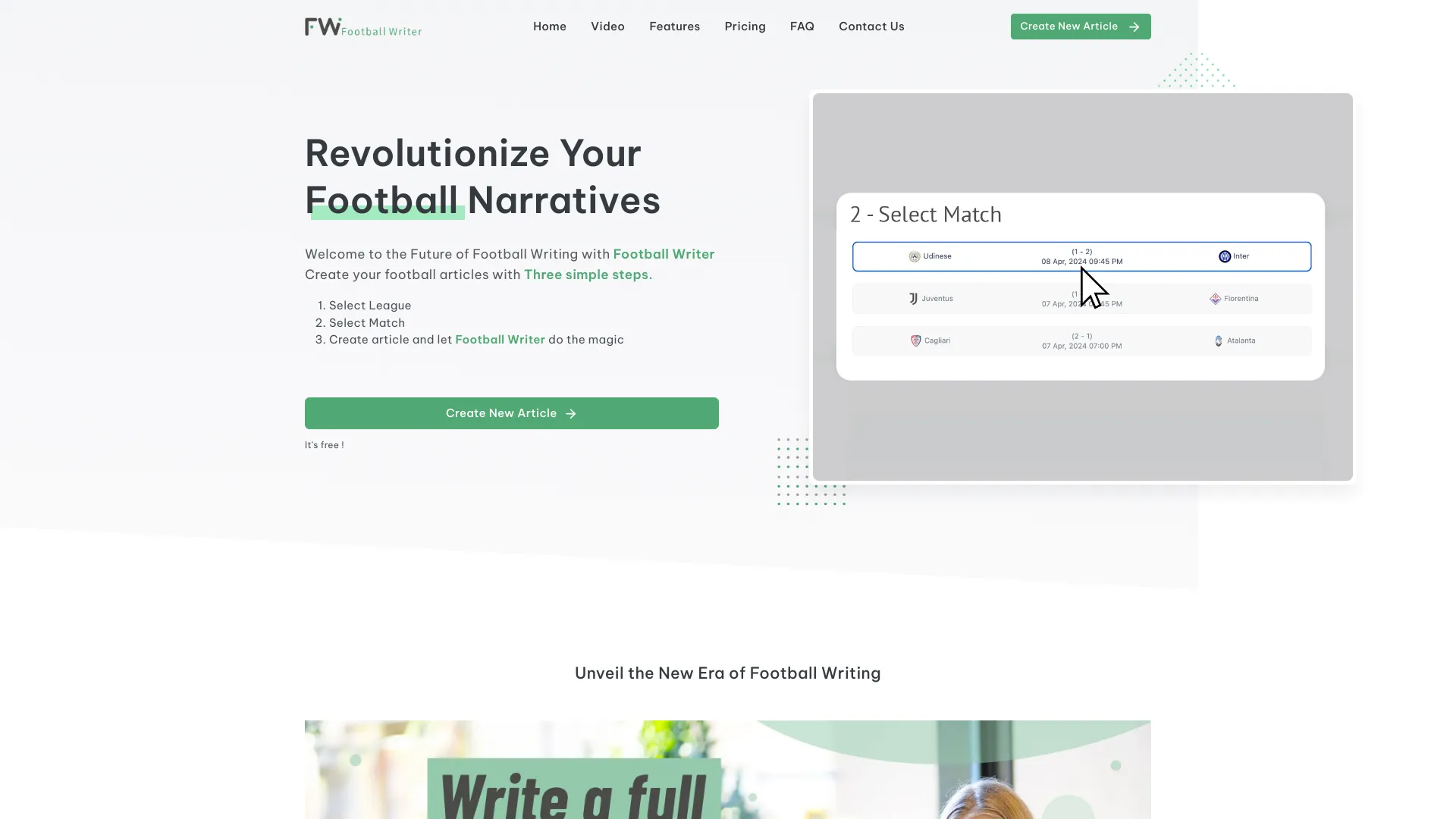
Football Writer
Football match recap writers

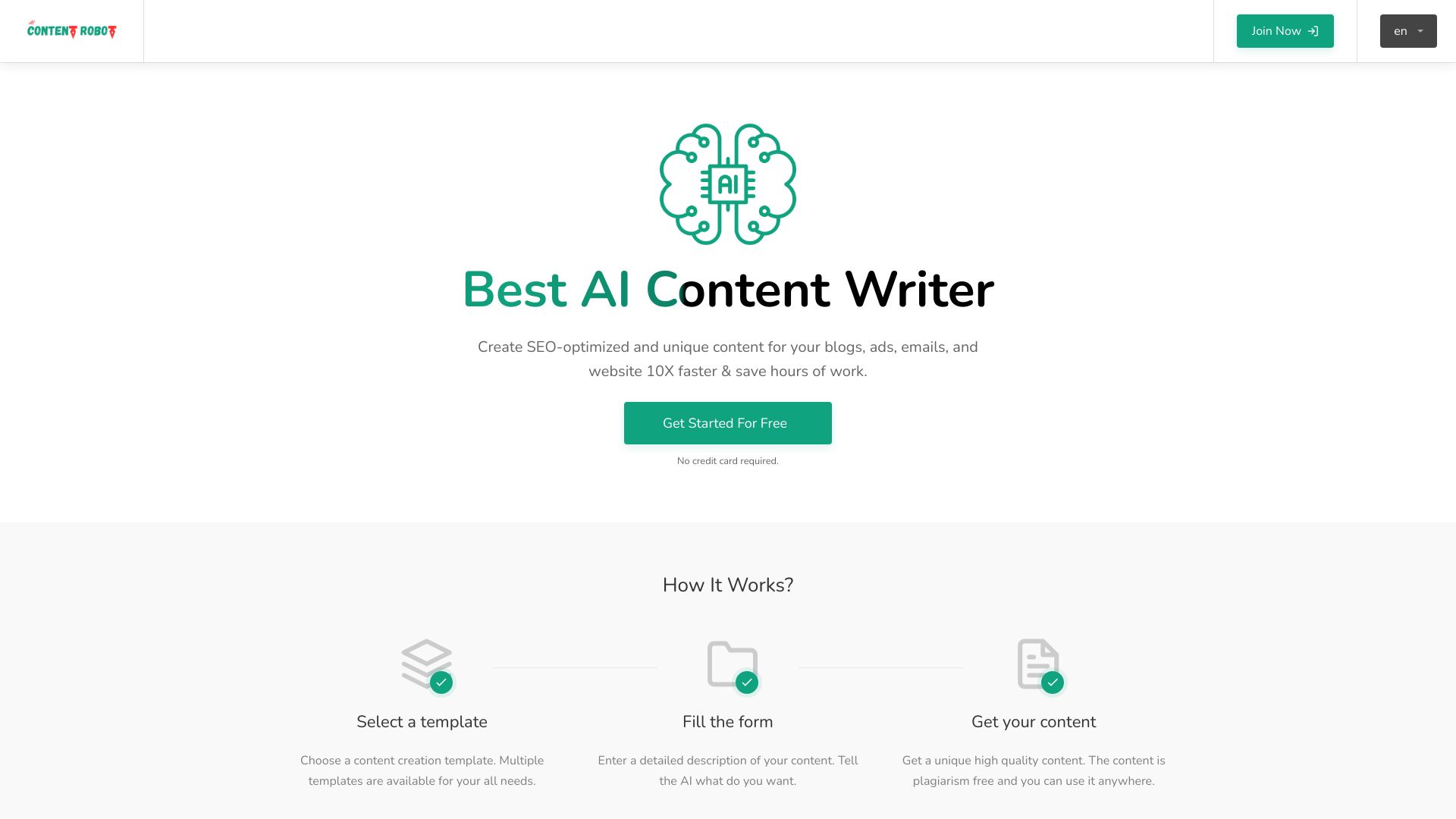
Content Robot
Broad AI content drafting

AI For Contents
Multi-format content drafting

AI Recipe Writer
Diet-specific recipe creation

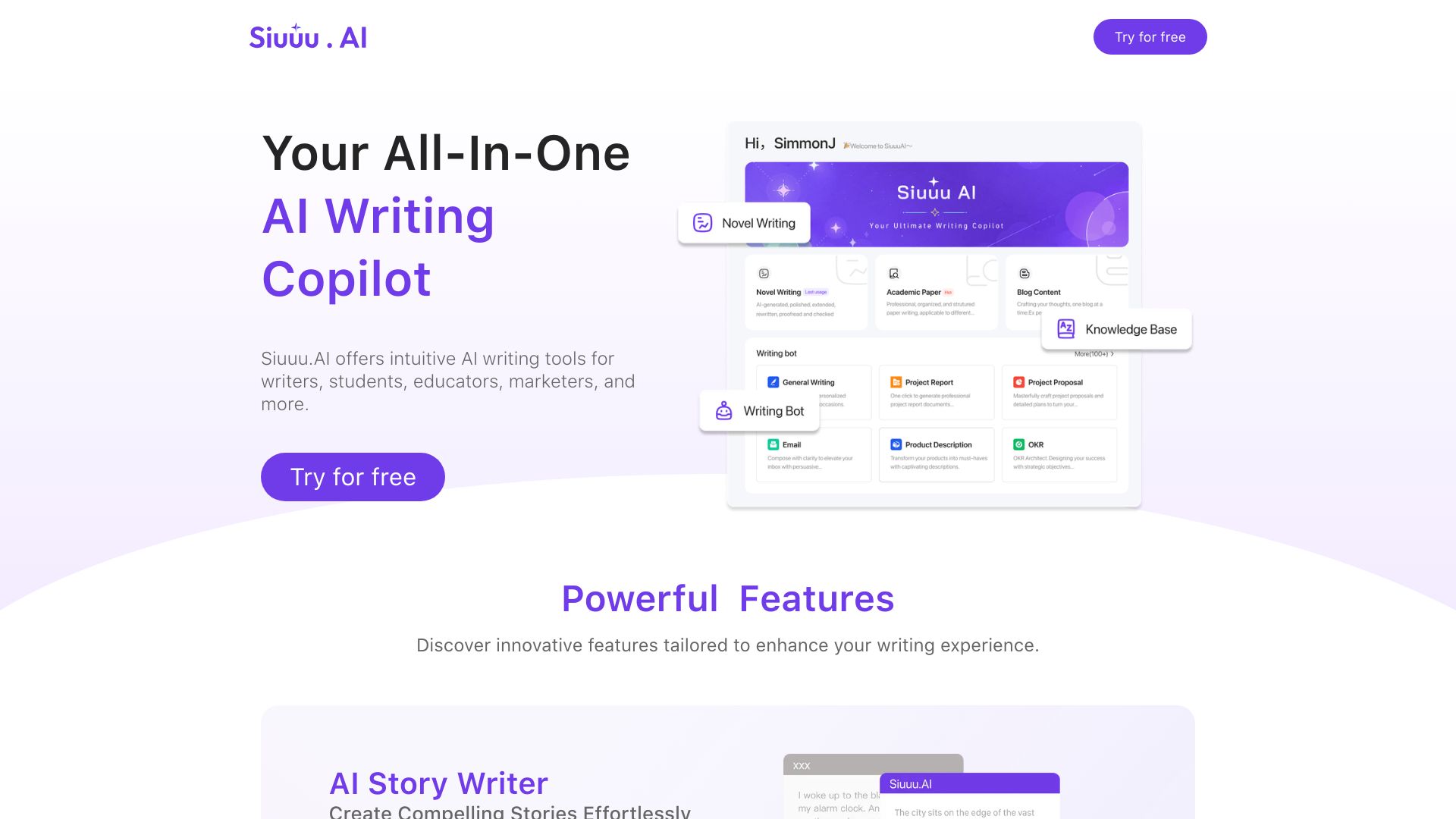
Siuuu.ai
Novelists and story writers

Writey A.I
AI-assisted blog writing

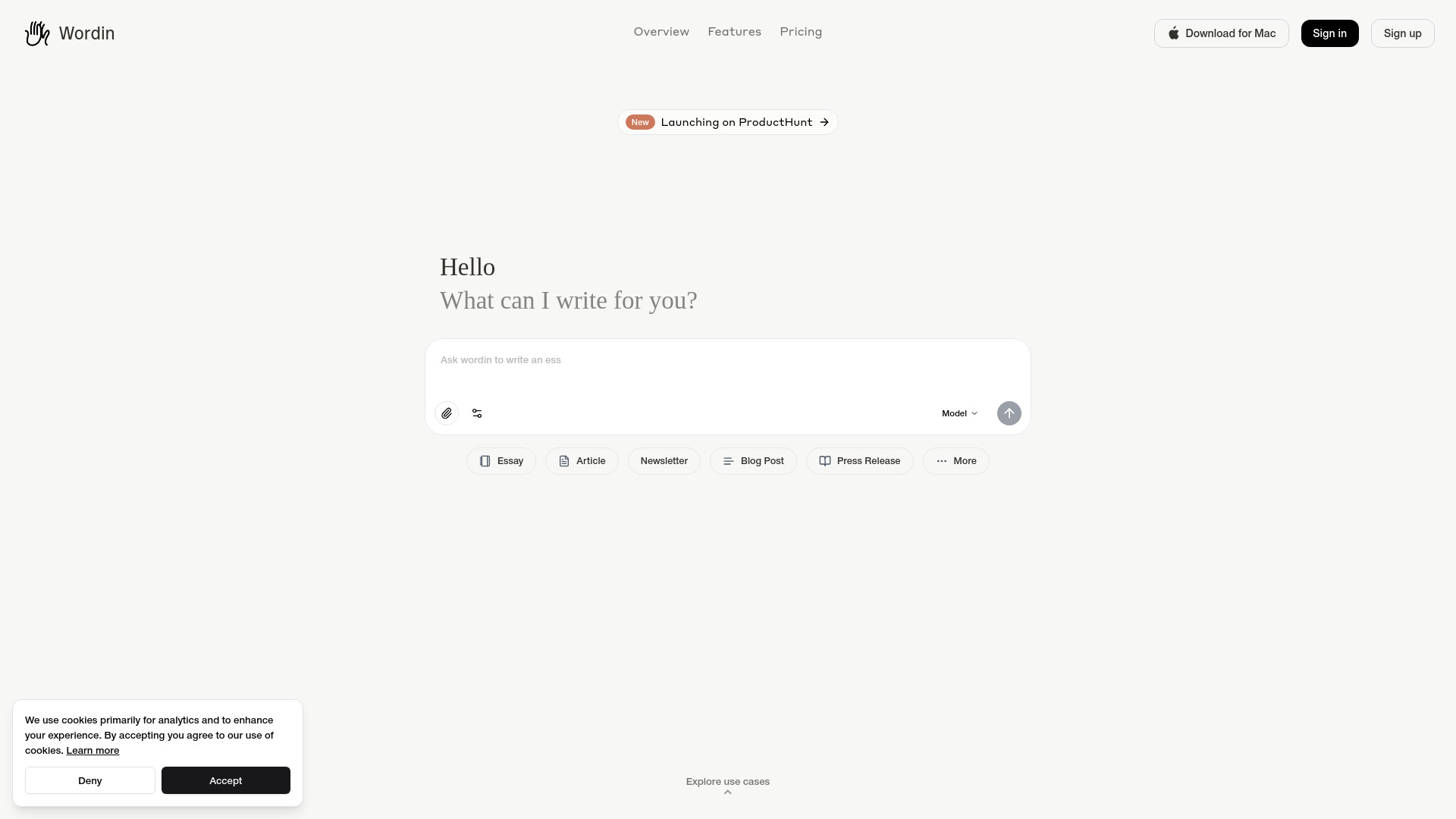
Wordin
Authors and long-form writers
Which AI book-writing tool should you choose?
Start with the job you want the software to do, not the promise of a whole book generated in one go.
For self-publishing: Start with AIWriteBook if you want manuscript importing, voice-oriented writing, and KDP-ready formatting and covers in the same workflow.
For fiction: Try Sudowrite when you need scene generation or expansion. AI Novelist is another story-focused option if you can supply enough context.
For a free first experiment: aiWriter.ai is easy to try without signing up, but remember its free-tier rate limits.
For research-heavy nonfiction: Aithor's research assistance and autocitation may help, provided you verify sources and citations yourself.
For ebook-to-audio work: Inkfluence AI combines book writing for fiction and nonfiction with audiobook conversion.
For team content operations: Writer is better suited to teams managing consistent content and AI agents than to a solo author's novel workflow.
For personalized satire: Book by Anyone is a specialized gift-book creator, not a general manuscript editor.
When deciding what is the best ai to write a book for you, run a small, representative test: give the tool a short section of your outline, ask for a scene or passage, and judge whether the output follows your instructions, voice, and structure. Check the plan limits at the same time. A low monthly price can still be a poor fit if credits or chapter caps interrupt your drafting rhythm.
My practical recommendation
For most self-publishing authors, I would begin with AIWriteBook because it has the clearest combination of manuscript import, voice-matched writing, and book-production features. If you mainly write fiction, put Sudowrite beside it for a focused test of scene writing and expansion. Choose Inkfluence AI instead if audiobook conversion is part of the plan from the outset.
Do not pick on the basis of a tool's ability to produce a long block of text. Test whether it helps you make decisions and revise. Bring a real premise, a chapter outline, and a passage that represents your style. Check how much context you must provide, what free access actually includes, and whether the paid plan's credits or chapter limits can support your schedule. Then keep the final editorial responsibility with the author.
Common mistakes when choosing an AI tool for writing a book
Expecting a finished manuscript from one prompt. Long books need structure, continuity, revision, and human decisions.
Ignoring usage limits. Credits, chapter caps, and generation pace limits can shape the workflow more than the advertised feature list.
Using a specialist for the wrong job. A satire gift-book tool, team content platform, and fiction writing partner solve different problems.
Treating generated research as verified. Confirm claims, sources, and citations yourself before publication.
Skipping an originality review. Edit generated language and avoid prompts that ask a tool to copy another author's work.
What changed in 2026
The useful distinction is less "AI writes the whole book" and more "which stages does it support?" The strongest matches in this comparison point to different workflows: importing and preparing a self-published manuscript, expanding fiction scenes, helping with research and citations, or moving ebook content toward audiobook narration. Free entry points also differ considerably, from chapter allowances to word quotas and trial periods. Before choosing, verify live plan details: pricing and access terms can change, and a free starting allowance is not the same as enough capacity to complete a book.
FAQ
For self-publishing, AIWriteBook is the strongest overall match here because it supports manuscript import, voice-matched writing, and KDP-ready formatting and covers. Fiction writers may prefer Sudowrite's story-focused tools.