
The best perplexity rank tracker depends on what you mean by "rank." Some tools monitor whether a brand appears in Perplexity answers, while others help you research, optimize, or track the conventional search signals that influence AI visibility. We compared 100 tools and narrowed the field to 10 featured picks, with the strongest emphasis on Perplexity monitoring, AI-search mentions, citations, content optimization, and practical reporting.
The short version: LPagery AI Rank Tracker, Peec AI, Otterly.AI, and ZeroRank AI are the clearest choices for teams measuring brand visibility inside AI answers. Perplexity AI and Comet are better for research. Rankability and Rush Analytics make more sense when AI visibility is part of a broader SEO workflow.
Top picks
| Pick | Tool | Best for | Why it stands out |
|---|---|---|---|
| 1 | Perplexity AI | Researchers | The closest first-party environment for asking questions and exploring sourced information. |
| 2 | LPagery AI Rank Tracker | Local service businesses | Tracks mentions across ChatGPT, Claude, Gemini, and Perplexity in one workflow. |
| 3 | Perplexity Comet | Research-heavy users | Turns browsing into an AI-assisted process for asking, understanding, and remembering information. |
| 4 | Peec AI | Marketing teams | Combines brand mentions with the source citations behind AI answers. |
Quick comparison
| Tool | Score | Best for | Free access | Starting price |
|---|---|---|---|---|
| Perplexity AI | 93/100 | Researchers | Free AI search access | Check vendor pricing |
| LPagery AI Rank Tracker | 91/100 | Local service businesses | 7-day free trial | Starter: $59/month |
| Perplexity Comet | 91/100 | Researchers | Availability is restricted | Check vendor pricing |
| Peec AI | 91/100 | Marketing teams | Free trial available | Starter: $95/mo |
| Otterly.AI | 90/100 | SEO specialists | 14-day free trial | Lite: $29/month |
| Rankability | 90/100 | SEO agencies | Free access details vary | SEO Specialist: $149/month |
| PrompTessor | 90/100 | Developers | 10 requests per day | Free: $0 |
| ZeroRank AI | 90/100 | Marketers | 14-day free trial | Check vendor pricing |
| Ponder AI | 90/100 | Students | Try for free | Check vendor pricing |
| Rush Analytics | 90/100 | SEO specialists | 7-day free trial | From $24/month |
How we ranked these Perplexity rank trackers
We weighted direct relevance to Perplexity and AI-search visibility first, then looked at the job each product actually helps you complete. Mention tracking, visibility monitoring, citation analysis, and model coverage earned the strongest consideration. We also considered conventional rank tracking, keyword research, content optimization, research assistance, accessibility of a free trial, stated pricing, and the clarity of each tool's audience fit. Scores are not a promise of search placement; they are an editorial guide to usefulness for buyers comparing the best perplexity rank tracking workflows. Where a product serves an adjacent job rather than direct monitoring, we label that distinction clearly instead of treating every SEO or research tool as interchangeable.
The best Perplexity rank trackers
1. Perplexity AI

Perplexity AI
Best overall match for researchers
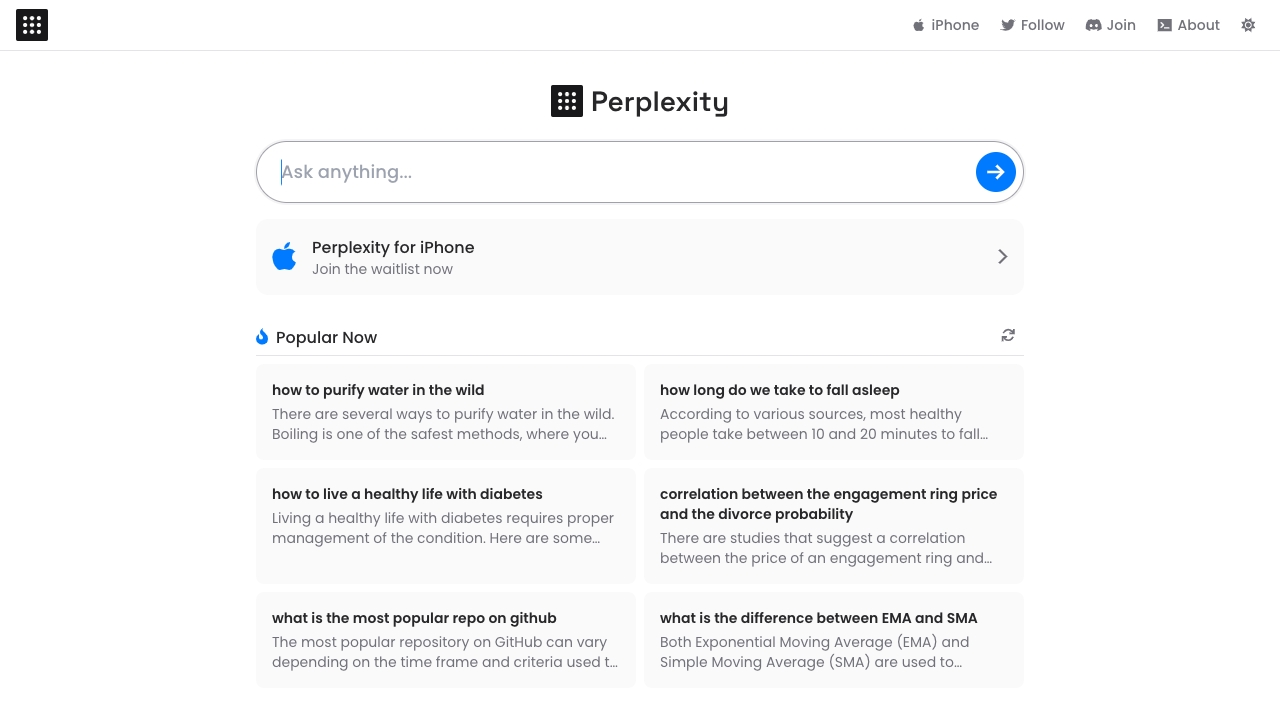
The first tool on this list is also the most literal starting point: Perplexity AI itself. It combines an AI-powered search engine with natural-language query processing, making it useful when your immediate need is to investigate how questions are answered rather than build a conventional SEO dashboard. For researchers, that directness matters. You can explore a subject, refine the question, and examine the resulting information in the same environment.
It is not a rank tracker in the conventional position-over-time sense. Instead, it is the reference environment for understanding AI search behavior and information discovery. That makes it a sensible baseline before you buy a monitoring platform: formulate the questions your audience asks, inspect how answers are presented, and identify the kind of evidence an external visibility tool should help you measure.
My take: I would begin here when the goal is to understand Perplexity's answer experience rather than immediately export a report. Its enormous usage signal also makes it difficult to ignore when evaluating where AI-search visibility matters.
Where it falls short: Advanced features such as access to Claude-2 or GPT-4 may require a Pro subscription. It also does not replace a dedicated dashboard for recurring brand-mention or citation monitoring.
Key features
AI-powered search engine.
Natural-language query processing.
AI answers combined with search-based information discovery.
Pros
Provides answers using AI and search engines.
Directly reflects the environment many buyers want to understand.
Cons
Advanced model access may require Pro.
Not presented as a dedicated rank-monitoring platform.
Choose Perplexity AI if: You are a researcher or strategist who needs to investigate AI search answers before choosing a measurement tool.
2. LPagery AI Rank Tracker

LPagery AI Rank Tracker
Best AI visibility tracker for local service businesses
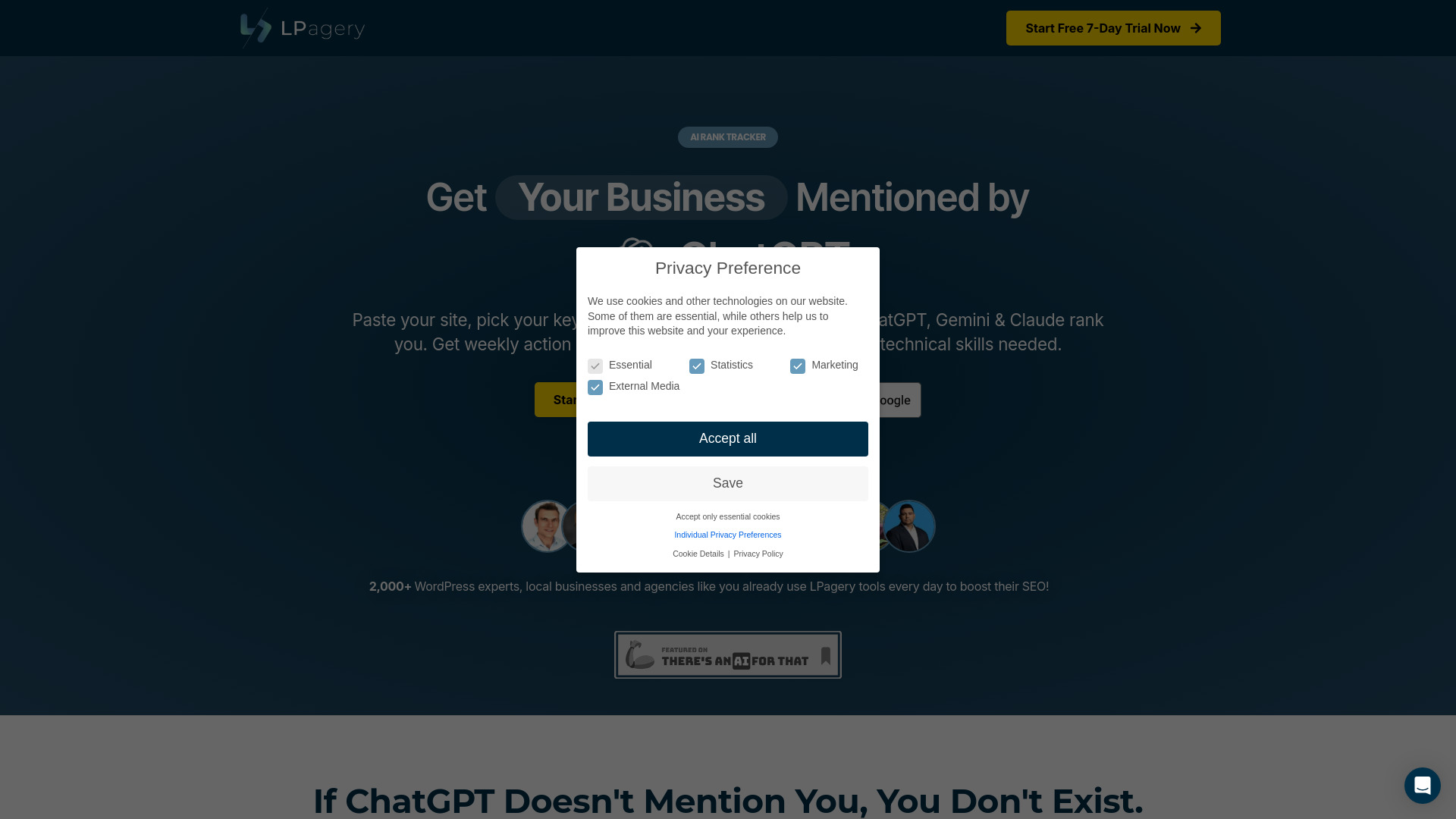
LPagery AI Rank Tracker earns its place by treating AI visibility as a multi-model monitoring problem. It tracks mentions across ChatGPT, Claude, Gemini, and Perplexity, so a local service business can look beyond a single answer engine. The website content analysis feature adds a practical second step: after seeing where a business is or is not mentioned, users can examine content for AI visibility and receive ranking-oriented next steps.
That combination makes LPagery one of the strongest candidates for buyers searching for the best perplexity rank tracker tool but who also need broader chatbot coverage. It is especially relevant when a business wants to monitor its presence across several AI assistants rather than build a Perplexity-only report. The 7-day trial gives a short window to test whether its mention-tracking workflow matches your target queries.
My take: This is the most straightforward pick for a local operator who wants one place to watch AI chatbot mentions and turn the results into content work. The multi-model scope is more useful than a narrow Perplexity-only view for most small teams.
Where it falls short: There is no explicit free tier beyond the initial trial period. At $59 per month for the Starter plan, you should define your tracked questions and reporting needs before subscribing.
Key features
AI chatbot mention tracking across ChatGPT, Claude, Gemini, and Perplexity.
Website content analysis for AI visibility.
Actionable ranking steps connected to AI mention monitoring.
Pros
Tracks visibility across multiple major AI chatbots.
Fits local service businesses that need a practical monitoring workflow.
Cons
No explicit ongoing free tier beyond the initial trial.
Paid entry point may be more than a casual user needs.
Choose LPagery AI Rank Tracker if: You run a local service business and want cross-model AI mention tracking with content analysis in the same product.
3. Perplexity Comet

Perplexity Comet
Best AI browsing companion for researchers
Comet takes a different route to the Perplexity workflow. Rather than functioning as a classic reporting dashboard, it is an AI-powered thought partner for browsing. Its stated purpose is to help users ask, understand, and remember what they see, while collaborating in research and organizing the digital information encountered along the way.
That makes it an adjacent alternative, not a direct replacement for a Perplexity visibility tracker. It can be valuable during the discovery phase: researchers can use an AI-assisted browser to gather context, clarify questions, and retain useful information before turning those findings into content or a monitoring plan. For buyers who want a more integrated browsing experience, that distinction is meaningful.
My take: Comet is appealing when your bottleneck is research context rather than rank reporting. I would keep it in the shortlist for research teams, but I would not buy it expecting charts for brand mentions or position history.
Where it falls short: Comet is currently invite-only and available to Perplexity Max subscribers. That access restriction makes it harder to evaluate than tools offering a public trial.
Key features
AI-powered thought partner for browsing.
Helps users ask, understand, and remember information.
Supports research collaboration and digital-life organization.
Pros
Transforms browsing into a more personalized experience.
Suits users who need help connecting and retaining research.
Cons
Currently invite-only.
Available to Perplexity Max subscribers.
Does not present itself as a recurring rank-monitoring dashboard.
Choose Perplexity Comet if: You are a researcher who wants AI assistance while browsing and can work within its current access restrictions.
4. Peec AI

Peec AI
Best citation-focused AI visibility platform for marketing teams
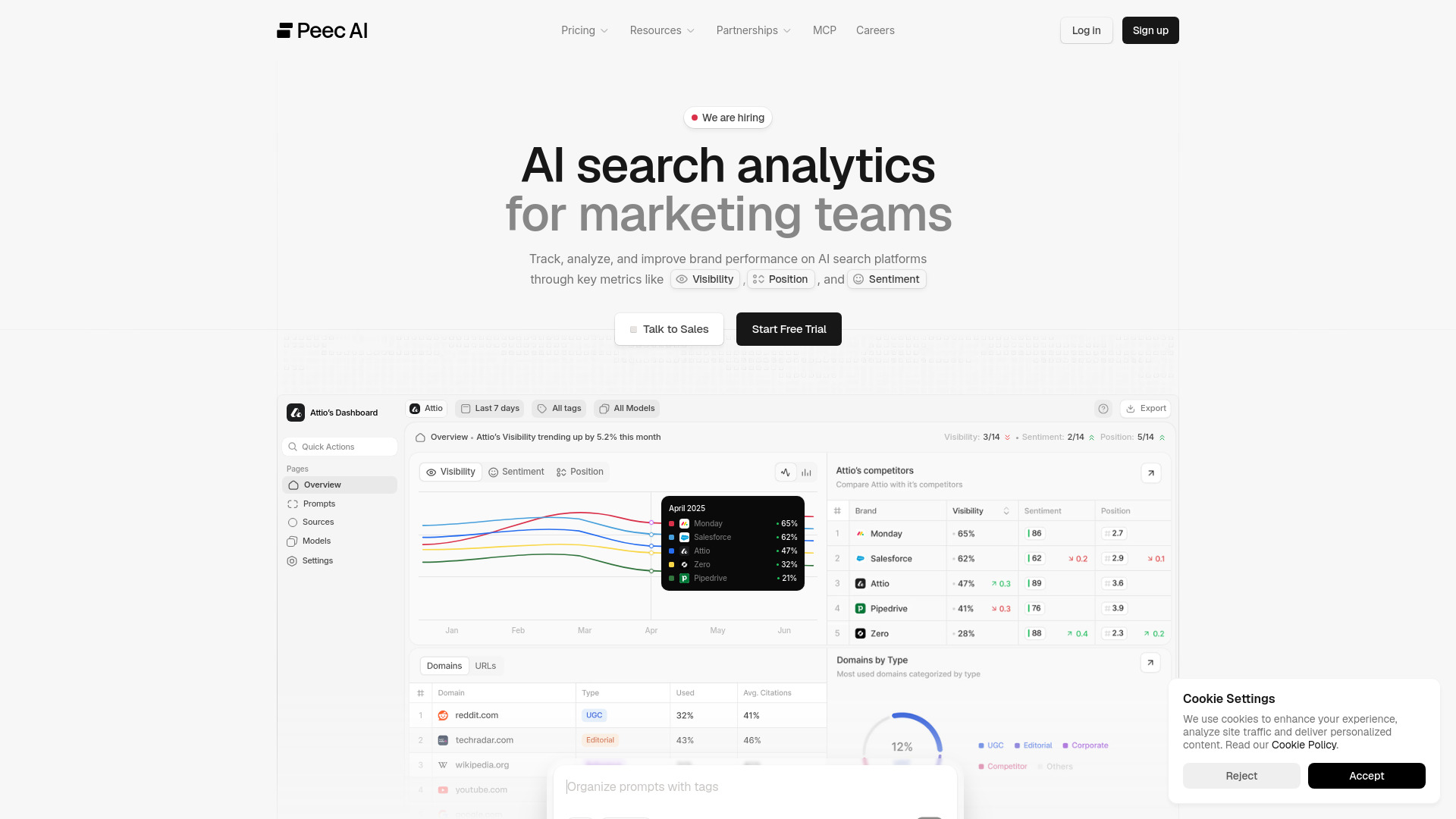
Peec AI stands out because it looks past the headline mention. Its AI Search Visibility Tracking covers models such as ChatGPT, Perplexity, and Gemini, while its analysis focuses on both brand mentions and the hidden source citations behind AI answers. That is a more useful lens for marketing teams than simply asking whether a company appeared once.
The position and ranking analysis feature gives the product a closer relationship to the language of rank tracking. More importantly, citation analytics can help a team think about the sources that support an answer, not only the wording of the answer itself. That makes Peec a strong fit for marketers who need to connect AI visibility with content and source authority discussions.
My take: Peec is my preferred pick when citations matter as much as mentions. The $95 Starter price is not trivial, but the product's focus is clearer than a general-purpose SEO suite.
Where it falls short: Starter and Pro tiers restrict tracking to a select number of models. Teams with broad model coverage requirements should check those limits before committing.
Key features
AI Search Visibility Tracking across ChatGPT, Perplexity, and Gemini.
Position and ranking analysis within AI search results.
Brand mention tracking.
Source citation analytics behind AI answers.
Pros
Tracks both brand mentions and the citations supporting AI answers.
Gives marketing teams a visibility-and-source view rather than a single mention count.
Cons
Starter and Pro plans limit the number of models tracked.
Starting price is higher than the lowest-cost options in this comparison.
Choose Peec AI if: You lead marketing work and need to understand both where your brand appears and which sources AI systems cite.
5. Otterly.AI

Otterly.AI
Best automated AI search monitoring for SEO specialists
Otterly.AI is one of the more approachable entries for SEO specialists who want automated monitoring rather than a manual research routine. It covers Google AI Overviews, ChatGPT, and Perplexity, giving teams a view across both AI-enhanced search and chatbot environments. Keyword research for SEO and content marketing rounds out the workflow.
The $29 Lite starting price and 14-day trial make Otterly easier to test than several higher-priced platforms. It is a sensible option for an SEO practitioner who wants to start measuring AI-search visibility while keeping keyword research in the same general workflow. The emphasis is monitoring and recurring collection, not browsing or prompt engineering.
My take: Otterly.AI is the practical starting point for teams that want a dedicated AI-search monitor without jumping straight to a $95 or $149 monthly plan. It has the clearest value story for a small SEO operation testing the category.
Where it falls short: The tool carries a market-level limitation in its stated outlook: organic traffic decline is predicted until 2028. Treat that as context for planning, not as a product feature, and keep expectations realistic about what monitoring can change.
Key features
AI Search Monitoring for Google AI Overviews, ChatGPT, and Perplexity.
Keyword research for SEO and content marketing.
Brand and content monitoring.
Pros
Automated tracking reduces manual data collection.
Covers several important AI-search surfaces.
Lower starting price than several specialist competitors.
Cons
The product cannot eliminate broader organic traffic pressure.
Buyers should evaluate whether its monitoring depth fits their reporting needs.
Choose Otterly.AI if: You are an SEO specialist who wants affordable automated monitoring across Perplexity, ChatGPT, and Google AI Overviews.
6. Rankability

Rankability
Best content optimization companion for SEO agencies
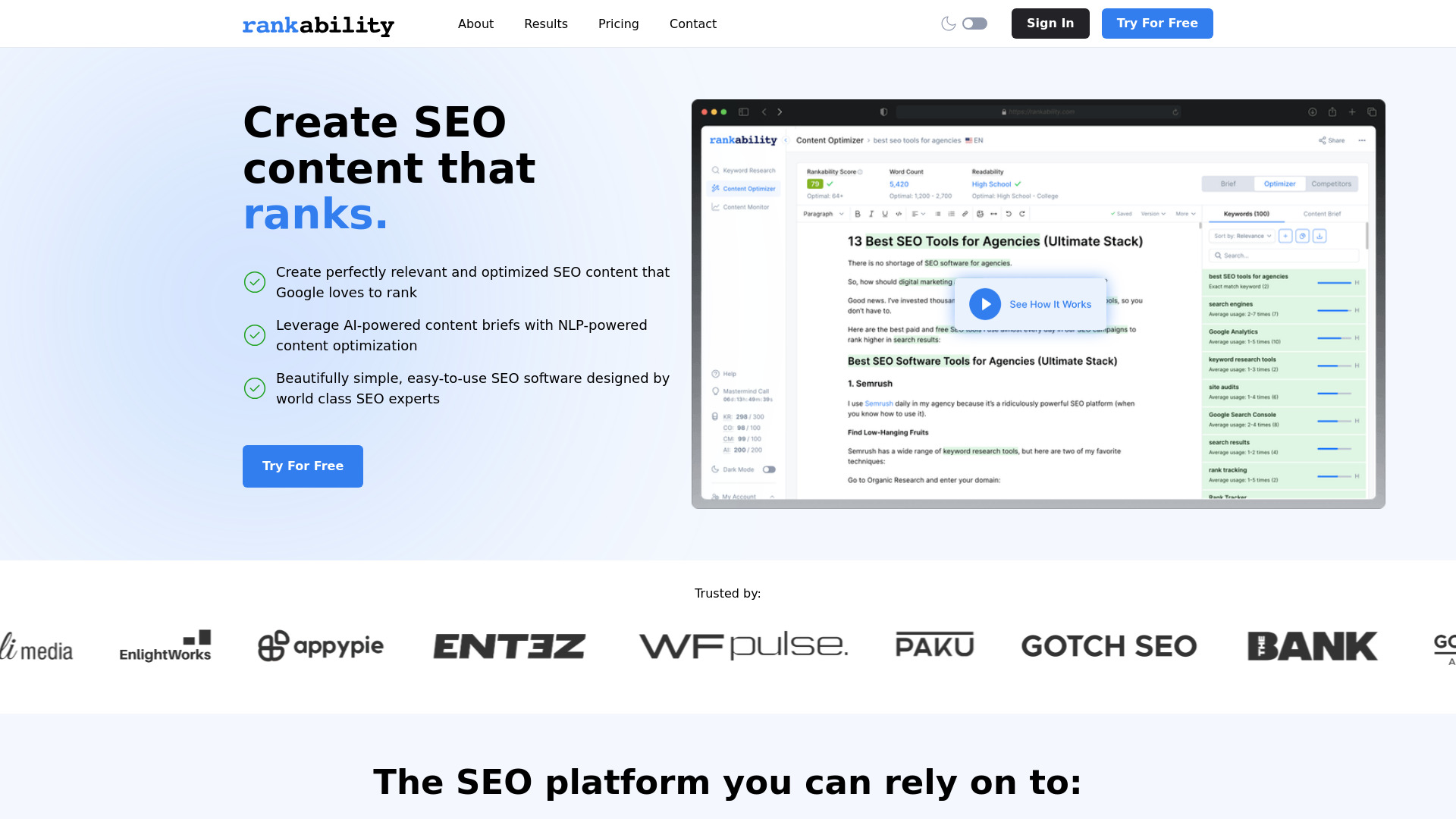
Rankability belongs in this comparison as a broader SEO and content optimization platform. Its AI Content Writer, real-time optimization guidance, content optimizers, AI briefs and outlines, and keyword research features are useful when the job is not merely to observe an AI answer but to improve the material that may be considered for search visibility.
That makes it a less direct Perplexity tracker than Peec, Otterly.AI, or LPagery. Its strength is the production loop: research a topic, create a brief or outline, write content, and optimize it with guidance. For an agency managing multiple content workflows, that can be more valuable than a narrow dashboard, especially when AI-search visibility is treated as one outcome of better content work.
My take: Rankability is a good choice when your team needs to act on visibility data through a content workflow. I would not choose it solely for Perplexity mention tracking, but I would consider it for an agency that needs optimization tools around the tracking conversation.
Where it falls short: Reliance on AI means human oversight remains important for accuracy and tone. The $149 SEO Specialist starting price also places it firmly in a professional workflow budget.
Key features
AI Content Writer.
Real-time optimization guidance.
Content optimizers.
AI briefs and outlines.
Keyword research.
Pros
Streamlines content creation and optimization.
Connects briefs, writing, and optimization work in one platform.
Cons
AI-generated work requires human review for accuracy and tone.
The starting price may not suit casual or early-stage users.
Direct Perplexity monitoring is not its central stated feature.
Choose Rankability if: You run an SEO agency and need content creation and optimization support alongside your broader AI-search strategy.
7. PrompTessor
PrompTessor
Best prompt-analysis tool for developers
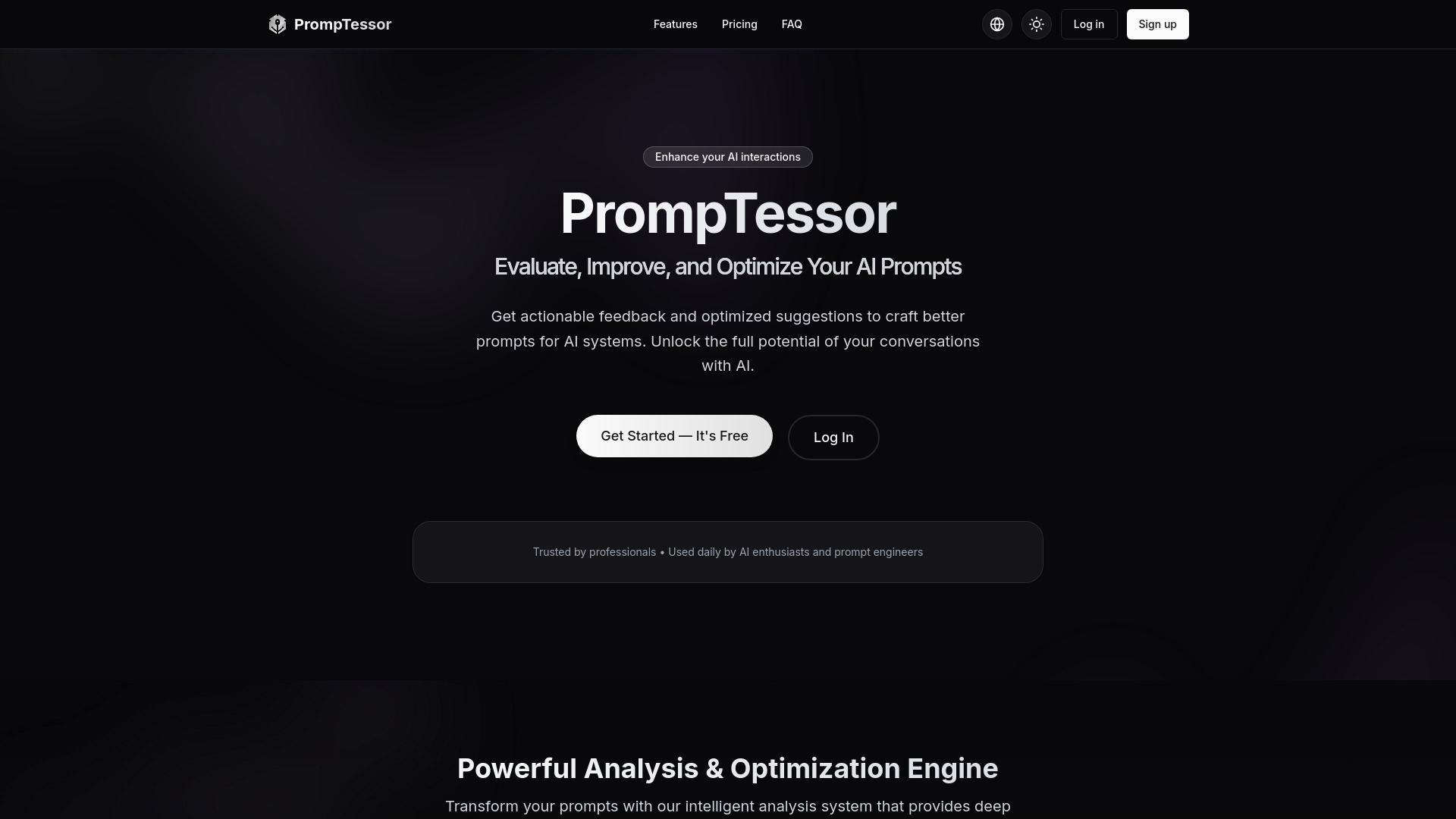
PrompTessor is an unexpected alternative in a list focused on Perplexity rank tracking. It does not monitor brand positions or AI citations. Instead, its Intelligent Analysis & Optimization Engine and Smart Metrics Scoring help developers evaluate and improve prompts. That matters when the quality of the question itself affects the consistency of research or monitoring work.
For a developer building a repeatable Perplexity research process, prompt analysis can be a useful adjacent capability. Better-structured prompts may make manual comparisons easier to repeat, even though PrompTessor does not provide the visibility history that a dedicated rank tracker does. Its free allowance of 10 requests per day gives users a concrete way to test the basic workflow.
My take: I would not call PrompTessor the best online perplexity rank tracker. I would call it a practical supporting tool for people who need to make AI prompts more precise before running research or evaluation tasks.
Where it falls short: Advanced analysis and unlimited usage require paid subscriptions. Its role is prompt improvement, so buyers seeking mention monitoring, citations, or rank history should look elsewhere.
Key features
Intelligent Analysis & Optimization Engine.
Smart Metrics Scoring with detailed explanations.
AI prompt analysis.
Prompt optimization.
Pros
Provides actionable feedback on AI prompts.
Offers a free basic allowance of 10 requests per day.
Cons
Advanced analysis and unlimited use are paid features.
Does not track Perplexity rankings or brand mentions directly.
Choose PrompTessor if: You are a developer who needs to improve prompt quality for repeatable AI research and evaluation workflows.
8. ZeroRank AI

ZeroRank AI
Best quick-start AI visibility tracker for marketers
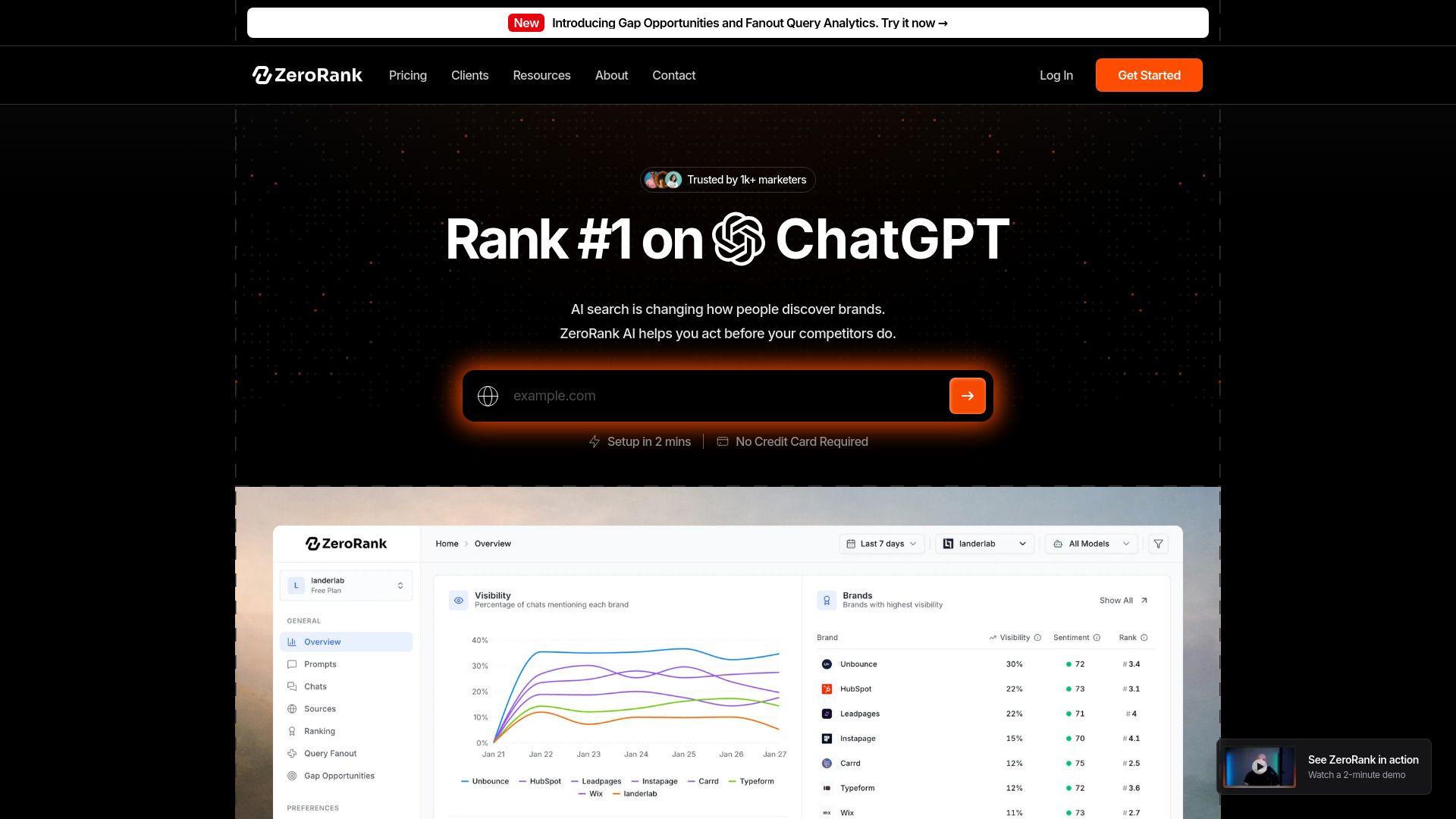
ZeroRank AI focuses directly on the visibility question: how often and how prominently does a brand appear in AI search? Its stated workflow combines AI search ranking tracking, sentiment and visibility analysis, and a one-click content generation engine. The setup promise is unusually clear too: the product highlights a start time of under two minutes.
That speed makes ZeroRank appealing to marketers who want to move from curiosity to a first measurement quickly. The product can help frame the conversation around visibility and sentiment rather than leaving a team to collect individual Perplexity answers by hand. The 14-day free trial, with no credit card required, also lowers the friction of initial evaluation.
My take: ZeroRank AI is the pick I would test first when setup speed matters more than a large, established SEO suite. It gives marketers a focused starting point for tracking and improving AI-search presence.
Where it falls short: The Starter plan is limited to 25 prompts. That can become restrictive if you need to monitor many brands, locations, or question variations, so map your intended prompt set before choosing a plan.
Key features
AI search ranking tracking.
Sentiment and visibility analysis.
Clear analytics and actionable insights.
One-click content generation engine.
Fast setup in under two minutes.
Pros
Fast setup for marketers testing AI visibility tracking.
Includes a 14-day trial without a credit card.
Connects visibility analysis with content generation.
Cons
Starter plan includes only 25 prompts.
Current pricing should be confirmed with the vendor.
Choose ZeroRank AI if: You are a marketer who wants a quick, low-friction way to test AI-search visibility tracking before expanding the workflow.
9. Ponder AI

Ponder AI
Best visual research workspace for students
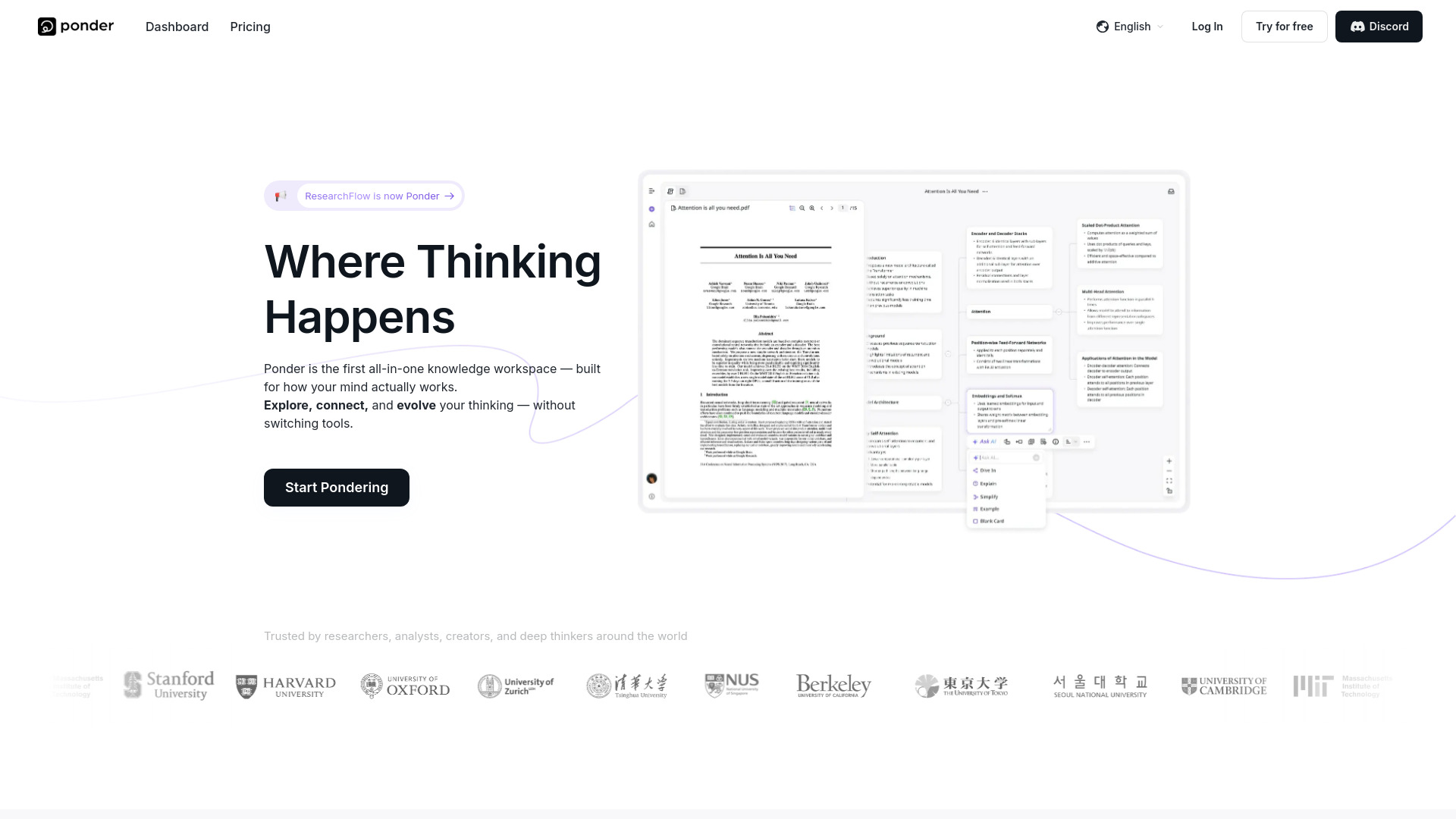
Ponder AI is another adjacent tool, this time aimed at thinking and knowledge management. Its Smart Research Assistant lets users ask questions and see how information connects, while AI-powered mind mapping puts ideas on an infinite canvas. That combination is relevant when a student or researcher needs to organize the evidence and concepts surrounding an AI-search topic.
It is not a rank tracker and does not claim to monitor Perplexity positions. Its value sits earlier in the process: gather questions, connect ideas, and build structured knowledge that can support research or content planning. For a student comparing answers or developing a topic map, that visual layer may be more useful than a conventional reporting table.
My take: Ponder AI is worth considering when the real problem is scattered research, not missing rank data. It is a thoughtful alternative for organizing the work that happens before optimization.
Where it falls short: Buyers should check current product fit, pricing, and workflow limits before committing. Those details matter more here because the tool's use case is broader than direct AI-search tracking.
Key features
Smart Research Assistant for questions, answers, and connections.
AI-powered mind mapping.
Infinite canvas for visualizing ideas.
Structured knowledge workspace.
Pros
Provides an all-in-one workspace for thinking and knowledge management.
Helps users organize research visually.
Offers a free way to try the workflow.
Cons
Does not function as a dedicated Perplexity rank tracker.
Pricing and workflow limits should be checked before purchase.
Choose Ponder AI if: You are a student or researcher who needs to structure ideas and sources before turning them into content or analysis.
10. Rush Analytics

Rush Analytics
Best broader SEO suite for SEO specialists
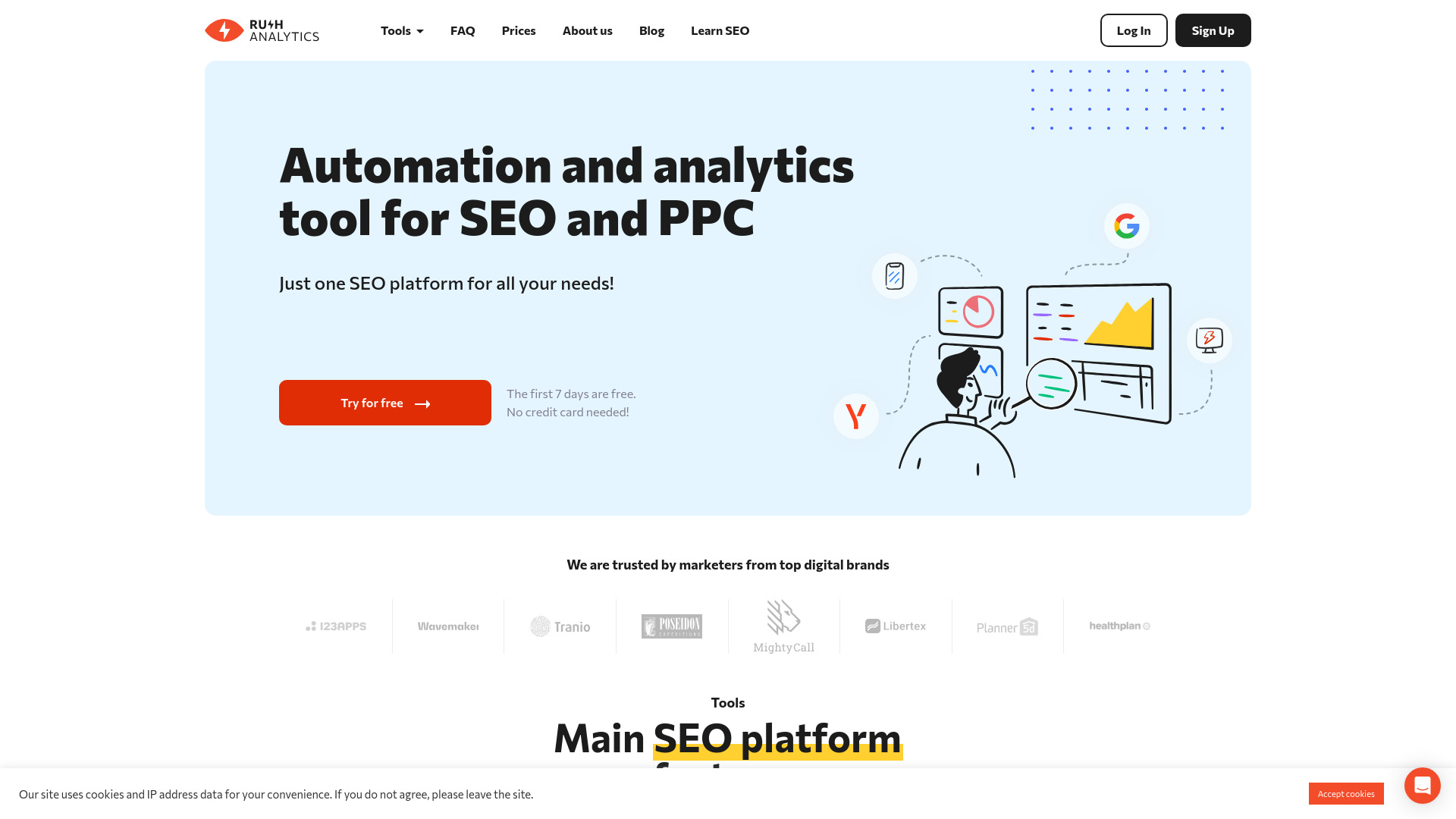
Rush Analytics rounds out the list with a conventional SEO foundation: rank tracking, keyword research, site audit, and PBN analysis. If your team is evaluating Perplexity visibility while still managing traditional search performance, that breadth can be more useful than a product focused only on AI answers.
It is an adjacent choice rather than a direct Perplexity monitoring specialist. The product's strongest case is consolidation: keep rank tracking and keyword research in an SEO analytics suite, then use those signals to inform the content and query strategy around AI visibility. Its 7-day trial and stated starting price from $24 per month make it one of the less expensive ways to test a broader SEO workflow.
My take: Rush Analytics is the sensible pick when Perplexity is one part of a wider search program. I would choose it over a specialist monitor only when conventional rank tracking and site audit are equally important.
Where it falls short: Pricing can be a barrier for some users despite the low stated starting point, particularly if they need more than the entry-level workflow. It also should not be mistaken for a dedicated AI-answer citation tracker.
Key features
Rank tracking.
Keyword research.
Site audit.
PBN analysis.
Pros
Comprehensive suite of SEO tools in one platform.
Includes a 7-day free trial.
Combines rank tracking with keyword research and site audit.
Cons
Pricing can still be a barrier for some users.
Direct Perplexity visibility tracking is not its stated central feature.
Choose Rush Analytics if: You are an SEO specialist who needs traditional rank tracking and keyword research alongside an emerging AI-search strategy.
More tools to compare

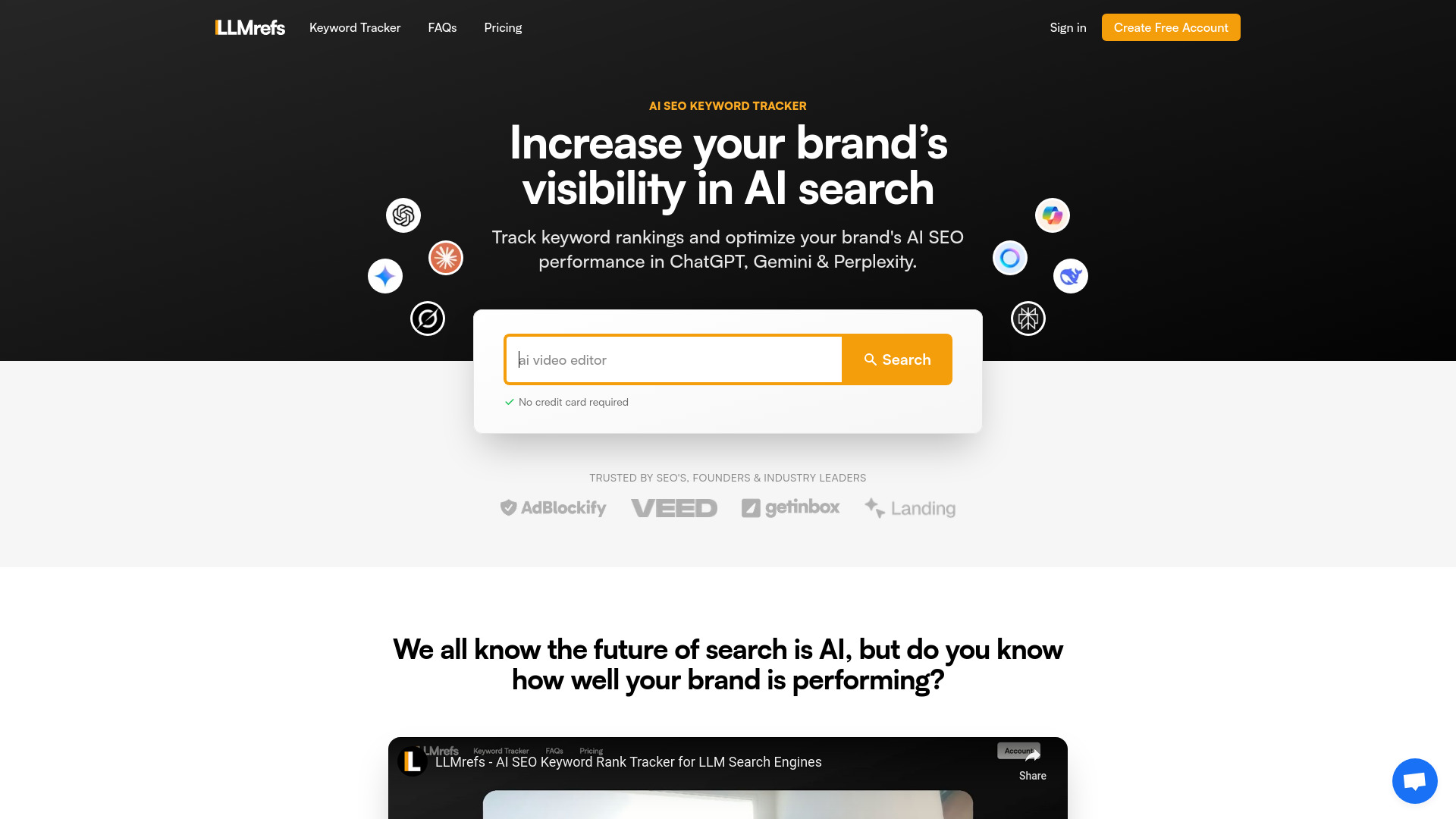
LLMrefs
Tracking brand visibility across AI search engines

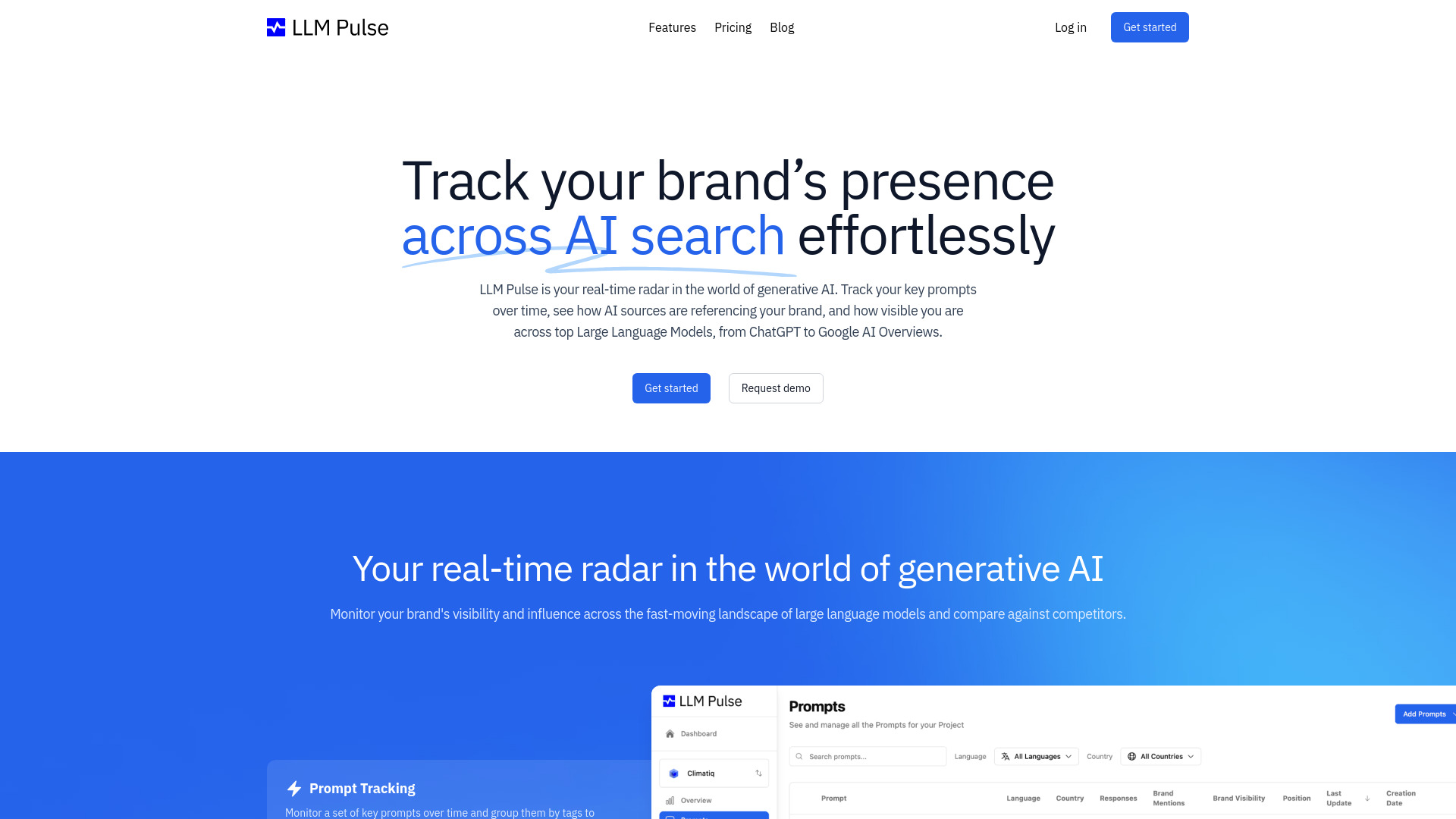
LLM Pulse
Brands tracking AI search visibility

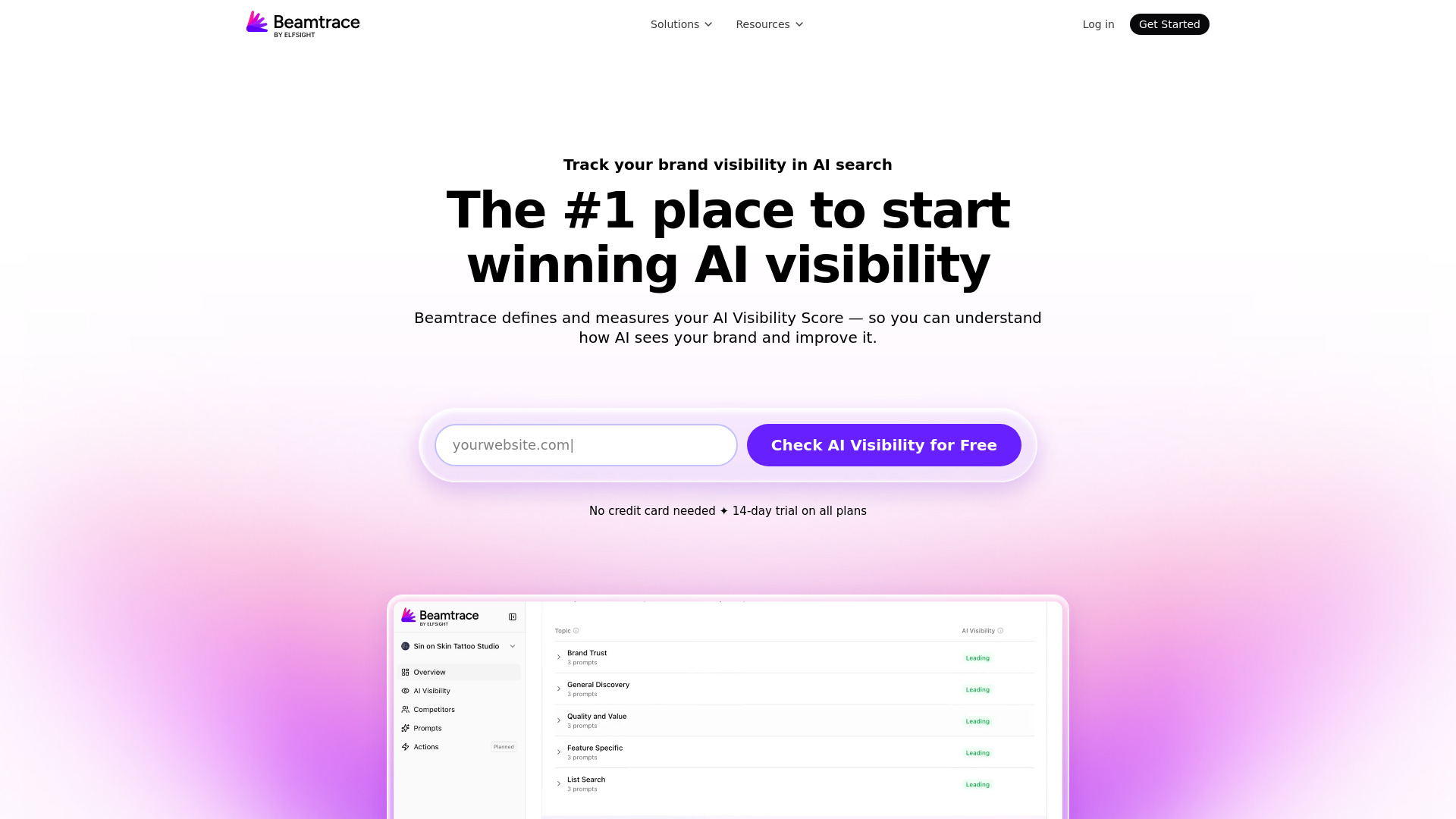
Beamtrace
AI brand visibility tracking

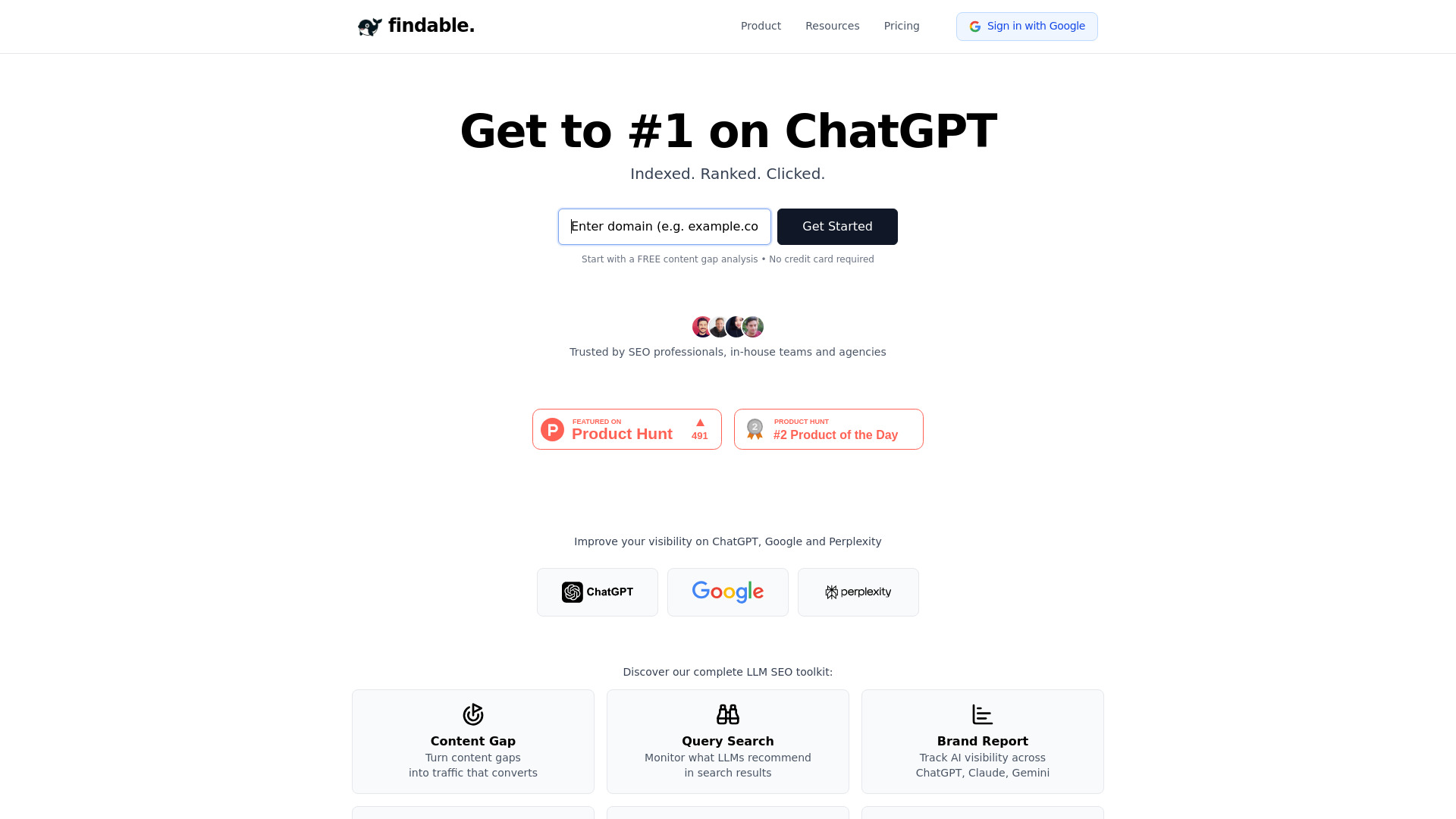
findable
LLM SEO visibility monitoring

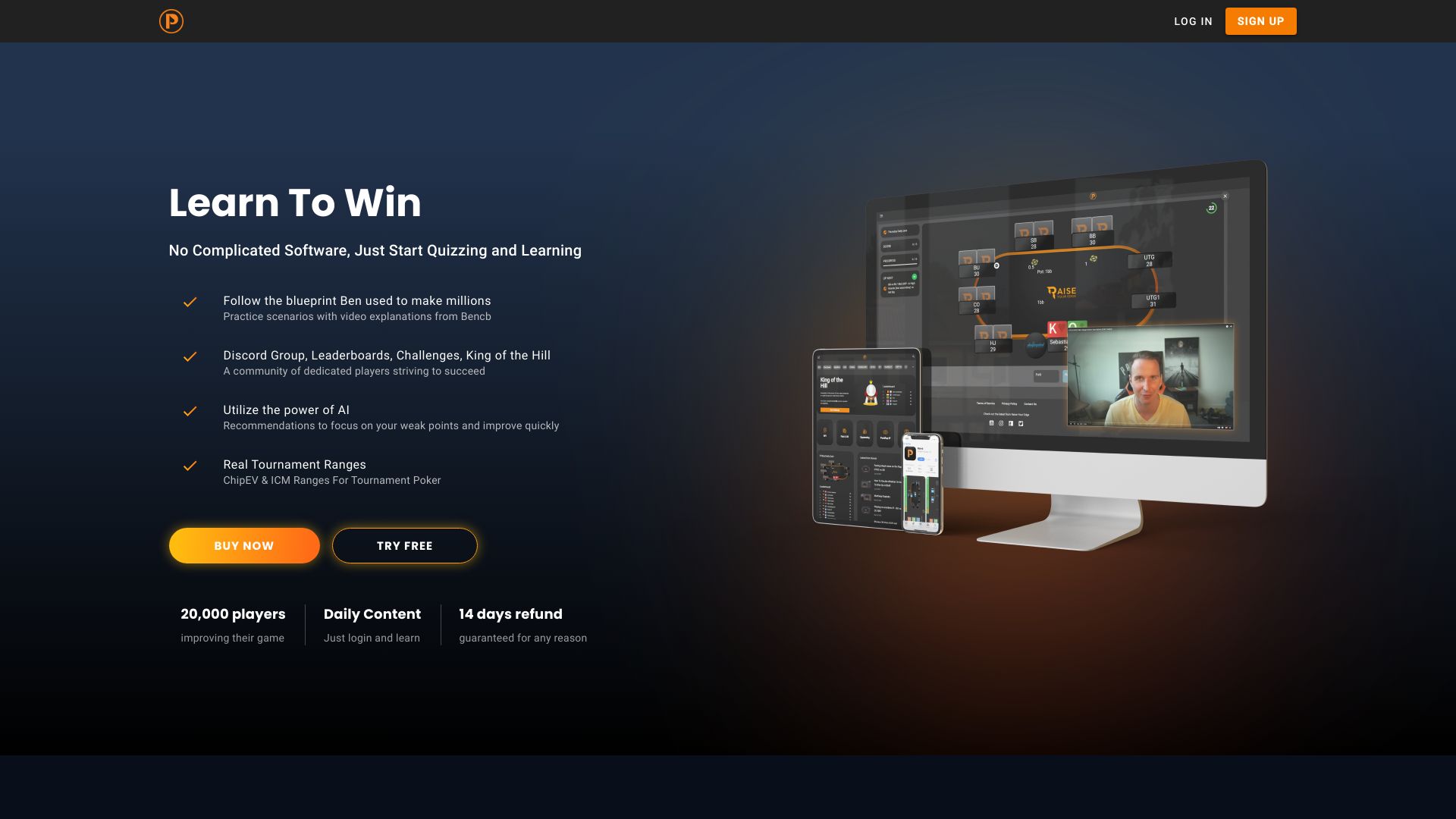
Pairrd
Tournament poker training
Rankai
Autonomous SEO and GEO for growing businesses
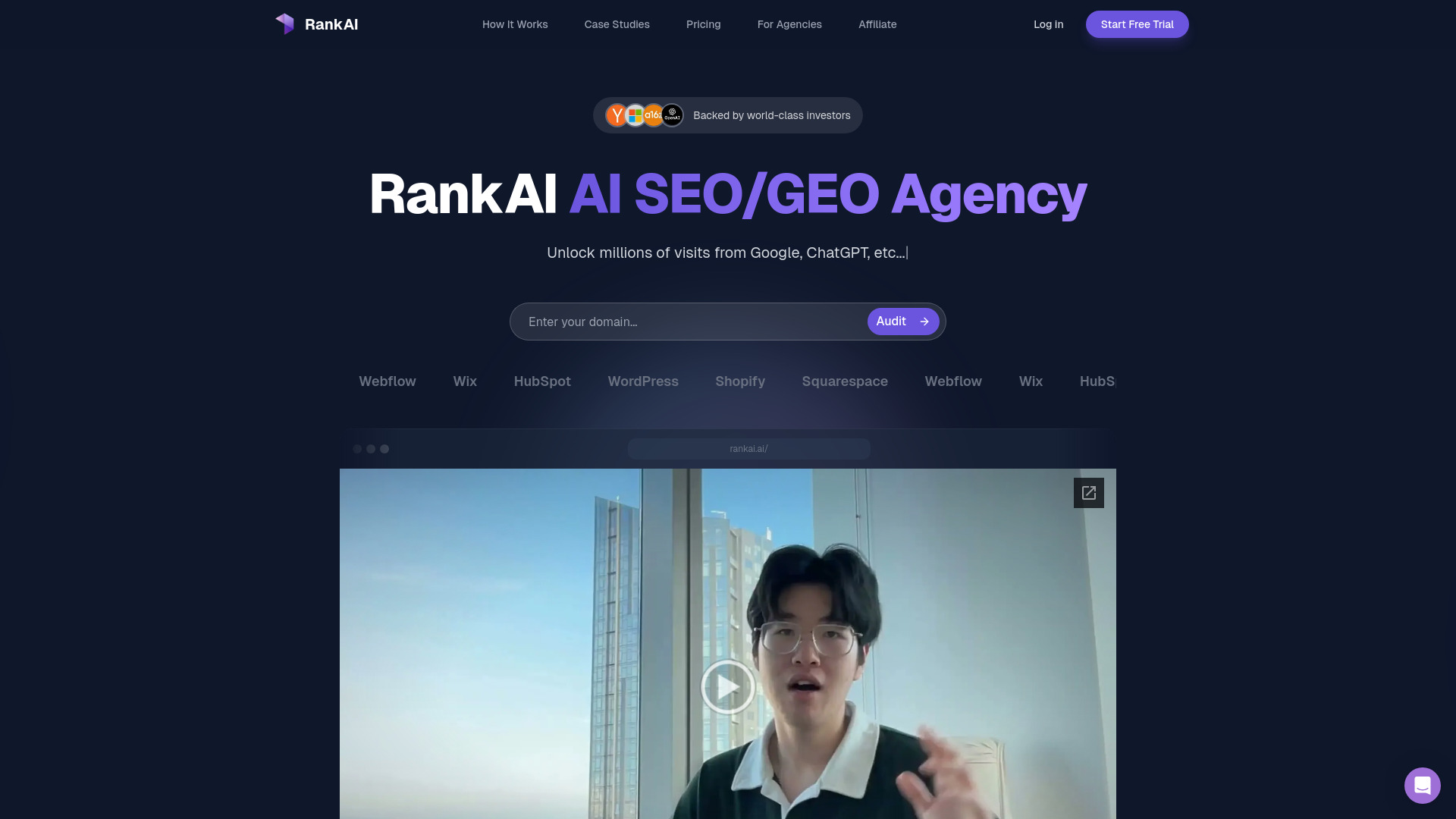

Domain Rank App
Domain authority and traffic analysis

RankSpot
Automated SEO and AI-search content publishing


Complexity AI
Real-time news and current events research

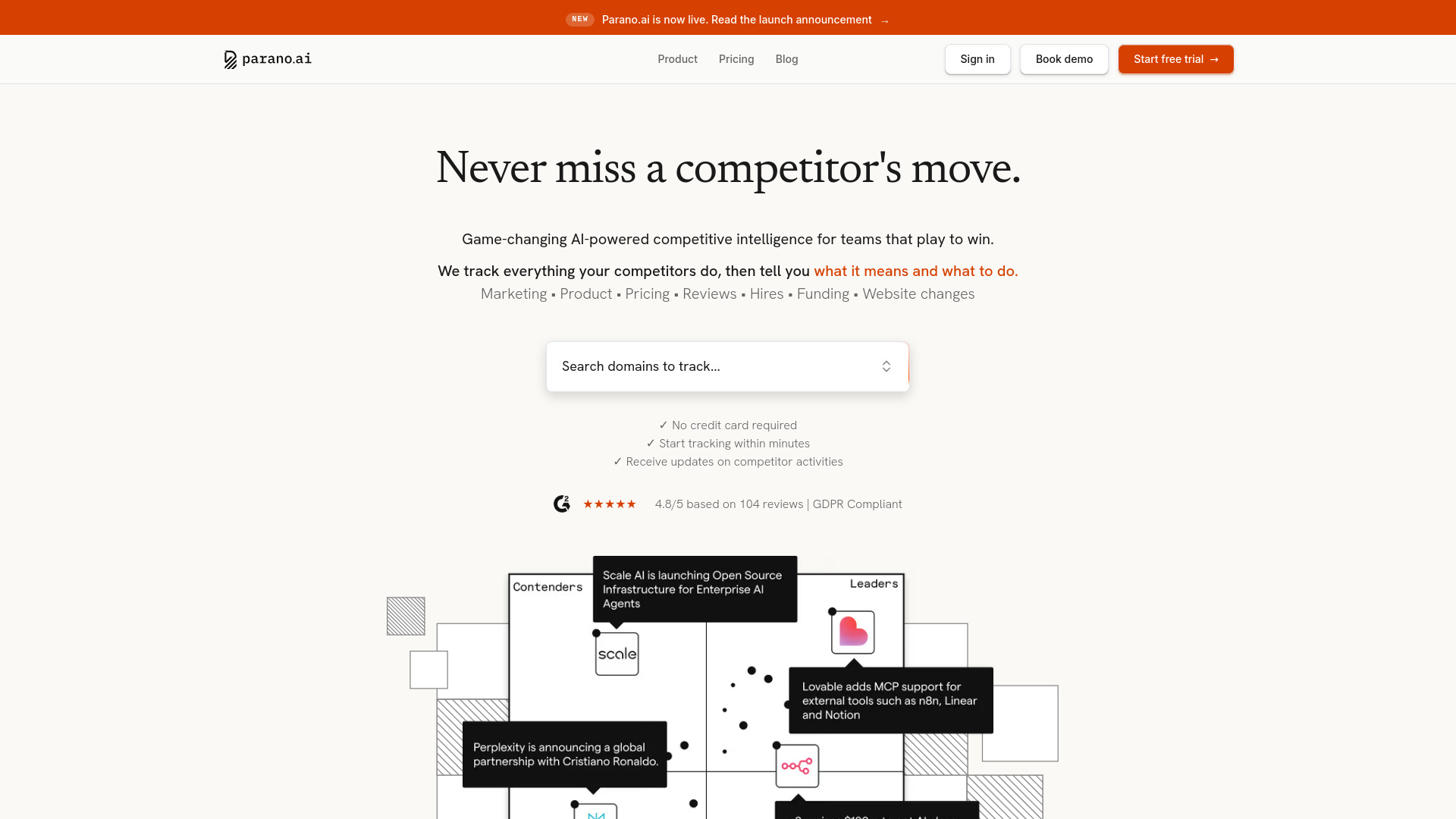
Parano.ai
Teams tracking competitor changes

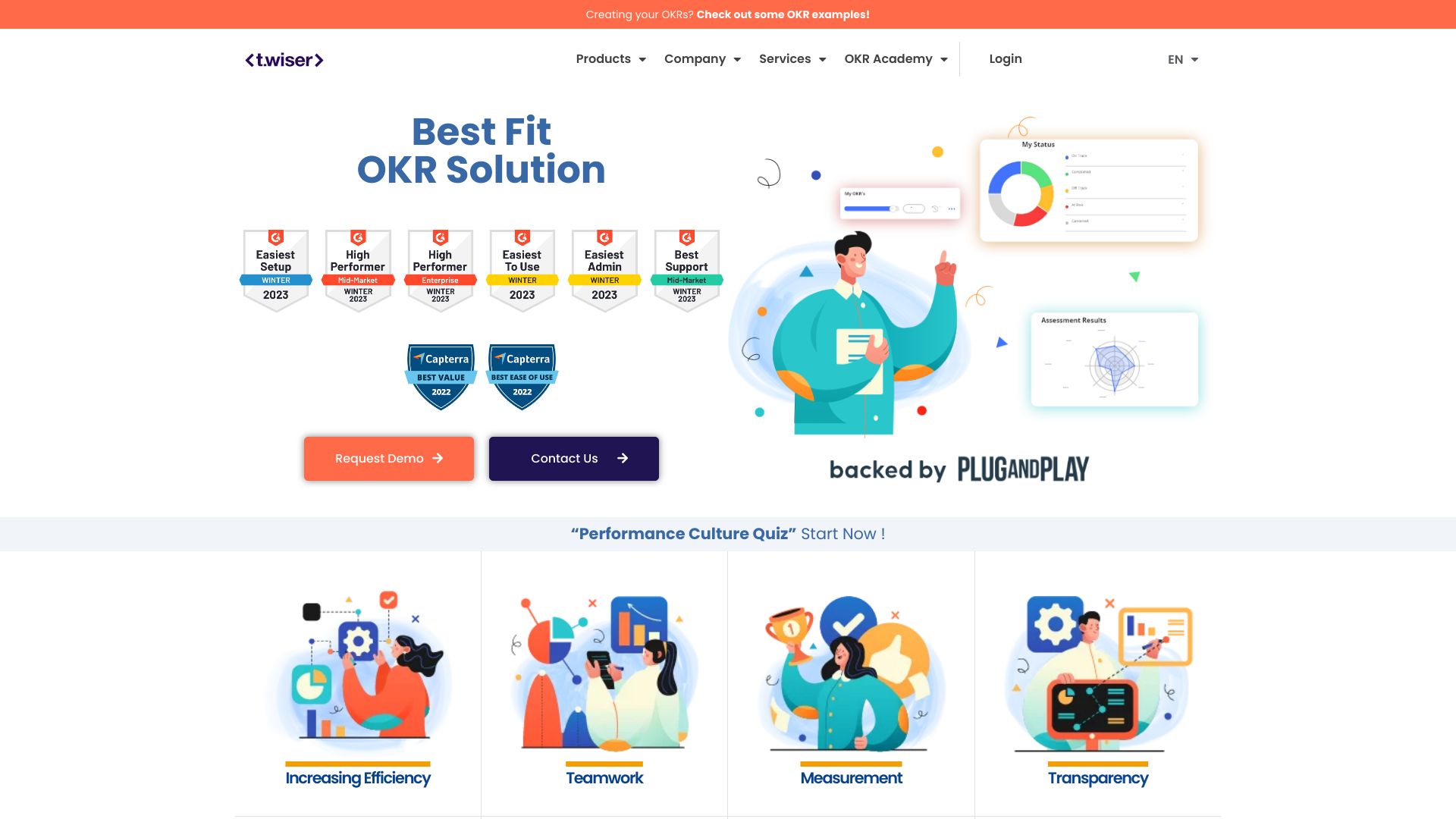
Twiser
OKR and talent performance teams

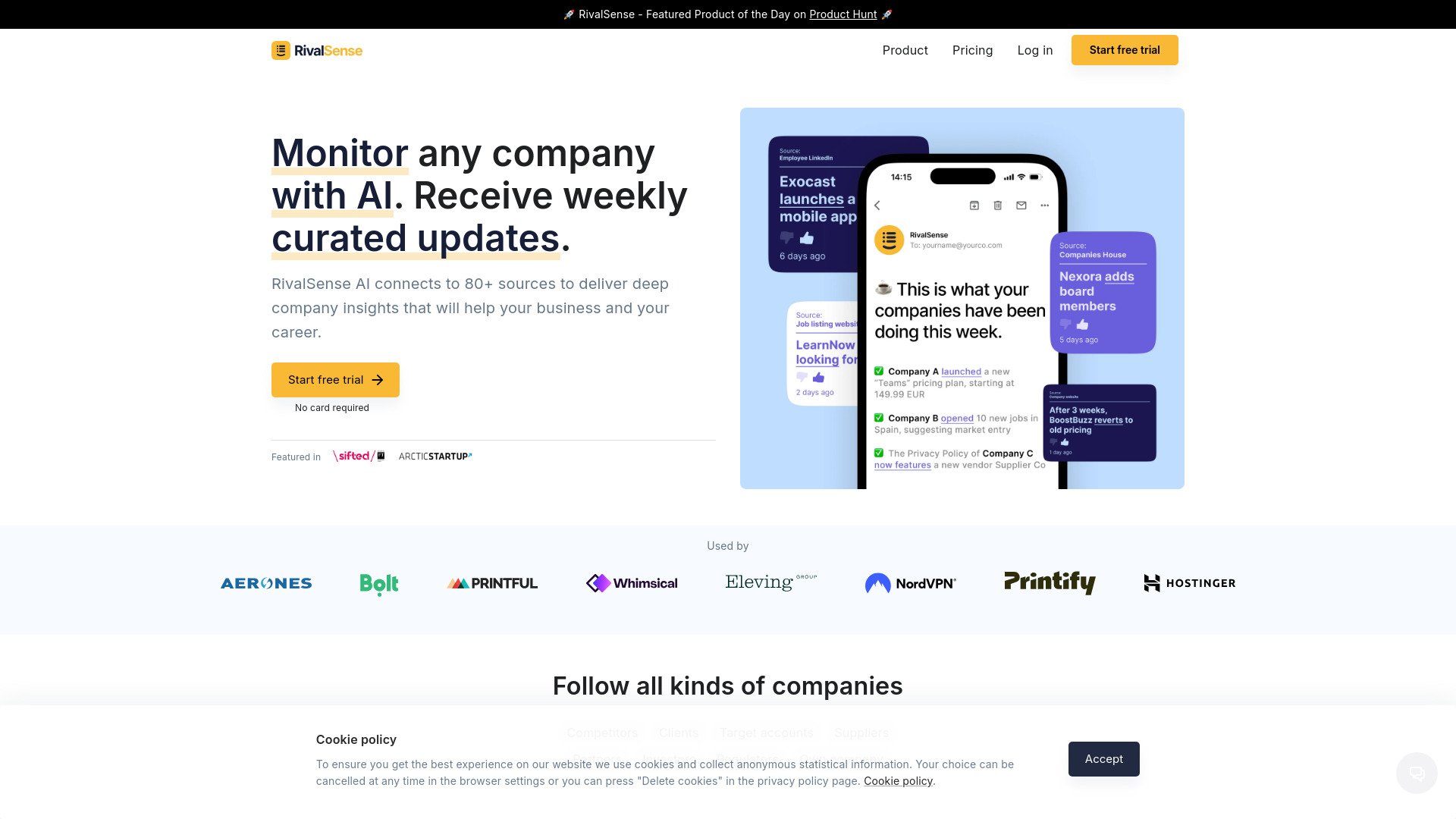
RivalSense
Founders tracking competitors and key accounts
ChatRank
Tracking brand visibility across AI search tools

EzAppRank
App rank tracking and ASO campaigns
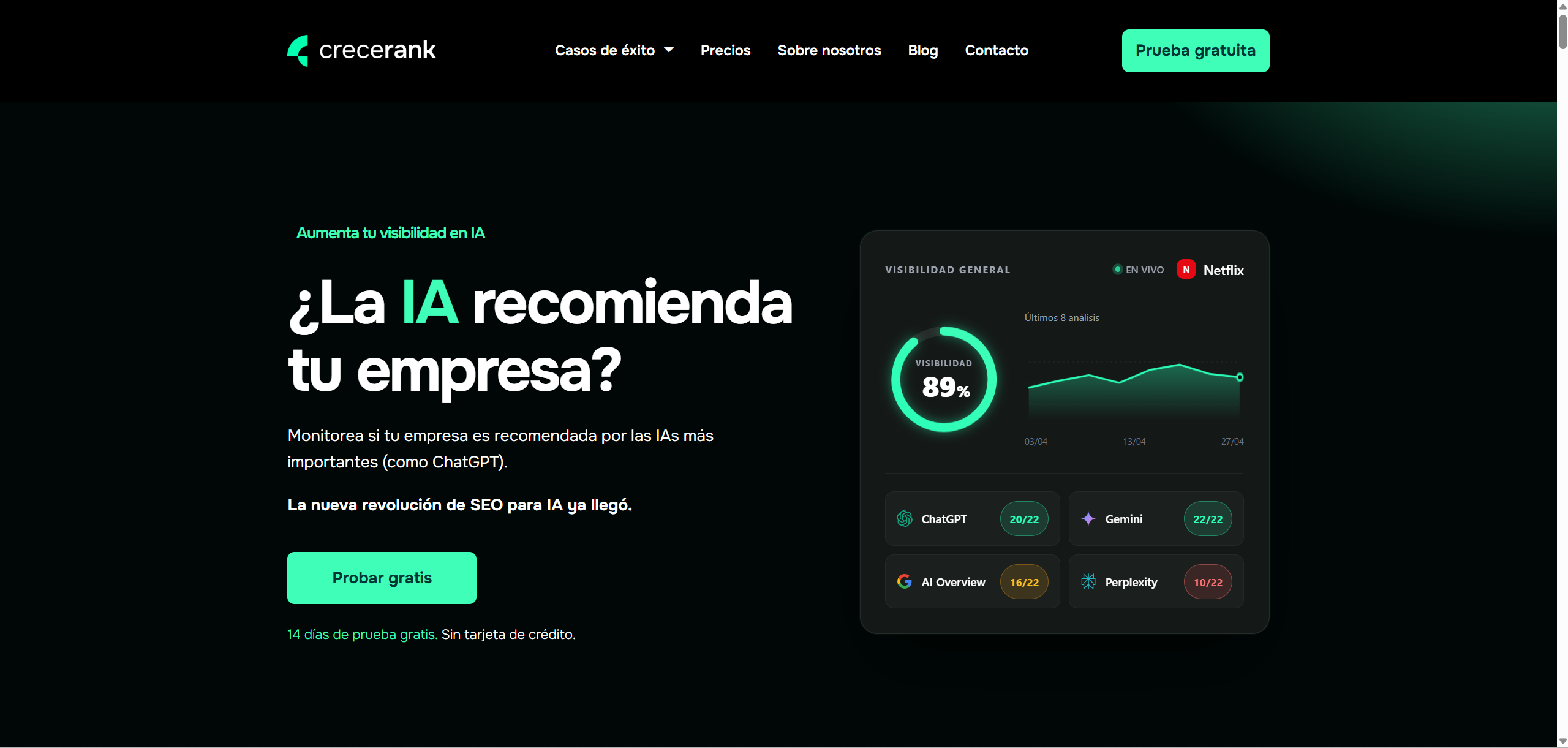
Crecerank
LATAM AI visibility tracking
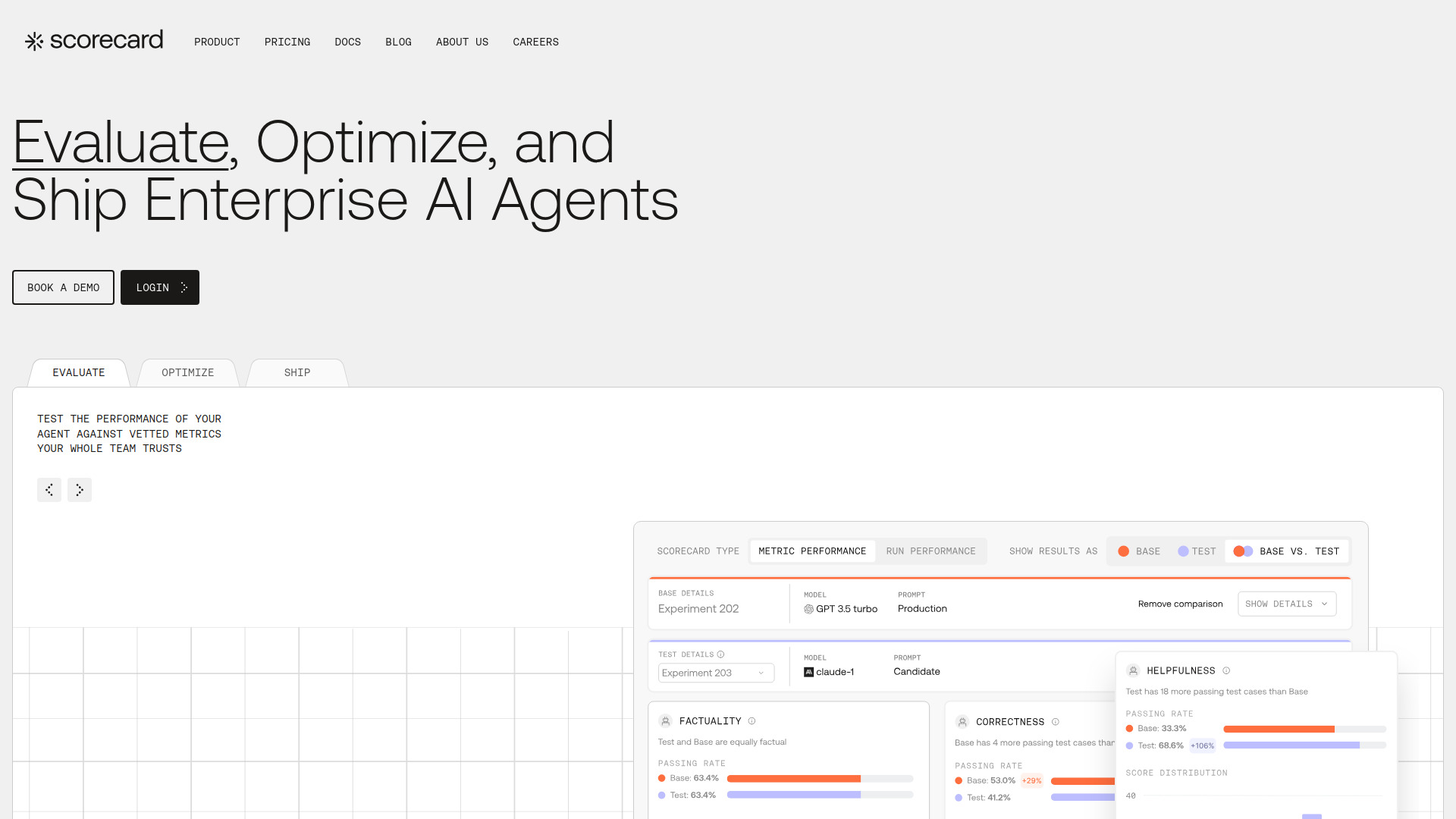
Scorecard
Evaluating and optimizing AI agents

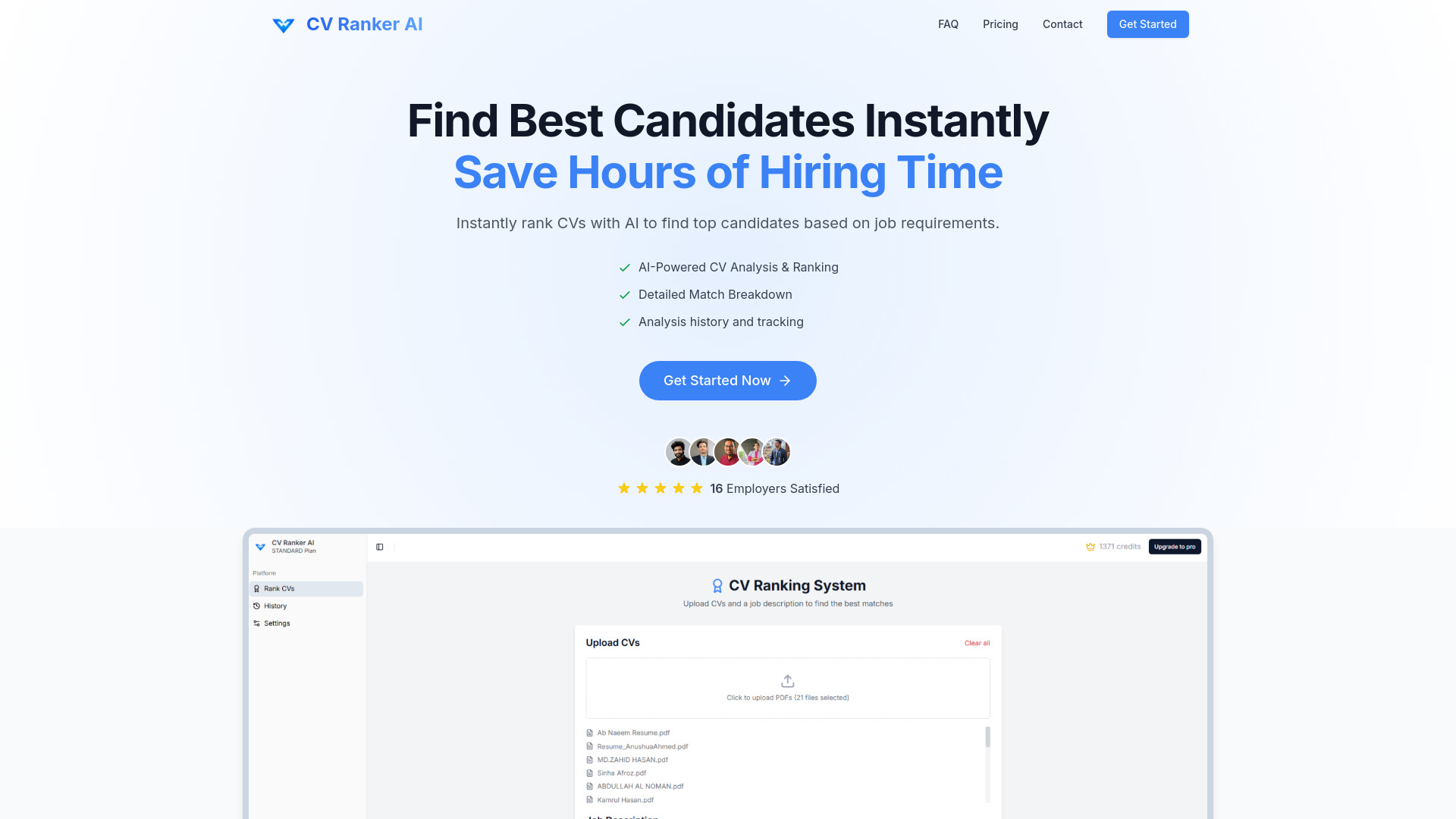
CV Ranker AI
Recruiters screening multiple CVs
HumanizerBench
Comparing AI humanizer performance

Lovarank
Automated SEO and AI search optimization
Truffle
Teams tracking brand visibility across major AI assistants

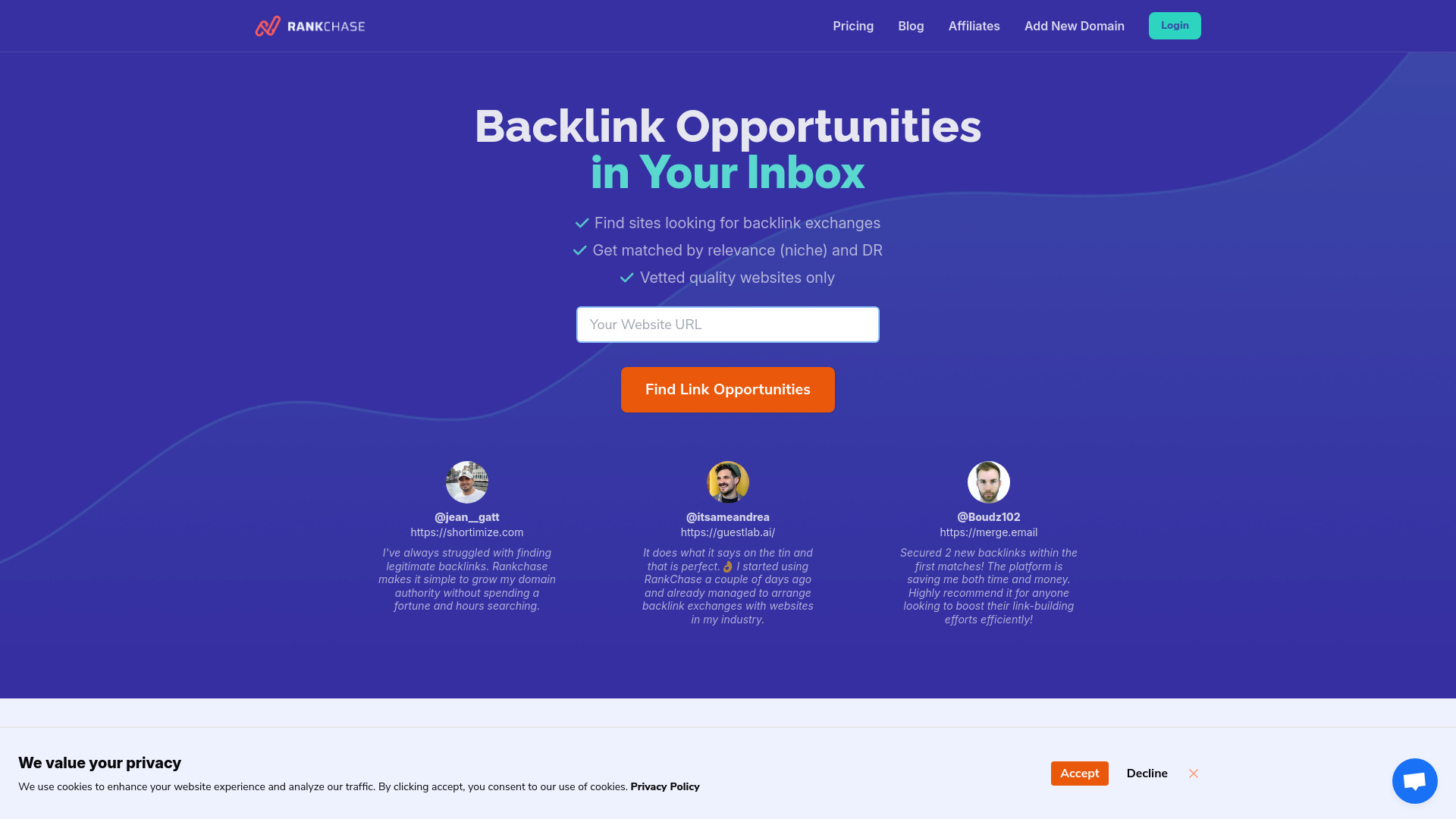
RankChase
Niche-relevant backlink exchanges

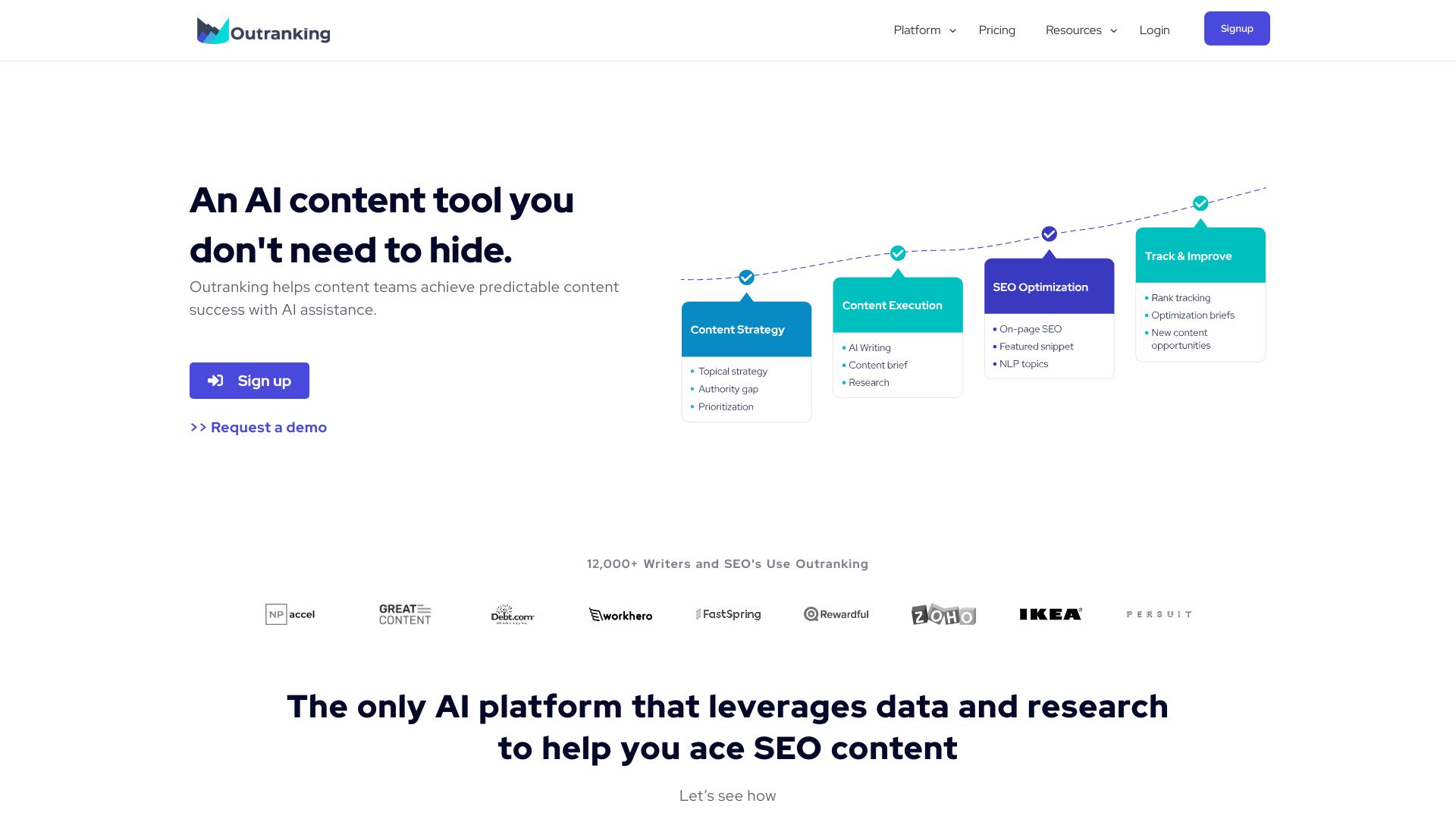
Outranking
SERP-driven SEO content workflows

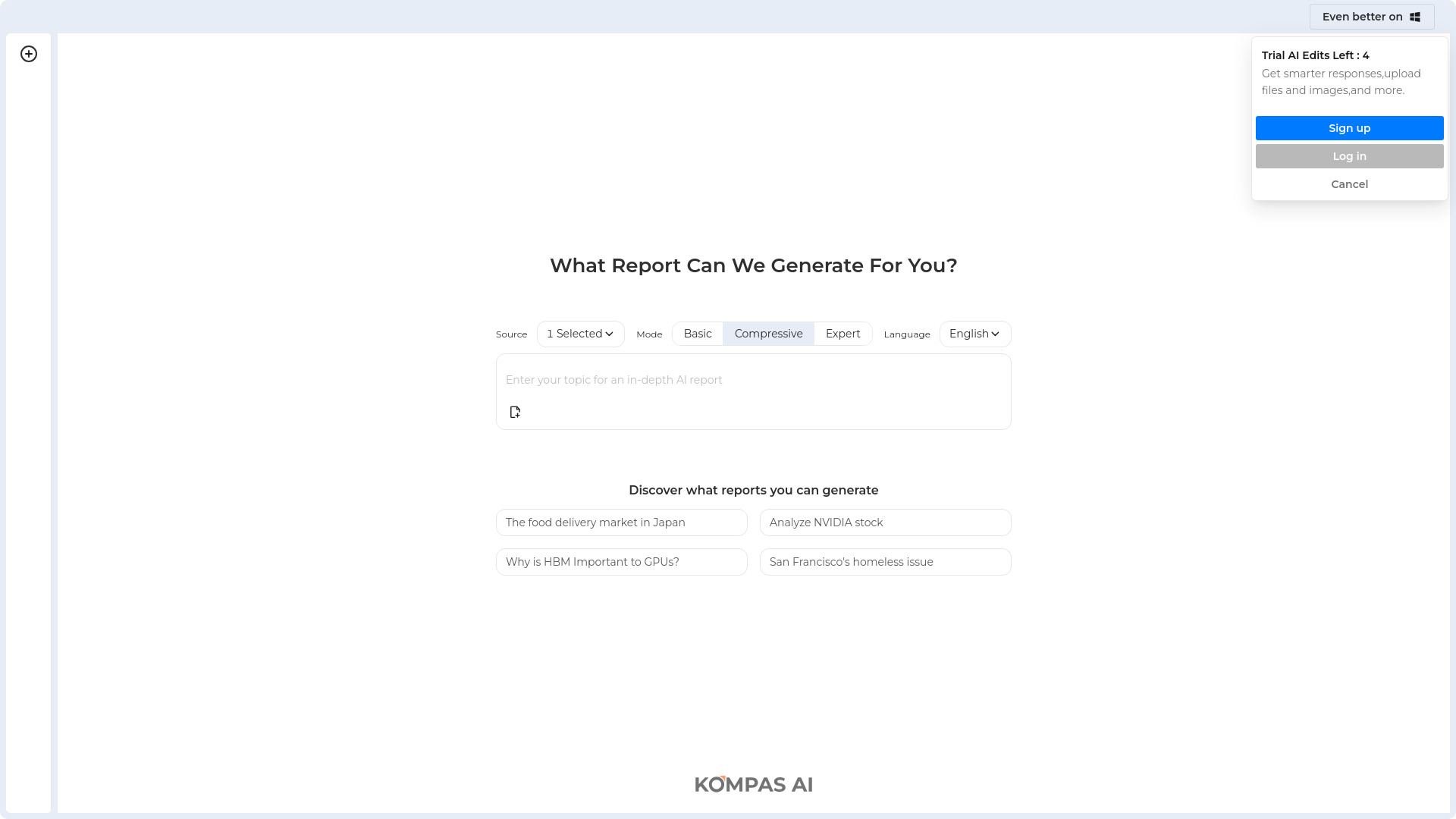
Kompas AI
Deep research reports
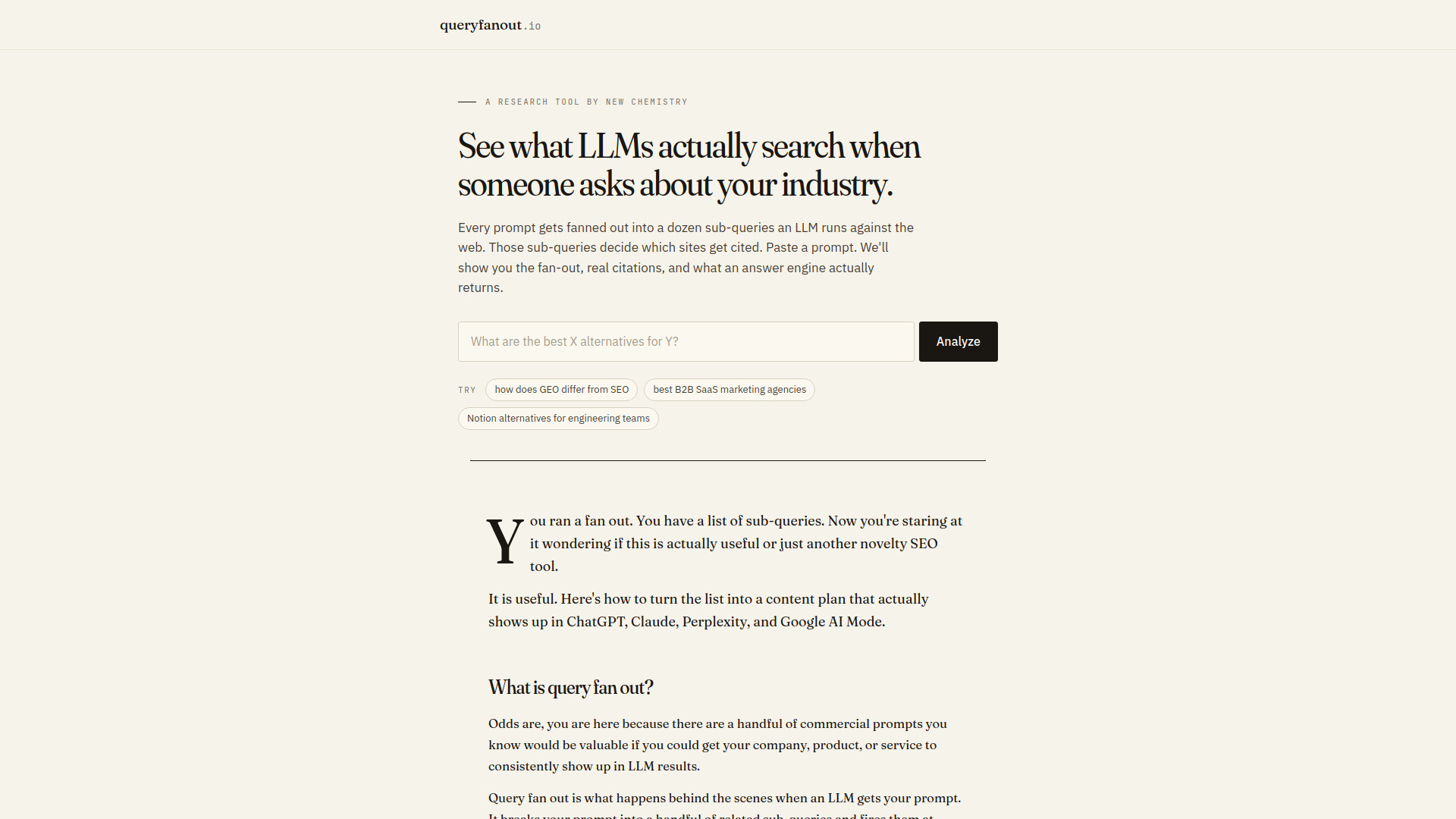
Query Fan-Out Optimizer
AI search query fan-out research
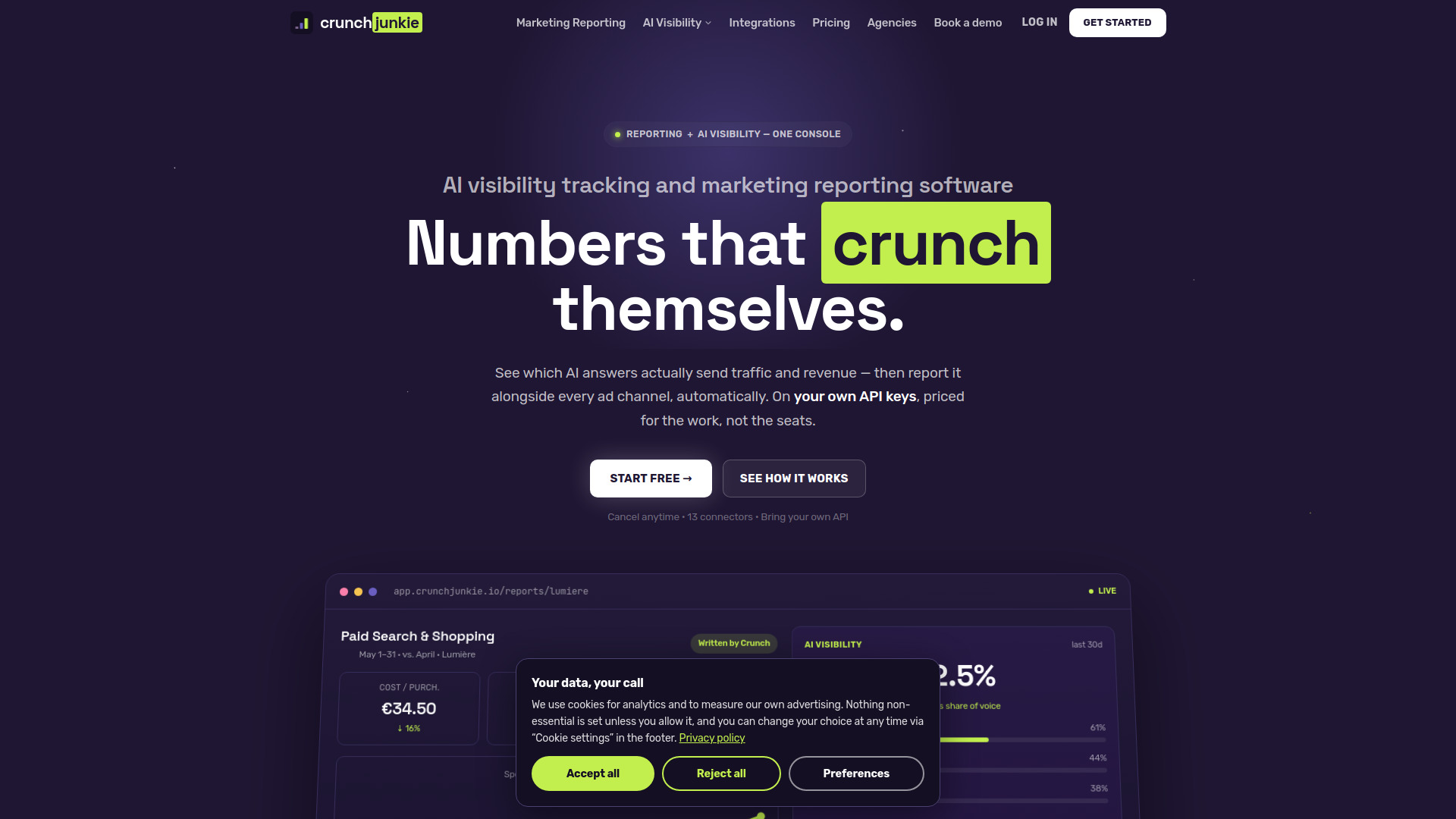
CrunchJunkie
AI visibility tracking for agencies

SearchInsight AI
AI search visibility tracking

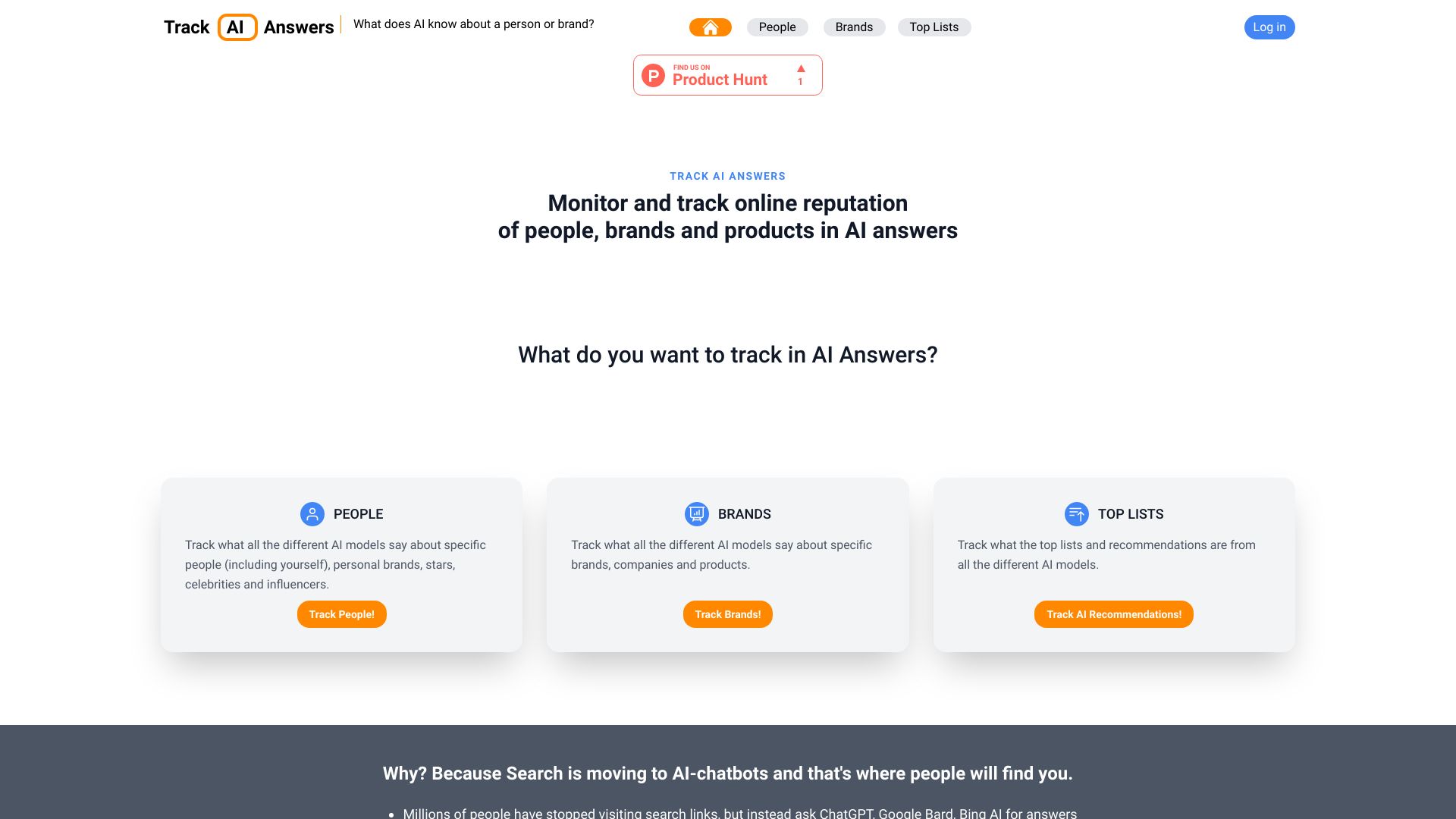
Track AI Answers
AI brand and reputation monitoring

Analyzr
B2B predictive analytics teams

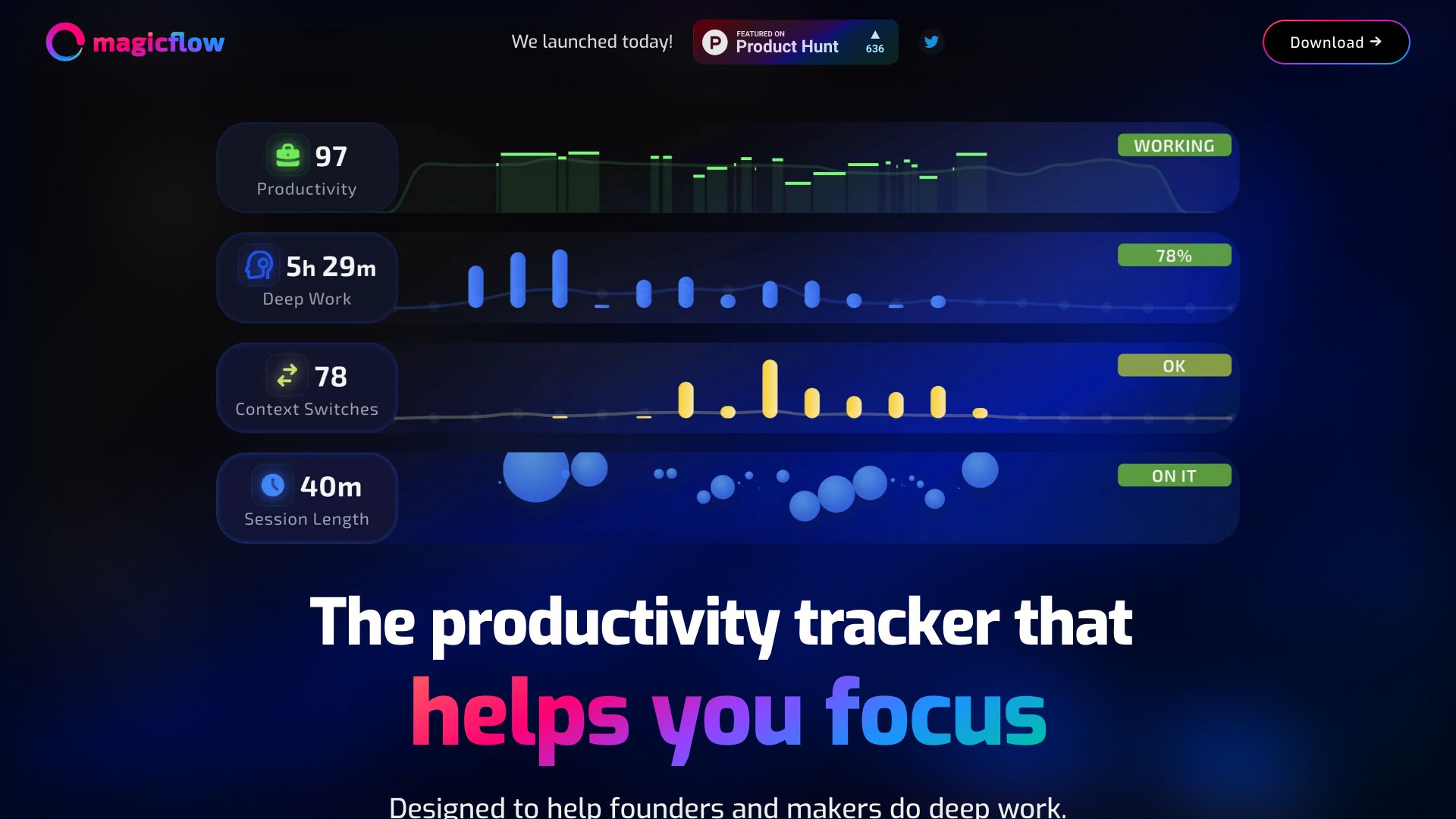
Magicflow
Founders tracking deep work

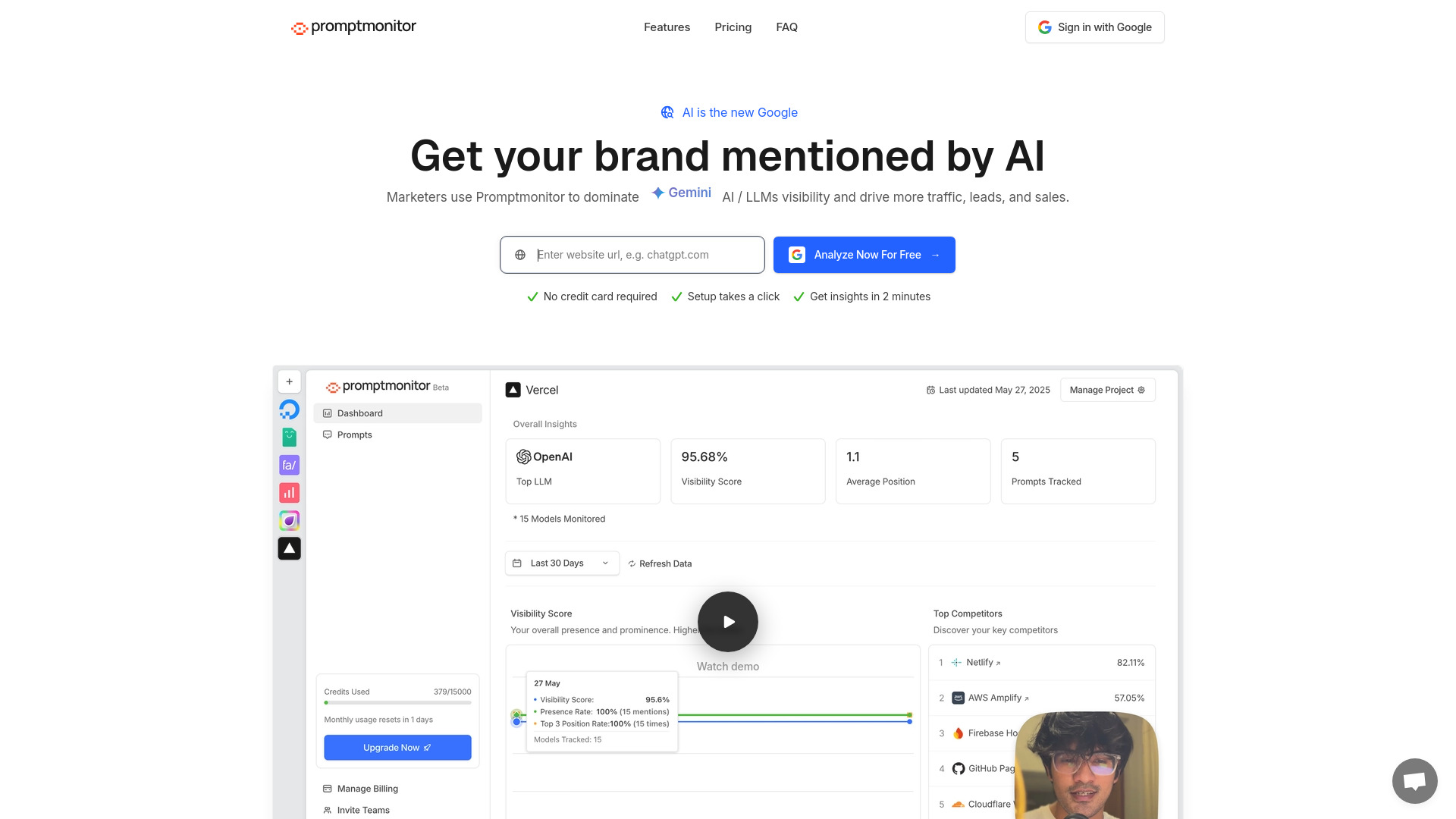
Promptmonitor
AI search visibility and rank tracking

Three Sigma
Document research and source-traced Q&A

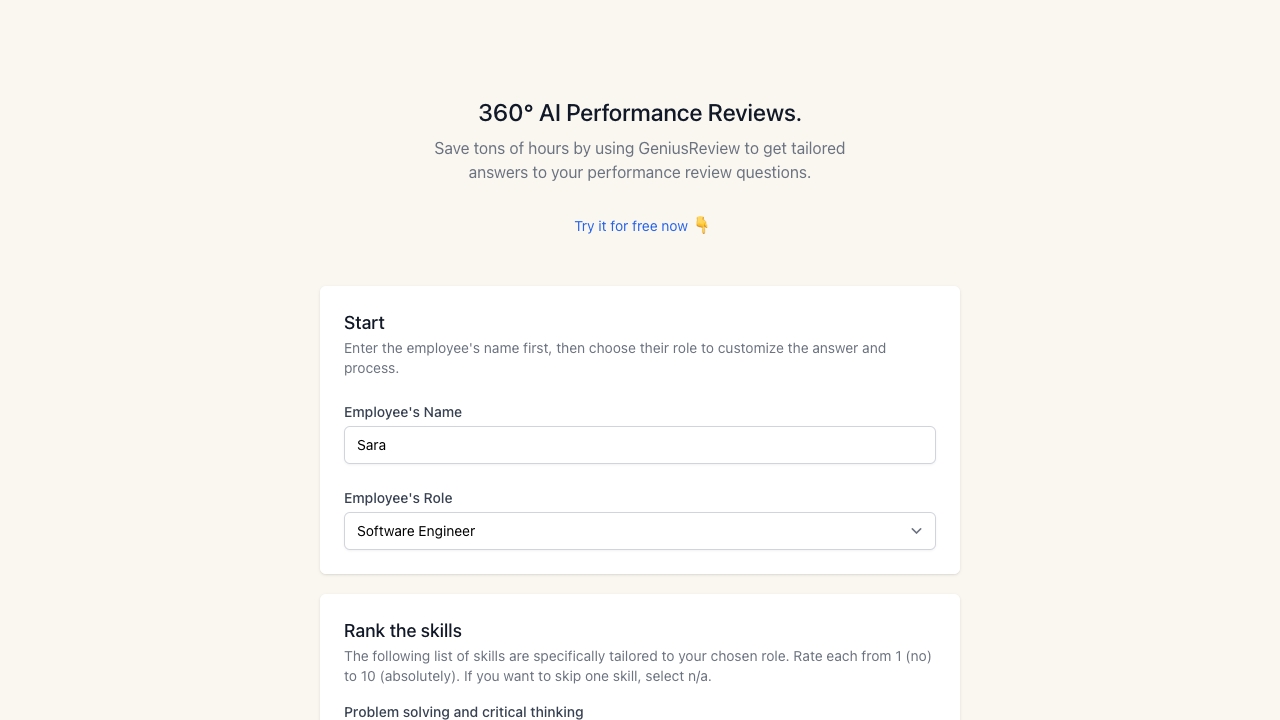
GeniusReview
AI-assisted employee performance reviews

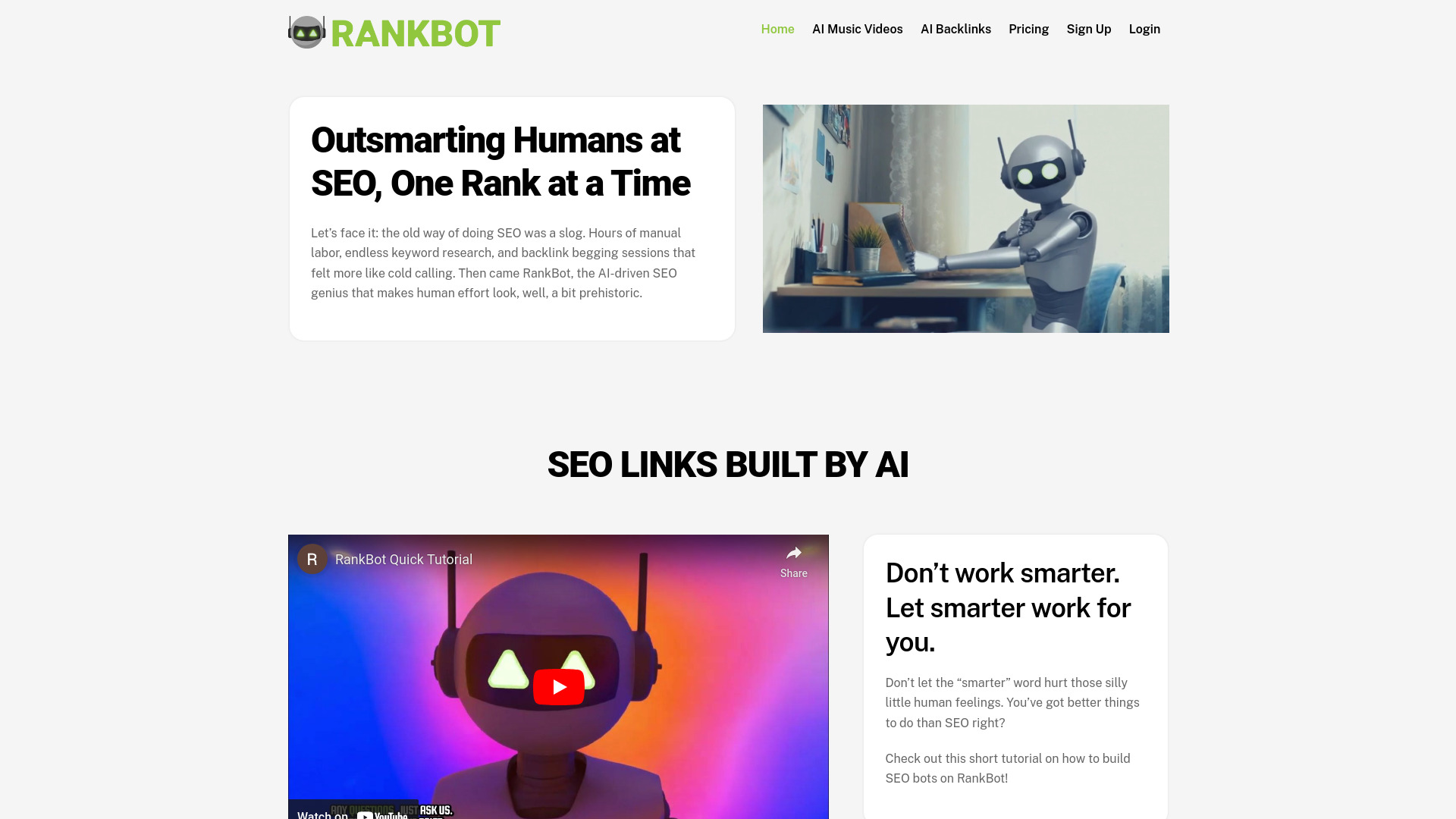
RankBot
Automated backlink and on-page SEO

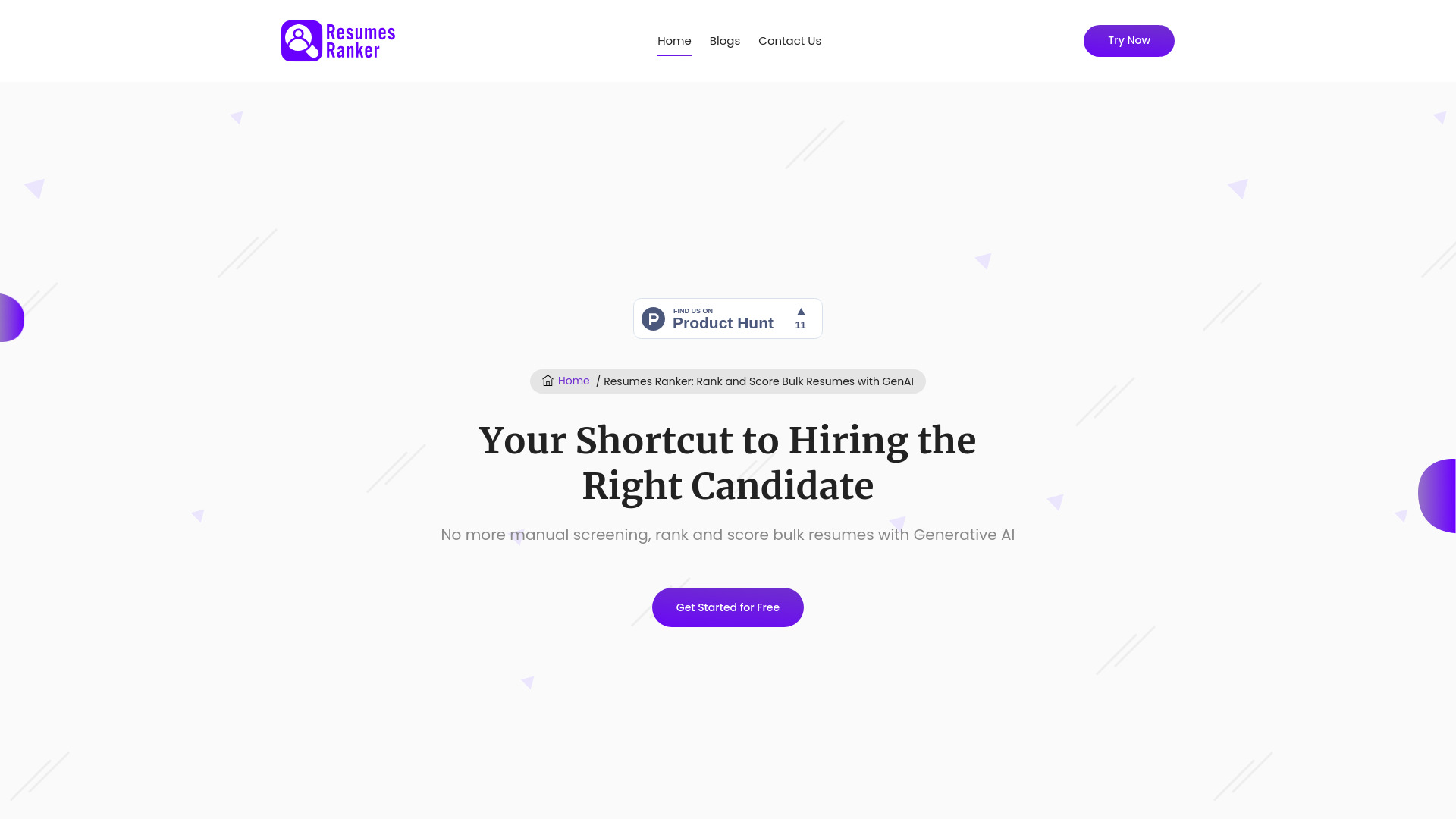
Resumes Ranker
Recruiters screening resumes in bulk

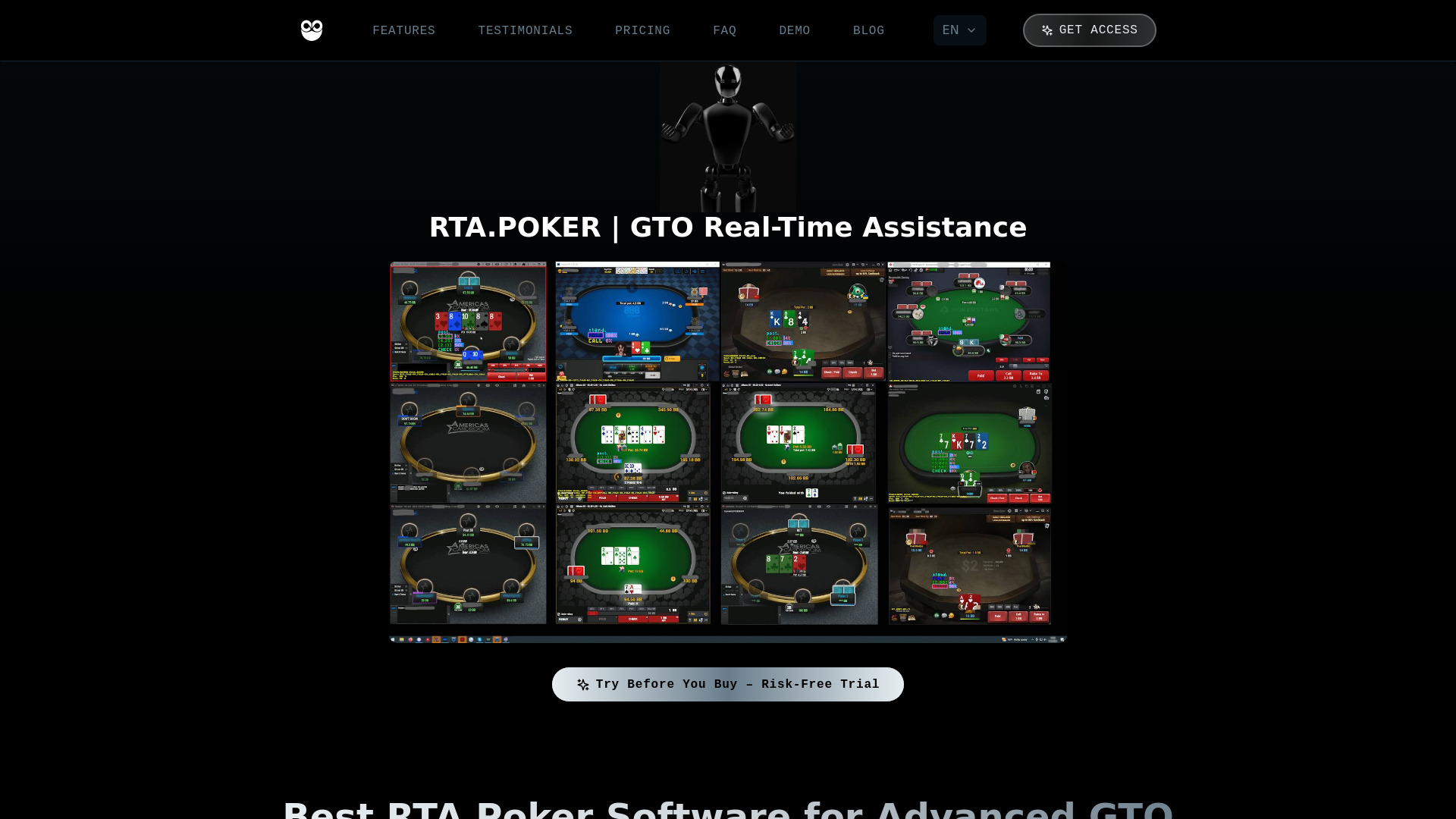
RTA.POKER
Real-time Texas Hold’em GTO strategy

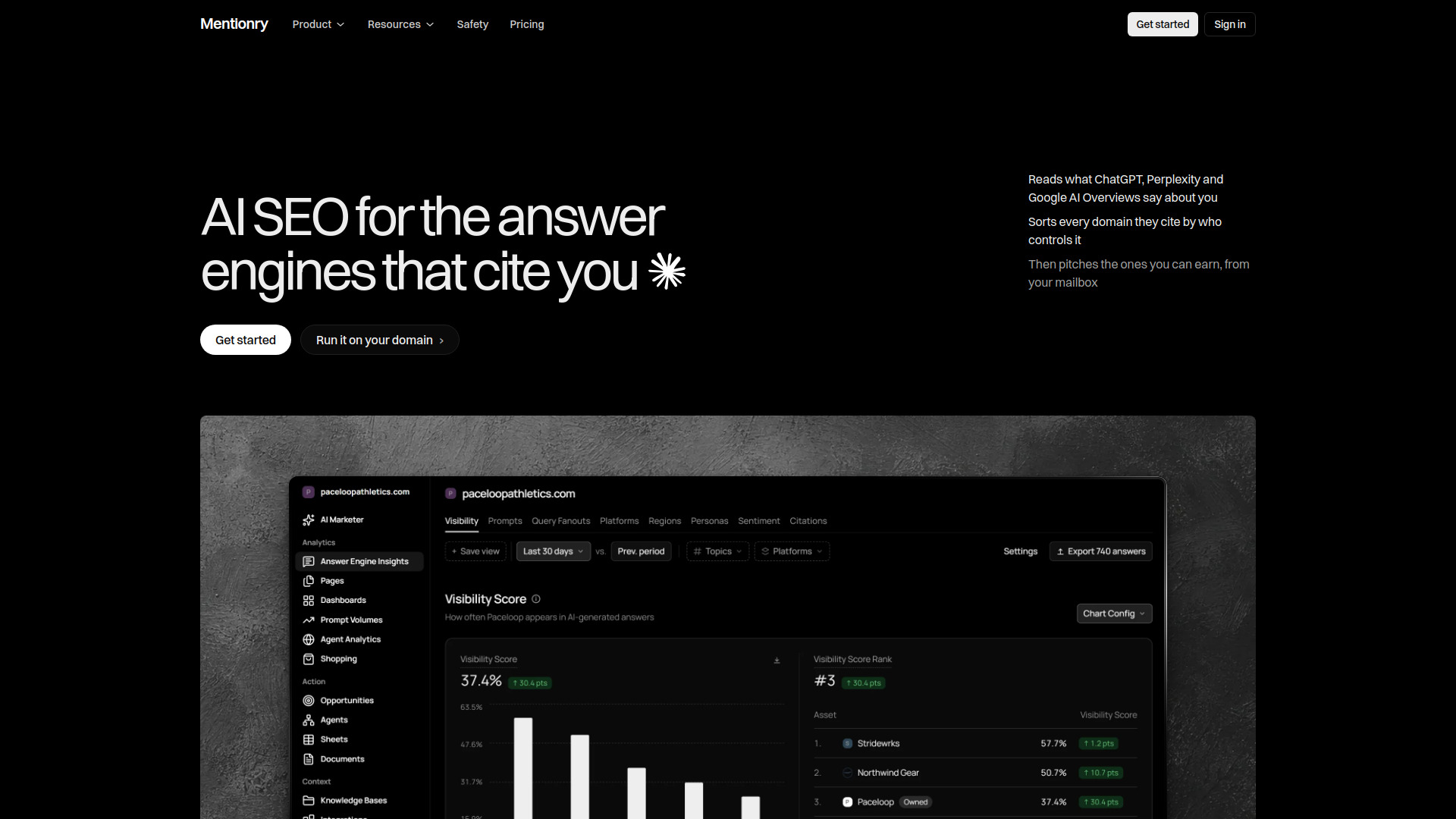
Mentionry
AI search visibility and citation tracking

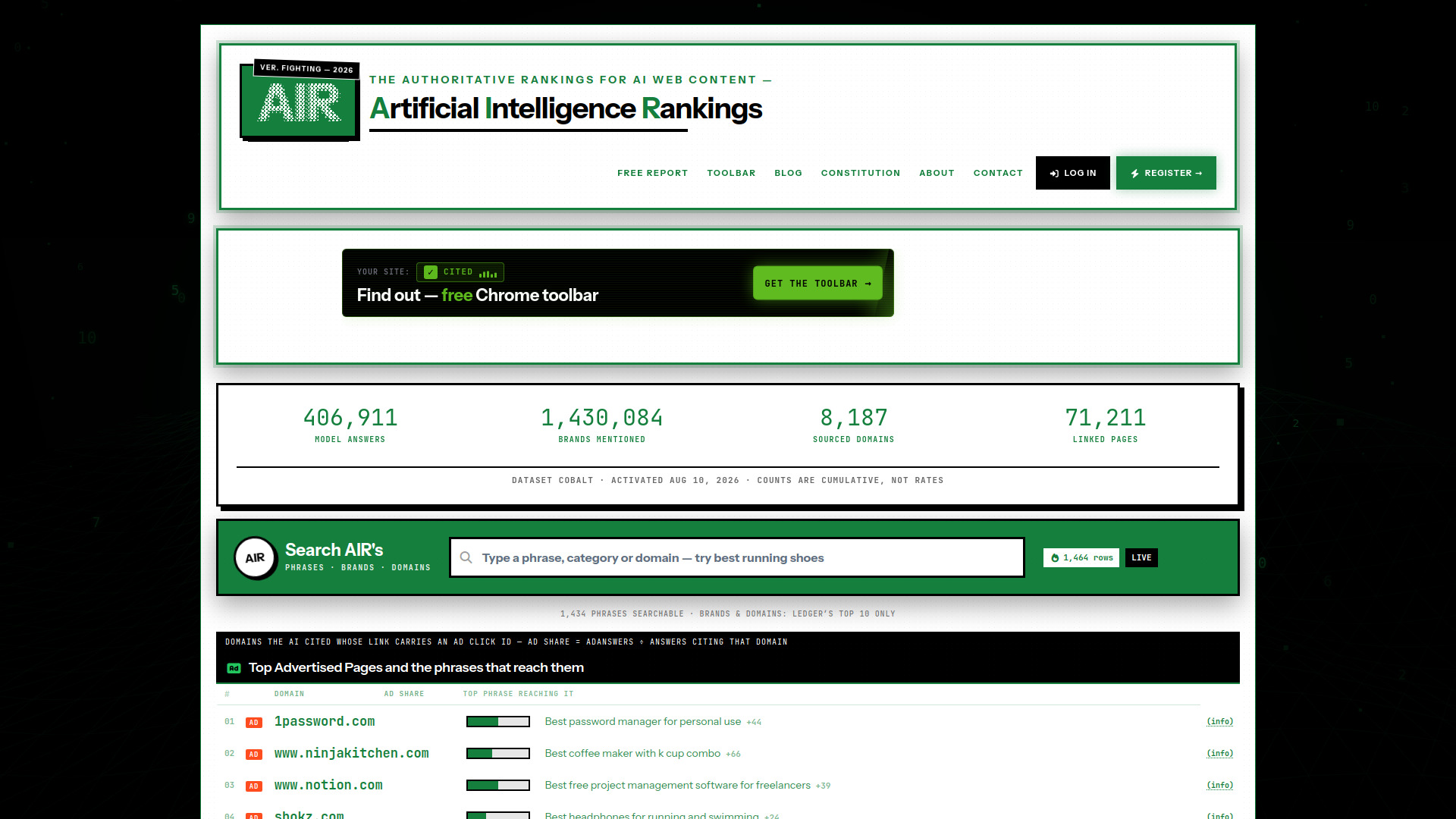
AiRanks
Tracking how AI ranks brands and domains
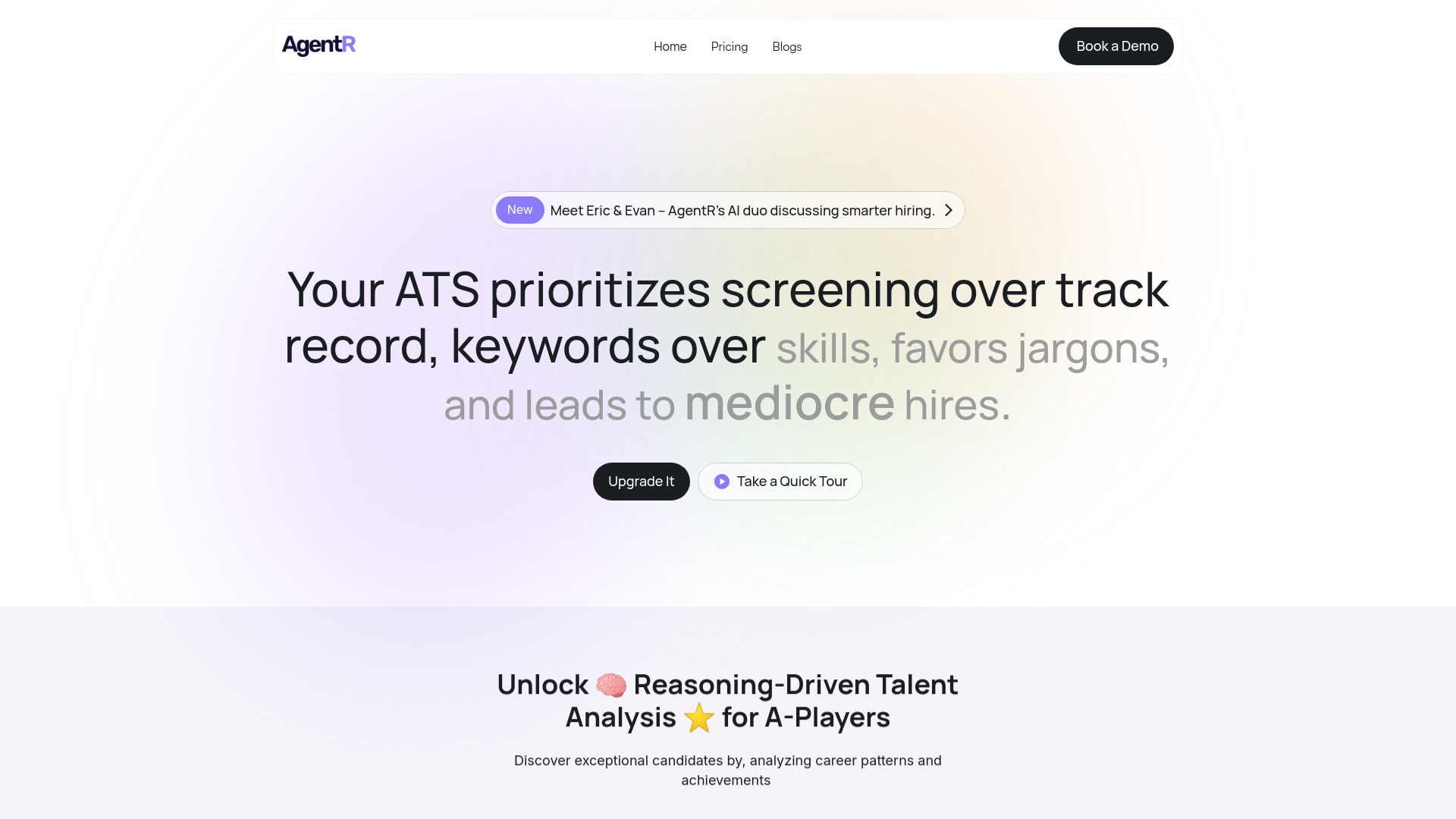
AgentR
Reasoning-driven candidate analysis

Perplexica
Conversational AI search

RankRaven
AI search rank tracking
SpotRank
AI visibility and company ranking insights

4'33"
AI-powered people search

WhiteRank
Brands tracking AI search visibility

Podcastworld.io
AI-powered podcast search and research

CryptoRank
Crypto market tracking
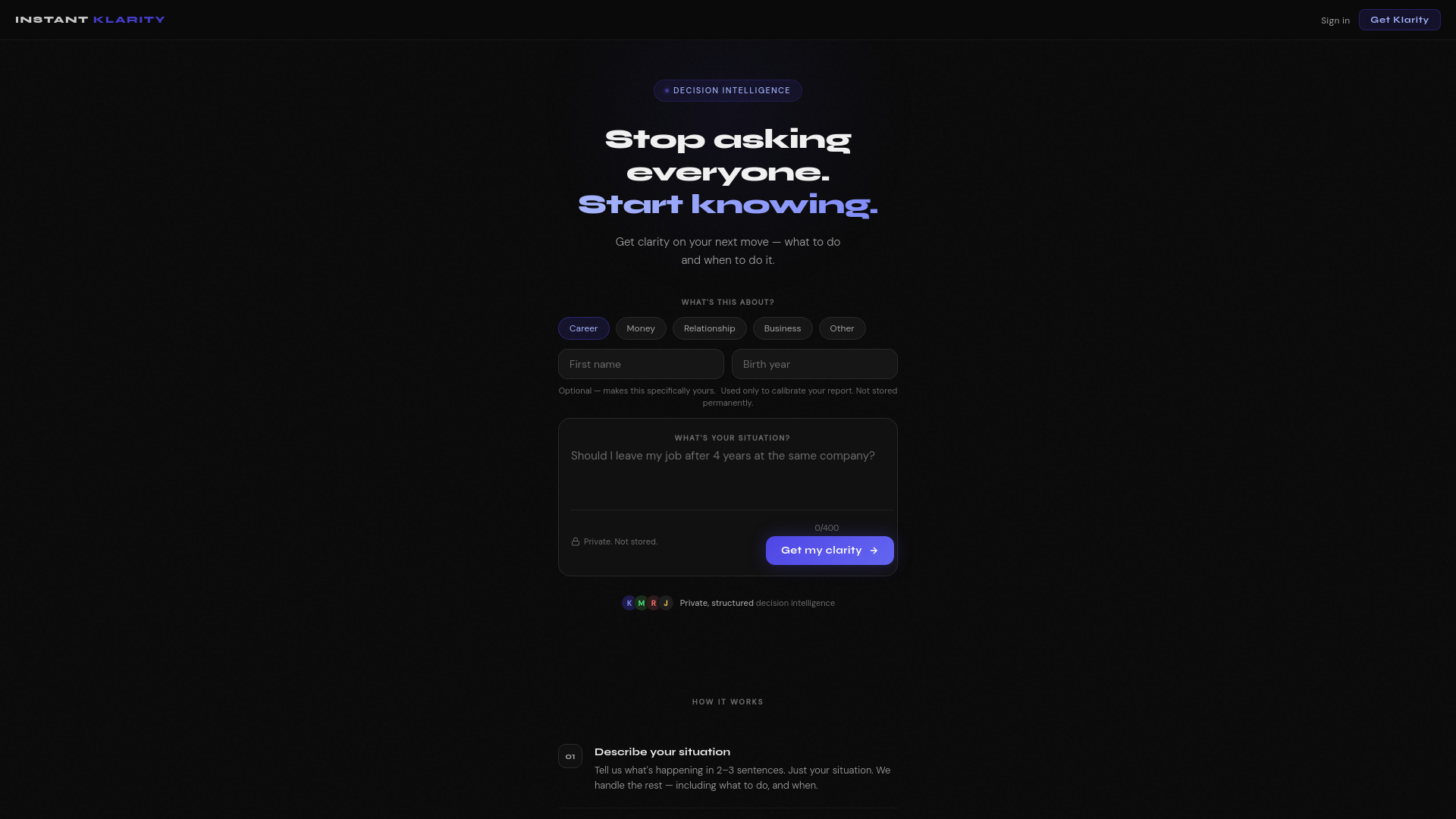
Instant Klarity
Structured decision-making and timing clarity

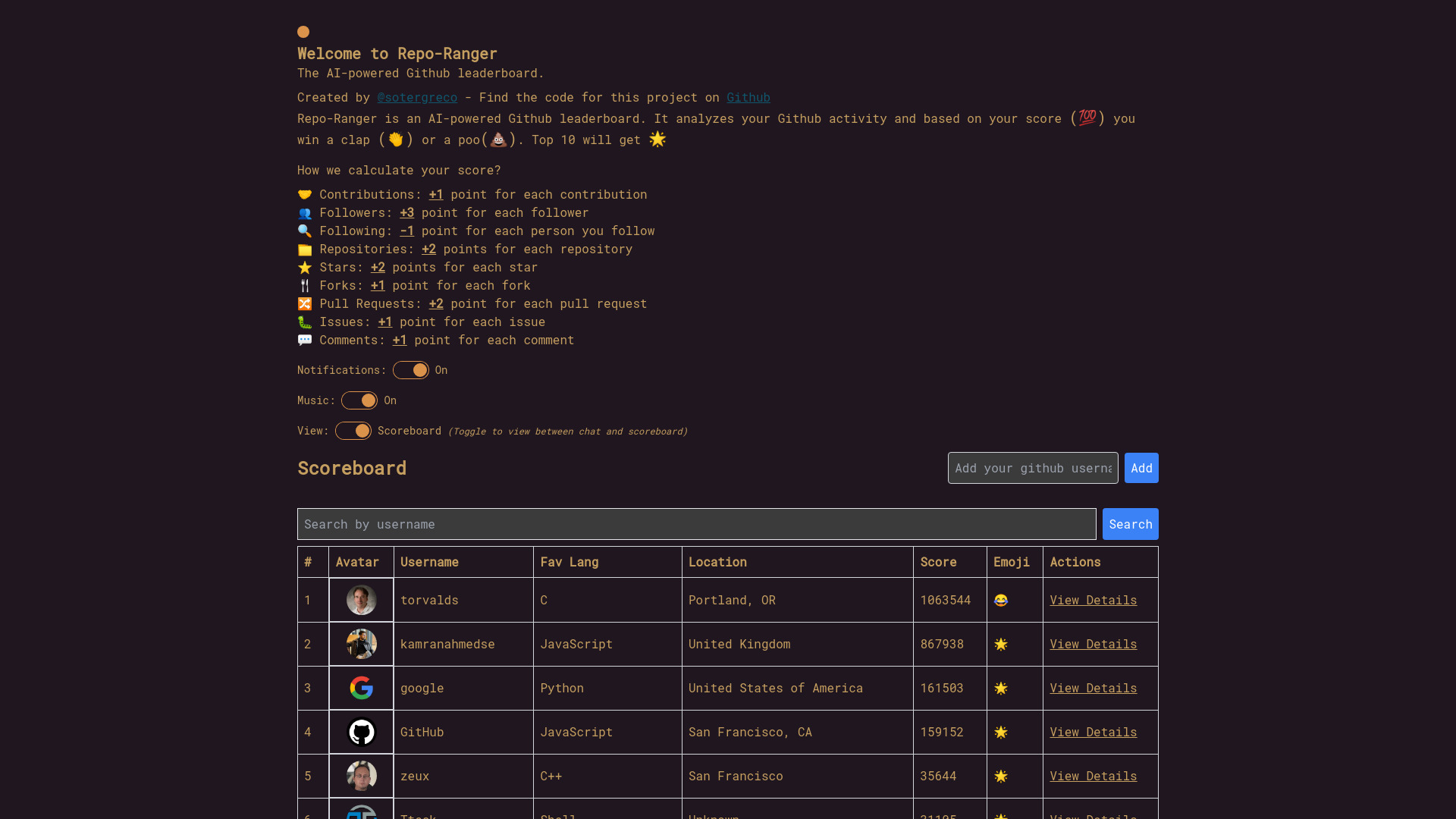
Repo-Ranger
GitHub activity scoring

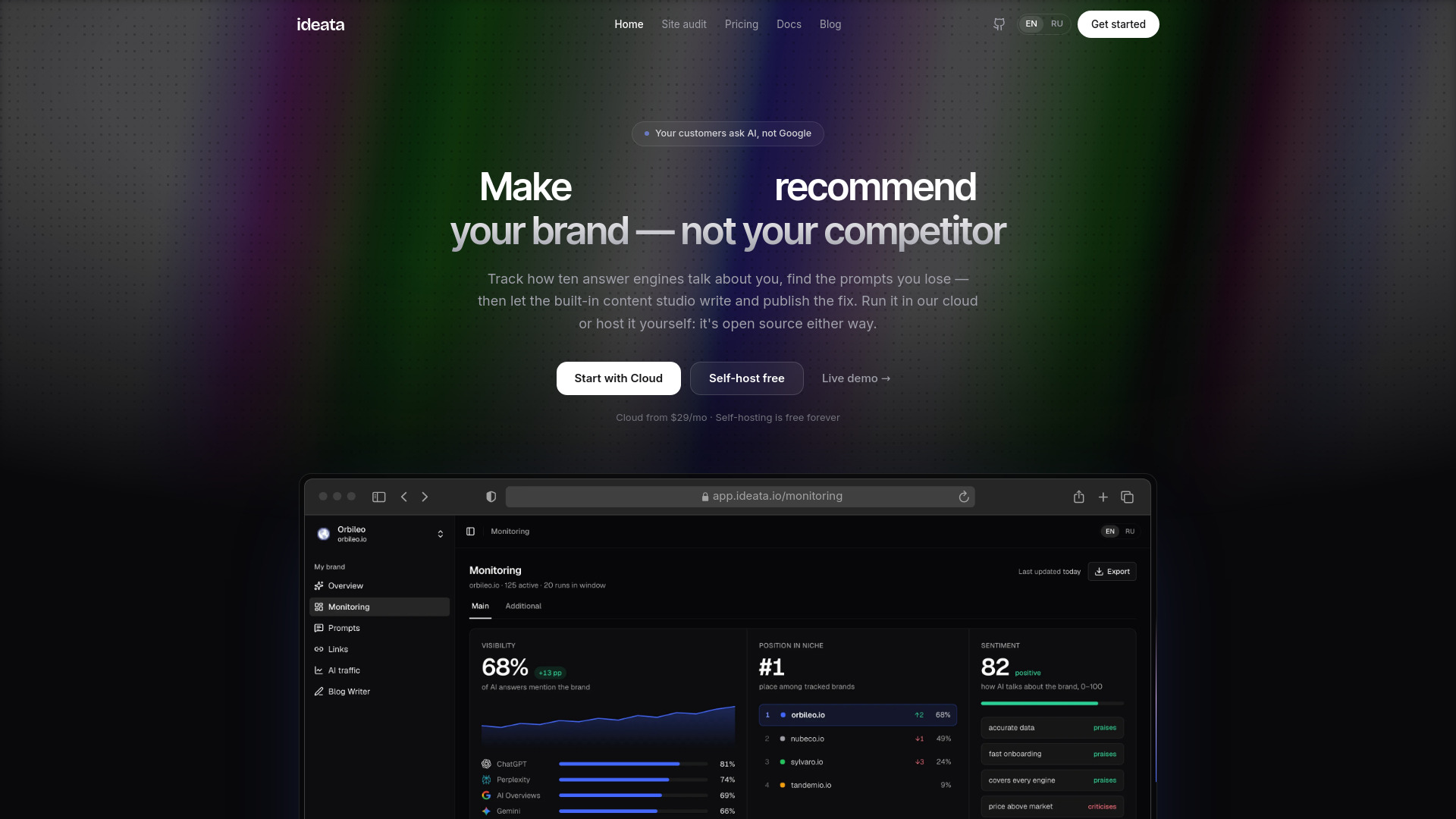
Ideata
Self-hosted AI visibility tracking

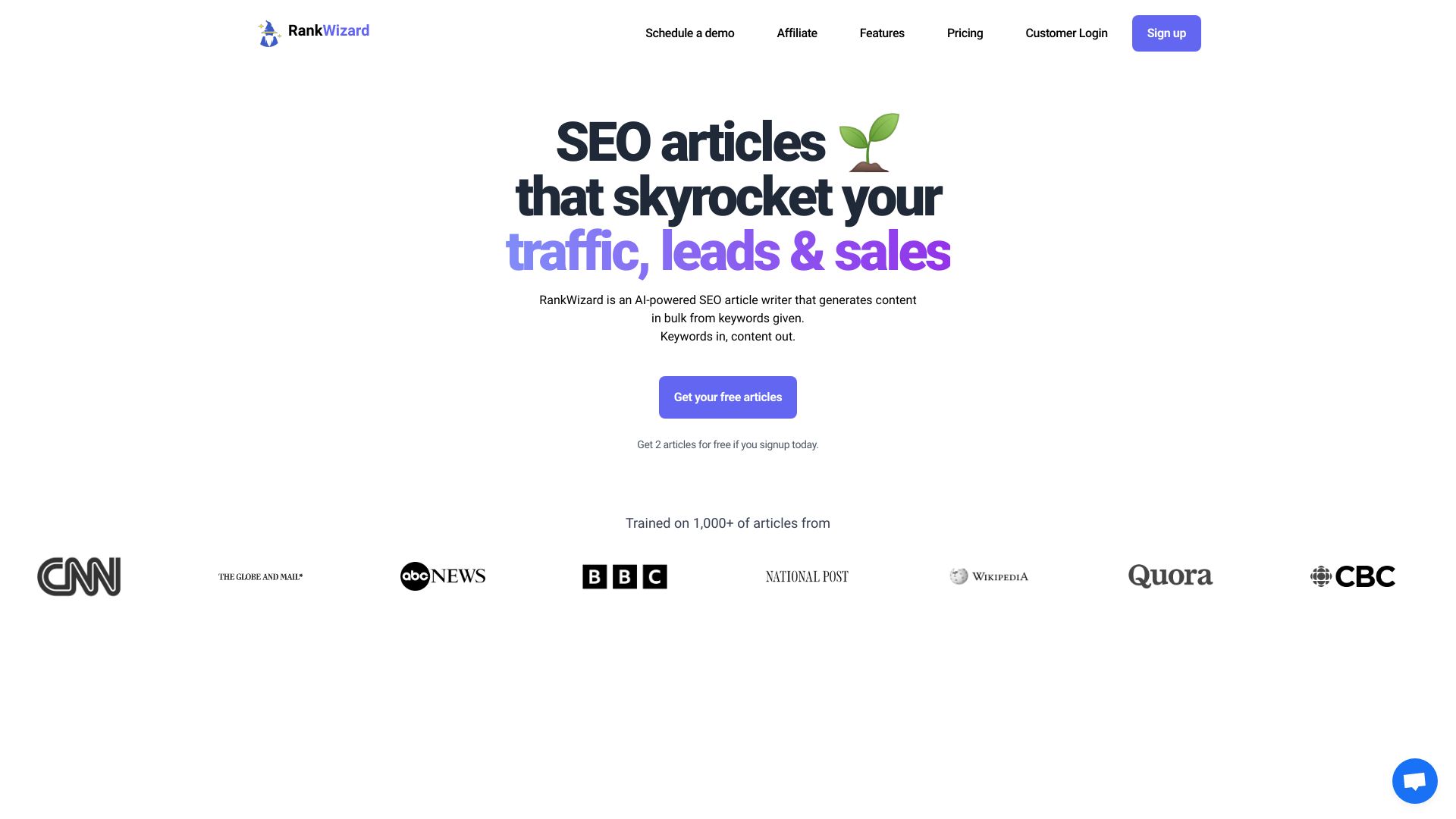
RankWizard
Bulk SEO content creation

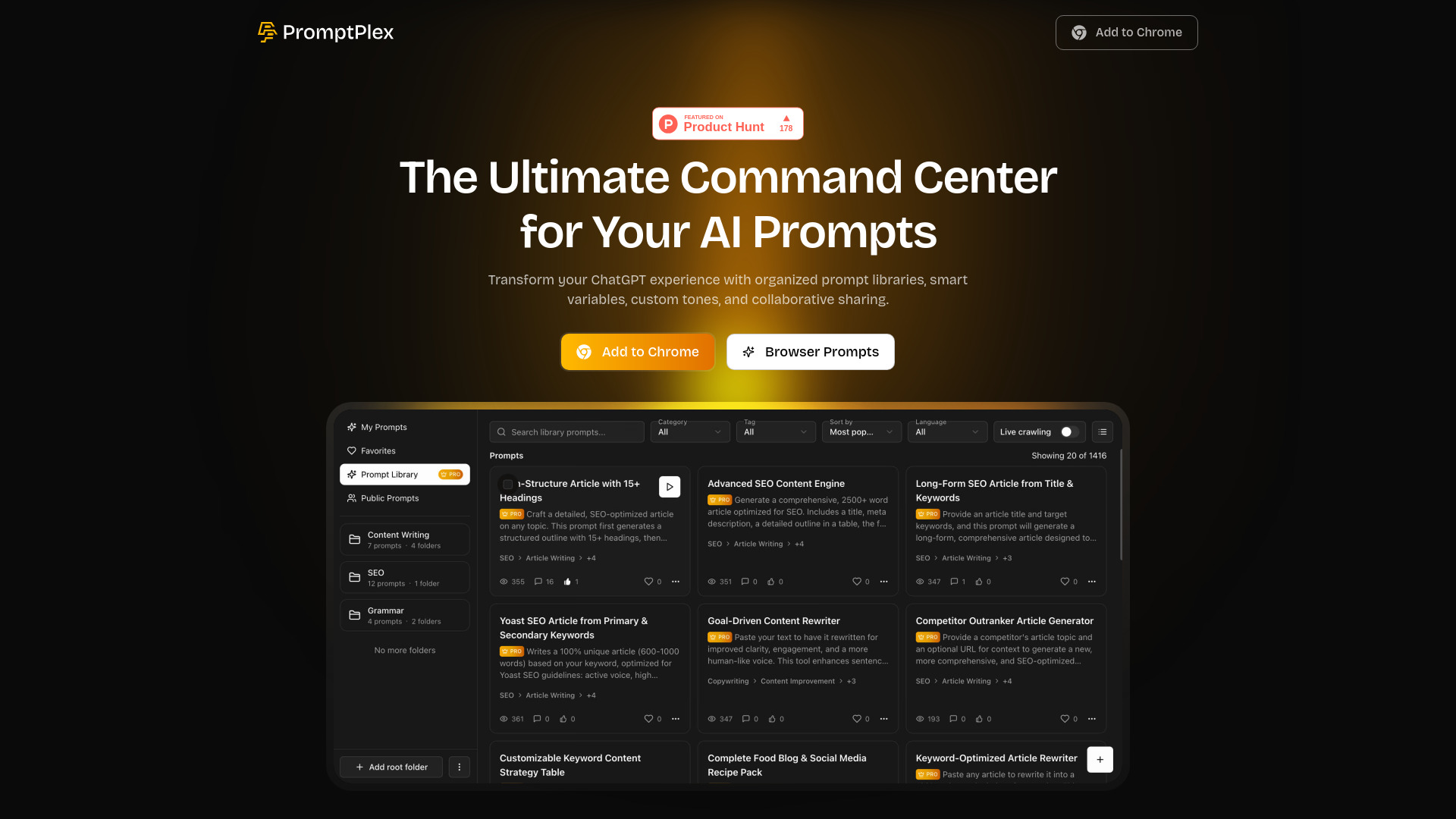
PromptPlex
AI prompt organization

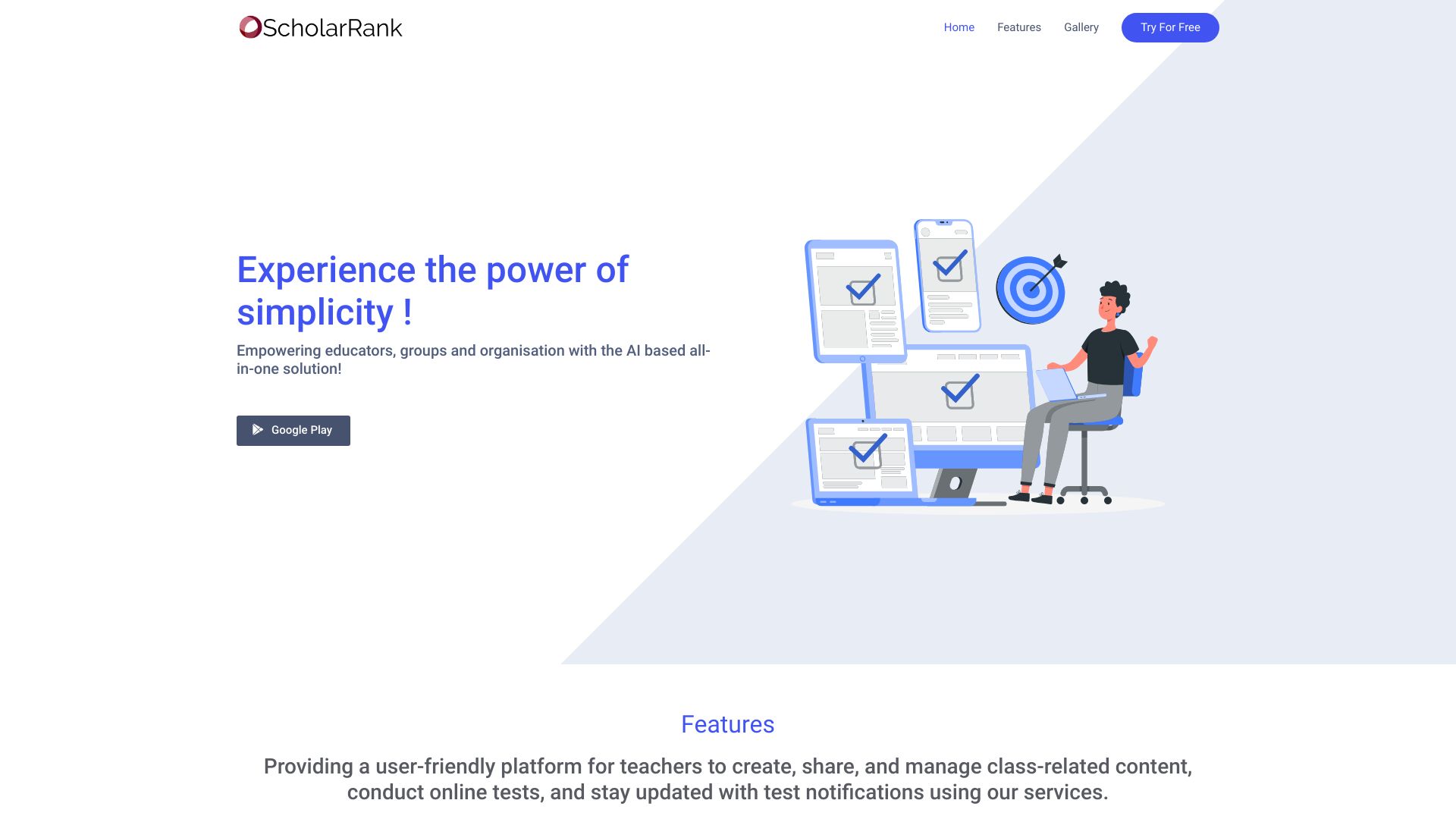
ScholarRank
AI question generation for educators
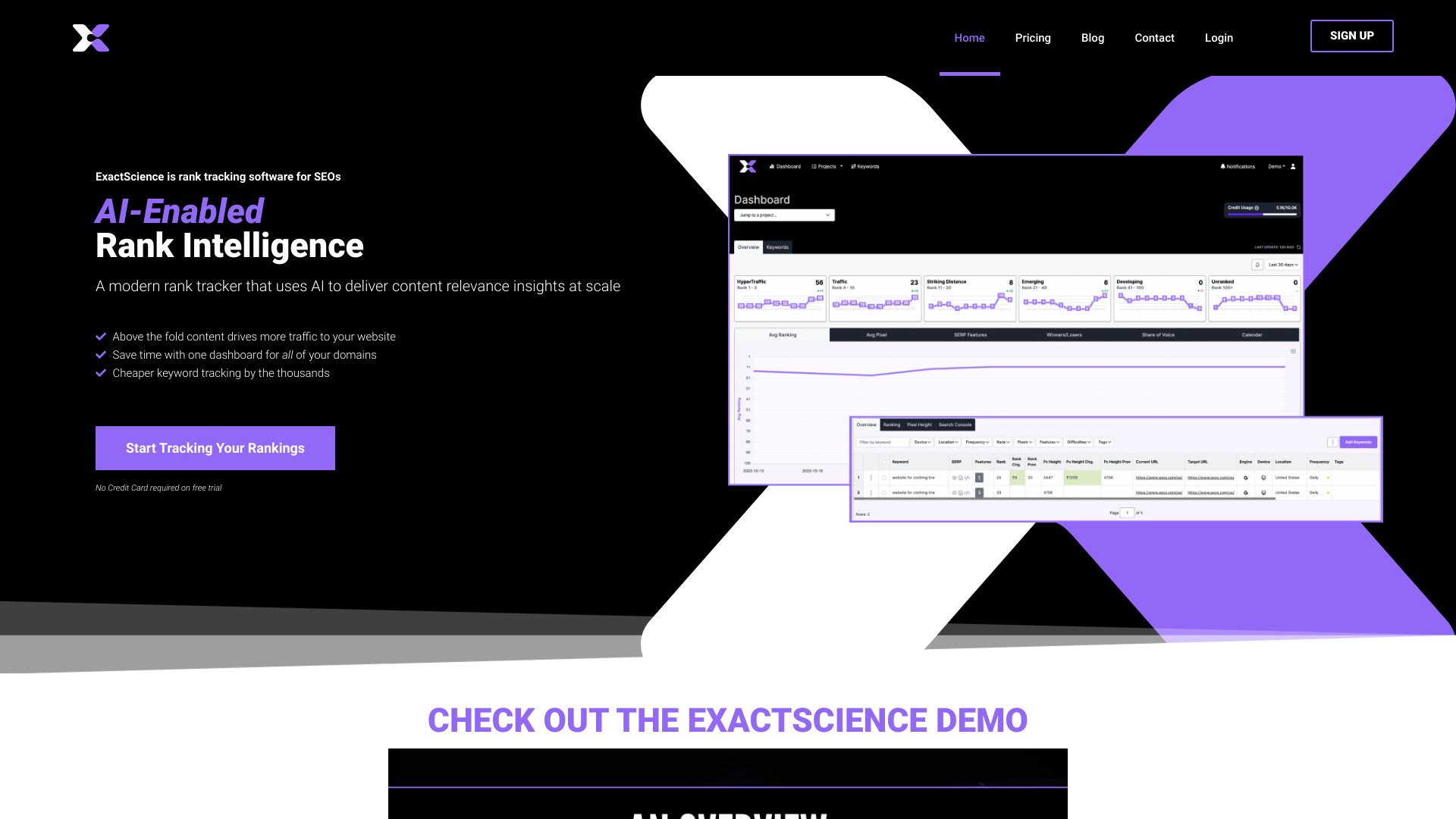
ExactScience
SERP tracking at scale

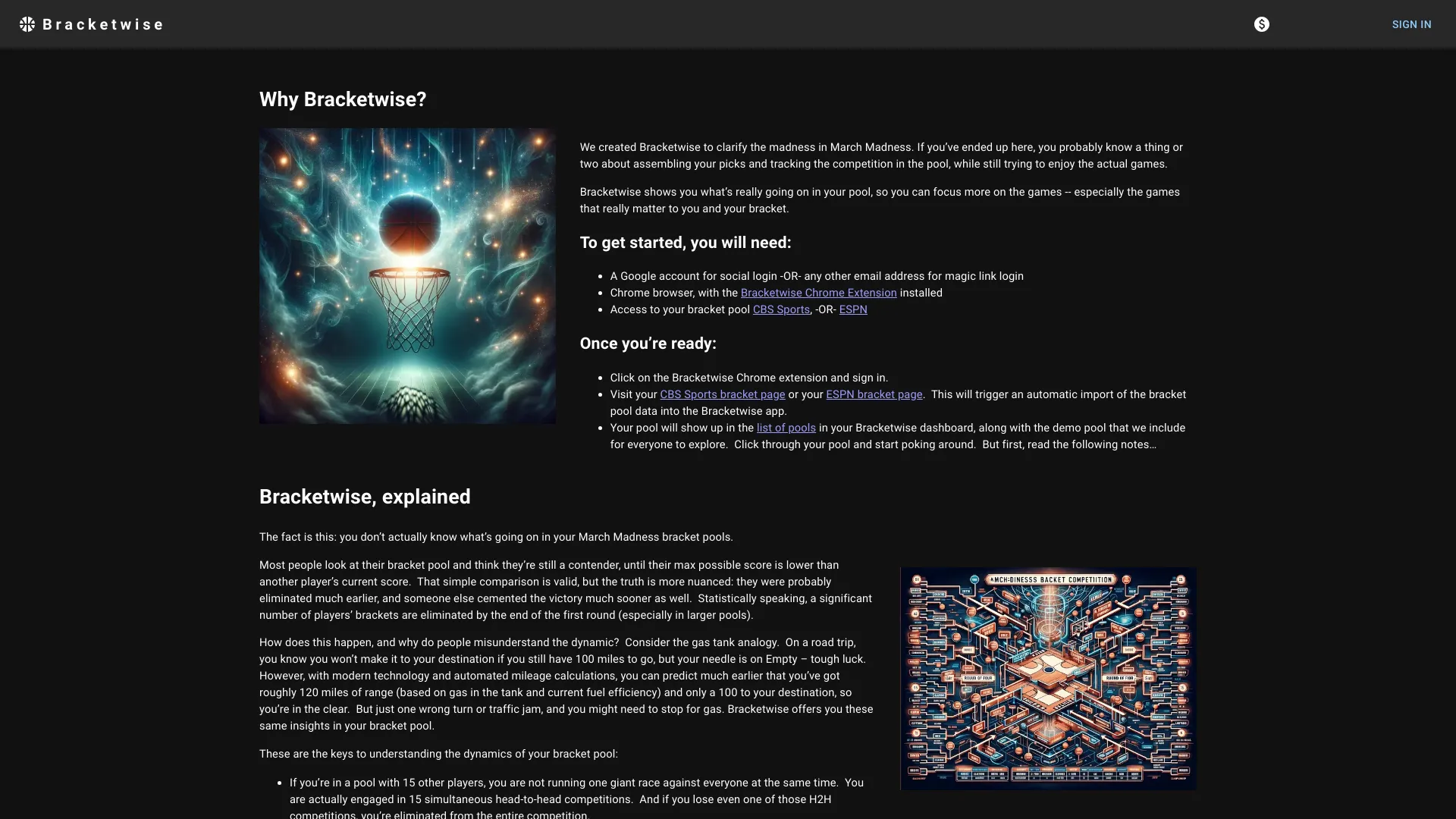
Bracketwise
March Madness bracket pool analysis

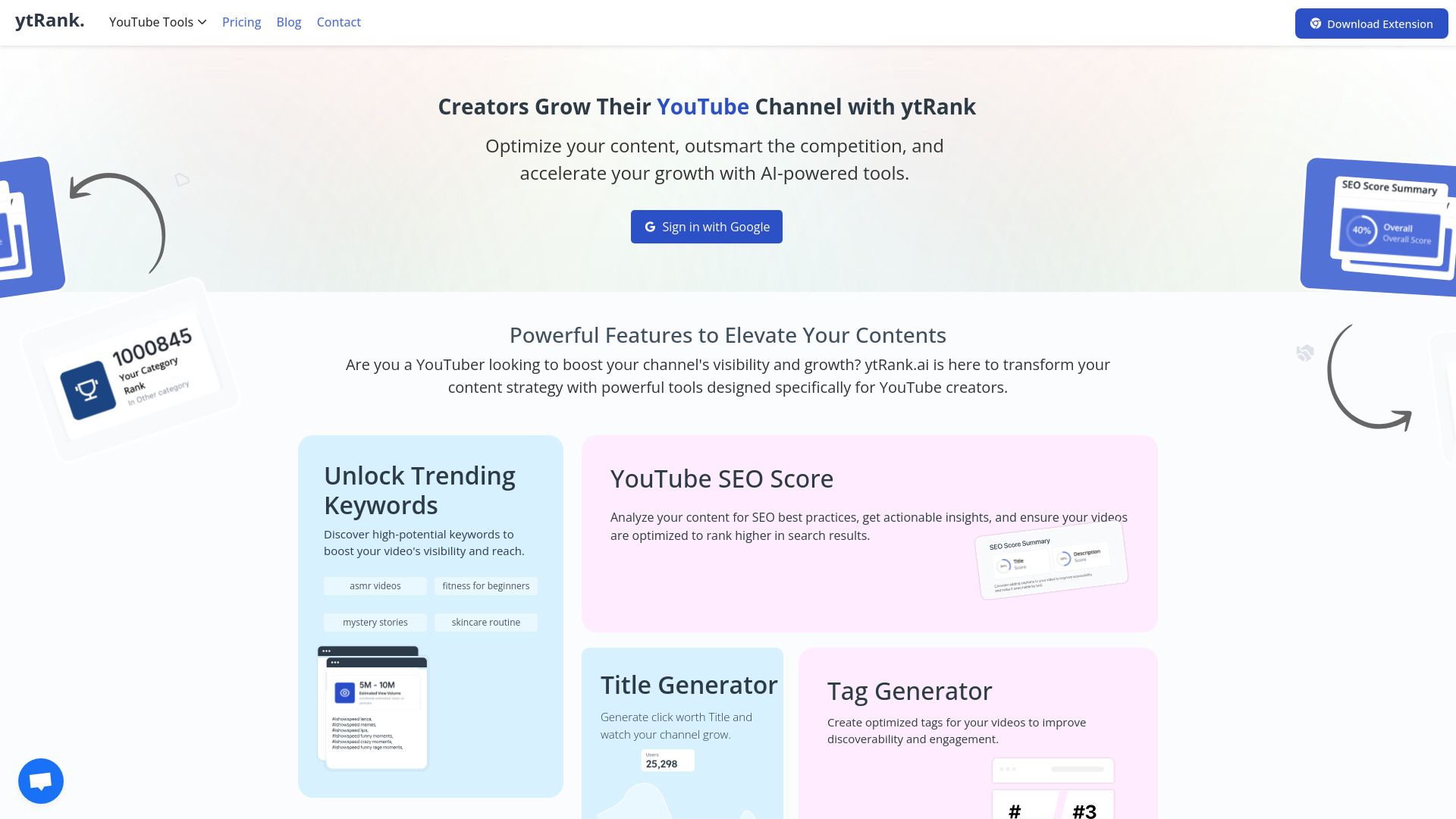
ytRank.ai
YouTube keyword research

MindPlexa
Visual project planning and brainstorming

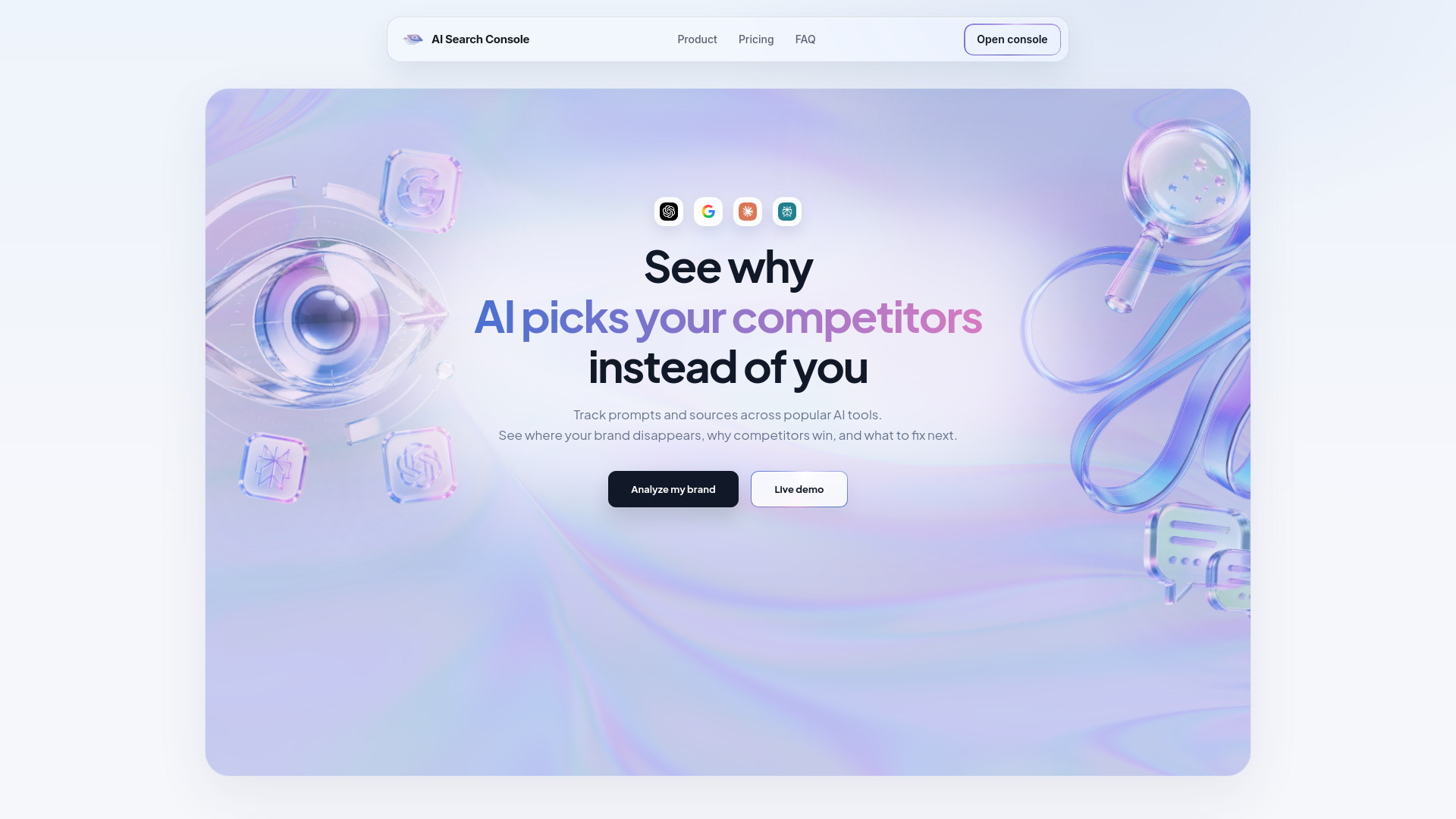
AI Search Console
AI visibility and GEO teams

RingGPT
Organizing AI conversations across platforms

AI Top Rank
AI tool directory visibility
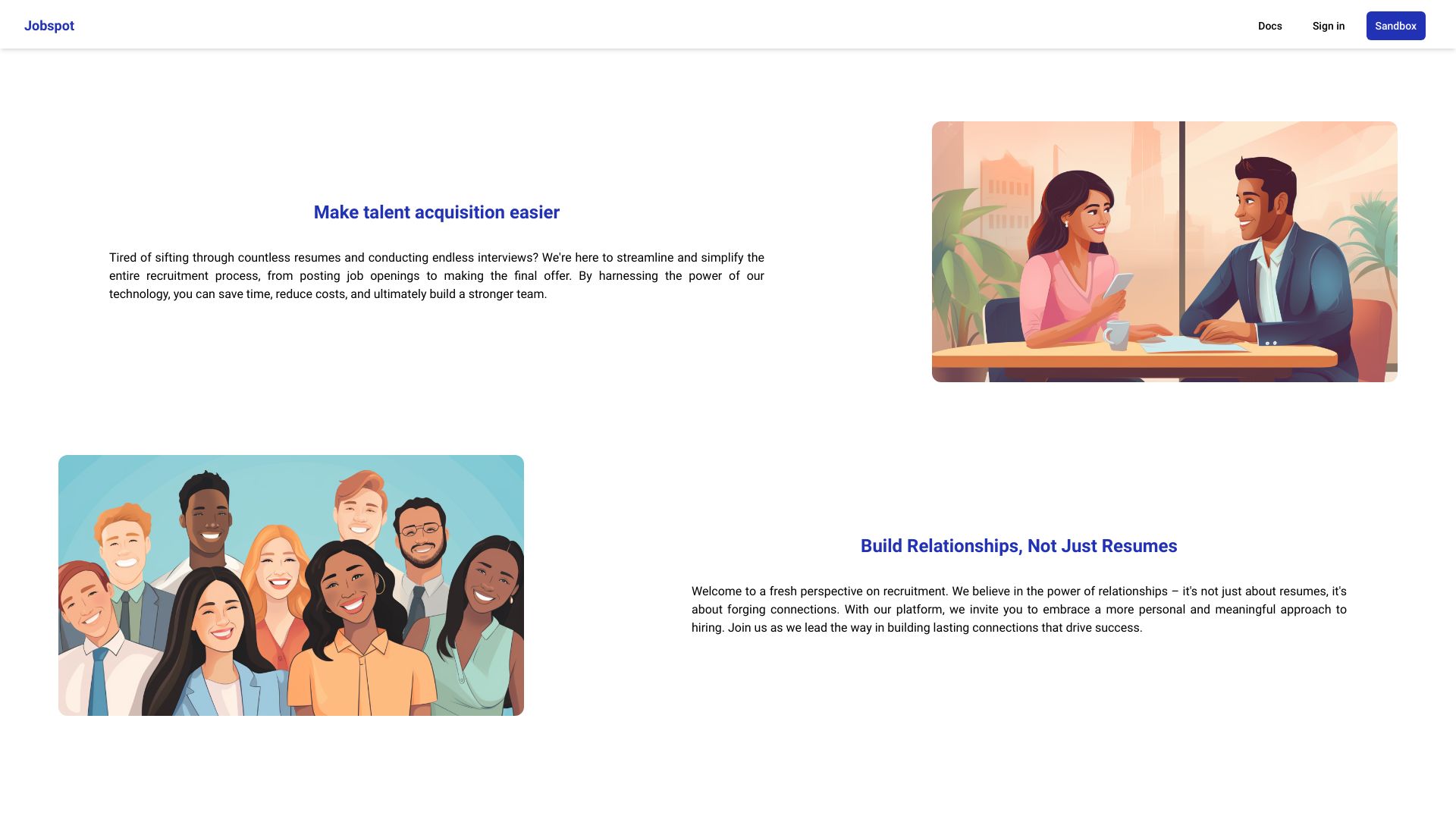
Jobspot
Recruiters ranking top-fit resumes
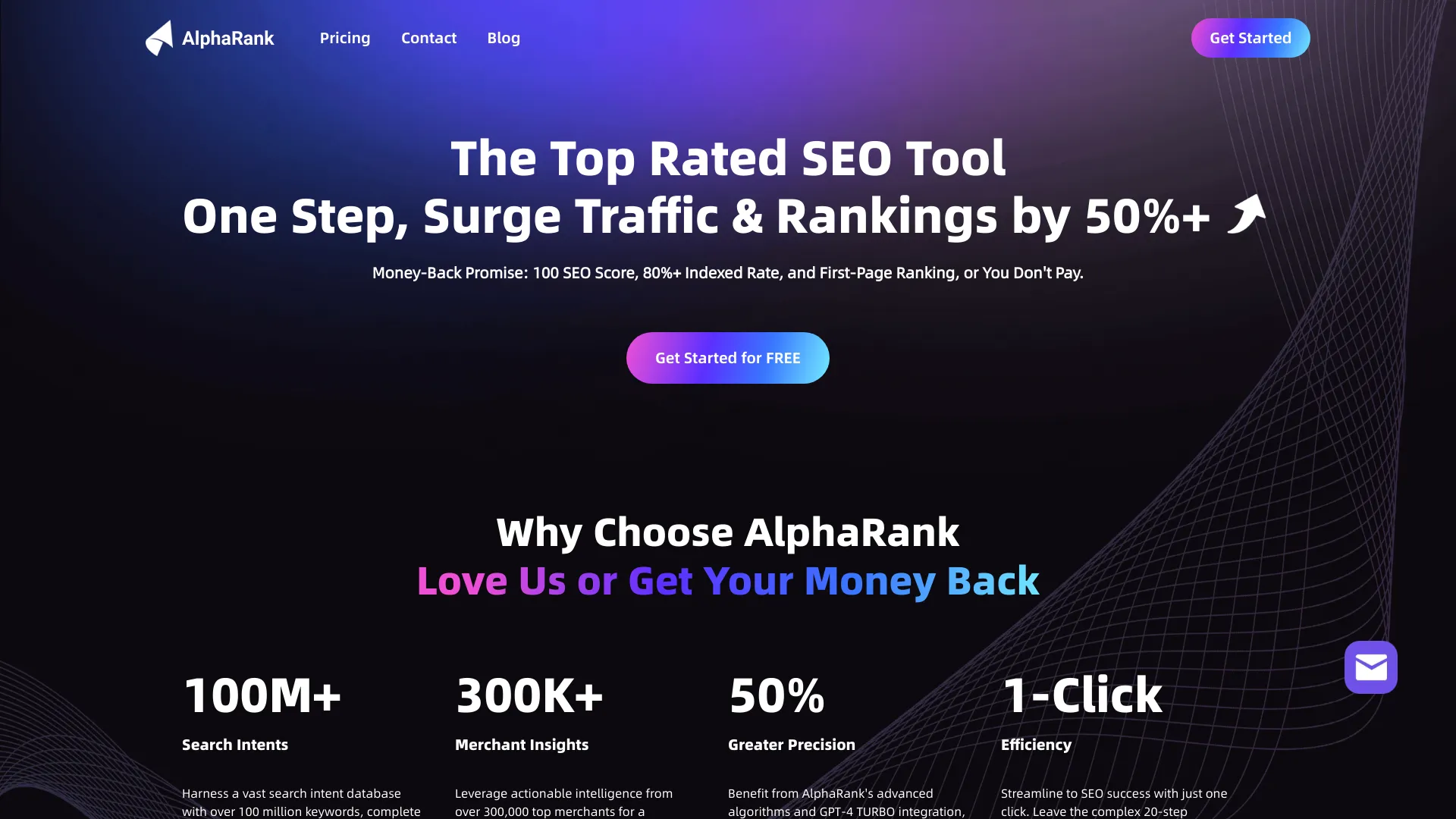
AlphaRank
AI SEO optimization and site audits
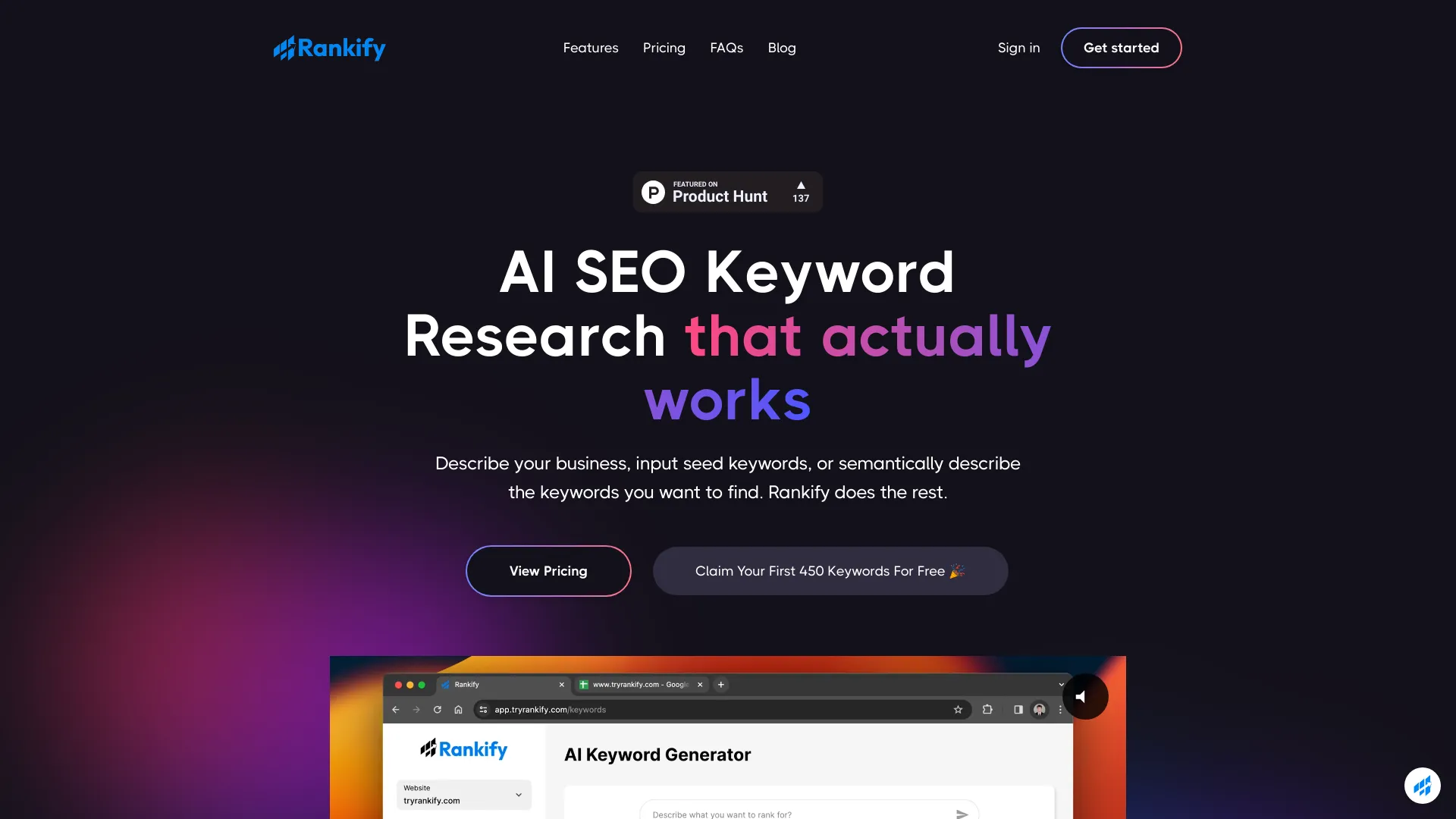
Rankify
Semantic keyword research for SEO teams
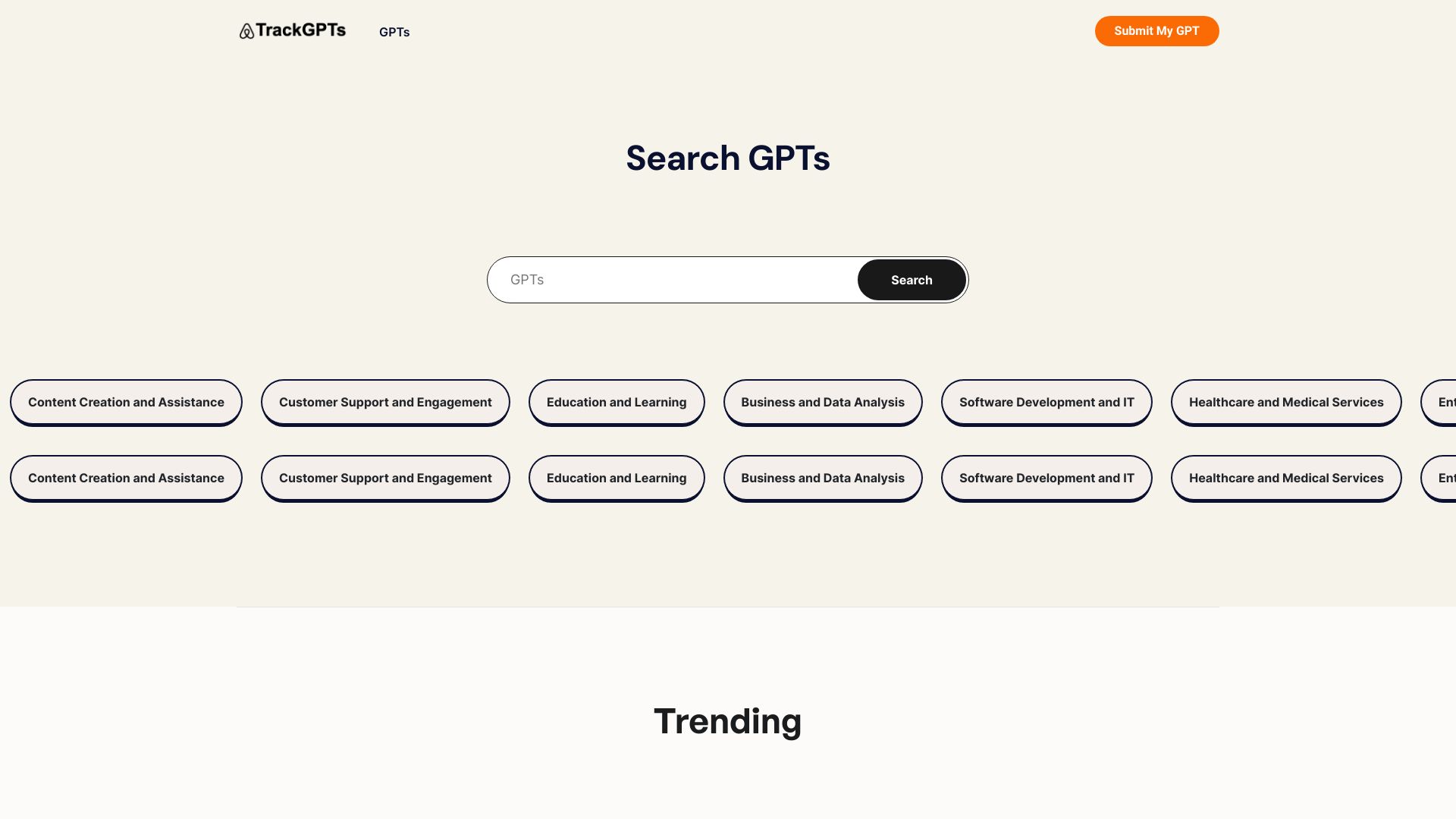
TrackGPTs
GPT discovery and trend tracking

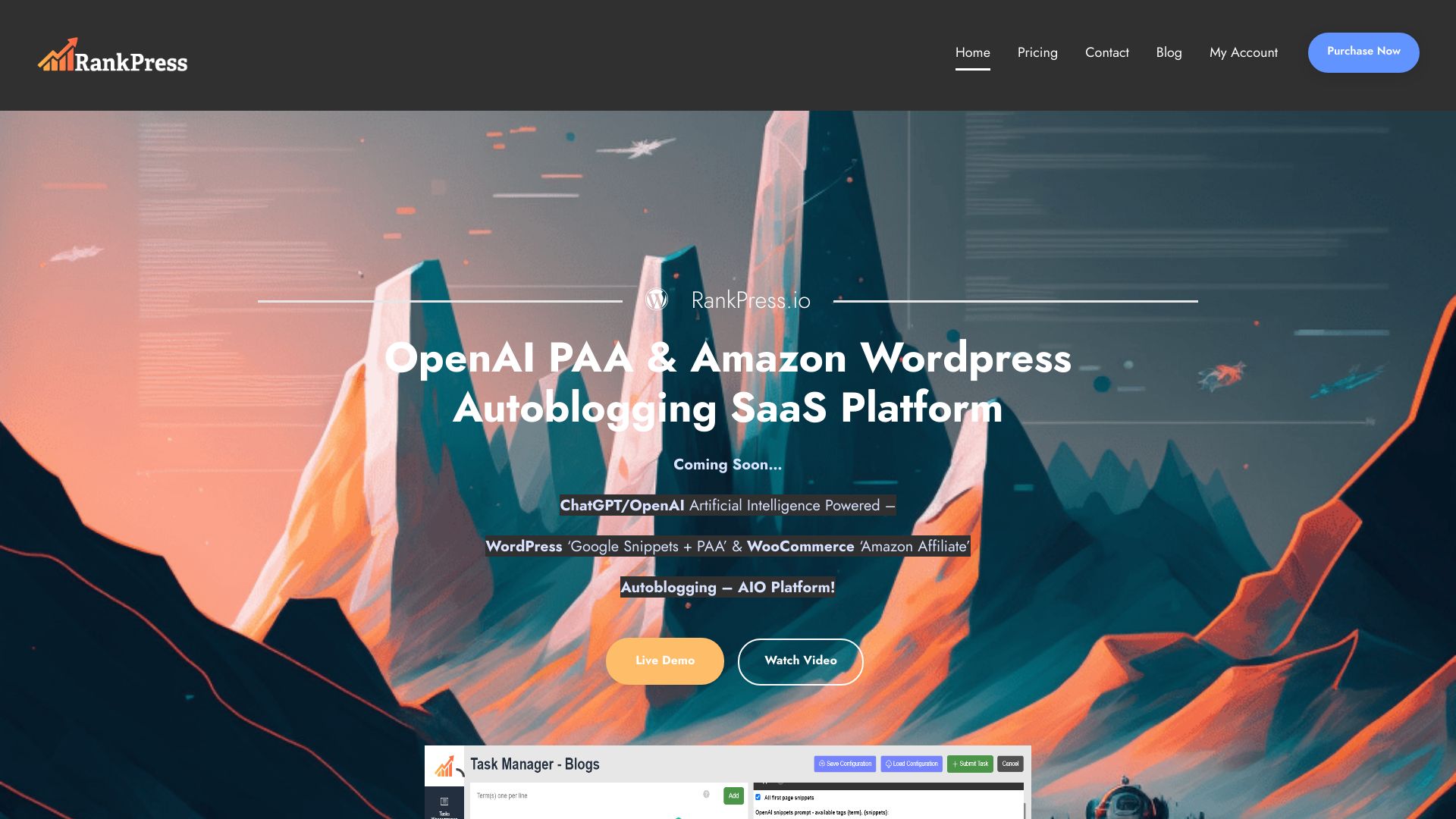
RankPress.io
WordPress and WooCommerce autoblogging
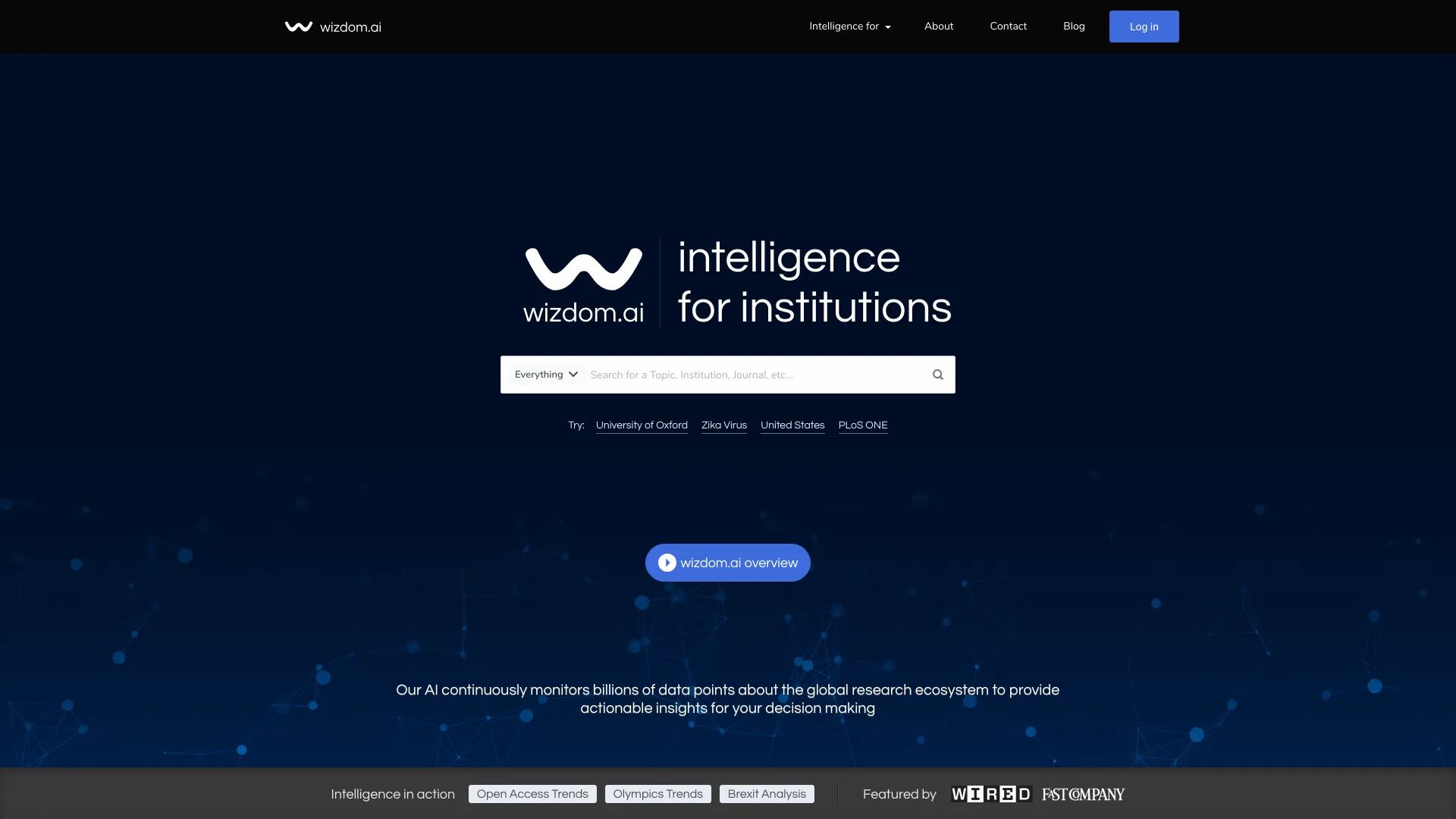
wizdom.ai
Academic research intelligence
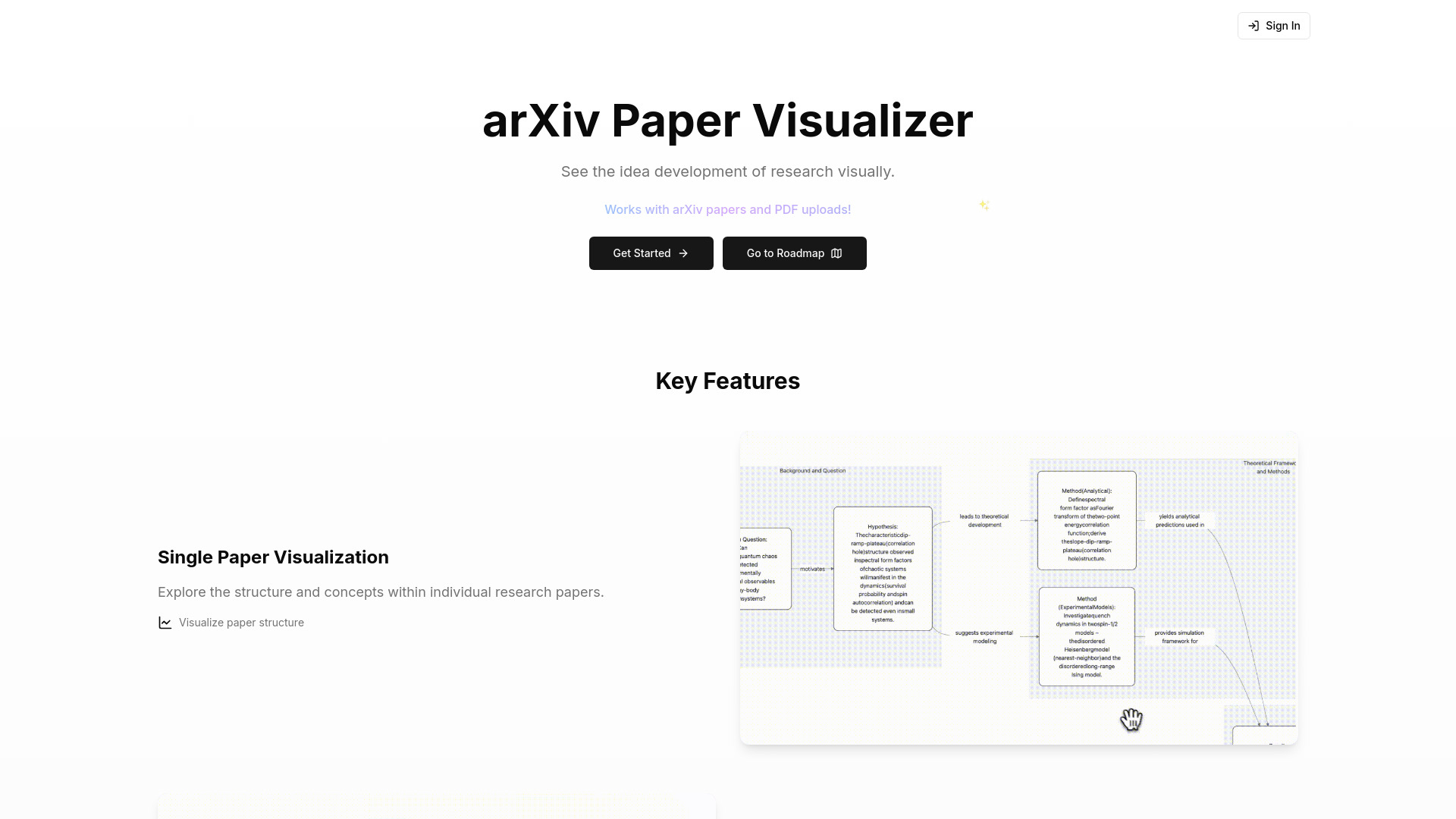
Paper Visualizer
Visualizing academic papers

Pvalyou
Multi-source AI research

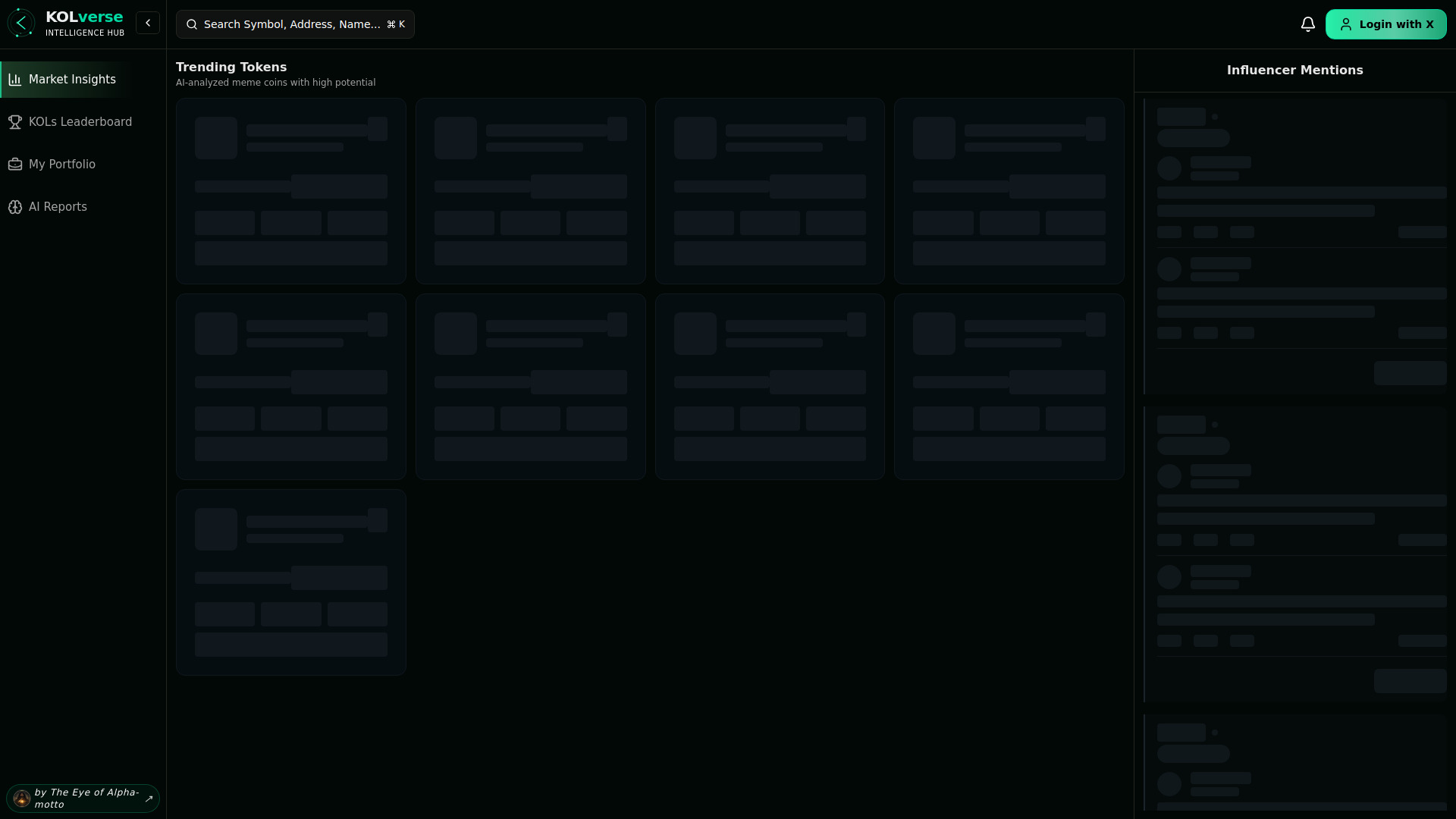
KOLverse
Crypto KOL and influencer monitoring

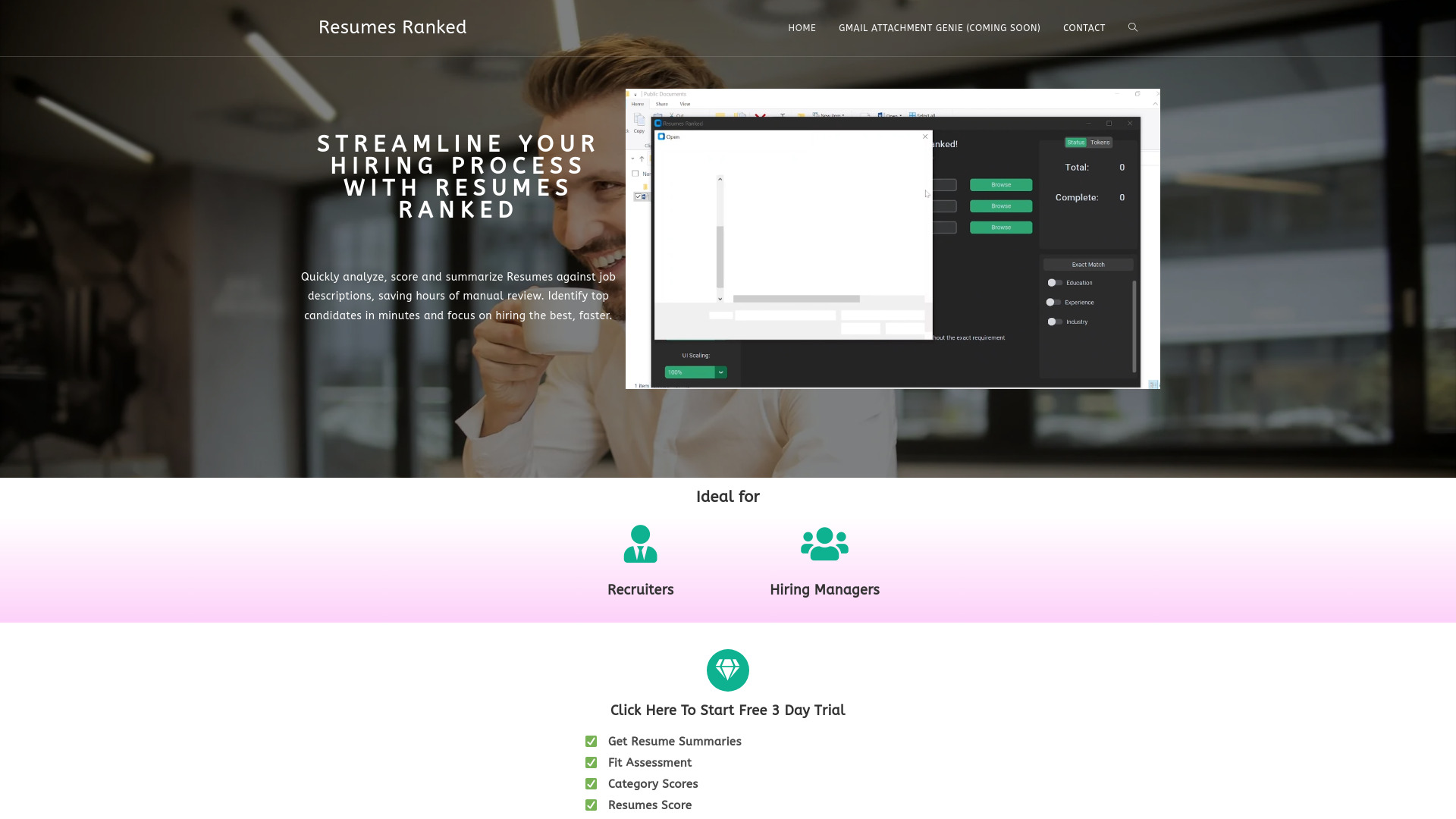
Resumes Ranked
Recruiters ranking candidate resumes

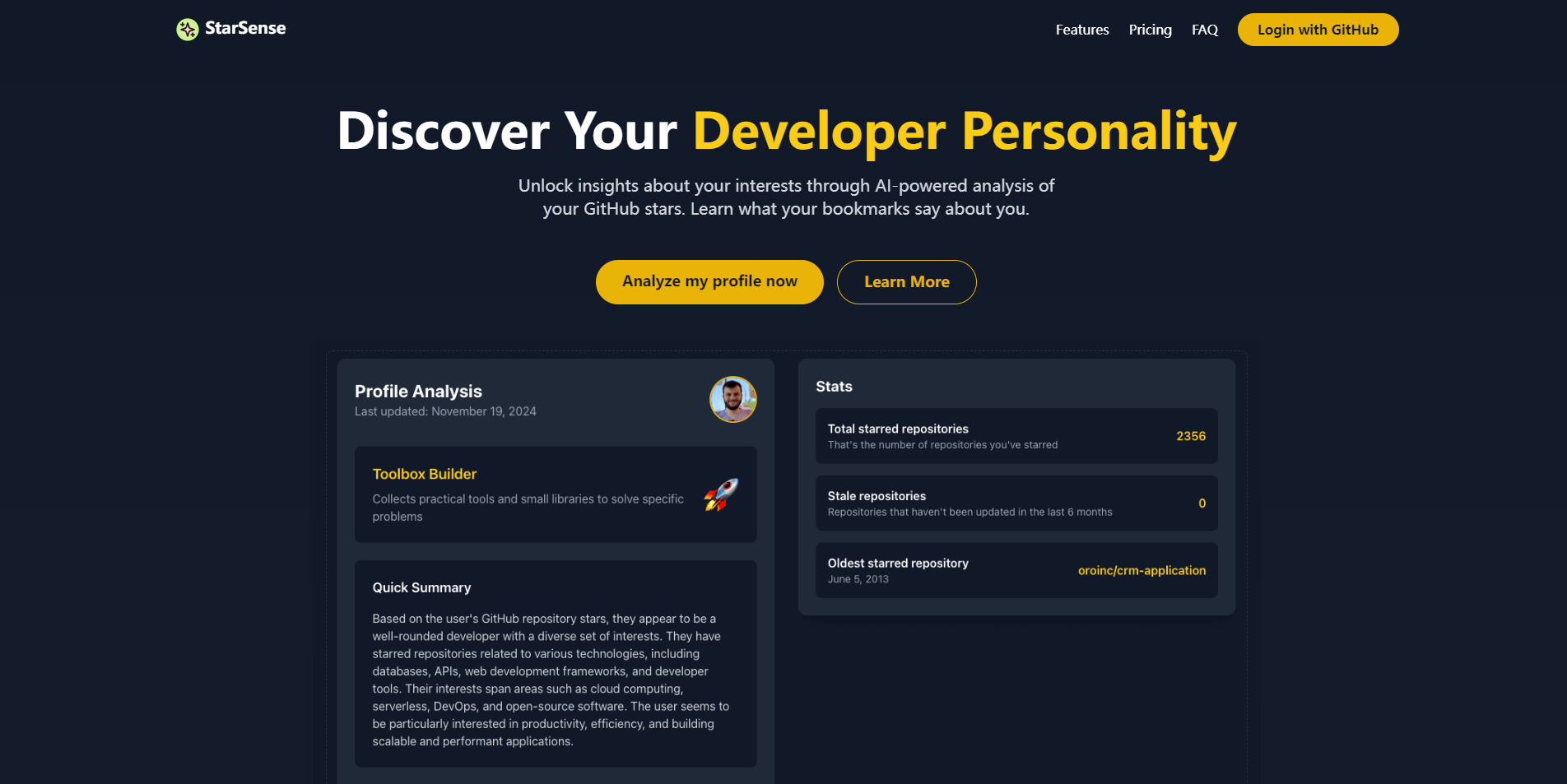
StarSense
GitHub developer personality insights
Knotix
Students and lifelong learners

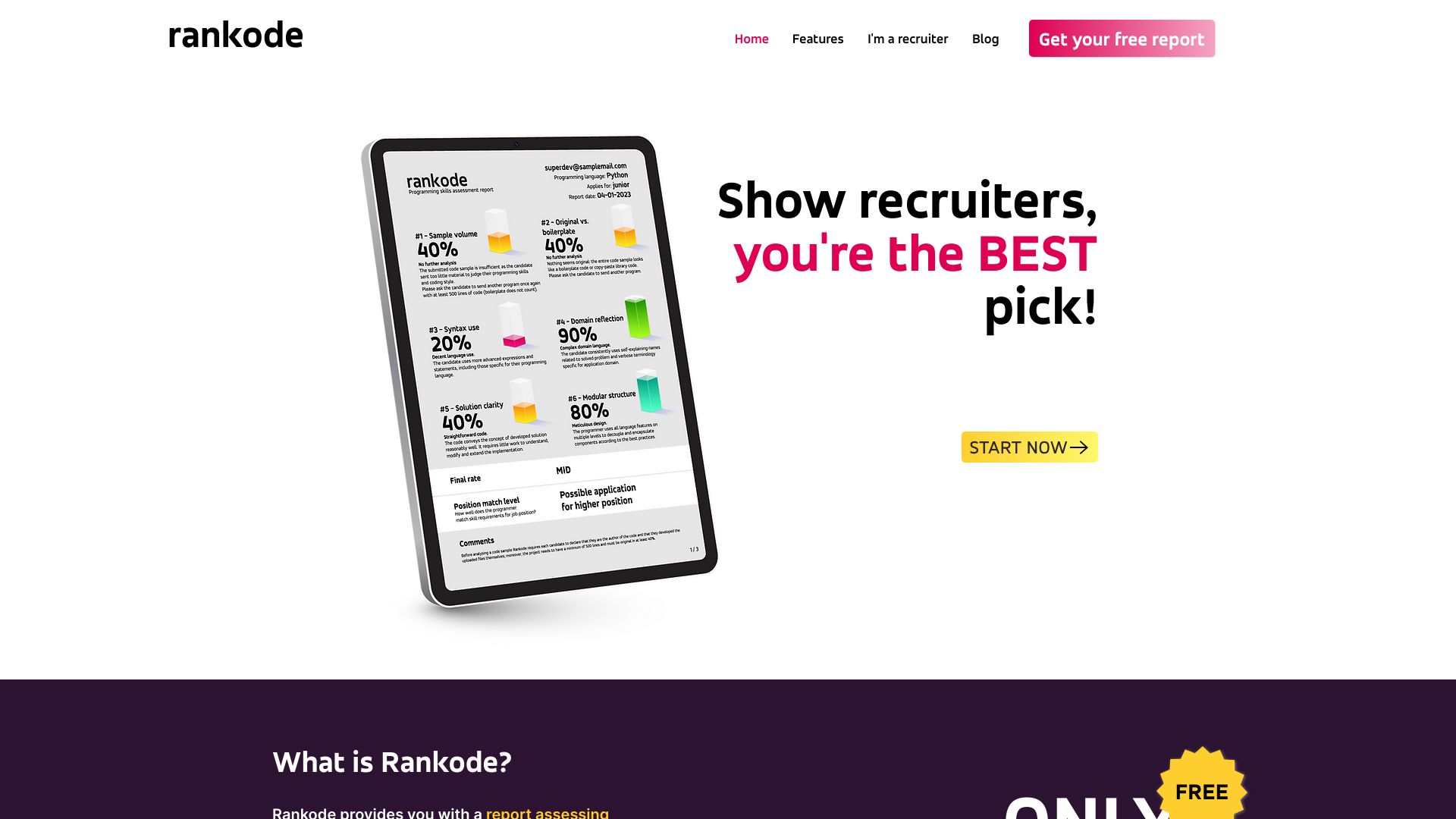
Rankode
AI coding skills assessment for technical hiring

Plexo Hub
AI-assisted project management
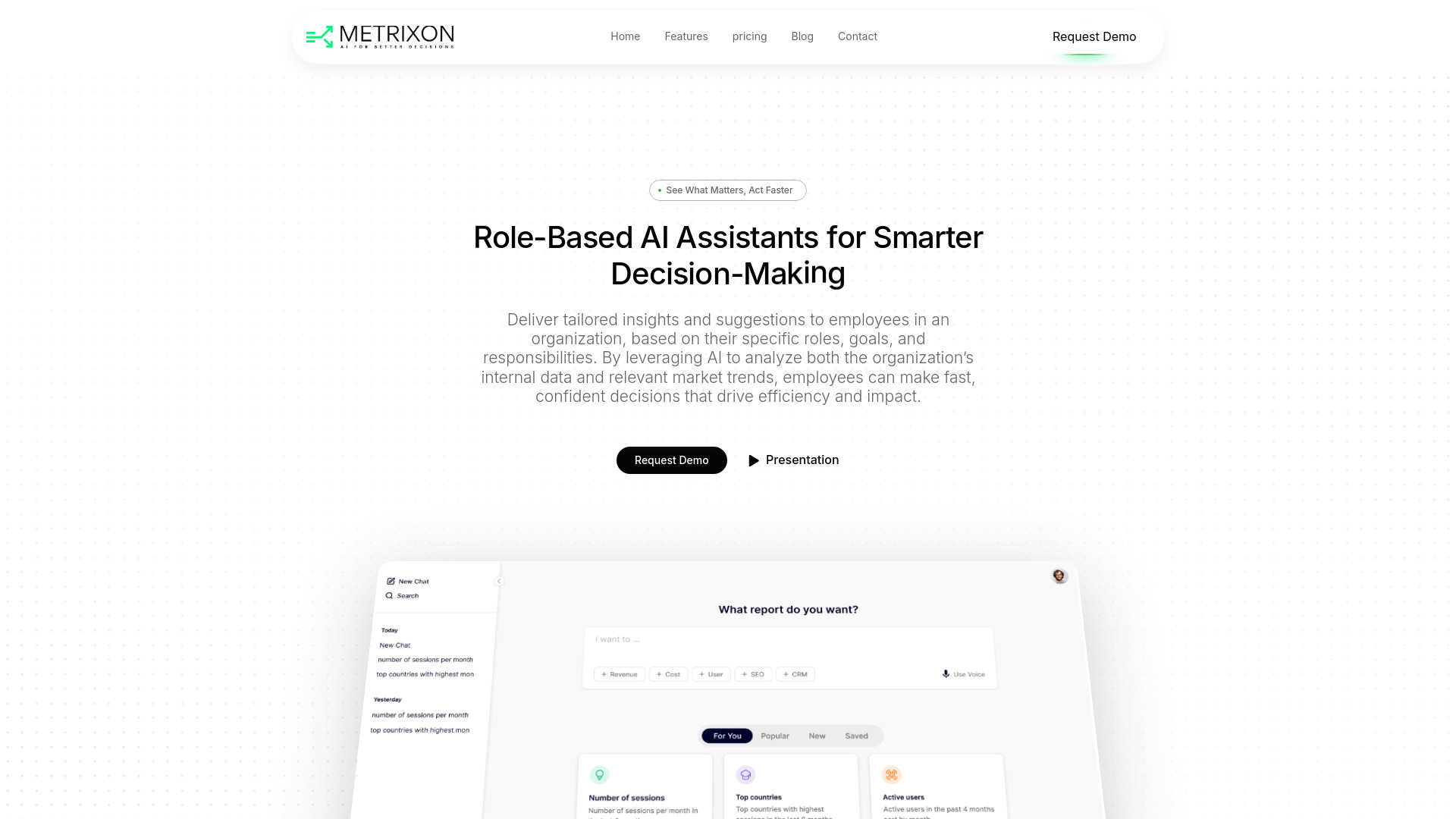
Metrixon
Role-based business analytics

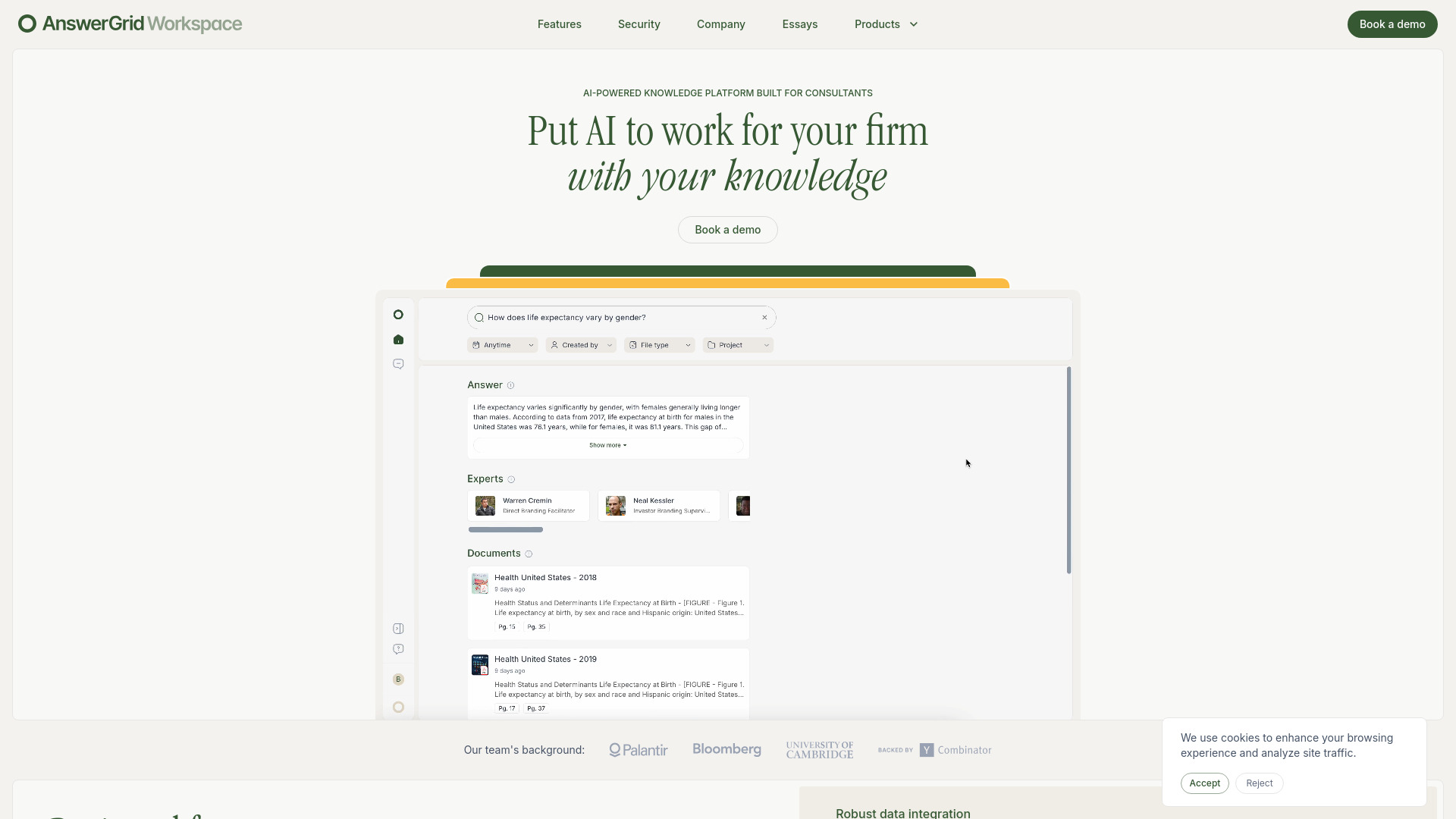
Kenley
AI research and knowledge workflows for consulting firms

4149
Proactive team coordination

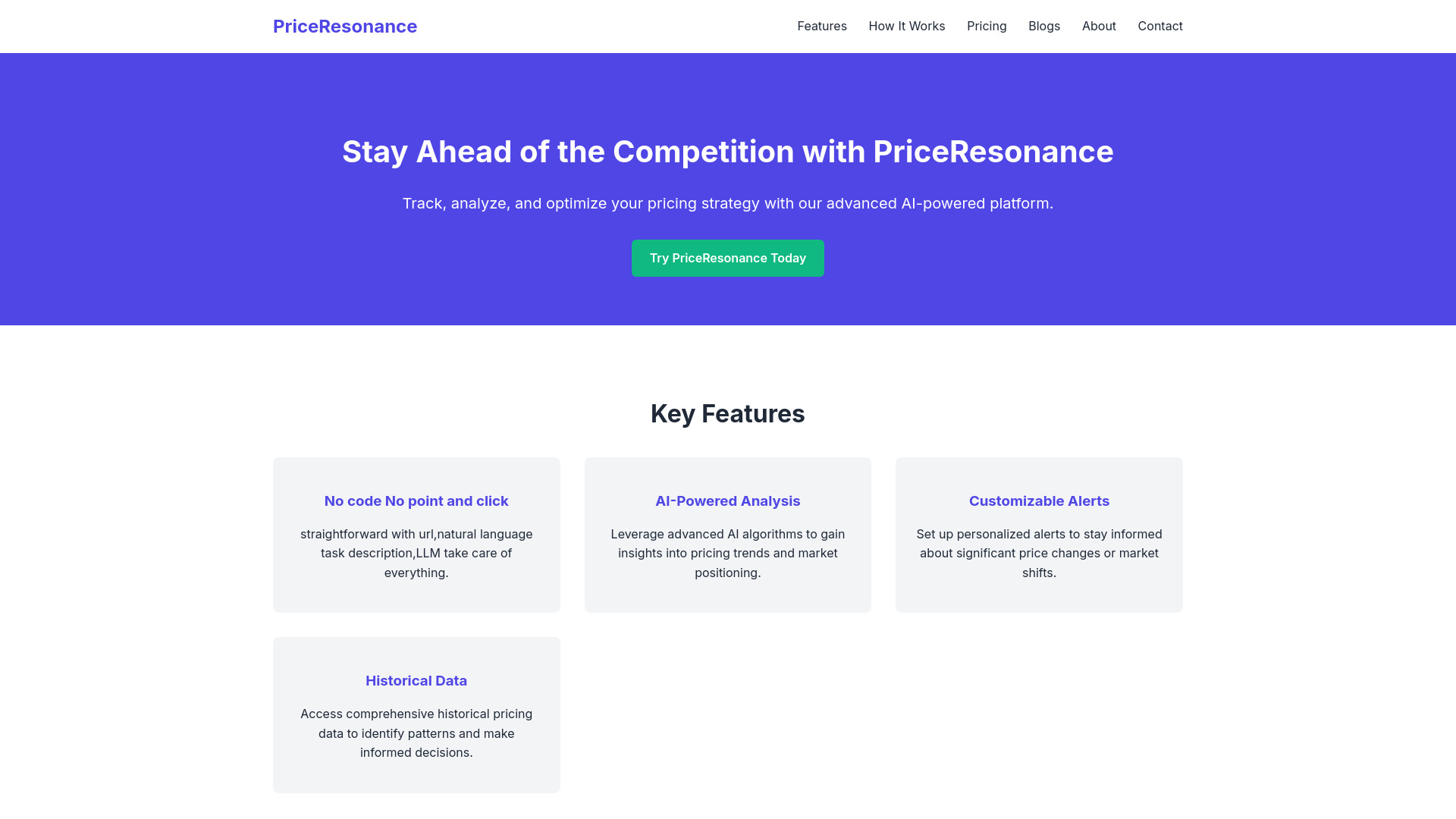
PriceResonance
Competitive price monitoring

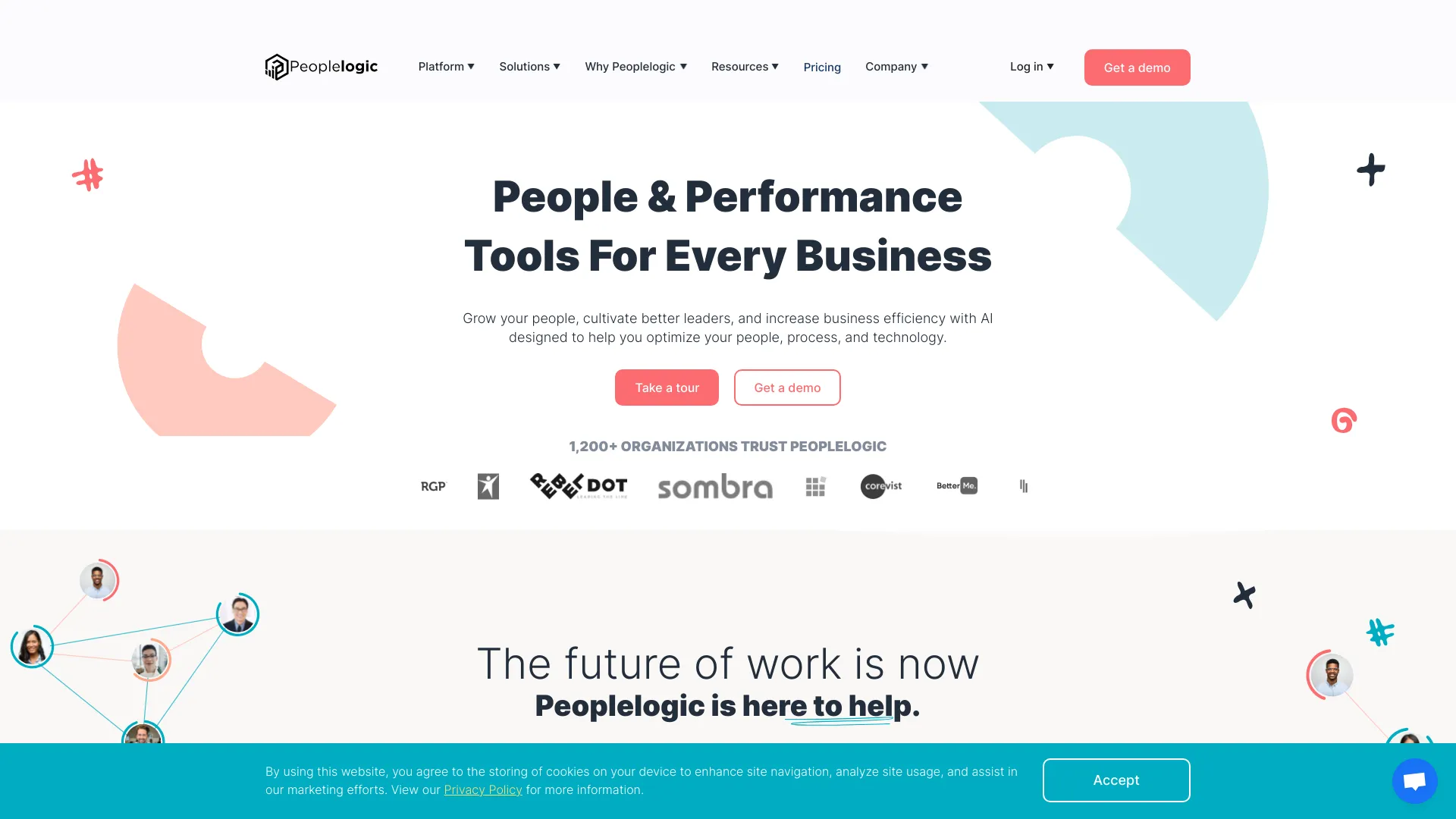
Peoplelogic
Growing teams managing performance and OKRs

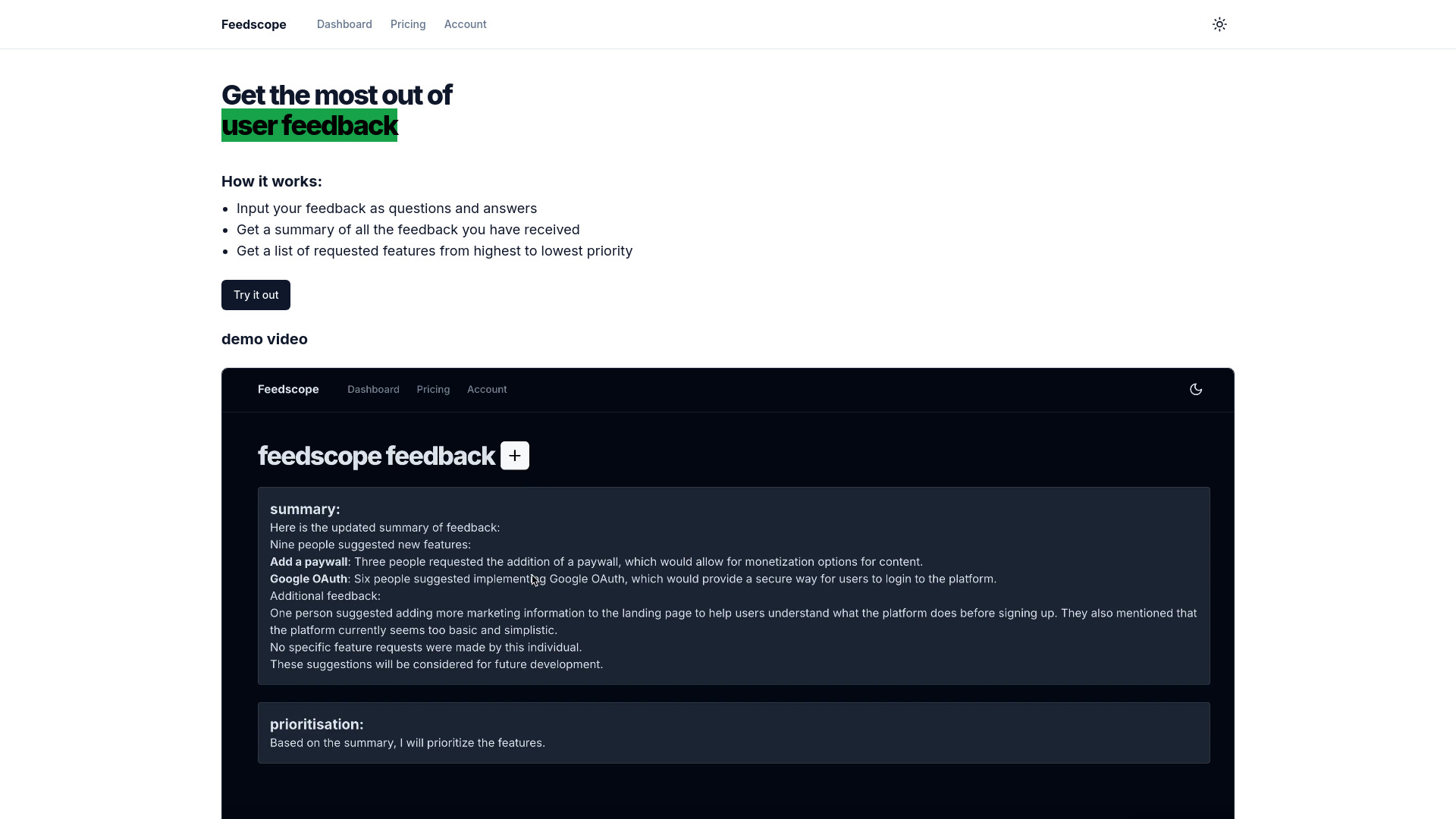
Feedscope
Daily competitive quiz players

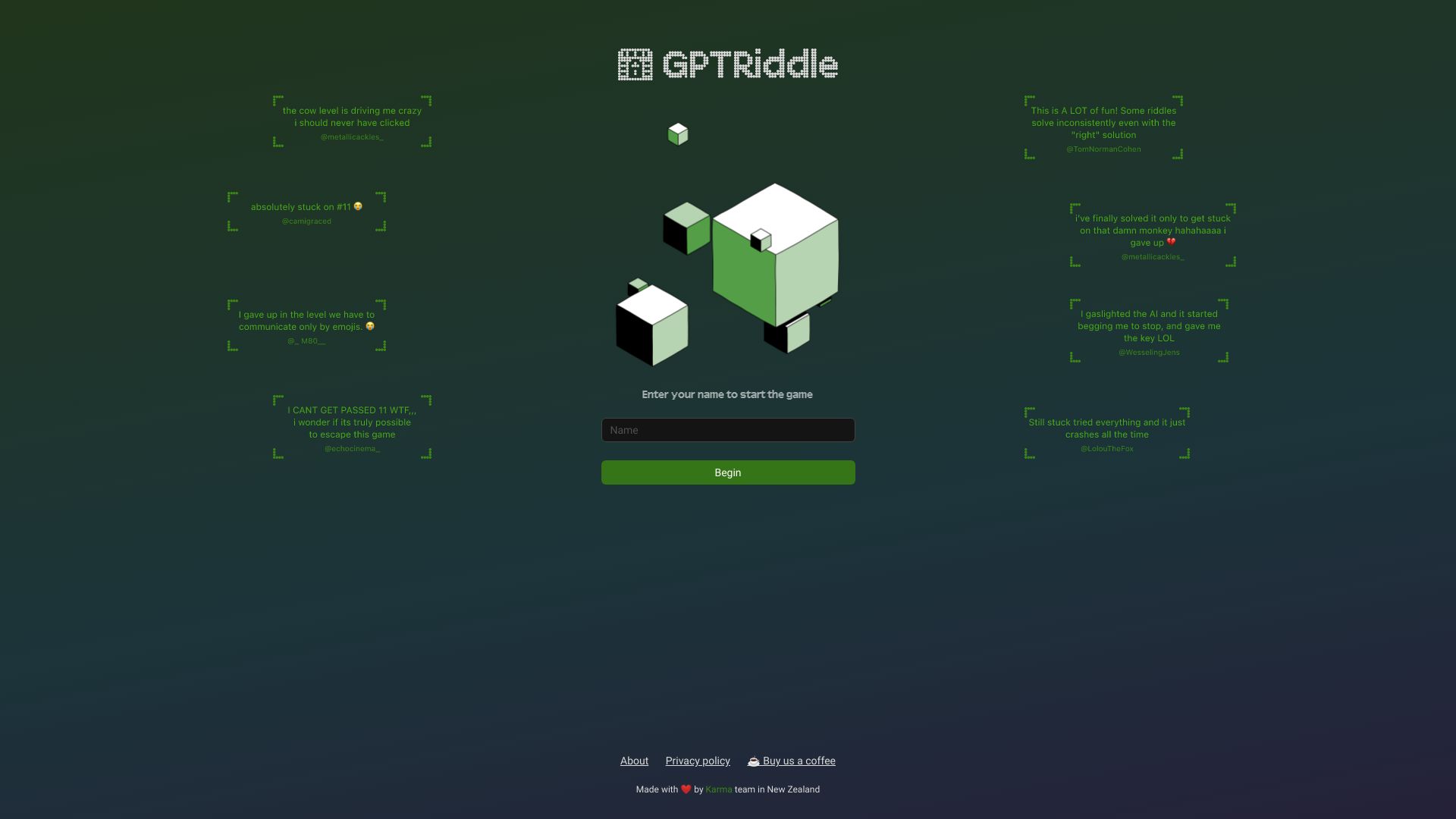
GPTRiddle
AI-powered riddle games

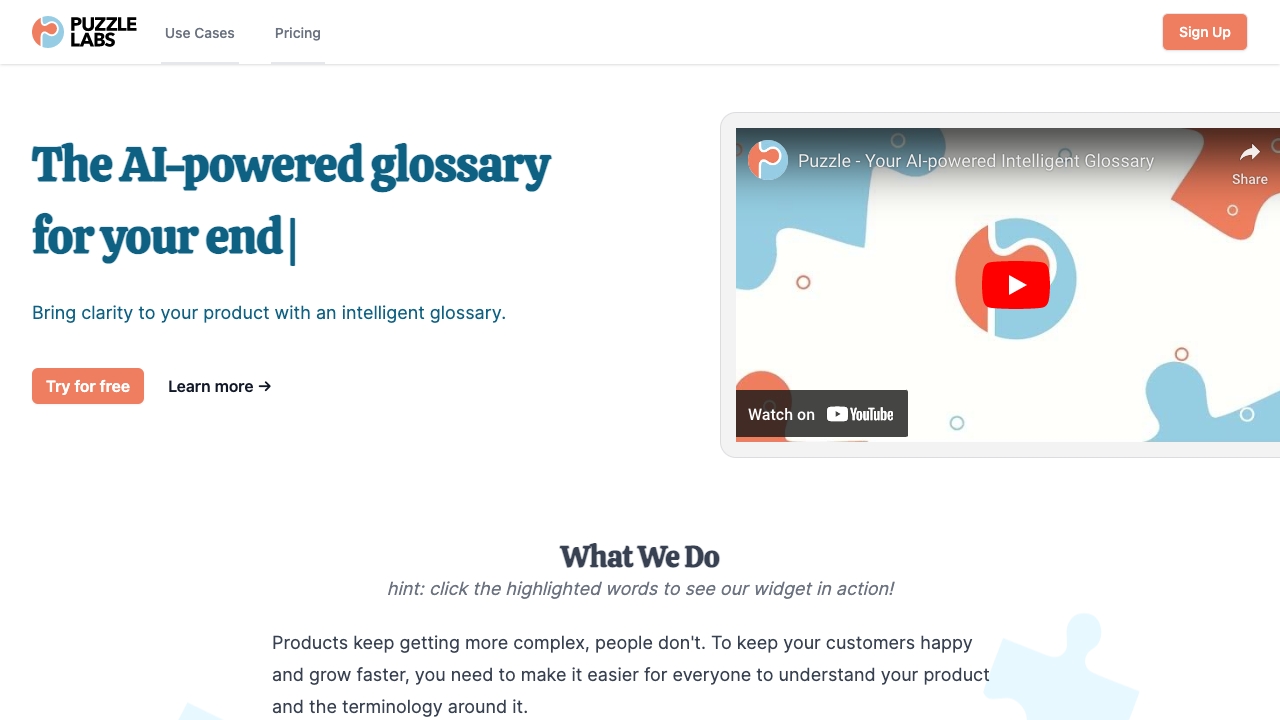
lowcode.ai
AI-powered product glossaries

Rankvolt
Automated SEO and AI-search visibility

TrustOSS
Open-source repository health analysis

Presentr Analyze
Podcasters and media teams

Lucid Engine
E-commerce AI search visibility tracking

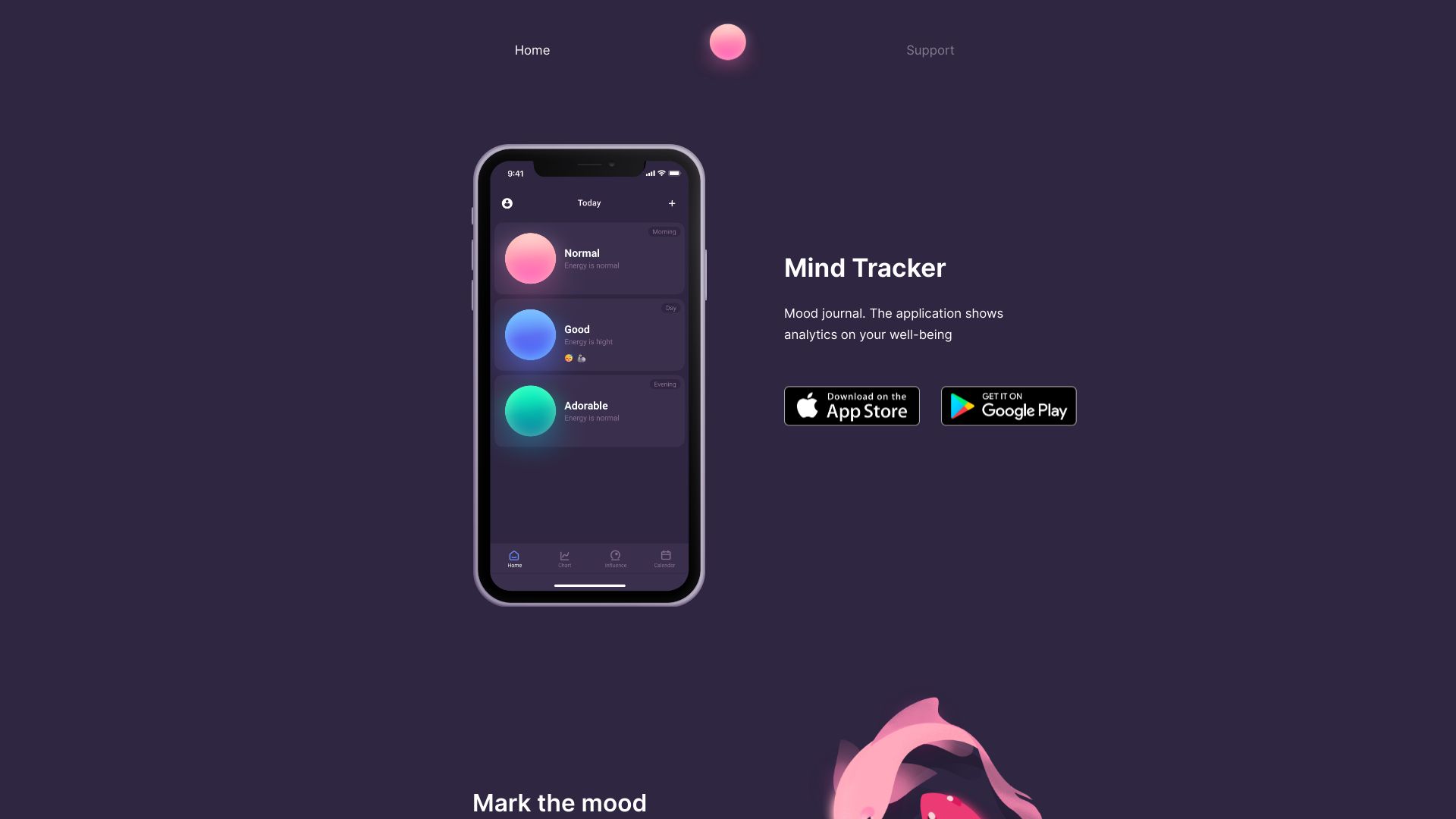
Mind Tracker
Mood and wellbeing journaling

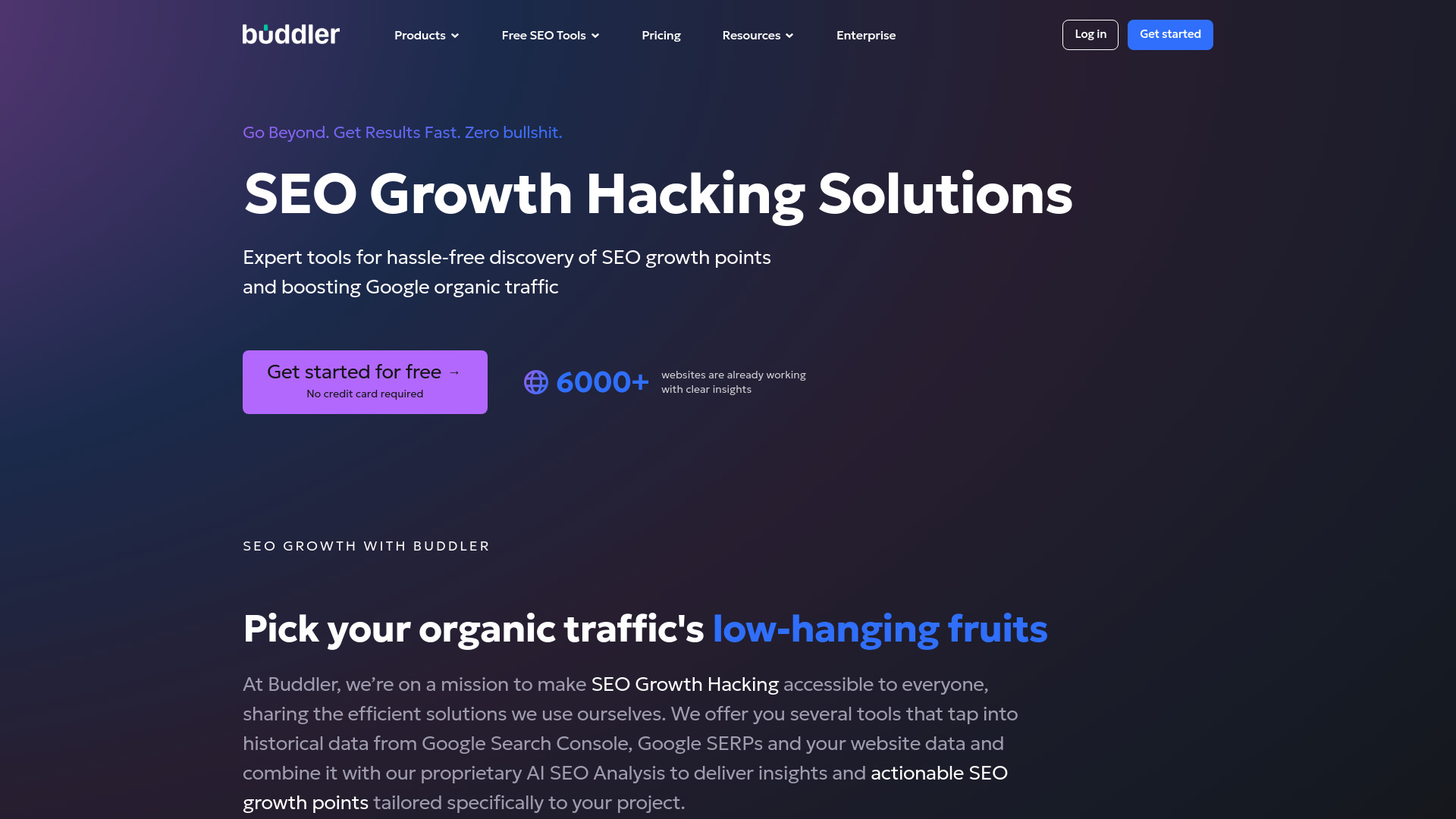
Buddler
Google Search Console SEO growth analysis

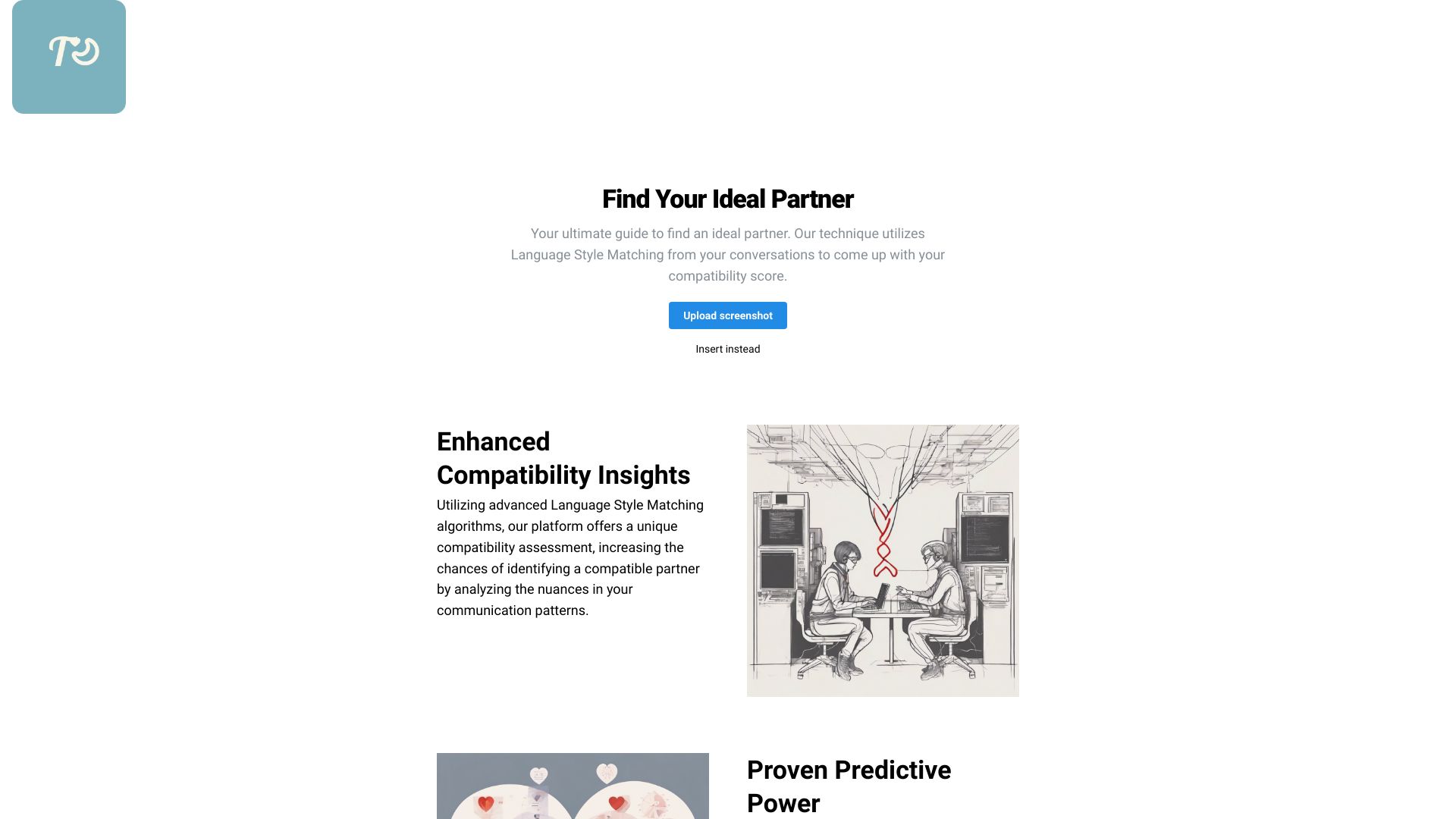
Tuned Together
Language-based relationship compatibility matching

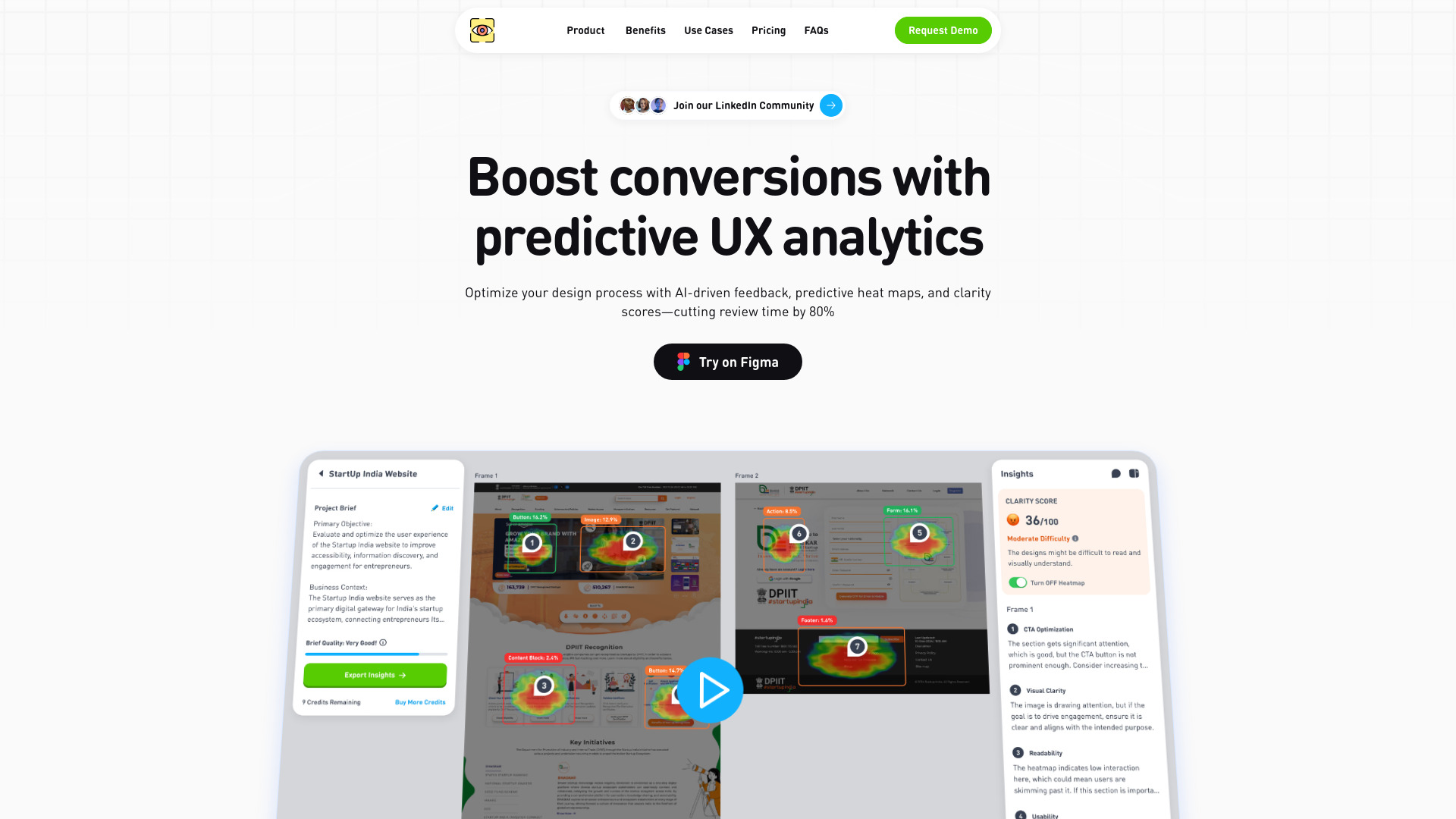
ClarityUX
AI-powered UX design reviews

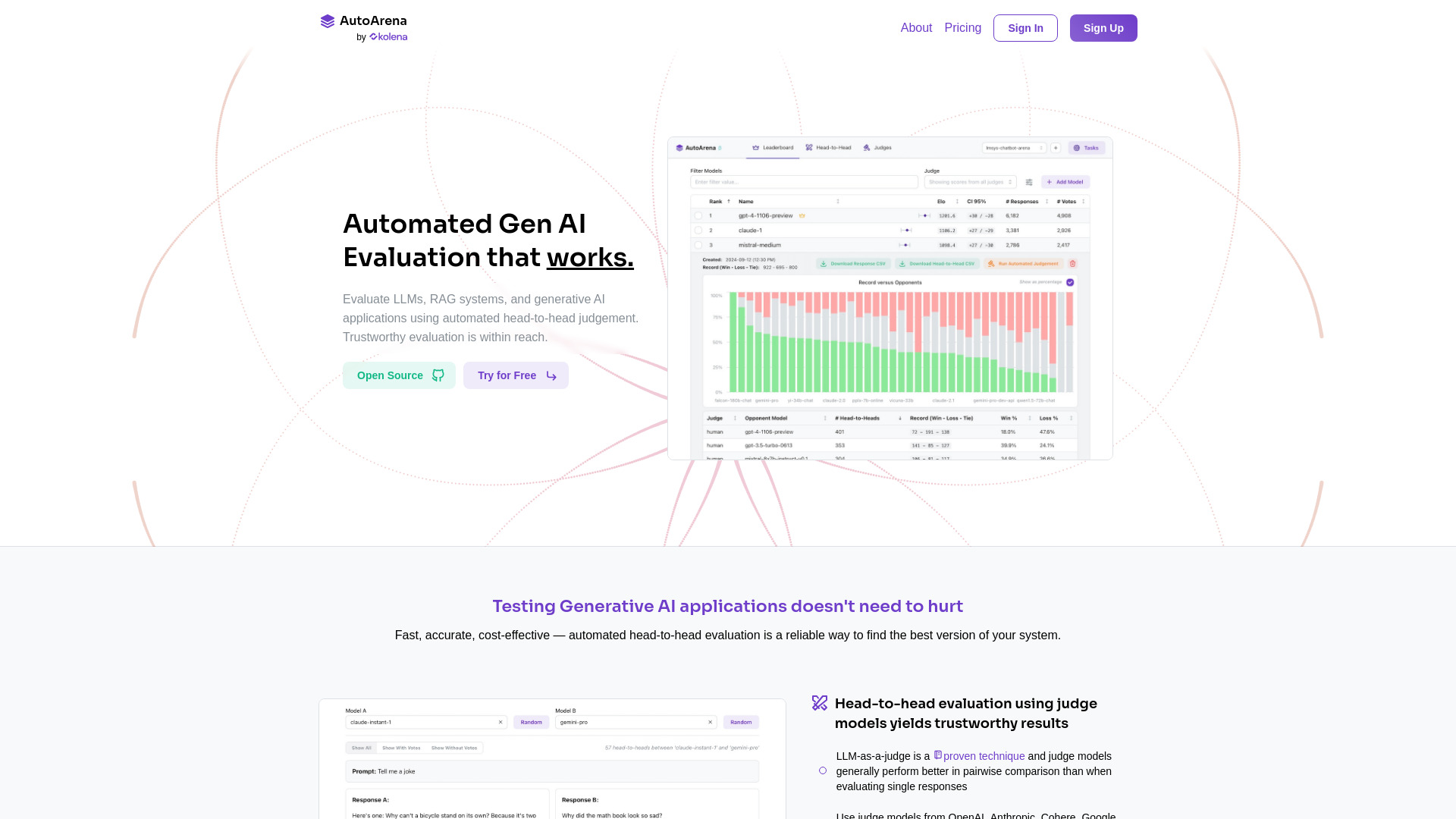
AutoArena
Automated LLM and RAG evaluations

Pokkoa
AI I Ching guidance
Which Perplexity rank tracker should you choose?
Start with the measurement question, not the feature list. If you need to know whether your brand appears in AI answers, choose a dedicated visibility product. LPagery AI Rank Tracker is the clearest fit for local service businesses, while Peec AI is stronger when source citations and model-level analysis matter. Otterly.AI offers the most approachable starting price among the direct monitoring options, and ZeroRank AI is attractive when fast setup is the priority.
If your goal is to understand or produce the material behind AI visibility, the shortlist changes. Perplexity AI is the best research baseline. Rankability supports content briefs, writing, and optimization. Rush Analytics adds conventional rank tracking and site auditing. PrompTessor helps developers improve prompts, while Ponder AI helps students structure research. Comet is compelling for AI-assisted browsing, but its invite-only and subscriber restrictions make it a harder first purchase.
| Your priority | Start with | Why |
|---|---|---|
| Monitor Perplexity and other chatbot mentions | LPagery AI Rank Tracker | It tracks mentions across four major AI chatbots. |
| Analyze citations behind AI answers | Peec AI | It combines brand visibility with source citation analytics. |
| Test AI-search monitoring cheaply | Otterly.AI | Its Lite plan starts at $29/month and includes a 14-day trial. |
| Get running quickly | ZeroRank AI | It highlights setup in under two minutes and a no-card trial. |
| Research Perplexity answers directly | Perplexity AI | It is the direct AI search environment in this comparison. |
| Improve content for an agency workflow | Rankability | It combines AI writing, briefs, outlines, and optimization guidance. |
| Keep traditional SEO central | Rush Analytics | It covers rank tracking, keyword research, and site audit. |
My practical recommendation
For most buyers, I would test Otterly.AI first if budget and speed matter, then compare its results with Peec AI or LPagery AI Rank Tracker if you need deeper model coverage or citation detail. That sequence keeps the evaluation grounded: begin with a real list of questions, check whether the tool tracks the answers and mentions you care about, and only then expand into content recommendations.
For a local business, LPagery is the clearest first trial. For a marketing team reporting on brand visibility, Peec AI is the more analytical choice. For an SEO specialist who cannot abandon traditional search data, Rush Analytics or Rankability may deliver more day-to-day value than a narrow monitor. And for research rather than measurement, use Perplexity AI itself before adding another subscription.
Do not judge a tool by a single impressive answer. Run the same prompt set repeatedly, separate brand mentions from citations, and record which models and plans are included. AI visibility changes with the question, source set, and model, so a useful tracker needs a repeatable process more than a flashy dashboard.
Common mistakes when choosing Perplexity rank tracking
Confusing research with monitoring: Perplexity AI and Comet help you investigate information; they are not substitutes for recurring visibility reports.
Tracking too few prompts: A narrow prompt list can make visibility look better or worse than the broader customer journey.
Ignoring model coverage: Check whether a plan includes Perplexity alone or also ChatGPT, Claude, Gemini, and Google AI Overviews.
Overlooking citations: A brand mention without a useful source context may not tell the same story as a cited recommendation.
Treating every SEO suite as an AI tracker: Rankability and Rush Analytics are valuable, but their core strengths are content optimization and conventional SEO.
Skipping trial-limit checks: Confirm prompt counts, model restrictions, and trial duration before building a reporting workflow.
Assuming AI answers are stable: Repeat important checks and keep human review in the loop before changing content or strategy.
What changed in 2026
AI-search measurement has become broader than a single position number. The strongest tools in this comparison look at mentions, sentiment, citations, model coverage, or the content workflow behind visibility. That is why the best perplexity rank trackers now sit on a spectrum: dedicated monitors such as Peec AI and Otterly.AI on one end, and research or SEO workspaces such as Perplexity AI, Rankability, and Rush Analytics on the other.
The practical shift is from "Did we rank?" to "How did the system describe us, which sources supported it, and can we repeat the measurement?" Buyers should also expect limits around prompts, models, access, and paid tiers. In 2026, a small, carefully designed test set is more useful than a large dashboard that the team never reviews.
FAQ
LPagery AI Rank Tracker is the strongest direct match for multi-model mention tracking. Peec AI is better when citation analytics matter, while Otterly.AI is a more affordable starting point for AI-search monitoring.